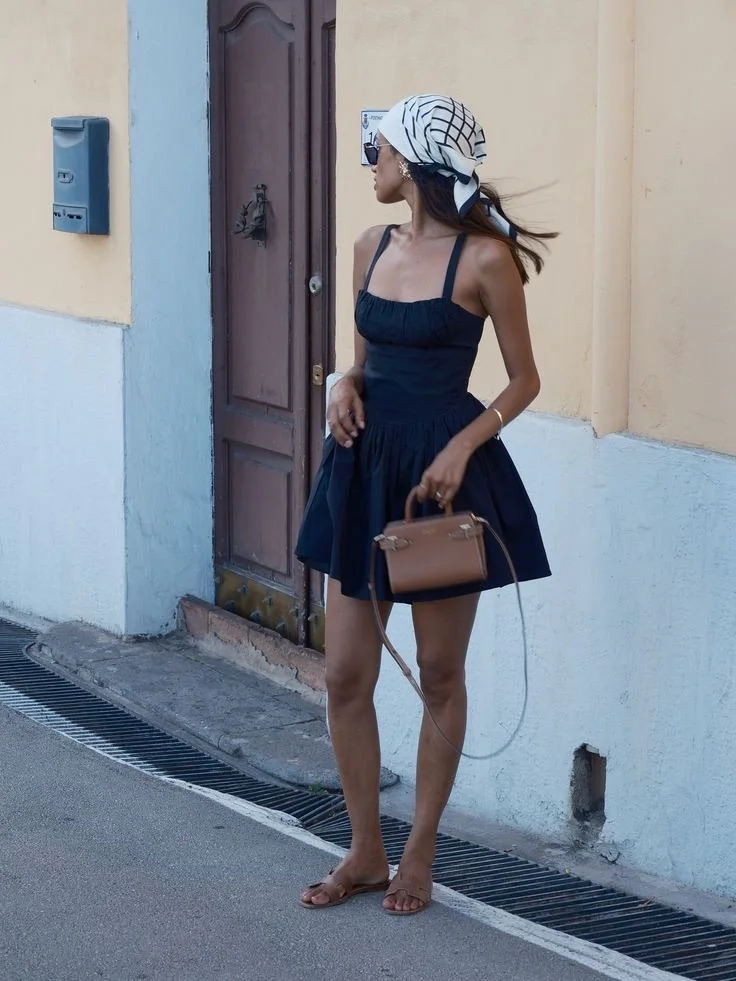
ROYAL PURPLE: THE COLOR THAT MATTERS RIGHT NOW
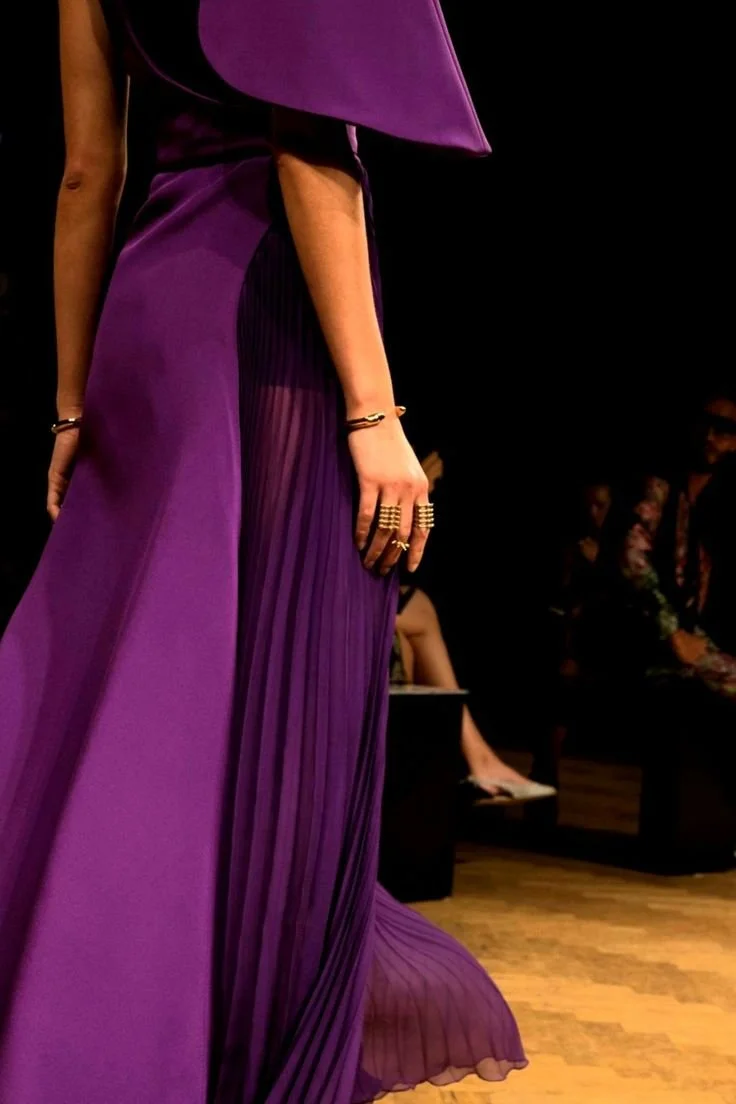
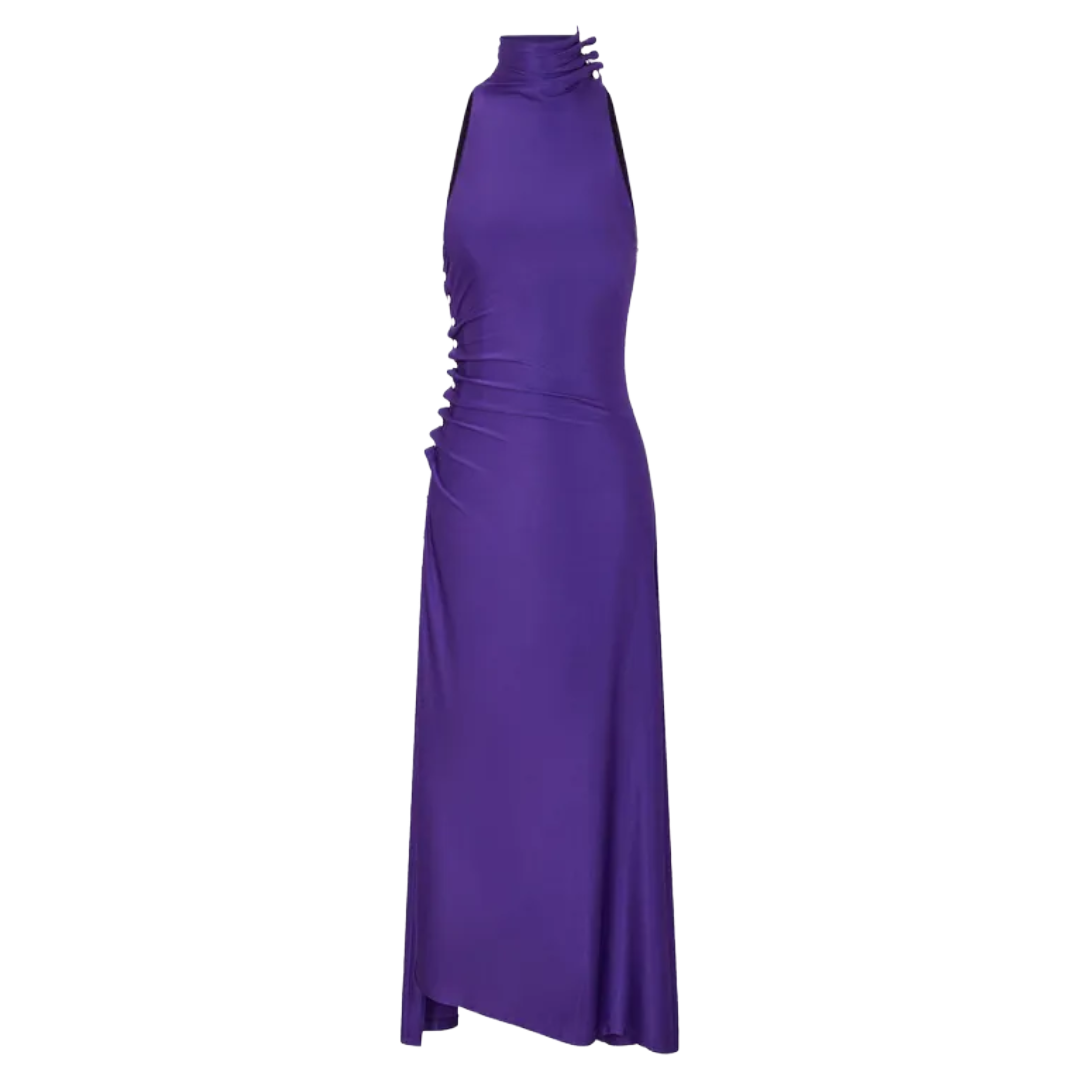
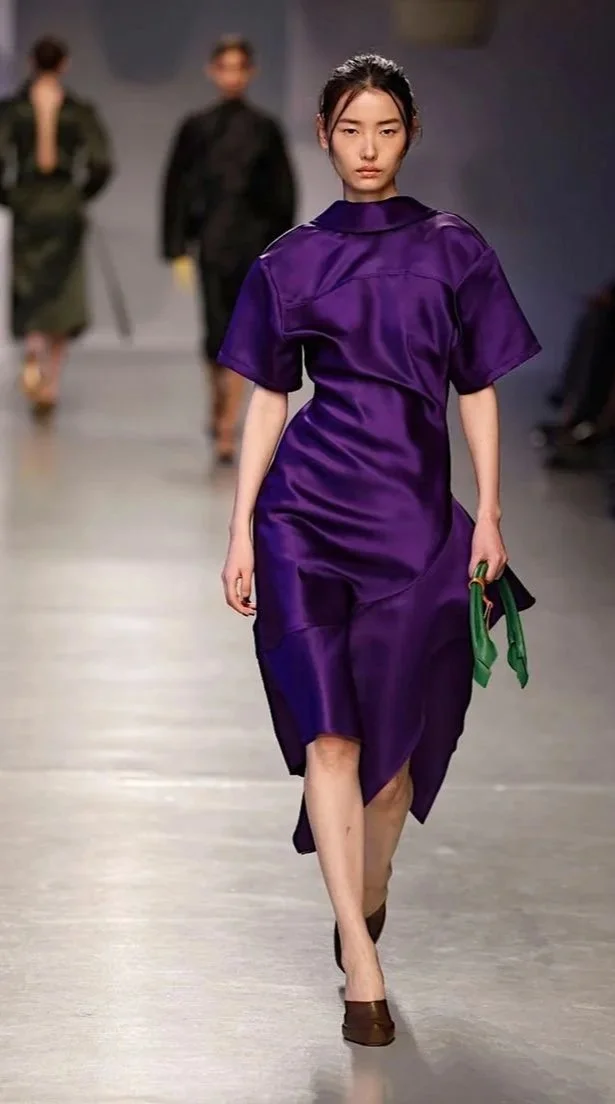
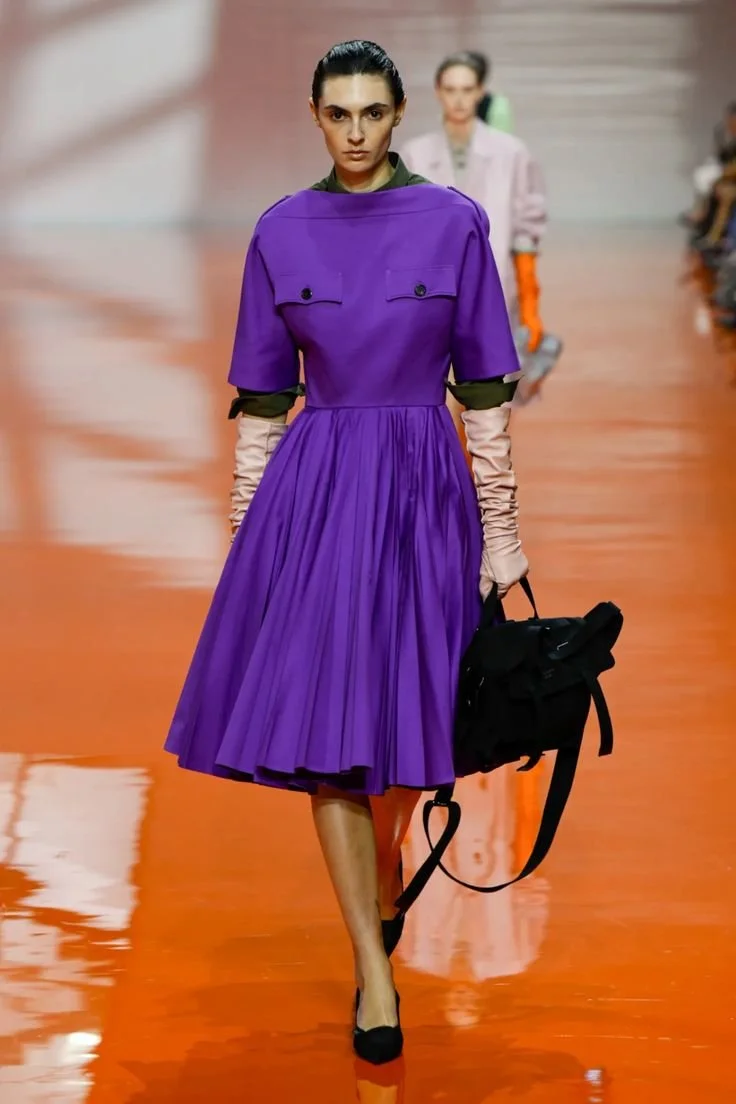
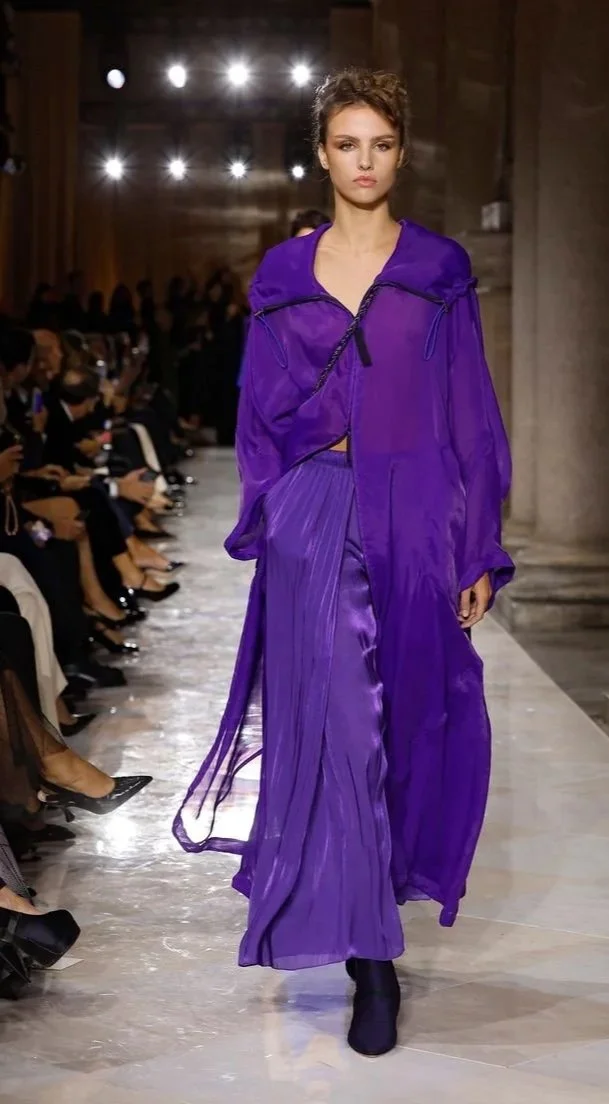
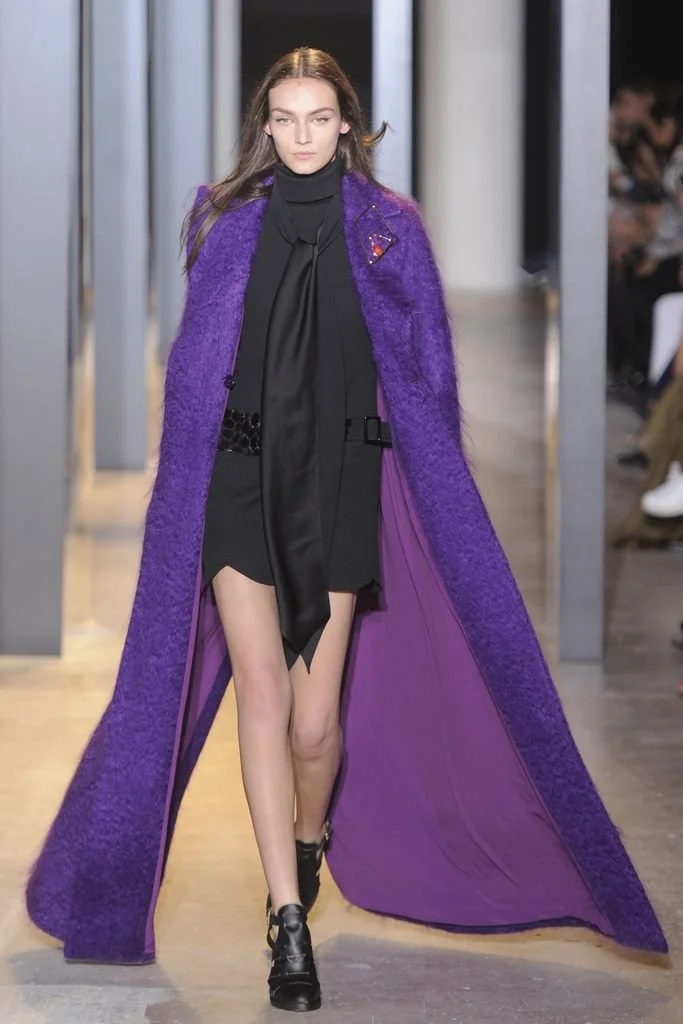
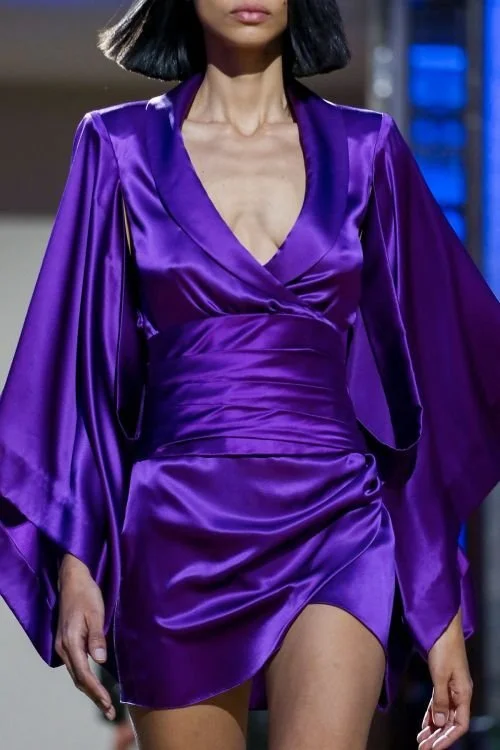
Royal Purple wasn’t really on my spring radar at all. I was really only entertaining other colors and color combinations until a Vogue article stumbled into my feed. The more I looked at it, the more it just started to become the perfect shade of purple. Anyone can do a pastel lilac in spring, but Royal Purple? It should be everywhere, and it just might be now that it’s on the radar. It seems to be having an undeniable moment, and unlike some trends that feel like they just show up uninvited, this color has earned its spot. It showed up across the spring runways in a way that felt intentional and not gimmicky in almost every category. Prada, Balenciaga, and Valentino put it in dresses. Versace went the tailoring route. Hermès leaned into purple accessories, and Chloé folded it into floral so naturally you’d think the shade was part of their DNA. Celine, Ferragamo, and Loewe doubled down on Royal purple for fall/winter, too, which tells you this isn’t going to be a one-season flirtation. Purple is going to be sticking around.
But here’s the thing - when most people hear “purple,” they immediately file it under “too much” or “too hard to style.” I get it. It’s not a safe neutral. It’s not red, which somehow tricked everyone into treating it like one. Purple demands a little more thought, a little more confidence. And honestly? That’s exactly what makes it worth wearing.
A color with a résumé
Purple’s reputation as the color of royalty isn’t just branding. It’s actually baked into 3,000 years of history. The original dye, known as Tyrian Purple, was first produced by the Phoenicians around 1200 BCE in the ancient city of Tyre (modern-day Lebanon). The process, frankly, was disgusting. Ancient artisans would crack open thousands of murex sea snails, extract a tiny amount of their mucus glands, and leave the mess to bake in the sun for days. The smell was reportedly so awful that workshops to make dye had to be built outside of city walls, away from the mass population. I can’t begin to imagine.
But the color it produced was extraordinary and well worth the process. A rich, saturated purple that didn’t fade, which was almost unheard of for ancient dyes. It took roughly 12,000 of the mollusks to produce a single gram of pigment, making the color more valuable than gold. Roman emperors claimed it as their exclusive color and banned ordinary citizens from wearing it under penalty of death. Byzantine royals upped the ante with emperors signing decrees in purple ink, and children born in the royal family were called “born in the purple,” or porphyrogenitus, because the empress gave birth in a chamber allegedly clad entirely in purple stone.
The secret to producing the authentic Tyrian purple was actually lost after the fall of the Byzantine Empire in the 15th century and wasn’t fully rediscovered until around 2001. The synthetic dye revolution of the 1850s eventually made purple accessible to everyone, but its association with power, status, and a certain untouchable quality never really went away. When you put on something in this shade, you’re wearing a color that people literally went to war over. Not a bad backstory for a Tuesday outfit.
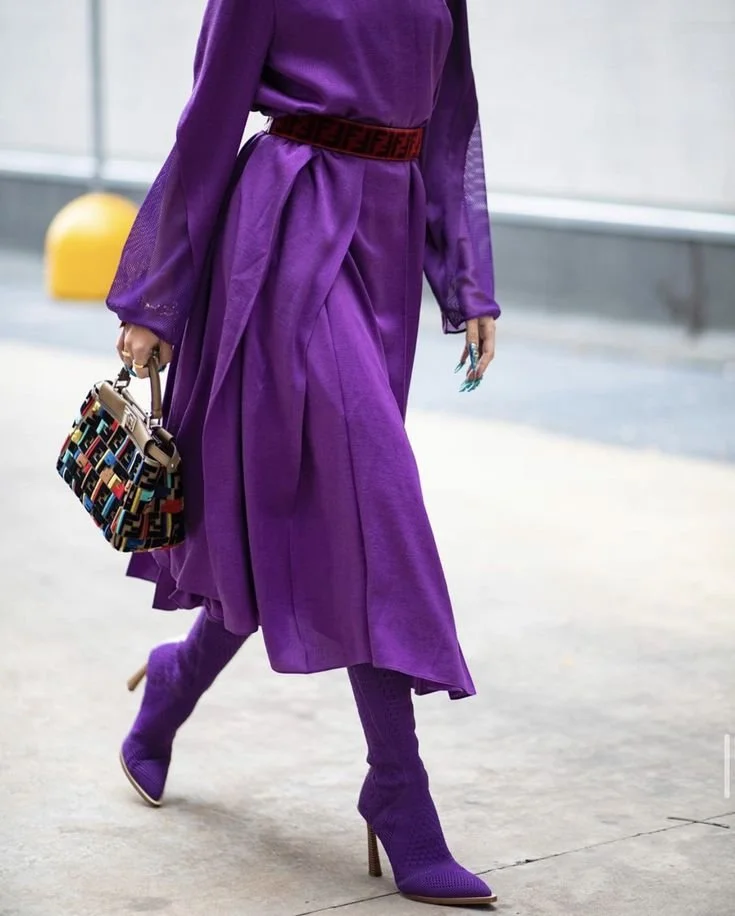
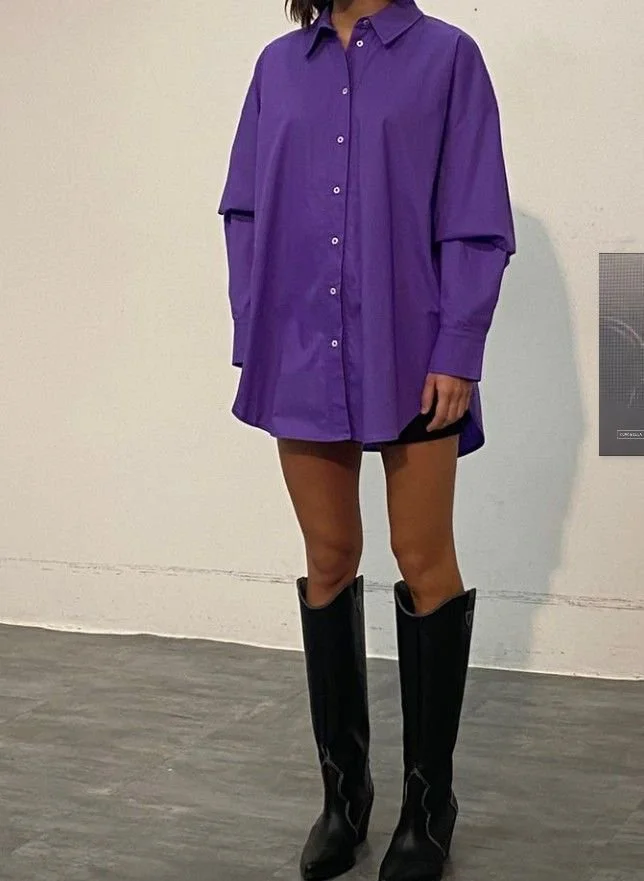
Why You Should Actually Wear It
I know you’re probably looking at a closet full of black, navy, beige, and maybe a red moment from last year’s red phase, and you’re thinking: where does purple event fit? I know I am. But it fits pretty much everywhere, actually. It flatters more than you think. Purple sits between warm and cool on the color spectrum, which means it works across a variety of skin tones. Deeper, richer purples, especially the royal and amethyst shades we are talking about here, have enough depth to feel grounding without washing anyone out. It reads rich and deliberate on every complexion.
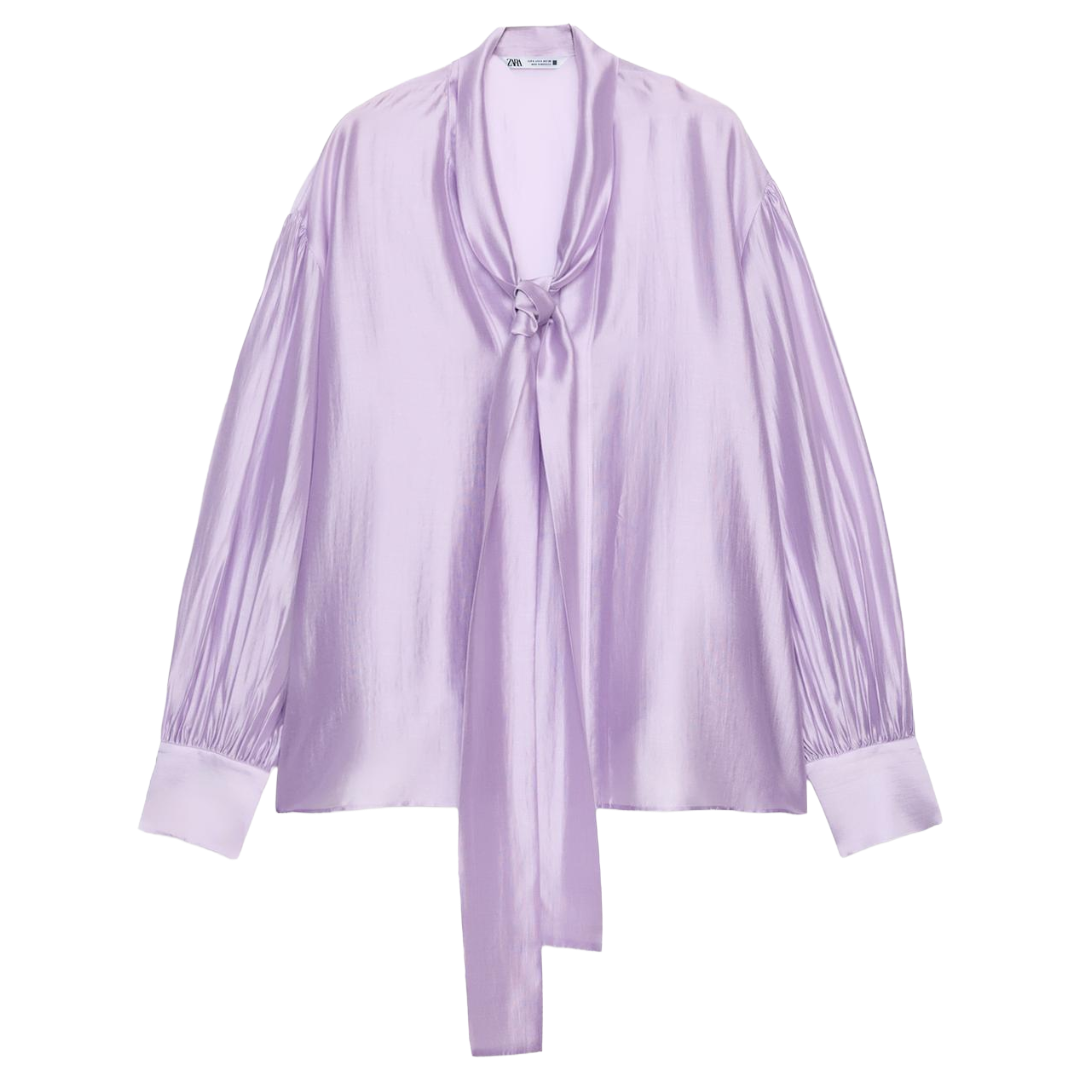
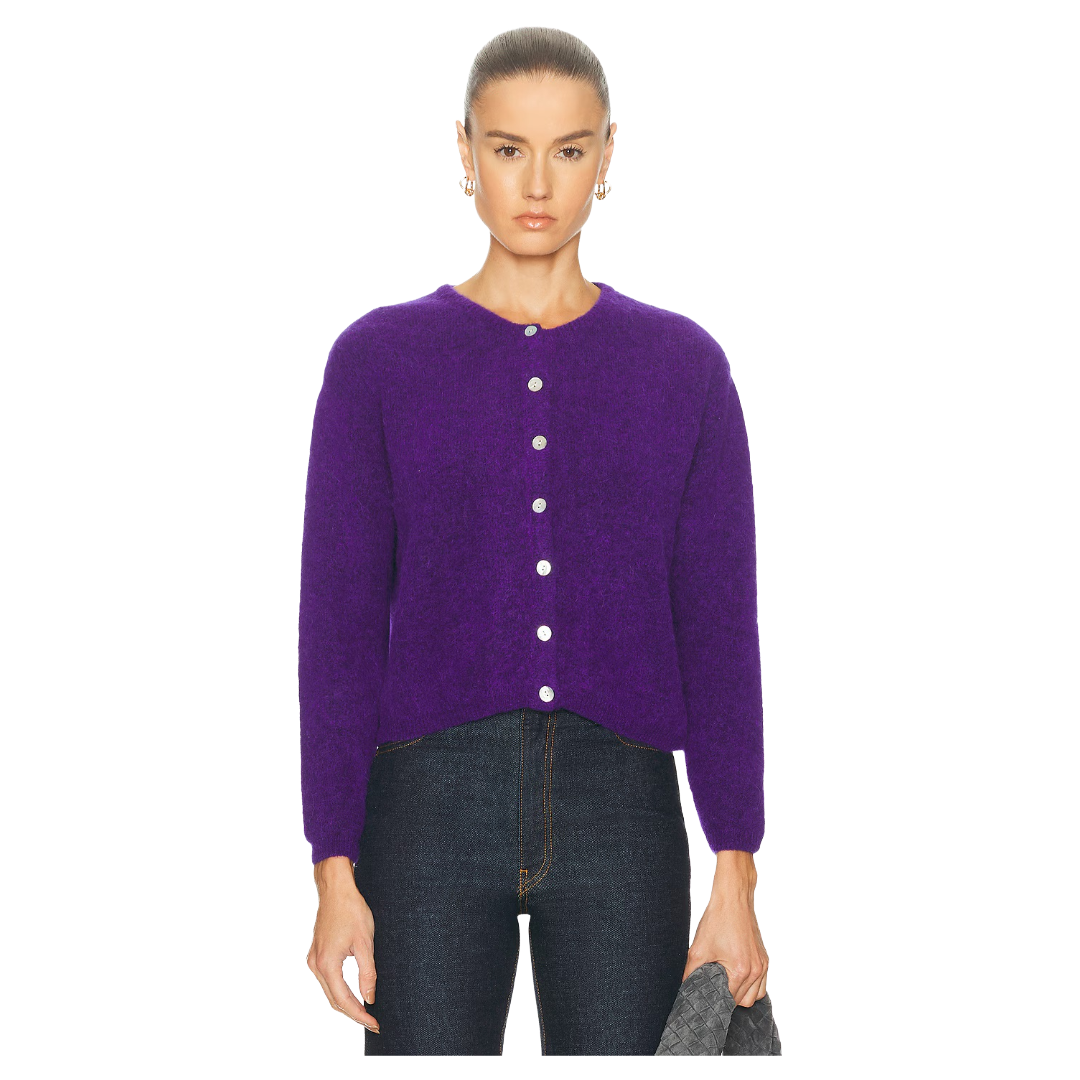
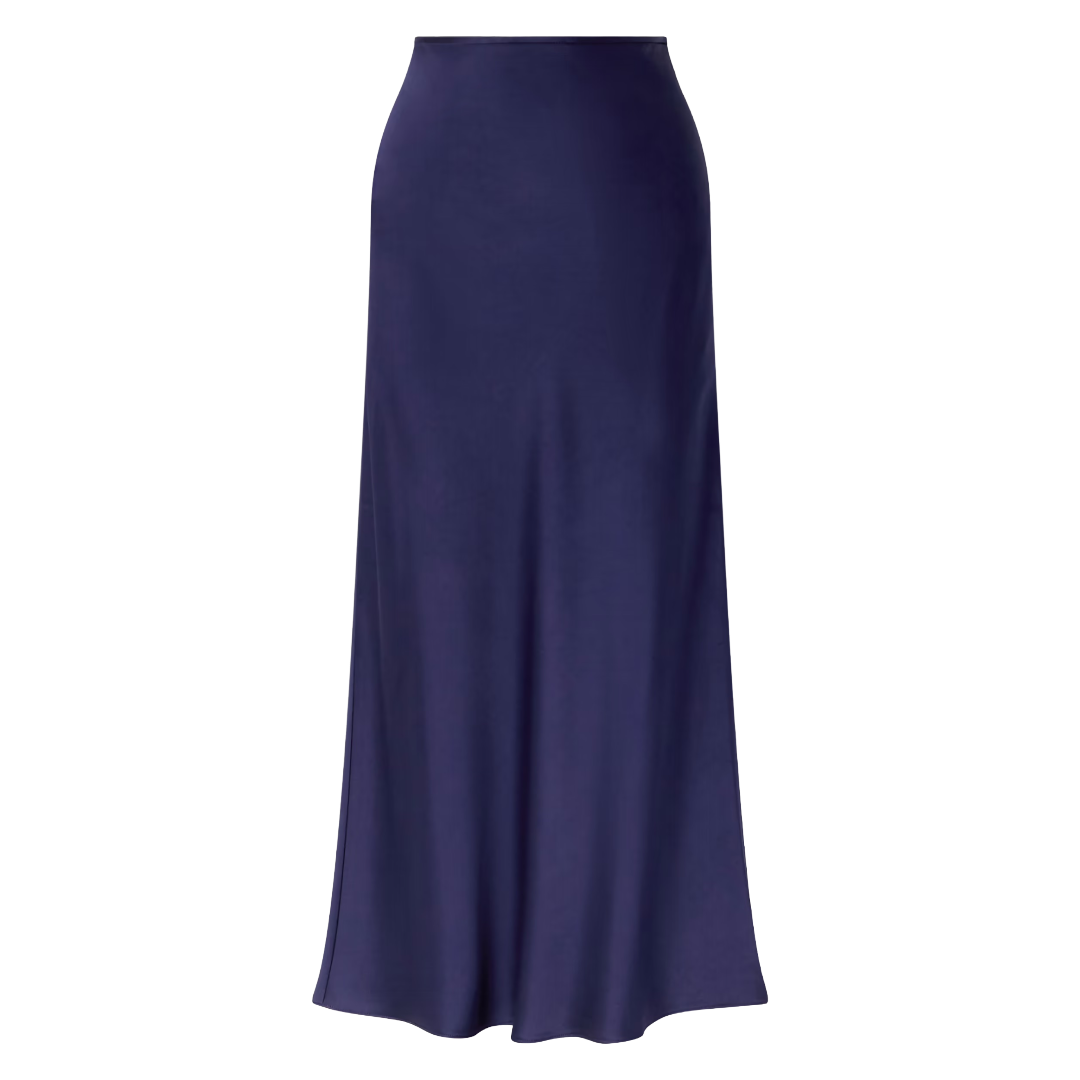
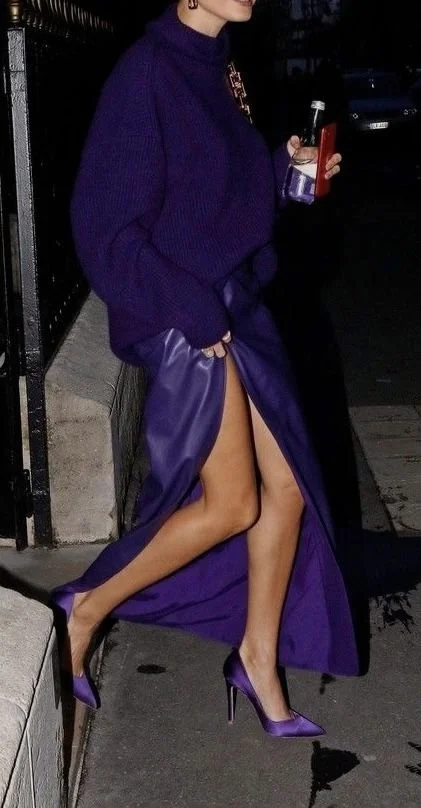
It’s not as loud as you’re imagining. A common misconception is that wearing purple means you’re making a capital-S statement. But how this trend is playing out right now is actually quite wearable. No need to go head-to-toe grape, unless you really want to. I’m talking more like a purple knit with your best jeans. A satin skirt under a blazer you already own. A bag or pair of shoes that gives your existing wardrobe a hint of personality. The key is to stop thinking of it as the centerpiece and start thinking of it as a color that works with everything else you’re wearing. Sometimes the color leads, sometimes the color supporters, but it’s always doing something interesting. It pairs with things you wouldn’t expect. This is where it gets fun.
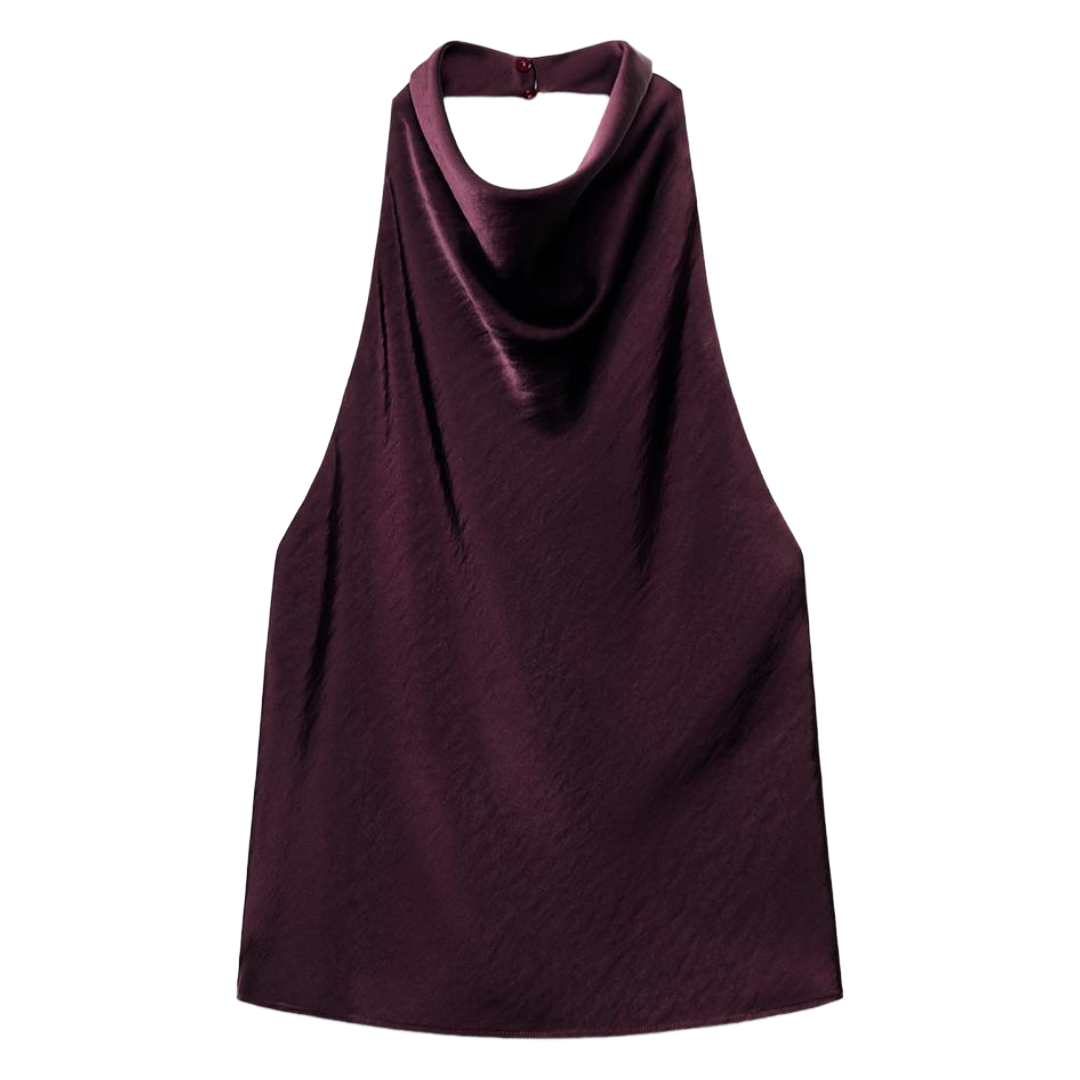
Purple and cherry red? Absolutely. I’ve seen it everywhere lately, and Miu Miu sent that combo down the runway, and it shouldn’t work, but it does. It’s growing on me. Purple with chartreuse, Calvin Klein blue, or mustard yellow? All confirmed combinations for purple. Even grey, cream, and chocolate brown become more interesting with a purple piece in the mix. It plays well with others in a way that people don’t really give it credit for. Burgundy has been holding down the fort for a while, but Royal Purple is a great substitute. If you’ve been living in burgundy and espresso tones, think of it as more of a next chapter. It has the same richness and depth but feels fresher and a little more unexpected. It signals the same “I care about how I look, but I’m not trying too hard” energy, only turned up a notch.
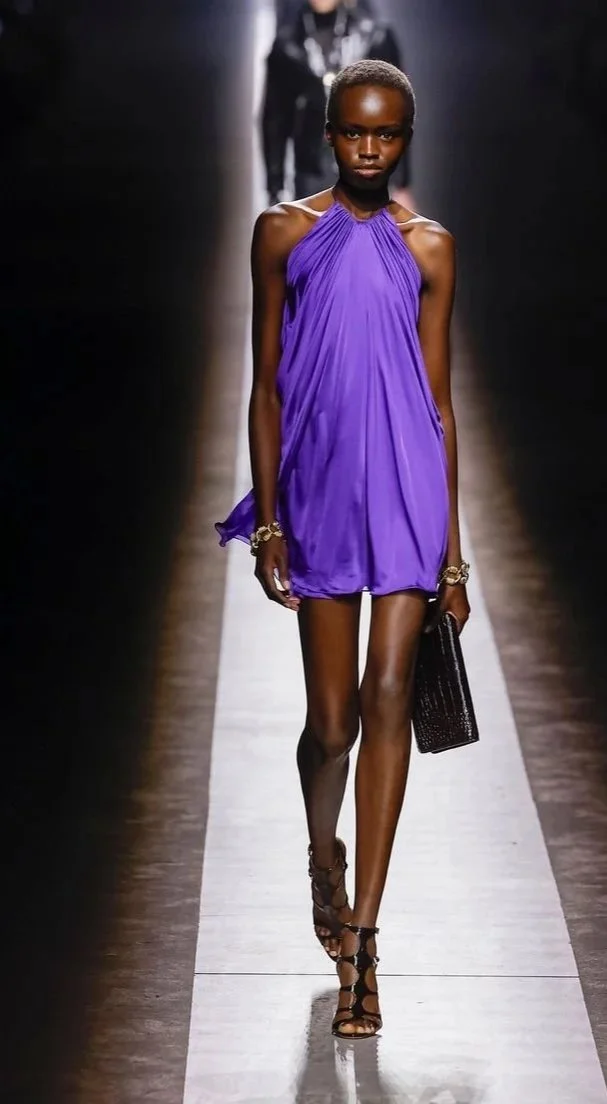
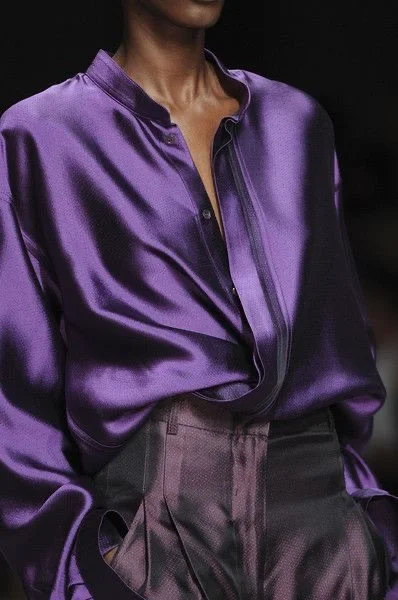
How to Wear It
The Layering Act
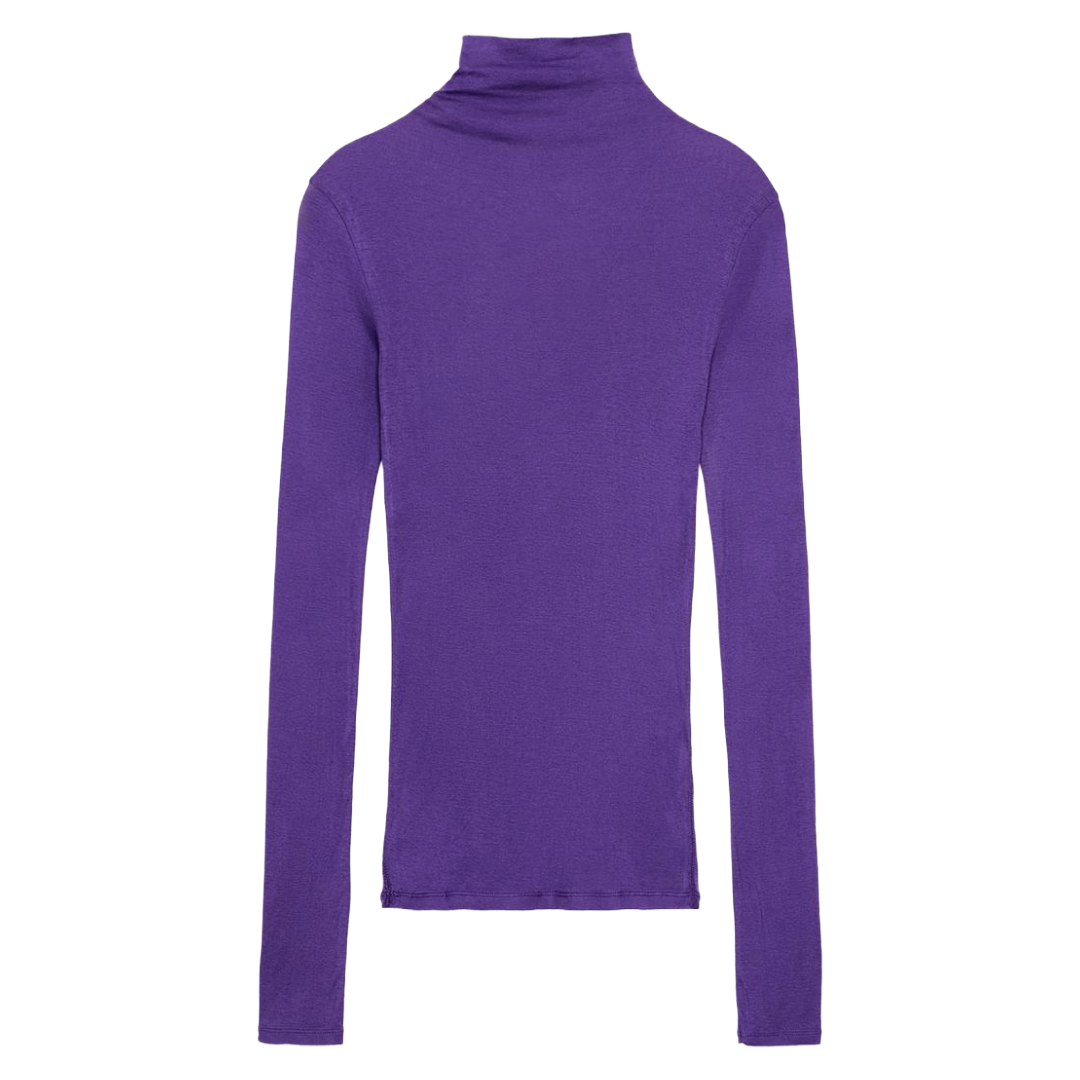
Honestly, the thought of wearing Royal Purple felt daunting. Nearly every single outfit I saw (even most here) was all 100% dedicated to the color. But the Vogue article changed my mind by simply mentioning the word layer. It was enough to convince me that purple really could be part of the daily rotation, not just a special occasion or going-out color. You know the white tee you throw under everything as a base layer? Try a purple one instead. It sounds minor, but it completely shifts the energy. The point is: purple as a layering piece with tees, thin knits, and cardigans takes the pressure off. You’re not building an outfit around purple. You’re letting it peek through, ground things, and add warmth. A dark-wash pair of jeans and a purple top is probably the easiest entry point this season. The colored top makes any denim outfit look current without requiring a total wardrobe overhaul.
Just a Sliver
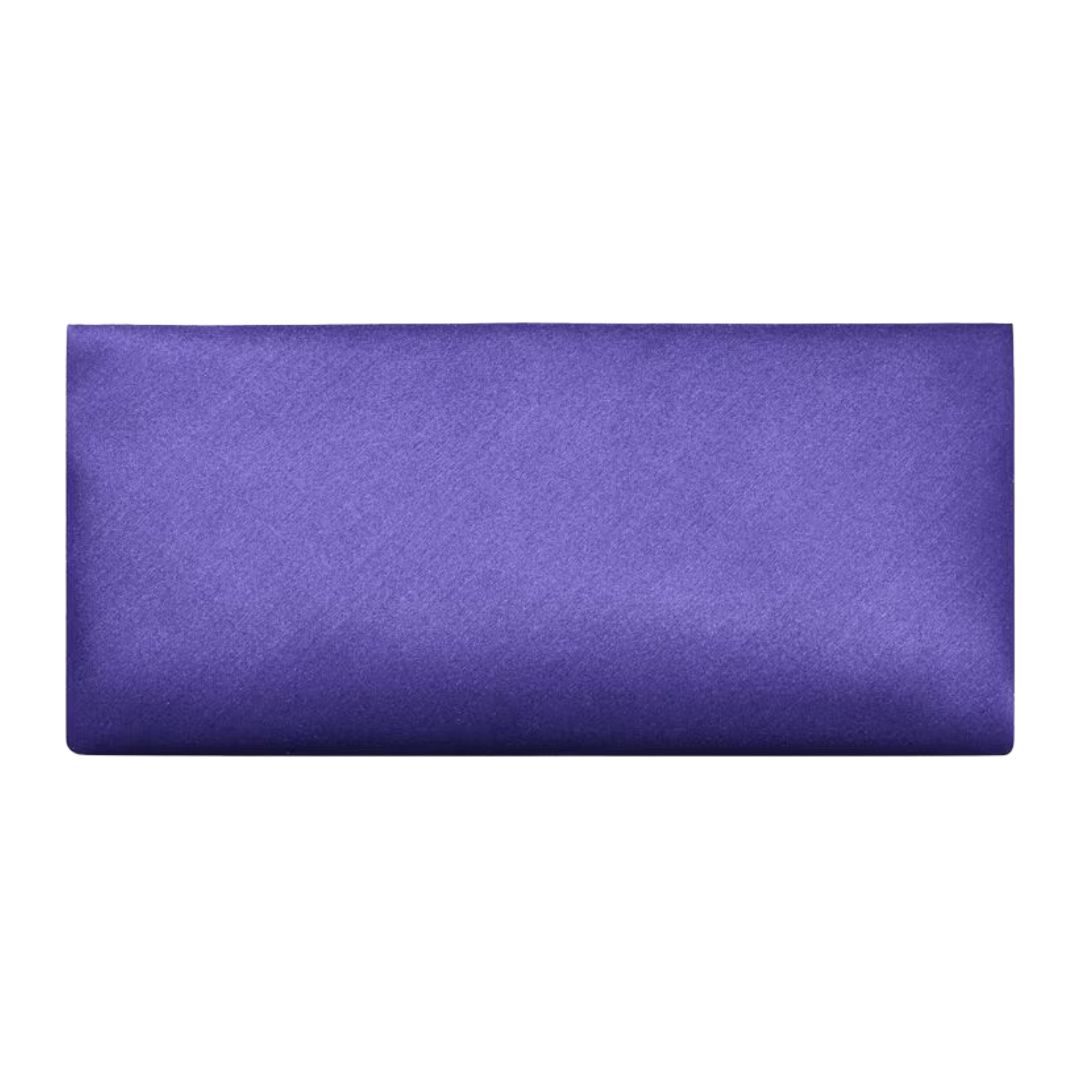
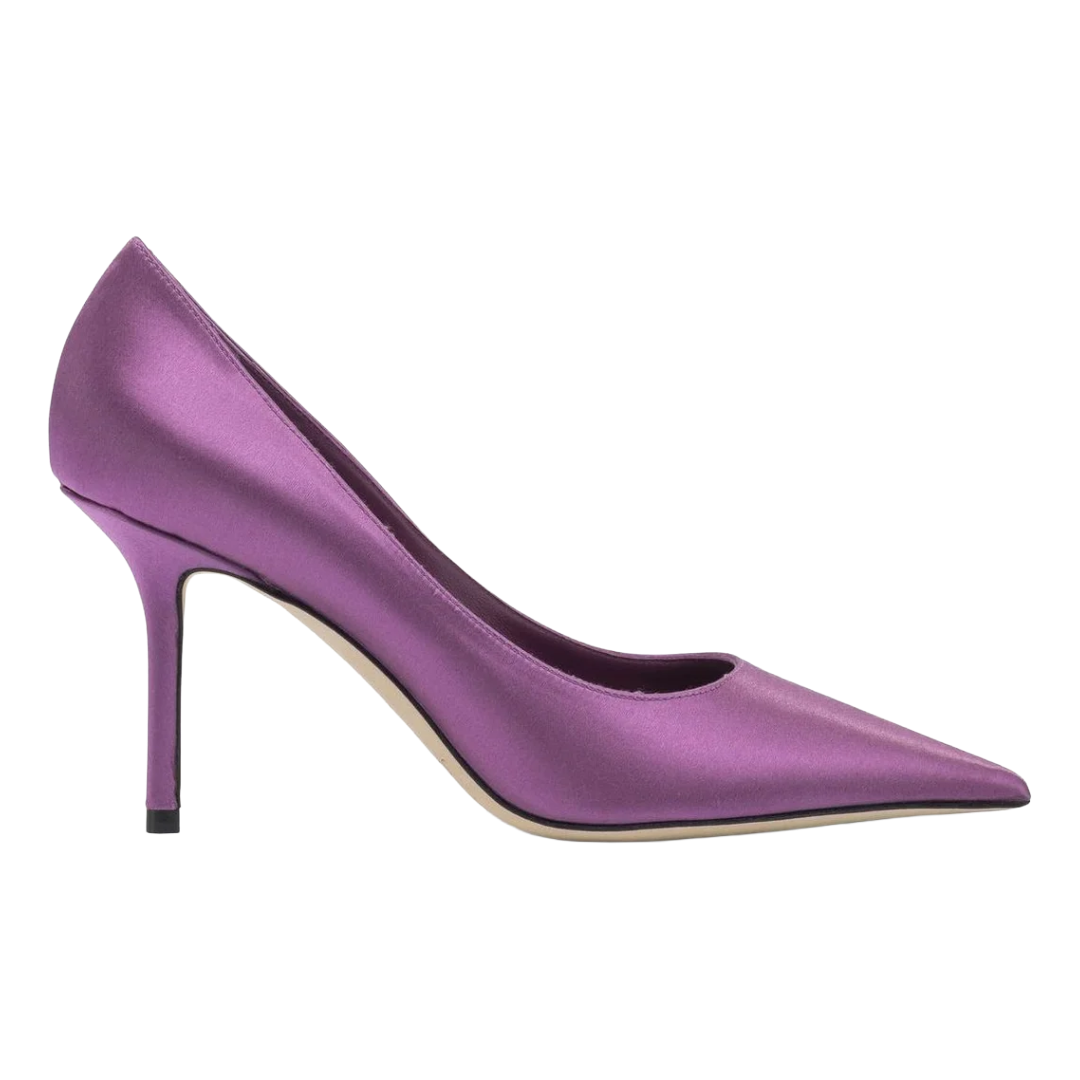
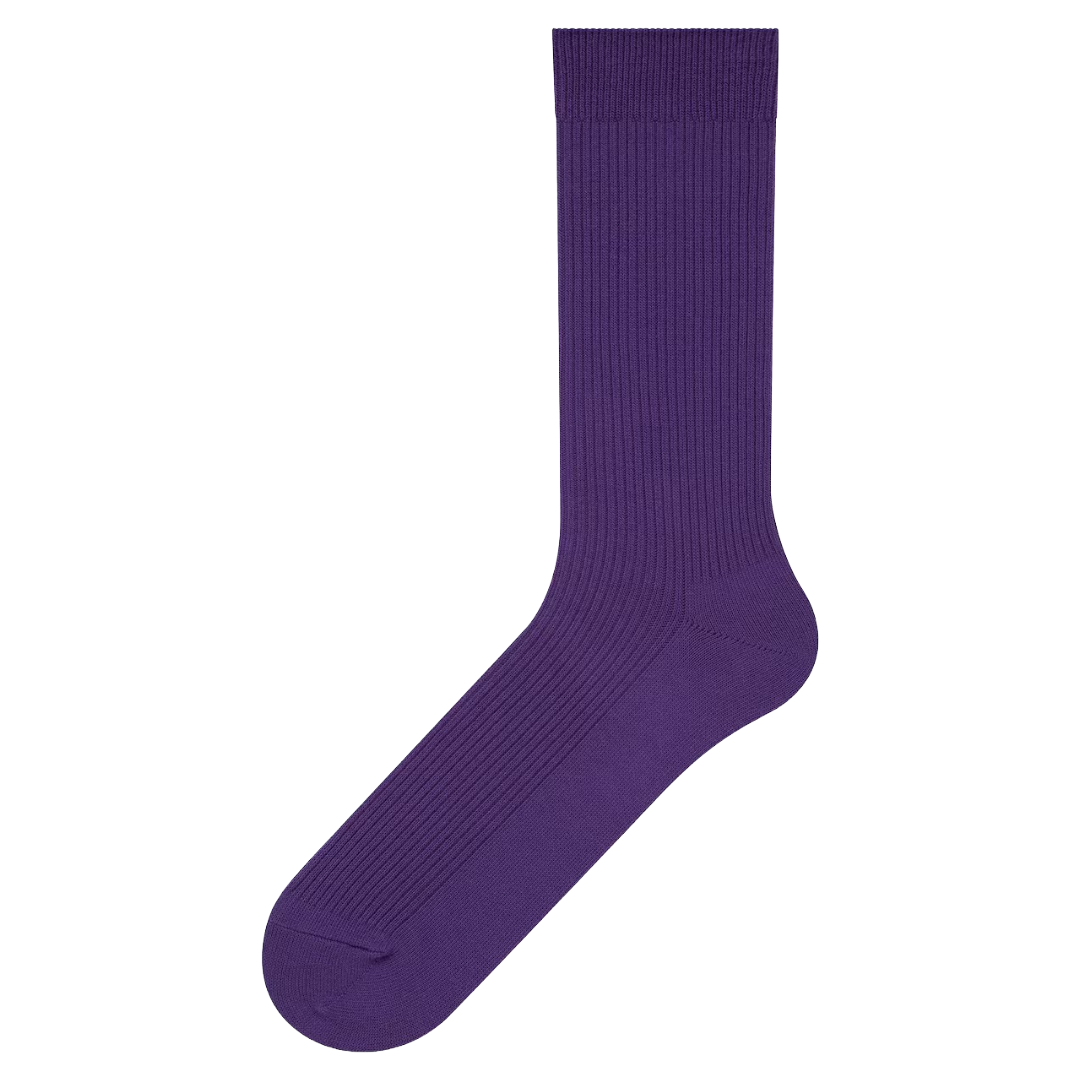
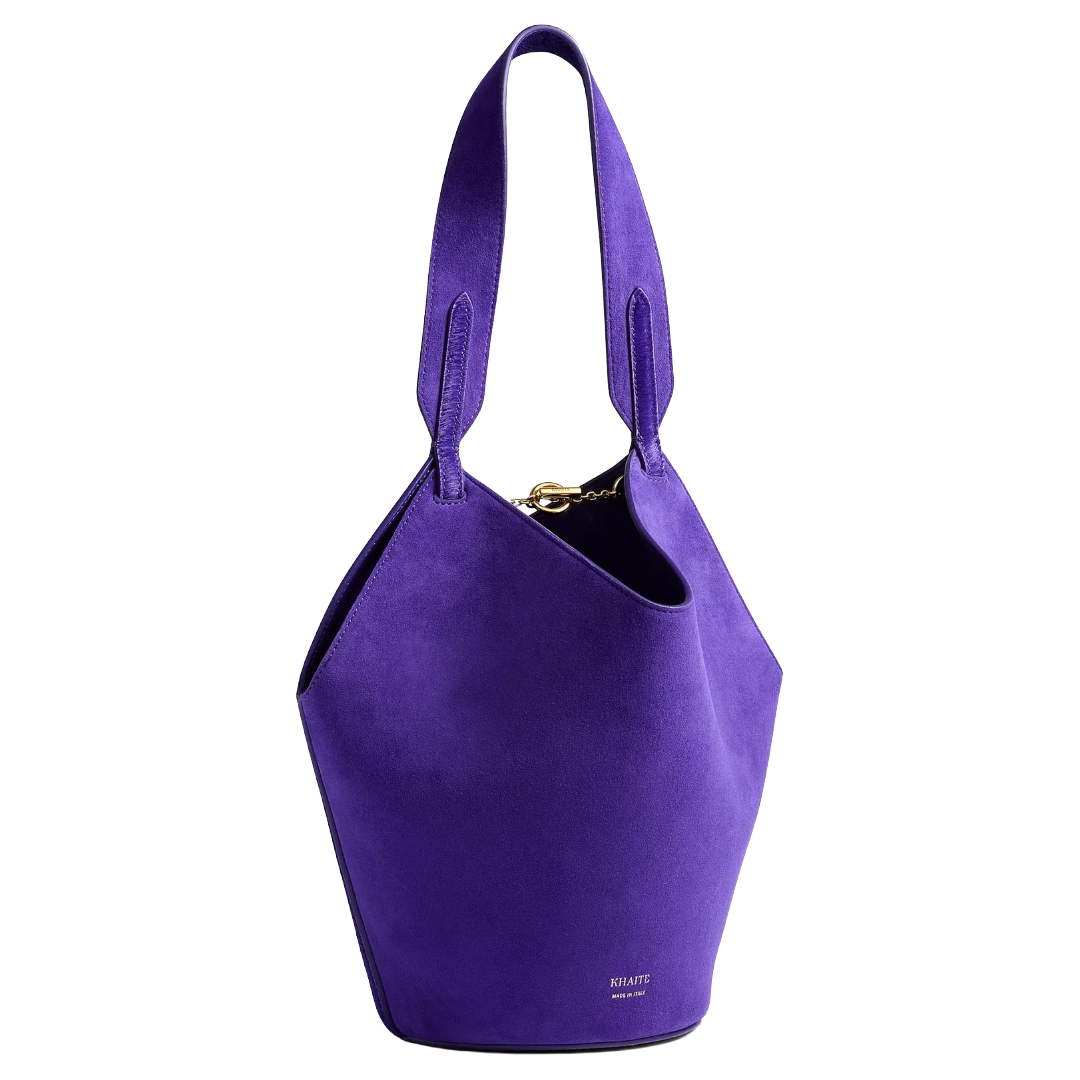
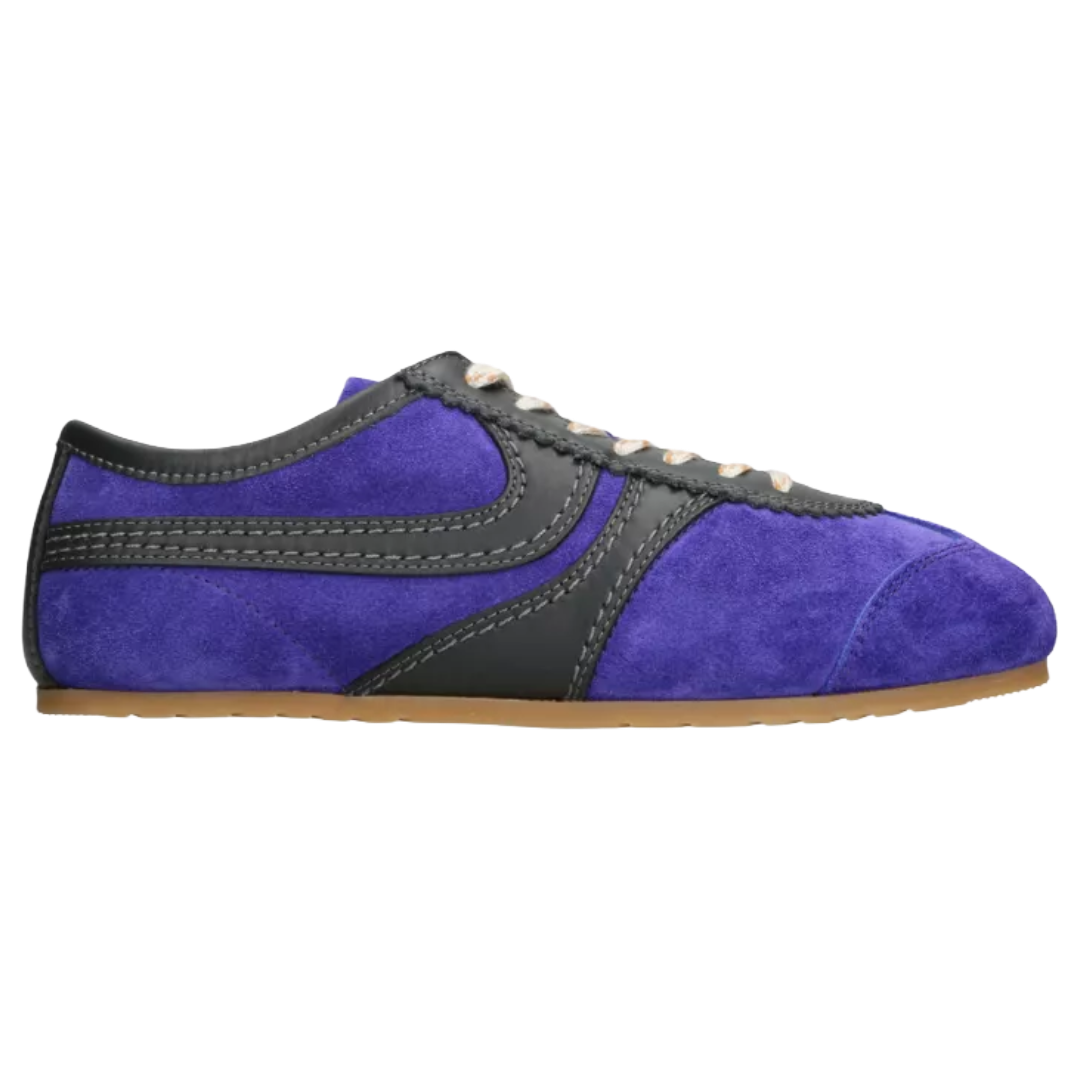
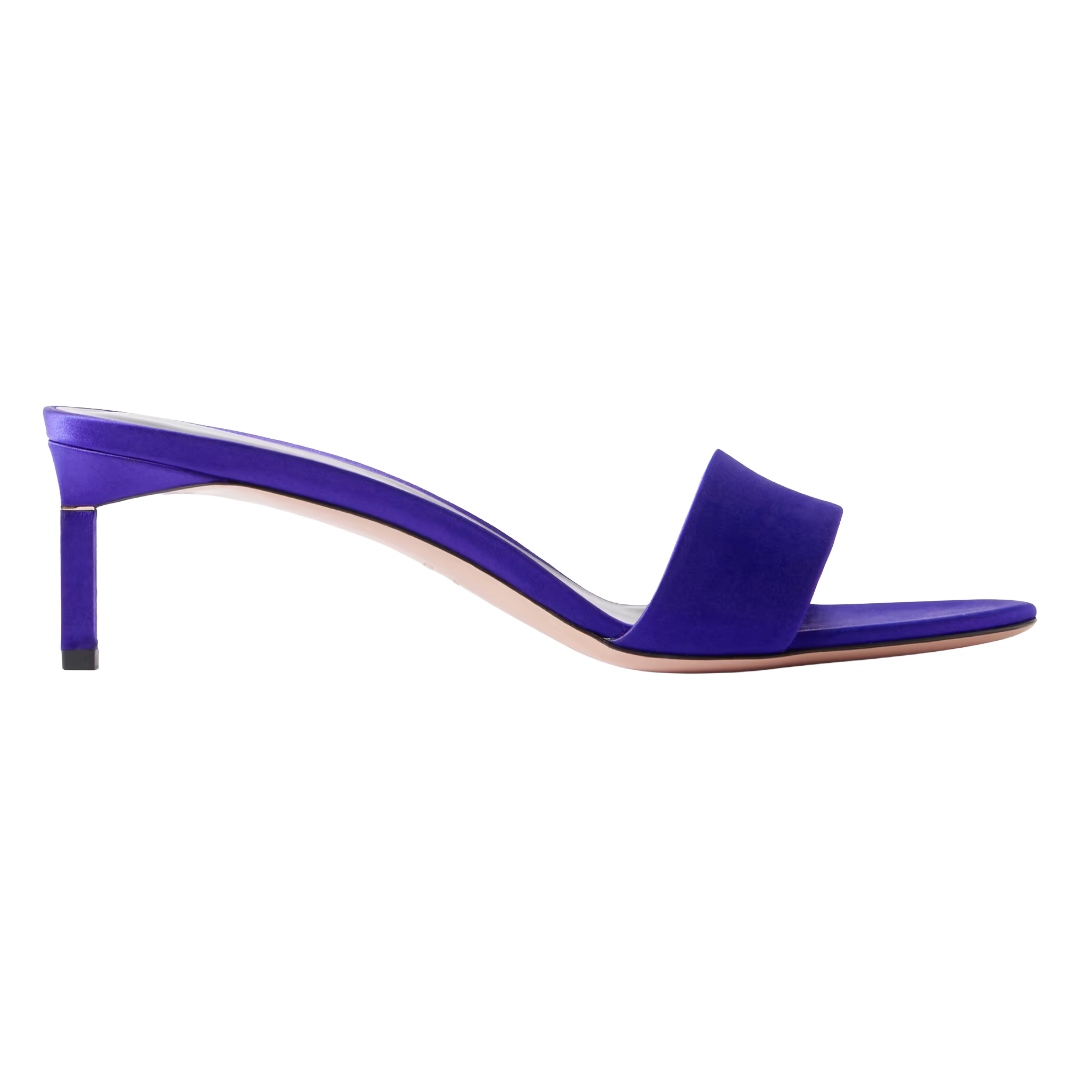
This one feels like a no-brainer. If committing to a full purple garment feels like a lot, start with your feet. A purple shoe - a satin mule, a pointed pump, a suede sneaker - is one of those moves that reads extremely fashion-forward with almost zero risk. You’re not rethinking your whole outfit; you’re just giving it a better ending. Carry a purple bag instead of a black one, and the same principle applies. One well-chosen accent piece in this shade does way more work than you think.
Color Combos That Actually Work
For the people who are ready to go beyond “purple top and jeans” (respect the combo, but let’s push it):
Purple + Cherry Red: The unexpected pairing that’s becoming the insider move of the season. Two bold, saturated colors look like they should be competing, but the warm-cool tension between them is exactly why it works. A purple slip dress with red strappy sandals. A cherry sweater with a purple mini and black boots. Trust the clash.
Purple + Grey: The sophisticated, no-effort-required combo. Grey trousers, a grey blazer, or even a grey tee all become more interesting with a purple accent. This is the pairing for people who want to wear the trend without feeling like they’re announcing it.
Purple + Chartruse: Sounds wild, reads great. This leans into the maximalist color moment that spring 2026 is all about. If you’re already someone who likes to jump in and play with color, this is your lane.
Purple + Cream or White: The cleanest way to let the shade speak for itself. White jeans, cream knot, purple bag. Done and done.
The Bottom Line
Purple has always carried weight. Thousands of years of weight, actually. But what I like about this particular moment is how easy it feels. It’s not asking you to reinvent your wardrobe or commit to something that only works with one very specific outfit. It’s a color that slots into what you already wear, makes it a little sharper, and a little more alive. And if a shade was once worth more than gold and reserved for emperors, the least we can do is invite it into the spring rotation.
SHOP ROYAL PURPLE