250 YEARS OF AMERICAN HISTORY TOLD THROUGH COCKTAILS
Nobody puts “invented the ice cube industry” on the list of American accomplishments, and I think that’s a mistake. Yep, I stand by that as a true lover of ice.
America turns 250 today, and in addition to fireworks, flags on porches that usually don’t bother having flags, and uncles grilling things when they’re probably not wanted near a grill, there will be a whole lot of the same historical content. The same five Founding Fathers, and the same generic re-telling of our history that showed up on PowerPoints in history classes for all of our lives. After reading an article in Food & Wine about a few of America’s oldest drinks, I started exploring even more.
If there is one thing I love, it’s a History Channel episode of How [something] Made America. There is always some incredibly weird or unbelievable story of how something got invented, named, or became a central part of American lore. I can’t get enough of it. And that’s when I realized why not turn my exploration into America’s history by the glass into a fun little journey of things I found pretty fascinating. As it turns out, you can trace almost the entire American personality from impatience and showmanship to the complete inability to leave a good thing alone through 250 years of what we’ve been drinking.
Before Cocktails, we had an issue with water
Before the word “cocktail” even existed, there was a drink that tells you pretty much everything about how this country’s grand experiment began. It was resourceful, rough around the edges, and completely unwilling to go without. It was called switchel. Switchel was vinegar, ginger, molasses, and water. Sounds…uh, great, I guess? Farmers called it Haymaker’s Punch, which is frankly a better name than switchel ever was or will be. It also wasn’t a treat. It was hydration and made from whatever was in the pantry. But did something most people never realized it would do: build the American taste for ginger and fizz that never really left. Yes, you can trace a straight line from root beer, ginger beer, and half the current soda aisle right back to a bucket of switchel on a farm in New England.
Most of what is known about switchel survives because women, of course, wrote it down. Many household guides like The House Servant’s Directory from 1827 and Miss Beecher’s Domestic Receipt Book from 1846 were quietly doing the job bartenders later got famous for. These books were recording exactly what people actually drank decades before anyone thought to call it a craft. But then came the flexing.
The Sherry Cobbler showed up in the mid-1800s, putting sherry over cracked ice, a little sugar with fruit on top, sipped through a straw at Niblo’s Garden in New York, run by Martha King Niblo, who by most accounts is largely credited with being America’s first celebrity bartender. Ice was still a luxury when this drink was invented, and British visitors wrote about it like they had seen a magic trick. Honestly? A low-proof, ice-forward drink that is meant for slow sipping is a vibe and basically the entire modern low-ABV movement.
Now onto the timeline
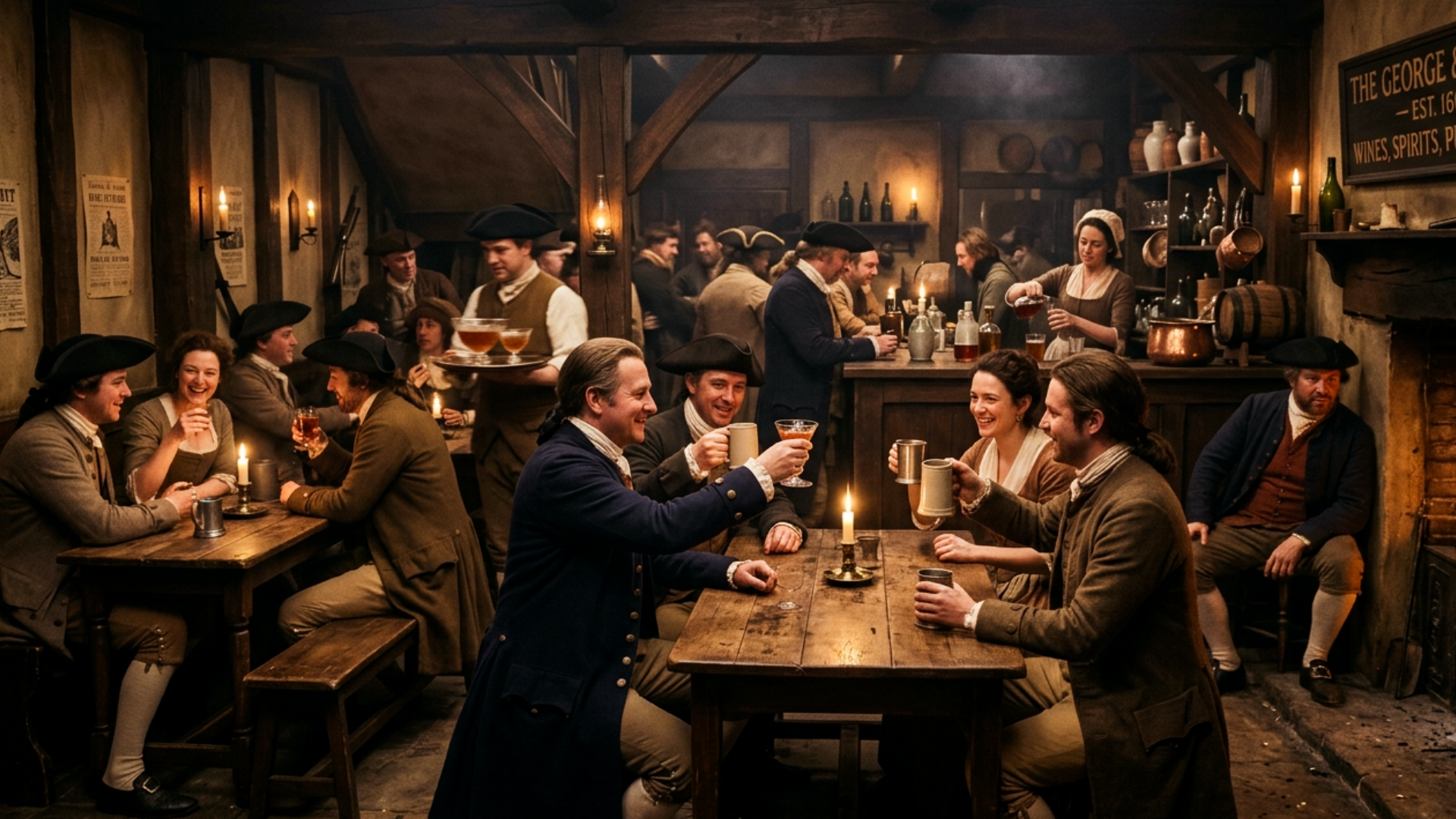
AI-generated
1600s-1783:
A country that ran on hard cider
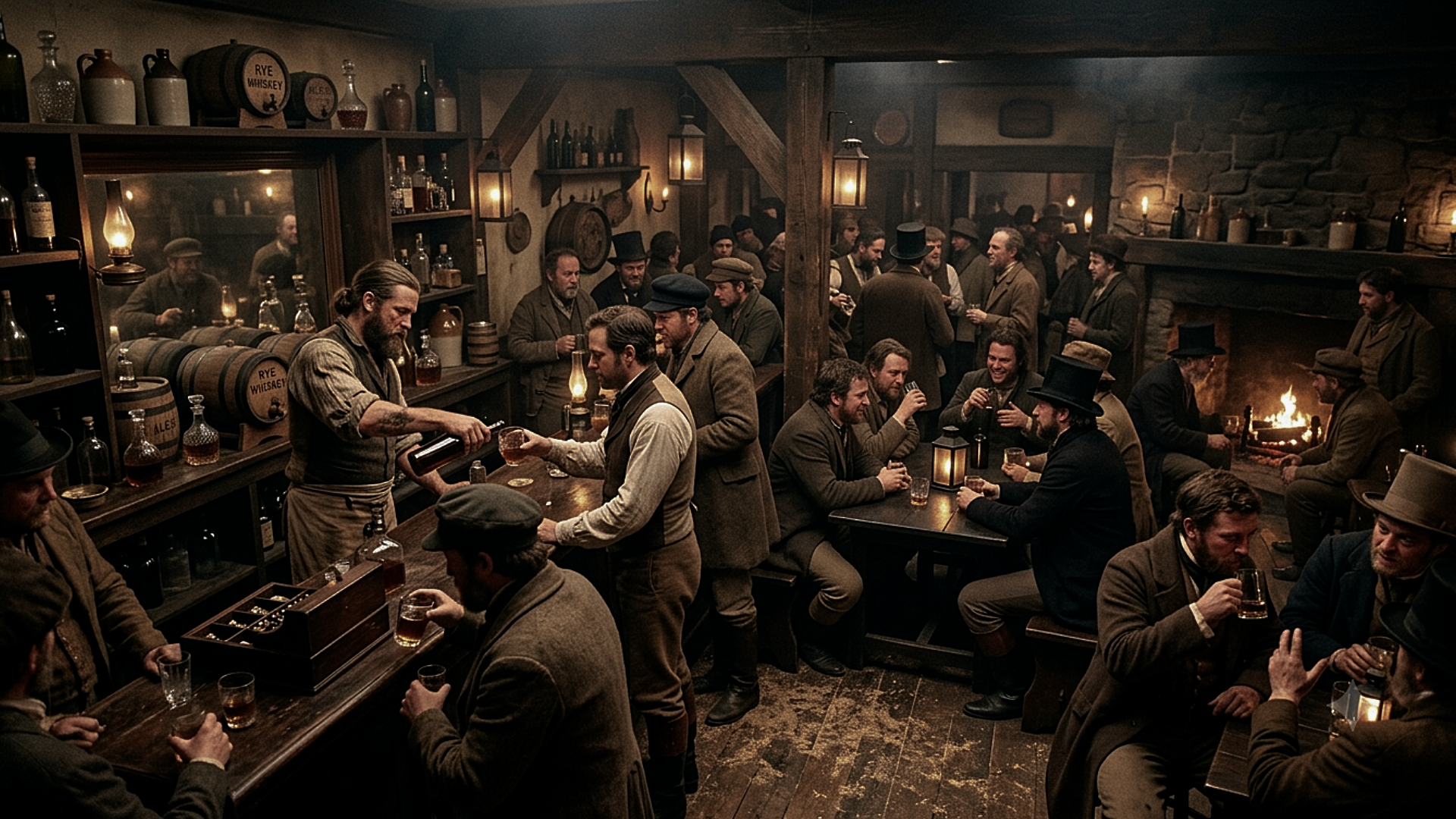
This was one of the eras I had the most fun exploring because I had genuinely never thought of anything but cider. The first Americans didn’t drink because it was fun. They actually drank because water wasn’t trustworthy. Options were often limited to whatever grew nearby or arrived by ship, which mostly meant hard cider. Sometimes a rum would come up through the Caribbean, and they would cut hard cider with that. The drink of the era was the Stone Fence - just that combination without a lot of ceremony to it. Legend has it that Ethan Allen’s Green Mountain Boys were fueled by this combination before they took Fort Ticonderoga, which, frankly, tells you a lot about revolutionary strategy: a lot of grit and cider.
And this is the part I love: John Adams started every single morning of his adult life with hard cider. Not coffee, just hard cider before breakfast, every day for decades. He credited it, at least in part, for living to 90, which was an absurd age for the 1700s. Politics aside, his morning routine sure had a lot of conviction.
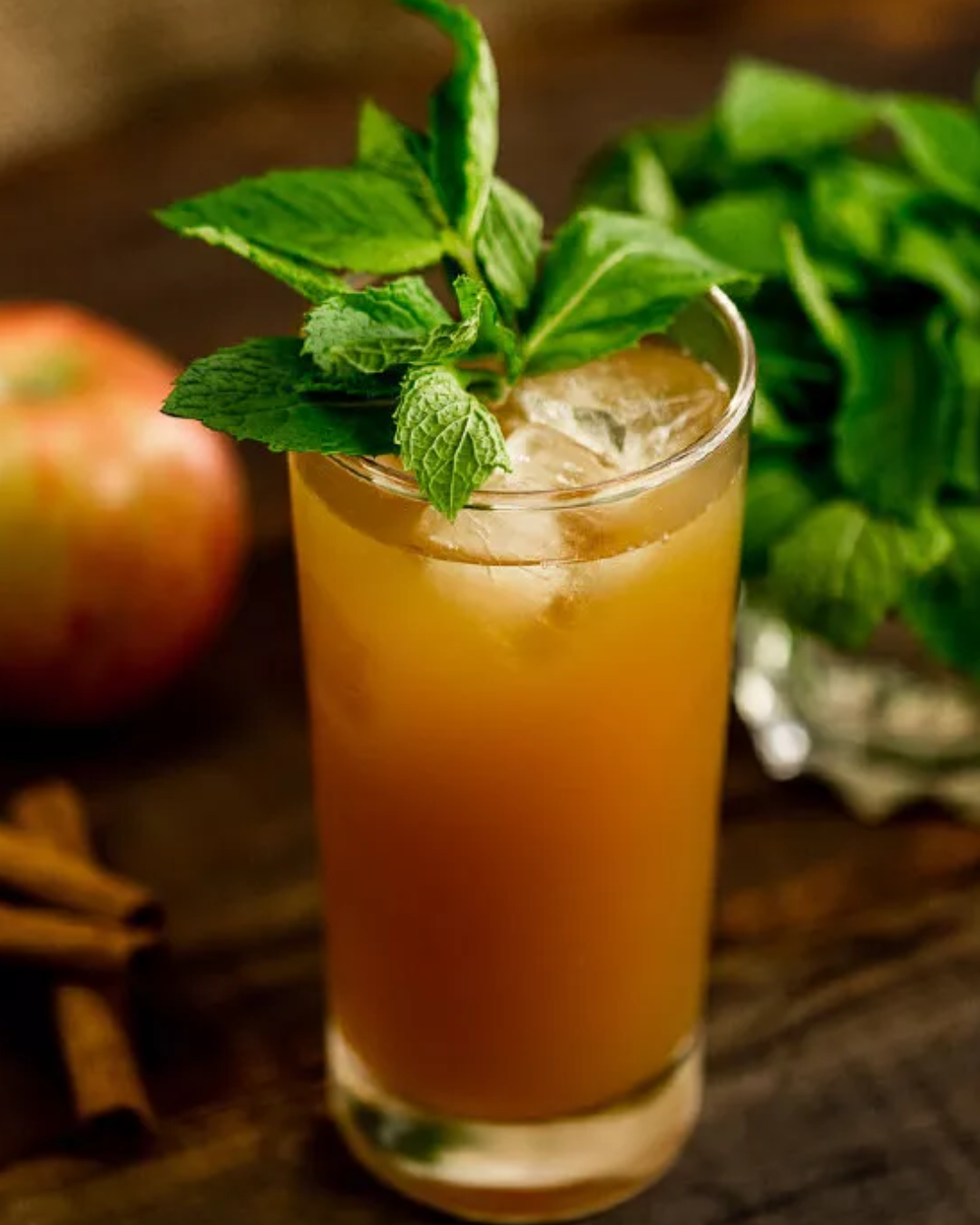
STONE FENCE
Less of a cocktail and more of a workaround I guess you could say. Hard cider and rum got combined mostly because rum was expensive and cider, well, wasn’t. This was a frugal soldier’s drink dressed up in revolutionary mythology, not very fancy.
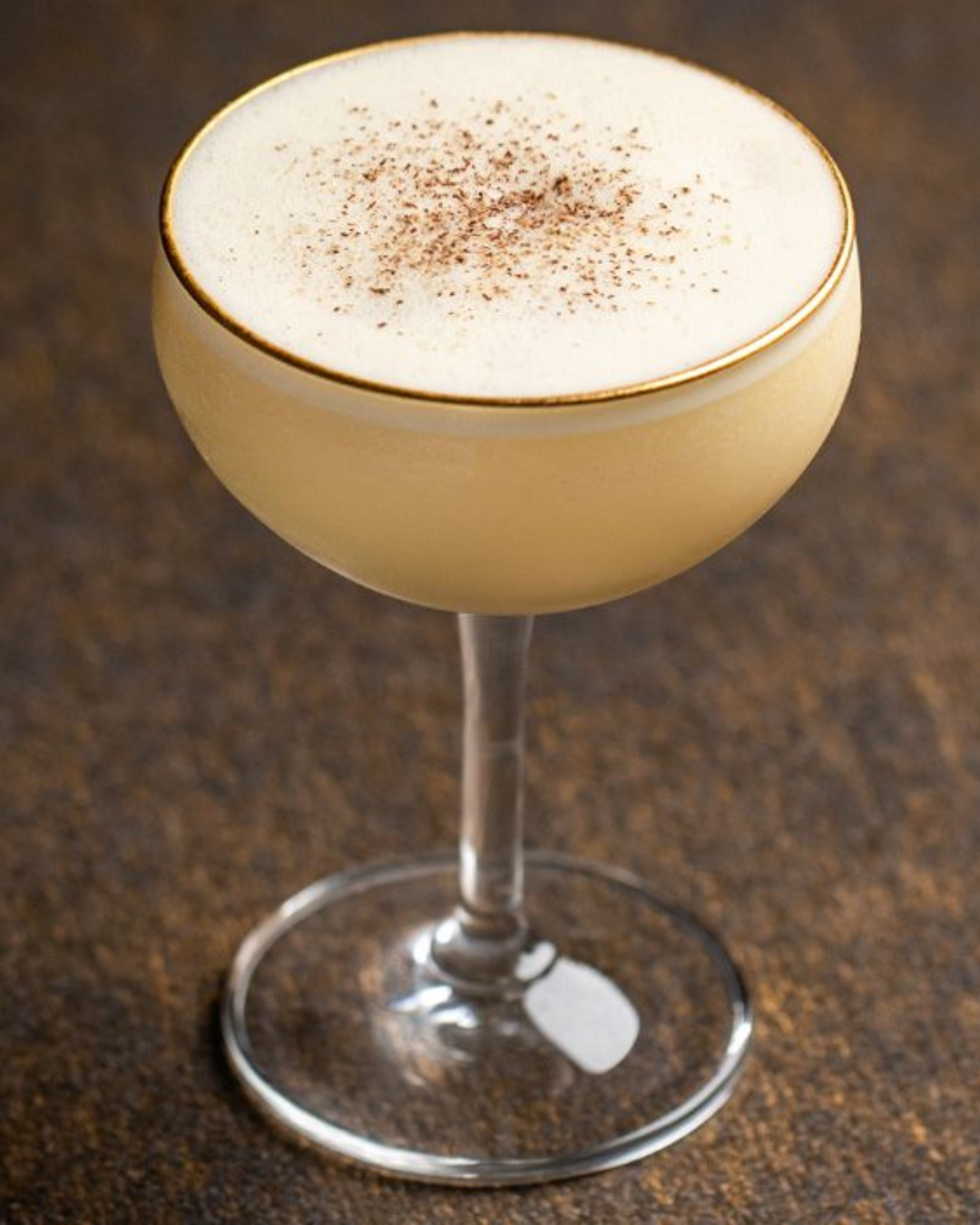
FLIP
Making a Flip involved plunging a red-hot iron fire poker directly into a mug of beer, rum, and raw egg to make it froth and caramelize. The English considered it a “sailor’s drink” and looked down on it. Americans, however, frankly didn’t care, and drank it anyway.
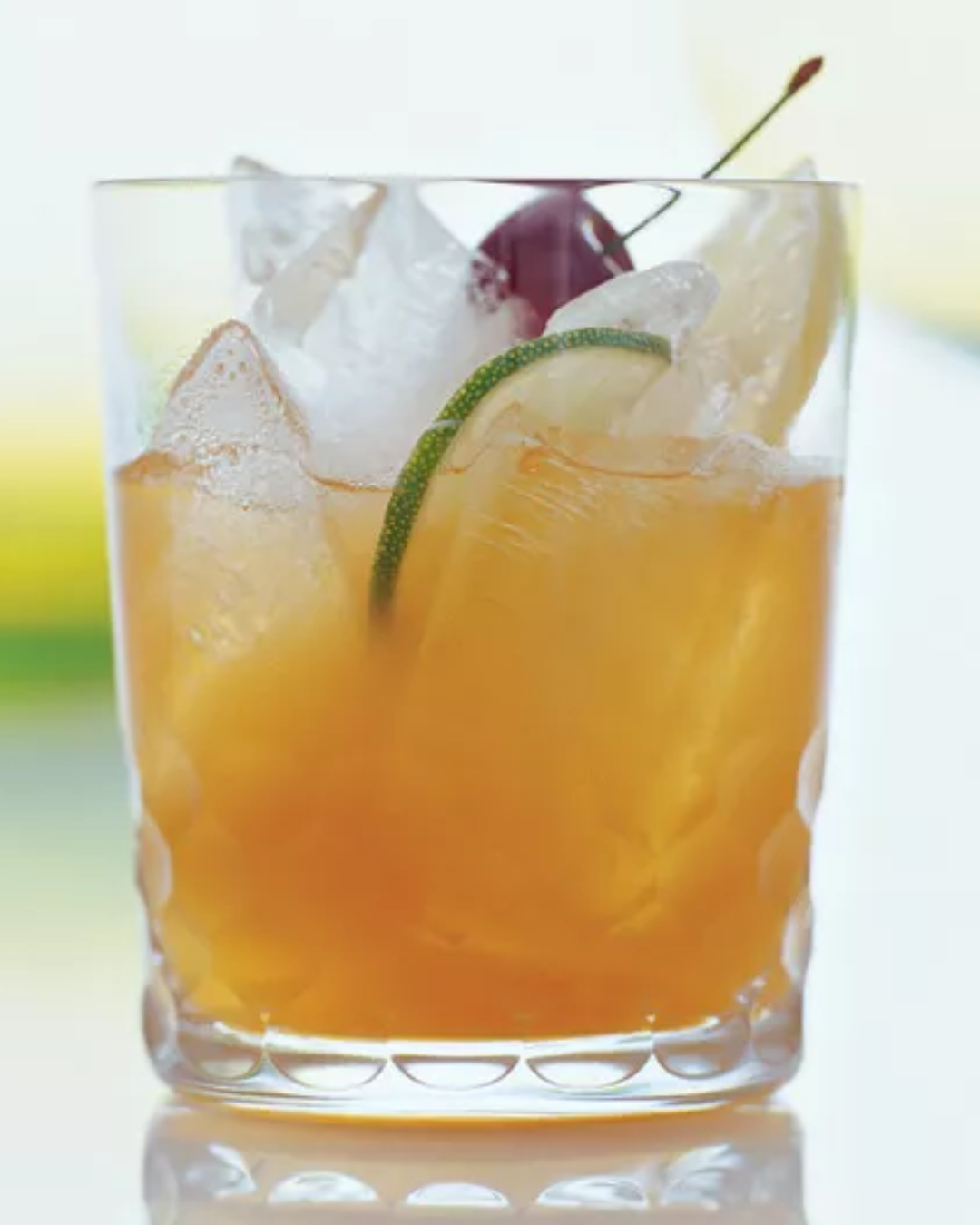
FISH HOUSE PUNCH
Made by an exclusive Philadelphia fishing club whose members called themselves “citizens” of their own tiny sovereign state. George Washington reportedly drink enough of it at one gathering he couldn’t bring himself to write a diary entry for three days afterward.
AI-generated
1784-1860s:
The word cocktail shows up & the South claims a drink
Somewhere around 1806, the word “cocktail” got its first written definition. The country was expanding, regional identities were forming, and critically, someone finally figured out how to cut and store ice commercially, turning it from a luxury to just a given. That single innovation is the reason half the drinks further down this list are in a recognizable form.
Nowhere claimed this shift harder than the South with the Mint Julep. It started as a medicinal tonic and ended up as the most recognizable symbol of Southern hospitality this side of a wraparound porch. The Kentucky Derby didn’t make the Julep famous as much as it has just given it a permanent stage. Teddy Roosevelt loved one so much that it nearly ended up in court. Apparently, during his 1912 campaign, a Michigan newspaper called him a drunk. Roosevelt, a man who was obsessed with physical fitness, testified he could barely finish a single Julep, sued for libel, and won. The jury awarded him a penny in damages, and his image was fully restored.
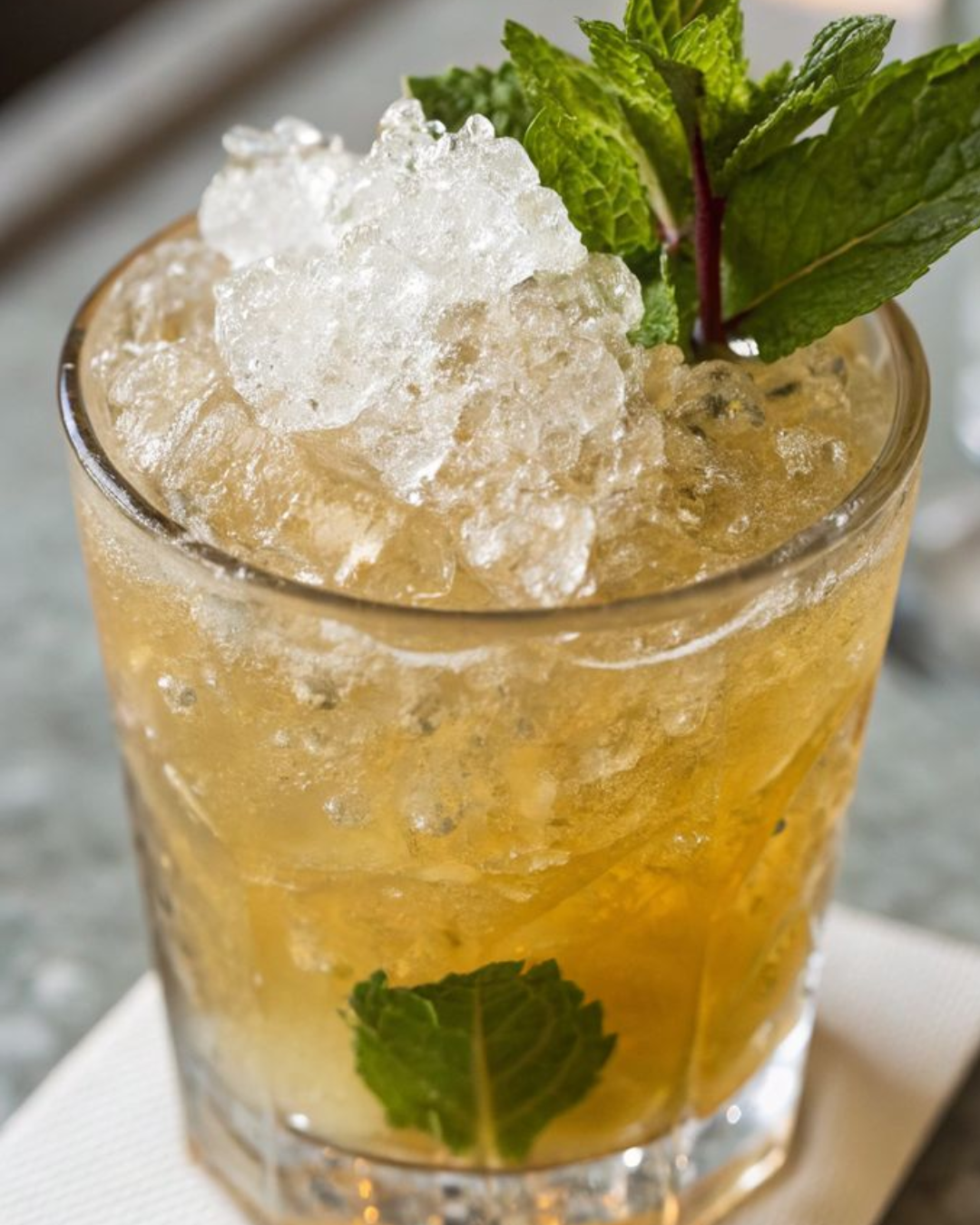
MINT JULEP
Before it became the Kentucky Derby’s signature flex, this was actually a medicinal morning drink. Doctors actually prescribed it to settle upset stomachs before breakfast. Somewhere along the way it graduated from stomach remedy to Southern status symbol.
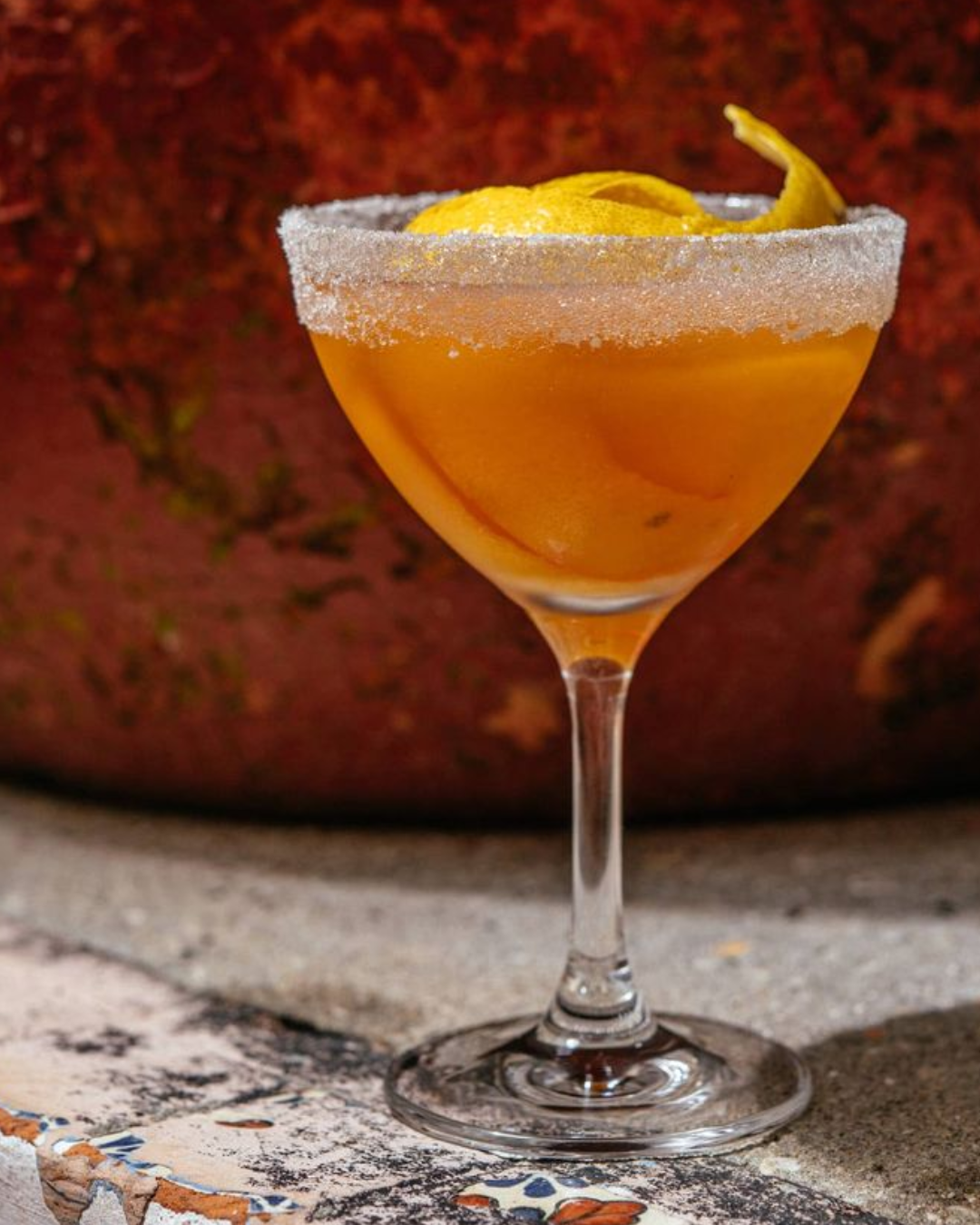
BRANDY CRUSTA
This unassuming drink is basically the great-grandparent of the Sidecar, the Margarita, and the Daiquiri. A New Orleans bartender was apparently the first person to put citrus juice in a cocktail, and once that idea existed, an entire category of drinks followed from it.
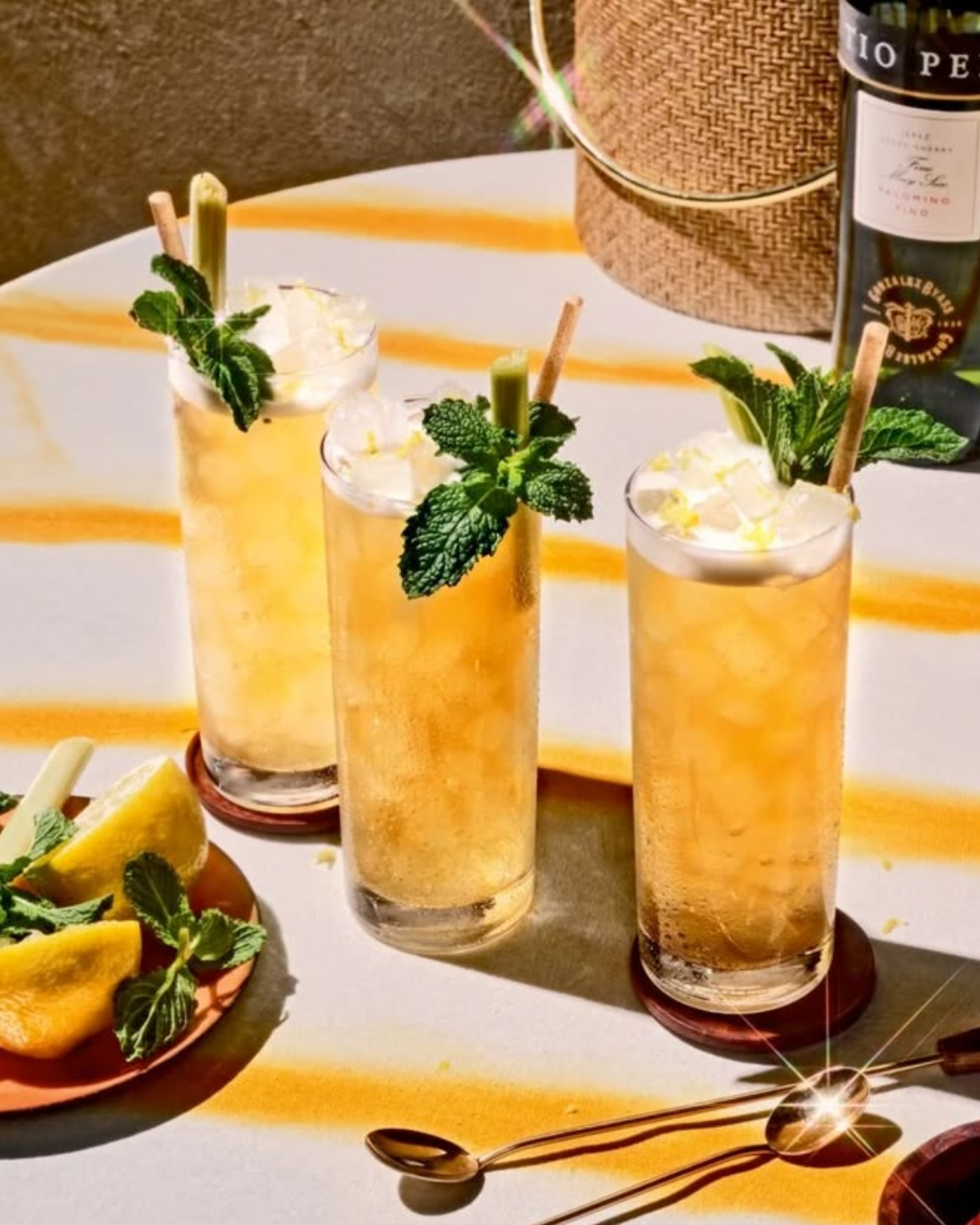
SHERRY COBBLER
Forget the cobbler part being slightly confusing. This one isn’t just a cocktail, it’s actually an early flex. Why? Ice. Ice was still considered a luxury when it debuted, and this drink existed largely to show it off. Sipping something cold through a straw at a bar was a novely most people had never experienced.
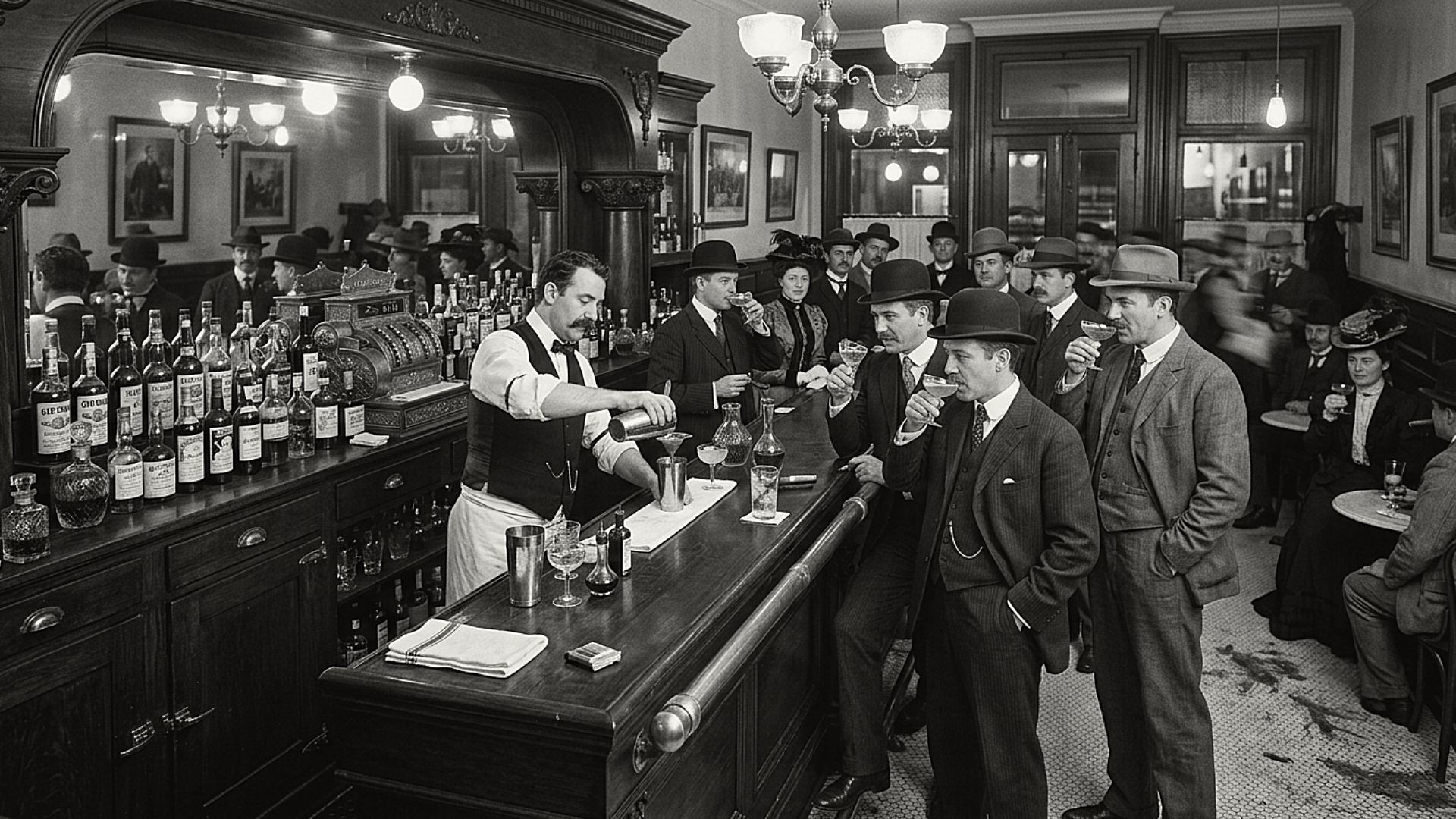
AI-generated
1870s-1919:
New money, imported vermouth, and politics by the glass
Industrial wealth built the Grand Hotel bar, and in turn, the Grand Hotel bar built the Manhattan. American rye, Italian sweet vermouth, and a dash of bitters became a drink that basically announced the country had money now, not to mention opinions about vermouth. It’s believed to have started at the Manhattan Club in the 1870s at a party, which feels correct. This was also the era that proved politics has always been a drinking sport. In 1896, McKinley’s wealthy backers rallied around McKinley’s Delight - rye, sweet vermouth, cherry liqueur, and absinthe - a drink with all the subtlety of a campaign donor. His populist opponent, William Jennings Bryan, running on the silver standard, got the Free Silver Fizz - gin, lime, soda - all bubbles, no absinthe. Two drinks, two platforms, and one election. That would be something interesting to bring back today.
Eventually, in 1883, a lobbyist named Joe Rickey bet big on a congressional race, which feels very wrong now, but he won roughly $40,000 in today’s money. He spent the next morning nursing a hangover at a D.C. dive bar called Shoomaker’s. He told the bartender to squeeze lime into bourbon, add ice, and top with soda. That hangover cure became the Rickey and eventually the Gin Rickey. Half of American cocktail history seems to be just a good story about a bad morning.
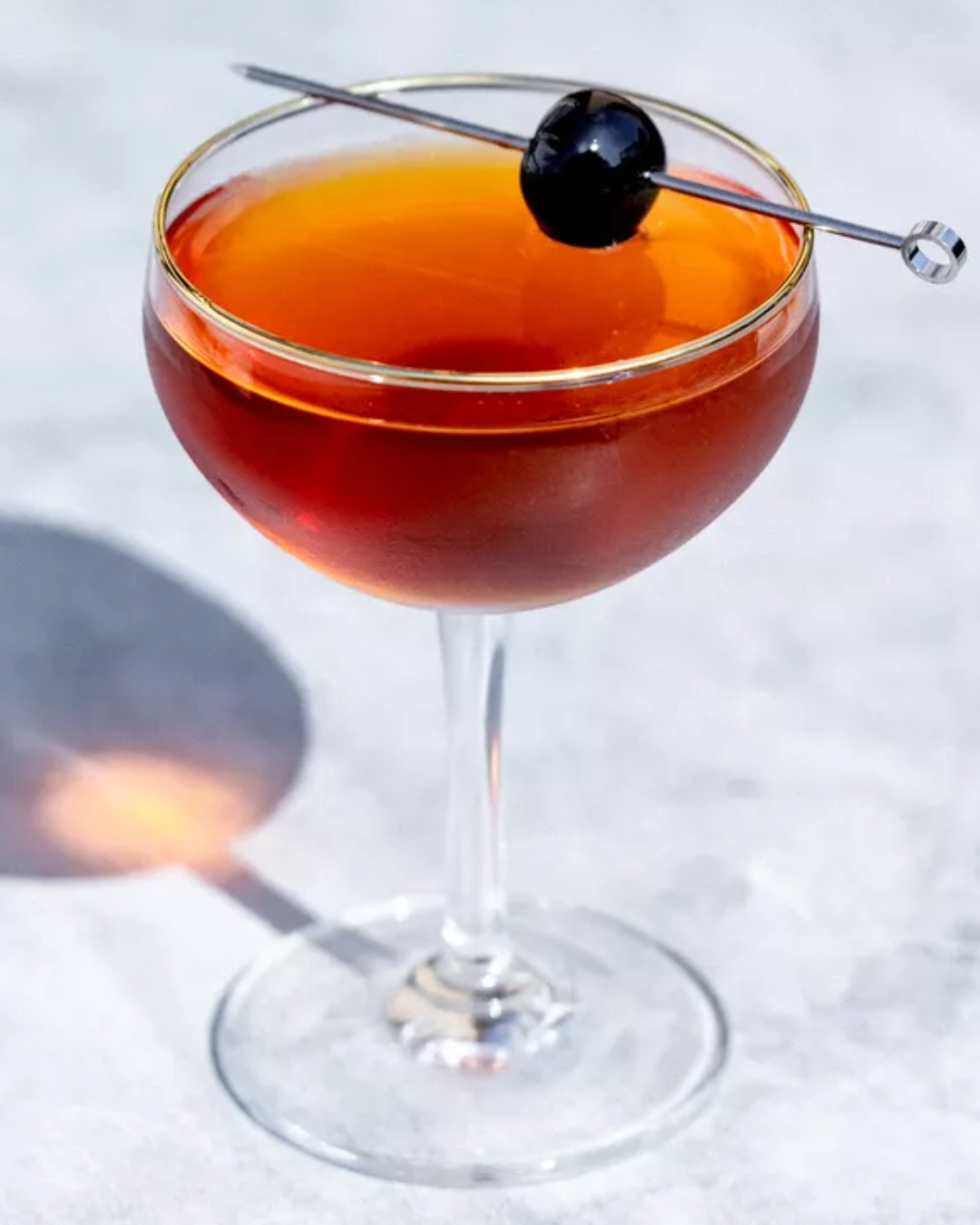
MANHATTAN
The most frequently repeated origin story says it was invented at a party Winston Churchill’s mother threw at the Manhattan Club. It’s a great story, but likely false given she was apparently pregnant and living in England when this party supposedly happened.
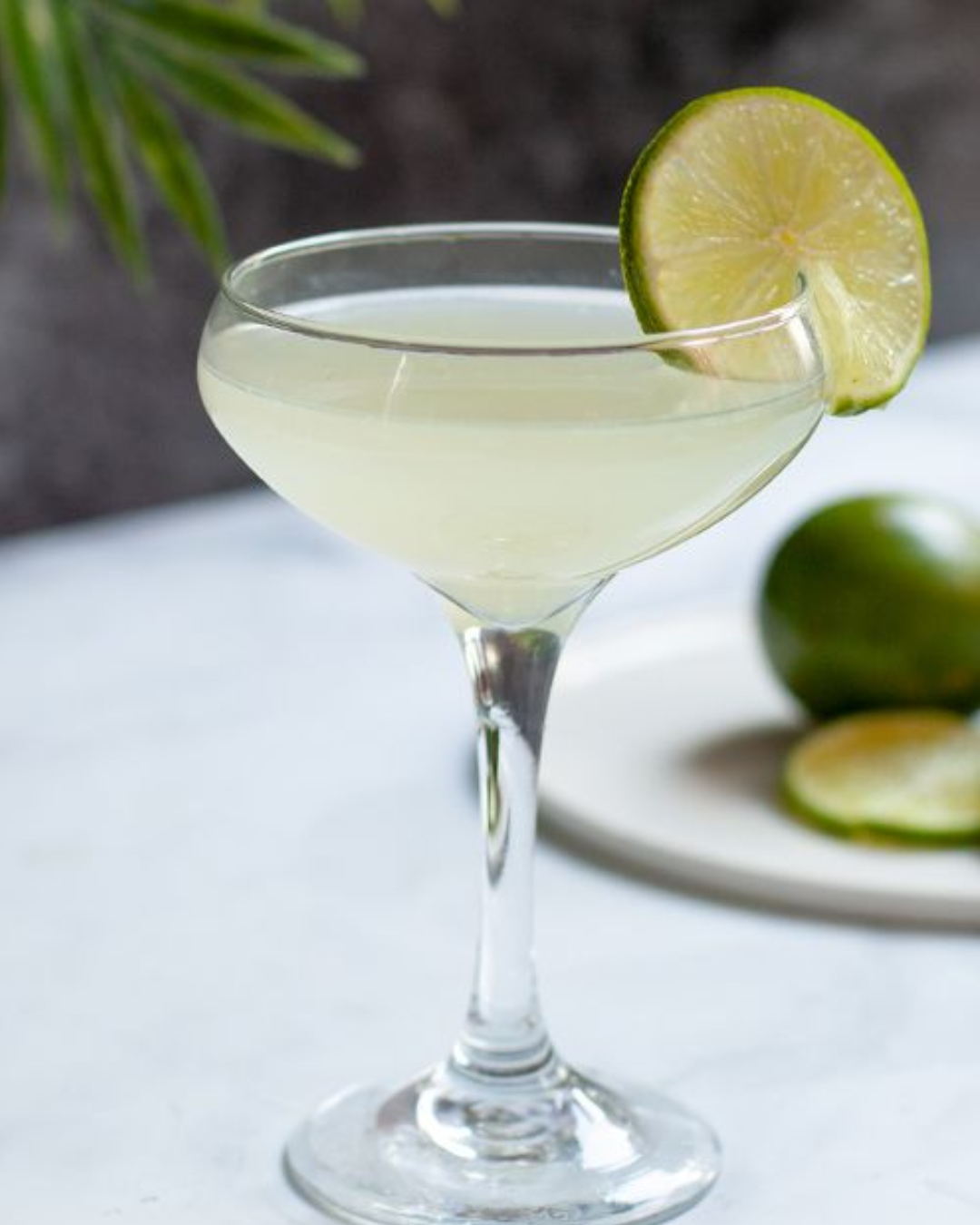
DAIQUIRI
The origin story of this one is basically “guy runs out of gin.” An American engineer in Cuba was hosting friends, went to restock his bar, and came back with rum instead because that is what the market had. He improvised with lime and sugar rather than admit defeat.
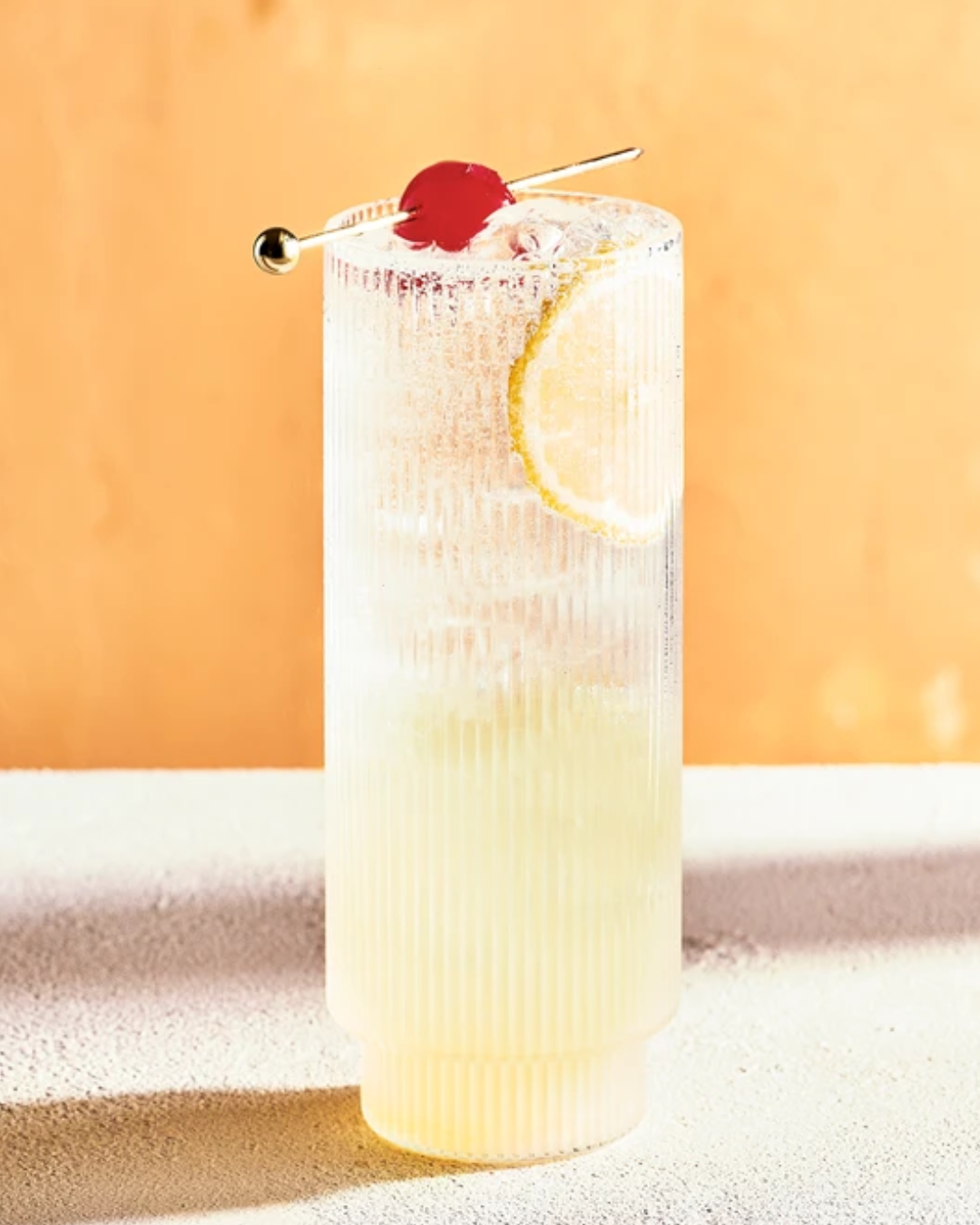
TOM COLLINS
The Tom Collins is actually not named after a person, but rather a practical joke. In 1874 New York, people started telling their friends “Tom Collins is talking about you,” sending them off to hunt down someone who didn’t exist. Bartenders eventually got in on the bit naming a drink after him.
AI-generated
1920-1933:
Prohibition made everything sweeter, on purpose
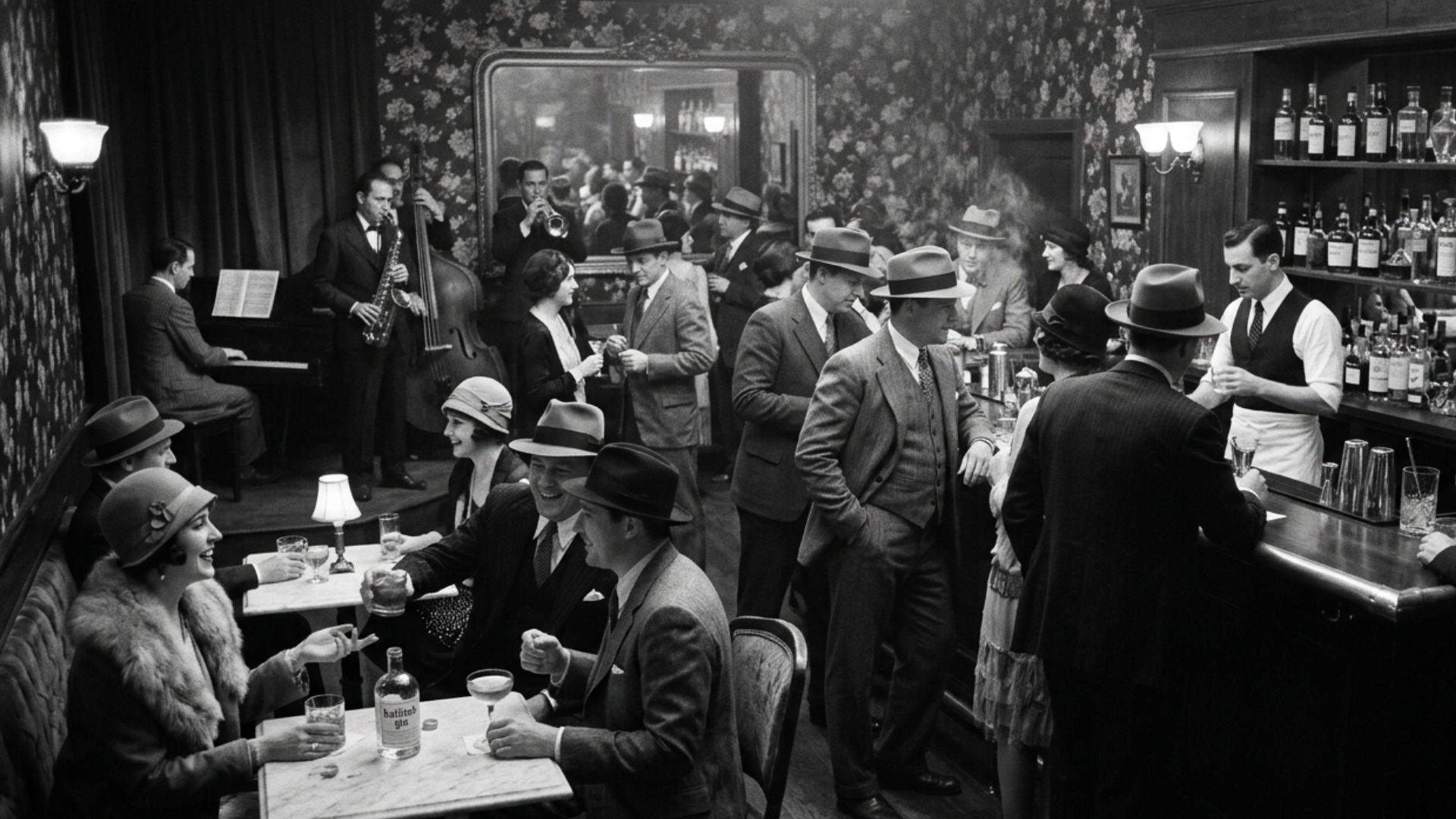
Ban alcohol, and people don’t stop drinking. They literally just started drinking worse alcohol and got creative about hiding it. It’s basically why the Bee’s Knees exists. It was built specifically to mask the taste of bathtub gin, which apparently tasted like a chemistry accident. It worked well enough that it’s still good today and doesn’t have to use bathtub gin. The Scofflaw and the Income Tax came out of the same instinct - bright, citrus-forward, and built to distract from what was actually being drank.
Meanwhile, the White House had its own Prohibition story. Woodrow Wilson, president when the 18th Amendment passed, used a legal loophole to move his personal stash of scotch and wine out of the White House before he left office, because, of course, he did. Years later, when FDR signed Prohibition’s repeal, he celebrated by mixing the first legal cocktail in the Oval Office himself: a martini. Unfortunately, FDR was, by every account, a genuinely bad bartender. He was prone to adding Pernod or olive brine to martinis because he liked to experiment, and his staff drank it anyway, because what are you going to do? Say no?
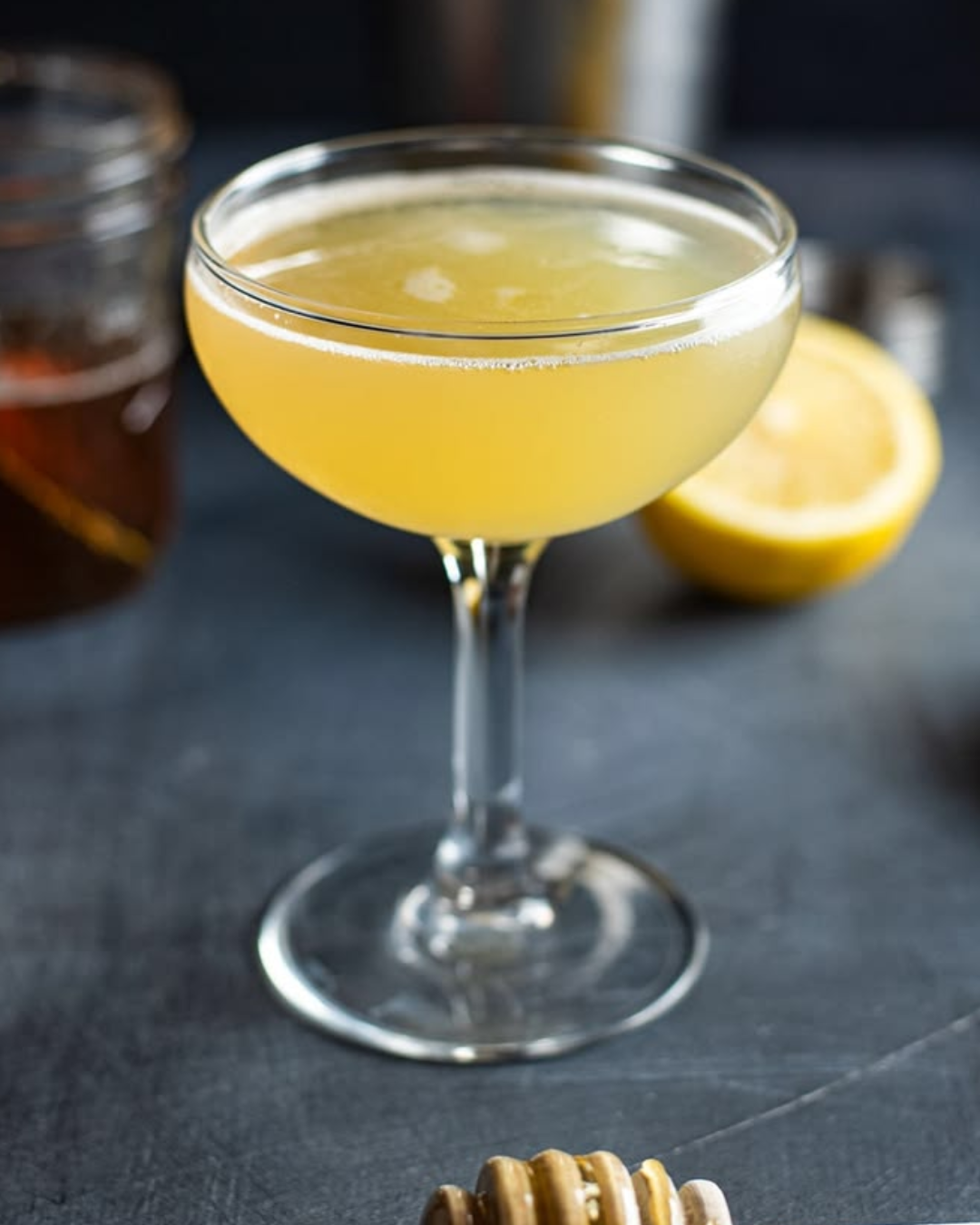
THE BEE’S KNEES
This one is named after Prohibition slang for “the best,” a phrase you’ve no doubt heard before. But the real fascinating detail is who is credited with inventing it: Margaret “The Unsinkable Molly Brown” Brown, the Titanic survivor, who apparently kept Paris nightlife circles busy after nearly dying at sea.
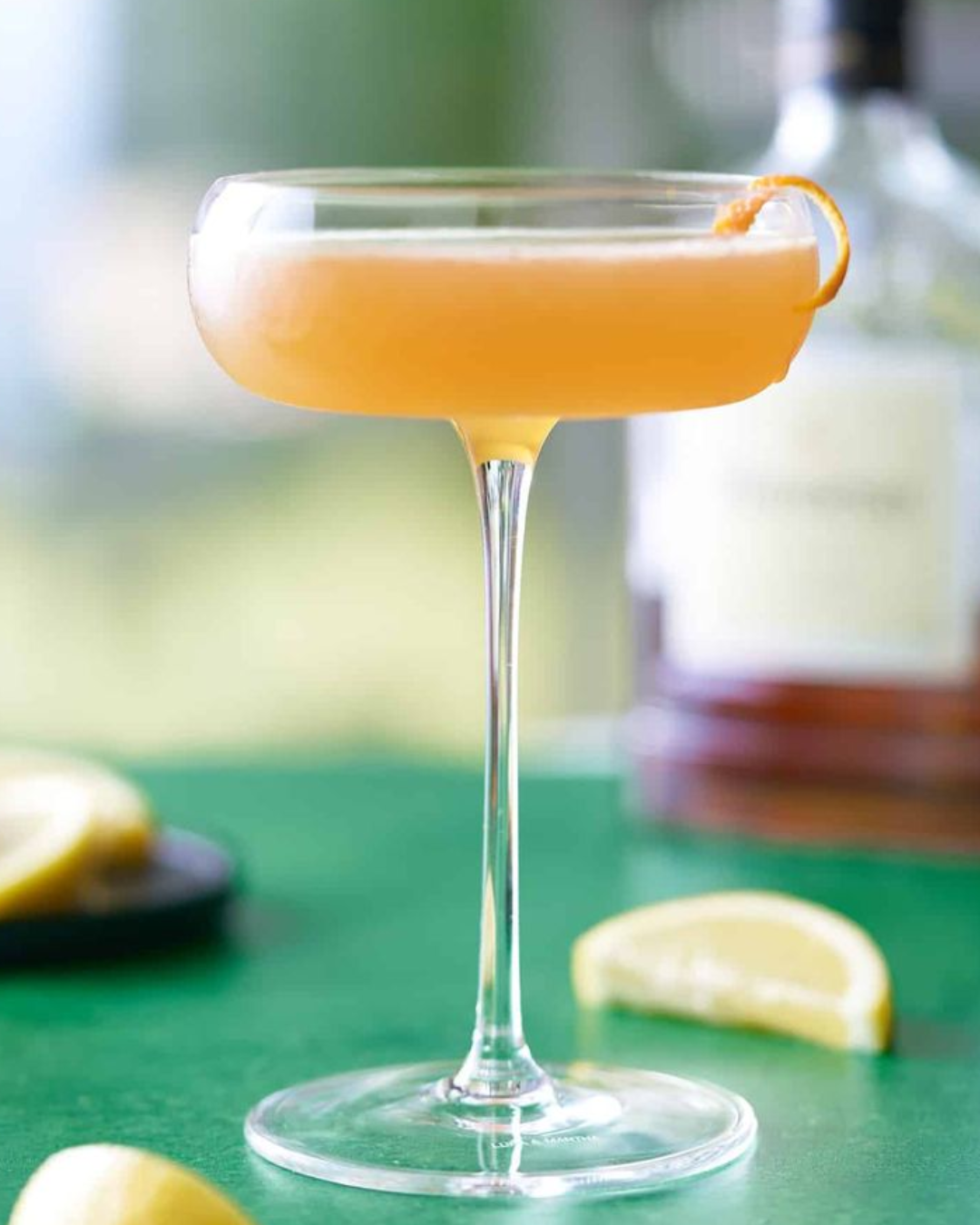
SIDECAR
Named after an actual motorcycle sidecar, legend says an American army captain used to arrive at the bar in one, and the bartender built him a drink to match. London and Paris have been arguing about who actually invented it for over a century, and neither side has really ever backed down.
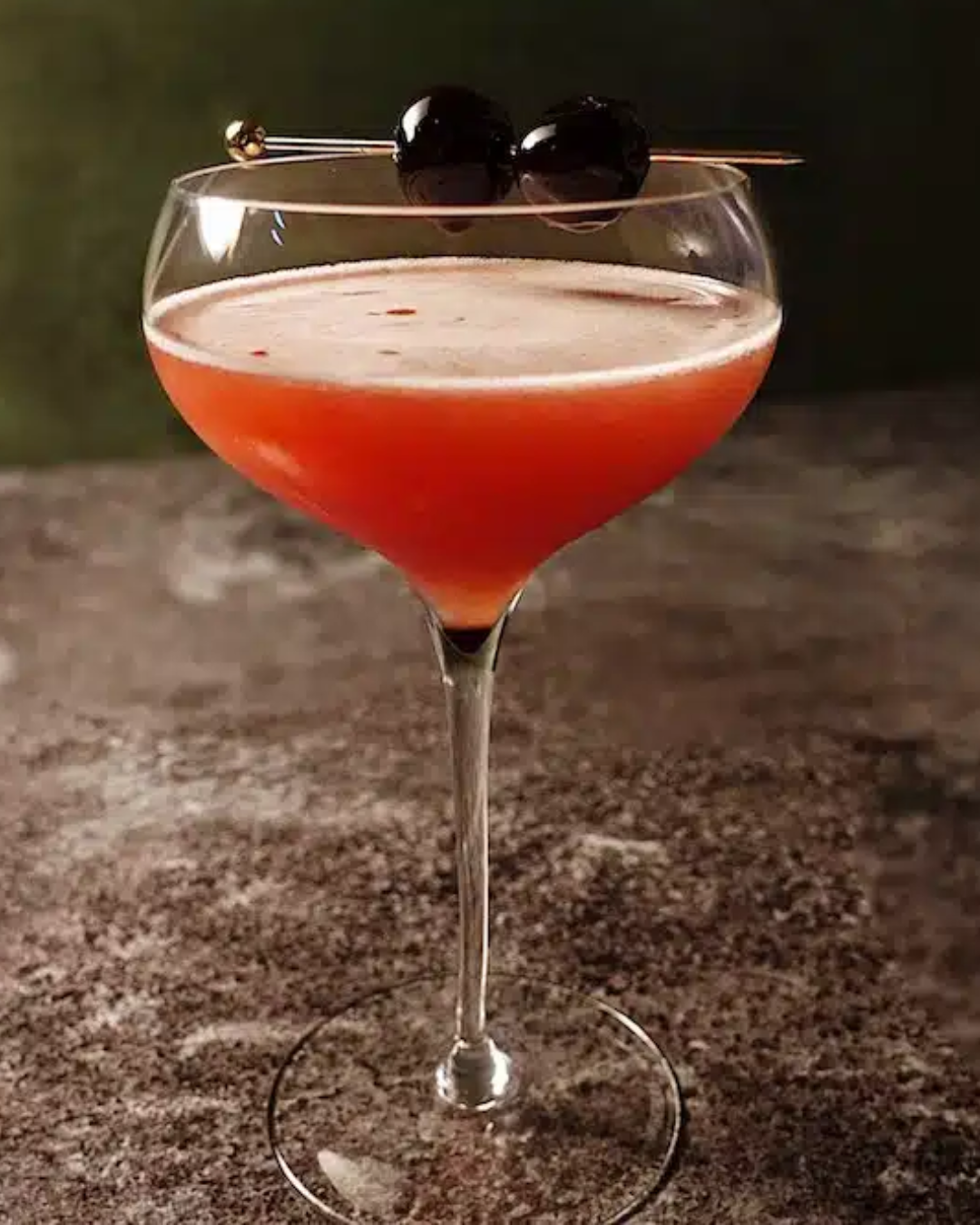
MARY PICKFORD
This one was named for the silent film star during a supposed visit to Havana with Douglas Fairbanks and Charlie Chaplin. The catch: film historians have gone through her actual travel records, and there is no evidence she was ever in Cuba during the years this story claims.
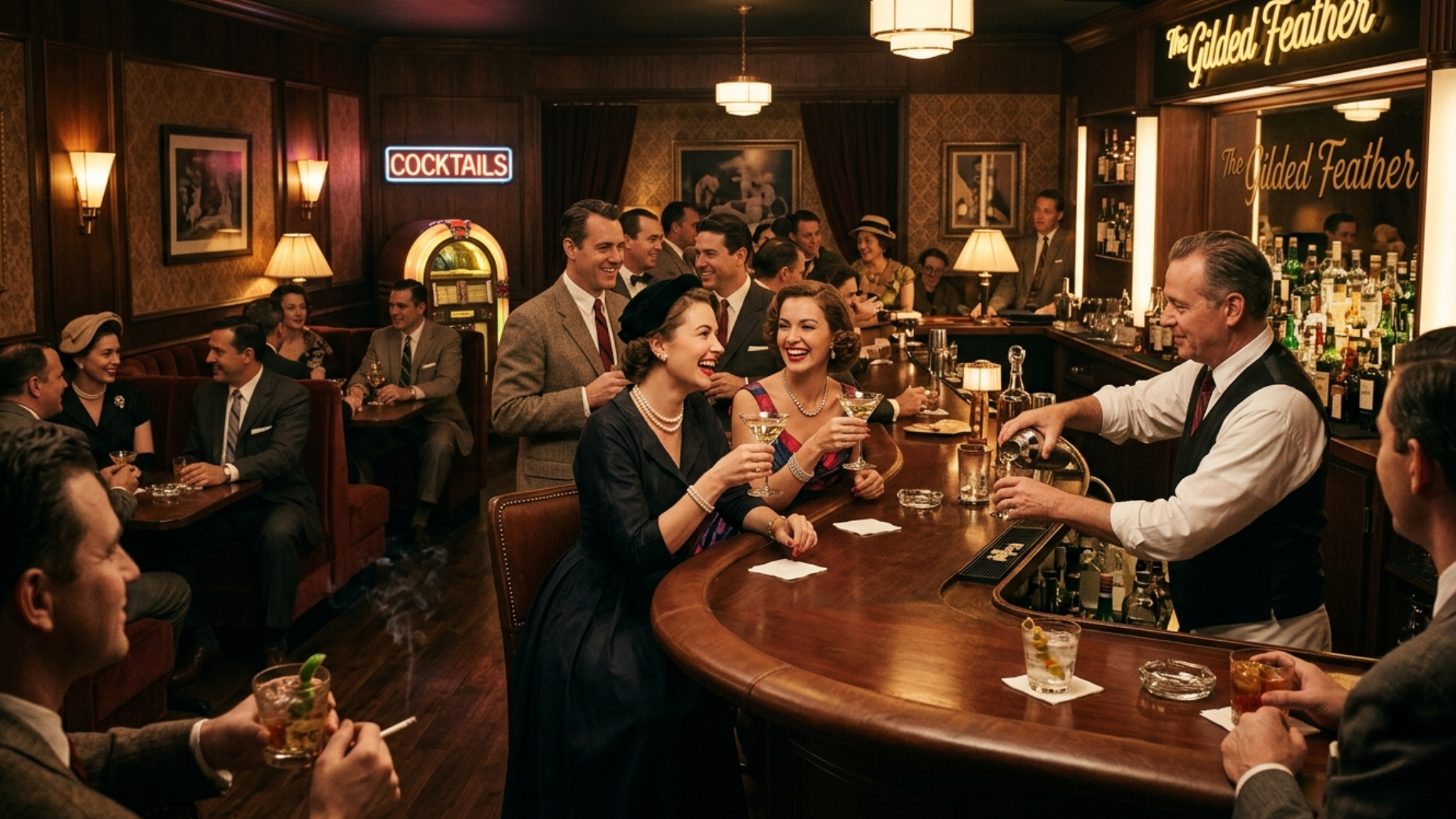
AI-generated
1940s-1960s:
The country wanted an escape, so it built one out of rum
Soldiers returning from the Pacific had a newfound fascination with Polynesian culture, leading to the birth of the tiki bar. A concept that was equal parts genuine appreciation and full-blown fantasy. The Mai Tai became its flag-bearer. Made with rum, lime, and orgeat, it was a drink that looked and tasted like an escape hatch from Cold War anxiety, which was fair. The Moscow Mule has one of the best origin stories of this era in history, mostly because it was a scam. Vodka and ginger beer, both of which were sitting mostly unused in American warehouses during the 1940s, got packaged together by clever marketers who needed to move inventory. There is no Cold War intrigue or Russian anything. Just two unwanted products and a copper mug that gave it the appearance of being more important than it was. It’s probably one of the most American drinks precisely because it’s a marketing stunt that outlived its marketing.
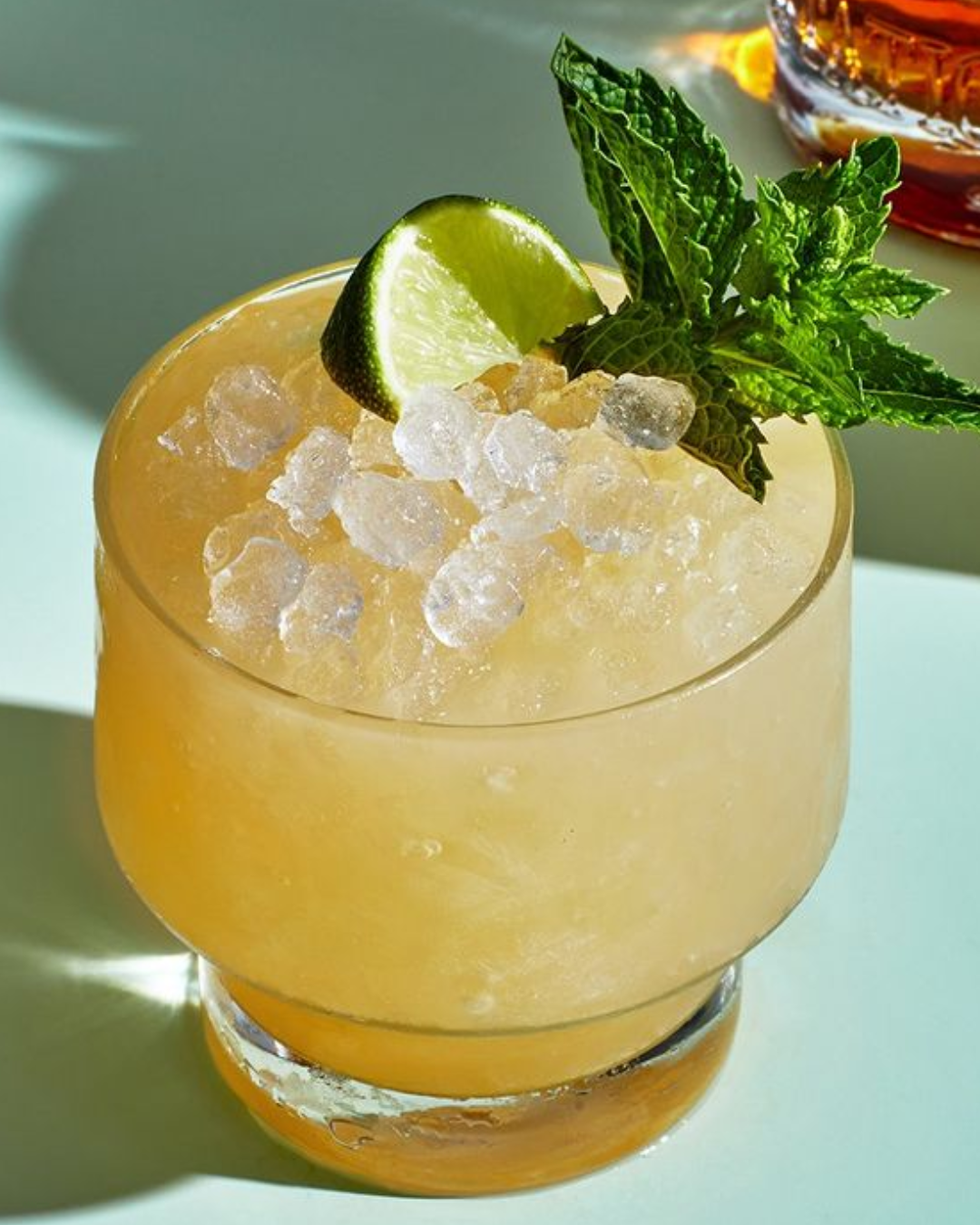
MAI TAI
Two Southern California bar owners spent decades feuding over whoe invented this, and it actually ended up in court in 1970. Trader Vic won and got the legal right to the name, but even the judge’s ruling didn’t actually settle who came up with it first and it’s still being argued about to this day.
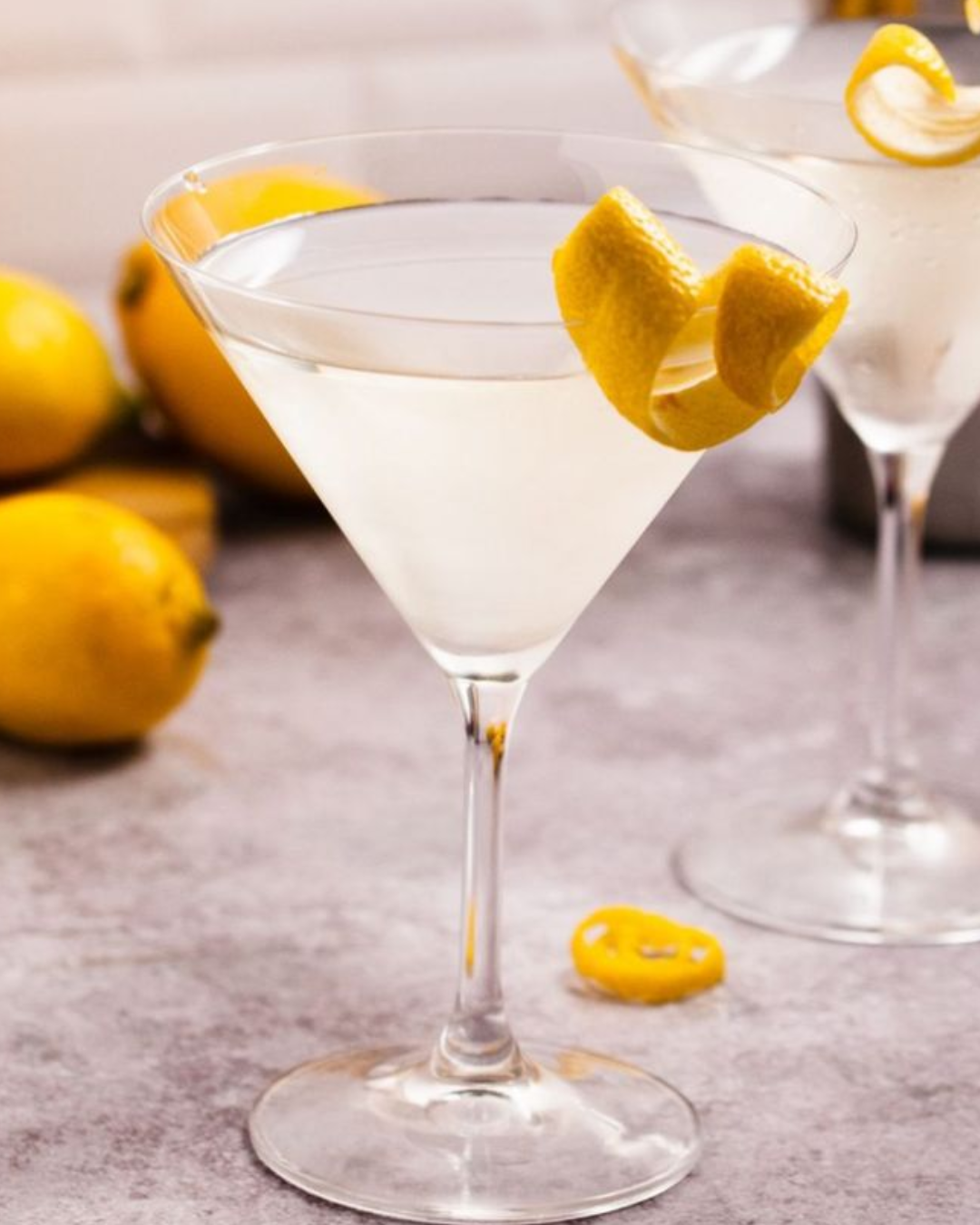
VODKA MARTINI
This isn’t the original order. In Ian Fleming’s first Bond novel, 007 asks for gin, not vodka, and the whole “shaken, not stirred” thing didn’t get attached to vodka for some time. The movies alone are the reason everyone thinks Bond’s been drinking vodka the entire time.
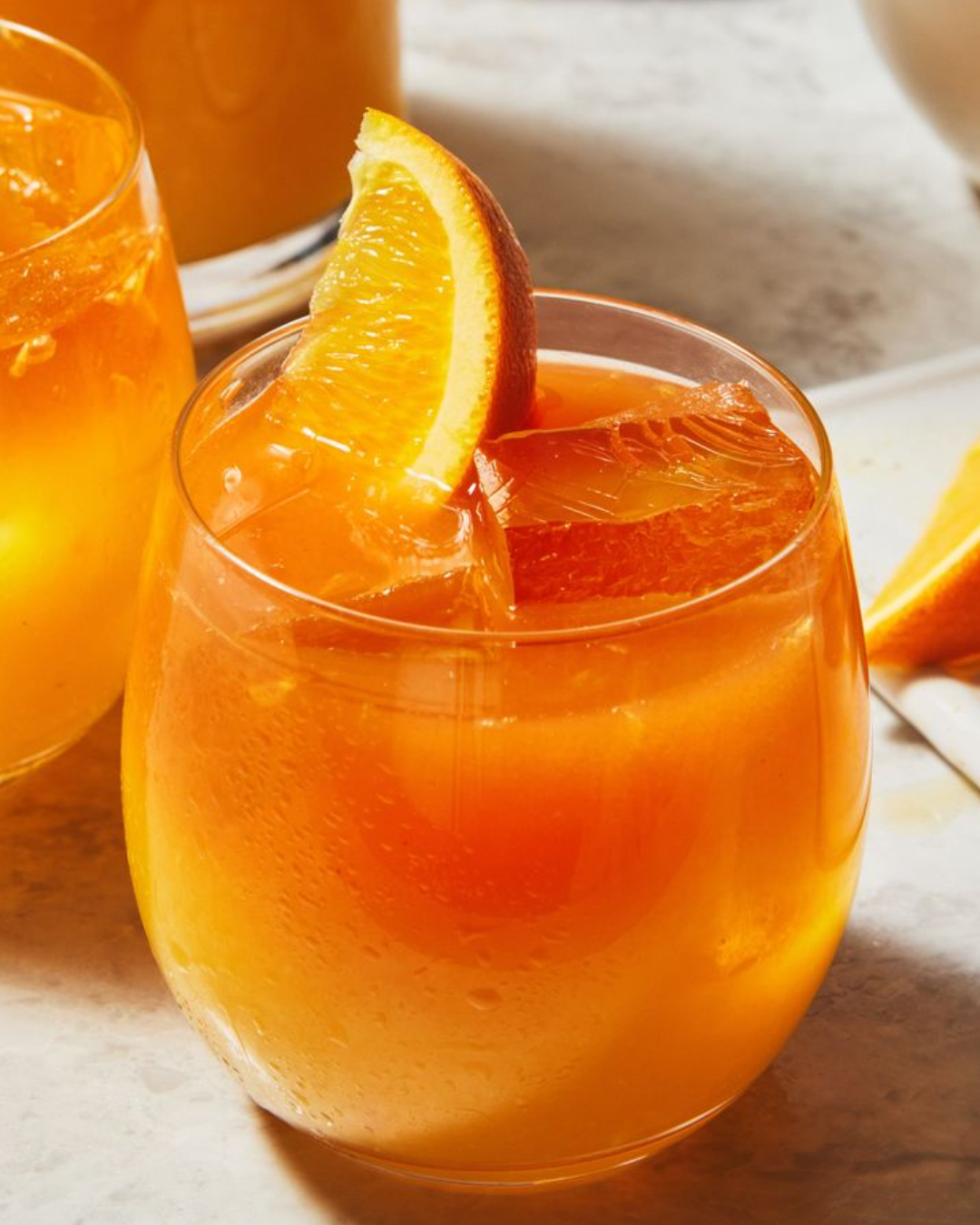
SCREWDRIVER
Some may say this is the most boring cocktail on the menu, but actually has one of the best backstories. American oil workers in the Persian Gulf would spike their orange juice with vodka on the job and stir it with an actual screwdriver from their toolbox because it was within reach. No bartender, no ceremony - just a tool pulling double duty.
AI-generated
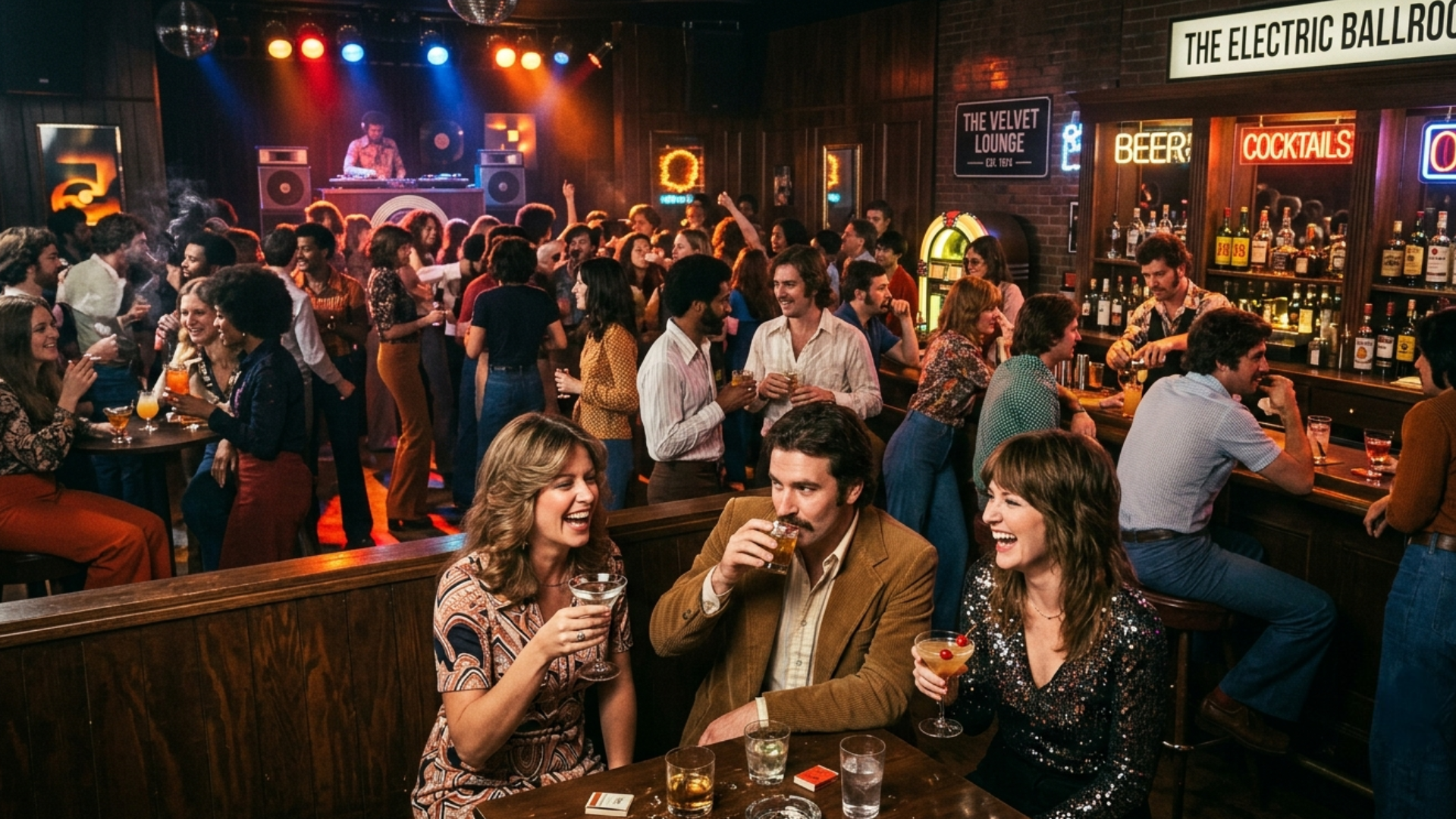
1970s-1980s:
The era cocktail culture would rather forget
Every great story needs a “bad” decade, and for American drinking, this was probably it. Chain restaurants started mass-producing everything, including artificial sour mix by the gallon. The Harvey Wallbanger is basically the drink equivalent of shag carpet - fun to look back on, not something we’re bringing back on purpose. The decade also produced the single greatest defense of a cocktail ever delivered by a former president. When Jimmy Carter tried to kill the tax deduction on the “three-martini lunch,” Gerald Ford, a man who notoriously loved a martini, pushed back publicly, calling it the “epitome of American efficiency.” It’s probably the only time arguing for a tax loophole was somehow made to sound almost patriotic.
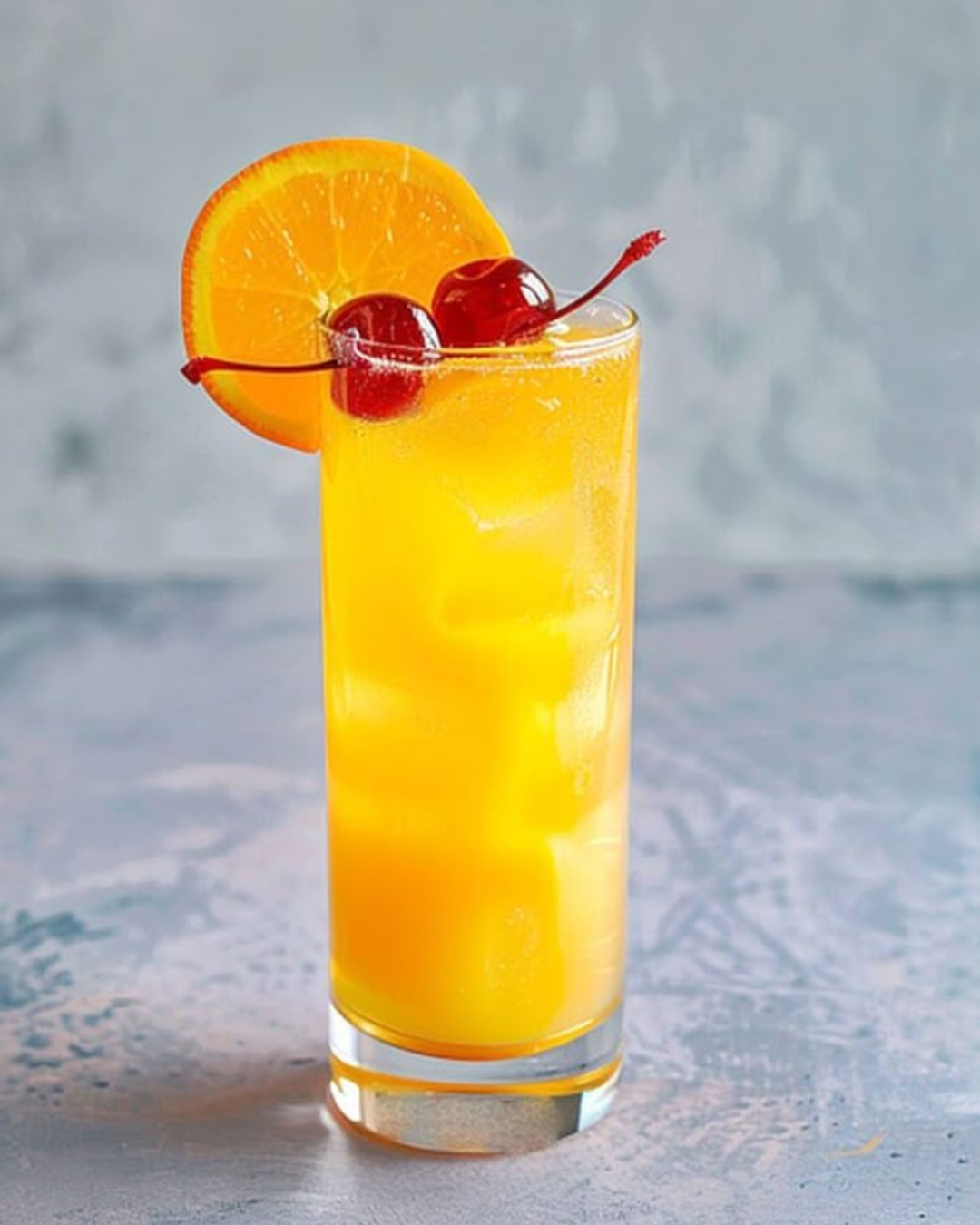
THE HARVEY WALLBANGER
This one’s basically a screwdriver with a marketing budget. A liqueur importer needed to sell more Galliano so they invented a whole backstory about a heartbroken surfer named Harvey who drank too many and stumbled into walls. The surfer may never have existed, but the cartoon they built around him made Galliano the best selling imported liqueur in America for most of the 1970s.
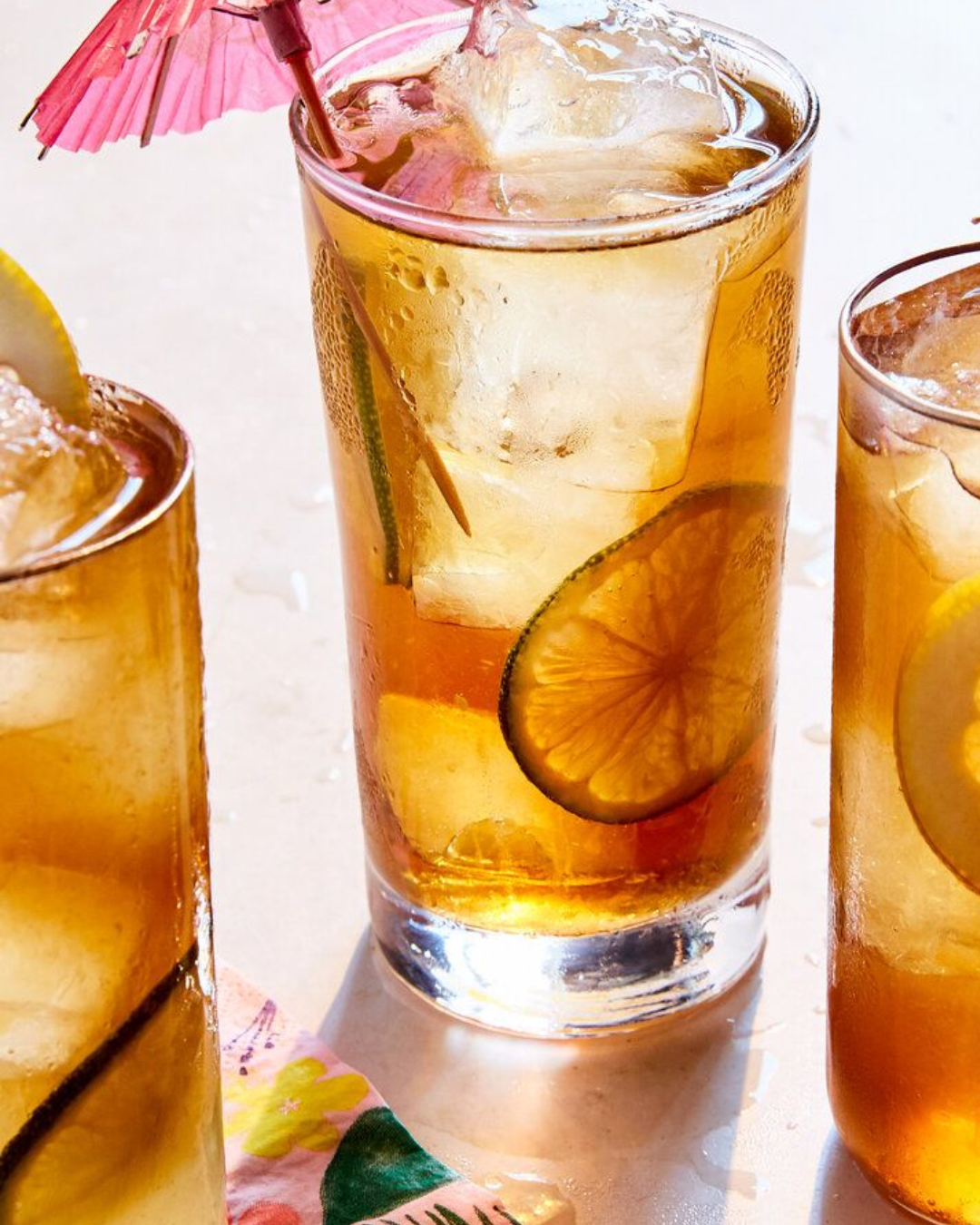
LONG ISLAND ICED TEA
Two towns have been fighting over this one for decades. A bartender in Long Island, New York claims he invented it in a 1972 contest, but Kingsport, Tennesee, which also happens to have a Long Island insists their version goes all the way back to Prohibition-era bootleggers. Nobody has backed down which eventually lead to an actual head-to-head cocktail competition to settle it. New York lost and called it rigged.
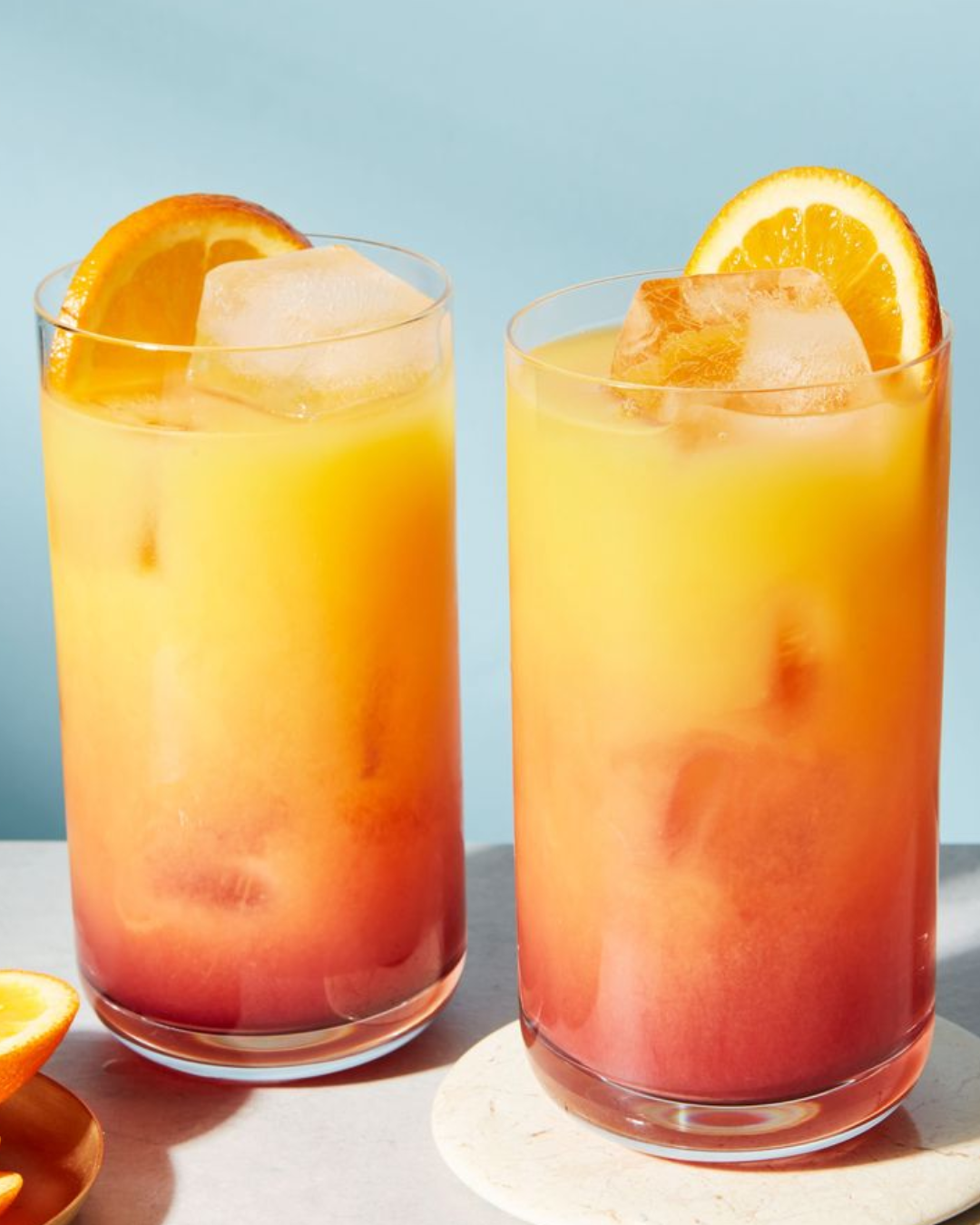
TEQUILA SUNRISE
The version everyone knows today isn’t actually the original. It was reinvented in 1972 by two twenty-something bartenders at a Sausalito bar. It only became a household name because Mick Jagger asked for a margarita and got talked into trying something else instead. The Rolling Stones apparently liked it enough to put tequila, orange juice, and grenadine in their tour rider for the rest of that run.
AI-generated
1990s to Current Day
We got snobby about it, and honestly, good
The Cosmopolitan put cocktails back in the cultural conversation in the ‘90s, helped unmistakably, by a certain HBO show and four women who made ordering one look like a personality trait. Then bartenders started getting serious about mixology. Fresh juice, house-made bitters, small-batch everything, and a full-on resurrection of pre-prohibition recipes nbody made in decades. The Craft Old Fashioned is where we landed with the same 200-year old bones but dramatically better execution.
Everything since - the Aperol Spritz, the Espresso Martini’s unstoppable comeback, and the Penicillin’s rise from “bartenders drink” to menu staple - is really the same instinct that built the Sherry Cobbler back in 1850.
Right now, the motto is: Make a cocktail look great, make it worth the wait, and make people ask what’s in it.
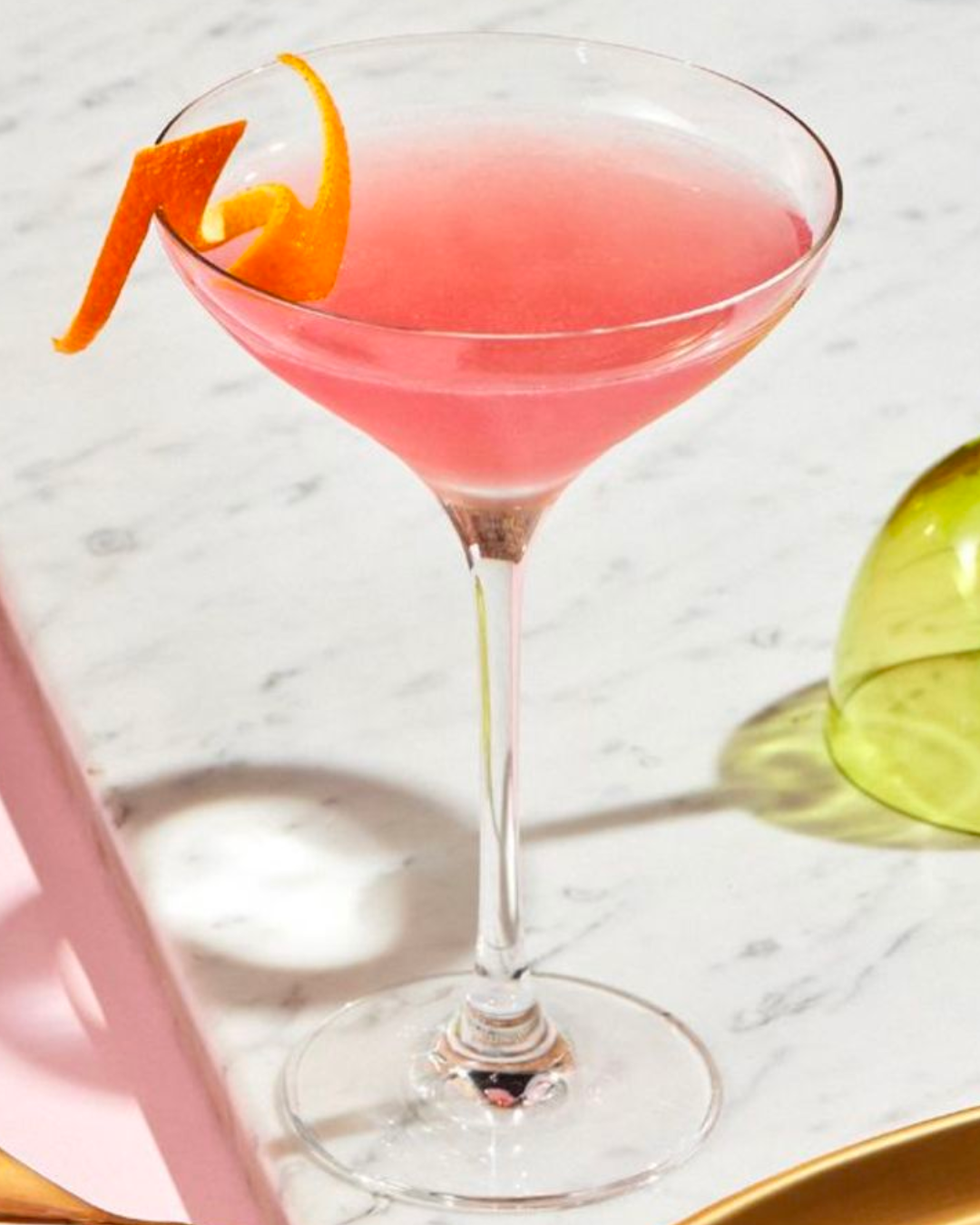
THE COSMOPOLITAN
There is no true inventor of the Cosmo. Two different bartenders in different cities, 14 years apart both landed on the same drink - vodka and cranberry served in a martini glass - and somehow called it the same thing. It probably would have stayed a regional curiosity forever if it weren’t for Sex and the City.
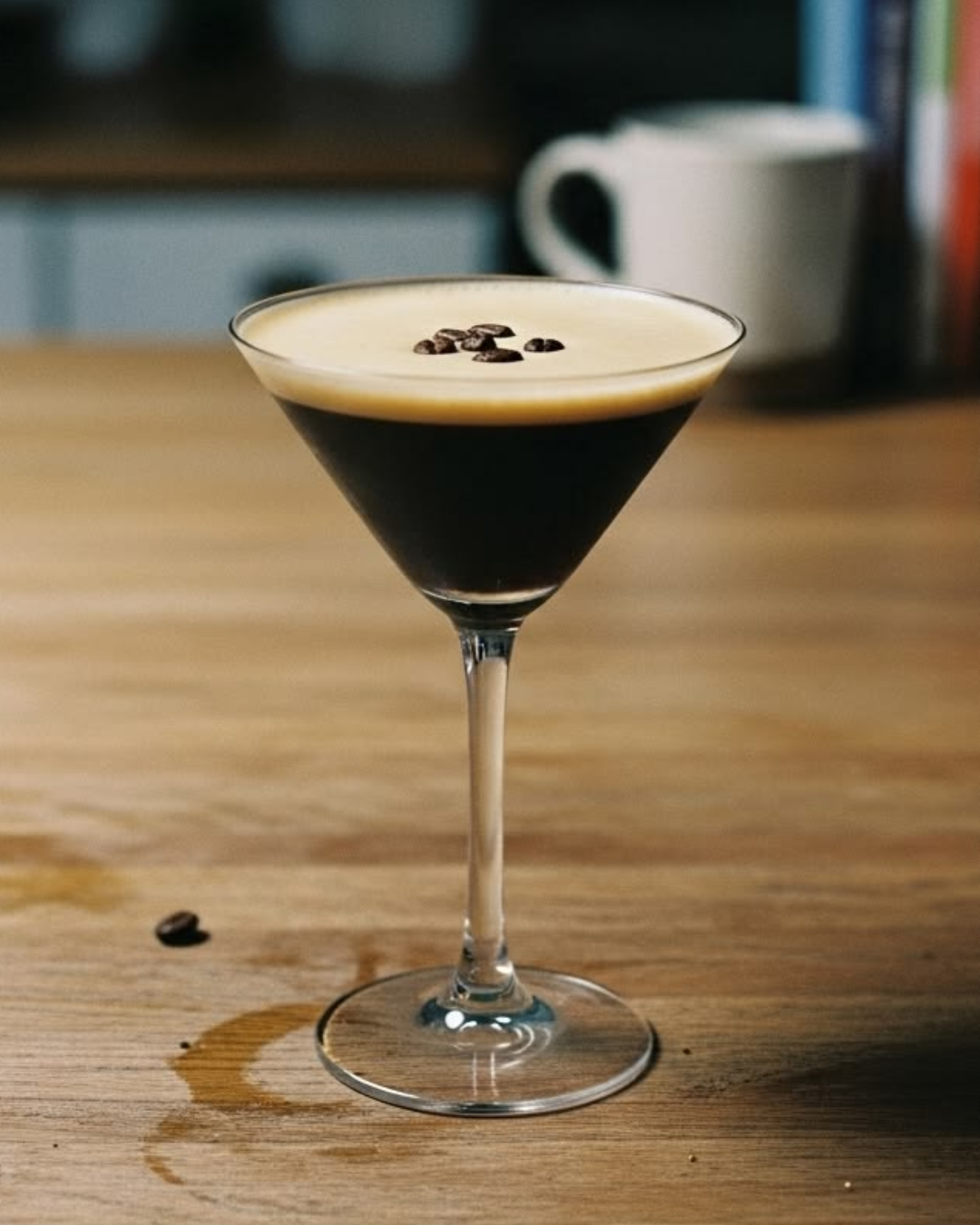
ESPRESSO MARTINI
Dick Bradsell threw this together in London early in the 1980s because a model at the bar wanted something that would wake her up and knock her out at the same time. It didn’t start as a martini. He called it the Vodka Espresso, and the rename is the only reason it sounds fancy enough to order in front of people.
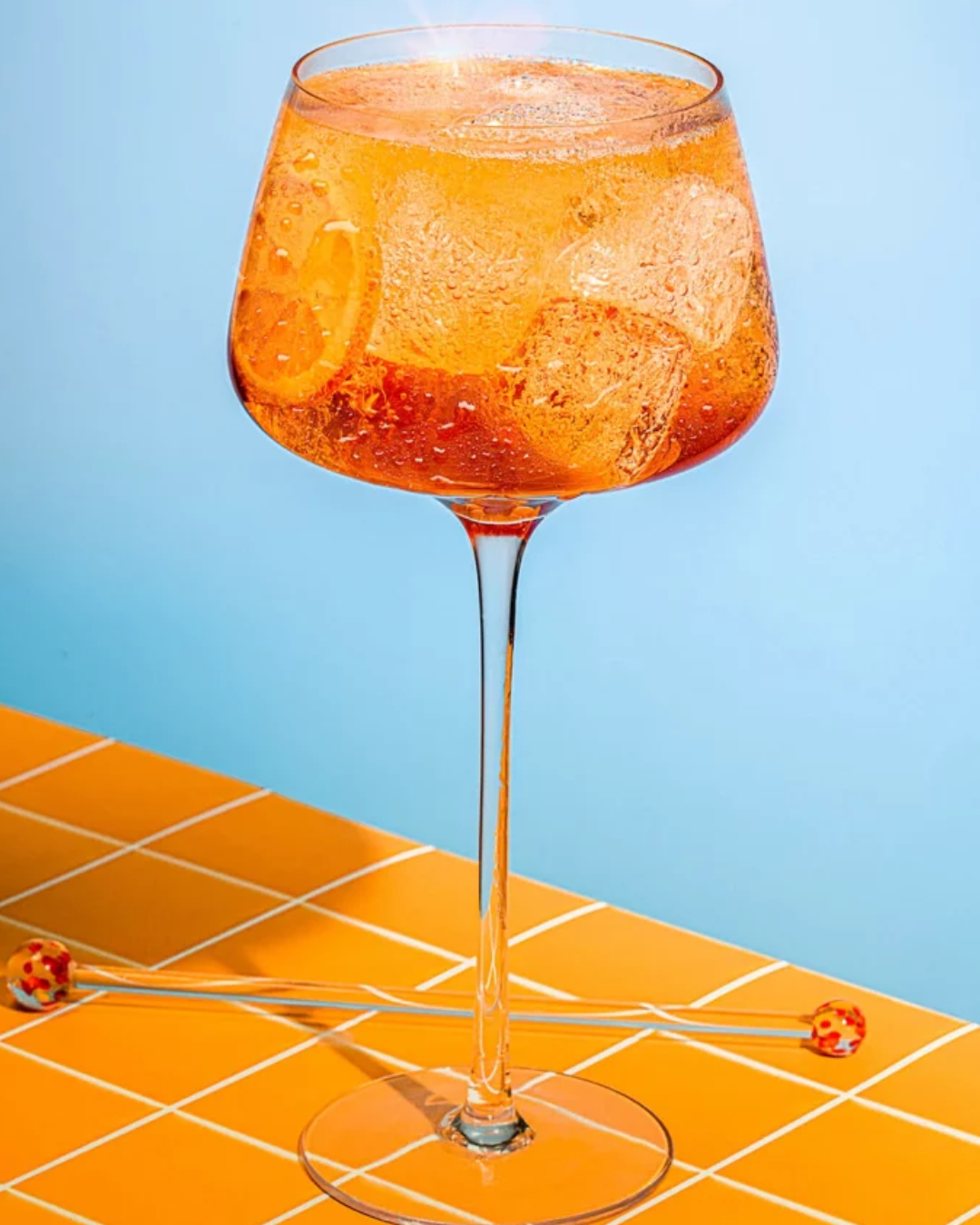
APEROL SPRITZ
The “spritz” part is way older than the Aperol part. Austro-Hungarian soldiers were topping off Italian wine with soda water a hundred years before Aperol even existed because they thought Italian wine was too strong. Aperol didn’t show up until 1919 and basically hijacked a drink that was already a century into its life.
We’ve always been a little excessive about this
Two hundred and fifty years, and the throughline isn’t the whiskey or the vermouth or even the ice. It’s the showing off. Every era found its own way to make a drink into a statement, whether it was about class, politics, or who you wanted people to think you are. The Cobbler was a performance. The Manhattan was new money in a glass. The Moscow Mule was a marketing trick that became a personality. That’s not a flaw. It’s just what we do. We take something functional and make it a whole production, and 250 years later, it’s still working. So to honor America or drink away the pure anxiety of being American these days, pour something old-fashioned or utterly ridiculous. Either one is on brand.