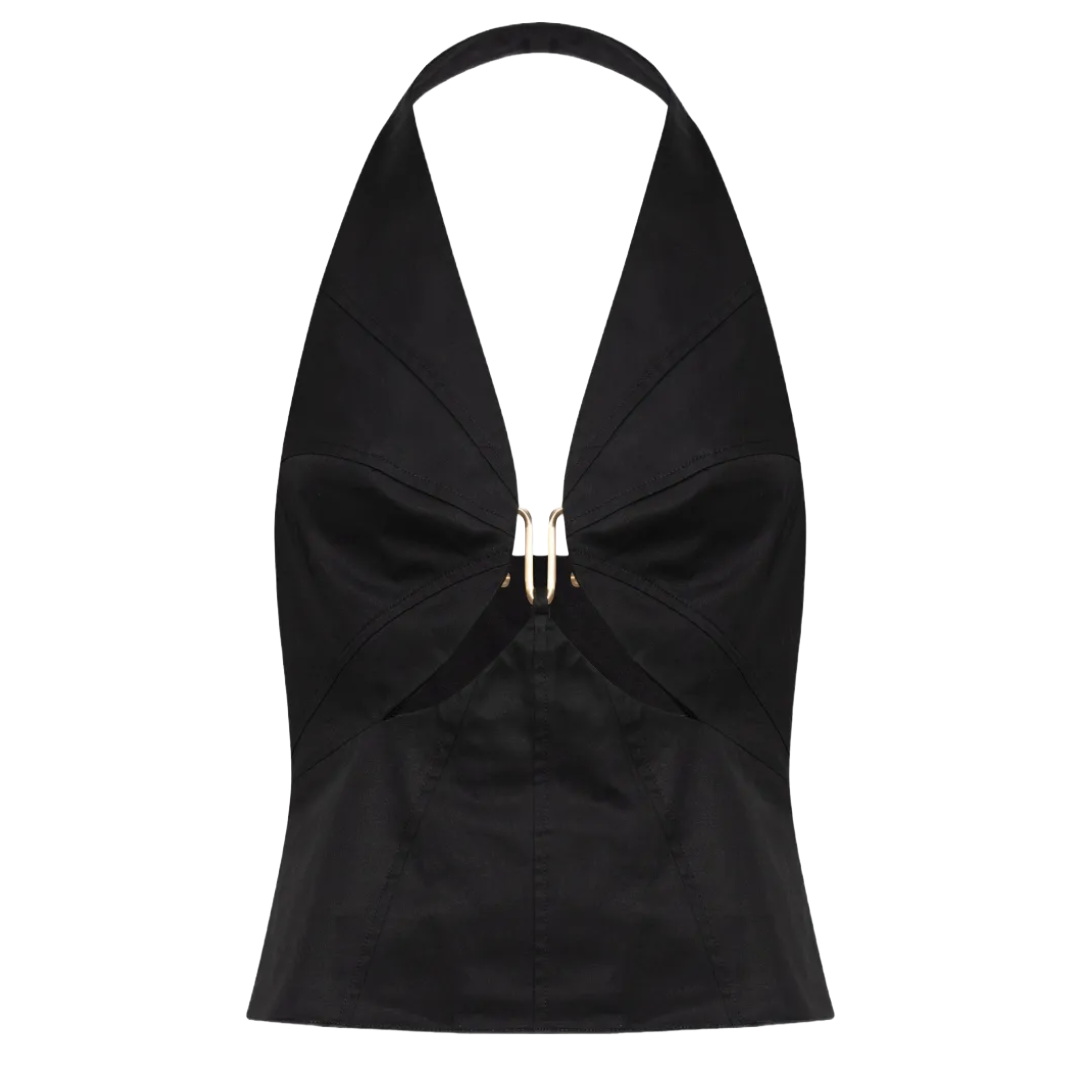
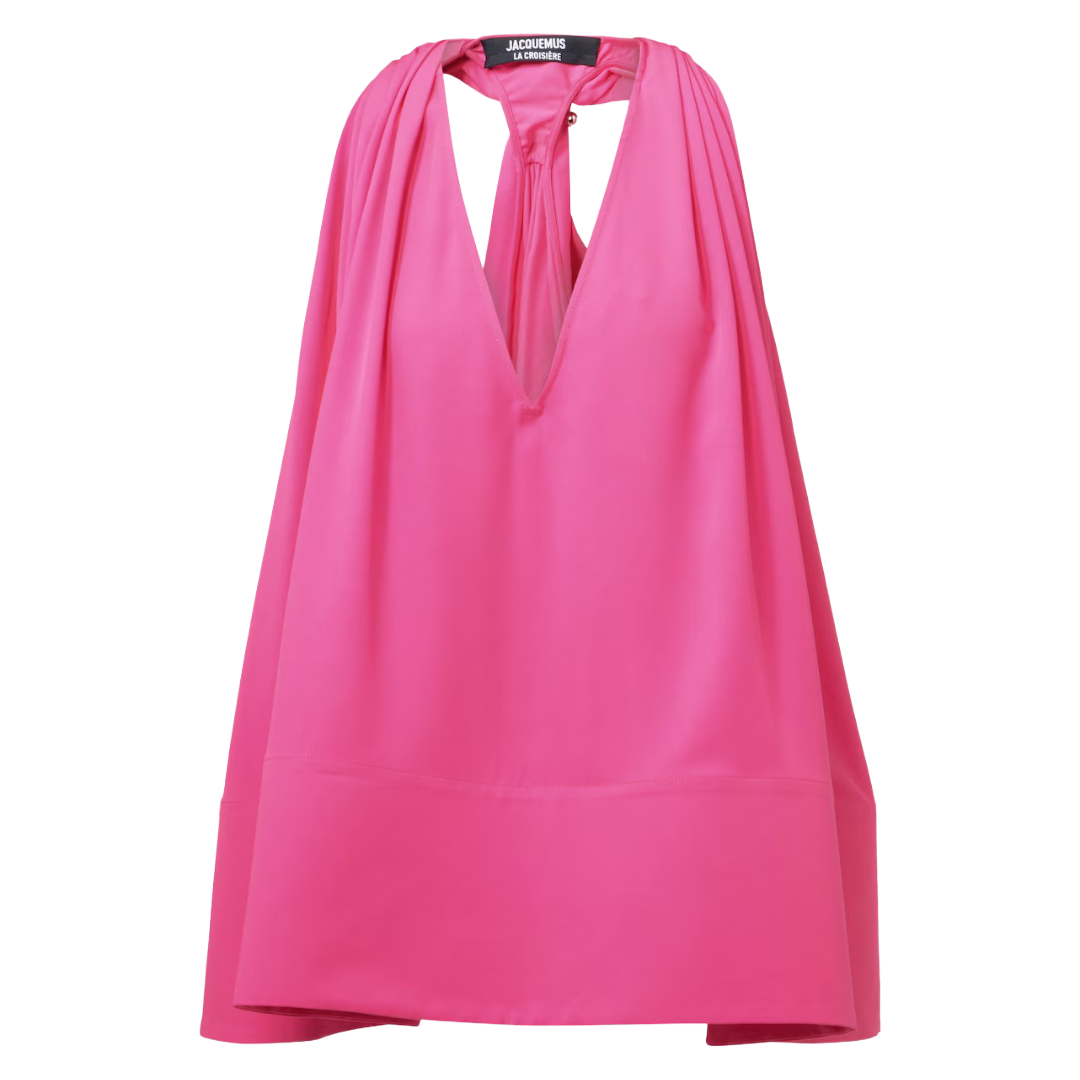
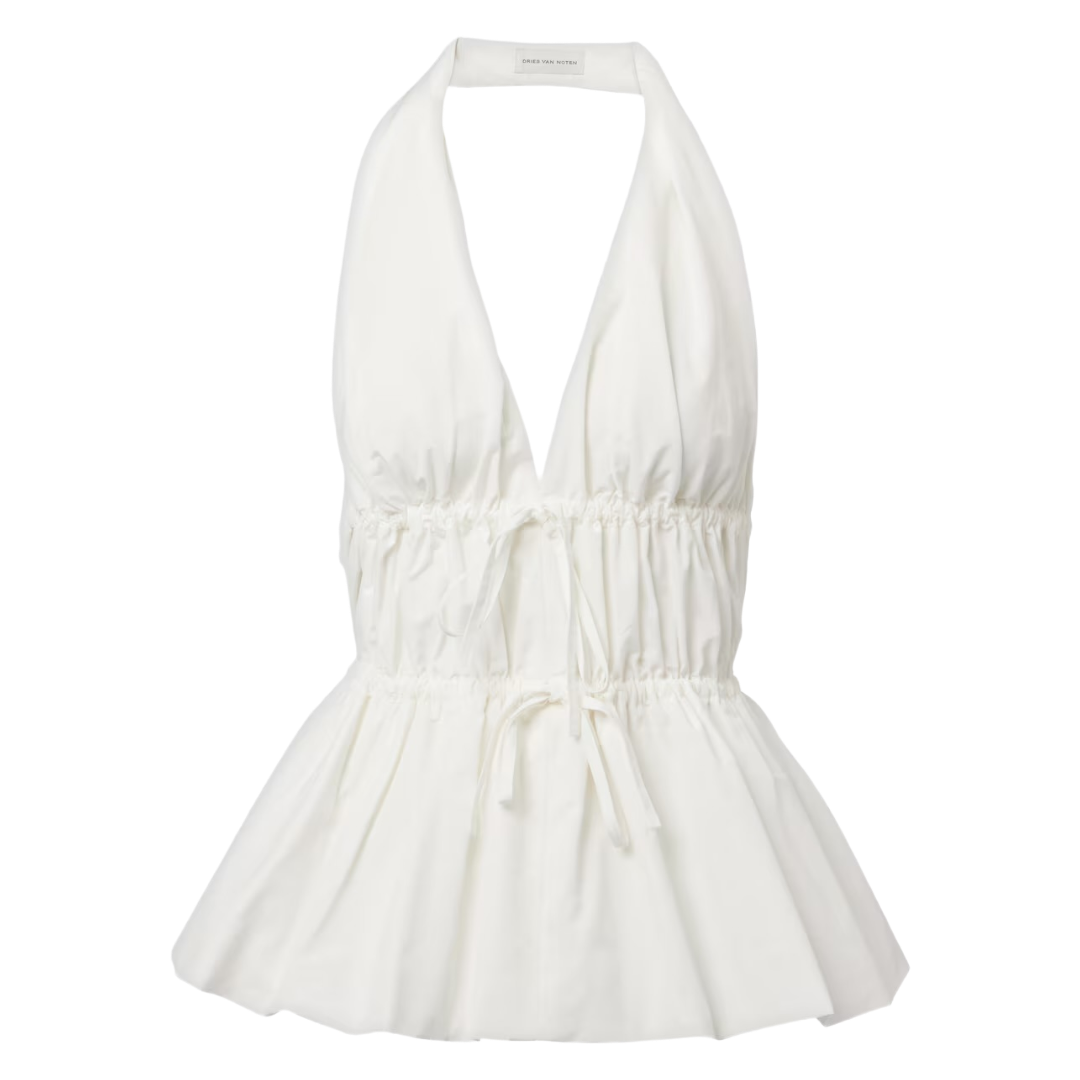
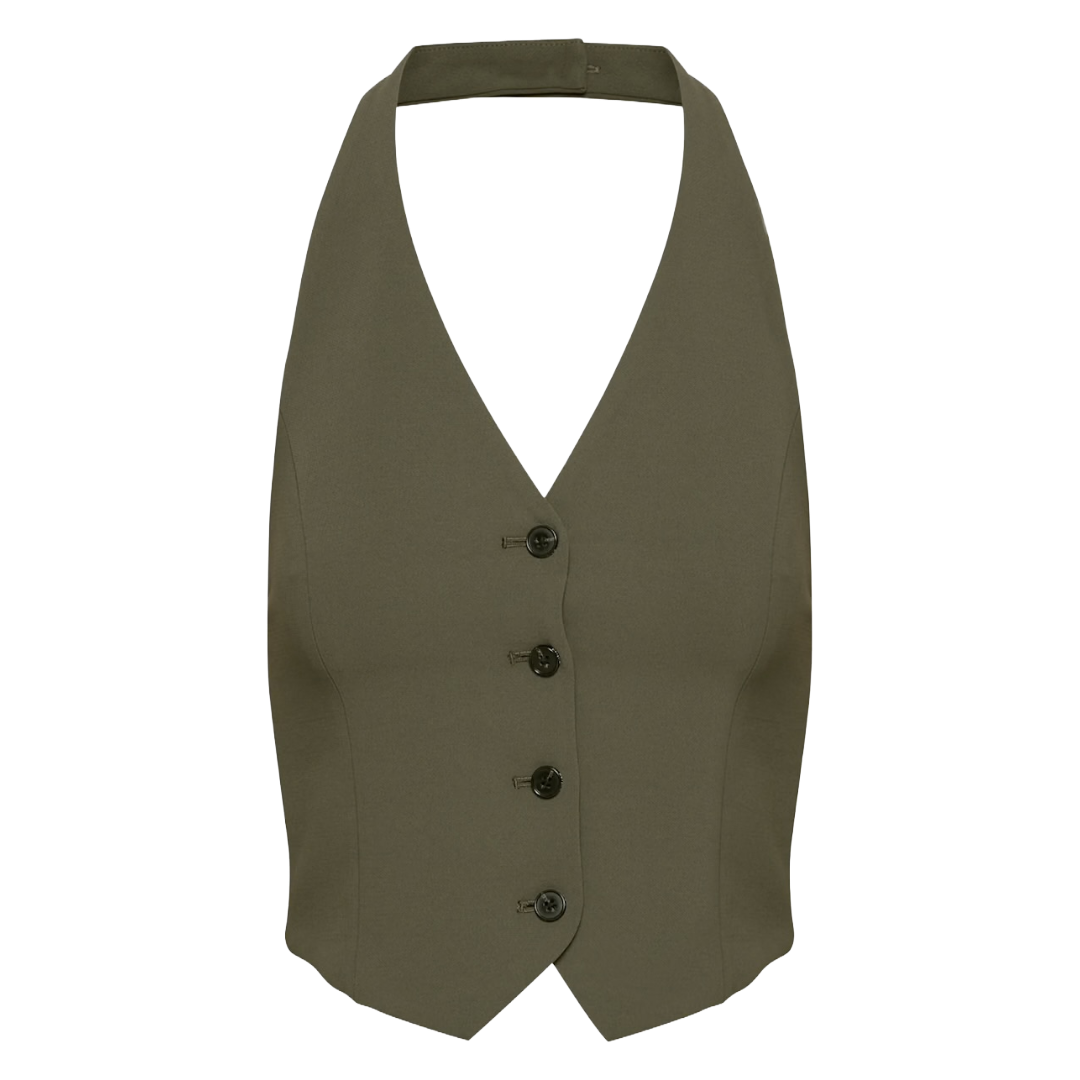
STYLING: HALTERNECK tops
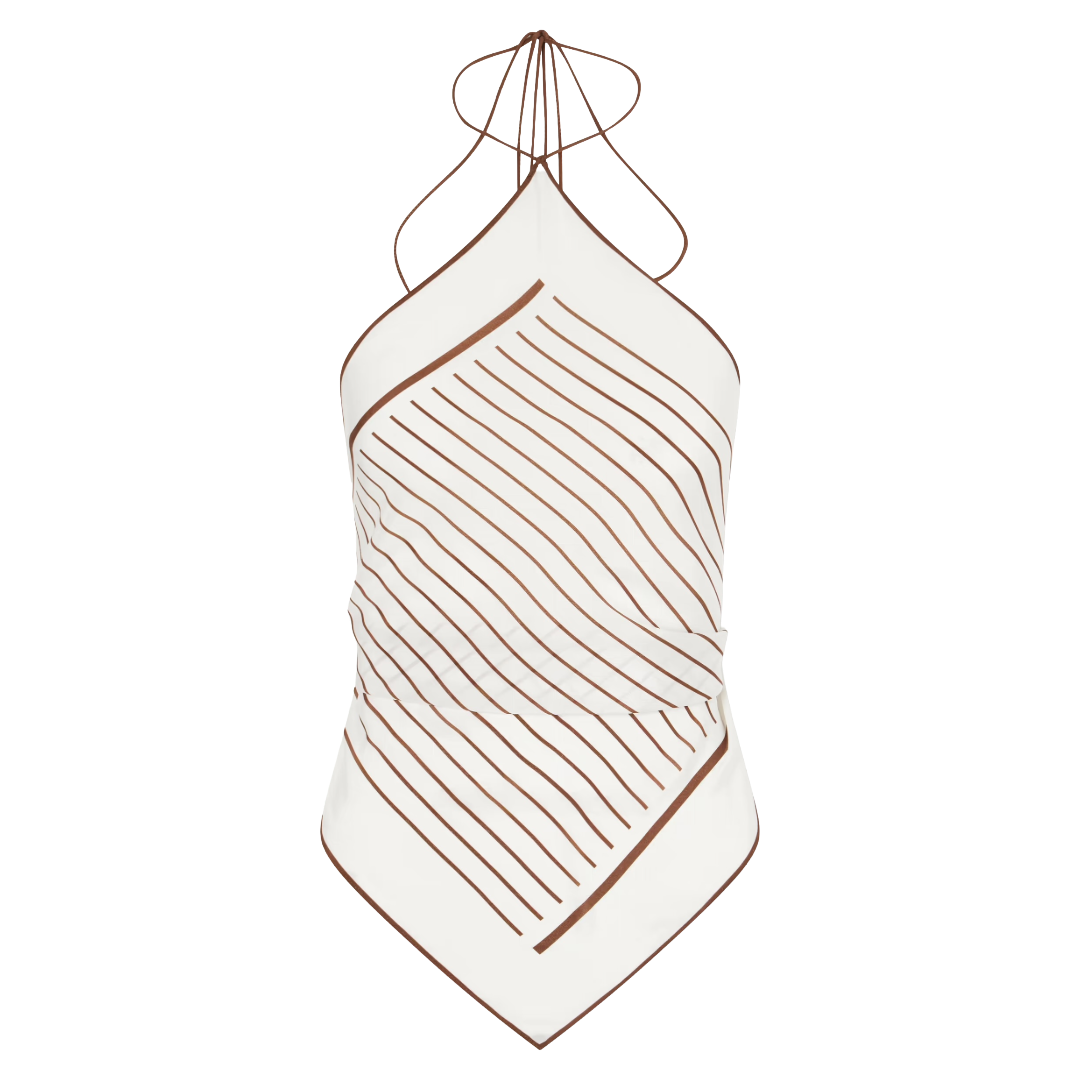
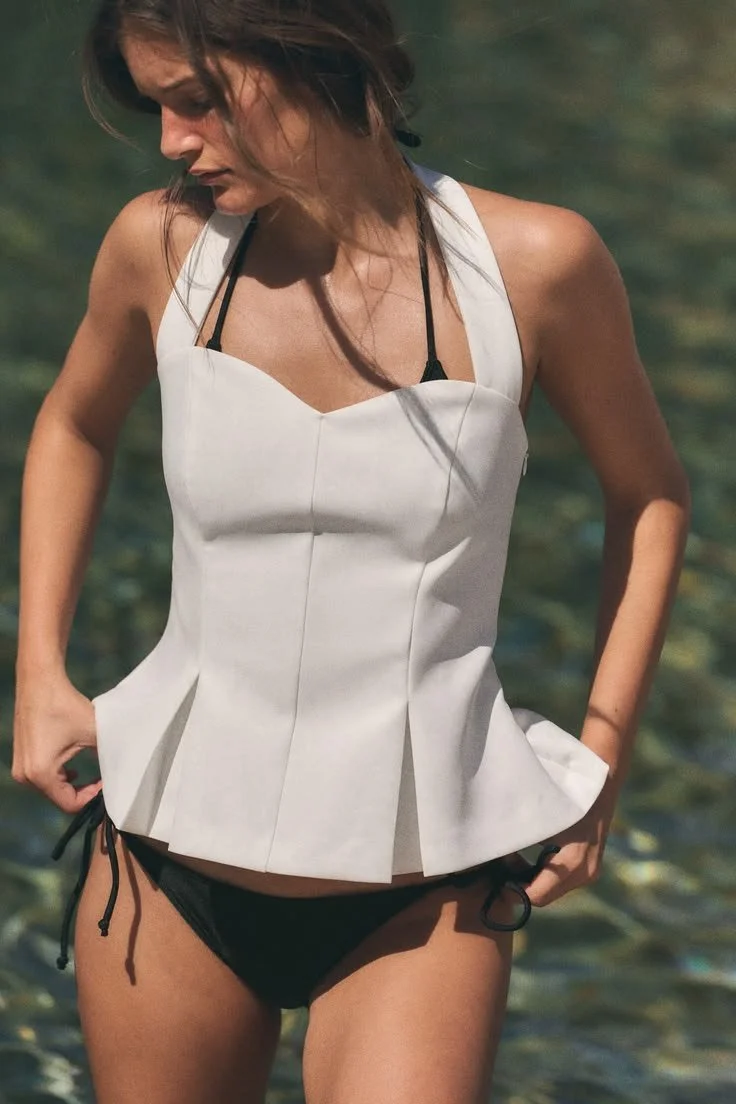
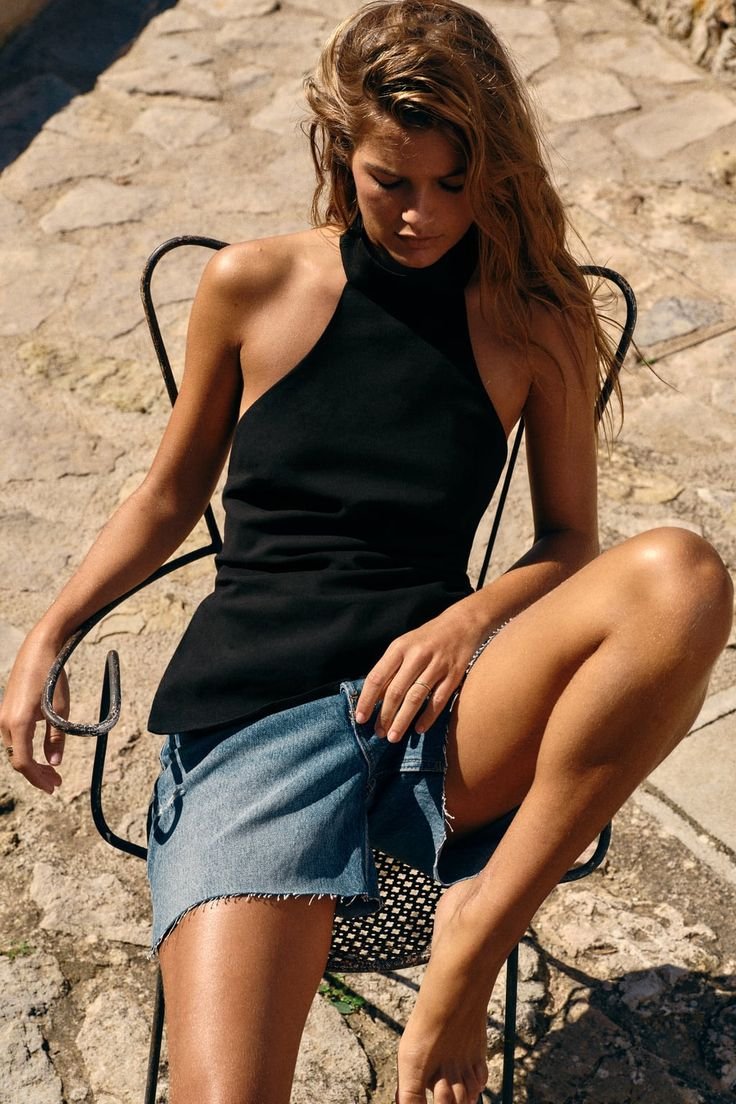
I have a rule about summer tops: if I have to think about it after I put it on, it’s out. I’m talking about straps that slip, the sleeves that stick, and worst of all, anything that needs a specific bra. The halterneck passes the test. It’s the one shape I can always reach for because it does two jobs at once. Shoulders and back out, front covered, and everything being held up by a single tie behind the neck. It’s a little sexy and a little chic at the same time. Just enough skin that you feel like you made an effort, but not so much that you’re trying to manage it all night.
Halternecks are also having a moment, which I’ll get to. Honestly, the halterneck has always been one of my favorite top styles, and I can’t get enough of it. And the truth is, this neckline has been around a lot longer than this weird Y2K revival would suggest.
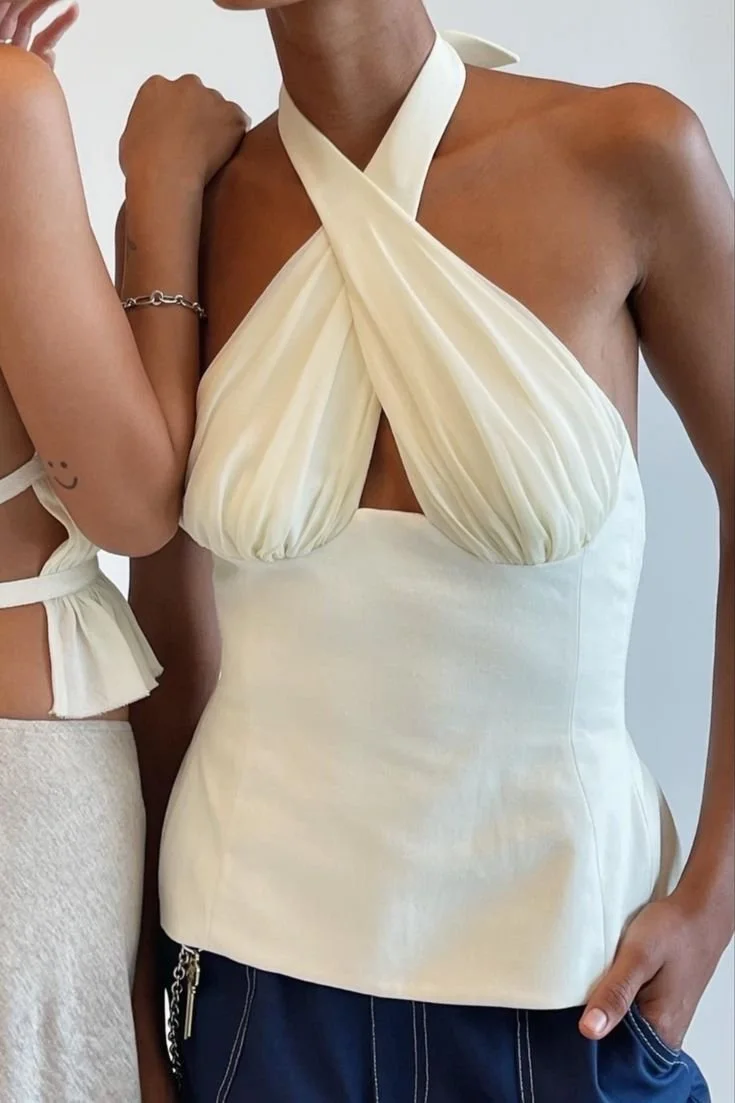
A Short History of One Very Good Neckline
The halter showed up in the 1930s on evening gowns, where the whole point was the drama. The bare shoulders, bare back, and neckline were all about making an entrance. Madeleine Vionnet was working in bias cuts around then, and it was a shape that suited her. It was fabric that skimmed rather than structured and needed an anchor. The back of the neck turned out to be one very good one.
Then it went to the beach. In the 1940s, the halter started to turn up on two-piece swimsuits, on Betty Grable, and on pin-up posters. Part of that was practical, though. Wartime rationing limited fabric, and, duh, the halter barely uses any. It was also easy to sew at home, which meant it was able to spread fast without a designer’s permission.
Claire McCardell is the one who made it a real clothing item. Throughout the 1940s, she built her American sportswear around jersey halter tops and separates, cut for women who were doing things like driving, working, and moving. It was making comfort a design principle rather than an afterthought. An ancestry of the halter you’d wear simply to run errands.
In 1955, William Travilla put Marilyn Monroe in a white bias-cut halter with a sunburst pleated skirt for The Seven Year Itch, and the neckline stopped being a garment detail and became a memorable image. The 1970s brought us Halston, jersey, and Studio 54, where cuts became slippery and cuts to move under hella bad lighting. By the 2000s, Britney, Christina, and Paris brought the halter into something a little more chaotic. It was worn with low-rise jeans, crazy prints, and worn most frequently, like, to the mall.
Every one of those eras used the same neckline for a completely different argument, and that’s genuinely pretty cool. And now it keeps coming back because it’s genuinely useful and each generation gets to decide what it means.
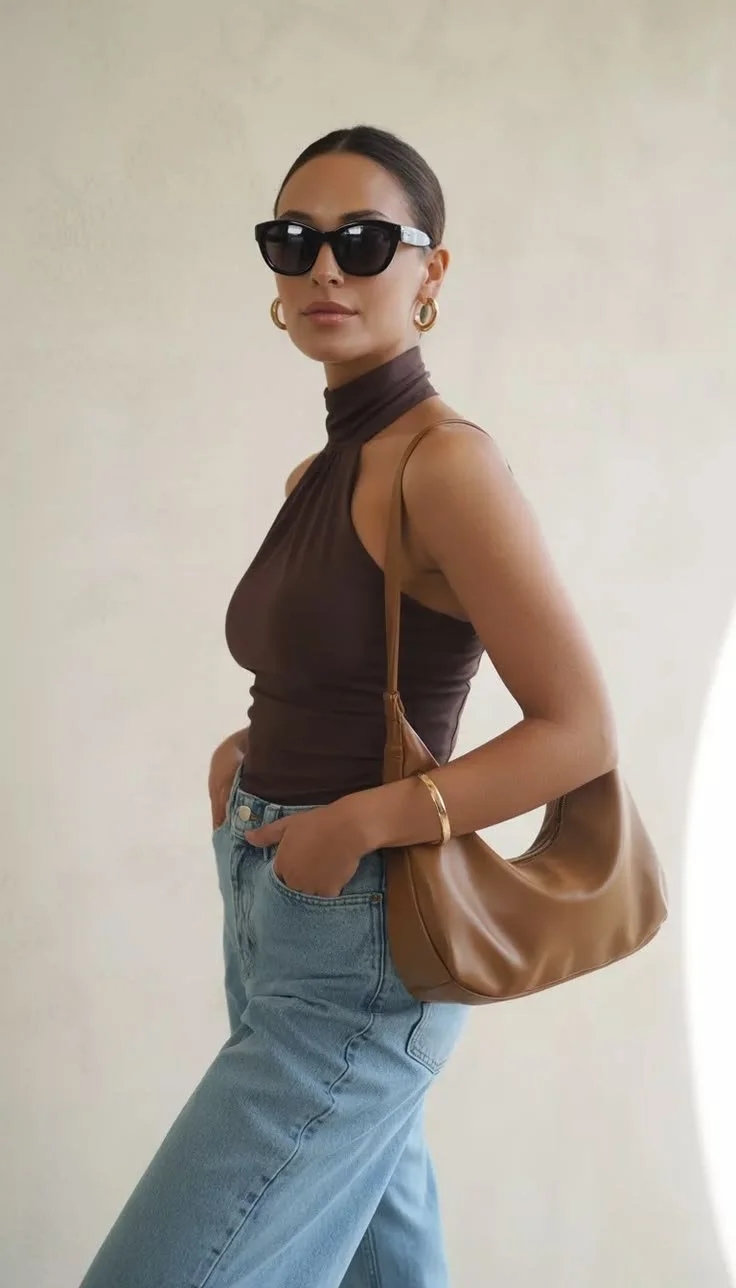
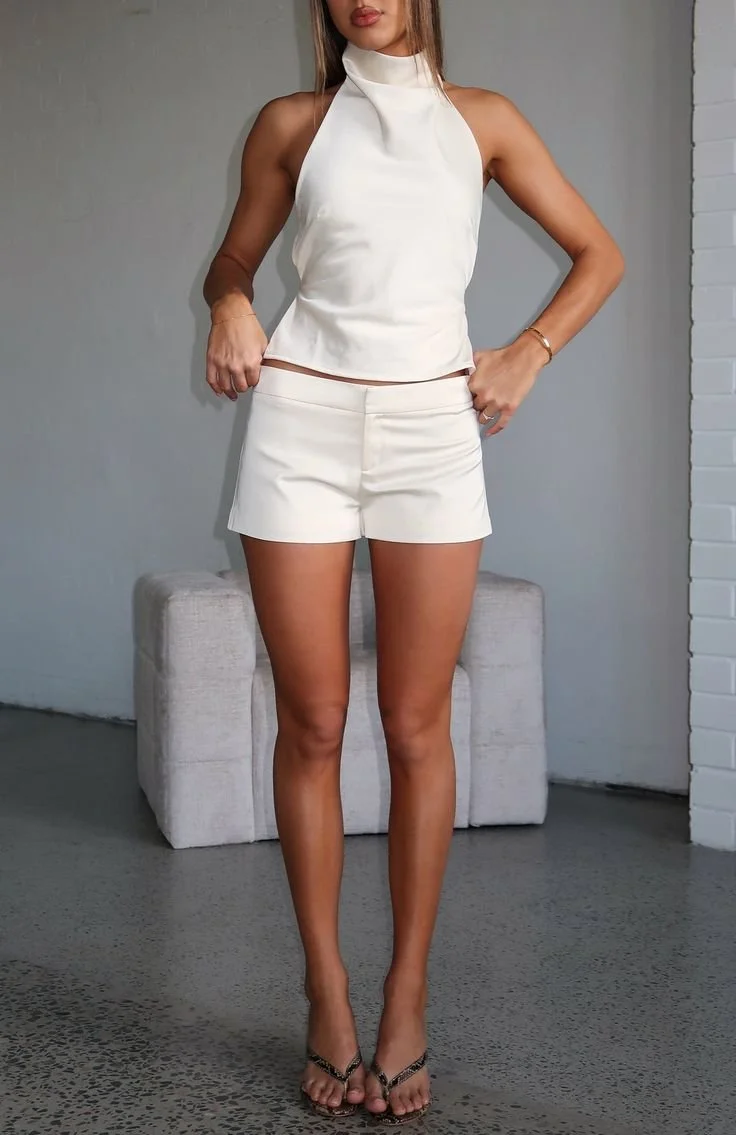

Why It’s Back
Fashion seems to be in a subtly sensual mood right now. Clothes seem to suggest rather than flat-out announce. The halter is perfectly calibrated for that. A bare back is better than a bare front. The halter does most of the work without having to commit to anything.
It’s on the runway, too. Maison Margiela sent a ruffled, fully backless halter down its spring show, and once you notice one, you start seeing them everywhere. What’s different this time is the finish. Sure, the Y2K references are still there with people wearing them with low-rise jeans or distressed mini skirts again, but the fabrics have improved. Now you can find them in linen, silk, lace, and tons of other fabrics. It’s the same classic silhouette you wore and loved the first time, but now made by people who know how to cut the perfect one.
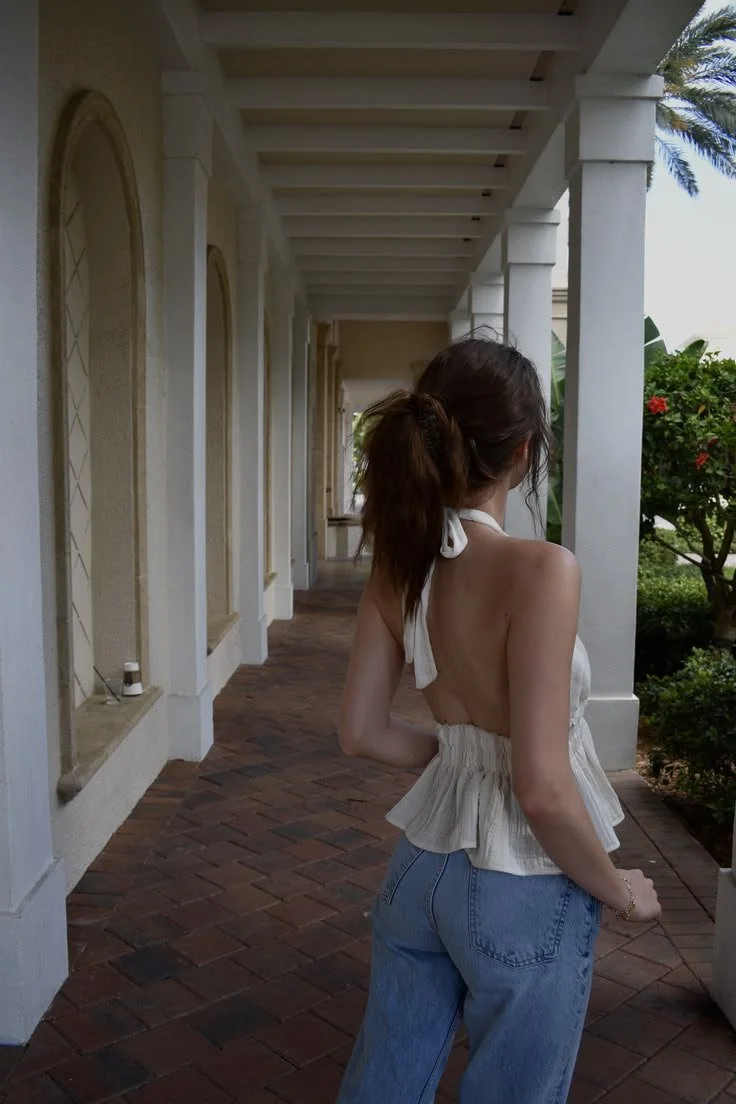
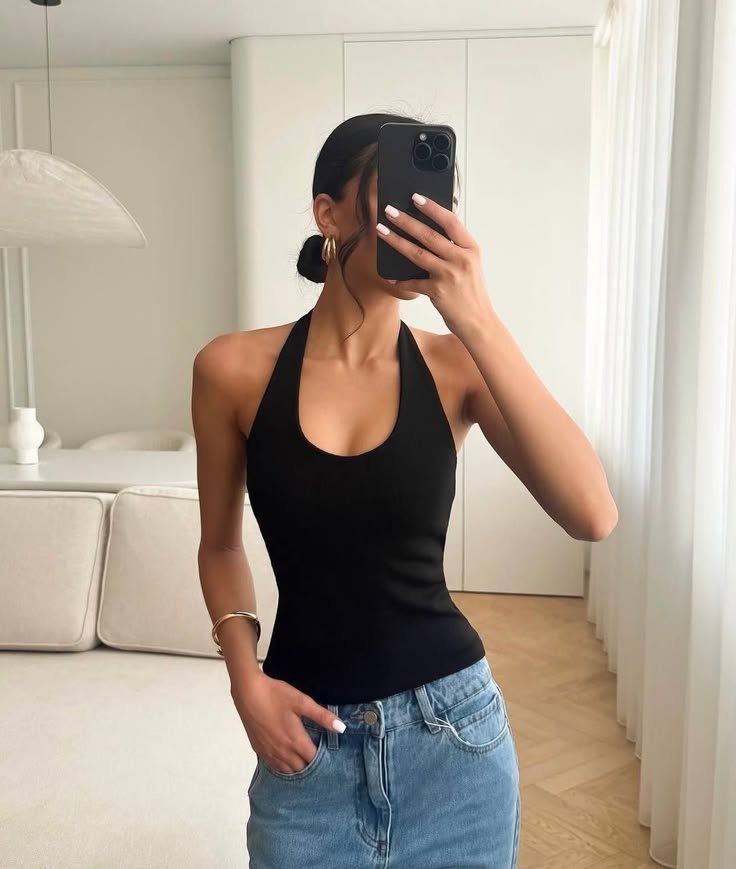
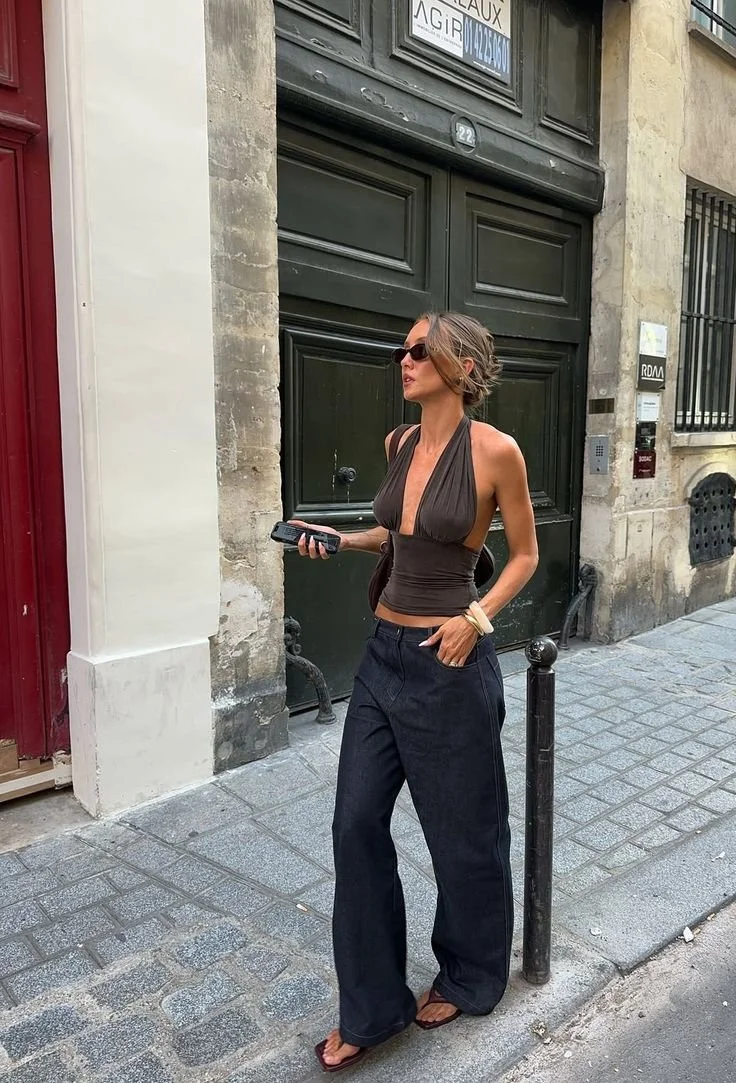
3 ways to wear it
The Easy One
Ruffled polka dot halter top with a pair of pleated linen shorts and ballet flats? It’s the version you can wear when it’s honestly too hot to even form an opinion on anything. The ruffles do all of the styling, the shorts are loose and pleated, and that’s the whole outfit. A woven top-handle bag keeps it in summer along with micro huggie earrings and aviator sunglasses because why not?
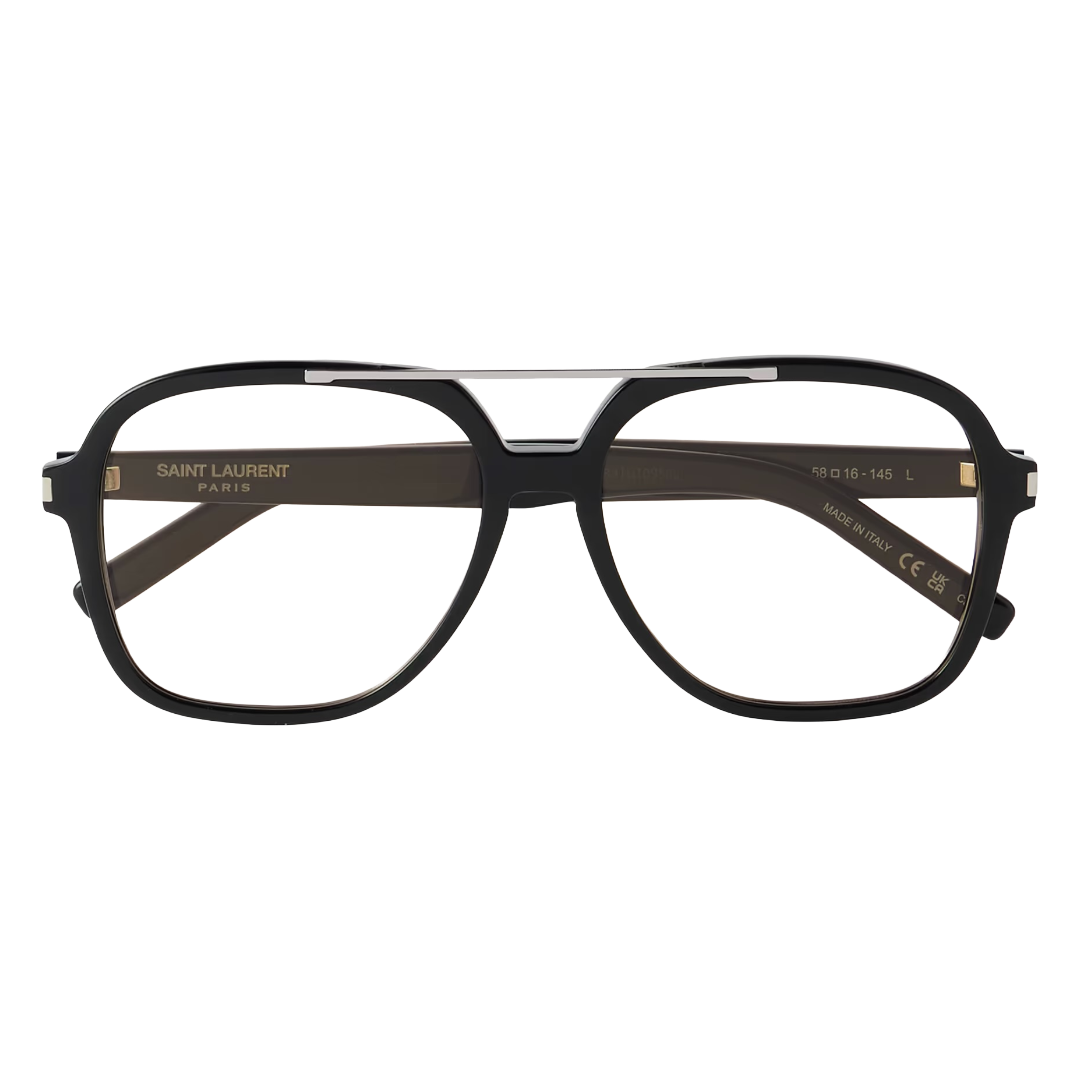
AVIATOR SUNGLASSES
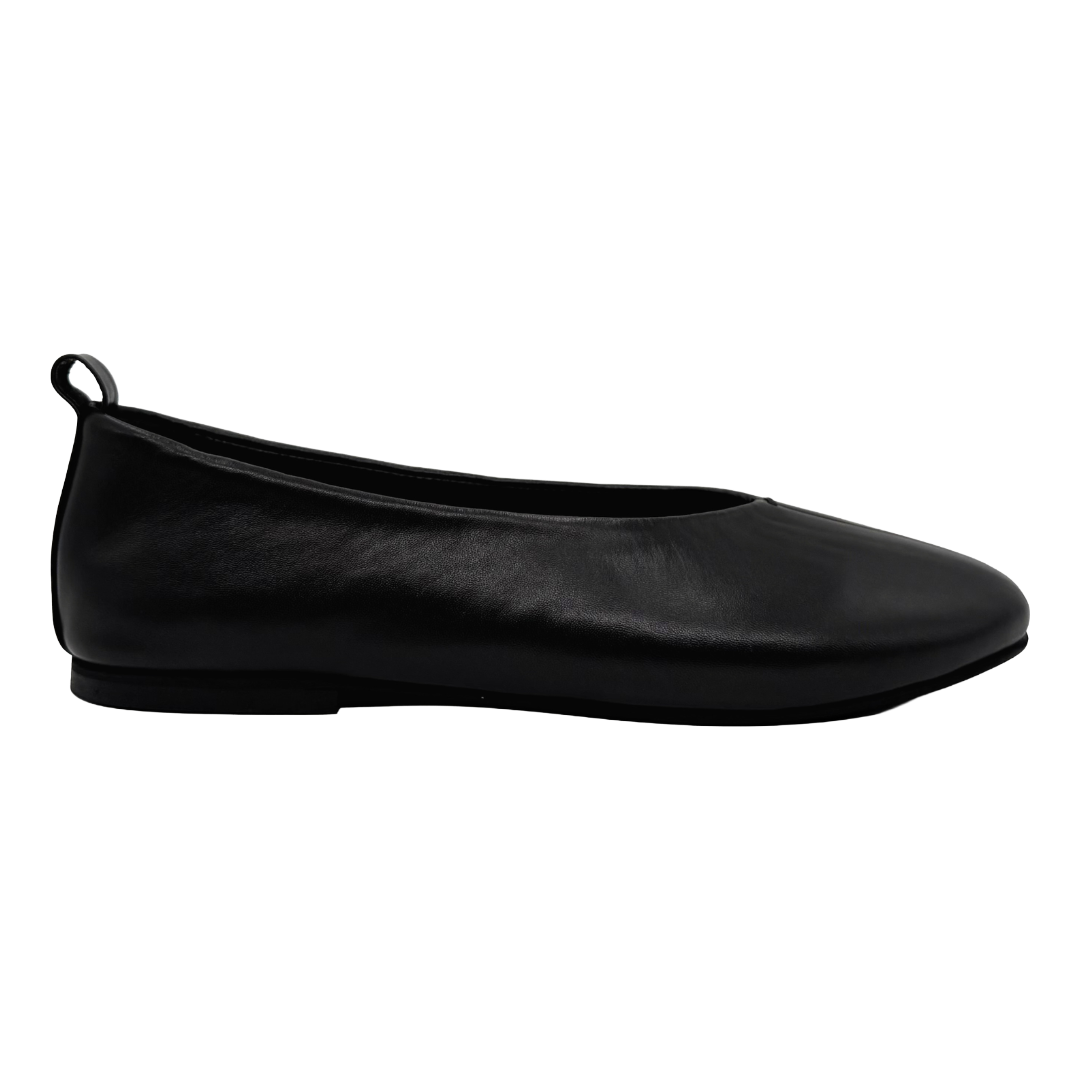
LEATHER BALLET FLATS
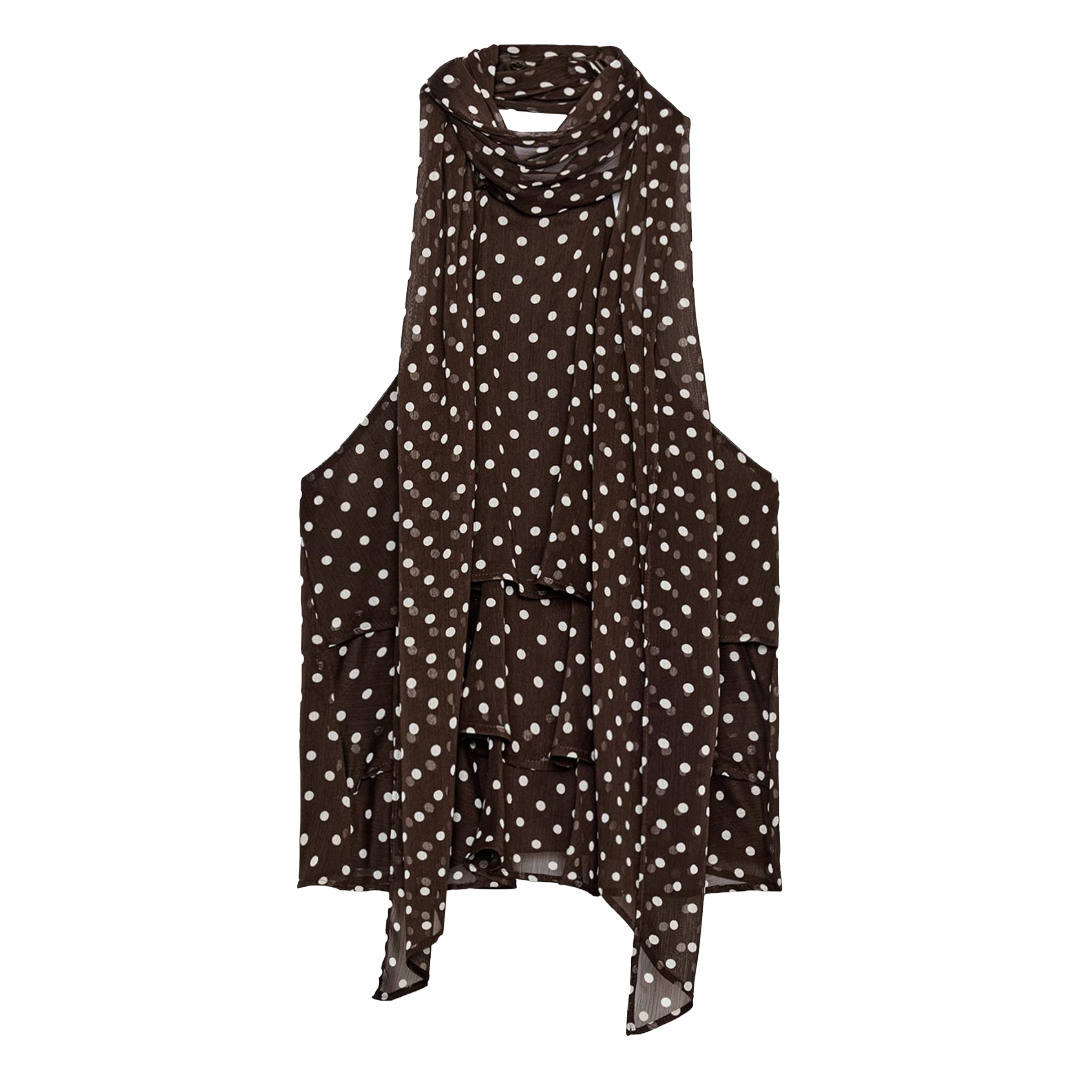
POLKA DOT HALTER TOP
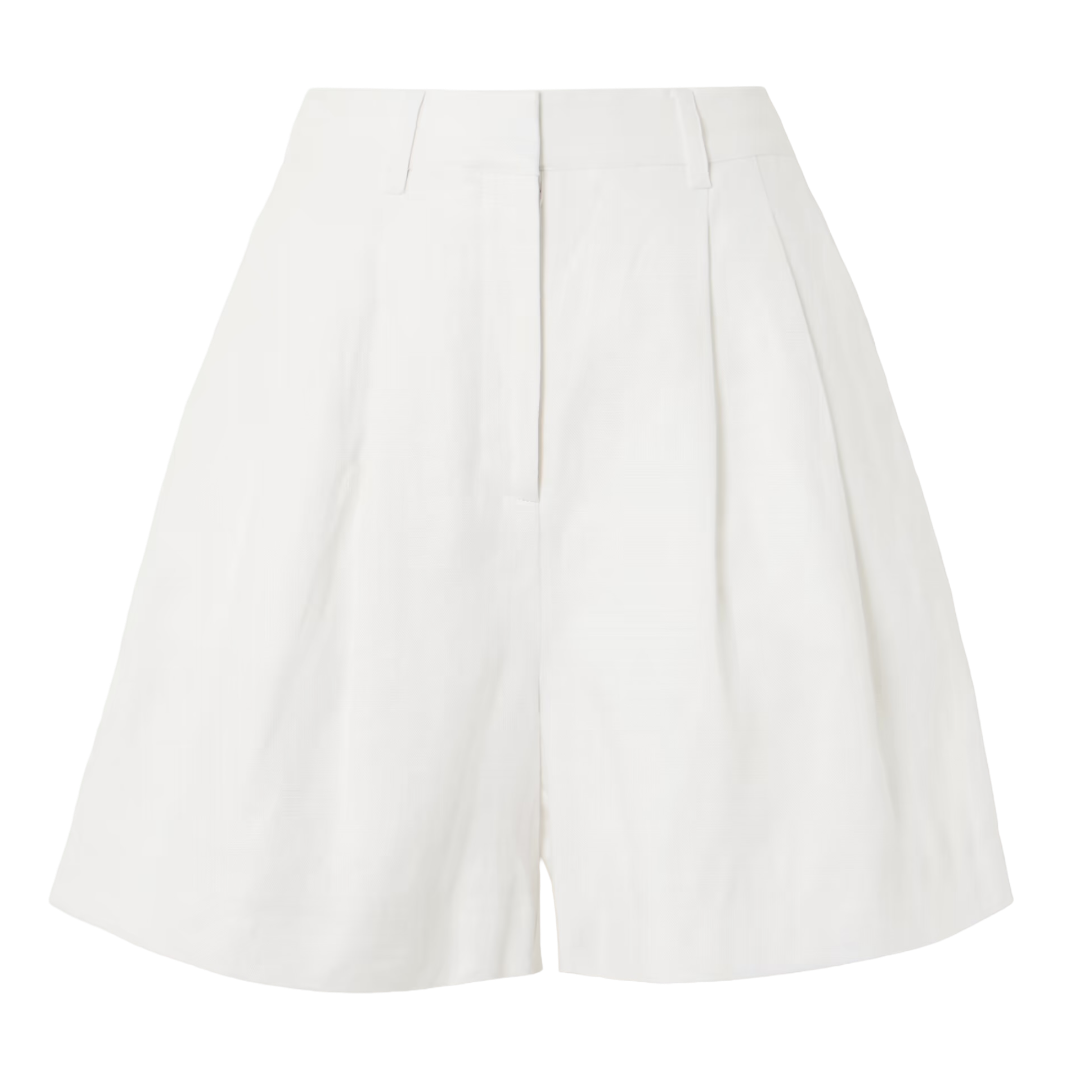
PLEATED LINEN SHORTS
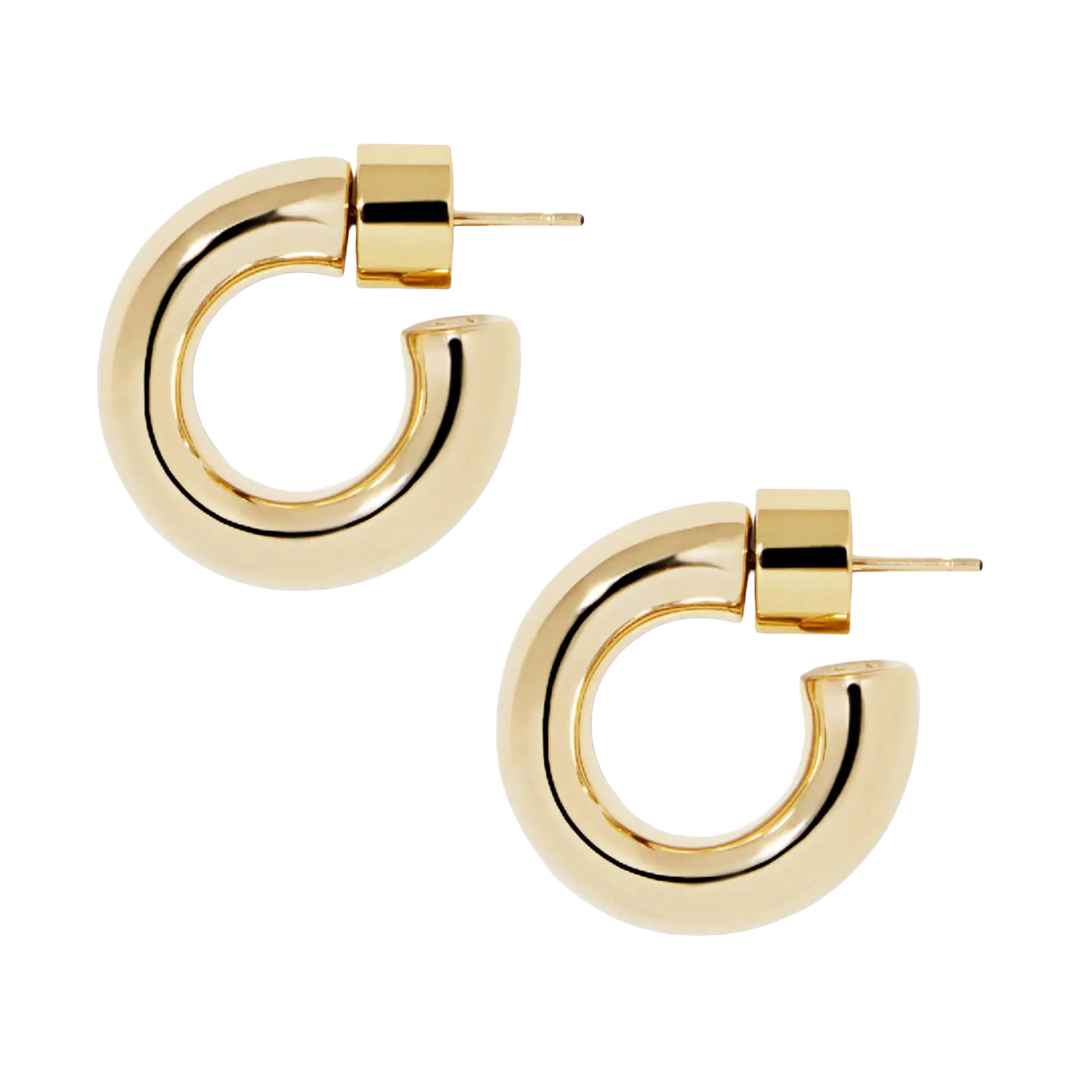
MICRO HUGGIES
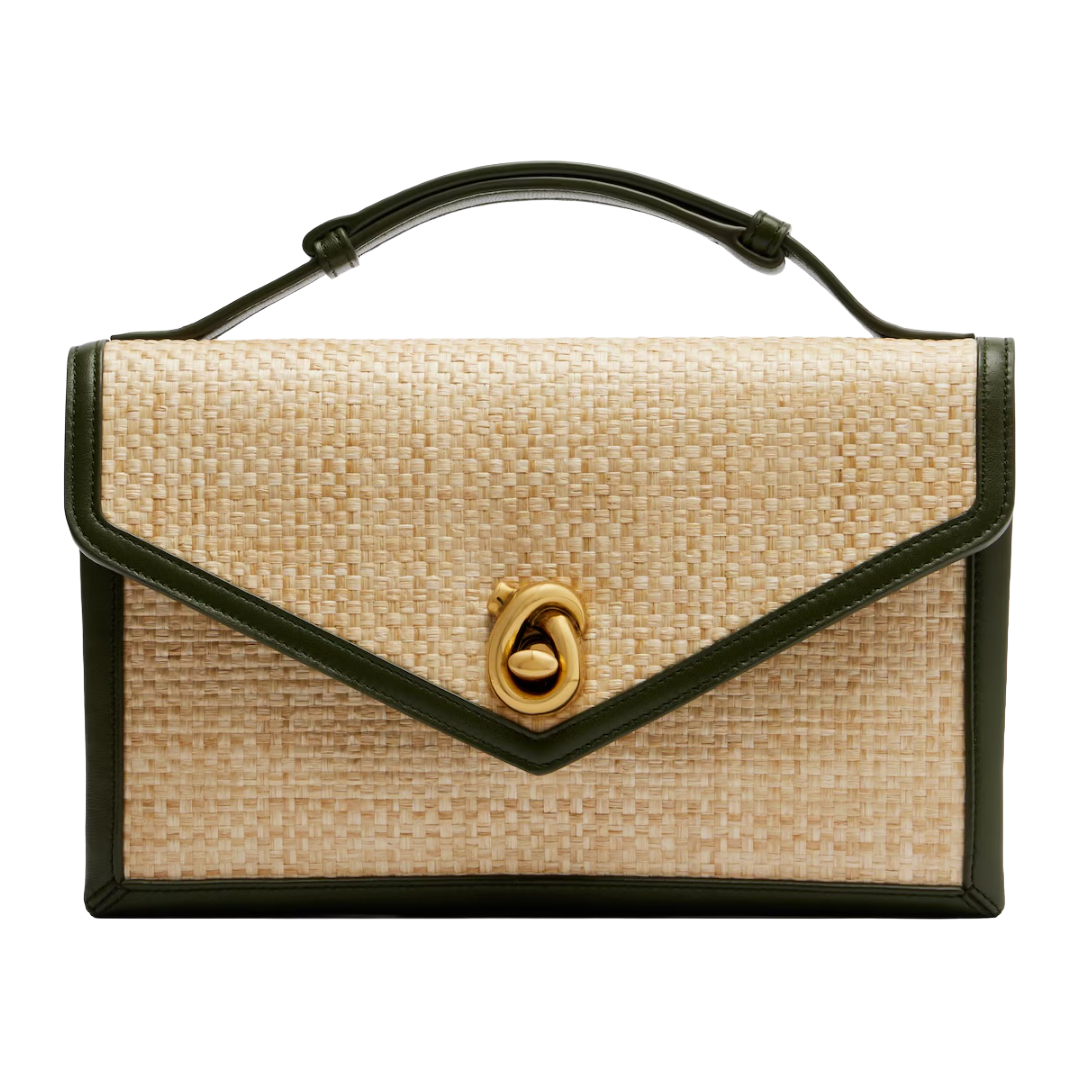
RAFFIA TOP HANDLE BAG
The One That Travels
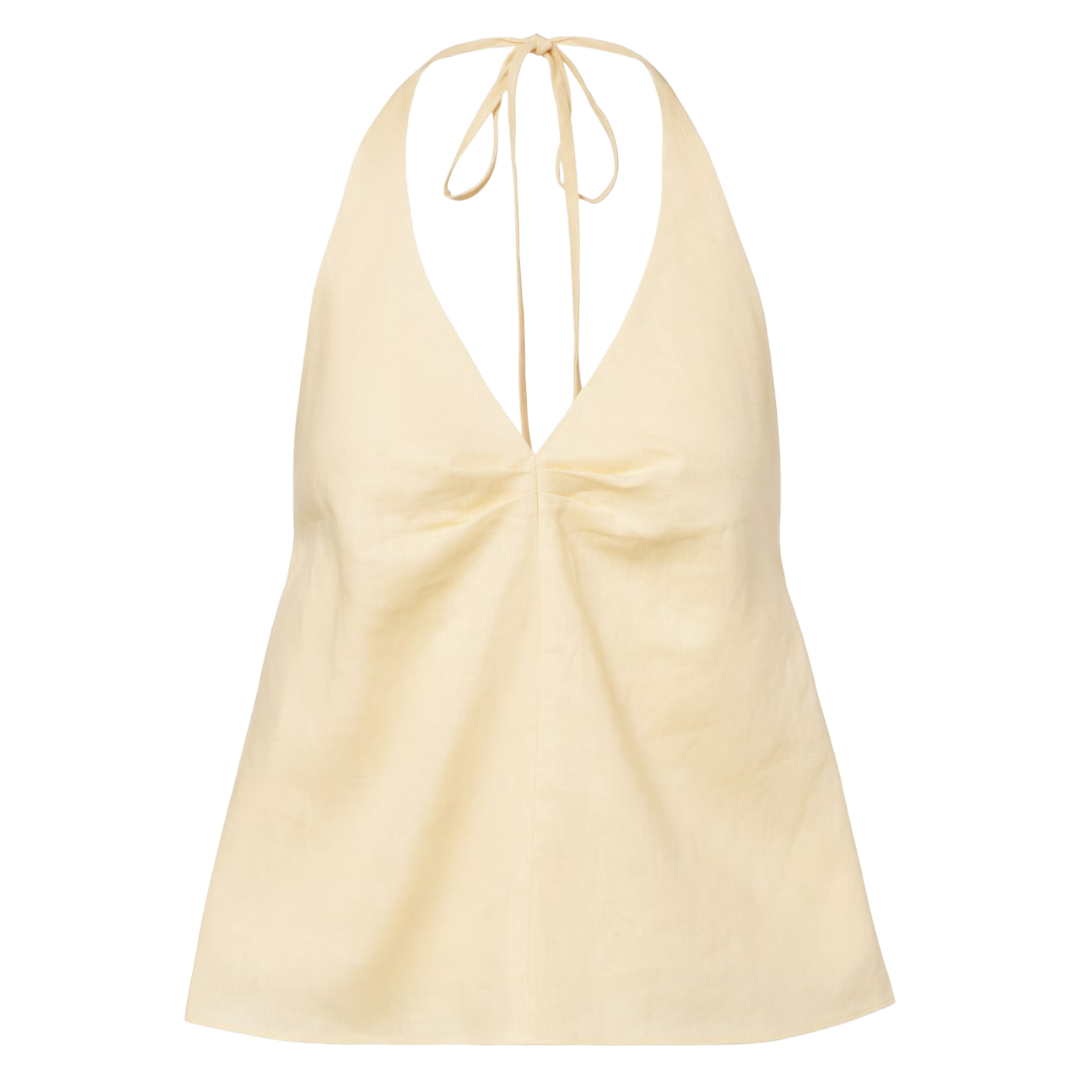
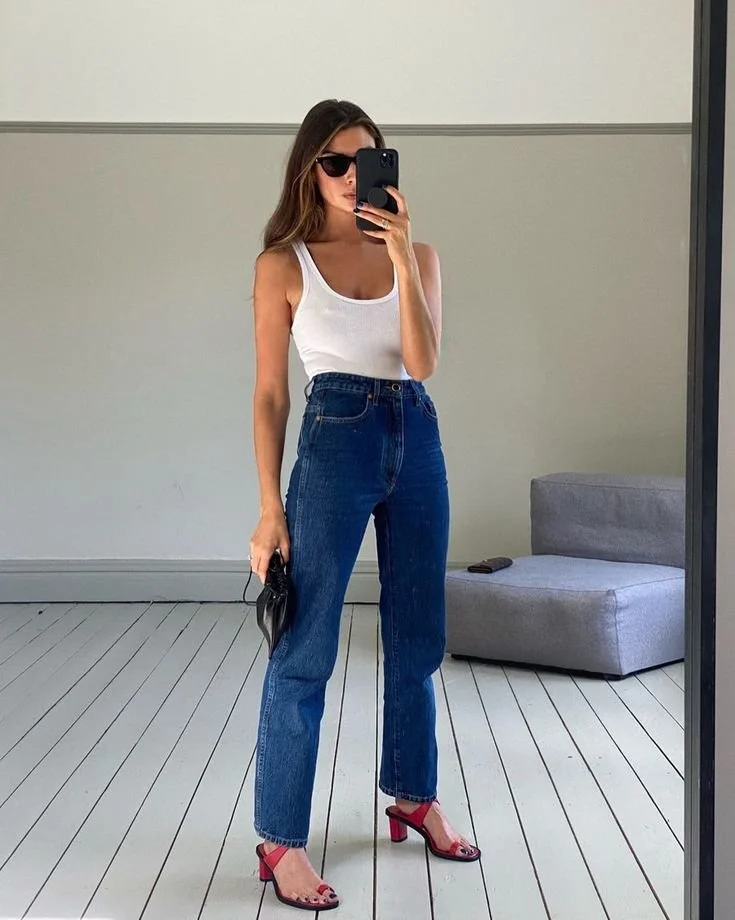
Halterneck plus jeans is the formula I probably use the most lately, and the trick is in the rise. High-waisted straight leg jeans give the top a clean line to sit against instead of a gap it needs to negotiate. Gold hoops and a crochet scarf tied at the waist or worn on the head make it peak summer 2026. The scarf brings this look to a place that feels like it should be on a coastline somewhere. And that bright Loewe bag is begging to be brought to dinner, outside, at 8 pm, anywhere.
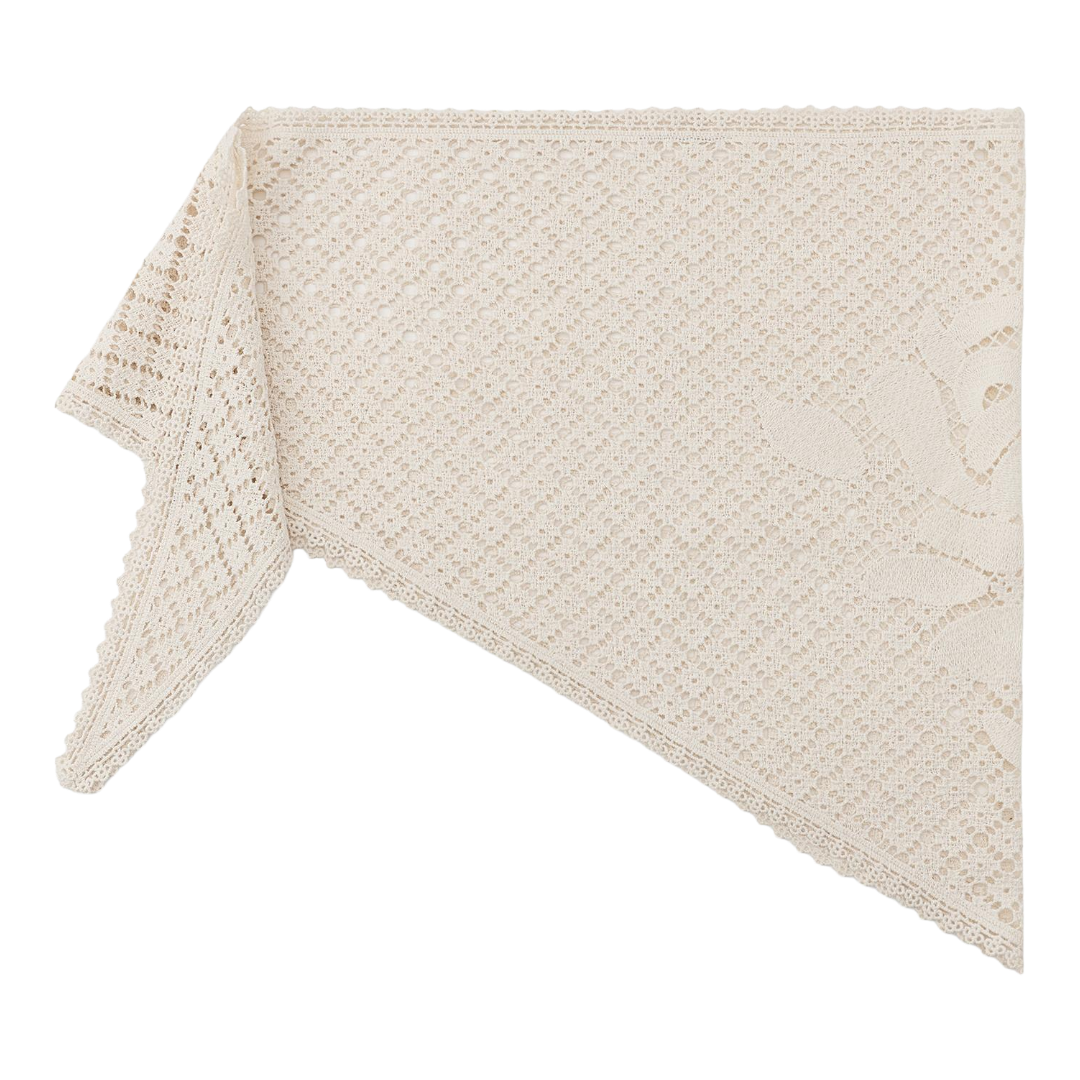
CROCHET SCARF
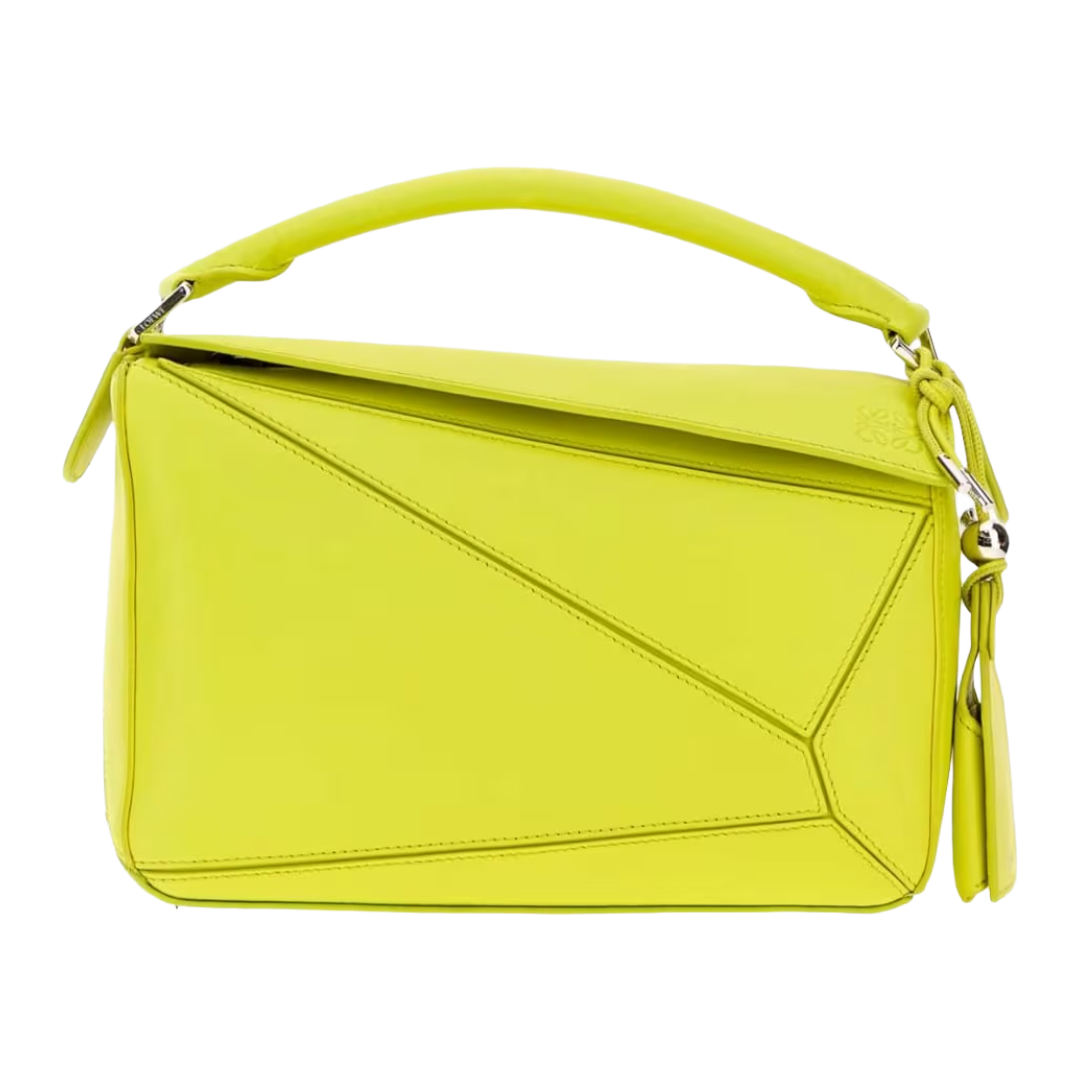
PUZZLE HANDBAG
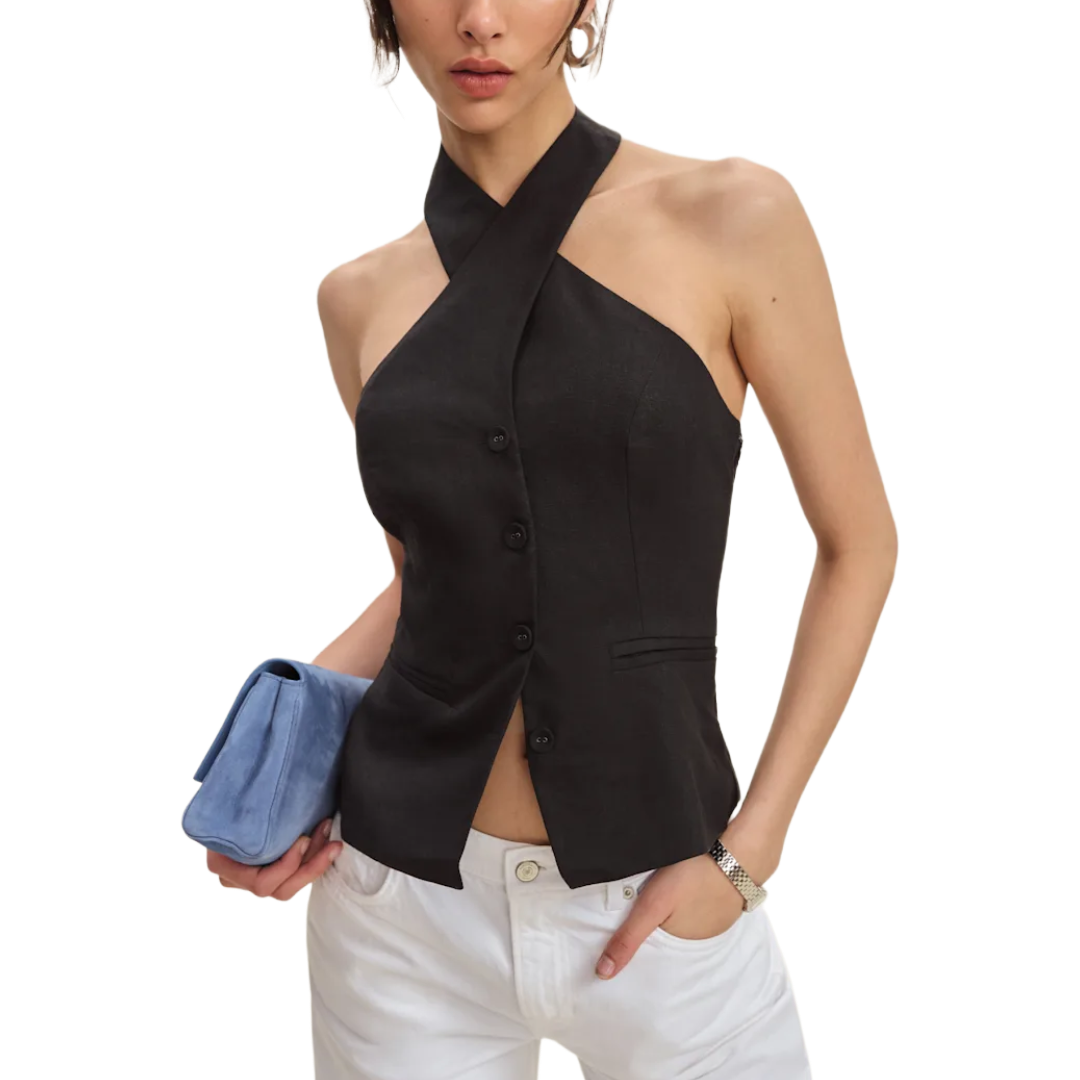
LINEN HALTERNECK TOP
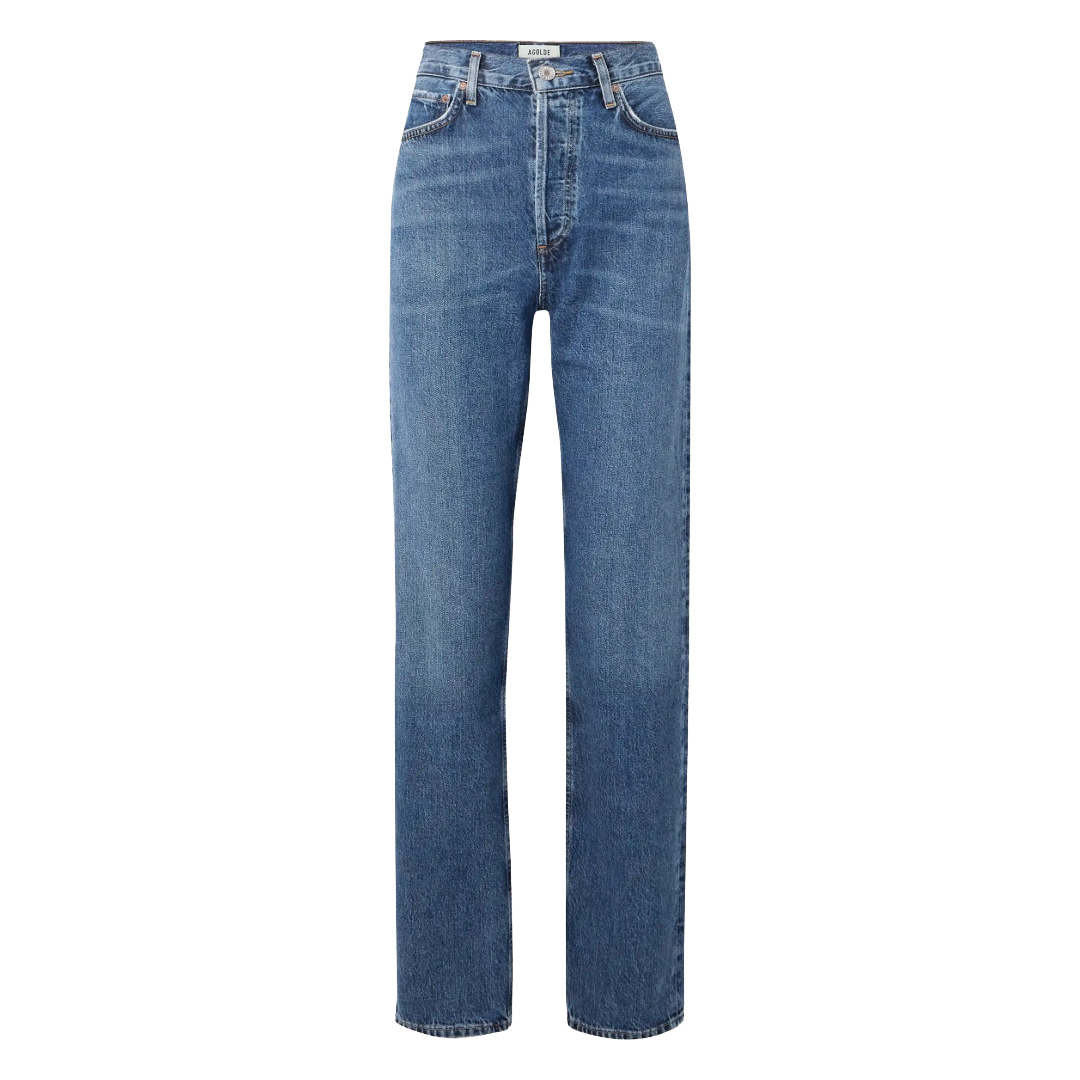
90’S PINCH WAIST JEANS
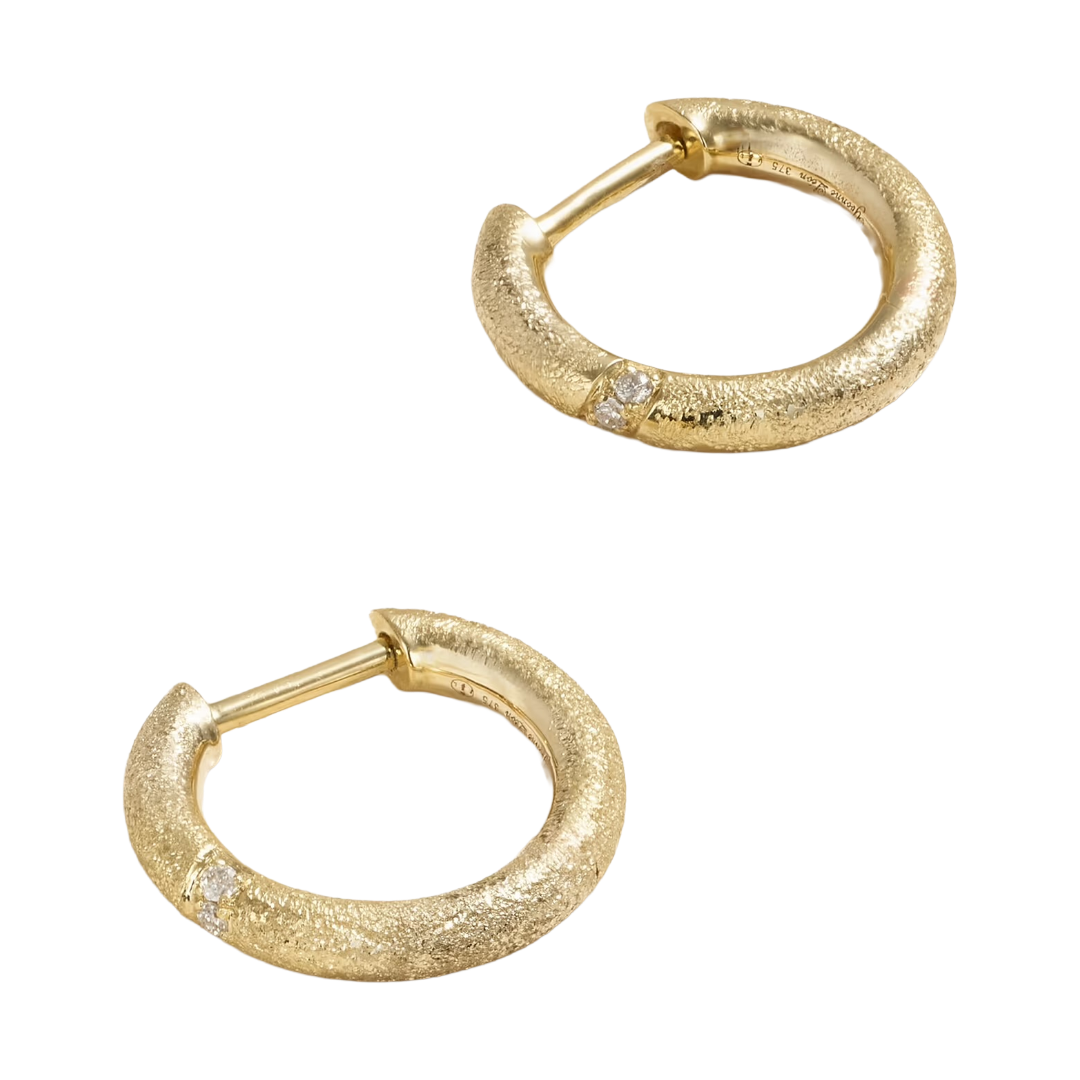
DIAMOND HOOP EARRINGS
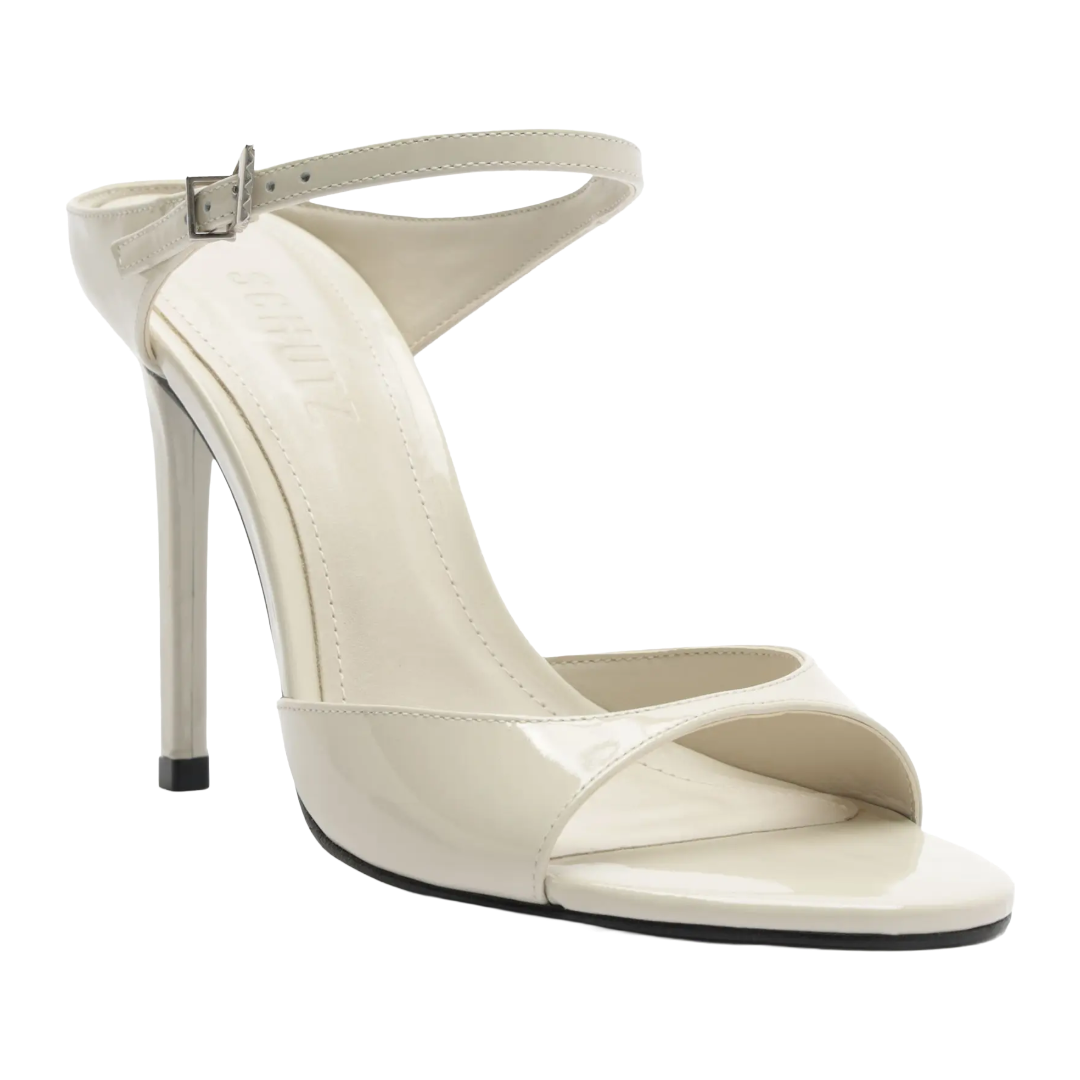
STRAPPY SANDALS
The One That Does the Most
Lace halter, black mini skirt, and heeled sandals - yes, it’s a lot. Lace and a mini is the maximum amount of halterneck a person can reasonably wear. The saving grace is the palette. The mixture of black and white keeps it from tipping into pure lingerie territory. Adding the bangle and ear cuff is a vibe that is more structured than sparkly. With that much visible skin and a very visible garment, the jewelry has to be substantial enough to be noticed. The top-handle bag also needs to have structure to make this look perfect.
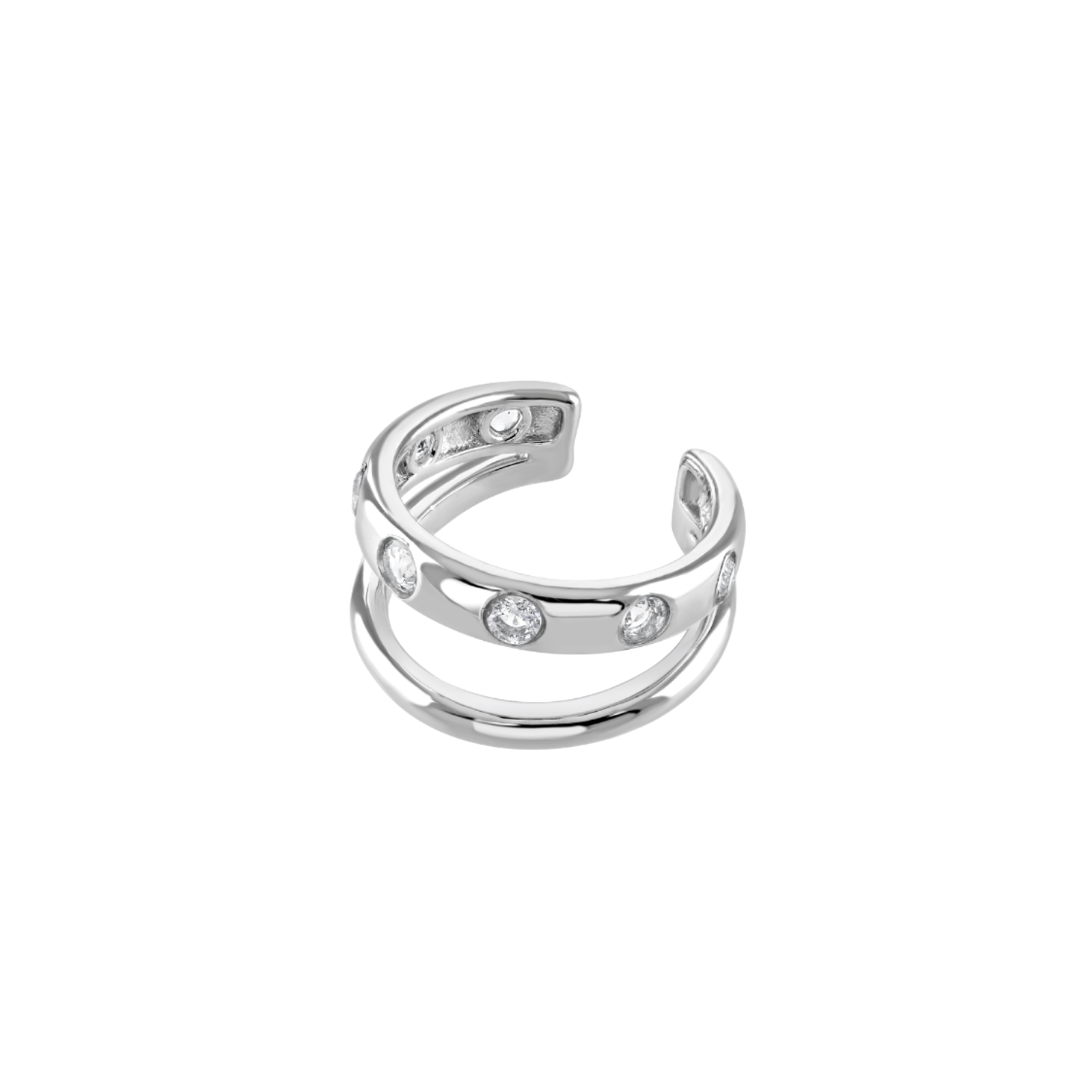
ART DECO DOUBLE EAR CUFF
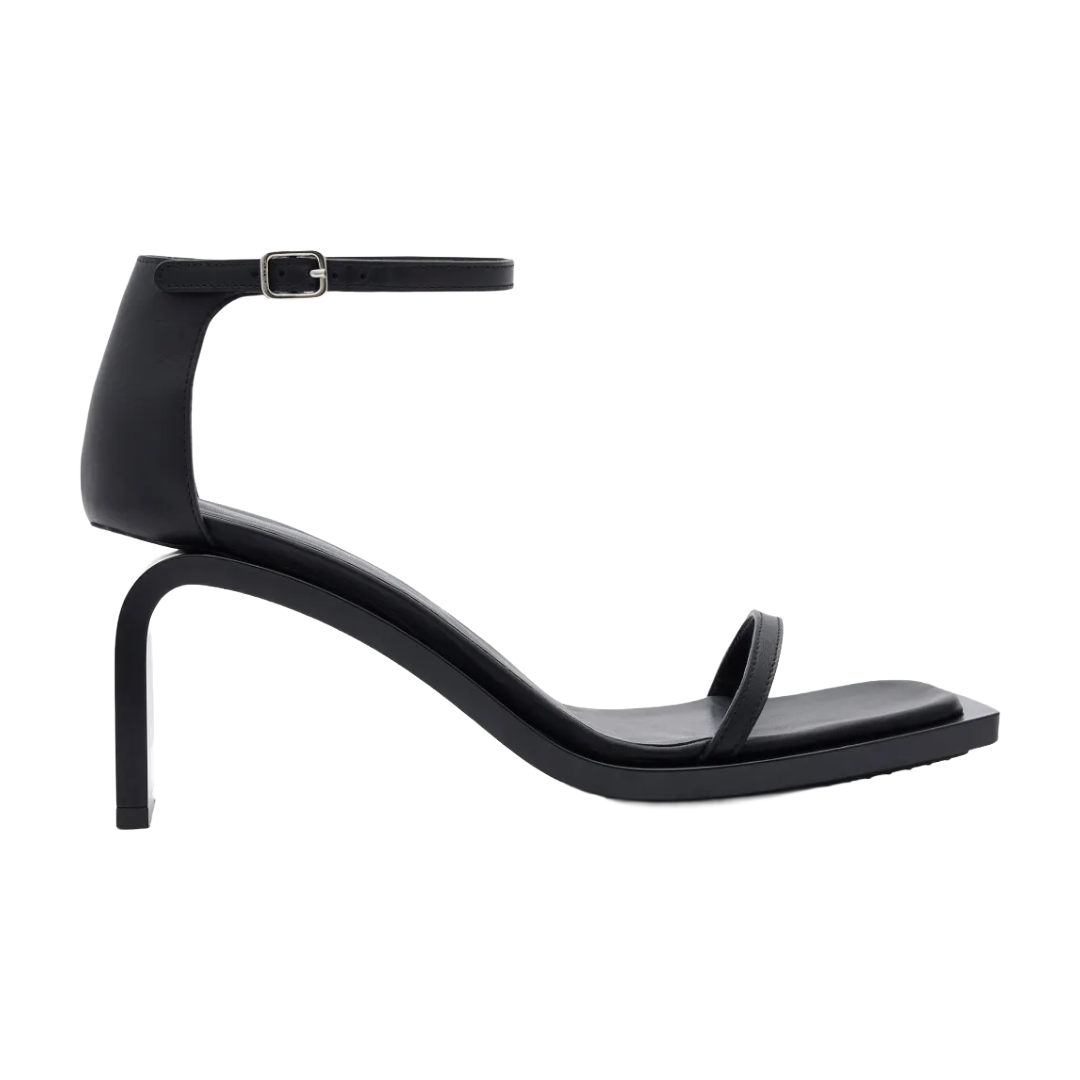
LEATHER SANDALS
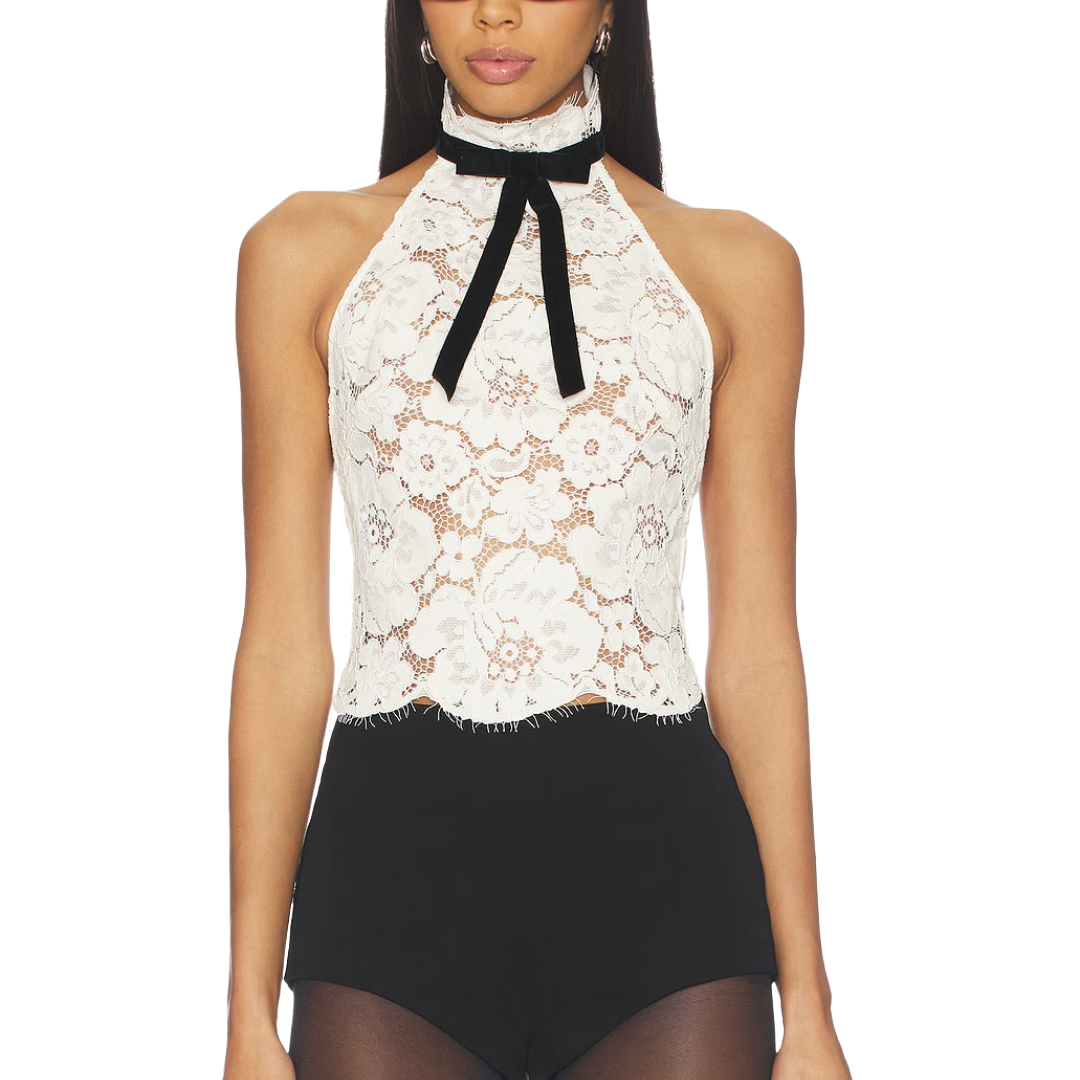
LACE HALTERNECK TOP
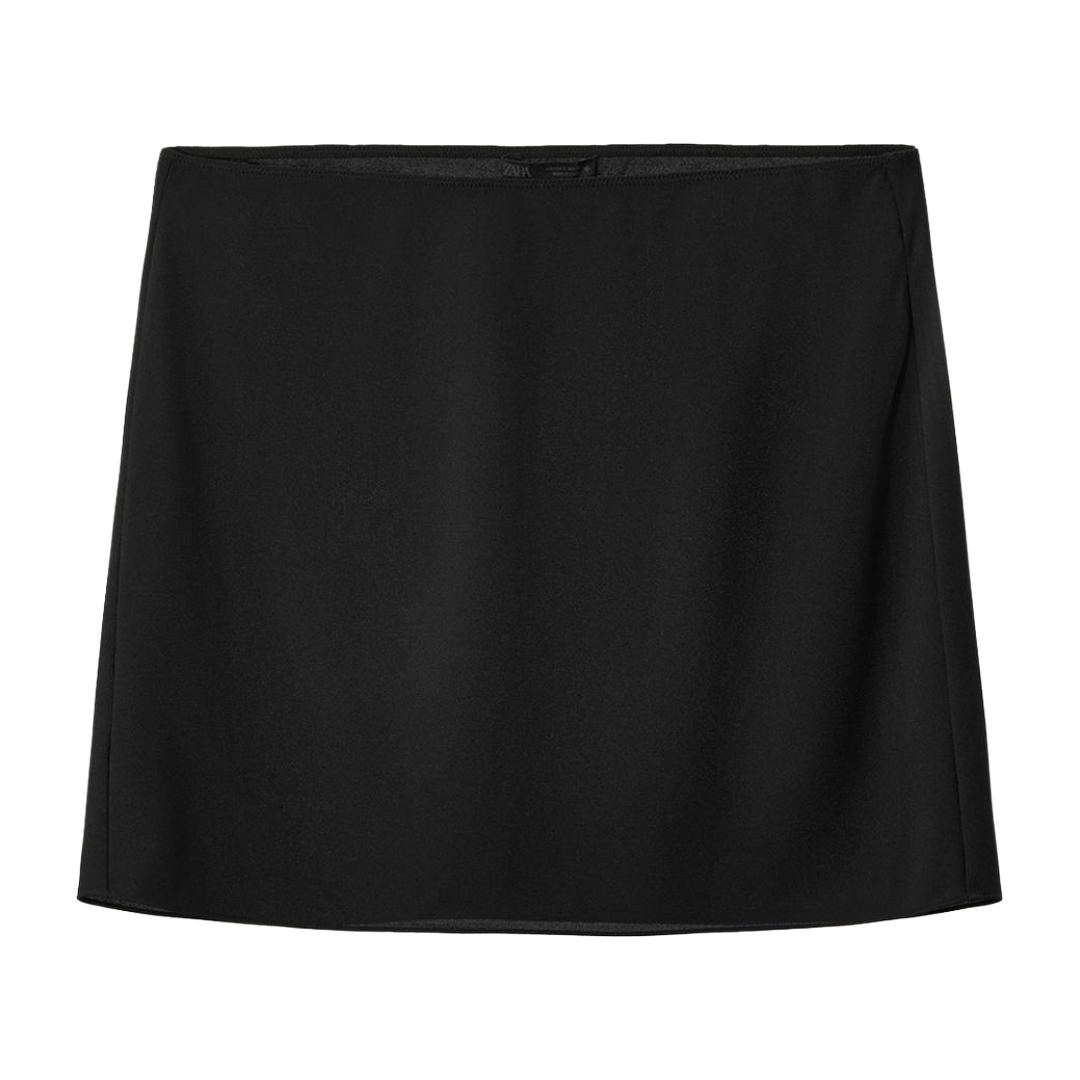
MINI SKIRT
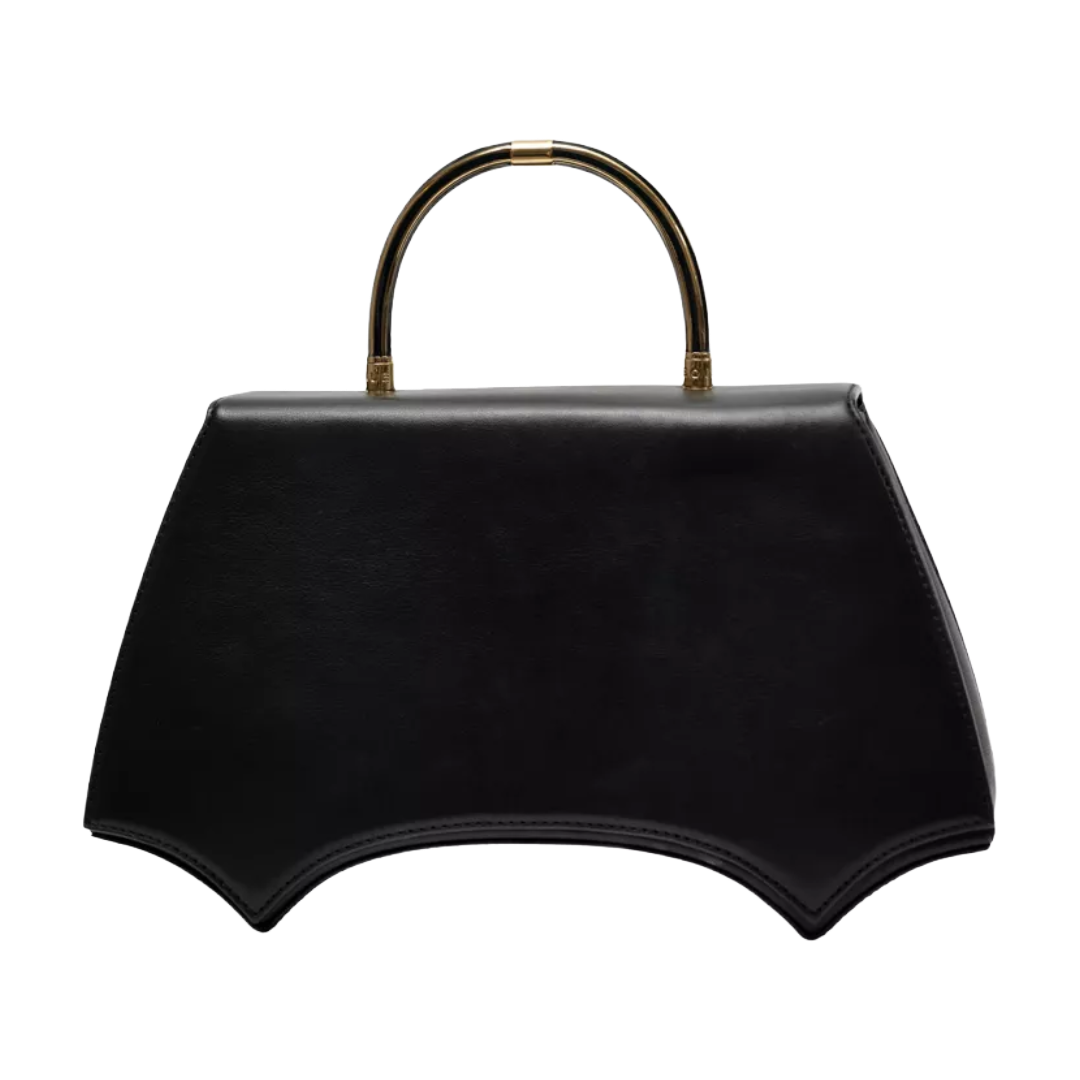
TOP-HANDLE BAG
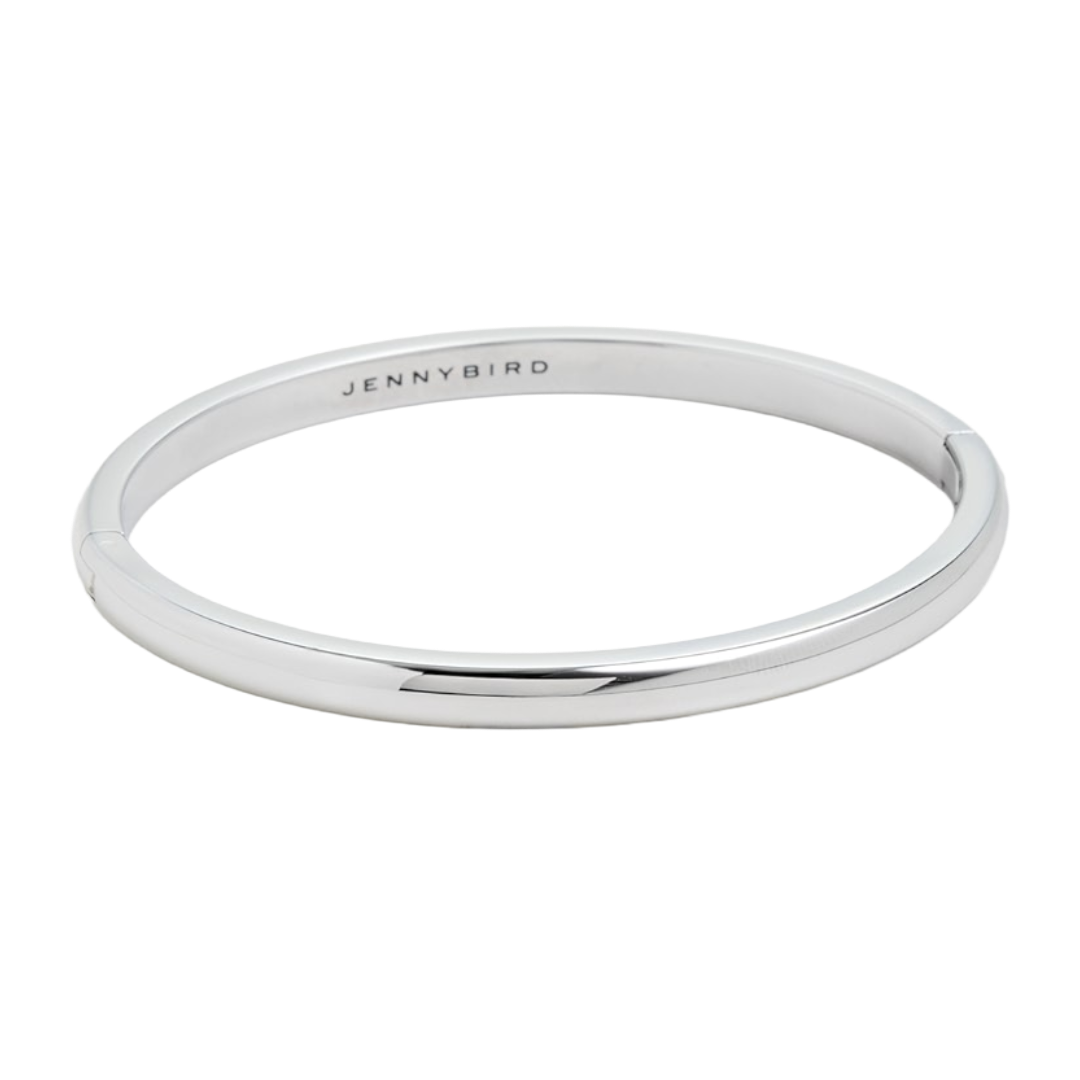
BANGLE BRACELET
I don’t think the halterneck is a trend, exactly. I’d probably choose it 9 times out of 10, even when it’s “out of style.” It’s been through disco, wartime rationing, a Hollywood subway grate, and whatever the hell Y2K was. It’s never once looked like it’s trying too hard, and that’s a super rare quality in a top. Buy a good one, and you’ll be wearing it forever.
SHOP MORE HALTERNECK TOPS