DESERT DWELLING

Something is grounding about desert living. The quiet is expansive. The light feels intentional. The landscape doesn’t compete for attention; it sets the tone. Desert dwellers don’t focus on excess or ornamentation. It’s more about restraint, respect, and designing in conversation with the land rather than on top of it. From the Sonoran Desert to the high desert of California, desert homes feel like structures and more like extensions of the earth itself.
For those of us raised in Arizona, desert architecture and design aren’t trends. They’re familiar, intuitive, and deeply personal. Aside from having to get used to creepy crawlies and wildlife you don’t want to run into on even your best day, it’s a lifestyle shaped by heat, horizon lines, and a profound appreciation for space.

The Characteristics of Desert Dwelling
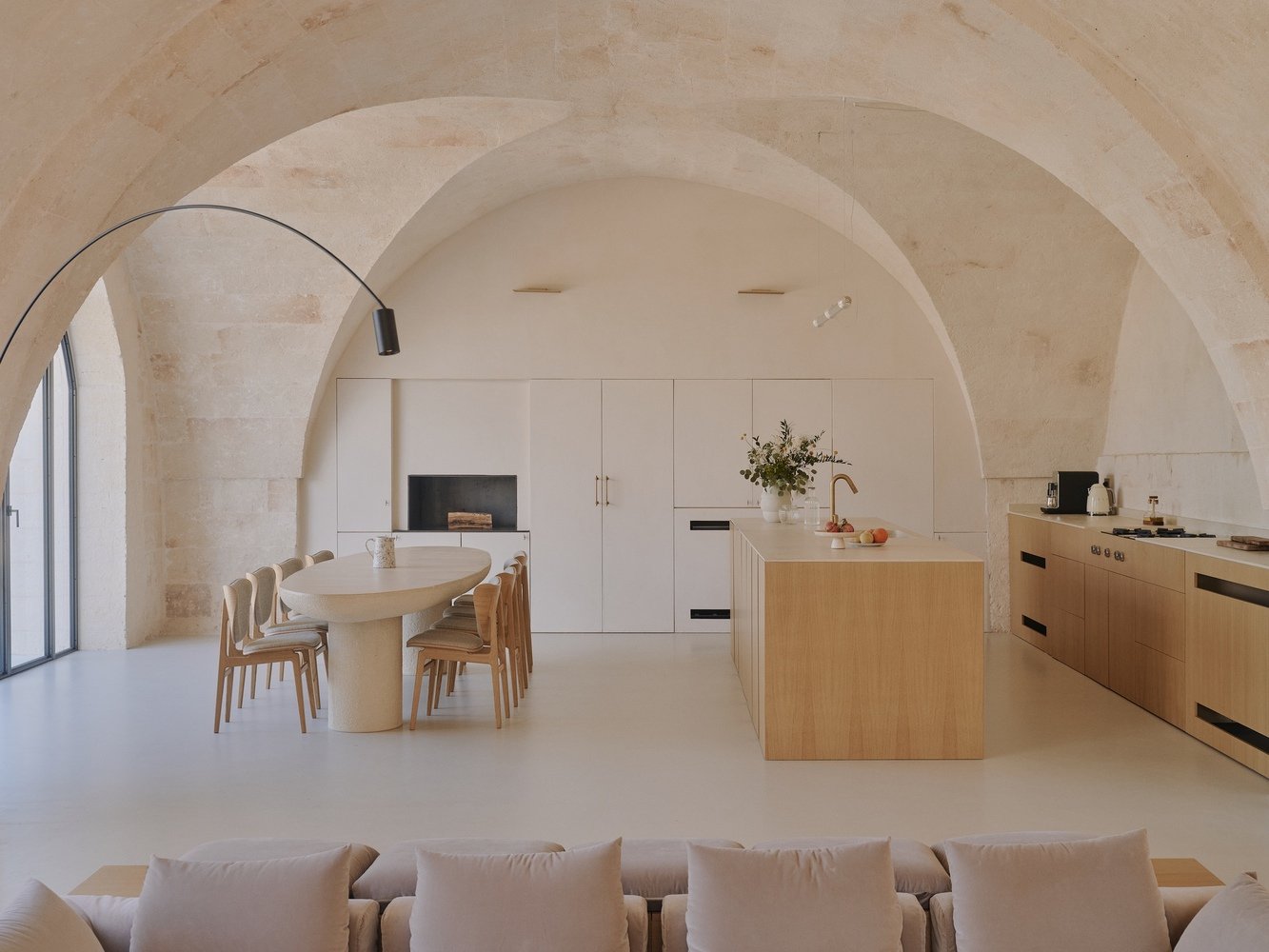
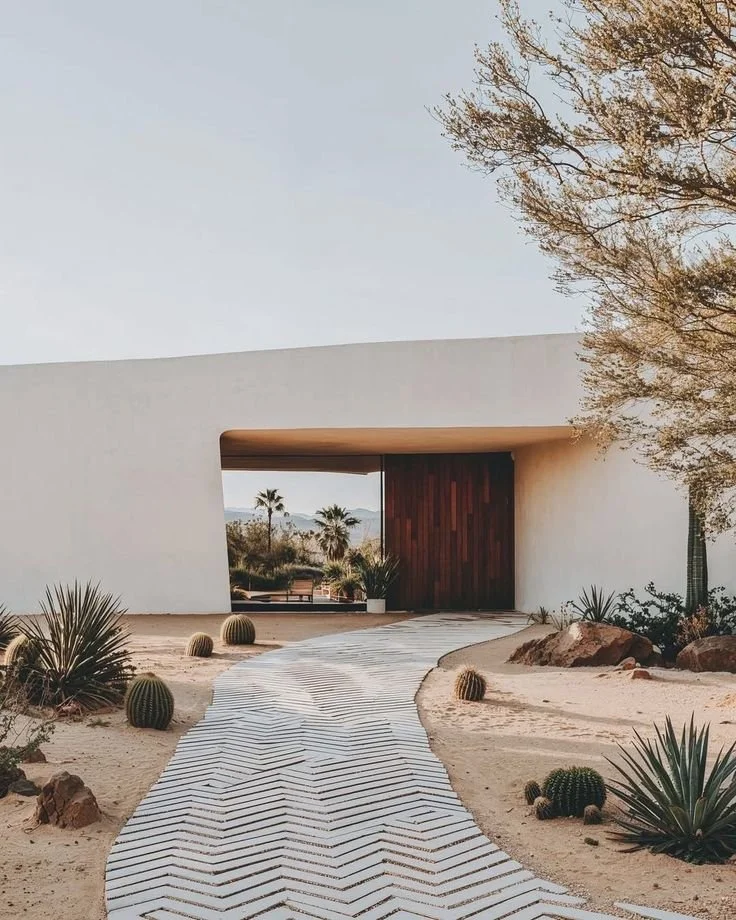
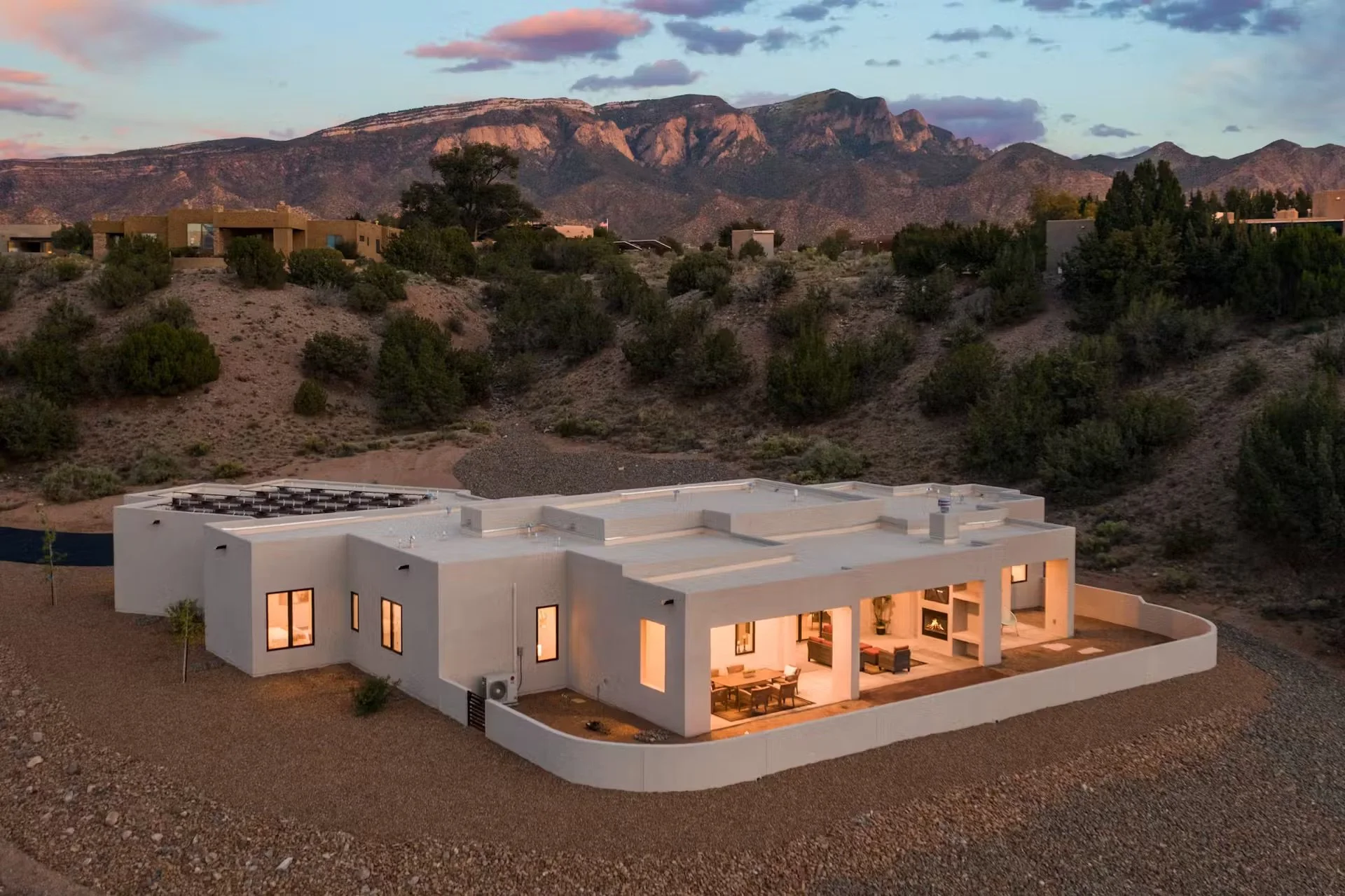
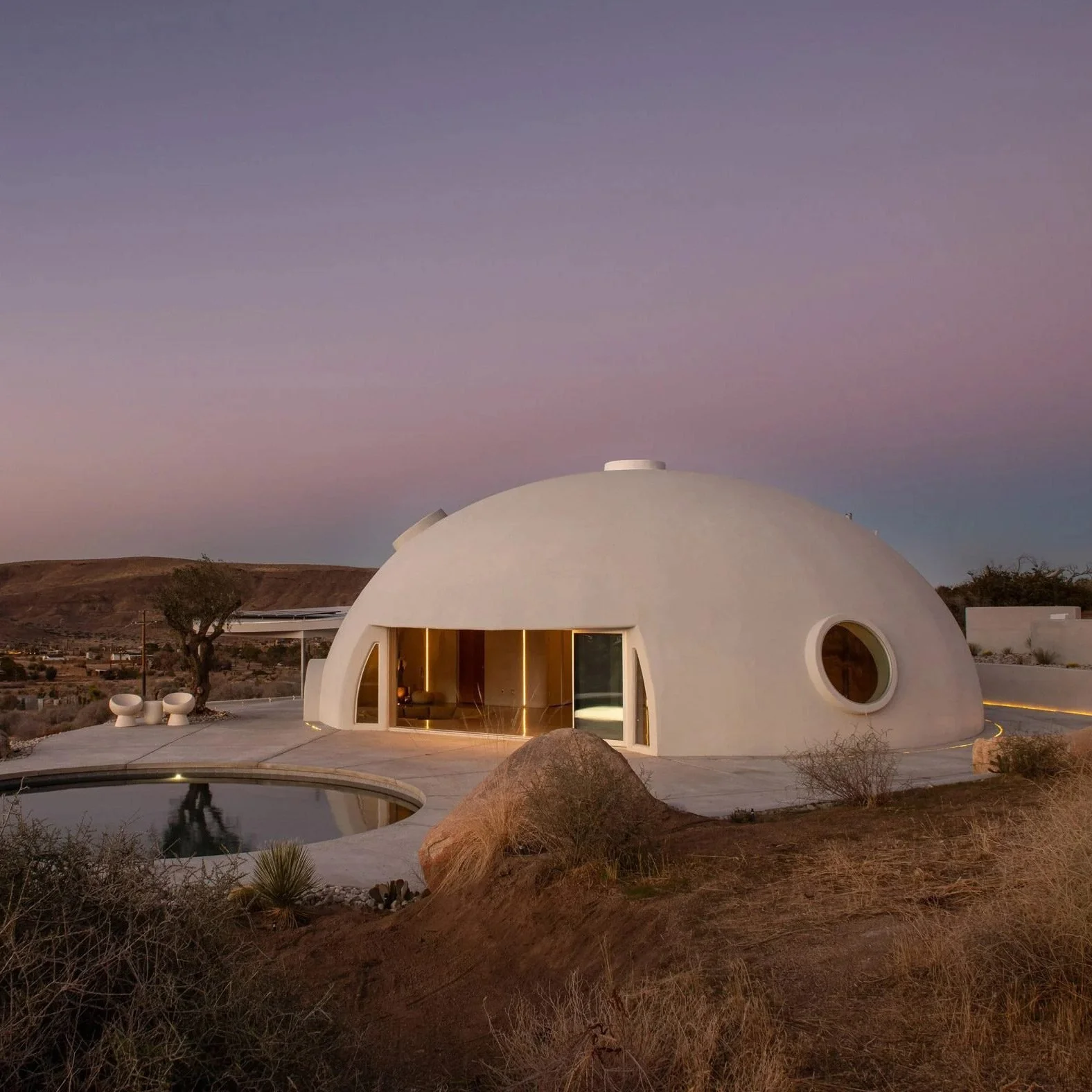
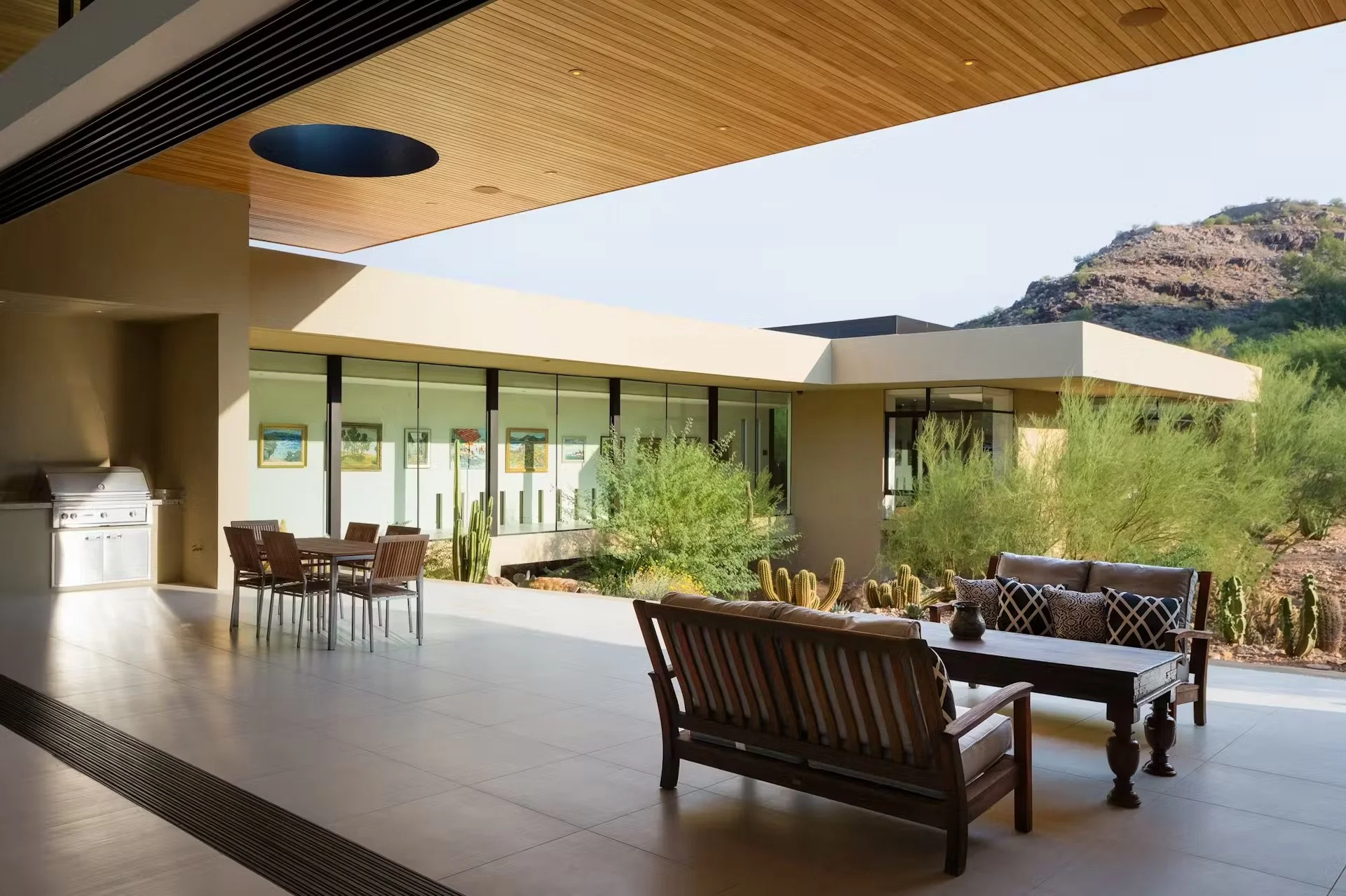
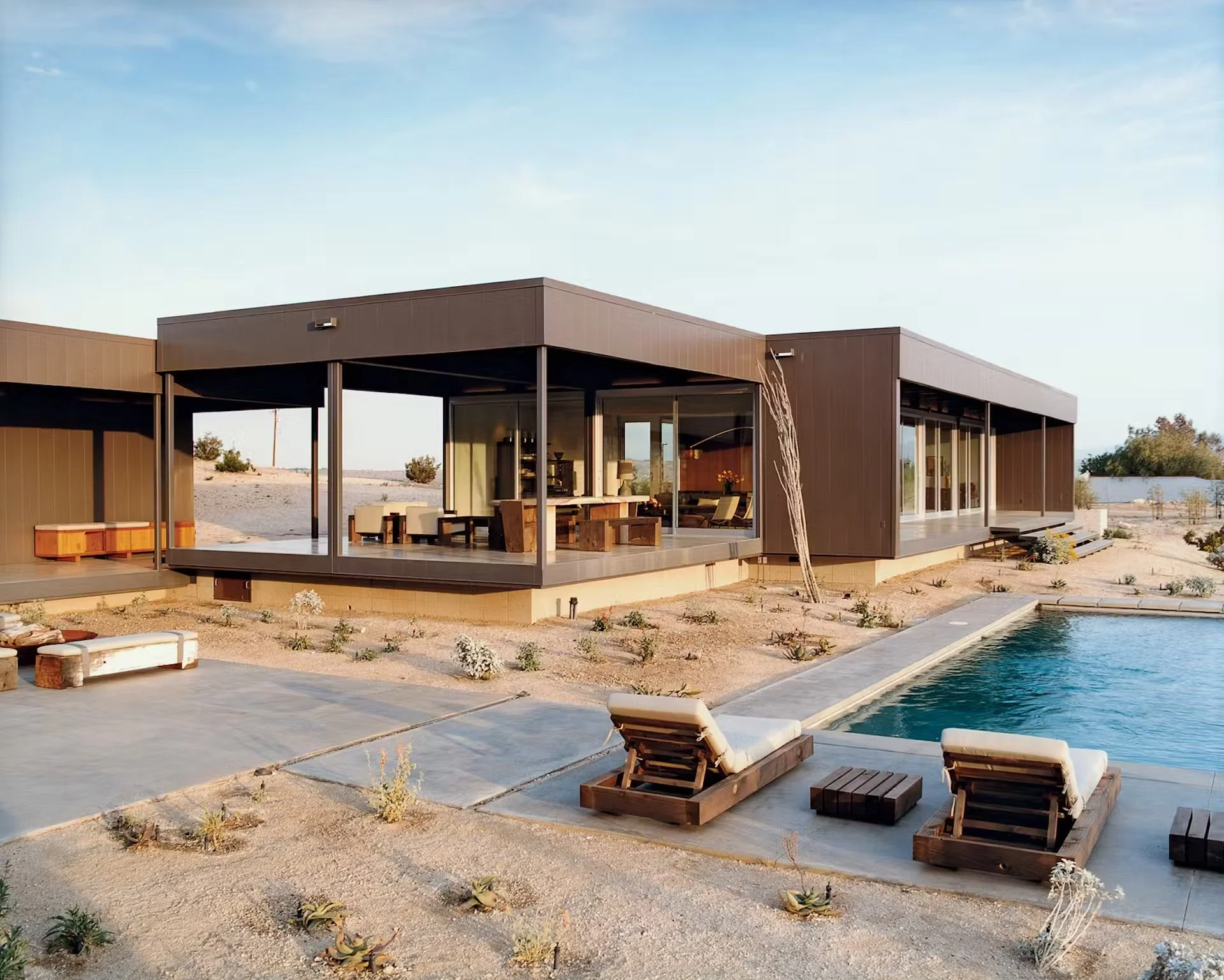
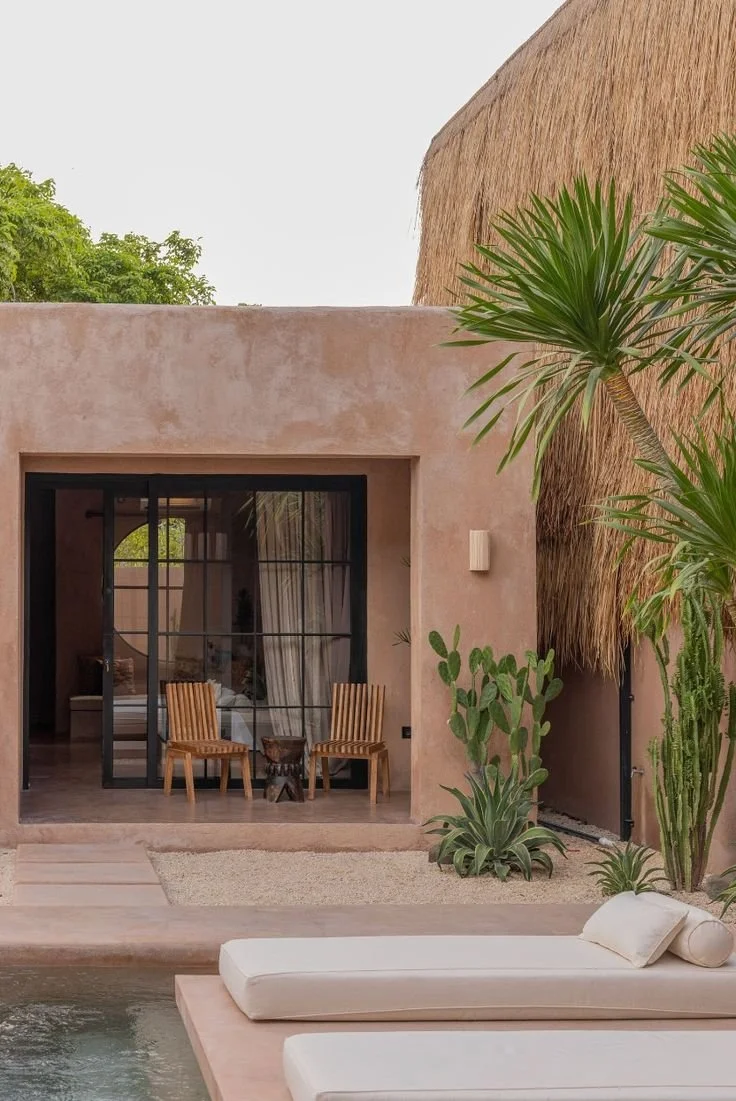
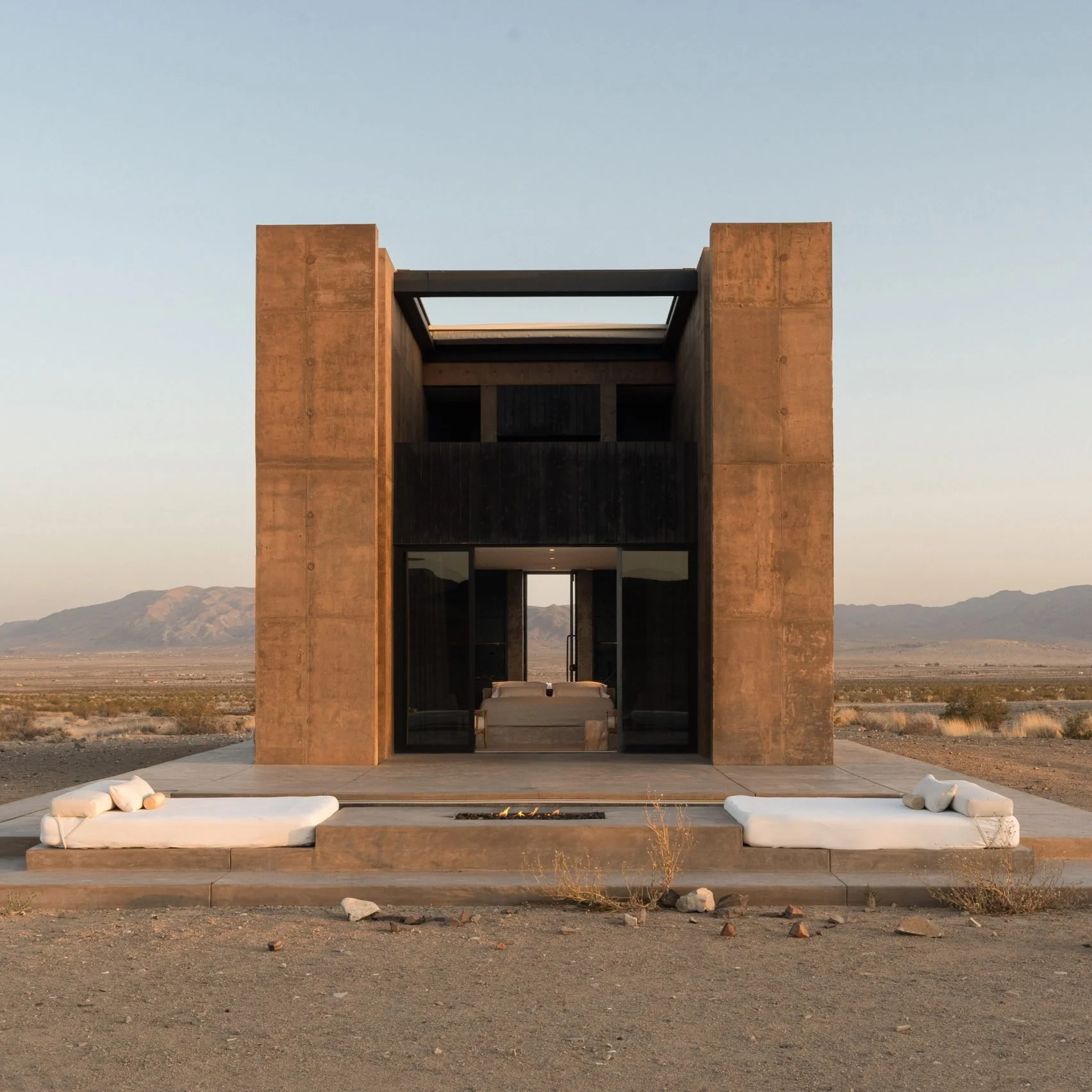
At its core, desert dwelling is defined by simplicity and intention. Architecturally, desert homes often feature geometric forms, thick walls, and natural, grounded materials. From concrete and rammed earth to stone, steel, and darkened wood, these homes often feel monolithic and sculptural, as if they were carved directly from the landscape.
Key architectural elements include:
Minimal silhouettes that reduce visual noise and echo the surrounding terrain
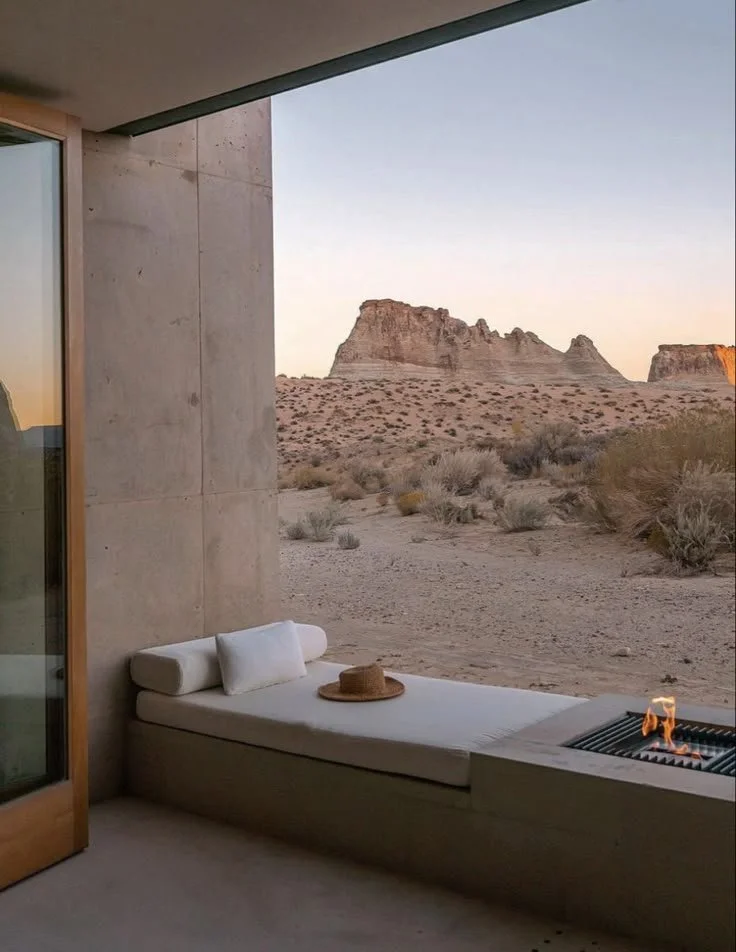
Thick walls and recessed openings for insulation and shade
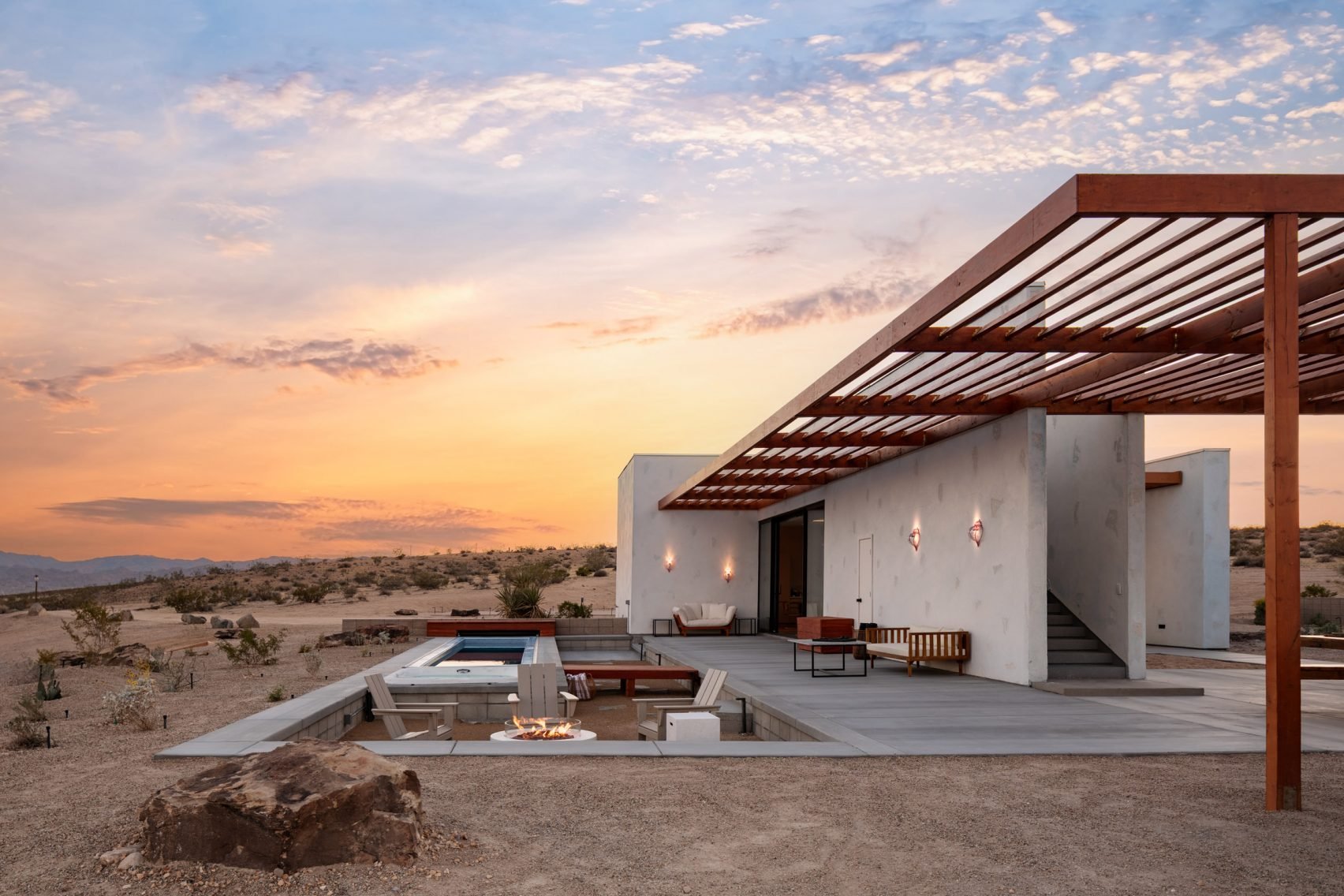
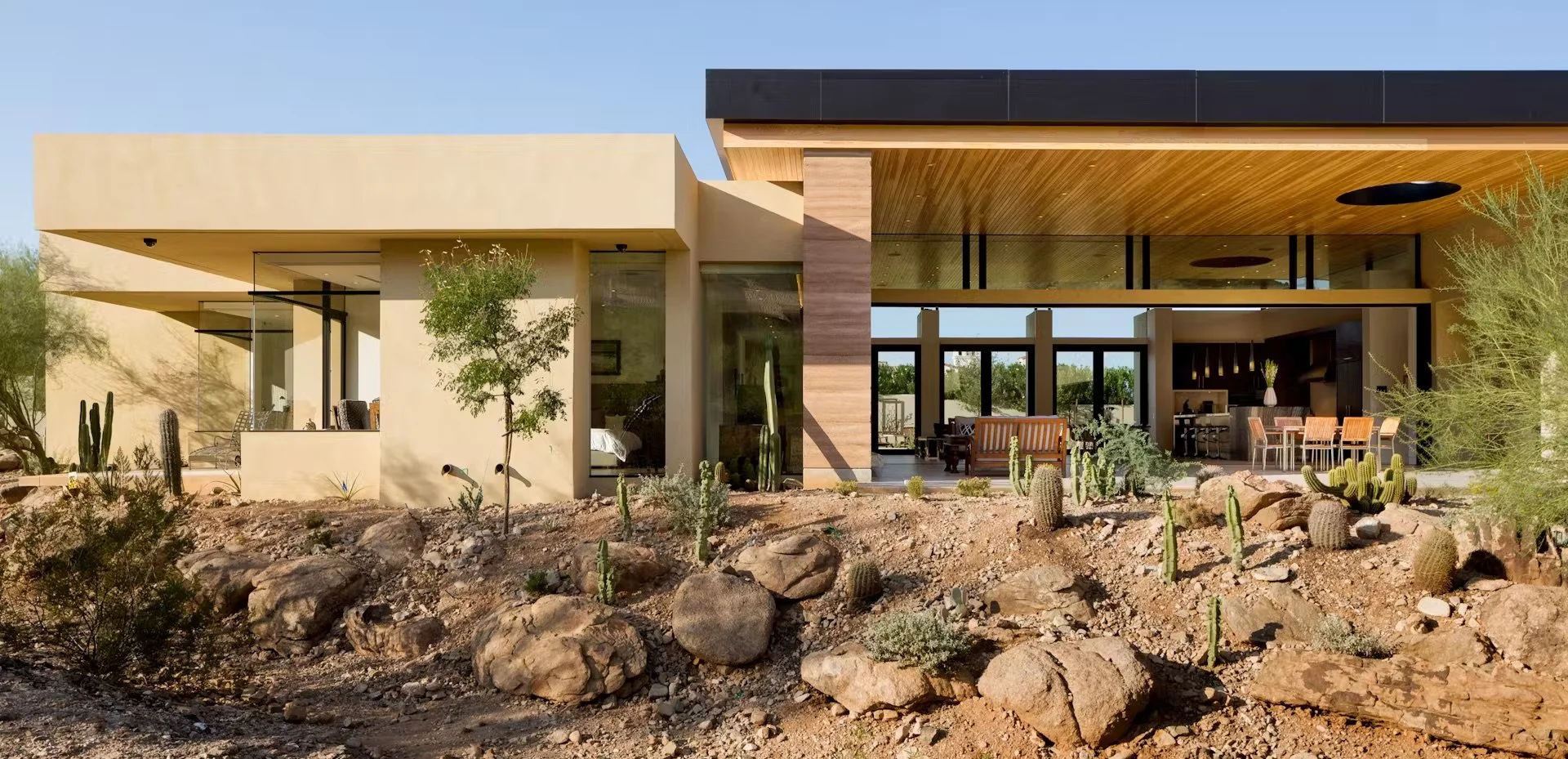
Courtyards, breezeways, and open-air transitions that blur the line between indoors and outdoors
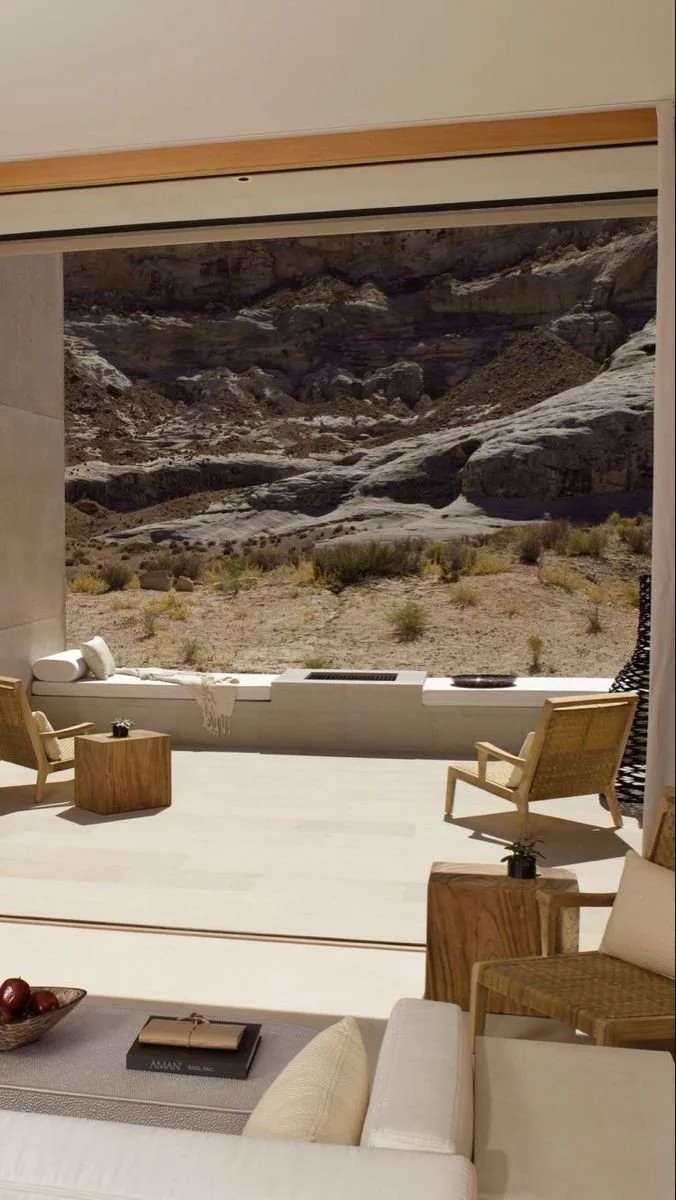
Large, intentional windows that frame the desert like artwork rather than overwhelming it
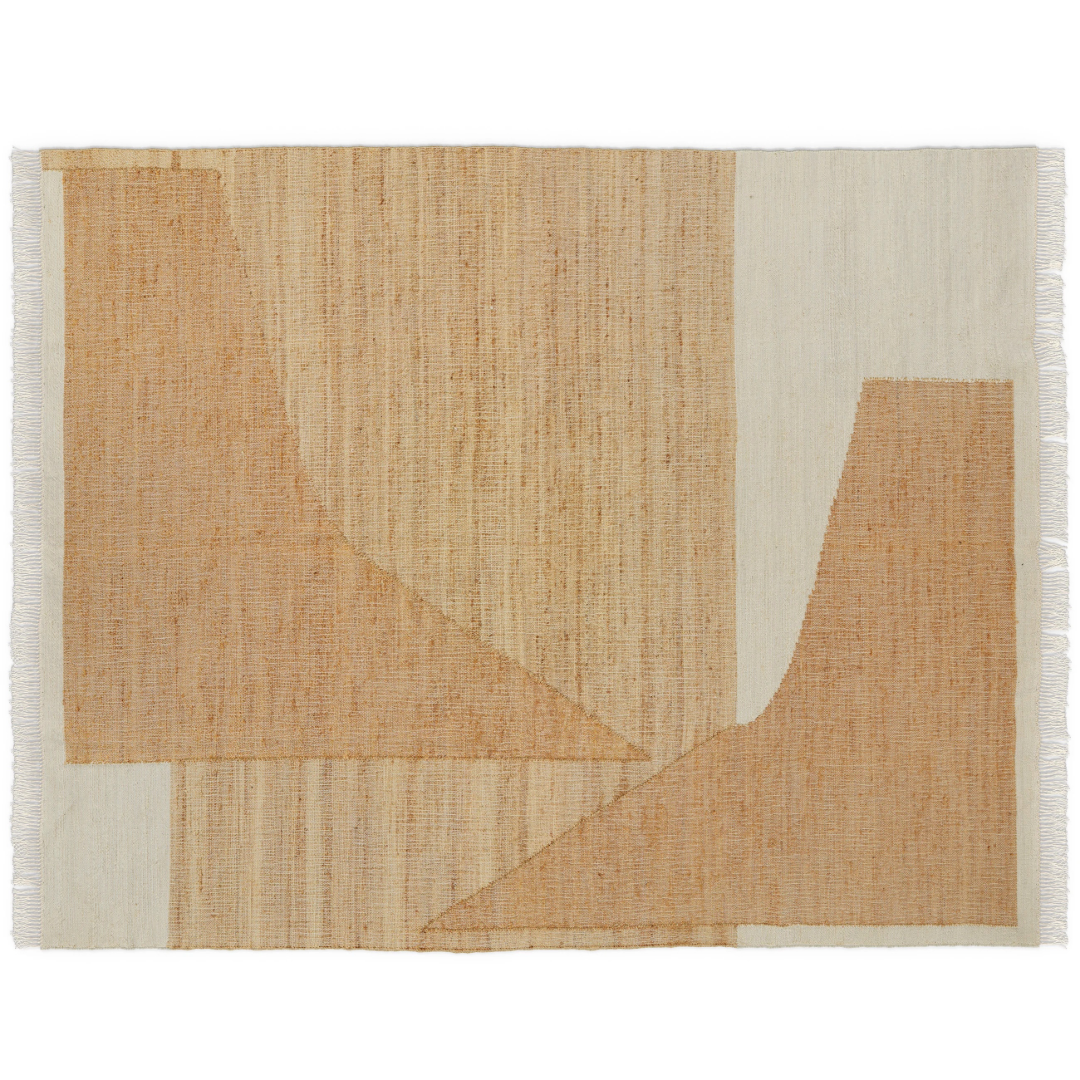
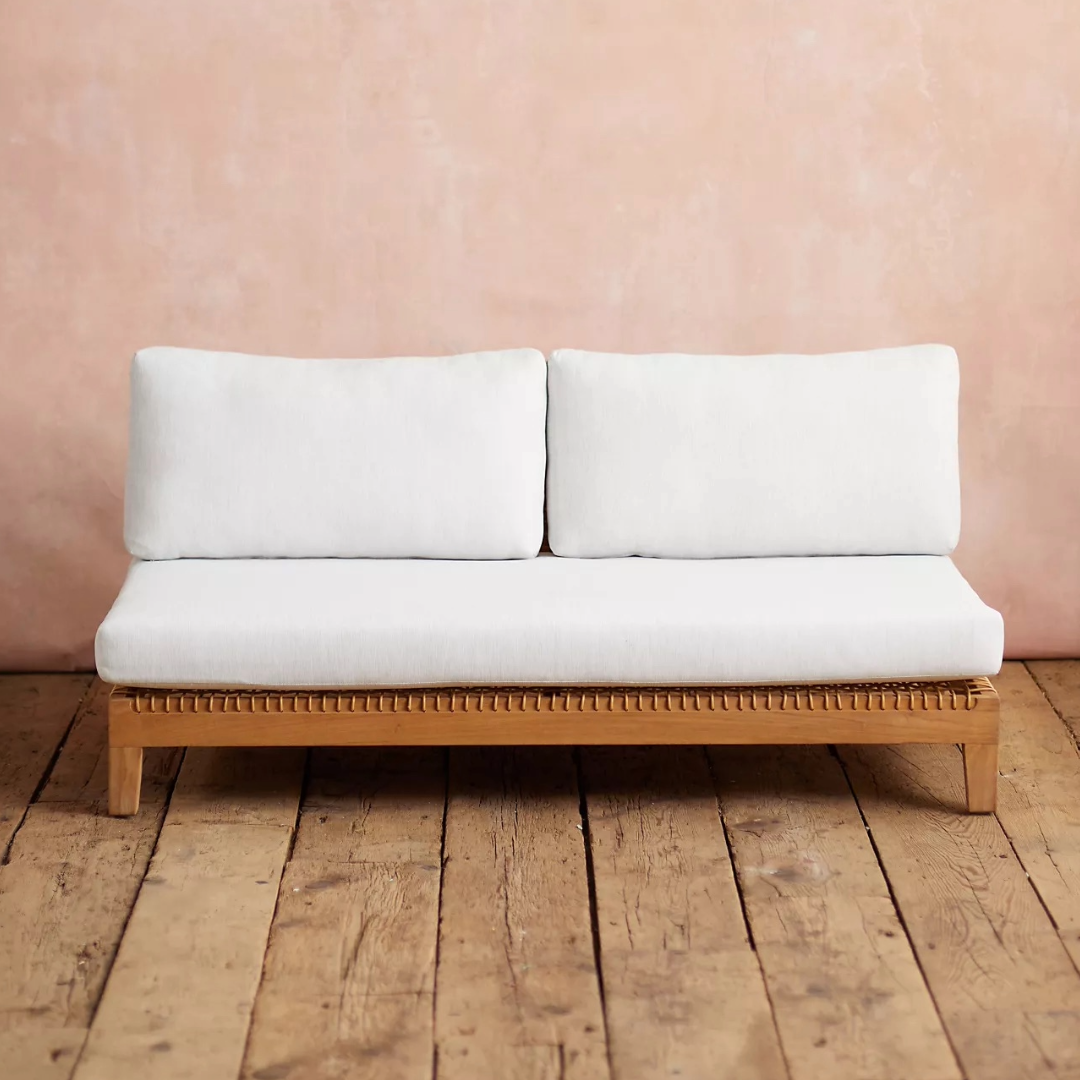
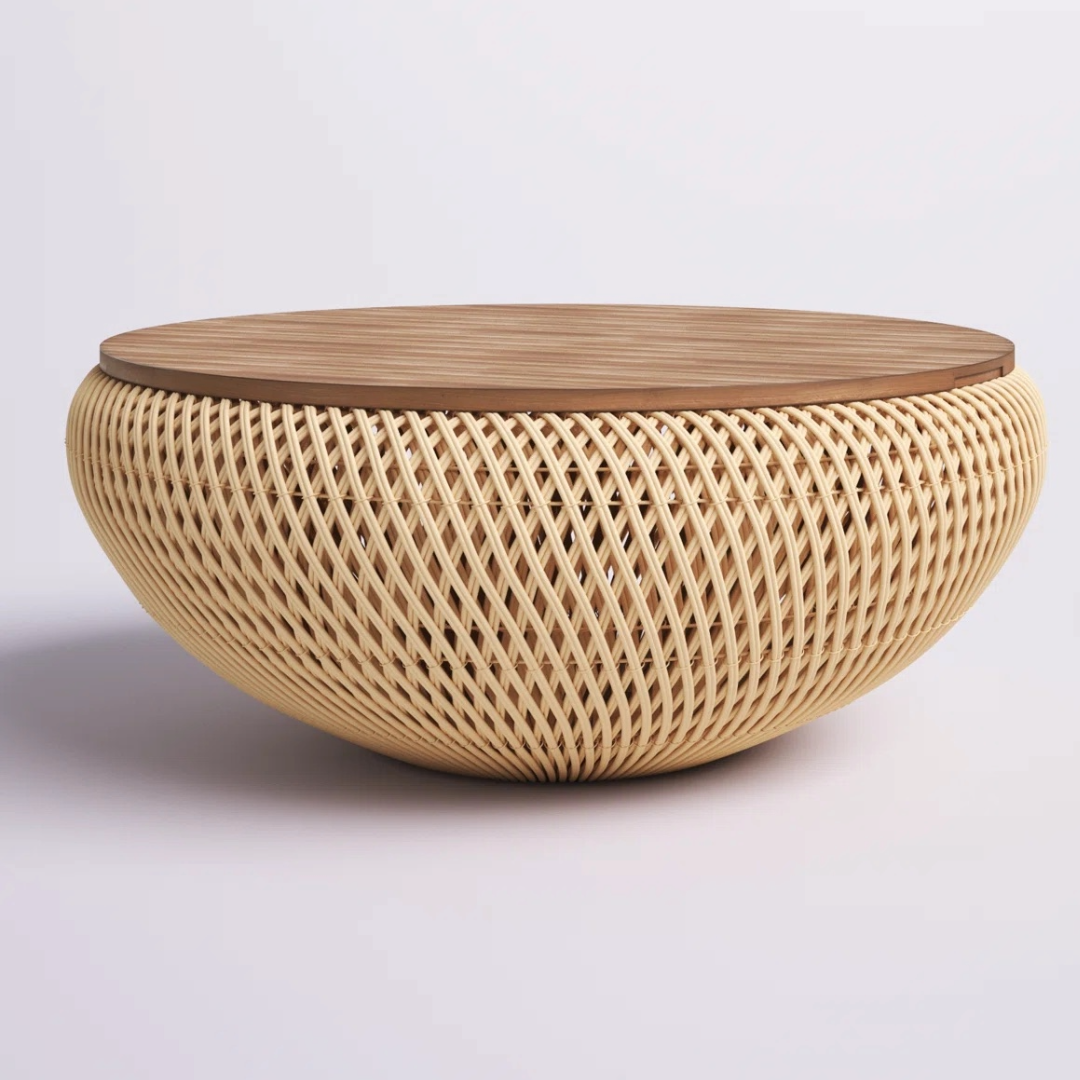
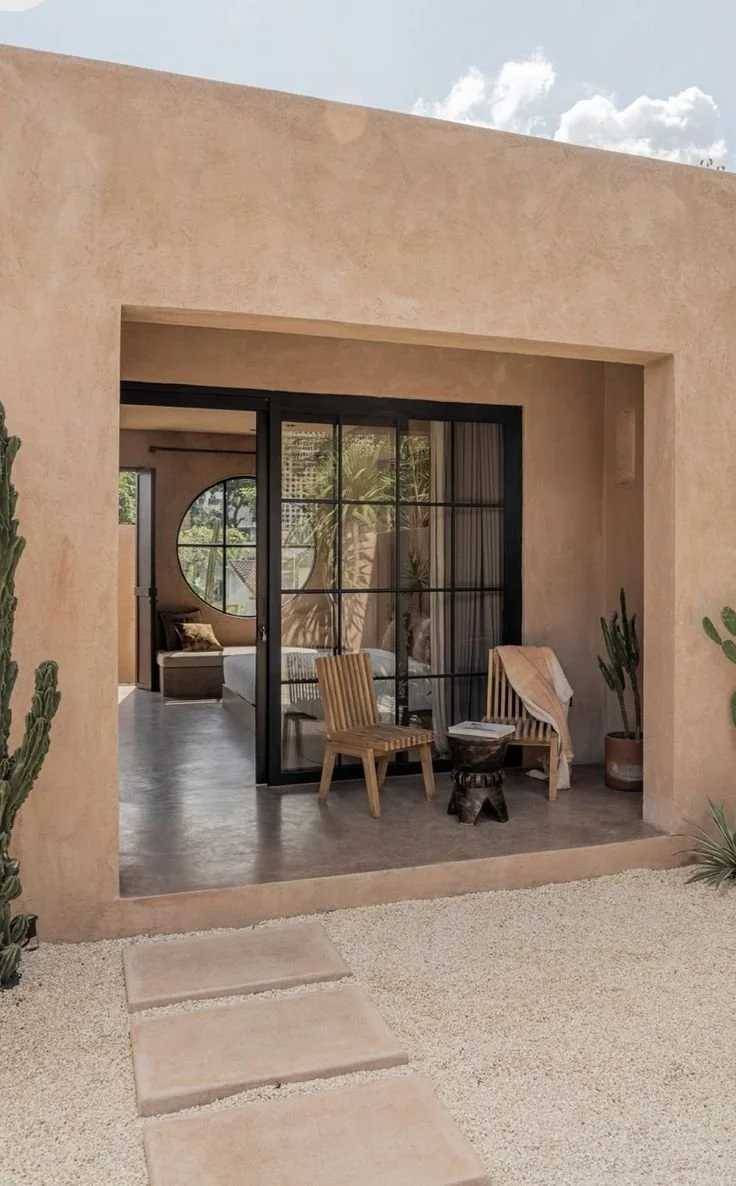
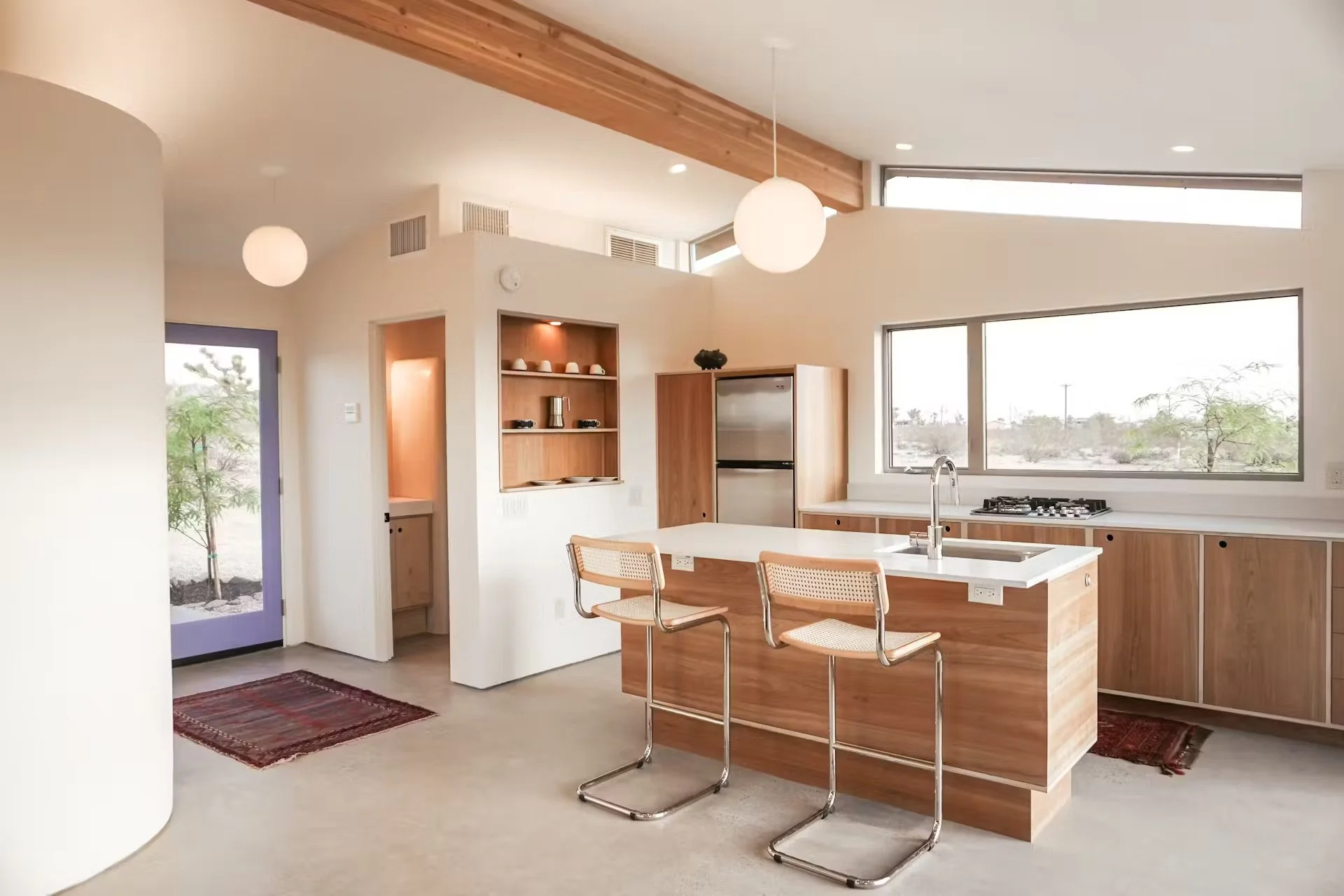
Stylistically, the interiors lean more restrained and tactile. Neutral palettes like sand, clay, bone, rust, and charcoal tend to dominate, allowing texture to take center stage. Linen, plaster, stone, and raw wood soften the starkness while maintaining a sense of calm.
The overall aesthetic is quiet but powerful. Nothing feels unnecessary. Every element has a purpose, whether functional, emotional, or environmental.
Sustainability Rooted in Place
Desert homes have always been sustainable by necessity. Long before sustainability became a buzzword, desert architecture relied on passive cooling, natural insulation, and strategic orientation to survive extreme temperatures.
Modern desert dwellings continue this legacy through:
Passive solar design using building orientation to minimize heat gain
Thermal materials like concrete and stone are suitable for regular indoor temperatures
Natural ventilation and cross-breezes instead of heavy reliance on air conditioning
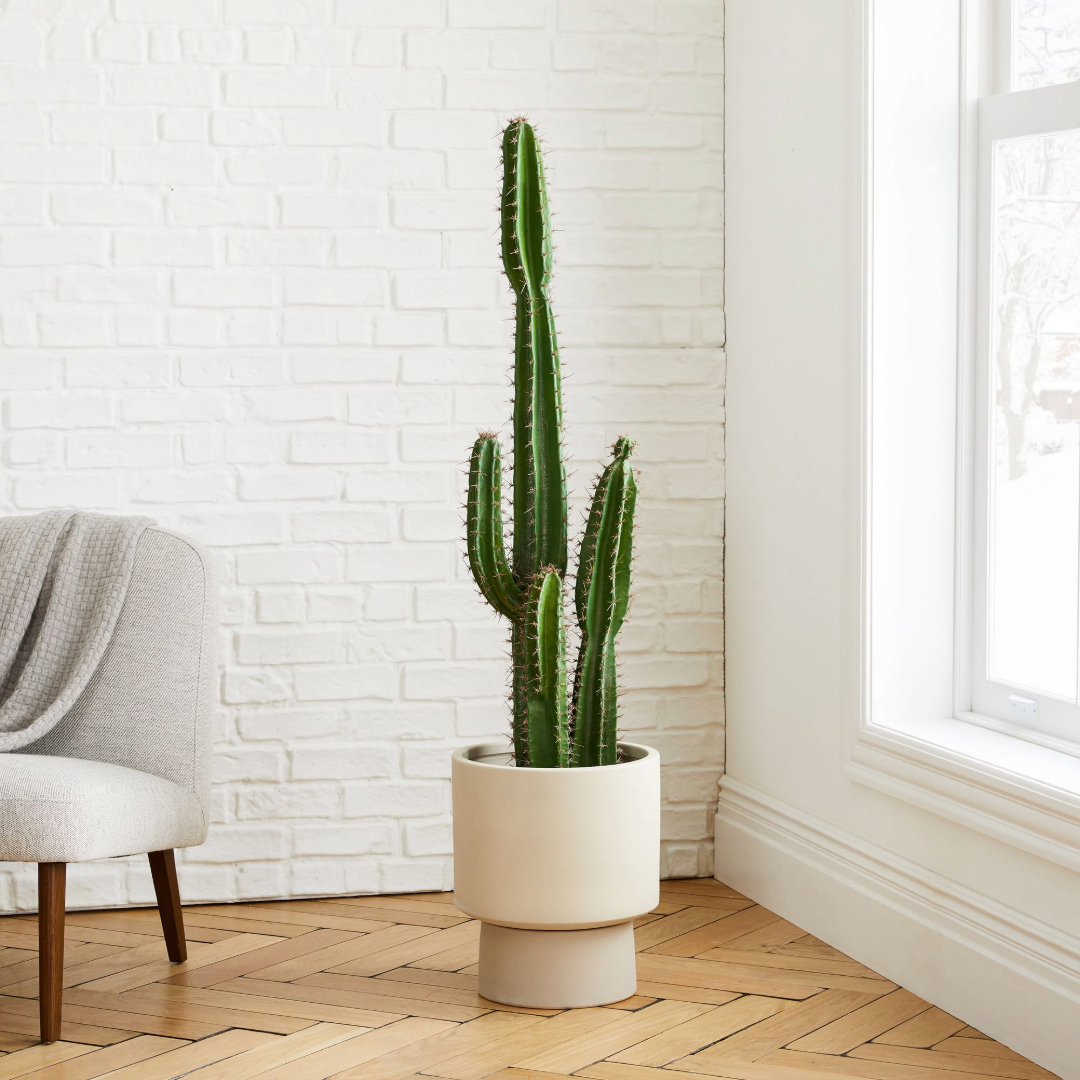
Low-water landscaping with native plants that thrive without excess irritation
Solar integration, which is especially intuitive under the seemingly endless desert sun.
Sustainability in the desert isn’t about overengineering. It’s about working with the environment rather than fighting against it.

Why I Love Desert Homes
Growing up in Arizona, you naturally have a different relationship with the desert. You tend to understand that beauty doesn’t need lushness. That shade is luxury. That stillness is a feature, not a flaw.
Desert homes feel cool both literally and culturally because they reject excess. They celebrate solitude, slowness, and scale. They make space for golden hour rituals, for watching storms roll in from miles away, and stargazing when the temperature finally drops and the night sky finally takes over.
There is a quiet confidence to desert design that I love. It doesn’t need to load up on trends to be validated. The aesthetic has always been there. Brutalist forms against soft horizons and modernism softened by dust and sun. For Arizonans especially, desert dwellings feel like home in the truest sense: familiar, resilient, and deeply tied to place. They reflect a way of living that values clarity over clutter and presence over performance.
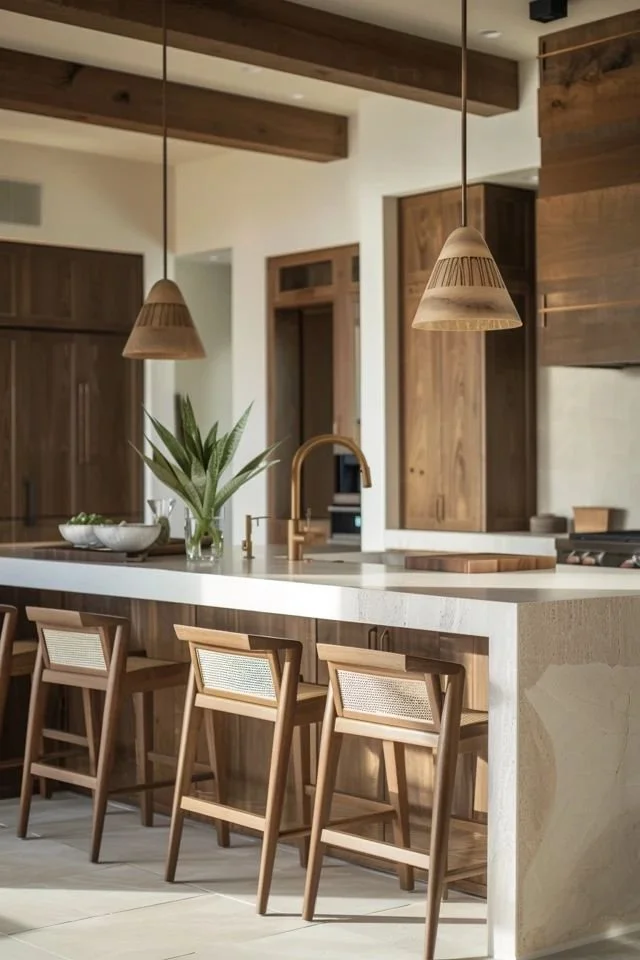
Desert living is more than architecture. It’s a way of living that honors space, stillness, and the natural world. Rooted in function yet rich in atmosphere, desert homes remind us that less can be more, especially when the landscape itself is the main design feature.
Get the Look