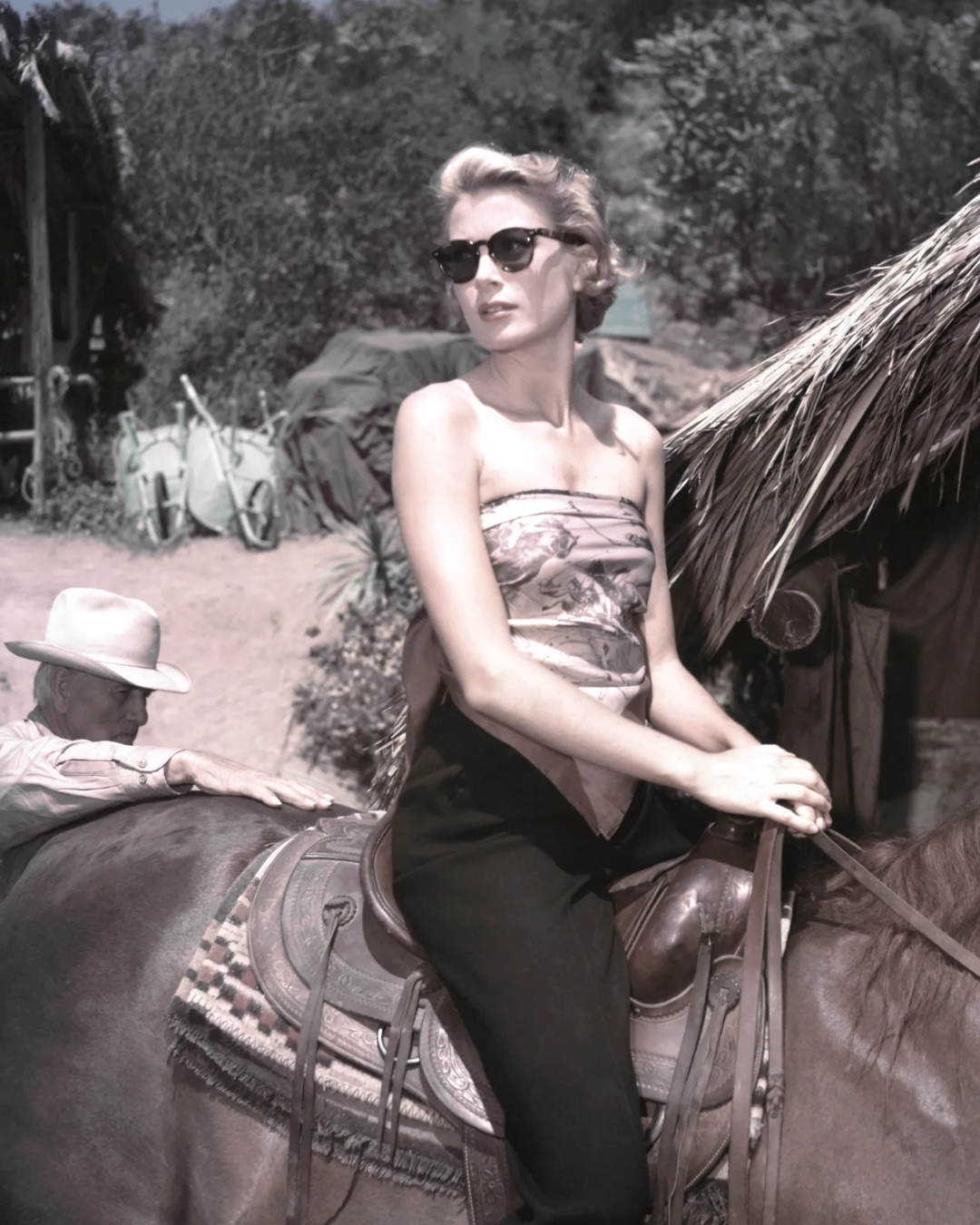
ROHMER SUMMER IS STILL HAPPENING. GOOD.
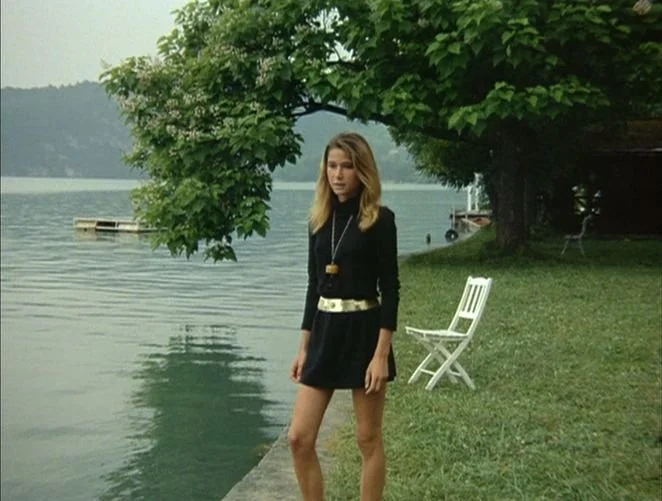
A few summers ago, The New York Times floated the idea of “Éric Rohmer Summer.” Largely as a corrective action towards how much hot pink was being thrown at us that year. That should have been the end of it, but trends that show up as counter-programming usually die the second the thing they are reacting against does. However, instead, it’s 2026, and Rohmer is having his biggest year yet.
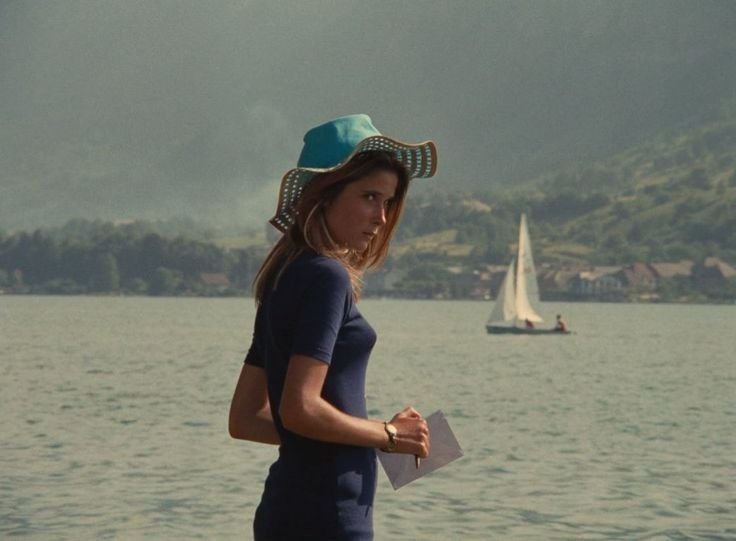
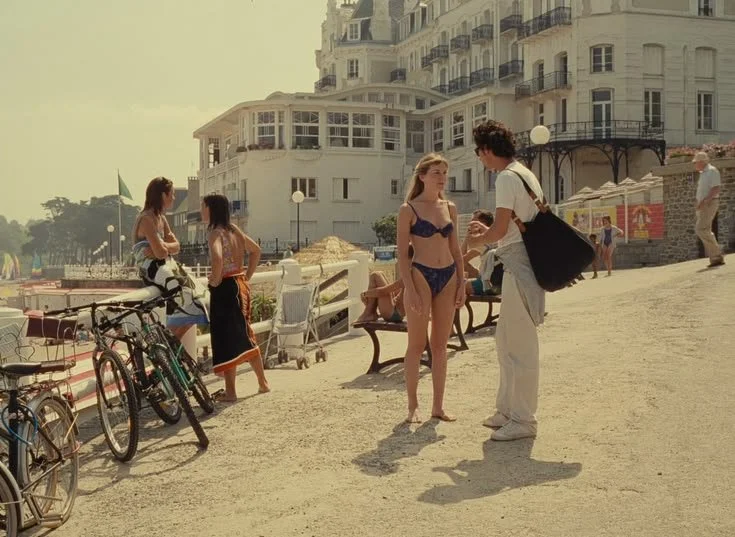
McNally recently published the first English translation of his novel Élisabeth, a sherbet-colored paperback clearly designed to be photographed. Kaia Gerber made it her book club pick and even restocked Claire’s Knee shirts. The Six Moral Tales screened at Metrograph, the Roxie, the Brattle, the Music Box, and American Cinematheque. GQ even coined the name for the men in these movies as “The Rohmer Guy.” Criterion Channel has eighteen, yes eighteen, of his films up right now as part of their summer programming. There is even an Instagram account that does nothing but catalogue what the characters in these films are wearing and somehow has a sharper viewpoint than a lot of magazines can manage.
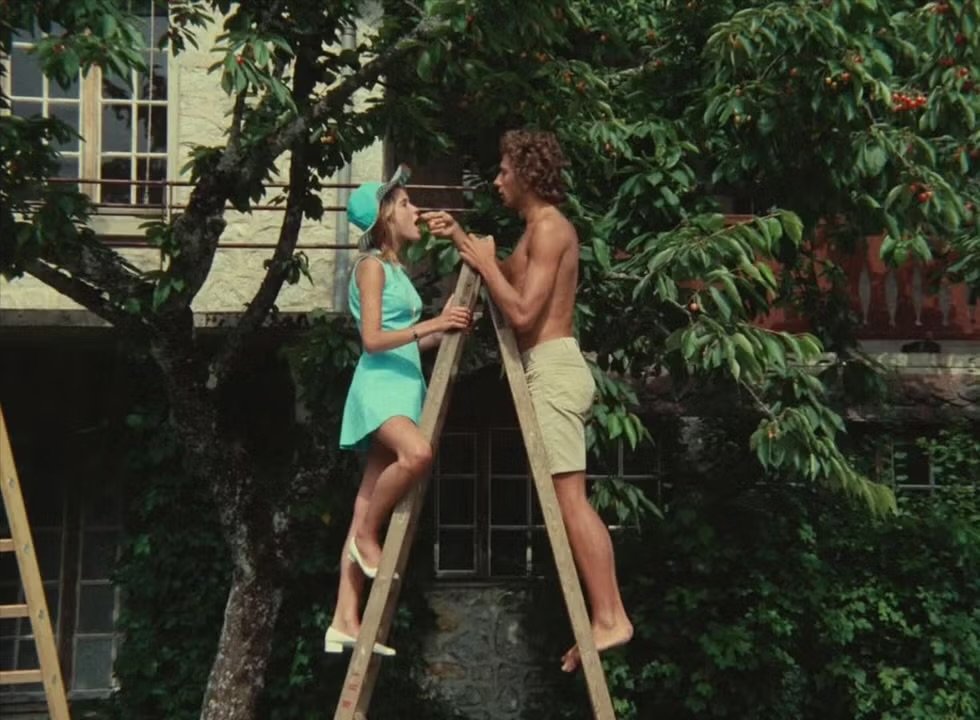
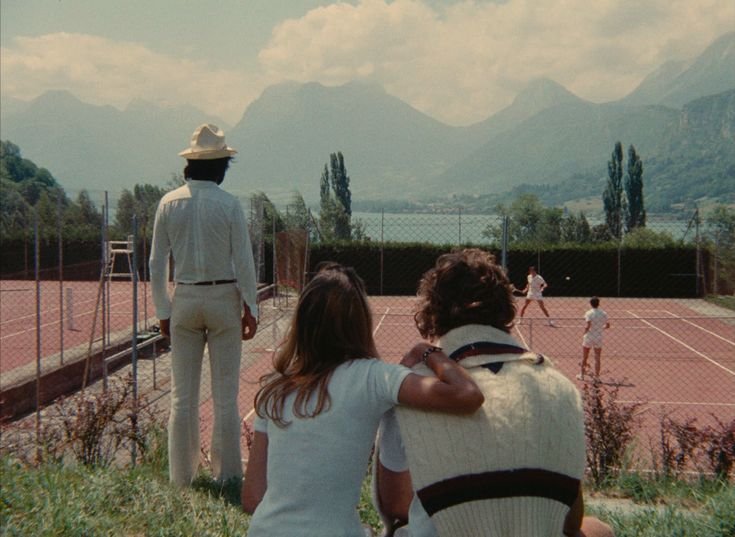
Fashion caught up a while ago. Jacquemus showed spring/summer 2027 in Corsica, which was a bit more showy than anything Rohmer would let on screen, but it ran on the same fuel, and the fashion fit the vibe impeccably. Chloé cast Claudia Schiffer for Chloé à la Plage, which is Pauline á la Plage with a much larger lighting budget. Keith Herron titled a menswear show Four Moral Tales and told WWD the appeal was small decisions that look like nothing and turn out to be the whole person. It’s probably one of the best descriptions of these films I’ve read, and it came from a designer.
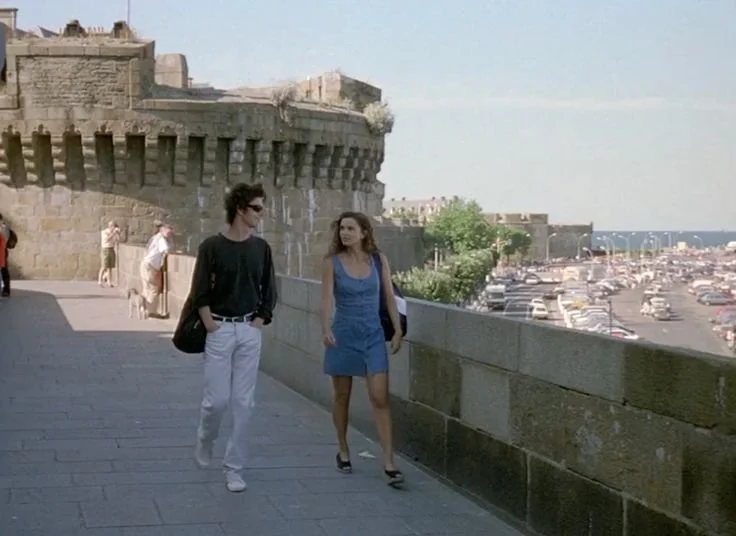
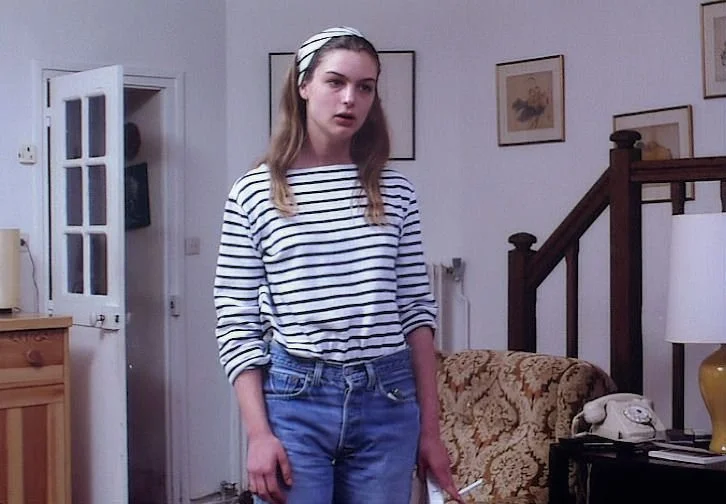
My theory on why this one has legs is that it’s not really a look. It’s just French culture through and through, and it’s most accurate. Why? Well, Rohmer had his actor dressing out of their own closets. So when you’re pulling out inspiration from one of these films, it’s not a costume department’s idea of 1983 or what it thinks the vibe would be. It’s what one specific woman or man owned and probably wore on repeat. That’s the reason most of his eighties films aren’t dated the same way something like Valley Girl is. No shade to Valley Girl, it’s still pretty good, ha. The point is: real clothes age differently from referenced ones, and the fashion cycle is just that, a cycle. So something worn back in 1983, for example, is probably something you’re going to be shopping for or already have anyway.

Why Rohmer Still Matters
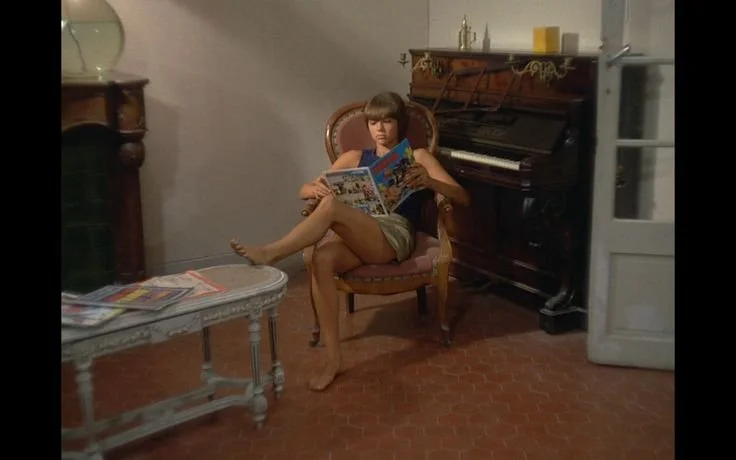
He made films about people talking themselves into things. That’s it. There isn’t a contrived plot engine, no third-act reversal, but just someone constructing an elaborate justification for a decision they already made, out loud, and most often, to a friend who can see straight through it. Sixty-something years on, it’s still one of the most accurate pieces of footage of how humans actually behave that ever ended up on film. He also proved you could make a movie with almost nothing. Small crews, natural light, real houses, and actors in their own clothes. They look like what everyone is chasing right now, but can’t manage to replicate it with their large budgets.
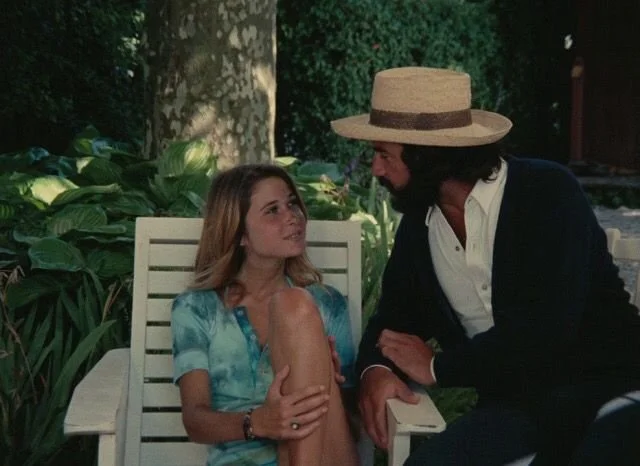
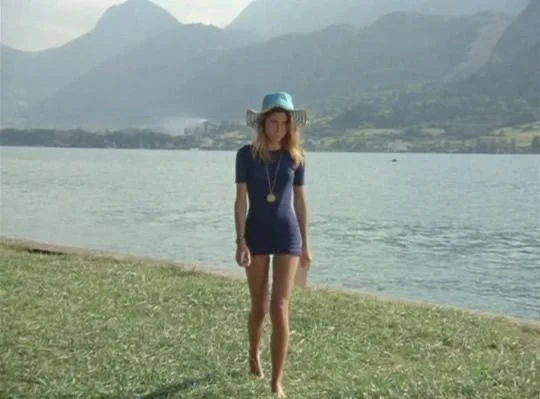
He took small things seriously without turning them into something precious. Whether a touch of a knee or whether to get on a boat or not, and which region of France to visit, he understood that a person reveals themselves in a choice that costs them nothing. He knew that watching someone be wrong about themselves for 90 minutes is more interesting than watching a building explode, which I can definitely agree with.
Most films attempt to flatter the viewer. Rohmer, on the other hand, believes the viewer can sit with a fairly insufferable person and figure out for themselves what they’re avoiding. I think that is something, almost a compliment, that nobody really pays to audiences anymore.
Five Films, Five Summers
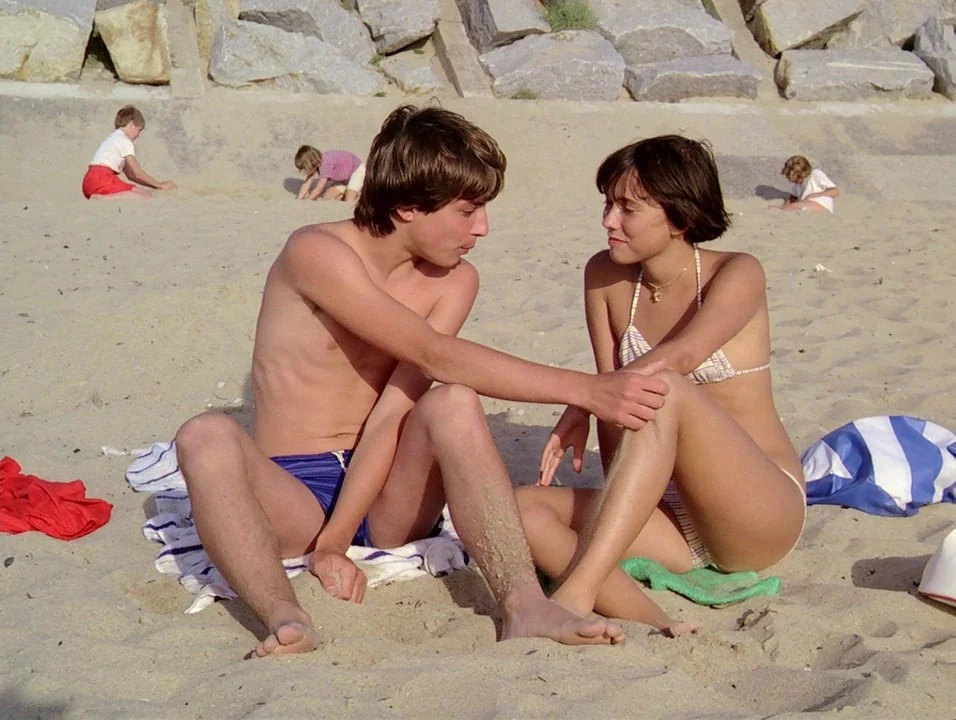
Pauline At the Beach (1983)
Recently divorced Marion takes her 15-year-old cousin Pauline to a house in Normandy for the tail end of summer. Marion throws herself at Henri, a careless older man; her old admirer Pierre throws himself at Marion; Pauline gets a boy her own age, and briefly, the moral high ground. Everyone lies, the lies collide, and Pauline is the only one who learns anything.
THE VIBE: Classic Norman seaside holiday, sun-drenched drama, and youthful innocence
THE STYLE: Vibrant primary-color beachwear - solid red swimsuits, royal blue windbreakers, high-waisted shorts, and effortless cotton sundresses
BEST FOR: Anyone looking for bold, minimalist beach outfit inspiration
A Summer’s Tale (1996)
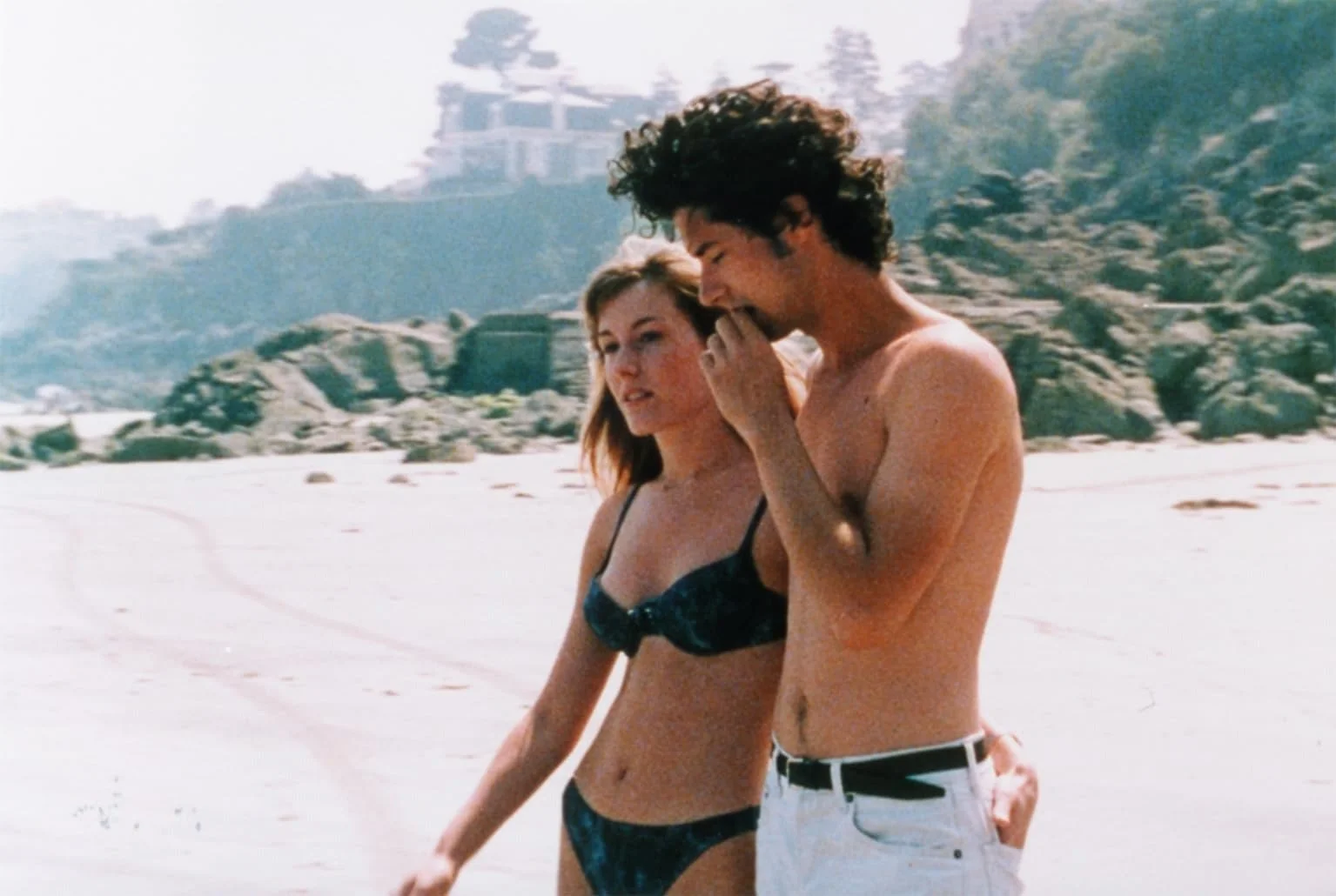
Gaspard, a math graduate with a guitar and no spine, goes to Dinard to wait for his girlfriend, who may or may not show up. He befriends Margot, a waitress and ethnology student who becomes the smartest person in the film, then gets involved with Solène too. Three women, one boat trip he’s promised to all of them, and a resolution that is pure cowardice.
THE VIBE: Coastal Brittany, wandering the rocky beaches with a guitar, and 90s French youth culture
THE STYLE: 90s coastal prep - washed crimson bikinis, cement-blue button-downs, light-wash denim jackets, ribbed halters, and striped nautical knits
BEST FOR: The quintessential relaxed, layered, late-summer look
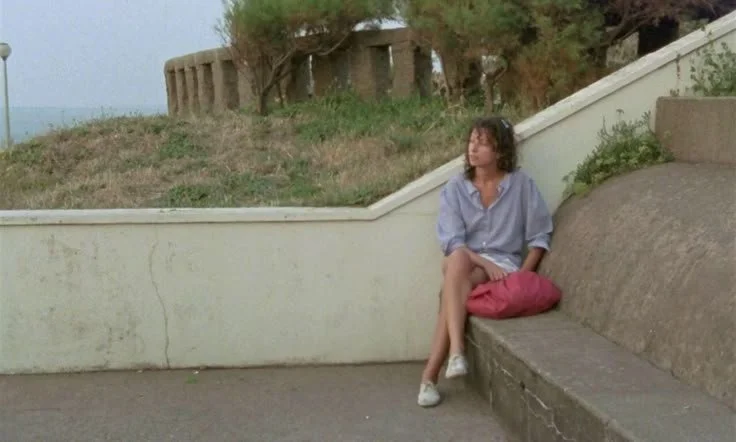
The Green Ray (1986)
Delphine’s holiday plans fall apart days before August, and she spends the month drifting between Paris, the Alps, Cherbourg, and Biarritz, unable to enjoy any of it. She’s lonely, difficult, and allergic to the company she keeps being offered. The title comes from a rare optical flash at sunset that’s supposed to reveal your true feelings, and the end hangs on whether she sees it.
THE VIBE: Solo travel, longing, and escaping Paris for Biarritz and the French Alps
THE STYLE: Slouchy lightweight cardigans slung over shoulders, relaxed-fit trousers, simple crewneck tees, and casual leather sandals
BEST FOR: Effortless, understated “traveling light” outfits
La Collectionneuse (1967)
Adrien, an art dealer, retreats to a friend’s villa near Saint-Tropez, planning to do absolutely nothing. Haydée, a young woman with a rotating cast of overnight visitors, is already there, and he and his friend Daniel decide to treat her contempt as a project. His idleness is a pose, and so is his indifference.
THE VIBE: High-summer indolence in a Saint-Tropez villa, sunbathing, and 1960s French Riviera cool
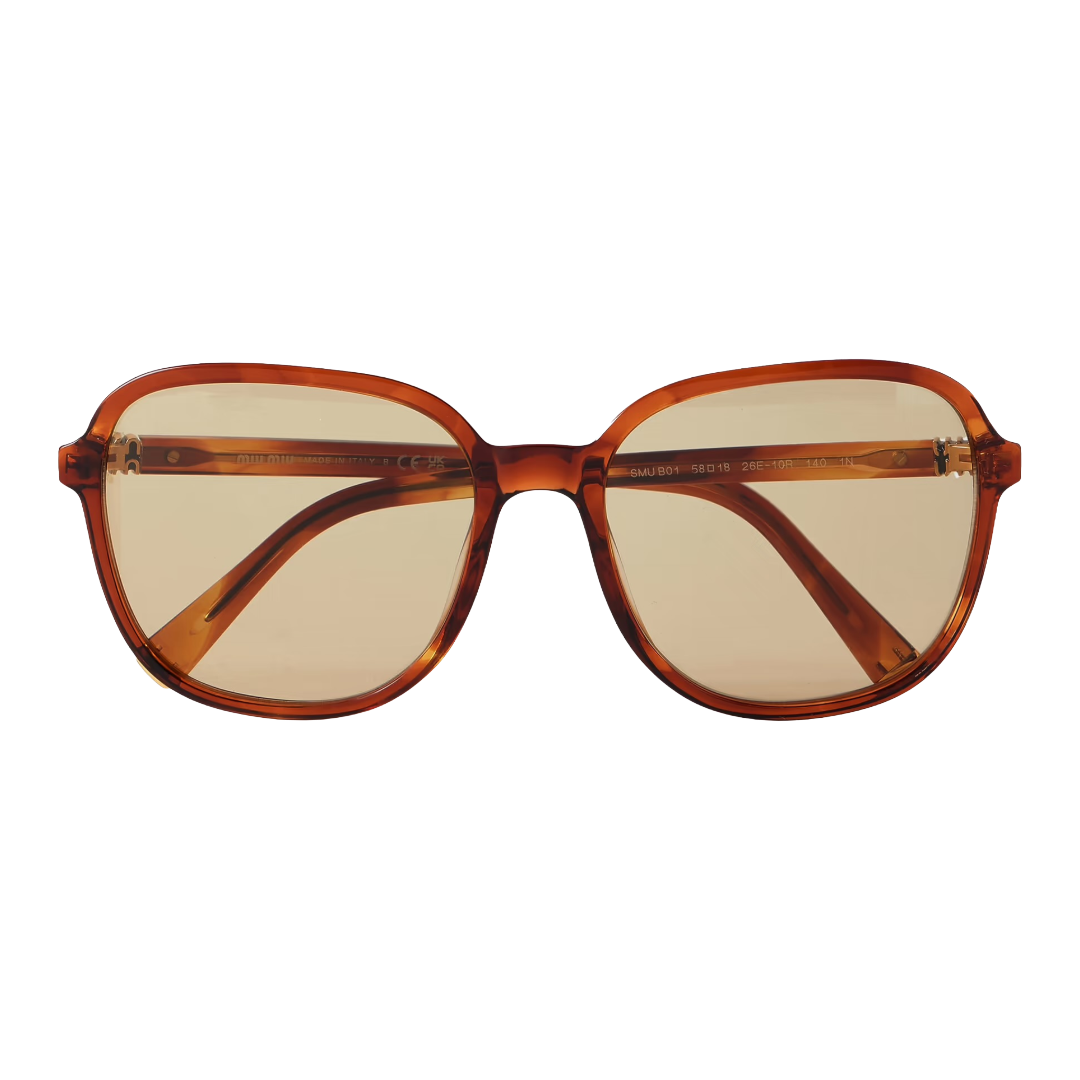
THE STYLE: Retro 60s chic - high-cut swimsuits, crochet tops, oversized round sunglasses, and crisp linen shorts
BEST FOR: Warm, vintage-inspired golden hour beach aesthetics
Claire’s Knee (1970)
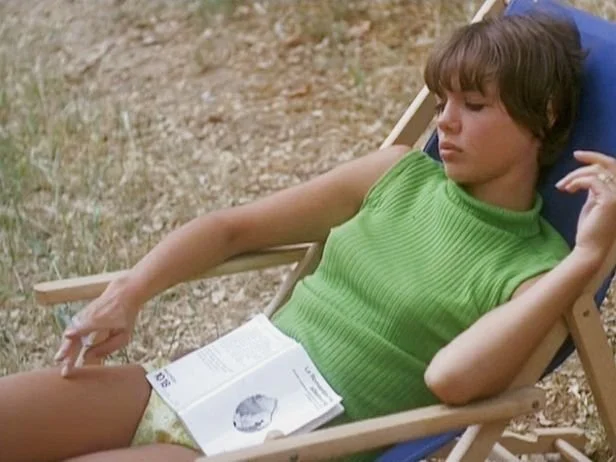
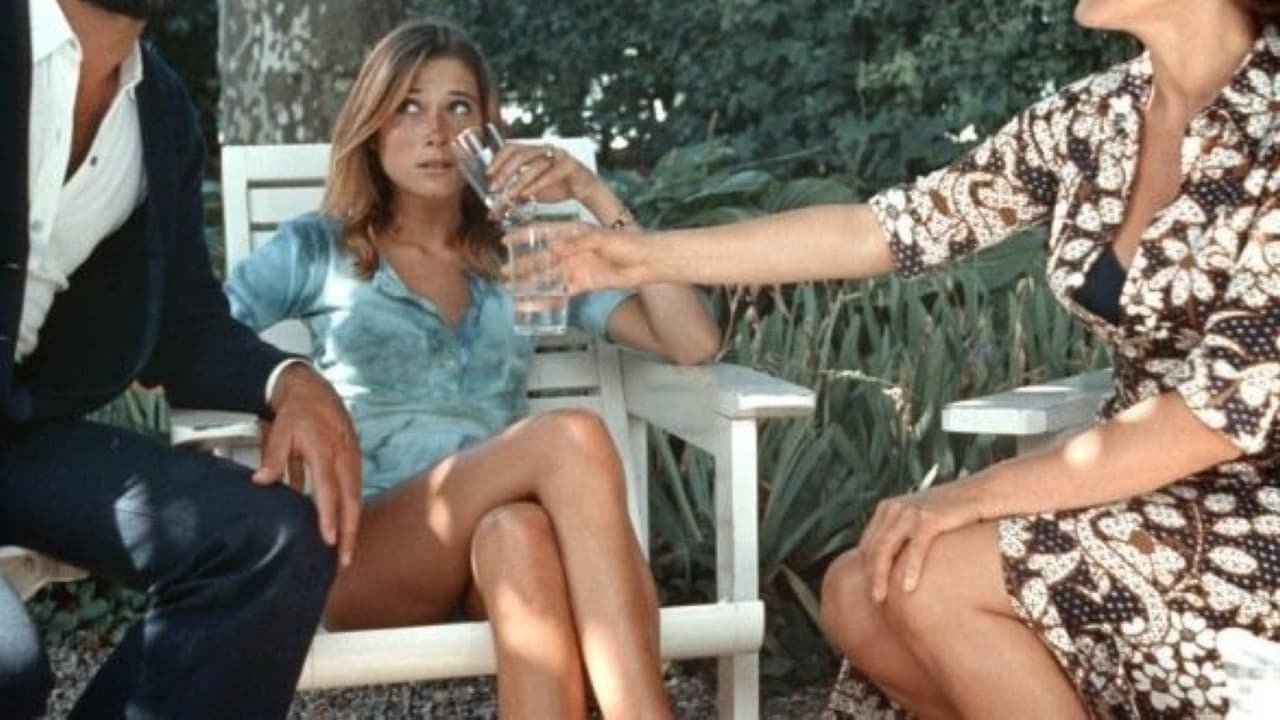
Jérôme, a diplomat weeks from marrying, spends his last bachelor summer at Lake Annecy and reconnects with Aurora, a novelist who half-encourages his behavior as material. He fixates on Claire, a teenager who barely notices him, and specifically on her knee. Almost nothing happens; he narrates it beautifully, which is the joke.
THE VIBE: Lakeside romance along Lake Annecy, garden afternoon, and intellectual leisure
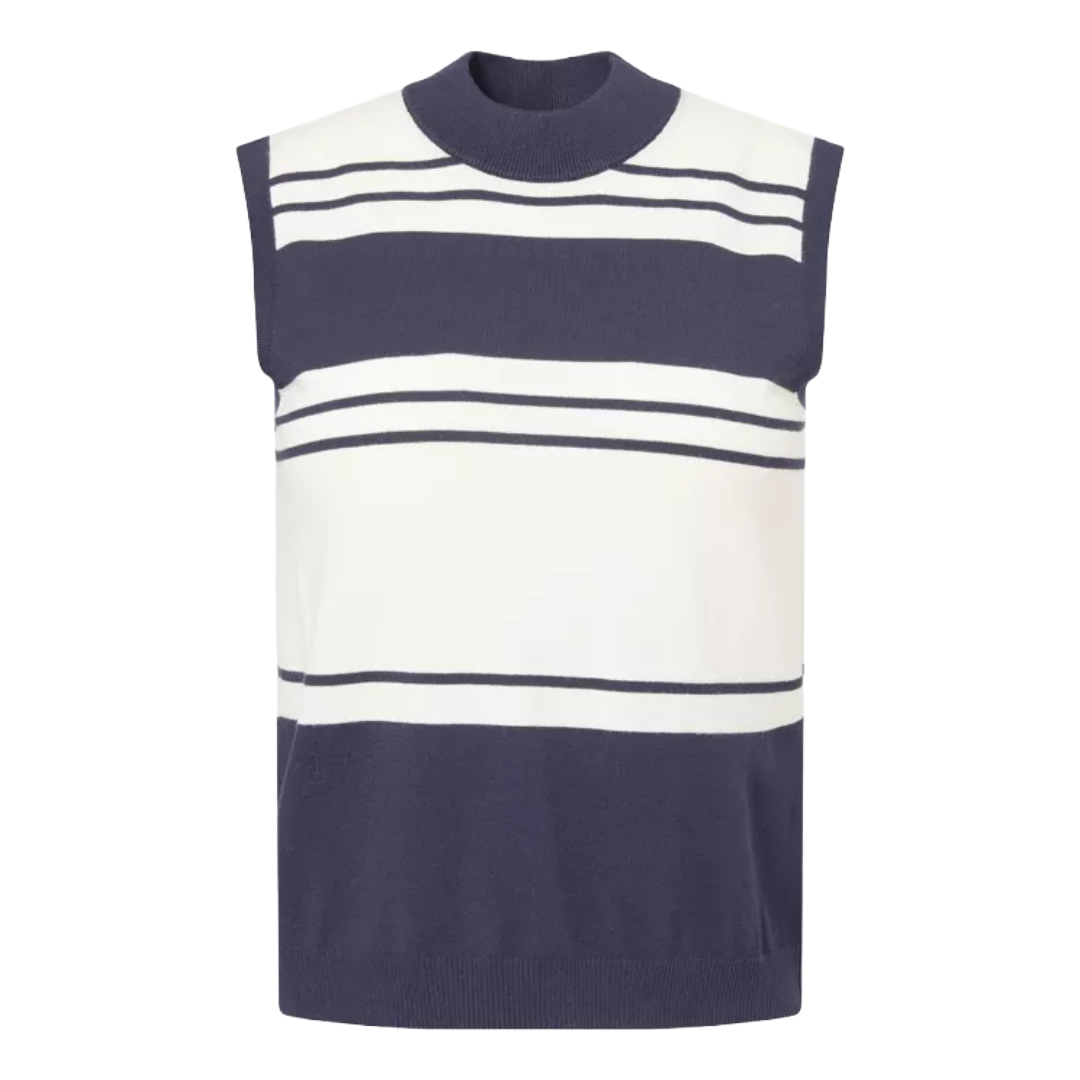
THE STYLE: Preppy Riviera summer - lightweight summer knits, sleeveless shirt-dresses, headbands, and classic leather loafers
BEST FOR: Tailored, lakeside-villa sophistication
Get the look
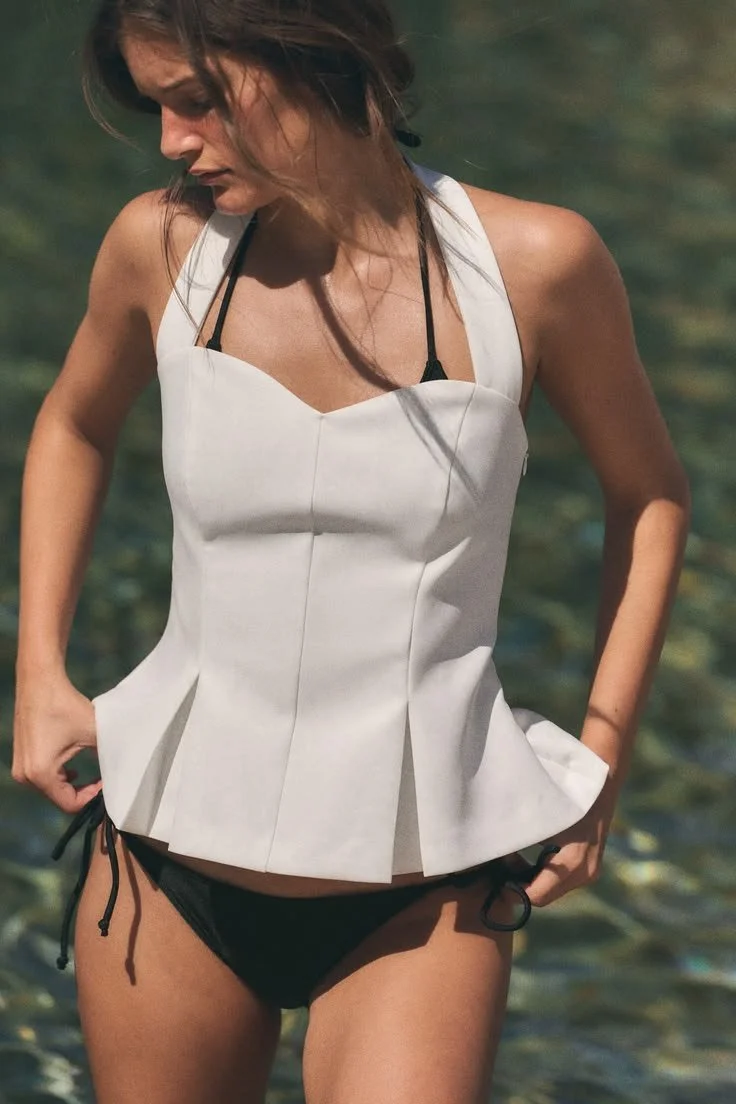
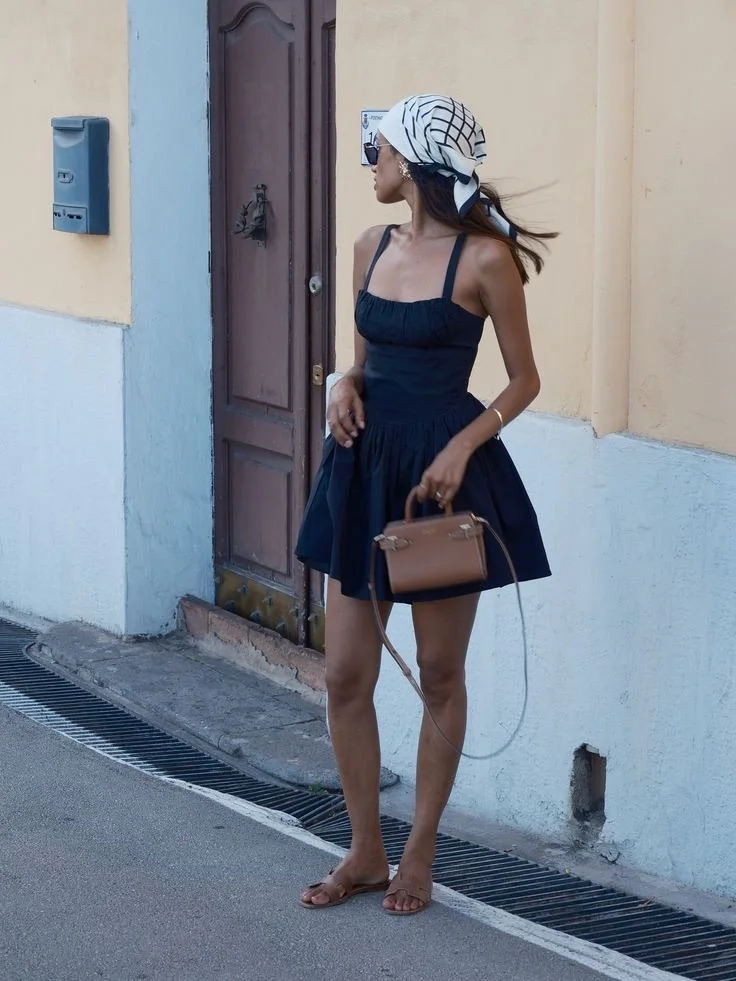
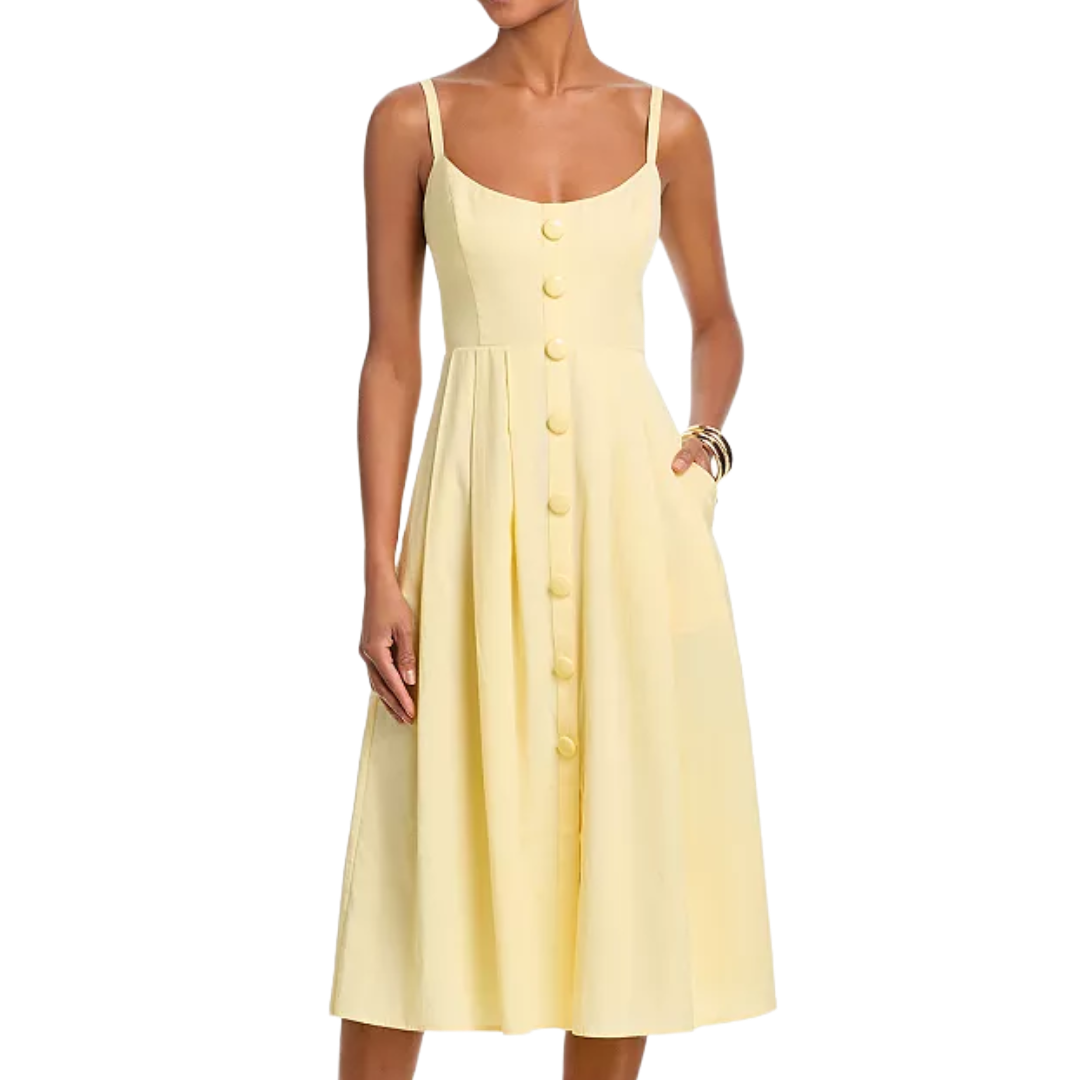
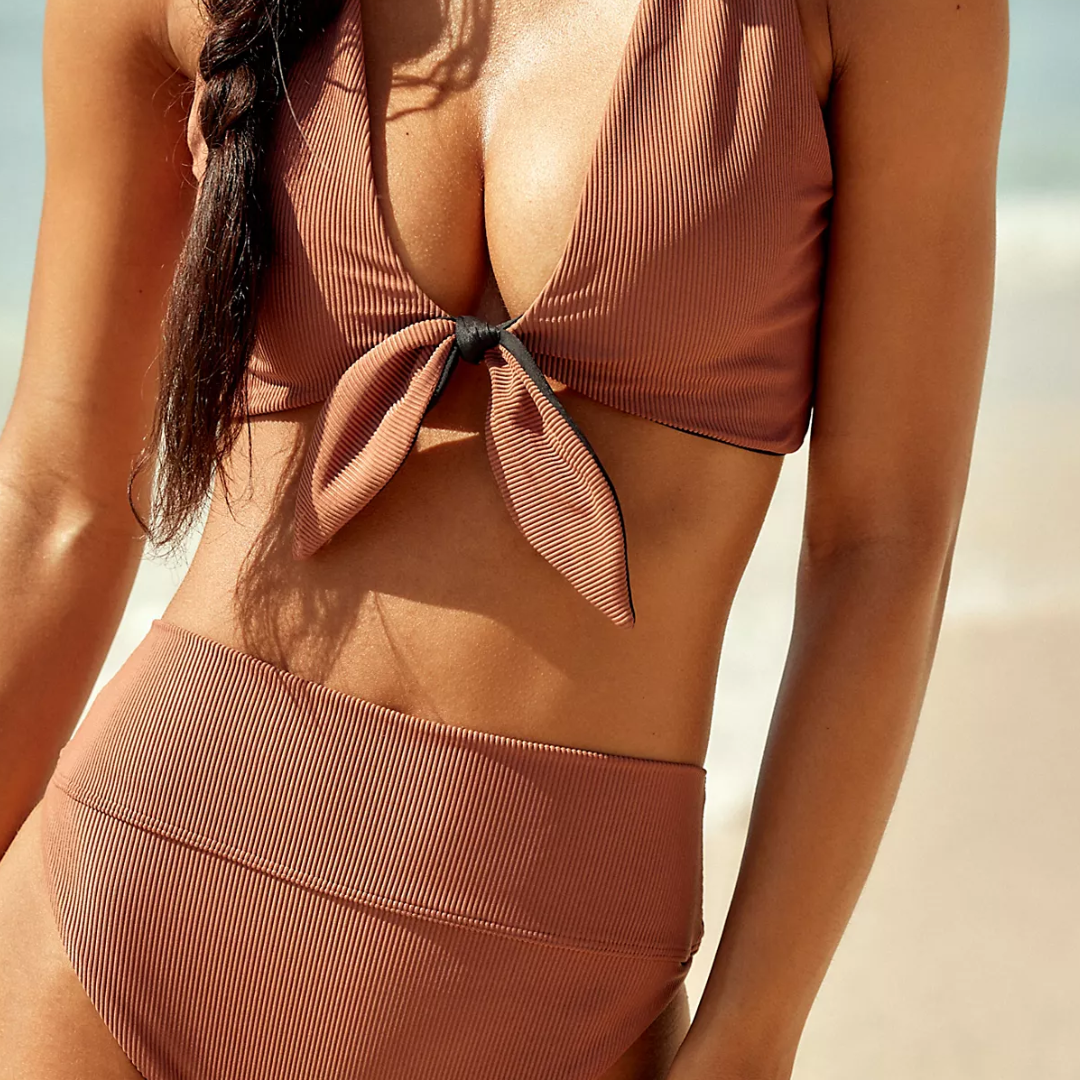
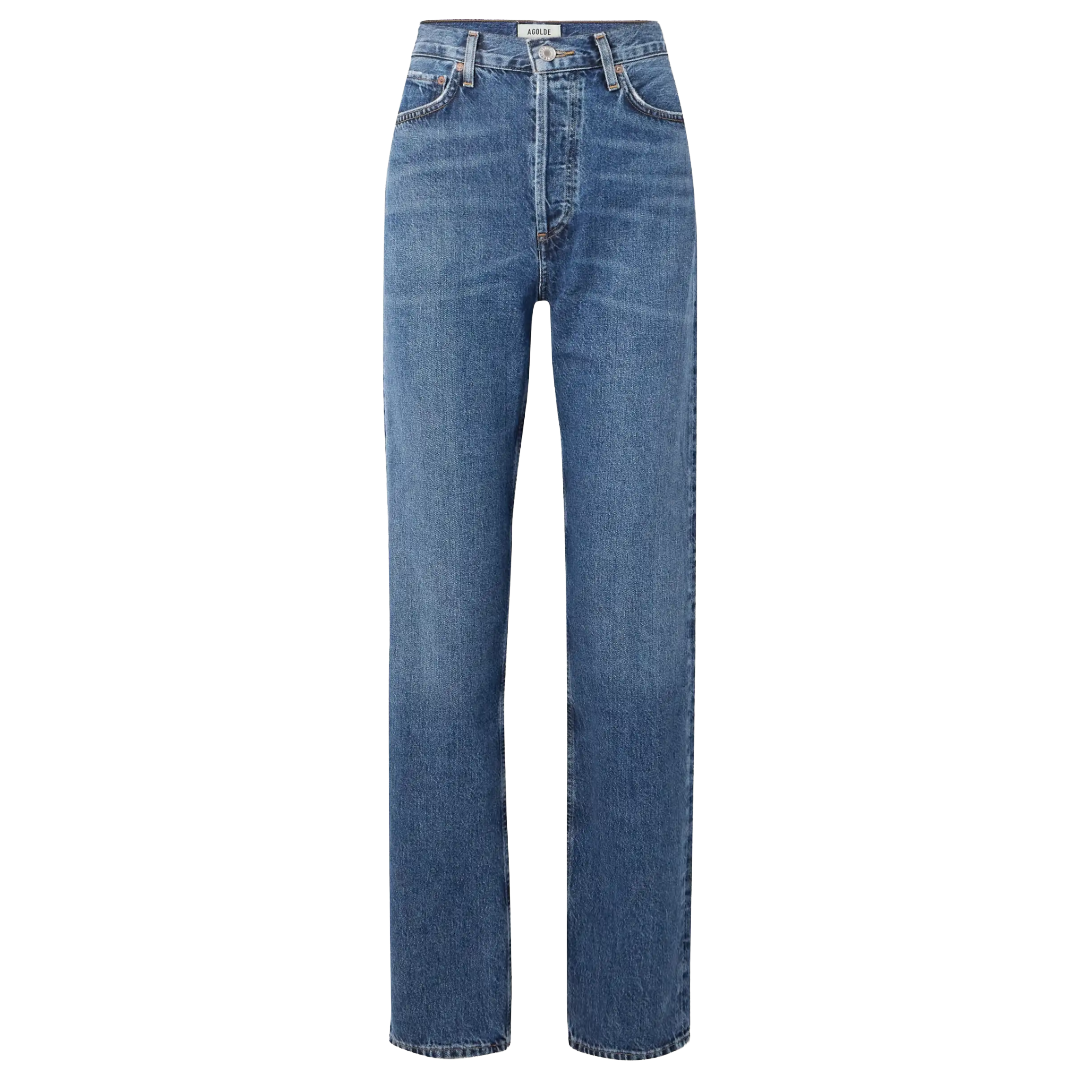
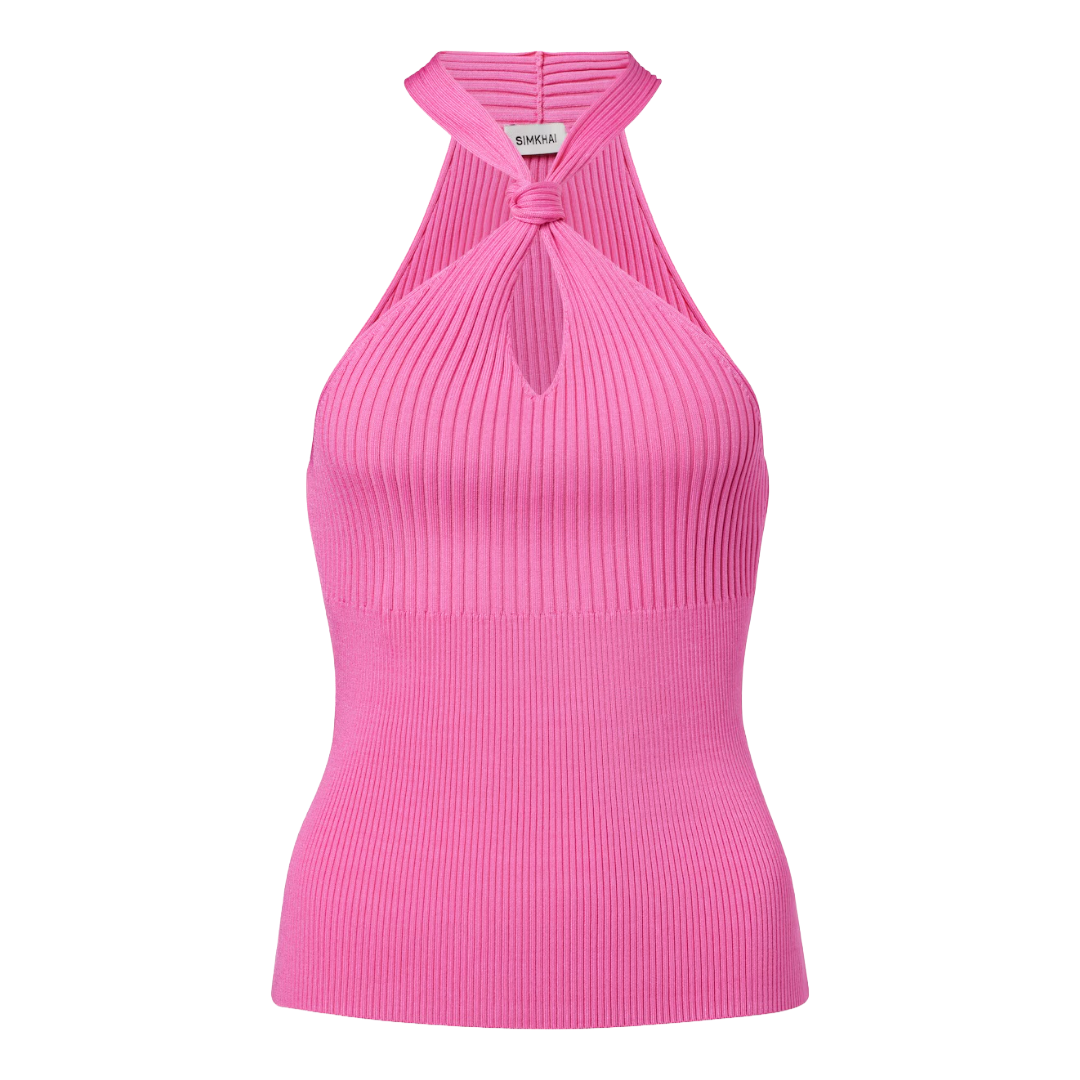
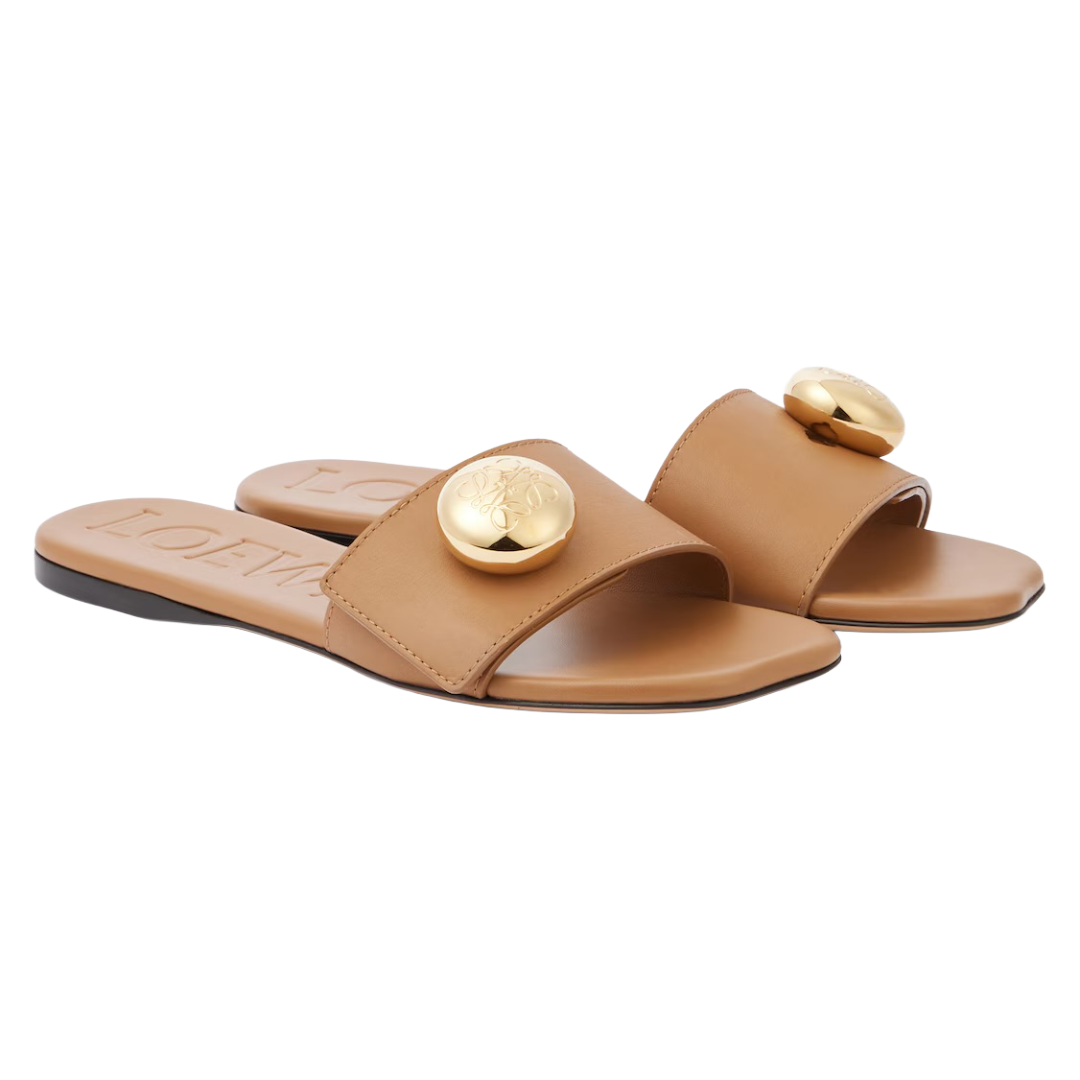
The rules are short. Natural fibers only. One color at a time. Nothing tight, nothing shiny, and nothing that looks like it came out of the bag this morning. Click the images the below to get the look.



And Scene
Delphine wears roughly four garments across the entire runtime of The Green Ray, and she’s widely regarded as the best-dressed person in any of these films. My opinion may differ on that; however, she is having a genuinely terrible summer (as am I), but it highlights that the clothes were never really the point. Not to the viewer and certainly not to her, which is exactly why they work.