8 PLACES THAT JUST BECAME IRREPLACEABLE
It’s time to ring the nerdy alarm bell because it’s that time of year. We are talking about UNESCO World Heritage site additions here!!!!! I’m not sorry. Not even a little bit. Once you learn about UNESCO World Heritage Sites and browse what has been added, you’ll not be interested in what’s being preserved next. You either learn about the existence of something new or finally breathe a sigh of relief that a treasure is finally being acknowledged as important to protect.
The World Heritage Committee spent ten days in Busan in July arguing about which places on Earth matter enough to be protected forever and came out with 25 new names. That brings the official list to 1,273 sites across 173 countries. Three countries got their first inscription ever - Comoros, São Tomé and Príncipe, and South Sudan. Every decision was passed by consensus, which, for a committee of 21 nations, is pretty close to a miracle, I’m sure.
Being as excited as I was to see the list in my feed, I went through it and pulled eight that I was excited about. Some are famous already, and some might be a cliff in Denmark with very, very old fish in it. Here is what they are and whether you can actually go.
What a World Heritage Site Is
Let me roll this back for one second. If you don’t know, the short version is this: it’s a place with what UNESCO calls “outstanding universal value.” But Nicole, value is entirely subjective. While I agree with you, the criteria really boil down to the significance not being confined to the country that owns it.
To make the list, a site has to satisfy at least one of ten criteria. Some are cultural, like being a masterpiece of creative genius, an outstanding example of a building type, or a living tradition of universal significance (like something religious or spiritual). Others are natural. Something with exceptional beauty, ongoing ecological processes, or a habitat for a threatened species. Countries nominate their own sites and then independent advisory boards - ICOMOS for cultural and IUCN for natural - evaluate them and make recommendations. Finally, the committee votes.
Inscription isn’t a trophy. It comes with real obligations: a management plan, monitoring, and periodic reporting. Sites that end up slipping get moved to the List of World Heritage in Danger. Six joined that list this year, while one, the historic centre of Vienna, got taken off.
® Fondazione Marche Cultura
® Fondazione Marche Cultura
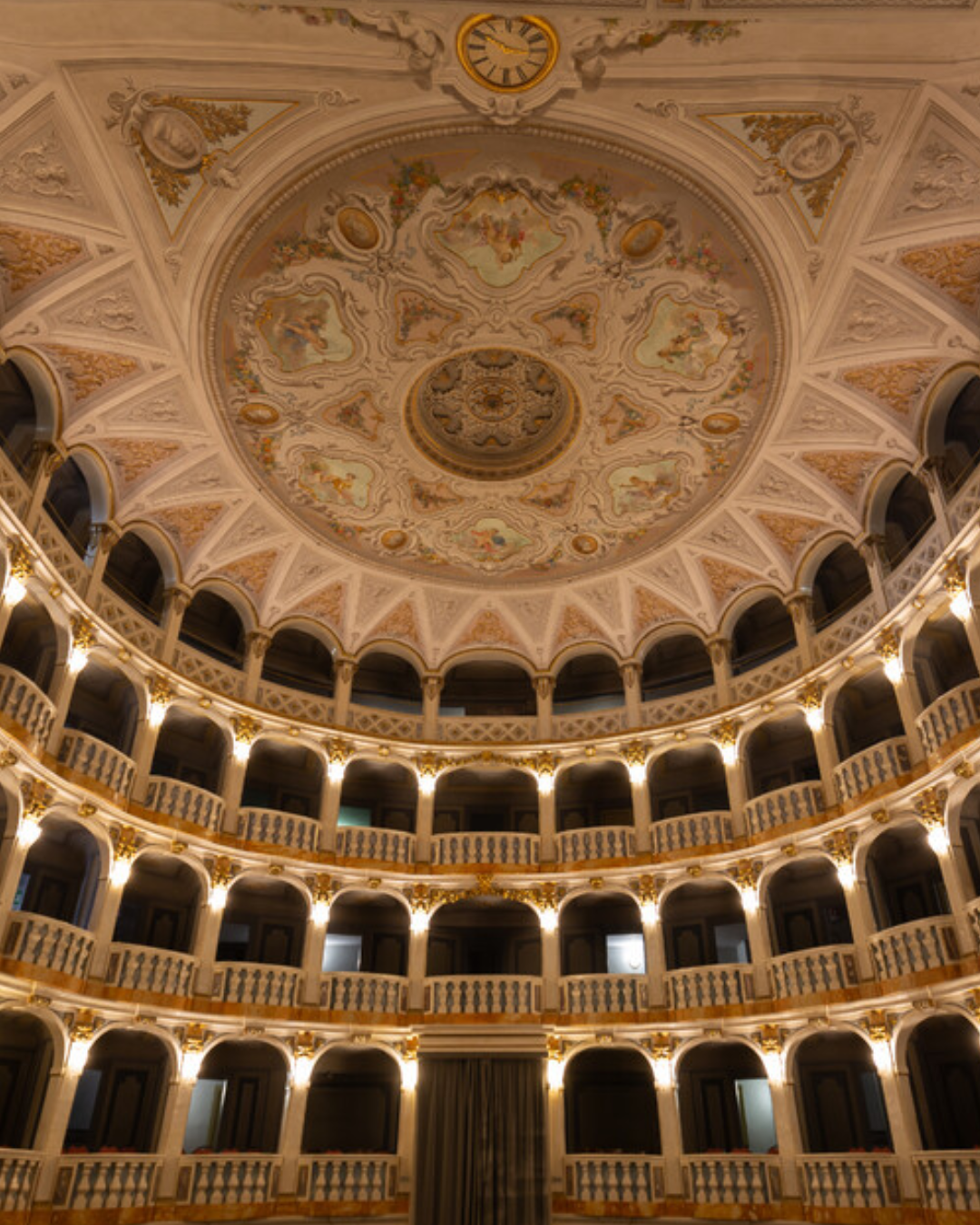
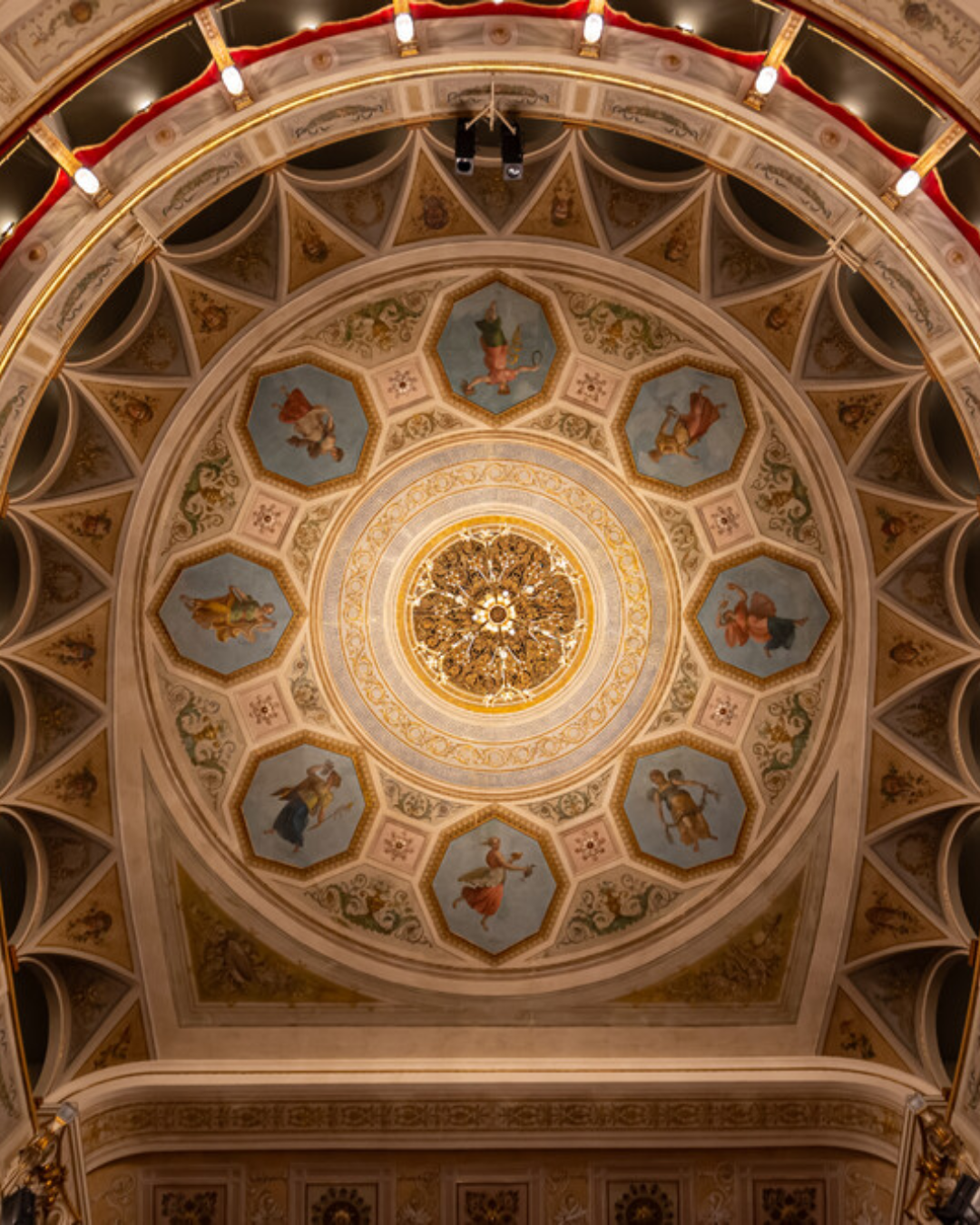
Italian-Style Condominio Theatre of Central Italy
Ten theaters were built between the mid-1700s and late 1800s across Emilia-Romagna, Marche, and Umbria. Eight of them are in Marche alone. The architecture is Neoclassical with Baroque leftovers - tiered boxes, horseshoe auditoriums tuned for acoustics, and original stage machinery still in place. The real reason they are on this list is the ownership model. Condominio meant townspeople bought individual boxes and collectively financed the building. Exactly what it sounds like: private money, public benefit, and no aristocratic patronage required.
That’s how small Italian towns ended up with opera houses. A community decided it wanted one and paid for it all in shares. Teatro Angelo Mariani in Sant’Agata Feltria is Italy’s oldest entirely wooden theater, while Teatro Nuovo Gian Carlo Menotti in Spoleto anchors the Festival dei Due Mondi every summer. Yes, it’s true. All ten are still staging works today.
® Wannasarn Noonsuk
® Wannasarn Noonsuk
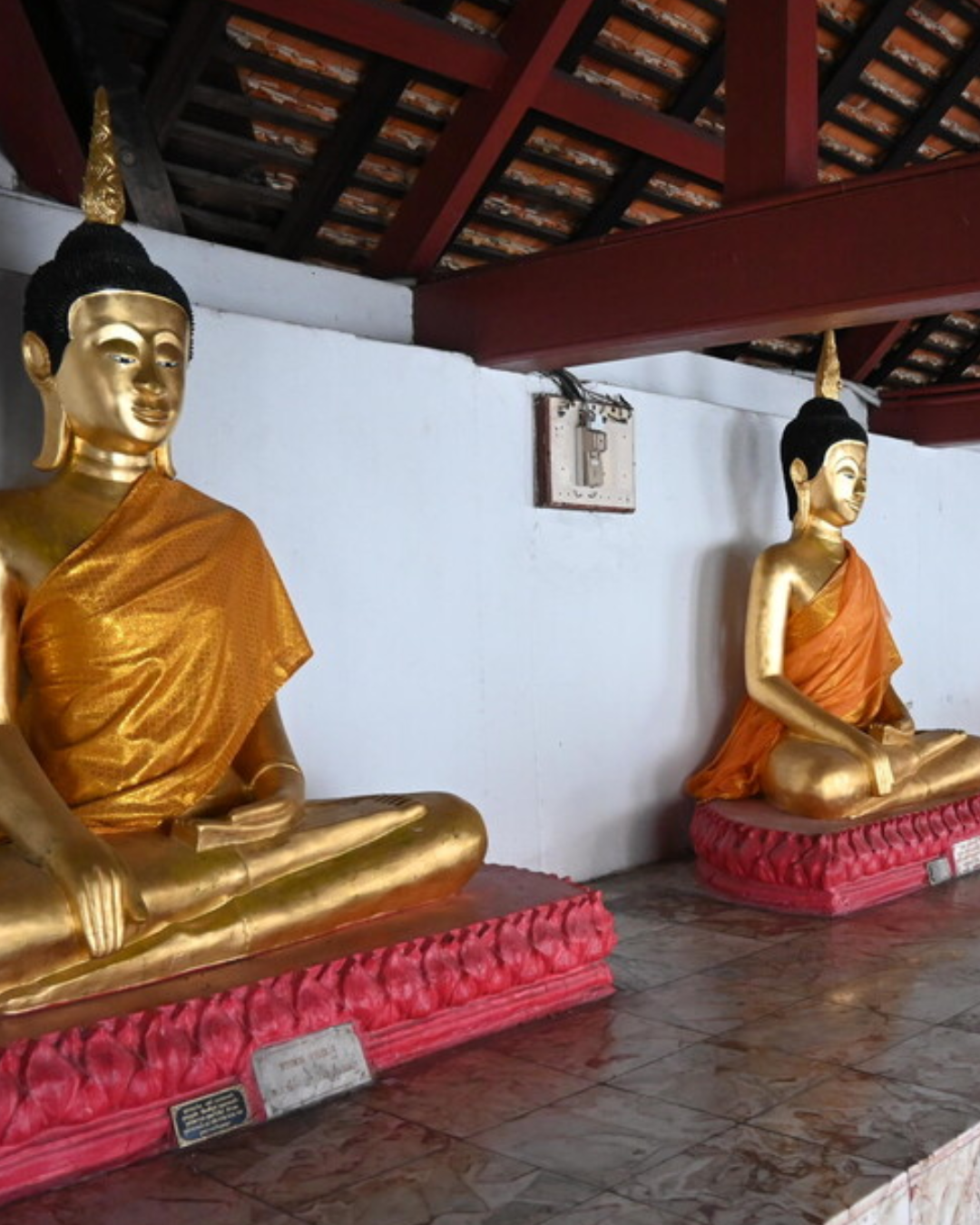
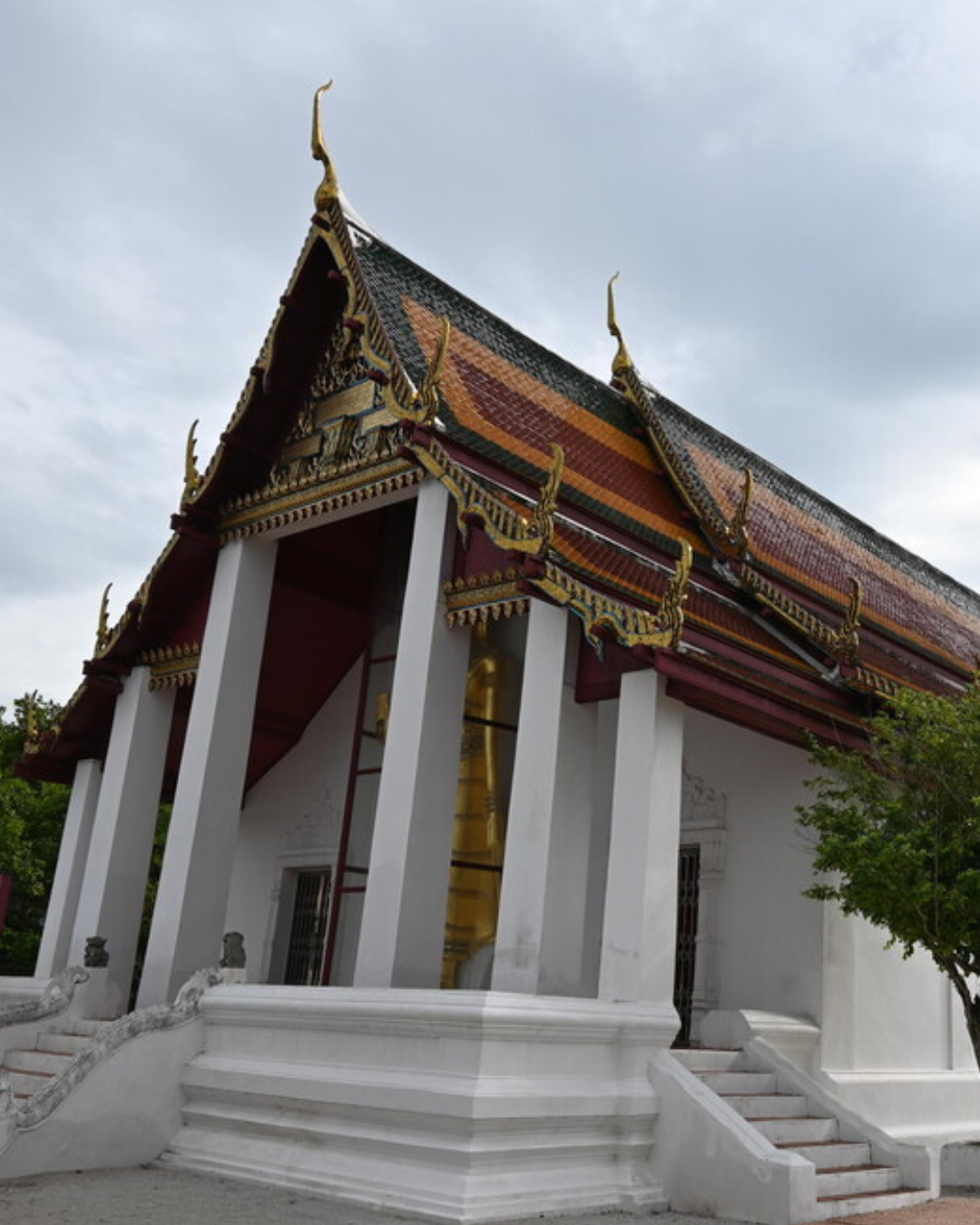
Wat Par Mahathat Woramahawihan, Thailand
Founded in the 8th century on a narrow ridge in Nakhon Is Thammarat on the trade route between two oceans, which is exactly why it looks the way it does. Brahmanism, Hinduism, Mahayana, and Theravada Buddhism all passed through, carried by merchants from Northeastern India, Central Java, Sri Lanka, and Mon southern Myanmar. The monastery absorbed all of it, and the result is a building and a set of rituals you can’t trace to a single origin. And its influence spread back out across Thailand and Southeast Asia. Fifteen centuries on, and the rituals haven’t stopped. The great reliquary still gets wrapped in cloth once a year, and the Nora dance drama is still performed.
® Alvar Aalto Foundation
® Alvar Aalto Foundation
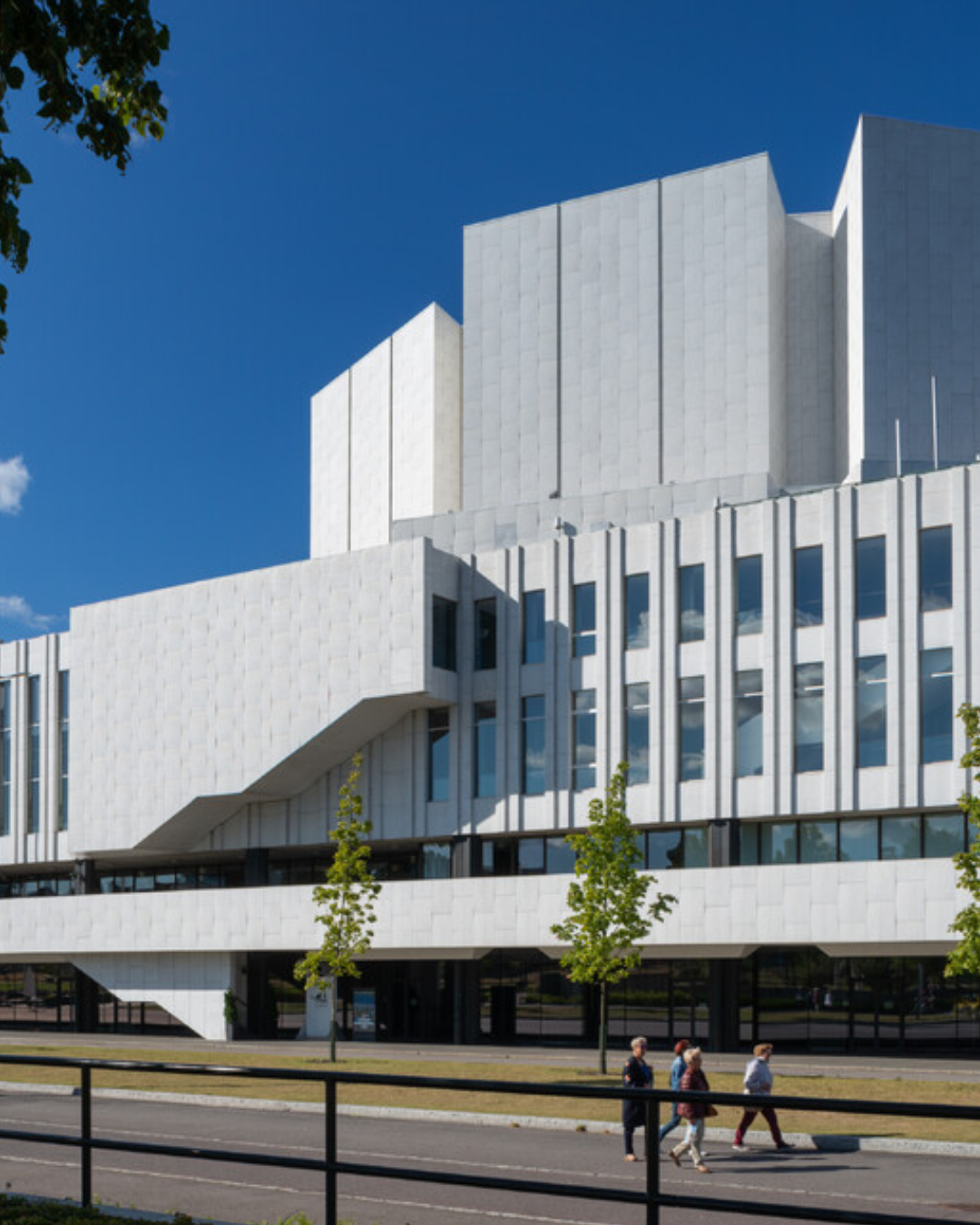
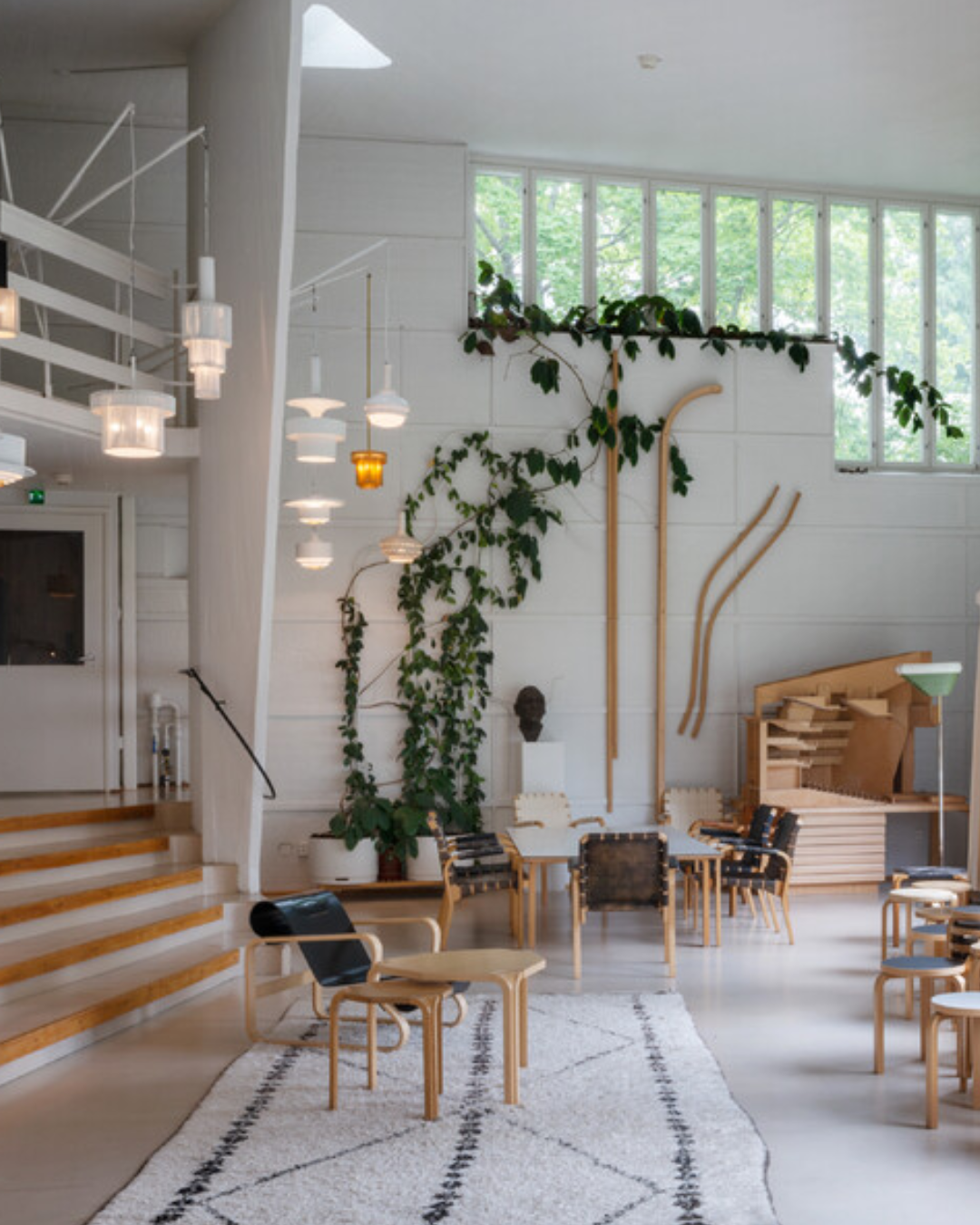
The Works of Alvar Aalto, Finland
This one covers thirteen buildings across Finland, all from Aalto’s studio, and the inscription rightly credits Aino and Elissa Aalto, his first and second wives, who were also both architects and collaborators on the works that carry his name. What makes Aalto different from his Modernist contemporaries is that he never treated warmth as a weakness. Everything from brick to timber and curved lines and light were handled like a material. He designed the furniture and the light fittings too. Luckily, most of the buildings still have them. Many of the places have guided tours, and you can even book one of two guest rooms at one property for a stay.
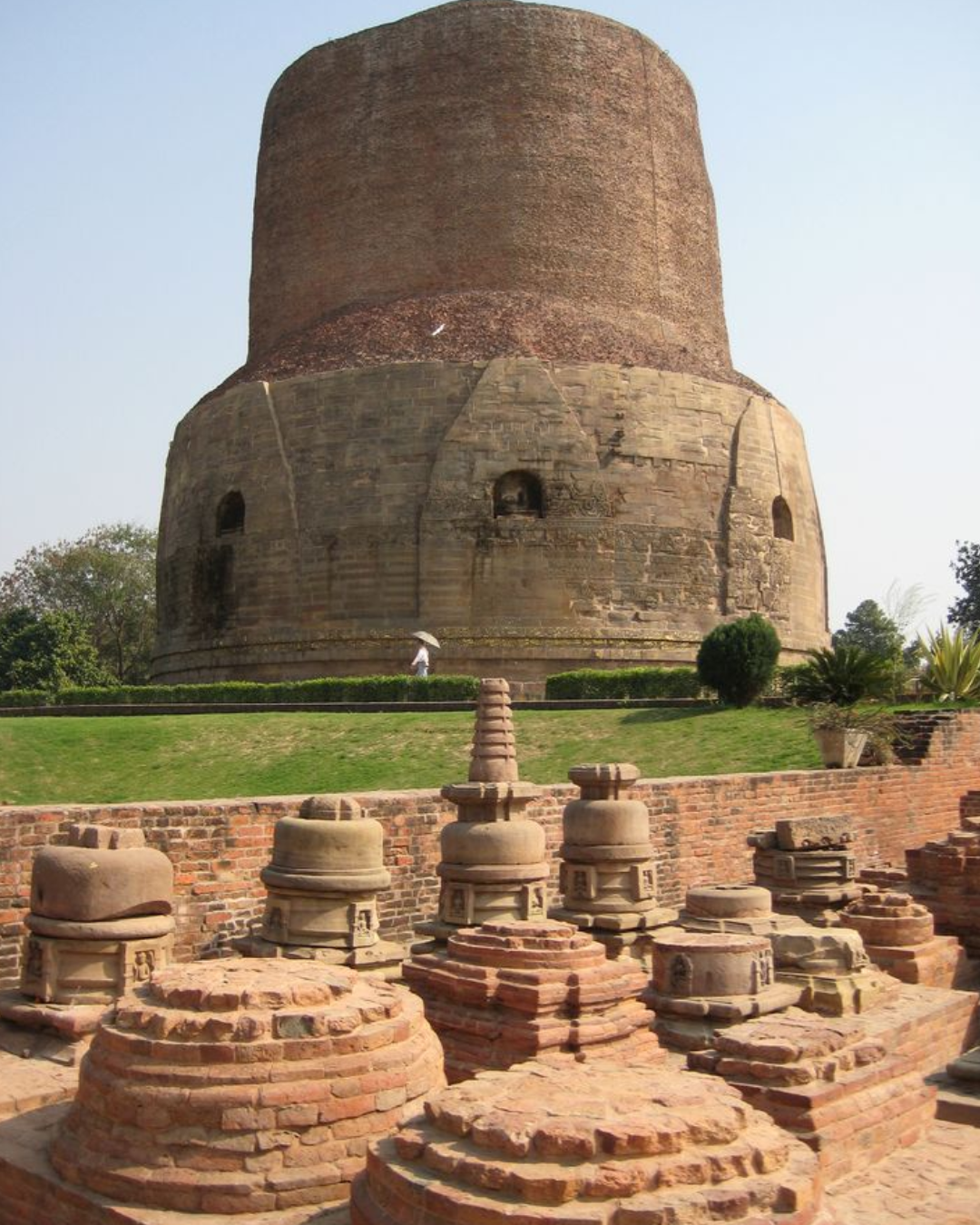
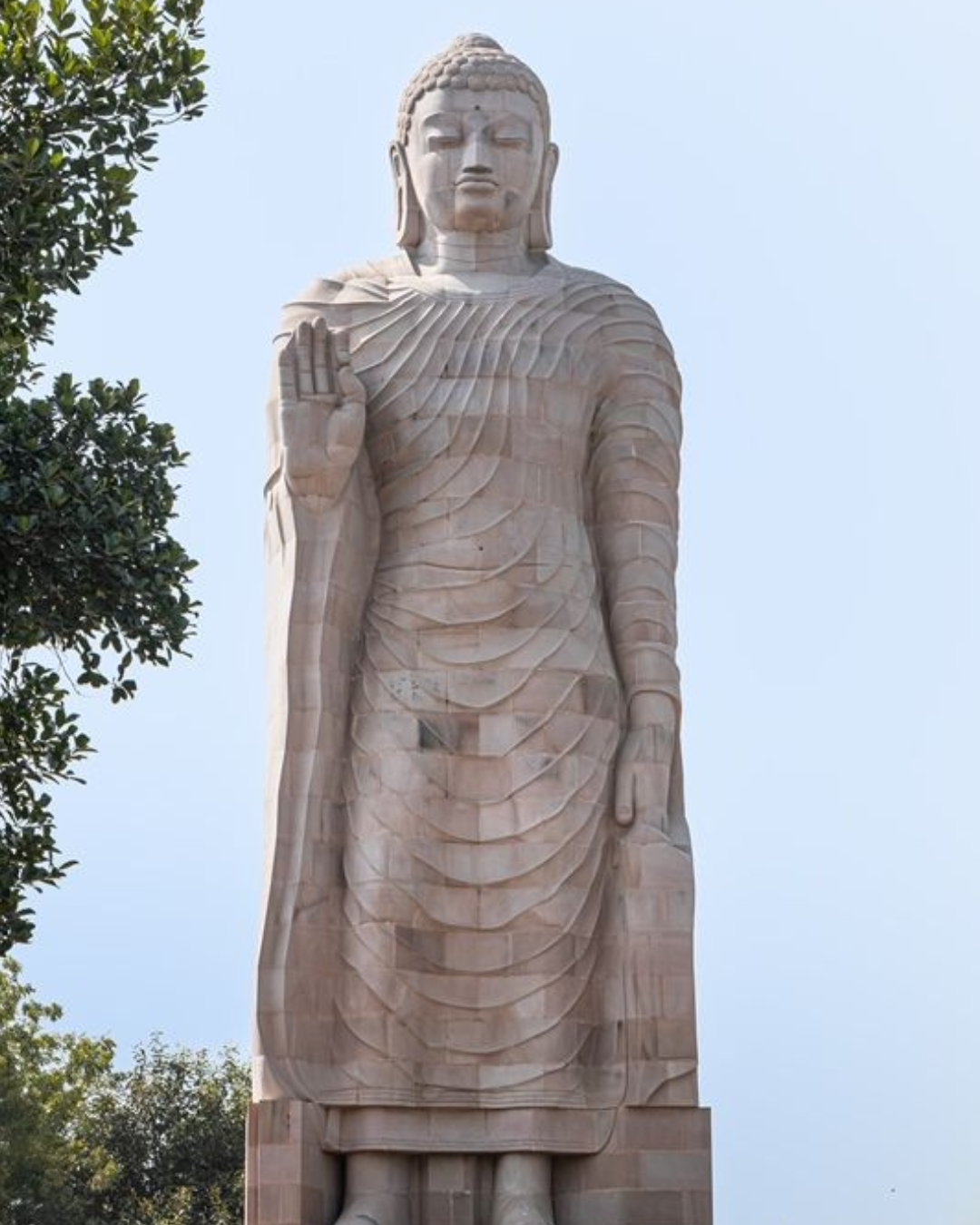
Ancient Buddhist Site of Sarnath, India
This is where the Buddha gave his first sermon after enlightenment, and one of the four pilgrimage places he named himself. Everything else at Sarnath grew from that. There are centuries of stupas, monasteries, and temples funded by kings, monks, and ordinary donors. It was a major Buddhist centre for well over a thousand years, then collapsed in the 12th century. It essentially vanished until British surveyors turned it up again in the 1700s. What’s left are two archeological zones with the Dhamek Stupa standing over both.
® Gdynia City Hall
® Gdynia City Hall
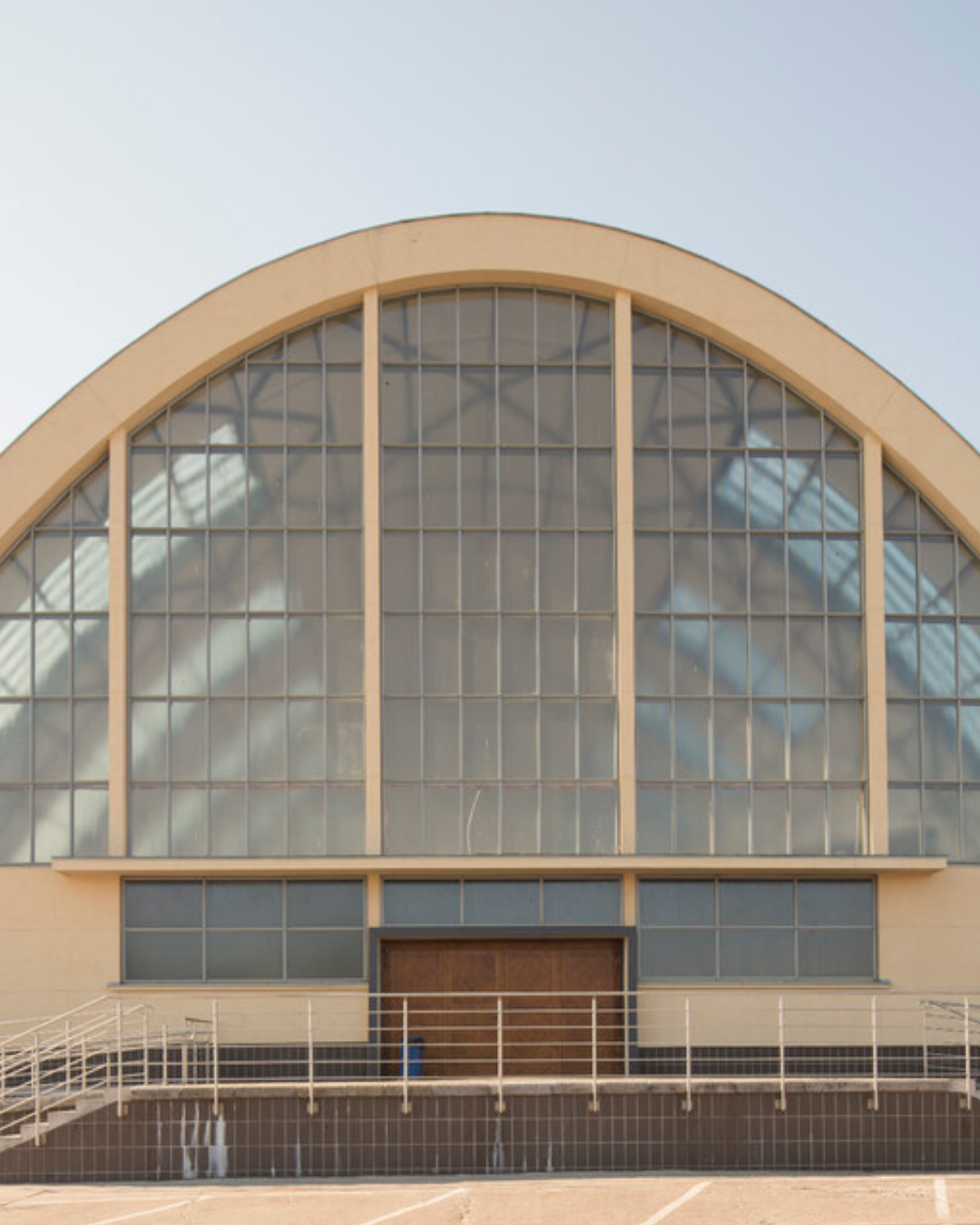
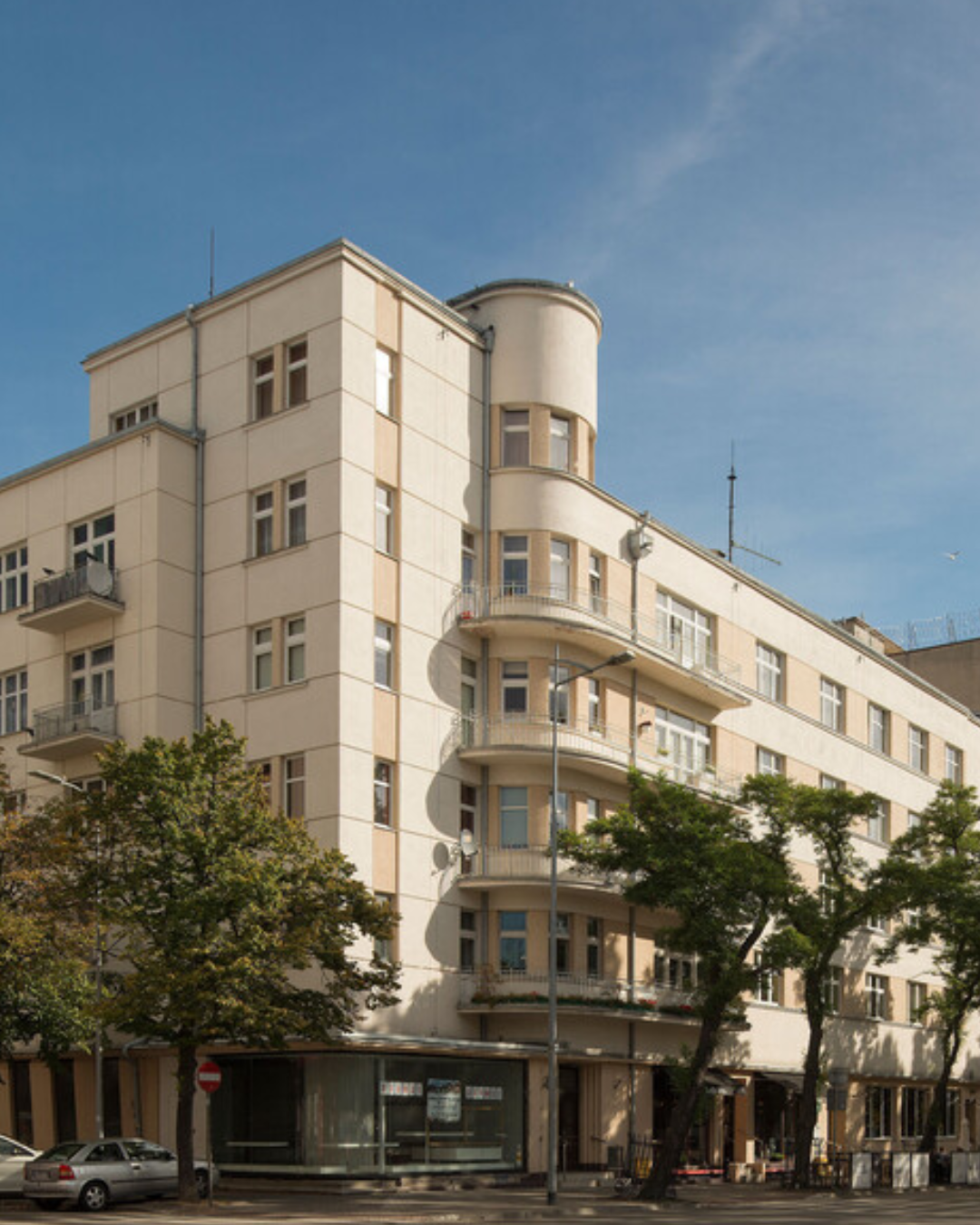
Gdynia Modernist City Centre, Poland
In 1918, Gdynia was a fishing village. Poland had just regained independence and needed a port that wasn’t Danzig, so they ended up building an entire city on the Baltic in twenty years. They built it in one style. Flat roofs, rounded corners, horizontal window bands, and balconies that look like they belong more on an ocean liner. The architecture wanted so badly to be a ship. The inscription of this one covers the two main axial streets, the interwar blocks, and the villas up on Kamienna Góra. There are maybe three places on Earth where you can walk a whole city centre built in a single modernist moment. Tel Aviv is one, Brasília is another, and this is the third nobody really talks about. The Modernism Trail is free and self-guided with three marked routes.
® Aly Cherif
® Aly Cherif
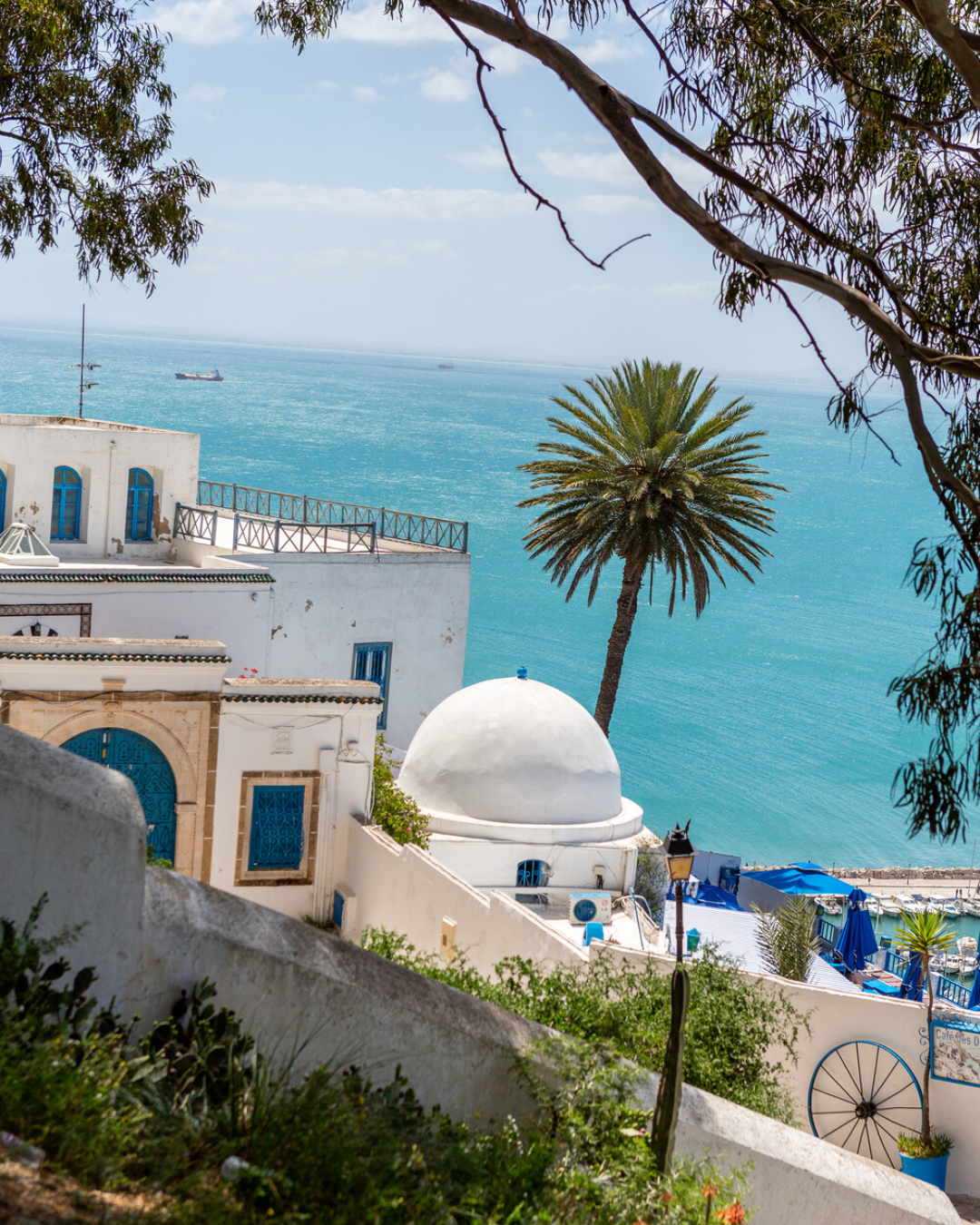
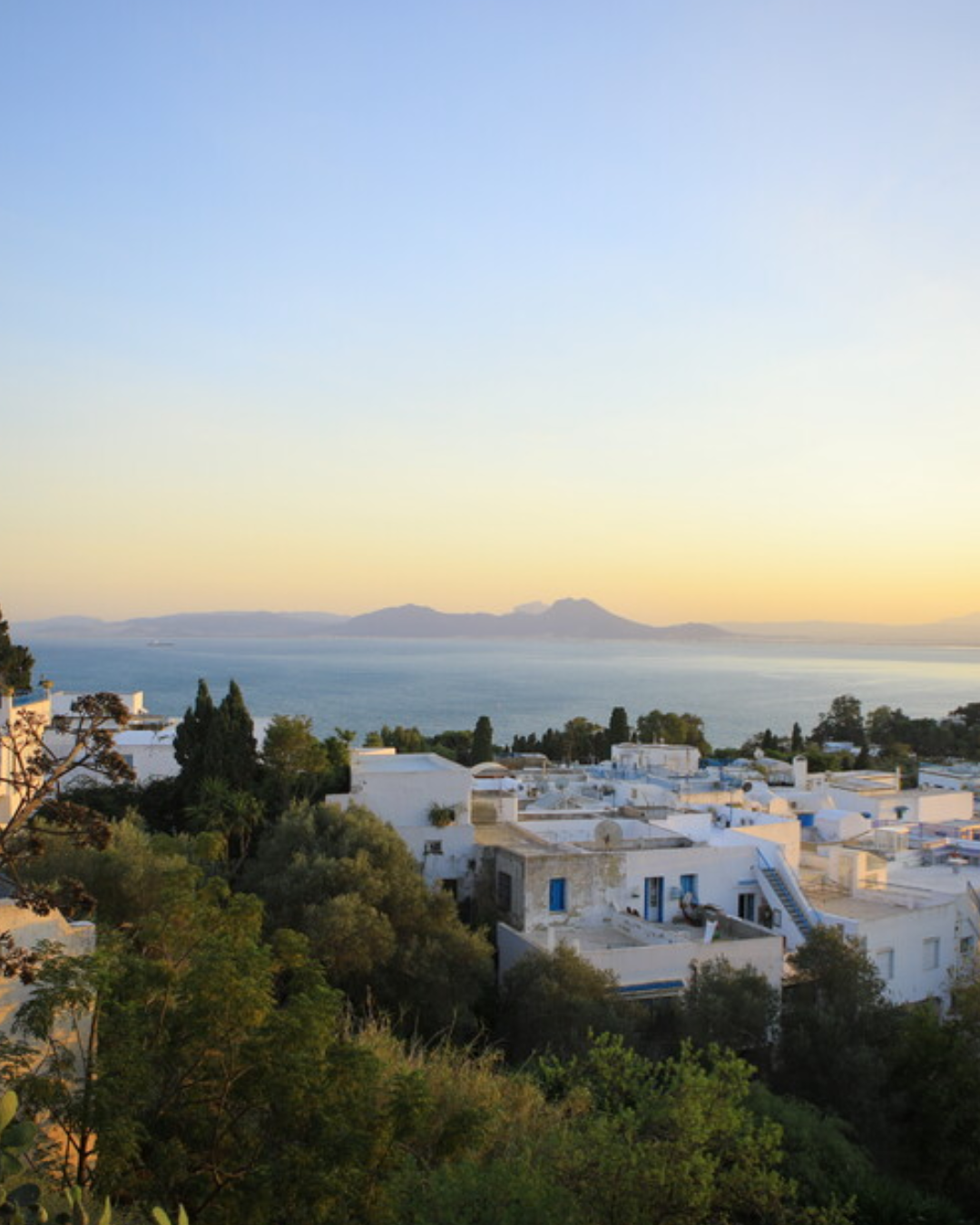
Village of Sidi Boulevard Saïd, Tunisia
You already know what this one looks like: white walls, cobalt doors, bougainvillea, and the Mediterranean dropping away below. It’s one of the most photographed villages in North Africa. What the photos leave out is why it exists. The village grew around the tomb of a 12th-century Sufi master, and that religious centre shaped everything. Everything from how the streets fold into the cliff to the palette and the reason it was preserved at all. Painters have been coming since Klee and Macke showed up in 1914.
® Karel Balas
® Karel Balas
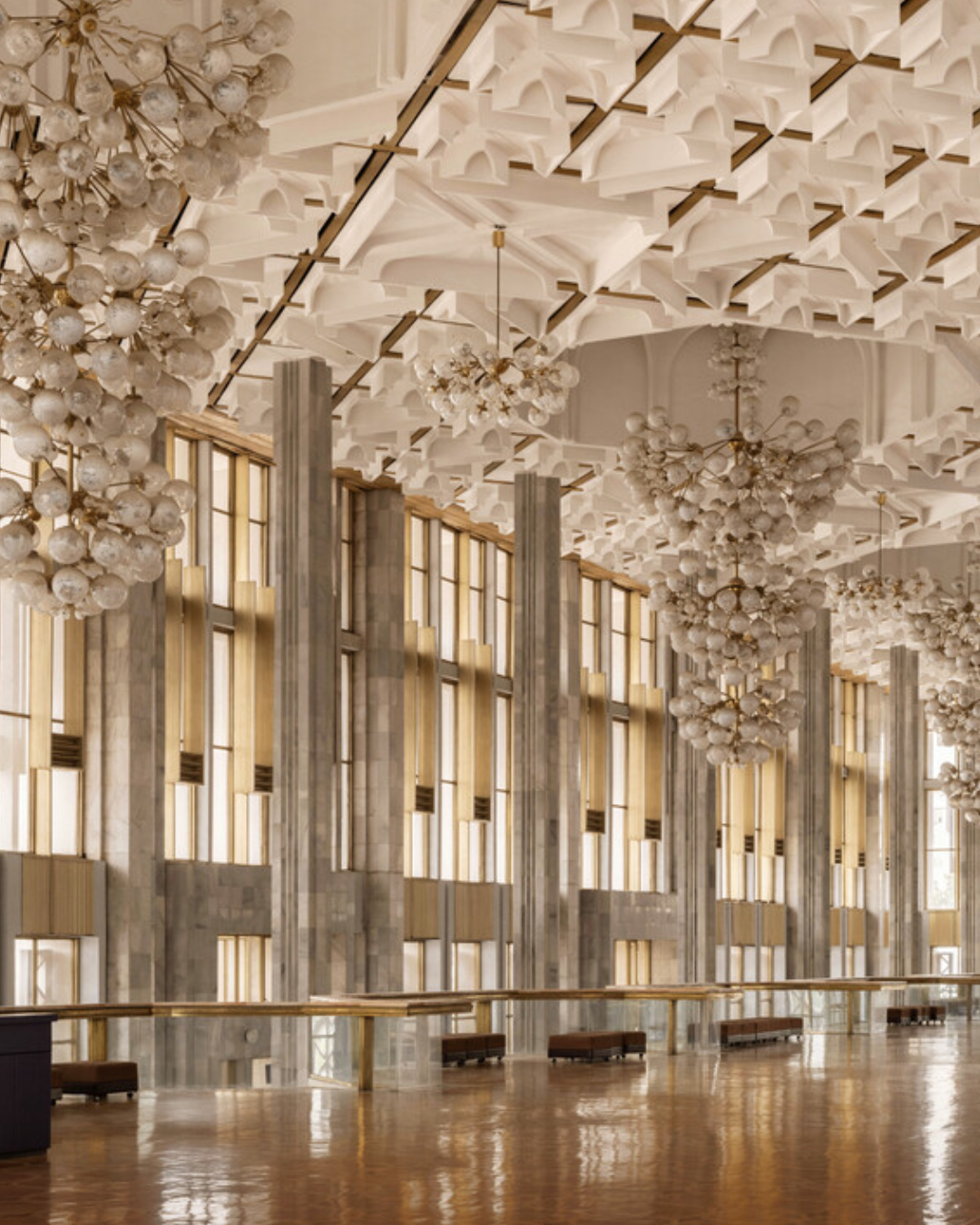
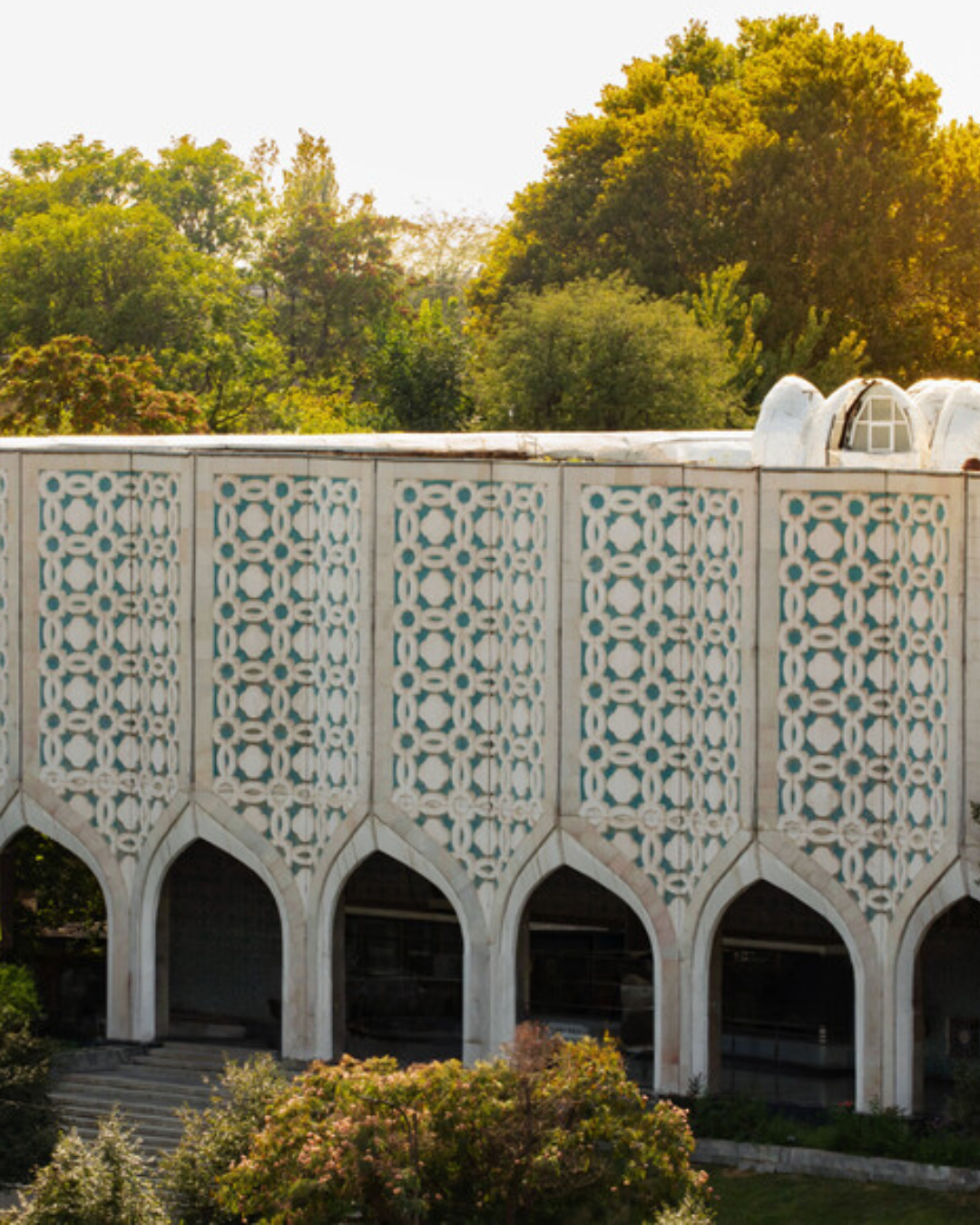
Tashkent Modernist Architecture, Uzbekistan
An earthquake flattened much of Tashkent in 1966, and what went up over the next twenty-five years is some of the most interesting late-Soviet architecture anywhere. It’s on this list now and encompasses ten buildings and complexes. Nine of them, along with new axes drawn up in the reconstruction master plans. The thing that separates Tashkent from every other Soviet city is the sun-screening. Architects took panjara, traditional Uzbek latticework, and blew it up to building scale as concrete brise-soleil. It’s frankly one of my favorite details. It takes local craft logic, industrial construction, and seismic engineering and combines them all at once. The Hotel Uzbekistan’s curved lattice façade is gorgeous, as is the State Museum of History. Even the metro was designed as public architecture, and that’s pretty cool.
® Thomas Køser
® Museum Mors
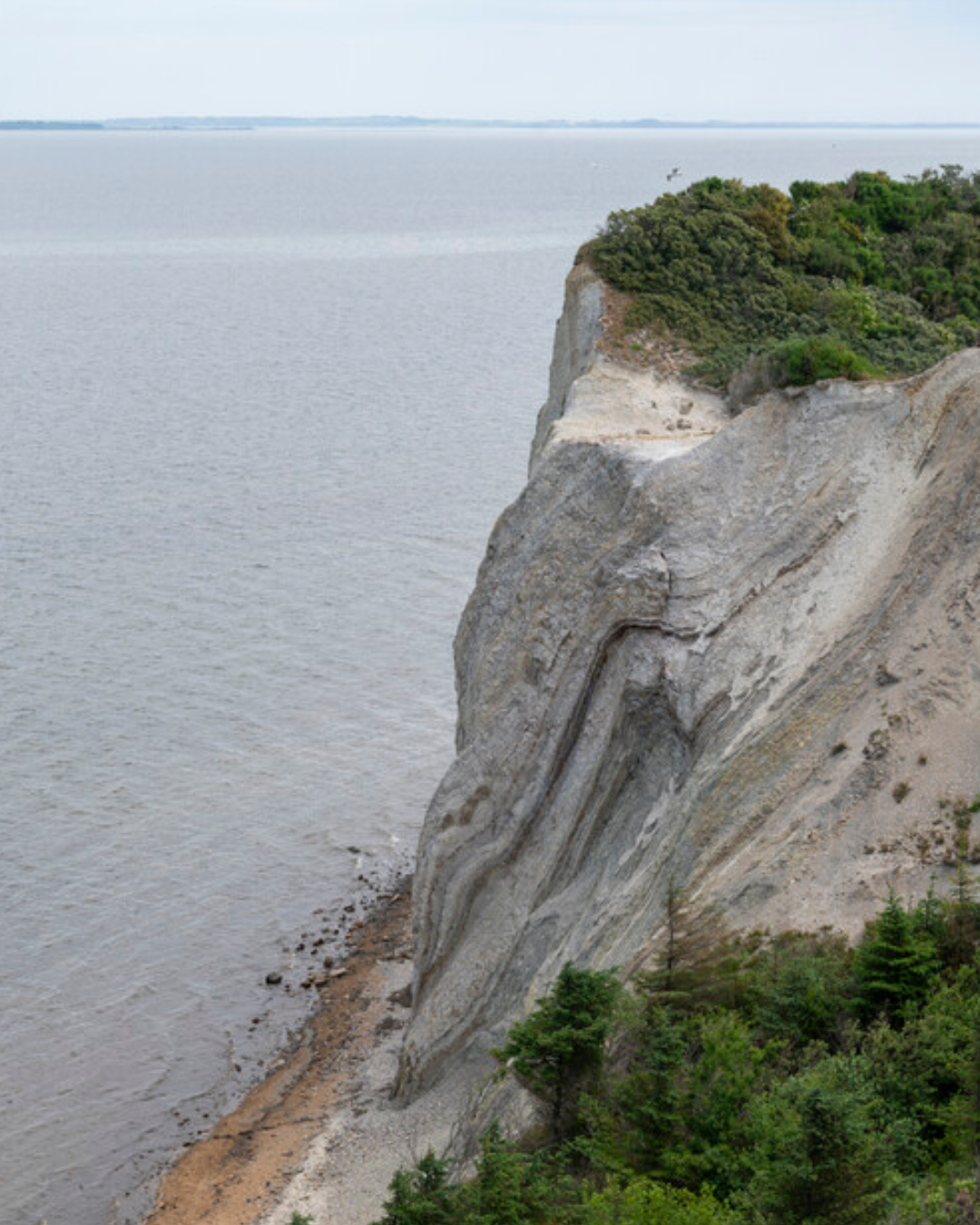
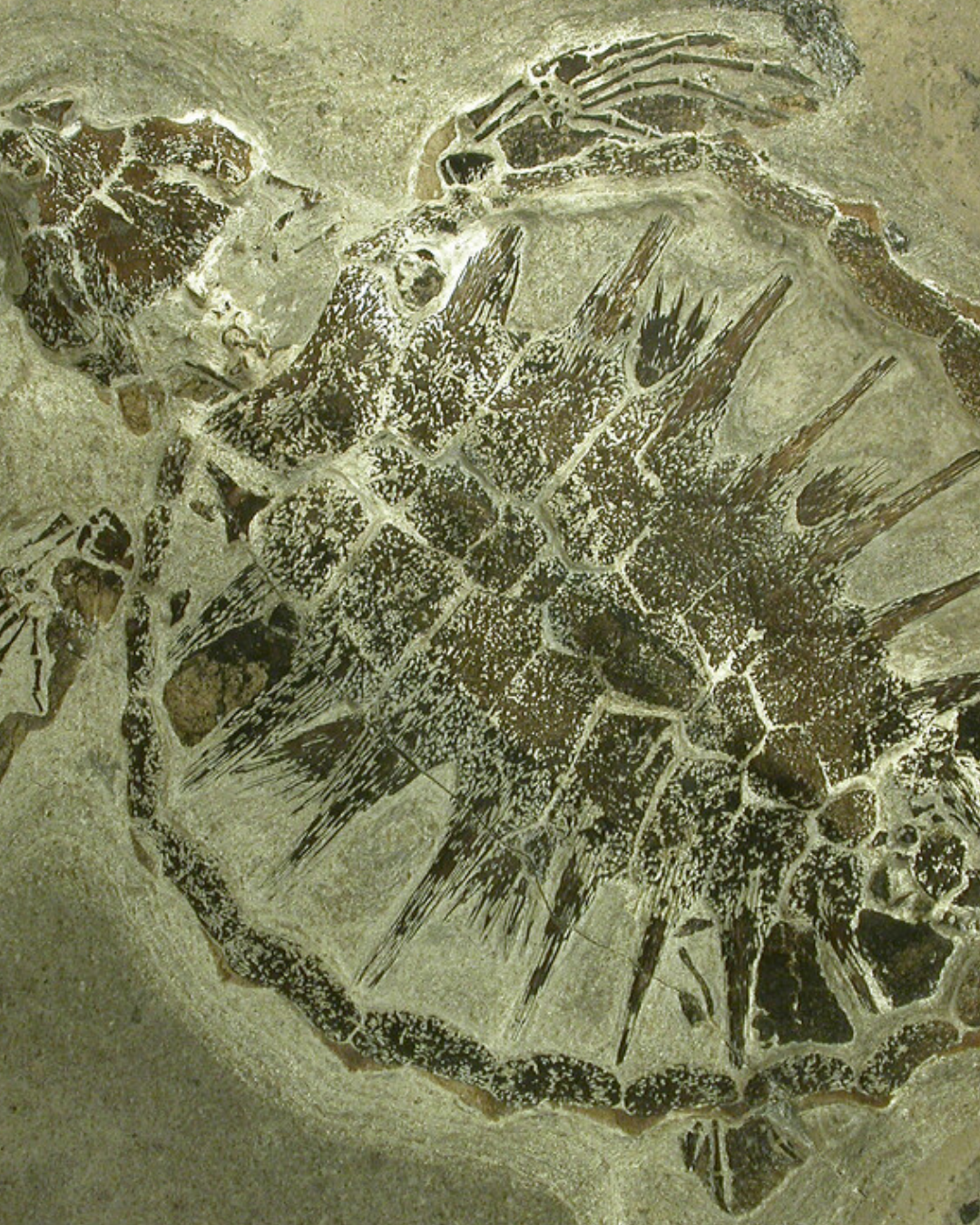
The Bony Fish Fossils of the Western Limfjord, Denmark
This one was one of the most fascinating. Two coastal cliffs on the island of Mors in northern Jutland - Hanklit and Knudeklint. Both of which contain 55-million-year-old fossil fish preserved better than almost anywhere on Earth. This matters because the layers span the Paleocene-Eocene Thermal Maximum, where a period of abrupt global warming and cooling then followed. So the cliffs are a record of what happened to life when the climate suddenly lurched. Something that feels like it’s getting a little too familiar…again. Between 25 and 29 fish orders, more than 80 species, plus sea turtles, birds, insects, and plants preserved in volcanic ash and diatomite. It’s a strange, quiet, and wildly specific thing to choose to inscribe, and I love it for that. Museum Mors handles the research and is where to start if you ever visit. Collecting on the protected cliffs is illegal - which is for the best - but older quarries elsewhere on the island are fair game for digging.
Planning a Trip
All of the places I chose this year are places anyone can visit. Gdynia and Mors are both the kind of place that will stay uncrowded for exactly as long as it takes for the designation to filter through, and then it won’t be. Sidi Bou Said and Sarnath are already on the tourist map. Aalto’s Finland is a full itinerary in itself and worth building a week around. The full list of 25 new additions is on UNESCO’s website, and the 2027 session will be in Istanbul. I can’t wait to see what comes up next year.