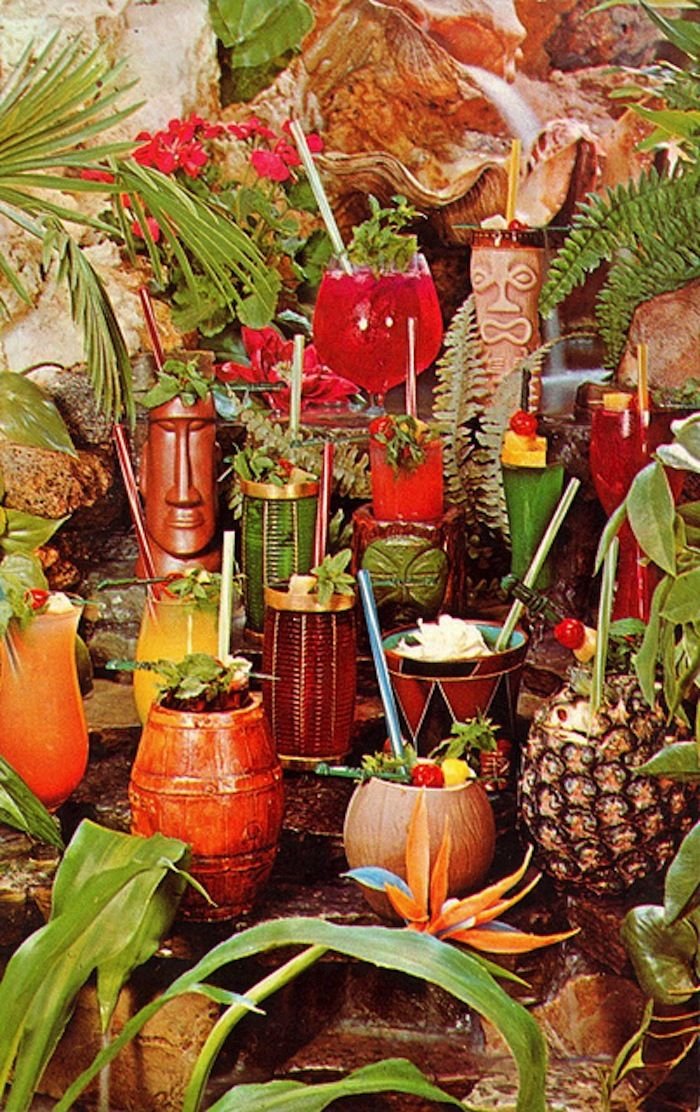
THE TIKI BAR RESURGENCE IS HERE
I spent most of my life thinking tiki bars were just something people put in their homes during the 1950s for entertaining, or the most annoying place you can possibly find on the Disneyland property. Trust me, you’re singing the Tiki song in your head right….about…now. Tiki just felt like a punchline a lot of the time. Plastic leis, a very syrupy rum punch, and probably a bar you have on a bachelorette party itinerary and regret by 11 pm. Okay, maybe the bachelorette party example is a little specific, but that’s only because it happened on a bachelorette trip I did, in fact, go on. Except for the regret part. We had a killer time, and that bar may even be mentioned in this post. Stay tuned.
Back to the point: I’m not entirely wrong. A lot of this cliché, punchline stuff does exist. But I was missing the other half of the story. The part where tiki is one of the most interesting things American bar culture has ever produced and where the people keeping it alive today are doing some of the most detail-oriented, borderline obsessive work in the industry. It took me an embarrassingly long time to realize this because a Mai Tai on vacation won’t teach you anything. And I genuinely couldn’t understand why everyone and their mother was obsessed with Undertow, a local tiki joint you’ll read about later. A place that, at the time, was so popular during the later phases of the pandemic that there was even a drink minimum and time limit.
The more I started to see tiki bars popping up on “best of” travel lists and city guides, the more I realized there has to be a whole world or point I was missing or dismissing without looking at it. So here’s the world of tiki, where it came from, why it nearly disappeared, why it’s back, and where to go to drink it in.
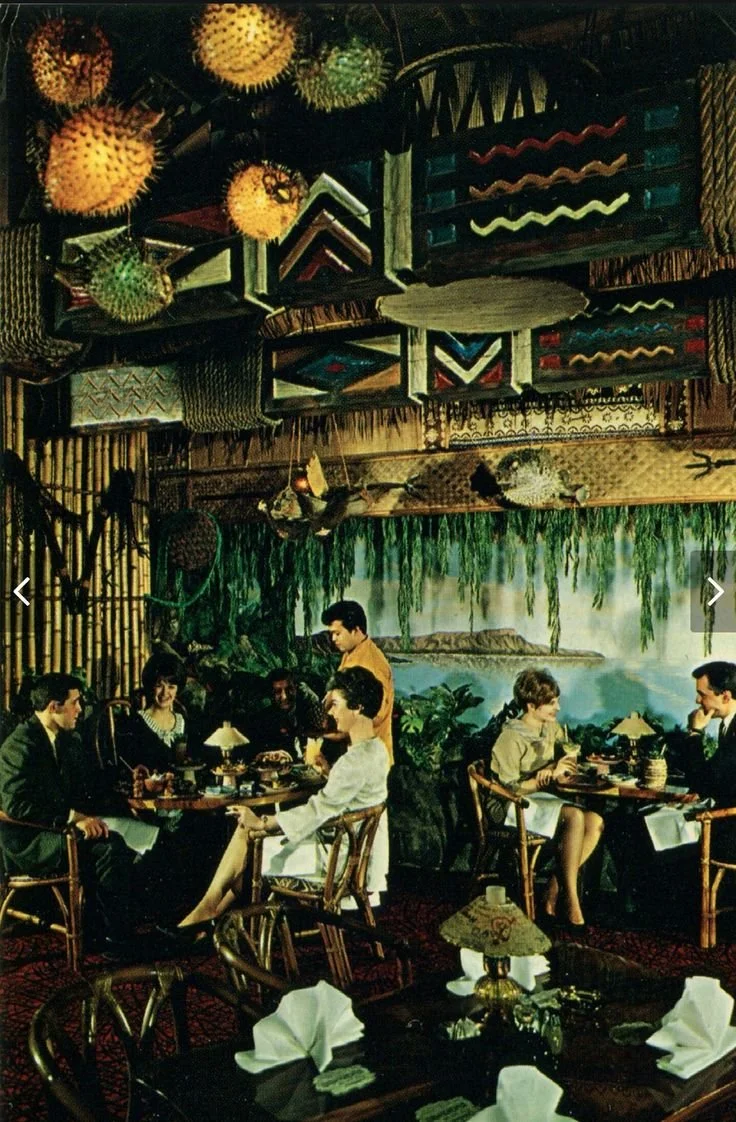
A quick history, because you want to know this
Tiki started in Los Angeles because, duh, that feels right. It was a fantasy built by someone who’d apparently never been to the places he was selling his guests on.
That someone was Ernest Gantt, a guy who spent his early twenties knocking around the South Pacific and the Caribbean (apparently rum-running) before landing in Hollywood and reinventing himself as Donn Beach. After the end of prohibition, he opened a bar called Don the Beachcomber on North McCadden Place, building an entire fantasy around it. Everything from bamboo walls, dim lighting, and drinks made with fresh juice and homemade syrup served in hollowed coconuts. It wasn’t exactly subtle, and it worked. Charlie Chaplin showed up, so did Clark Gable, and then half of Hollywood looking for an excuse to disappear somewhere that was anywhere but the Great Depression.
From there, it began to spread the way good ideas and good marketing always do. Victor Bergeron opened Trader Vic’s up in Oakland. GIs coming home from fighting across the Pacific were provided with a taste for the islands they’d been stationed near, even in terrible consequences. Hawaii became a state in 1959, and tropical bars began opening in cities that had never seen a palm tree outside of a postcard. For a few decades, tiki wasn’t a niché. It was part of the culture.
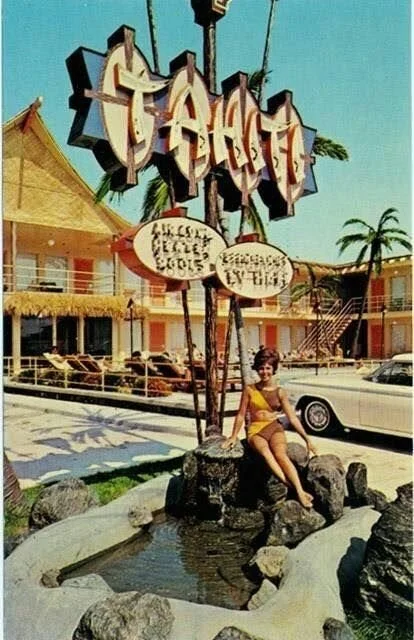
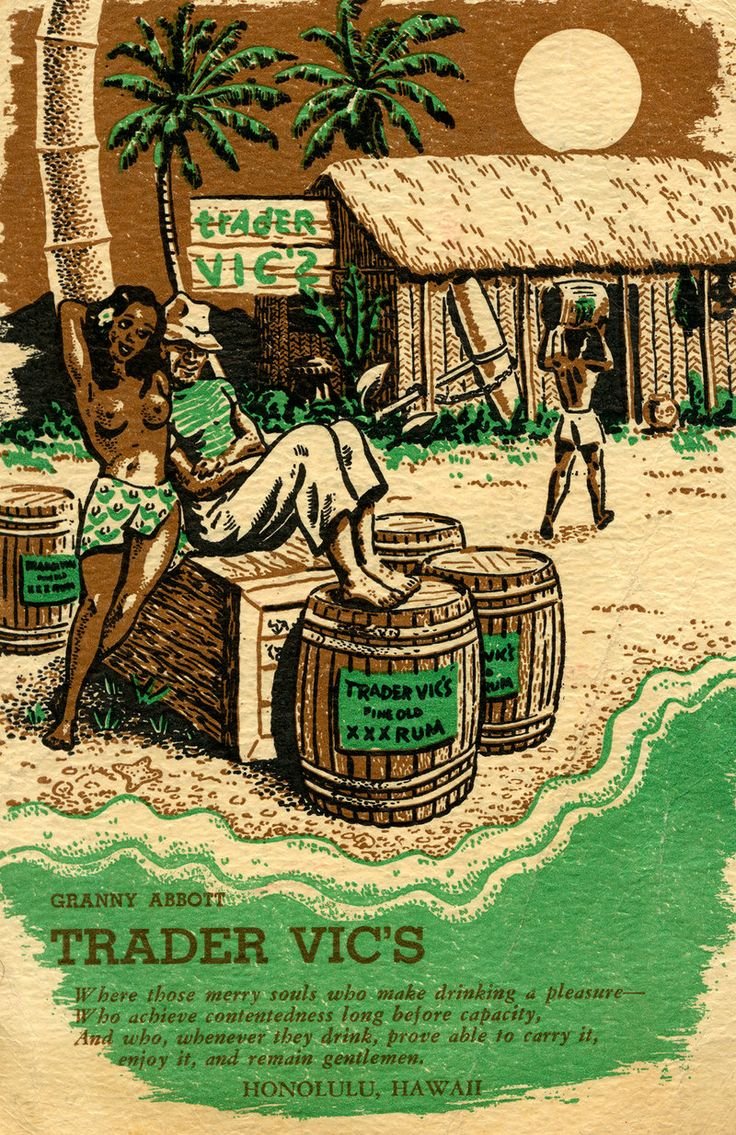
Eventually, like many other things, tiki started to sour. Ingredients got cheaper and worse. Cocktail culture as a whole moved toward something simpler and much less ornamented. Then the cultural mood shifted hard against its escapist Polynesian fantasy in the middle of a war being fought in the actual Pacific. By the late 1970s, tiki was mostly dead or at the very least incredibly uncool. There were only a handful of bars in existence that no one was really paying attention to anymore.
Here’s the part I actually love: tiki started resurging because a small number of people refused to let it disappear. Jeff “Beachbum” Berry spent the 90s and 2000s doing what is essentially historical research, digging through old magazines, used bookstores, and swap meets, looking for recipes that had been guarded like secrets for decades. A lot of people wouldn’t even give up their recipes when asked directly! There is even a story about one of the original bartenders who helped build Don the Beachcomber’s reputation in the 1930s, still tending bar at his own place into the 1990s while in his eighties and still refusing to say any more than “rum and fruit juice” when asked what was in a drink. That whole stubbornness might be the whole reason any of this survived in order to be revived.
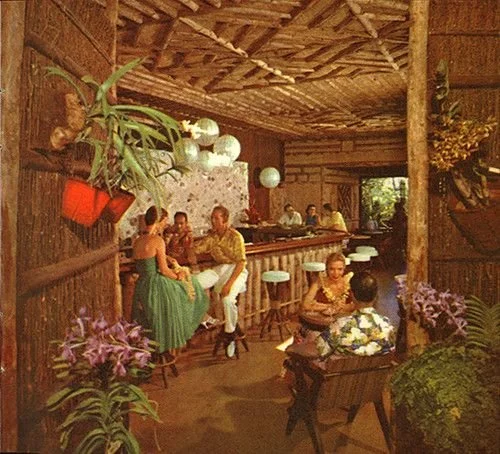
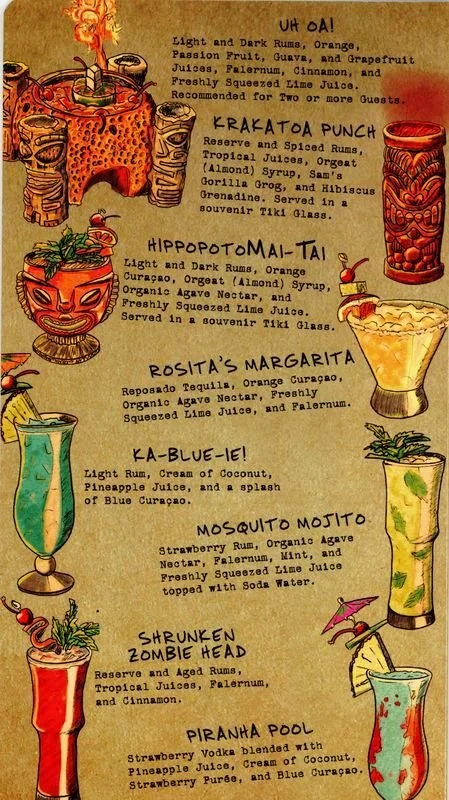
And then there is the home bar wave I mentioned before, which is its own chapter. Once those GIs came home and the suburbs started filling up, regular families started throwing backyard luaus, stringing up torches, and building a little hideaway bar into the den, serving rum drinks out of mugs shaped like scowling gods to their guests. Hawaii becoming a state and Hollywood didn’t hurt either. Every other movie in that decade seemed to want you dreaming about a beach you’d never been to. Having a tiki corner in your house wasn’t a hobby flex. It was just what a fun, slightly aspirational household did on a Saturday night.
That instinct went dormant for decades and then came roaring back, except it’s more bar cart than den. Part of it is pure aesthetics. Tiki mugs are genuinely beautiful, and Instagram rewarded that the second people started posting them. And part of it is access nobody had in 1958: vintage cocktail books got reissues, once-guarded syrup recipes got published, and you can order specifics without knowing a single person in the industry. The backyard luau never really stopped being the dream; it just got easier to throw one.
What’s happening at the actual bars right now is the meeting point of both of those things: professional-grade obsession with the history and the customer base that is primed and ready to take part.
Tiki Bars to Know
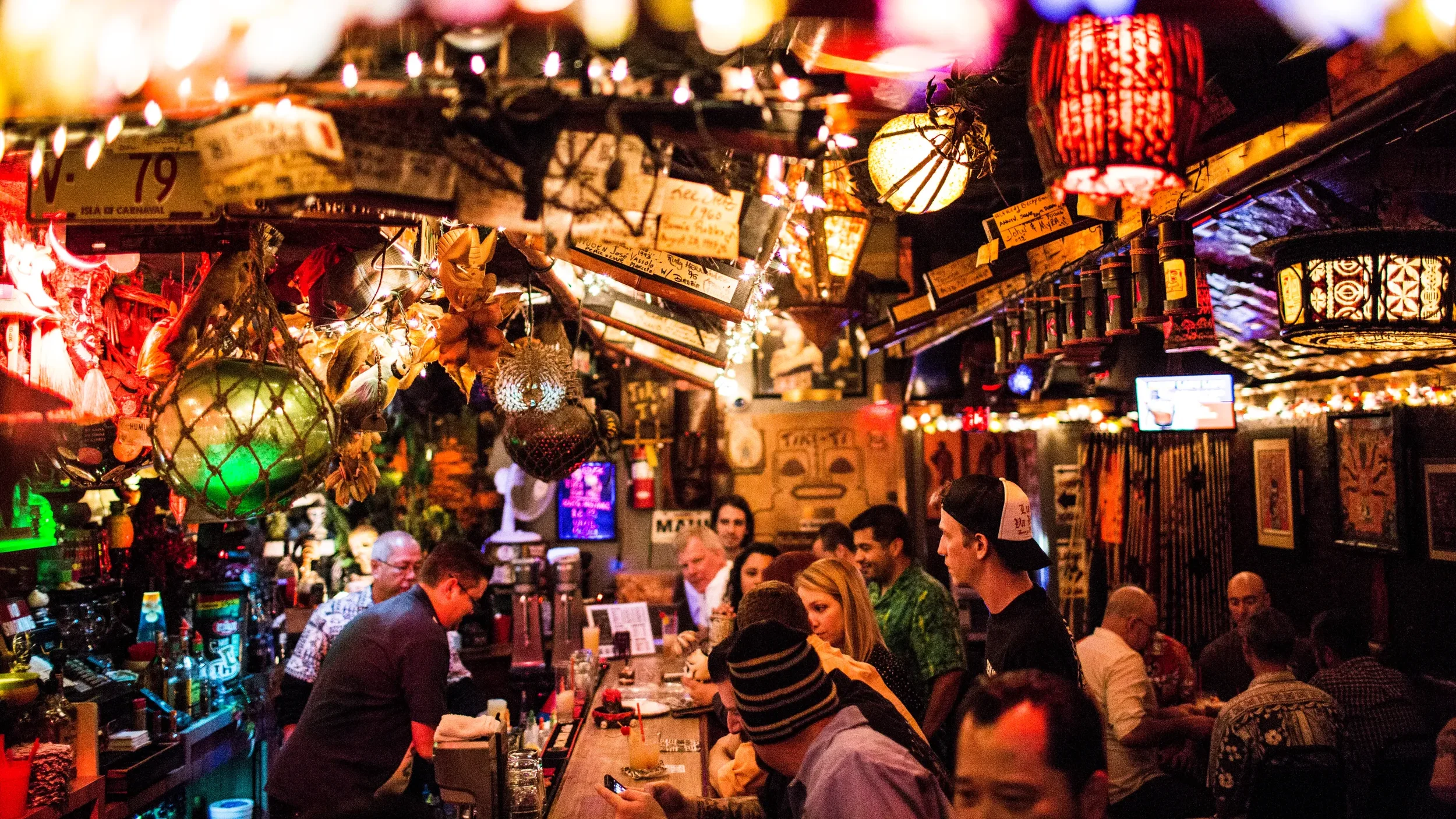
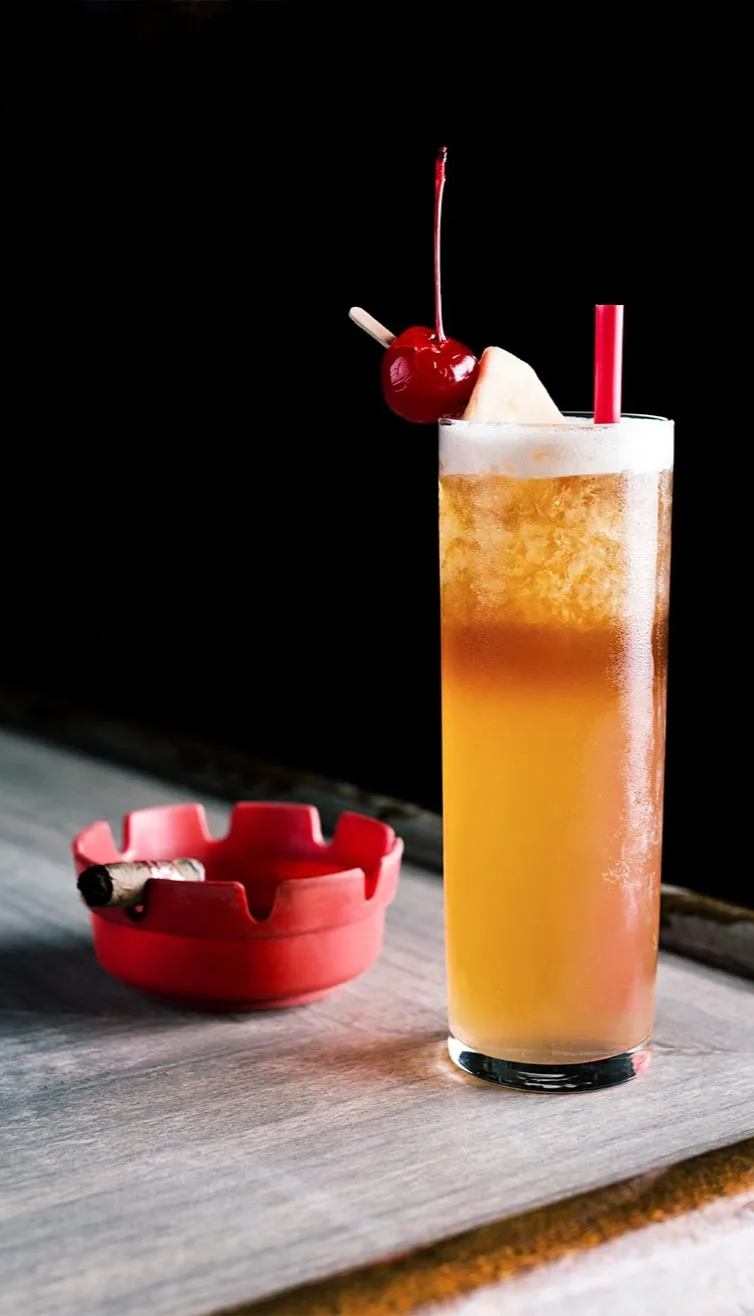
Tiki-Ti
Los Angeles
Tiki-Ti has been family-owned since 1961 and run by descendants of one of the original Don the Beachcomber bartenders, making it less of a bar and more of a direct bloodline back to the source. The house drink is Ray’s Mistake, and the recipe is very much still a secret. Regulars have been trying to reverse-engineer it for decades, but nobody has cracked it. It’s tiny, unglamorous, and not at all trying to perform for its guests. If you want a drink with a little more bite, the Great White Shark is your best bet.
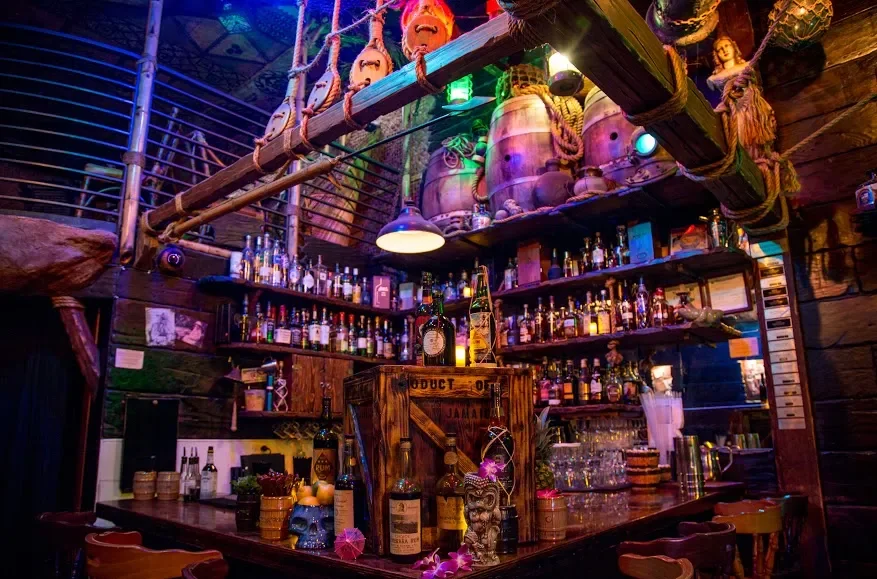
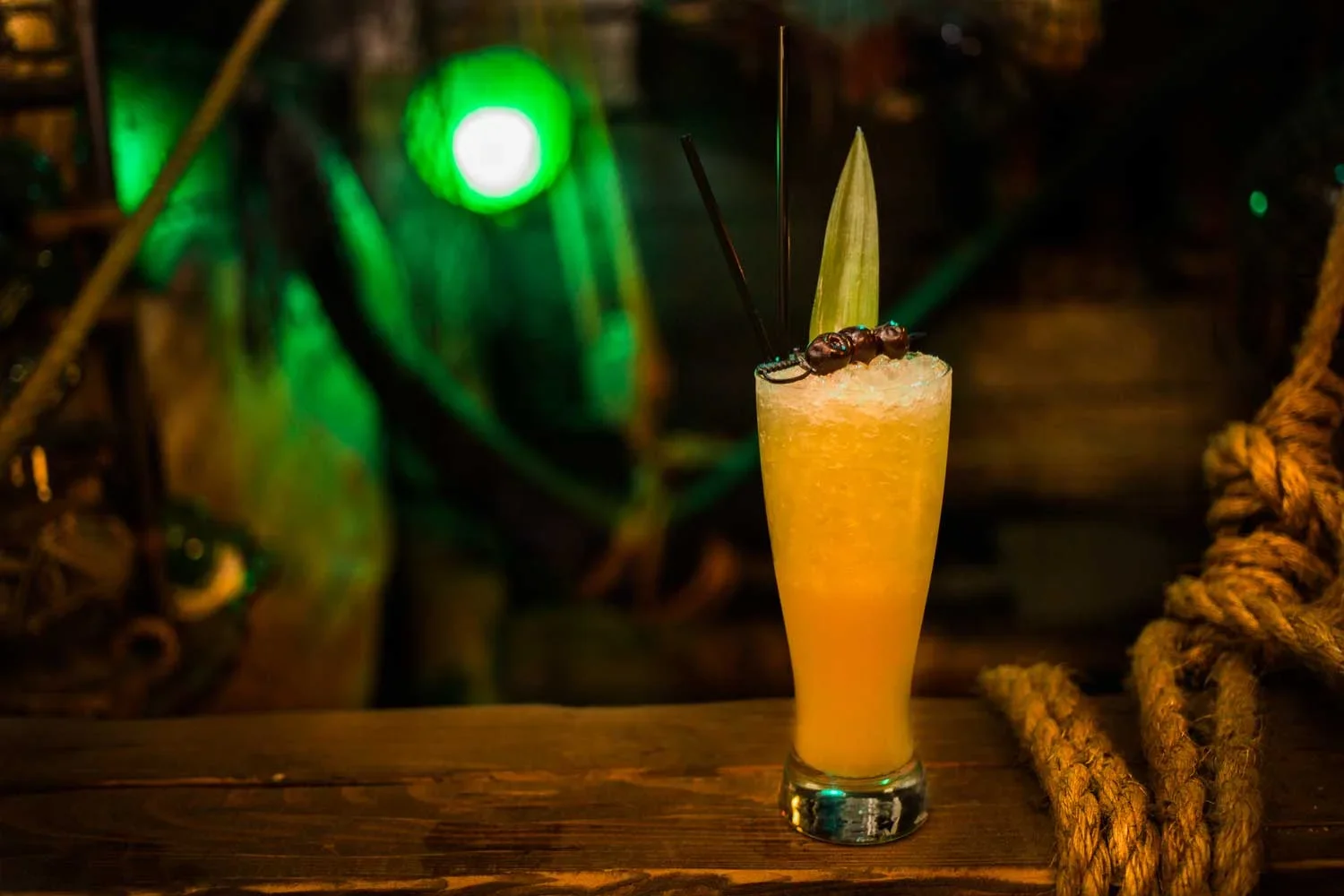
Smuggler’s Cove
San Francisco
One of the World’s 50 Best Bars and the place most serious tiki people point to as the gold standard. The room feels like the inside of a smuggling ship, which is the point, and the rum list runs past 1,300 bottles, which sounds a bit excessive until you’ve spent twenty minutes there and realized that’s just how deep this goes. When you mention tiki and San Francisco, this is probably the one people are going to be asking you about afterward.
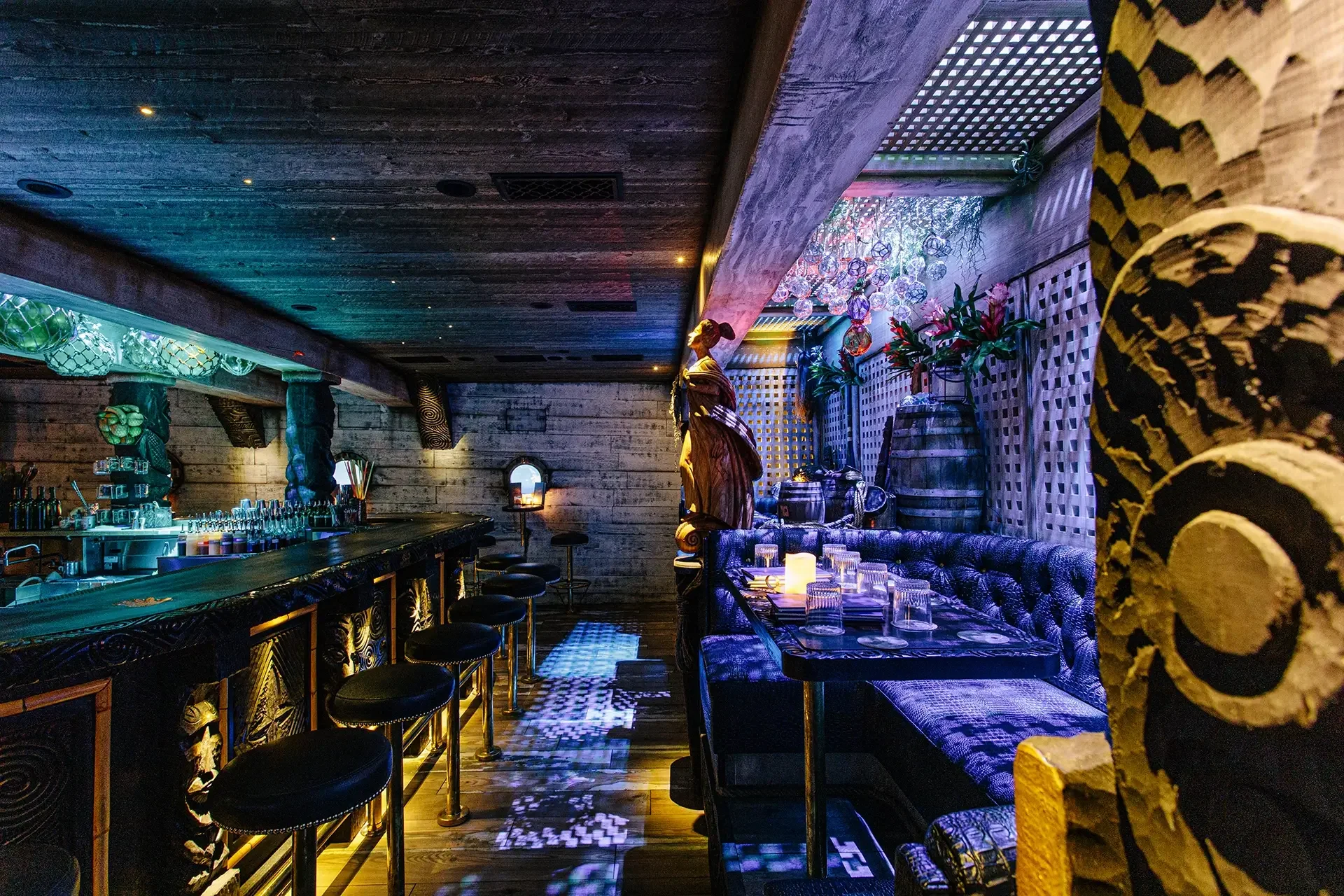
Undertow
Phoenix
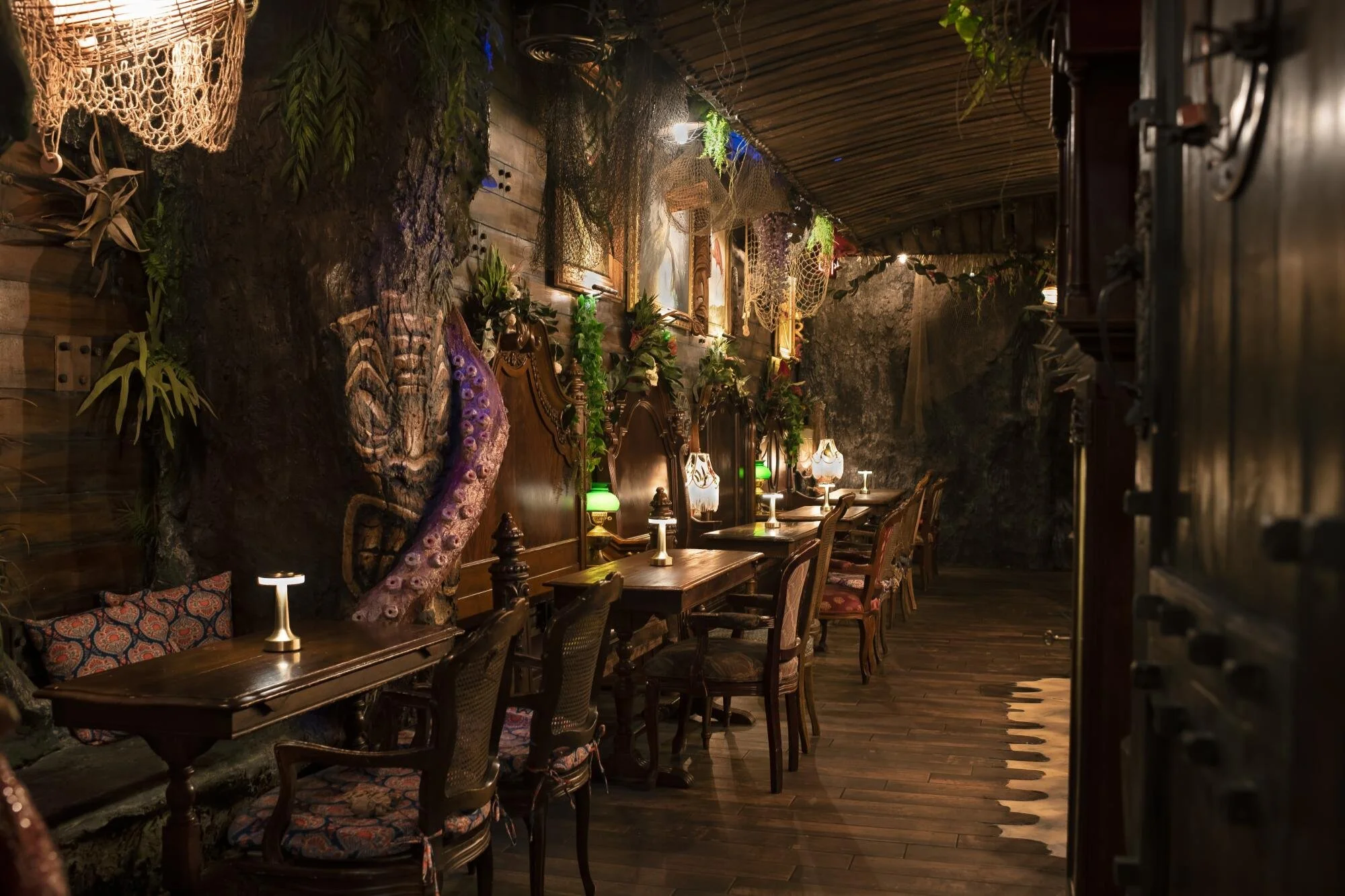
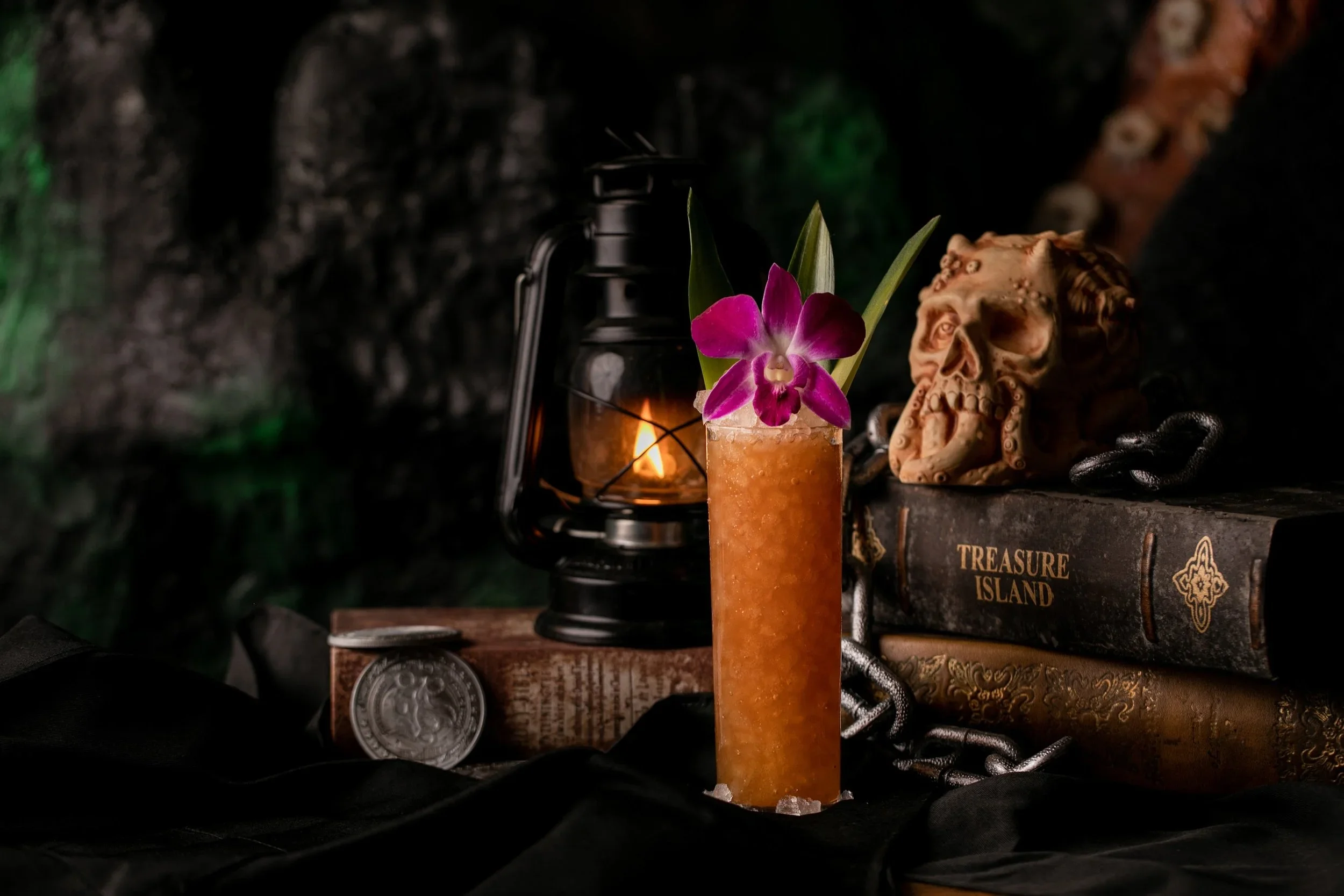
Tucked inside the Century Grand alongside excellent cocktail bars, Undertow builds its entire identity around the feeling of being below deck during a storm. Pothole screens play ocean footage, and there is the occasional rumble of thunder and lightning flickering through the “windows.” It’s theatrical without being cheesy, and the drinks back it up. Century Grand’s bars collectively took home Best U.S. Cocktail Bar at the 2023 Spirited Awards after all. There is something here whether you want a classic rum and juice tiki pour or a more spirit-forward drink.
Strong Water
Anaheim, California
A James Beard semifinalist two years running, which is not a small thing for a bar built around rum and theater. The whole space is designed like a sunken ship, completely with a “captain’s quarters” tucked in back, and the team cared enough to make an actual short film about the lore behind one of their signature cocktails. The mugs are custom, and the Cannon Fire has real heat to it. And, yes, they still do a proper Mai Tai if that’s all you came for.
Sunken Harbor Club
Brooklyn, New York
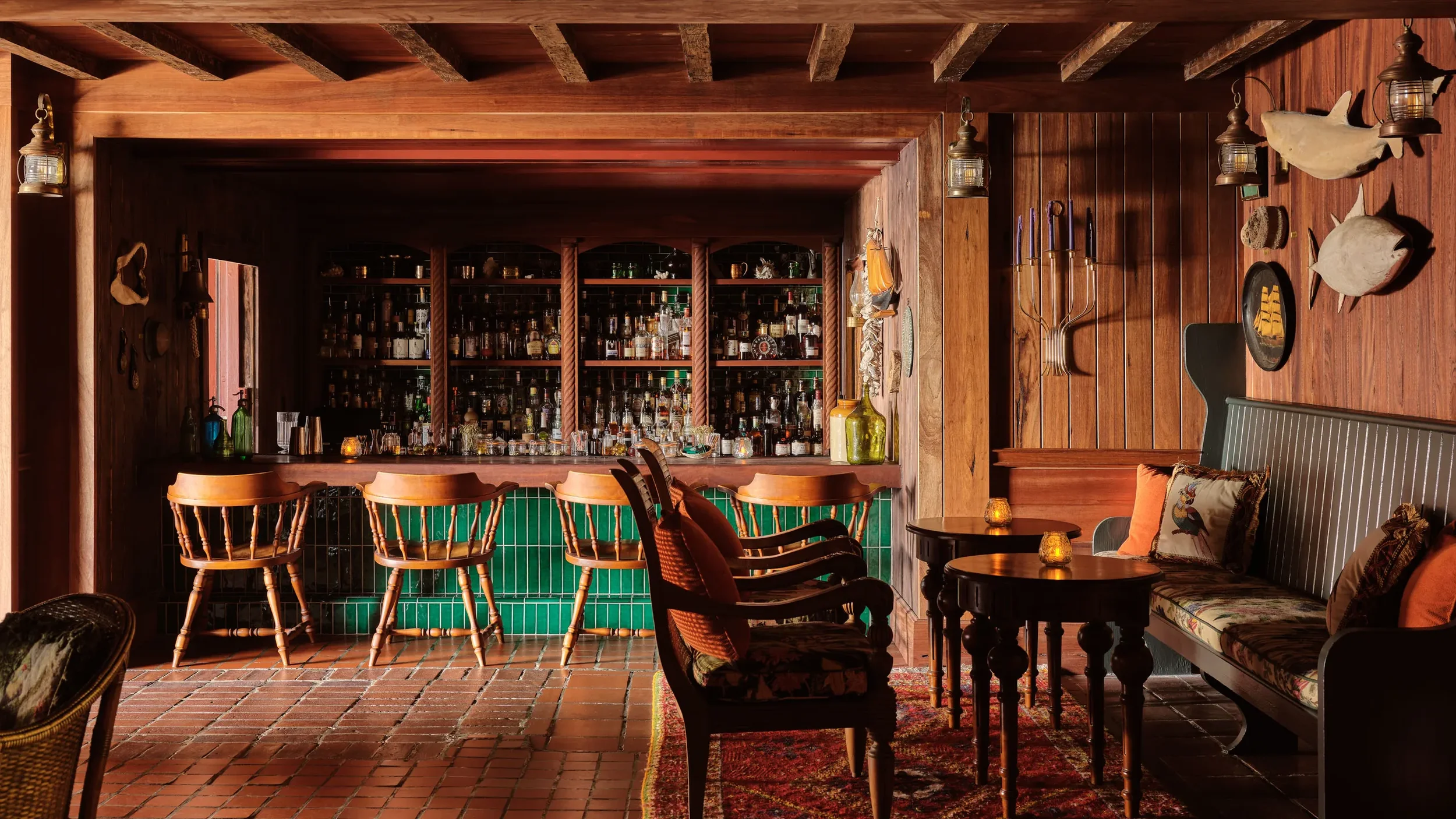
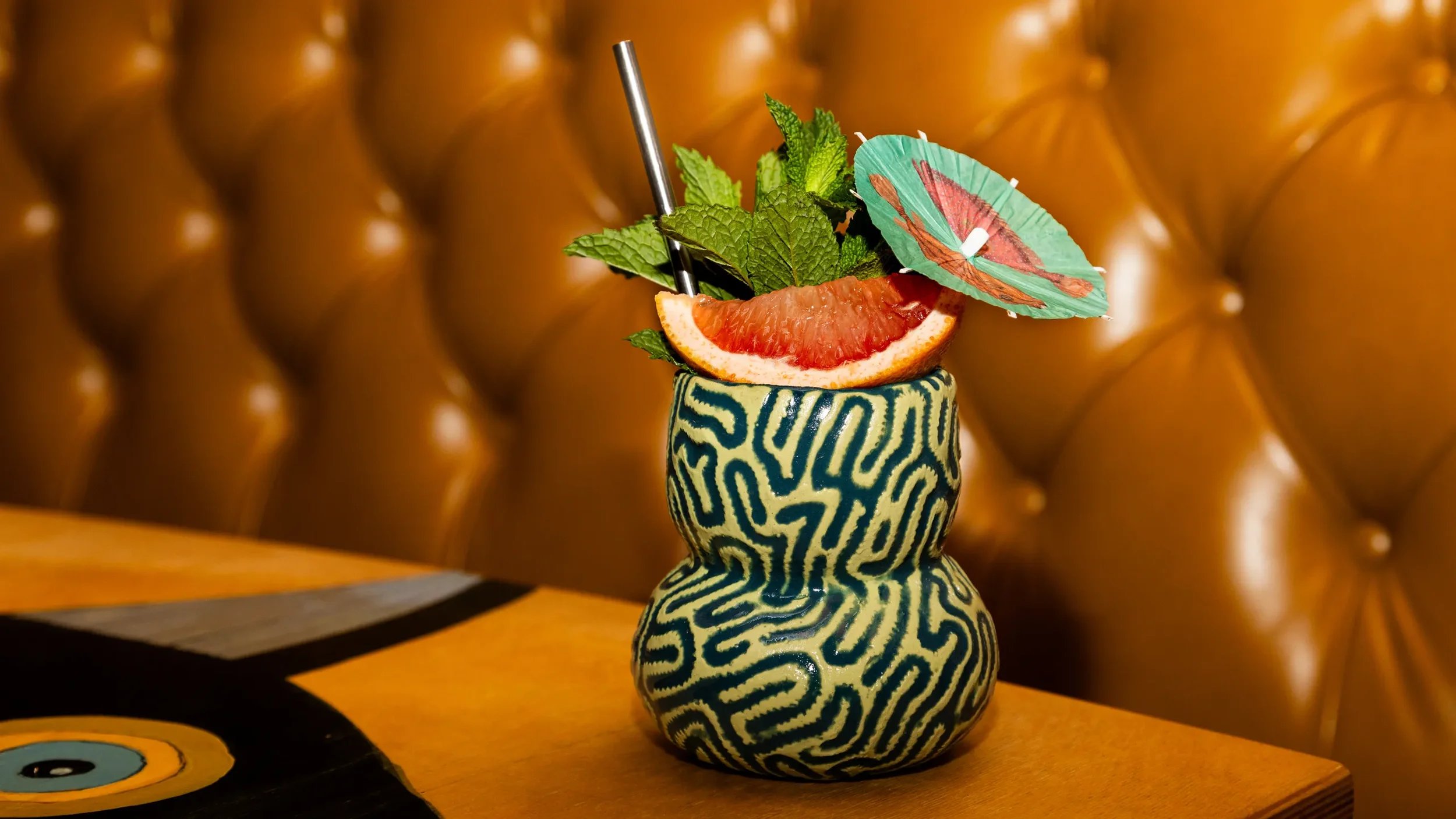
Sunken Harbor Club has a membership program, and that may sound a little gimmicky until you realize how much it tells you about the place. You get a passport with 36 challenges. Once you complete 12, you’re in. It’s a commitment device for people who want an excuse to keep coming back, and honestly, once you’re settled into a booth with a drink in hand, you’ll understand why people take the membership so seriously.
Trad’r Sam
San Francisco, California
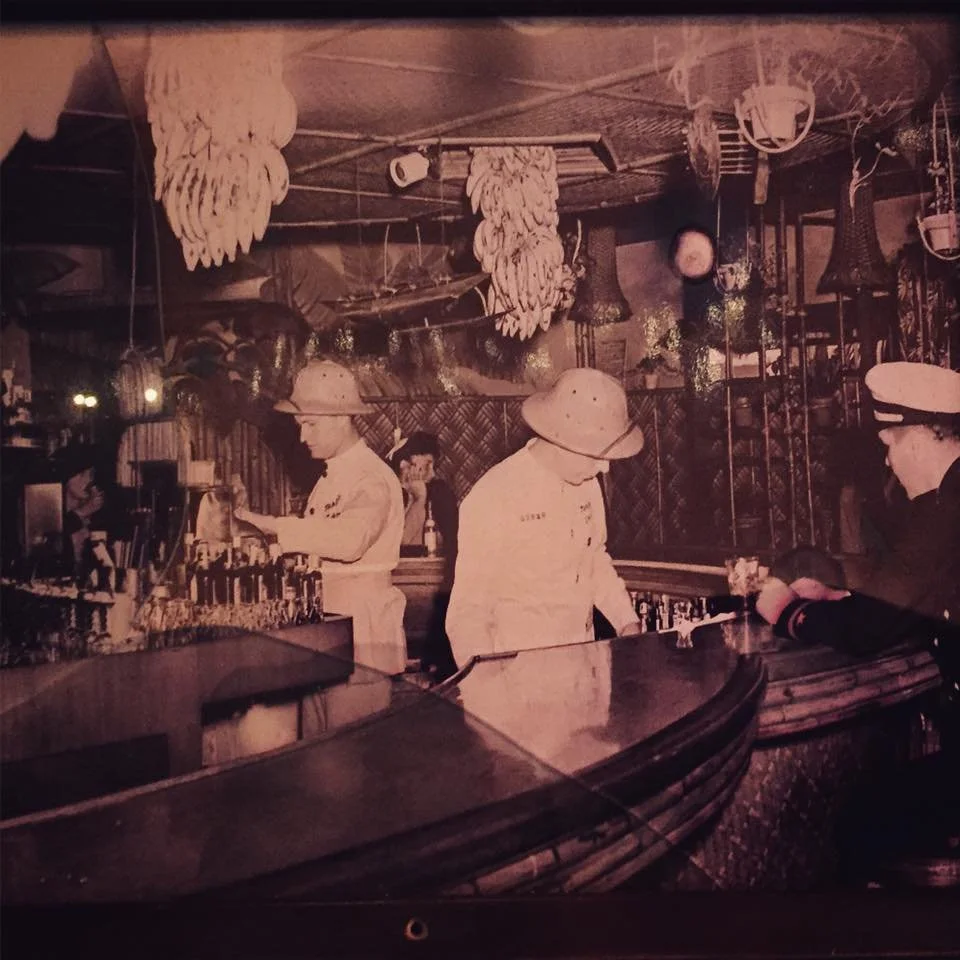
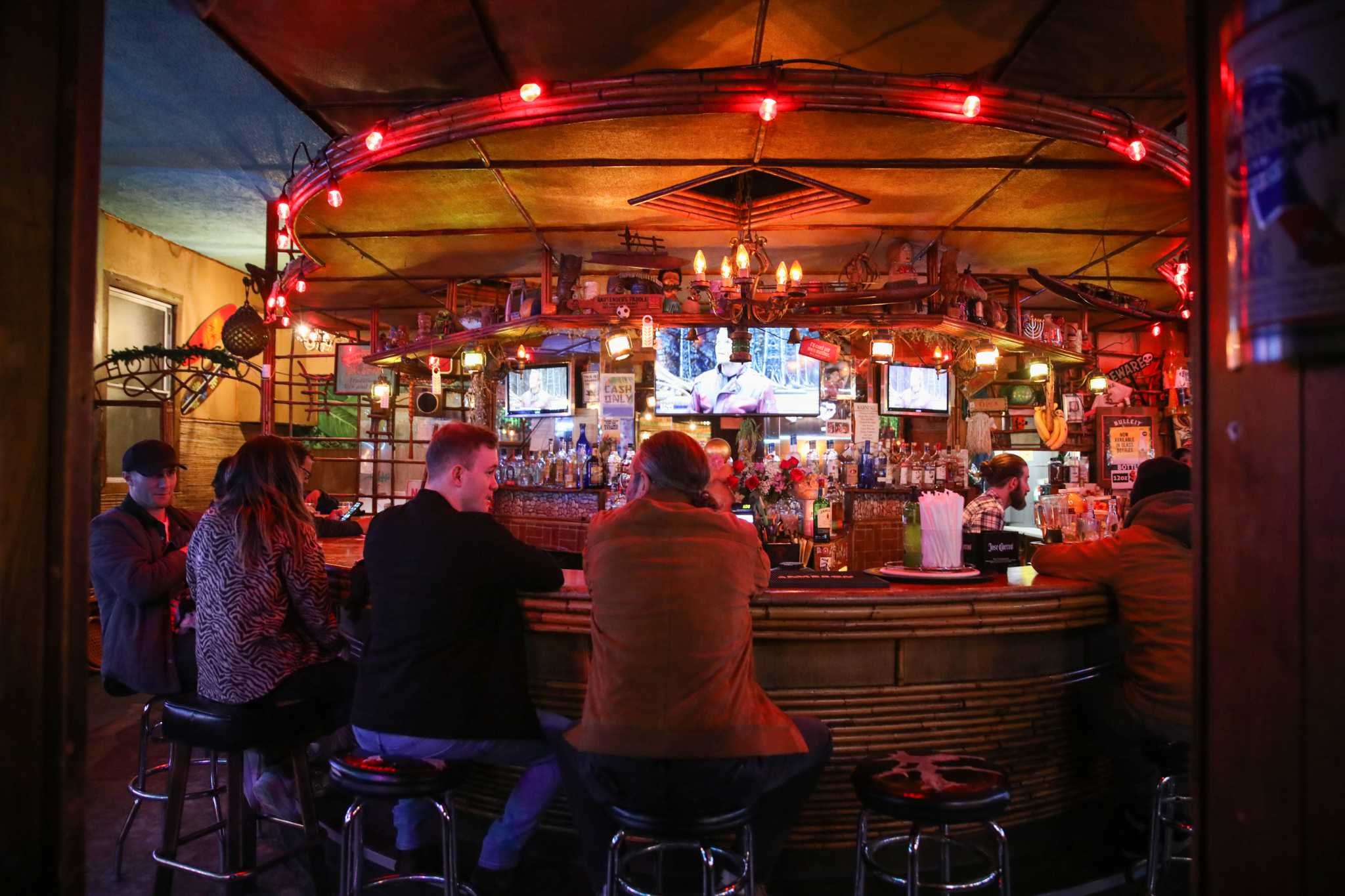
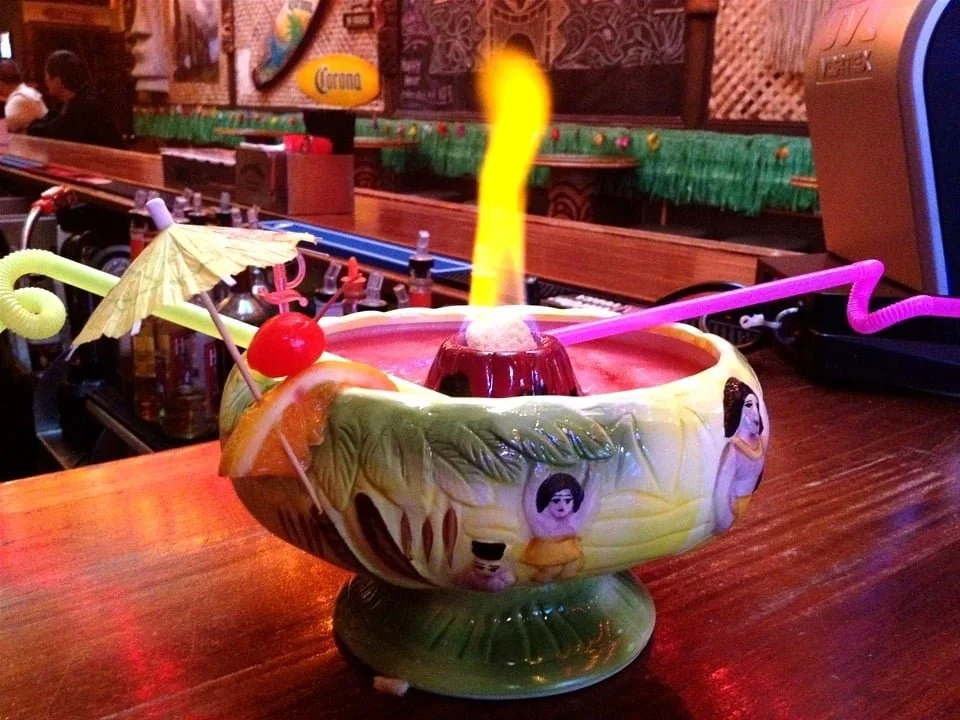
This is one of the ones that started it all. Trad’r Sam opened in 1937, before “tiki bar” was even a phrase used by anyone. Back then, it was actually called a bamboo bar and was a literal description of what was happening on the walls. Original bartenders wore safari suits, and real banana bunches hung from the ceiling. It’s the oldest continuously operating tiki bar in the country, and it knows it without acting like it is. It’s less polished than Smuggler’s Cove and less theatrical than UnderTow, and that’s exactly the point. It’s an original, and it’s known for its shared drinks.
Paradise Lost
New York, New York
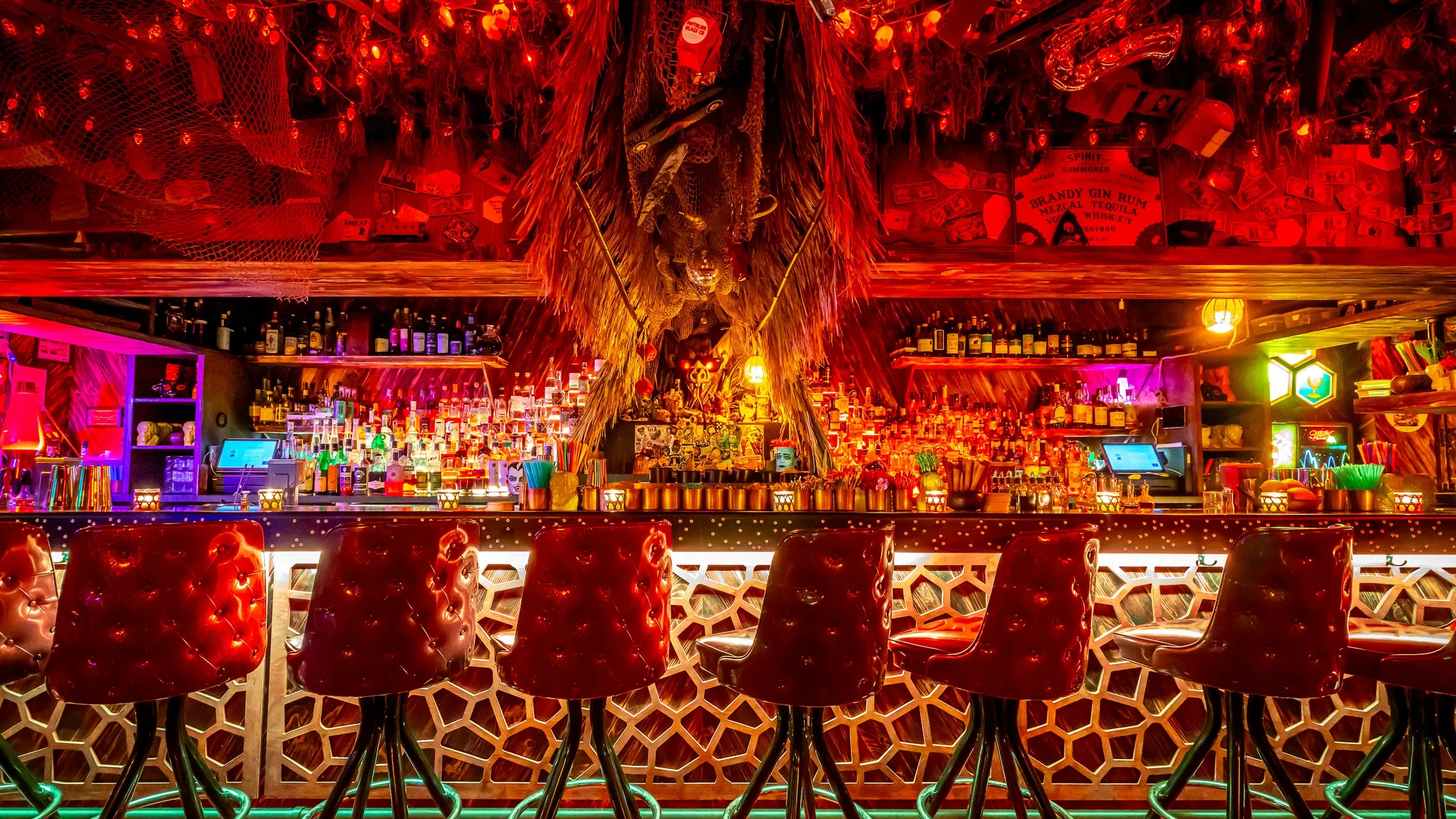
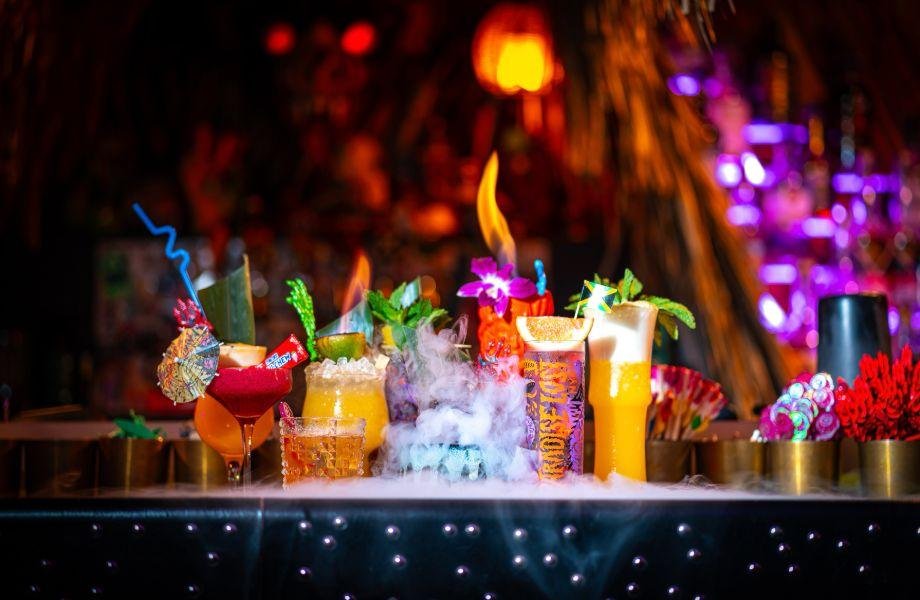
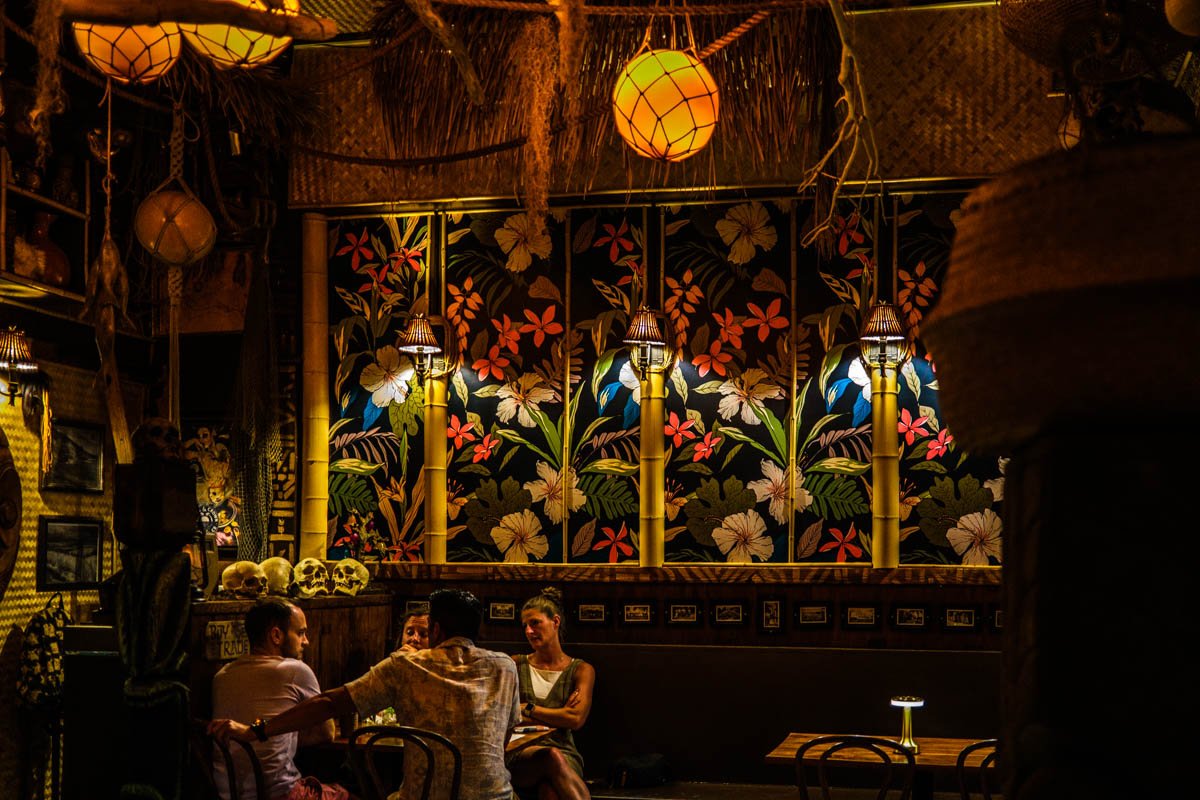
This one takes the tropical fantasy and runs it through a horror movie instead. Self-described “tropical hellscape,” eight-foot alter and taxidermied bats. There are classic tiki drinks in a setting that looks like the island got cursed. It’s a genuinely fun bend on the formula and proof that tiki doesn’t have to mean bright colors and ukuleles. It can mean candlelight and something a little unsettling, and still be exactly what the genre is supposed to feel like: total immersion in a different world.
Skull & Crown Trading Co
Honolulu, Hawaii
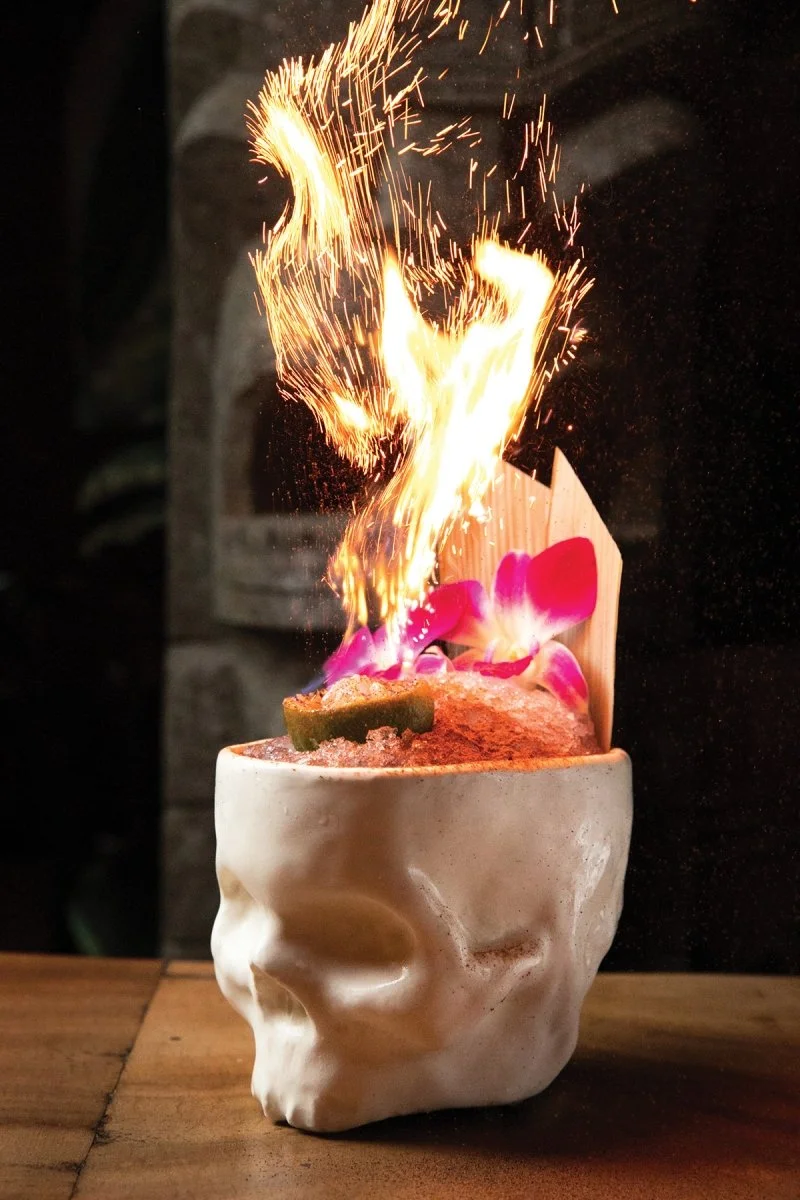
The irony of Hawaii being light on great tiki bars isn’t lost on anyone, which is exactly why Skull & Crown’s 2019 opening mattered. It’s set in historic Chinatown and styled like a trading outpost rather than a beach hut. The Dagger Mai Tai is the classic; if you want a recipe no one will explain to you, or go darker with the Crystal Skull. The food menu holds its own, too, which isn’t always true at places this focused on the bar.
Beachbum Berry’s Latitude 29
New Orleans
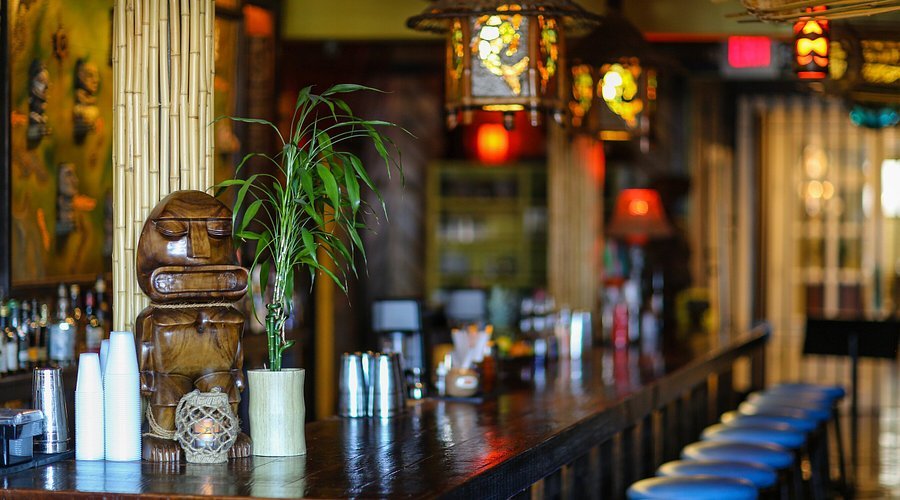
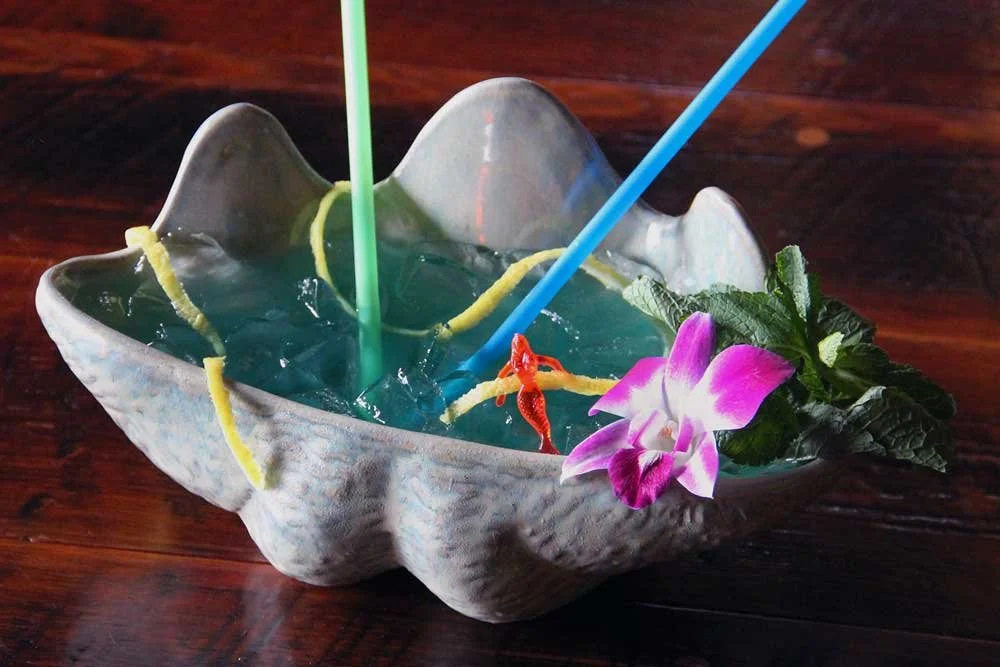
Run by the same Jeff Berry who spent two decades reconstructing tiki’s lost recipes, which means the drink list here isn’t decoration. It’s the actual archive. Ask, and the bartenders will pull from a Rolodex of more than 100 off-menu vintage cocktails, including the original 1934 Zombie, or skip the homework and just tell them what you like. They’ll hand you an index card and let the drink do the talking.
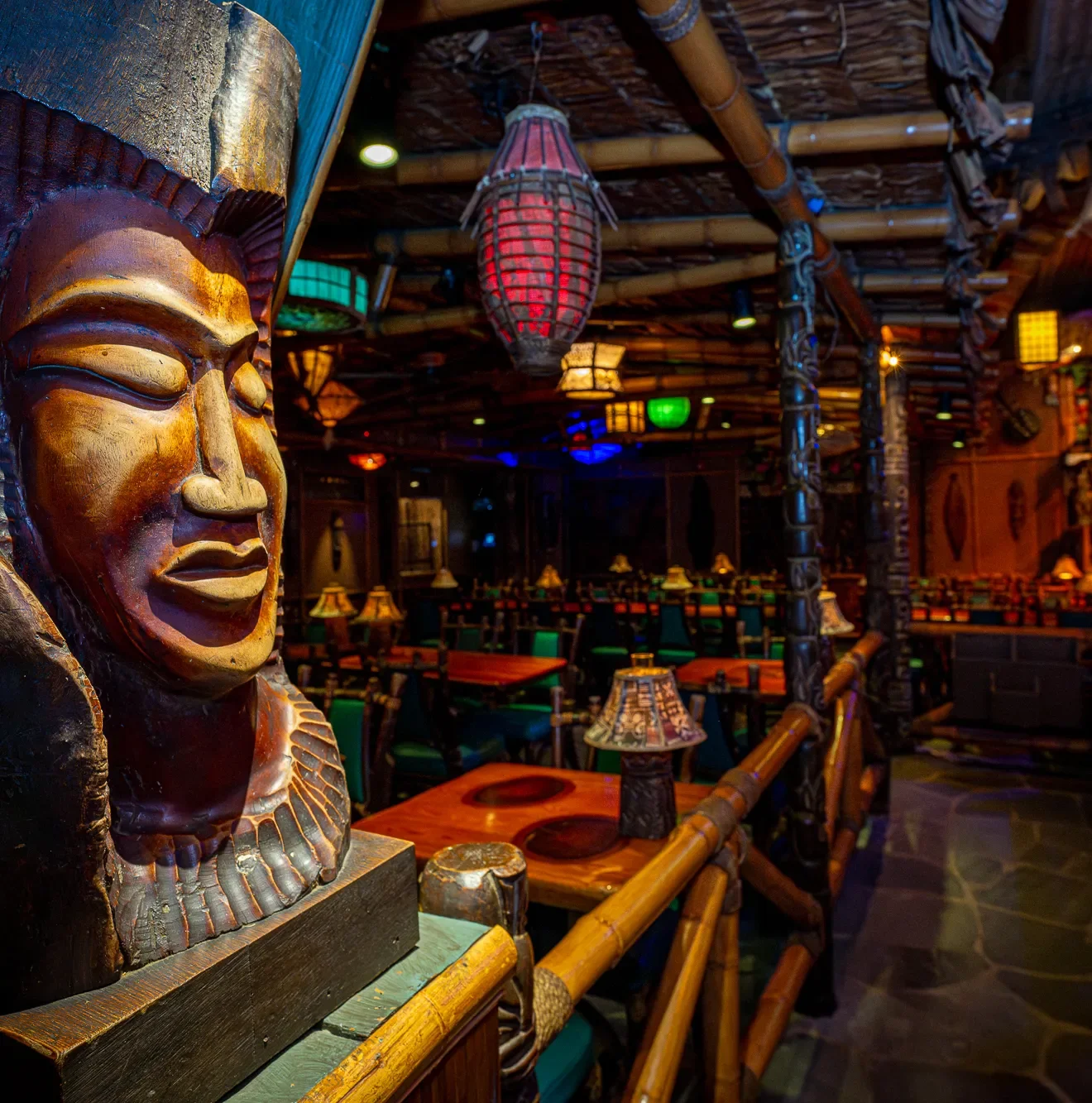
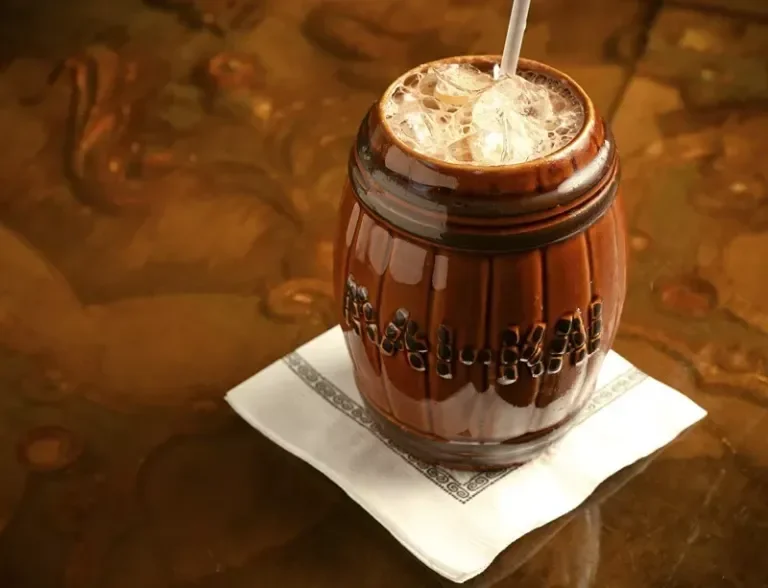
Mai-Kai
Florida
Open since 1956, with a nightly Polynesian-style show that’s been running since 1961. It’s less of a bar and more of a full evening. The drink menu is sorted by mild, medium, and strong, which is genuinely useful information once you’ve had too many “strong” drinks elsewhere and learned to respect a good warning label. If you’re feeling bold, you can order a mystery drink built for four people and see what happens. Skipping the show entirely also works, especially if you want to catch the daily happy hour.
The Bottom Line
Tiki gets dismissed as kitsch because the worst version of it is loud, cheap, and frankly forgettable. The best version is one of the only bar concepts that asks you to fully leave the room you’re standing in. Somewhere where the lighting, the glassware, the soundtrack, and the drink itself are all built to take you somewhere else for an hour. That’s a hard thing to pull off. The people doing it well, whether behind the bar or in their own kitchen with a blender and a stack of vintage cocktail books, are the reason it’s still here.