I don’t think I could ever say I’d regret planning a trip around something like a museum. I have regretted skipping one to have an afternoon on the beach, but I digress. Somewhere along the way, seeing a little art or history “while we’re there” stopped feeling like enough. There are just so many amazing places that are worth building an entire itinerary around, whether it’s specific buildings, gardens, or collections on display. Places where art, design, or history aren’t a stop on the trip, but the whole reason for it. Here are eight art-centered locations that I’d absolutely build entire trips around.
Art as the destination, not the detour
Most people plan a trip around a city and squeeze a museum in if there is time left over. Why not do it backward? Pick the art first, build a trip around it, and let the city be whatever comes with it. It changes the kind of places you end up. Some of the best art in the world isn’t sitting in a capital city with a gift shop and line out the door. It’s on a fishing island that you have to take two ferries to reach. Maybe it’s an hour outside a city that most tourists only give two days to. It’s in the hills above a coastline everyone else visits for the water.
These are the types of places you have to actually decide to go to. Nobody stumbles into these places on the way to somewhere else, and that’s exactly what makes them worth the extra leg of the trip. Fewer crowds, more discovery, and definitely better photos. Okay, and better outfits because you dressed for the place instead of throwing on whatever survived the suitcase.

Fondation Maeght
Saint-Paul-De-Vence, France
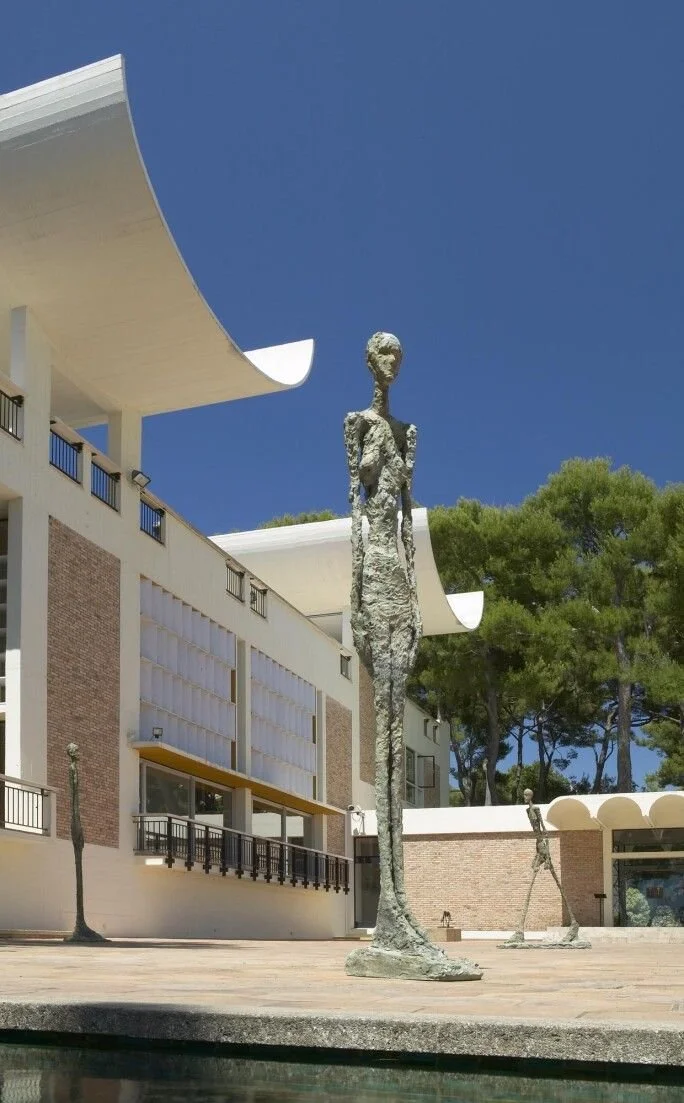
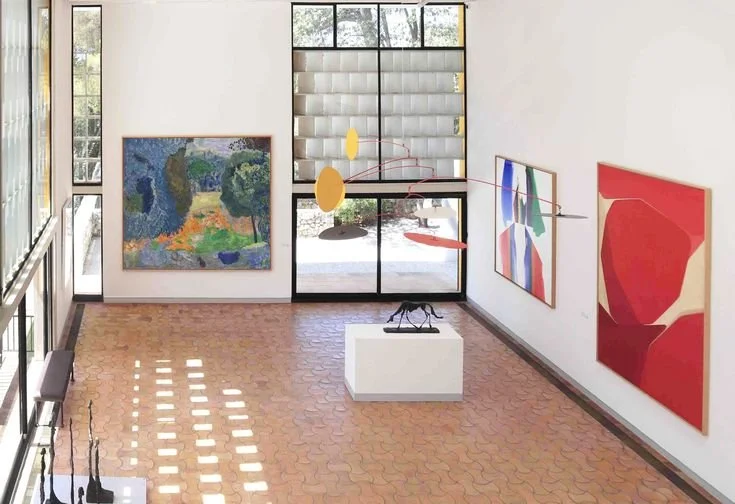
I don’t know anyone who doesn’t have the French Riviera already on their travel list, but if it’s not Fonation Maeght puts it there. Fondation Maeght was opened in 1964 by art dealers Aimé and Marguerite Maeght, who commissioned architect Josep Lluís Sert to build something that felt less like a museum and more like a walk through a private collection. Set among the pine trees in the hills above Nice, it holds work by Joan Miró, Alberto Giacometti, and Marc Chagall, spread across sun-drenched galleries and a sculpture garden you can wander for hours. I am personally fond of these thin, elongated sculptures by Alberto Giacometti. The unfinished surfaces and odd look are utterly fascinating.
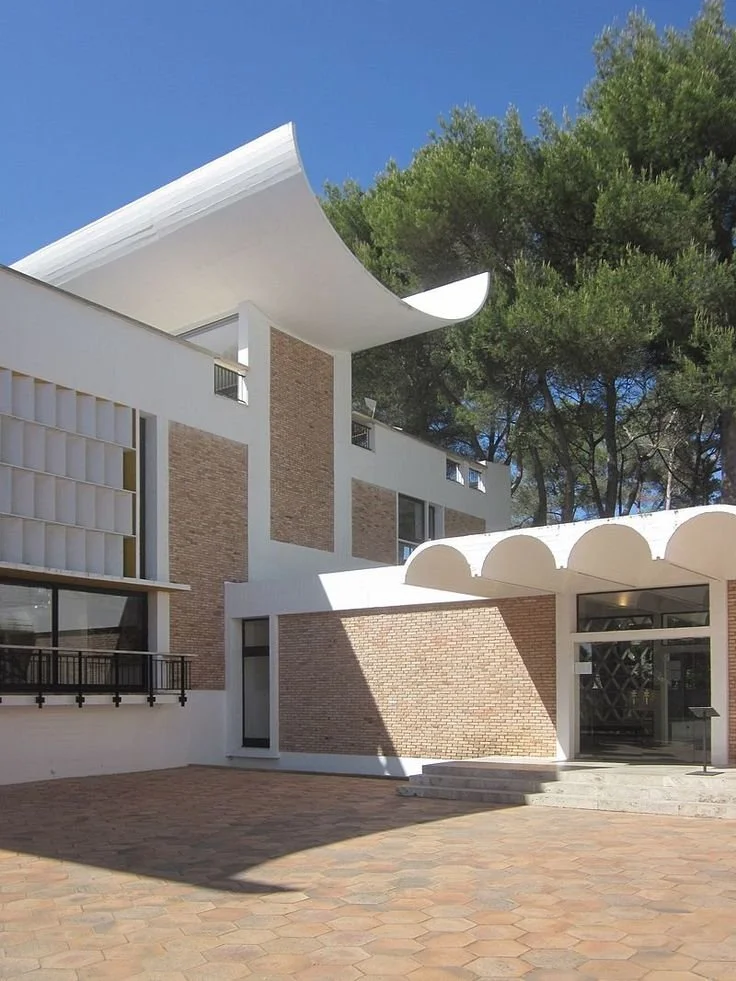
It still flies under the radar compared to big-name museums an hour away, which is exactly the point. This is one of the rare places where you feel like you have found something. Dress like it with a ribbed tank, a breezy print midi skirt, and sandals that can handle gravel paths. Sunglasses for exploring outdoor gardens? Non-negotiable.
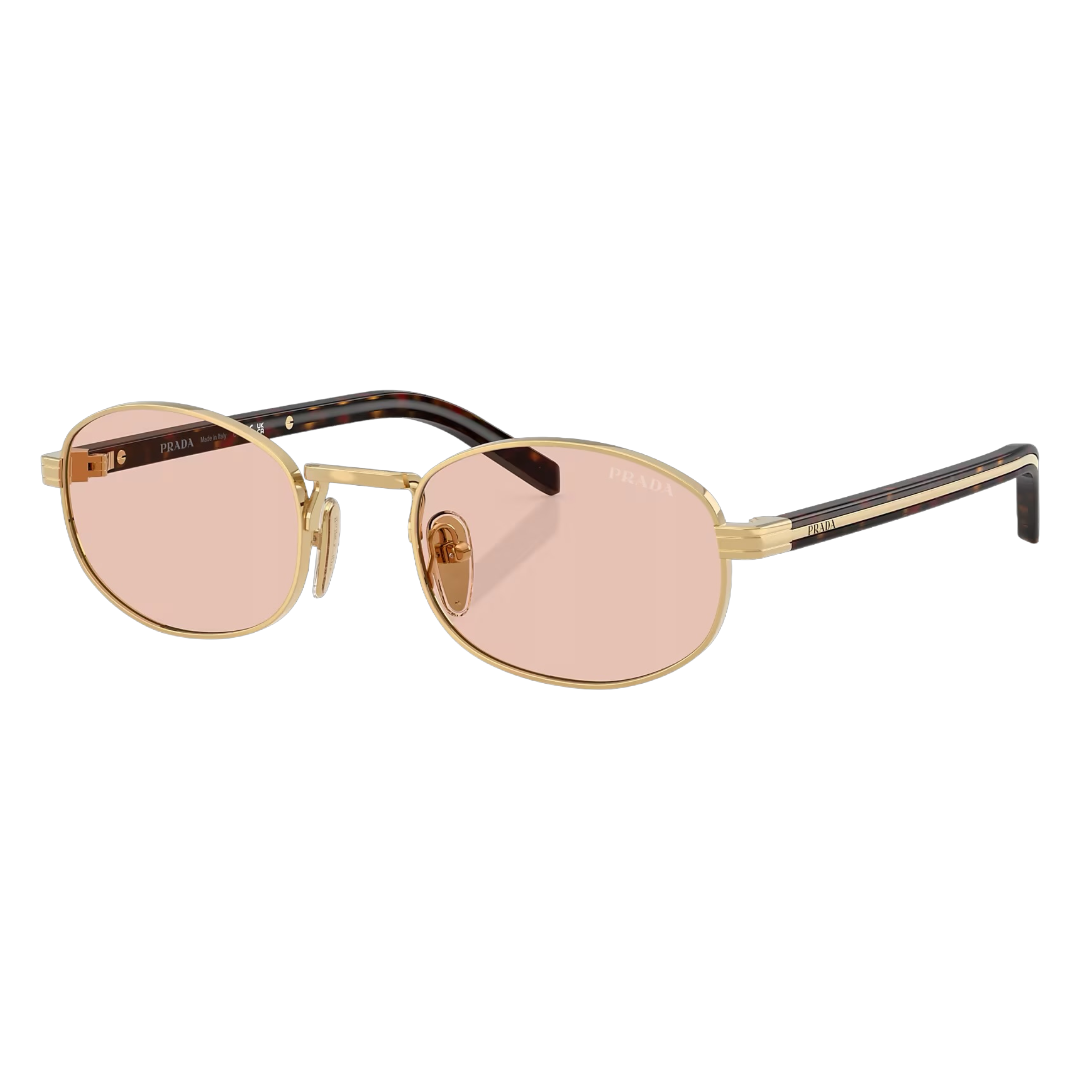
OVAL SUNGLASSES

RIBBED TANK TOP
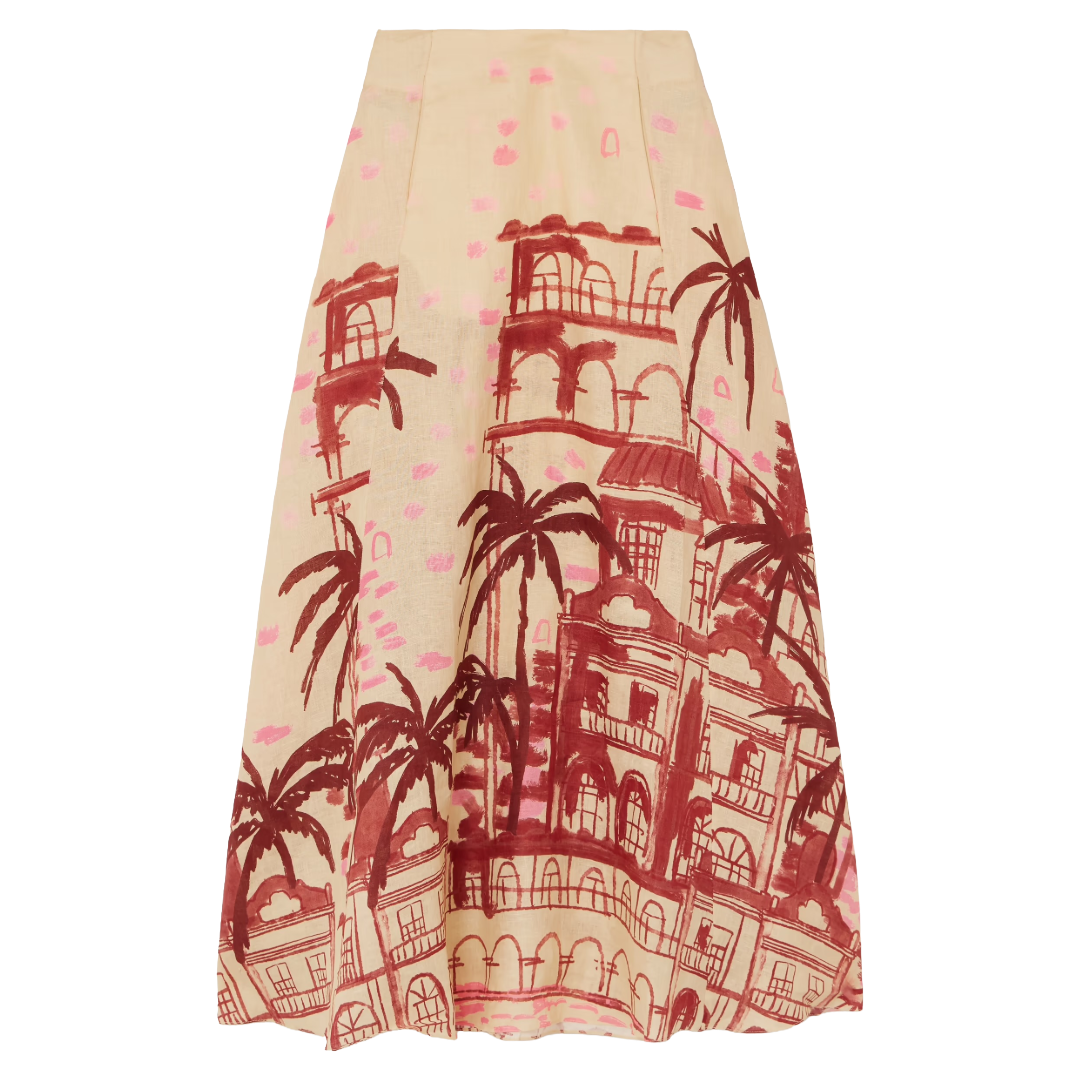
LINEN MIDI SKIRT

CURVED HEEL SANDALS
Museu de Arte Contemporânea Niterói
Rio de Janeiro, Brazil
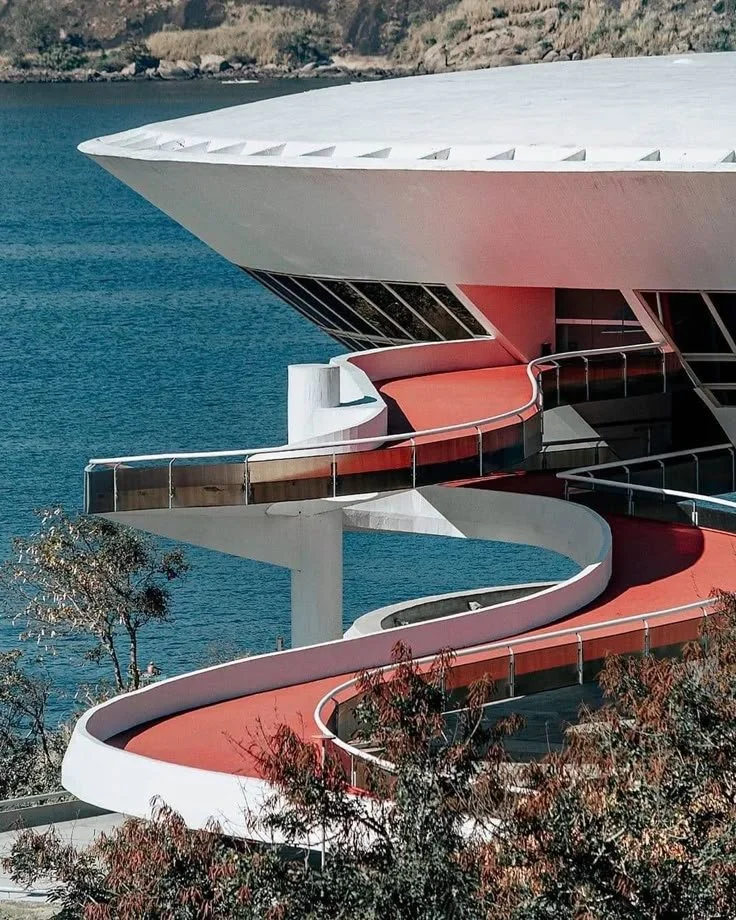
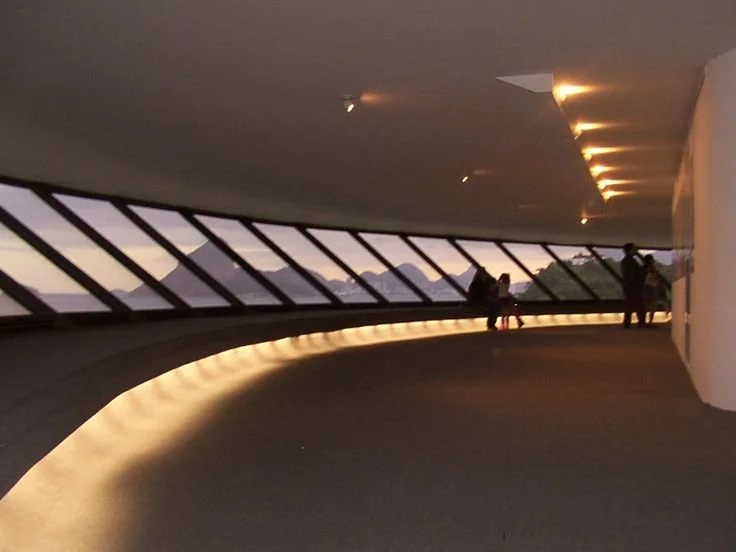
Oscar Niemeyer built this one to look like it’s about to take off. Perched on a cliff overlooking Guanabara Bay and opened in 1996, the Niterói Contemporary Art Museum is one of the architect’s most recognizable works. The white saucer is balanced on a single stem with views of Rio stretched out on every side. It’s unforgettable, and even Louis Vuitton agreed. Nicolas Ghesquière staged the label’s 2017 cruise show right there, letting the building do half the work. I personally love the long red pathway leading up to the saucer. It’s so futuristic and like you’re walking up, ready to head to another universe. I’m sure browsing collections inside in a circular path is fascinating.
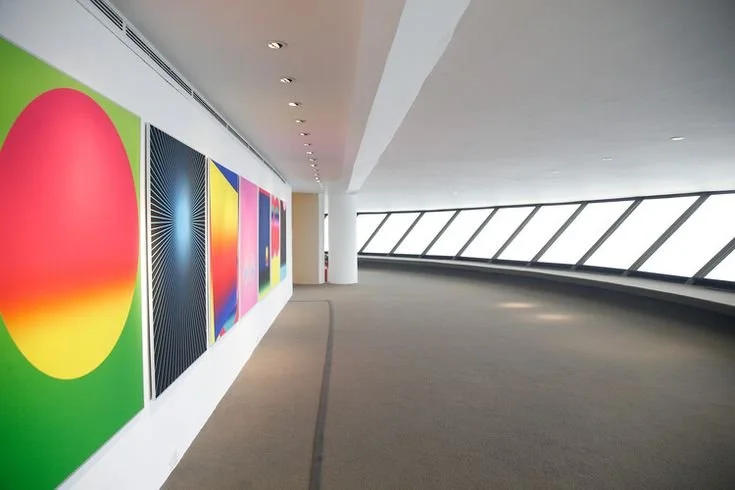

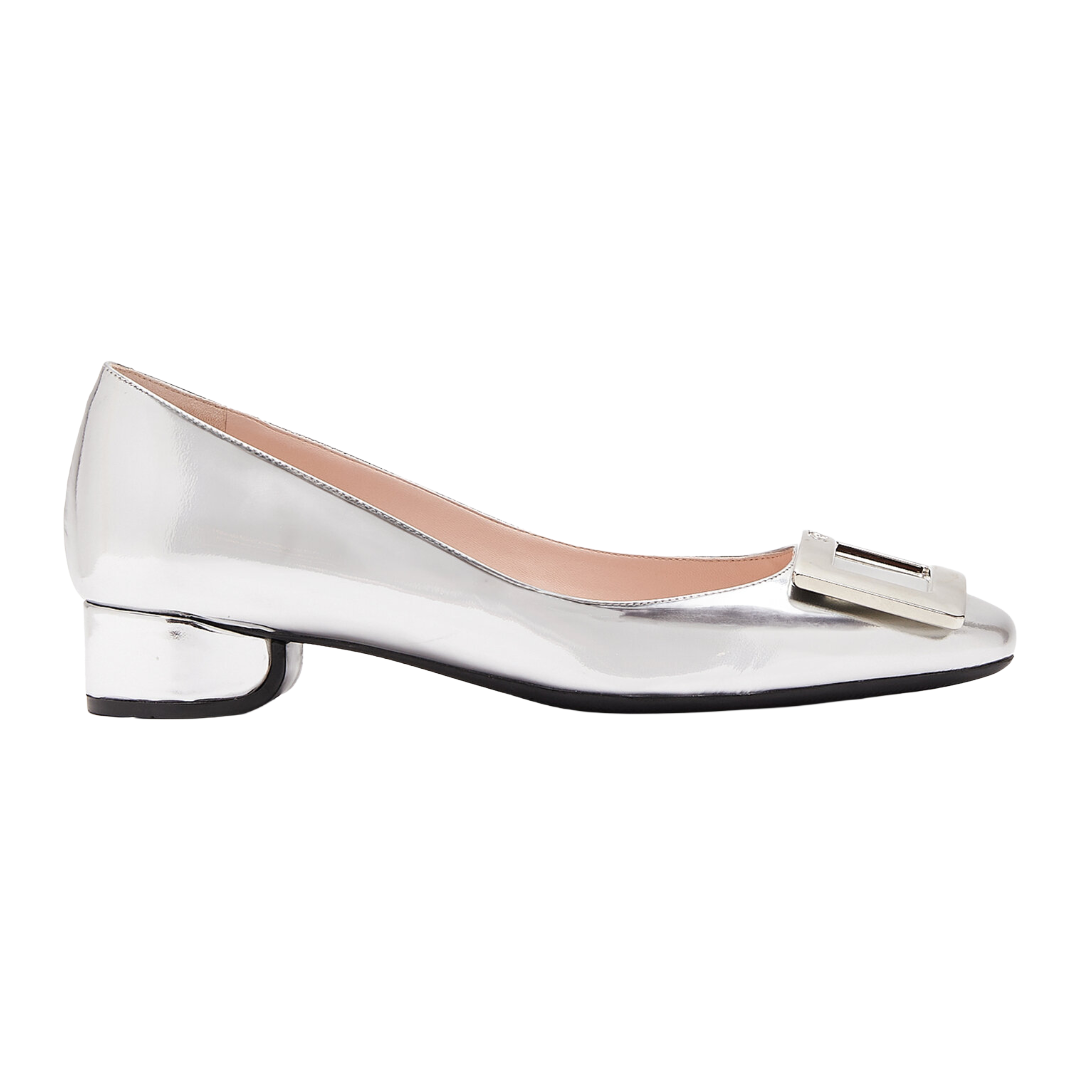
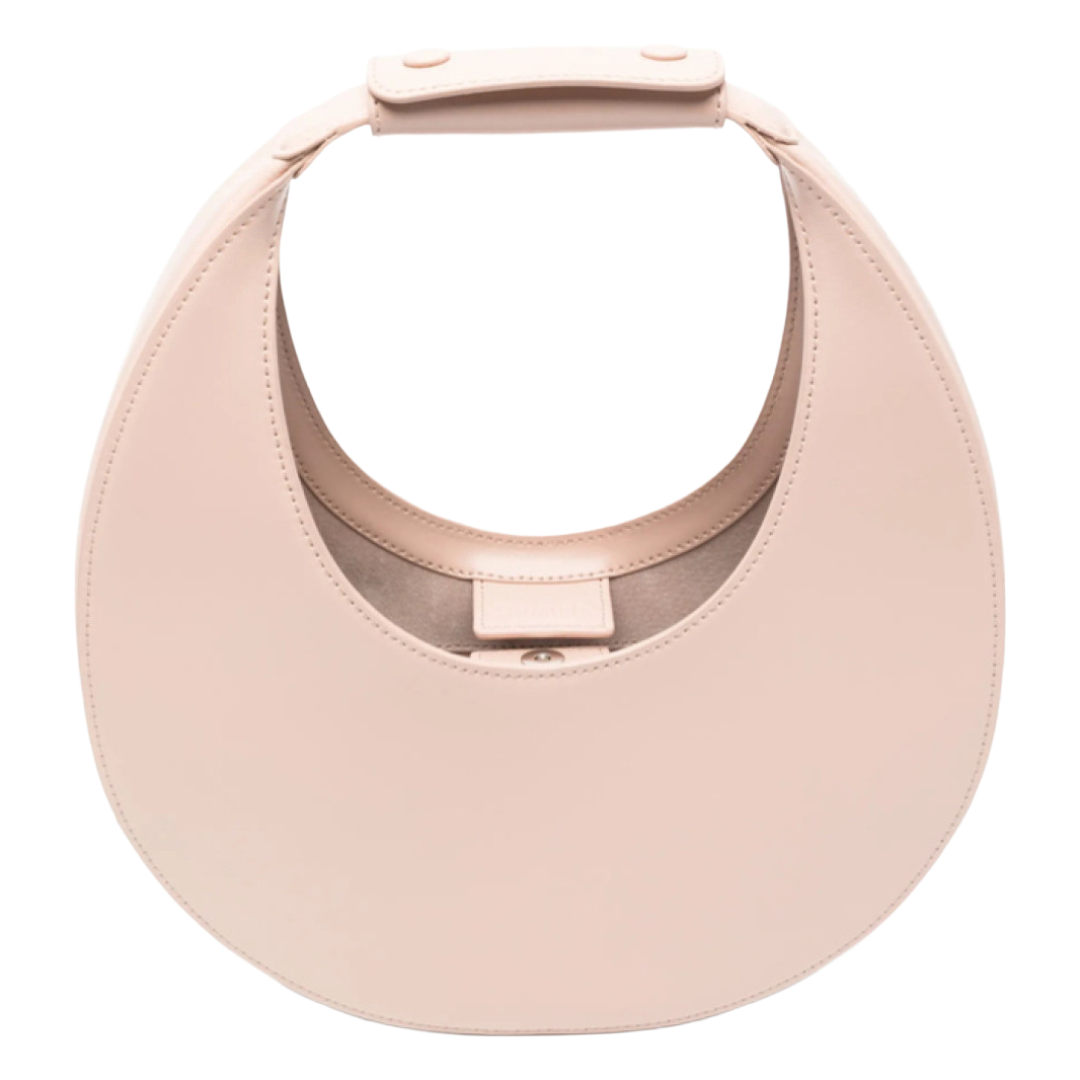
Half the reason to go is the art inside. The other half is the walk up to it. Keep the outfit sleek and minimal. A rib knit top, a mini skirt, and a bag that doesn’t compete with the curves, but leans into them.

RIB KNIT TOP

MINI SKIRT
MIRRORED FLATS
TOP HANDLE BAG
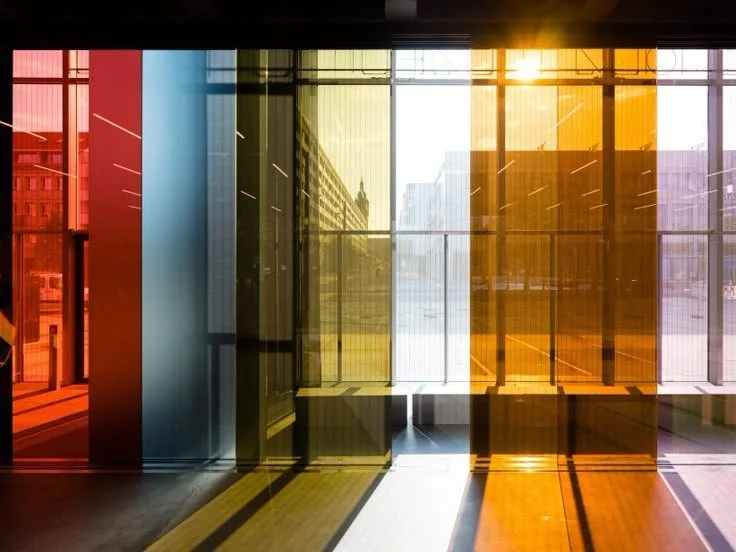

Bauhaus Dessau
Dessau-Rosslau, Germany
Obviously this one has been on my visit list for years. IYKYK. Walter Gropius founded the Bauhaus in 1919 with no idea it would end up reshaping how the entire twentieth century thought about design. The school moved three times in fourteen years, and its faculty reads like a syllabus for modern art: Anni and Josef Albers, Marcel Breuer, Paul Klee, Wassily Kandinsky, and eventually Mies van Der Rohe himself. Its most iconic home was Dessau where Gropius designed the school’s own building. The asymmetrical structure of glass and steel is now a UNESCO World Heritage Site and museum. Along with touring the main Bauhaus building with glass curtain wall, auditorium, and director’s office, visitors can walk through the Masters’ Houses where legendary artists lived. The Kandinsky/Klee house has vibrant interior color schemes that experiment with light and space, while the Gropius House and Moholy-Nagy house were destroyed in WWII, they were rebuilt in 2014 with a abstracted style rather than being a precise replica.
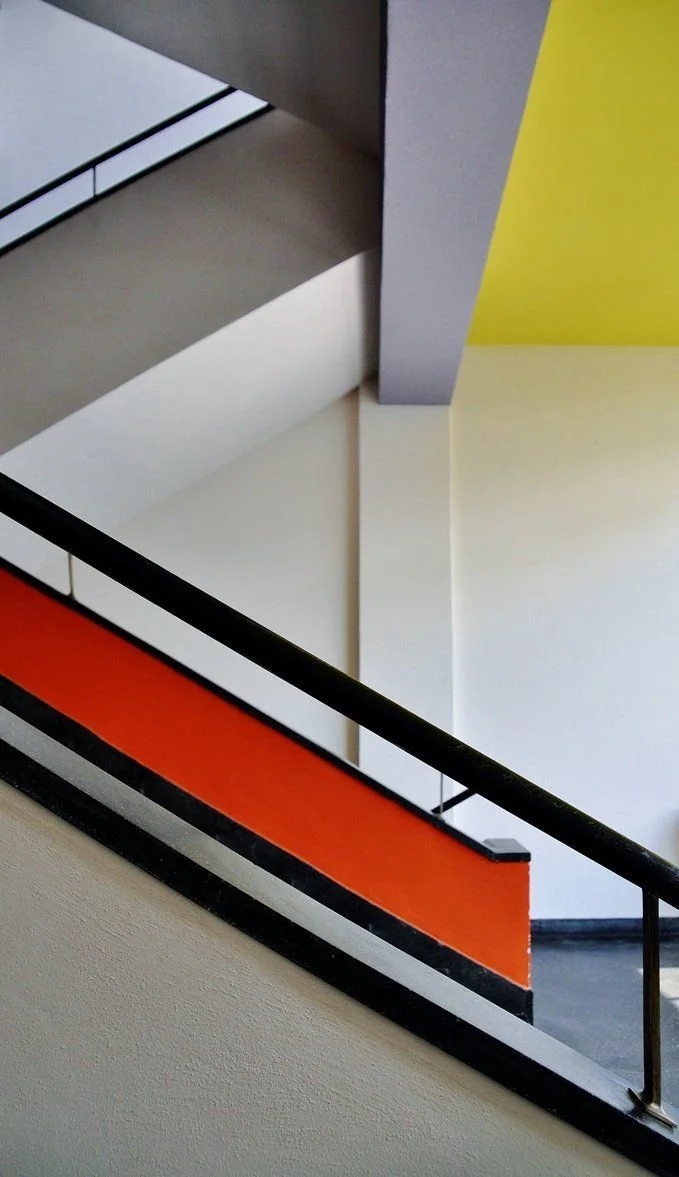
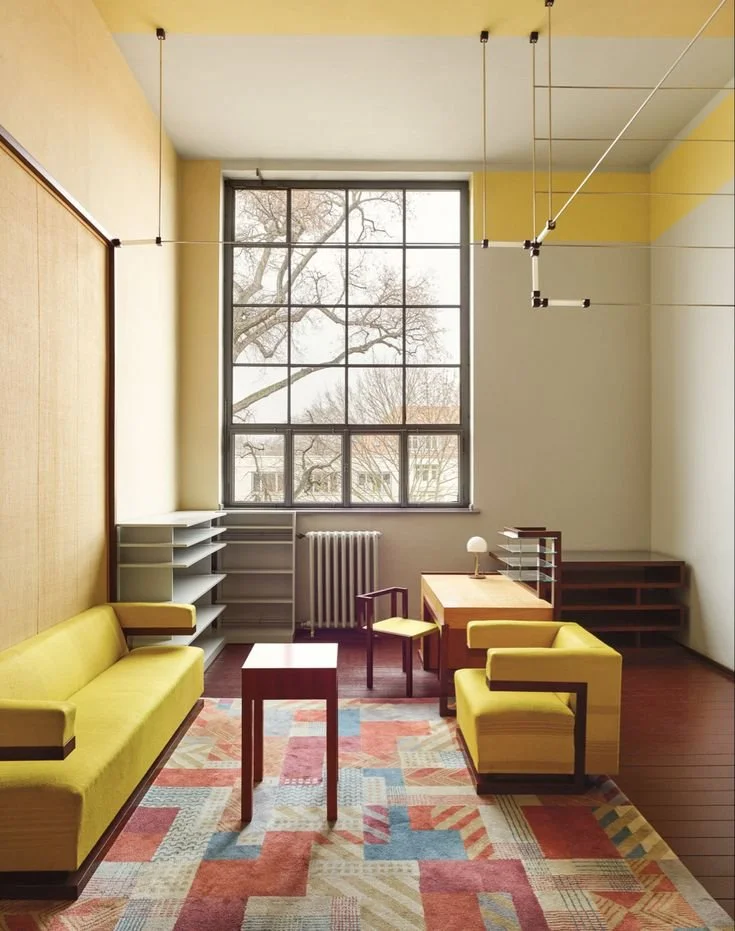
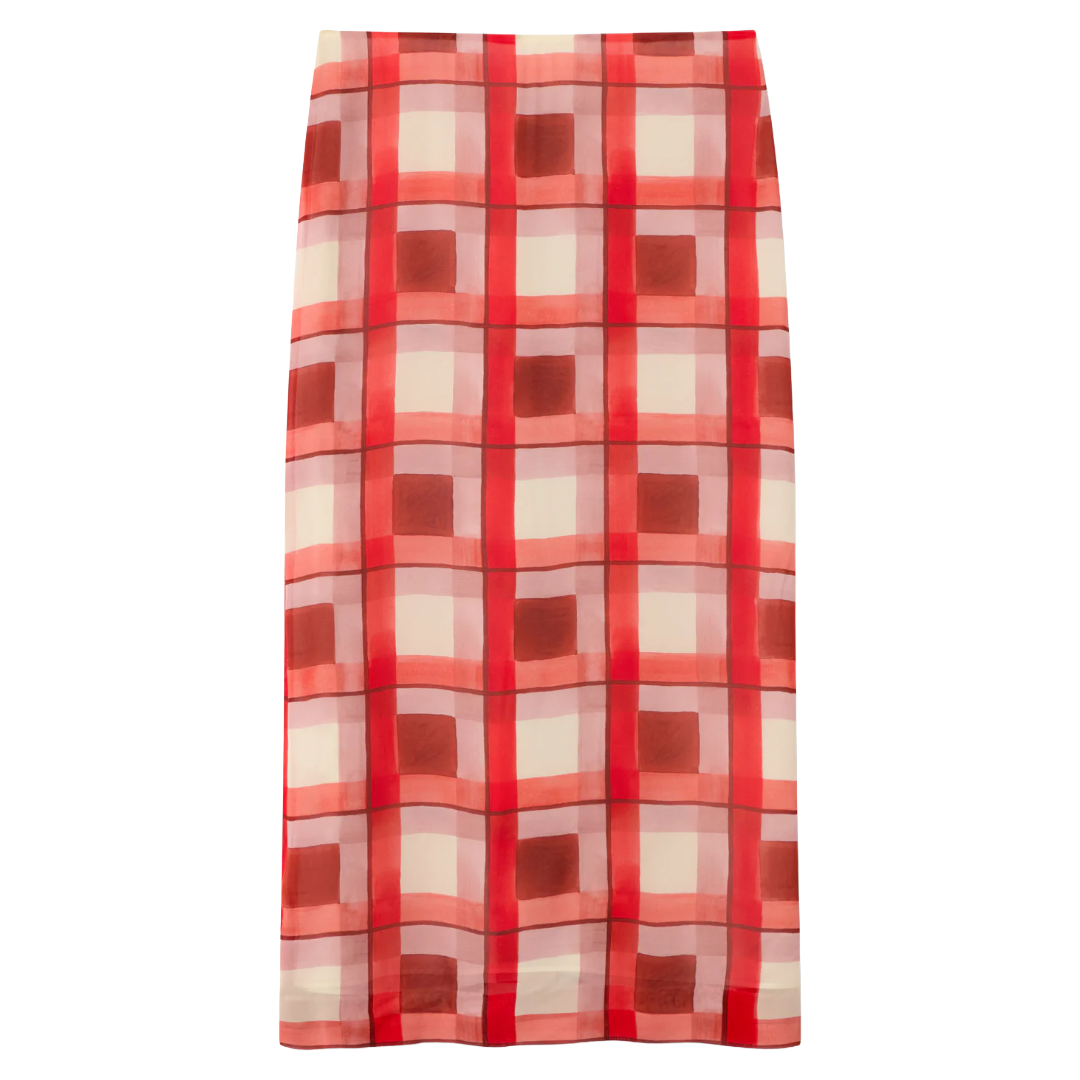
If you’re like me and want to commit fully, you can actually stay overnight in the historic Prellerhaus, the 28 original studio apartments were students and junior masters lived and created. The rooms have been restored with authentic tubular steel furniture and minimalist decor which is actually pretty cool. Then there is the brand new Bauhaus Museum Dessau which opened in 2019 and displays the 2nd largest collection of Bauhaus artifacts in the world, about 40,000 objects from prototypes to graphic design and furniture. Another must see on my list especially is the Dessau-Törten Estate, an early experiment in social housing testing pre-fabricated construction methods constructed between 1926 and 1928. I think I’ve pretty much sold this one so match the vibe with a color-blocked midi skirt, graphic top, white ankle boots, and, of course, artful necklace.

GRAPHIC TANK
MIDI SKIRT
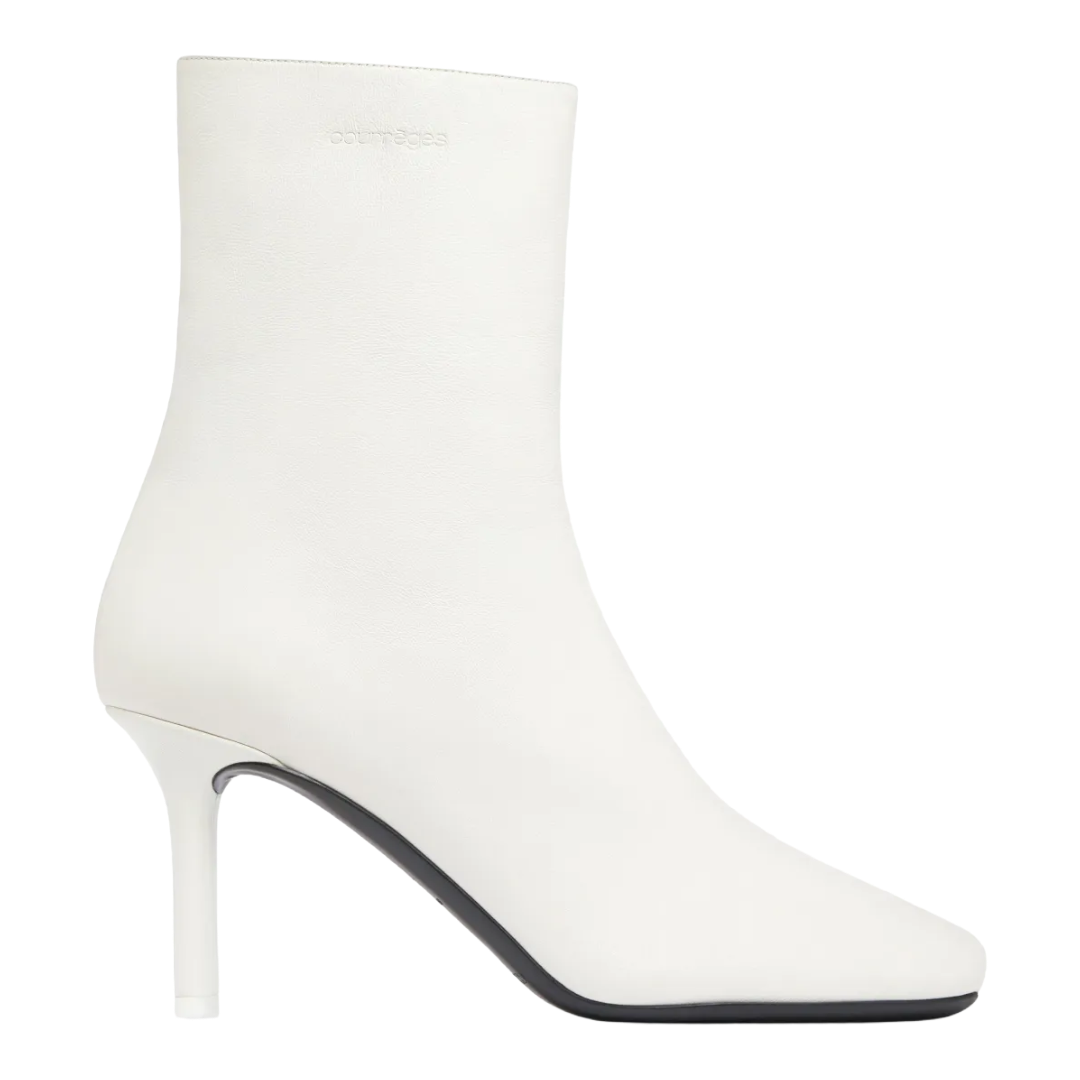
SQUARE TOE ANKLE BOOTS
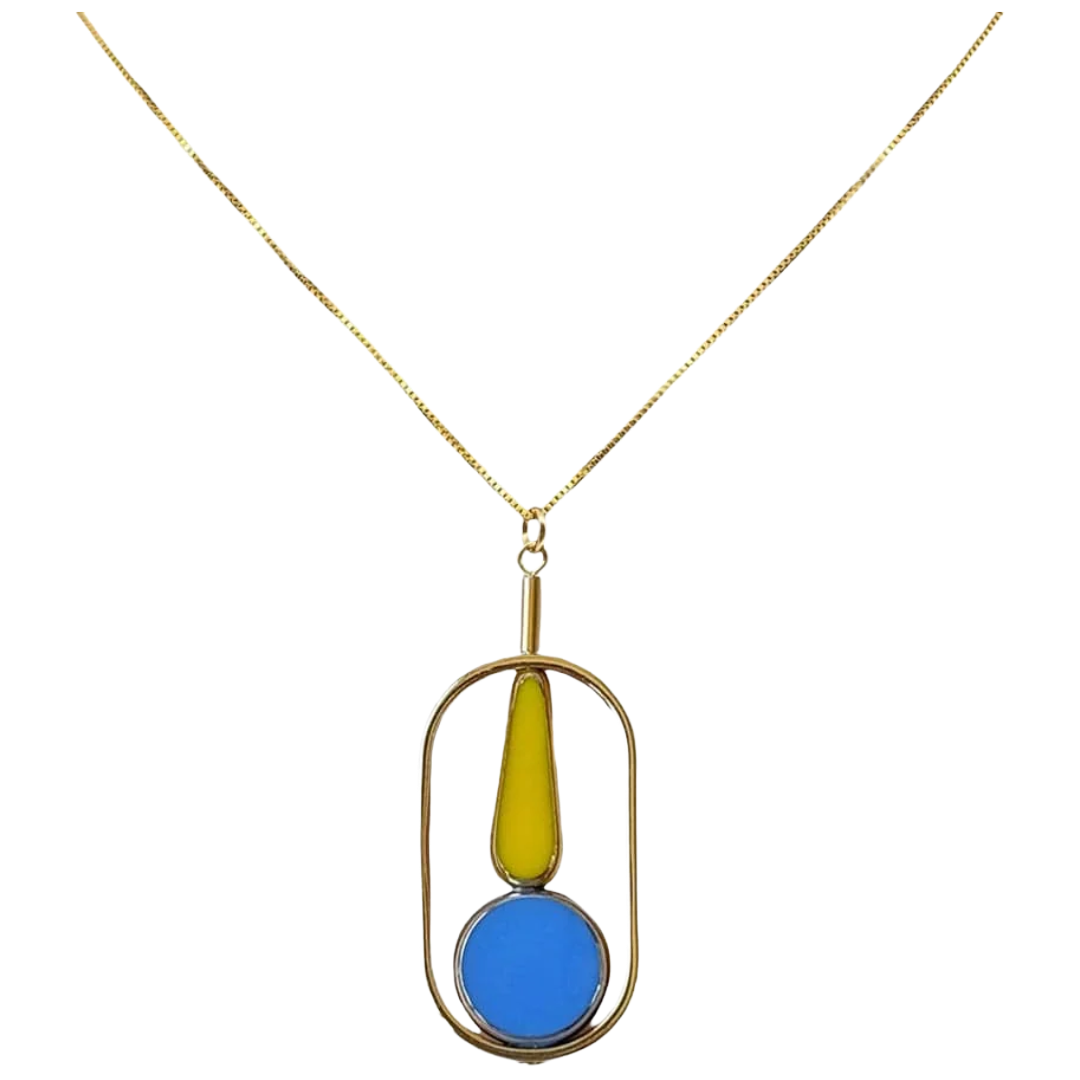
BAUHAUS NECKLACE

Palais Bulles
Théoule-Sur-Mer, France
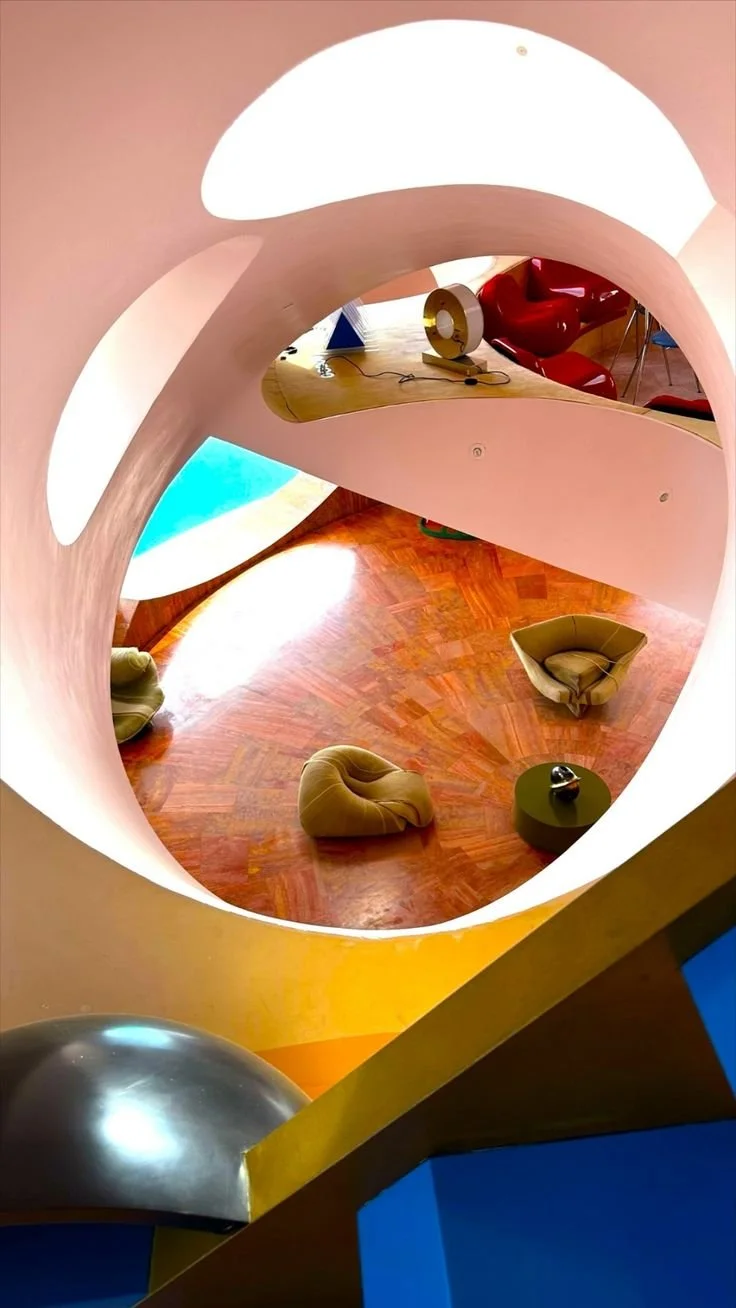
There is nothing else like this house. Palais Bulles (“Bubble Palace”) was designed by Hungarian architect Antti Lovag, who spent years building it into the cliffside above the Mediterranean near Cannes using curves instead of corners. Round windows and domed ceilings mean there isn’t a single straight line anywhere. Fashion designer Pierre Cardin bought it in the early ‘90s and has used it as a stage for the fashion world ever since. Most famously, Dior’s 2016 cruise show was held inside. I’m obsessed with all of the bubble windows popping up everywhere and how it almost feels like it’s a different planet.
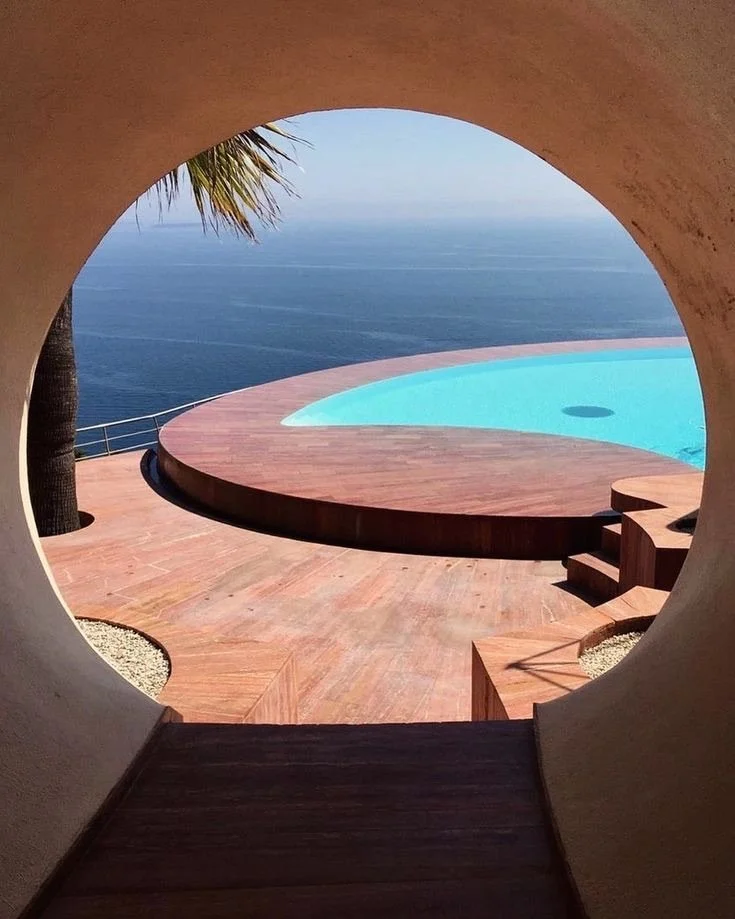
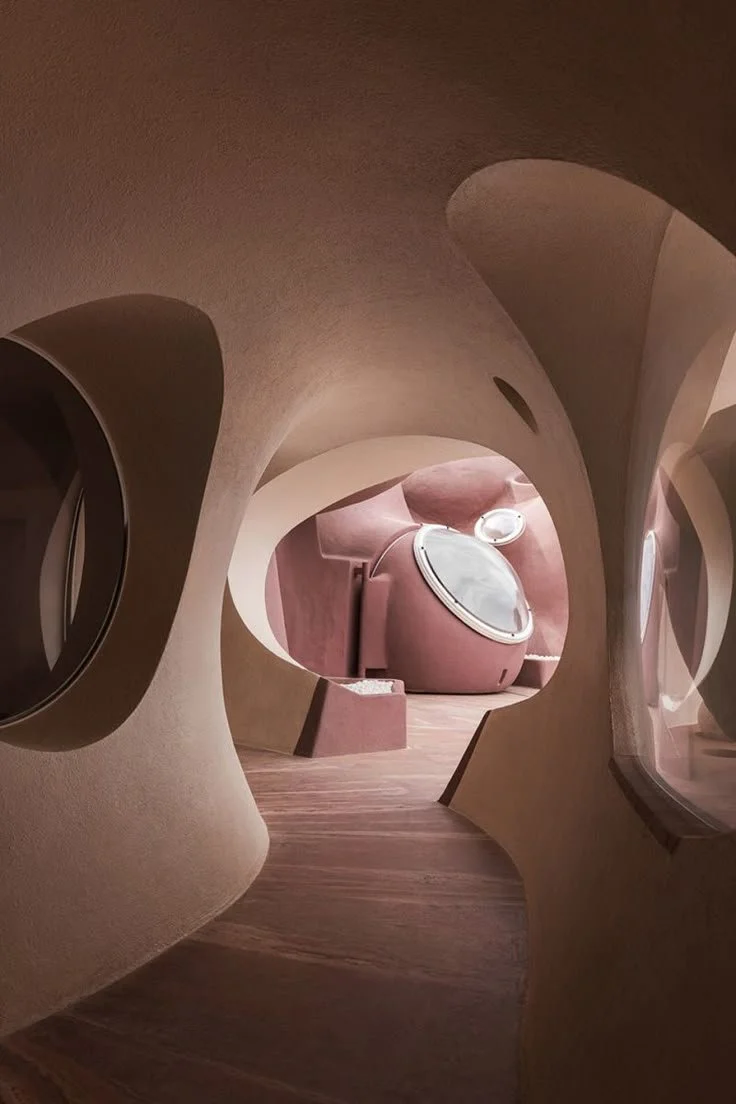
It photographs like a set from a movie that hasn’t been made yet. As a fashion spot, the outfit has to fit the vibe regardless of the time of day. Something metallic, something sculptural, and anything that looks like it belongs within the bubbles rather than in front of them.

SUNI CHOKER
Cult Gaia, $398
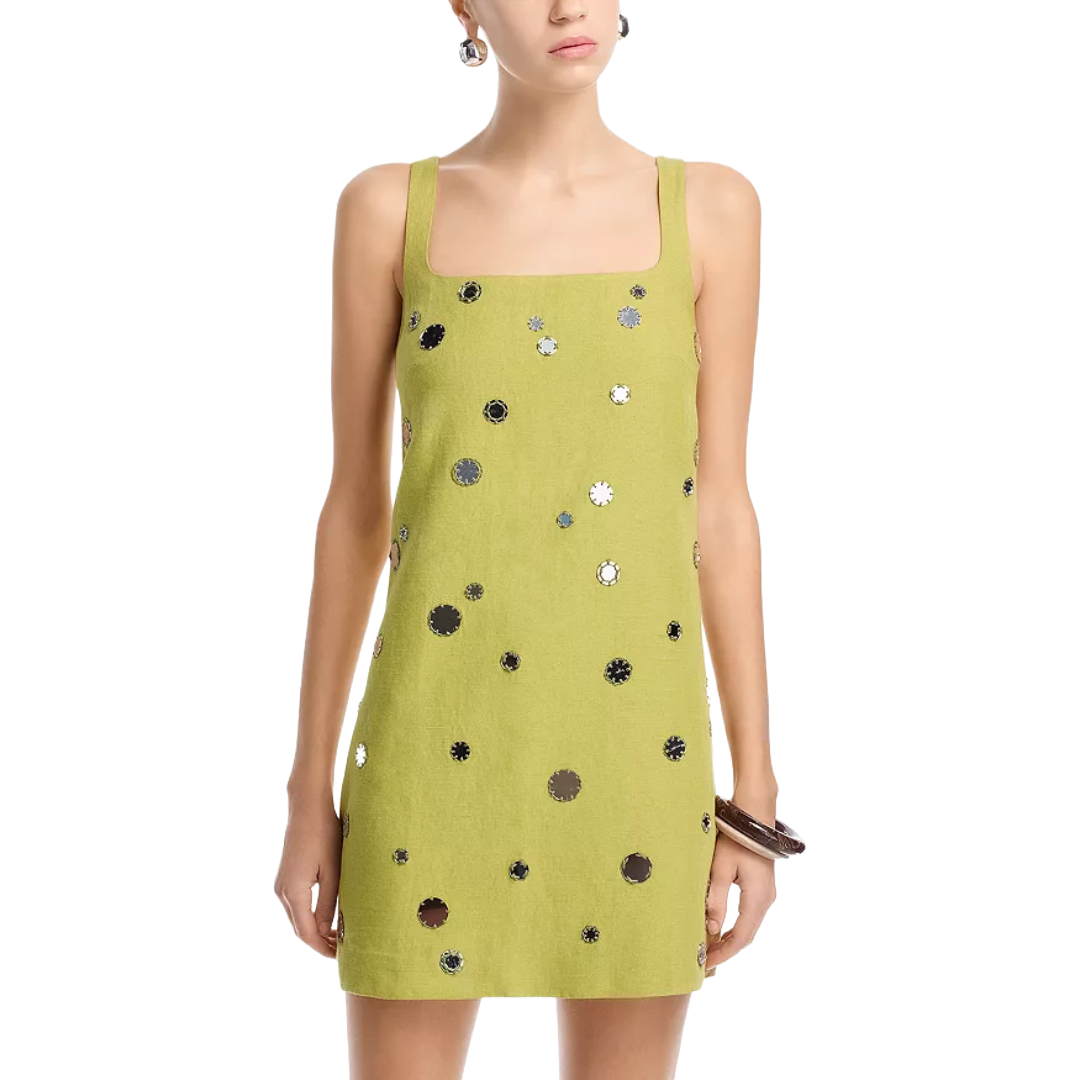
MIRROR MINI DRESS
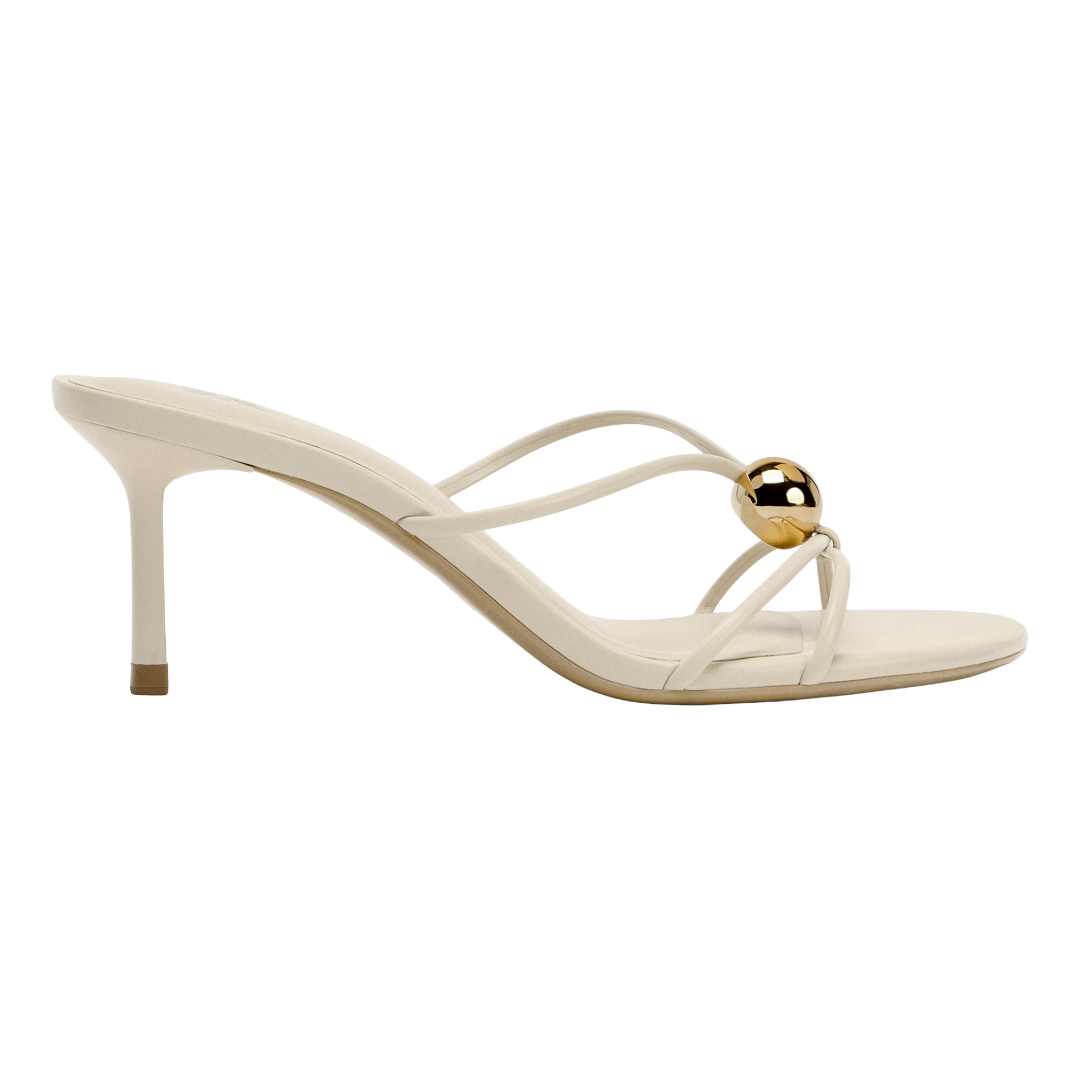
HEELED SANDALS
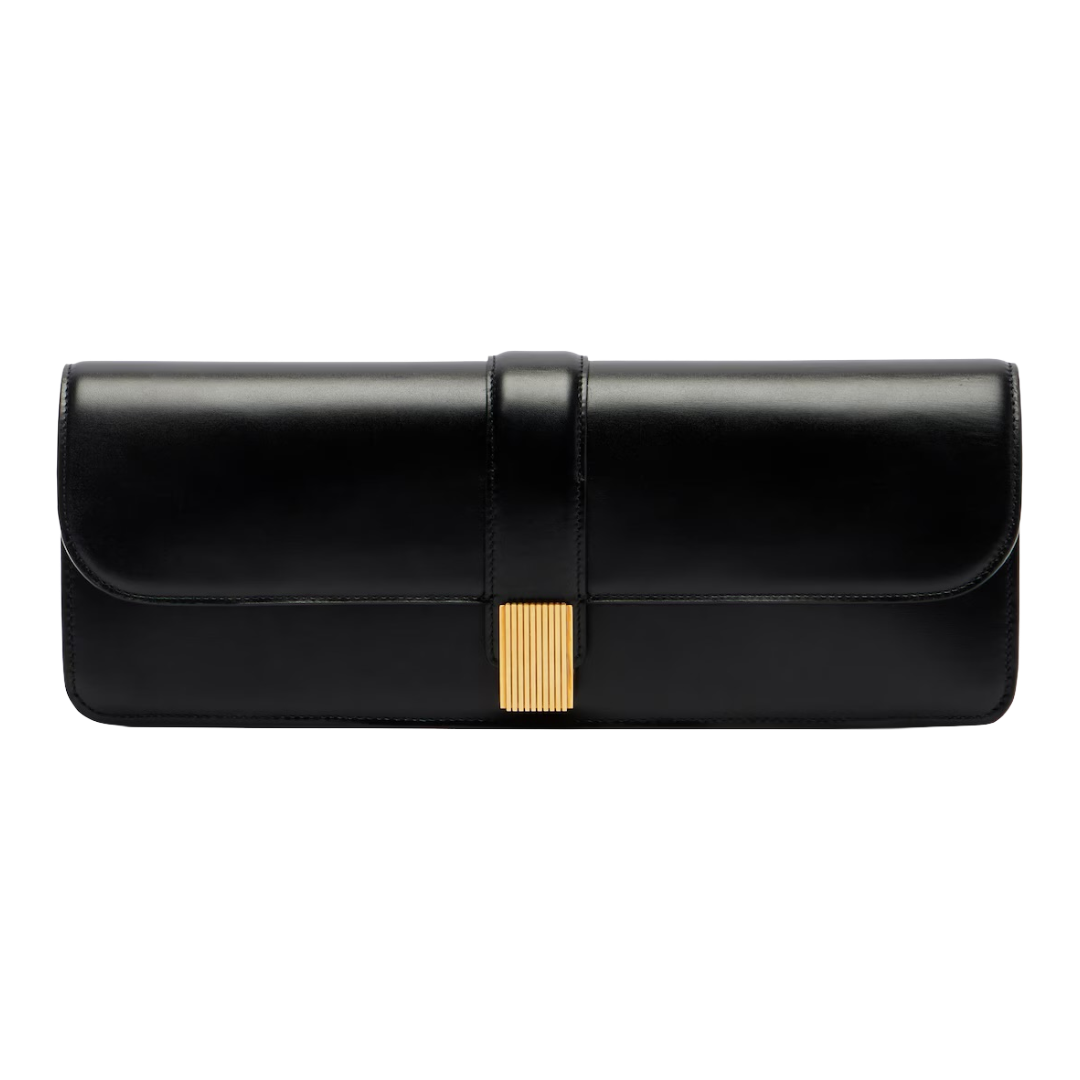
LEATHER CLUTCH

Mies Van Der Rohe Pavilion
Barcelona, Spain
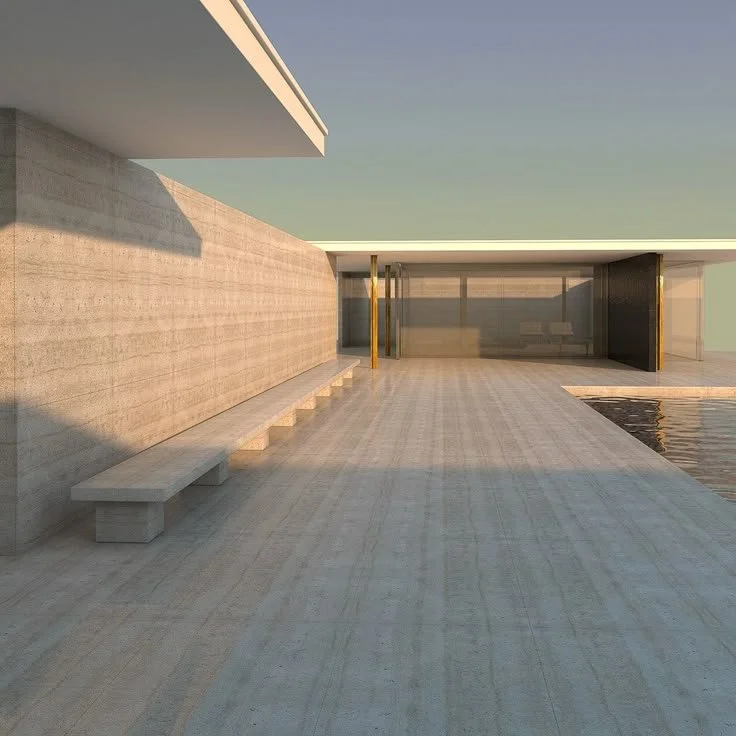
Design lovers treat this building like a pilgrimage, and I am here for it. Ludwig Mies van der Rohe built the original pavilion for the 1929 International Exposition as Germany’s contribution. It’s composed of glass, marble, and chrome, arranged with almost nothing extra. It’s proof that a building could say everything, even with restraint. It was originally torn down after the fair and stayed gone for over fifty years until Barcelona rebuilt it in 1986 using the original drawings. The Pavilion is widely celebrated as the foundation of modernist architecture because it popularized an open floor plan and fluid transitions between the interior and exterior spaces. It also has two expansive shallow pools that multiply natural light and shift perception of boundaries. Another thing to see is the “Alba” Sculpture, a bronze reproduction of Georg Kolbe’s organic dancer figurine, and the Barcelona Chair, a piece with individually hand-sewn leather tiles created for the pavilion’s opening ceremony.

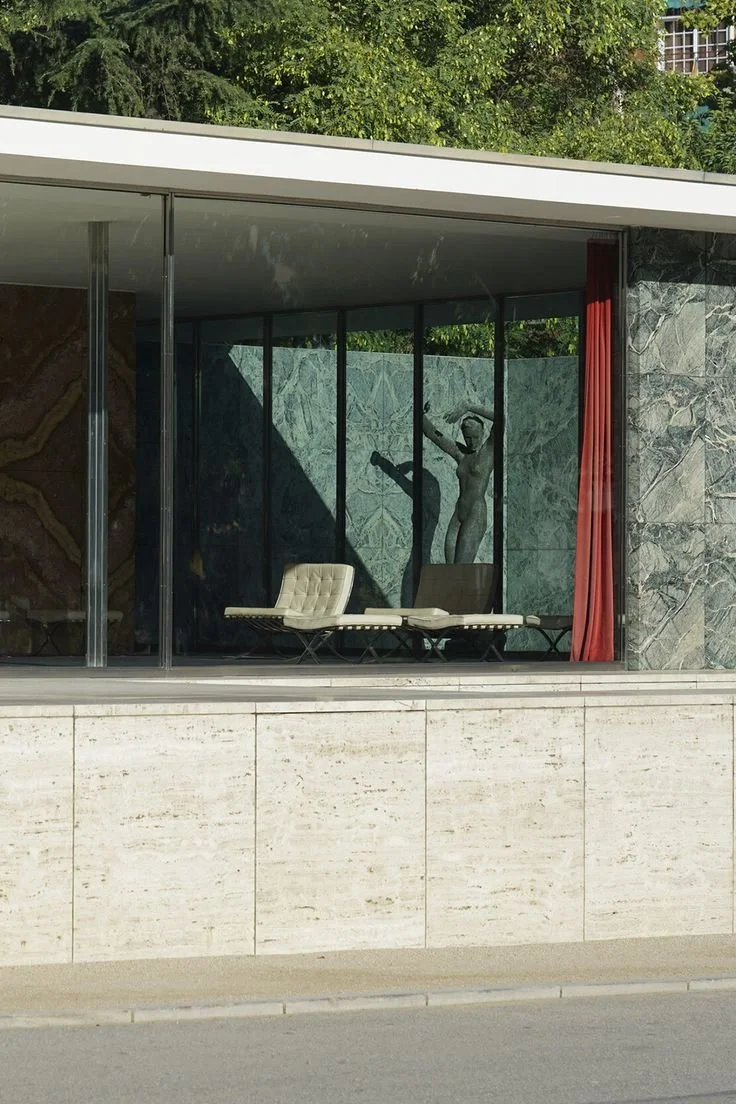
Nearly a century after the first version went up, it’s still the reference point for minimalist architecture everywhere. Match the mood with a matching set, an architectural bag, and a necklace that almost serves as art. Not too fussy.
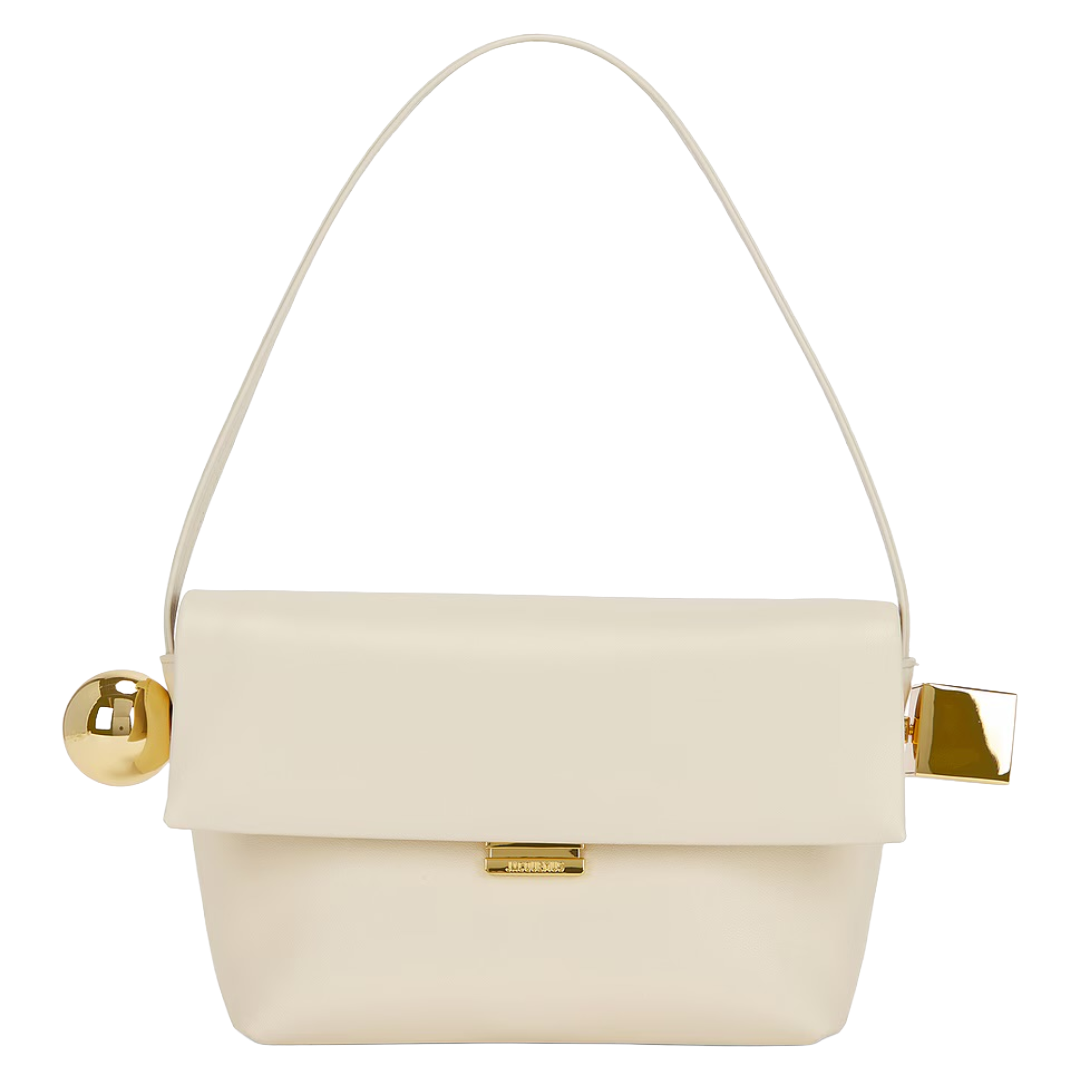
SHOULDER BAG

LINEN VEST

LINEN PANTS
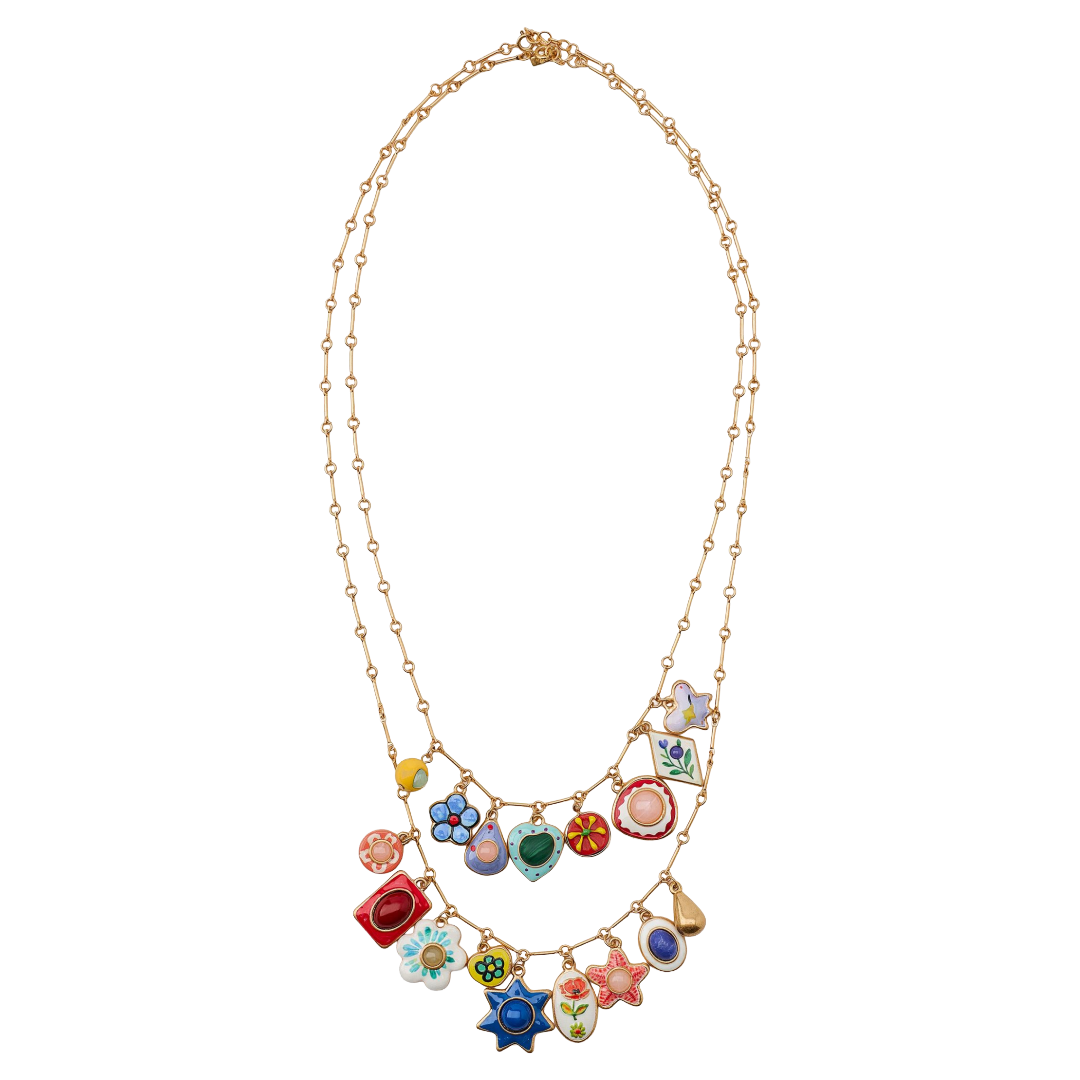
CHARM NECKLACE
IMAGE
Niki De Saint Phalle’s Tarot Garden
Tuscany, Italy
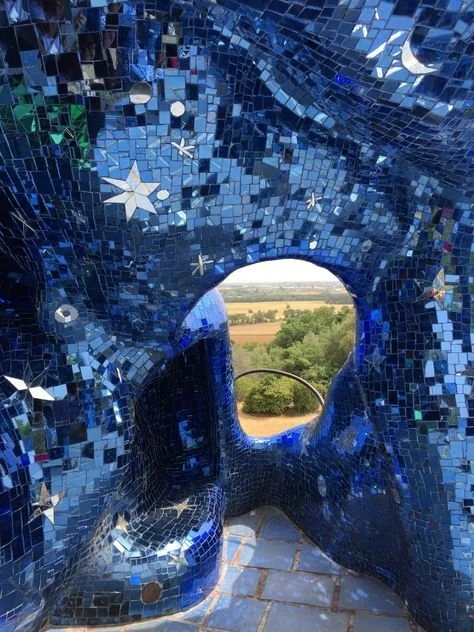
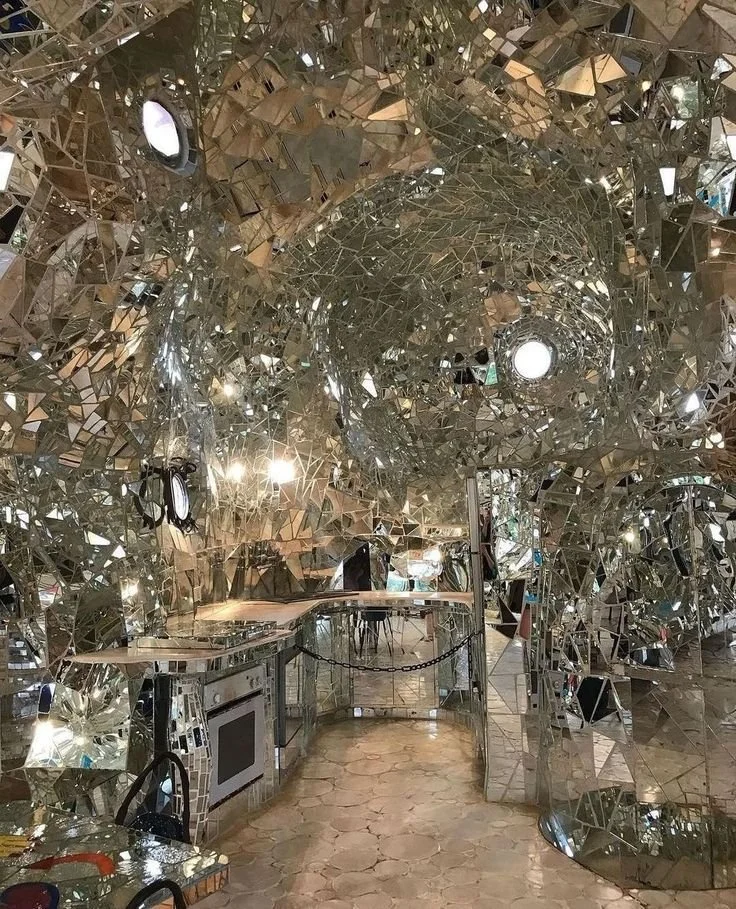
I really didn’t know this existed until I saw this disco/mirror spaces and couldn’t stop staring at it. Tucked into the Tuscan hills, the Tarot Garden is a sculpture park French-American artist Niki de Saint Phalle spent roughly two decades building from the mid-1970s until it opened to the public in 1998. She once wrote her life-long desire was to live in a sculpture and this garden seems like exactly that: towering, mosaic-covered figures based on the twenty-two cards of the Major Arcana, glinting in the sun like something out of a fever dream. The Empress hides a bedroom and a full mirrored kitchen inside while the Emporer doubles as a climbing structure. Jean Tinguely, Saint Phalle’s longtime collaborator and partner build kinetic iron sculptures throughout, and the pillars in the courtyard are engraved with the names of everyone who helped build it including the welders.
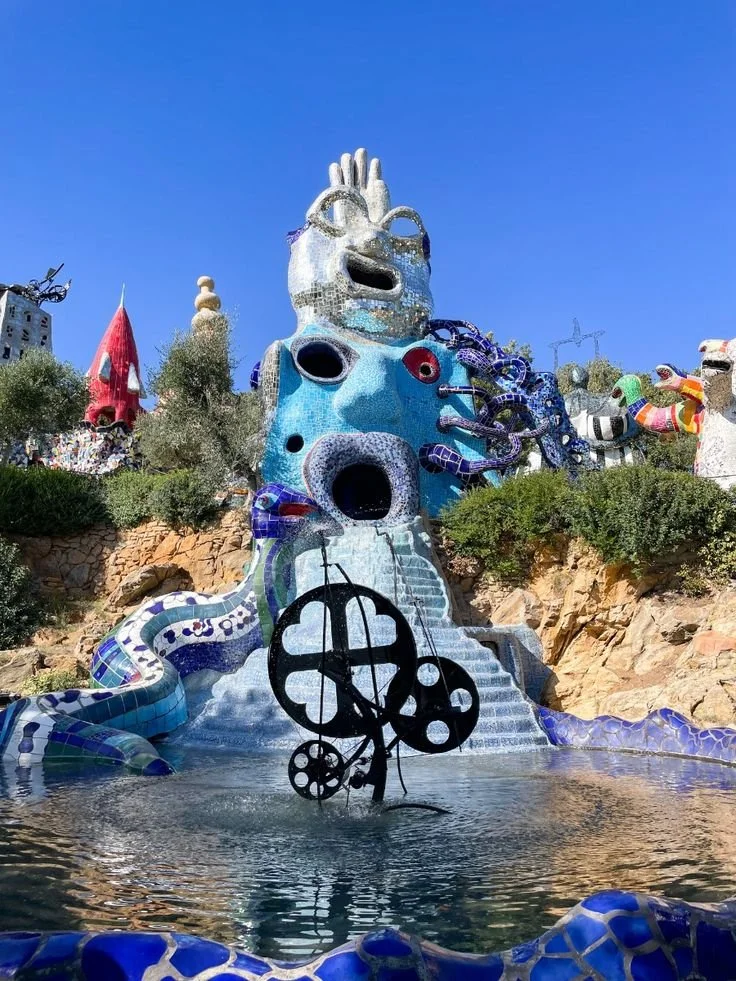
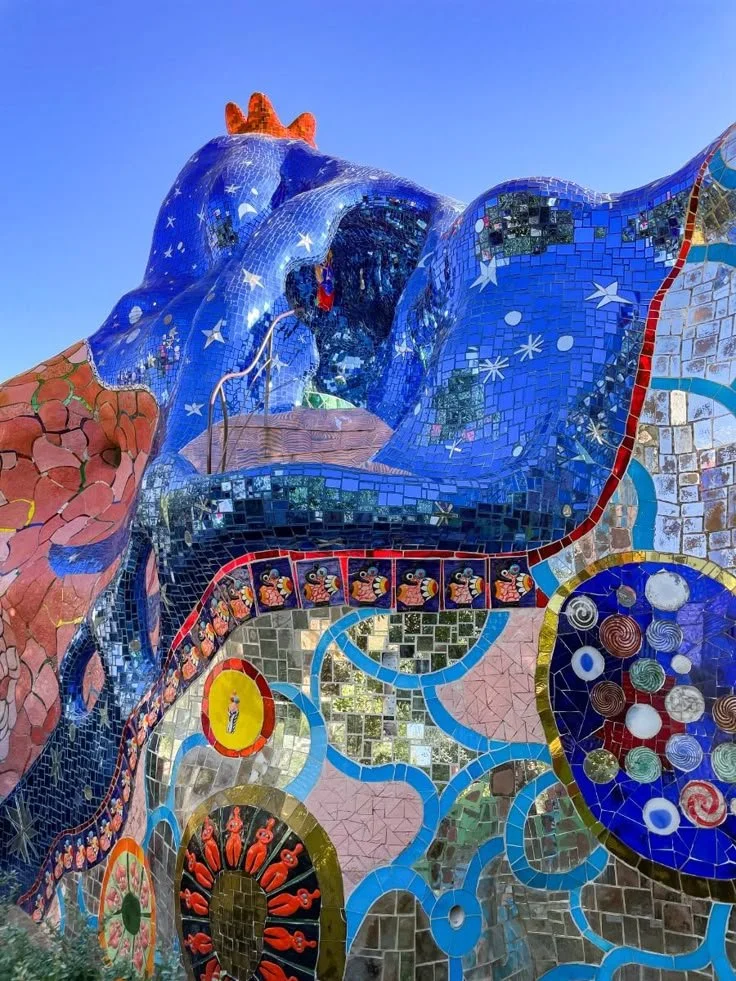
Tucked in the olive groves there is a snake-covered tree with heads formed into tarot cards instead of leaves and carvings from the artist herself about the struggles and inspirations during the garden’s creation. The Tower is incredibly dramatic and is a black and silver shattered structure. Hit by a lightning bolt made of metal kinetic sculpture, the cracked body symbolizes broken illusions and sudden revelation. That may not be for everyone, but there is something for everyone even a small chapel dedicated to her longtime assistant, Ricardo Menon. The Tarot Garden is generous in a way most art isn’t and it wants you to remember who built it. A flowing lace dress and round sunglasses feel right here. The whole place is a fantasy so lean into it.
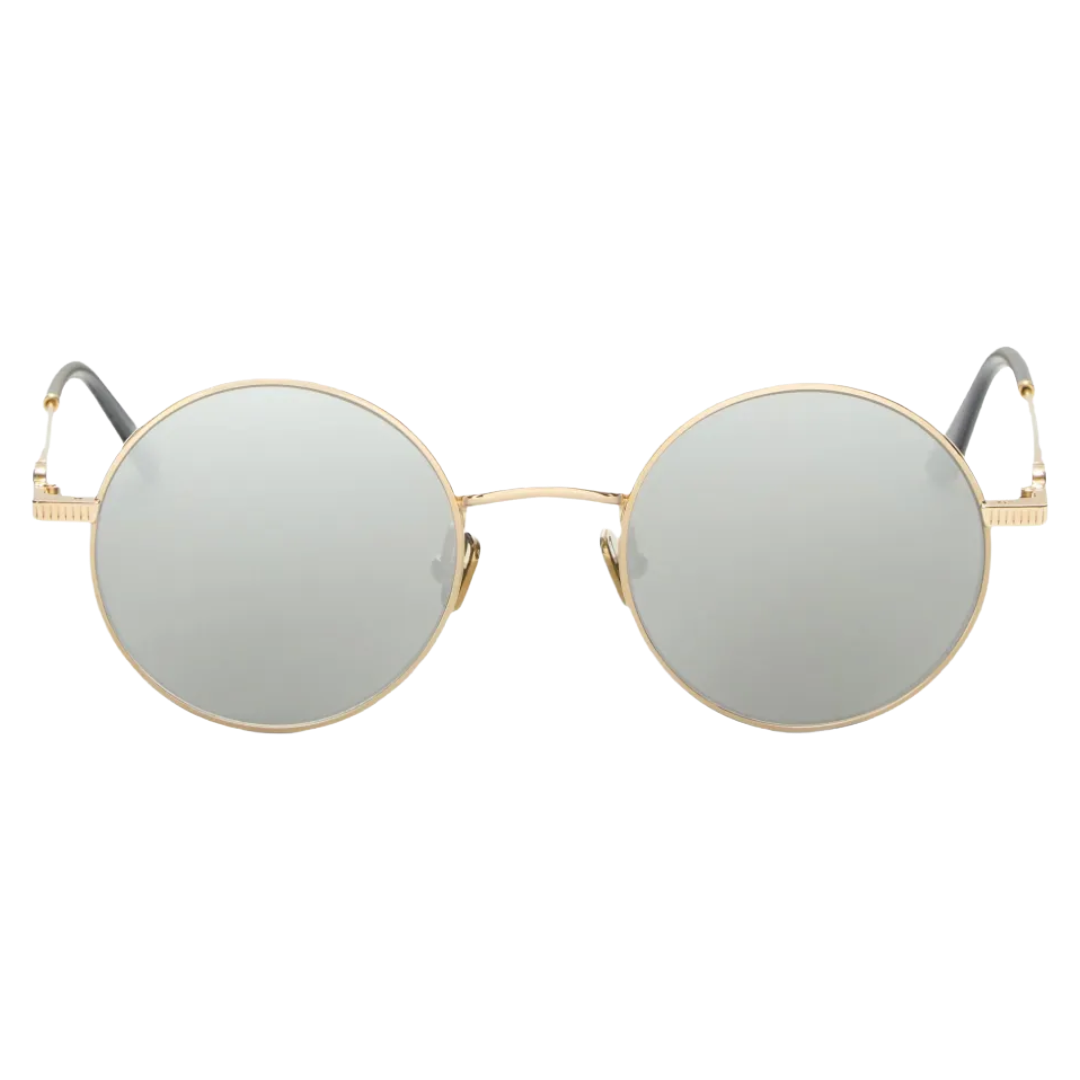
ROUND SUNGLASSES
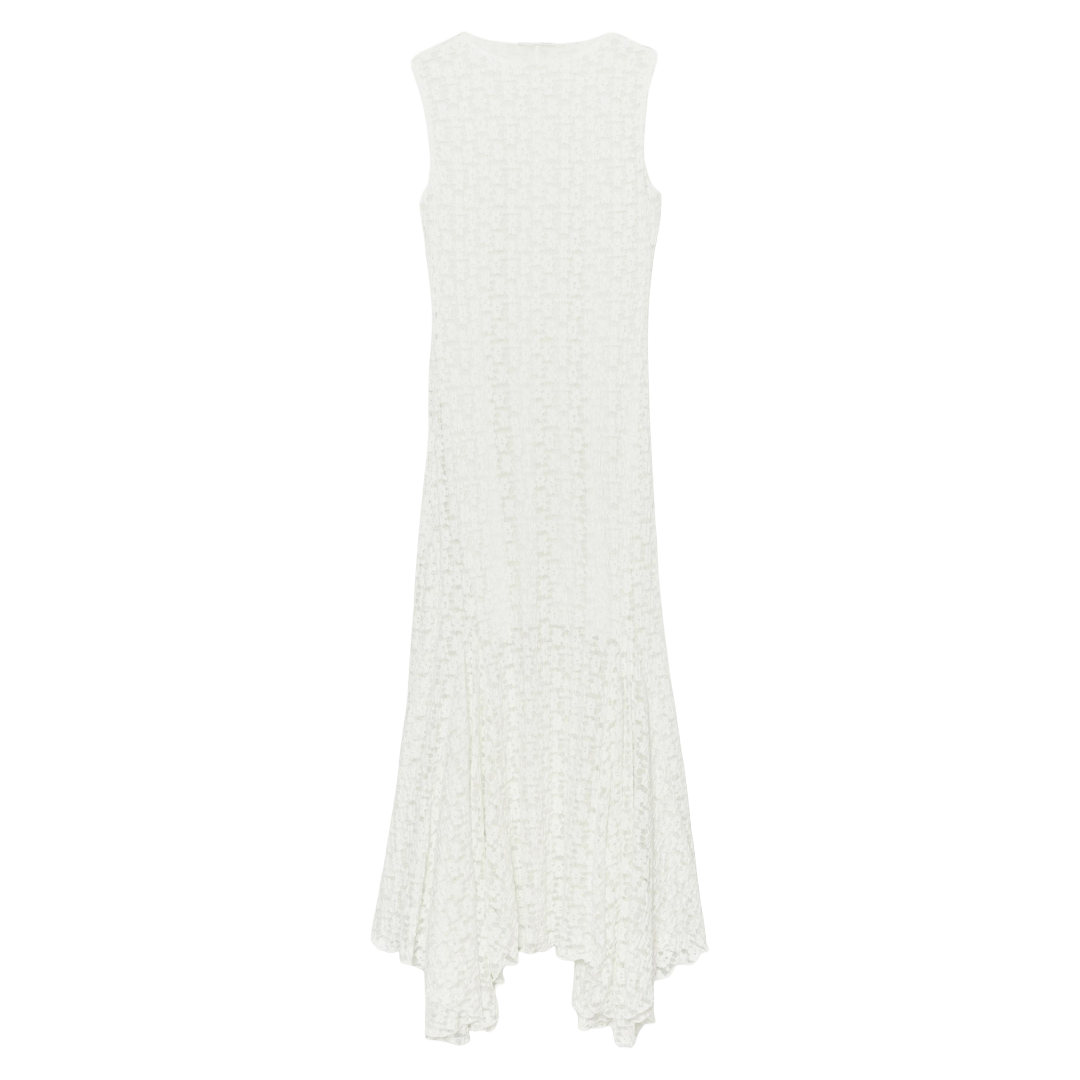
LONG LACE DRESS
Zara
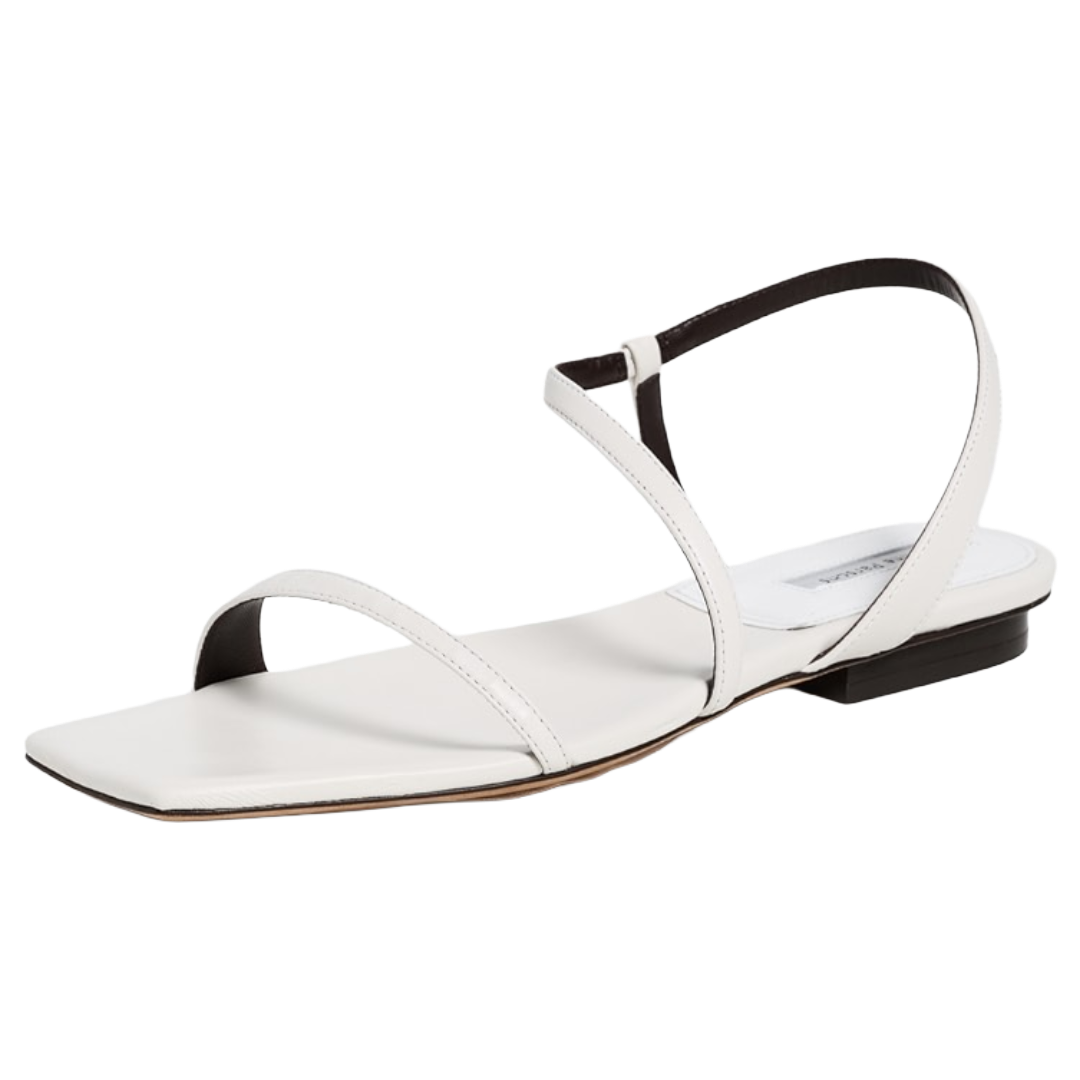
SANDALS

LAYERED NECKLACES
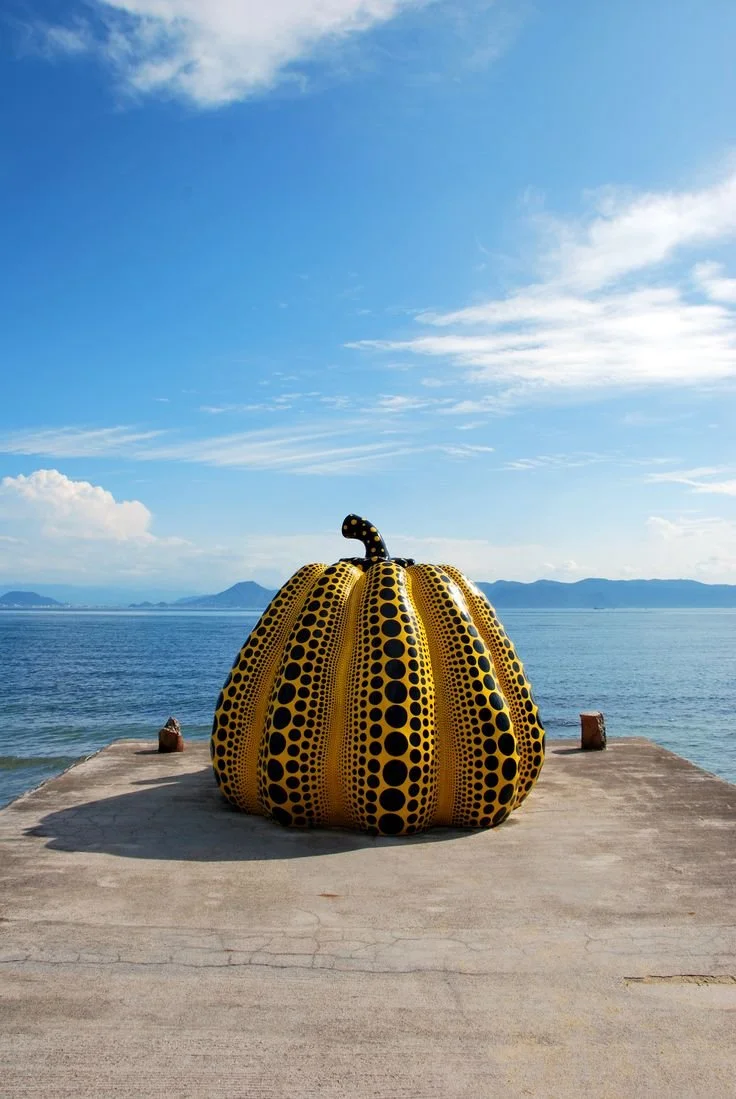
Naoshima Island
Japan
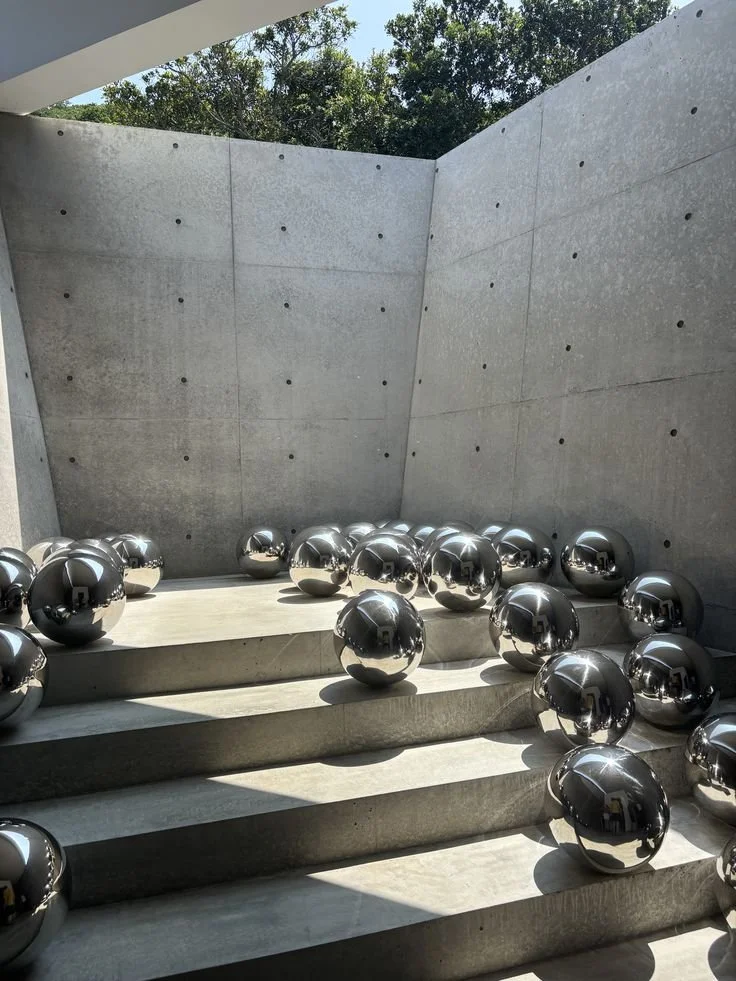
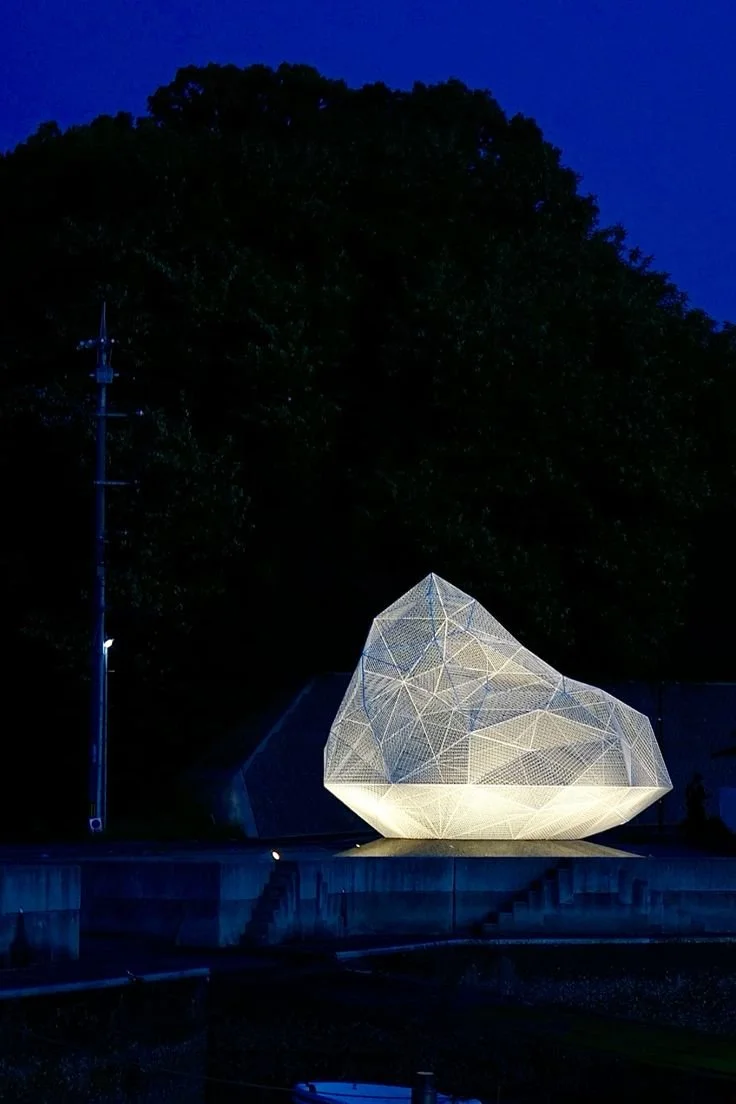
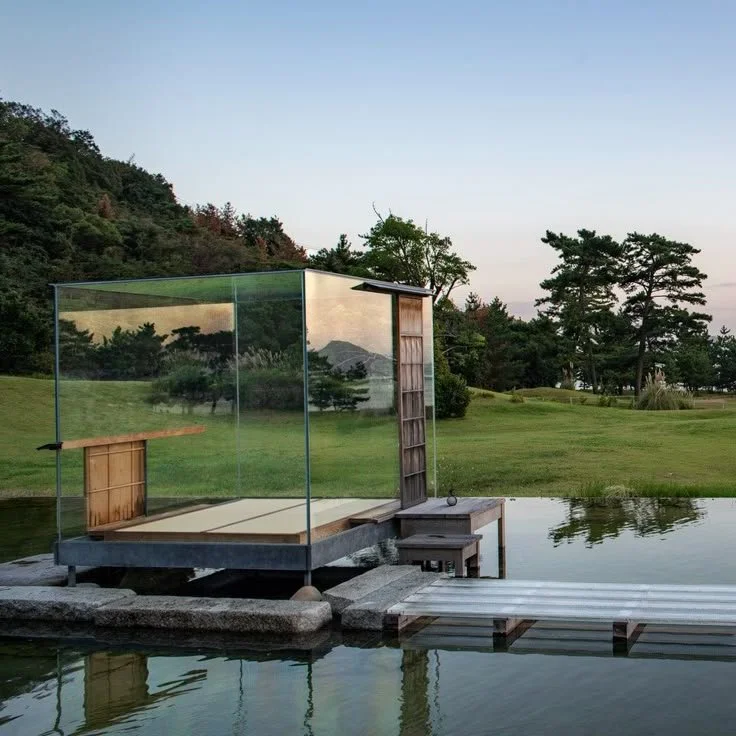
Naoshima earned its nickname, Japan’s “art island,” the hard way. What used to be a quiet fishing town became, over the last few decades, home to museums and installations folded directly into the landscape. Tadao Ando’s concrete galleries were built into hillsides with work by James Turrell and Claude Monet and paths that wind past art instead of leading to it. The whole island functions like one long exhibition. Of course, one of the biggest draws is Yayoi Kusama’s iconic spotted pumpkin sculptures located near the seaside and ferry port, but there are so many other exciting things to view. I want to see the Benesse House, which is a hybrid museum and hotel complex that emphasizes the coexistence of nature, art, and architecture. Then there is the Art House Project, made of restored old homes, shrines, and empty buildings that have been turned into immersive art spaces. Finally, I Love Yu, a whimsical, fully functional public bathhouse conceptualized by Shinro Ohtake.
Of course, Yayoi Kusama’s polka-dot pumpkins are the unofficial mascots of the island and the most photographed object within it. Getting there takes a couple of ferries, which is part of the appeal. Nothing about this trip is an accident. Keep the outfit simple. A high-neck top, a satin mini skirt, and ballet flats. Let the pumpkin be the loud one this time.
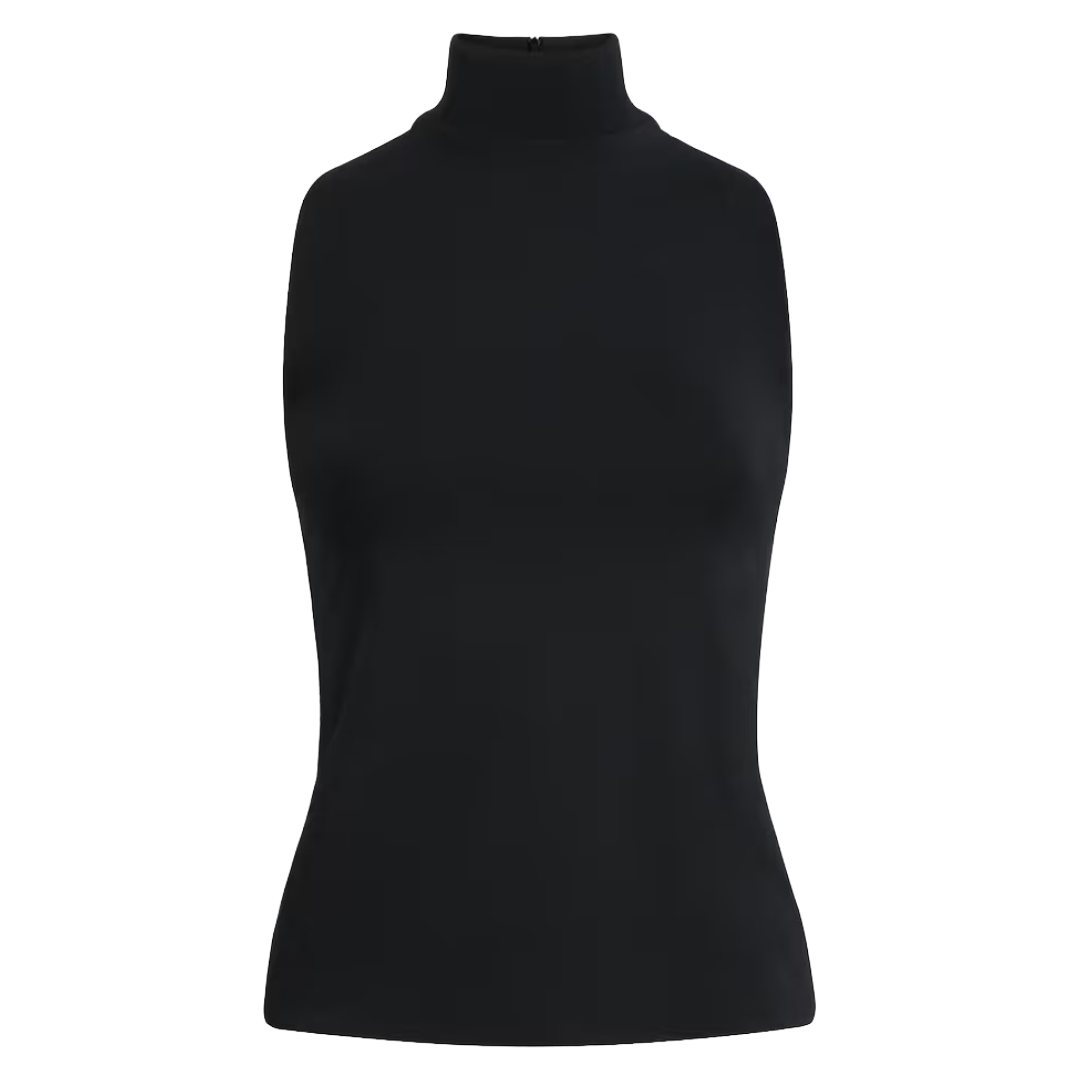
HIGH-NECK TOP
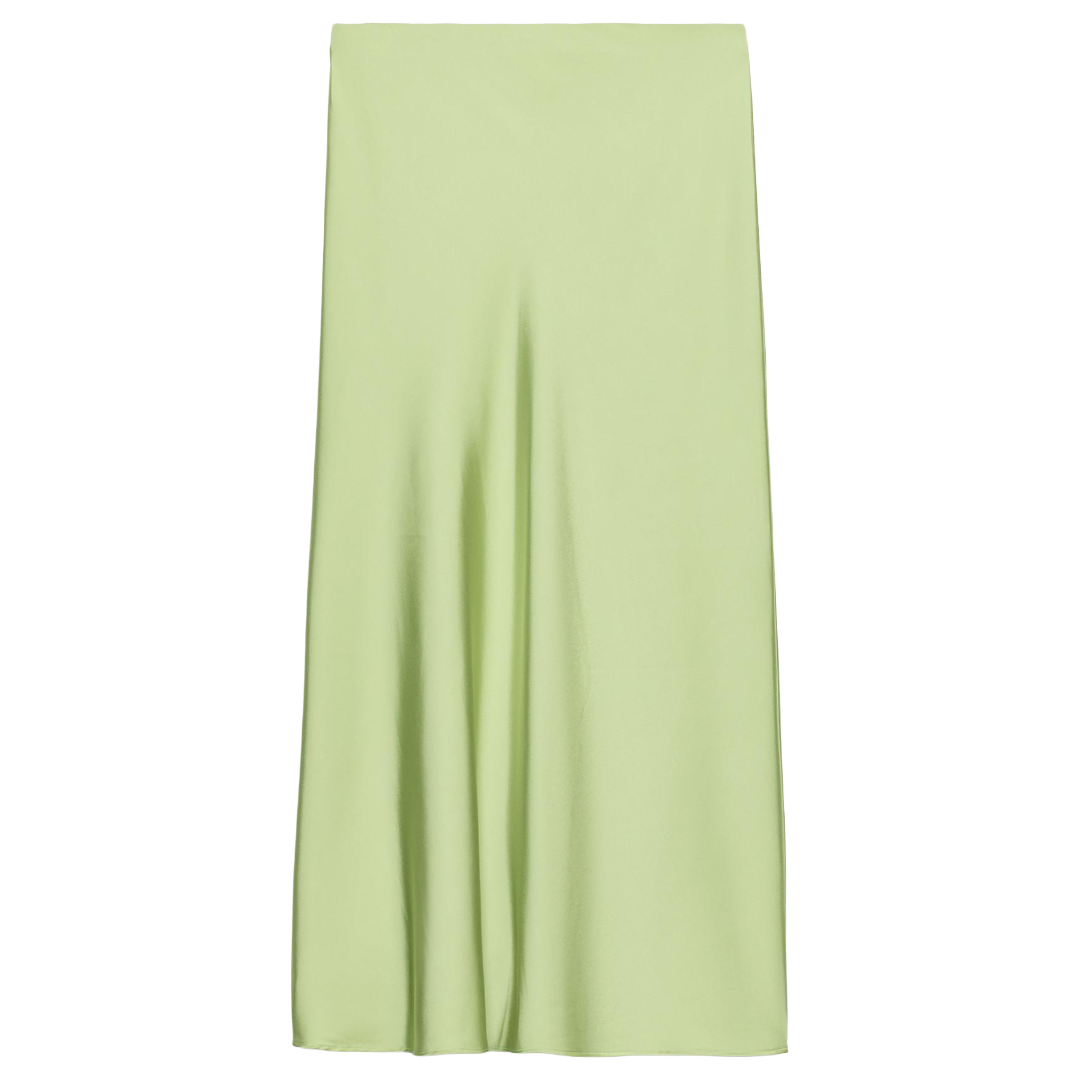
SATIN MIDI SKIRT
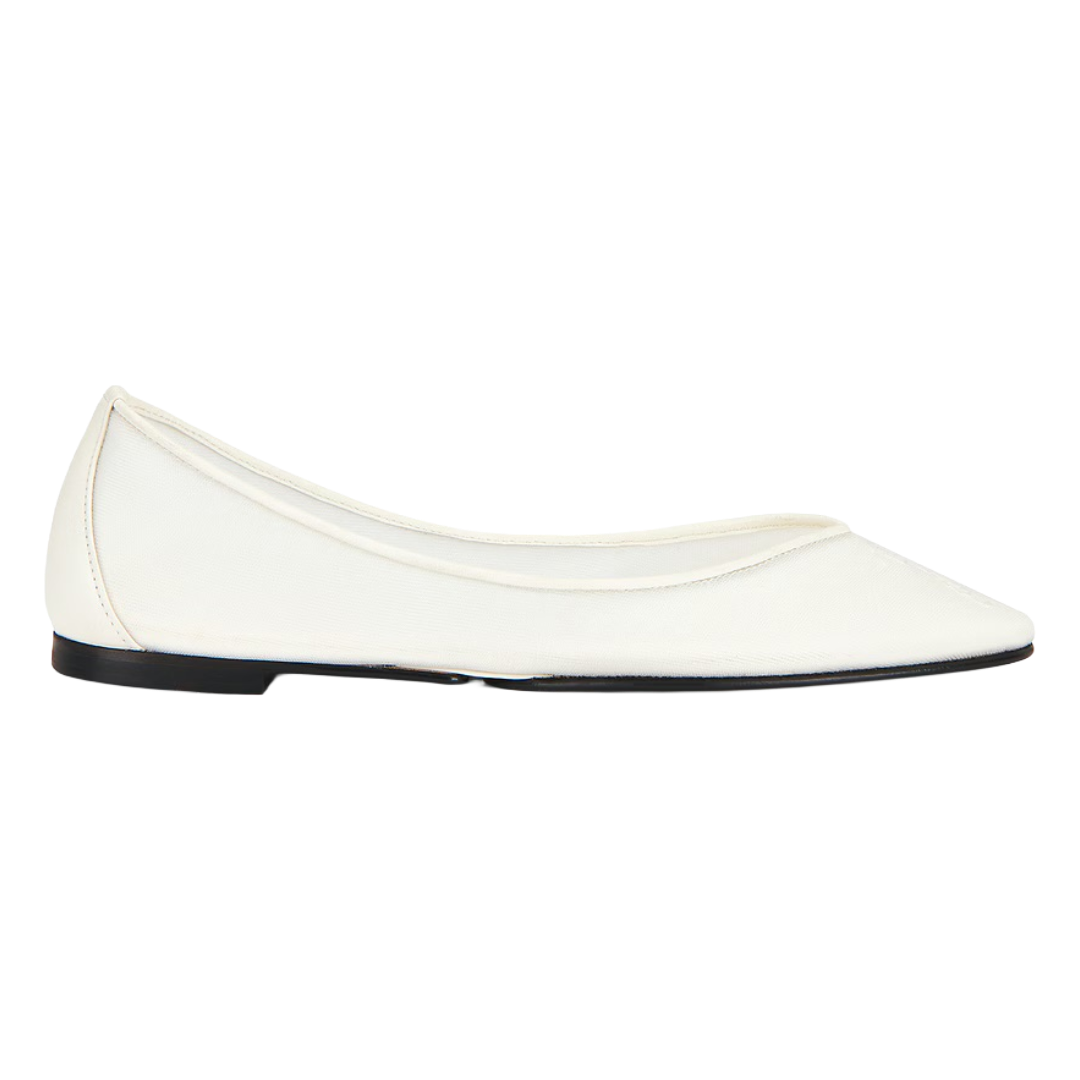
MESH BALLET FLATS
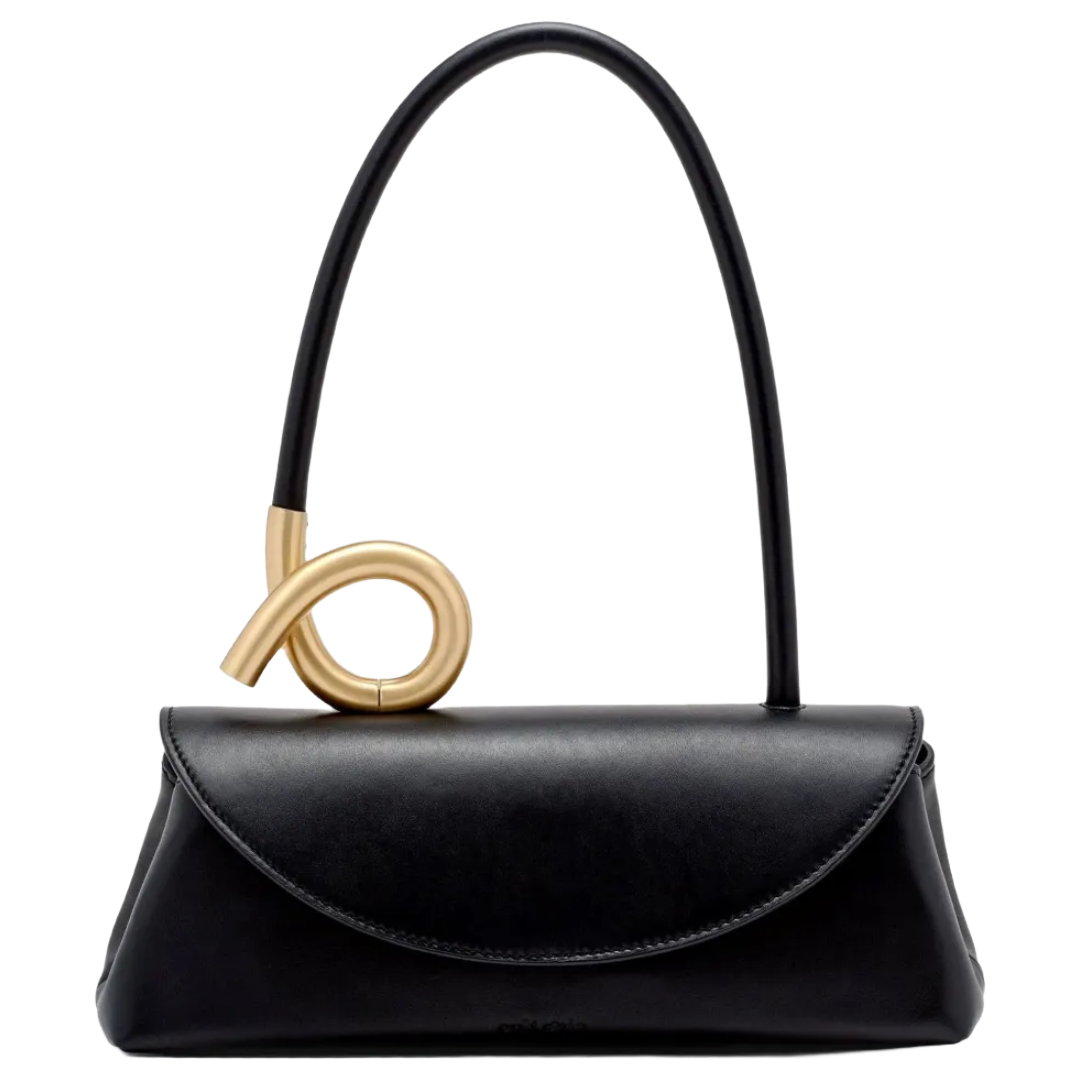
SHOULDER BAG
Louisiana Museum of Modern Art
Copenhagen, Denmark
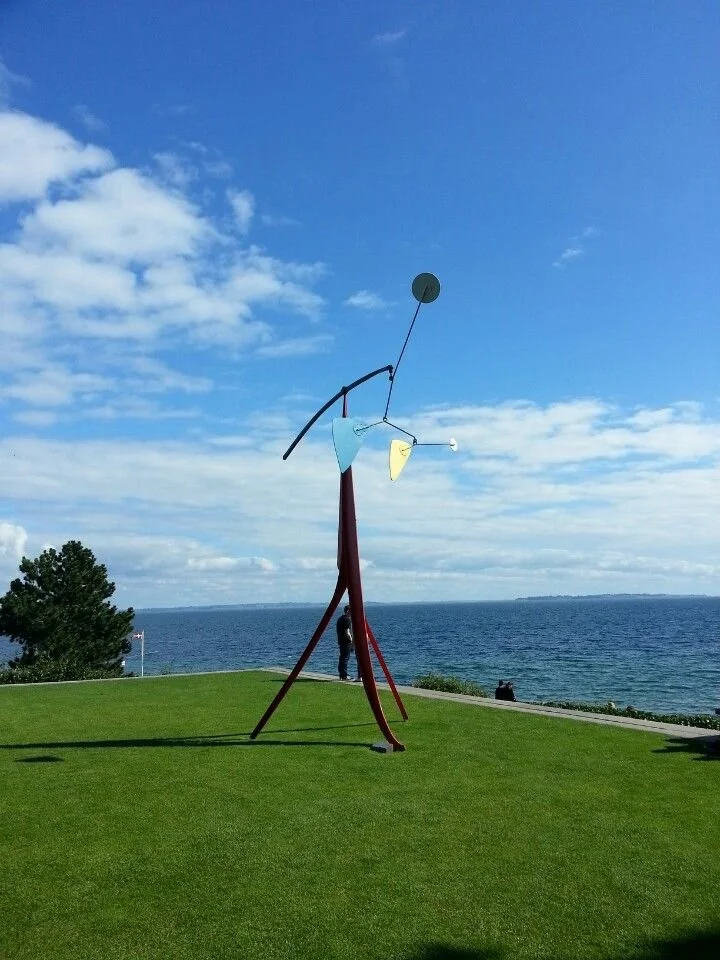
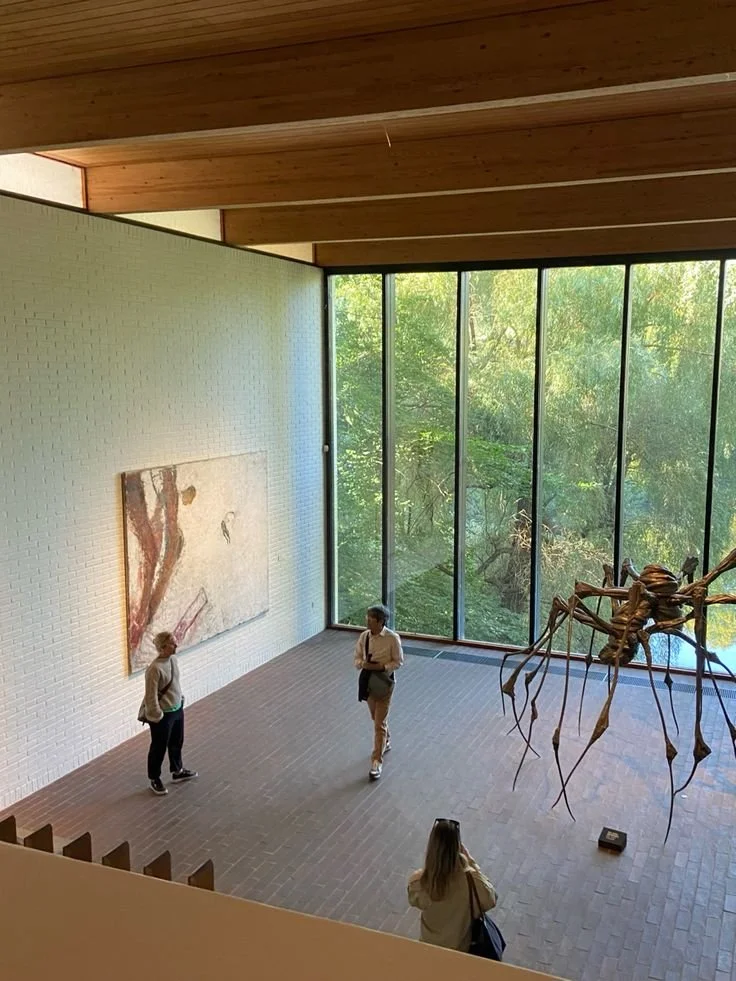
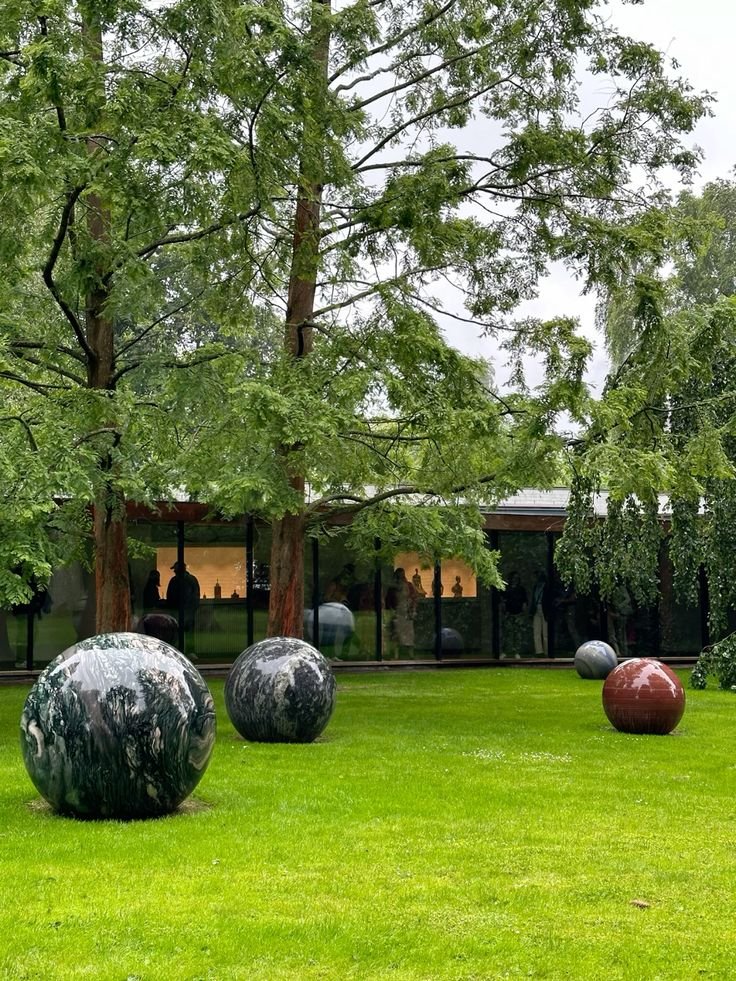
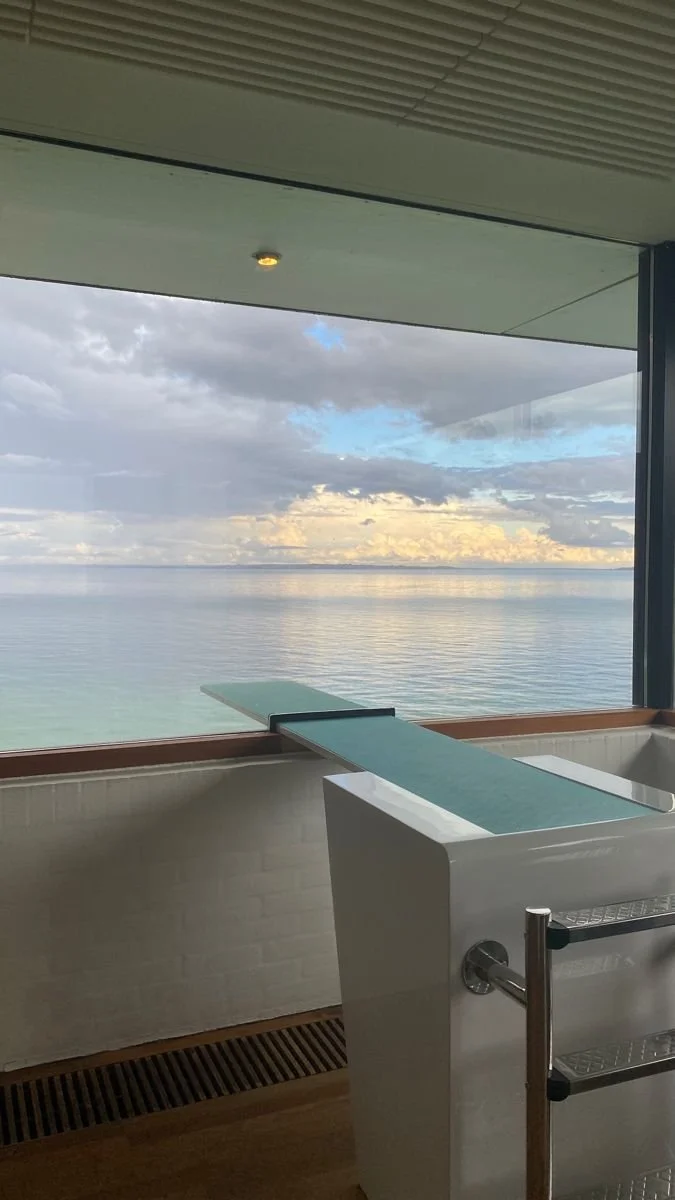
Copenhagen has no shortage of good museums, but Louisiana isn’t really in the city. It’s an hour north and right on the water. The distance actually makes visiting feel like a full event rather than a quick stop or errand. Founded in 1958 by Knud W. Jensen, the museum was built to blend into its surroundings rather than dominate them. With galleries that open directly onto a lawn scattered with Alexander Calder sculptures overlooking the Øresund Strait, inside you’ll find Picasso, Giacometti, and Louise Bourgeois, among others. There are two things I love here. First is Yayoi Kusama’s Gleaming Lights of the Souls, which is an immersive infinity mirror room. Second is the unique three-story space dedicated to creative workshops, learning, and open exploration, especially for kids. Any space teaching kids about art and culture, I’m down for.
IMAGE
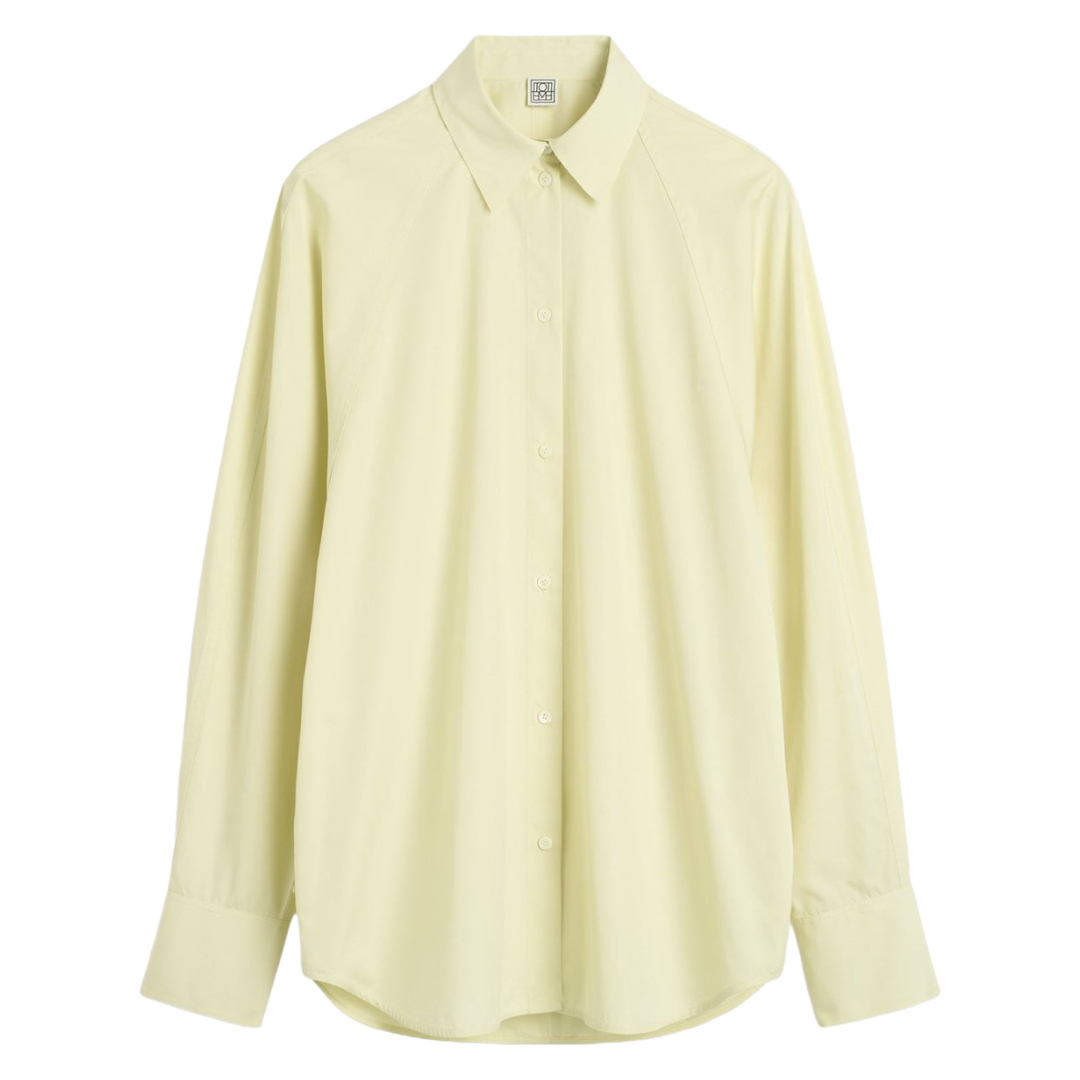
One particularly fascinating piece is the Spider Couple sculptures by Louise Bourgeois. Just the right amount of creepy for a monumental bronze sculpture. Now this one is also a full day out, so dressing for comfort without giving anything up is just what the vibe calls for. Classic wayfarers, straight-leg jeans, and a poplin shirt with flats you can actually walk in is the assignment. This is not the place for heels.

WAYFARERS
BUTTON DOWN SHIRT
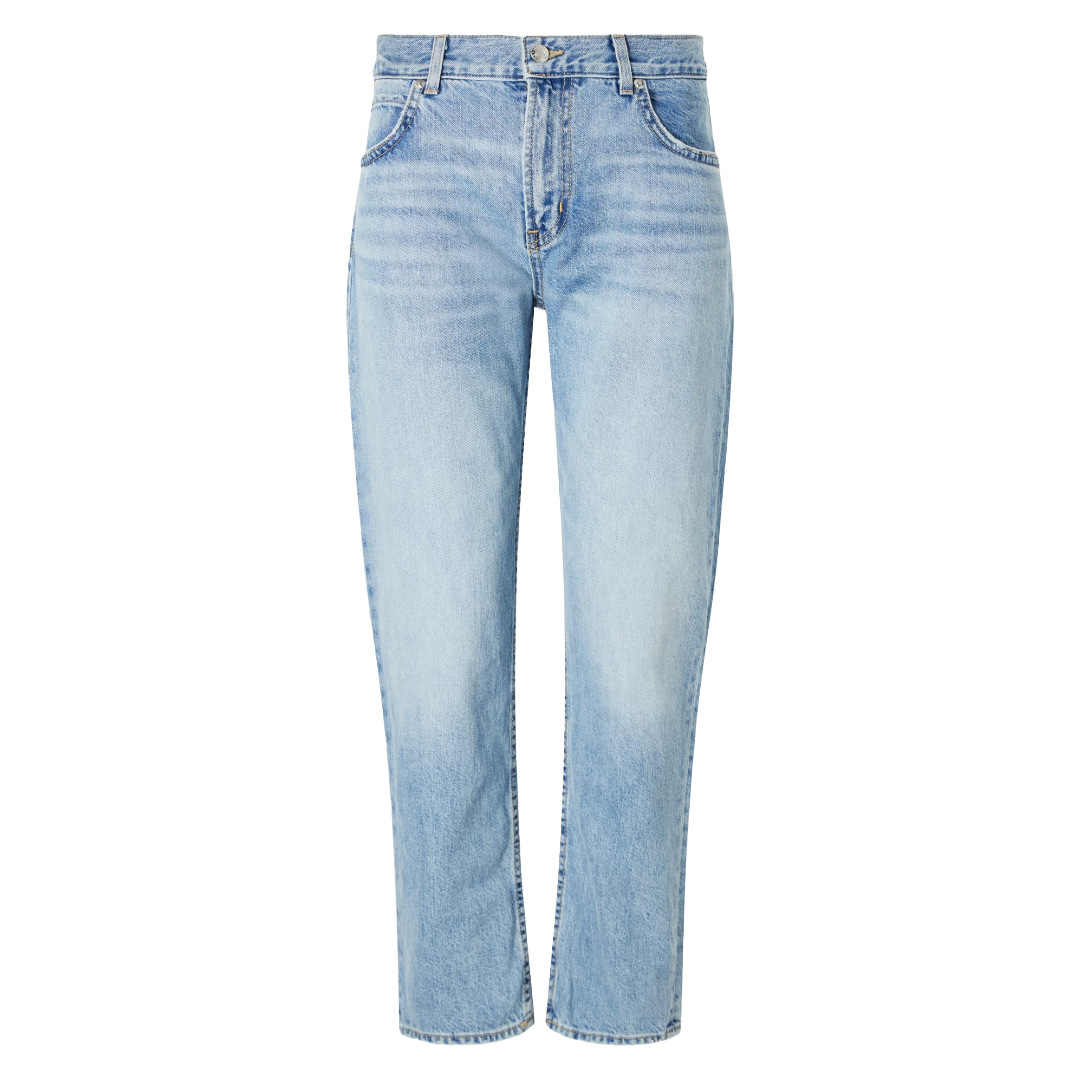
STRAIGHT-LEG JEANS
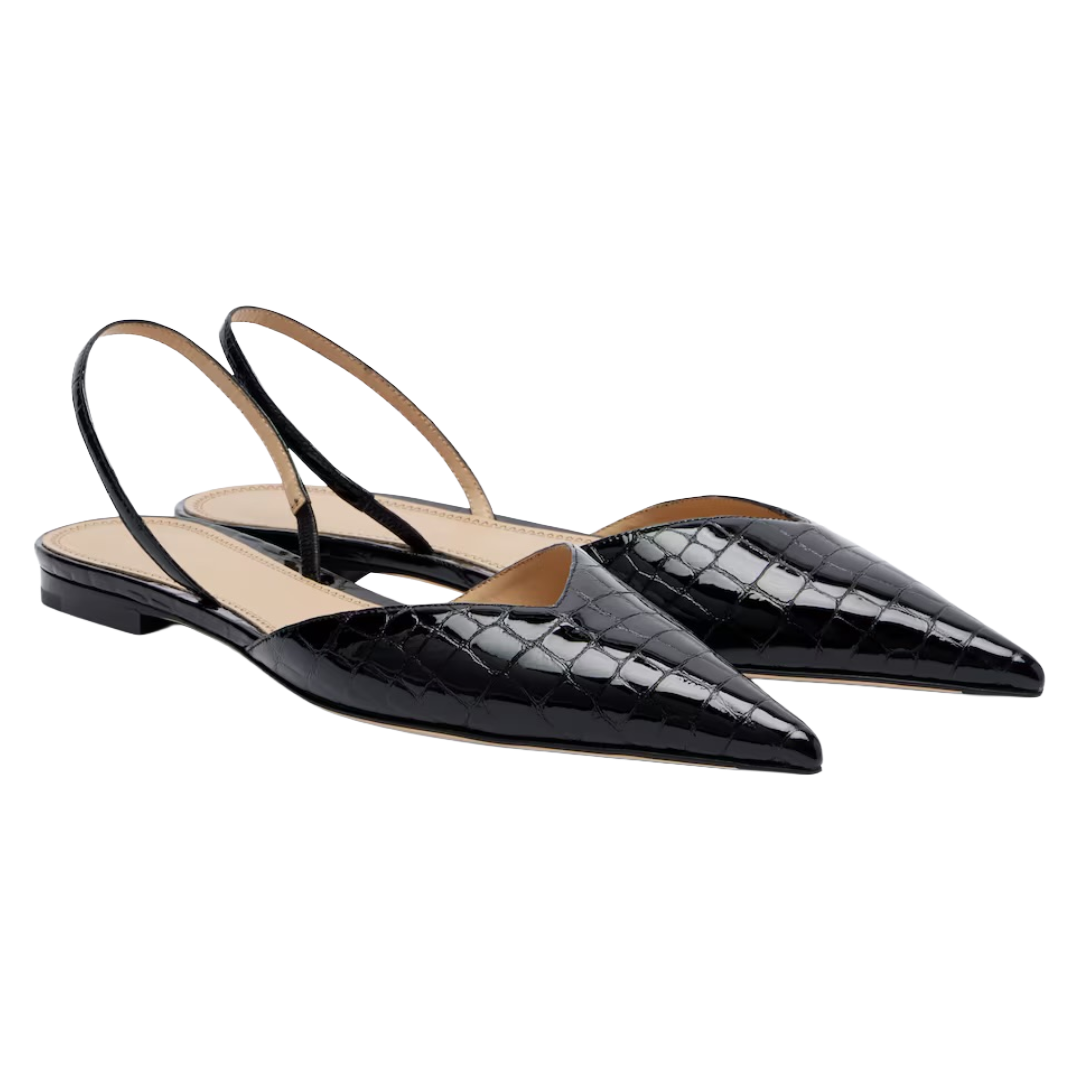
SLINGBACK FLATS