BOOT CAMP: WHY CALABRIA IS ITALY’S BEST KEPT SECRET
I’ve seen a few articles about Calabria lately, and I kept trying to remember where I knew the name from. And no, it’s not because of the chilis - arguably one of the greatest additions to most Italian dishes. My family has ties to Calabria, but I know little about it. It was always a nugget dropped into random conversations about my grandmother’s side of the family. I’ve also never been.
Those two facts have sat next to each other my entire life without causing me trouble, but as unofficial family historian (only person who cares deeply) and with it popping up everywhere all of a sudden, I knew I had to dig in more. It’s been called the undiscovered south, the last real Italian coastline, and my favorite, the one place that “hasn’t been ruined yet.” As much as I love my cultural background and family history, saying something is “undiscovered” almost feels…icky.
Because here’s the thing, my great-grandparents didn’t leave a hidden gem. They, much like many others, left a place that couldn’t feed them and didn’t provide opportunities for things they needed and wanted. My own great-grandmother was orphaned by her siblings and grew up in a convent with nuns - or so the stories have been told. Whole generations walked out of these towns, got on boats, and now the hill towns are being lovingly photographed for the gram. I stopped reading travel articles and started looking into the history of Calabria, which turned out to be stranger and older than your standard five-day itinerary is going to share with you.
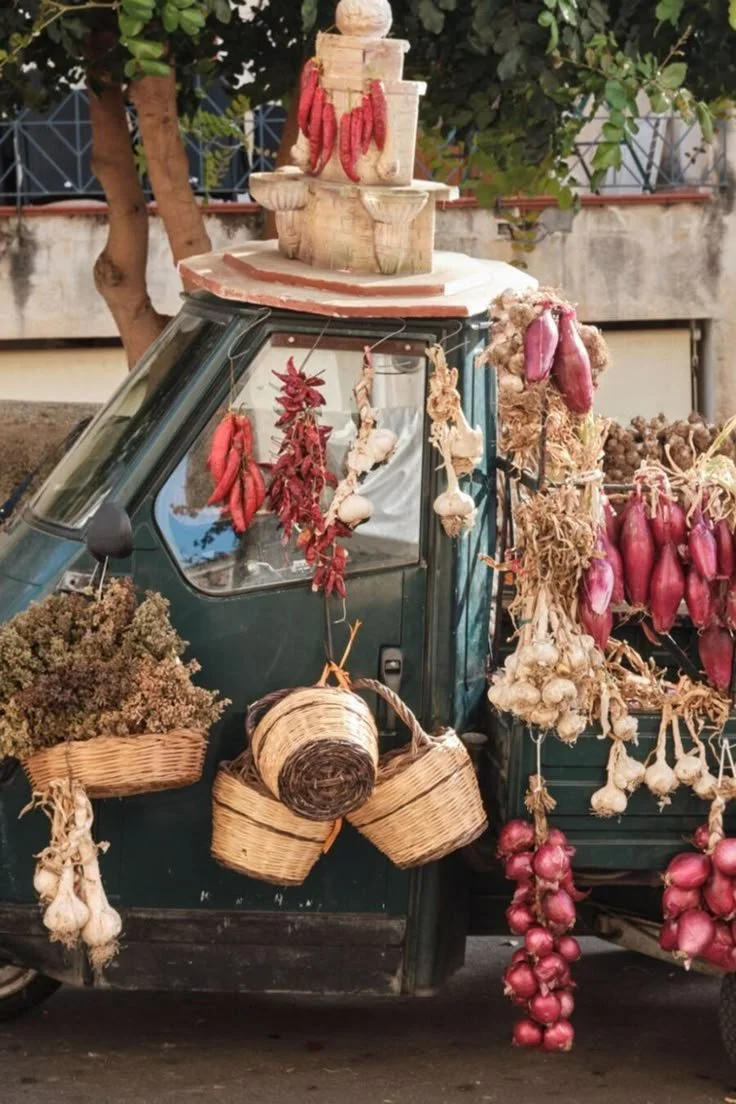
The Toe - Literally
Calabria is the toe of the boot. Two seas, the Tyrrhenian on the west and the Ionian on the east, with a strip of land between them that runs about 150 miles top to bottom. It’s never wider than 70. Basilicata sits above it, and Sicily sits three kilometers off the tip. That’s close enough to see people on the other side.
9% of it is flat, and the rest is mountains and hills. Three ranges stacked one after another: Pollino at the top, Sila in the middle, and Aspromonte at the bottom. It pretty much explains why a lot of family versions of Italy don’t look like the postcards. There was no rolling Tuscan anything. There is a mountain, and there is a sea, and whatever you could get between them.
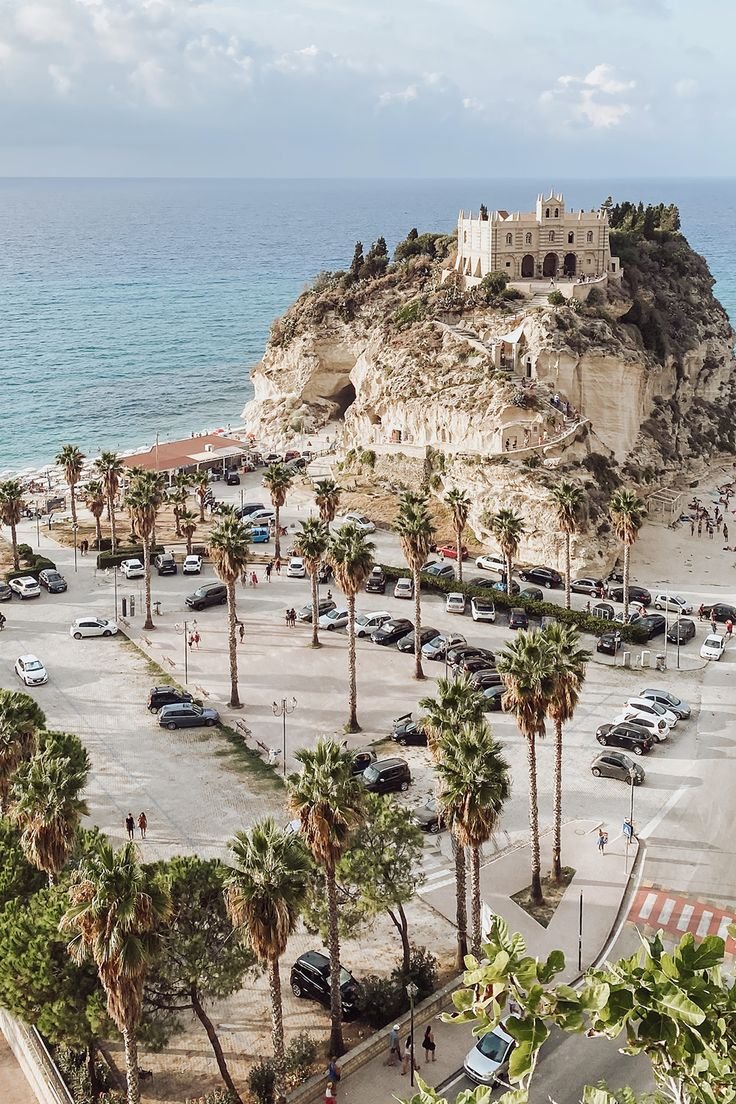


The Part missing from Reels
My favorite part: the word Italy started here. The Greeks who colonized the coast in the eighth century BC called the locals Italoi, after a kind they may or may not have invented. The name spread north until it swallowed the whole peninsula. Those colonies weren’t minor. Sybaris, Kroton, Locri, Rhegion: this was Magna Graecia, rich enough that Pythagoras moved to Kroton to teach. Then Rome, and then five centuries of Byzantium, which re-Hellenized the whole place again.
And some of it stuck. There are still villages in the Aspromonte foothills where people speak Griko, a Greek dialect that has survived for something like two thousand years. There are around fifty Arbëreshë towns where the language is Albanian, brought over by families fleeing the Ottomans in the 1400s and maintained ever since. One town up north still speaks Occitan. No one really seems to talk about this. It’s the most linguistically interesting corner of Italy, and it gets covered as a beach.
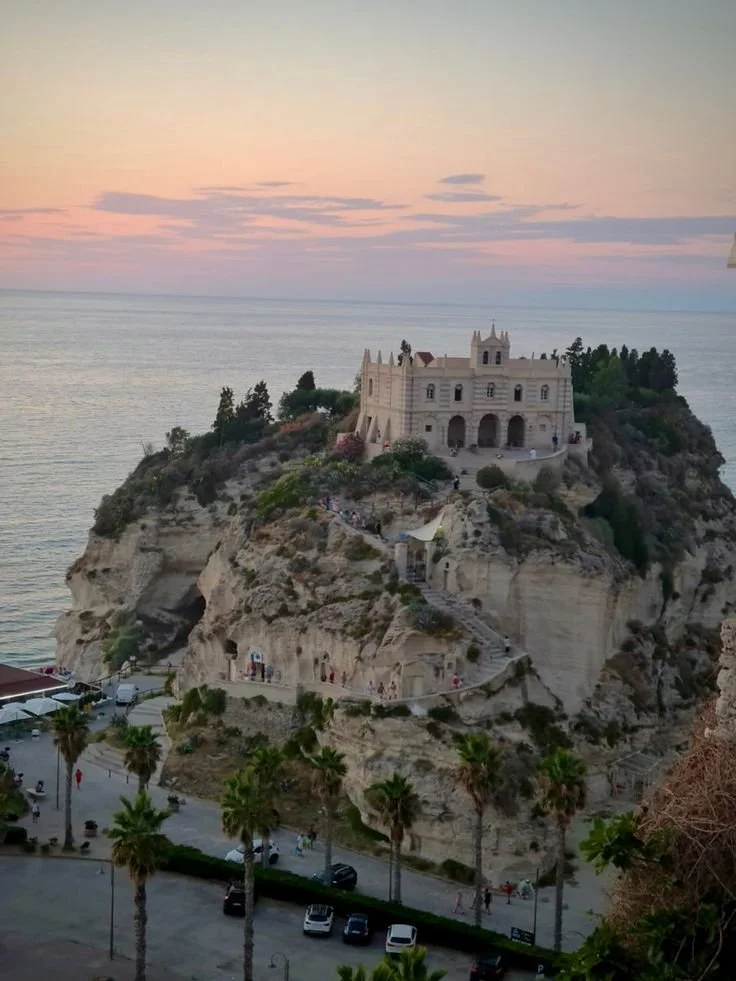
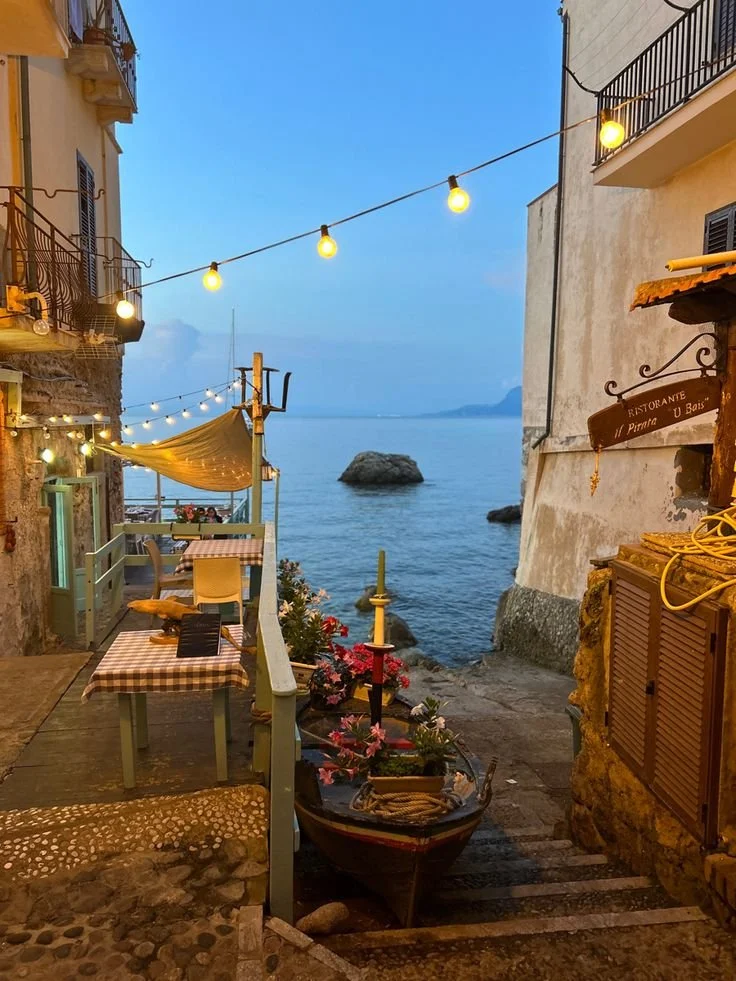

Then 1783 happened. A sequence of earthquakes killed roughly 50,000 people and emptied towns that never came back. Add a century of poverty on top of that, and you get the emigration that put my family on a boat. What stayed behind is a food culture built on not much. Bergamot, the citrus that makes Earl Grey taste like Earl Grey and shows up in half the fragrances in your bathroom, grows almost nowhere else on earth. 90% of the world’s supply apparently comes from this one coastline. ‘Nduja, the soft spicy pork spread that every restaurant in New York discovered in 2016, comes from Spilinga and is made of trimmings and chili - aka the parts nobody wanted. The red onions of Tropea are sweet enough to eat raw and have their own IGP status.
Poverty food is now sold at a markup. There is plenty to say about that, too.
Now that the boring history lesson is over, it’s time to get into it. If you’re interested in planning a trip or just like me, taking an internet browser vacation, here are the places I’d stay, food I’d eat, things I’d do, and beaches I’d visit after all my hours of inspecting and researching.
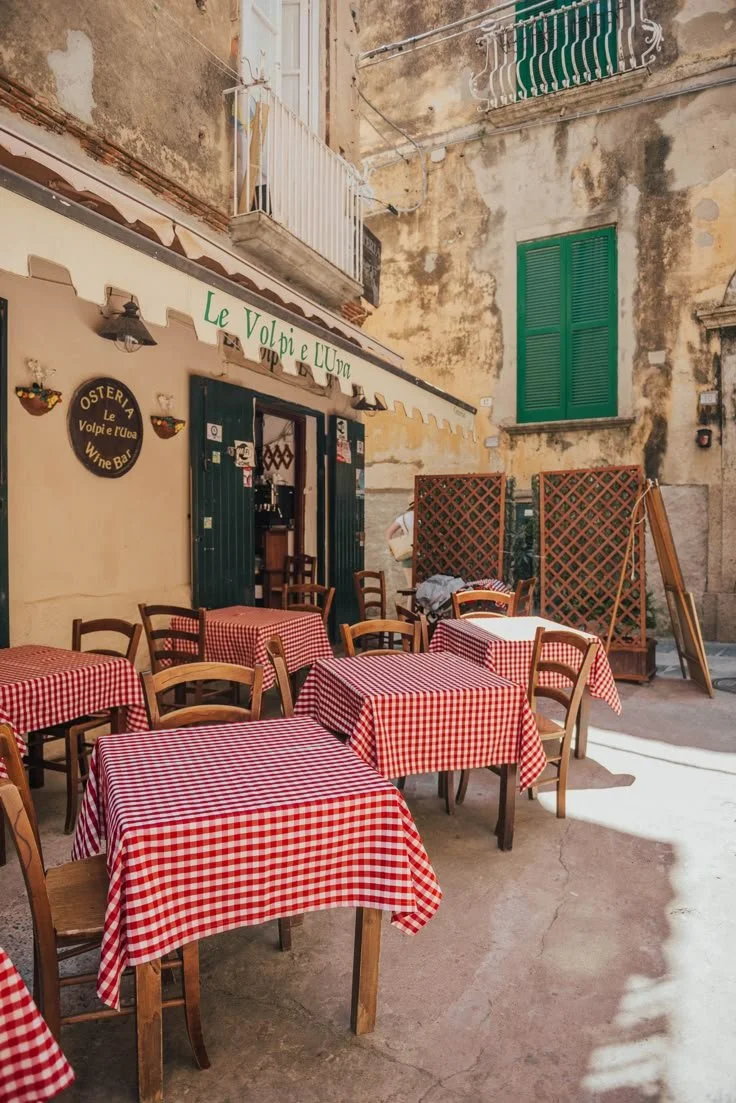
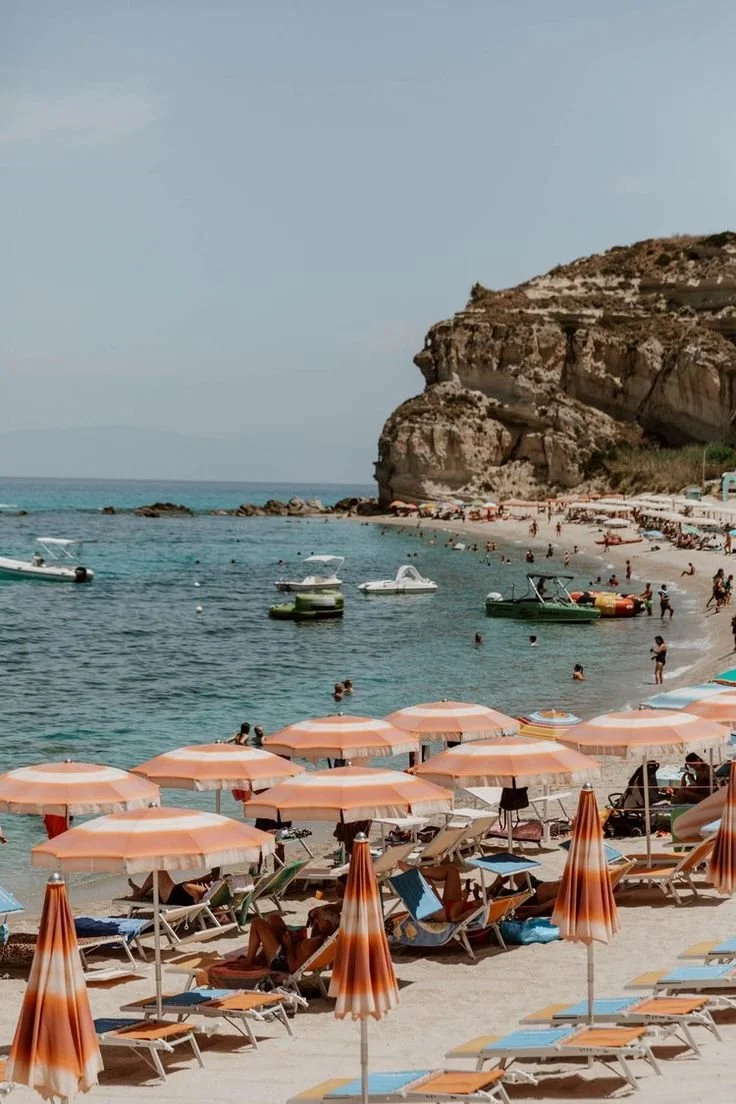
Where to Stay
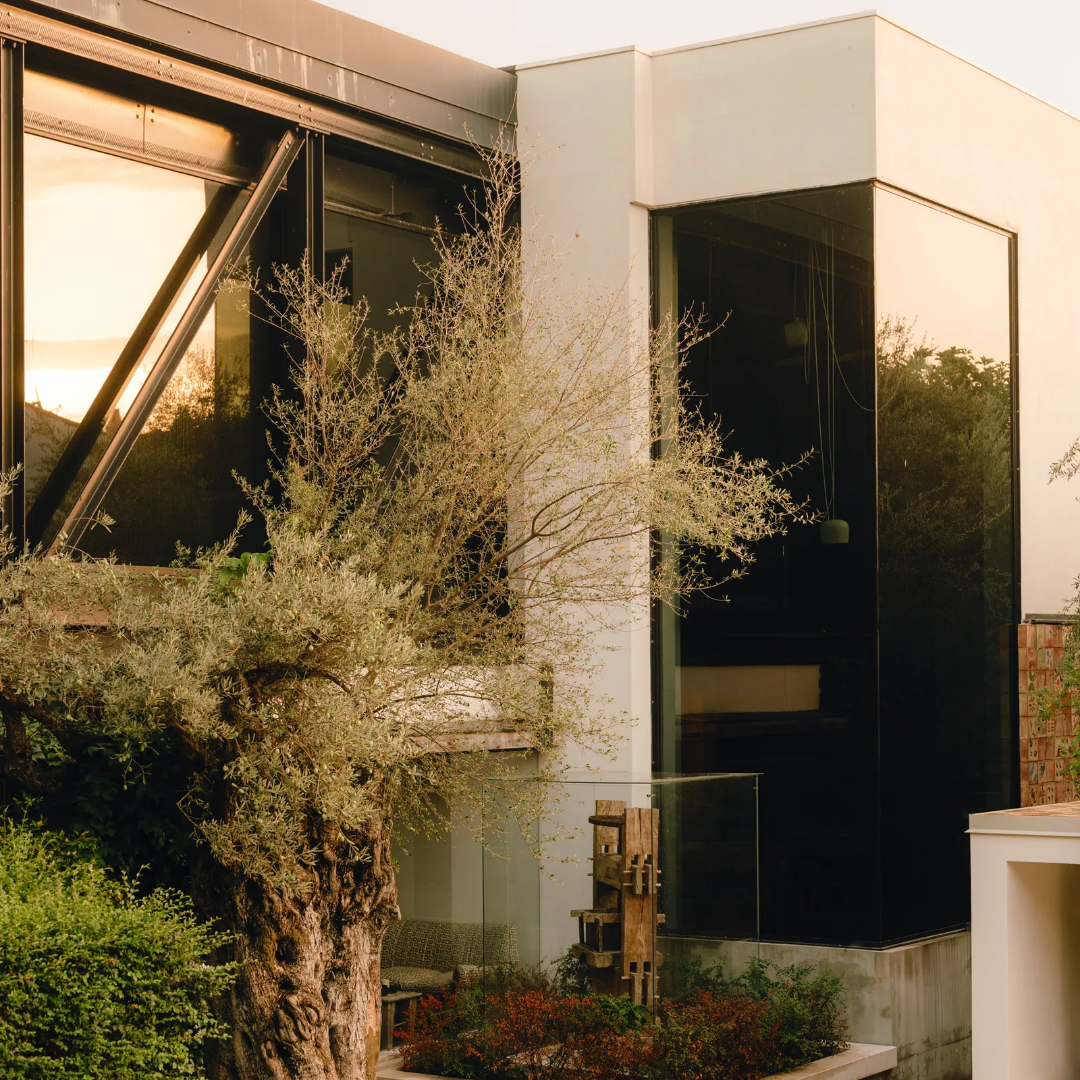
PRAIA ART RESORT, ISOLA DI CAPO RIZZUTO
Five stars on the Ionian side and hidden inside a pine wood with a private stretch of sand. Made largely of stone and timber from the area, and a quiet way that reads as deliberate rather than remote.
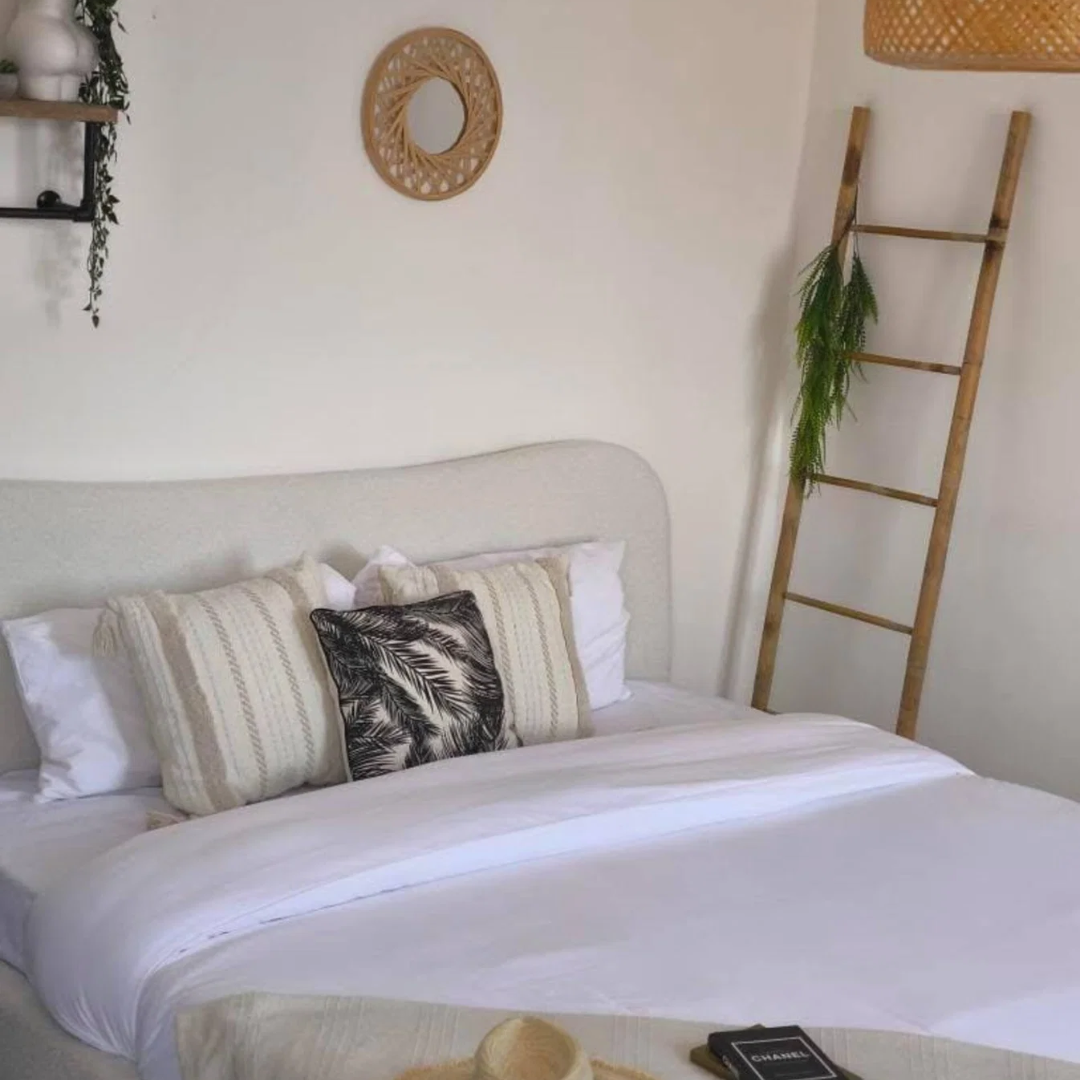
CASA MARZY, NEAR TROPEA
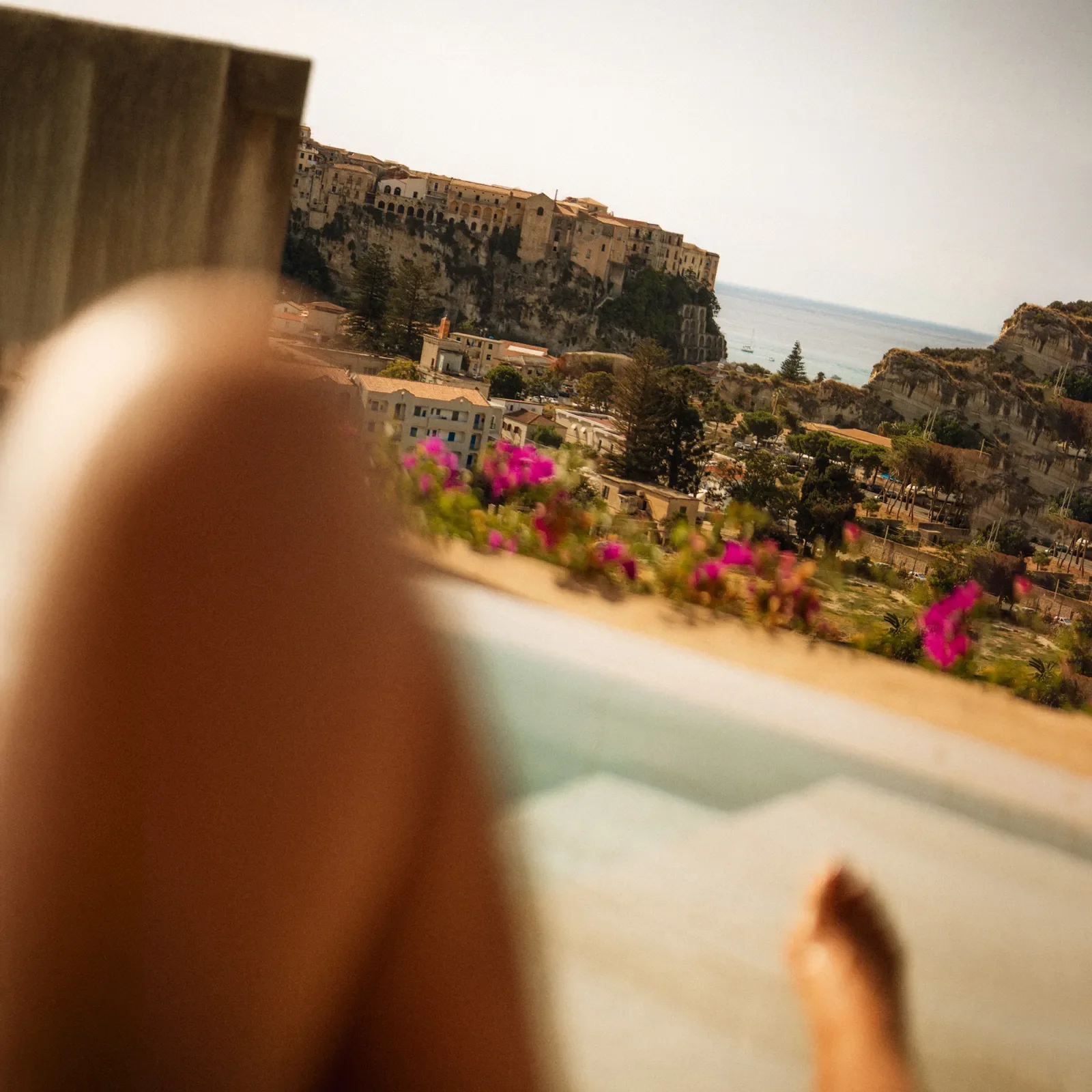
One refurbished studio five minutes outside of town with a pool and a view that includes Stromboli smoking away on the horizon. The unfussy option and the one that everyone is most likely to book.
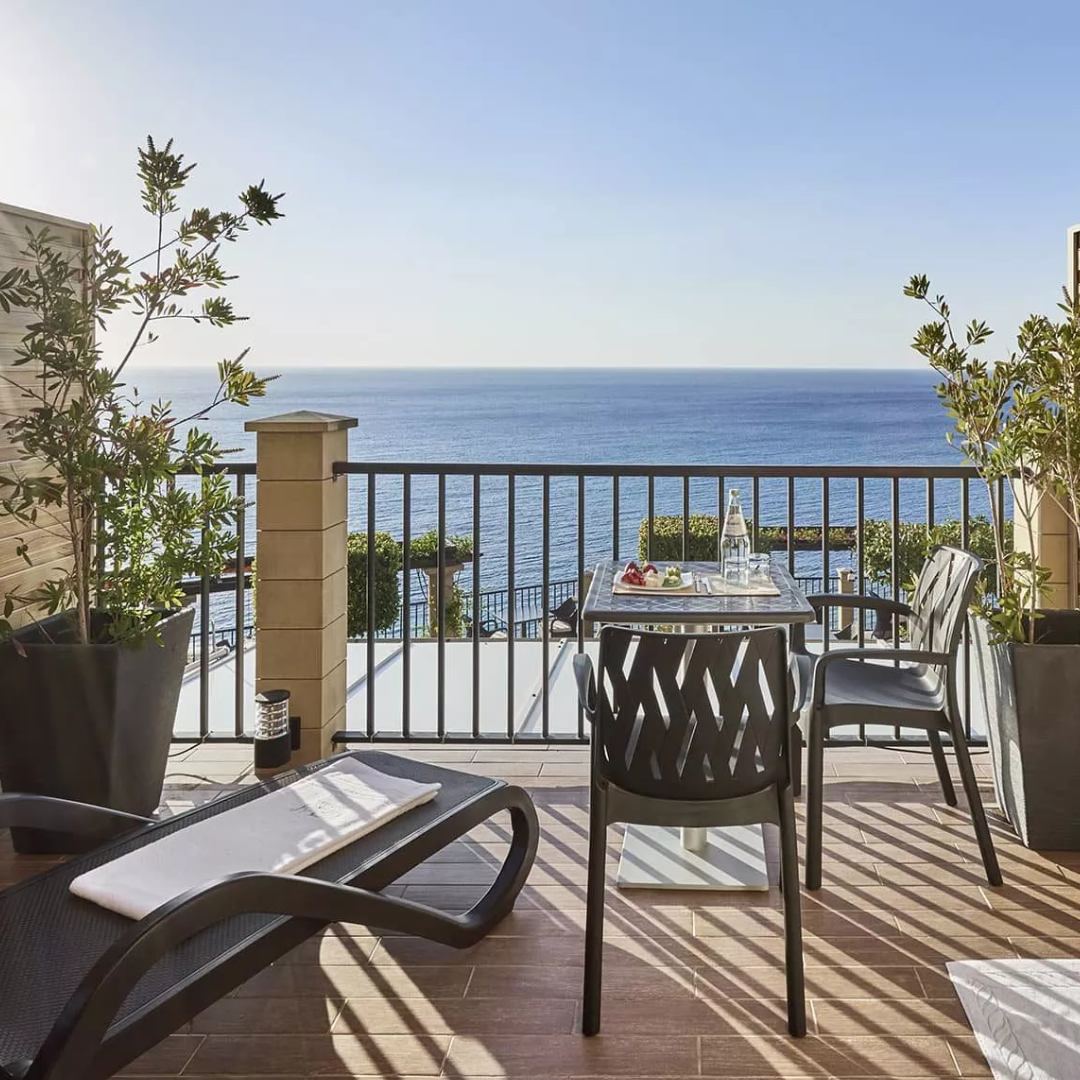
HOTEL ROCCA DELLA SENA, TROPEA
Clifftop with a private staircase cut down to the sand. If you have ever wanted to walk out of a hotel room and directly into the Tyrrhenian, then this is that spot.
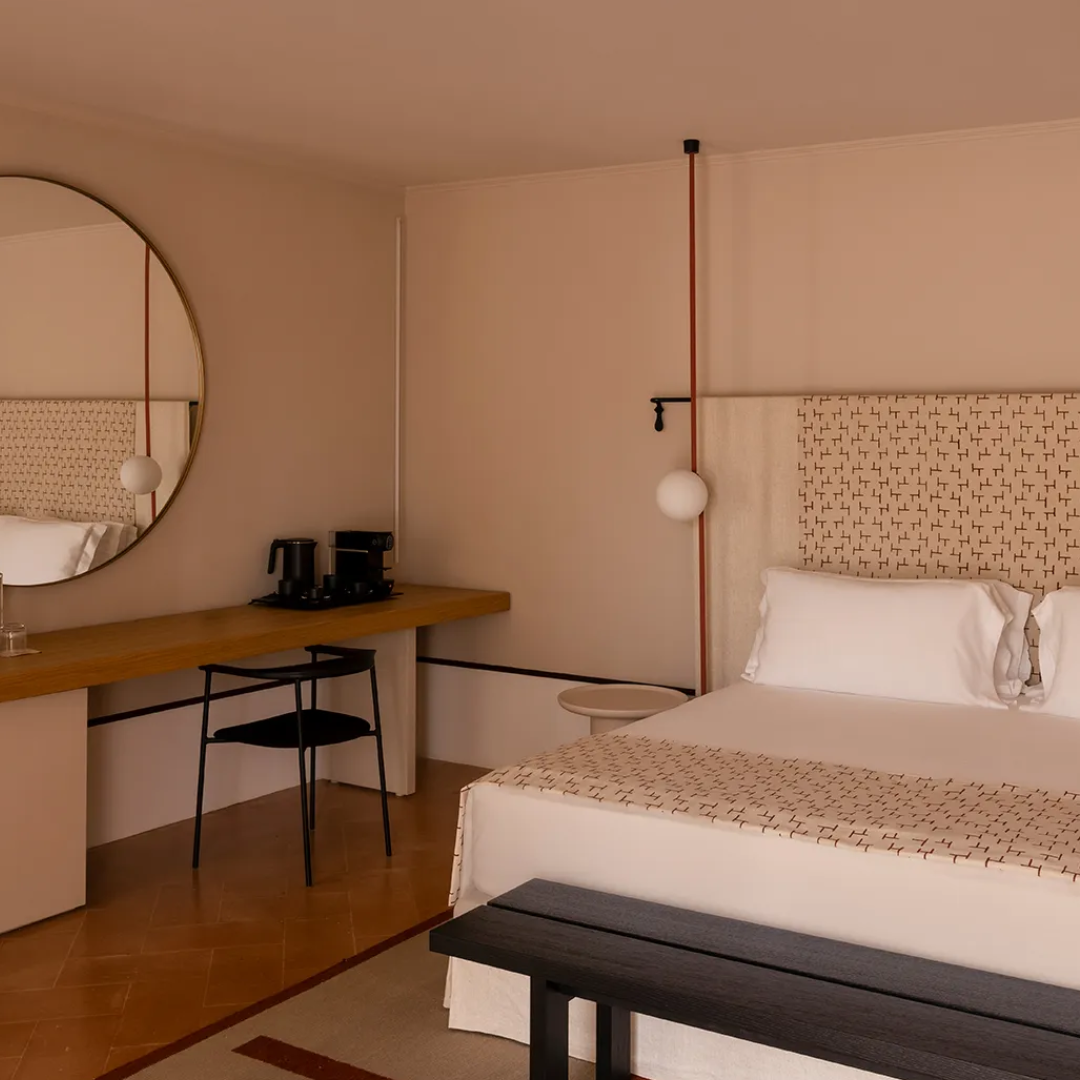
VILLA PAOLA, TROPEA
A sixteenth-century convent above the sea, converted with gardens stepping down the hillside and a pool that appears to end in the Tyrrhenian. The friars who lived there belonged to an order founded by Saint Francis of Paola, and they ate mostly plants. There’s a whole argument that their diet was an early version of what we call Mediterranean eating.
Where to Eat
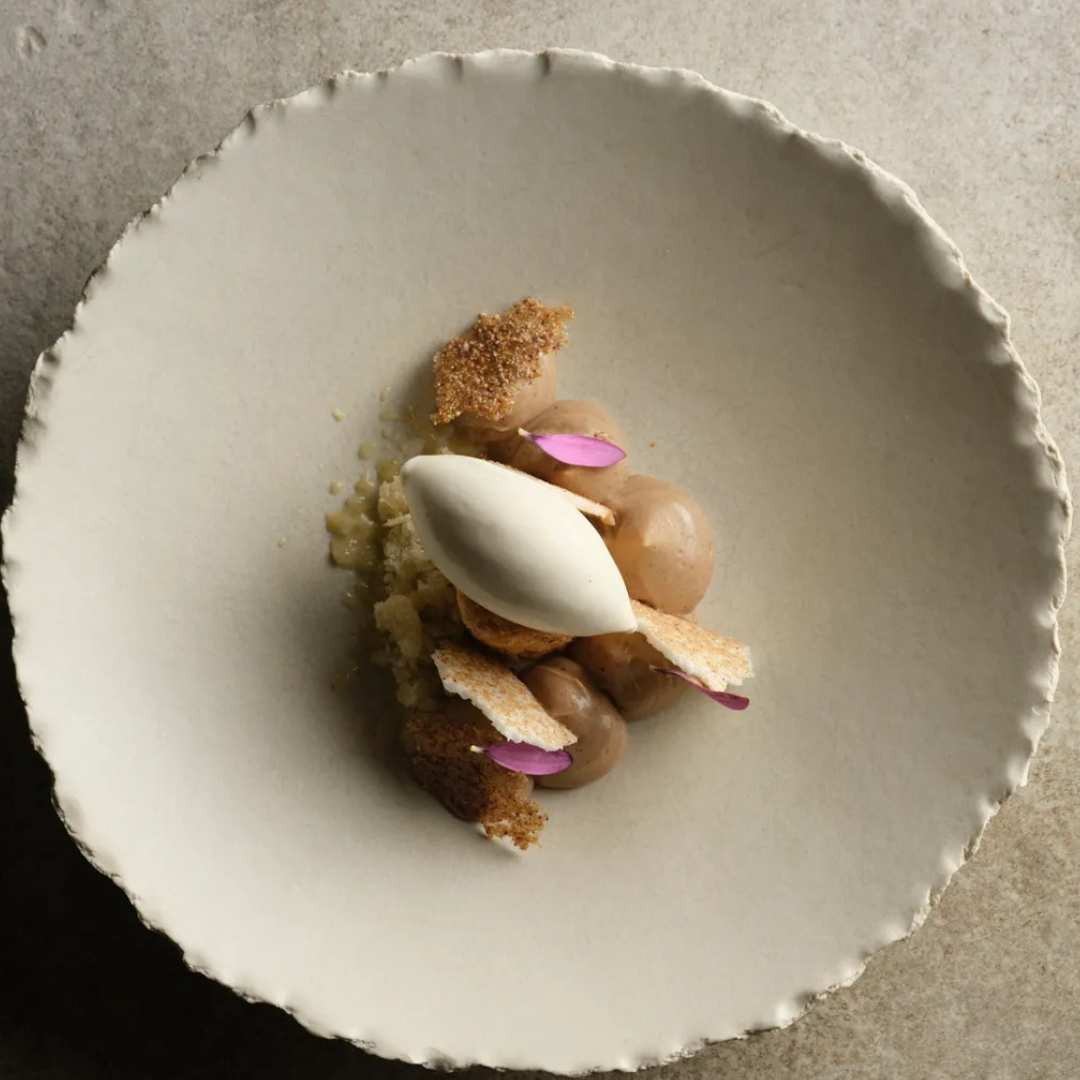
QAFIZ
Nino Rossi is self-taught and opened up this place in 2016 in the Aspromonte mountains. He said this project only makes sense in that exact spot which is either very brave or very stubbon.
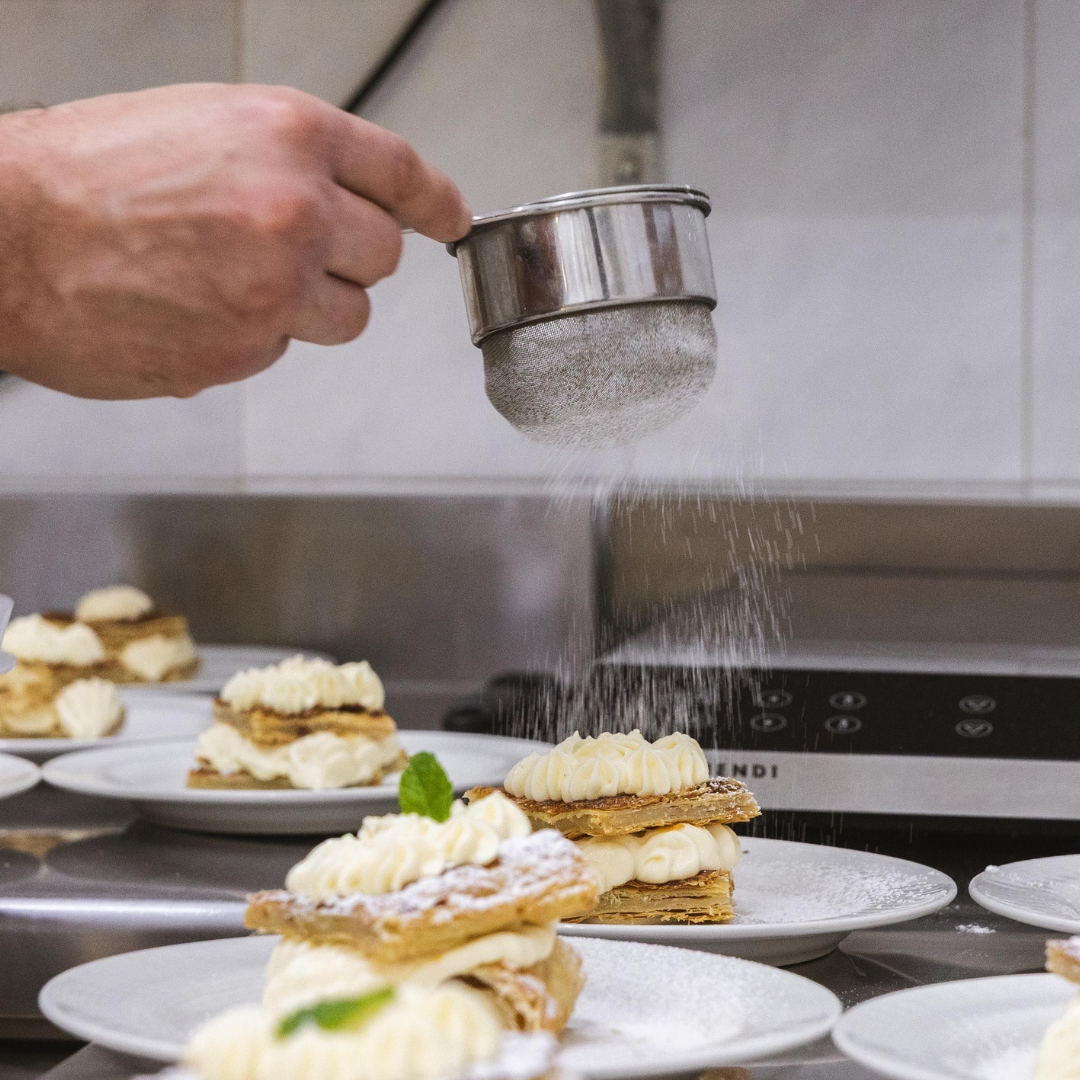
LE MURA, TROPEA
Sits against the old town walls, which is what the name means. It has a lounge and a view. The dialect word in its full name, curtigghiu, is what Calabrians call a courtyard and also what htey call the gossip that happens in one.
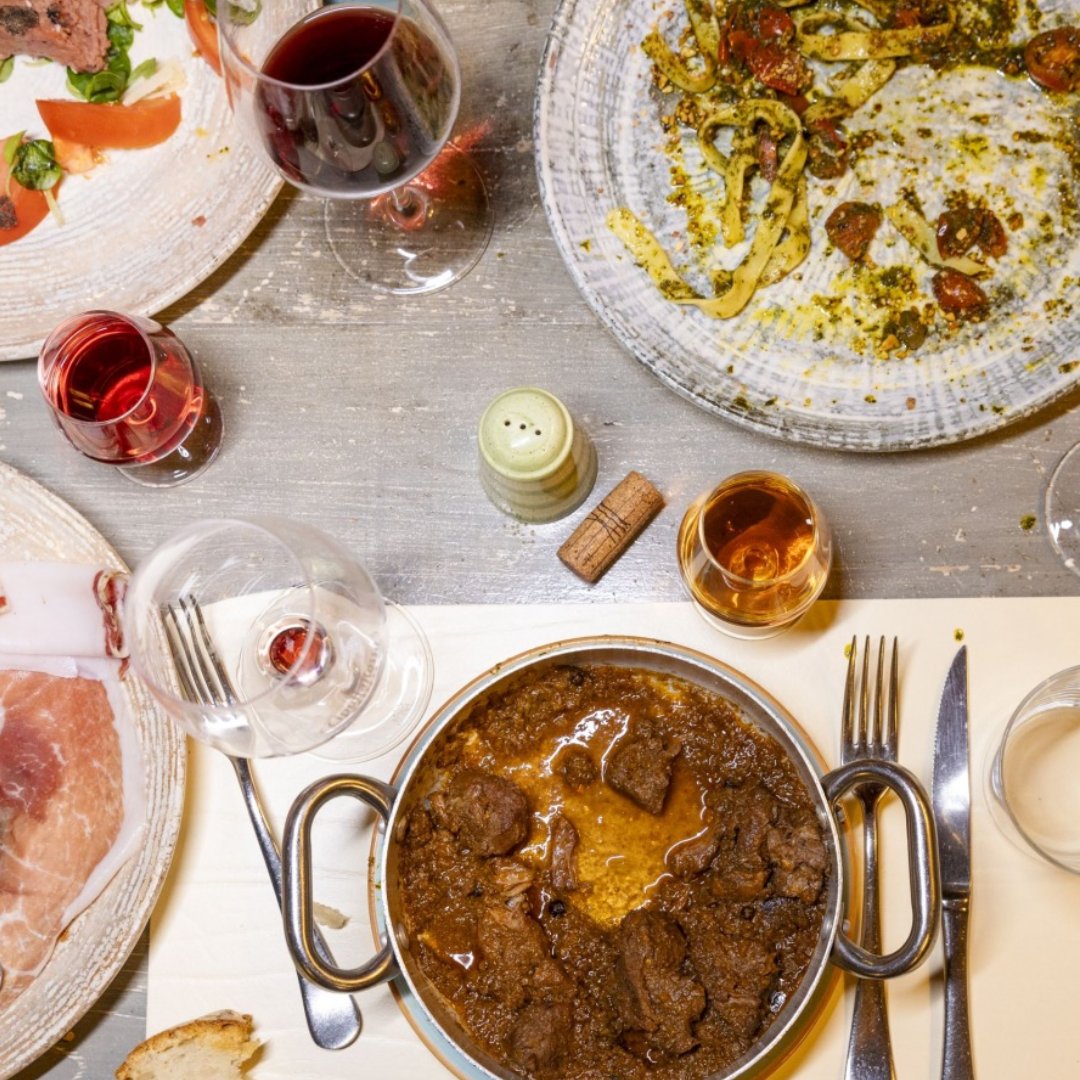
OSTERIA CIPOLLA ROSSA, TROPEA
A tiny restaurant organized around the Tropea onion, with a menu that changes depending on what comes out of the market that morning.
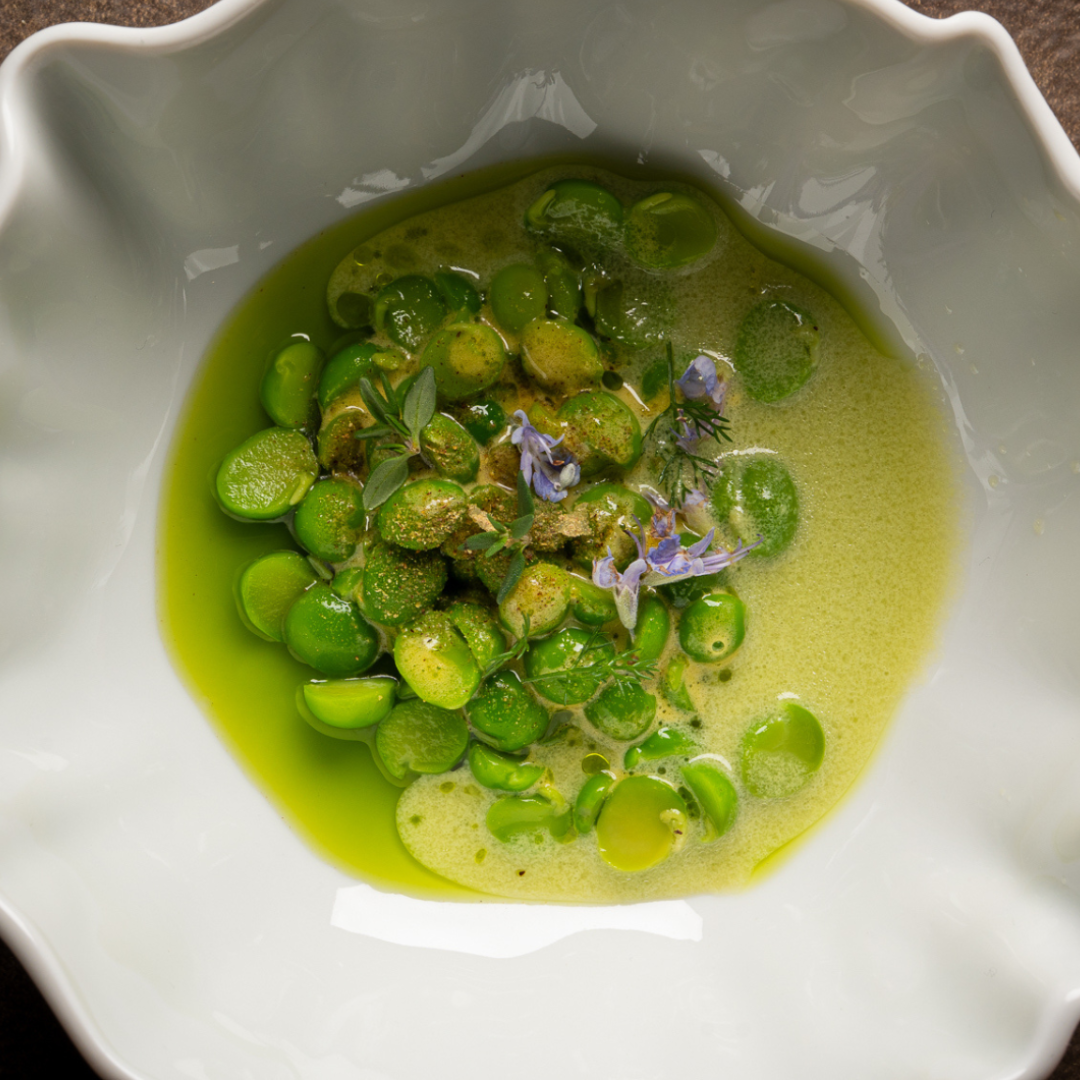
RISTORANTE DE’ MINIMI, TROPEA
Thirty seats inside Villa Paola, run by chef Dario Marco Bettoni, who is from Bergamo and spent six months driving around Calabria meeting farmers before creating a single dish. Pecorino del Monte Poro, rice from the Sibari plain, and vegetables from the garden outside.
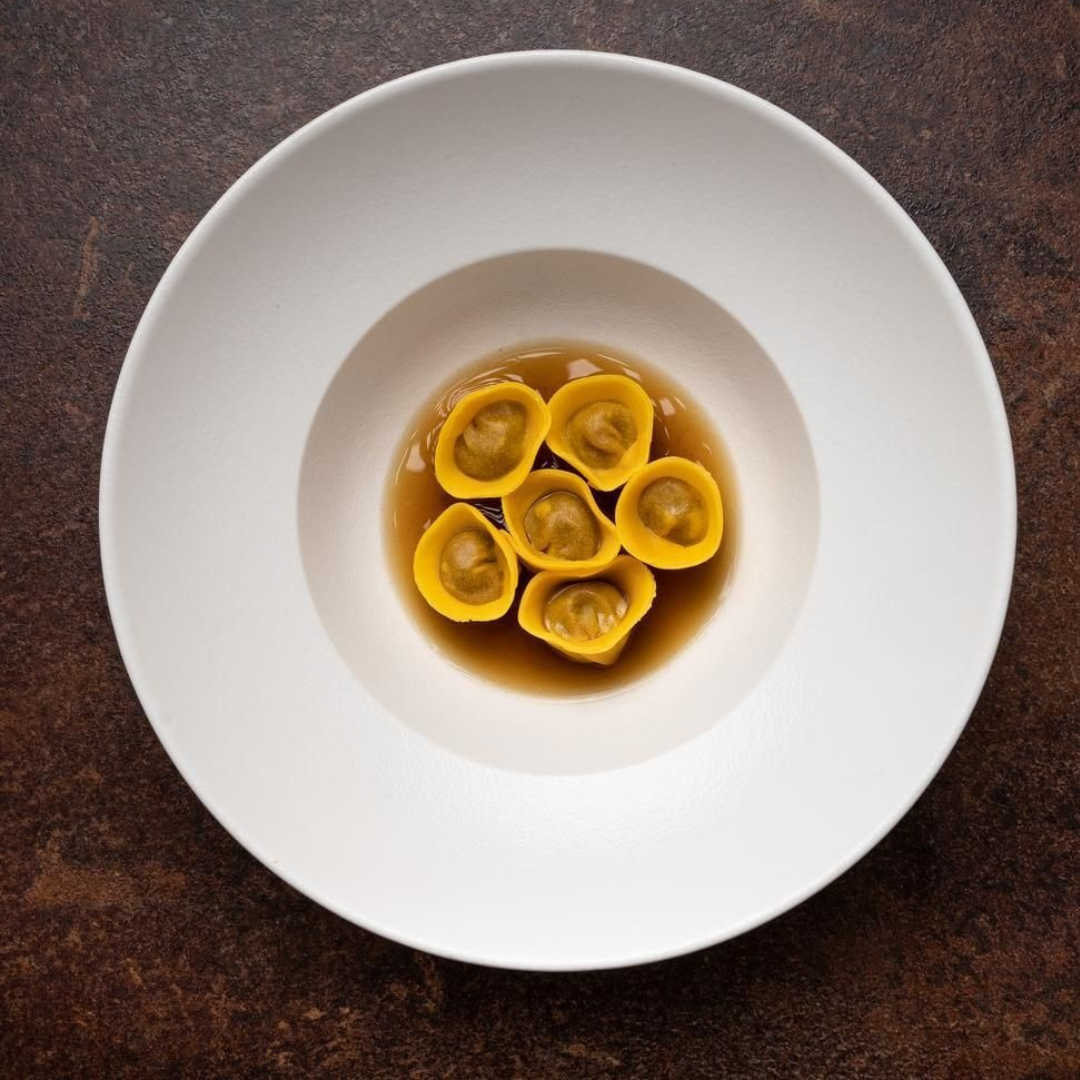
DATILLO, STRONGOLI
Caterina Ceraudo cooks in a converted mill on her family’s biodynamic farm, which her father has been running since the nineties. She trained in oenology, then under Niko Romito, then came home.
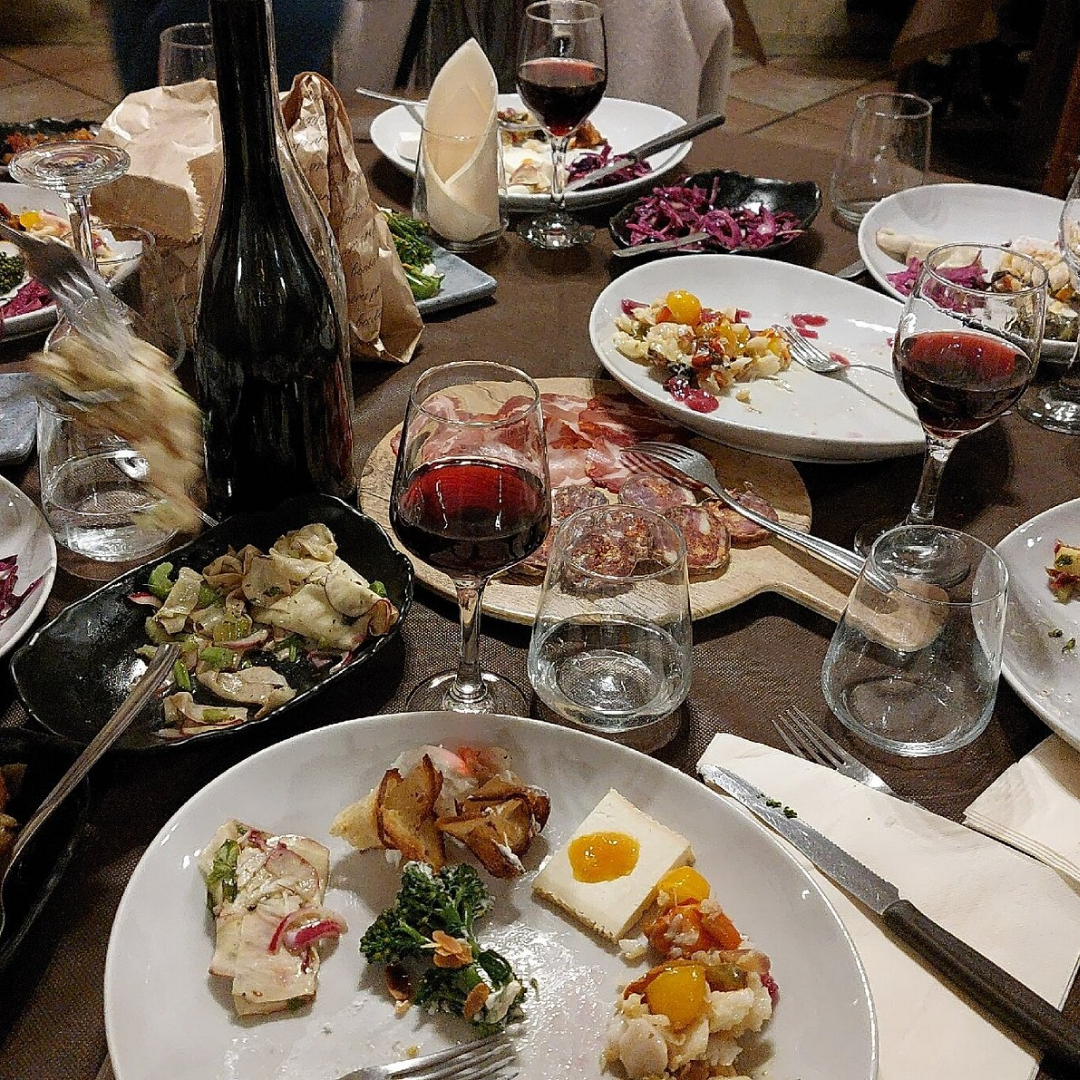
LA COLLINETTA, MARTONE
A trattoria in a hill town run by Giuseppe Trimboli and his wife Lucia. Everyone talks about the lamb baked in clay, which is a technique leftover from the Greeks. Slow Food even put the recipe in a book.
What to Do
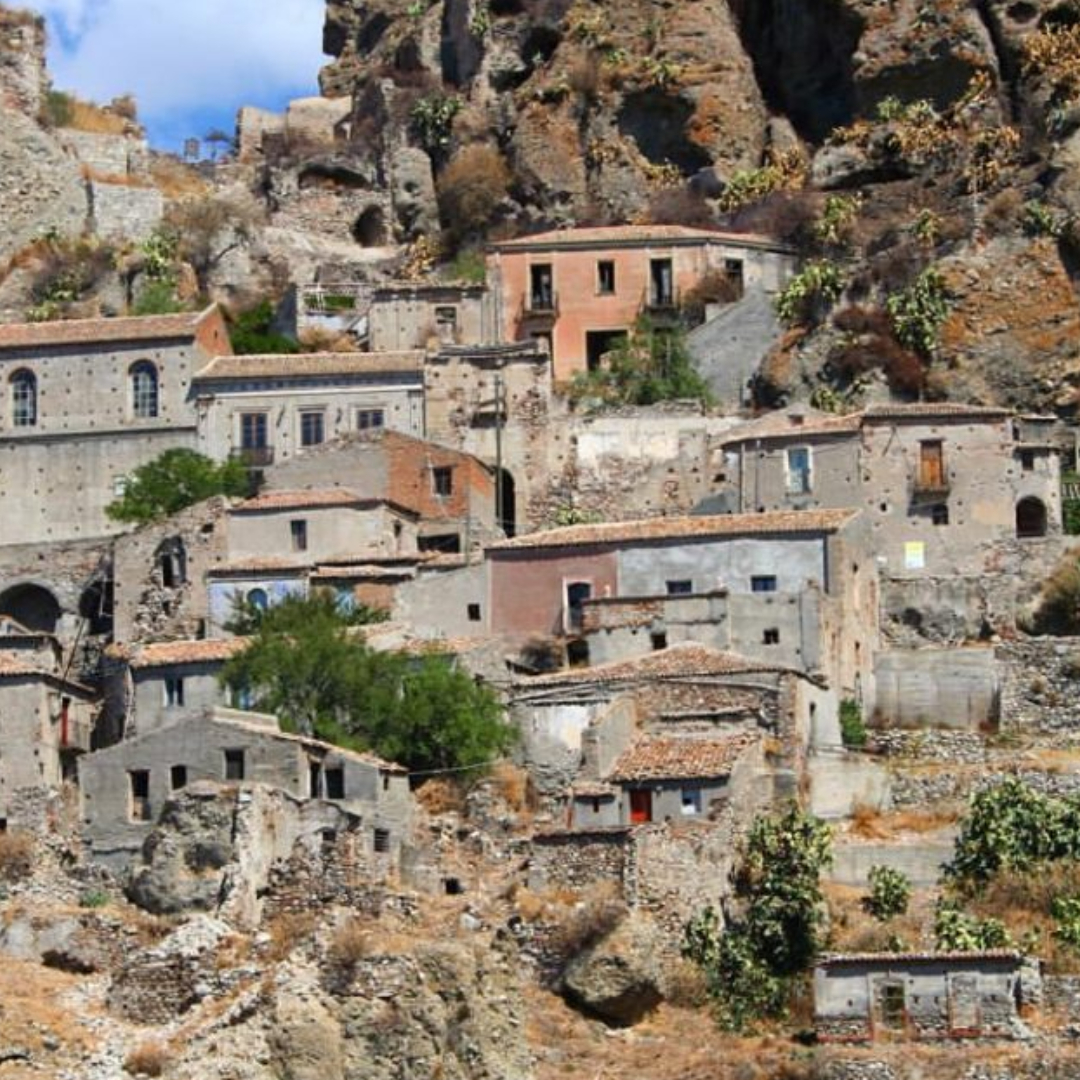
WALK THROUGH PENTEDATTILO
The name is Greek for “five fingers,” after the shape of the rock the village is built into. Founded as a Chalcidian colony in 640 BC, wrecked by the 1783 earthquake, fully abandoned from the sixties until European volunteers started restoring it in the eighties. It even has a film festival now.
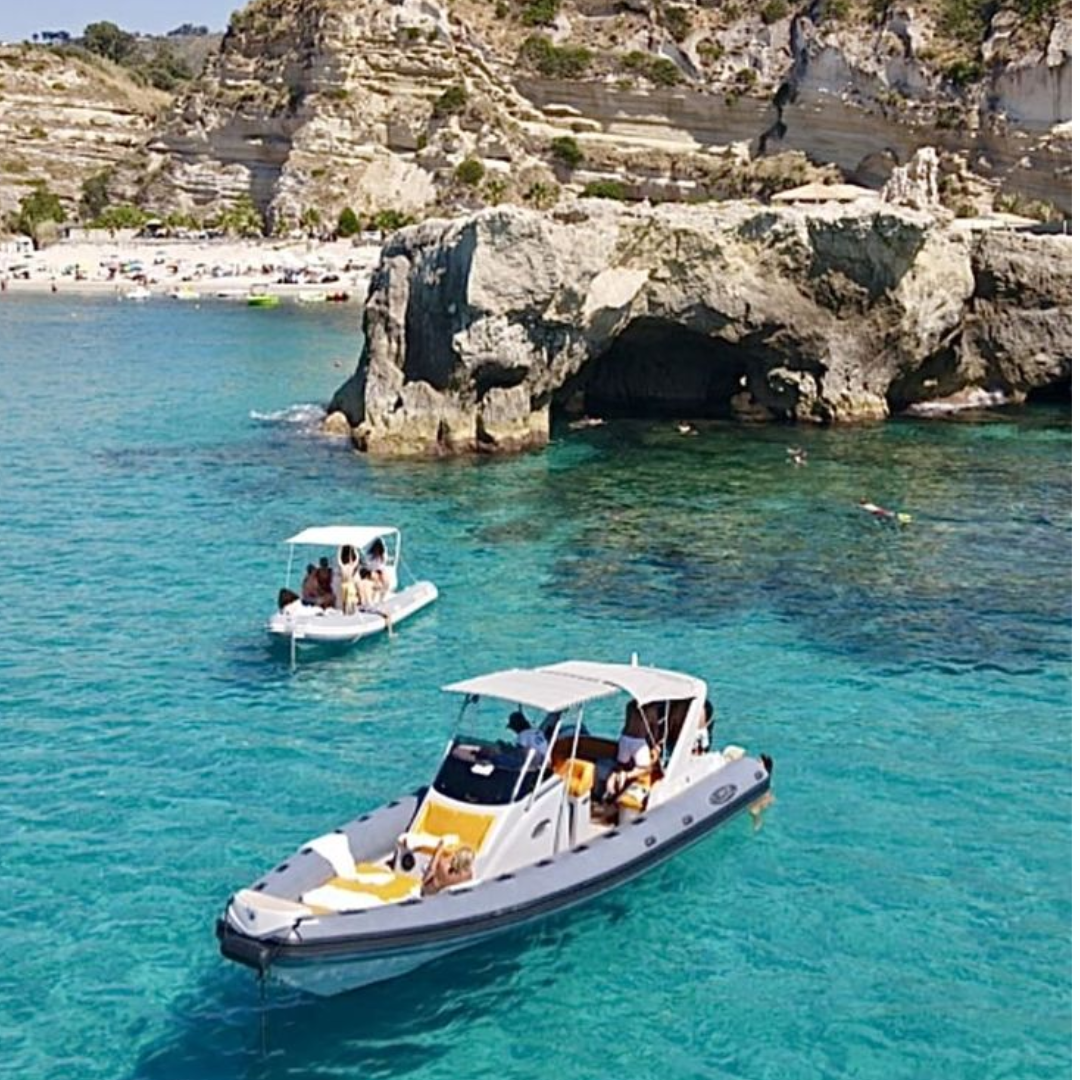
TAKE A BOAT AROUND CAPO VATICANO
The Coast of the Gods, sea caves you can only reach by water, and the kind of clarity where you can see the bottom from the deck.
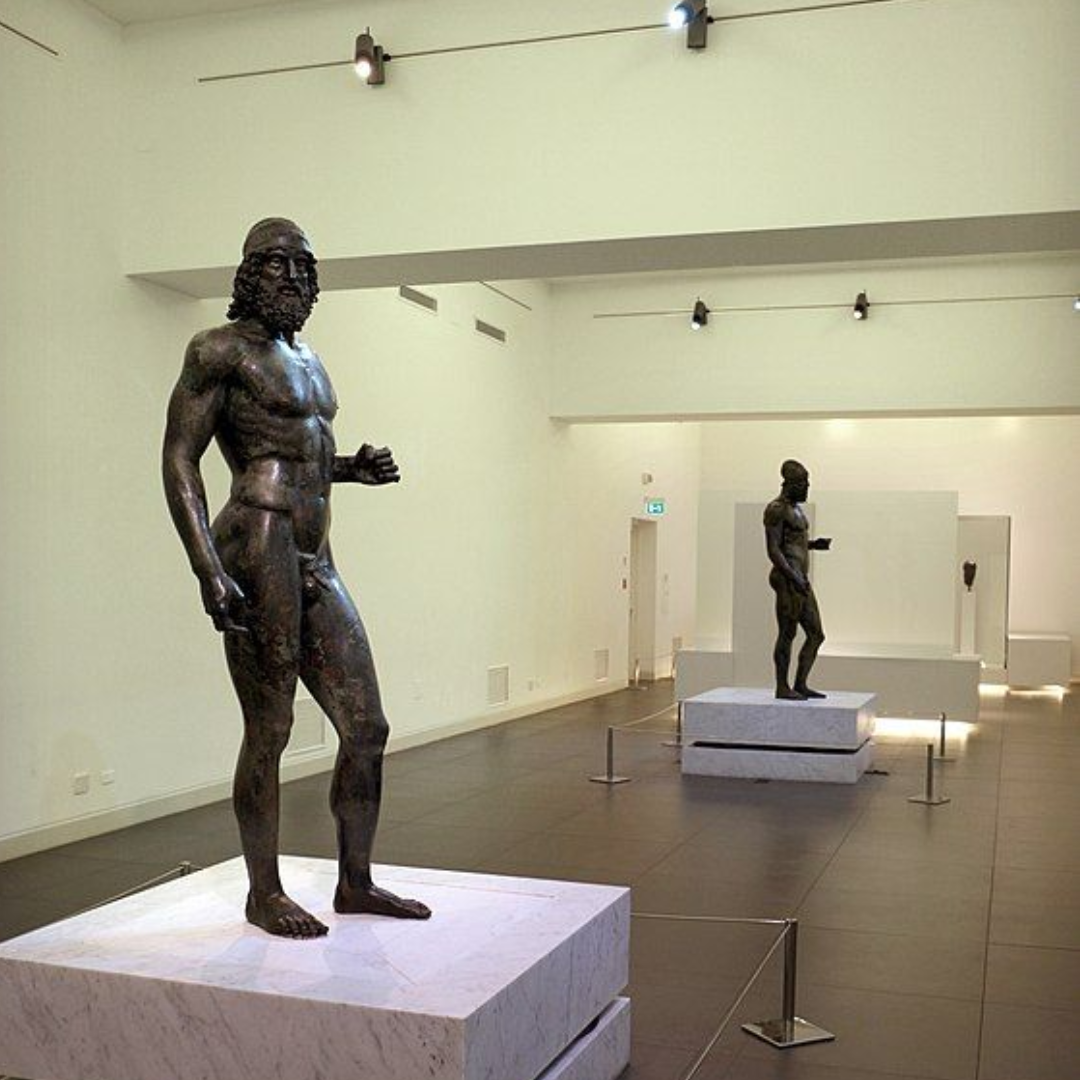
SEE THE RIACE BRONZES IN REGGIO CALABRIA
Two life-size Greek warriors, cast around 460 BC, were found in 1972by a man snorkeling about 200 meters offshore who noticed an arm sticking out of the sand. They stand in a climate-controlled room at the Museo Nazionale della Magna Grecia on an anti-seismic platform because this is Calabria, and the ground is gonna do what it wants.
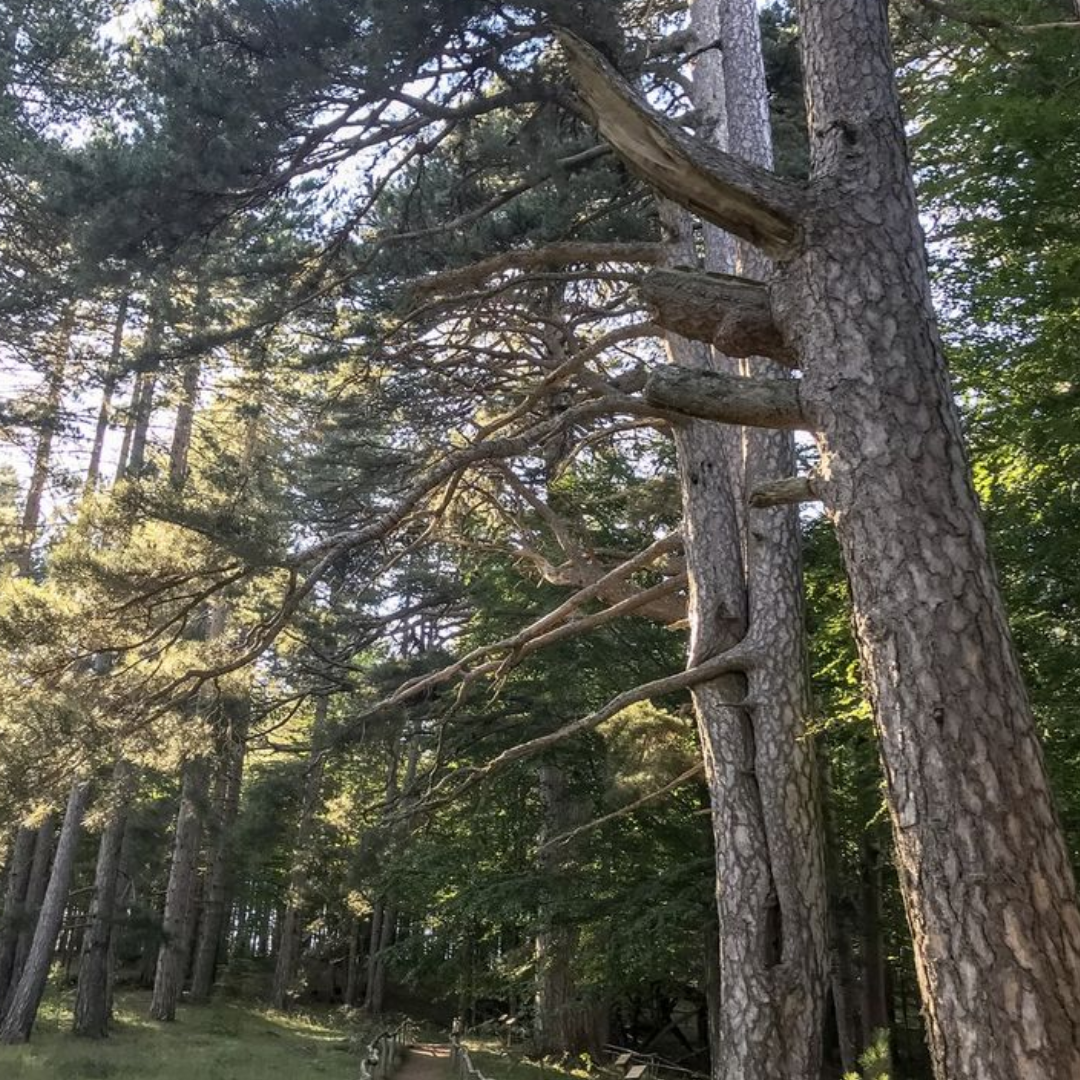
GET UP INTO THE SILA
Fifty-eight large pines over 350 years old at Fallistro, glacier-fed lakes, and the air the park is very proud of. Also, about fifteen degrees cooler than the coast in August.
The Beaches
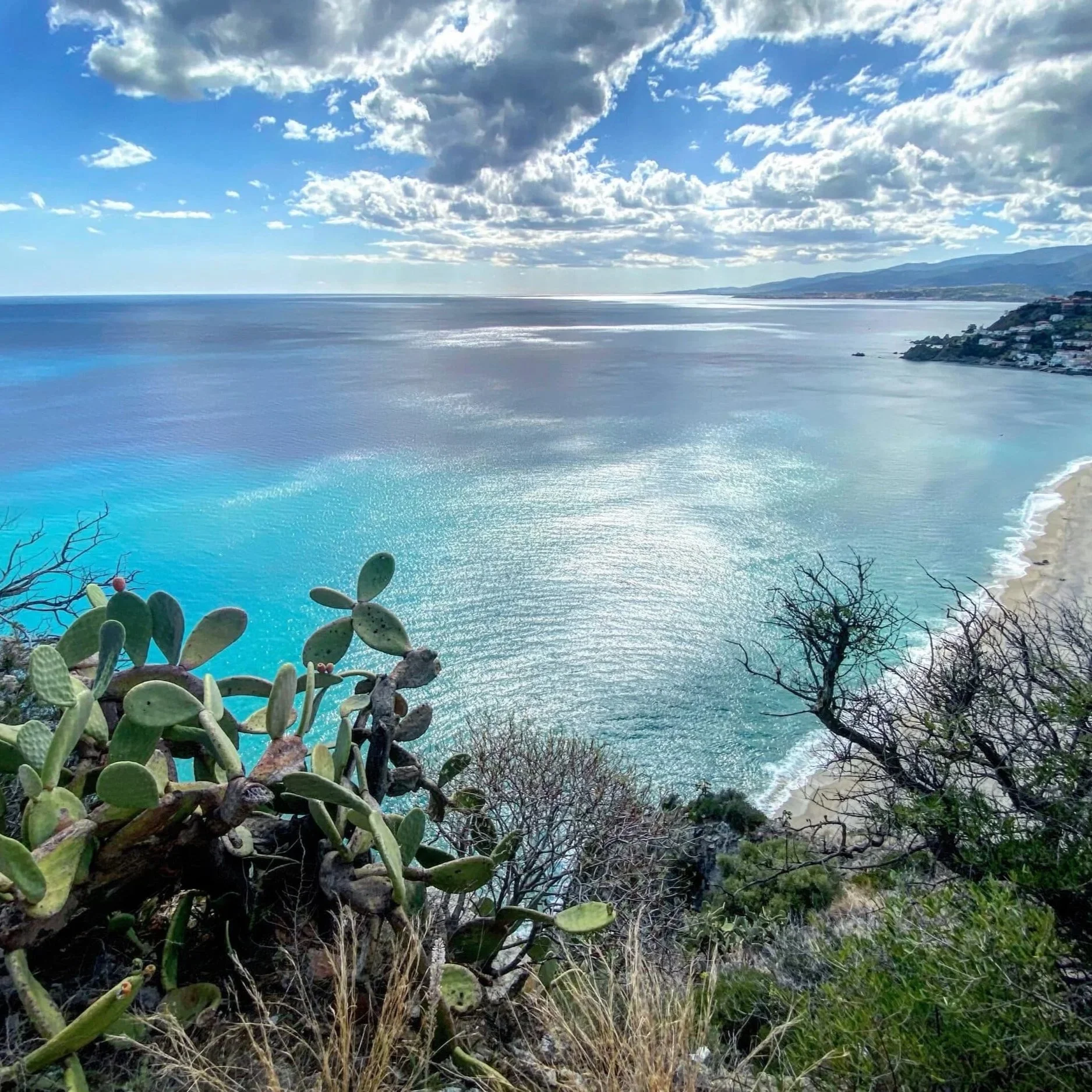
SPIAGGIA DI CAMINIA, SOVERATO
A gorgeous bay with the Grotta di San Gregorio sitting just offshore, reachable if you’re willing to swim for it. Soverato itself is where the nightlife lives.
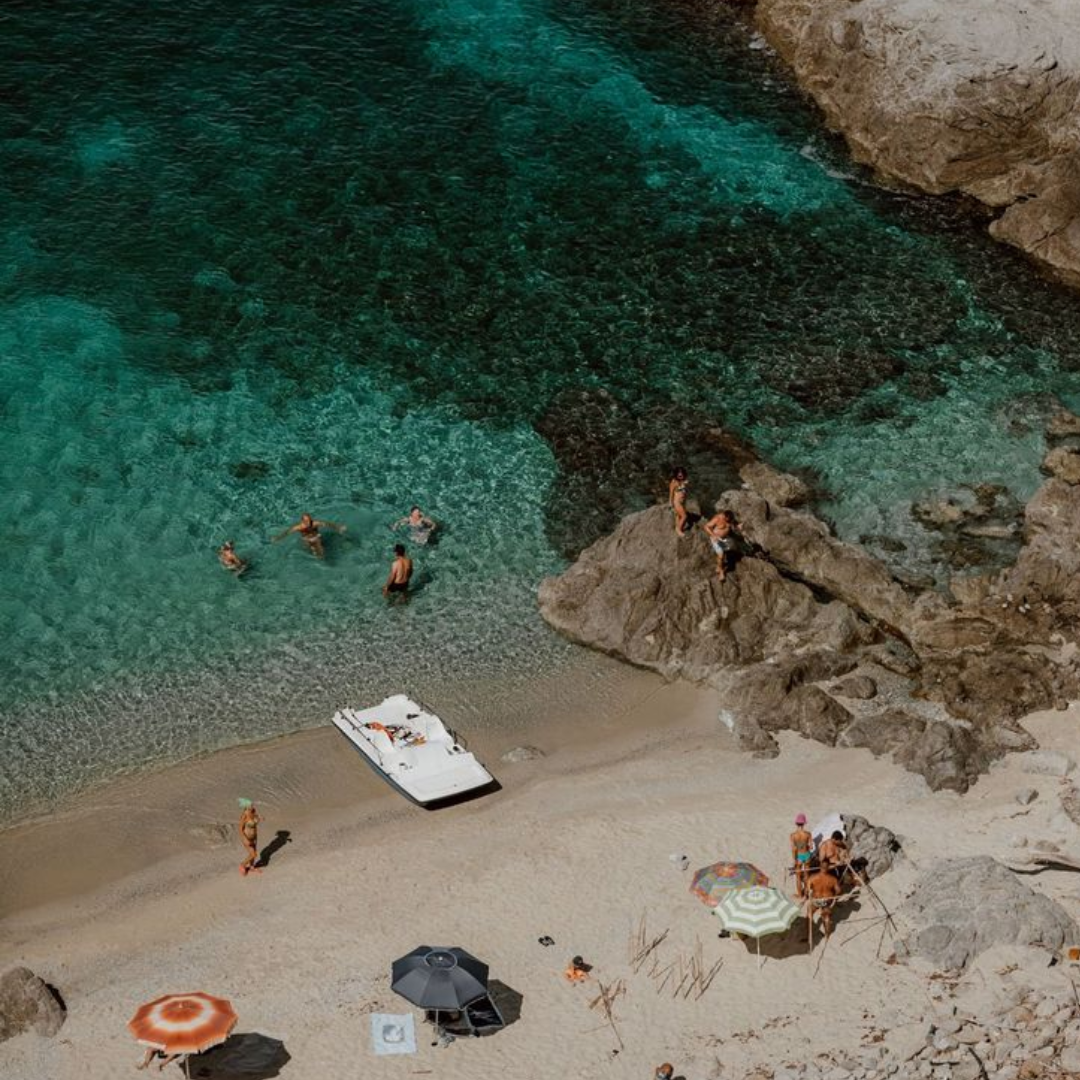
SPIAGGIA DI GROTTICELLE, CAPO VATICANO
Sand, unreal water, and enough lidos that you never have to plan lunch. The move here is a pealo and a pair of goggles.
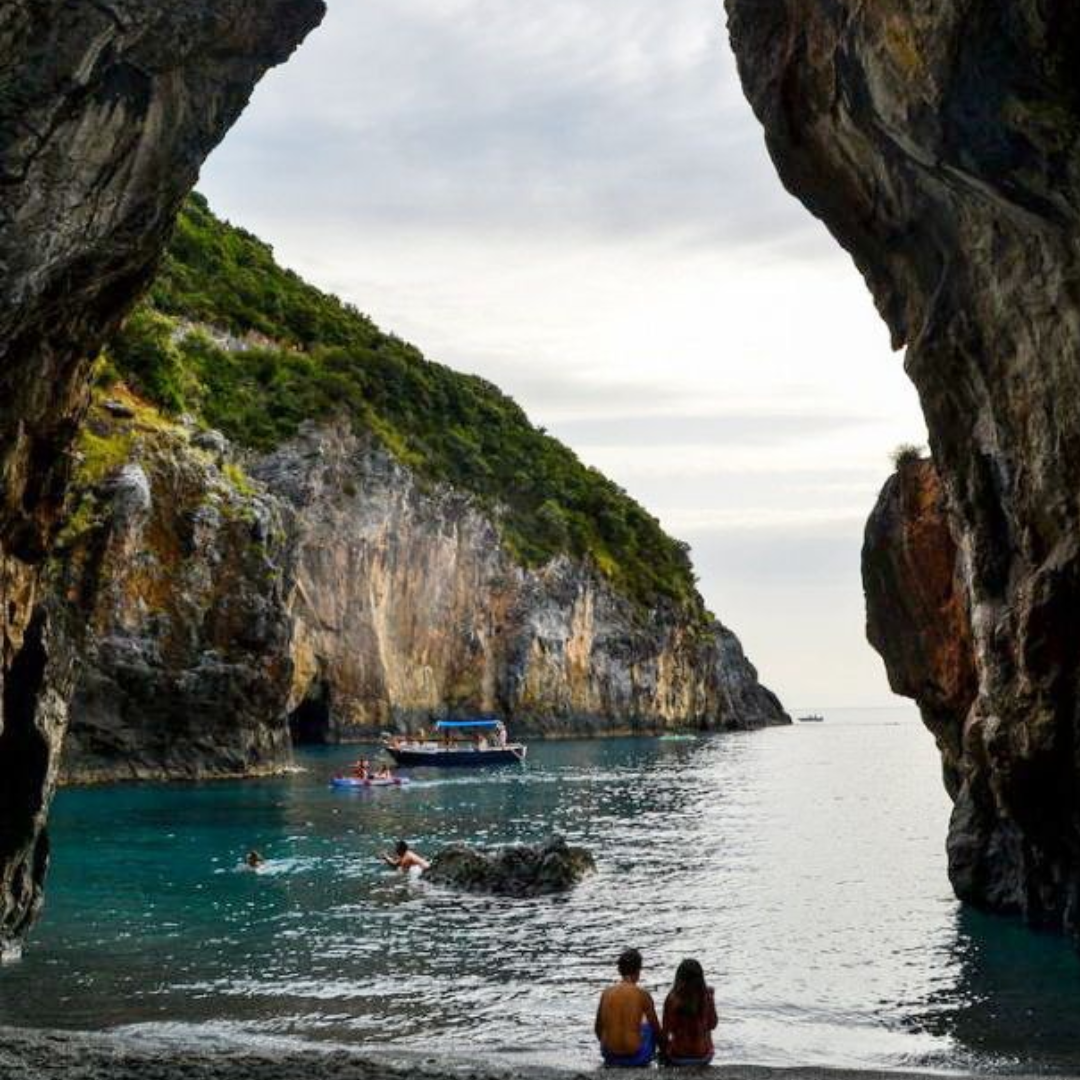
SPIAGGIA ARCOMAGNO, SAN NICOLA ARCELLA
A stone arch over a hidden cove, four euros to enter, thirty minutes maximum. It used to be free until too many people came, which is the entire story of Calabria right now in one admissions policy.
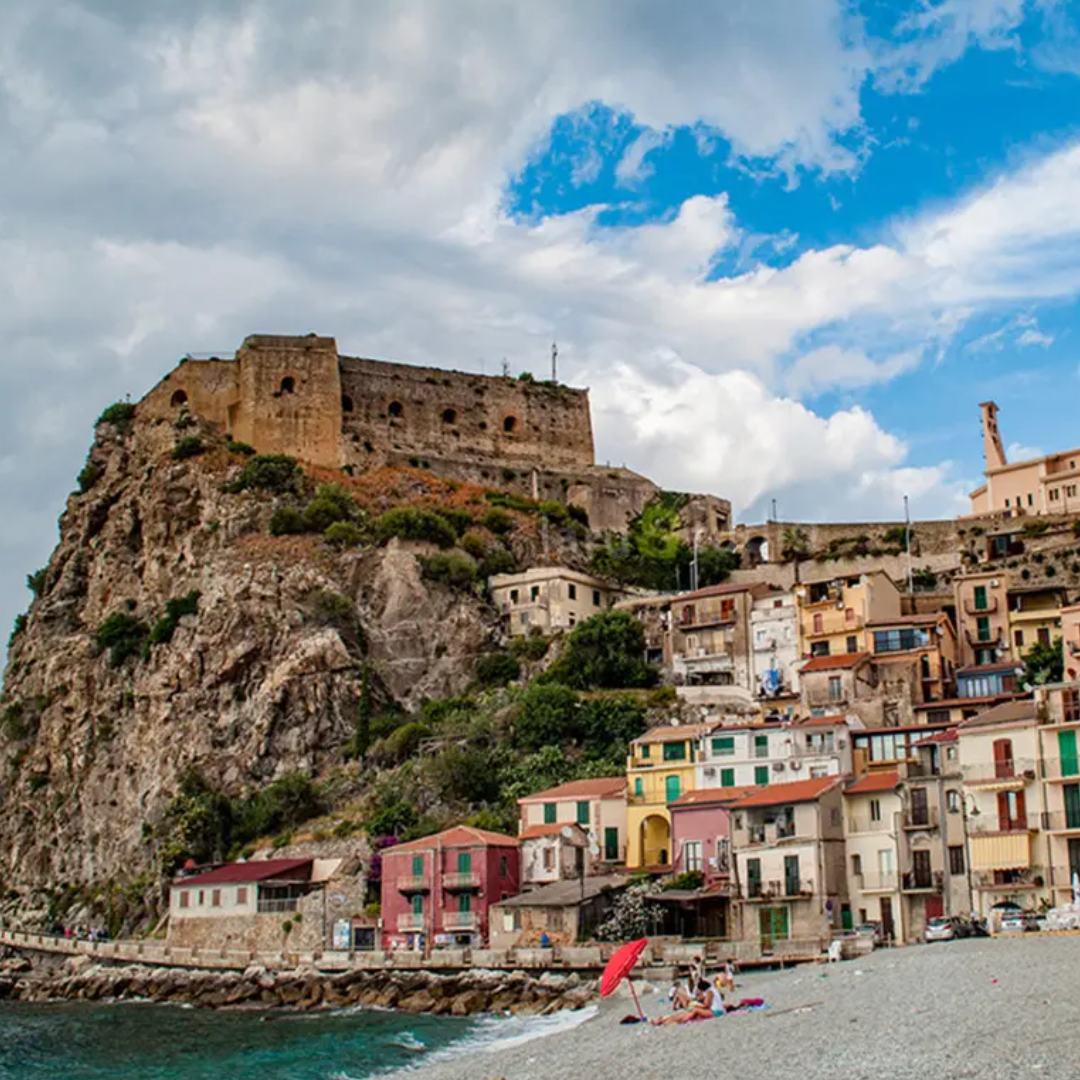
MARINA GRANDE, SCILLA
Named for a monster, this is the Scylla between Scylla and Charybdis, with the whirlpool on the Sicilian side. Ruffo Castle sits above the sand, and fishermen here still hunt for swordfish with spotters up on tall masts.
Calabria is a very old place that happens to be having a moment, and the moment really isn’t the point. The Giko is still being spoken. The bronzes have been out of the water for fifty years and in the sea for two and a half thousand. The onions are still sweet. It was there the whole time, but nobody was looking, and then everybody was, and none of it changed. Meh, I still want to go, though.