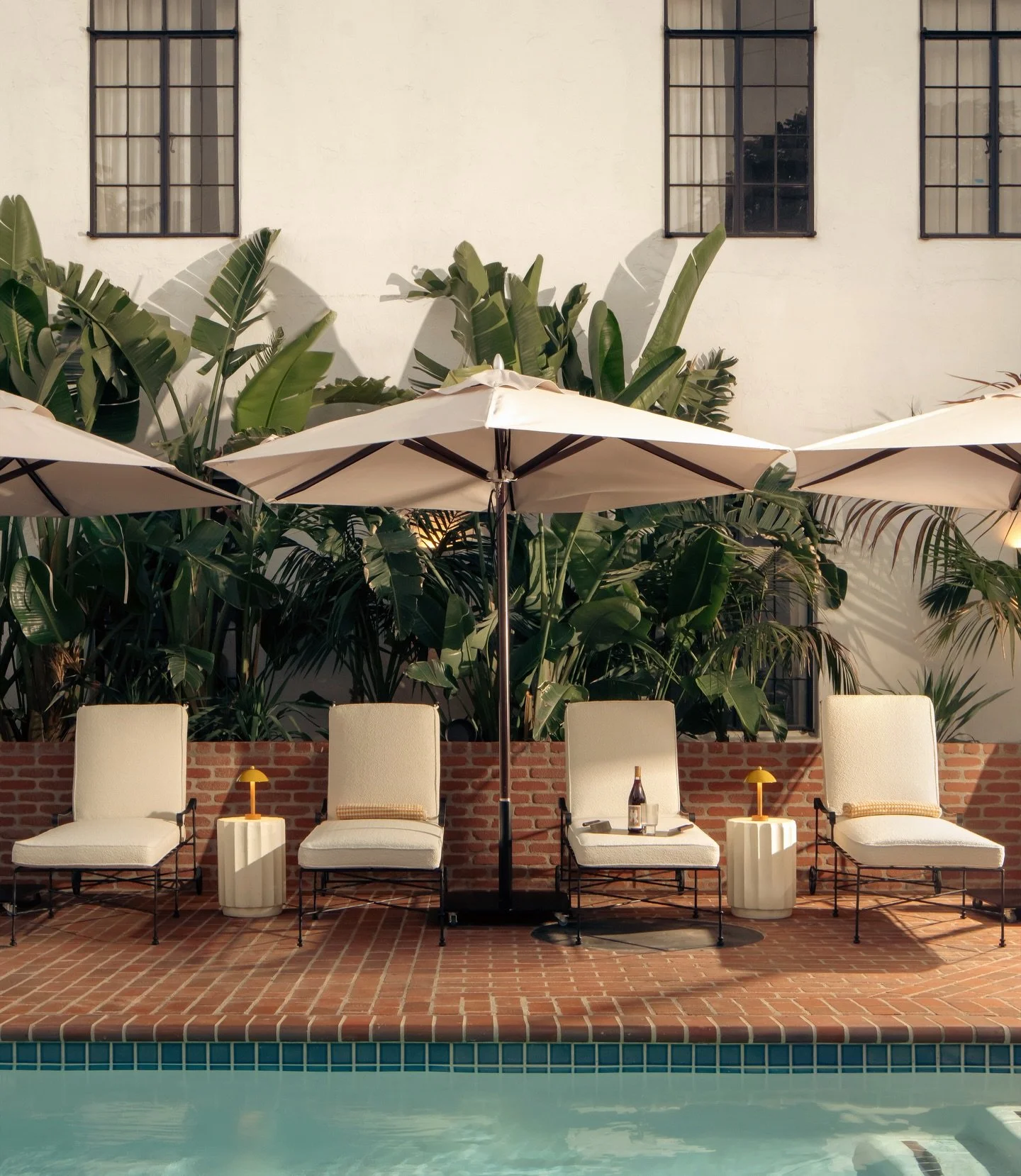
WHERE TO STAY THIS YEAR IF YOU’RE DONE WITH JUST FINE
My bar for a good hotel isn’t complicated. I’m actually not that picky, but a sucker for great design. It should feel like someone made a real decision about the place. They really gave thought into what it’s for, why it exists, and who the property is actually for. It’s not just a room that could be anywhere. A lot of hotels don’t clear that bar, but the ones that do always end up here.
This year has had a genuinely interesting crop of openings so far. Seventeen properties across Europe, Asia, the Middle East, and the US, ranging from a working farm at the base of a Japanese volcano to a Madrid nightclub hotel to a Cretan hillside built entirely on solar power. Price points vary wildly, but what doesn’t vary is that each has a committed point of view.
Pretty much my whole criteria. Let’s start off with my absolute favorite.
Hotel Lucile
Los Angeles, California
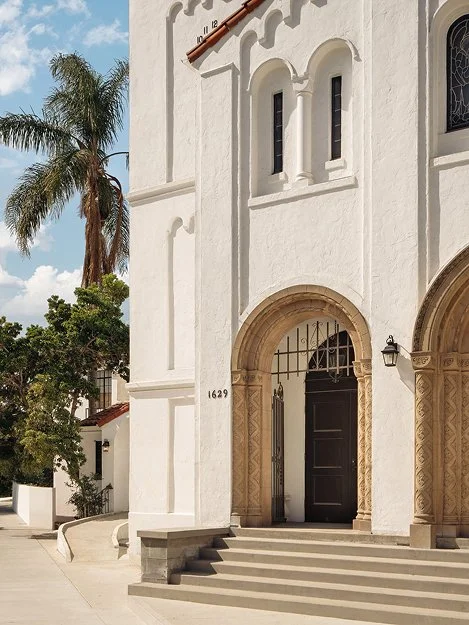
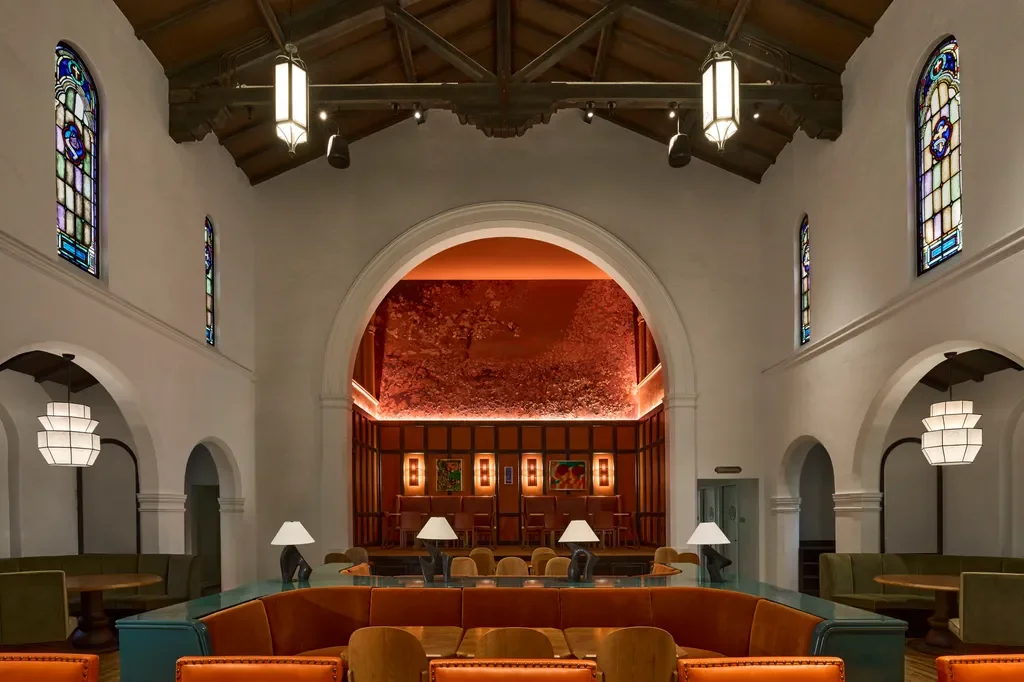
Let’s kick off the list with what could obviously only be my favorite property of the bunch: Hotel Lucile. A 1931 church in LA turned into a 25-room boutique hotel, yes please. It has everything - arched windows, stained glass, and the bones doing exactly what you’d expect them to do. The interesting part is what’s happening inside them, though. There are rotating art exhibits, author salons, and a book club run with local independent bookstore Skylight Books. “Community” is the kind of word that genuinely means nothing on a hotel website, but here the term is actually load-bearing. The programming they added to the hotel is on point. Not just some decoration around it. LA has always been great at taking something that used to mean one thing and turning it into something that means another. This is one of the better versions of that principle. I’d implore you to book it for the programming, not just the Instagram grid - though that’s gotta be amazing too.
Tella Thera
Kissamos, Crete
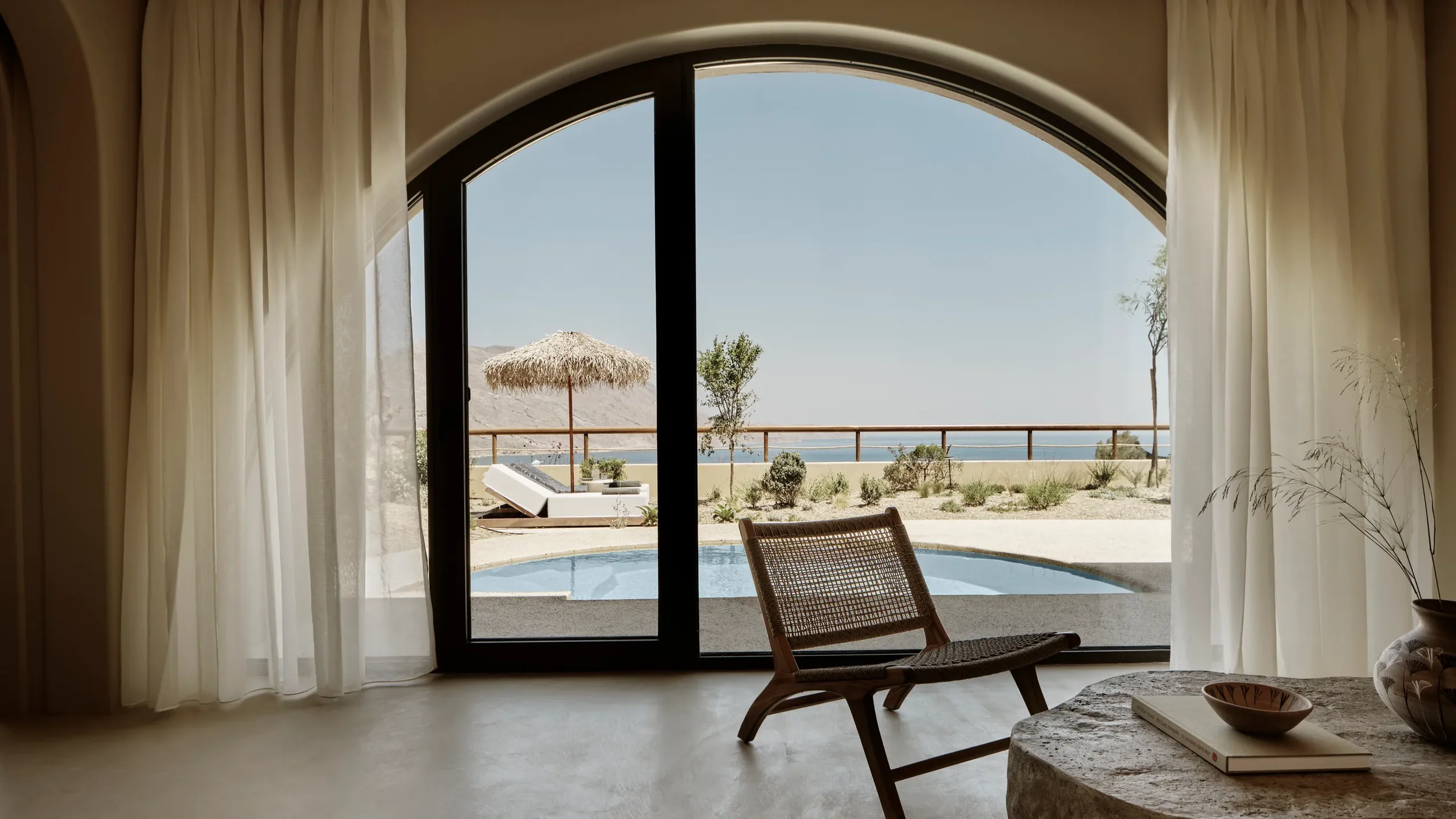
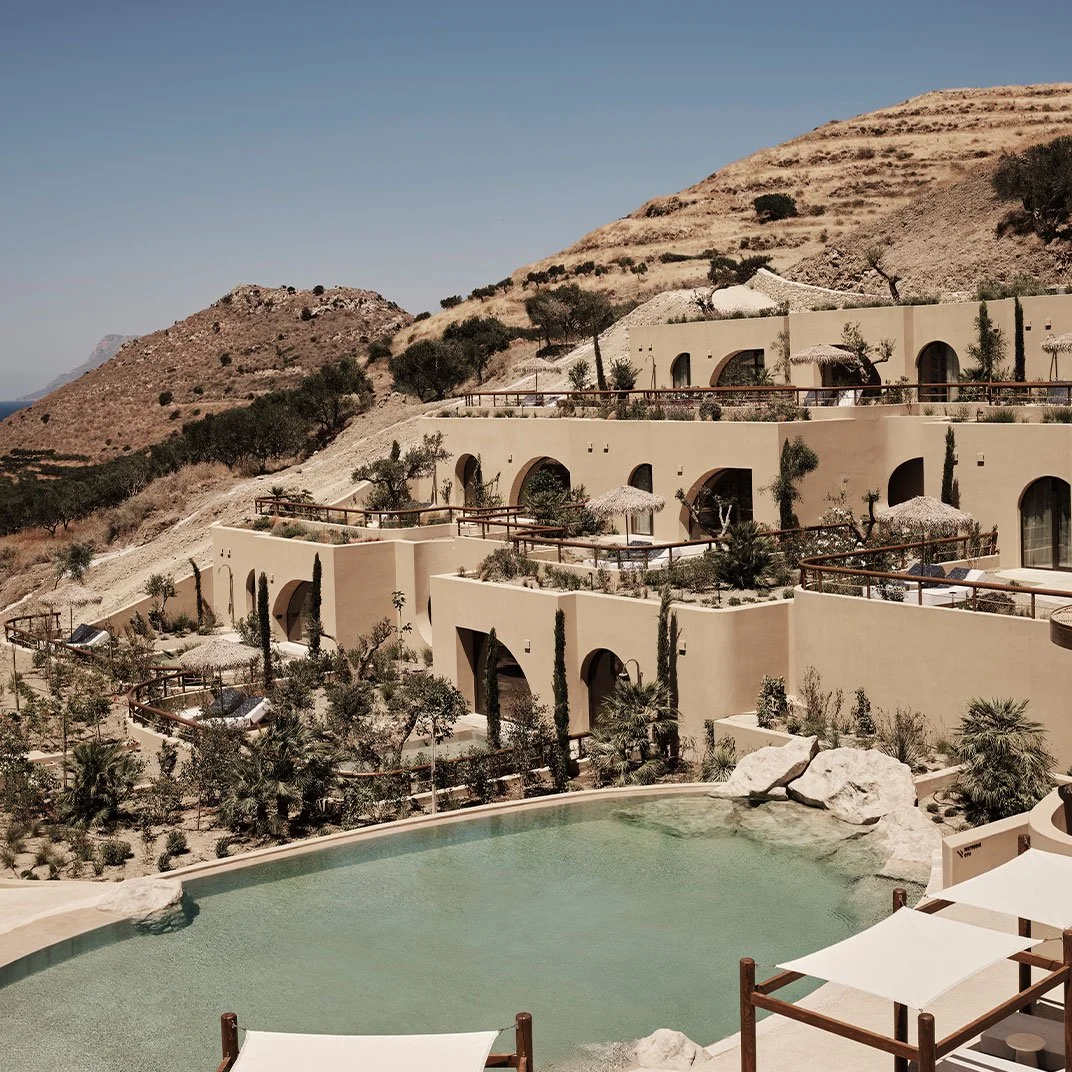
Western Crete is a different place entirely from the parts of the island that travel coverage keeps recycling. Tella Thera sits in rural Trachilos, 45 minutes from Chania, and has 20 suites and one villa built into a hillside by a husband and wife team. It is fully solar-powered and designed bioclimatically by Pieris.Architects to move air and light through the building without burning through electricity to fake it. The wooden furniture was made by a local carpenter, not shipped from a catalog. Ancient Cretan water clocks sit in illuminated wall niches, which is the kind of detail you only get when the people building the place actually live there.
The restaurant, Anemoia, runs a low-waste Cretan menu with a real follow-through: citrus-rind sorbet, herb-stalk powders, and locally grown everything down to the last garnish. This is eco-minded in the way that actually costs the kitchen effort, not the kind that is just some badge on a website. Quietly one of the most interesting properties on this entire list.
Nomade Temple Madrid
Madrid, Spain
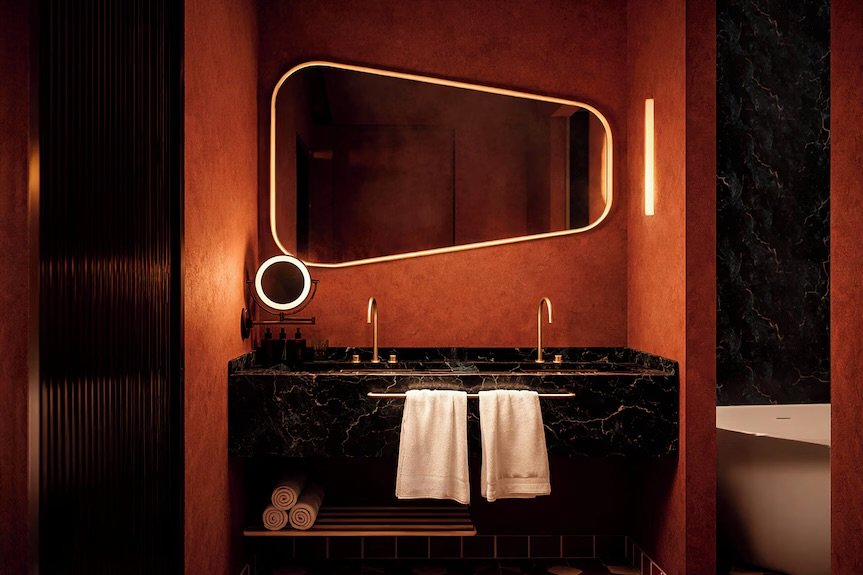
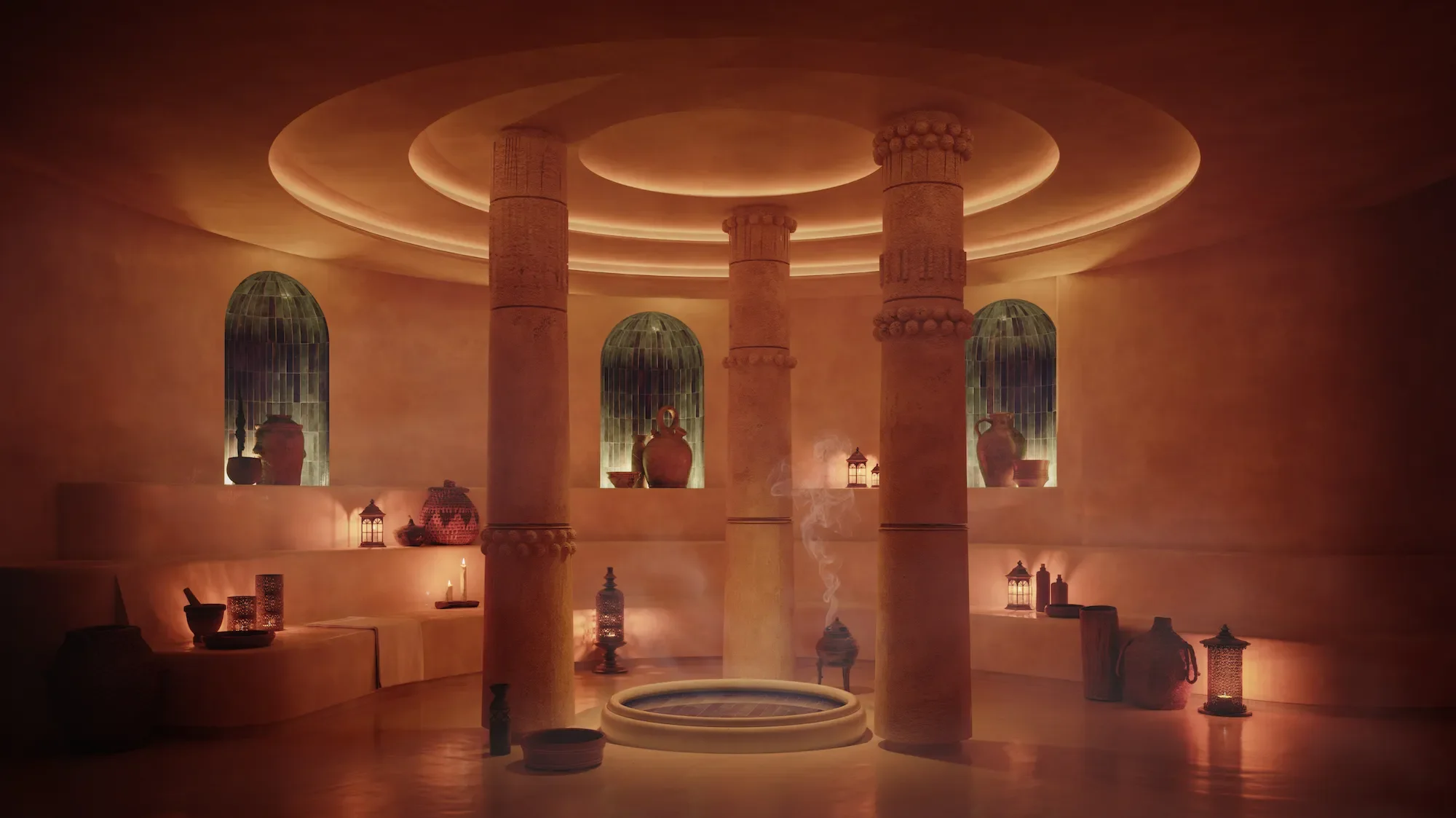
Nomade started in Tulum and has now planted itself in a restored historic building on Gran Vía, which sounds either like a natural next step or a complete identity crisis, depending on how attached you are to their original beach club fantasy. In Madrid, somehow, it just works. There is a rooftop garden and pool with city views, a speakeasy that turns into a late-night club, a spa with cryotherapy and hammam, and multiple restaurants and bars layered through the building like it’s daring you to leave. It’s a lot. On purpose. Book it if you want one address that can handle an entire night out without ever leaving or calling a cab.
Divine Cave Experience
Santorini, Greece
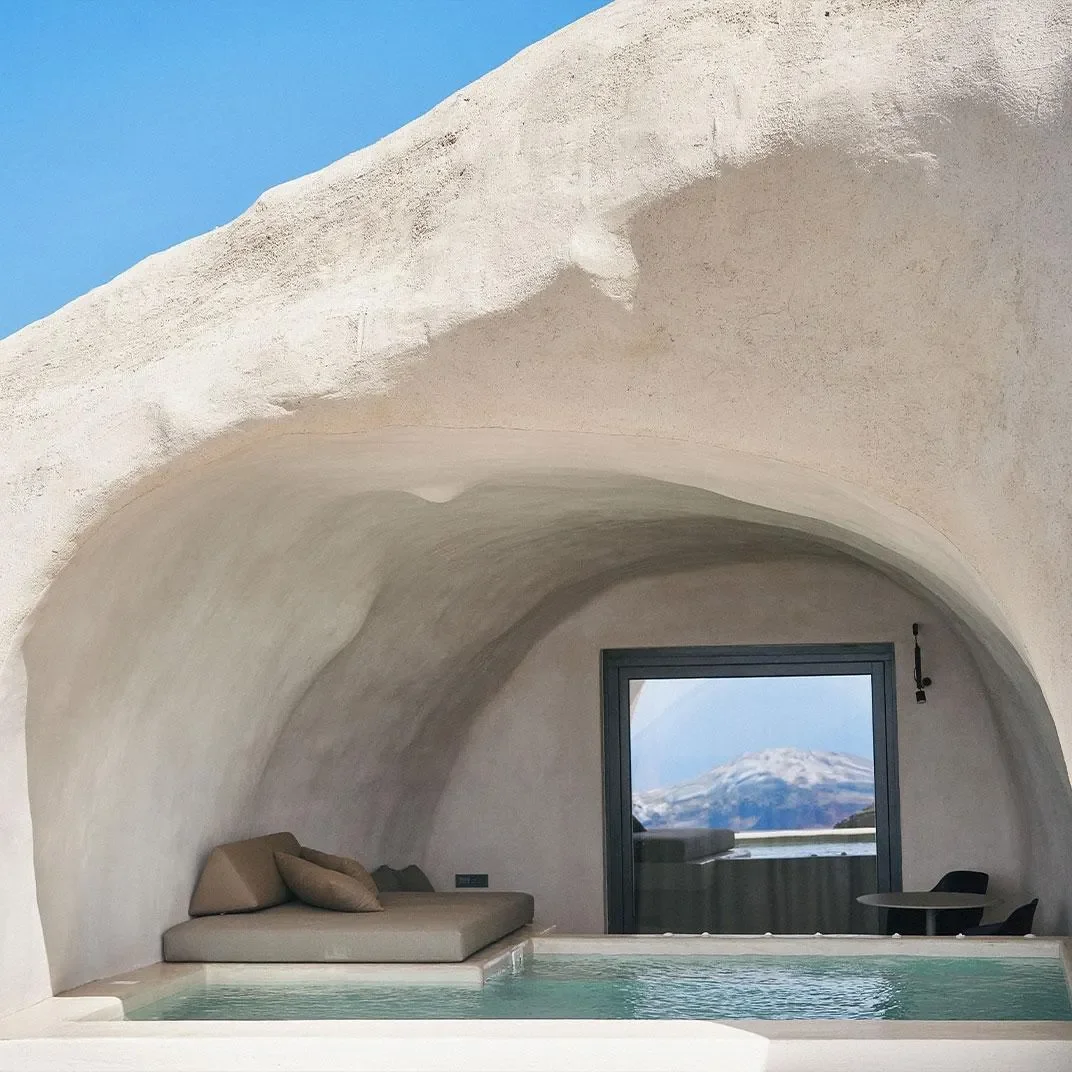
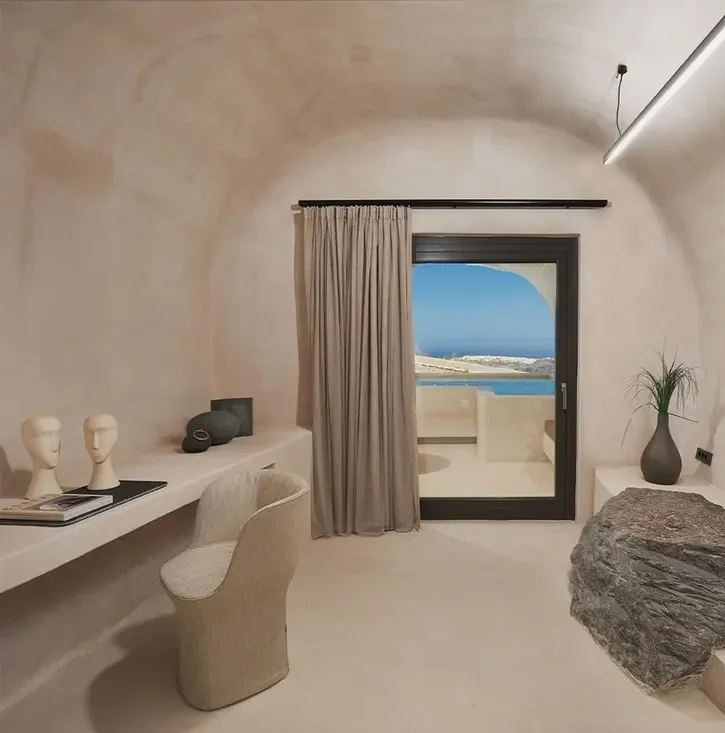
I honestly don’t think I need to say much about this one. Ten suites carved directly into the volcanic cliffs, each with a private terrace over the caldera and an underground spa that feels almost beside the point once you’ve seen the view. This is the rare setting that stops being a backdrop and actually becomes the trip itself. Santorini is full of properties leaning in on the view as a stand-in for everything else they didn’t bother building. This one earns its name instead of just borrowing from the scenery.
The Oberoi Rejharh Palace
Khajuraho, India
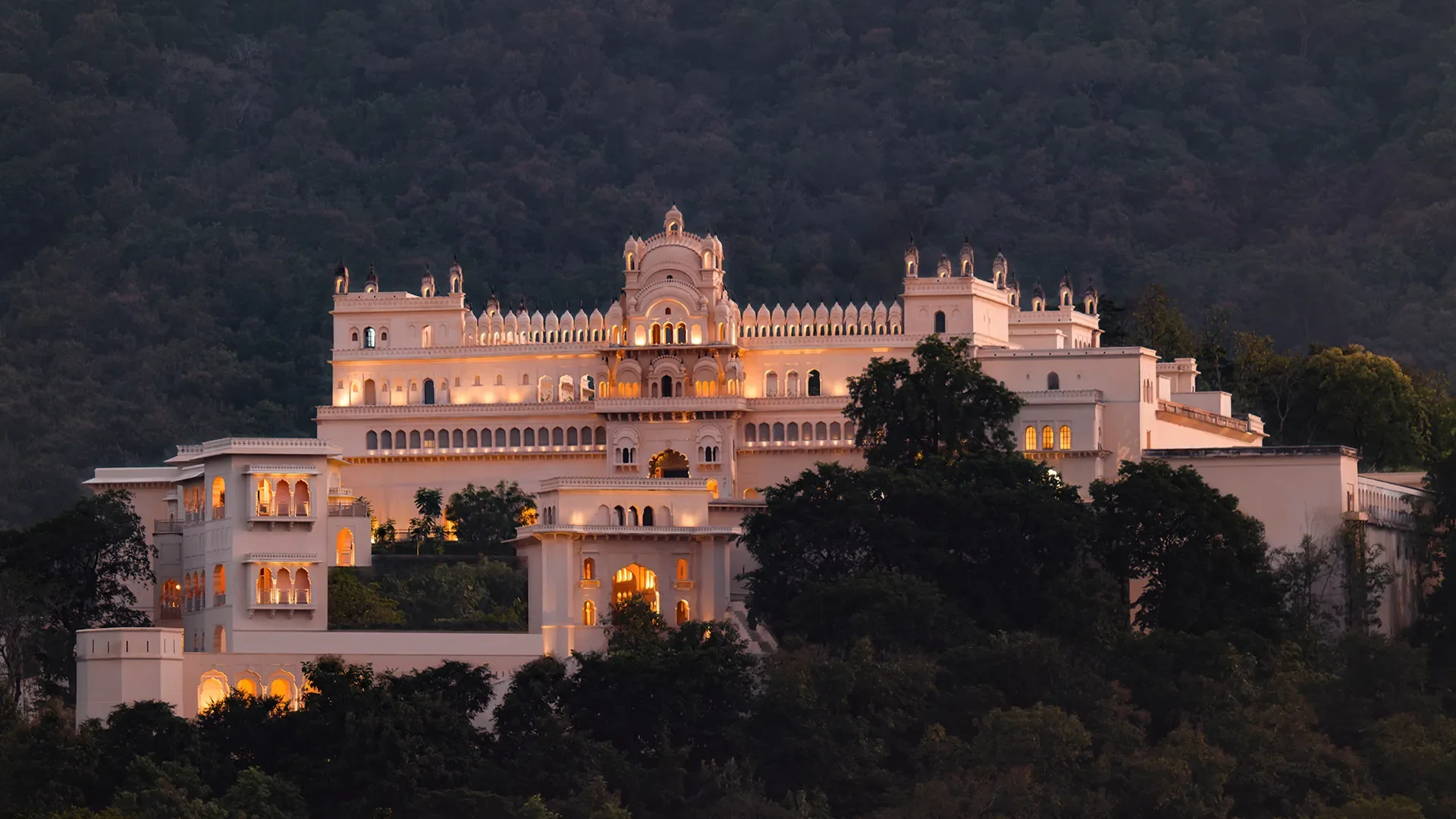
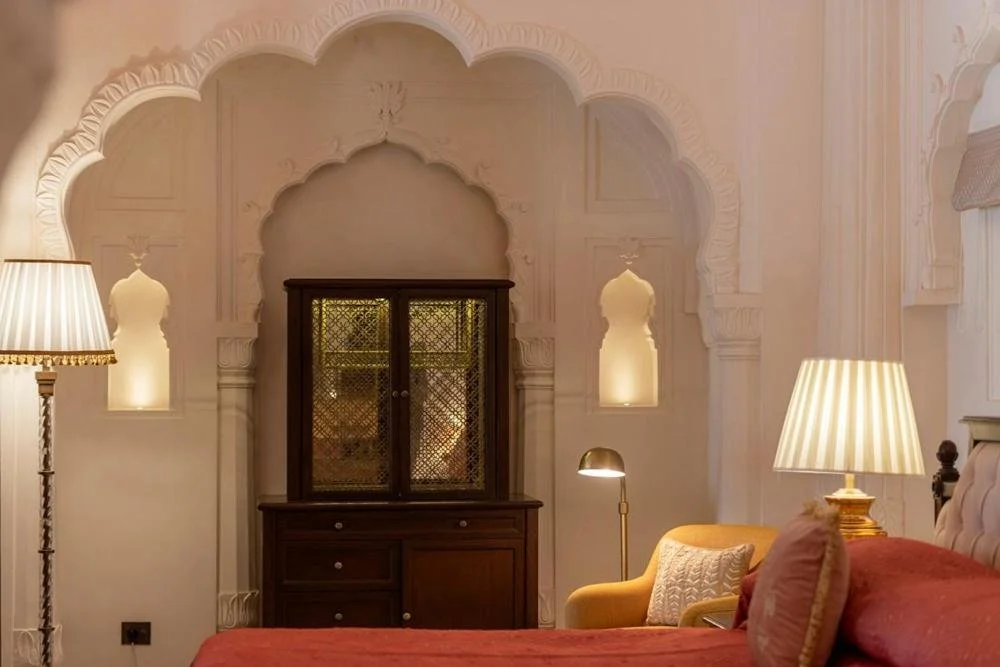
It’s a literal palace. The building started as a fort in the late 17th-century, built by the Bundela dynasty to keep watch over a temple town and forested land that still holds tigers today. Now it’s an Oberoi property with 65 rooms spread across 76 acres. The history is doing actual work here, not just sitting on a plaque by the door. Garden rooms sit under sal and palash trees, palace suites occupy the upper floors of the original structure with views across the property from rooms that once belonged to the dynasty’s own rulers. You’re not staying in a hotel modeled on a palace. You’re staying in a palace.
The restaurant, Maanya, leans on India’s royal kitchen traditions and serves to the sound of a live sitar, which could easily tip into theater but doesn’t, and I’m obsessed with it. The Khajuraho temples are 30 minutes away, and the Panna Tiger Reserve is the same distance in the other direction. Honestly, if that’s not your jam, the lakeside pool is reason alone to skip both and stay put.
Palazzo Talia
Rome, Italy
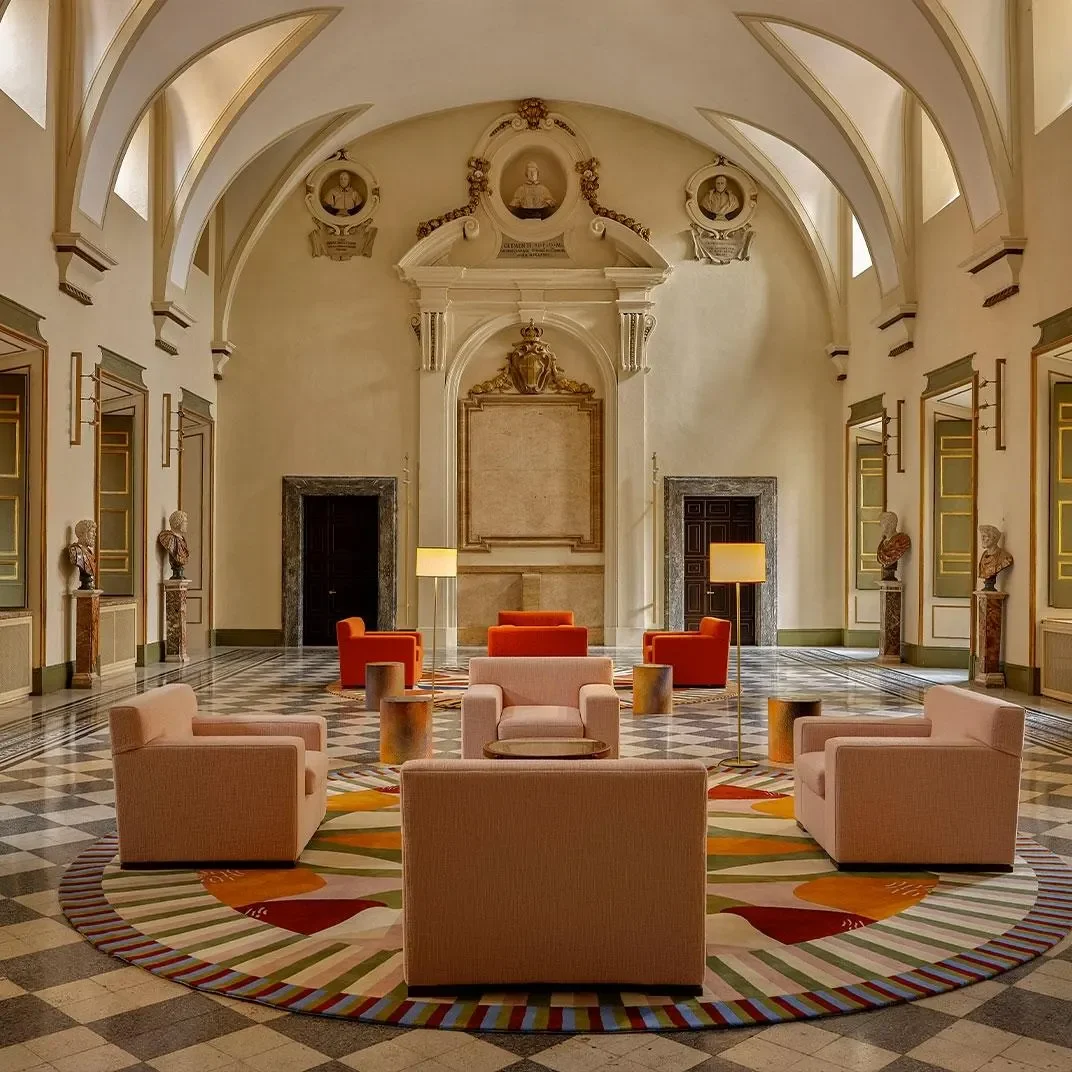
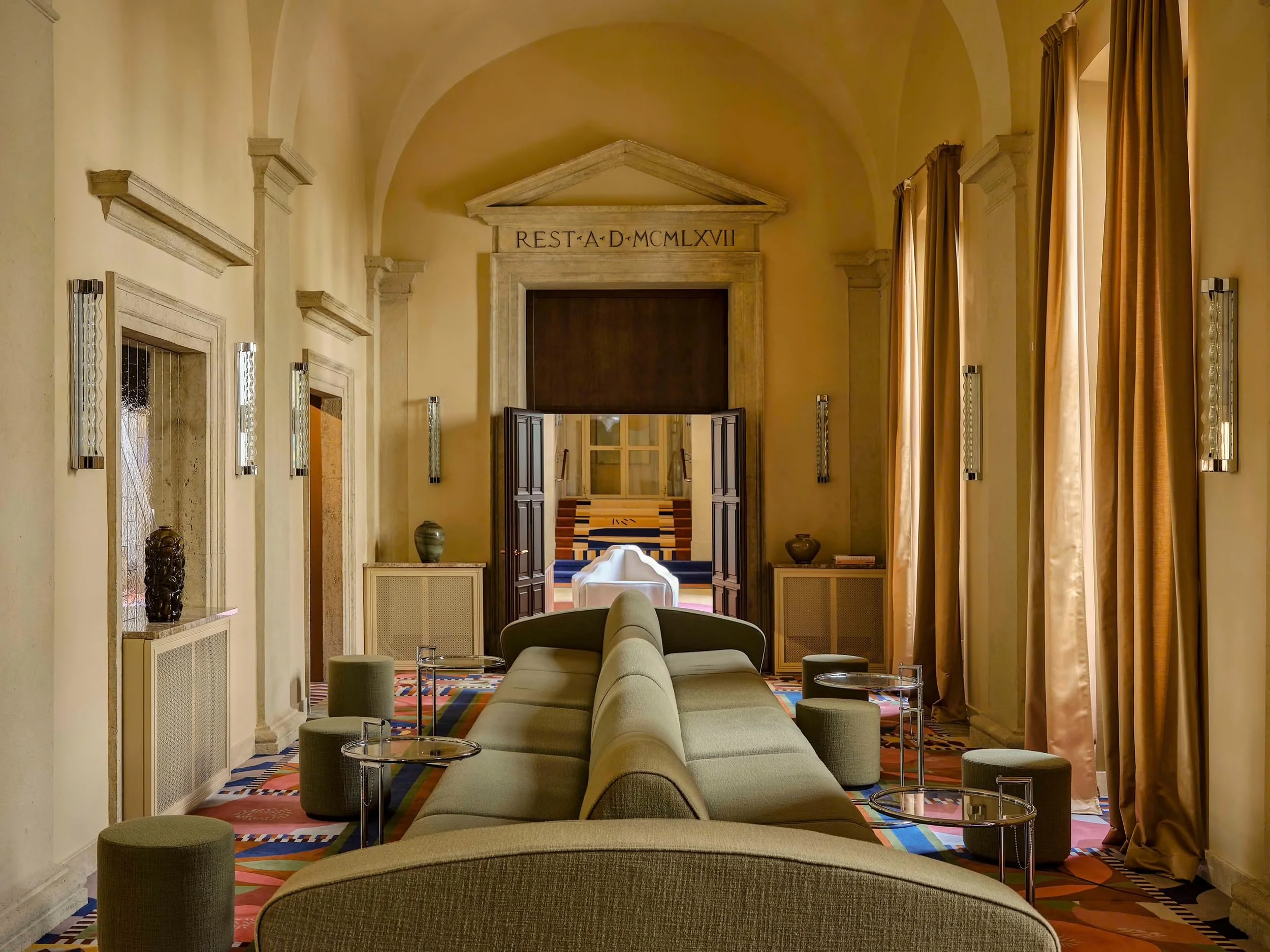
A 16th-century Roman palazzo, formerly a school, redesigned under the creative direction of filmmaker Luca Guadagnino, every room reads exactly like you’d expect from the man who made everyone want to move to Italy for an entire summer. Rich, baroque, deliberately over-arranged: every room is staged like a set because, functionally, it is one. Whether that sounds like exactly your thing or absolutely not your thing will tell you everything you need to know about whether to book it. If you’ve seen any of his films, you already know what camp you’re in. It’s theatrical in a way Rome has always been more than happy to accommodate.
The Huntington Hotel
San Francisco, California
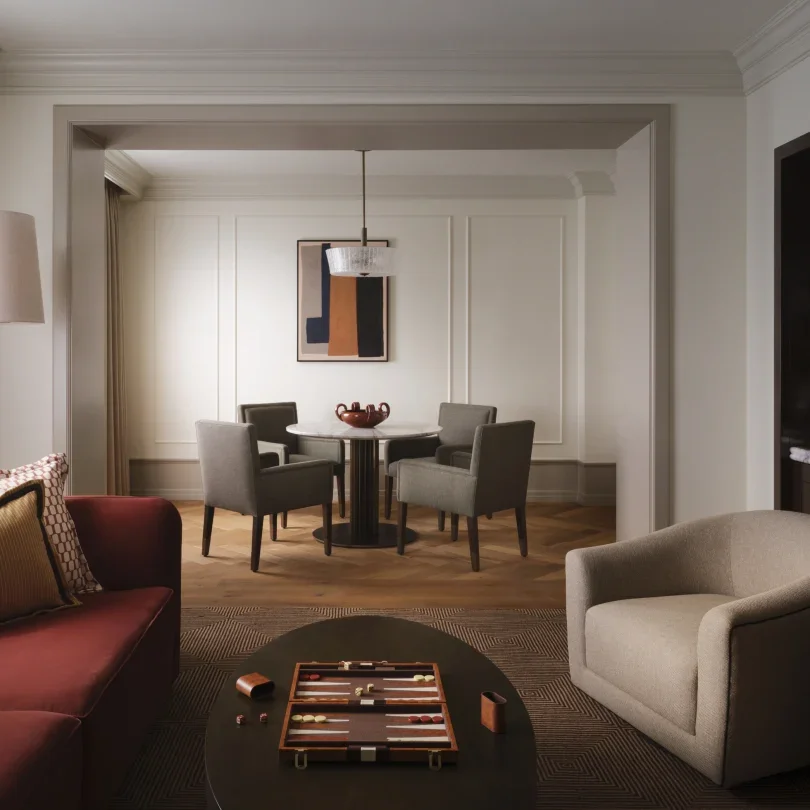
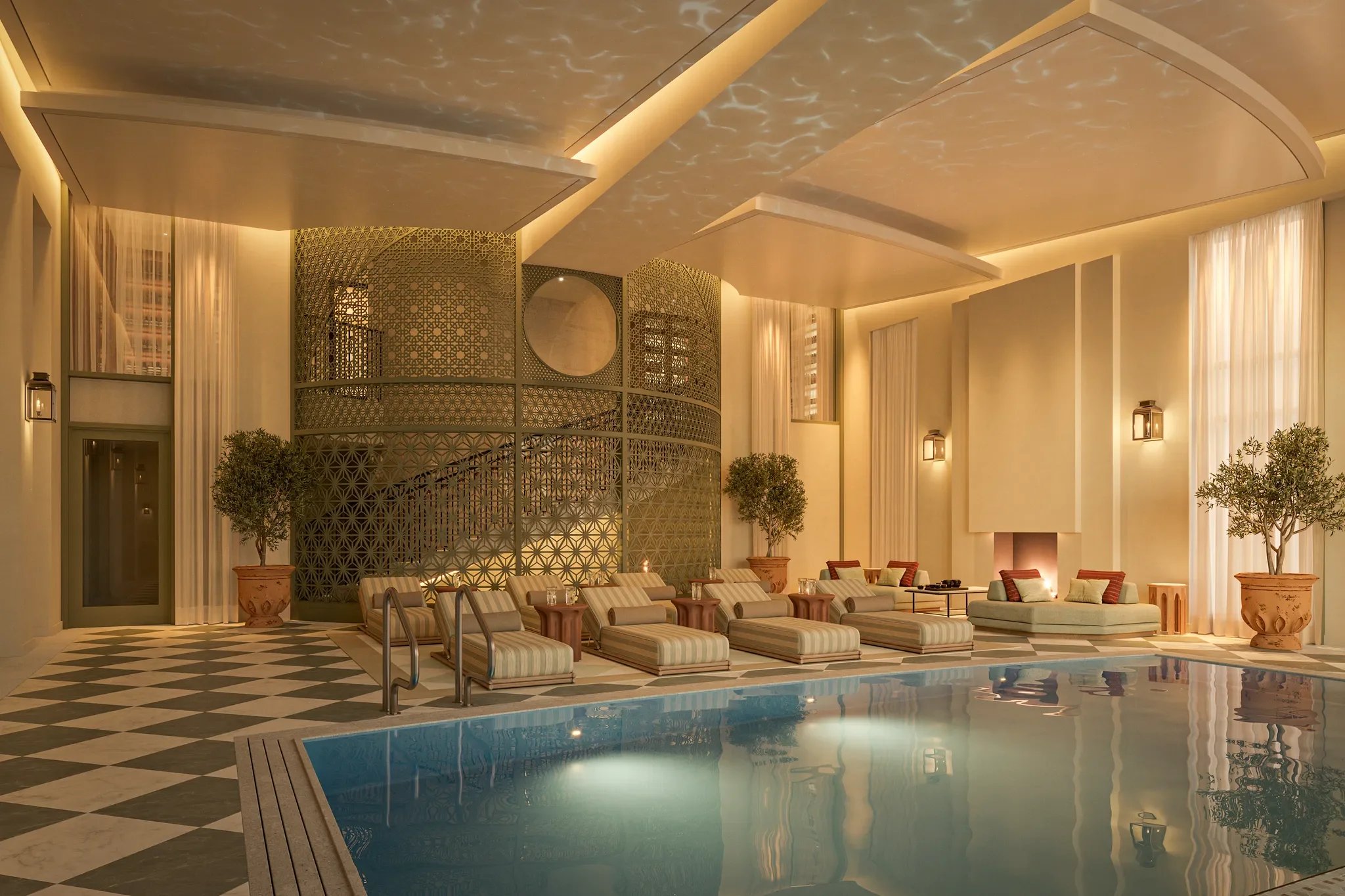
The Huntington sat closed on Nob Hill for years. Long enough, you’d probably forgive someone for getting it existing or even closed. It reopened in March after a complete renovation with Ken Fulk on interiors, and the building is worth the wait. It’s an Italian Renaissance Revival taking over a former residential property turned hotel that hosted Lauren Bacall, Truman Capote, and Princess Margaret. The revamped version has 71 rooms and 72 suites - a ratio that’s oddly satisfying and also a crazy flex. The 9,000 square-foot Nob Hill spa is a showstopper and apparently worth booking around. I’m obsessed with the pool atrium lined with Moroccan-inspired latticework, a double-height fireplace, and a curving staircase that makes the entrance feel like an event. This is honestly the kind of hotel that makes you fully understand why people used to just live in hotels. Okay, it makes the case for going back to that too…
Jnane Rumi
Marrakech, Morocco
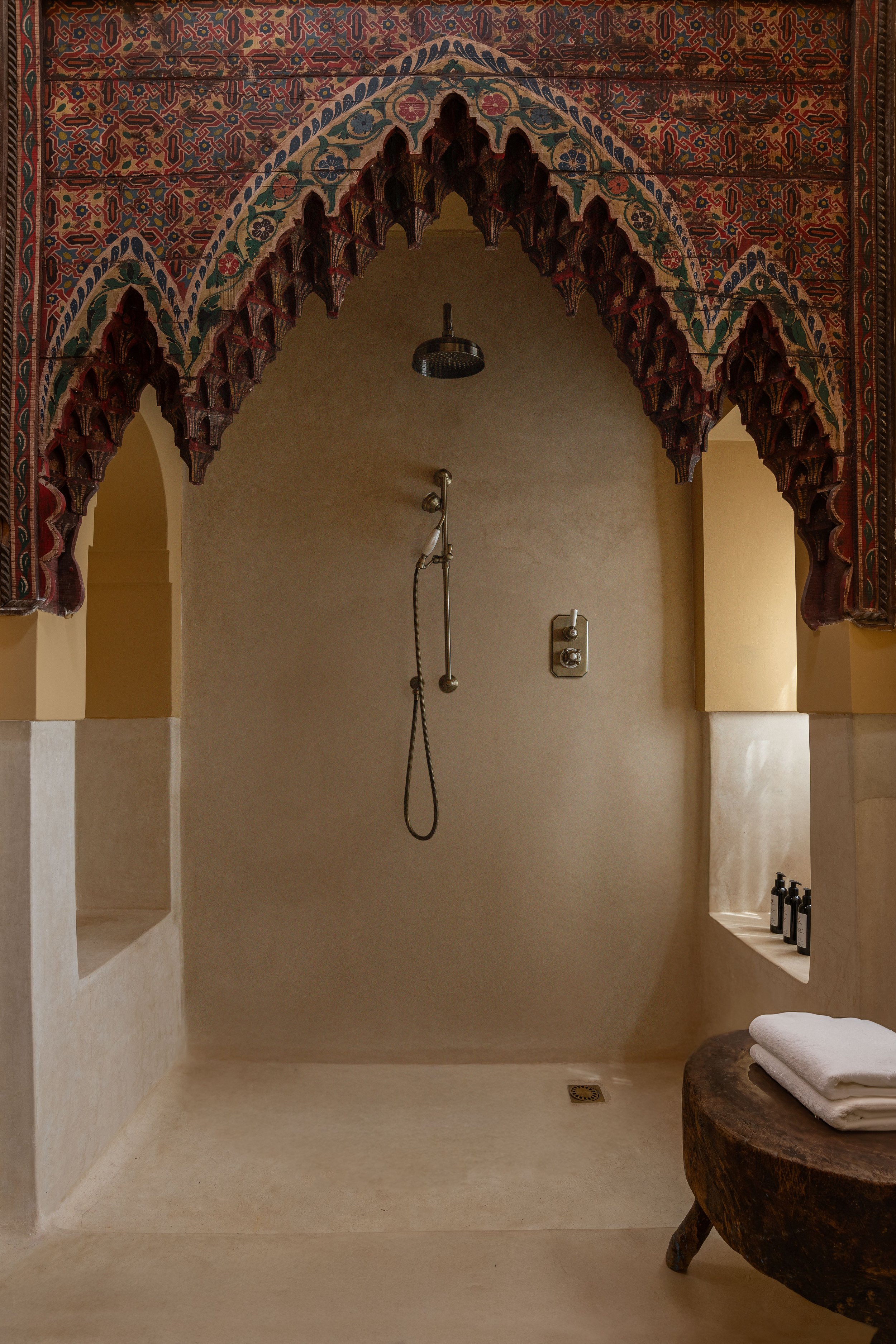
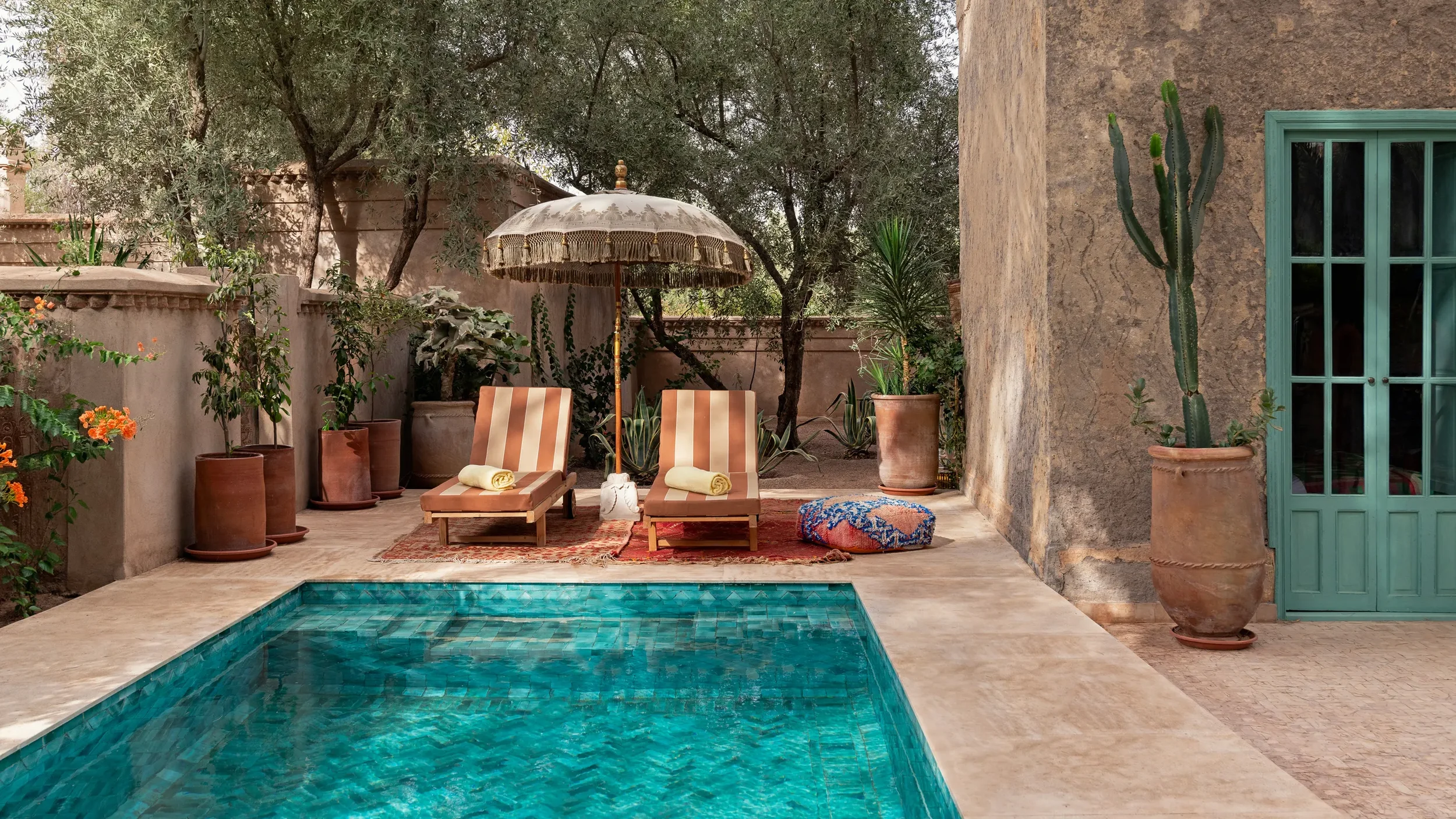
Twelve rooms total in the Palmeraie - seven in the main house, four garden pavilions, and one private villa - in a property originally built as a private home by Tunisian-born architect Charles Boccara, who studied at the Beaux-Arts de Paris and grew up in Casablanca. The building wears both of these influences openly: arches and domes, local stone and plasterwork, and windows opening onto a garden of old palms and pistachio trees that clearly predate the hotel by decades. The current owners turned it into a working cultural hub for contemporary Moroccan artists, with art events and creative retreats genuinely built on how the place runs, not bolted on for a feature in a brochure. If you need a reason to book it, it’s small, specific, and genuinely rooted in its place. “Oasis” gets thrown around pretty loosely in Marrakech hotel copy and feels like it’s lost all its meaning, but here it actually seems to hold up.
Don Carlos Marbella
Marbella, Spain
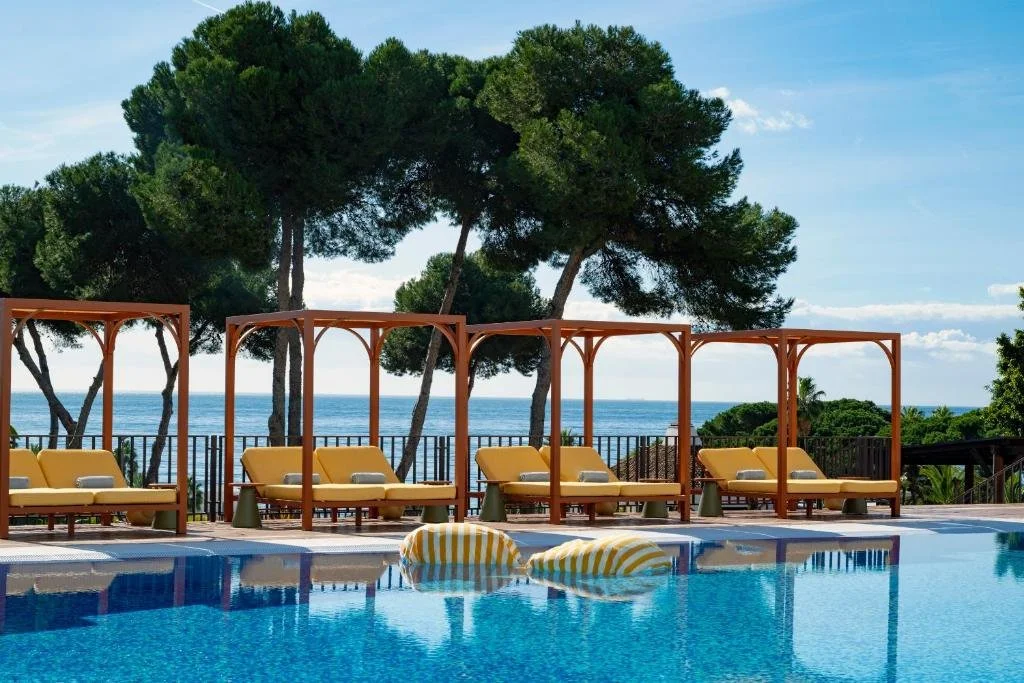
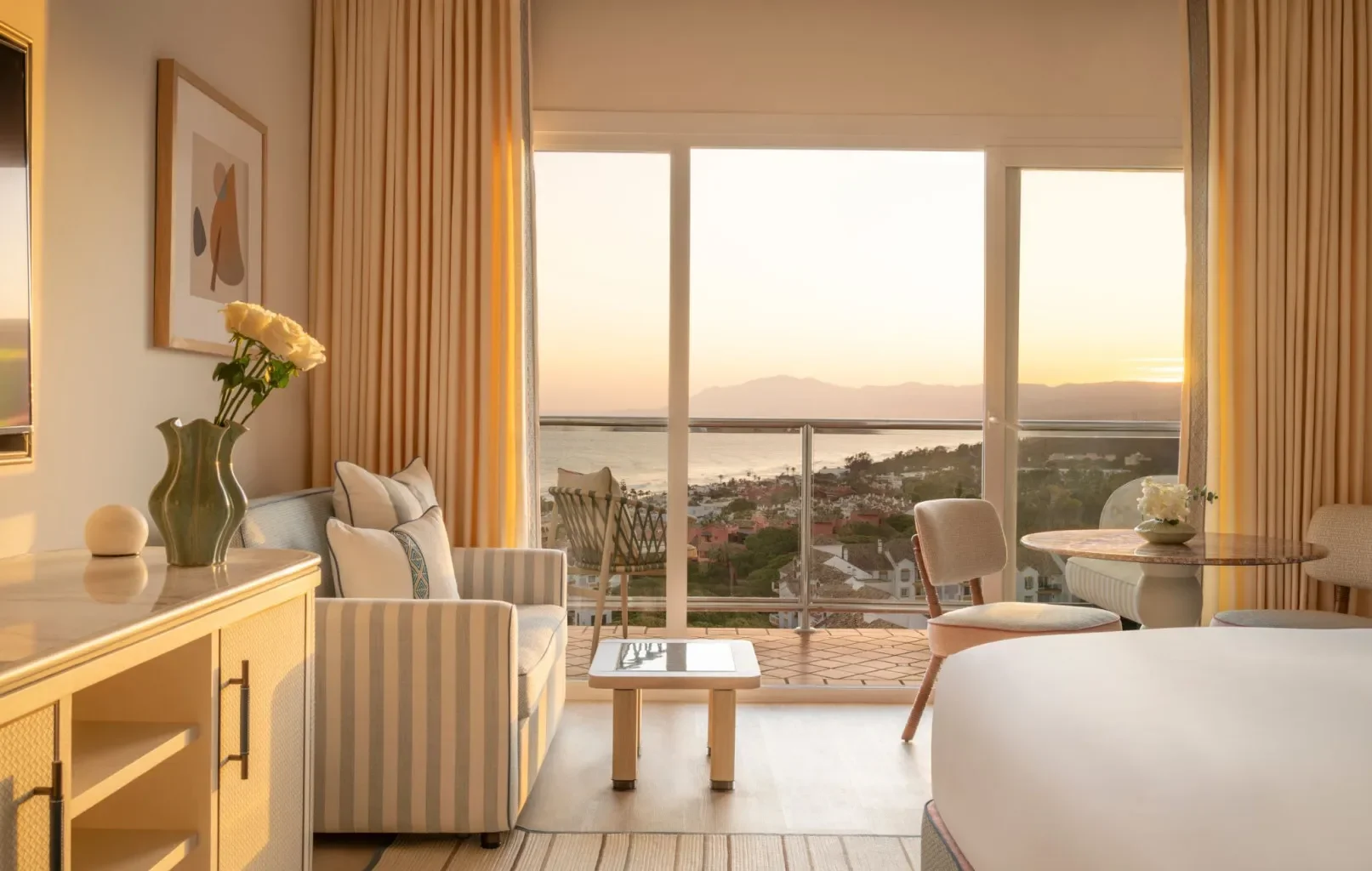
This one’s been on Playa Elbiria since 1969, which makes it older than most people who will be booking it this summer, and somehow it’s still less tired than half the new buildings going up next to it. It closed for a full renovation and came back last year with its unhurried, slightly old-money energy fully intact. Interior designer Jaime Beriestain kept the look clean and uncluttered with flowers and greenery threaded through all 308 rooms, suites, and residences so the place reads more garden than hotel. The new two-story spa runs a full water circuit, and there is a redesigned pool deck and bar that is going to be the real reason people stay an extra night.
Then there is Spain’s first Rafa Nadal Tennis Center, now attached to the property, which is either the whole reason you book this or completely beside the point, depending on who you are. What I respect most about this renovation is the restraint. It didn’t try to reinvent a place that already knew exactly what it was. It just made the version that was already working slightly better, which is harder to pull off than people think.
Torel Quinta da Vacaria
Douro Valley, Portugal
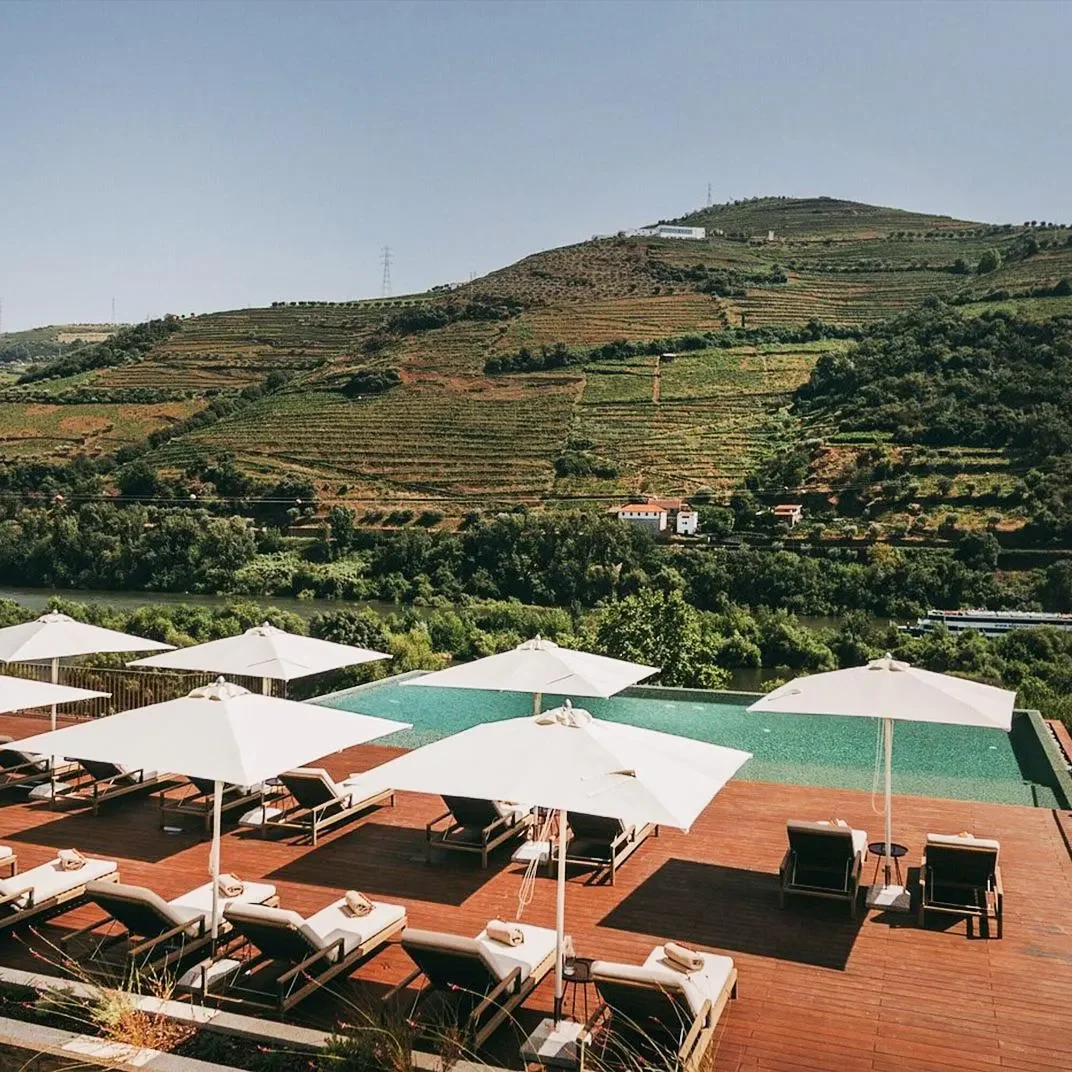
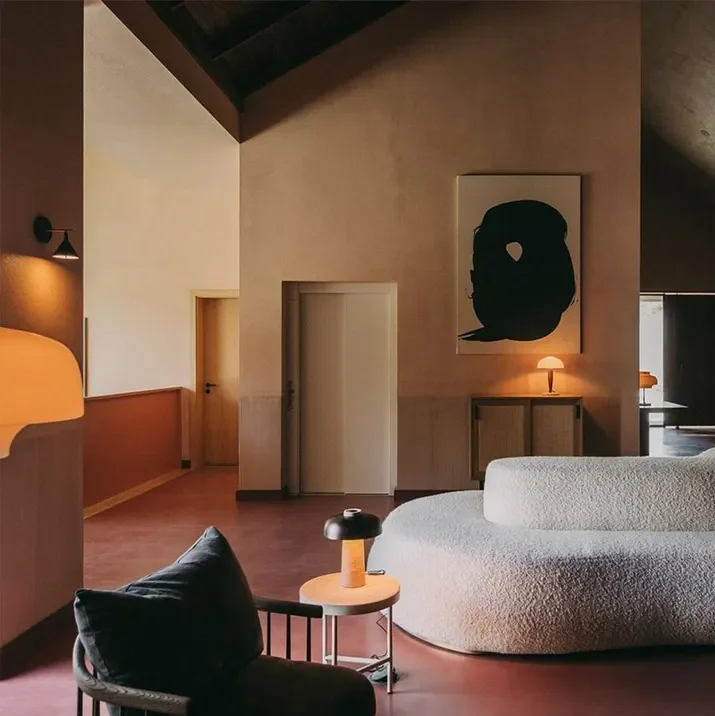
A historic wine estate in the Douro Valley was carefully refreshed rather than fully rennovated which sometimes is the right call more than the industry might admit. The original architecture is still standing, but now paired with interiors by Luís Miguel Oliveria and Studio Astolfi. There are light wood floors, mid-century furniture, and a glass-walled spa looking out over the terraced vineyards. It has the specific quality you only get from a place that has never tried to become something it just isn’t. You go for the scenery, the wine, and the particular quiet of the Douro that’s hard to manufacture anywhere else. The hotel seems to genuinely understand it’s the supporting role here rather than the main character.
Azuma Farm Koiwait
Iwate Prefecture, Japan
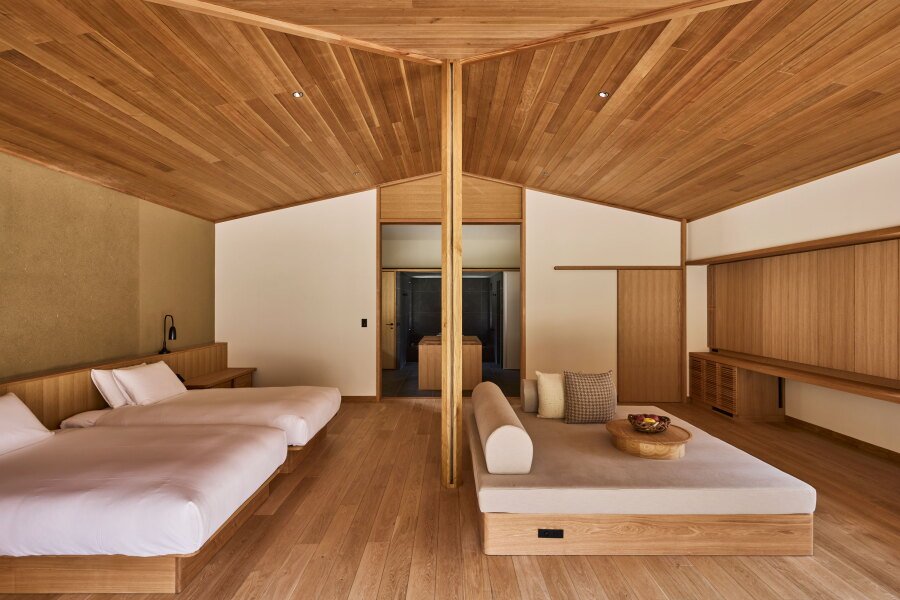
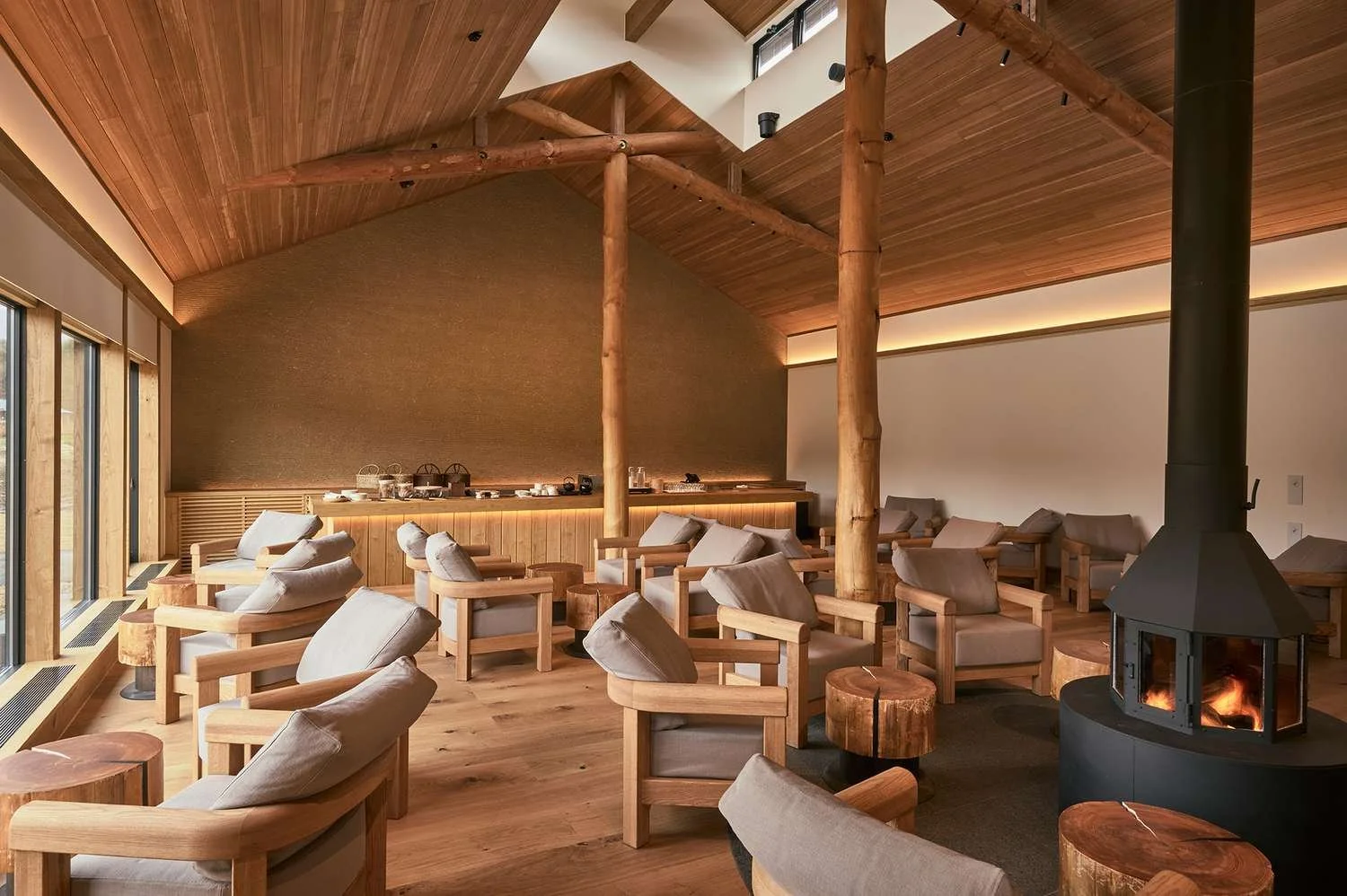
Everyone doing the luxury Japan circuit ends up in the same three cities: Tokyo, Kyoto, Osaka, repeat. Almost like the country only has three rooms. Azuma Farm Koiwai skipped the line entirely and built on a 3,000-hectare working farm at the foot of Mount Iwate in Tohoku - a region most high-end travelers have never had a reason to drive through. The team behind it trained at Aman, and you can feel the pedigree. The villas ring a central clearing modeled on ancient Jomon-era village layouts built from red pine, cedar, and chestnut cut and milled on site. This is what it looks like when a luxury brand actually does the homework instead of importing a template.
This isn’t a hotel you visit in addition to something else. It is something else. Your actual reason to fly to Iwate at all. Lacquerware studios, wasabi farms, sake producers, and a Nanbu ironware workshop that has been hammering away since the 17th century are all part of the program. Book this if you want rural Japan with zero tourist scaffolding around it and don’t mind that nobody back home will have heard of where you went. Isn’t that sort of the appeal?
The Carlton Milan
Milan, Italy
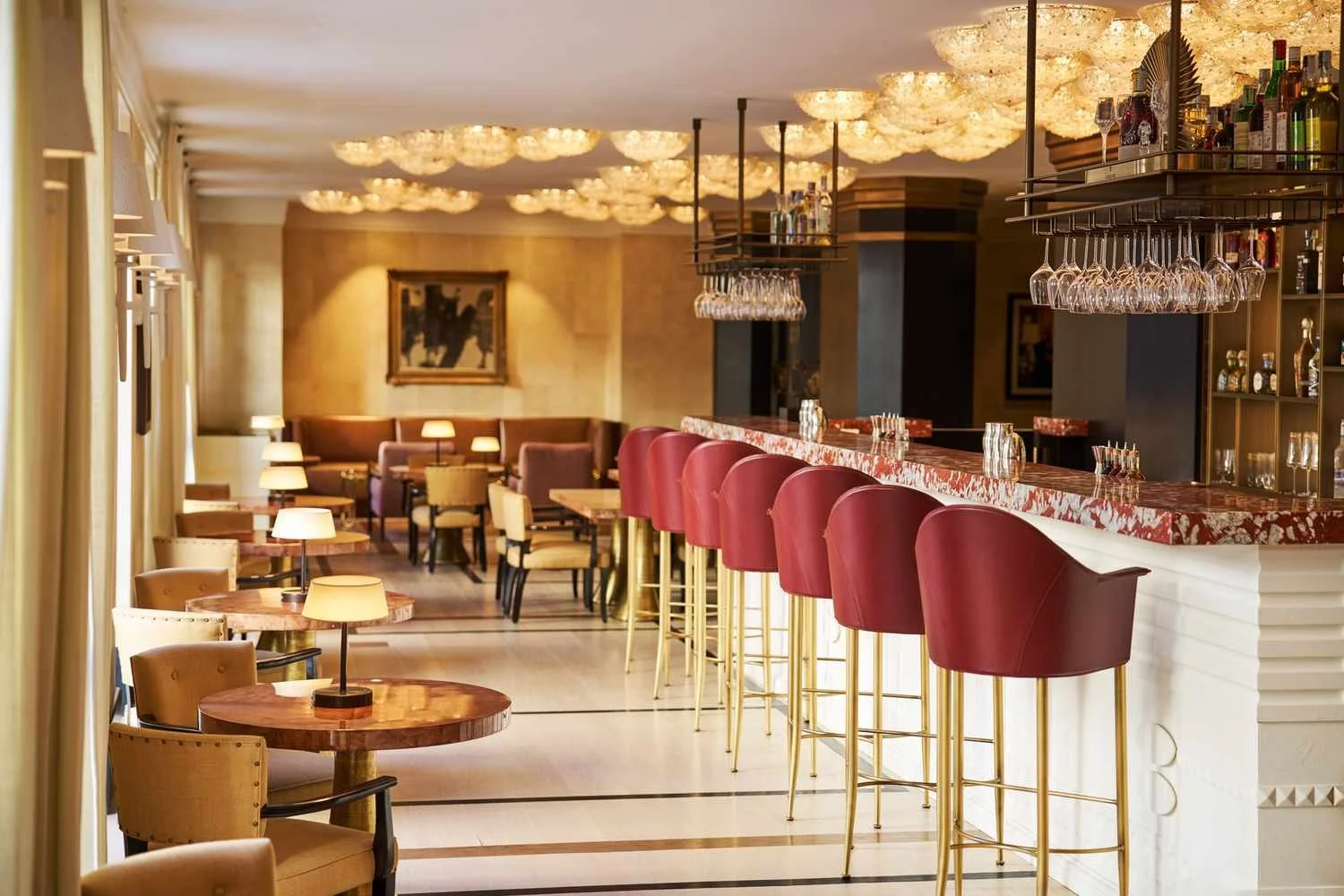
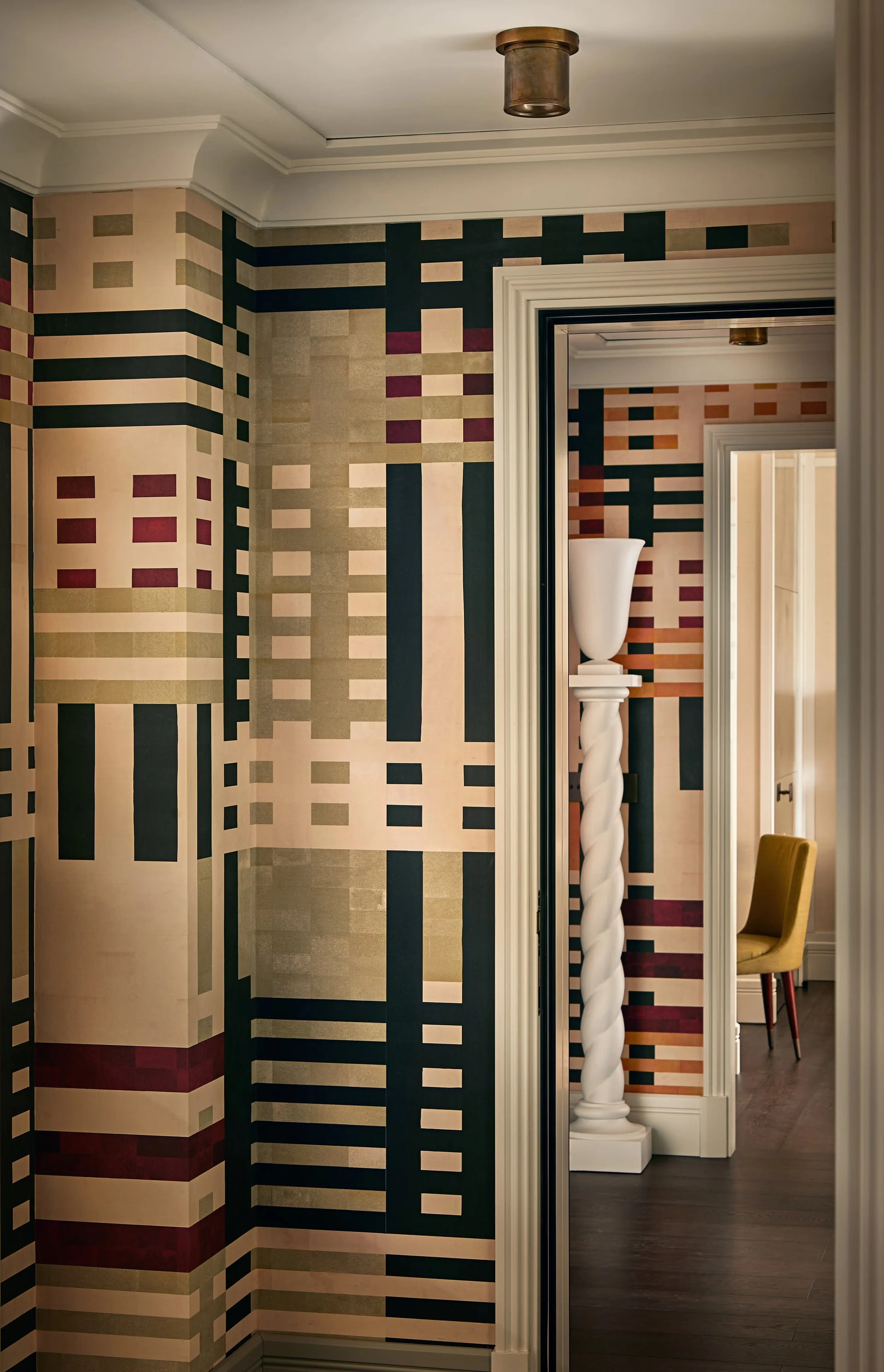
Seventy-one rooms in the fashion district, Art Deco bones, and interiors by Philip Vergeylen and Paolo Moschino in bold earth tones and a rich material palette - it’s exactly what you’d want from a boutique hotel in a city where every single person has already silently judged what you’re wearing. There are three restaurants on site, all under chef Fulvio Pierangelini, with a seasonal menu at Spiga that leans hard into local sourcing instead of just claiming to. It’s not the biggest, most attention-grabbing opening in Milan this year, but it doesn’t need to be. It’s specific in the way the best small hotels always are, and in a city built entirely on specificity, that’s not a limitation. It’s a bigger sell.
Casas de Quinta de Cima
Algarve, Portugal
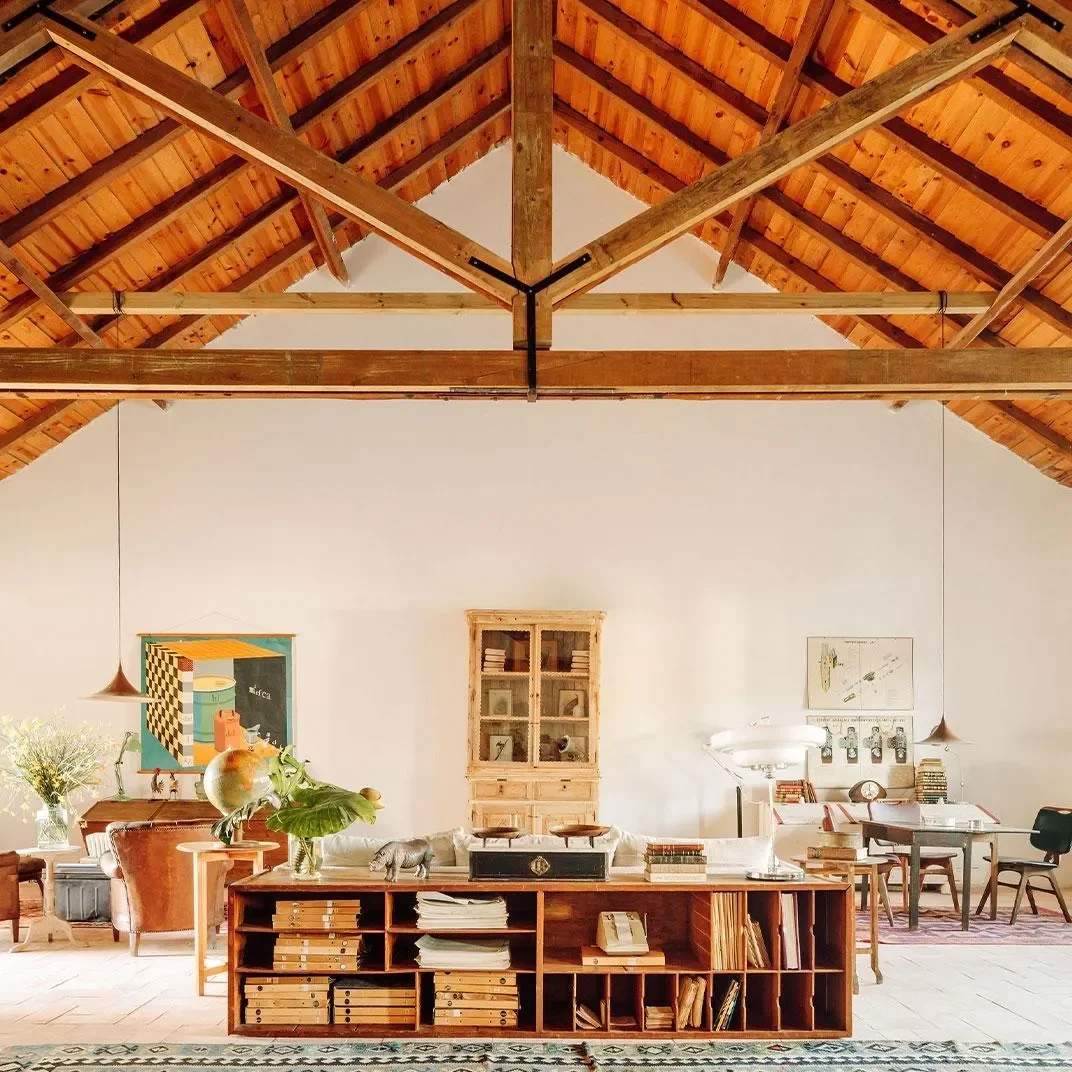
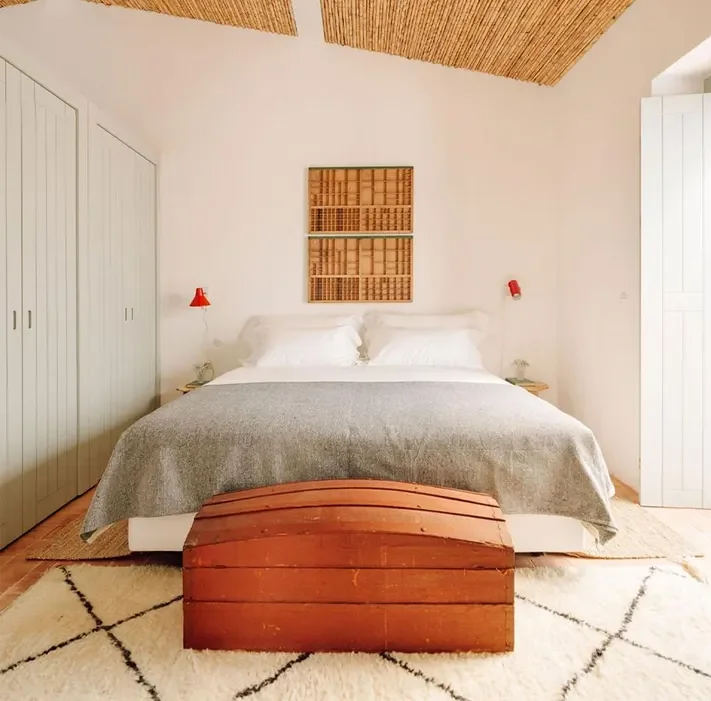
Former farm workers’ cottages on a family estate that’s stayed in the same hands for generations have now been reworked into nine suites. They feature terracotta floors, wicker ceilings, marble baths, and a private terrace per suite looking out over orange and avocado groves that were already there before this was ever a hotel. The Algarve has plenty of properties that could be airdropped onto any coastline in the world, but this one couldn’t exist anywhere else, and it doesn’t pretend otherwise.
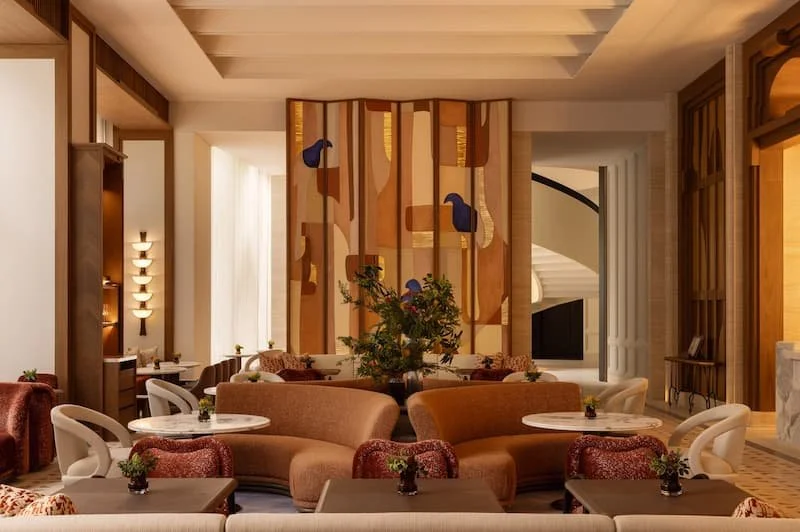
Capella Taipei
Taipei, Taiwan
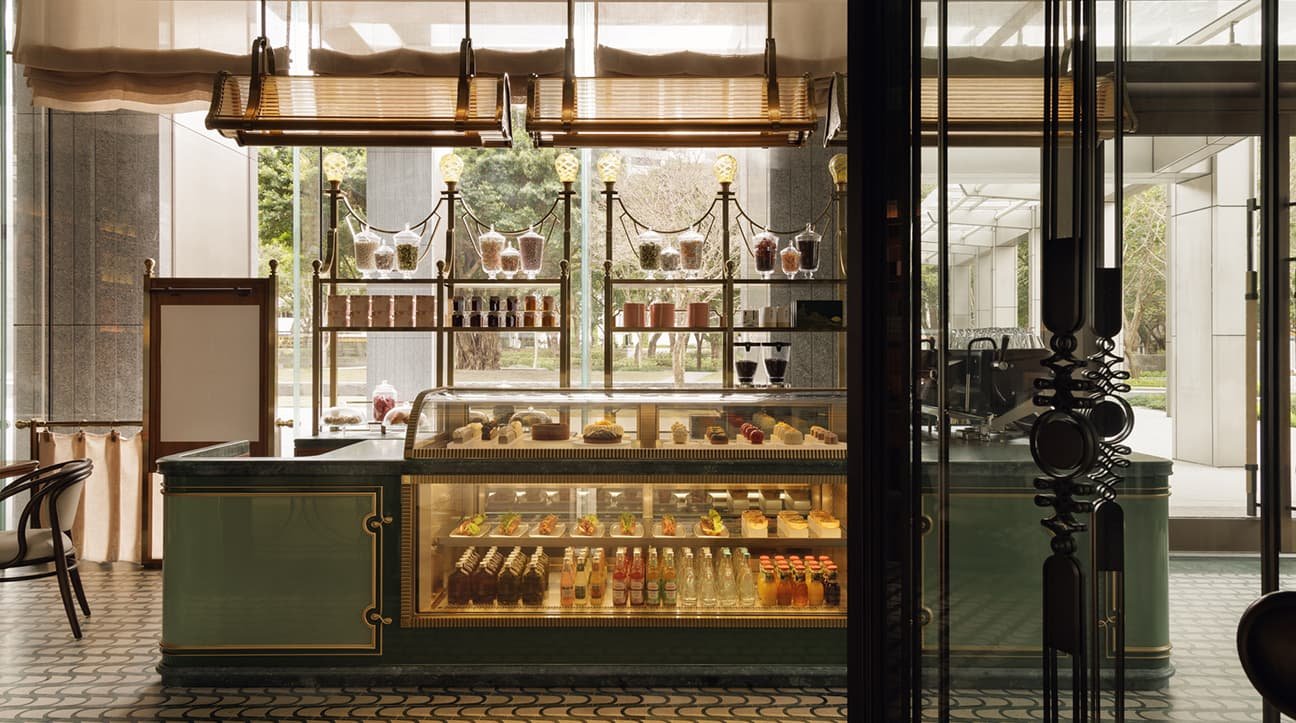
André Fu designed it. That’s basically a whole pitch in itself, and it’s enough. Taipei hasn’t had an ultra-luxury opening in over a decade, so the entry alone is doing a decade’s worth of waiting in advance. There is an arched corridor that opens to the lobby, a modernist spiral staircase climbing up to the wellness level, and there are 86 rooms running in warm neutrals and mineral blues. Some rooms even come with private pool terraces, which, honestly, is a detail that will get plenty of people booking a stay. There are multiple restaurants, including Japanese omakase, contemporary Cantonese, and a modern grill, a three-story bar stacking vinyl and live music in the basement with a champagne lounge at the top, and a 14th-floor pool looking out over the leafy Dunhua Road neighborhood below.
A 16-foot mural of Taiwan’s national bird anchors the lobby, commissioned from a Hong Kong-based French artist, and it’s one of hundreds of art pieces scattered through the property. This isn’t a hotel with art in it. It’s basically a private gallery that happens to have beds. Book it if you want the kind of stay that makes you extend the trip by two days you didn’t really plan for.
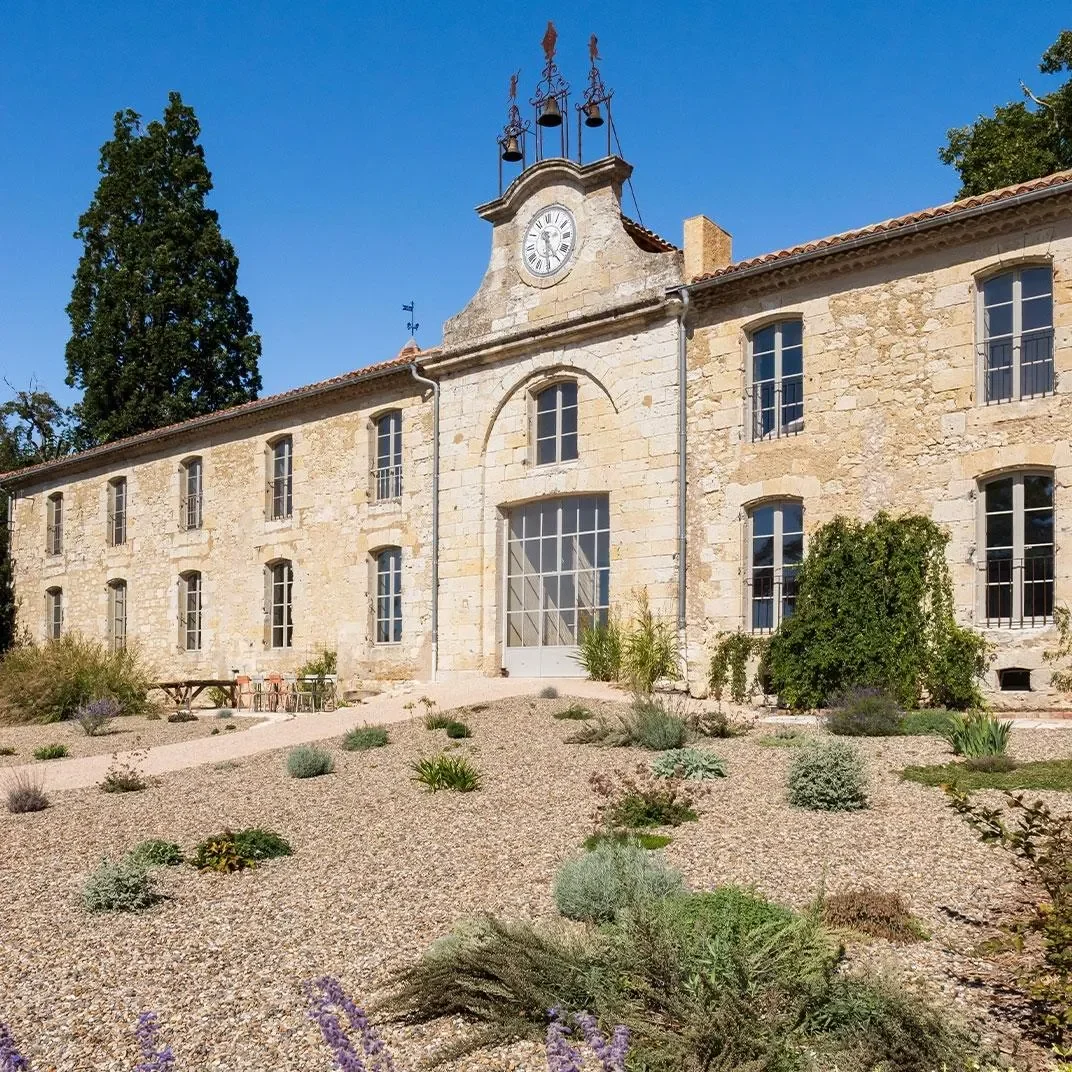
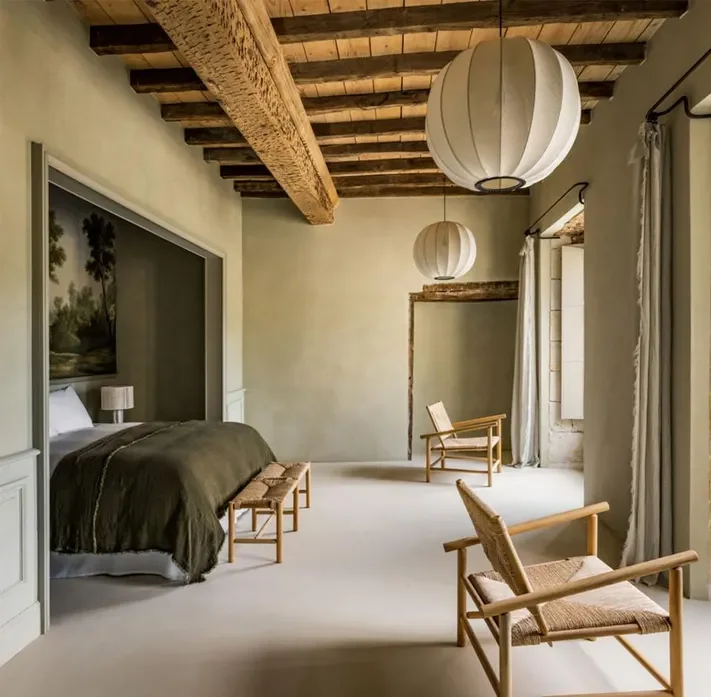
La Manufacture Royale de Lectoure
Lectoure, France
A tannery built in 1754 in the Gers region of southwest France shut down and was painstakingly restored over four years before reopening as a hotel. The industrial bones stayed exactly where they were, which was the point of the restoration, not a compromise of it. Softened by lime-washed walls in custom colors and careful interior work, the updates never try to hide what the building used to be. It’s the kind of property that makes you want to know more about the town it’s sitting in, which is exactly the right effect for somewhere like Lectoure that nobody’s putting on their bucket list yet.
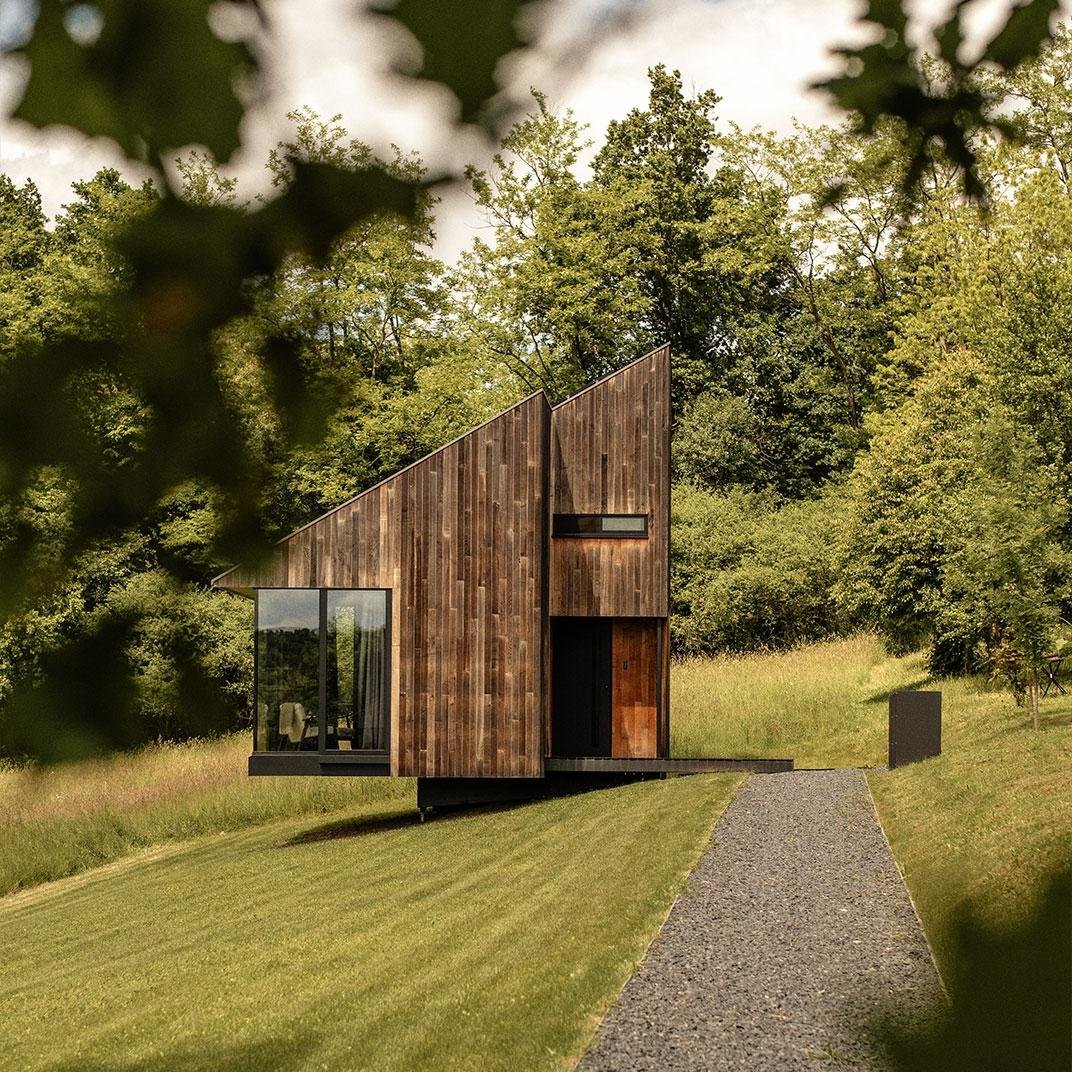
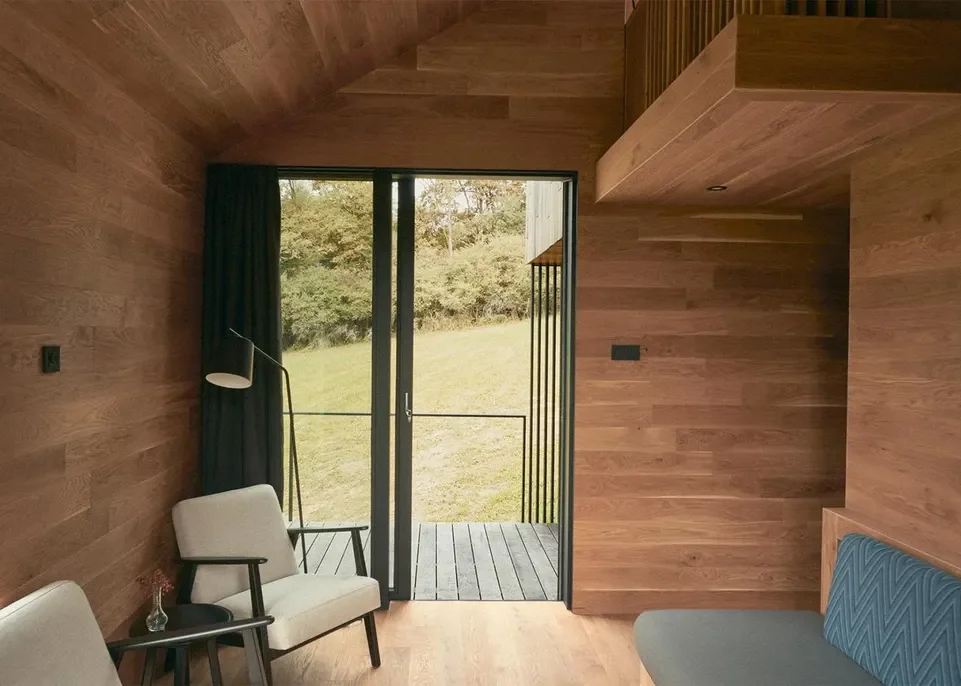
Kástu by Pajta
Hungary
Pajta earned its reputation as a Michelin-starred restaurant built entirely around Hungarian ingredients and regional technique. The kind of place people already build trips around. Kástu is what happens when they decided a great dinner deserved a great morning after, too. Architect Gábor U. Nagy designed seven cabins in the surrounding countryside that all pull from local craft traditions without turning into a museum, and they sit in the land instead of performing for it. The restaurant is still the entire reason to come, but booking a cabin here is giving you permission to not have to get back in the car after dinner and stay in a cool-looking cabin instead. Genuinely one of the more reasonable life decisions you can make.
The Bottom Line
The best hotels do a specific thing: they make you want to understand the place you’re in rather than retreat from it. Every property on this list exists because someone had a genuine reason to build it there, in that building, with that food program, and for that particular patch of land. That’s the bar. It’s not complicated, but apparently still rare enough that a list like this one fills itself without even trying. Time to start saving.