AI is everywhere now. I’ve been praising its applications in work, but it also helps us create workout plans, decide what to cook with whatever is left in the fridge, answer random questions we need to solve quickly, and let’s be honest, craft the perfect text for us because in 2026, dating is…a lot. But fashion and style? They have been a little slower to recognize they could use the help, which is why I never really thought of the practical applications AI could have within that space.
Anyone who has shopped online knows the struggles well: no less than 15 tabs open, endless scrolling, and attempting to narrow filters on a poorly designed UX that somehow still doesn’t show us what we actually want. We screenshot outfits on Instagram, save TikToks we’ll never be able to find again, and give up looking, not because we want to but because we’re just plain exhausted.
Fashion has always been about personal expression and discovery, and AI isn’t here to take over style or taste. Don’t forget, AI doesn’t even have taste. It’s here to address the friction and fragmentation that we have just accepted for far too long. And I don’t just mean with shopping. If you’re anything like me, you’ve been waiting since 1995 for someone brilliant to finally bring the Clueless Closet to life. A computer program that would run through your closet and help you pick out the perfect out, and maybe even deliver it to you (if we ever got as far as the Jetsons). I mention the Clueless computerized closet in every AI presentation I give; that is how serious I am about it. I keep asking everyone on our AI team to build it for me, even though they are confident I could do it myself. Ugh, as if!
But I digress, reports suggest AI already accounts for over $2 billion of the fashion market and is projected to reach $26 billion by the year 2032, driven mainly by personalized experiences. So where does that leave us? Today, AI is being introduced more and more by tools and developers to make everything from shopping to getting dressed even easier. These tools show that when applied correctly, AI can make fashion feel more intuitive, personalized, and exciting. They are the coolest apps around right now, and you should know about them.
Phia
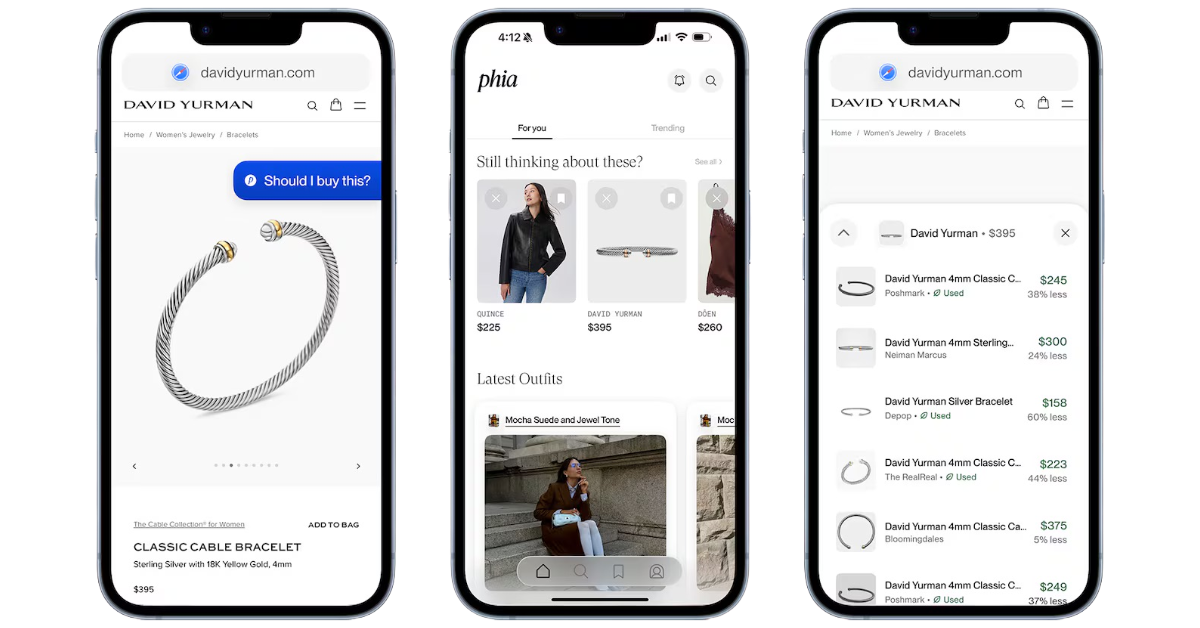
Founded by Phoebe Gates and Sophia Kianni, Phia is the price check your closet has always needed. Phia centers around one simple question we rarely get an honest answer to: Is this actually worth buying? It provides real-time price analysis for new, similar, and secondhand options with just one click. It’s the ultimate personal shopper. Instead of encouraging consumption, Phia promotes shopping as a way to make informed decisions. As the secondhand movement continues to grow, Phia emphasizes the environmental impact of consumer choices. The platform states that buying secondhand can extend a garment’s life by 2.2 years and reduce its carbon, waste, and water footprint by 73%. Phia uses AI to support both sustainability and better spending without requiring users to do extra work.
Alta
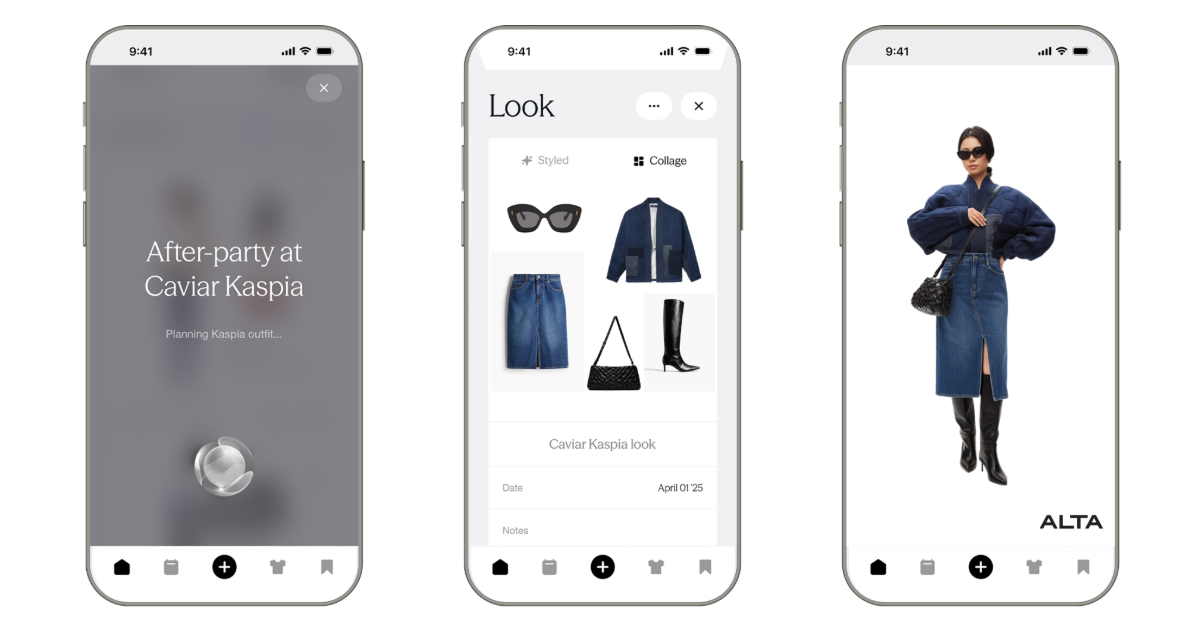
Alta may be the closest we allegedly have to the iconic, aforementioned Clueless virtual closet, and yes, that’s a pretty big deal. Alta creates a digital version of your wardrobe, but it focuses more on automation and visual intelligence. When users upload photos, Alta removes backgrounds, collects data from clothing tags such as brand and size, and then sorts them automatically. It then builds outfits virtually based on occasion, weather, or style needs. One of Alta’s standout features is the ability to generate outfits on a digital version of yourself. This helps users visualize look like before wearing them. By making it easier to connect what you own with how to style it, Alta speeds up outfit planning and makes it much more enjoyable. Pretty much exactly what the Clueless closet promised decades ago, right?
Indyx
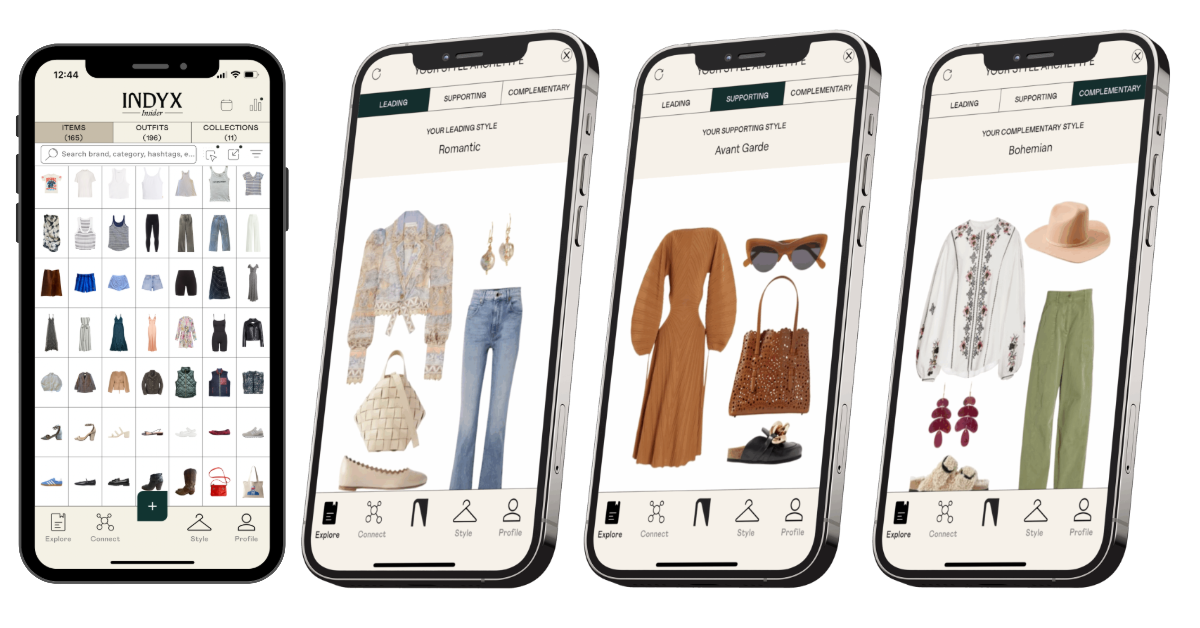
Indyx is your wardrobe, organized and actually wearable. It helps users not only catalogue what they own but also make the most of it. Built on the idea that most people lack the time or energy to style every piece as they imagined when they originally bought it, Indyx simplifies the process. Instead of photographing every item, users can upload their receipts or paste website links directly into the app, making it much easier to digitize their closet. After that, Indyx allows users to begin outfit planning for work, events, travel, everyday life, and so much more. Users can also save selfies of their favorite outfits to create a visual record of what they actually wear for later. While AI powers the cataloging and recommendations, Indyx also provides premium services, including hiring a professional archivist or working with a personal stylist, combining technology with human expertise.
OneOff
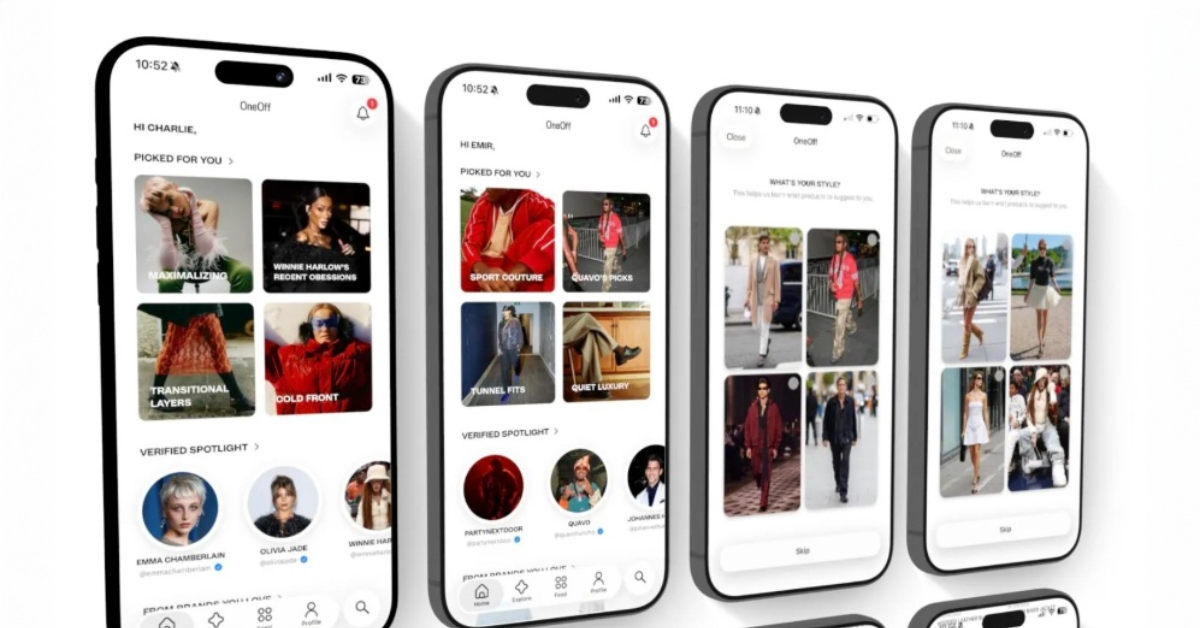
Founded by Emir Talu and Bobby Maylack, OneOff rethinks shopping through the lens of the discovery-first social era. Most of our inspiration comes from our feeds, Pinterest boards, and fan accounts identifying who wore what. OneOff reduces that friction by creating a platform curated by celebrities, tastemakers, and friends, blending AI-powered personalization with human-led discovery. Users build profiles based on personal style preferences, follow celebrities and influencers, explore wishlists and closets, and subscribe to curated edits organized by seasons, aesthetics, or obsessions. Checkout is seamless through retail partners like Net-A-Porter and Revolve. Every interaction helps to refine the algorithm while users control how targeted or exploratory their experience feels. While AI powers the platform, human curation remains central to the experience, ensuring style stays authentic, social, and expressive. OneOff captures how the new generation of shopping should feel: engaging and deeply personal.
Where Fashion + AI Work Together
These apps exist because they, like any other app, address pain points that we’ve just accepted without question. Not knowing what to wear again after buying something super specific for an event. Spending hours online looking for something, only to give up, annoyed. Owning great pieces that never quite click into outfits - you’ve seen those “No Place to Wear This” videos.
AI isn’t here to replace anything, especially style. It’s here to support it. To reduce friction and make fashion feel more intuitive and fun. And honestly, if even just one of these apps finally gives me Cher Horowitz’s rotating closet interface, I’ll consider the future officially here. Well…until that oven that decides your meals from the Jetsons comes along…