SUNDAY STYLE PROFILE: WHY CAROLYN BESSETTE-KENNEDY STILL SETS THE STANDARD
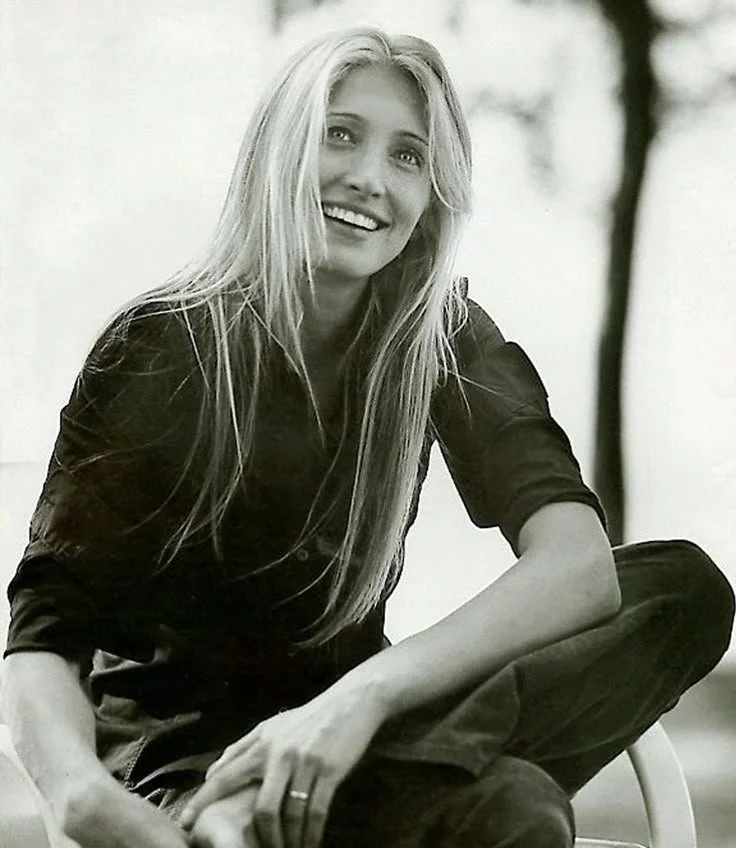
If your For You page or feed looks anything like mine, you’ve noticed something: Carolyn Bessette-Kennedy is everywhere again. It may be because of Love Story, but honestly, she never really left. Every time a new aesthetic takes over, quiet luxury, old money, minimalist chic, the “underdressed but make it fashion” era, the internet eventually arrives at the same conclusion: Carolyn was doing this in 1996 without a stylist, a Pinterest board, or a single approved photoshoot. A whole new generation is discovering her through not only the show, but through paparazzi shots and deep-dive TikToks. All are getting the same reaction: why does she make it look so easy?
I actually wrote about Carolyn on a Sunday Style Profile back in 2020 when the ‘90s nostalgia wave was picking up steam. Since then, the cultural conversation around her has shifted in a really interesting way. She’s no longer just being referenced as a style icon. She’s being studied. So I thought it was time for an updated post, not just at what she wore, but why it worked and why it still works some 25+ years later.
She was Never Just JFK Jr’s Wife
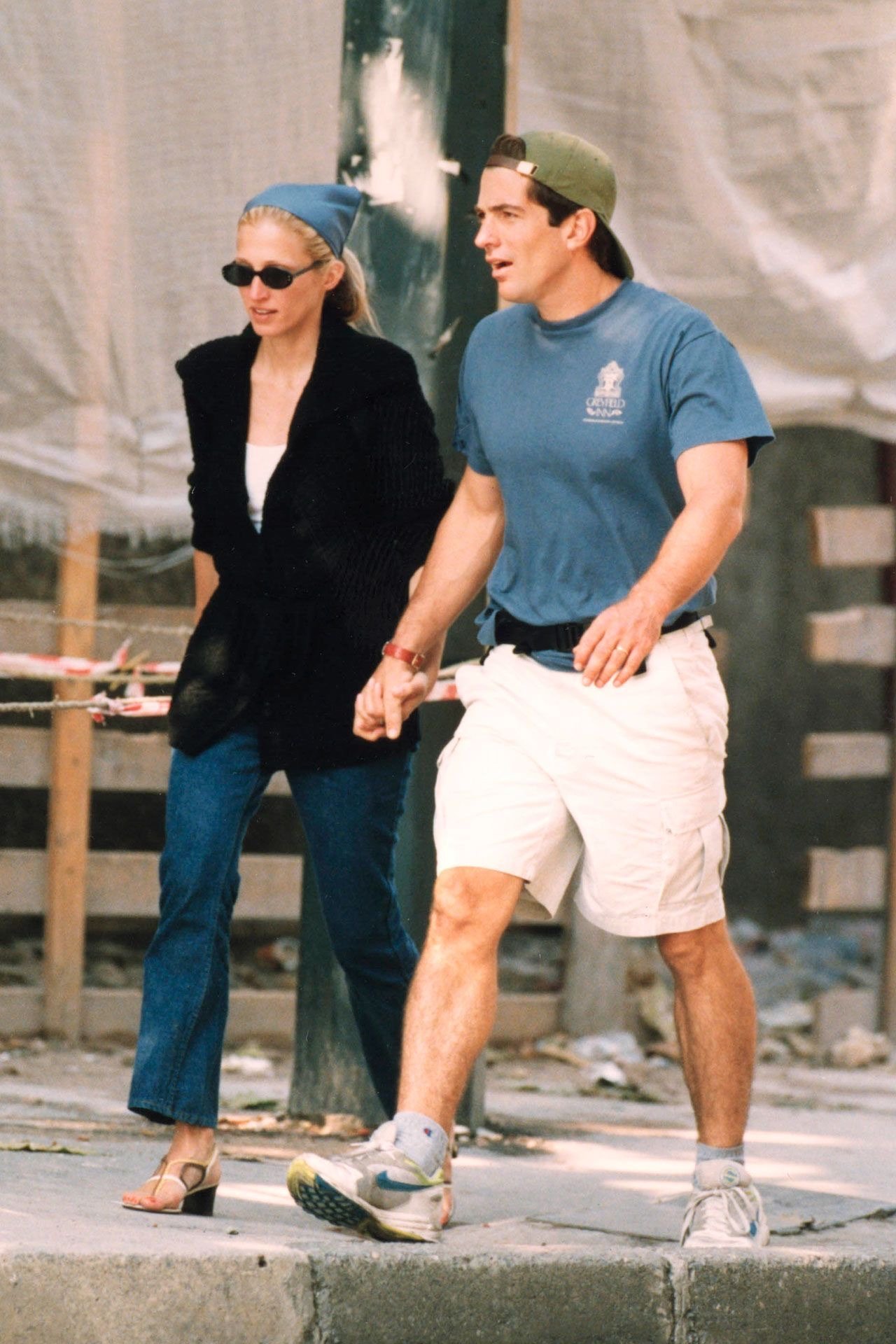
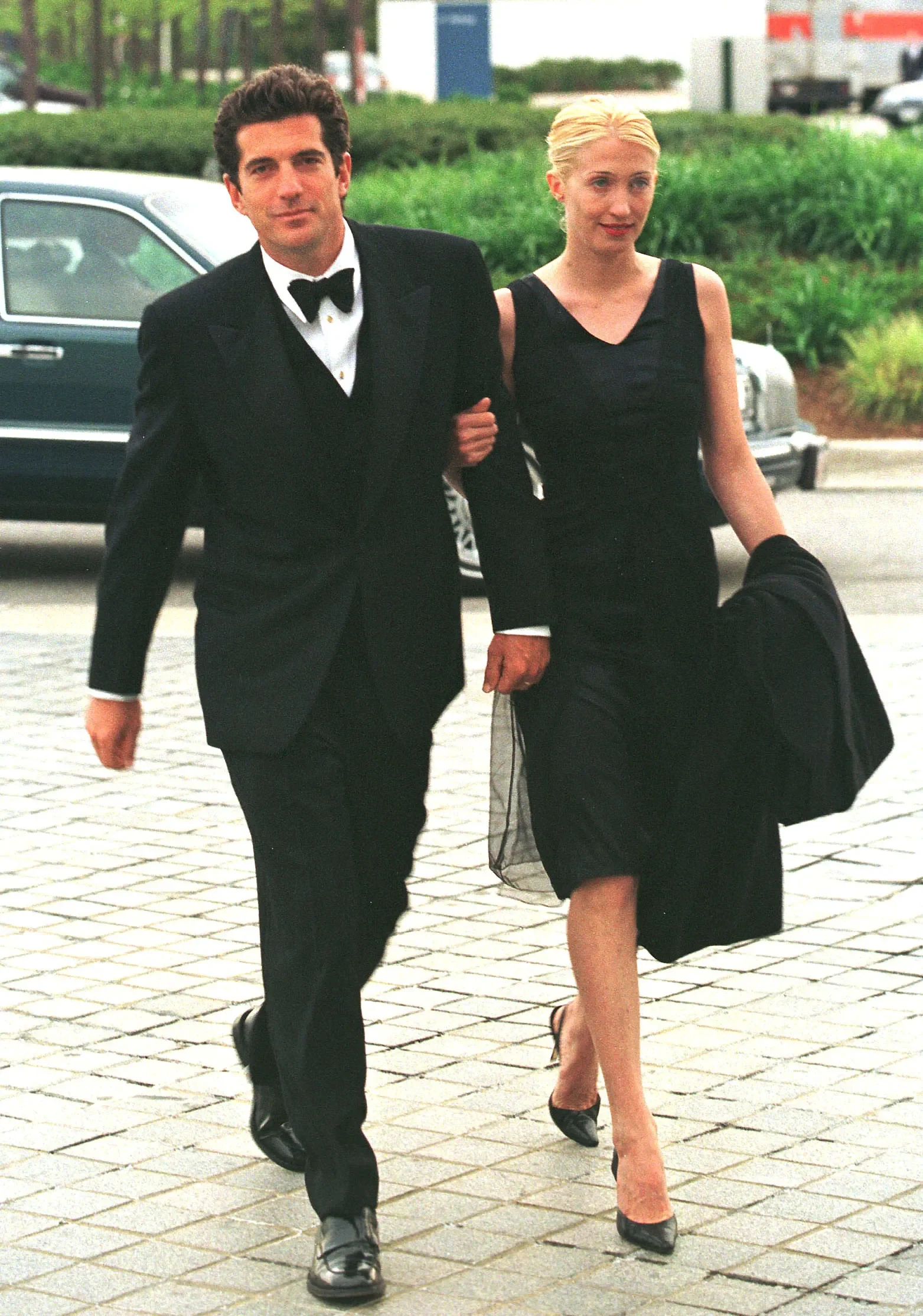
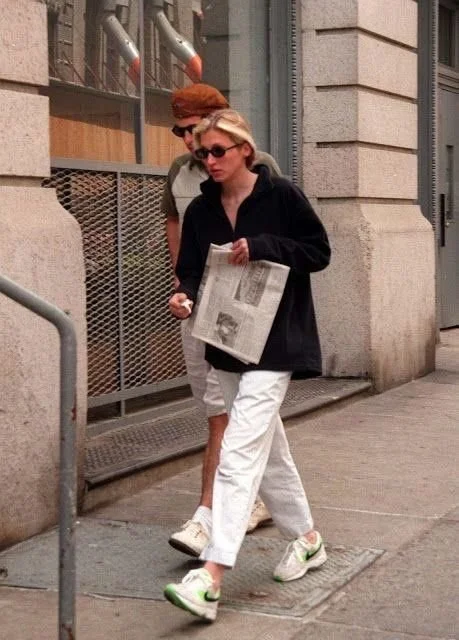
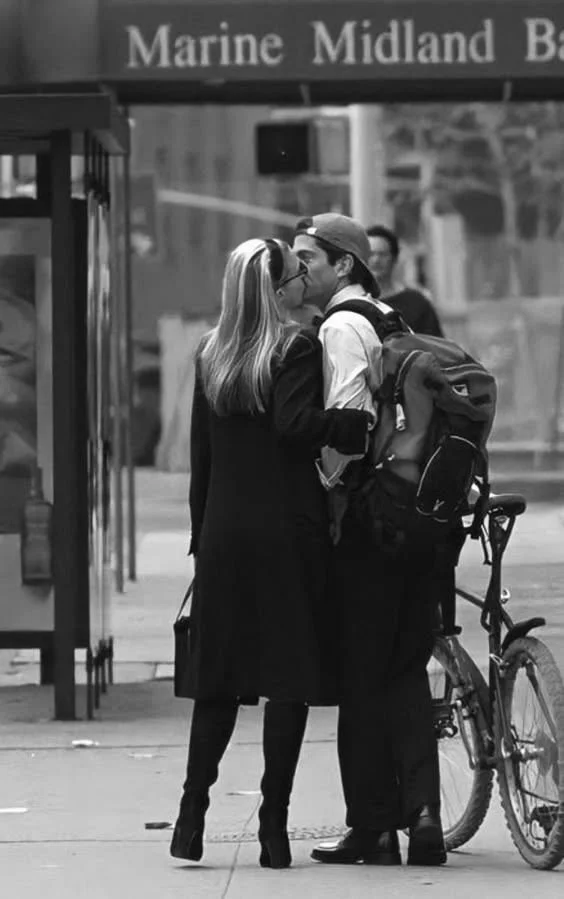
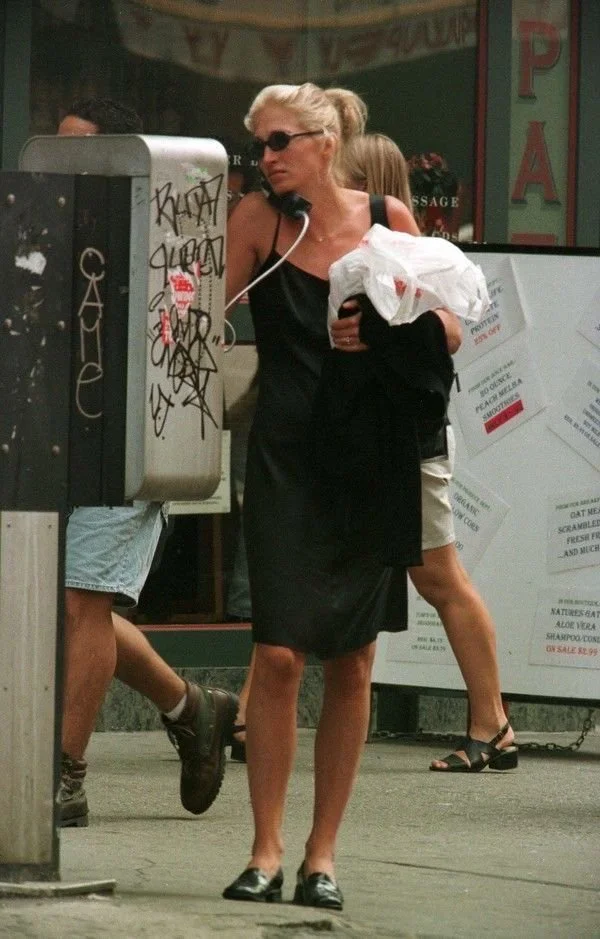
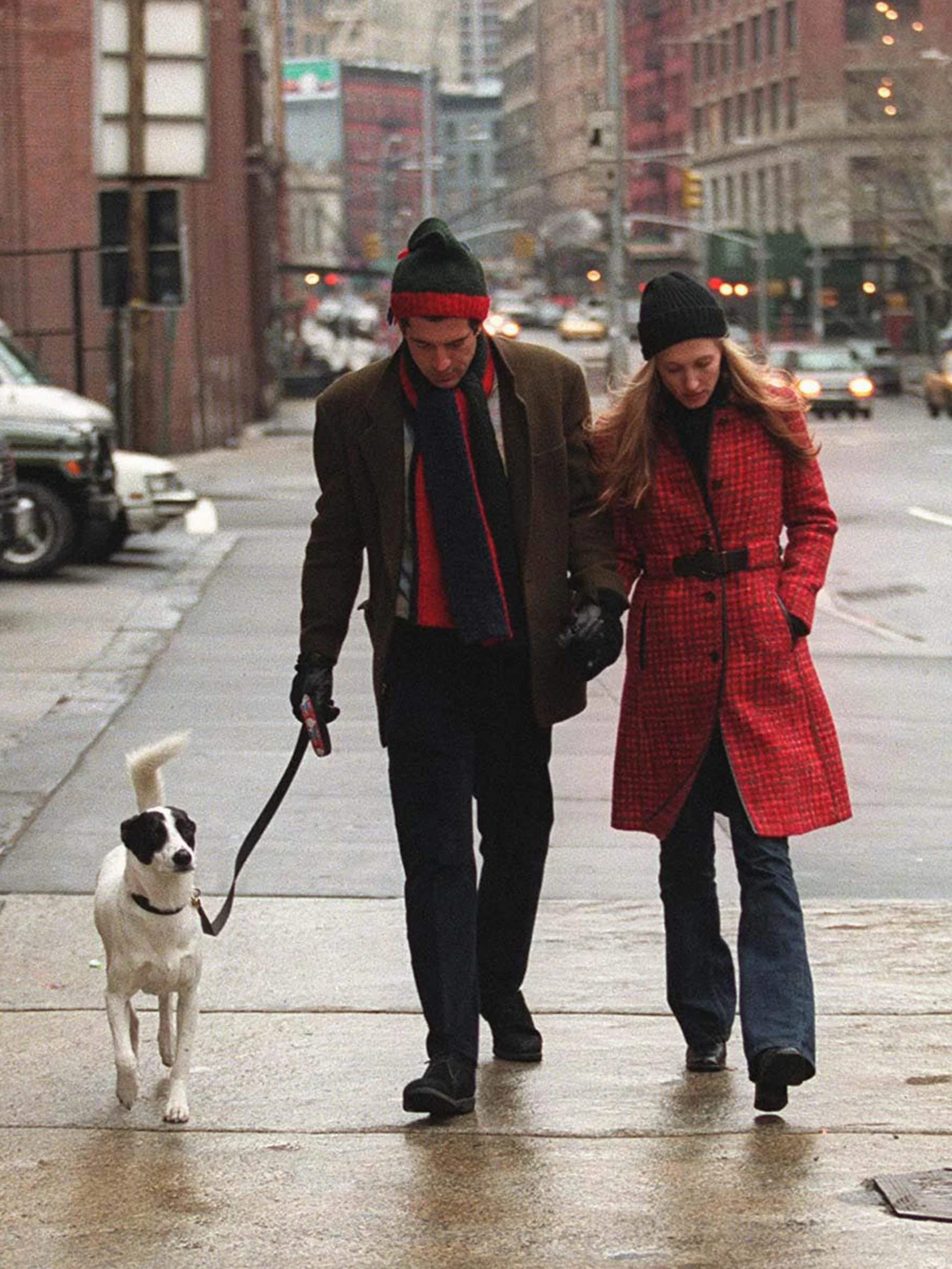
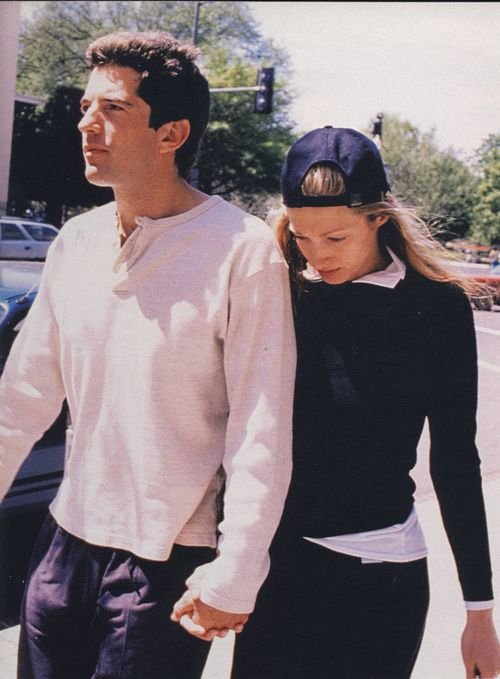
Let’s start here because it matters. For most of the 90s, Carolyn Bessette-Kennedy was covered almost entirely through the lens of who she was married to. The press was relentless, camping outside her apartment, following her every move, dissecting her body language, and picking apart her style. She never gave an interview. Never did a photoshoot. What we have of her style is almost entirely paparazzi footage, which is a strange and fascinating thing when you realize that’s precisely what made her iconic.
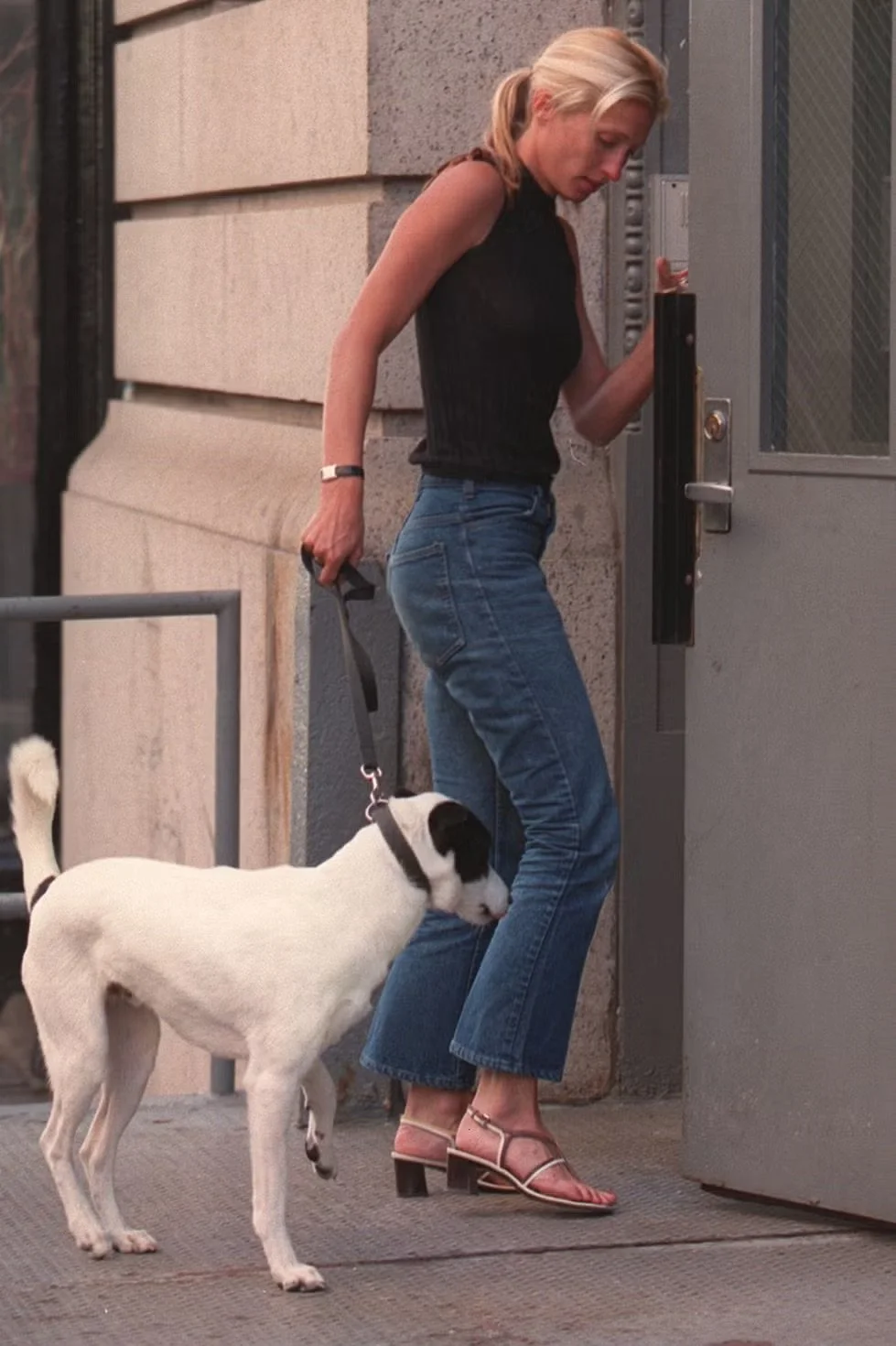
In that way, Carolyn’s style archive is essentially the street style of its day; unfiltered, unposed, and entirely her own. There was no publicist-approved “look” being managed. Every outfit captured was a real one: running errands, hailing cabs, showing up to events on her own terms. What we were seeing and still see is actually her. And that authenticity is a huge part of why she resonates so strongly now, in an era where everything feels curated, and nothing feels real. She’s being reclaimed on her own terms, separate from the Kennedy mythology. As a woman with an exceptional point of view who deserves to be remembered for it.
The Philosophy Behind the Wardrobe
Here’s what separates a style icon from someone who just has good taste: intention. And Carolyn’s approach to getting dressed was deeply intentional in a way that felt almost radical for the world she was living in. She worked at Calvin Klein before marrying JFK Jr., not as a model or a glamorous figure, but in PR. She understood fashion from the inside, which meant she also understood its noise. She was reportedly known for keeping a small, tightly edited closet, and perhaps most impressively for someone in her position, she turned down free clothes from designers. In a world that was practically throwing luxury at her, she said no thank you and bought what she actually wanted to wear. She stuck to a rotation of quality basics and a handful of investment pieces, restyling the same items across seasons rather than chasing what is new.
That discipline is exactly what you’re seeing when you scroll through her photos. It wasn’t access that made her look that way. It was careful editing. She knew exactly who she was and dressed accordingly. That kind of self-assurance translates on camera in a way that no amount of styling can fake.

The CBK Effect
She’s behind nearly every trend you love right now. Quiet luxury. Stealth wealth. Minimalist dressing. The “I woke up like this but actually spent 40 minutes on it” aesthetic. Pick whichever name has been clogging your algorithm lately; Carolyn was the original version of all of it.
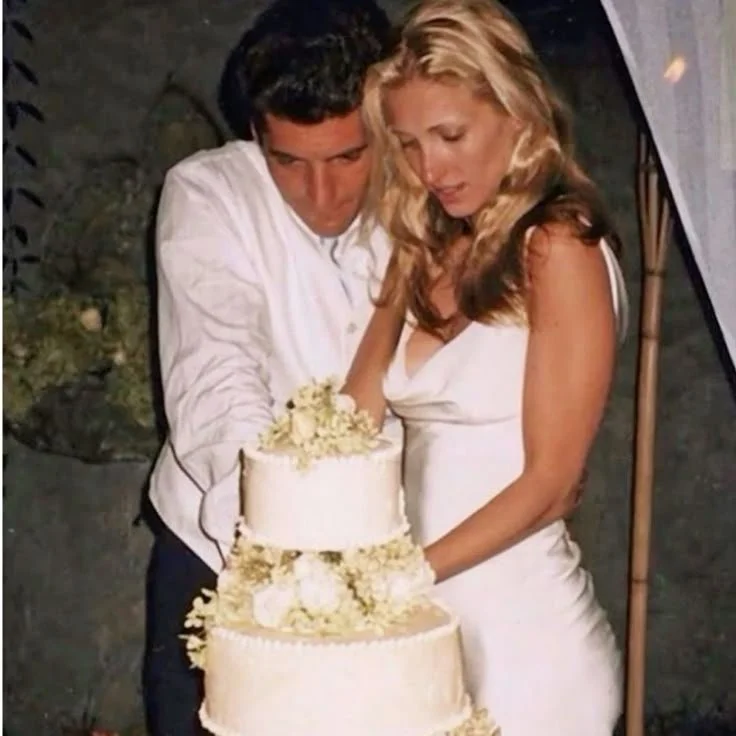
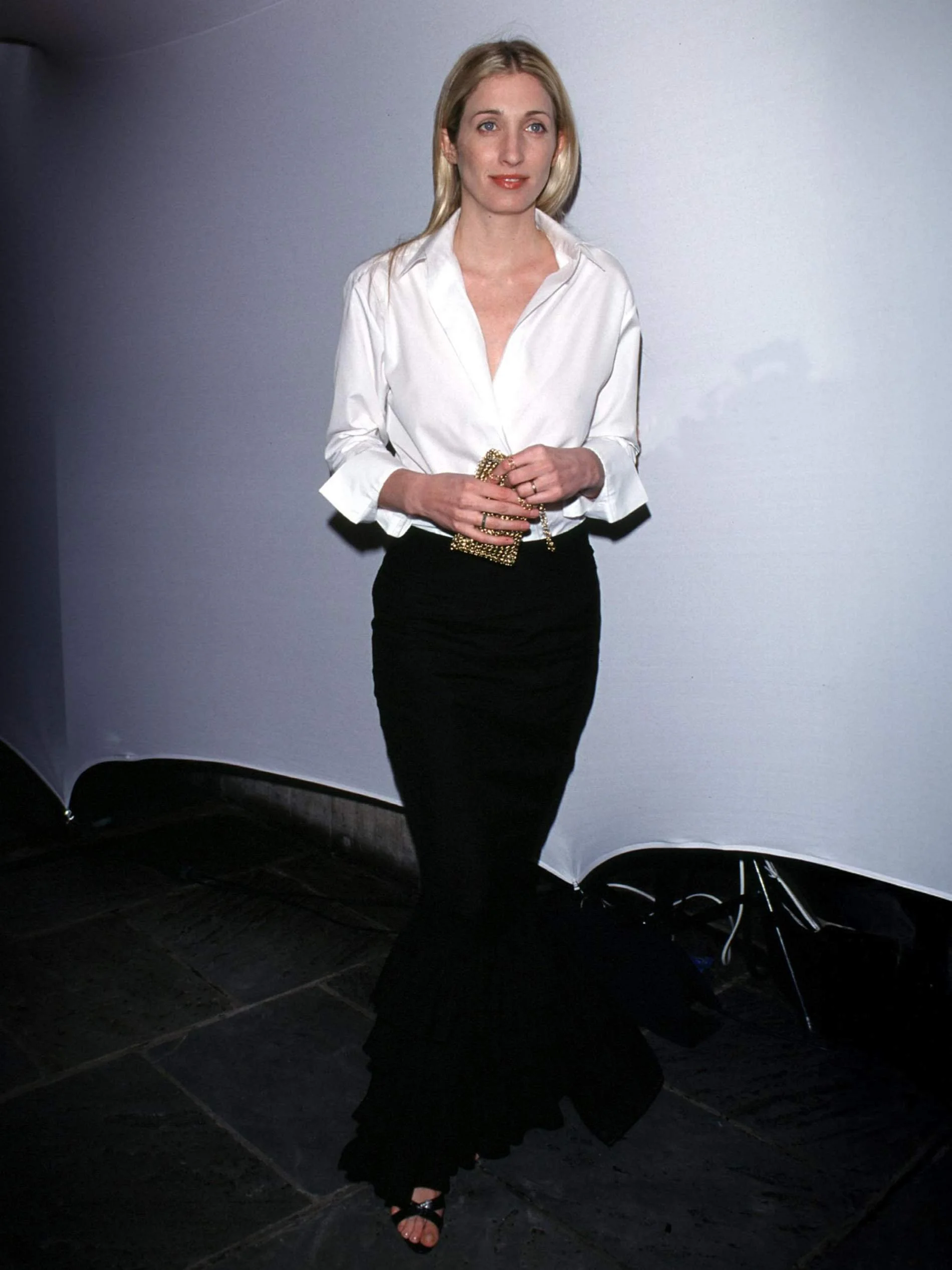
The black and beige combination that’s everywhere? She made it her signature at a time when the fashion world wasn’t entirely sure it worked. Tonal all-black dressing as a form of elegance rather than edge? She lived it. White button-downs worn as evening wear, not office wear? Entirely her. The slip dress as a serious fashion statement rather than a costume? The Narciso Rodriguez gown she wore to her own wedding is still one of the most referenced and replicated bridal looks in history, while being one of the quietest, simplest things she could have chosen.
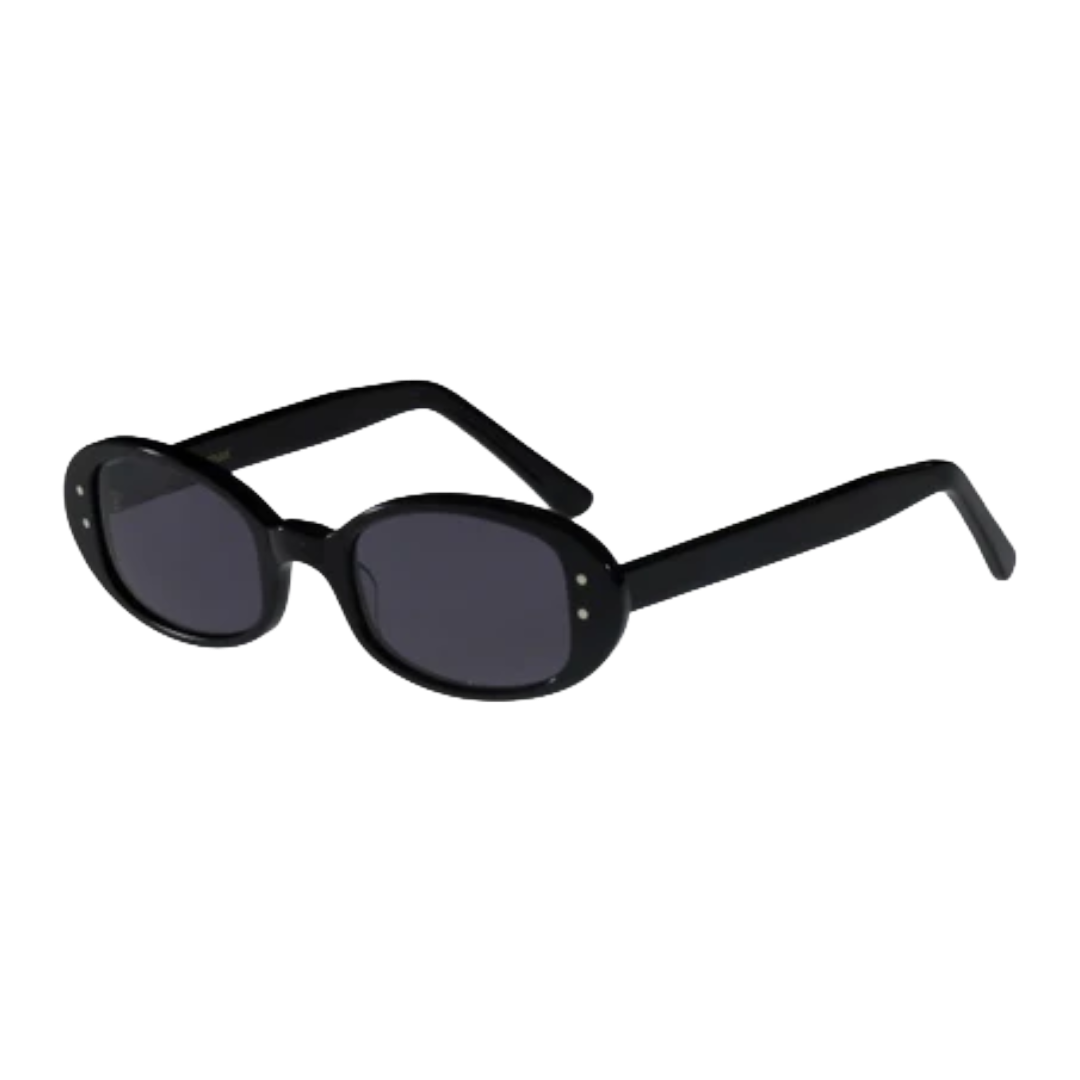
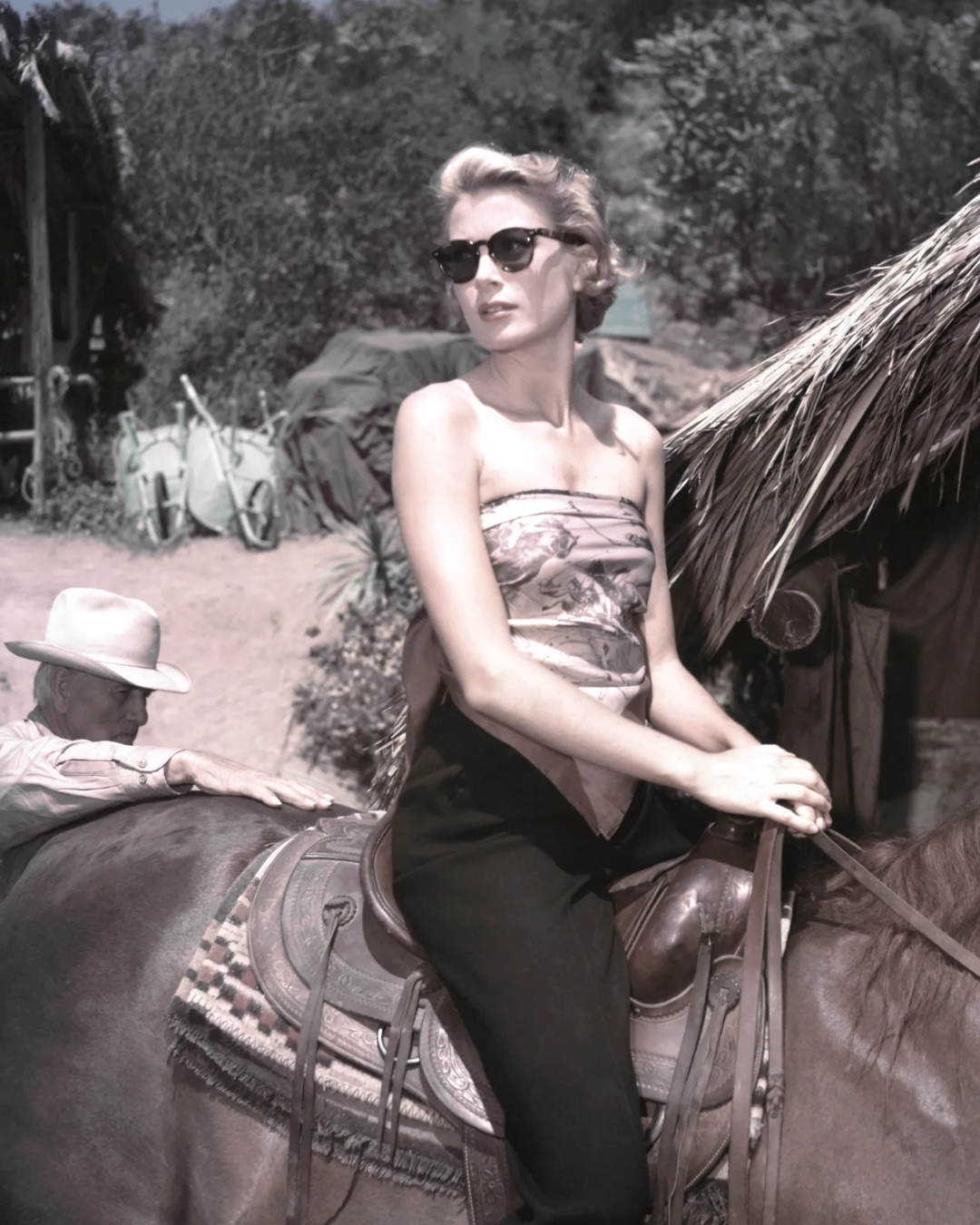
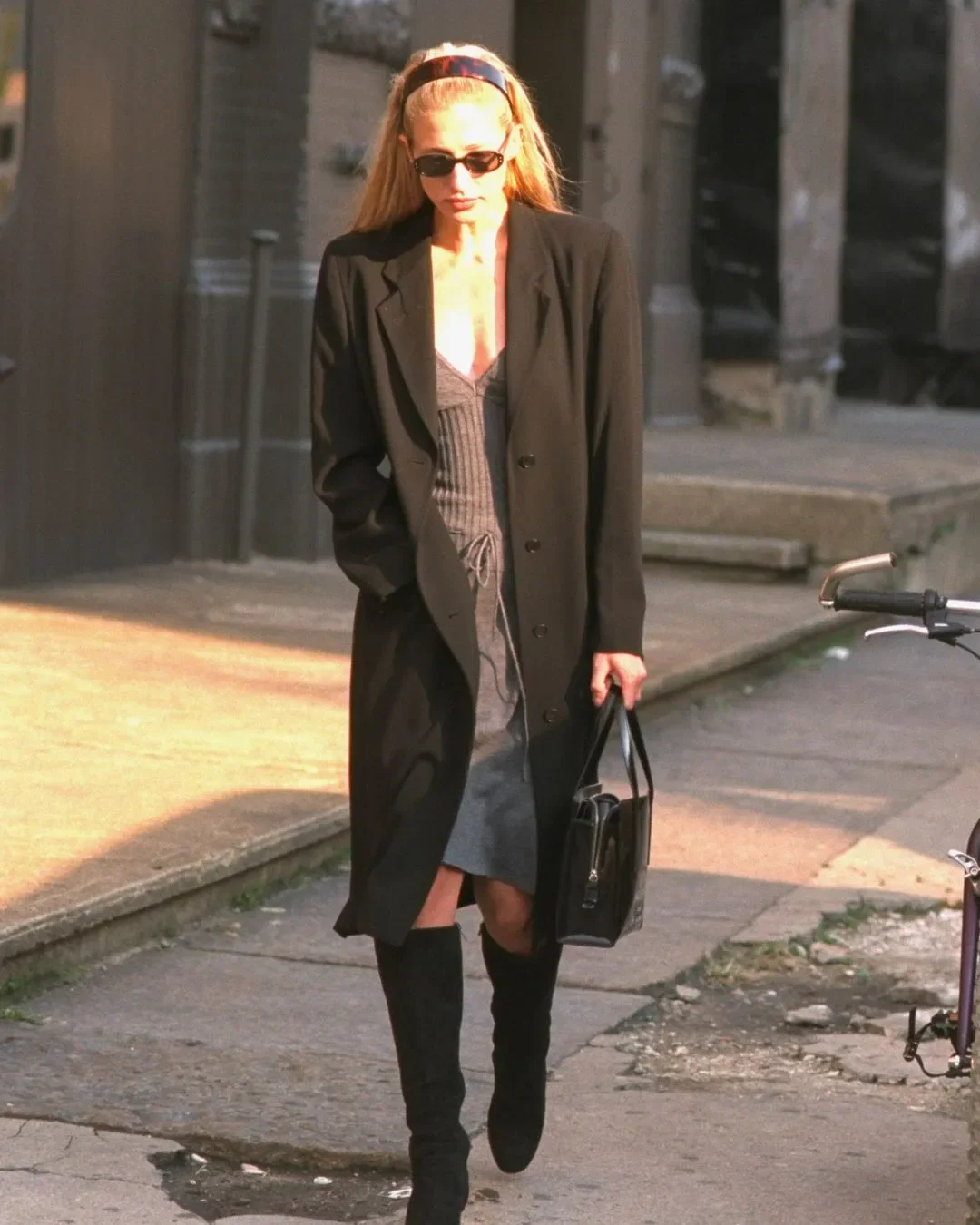
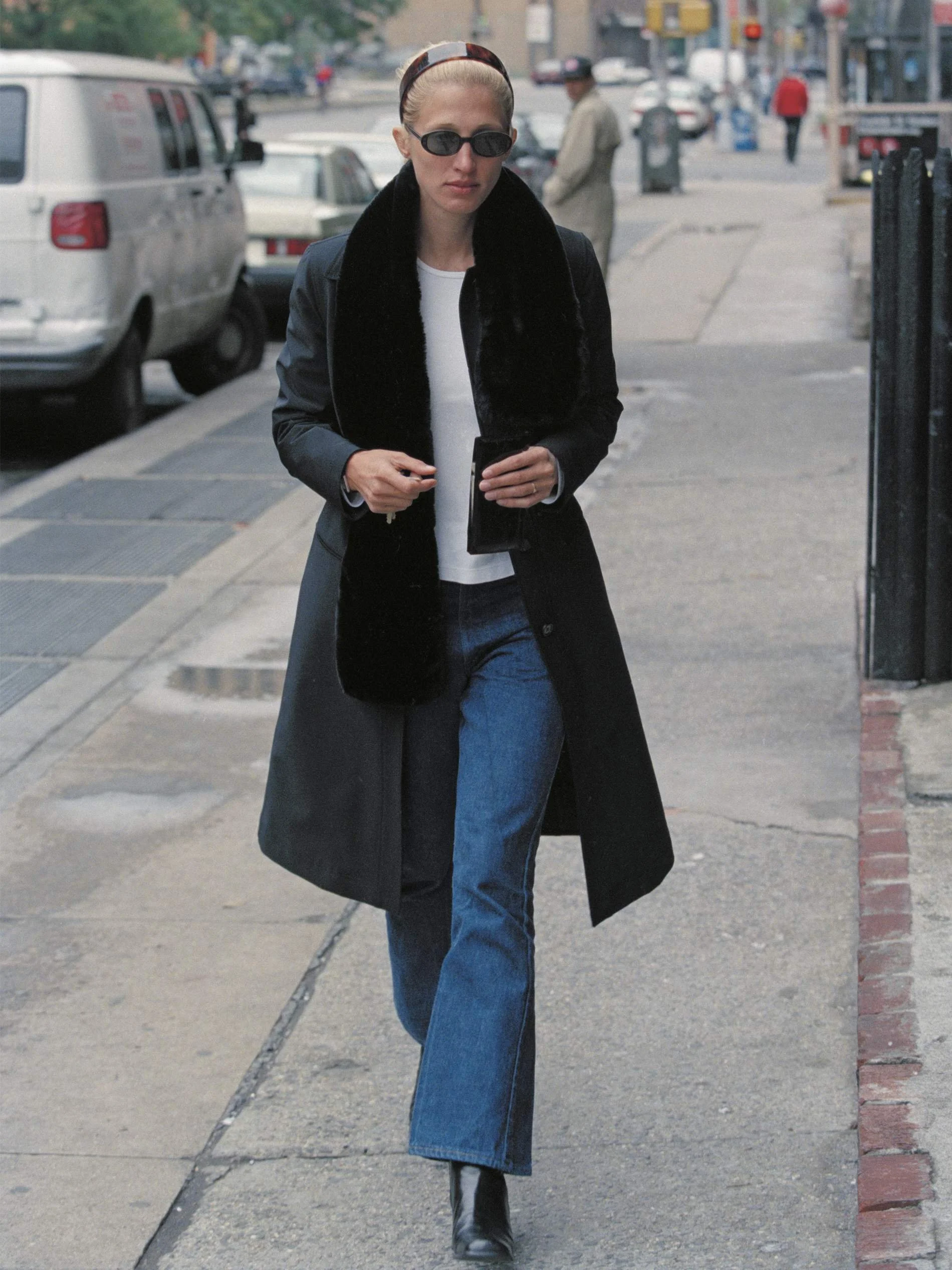
What’s interesting is that she arrived at all of these things not by following trends, but by largely ignoring them. She engaged with trends selectively. A bold pair of sunglasses here, a specific boot silhouette there - all filtered through her own aesthetic so consistently that even her trend moments still looked like her. That’s not accidental. That’s taste.
Her Signature Formulas That Still Work Today
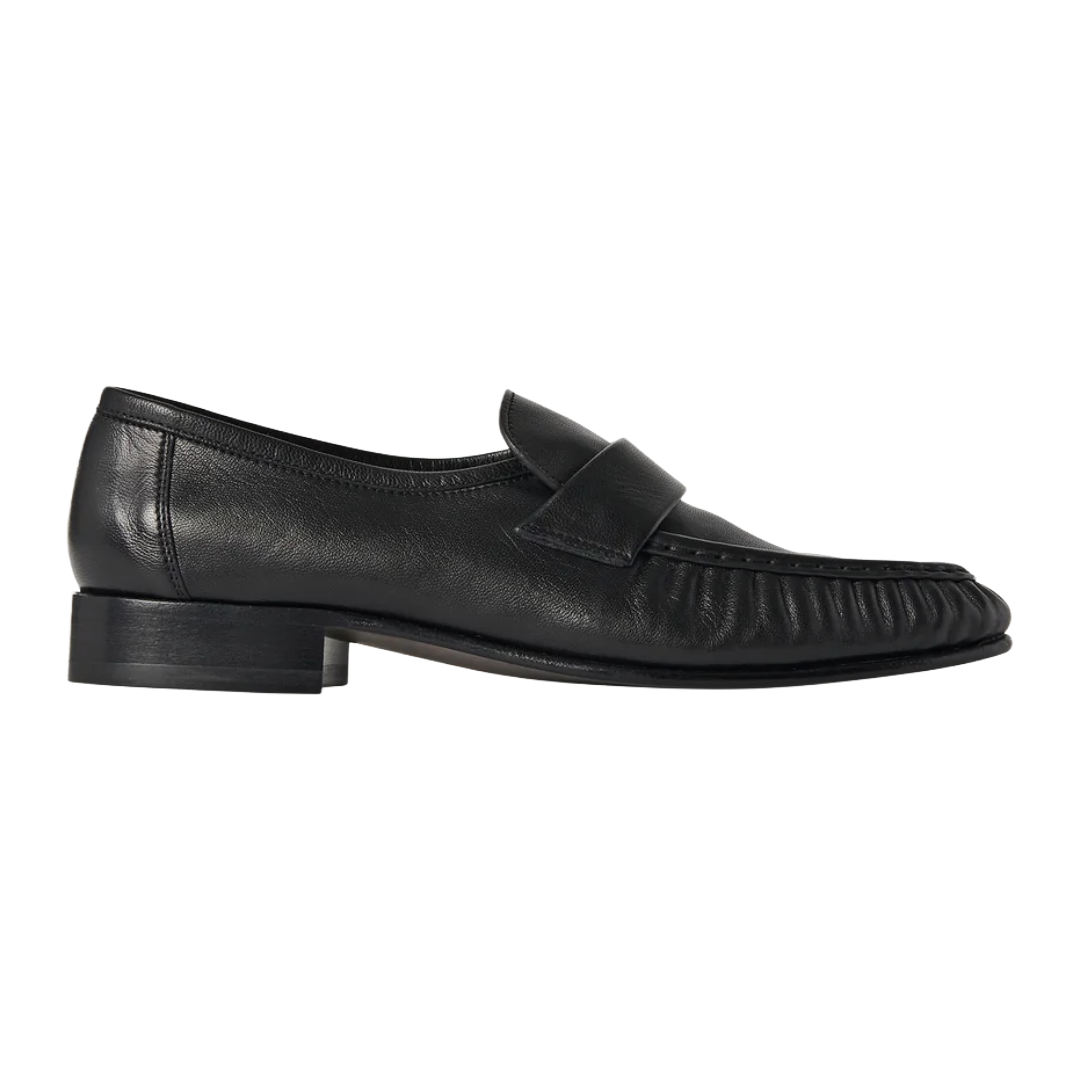
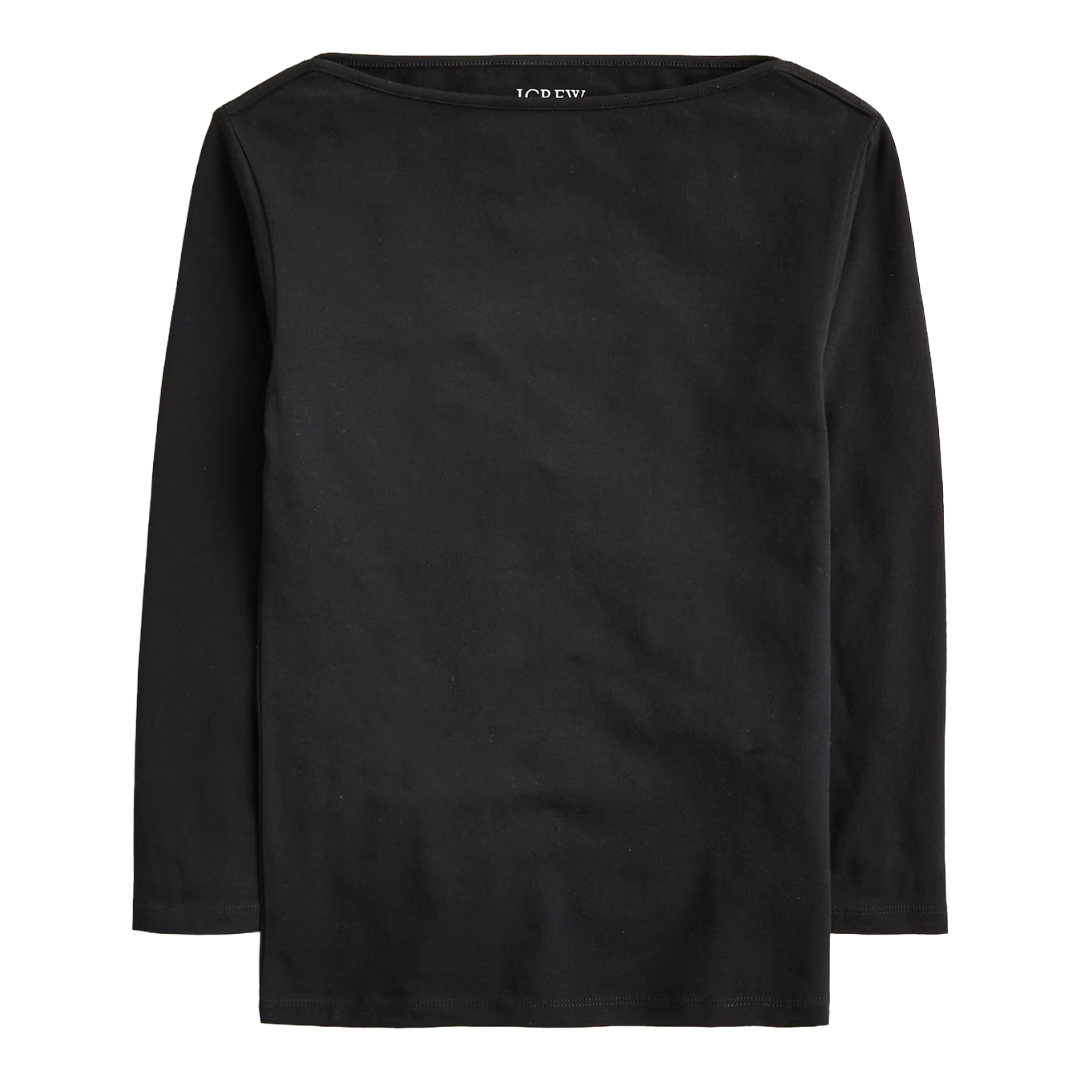
Rather than breaking down individual outfits because that deserves its own post, it’s worth naming the actual building blocks of her look, because they’re replicable in a way that feels modern, not costume-y.
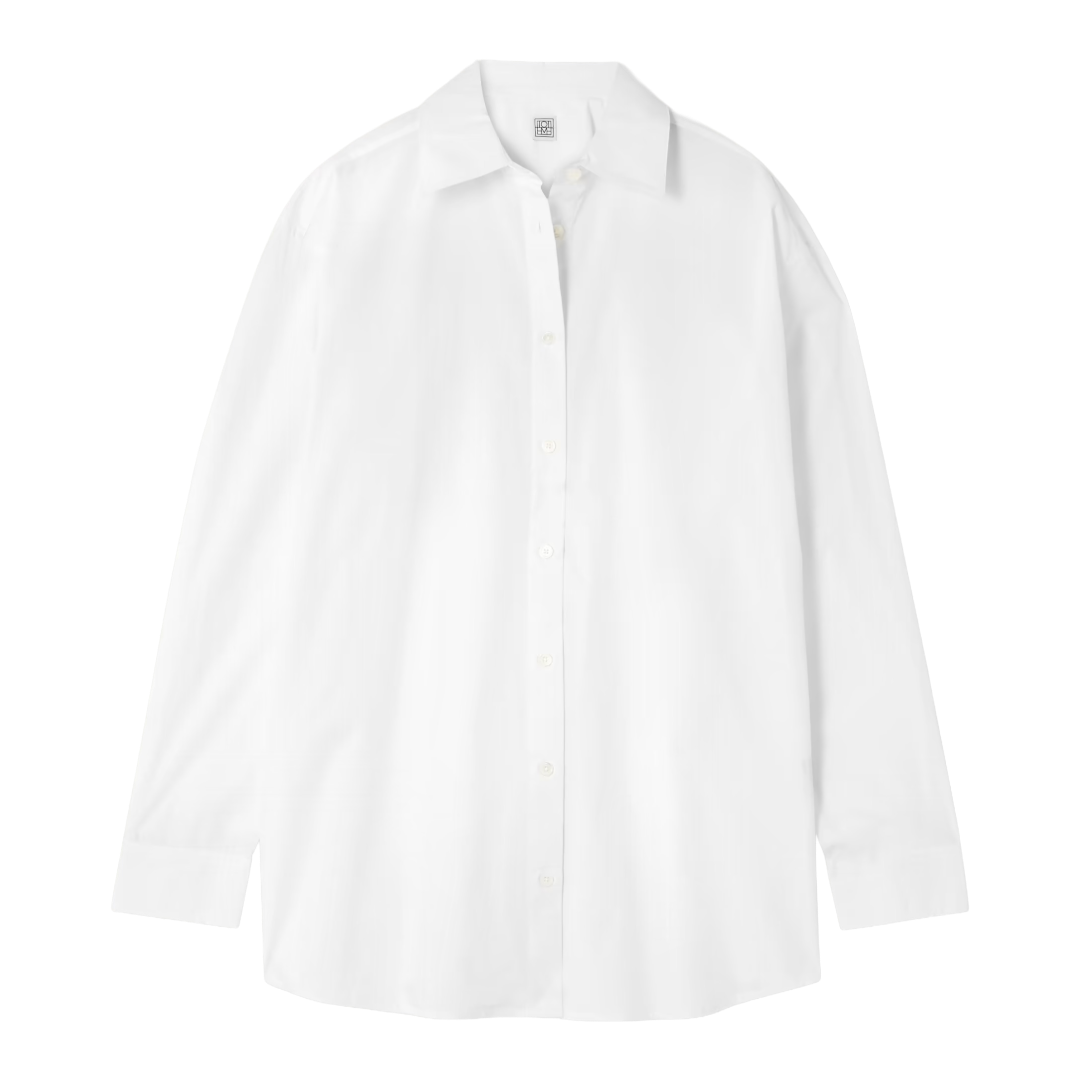
The White Shirt: A hero piece. Not tucked in, not styled within an inch of its life, just a perfectly fitted white shirt worn with confidence, often into situations that would have suggested something more formal. She made it clear that the right basic, worn right, is always the answer.
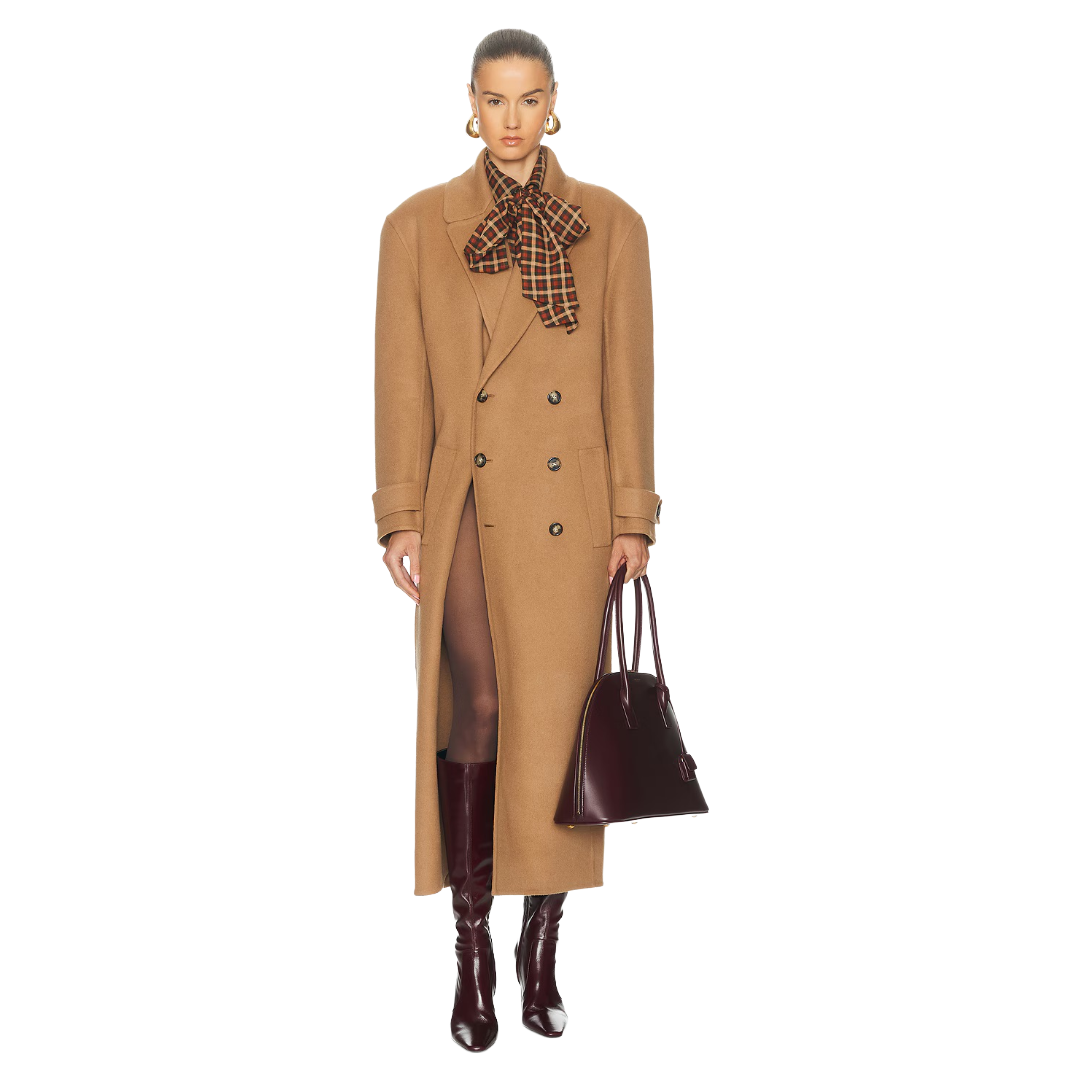
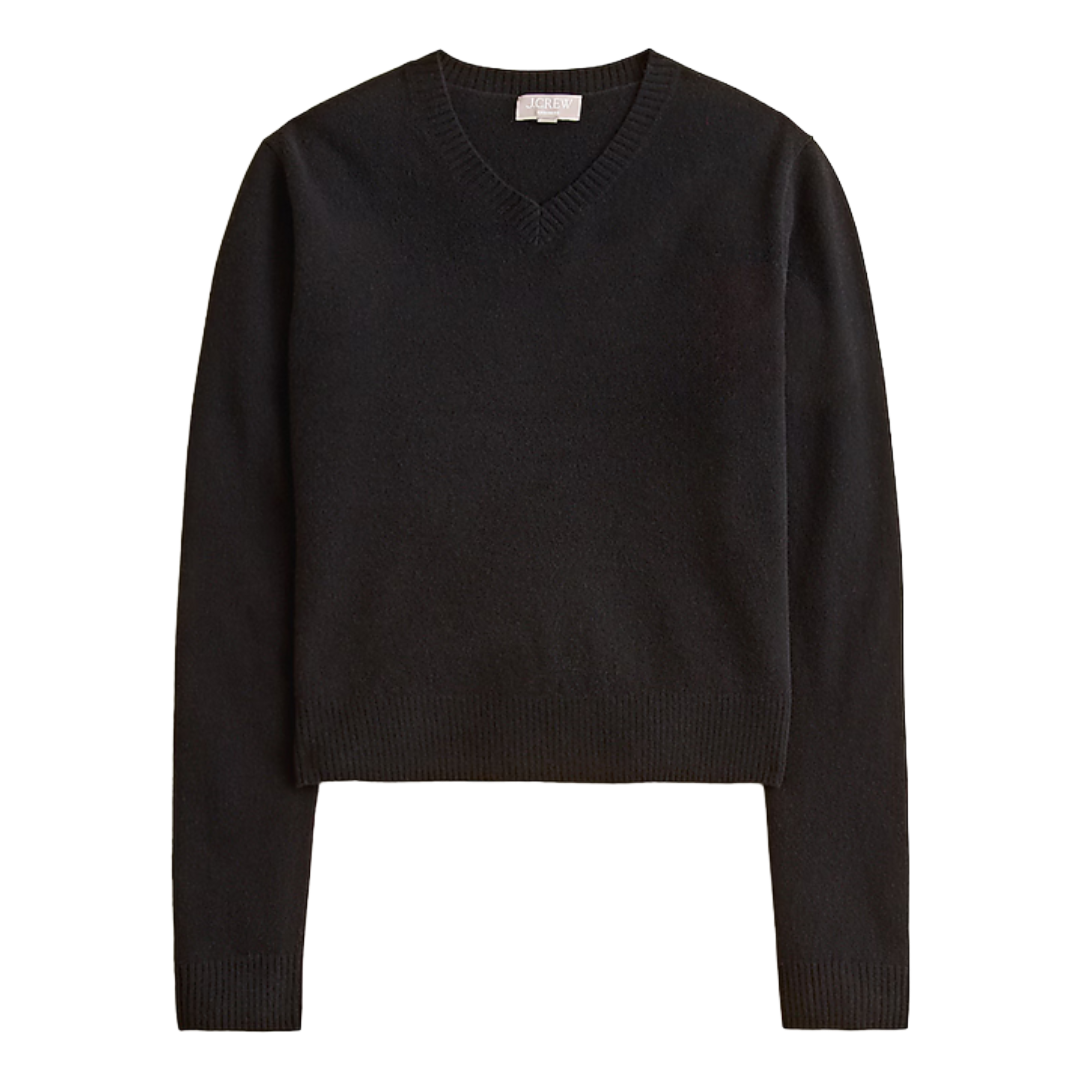
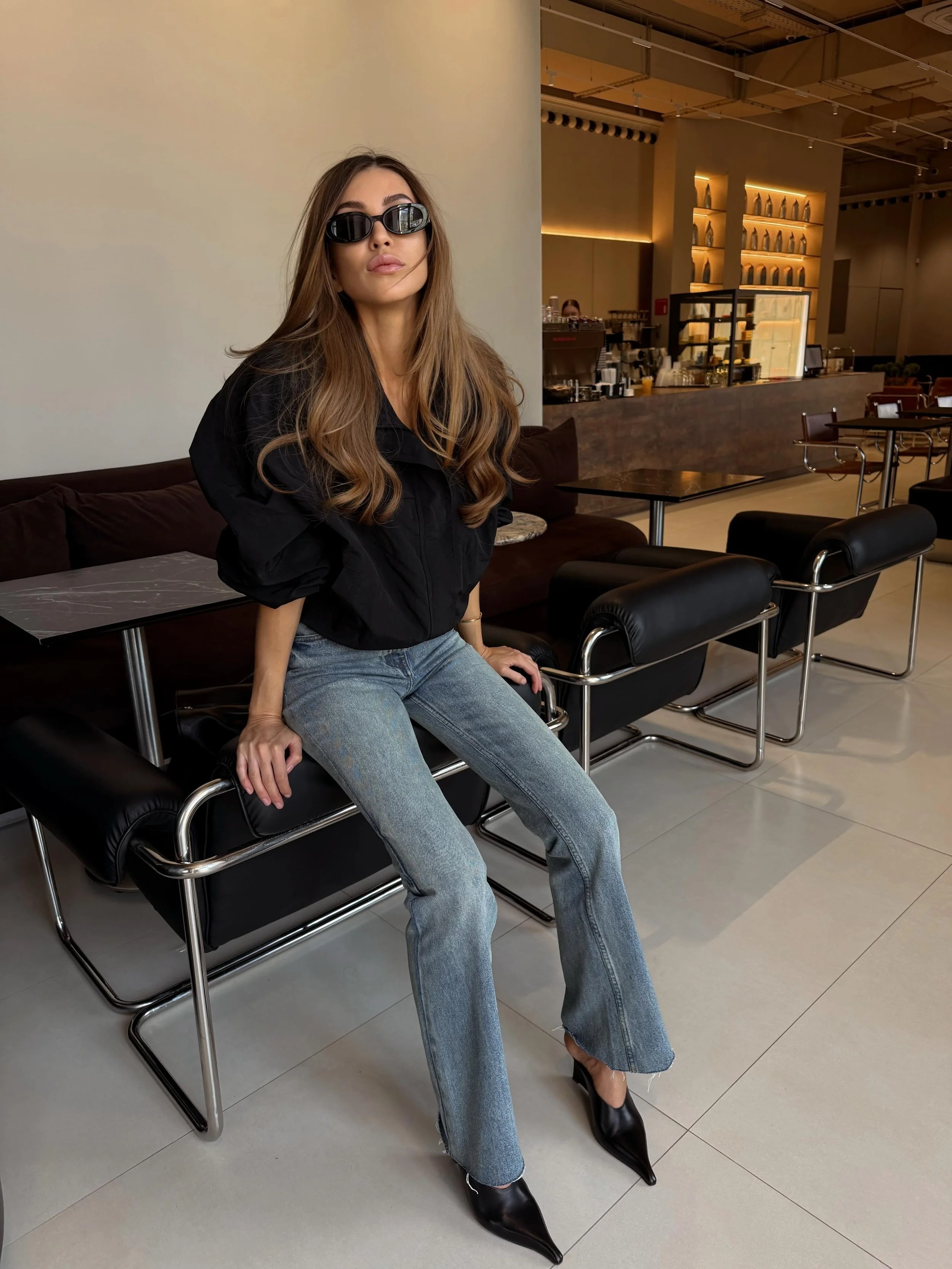
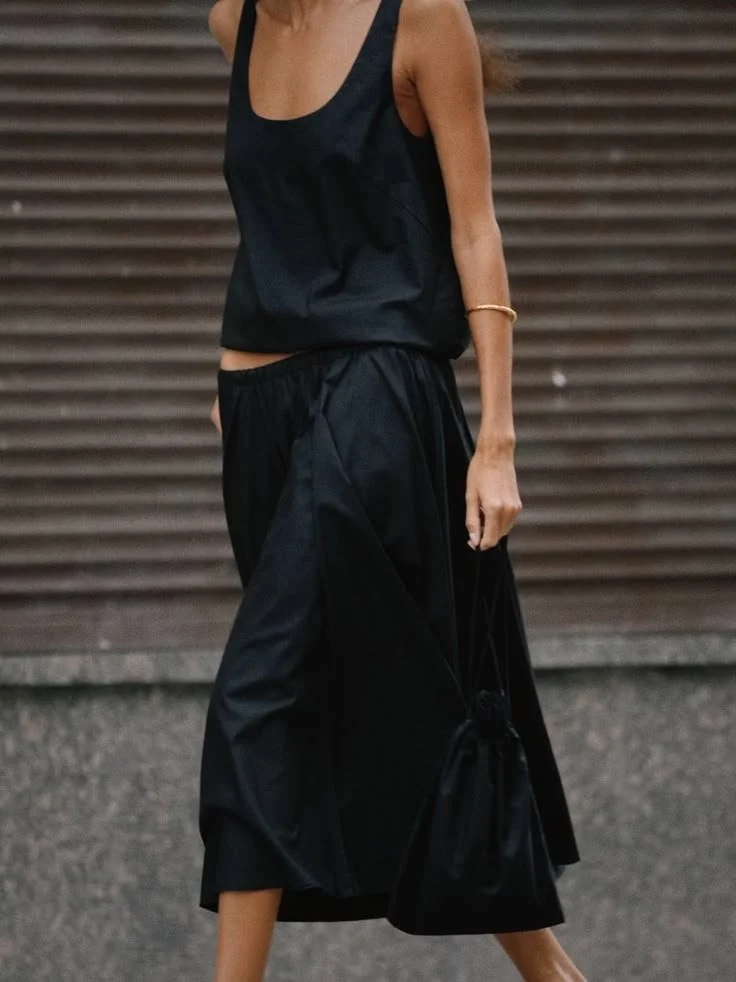
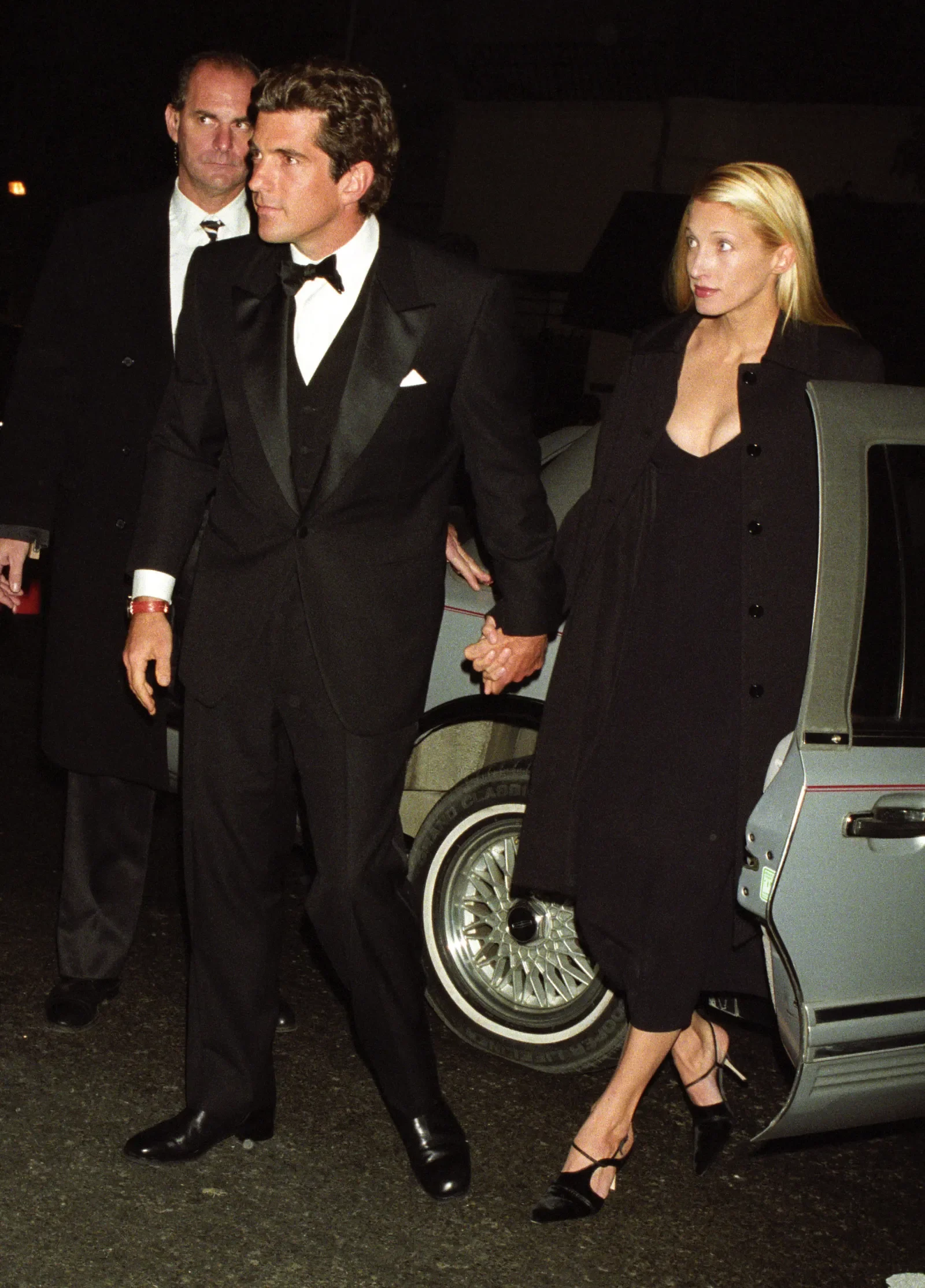
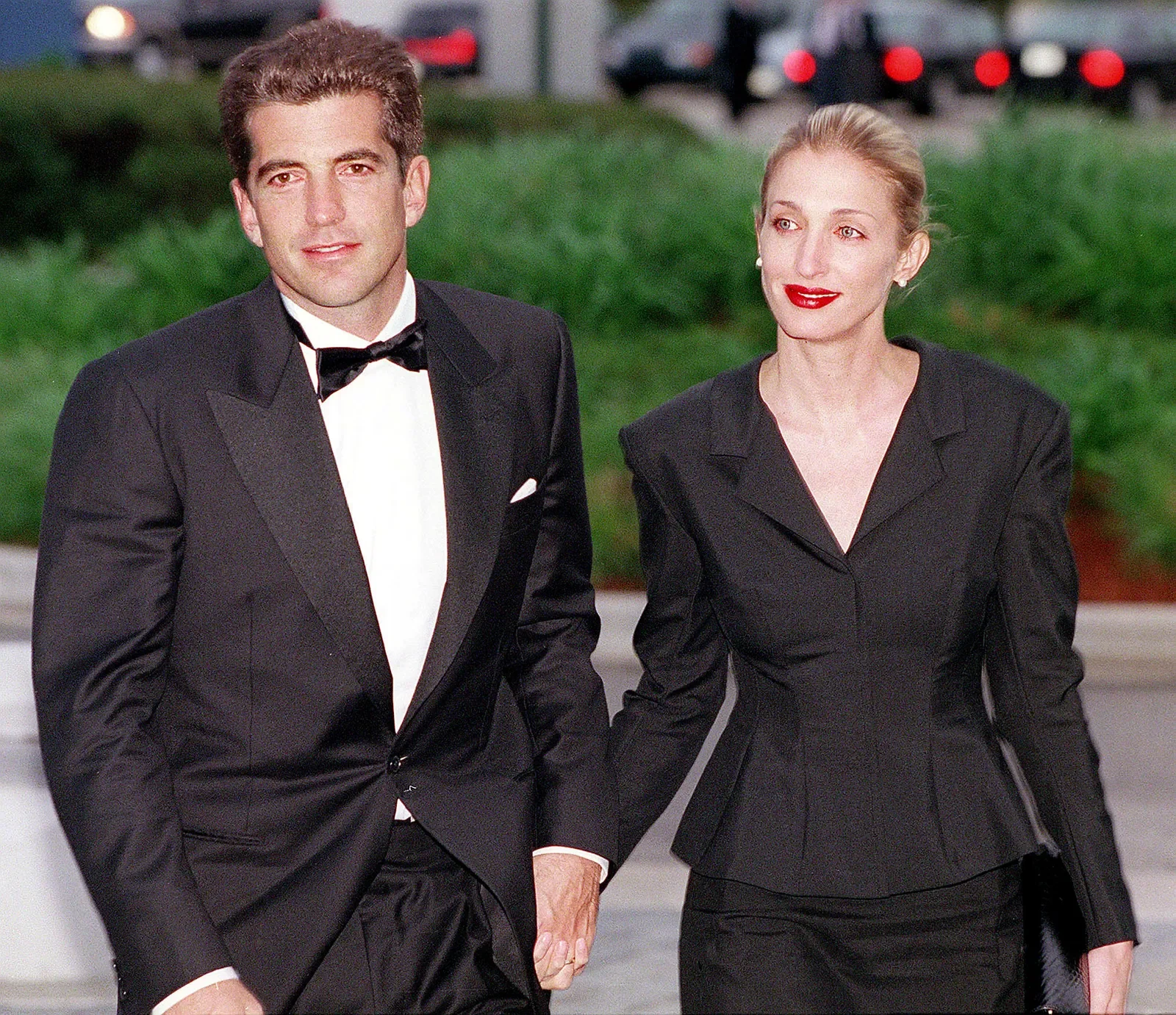
Tonal Dressing: Black on black, beige on beige, grey on grey. No contrast for the sake of contrast. The interest came from texture and fit, not color. This is still the chicest way to get dressed, and Carolyn was practically issuing a masterclass on it in real time.
Low Bun as Punctuation: Minimal, pulled back, never overdone. Her hair choices were an extension of her overall philosophy - remove everything unnecessary and let the clothes do the work.
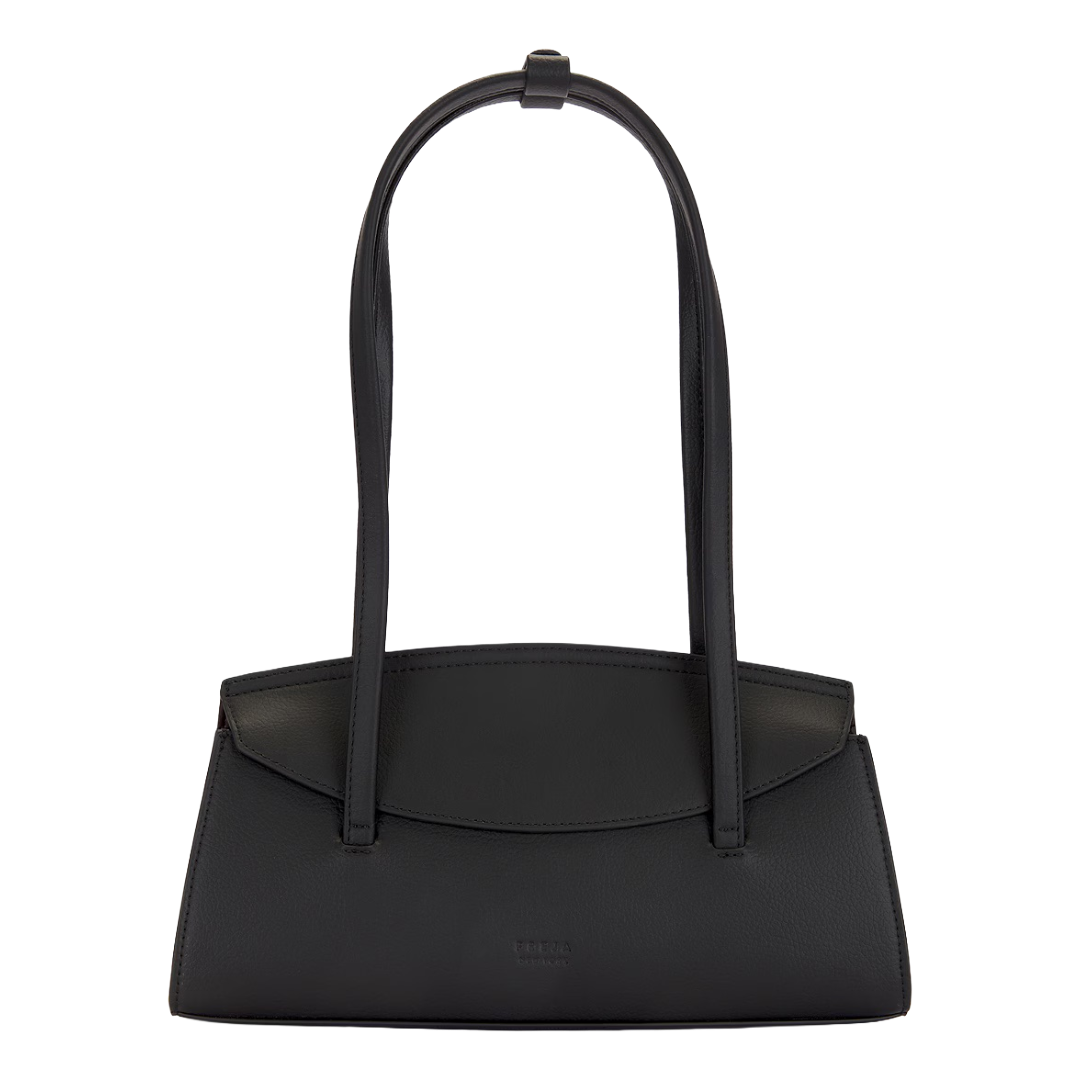
Accessories as the Exclamation Point: She was deliberate and sparing. A good pair of sunglasses. A simple watch. She didn’t pile it on, which meant when she did choose an accessory, it actually registered.
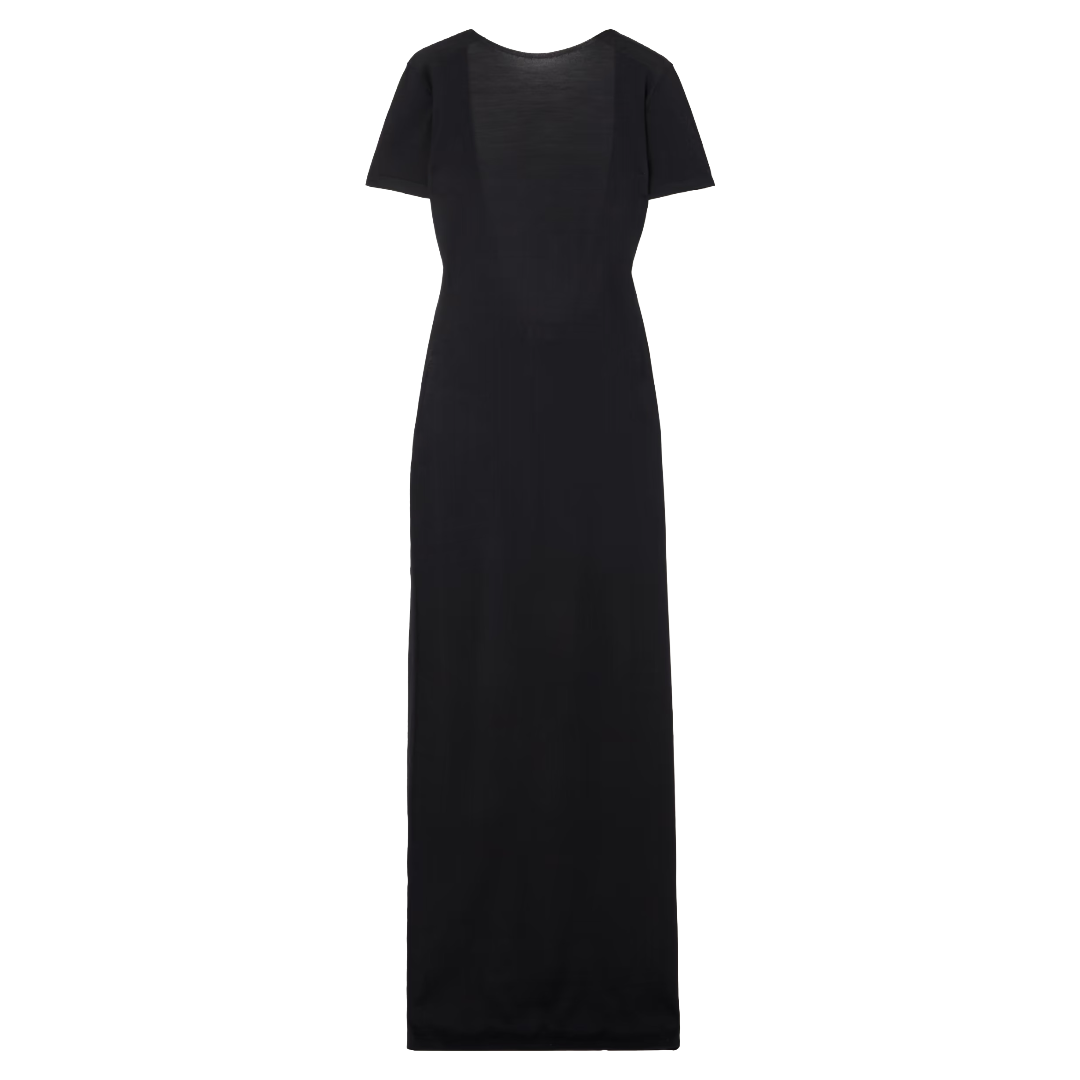
The Slip Dress: In various forms across her wardrobe, worn casually or worn to events, the slip silhouette was a recurring thread. She understood that it required confidence to pull off, and she had it in abundance.

Why She Hits Different Now Than She Did in the ‘90s
In the 90s, Carolyn Bessette-Kennedy was arguably one of the most photographed women in America, and mostly not on her terms. The media coverage was often unkind. She was scrutinized, speculated about, and reduced to a role in someone else’s story. Her style was noted, but she was never really celebrated the way she’s being celebrated now. The internet, for all its chaos, has done some interesting things with her legacy. It’s allowed people to look at the actual pieces and draw their own conclusions based on photos, context, and the record. And what they consistently find is a woman with an exceptional, coherent point of view who was more ahead of her time than anyone really gave her credit for.
There is something genuinely moving about belated recognition. She’s been reclaimed not as a supporting character in the Kennedy story, but as a fully realized person with a perspective worth learning from. That shift in framing changes how we look at the images, too. We’re not looking for clues about her private life anymore. We’re looking at a woman who knew exactly how to get dressed and admiring her for it.
The Bottom Line
What makes Carolyn Bessette-Kennedy endure isn’t the individual pieces. It’s the approach. The discipline of editing, the confidence of consistency, the refusal to perform fashion for anyone else’s benefit. She dressed for herself in a way that felt effortless because it was actually rooted in self-knowledge. And that is genuinely the hardest thing to teach. Every few years, the fashion world rediscovers her and calls it a trend. But the truth is, she was never a trend. She was a standard. And the reason she keeps resurfacing isn’t nostalgia, it’s because the principles behind her style are timeless in the most literal sense. Quality over quantity. Fit above all else. Edit ruthlessly. Know yourself. There are worse things to be remembered for.
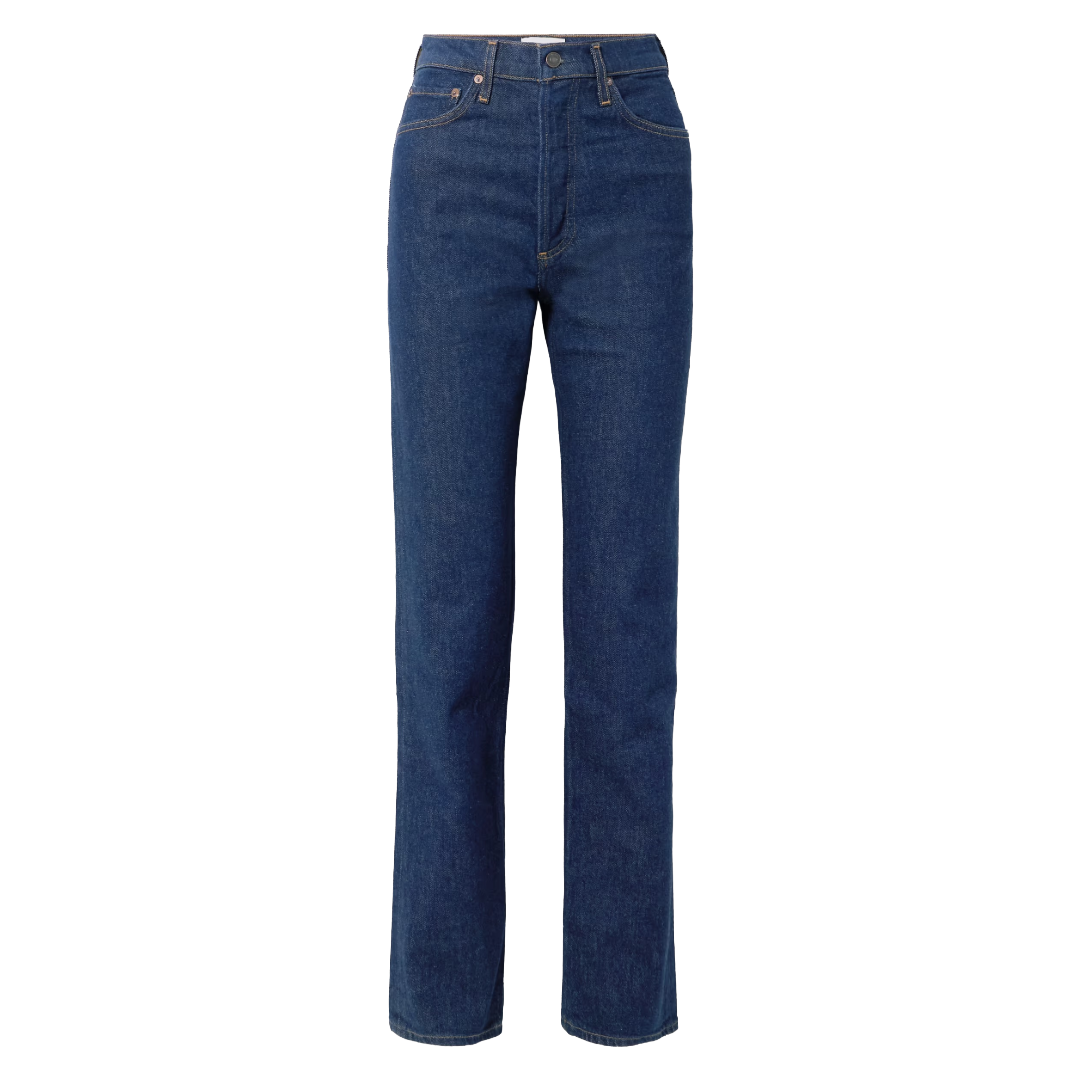
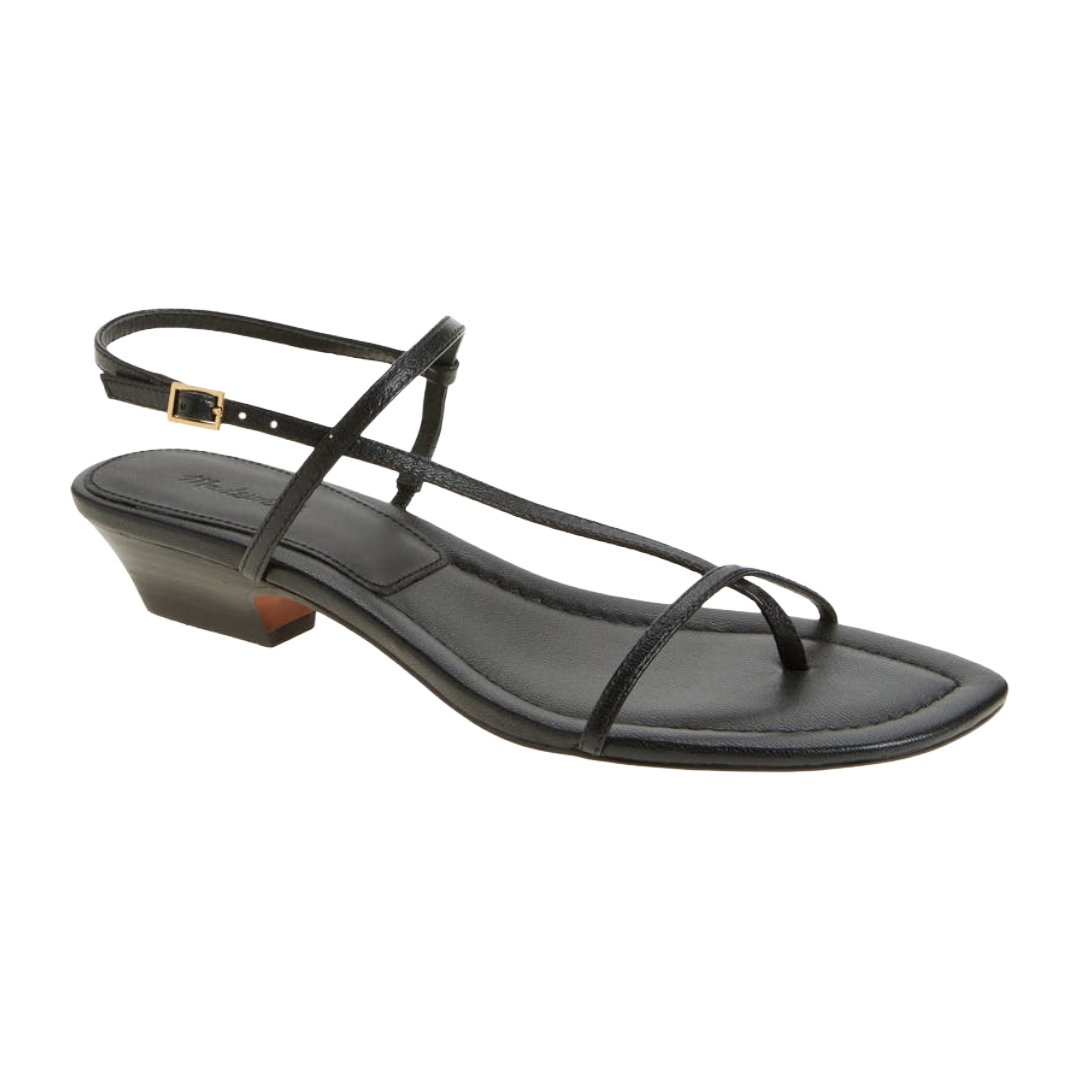
Get the Look