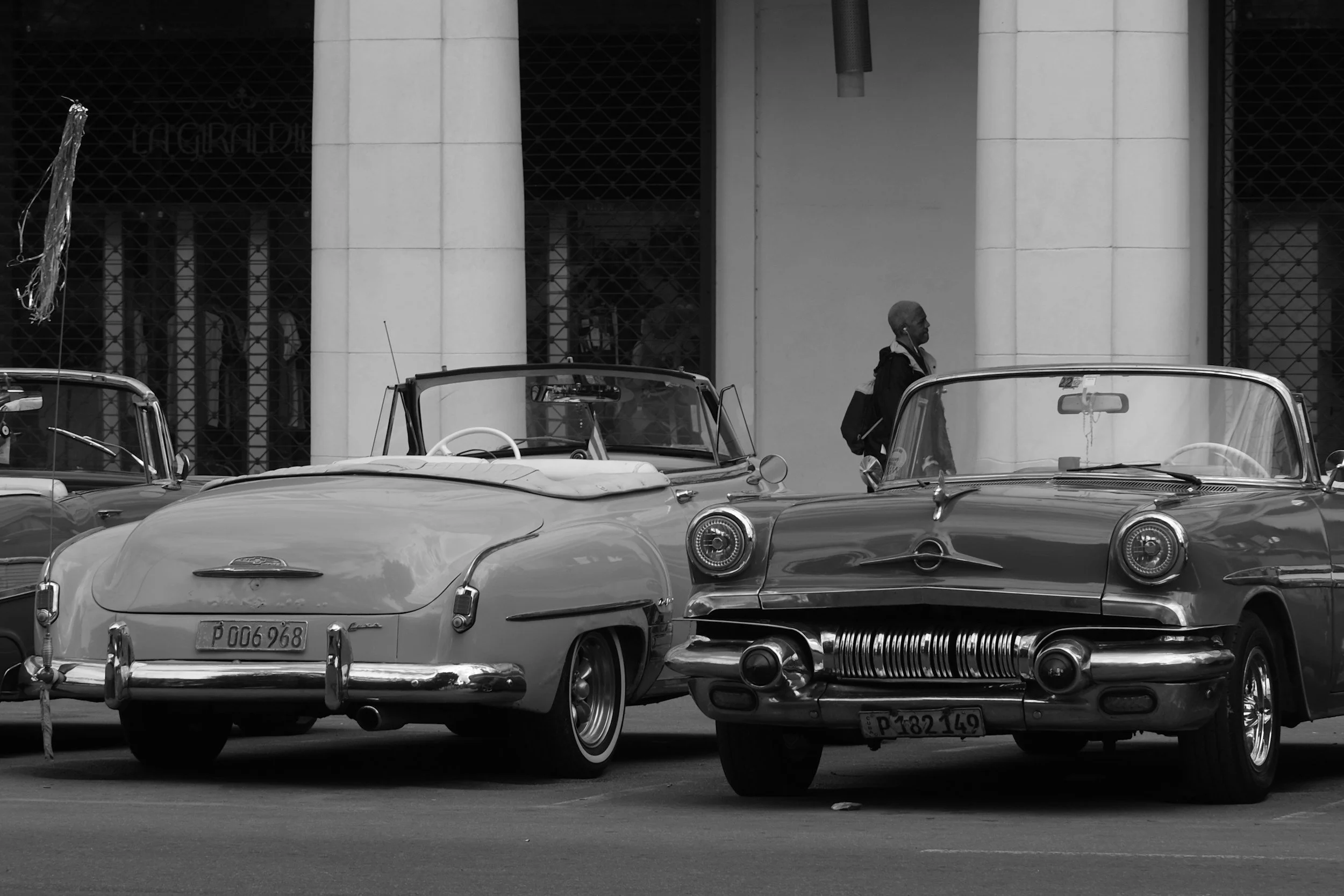
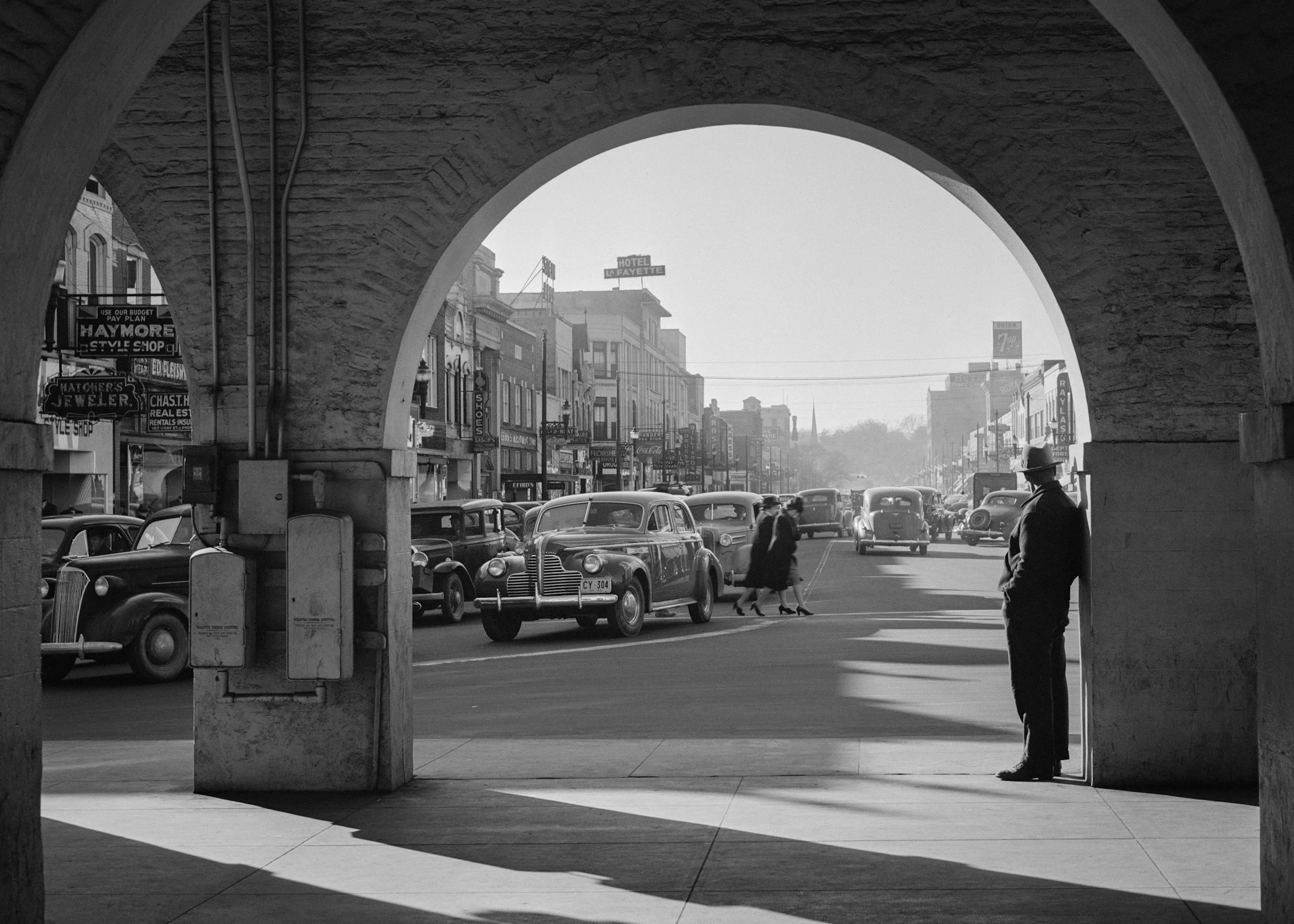
Continuing with the history of American design, the chrome comes off, and the machines move in.
The Space Age didn’t die in a lab. It died in a gas line.
In the fall of 1973, OPEC cut off oil to the United States, and the country that had spent twenty years building rocket-shaped cars was suddenly idling around the block for half a tank. The future stopped looking shiny. The future stopped looking shiny and started looking expensive.
So America did what it always does: it went home and redecorated.
The 70s house is a den. Wood paneling, corduroy everything, a refrigerator in avocado or harvest gold, a macramé owl if you’re lucky. It’s everything you’ve seen on an episode of The Brady Bunch. The decorating version of pulling a blanket over your head, and honestly, I get it.
The cozy part is the cover story. Inside the paneled room, some of the most important objects of the century were quietly arriving, and nearly every one of them needed a disguise to get through the door.
The Era In a Nutshell
Post 2 was about materials that could finally hold a shape. Fiberglass, plastic, Formica: anything you could pour into a curve and call the future. Post 3 is about what got put inside the shape.
Intel sold the first commercial microprocessor in 1971. A few years later, a chip was running the game console under your TV. Machines that used to live in factories and restaurant kitchens kept shrinking until they fit on a counter, a desk, and a hip. The first half of the era hid all of this stuff behind wood grain and beige. The second half stops apologizing. By the mid-80s, the earth tones are gone, and it’s black lacquer, primary colors, grid lines, and rubber. Design gets loud and a little bratty.
This era also started getting personal. Design stopped being something an entire family shares and started becoming something you could carry.
One note before we start: not everything here was made in America. The Tizio and the Graves kettle came out of Italian factories, the Walkman is Japanese, and the Swatch is Swiss. They’re in this post because America is where they turned into a way of life. When you think of these objects, you think of a moment in time and popular culture that is uniquely American.
Part 1: The Living Room & The Office Get a Brain
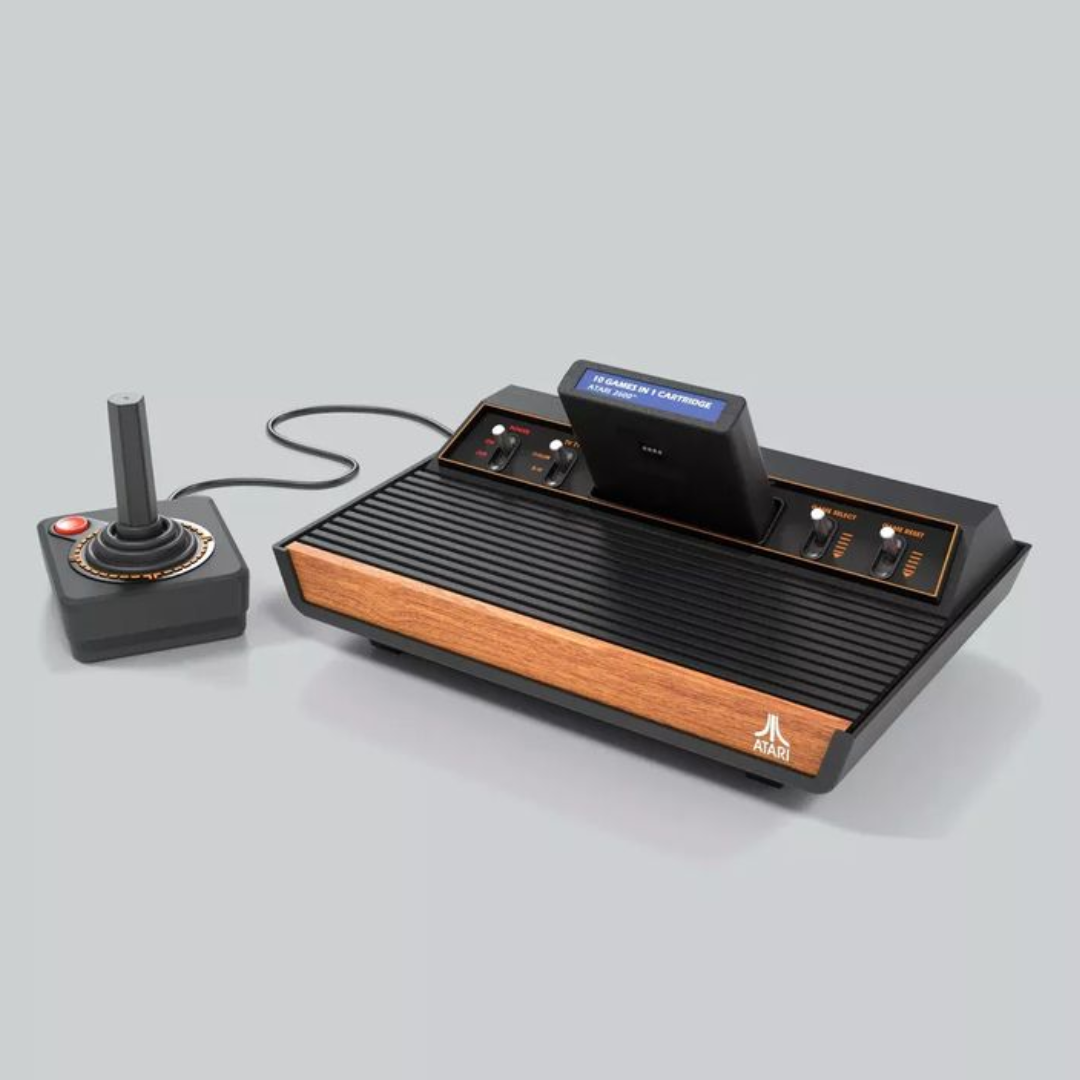
Atari 2600, 1977
Atari sold it as the Video Computer System, or VCS, for $199, and it didn’t even get the number until 1982. The real innovation was the cartridge: one machine and endless games. Swap them out whenever you want.
On the outside, it was black ribbed plastic, chunky metal switches, and a strip of vinyl wood grain across the front. The wood grain is fake, and everyone knew it. It didn’t even matter.
A video game was a strange, slightly suspicious thing to bring home in 1977. The veneer on the front let it sit next to the console TV and the shag carpet, as it had always been there. It might be one of the smartest design calls of the decade.
A computer basically apologizing for itself, and it worked so well that the fake wood is now exactly one of the most memorable, nostalgic things about it.
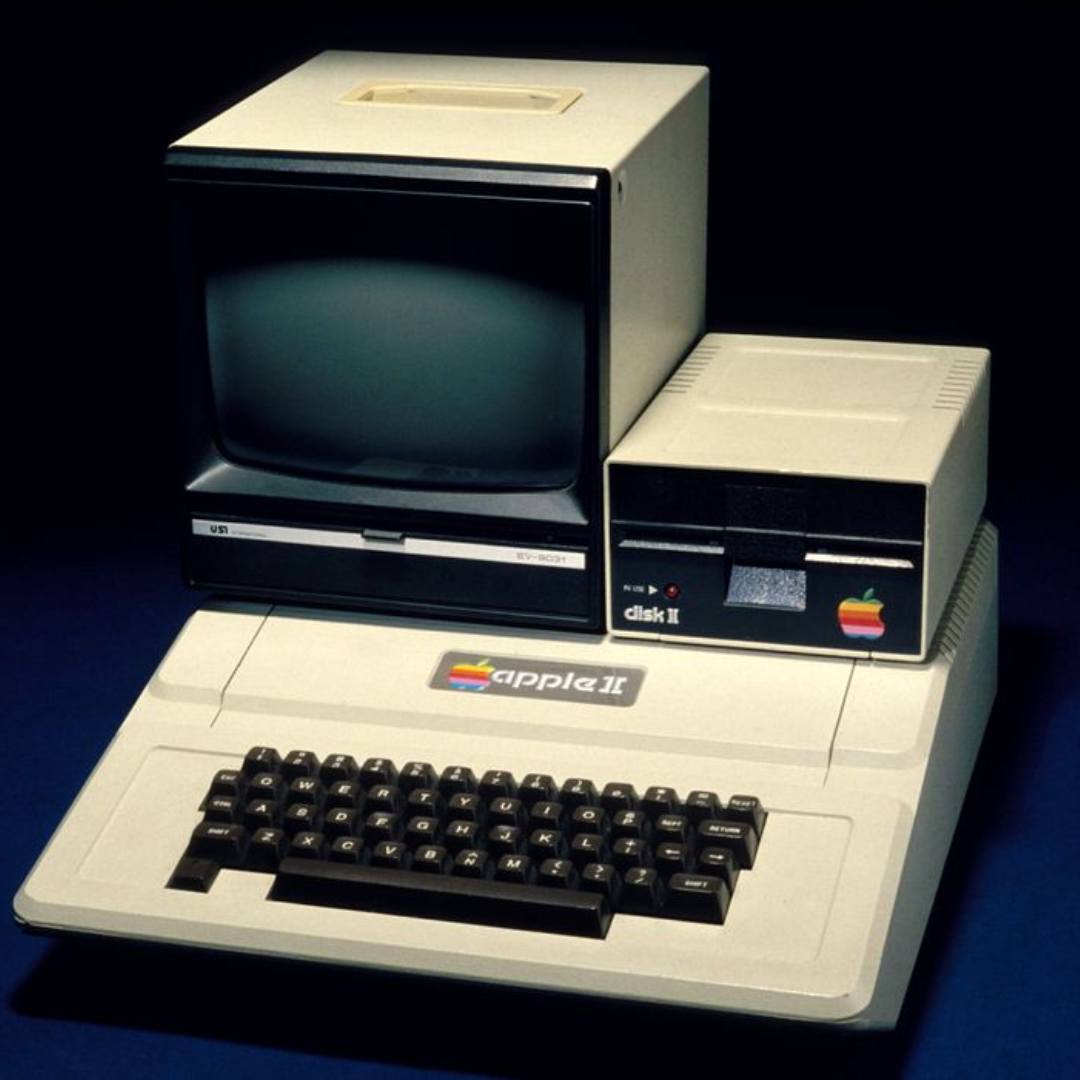
Apple II, 1977
Before the Apple II, a personal computer was a project. The Apple I came as a bare circuit board, and plenty of buyers built it in a wooden box themselves.
Steve Jobs wanted the next one to look like an appliance, so he hired a freelance industrial designer named Jerry Manock. Manock gave it a sloped beige plastic case with the keyboard built right in.
It looked like office equipment, and that was the point. A family could spend $1,298 on it and put it on the kitchen desk without it looking like a science fair project. Beige is probably one of the most underrated colors in design history. It’s the color of “I’m safe, you can trust me,” and home computers wore it for the next twenty years, all because of this box.
Manock went on to co-design the original Macintosh case, too, and almost nobody knows his name. It’s molded inside the first Macs along with the rest of the team’s signatures.
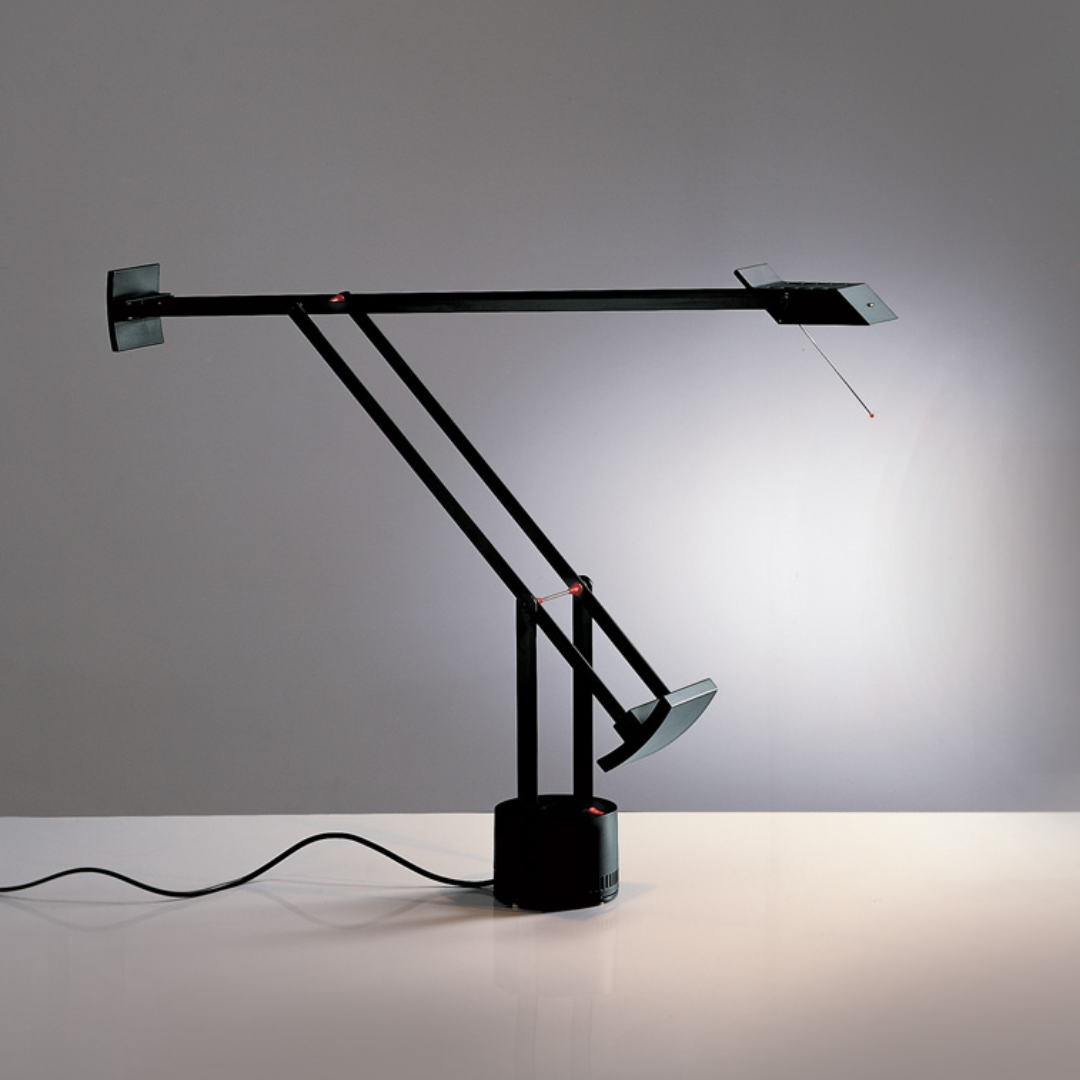
Tizio Desk Lamp, 1972
Richard Sapper wanted a lamp for his own desk: a small head, long reach, and nothing in the way. He couldn’t find one, so he made it.
The Tizio is an all-black, all angles, and there isn’t a single cord running up it. He used a low-voltage halogen bulb and sent the current through the metal arms themselves, with the transformer tucked into the base. Counterweights keep it balanced so you can push the head anywhere with one finger, and it just stays there.
It looks like a tiny construction crane. That’s why architects loved it and why it seemed to come standard in every movie executive’s office.
It’s in MoMA’s collection and still in production. I’d put one on my desk tomorrow.
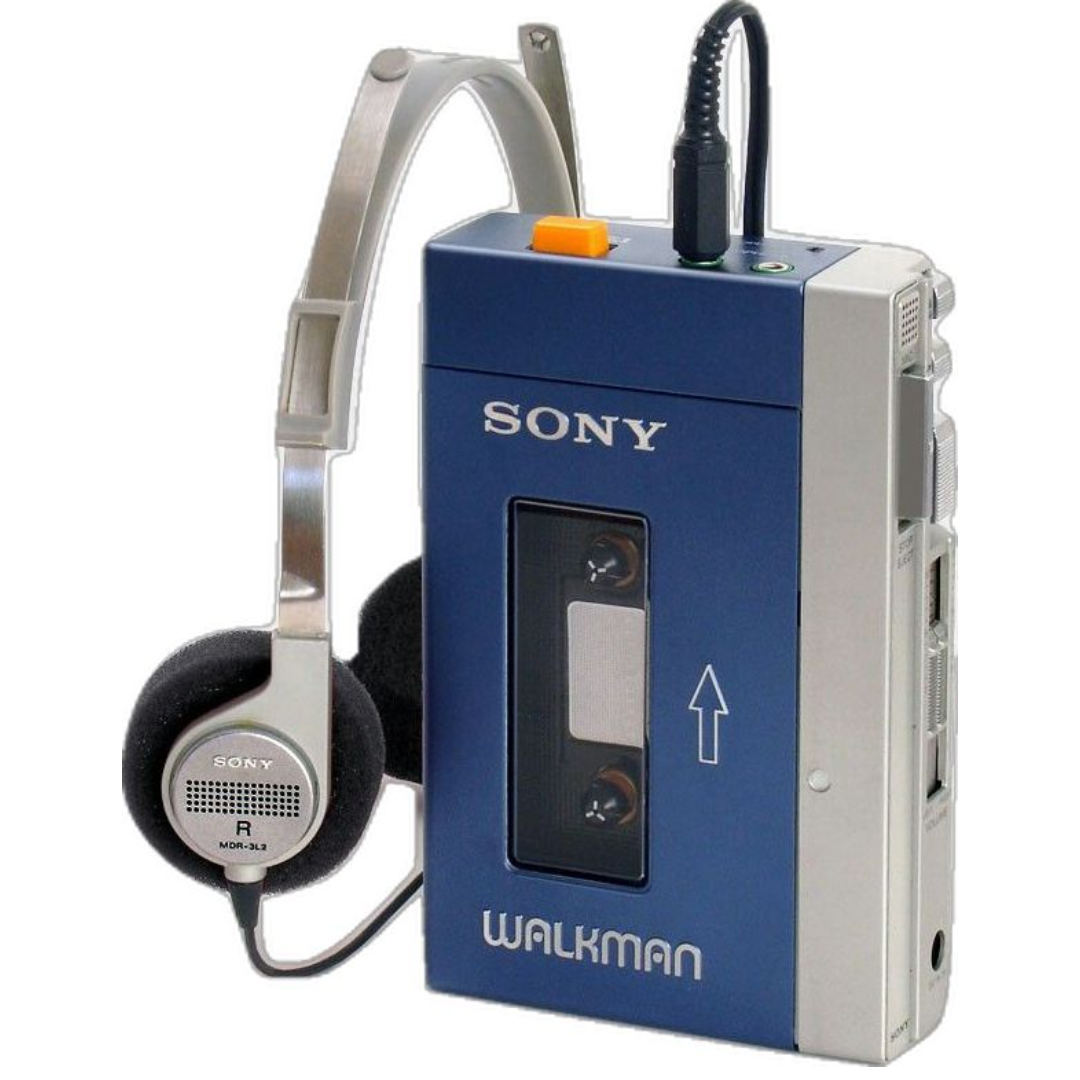
Sony Walkman TPS-L2, 1979
My favorite Walkman fact: the first one had two headphone jacks.
Sony co-founder Akio Morita worried that listening to music alone in public was rude, so the TPS-L2 came with a second jack for a friend, plus an orange “hotline” button that turned down the music and switched on a little microphone so they could talk without taking headphones off.
Turns out, nobody wanted that. People wanted to be alone. Within a couple of years, the second jack was gone, and the Walkman became what it was always going to be: a door you could close in public.
Before 1979, music was something heard in a room on a kitchen radio, hi-fi in the den, or a car stereo everyone fought over. The Walkman turned it into a private soundtrack for walking down the street, and the street never turned back. Everyone walking around with AirPods is living in the world the Walkman built.
It reached the US in 1980 under the name “Soundabout,” which is adorable, but I’m glad it didn’t stick.
Part 2: Synthetic Glamour & The Domestic Kitchen
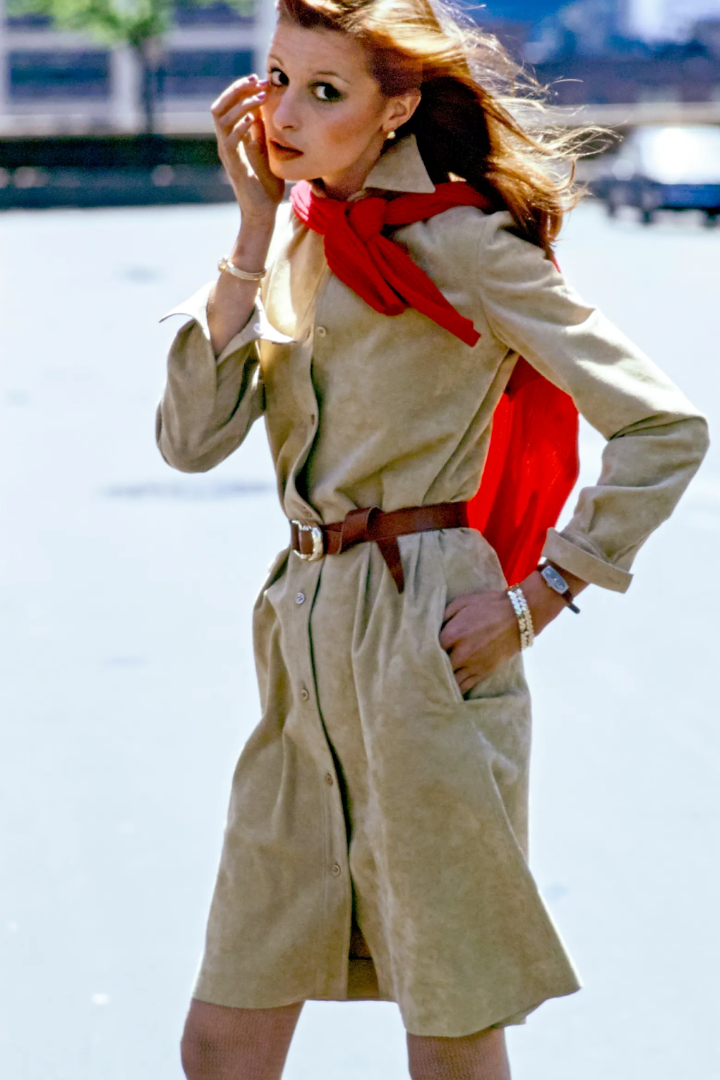
Halston Ultrasuede Shirtdress, 1972
In 1970, a chemist at Toray in Japan named Miyoshi Okamoto invented a microfiber fabric that felt like suede, weighed almost nothing, and could go through a washing machine. Americans got it as Ultrasuede.
Halston made a shirtdress out of it. Button front, soft collar, a belt, and basically no structure. You could throw it in a suitcase, wear it to the office, wear it to dinner, and then, if you ran with Halston’s crowd, wear it to Studio 54.
That’s the whole Halston thesis, and I still think it’s right: American luxury is the thing that looks expensive and asks nothing of you. No corset, no dry cleaner, no fuss.
People love making fun of 70s polyester, but the fabric was never the problem. Who was using it was. In Halston’s hands, it was the most modern thing a woman could wear.
Okamoto, meanwhile, invented a fabric that dressed a decade, and he’s a footnote.
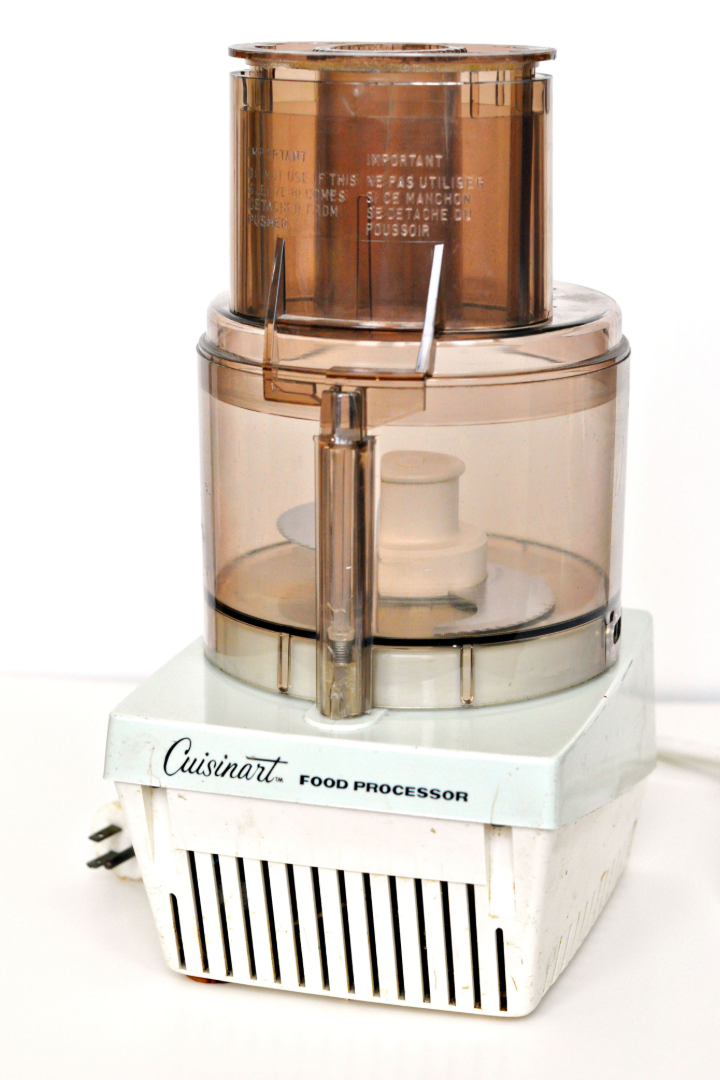
Cuisinart Food Processor, 1973
Carl Sontheimer was an engineer and inventor with a serious cooking habit. On a trip to France, he found a machine French restaurant kitchens were using to chop, slice, and purée in seconds, and he decided American home cooks needed one.
He licensed it, reworked it for the US, and debuted the Cuisinart at a housewares show in Chicago. At first, it didn’t sell. Nobody knew what it was for, but then the food press got hold of it. By the end of the decade, it was the appliance everyone wanted on their counter.
That’s the part I find interesting. The Cuisinart is one of the first kitchen machines people bought, partly so other people would see it. Plain white base, clear bowl, and almost no controls. It didn’t go in a cabinet. It sat on the counter like a trophy and told every dinner guest you were the kind of person who made your own pesto.
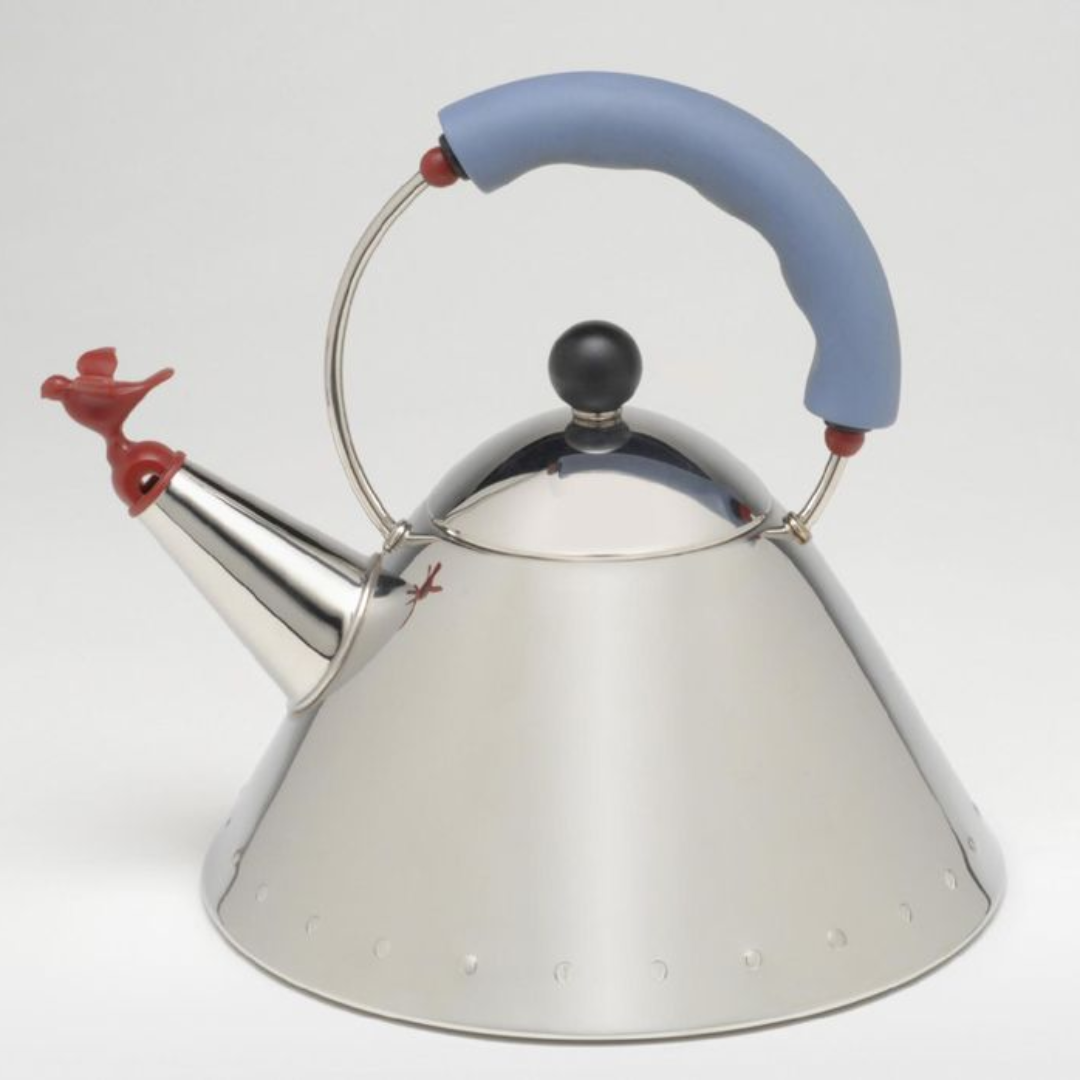
Michael Graves Whistling Bird Teakettle, 1985
Michael Graves was an architect first, best known for a Portland city office building that people still argue about. Then Alessi asked him for a kettle.
He gave them a squat stainless steel cone with a row of little studs around the base, a blue handle, and a red plastic bird on the spout that sings when the water boils. Blue is where you touched, and red is where it’s hot. Color coding disguised as a joke.
It became Alessi’s best-selling product ever. The kettle matters because Modernism spent decades telling people good design was serious. It had to be white, quiet, and with very little decoration. Graves put a cartoon bird on a kettle, and Americans started lining up for it.
Part 3: Personal Status & Street Culture
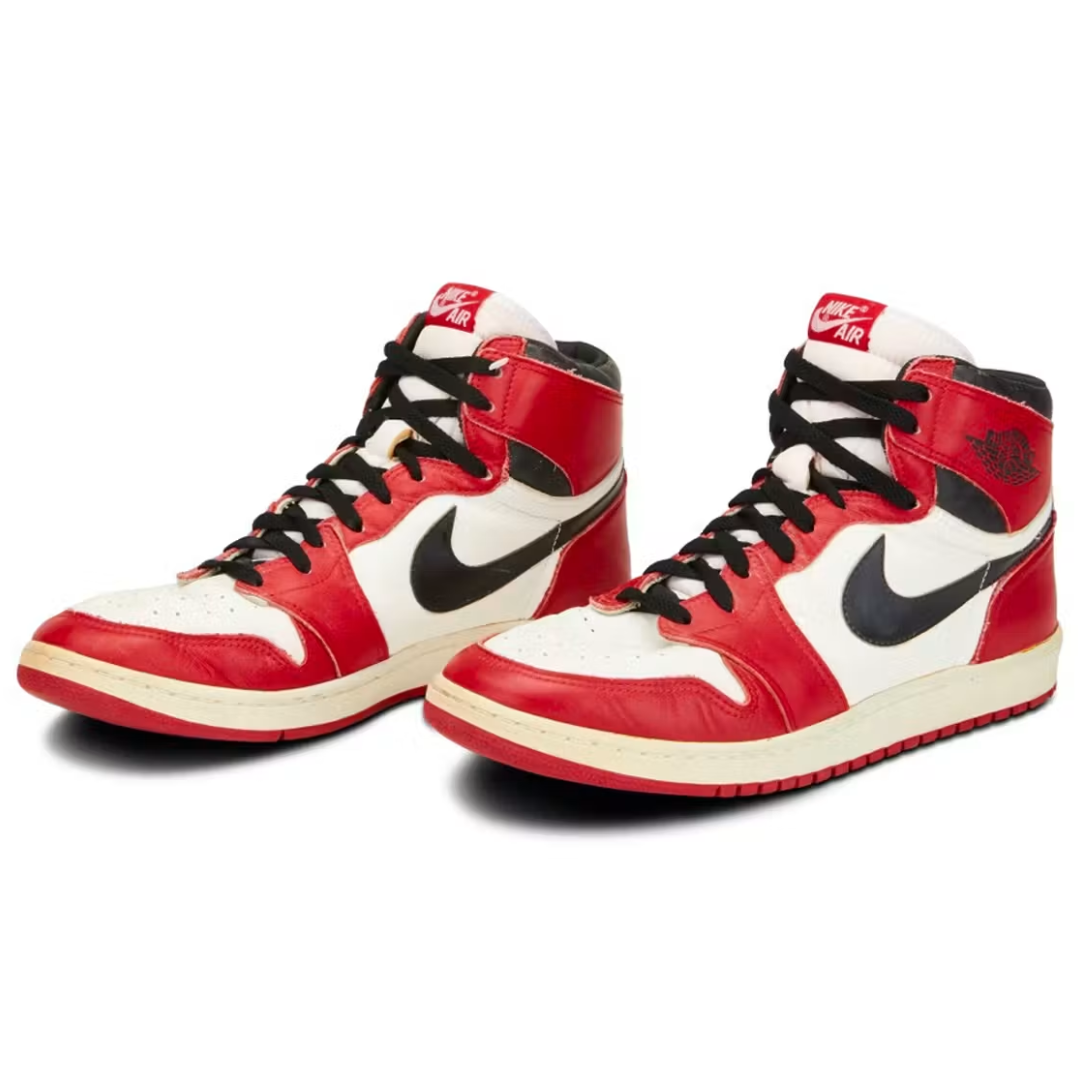
Nike Air Jordan I, 1985
Peter Moore designed the Air Jordan I and the Wings logo that went with it. The shoe is a leather high-top blocked in red, black, and white. It’s loud enough to read from the nosebleeds.
Now the part Nike doesn’t advertise: the shoe the NBA objected to in 1984 wasn’t actually the Air Jordan I. It was apparently the Nike Air Ship, a black and red shoe Jordan wore before his own was ready. League rules said a team’s sneakers had to match and be mostly one color, or the so-called 51% rule. The NBA sent Nike a letter. Nike made a commercial.
In the ad, the camera moves down Jordan’s body, and black bars cover his feet while the narrator explains that the league threw the shoes out of the game, but can’t stop you from wearing them.
Is that a slightly creative version of events? Yes. Is it some of the best marketing in American history? Also yes.
What it did to design is the real story. A basketball shoe stopped being equipment and became a graphic, something you wore to say who you were, not what you played. Every sneaker drop line you’ve seen leads back here.
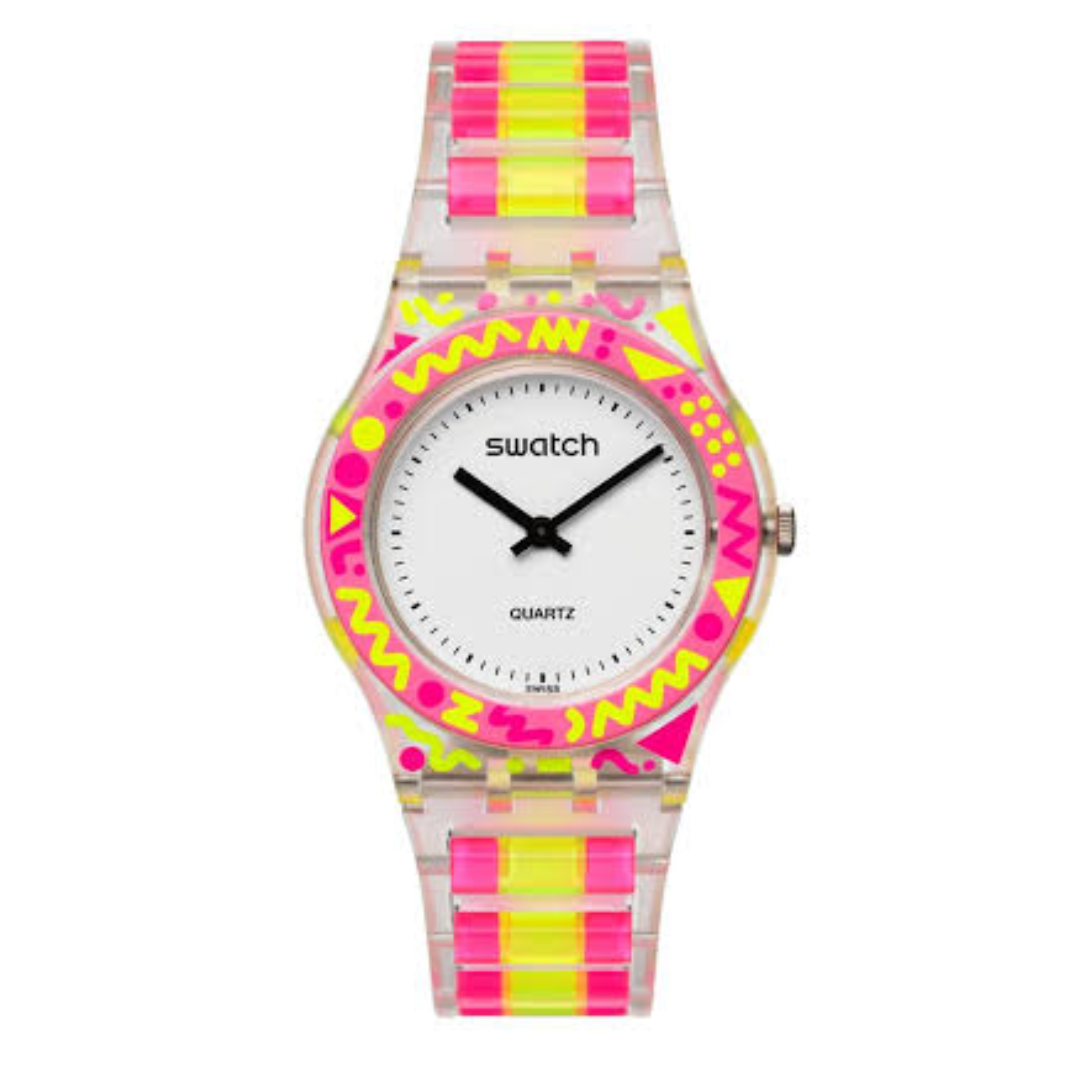
The Swatch, 1983
By the early 80s, cheap quartz watches from Japan had nearly wiped out the Swiss watch industry. The fix came from two engineers, Elmar Mock and Jacques Müller, who cut a watch down to 51 parts and sealed it into a plastic case that was welded shut with ultrasound. You couldn’t open it, and you couldn’t repair it.
It launched in Zurich in March 1983, starting at 39 Swiss francs, and hit the US market later that year with a big ad push.
The genius move was admitting the watch was disposable. A watch used to be something you got for graduation and kept for forty years. A Swatch was something you bought to go with an outfit, then bought again in another color, and then wore three at a time up your forearm because it was 1985 and nobody could stop you.
There were artist editions, Keith Haring among them, and a $40 watch turned into something people collected. I love that the most traditional craft in Europe saved itself by turning into a fashion accessory.
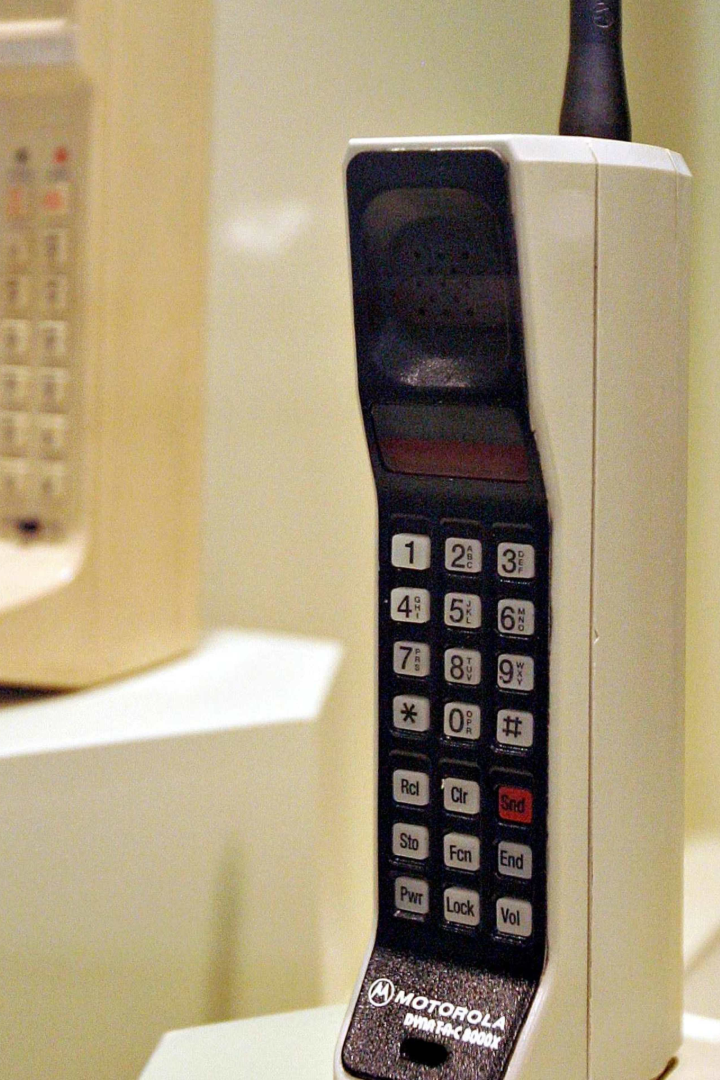
Motorola Dynatac 8000x, 1983
Motorola’s Martin Cooper made the first handheld cellphone call in 1973. It took another ten years to get the thing into stores.
Rudy Krolopp led the design team, and what they ended up with was about ten inches of beige plastic, a rubber keypad, and a long black antenna. It weighed about 1.75 pounds and took ten hours to charge. You could talk for about half an hour. It cost #3,995, which is well over $12,000 today.
It’s objectively ridiculous, and I think it’s beautiful.
Nobody bought one of these to be practical. You bought it so people would see you on it. Gordon Gekko paces the beach on one in Wall Street. Zack Morris has one in his locker. For the rest of the 80s, the Brick was shorthand for “I’m important enough to be reached anywhere.”
It’s kinda funny. Now we pray for apps and getaways to escape exactly that.
Where This Leaves Us
Post 2’s objects were smooth shells: fiberglass, Formica, and molded curves meant to look like the future. These objects are boxes with something thinking inside. First, the box that hides the brain behind wood grain and beige. In 1983, it stopped hiding and went black, yellow, rubber, and red.
What strikes me most is how many of the people behind these objects got swallowed by the logo. Jerry Manock gave Apple its first two bodies. Miyoshi Okamoto made the fabric. Mock and Müller saved Swiss watchmaking with 51 parts. Rudy Krolopp drew the most well-known brick. You know the brands, but you probably don’t know them. I didn’t know until I looked up this post.
The biggest change isn’t a material at all. In 1958, the whole family sat in front of one Philco Predicta. By 1985, everyone in that same family had their own Walkman, a Swatch, and eventually their own phone. Design stopped gathering people and started giving each one their own private world.
Post 4 picks up in 1990, where the beige box finally goes online.