MY FAVORITE ITALIAN WELLNESS LESSONS
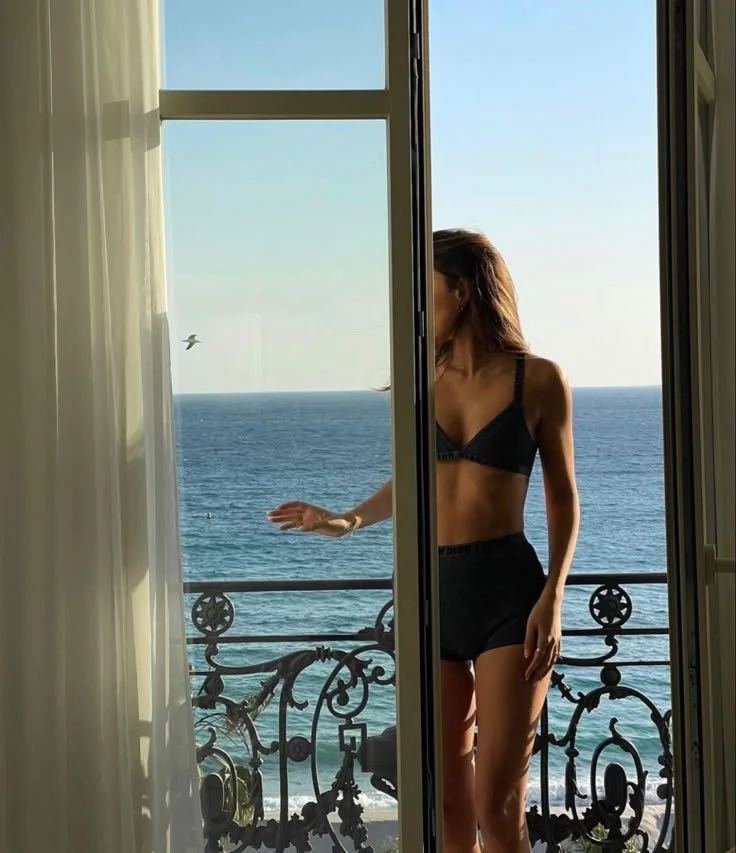
At some point in the last few years, I became someone with a concrete morning routine. I don’t mean just having coffee and getting dressed. I mean, a full routine nearly clocked out by the hour. Workouts, app-based meditations, and my daily planner with introspective journal prompts to focus on gratitude and time blocking. I was optimizing for a version of balance that, in retrospect, requires an embarrassing amount of effort to maintain. I’d read things, I’d tracked things, and I even had opinions on breathwork.
When I started thinking about how difficult the past year has been after being diagnosed with an autoimmune disease and having an unfortunate amount of upheaval thrown my way, I realized things were much simpler when I was younger and living the habits taught to me by my great-grandparents. Every Sunday night, we would have a mandatory family dinner - extended family included - and everyone would be crammed around a table laughing and enjoying each other’s company. My great-grandparents emigrated from Italy without anything close to a wellness plan, and each one lived to be roughly 90 or more. They had been living better than anything a digital dashboard could measure. They didn’t have a fancy word for how they lived. It was just how they lived, and somewhere between assimilation and modernity, I nearly forgot I grew up watching all of it. Here are a few of my favorite lessons and habits I hope to bring back into my life.
La Passeggiata
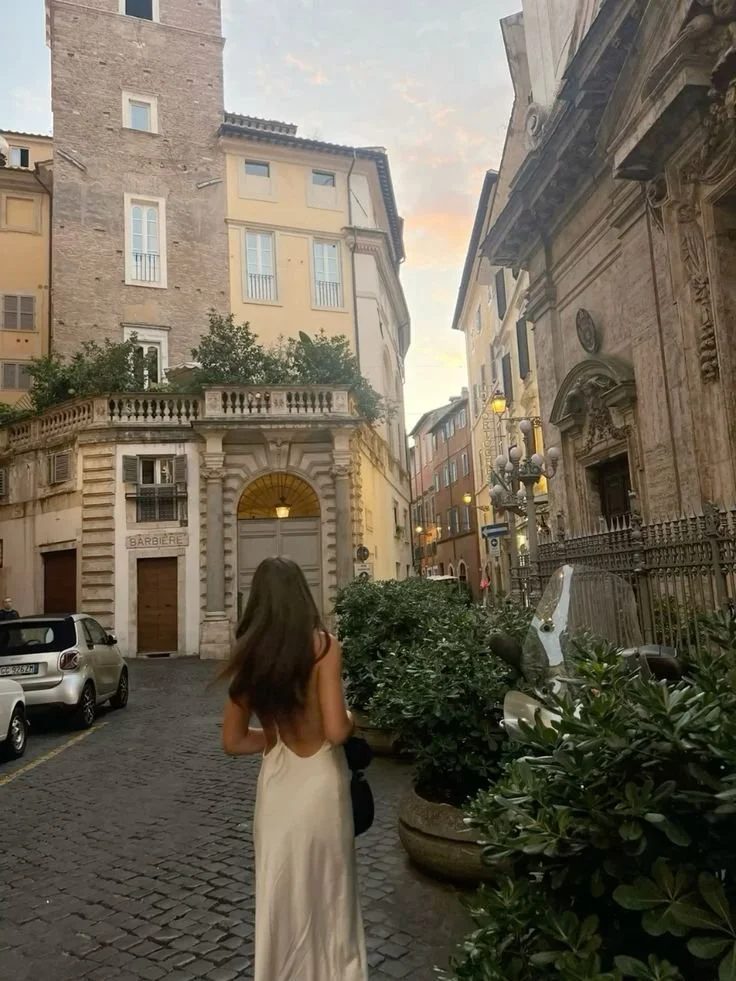
Every evening around the time of golden hour, Italians take a walk. Not for steps. Not for a target. They walk because it’s what you do. You go outside, you move slowly, you talk to people you know, and even ones you don’t. You take in the neighborhood like it’s worth taking in. La Passeggiata, or literally “the walk,” is a ritual embedded in Italian daily life for centuries. In small towns and big cities alike, the main street or piazza fills up at dusk with people who aren’t in a hurry. It’s social, it’s sensory, and it’s the complete opposite of a workout walk. We did this pretty frequently when I was growing up; we just didn’t call it that.
On those evenings, we would just take a walk around the block. My grandparents would chat with people they knew, they would talk to us about school, and we would even stop to visit the horses down the block. When I think about it now, I fondly remember the sights and the sounds like a full sensory experience. The brilliant Arizona sunsets, the cicadas being utterly annoying, and enjoying a little slice of life you don’t appreciate much as a kid. My great-grandparents brought this with them, and it trickled down so naturally that no one really thought to name it. It was just something we did as the day wound down. Okay, well, that or my sister and I were putting on dance performances.
Research backs it up: regular working lowers cortisol, supports cardiovascular health, and improves mood. But the Italians weren’t thinking about cortisol as much as we do these days. They were just outside, together, watching the day close. No app can replicate that, because the point really wasn’t the walking. It was the winding down and having someone to wind down with.
Dolce Far Niente
Speaking of winding down, let’s talk about dolce far niente. Translated literally: the sweetness of doing nothing. There’s a reason this phrase exists in Italian and doesn’t have an English equivalent - the concept itself is treated differently. In Italy, rest isn’t something you earn after insane amounts of productivity. It’s something you do because you’re a person, and people need rest.
Growing up, there was a version of this in our house that never really registered as anything other than being told to sit still (not a rare occurence honestly). Adults were talking, and the expectation was that we just sat. No television. No radio. Just being present. Of course, we could read, do homework, or enjoy some quiet time on the back patio. As a kid, it felt like a rule, but in retrospect, it was more of an education.
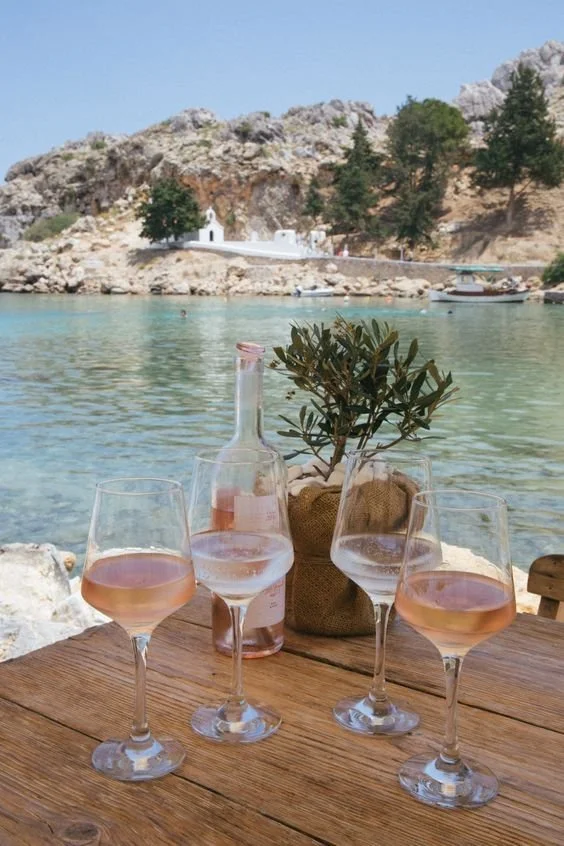
Dolce far niente is the art of being idle without guilt; sitting in the sun, lingering over coffee, or not filling every moment with something to show for it. It refuses the productivity-obsessed framework of today that treats rest like something to schedule or justify. You don’t plan for dolce far niente. You just allow it.
The irony of downloading a meditation app is that I was trying to create stillness through structure - talk about an American thing to do. My family practiced stillness by being still. No timer, no guided voices. They sat on the patio, chatted with each other, and called it a late afternoon. I spent years not really understanding the point, but nothing is the point. I’d love to get to a space where I’m able to completely disconnect and do nothing in the name of rest. Maybe that’s why dolce far niente is the theme of this month’s Monthly Mix.

Choose People Over Plans
Sunday dinner in my family was not optional. You showed up, extended family included. There was no “I have something” or “can we do it another day?” The table magically accommodated whoever came, and the expectation was that being together took priority over whatever else might have been on the calendar. The gathering was the plan, and everything else needed to work around it.
At the time, I’m sure for adults it felt like an obligation, but as a kid, it was probably my favorite day of the week. Getting to help in the kitchen and getting the attention of so many adults? Incredible. As an adult, I understand it was a structure that kept everyone tethered to each other in a way that didn’t require effort once it became a habit, because it was never up for negotiation in the first place.
It wasn’t just our family. This idea is deeply embedded in Italian culture. La famiglia is the organizing principle of daily life, not in a suffocating way, but in the sense that relationships are maintained through consistent, unglamorous presence. Not grand gestures. Just showing up every Sunday for the best pasta imaginable.
The research on loneliness and social connection makes this case pretty relentlessly: people with strong in-person social ties live longer, manage stress better, and report higher well-being. The Italians didn’t need the study. They just didn’t let each other drift. As the number of my family dwindled over time, Sunday dinner became smaller and smaller until it was nonexistent. And now I can see a spotlight on one thing that is deeply missing from my life at this moment. My daily planner is still very full. But I need to be much more deliberate about protecting what my family never had to think twice about: the standing commitments, the consistent people, and the table that always had room.
Carbs Are Not the Enemy
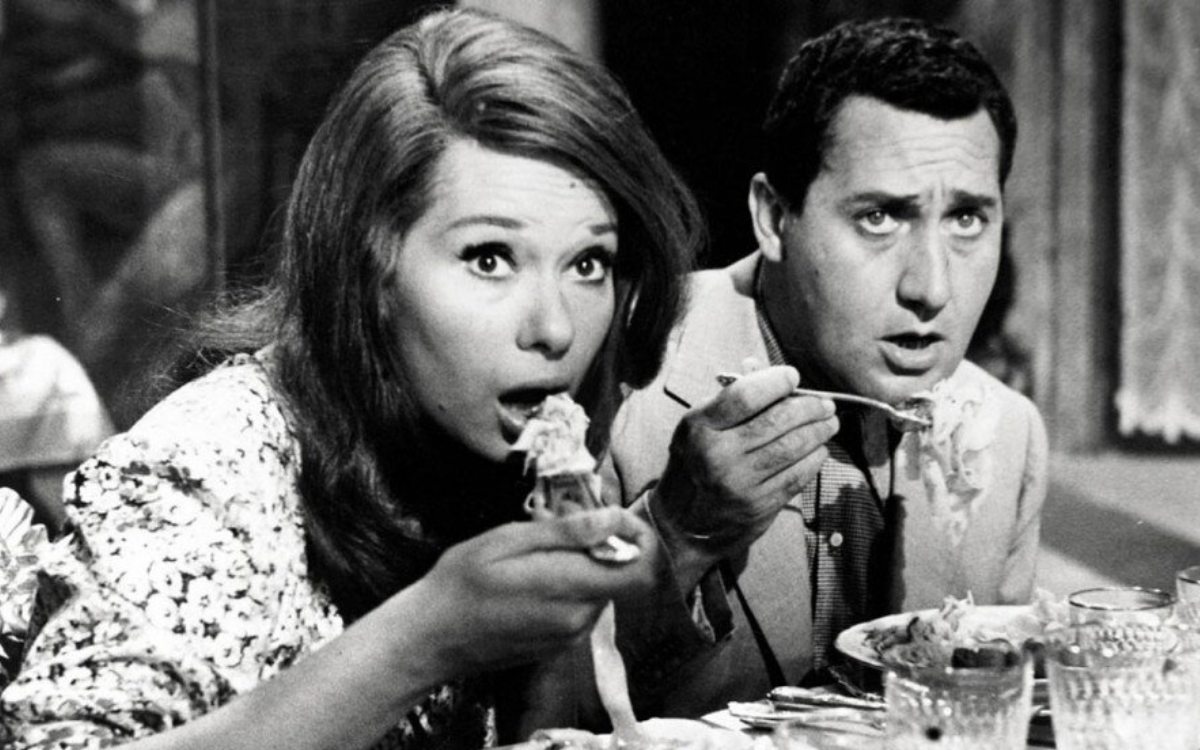
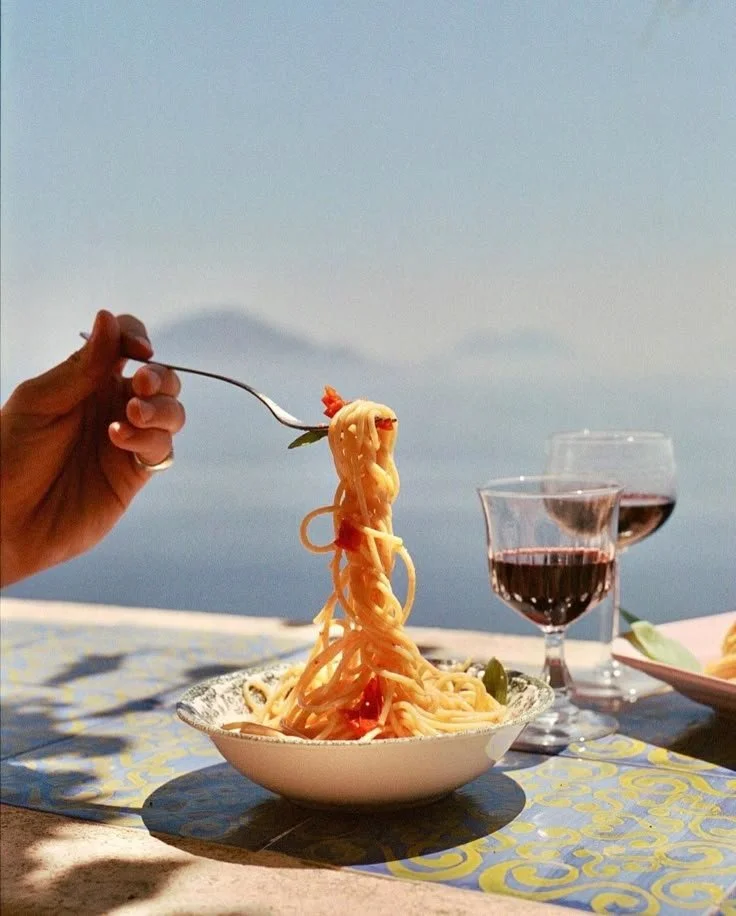
Speaking of Sunday dinner, pasta was never a cheat meal in this house. It was not an indulgence to balance out later. It was just Sunday dinner. My great-grandmother made pasta by hand. My grandma, who wasn’t the best cook, attempted to make pasta by hand, and by the time it got to my generation, we were all in the kitchen together. Every Christmas, we would make hundreds, if not thousands, of shaped noodles, making them, arguing about them, eating too much of them, and feeling completely fine about that. Pizza nights, on the other hand, were much rarer and treated accordingly: an event, not a guilty pleasure.
The Italian relationship with food has nothing to do with macros. In fact, I myself couldn’t care less about macros. Pasta in particular has been a dietary cornerstone for generations of Italians. Simple ingredients, eaten at the table, alongside vegetables and wine, without much ceremony around guilt. The Mediterranean diet, consistently cited as one of the healthiest eating patterns in the world, isn’t built on restriction. It’s built on quality, rhythm, and the understanding that food is meant to be enjoyed and shared.
The gap between how my family eats pasta and carbs of all kinds and how diet culture talks about them is almost funny to me now. My great-grandparents and grandparents weren’t agonizing over anything. They made the sauce, boiled the water, and fed the people they loved. Nearly everyone at that table lived to a healthy old age. As a kid, I used to eat more tomatoes, Italian bread, and cheese than my stomach could ever handle. It was the heartbreaking part of being diagnosed with an autoimmune disease that requires a (mostly) anti-inflammatory diet and eliminates my favorite things.
Food made together and eaten together isn’t a wellness trend. It’s just dinner. My family knew that. It took me a while to unlearn enough to get back here, where I actively put time into recipes. I try new things, I found my love of cooking again, and while that meant slightly adapting to where my body is now, I’m happy to have found a better relationship with food.
The Bottom Line
I’m not saying the answer to burnout is more carbohydrates, though, for the record, that probably does help. What I am saying is that I spent years attempting to build healthy habits that I should have realized my family already handed me, wrapped in Sunday dinners, sunset walks, and a firm “just sit down.” Wellness, for my great-grandparents, wasn’t a category. It was a way of moving through the day - slowly, together, and without apology for taking up time. I’ve got the apps. I’ve got the planner. But the habits that have actually held are the ones that came from the people who never needed to read about them and who watched The Price is Right religiously every day together.