MONASTIC INTERIORS: THE NEW QUIET LUXURY
Anyone who knows me knows I’m not religious. I grew up Roman Catholic, so you could say I’m still Catholic in the sense that the Catholic Guilt is always there. I also just so happen to love the aesthetics and Popes. What does this have to do with monastic interiors? Well, let me tell you. Aside from nothing quite having the immaculate vibes of a Catholic church, when I realized one of the most compelling 2026 interior trends was based on monestaries I was obsessed.
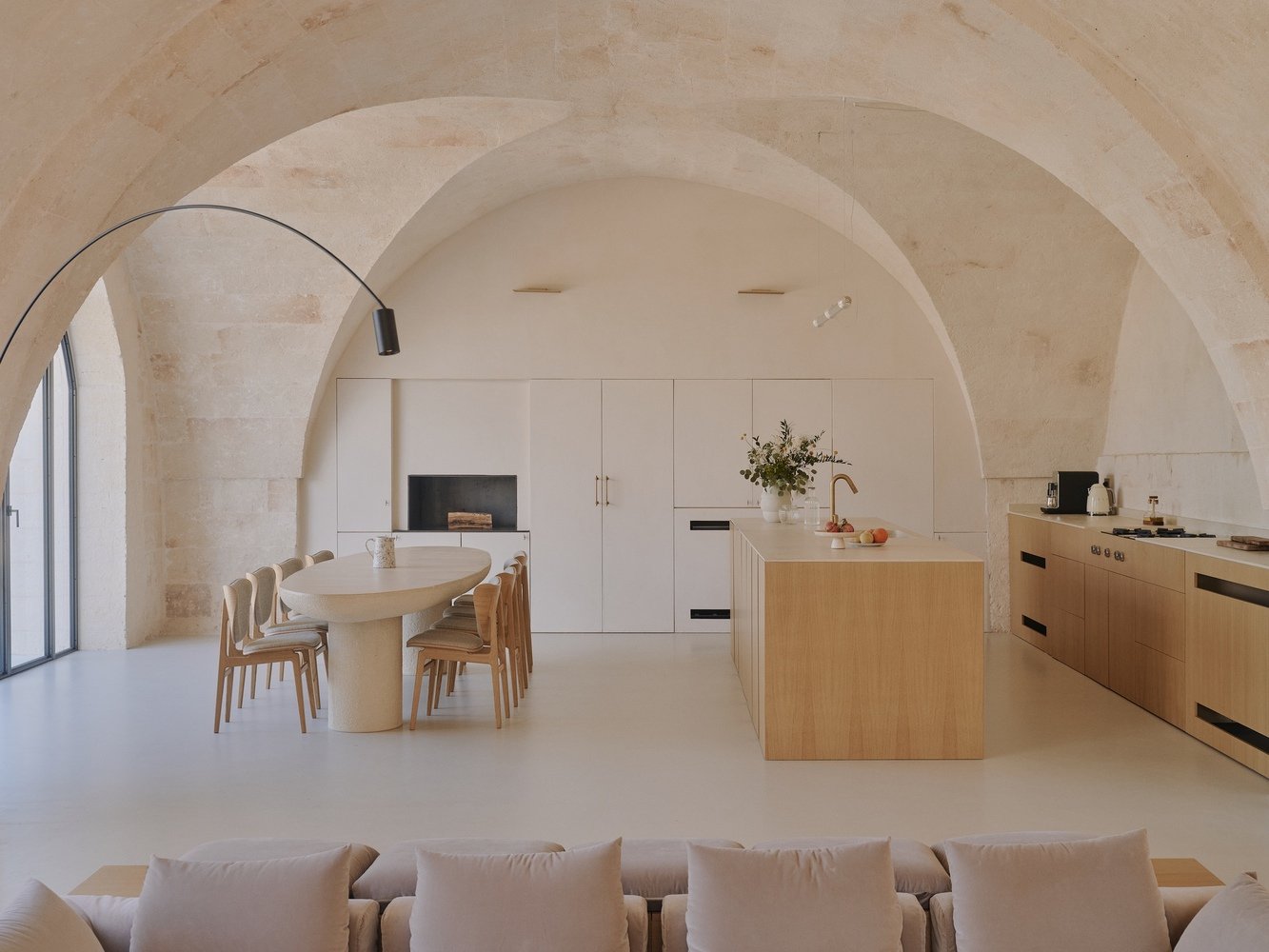
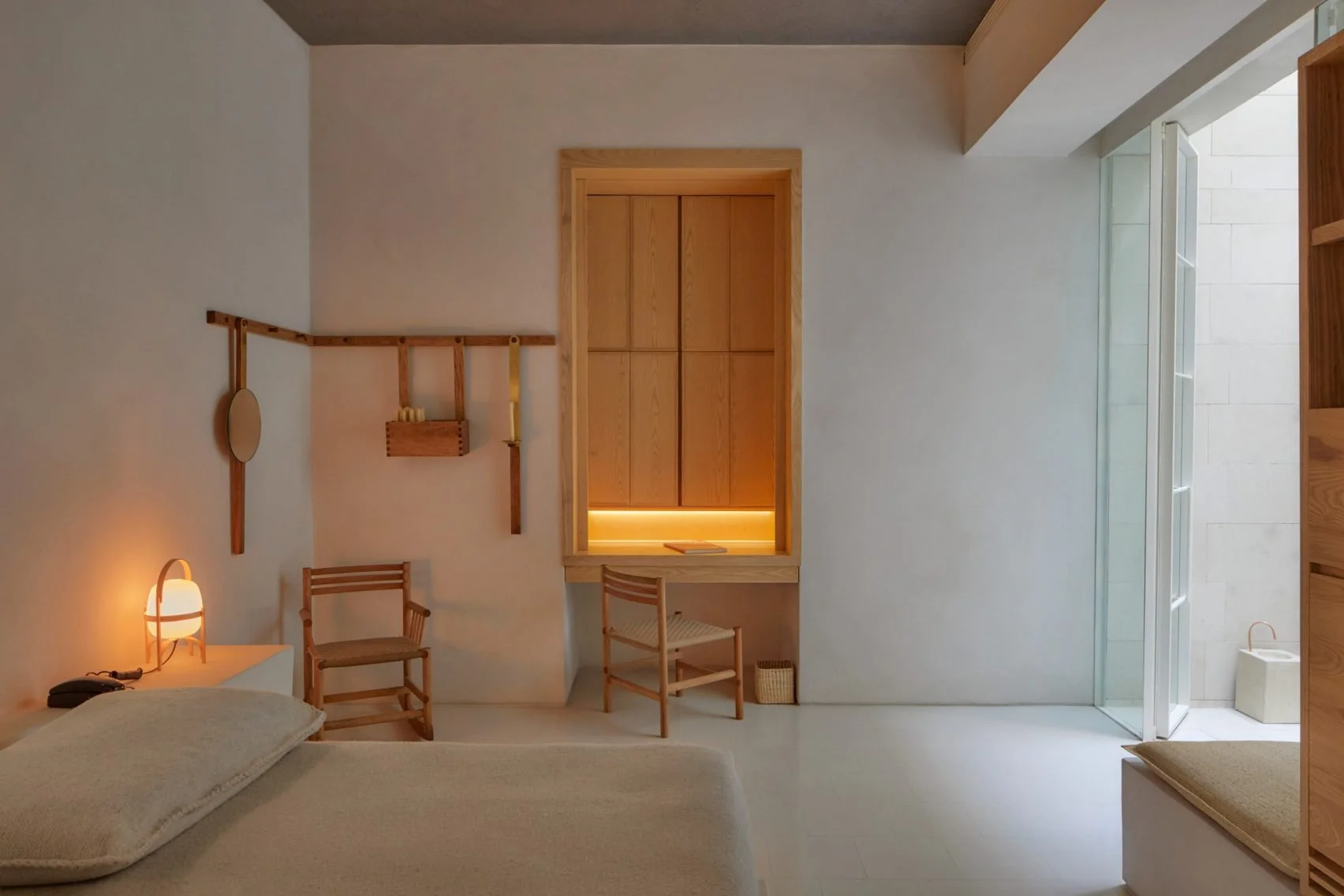
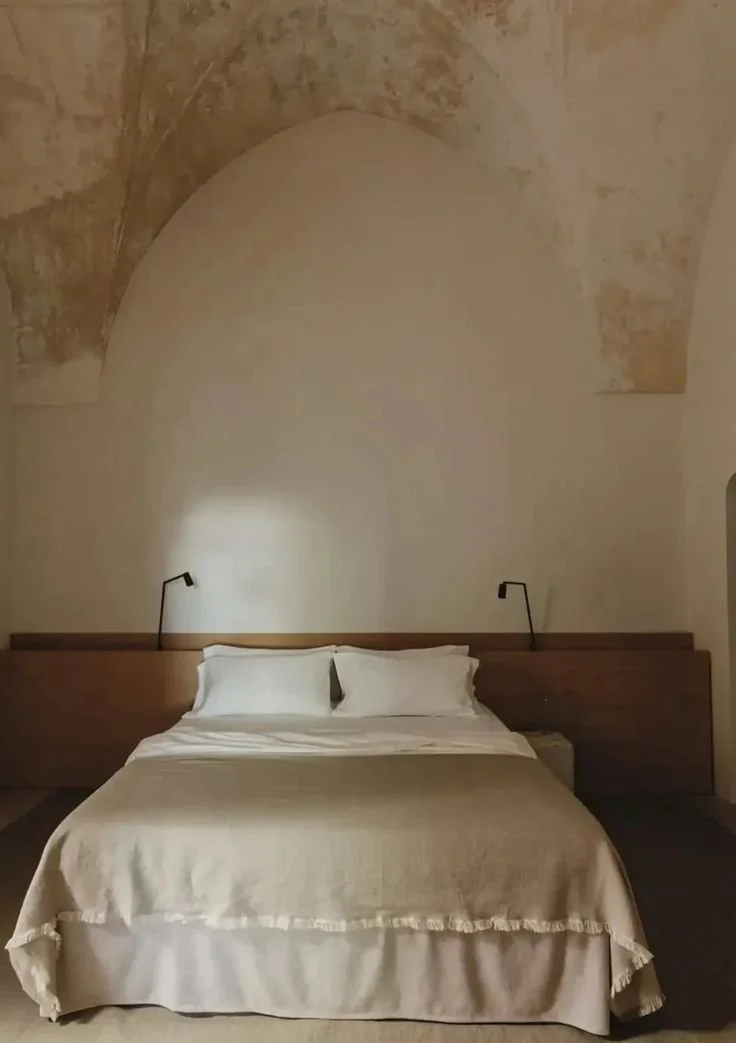
It started with a photo of the Hôtel Du Couvent in Nice, which I stared at for an unreasonable amount of time. It’s a restored 17th-century covent with the type of beauty that stops you mid-scroll with its unadorned wood bed frames, pale linen everything, and arched stone doorways that have probably looked exactly that way for 400 years. No accent walls and no statement furniture battling for attention. Just pure quiet, and I think that is exactly why this aesthetic is having such a moment right now.
Monastic interiors are one of the most interesting design conversations right now, and honestly? It makes sense. After years of maximalism and dopamine decor making every room look like it was styled for a content shoot, there is something deeply appealing about a space that actually doesn’t try that hard. One that is built on simplicity, natural materials, and a lived-in beauty that can’t be faked with a trip to a big box home decor store. This isn’t minimalism repackaged. It’s something much more specific and more interesting than that. And it’s not even just hotels; the fact that people are living in old monasteries as homes is fascinating.
Where It Came From
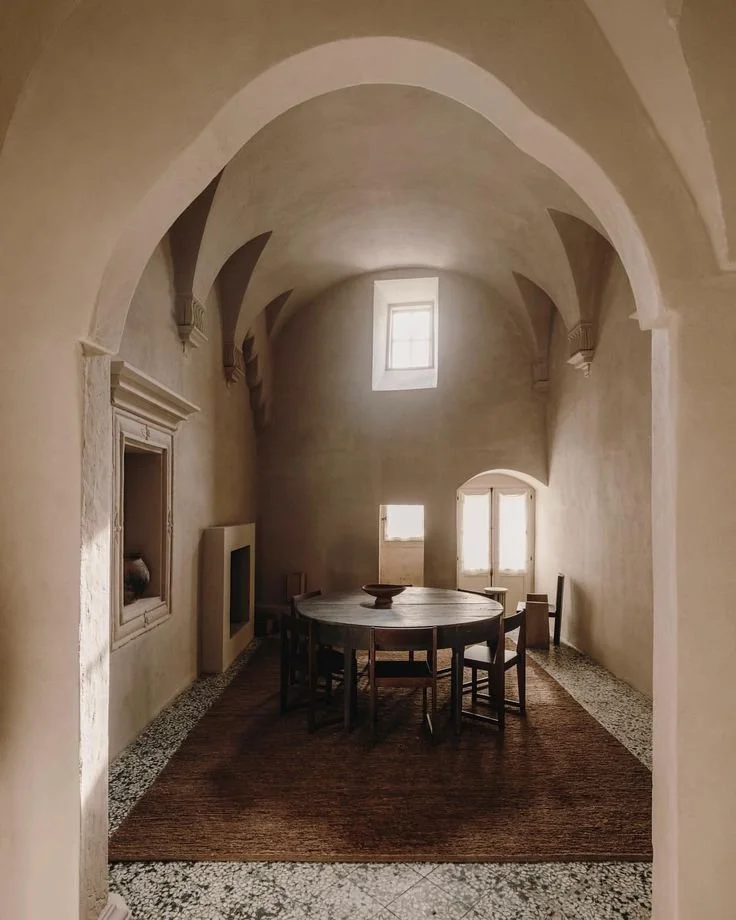
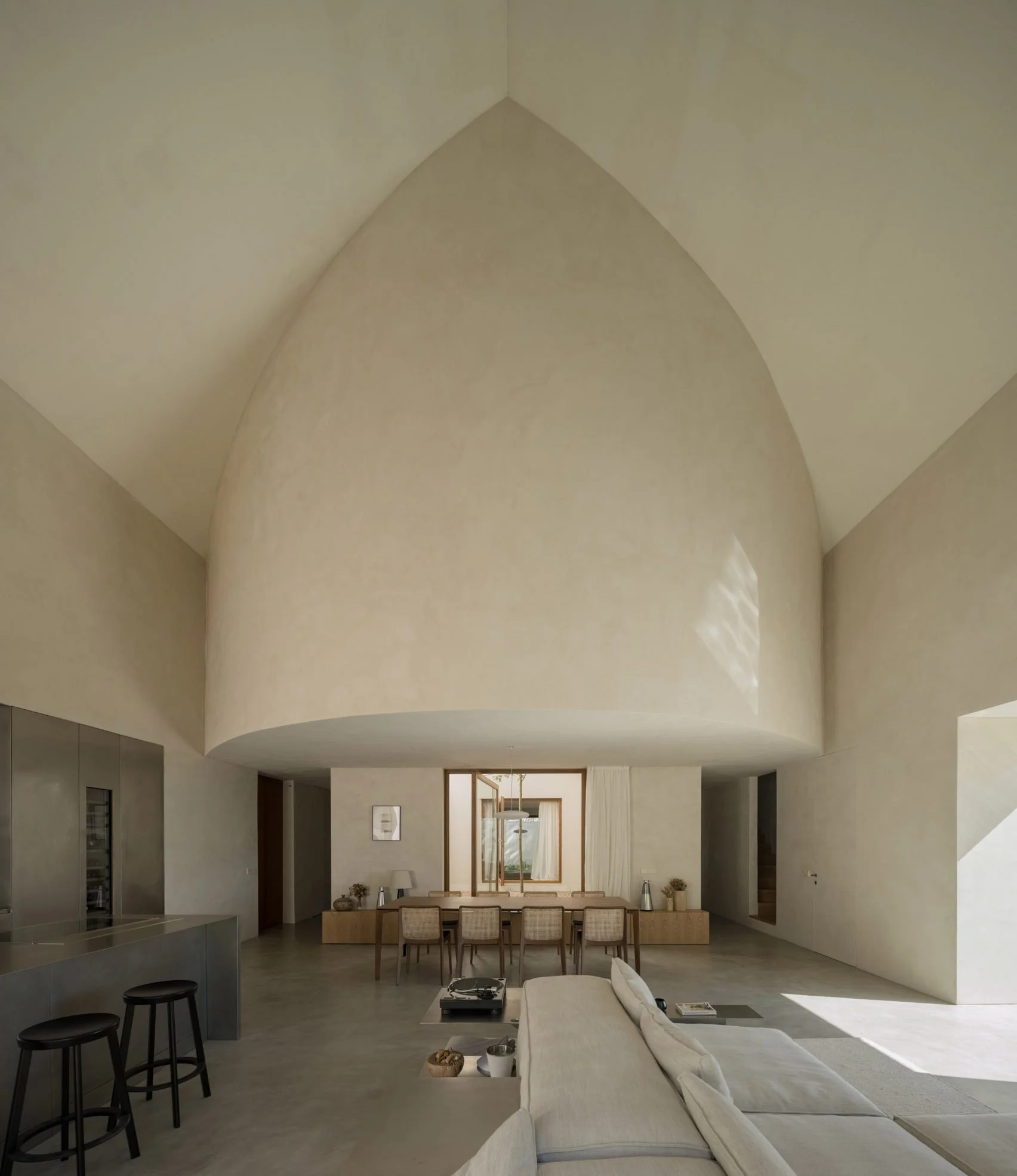
The name gives it away. This trend draws directly from the design language of monasteries, convents, and cloisters. Spaces that were built for contemplation, not decoration. We are talking centuries-old European religious architecture: vaulted ceilings, stone walls, bare wood, and candlelight. Everything is built to serve a purpose, not to impress. A case can be made that this is what luxury looks like now, or at the very least, what it should look like. The traditional markers of what ‘expensive’ is - high-gloss finishes, ornate detailing, obvious brand signifiers - are being replaced by something restrained. Luxury as absence and a room that doesn’t need anything else.
The trend has been building through hospitality at first. Hôtel Du Couvent is probably the best-known example, but more and more boutique hotels and even design-forward restaurants are leaning in across Europe and beyond. Círculo Mexicano in Mexico City leans into a Shaker-inspired simplicity with a similar spirit. These spaces prove that a stripped-back feel can still be rich, just a different kind of rich.
What Makes It Work
Monastic design isn’t about deprivation, but rather intention. Every element earns its place. Nothing is filler. The materials are honest, the palette is grounded, and the overall effect is a space that feels calm without feeling cold. Here is what actually makes up the look.
Stone and Worn Wood Floors
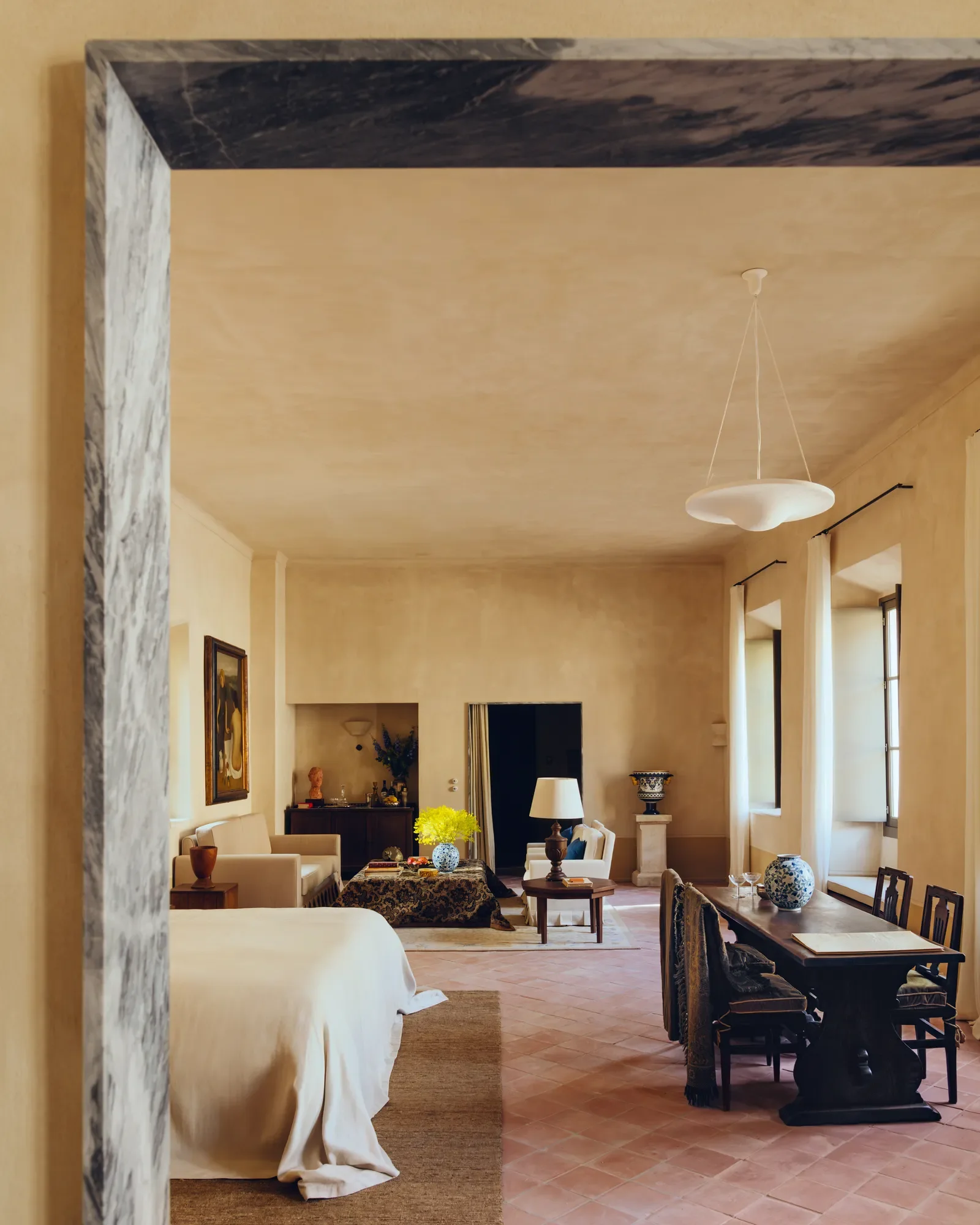
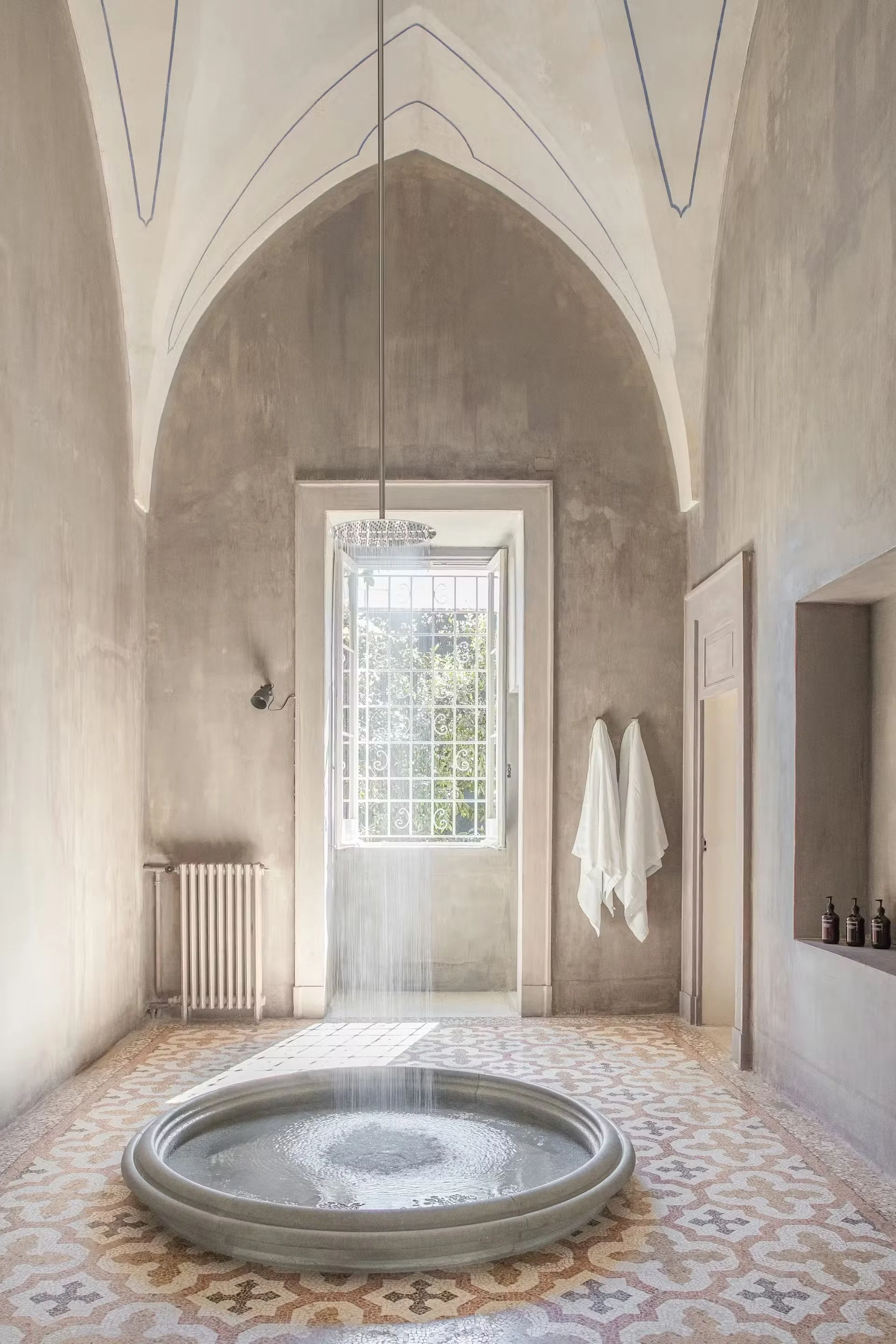
Flooring really sets the tone here first and foremost. There are really only two right answers: stone or wood that looks like it’s been around longer than you have. Stone has been the standard in religious buildings for as long as they have existed. It lasts forever, it’s low-maintenance, and frankly, monks weren’t exactly prioritizing importing marble from three countries over. They used what was around them. In a modern home, we get options like reclaimed stone or flagstone. Even a good limestone tile can get you to the look. It’s really about spotting any stone that shows its imperfections. That is the whole point. Wood floors work too, but they can’t look or feel new. This is not the time for some white oak with a pristine seal. Well, not unless you’re going to take some tools too it and add some character and age all on your own. You want boards with history written into them. All of the scuffs, uneven patina, and color that shift from plank to plank. Reclaimed floorboards are ideal because the less polished, the better.
Rustic Wood and Natural Textures
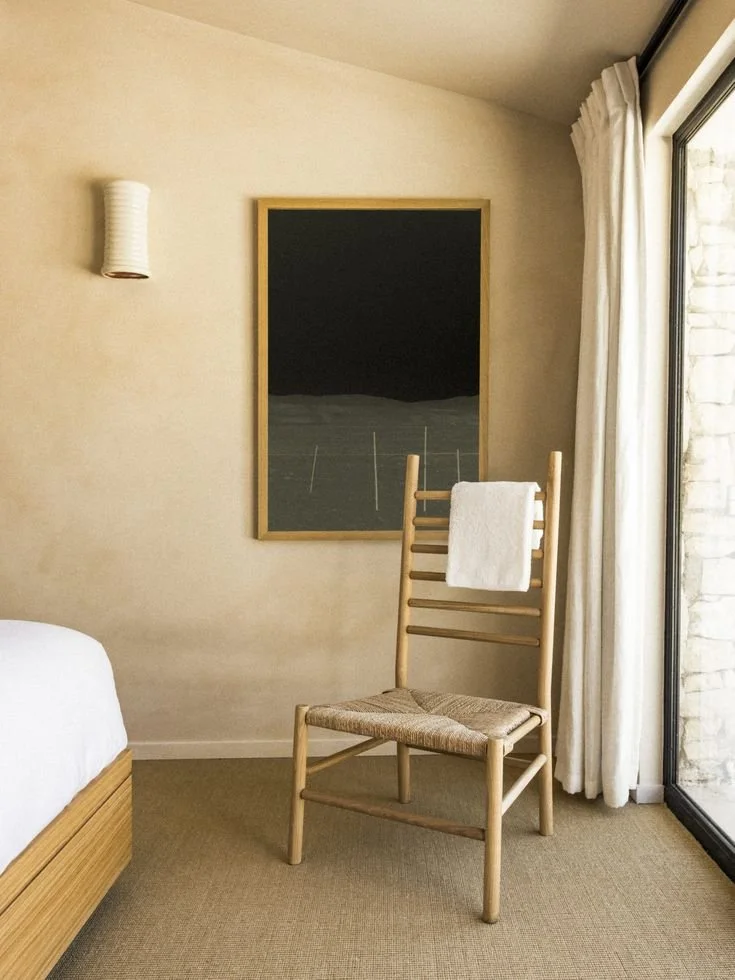
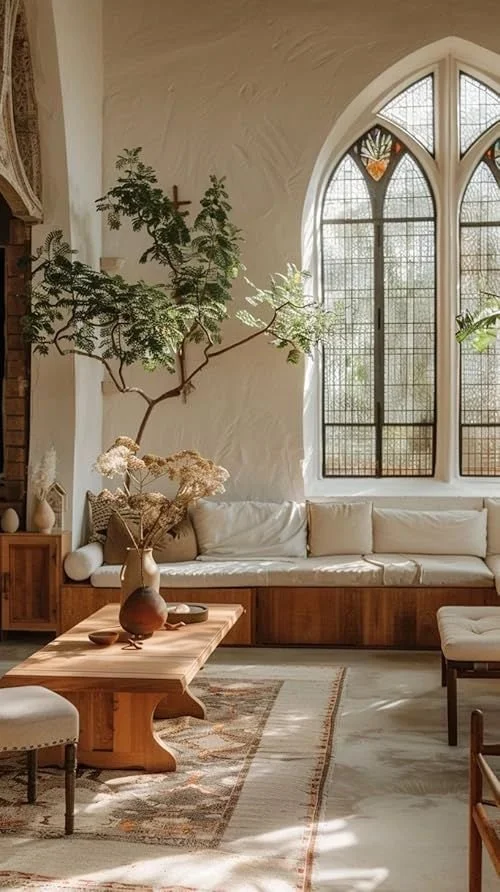
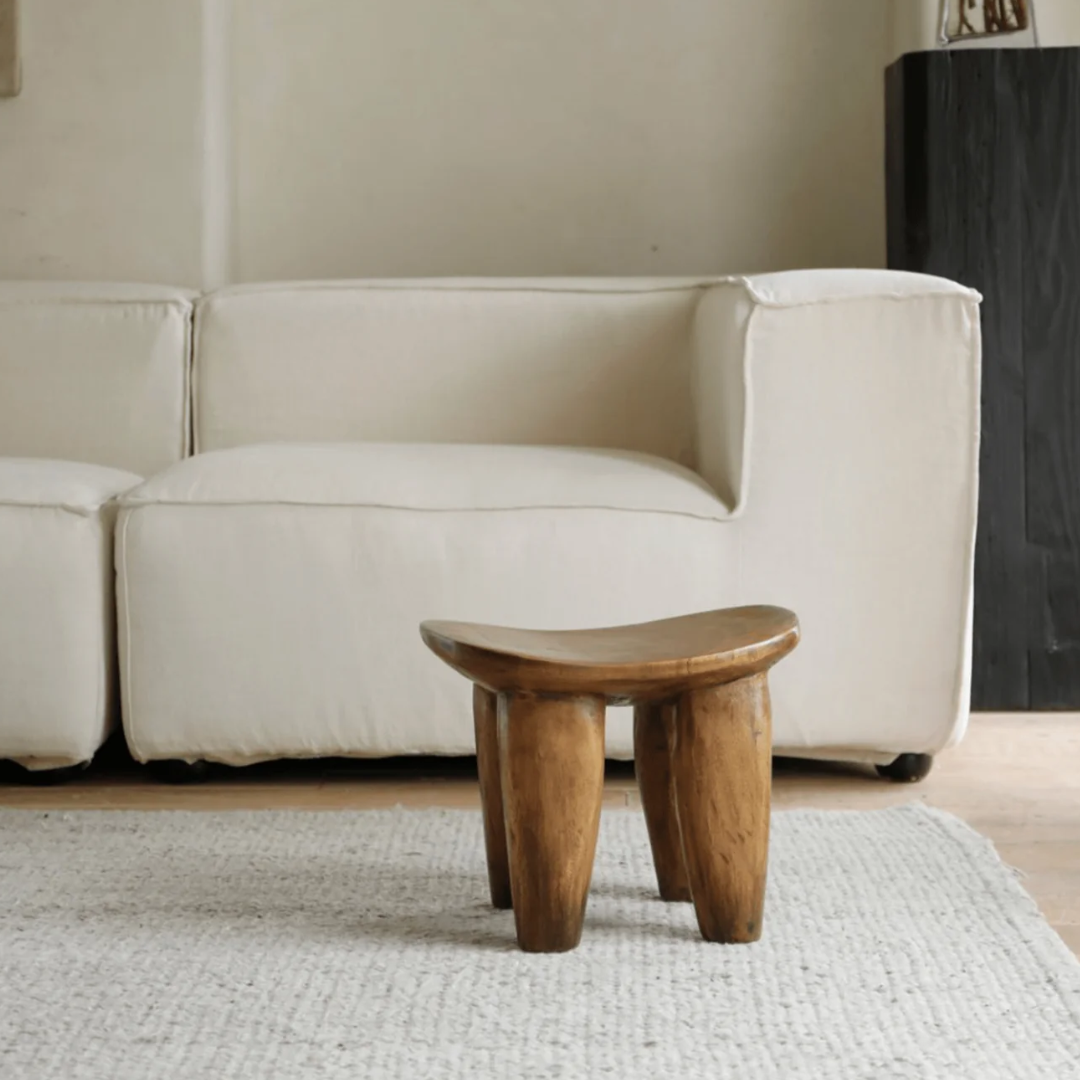
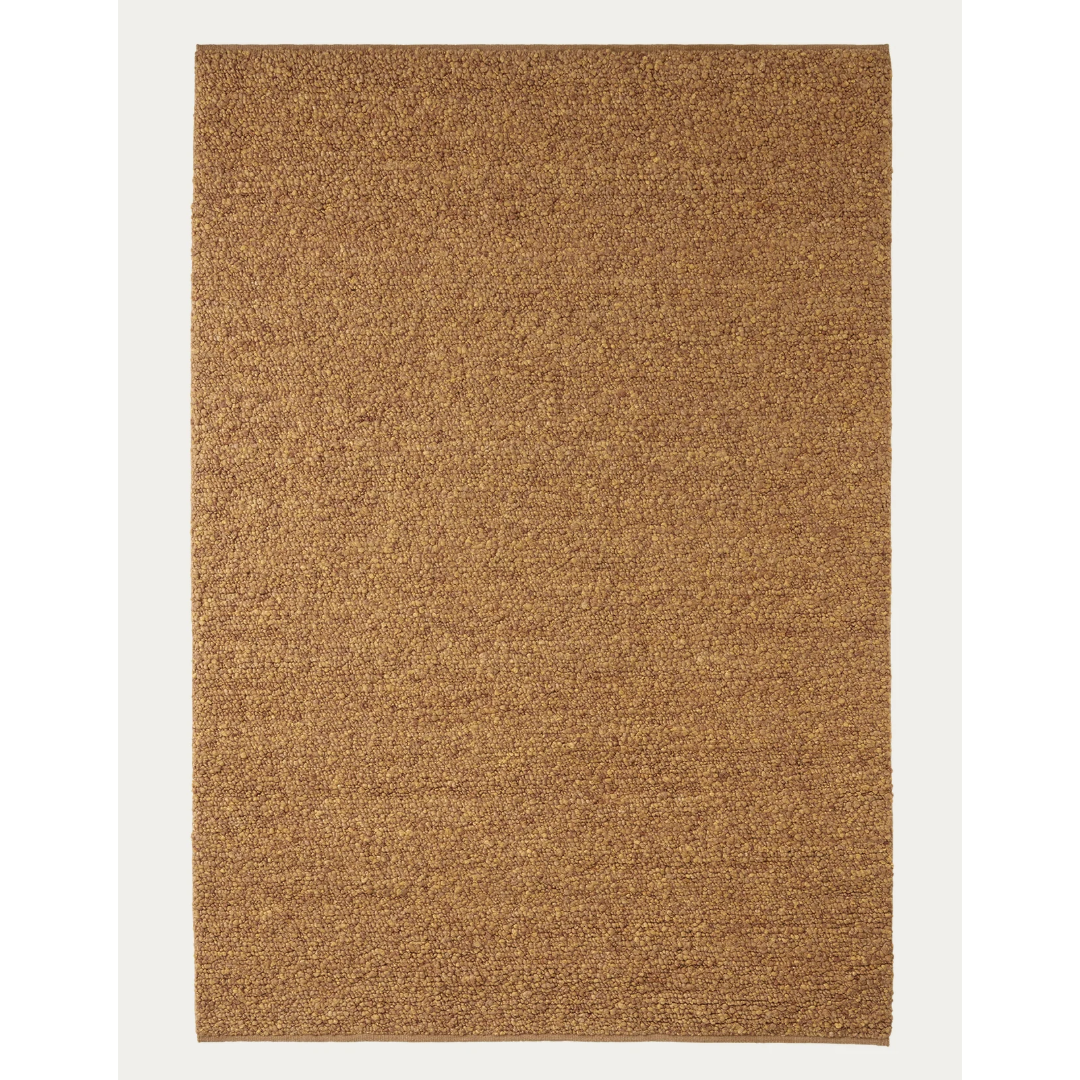
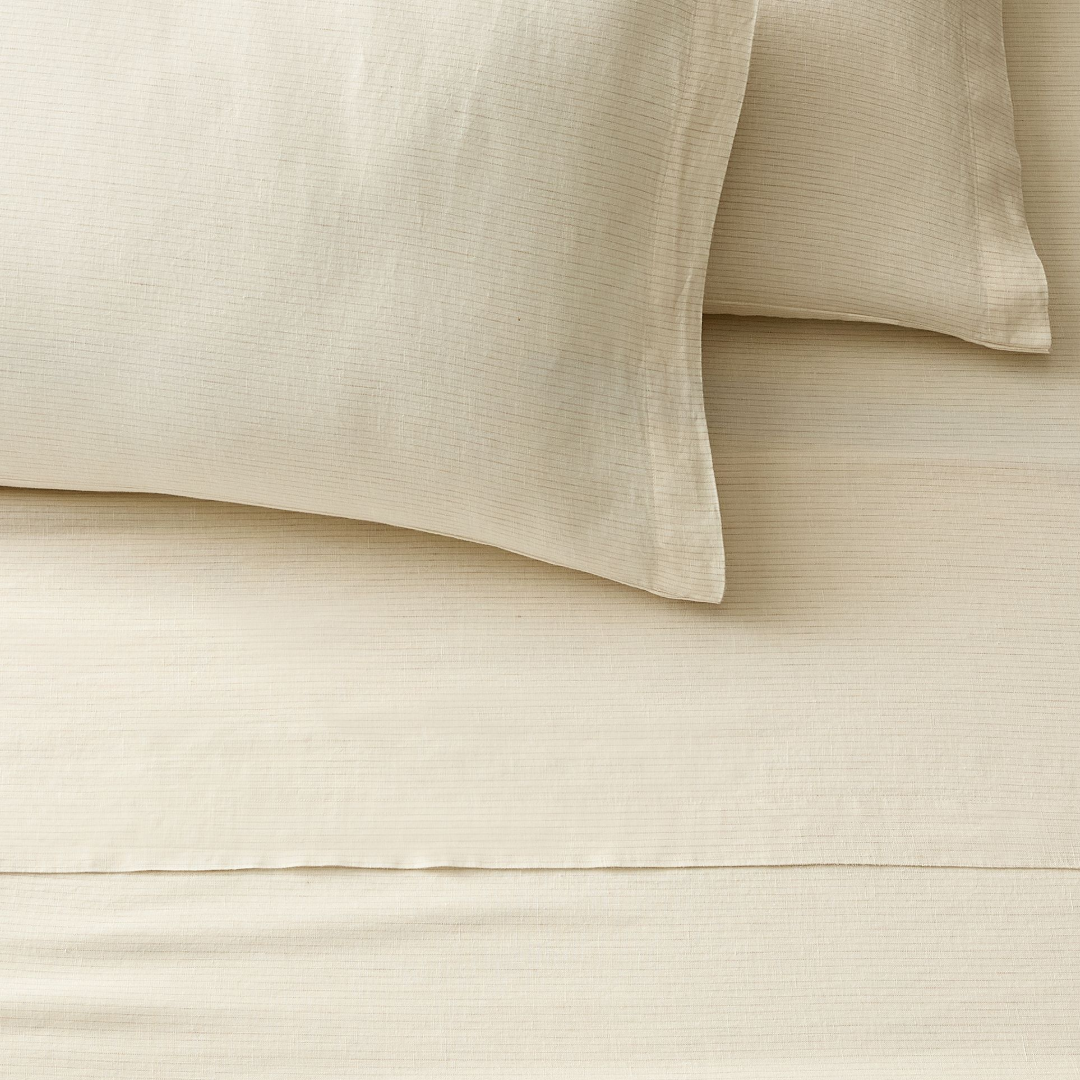
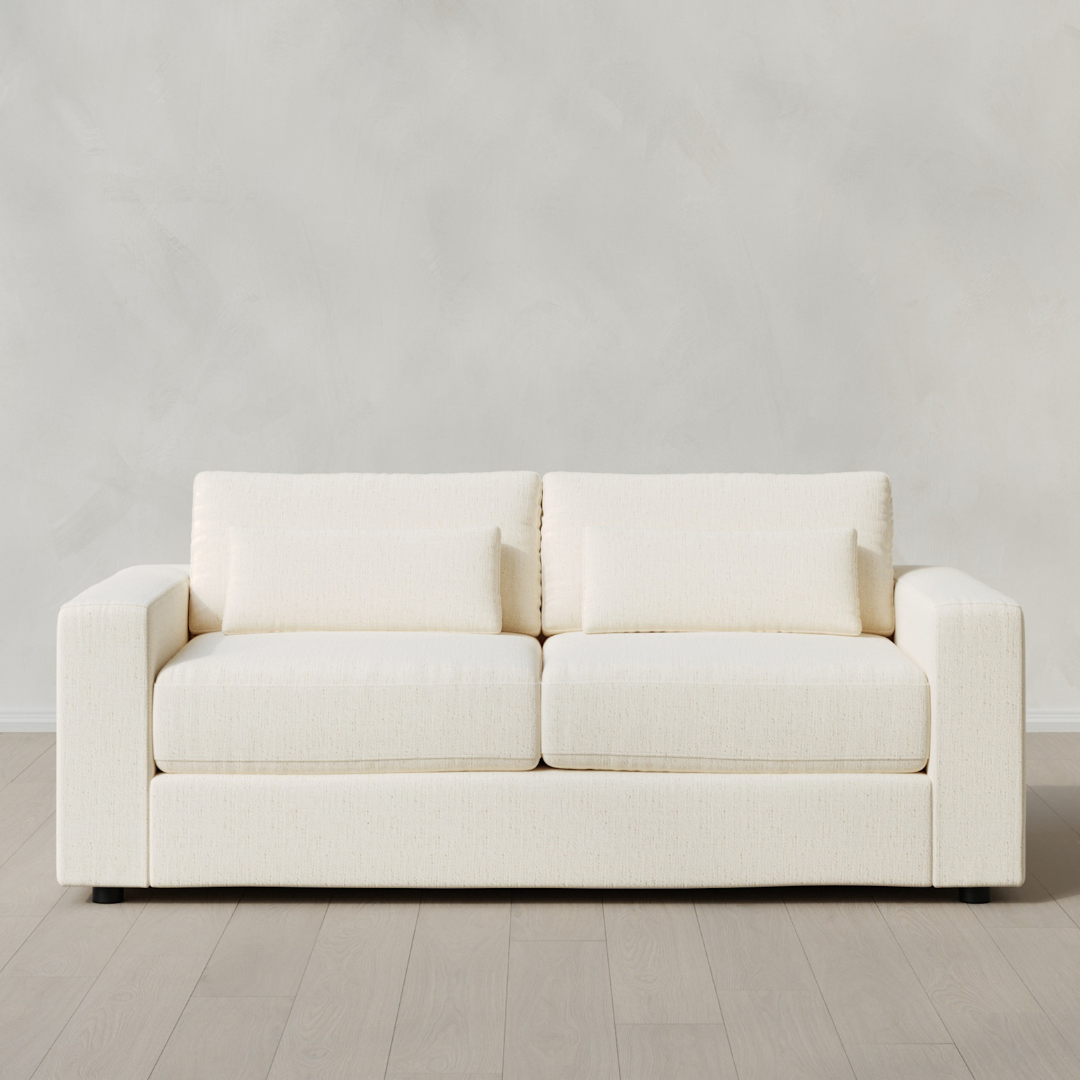
Going beyond wood floors, wood has been trending as an interior trend on its own all year. Thankfully, this look basically demands it. However, the wood this looks like requires isn’t a sleek mid-century teak or some oak paneling. It’s rougher, tougher, more honest, and certainly more tactile. My favorite way people are incorporating wood is by using antique church pews - yes, church pews - which I love as a statement. Look, you don’t have to source a 200-year-old pew to make this work. You can go for chunky wood tables, simple wooden shelving, a solid bench - anything that feels handmade and imperfect. Beyond furniture, texture is going to do a lot of heavy lifting. Think oversized linen-covered seating, unlined linen drapes, or a thick woven rug to take away the harshness of the stone and wood. There is only one rule with textiles: restraint. Fewer pieces because each piece should feel substantial and real. Nothing ultra precious and certainly nothing synthetic.
DWELL
Quiet Colors
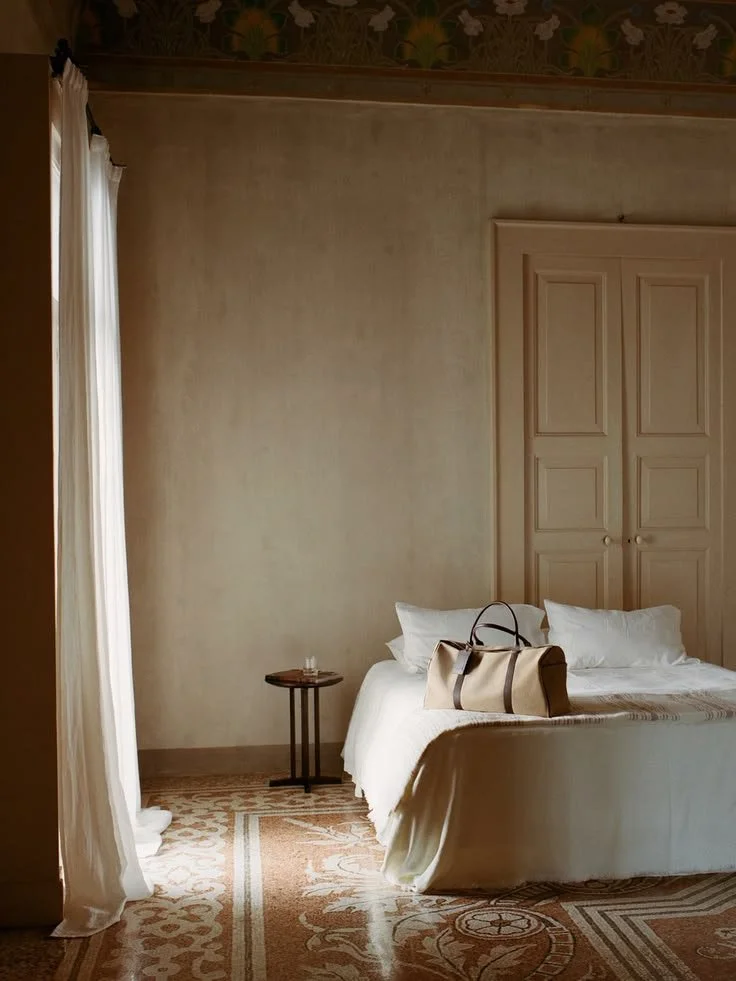
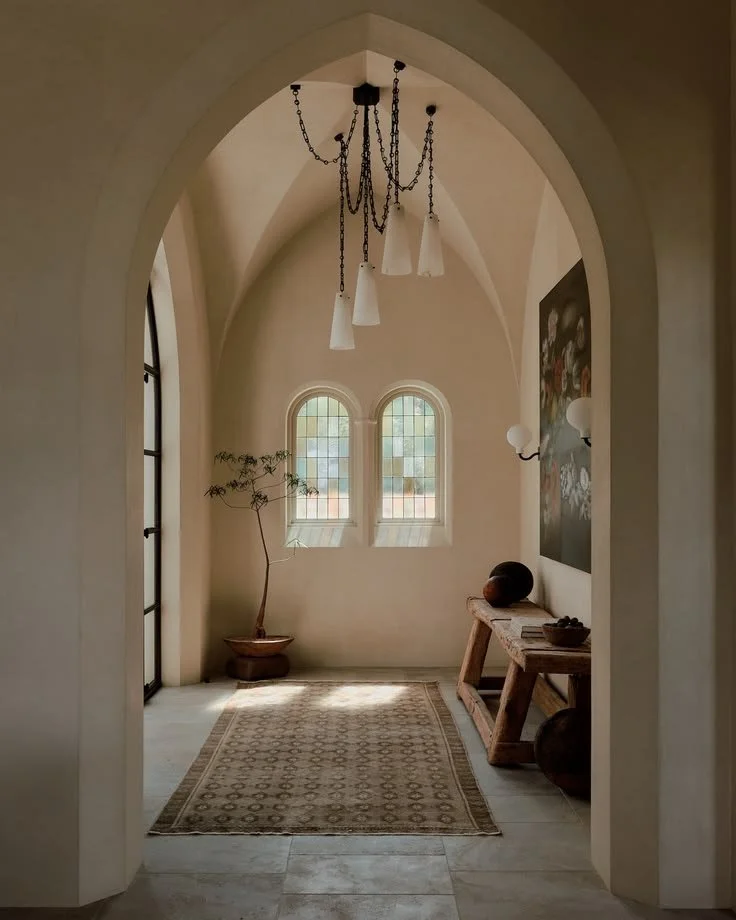
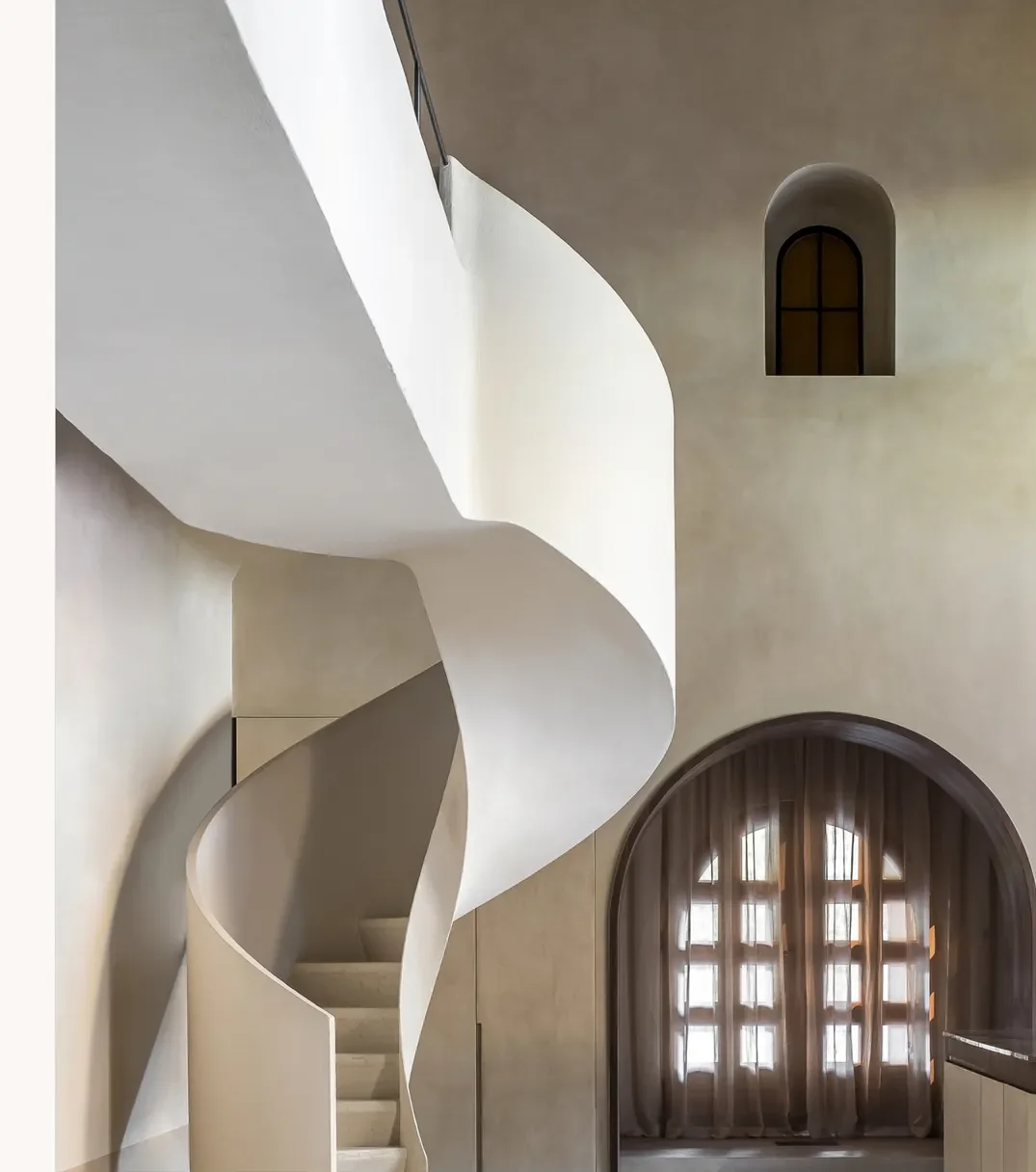
These are serene spaces meant for introspection, so the paint and color palette have to be quiet. It’s non-negotiable. But by “quiet” I don’t mean beige and boring. Monastic palettes are typically chalky and warm - the kind of muted tones that let a room breathe. Limewash is basically the official finish of this trend. It gives an aged, unpretentious quality from the first coat without any faux-aging required. From there, the color palette extends to soft whites, calico, dusty rose, and honeyed neutrals. Colors that feel like they belong more outdoors because the goal is to have a room that feels like it’s been that color forever, rather than like someone picked it from a fan paint swatch deck last weekend.
Stained Glass: The Unexpected Star
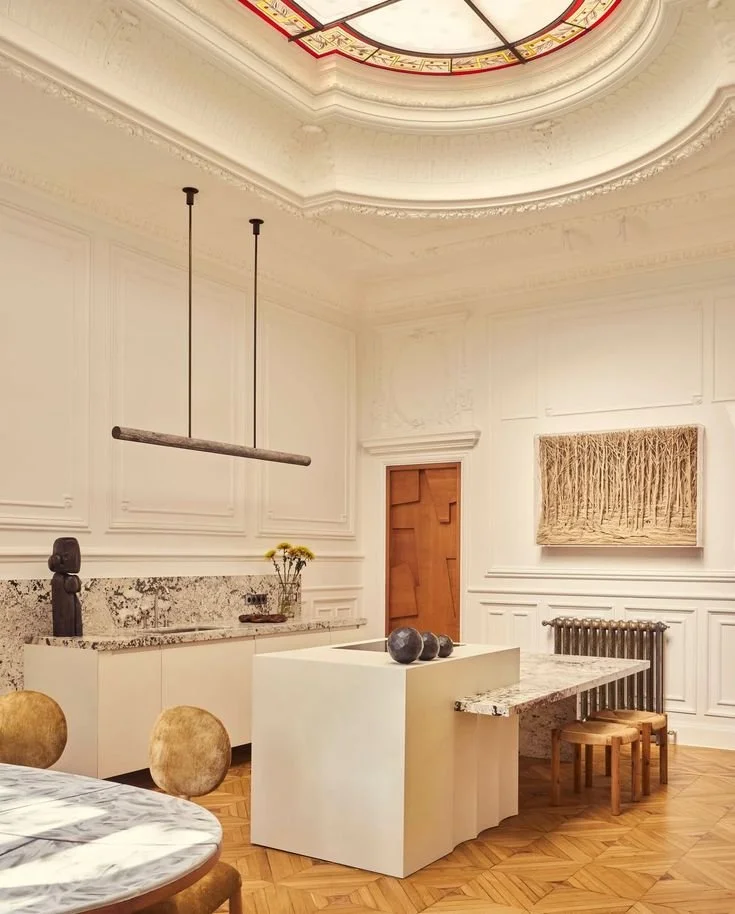
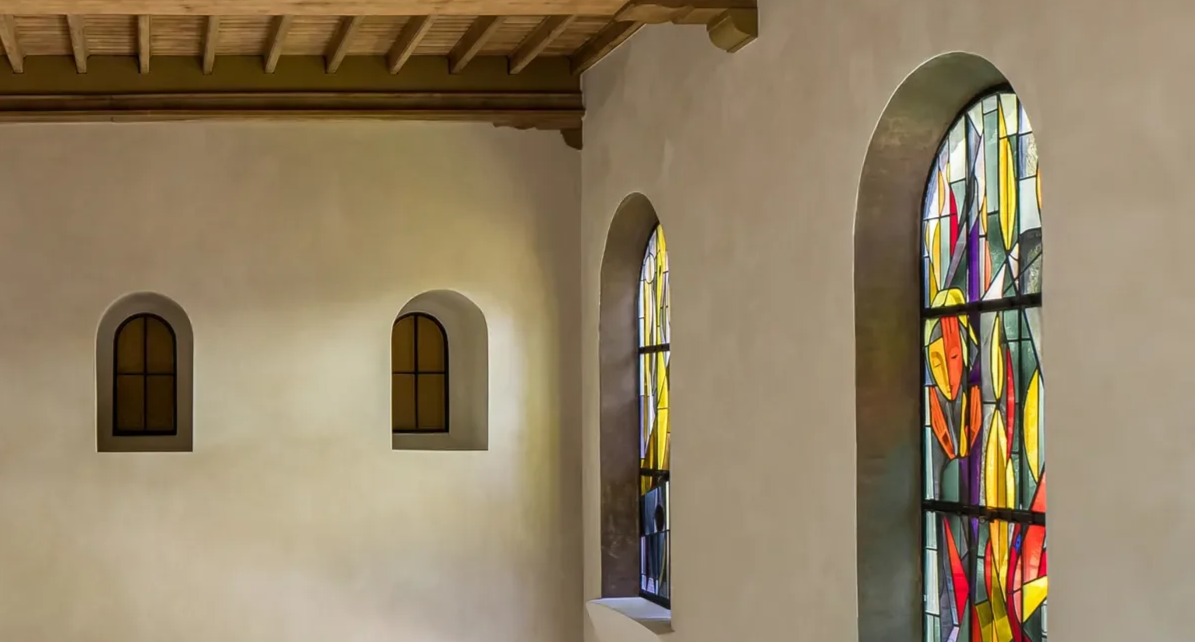
This is where things start to get really interesting. Stained glass has become a major player in the monastic revival, and searches for it have reportedly risen over 5,000% in recent months alone, which is wild. It makes sense when you think about it. Stained glass does double duty. It blocks sightlines while turning ordinary daylight into something kind of magical. The way a room looks at 8 a.m. versus 5 p.m. through colored glass is a completely different experience. It changes everything about how a room feels, and it does it without having to add a single piece of bulky furniture. Many places embracing the monastic look are already in spaces that come complete with stained glass windows because they are a central part of the structure and design. But in modern homes, you don’t have to install a cathedral window. People have been adding a single stained glass panel in a bathroom or entryway, but even just proping one against a wall can shift the entire mood.
Modern Frescoes
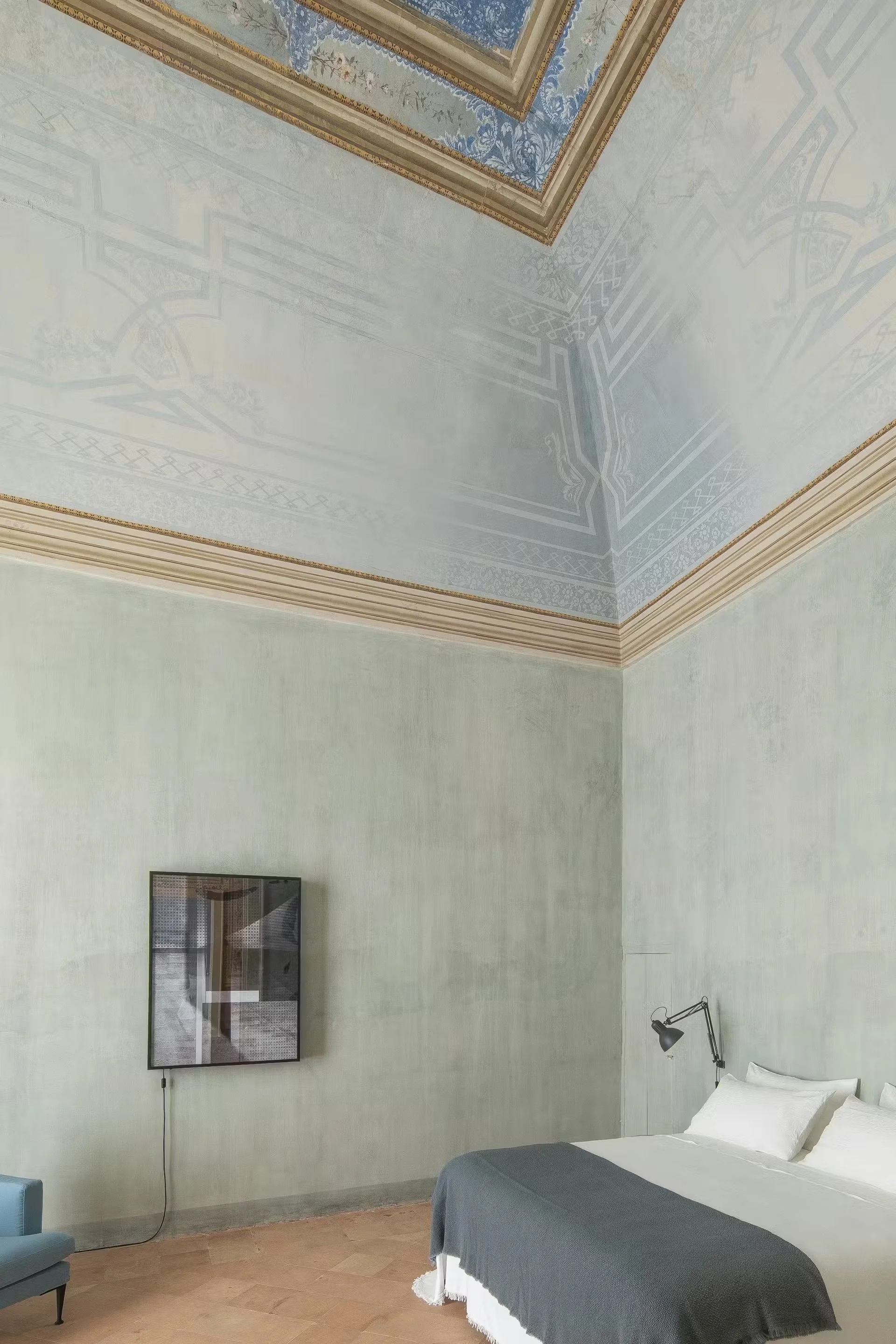
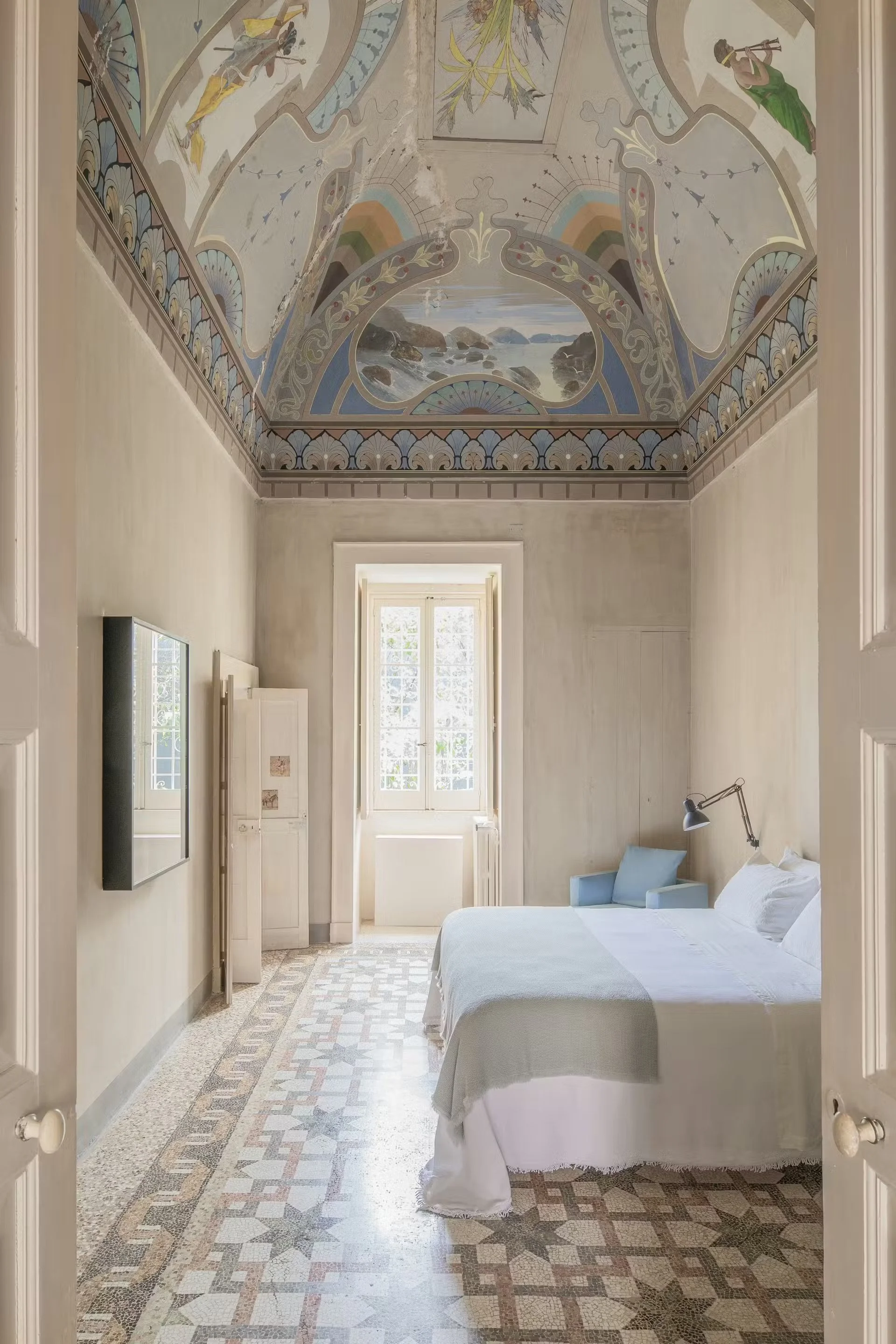
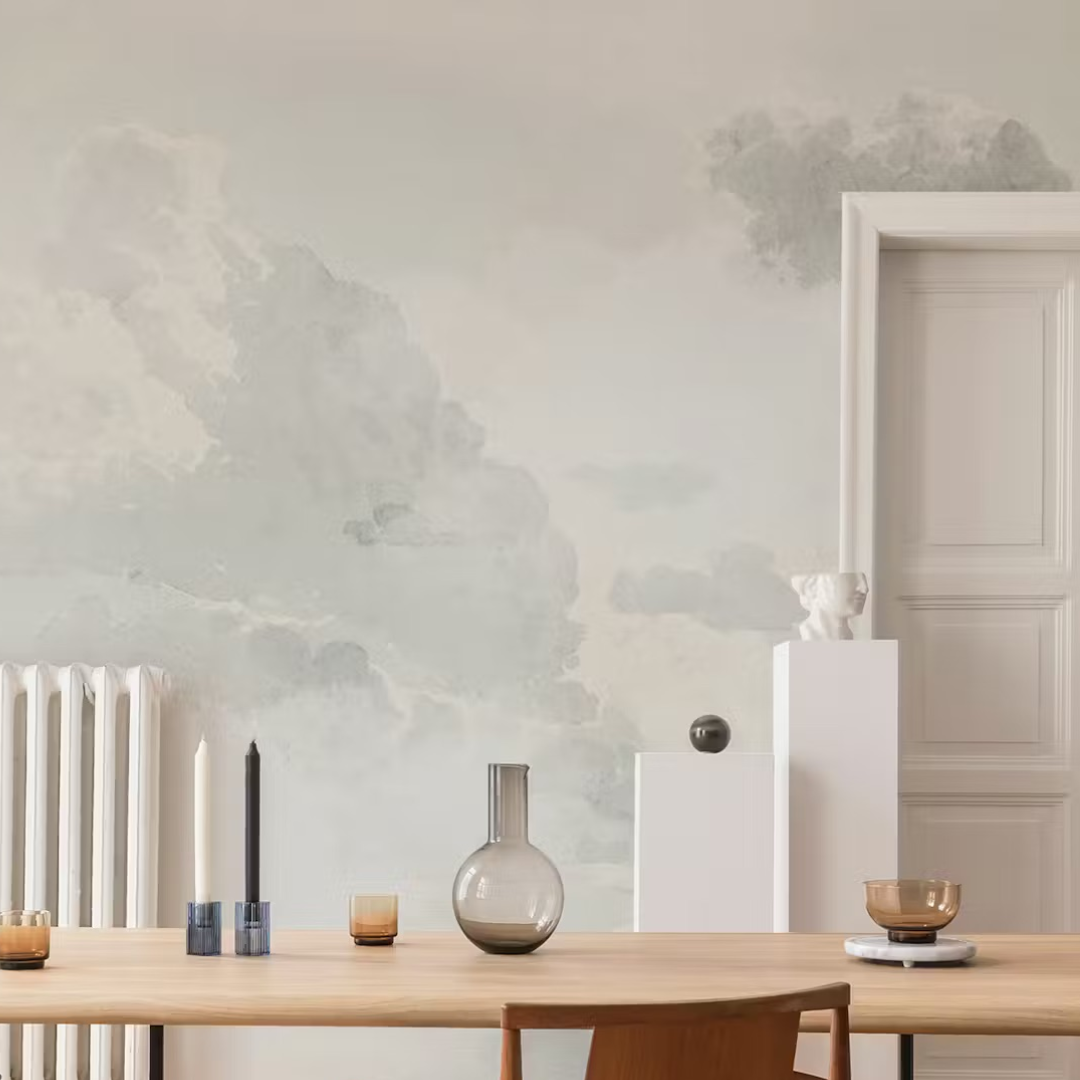
The fresco is getting a second life. Of course, not the full Sistine Chapel treatment, but a more scaled-down, residential-approved version that’s more of a mood than a masterpiece. This more contemporary version focuses on the atmospheric background imagery: dreamy skies and hazy treelines. It borrows the spirit of the Renaissance ceiling paintings without the overt religious intensity or completely overwhelming everything. This is where wallpaper murals are getting their moment to shine. A cloud-covered accent wall behind a bed or in a sitting room provides the fresco look and feel without commissioning an actual painter (though if you really wanted to, by all means). The key is subtlety. You want it to feel like a backdrop, not a feature wall screaming for Instagram.
DWELL
The Finishing Touches
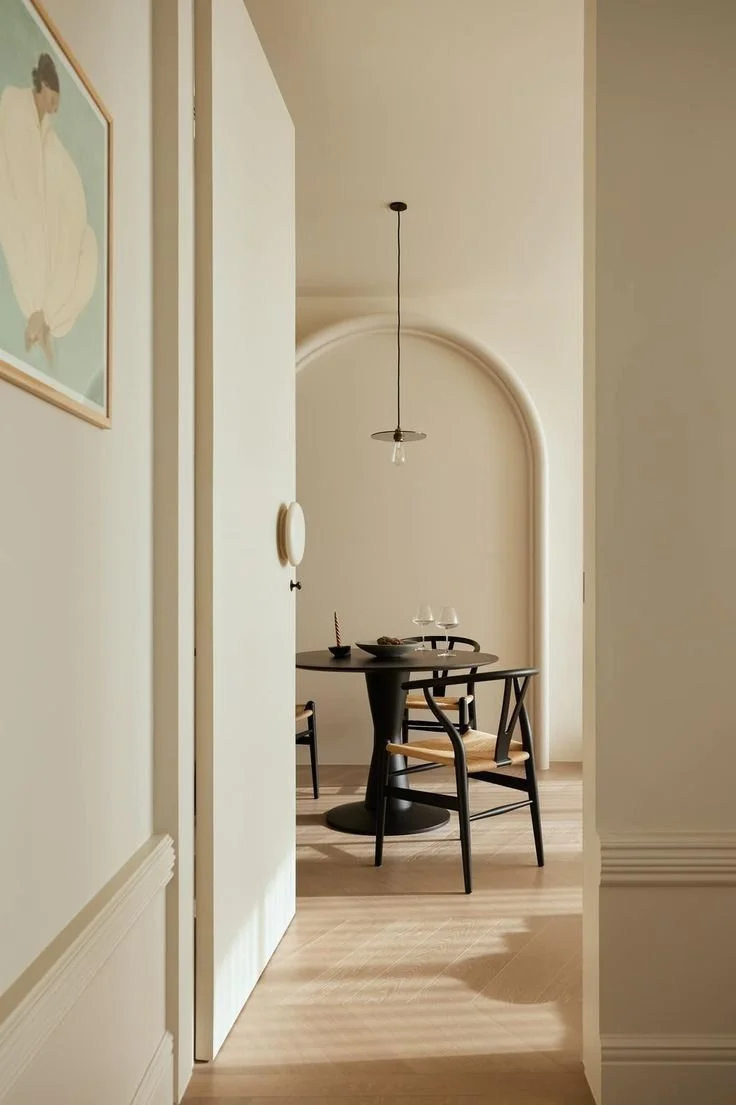
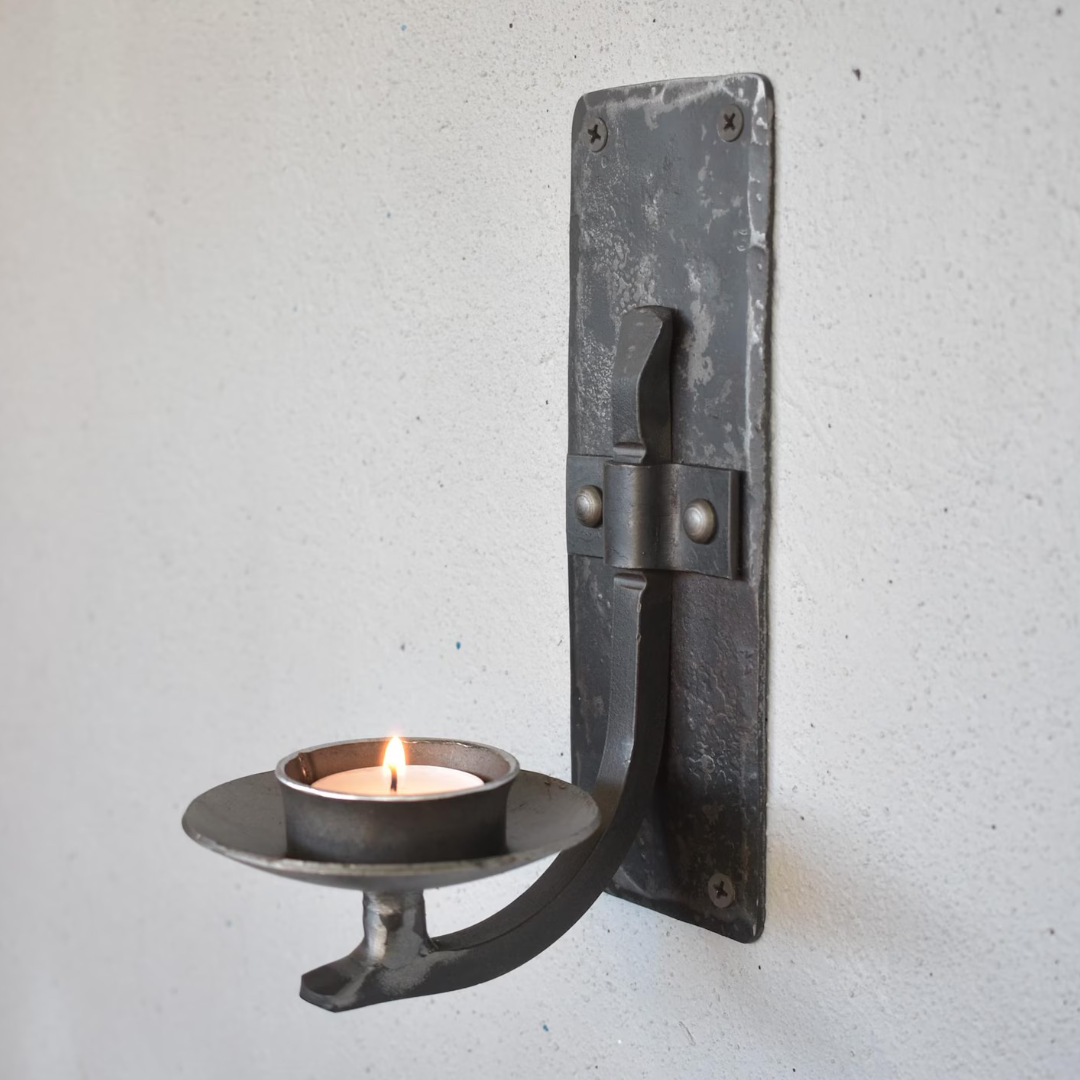
The details are where the separation from “I painted my room beige” to an actual monastic-inspired interior begins. It really comes down to one thing: candlelight. Wall-mounted candle scones are the OG moanstic lighting - they predate electricity by centuries, and they were the standard in every cloister and chapel across Europe. Today, they’re a source of soft, atmospheric warmth, and they look incredible in a hallway, bathroom, or bedroom. Iron, brass, and bronze all work whether they are vintage or antique versions. The goal is to feel much more authentic than something brand new. Tall ecclesiastical-style candleholders and pricket stands (the kind that hold pillar candles) bring quiet drama without competing for attention. Small wall-mounted ledges are another detail worth stealing. Monasteries used them to display devotional objects and hold light sources. In modern homes, they’re the perfect spot for a single stem in a vase, a small piece of pottery, or, sure, stick with the candles.
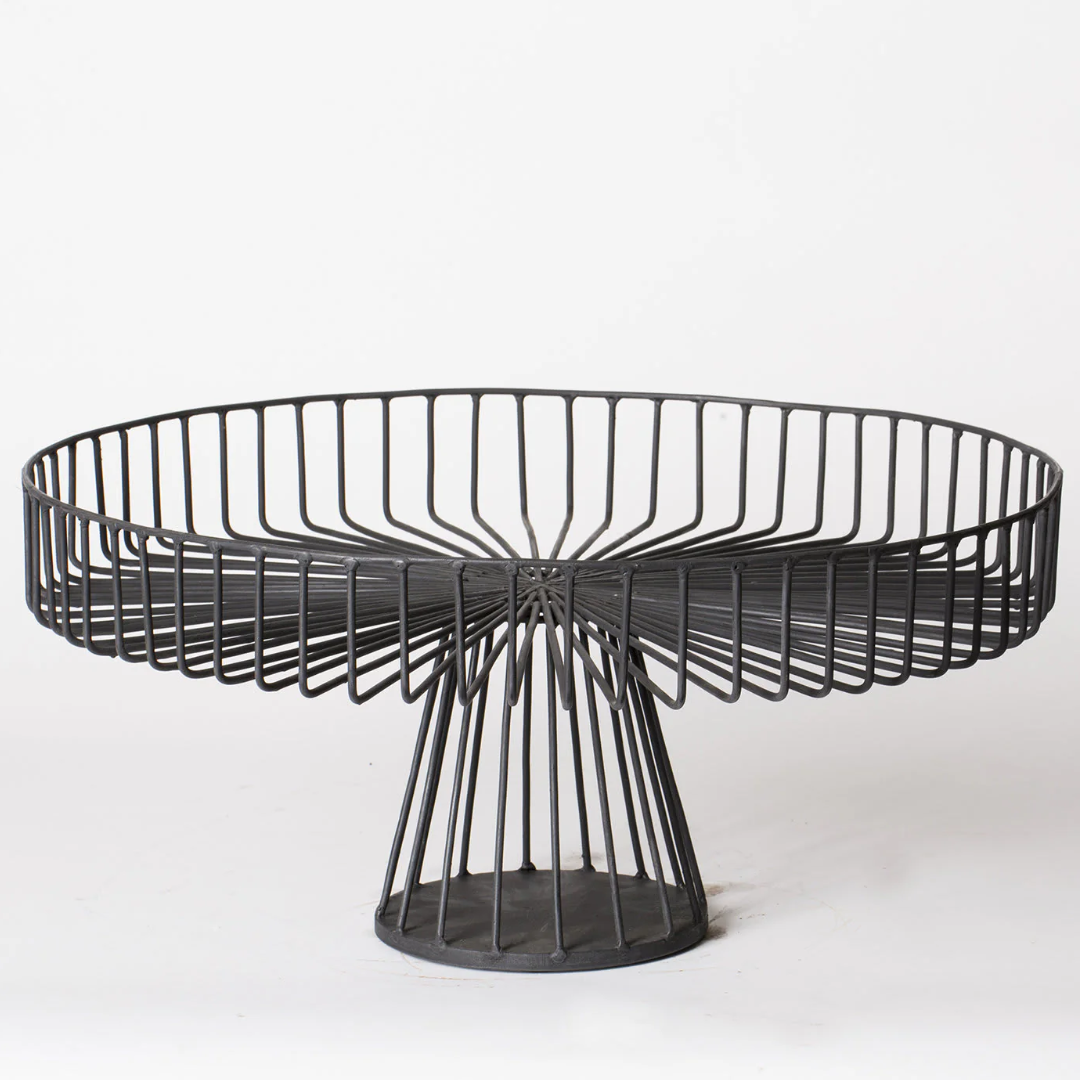
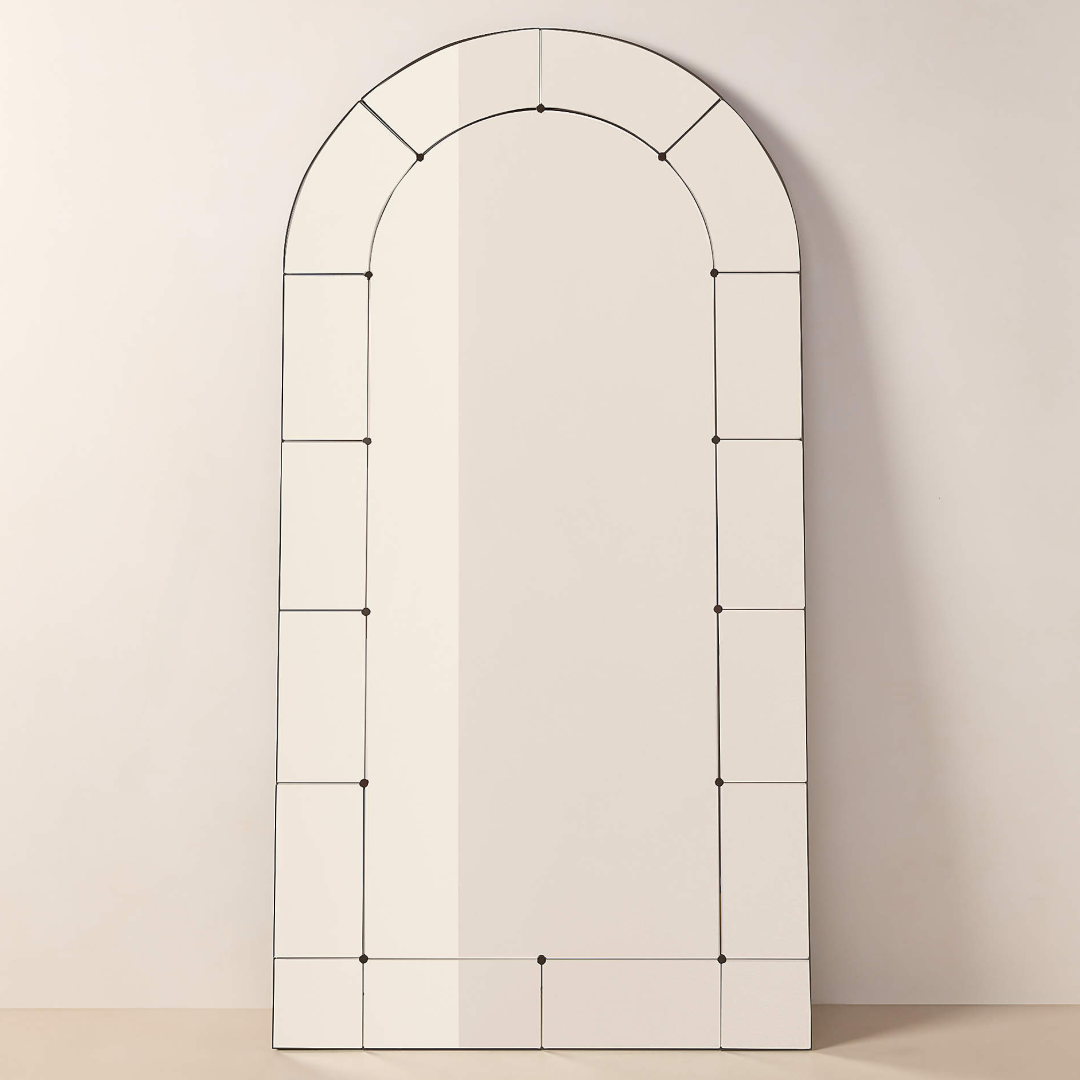
Shop the Look
The Bottom Line
What I like most about this trend, other than the obvious, is that it’s not really about buying specific things. It’s really about editing at its core. About stripping a room back to its bones and letting the architecture, the light, and a few honest materials do the work. You don’t need a stone archway or a 17th-century building to make it feel right. You just need to stop filling every corner and trust that less, done well, is always going to be more interesting than more done carelessly. That’s the real monastic move.