SUNDAY STYLE PROFILE: CARRIE BRADSHAW
I’m going to be honest with you: I’ve thought more about Carrie Bradshaw’s outfits than I probably have about some real people I actually know. That’s not a confession I make with shame. It’s just facts.
There’s something about Sex and the City that lodged itself into the cultural imagination in a way that is genuinely hard to explain unless you grew up watching it or happened to stumble upon it later and wonder how a show about four women in New York somehow became a master class in personal style. Sure, a lot of shows feature fashion, but very few make you feel like the clothes are doing the talking.
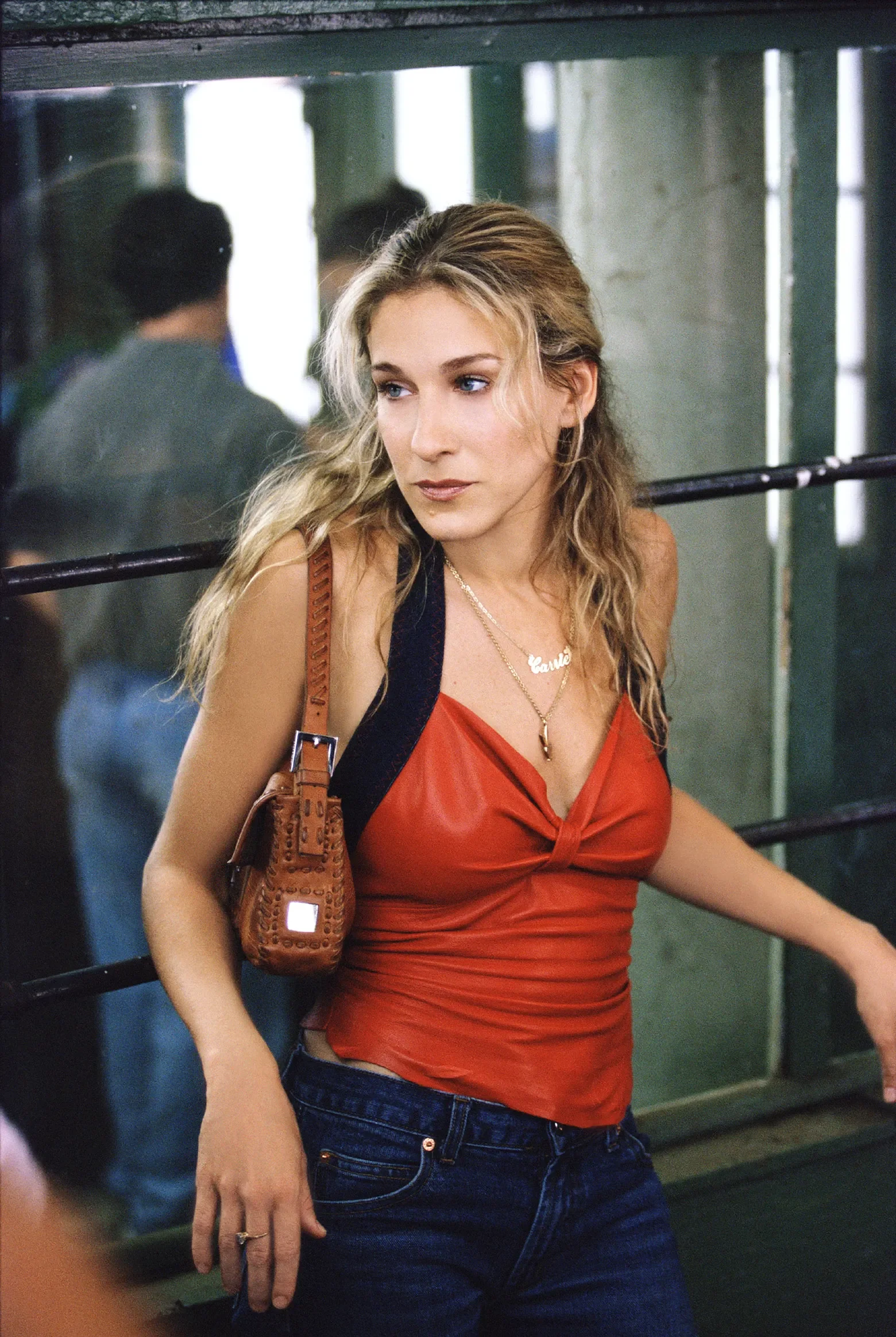
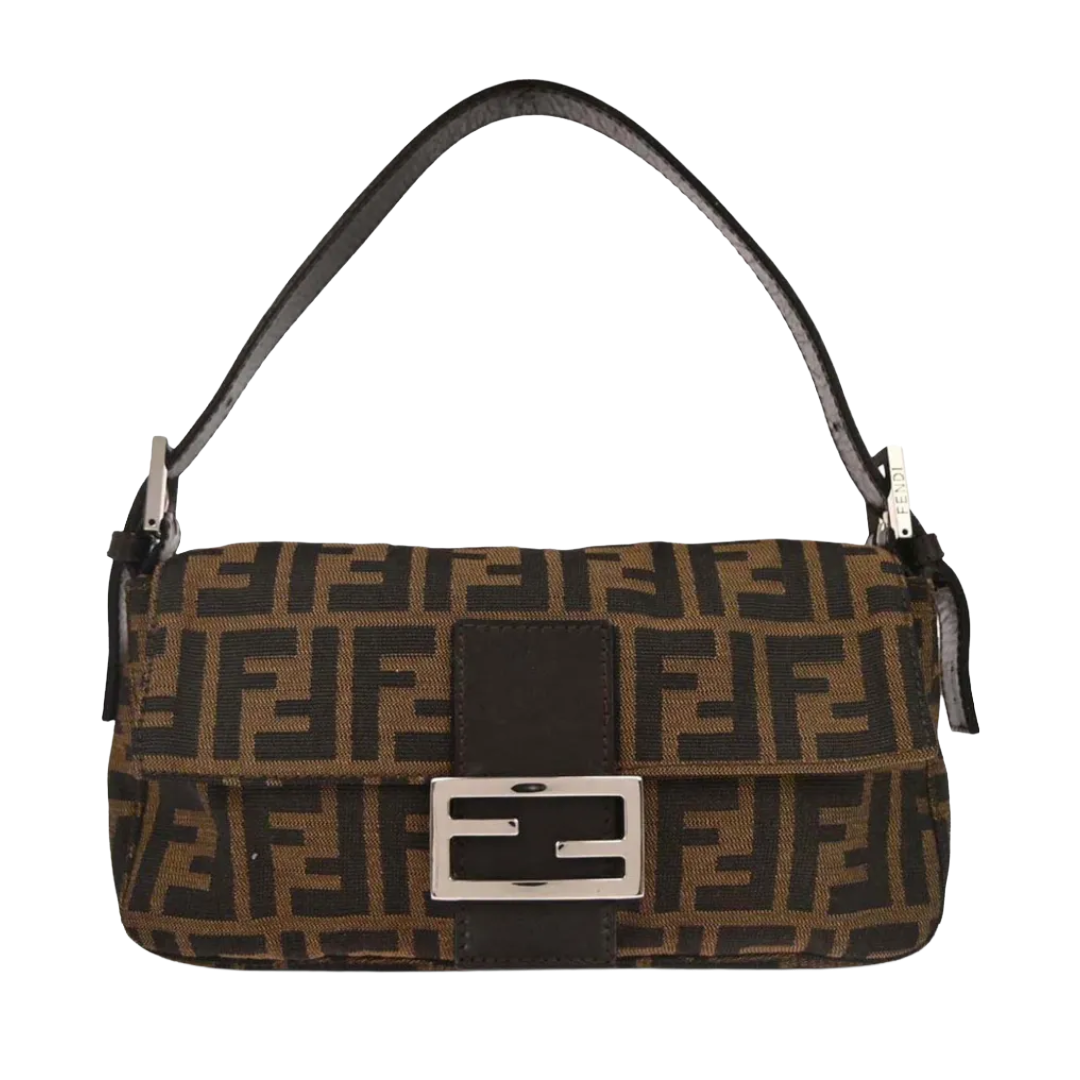
Carrie’s wardrobe did just that: all the talking and loudly with a Fendi baguette on one arm.
Normally, the Sunday Style Profile would break down the style DNA of a real person whose approach to getting dressed genuinely interests me, but this time, with summer in full swing, there was really only one answer, whether she’s fictional or not.
Who Is Carrie Bradshaw?
For the handful of people who need the setup: Carrie Bradshaw is the protagonist of Sex and the City, the HBO series that ran from 1998 to 2004, based on Candace Bushnell’s column of the same name. She’s a writer living in Manhattan, perpetually torn between her love life and her shoe collection, usually choosing both. She’s neurotic, self-absorbed, and genuinely funny. She has opinions on everything - brunch, men, and the right moment to wear a tutu in public.
She was brought to life by Sarah Jessica Parker, and it’s impossible to talk about the character without crediting SJP’s commitment to the role, including its more outrageous fashion moments, of which there were many. The clothes were the work of costume designer Patricia Field, who approached each season with an almost confrontational fearlessness. Nothing was too much, and nothing was off-limits. The show had a healthy budget, and Field used it to build one of the most recognizable wardrobes in television history. Carrie’s wardrobe mixed high and low, vintage and runway in ways that felt more personal than styled.
That’s the keyword: Personal. Carrie’s outfits always felt like choices, not costumes.
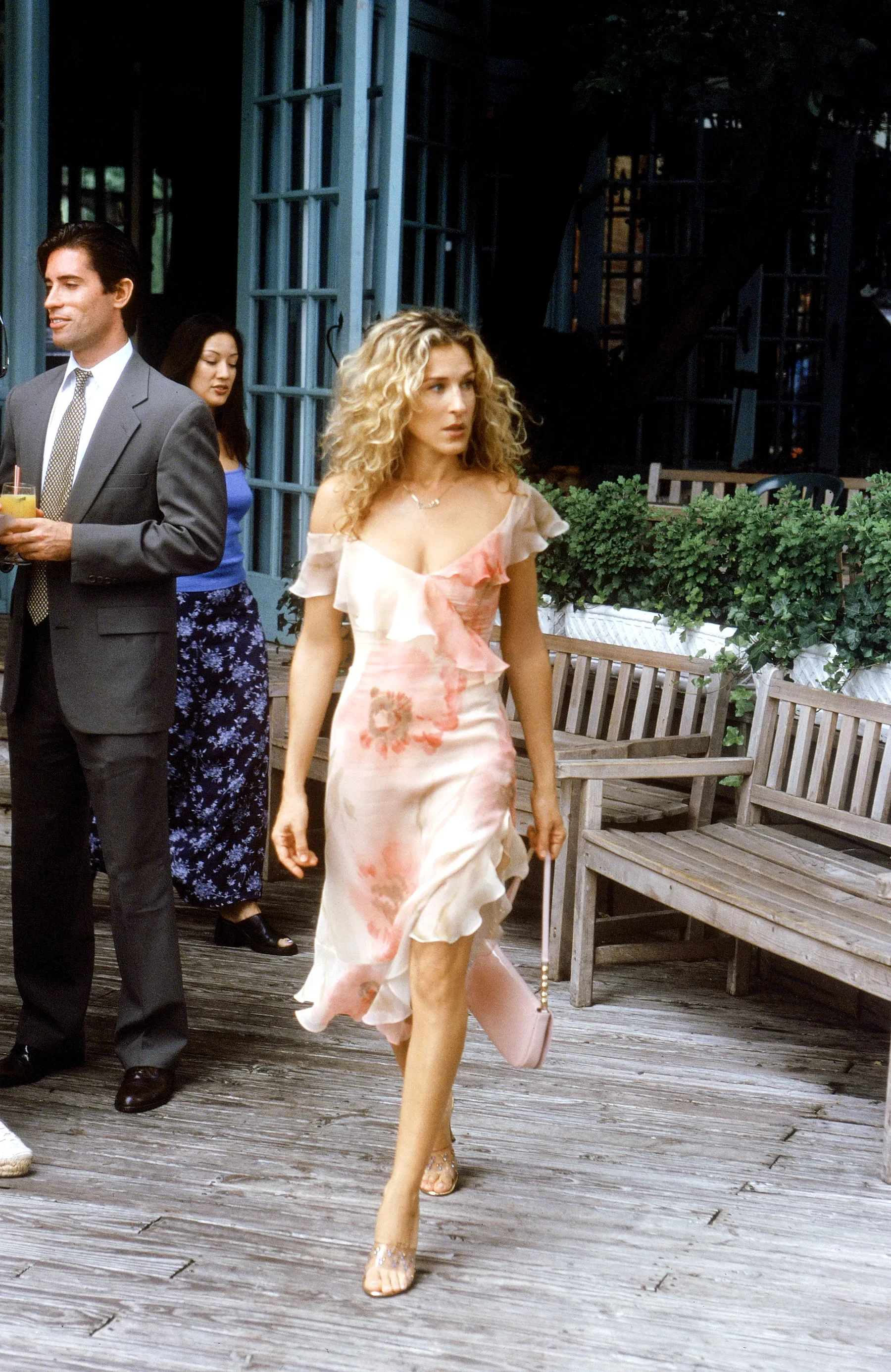
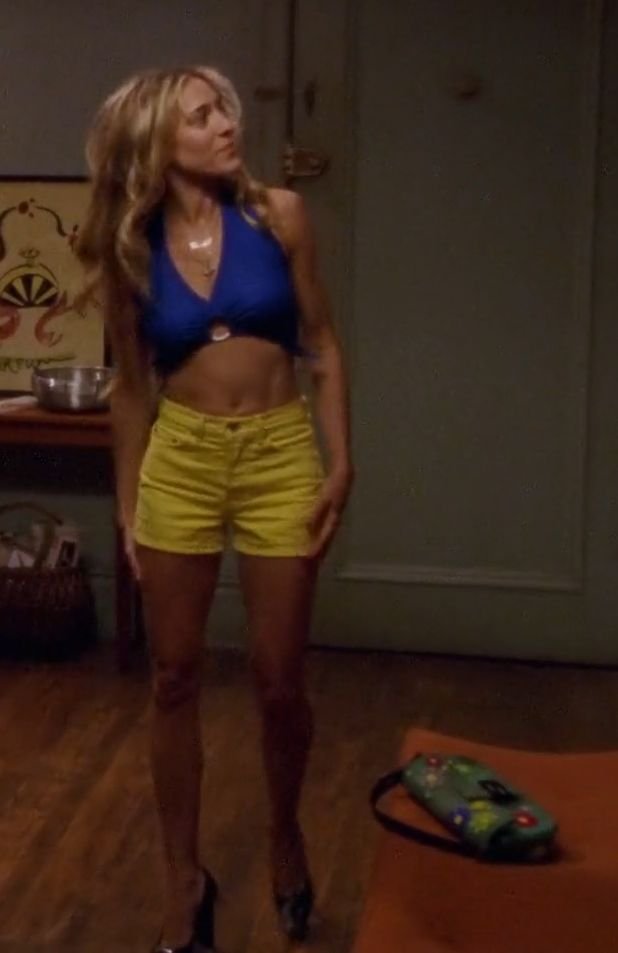
Why She’s a Style Icon
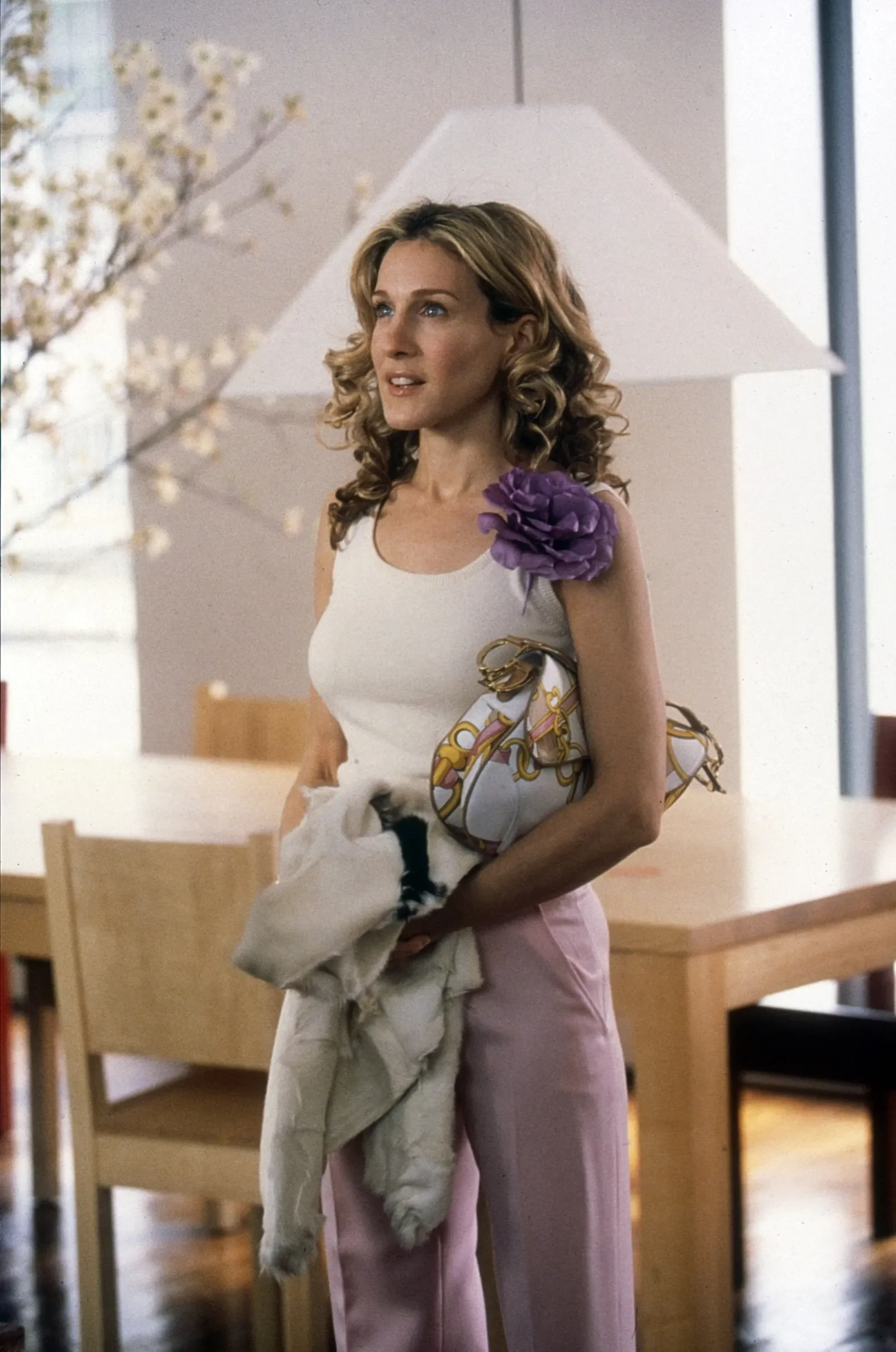
Here’s what I think people get wrong about Carrie Bradshaw’s style: they reduce it to maximalism. From the newspaper-print Galliano dress to a sequined skirt worn with a tank top on a random Tuesday, and even her nameplate necklace. Yes, all of that is iconic, genuinely, but it’s not the whole picture.
What made her a real style icon, a term I am using intentionally, not lazily, is that she has a sort of point of view. And a consistent one. You could clock a Carrie outfit from across the room, not because it was always loud, but because it always felt like it came from the same place. She had an instinct and a refusal to be boring when the rest of the world was fine with boring. She mixed things that had no business being together and made them look inevitable. That’s honestly hard to do. Most people who try end up looking chaotic, but Carrie looked considered. There is also the matter of confidence which sounds reductive but isn’t. The clothes only worked because she wore them like she had already decided she looked great. The infamous tutu wasn’t a statement. It was just what she put on.
Style icons tend to come in one of two categories: the aspirational and the relatable. Carrie managed to occupy both at once which is almost unfair. She was wearing Manolo Blahniks on a columnist’s salary (suspend the disbelief), but she also looked like a real person navigating a real city. She just happened to be someone with access to a very, very good closet.
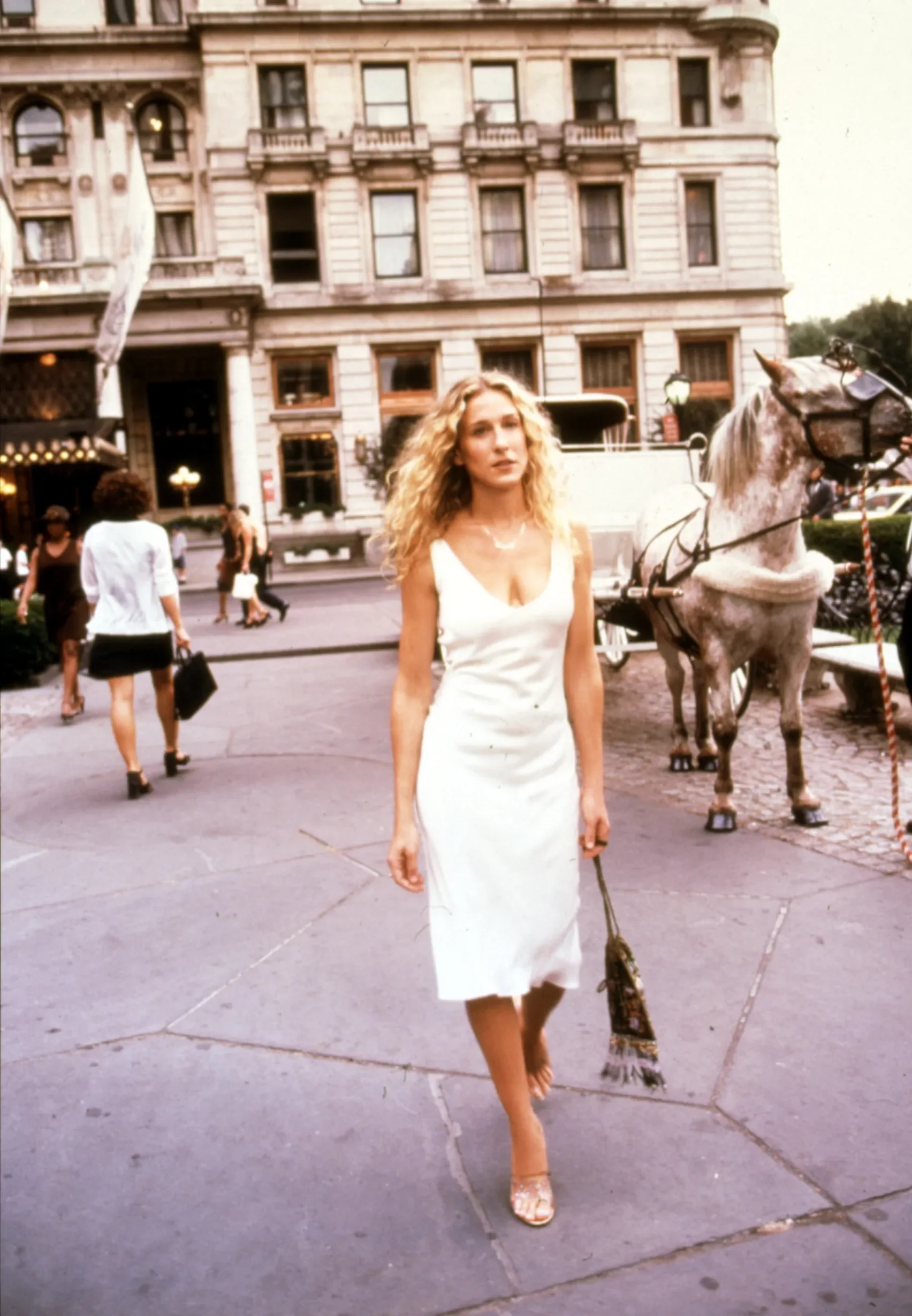
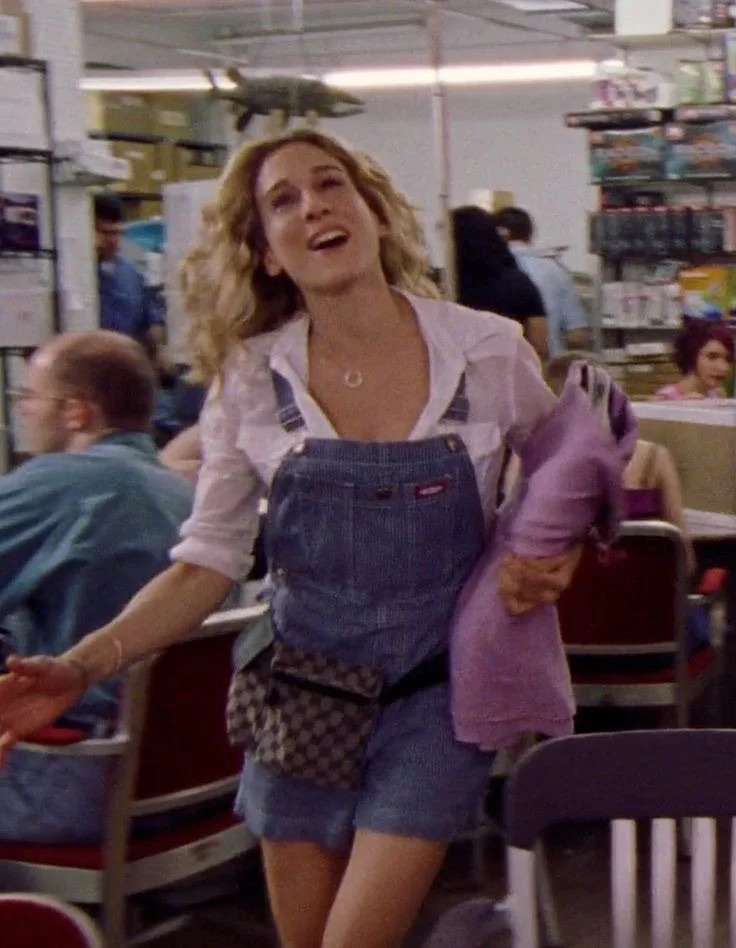
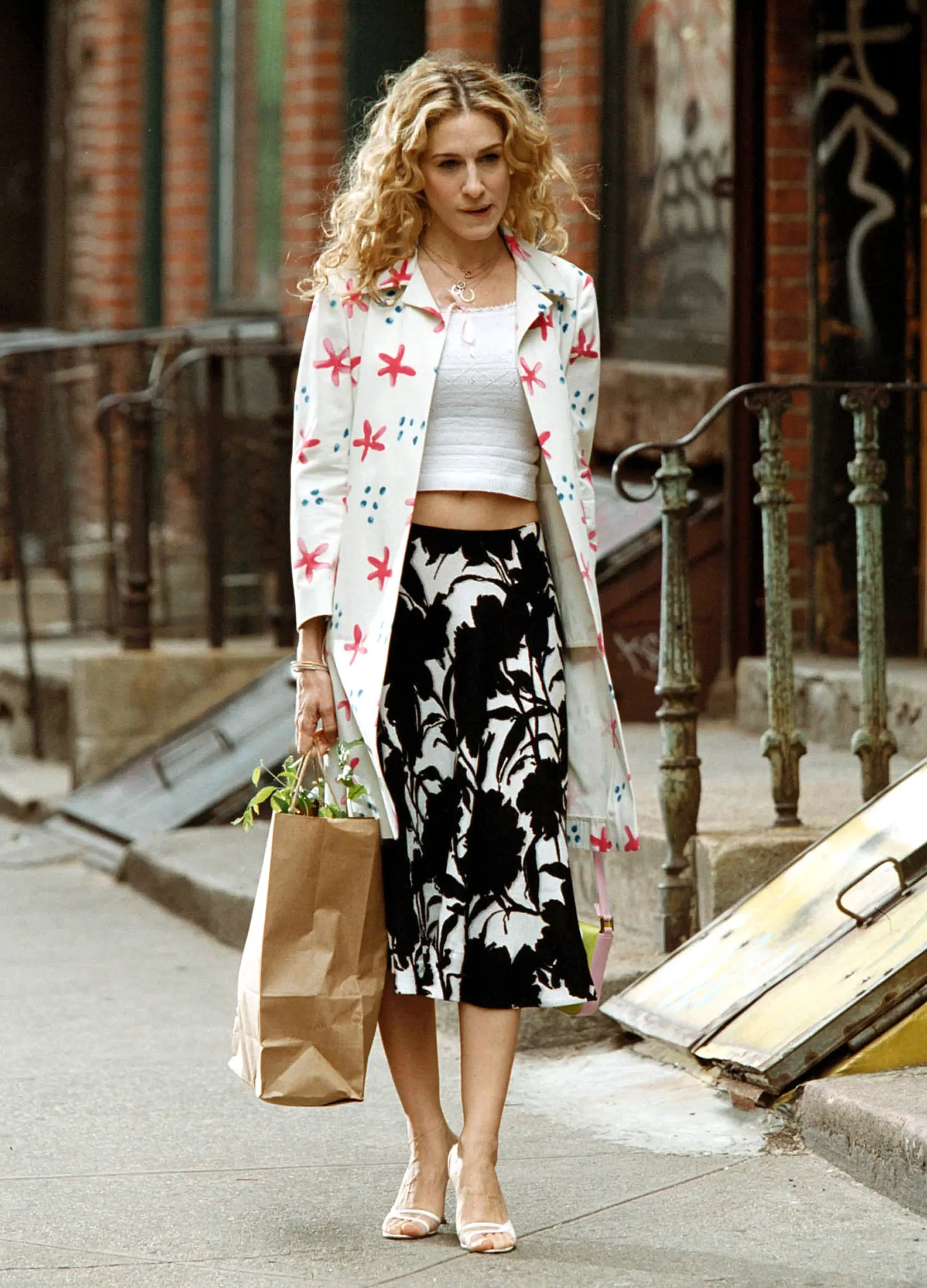
Carrie Bradshaw in Summer
I was reading an article in Vogue about Carrie’s style a while ago, and it mentioned how writer and director Michael Patrick King said offhandedly that Sex and the City mostly took place in the spring and summer. Now that I think about it, it tracks. The show has warmth in it. Most of the iconic scenes unfold in the kind of golden afternoon light that probably exists in New York between May and October. Carrie, it turns out, is very much a summer creature.
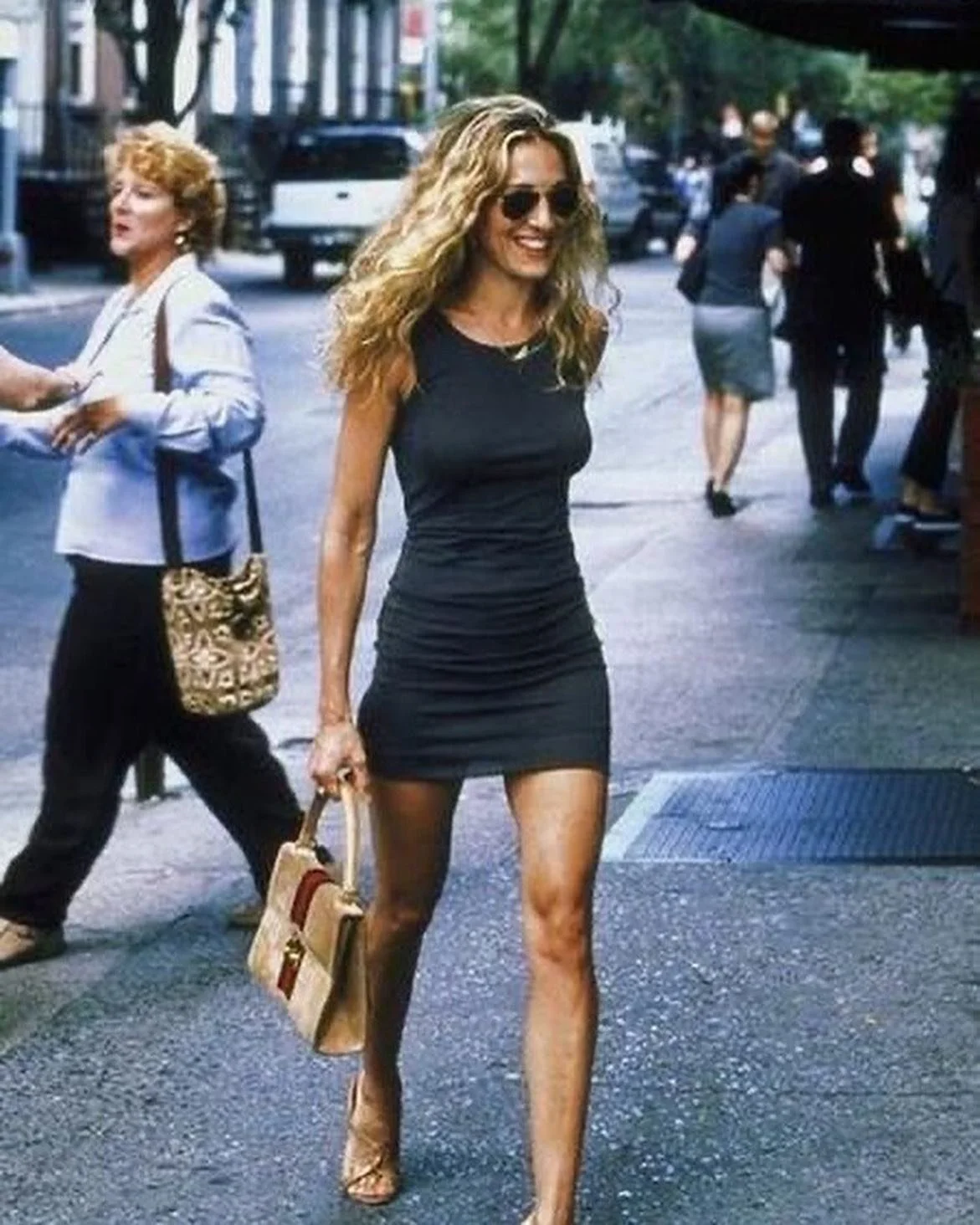
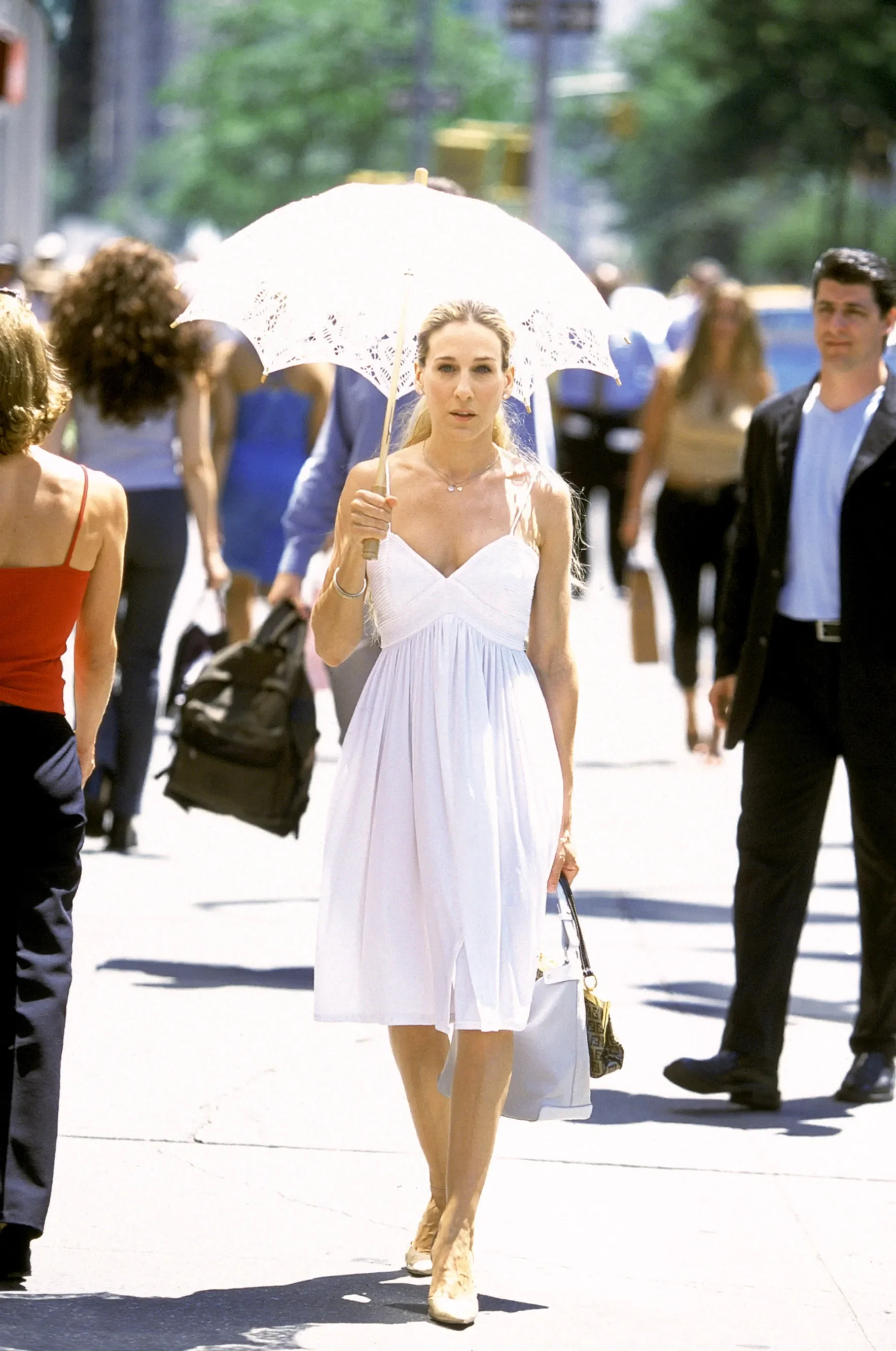
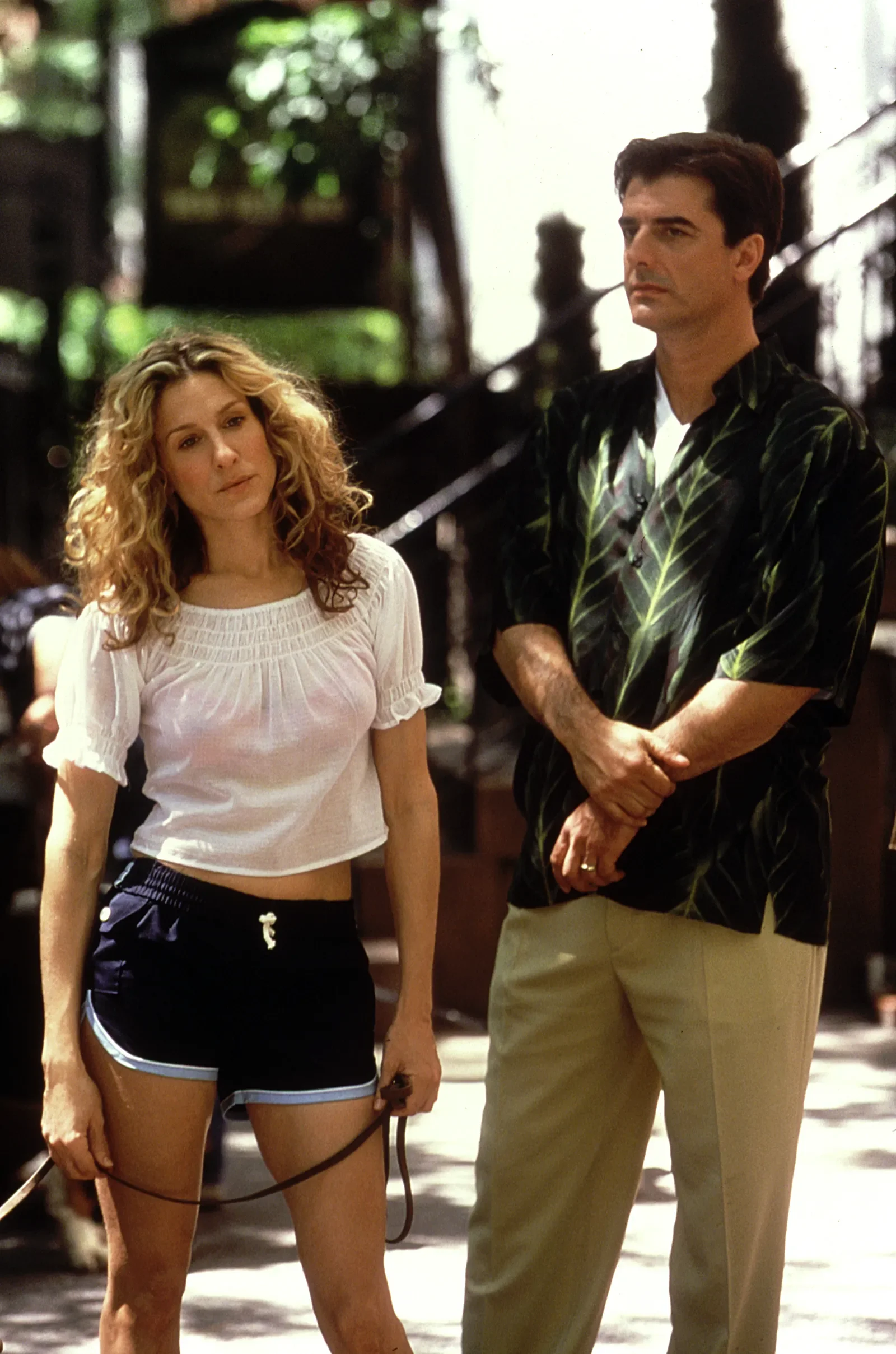
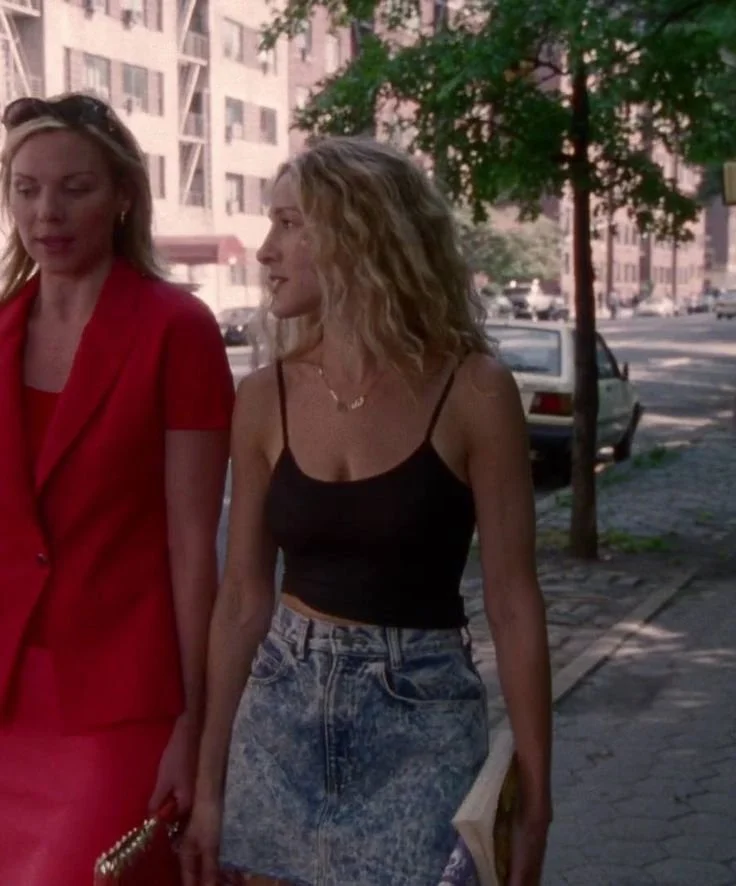
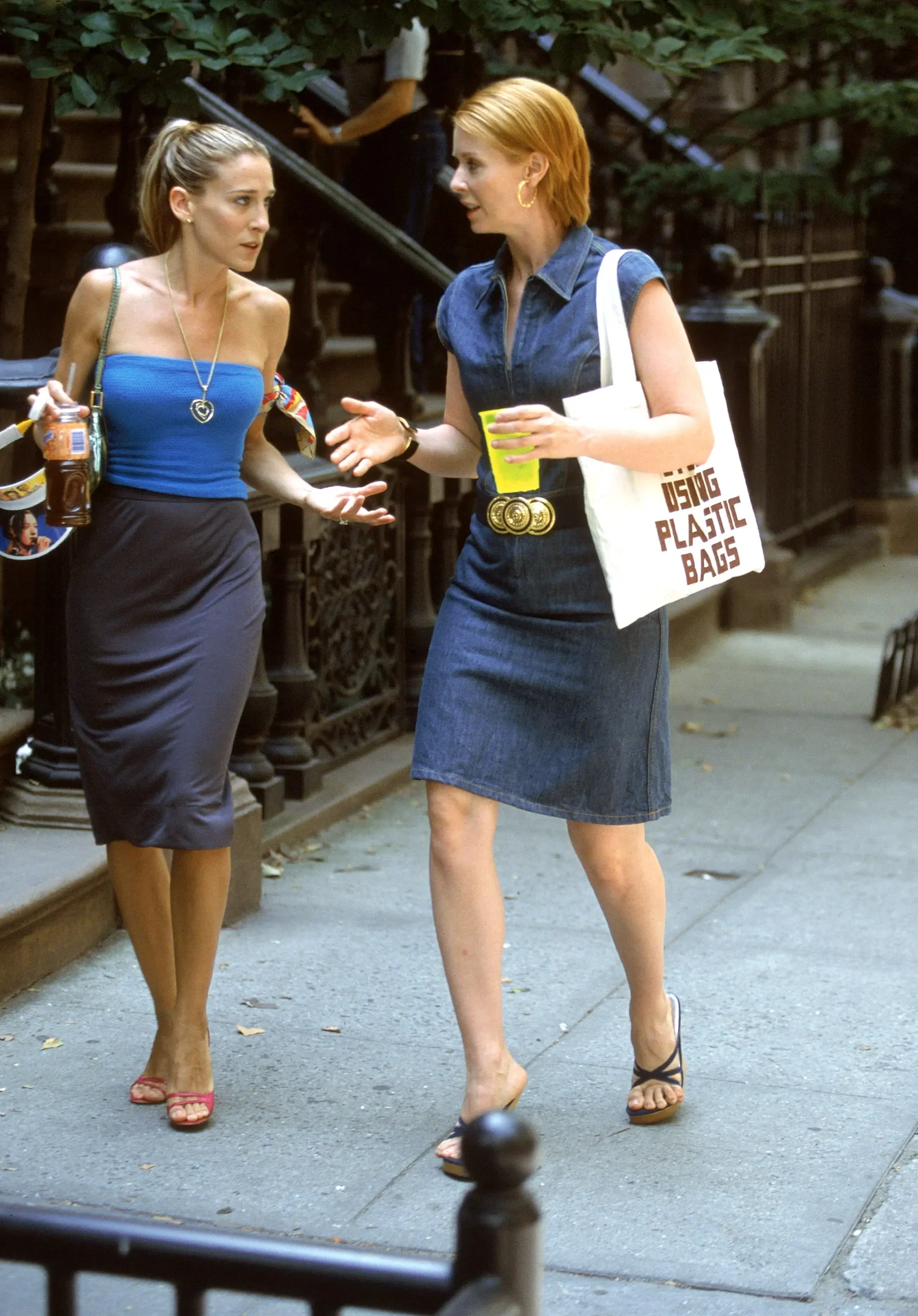
Her warm-weather wardrobe operated at a different frequency than the rest of the year. There was something looser about it. It had more body, more skin, and more ease. Mesh shorts with a floaty bohemian blouse, a white sundress with a parasol, and ribbed tanks tucked into high-waisted jeans for a night out that started at 7 and ended at 2. The range was pretty impressive. One episode, she’s in hot pants and a tube top, and the next, she’s wearing a designer skirt grabbed right off the runway for brunch.
What Field understood and captured well is that dressing in New York in the summer is a specific type of performance. It’s too hot to be uncomfortable in your clothes, but the city demands you show up like you mean it. But don’t worry, you may be sweating through your outfit, but you’ll look incredible doing it. Carrie solved this problem by simply refusing to let the weather win. She dressed for the city, for her friends, and the possibility that at any moment something interesting could happen.
And it usually always did.

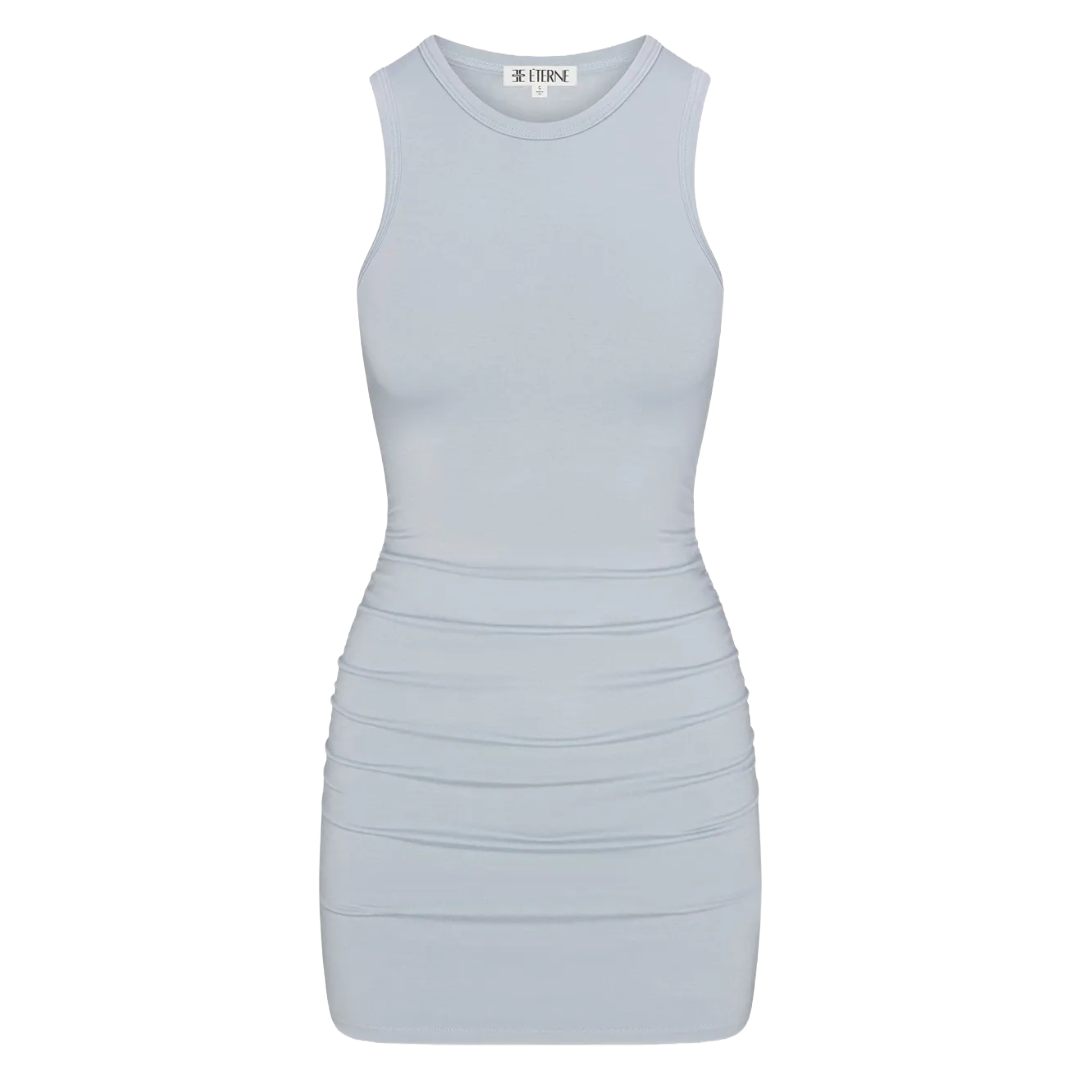
Get the Look
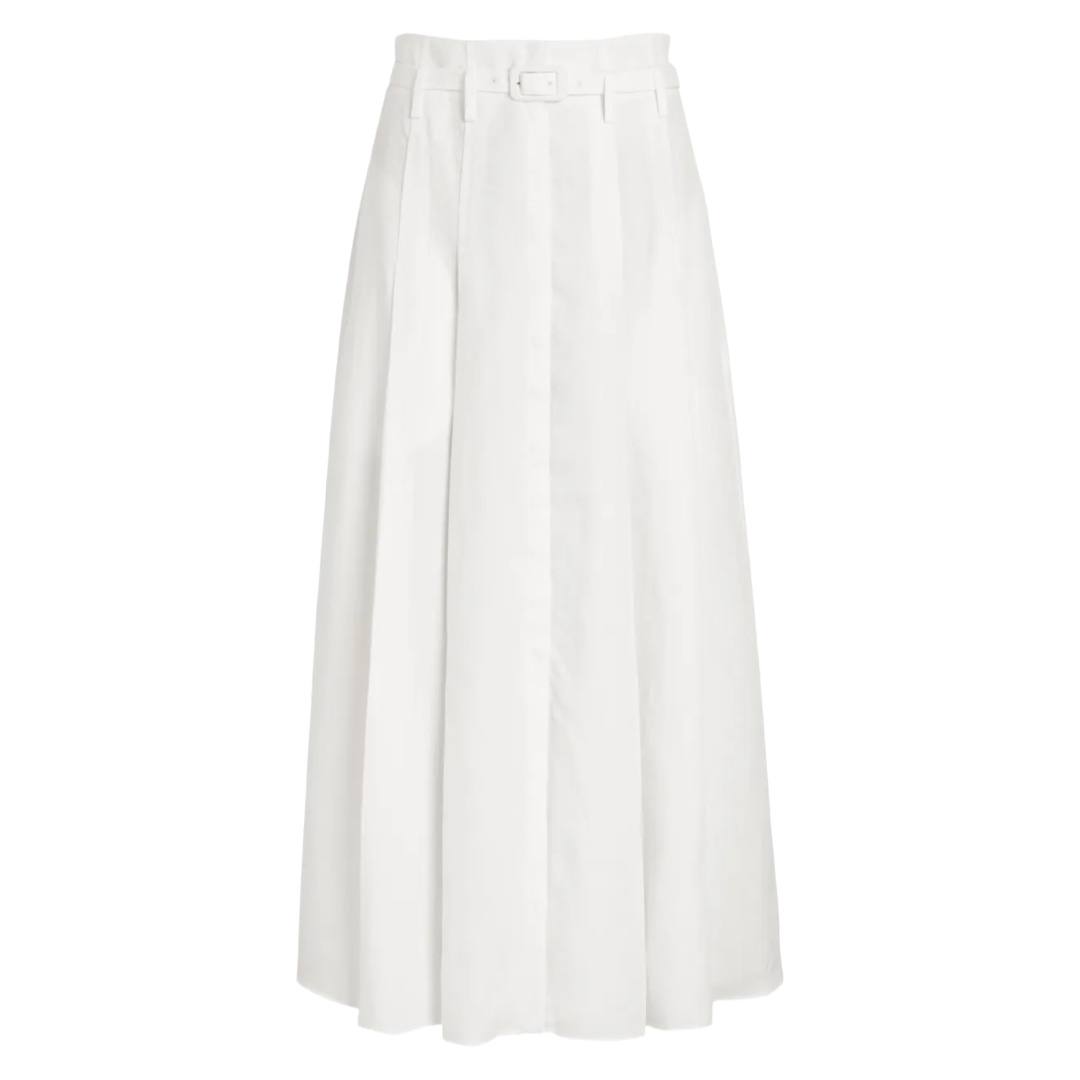
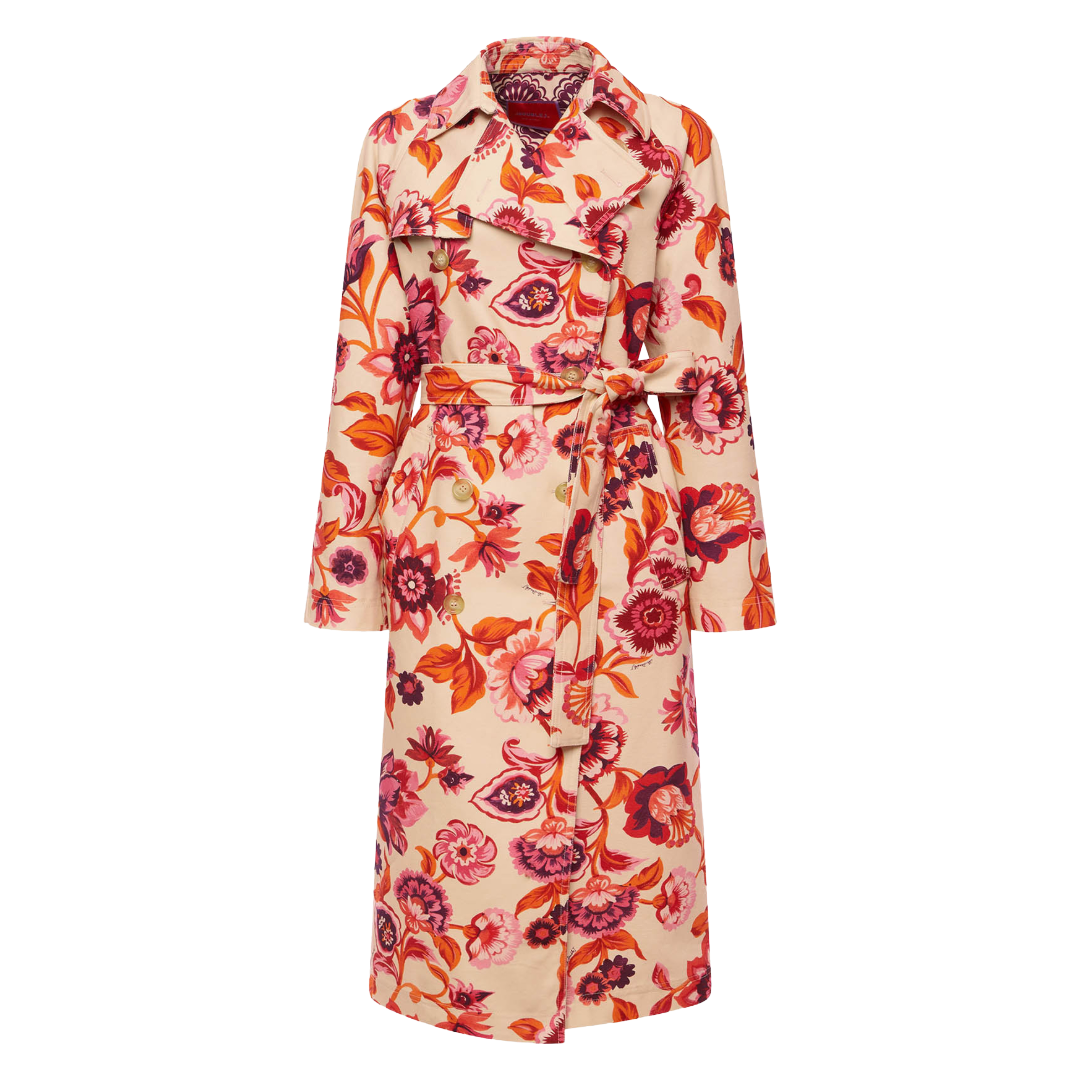
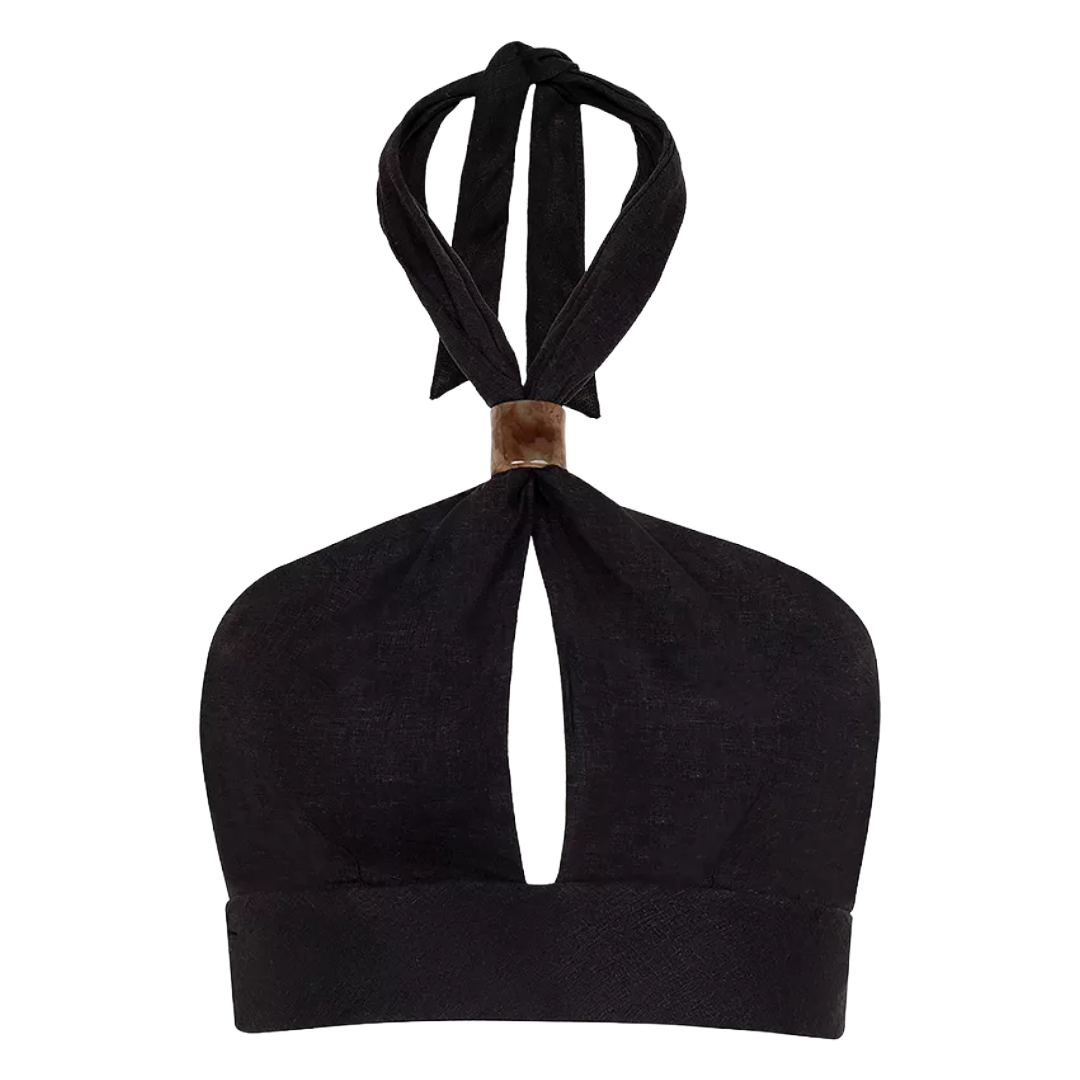
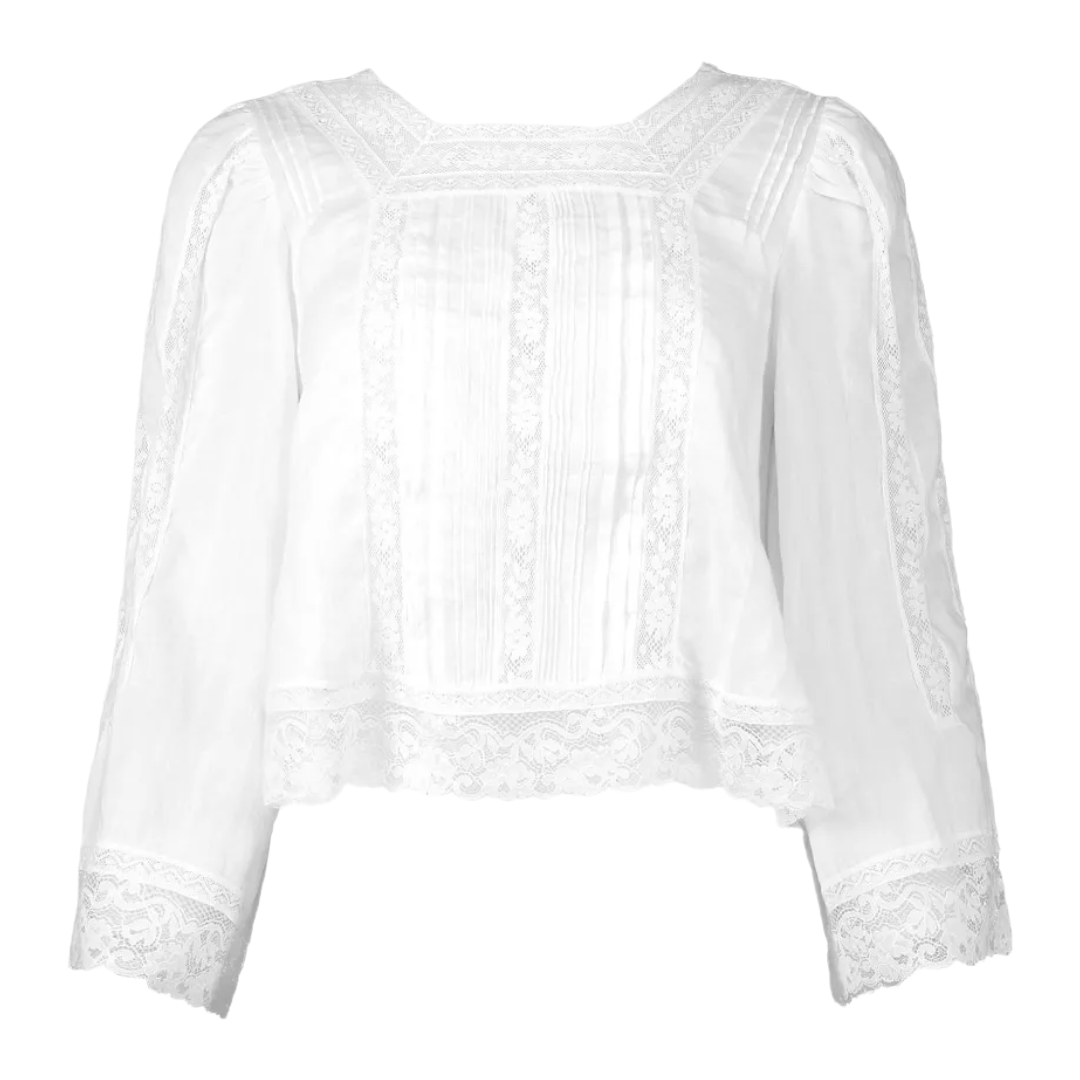
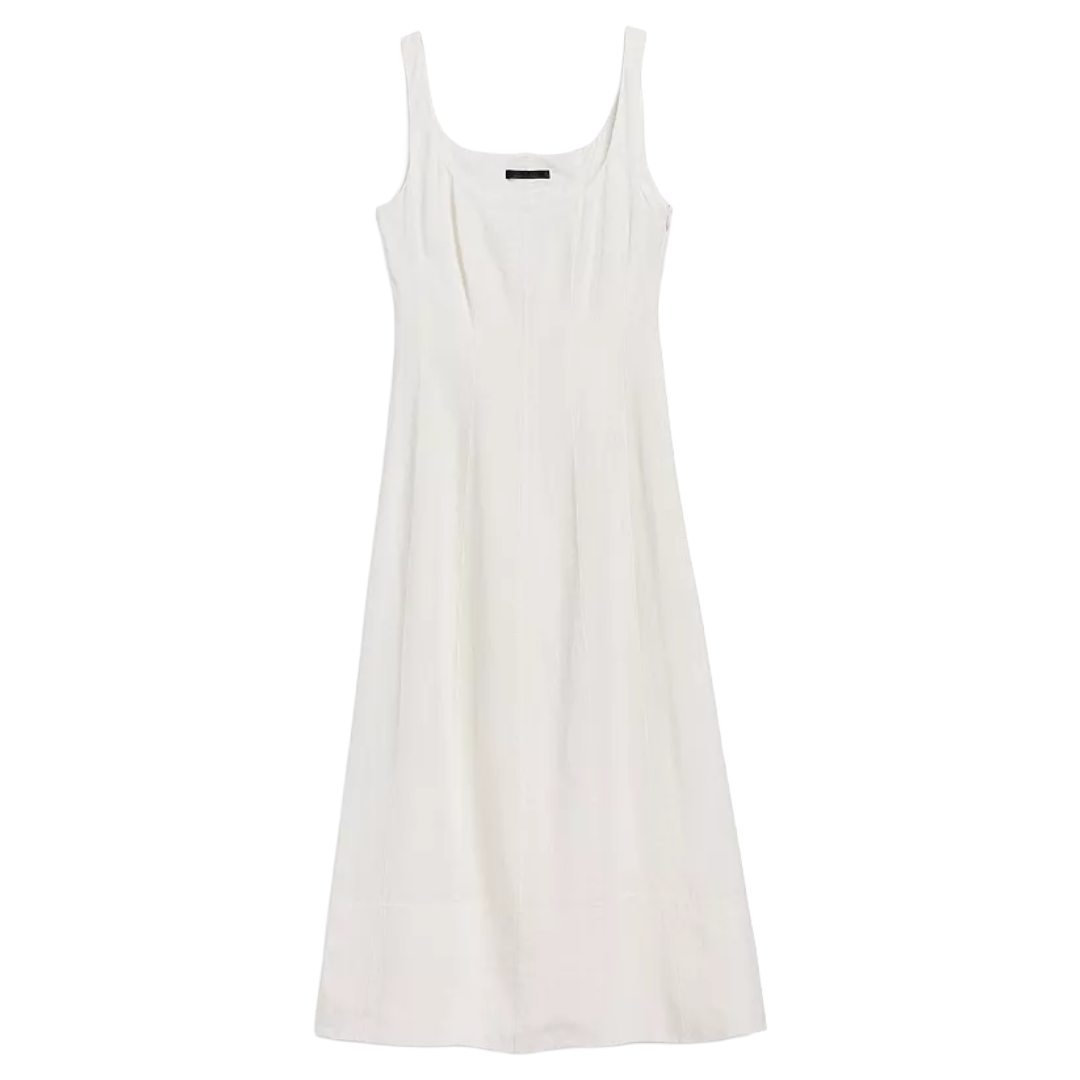
Pieces pulled from some of her most memorable summer moments. Not direct replicas, but just the spirit of the thing translated into what’s shoppable right now.





The Bottom Line
The reason Carrie Bradshaw still works as a style reference some twenty-plus years out isn’t nostalgia, even though there’s plenty of that going around. It’s that her approach to getting dressed was never really about the era it was in. It was about deciding that what you wore actually mattered, and then following that conviction wherever it led, even if that meant a tutu on the streets of Manhattan on a Wednesday morning. I think that’s the whole lesson. Not any specific piece or particular combination, but a commitment to having a point of view and wearing it without apology. Sounds easy enough, but it’s not. She made it look like it was.