IT’S HOT NONNA SUMMER?
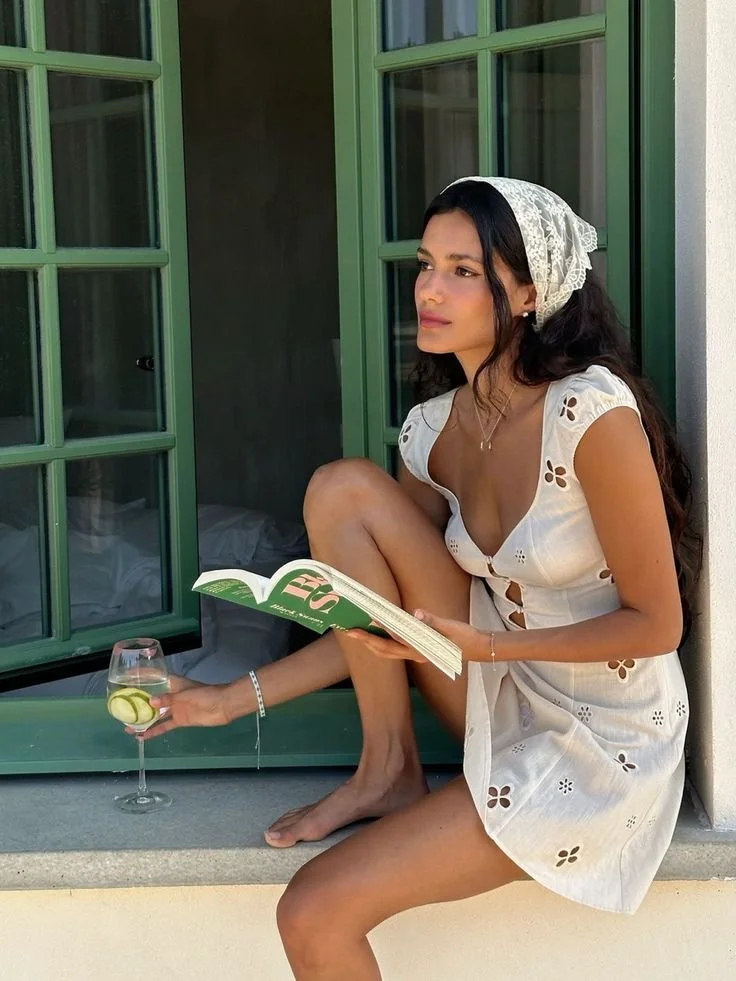
I saw a ton of articles about Nonna summer and nonna-maxxing come across my feed recently, and it just honestly made me lose my shit. There has never really been a time when I ever looked at my own nonnas and thought “yep, that’s a vibe.” But once I started scrolling more and learning more about why everyone is suddenly feeling the Nonna vibe, I remembered, sure, there was always jewelry I loved playing with, and I still vividly remember some of their outfits to this day. I guess the lesson there is I didn’t appreciate it enough as a kid, but what kid does? But hey, since we are revisiting everything else from when I was a kid, why not my Italian nonnas and their whole vibe?
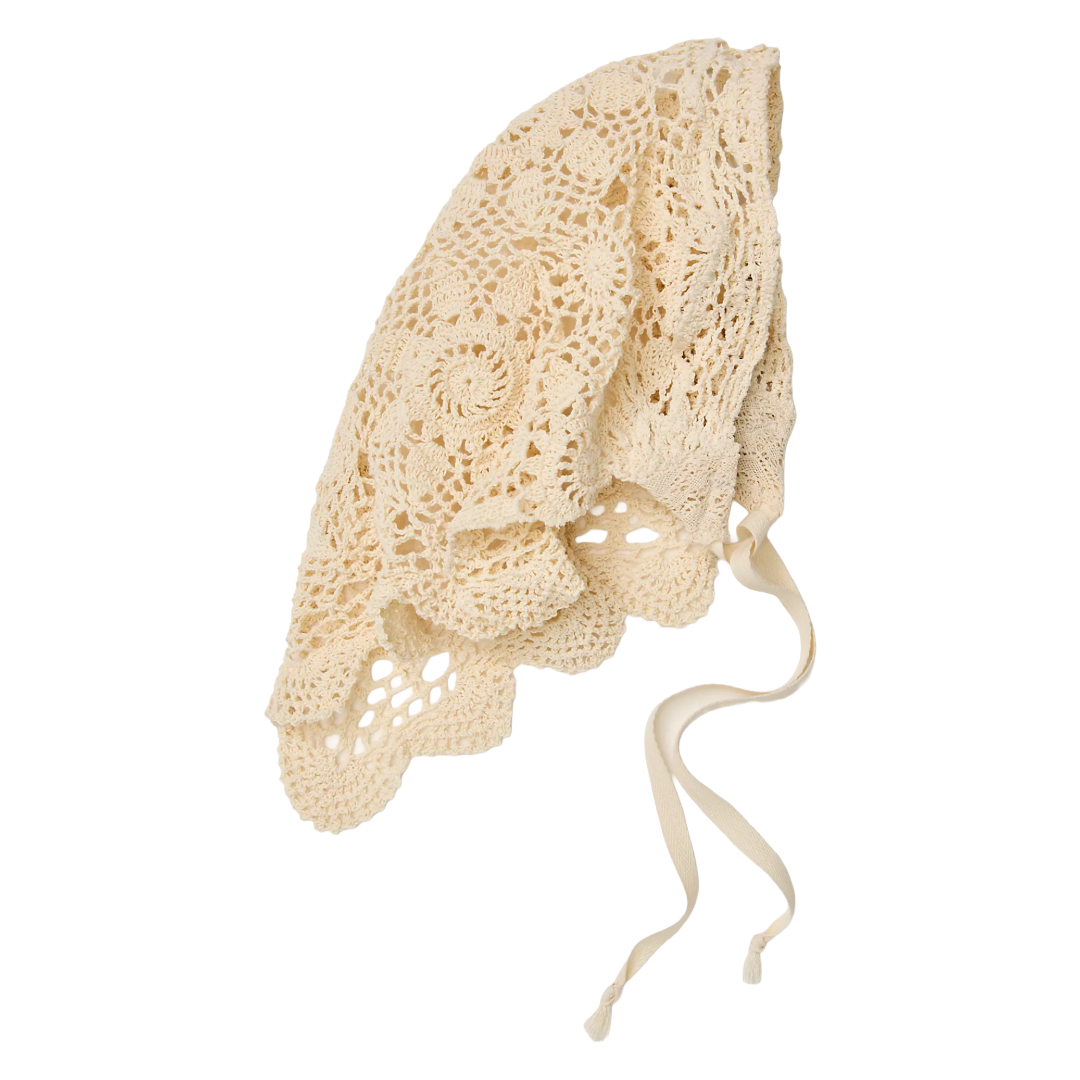
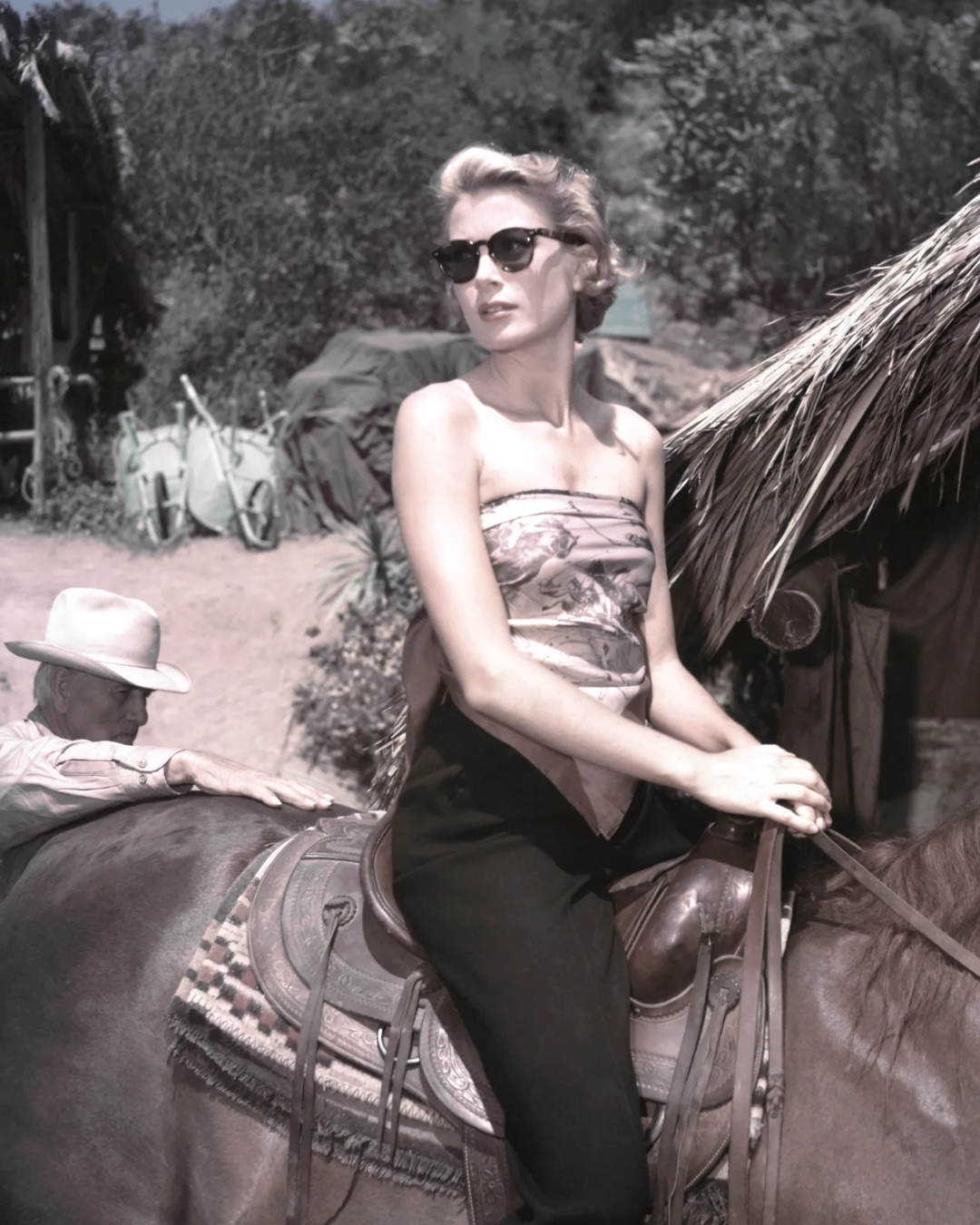
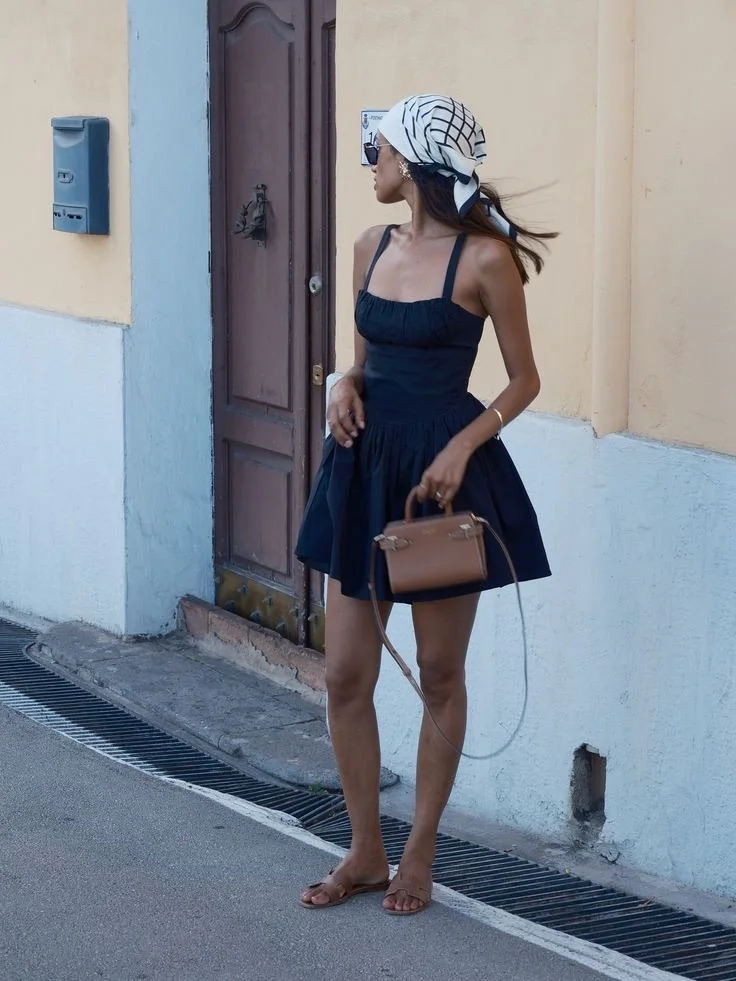
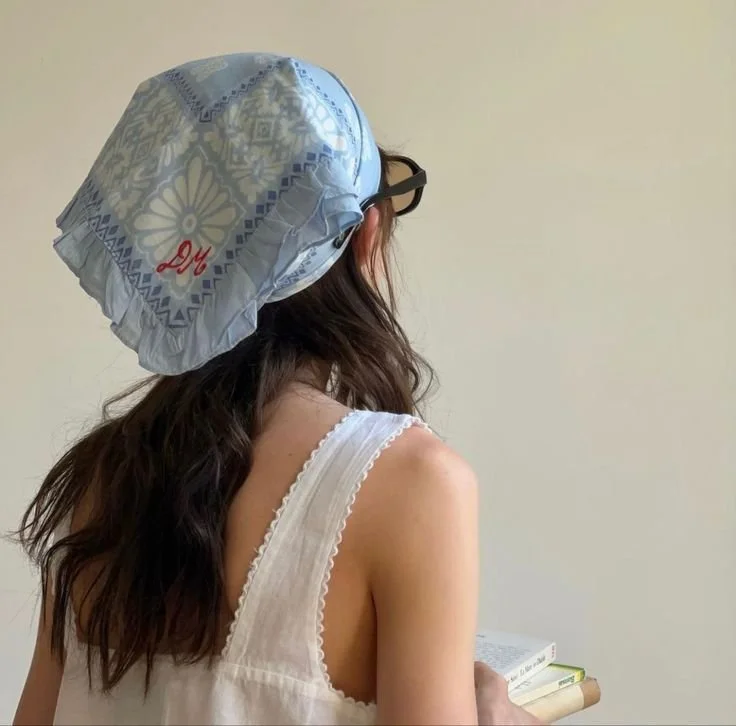
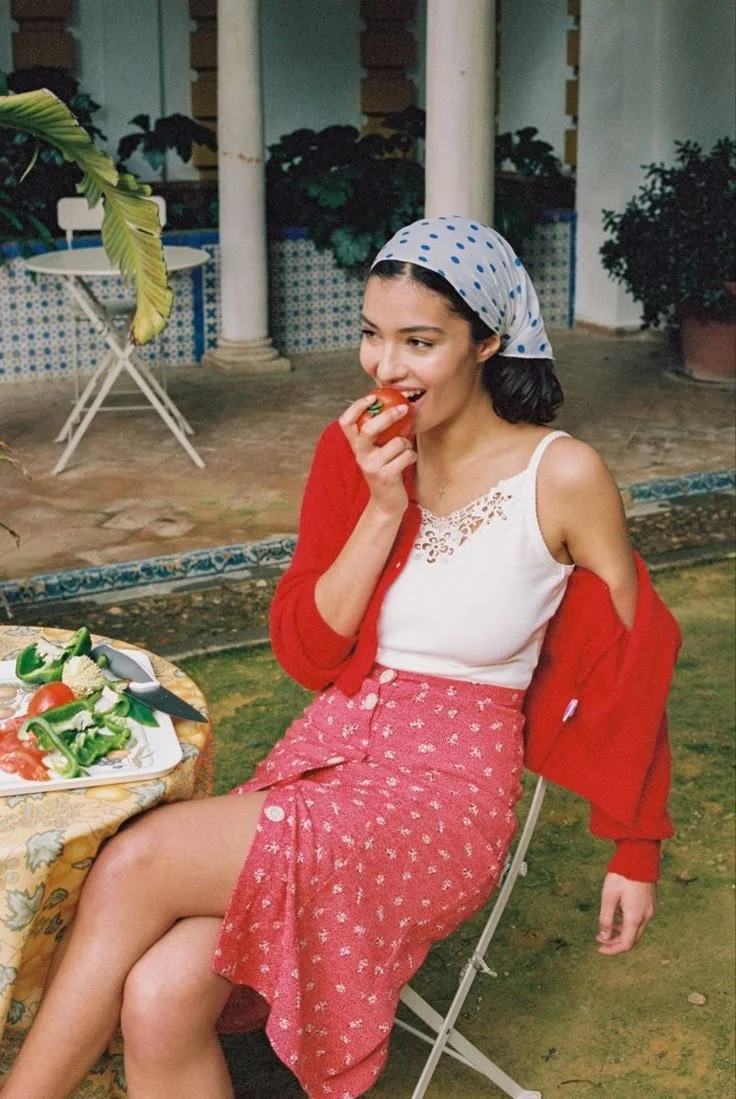
Somewhere between the Y2K revival and June, the headscarf changed jobs. What was once a Britney reference and one I remember wearing constantly became something else entirely. Hell, I even remember considering buying one for a hot second, but didn’t go through with it. Now headscarfs are the thing a woman ties on before she walks to the market and forgets about for the rest of the day. That’s the whole trend, really, or at least the beginning of it. And it has eaten my feed alive.
How The Nonna Became the Mood Board
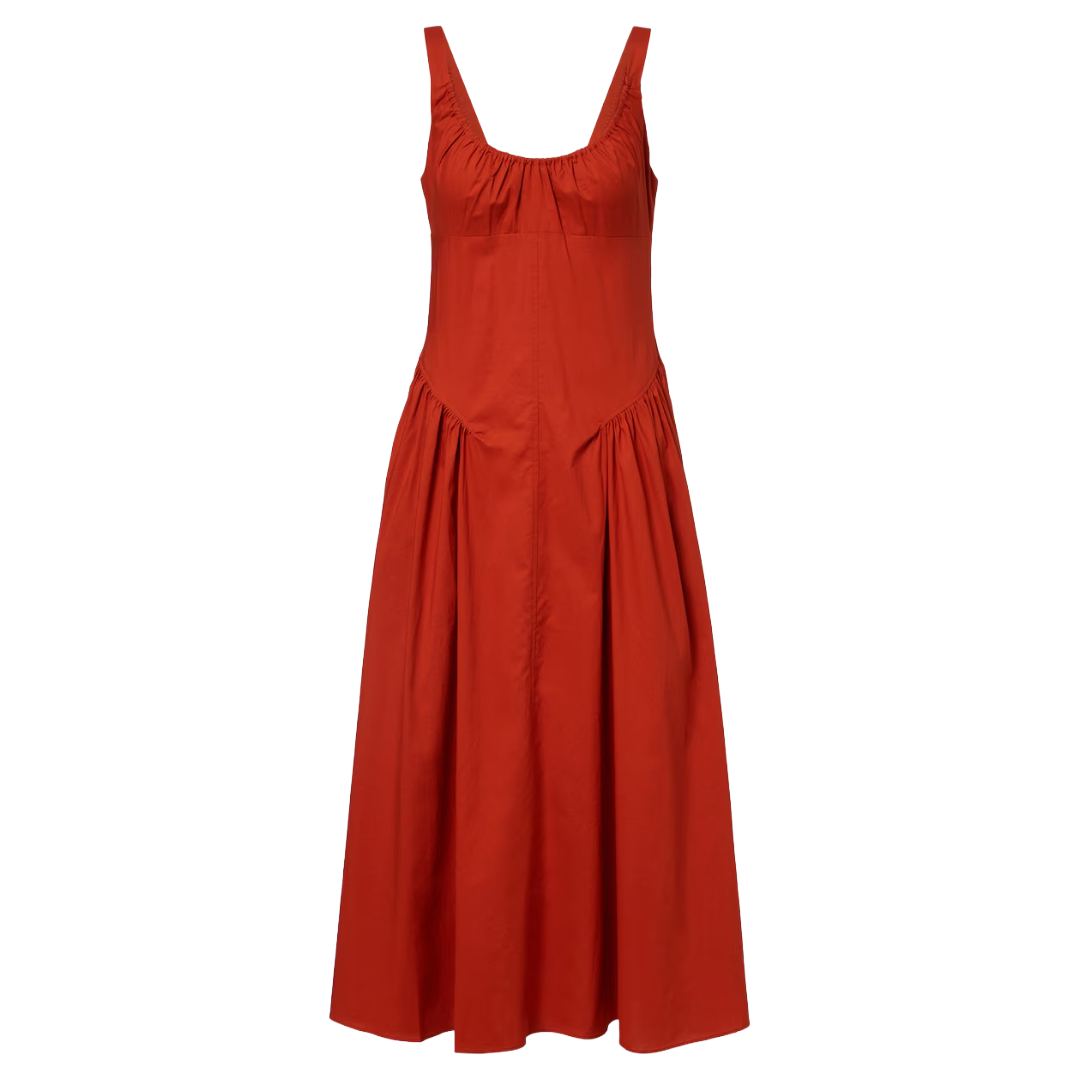
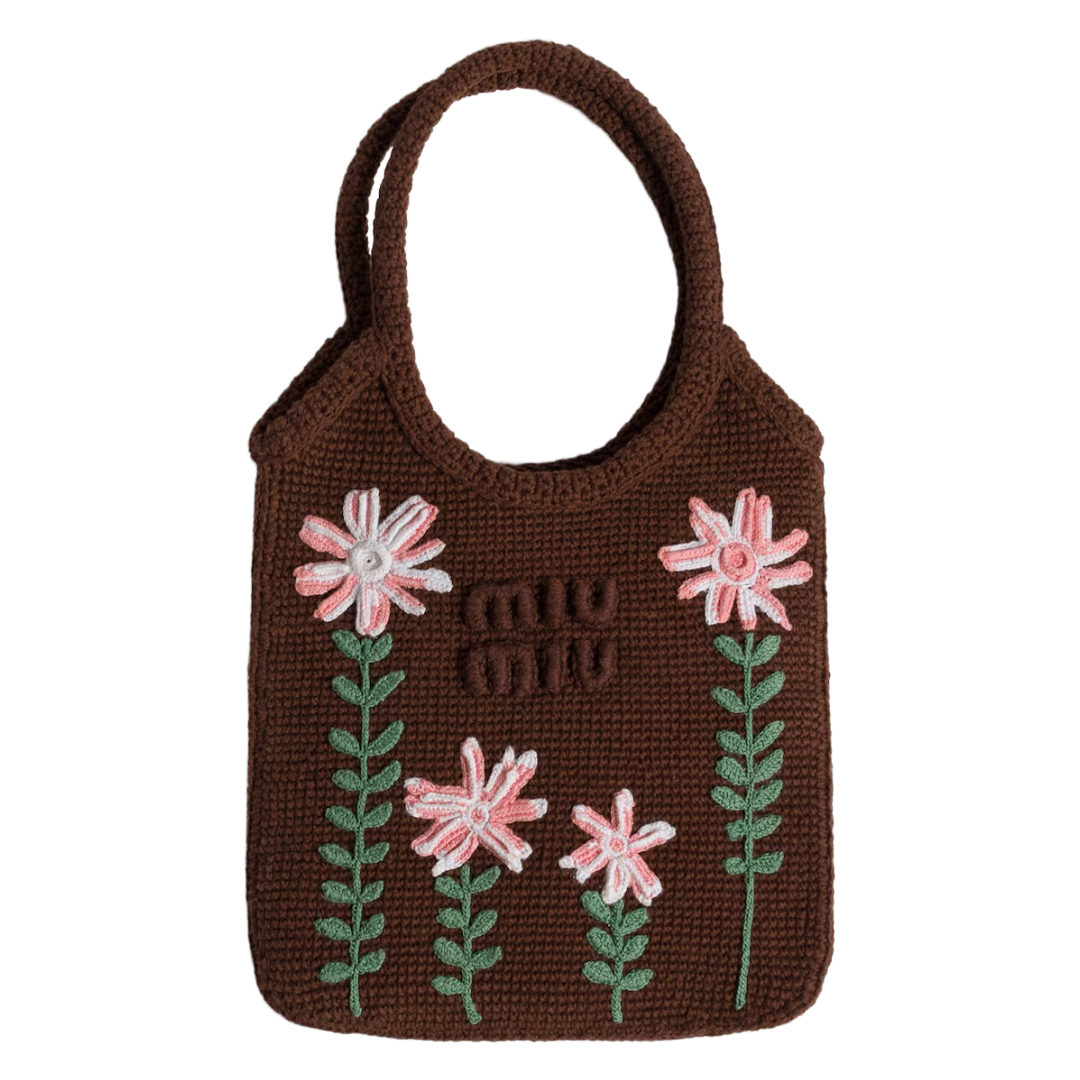
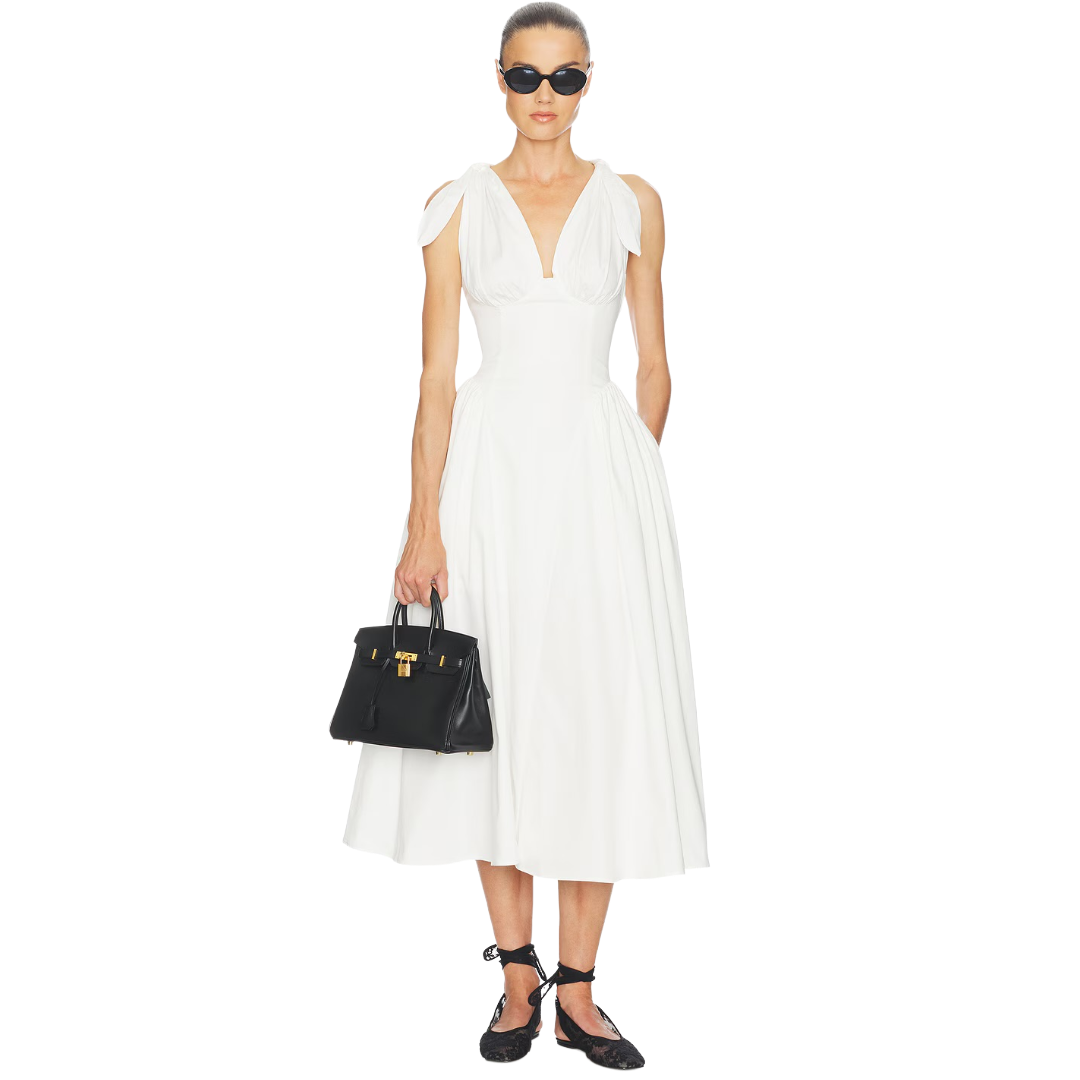
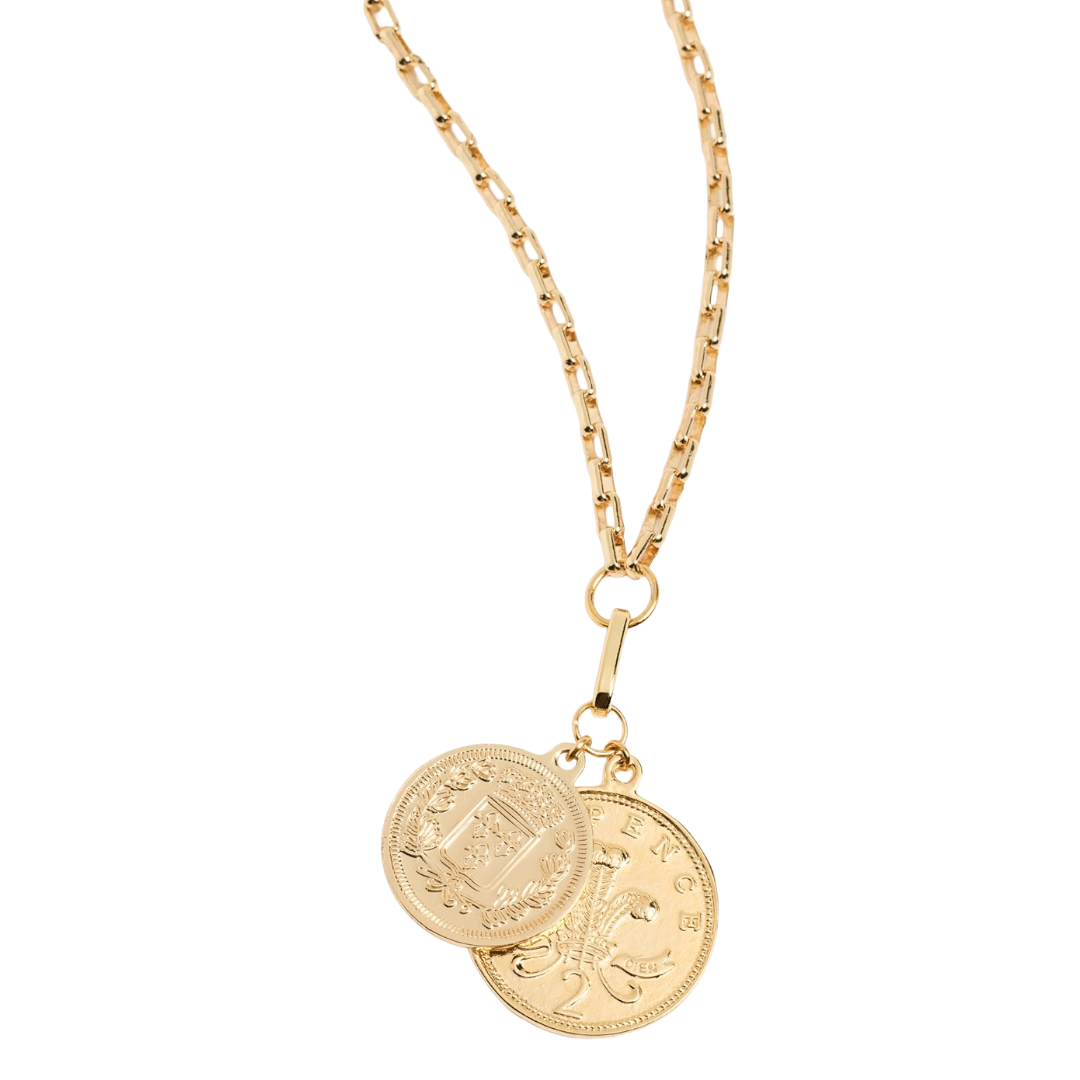
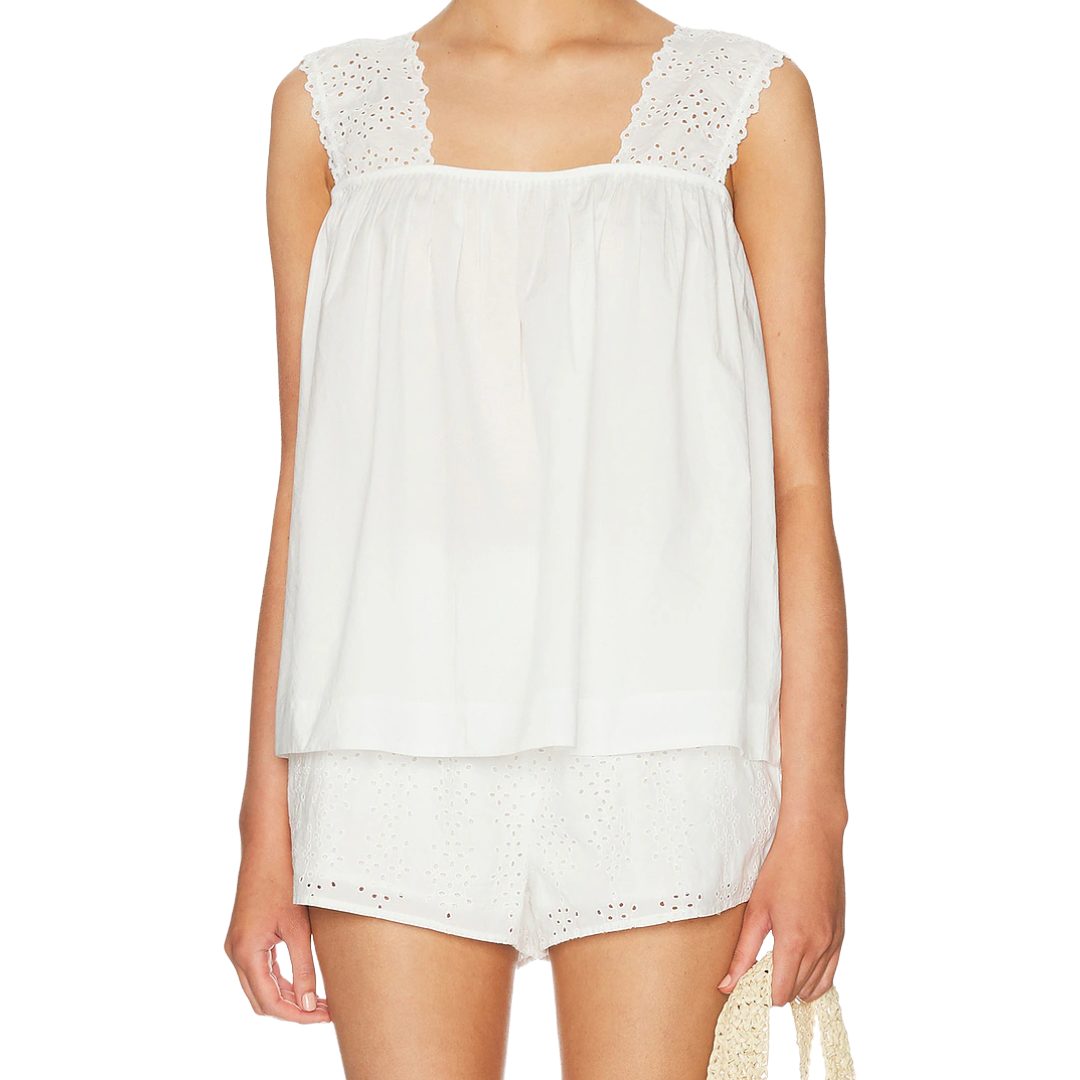
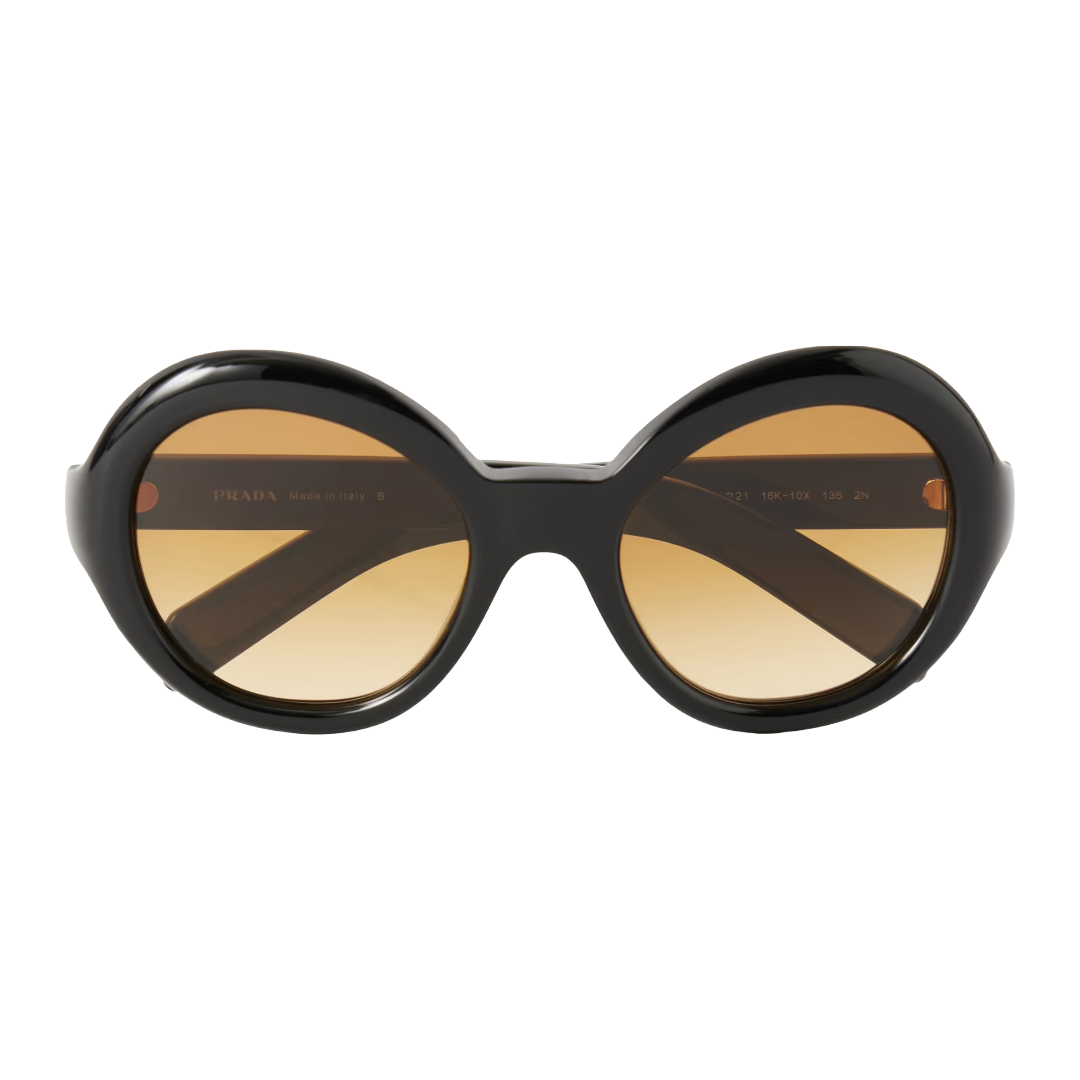
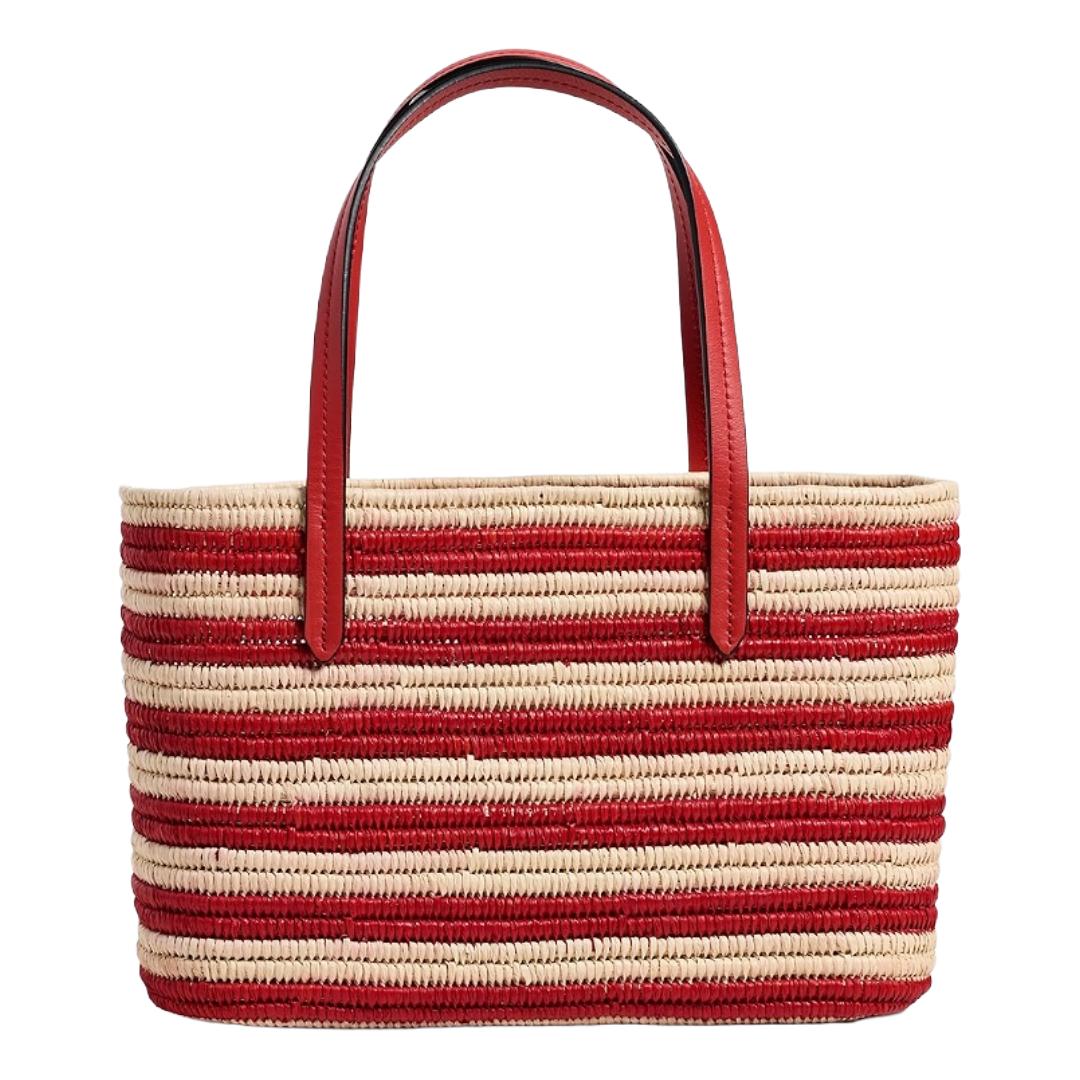
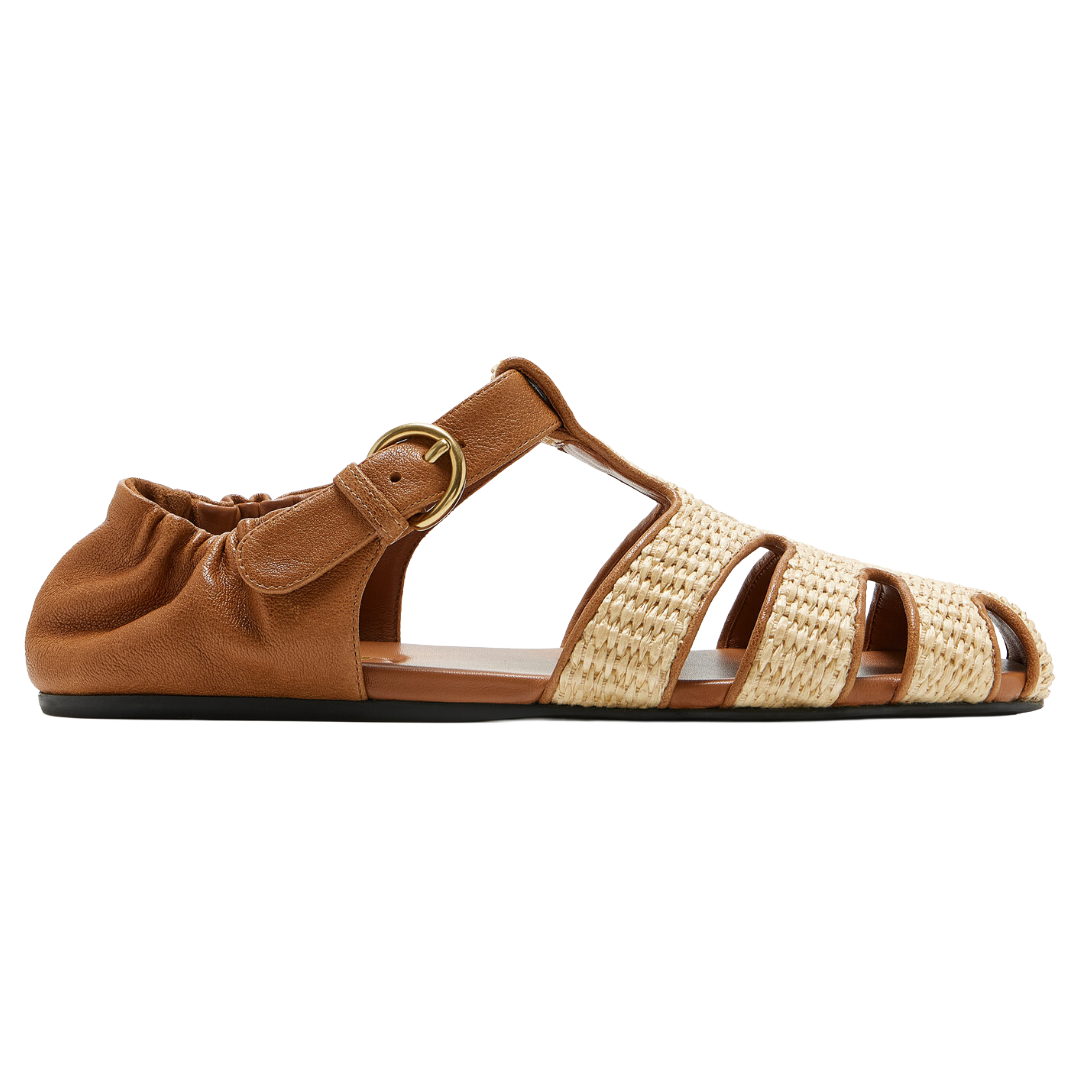
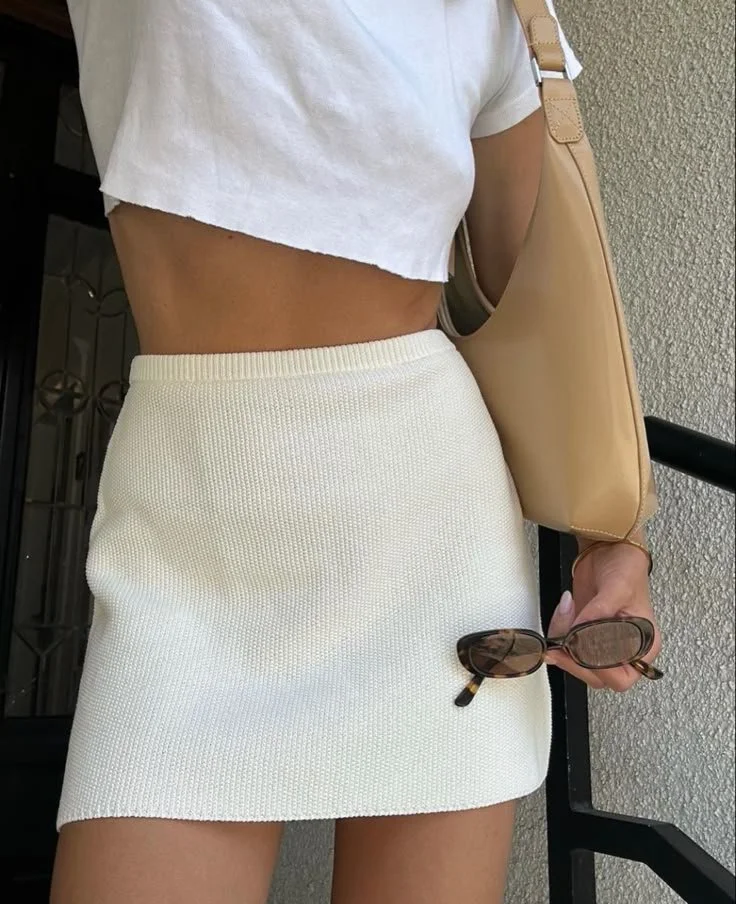
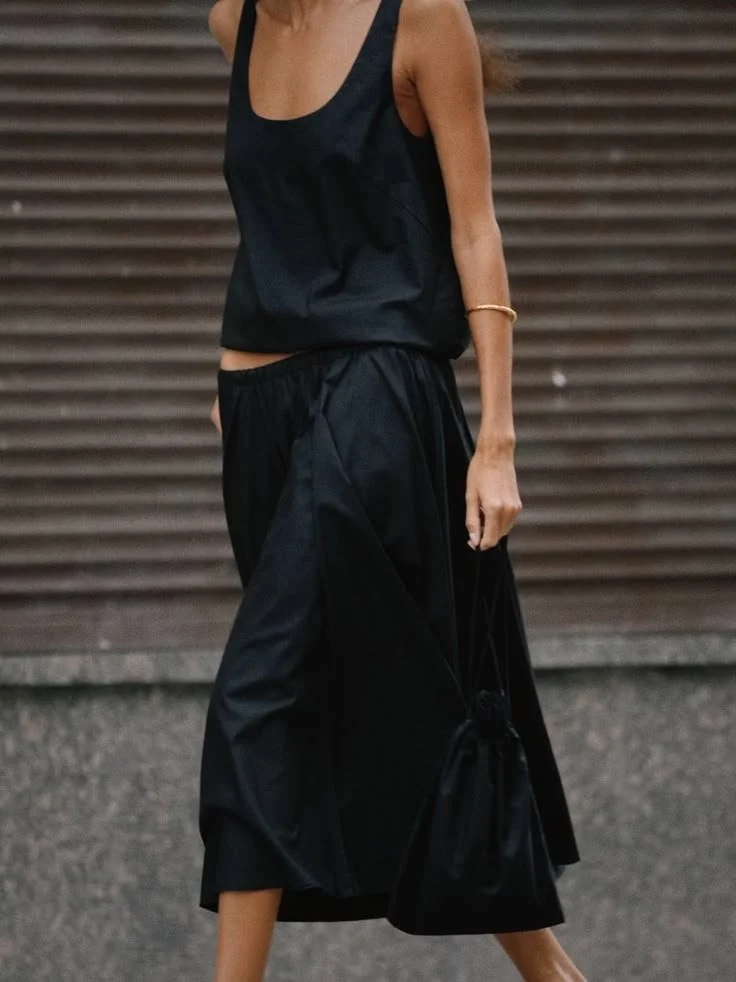
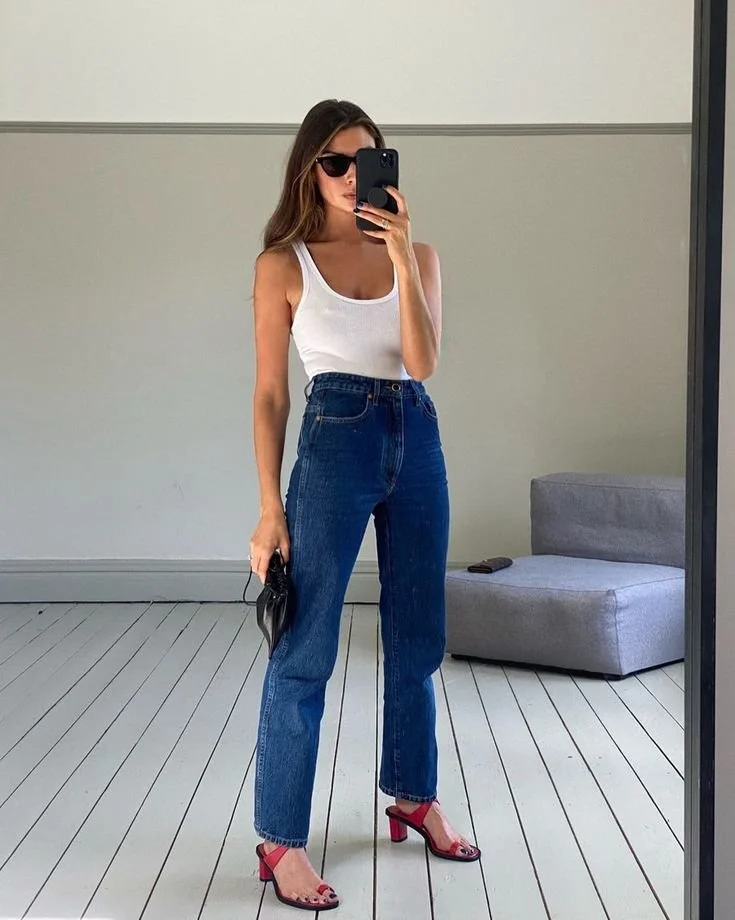
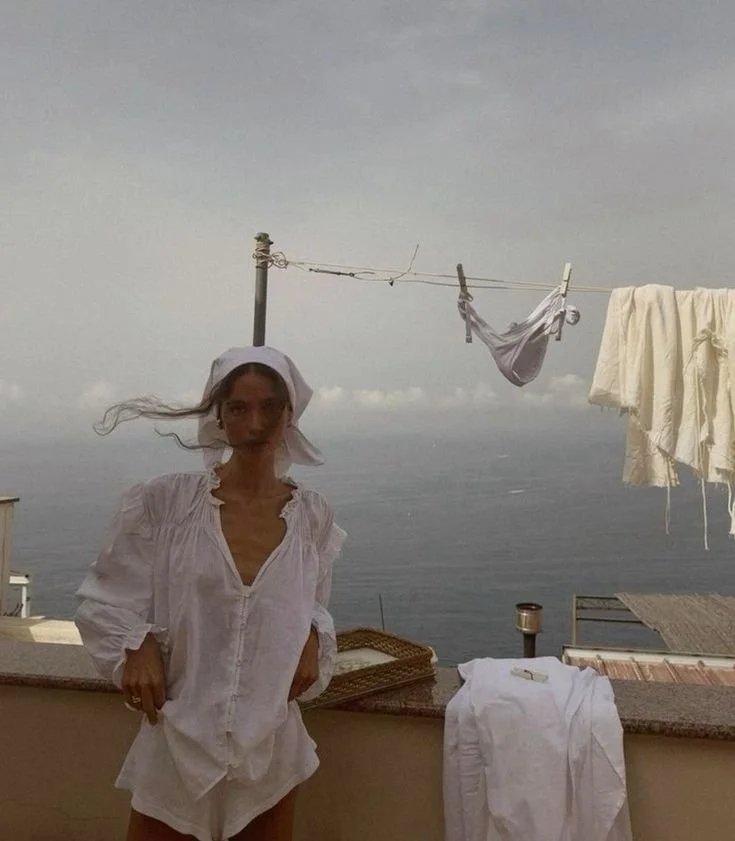
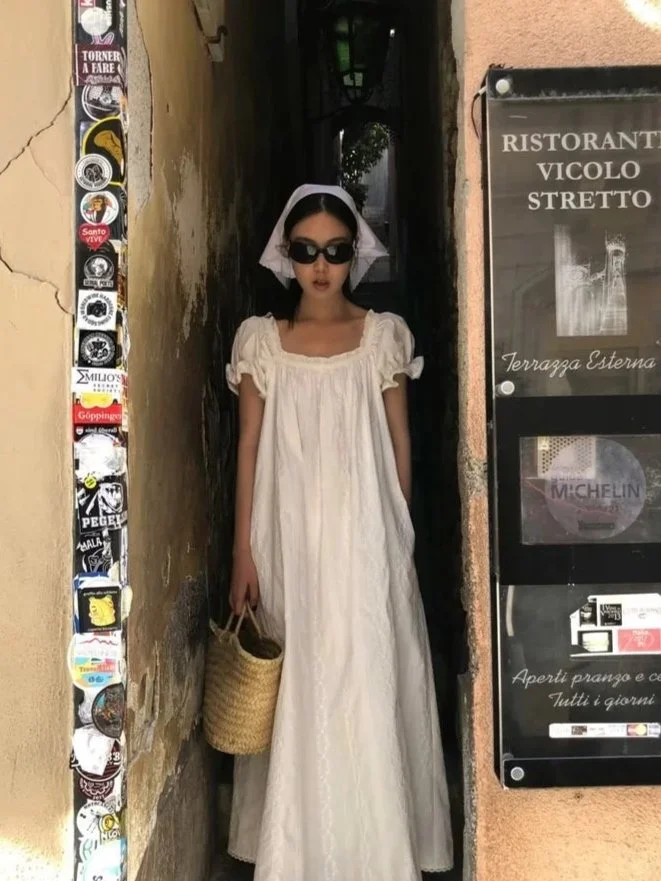
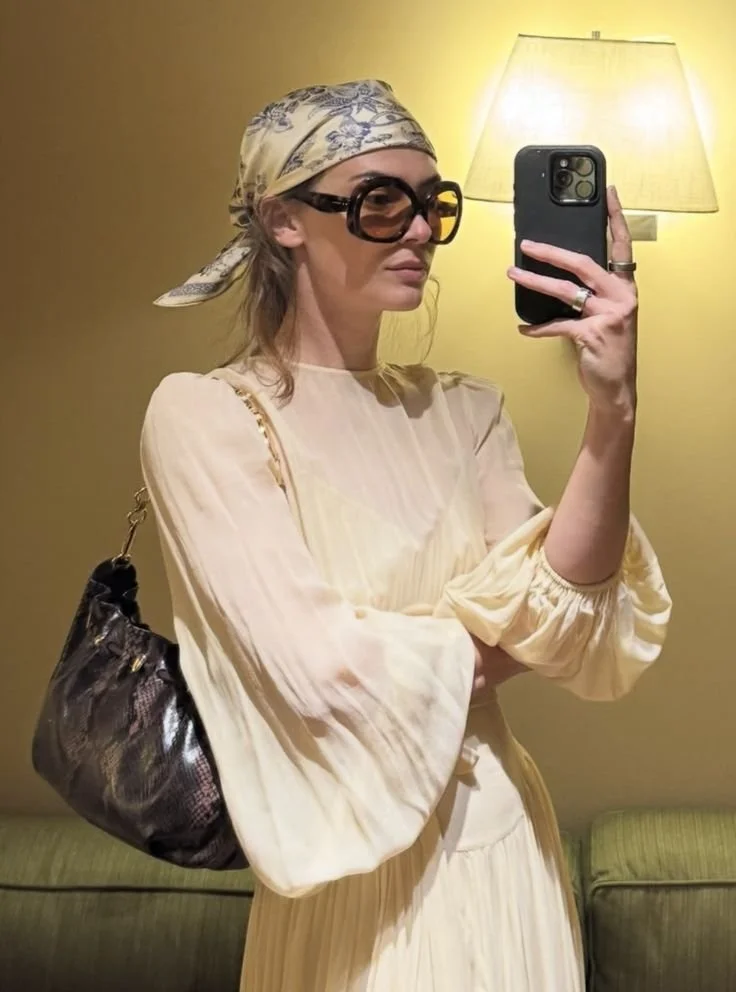
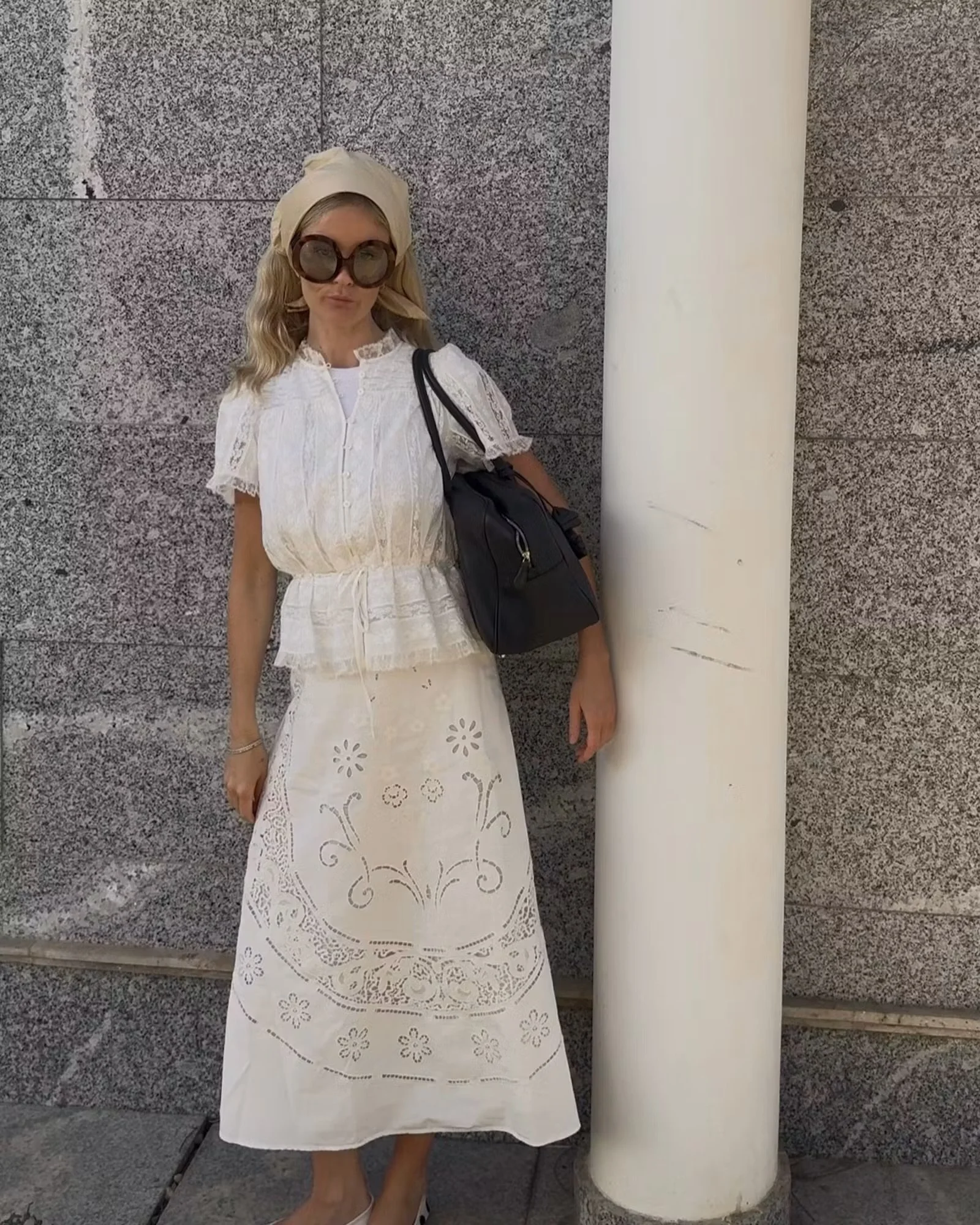
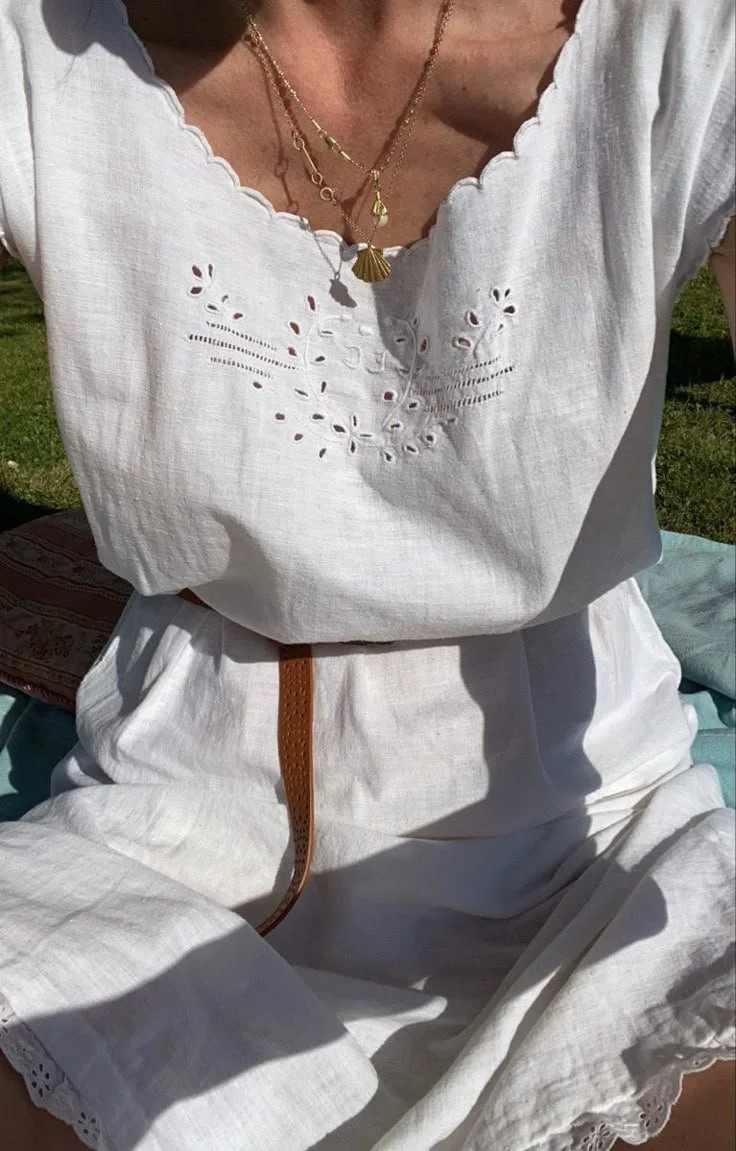
The look, if somehow you’ve avoided it: oversized sunglasses that cover half the face, babydoll dresses in cotton or linen with crochet flats or fisherman sandals. Shell and coin jewelry that is gold and a little dented. Raffia bags with structure to them, worn with everything from tomato red to ivory and faded navy. And, of course, a silk scarf tied under the chin instead of a ponytail.
The trend got its name back in February when a skincare brand posted about it, and it just stuck the way phrases do now. By summer, Dua Lipa, Gigi Hadid, and nearly everyone else were photographed in some version of it, usually bandana plus breezy linen plus woven basket, and somehow the whole thing calcified into an aesthetic.
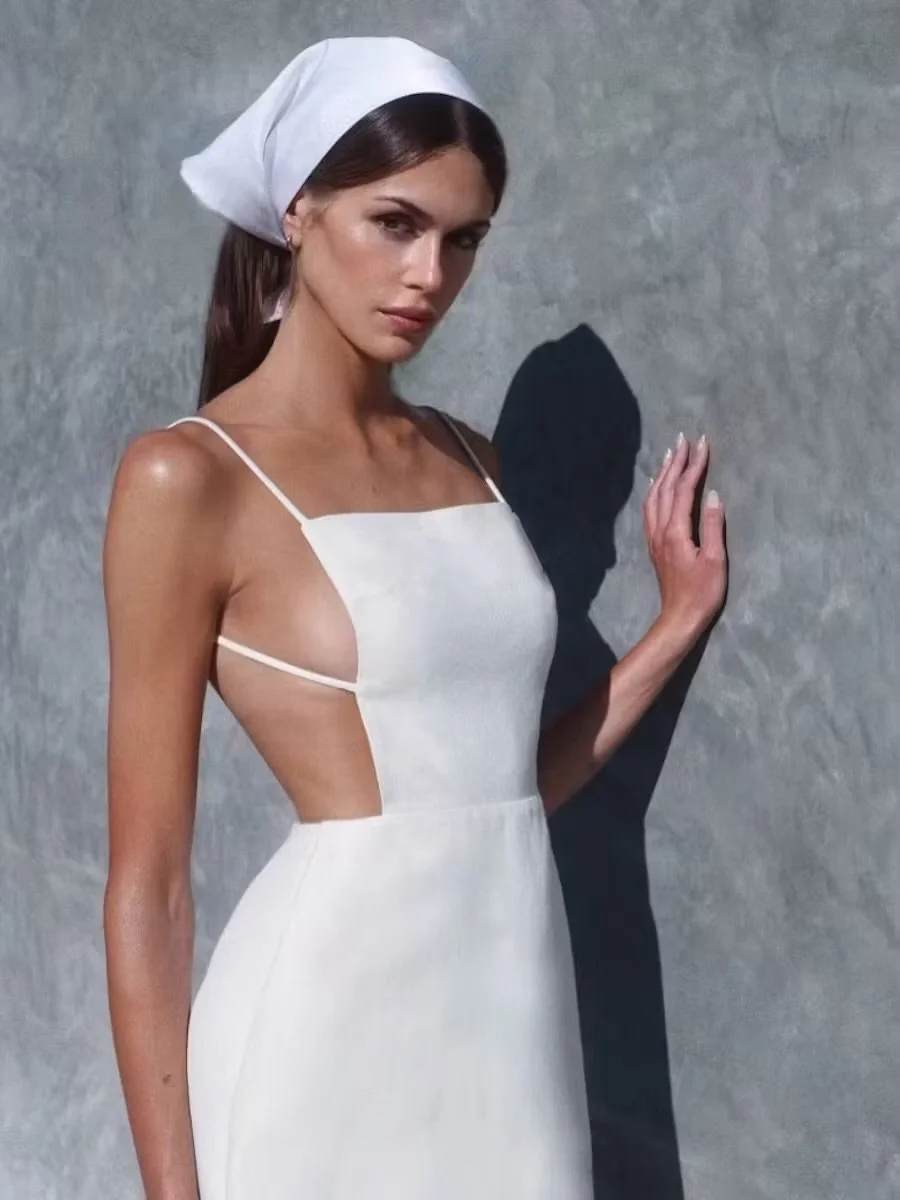
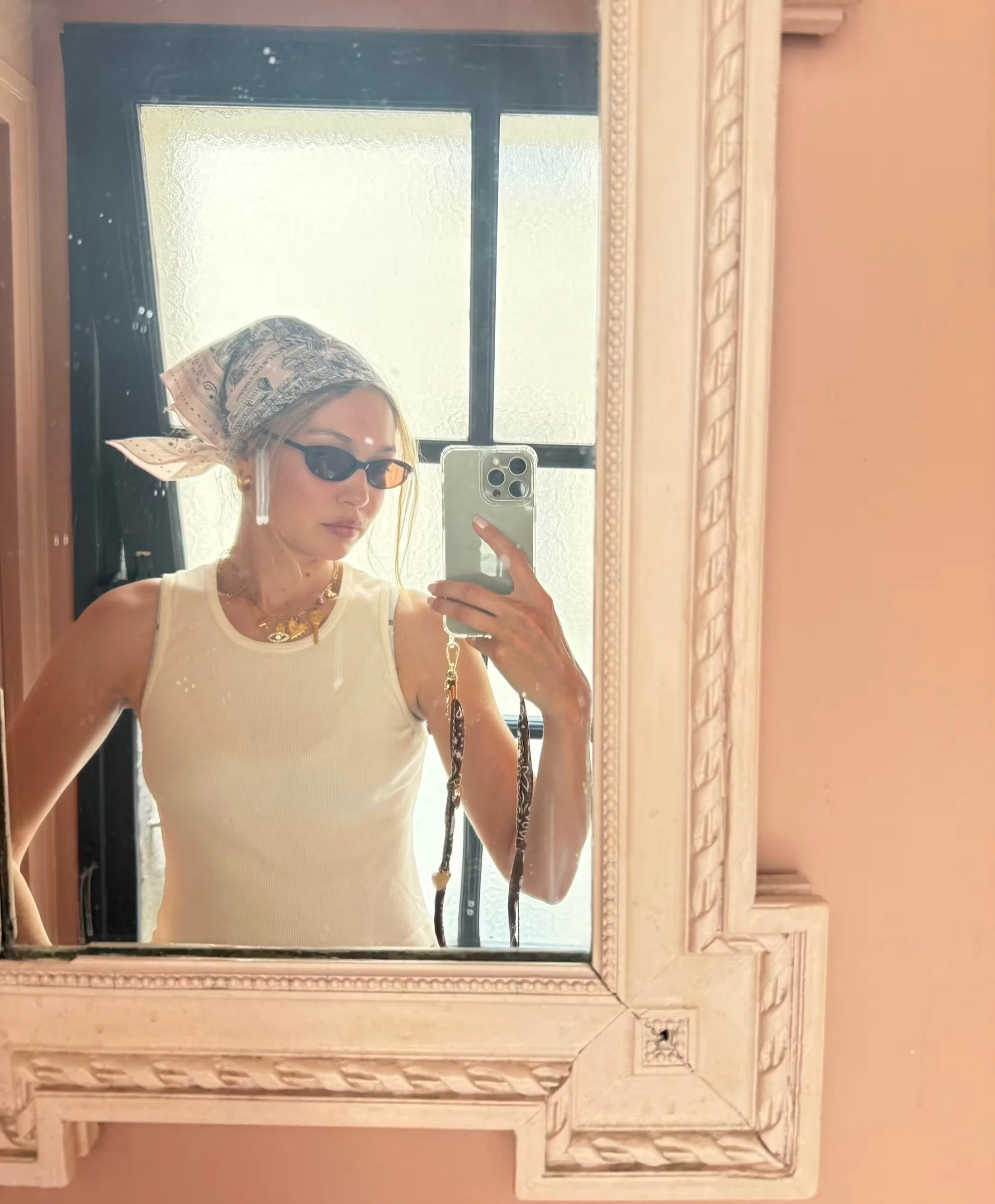
The numbers back up what your feed already told you. Pinterest logged double-digit to triple-digit numbers last quarter on searches for oversized sunglasses and headscarves. TikTok posts tagged with grandma aesthetic and grandma hobby spiked 150% week over week. That isn’t a slow build. It’s a rush.
It didn’t come from nowhere. Grandmacore, babushka scarves, and the never-ending Euro summer content cycle have been a thing, but the whole Nonna version of it is all of that, but with a better, stronger point of view.
The Part that Comes Back to Burnout
A fashion and consumer psychologist, Shakaila Forbes-Bell, has the read I keep coming back to: this trend is booming because more than half the global workforce is fried, and she ties the entire Euro Summer obsession directly to burnout data. And I get it, if you have a job, you’re burnt out and likely interacting with someone who lives in Europe who is graciously given time off for the entire month of August, while you are answering emails from the time you open your eyes to when they close again at night for the sake of productivity. And if you don’t have a job, you’re spending hours and months looking, which is exhausting in itself. Naturally, we have decided to dress as the most well-rested woman any of us could ever picture.
Here’s what I find interesting about it: aspiration in fashion is most frequently pointed upwards. Trying to achieve more money, more access, more velocity - anything you need to look like a woman who has somewhere very important to be. The Nonna trend is the opposite. It points to a woman who has nowhere to be, but she’s not broke, and she’s not lazy. She’s just done proving anything to anyone. She has time to walk and get the tomatoes, and she definitely has the time to sit and eat them. That’s the whole flex. An unhurried afternoon.
Sciura, Not Grandma
There is a translation problem here. In English, “dressing like a grandmother” sounds like a downgrade and surely one you’ve heard before. But in Italian, it isn’t. The reference point people are actually reaching for is the sciura. Sciura is a stylish, older Milanese woman. She’s probably wearing fur in October, sunglasses year-round, tons of statement jewelry, and just has a whole look assembled with total conviction and zero interest in what you think of it. Jenny Bird recently built a whole collection around her this year called New Nonna, and it is full of the kind of gold you’d find in a jewelry box that predates you.
I think the brand’s framing of why this concept lands so well is sharper than a lot of things I’ve read: people are pushing back against an algorithm that tells them what to wear, eat, and have got to buy on a six-week cycle. She put it perfectly: Nonna never dressed for the feed. Which explains why the clothes work. They aren’t slouchy or ironic. Nothing about a Nonna outfit is undone. It’s finished, repeated, and completely indifferent to novelty.
And now the part no one wants to hear
Buying a kerchief or any of this other stuff doesn’t make you a Nonna.
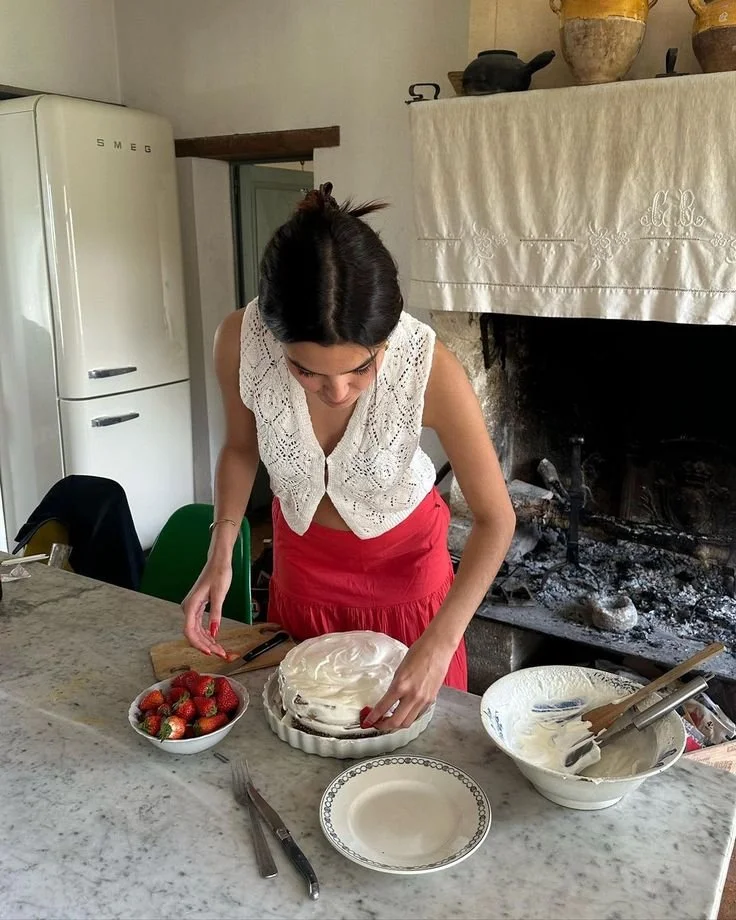
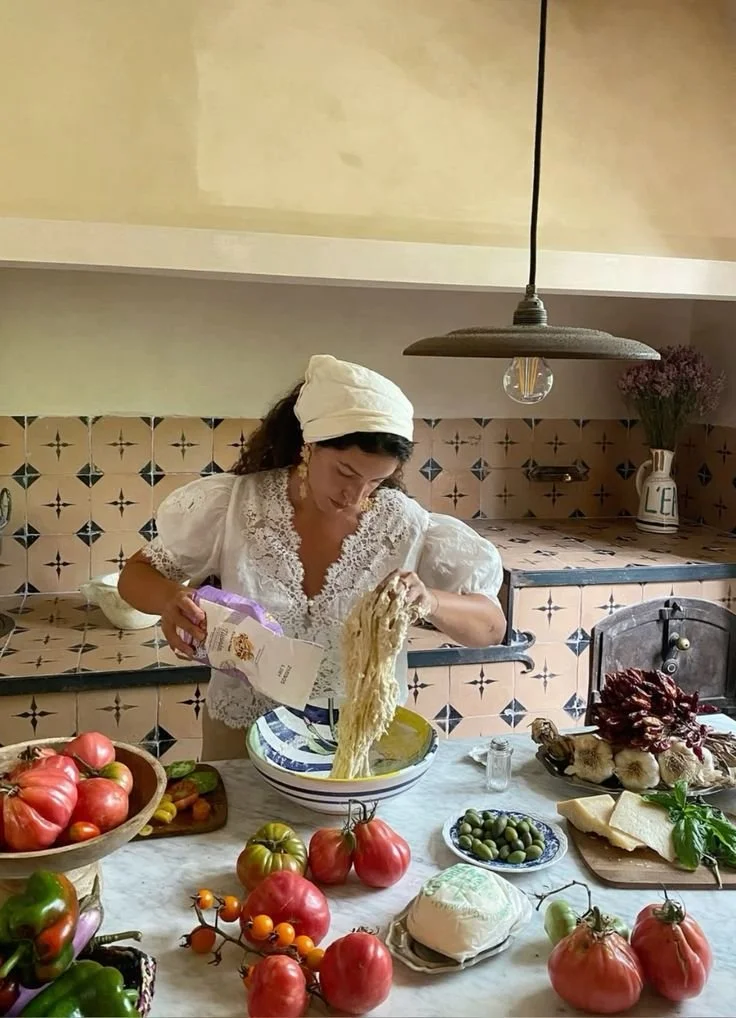
Roman content creator Matilde Mantini said something about this that I couldn’t shake and absolutely agree with, which brings me back to my opening paragraph: social media loves to romanticize things Italians consider unremarkable, and what goes viral on TikTok often really isn’t a trend at all. It’s just how people live. Cooking from scratch. Taking long walks. Sitting outside for no productive reason and hosting family dinners that run past their end time.
She’s right, and it’s a little uncomfortable because it exposes the trade we’re all making. The aesthetic of resisting the algorithm is currently being sold to us by the algorithm on a cycle. We are shopping our way toward slowness. That’s nothing, but it’s not the thing either. And the romanticizing of normal life is probably why I never thought twice about my nonnas and their vibe. That’s just who they were, and those were just things we did. I can look back on it now and honestly say there were little gems here and there that still make me smile, like just how long it took (with our child labor) to make the holiday pasta from scratch, or how happy they were to make and share an apricot tart during the summer. Or how they had a daily routine which seemed utterly mundane, but meant so much to them, even if it was the same thing every day.
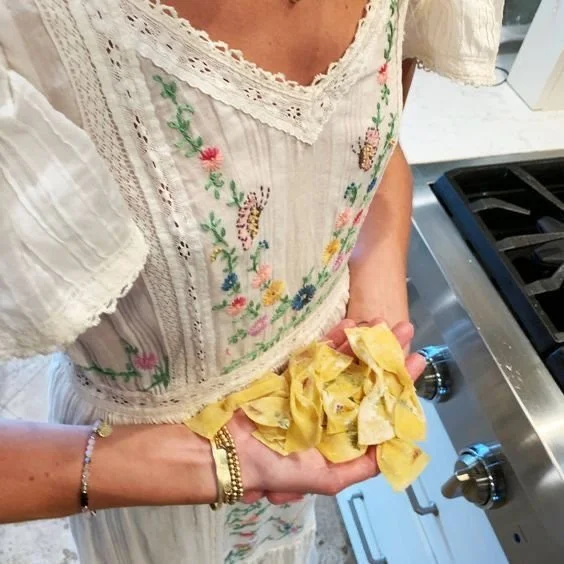
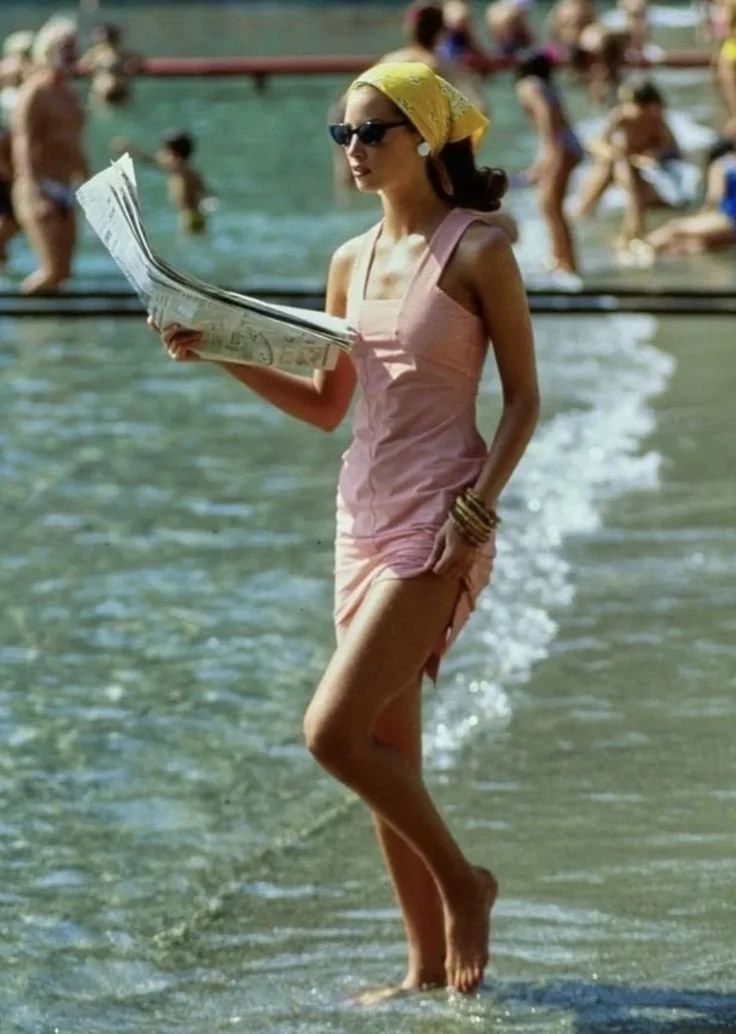
But back to the fashion. I haven’t decided if I want to buy the scarf. But the clothes everyone is rocking as part of this trend are legitimately good. The proportions are forgiving, the colors are flattering, and frankly, a raffia bag has never let me down. But I think this trend is great because getting dressed for a slower day is at least aimed in the right direction. Clothes just have a way of always helping me feel a certain way or set up the type of day I’m going to have. If I put on linen, sunglasses, and flat sandals, you know I haven’t scheduled three things back to back. These simple, small things stack up.
The wardrobe is the easy part. Anyone can order the dress. What’s actually hard is the calendar part, where you protect three unclaimed hours on a Sunday and refuse to fill them with something that photographs well. Nonna isn’t performing rest. She just has it. That’s the part that’s not for sale, and it’s the only part that was ever aspirational.
Get the Look