One of the scariest things in a horror film is often the floor plan. Killers get unmasked. Ghosts get exorcised. A hallway that’s longer than the building it’s in just stays that way.
Every October, I have my Horror-Thon. A tradition that started when I was still in high school and spent October watching AMC’s Fear Fest. Back when they showed a variety of scary movies, from black and white classics to the same 3 Halloween movies over and over and completely out of order. Fear Fest has changed over the years, and with the rise of streaming, I’ve been given an endless array of horror options, significantly expanding the Horror-Thon. This year, I decided to move The Horror-Thon off its humble Instagram story highlight to a full-fledged section of this site. A true bloody labor of love.
As I did that and started expanding on each movie in a way Instagram stories would never allow, I started to realize there was a pattern. The more ordinary the building, the worse it gets. A palace you can’t leave, a house that looks like it has a different problem…you know what I mean. So now that we are just on the other side of spooky season, I’m revisiting five, from the most ornate to the most boring or least scary to most scary, if you will.
Suspiria: Too pretty to trust
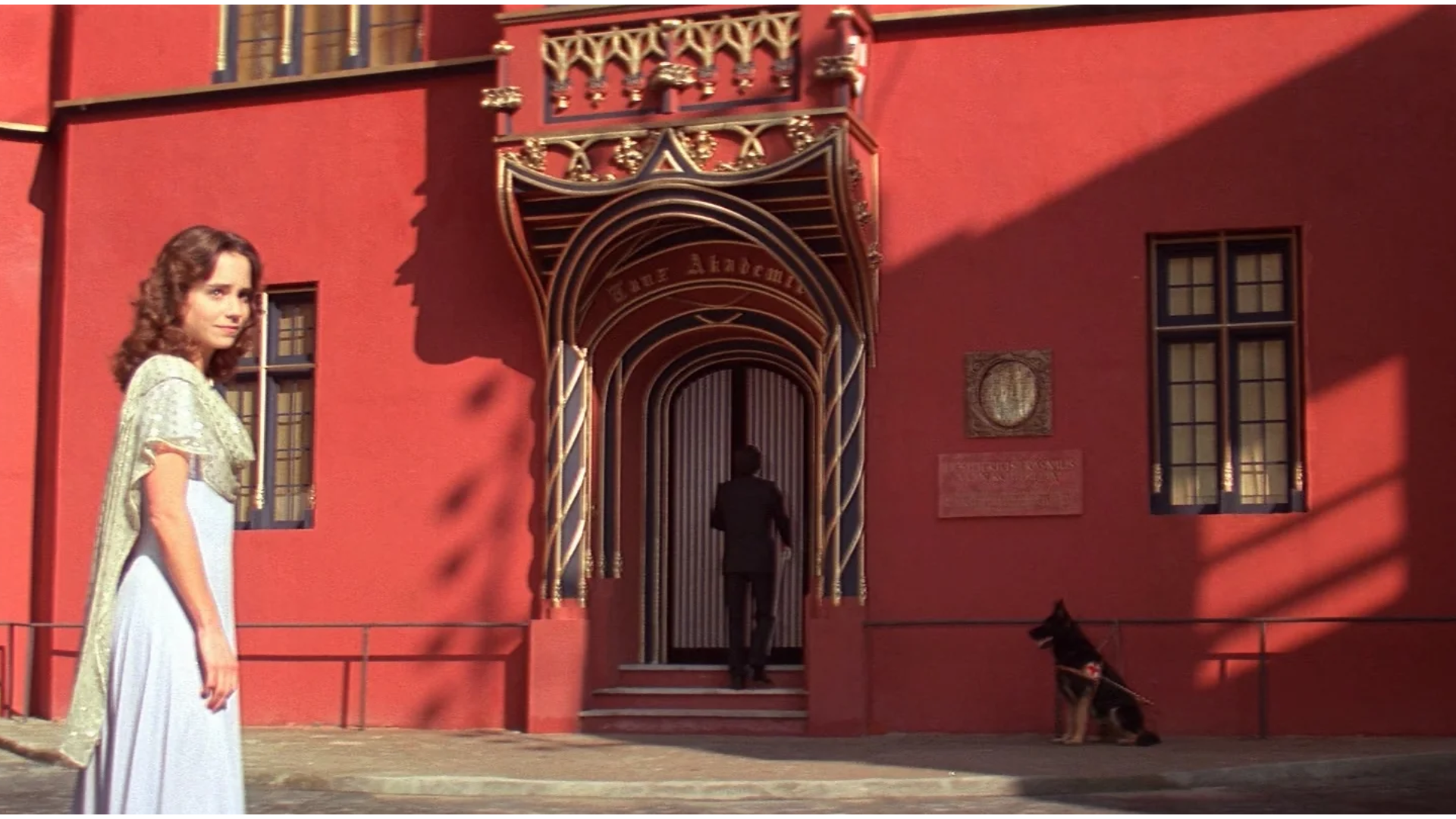
The Tanz Akademie is the most beautiful building on this list, and that’s exactly how it gets you.
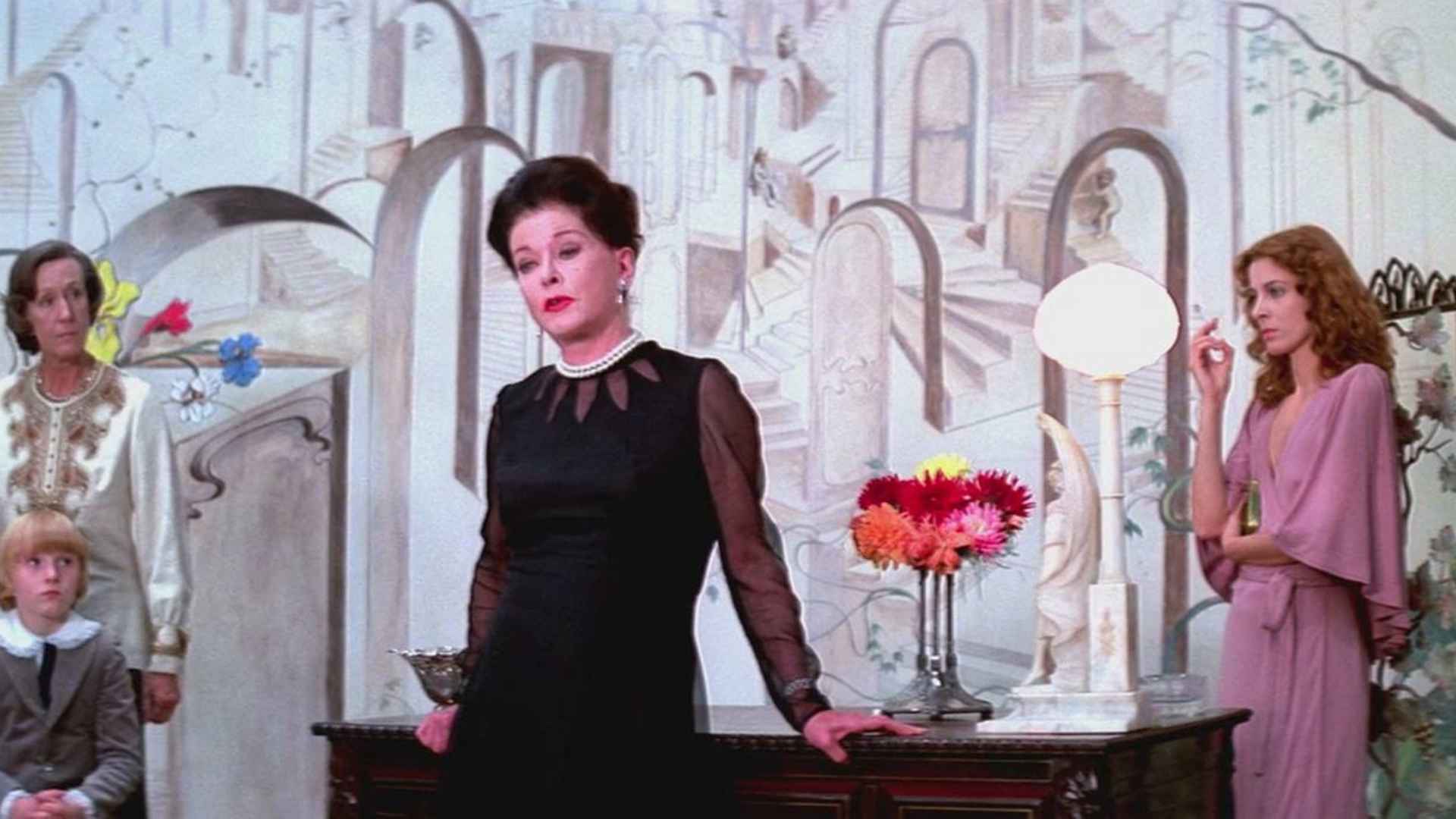
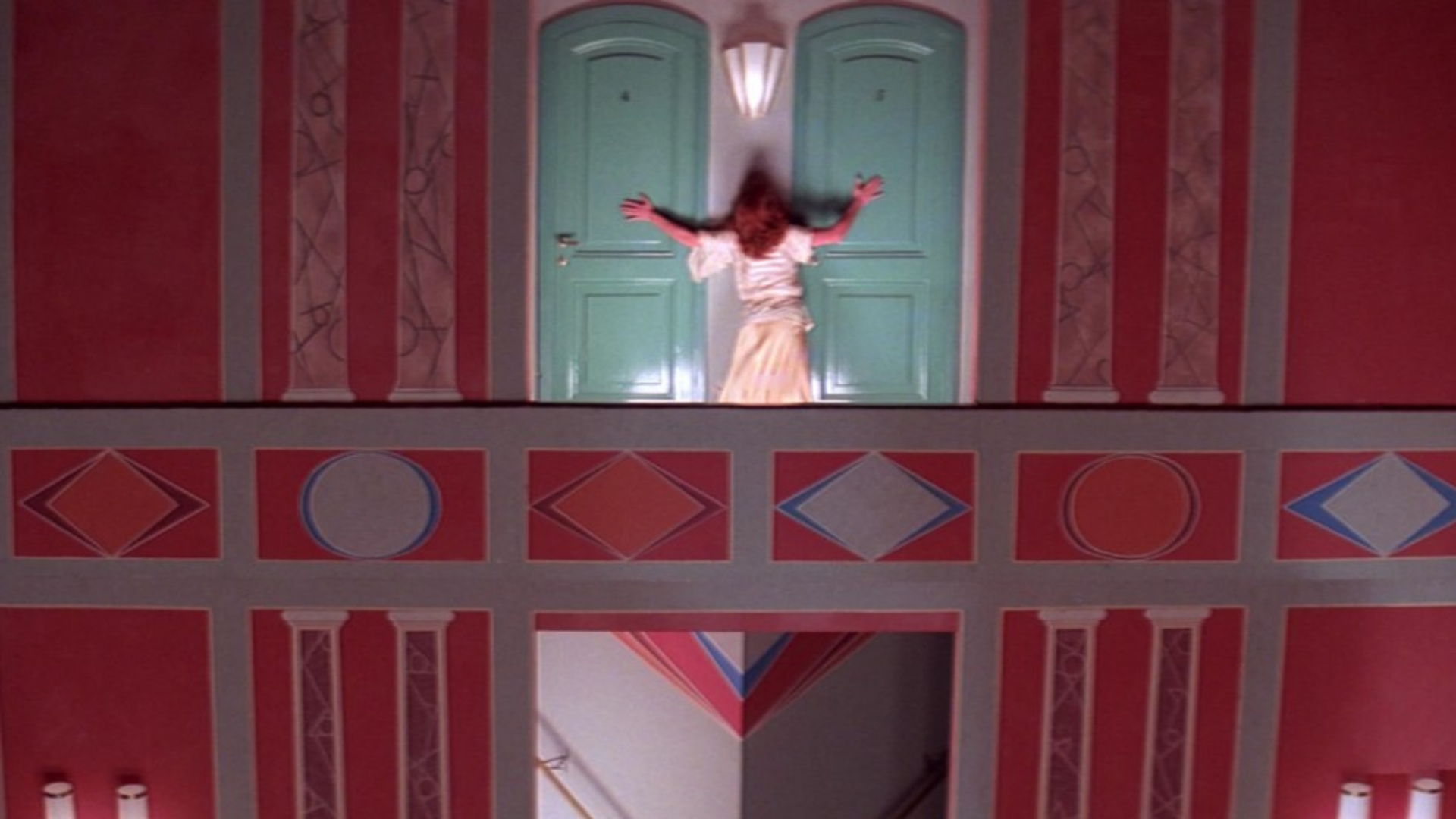
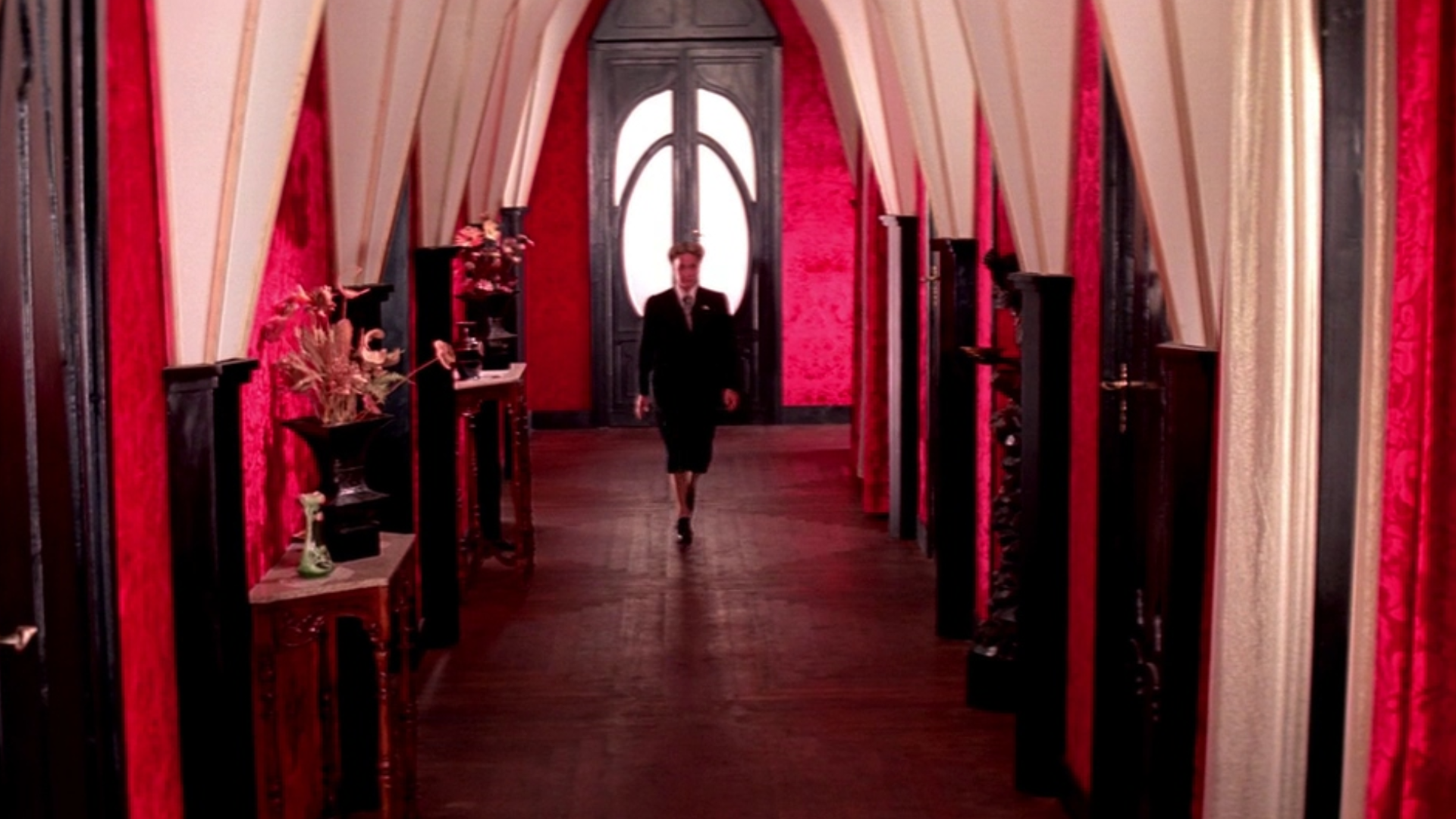
Argento used the facade of a real 16th-century house in Freiburg, then went wild on the inside: red walls, red stairwells, stained glass throwing blue and acid-green light. There are Art Nouveau curves and wallpaper so geometric it starts to pulse. There’s no dark corner to fear, because there are no dark corners. Horror usually gives you somewhere safe to look, but this movie takes that away.
The building is also built to make you feel small. Argento has said he raised the doorknobs so his actresses would reach up for them like children. It’s not something you notice, but something you feel.
For the students, Tanz is worse. It’s a school. They’re supposed to trust it, and they can’t just leave because they’re enrolled. Footsteps at night, staff who just change the subject, and rooms nobody explains. Eventually, the girls get moved out of their bedrooms to sleep in the rehearsal hall behind hanging bedsheets. The building even takes their personal spaces.
It’s a 10/10 every year from me. The Goblin score makes the hallways sound like they’re breathing, and obviously, the only thing I’d renovate is the ceiling…because you know.
Nobody really lives in a building like this, and that keeps it at arm’s length. That’s probably for the best.
The Shining: A Hotel that doesn’t add up
The Overlook is a real place, sort of.
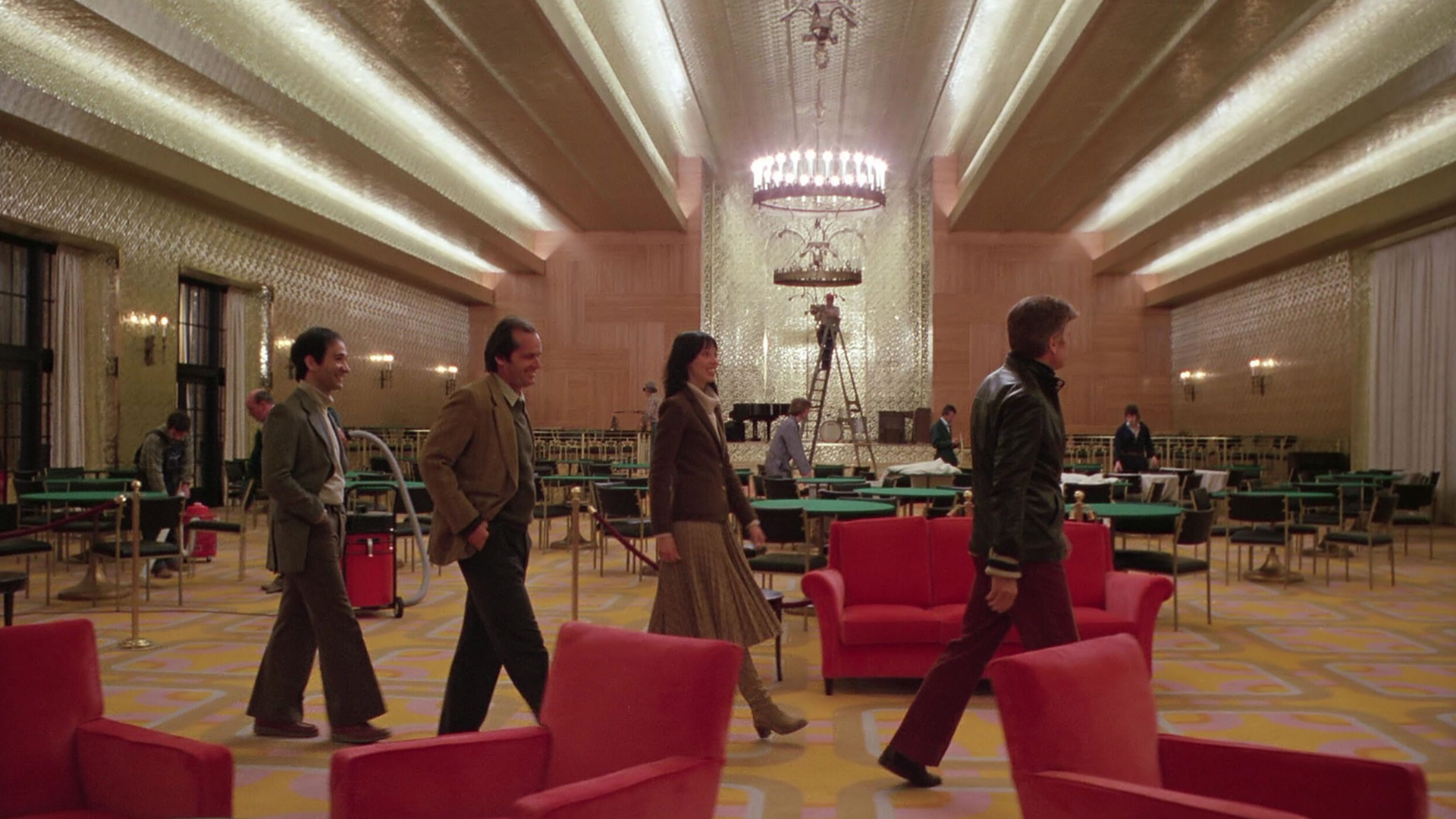
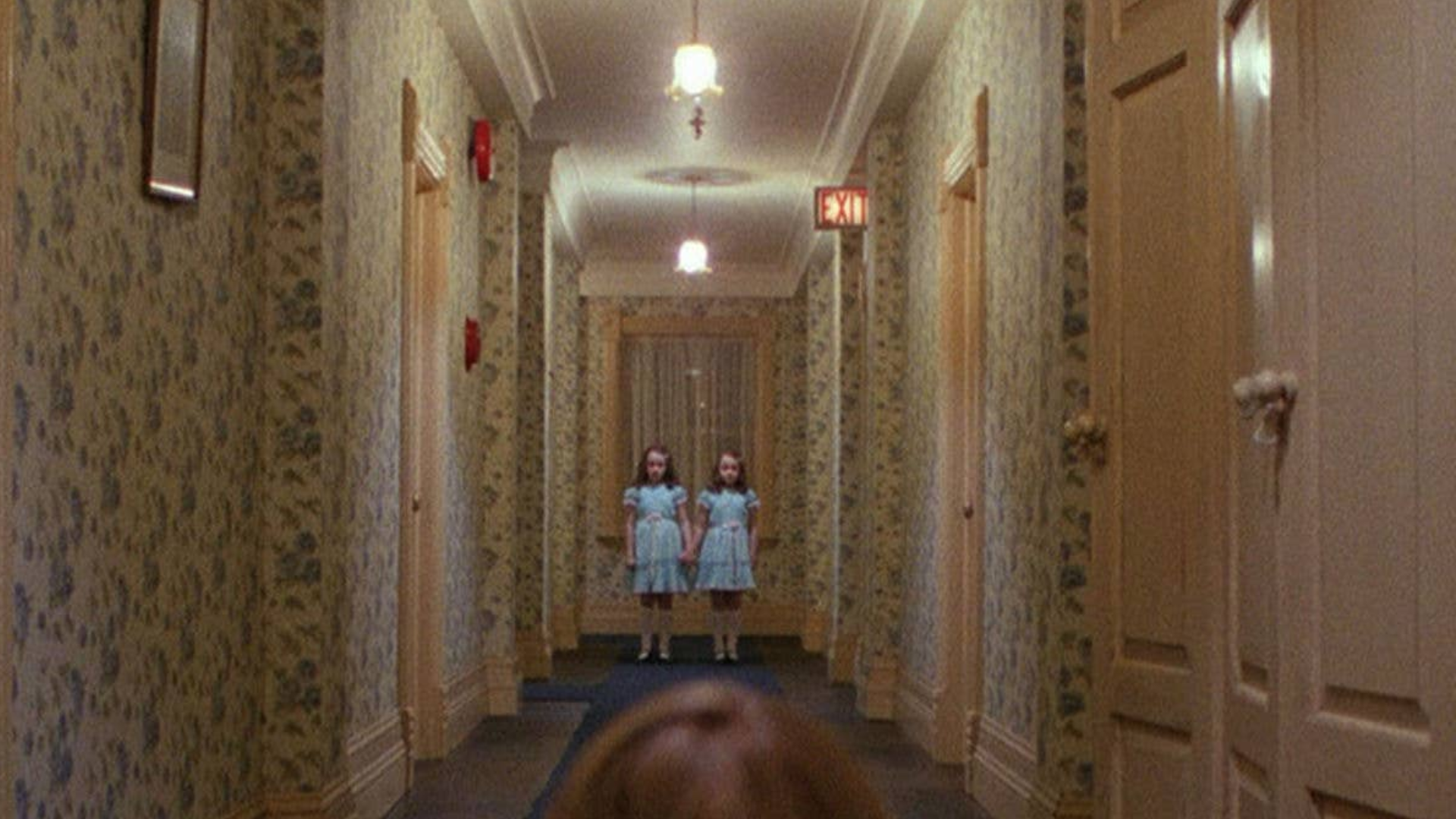
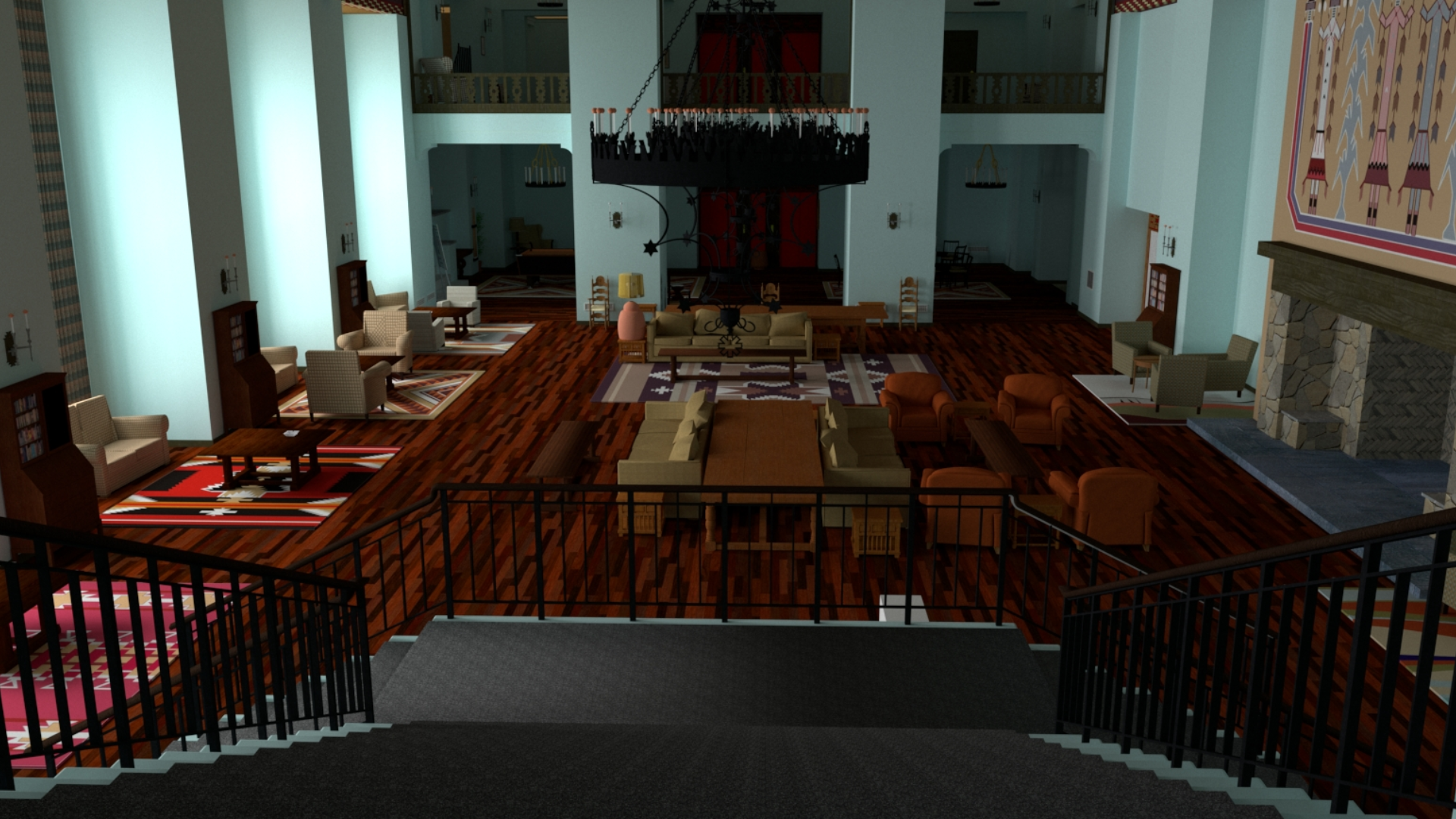
The Stanley Hotel, in Estes Park, Colorado, is the hotel that inspired Stephen King's story, on which the movie is based. The exterior used in the film is a real lodge in Oregon, which specifically asked Kubrick not to use room 217 like the book, so real guests wouldn’t refuse to sleep in it.
The interiors were built on soundstages in England, and Kubrick didn’t care whether they fit together. They don’t. Ullman’s office has a window that couldn’t exist where the office sits. The corridors don’t line up with the outside of the building. It’s not something you clock. You just can’t get your bearings for two and a half hours.
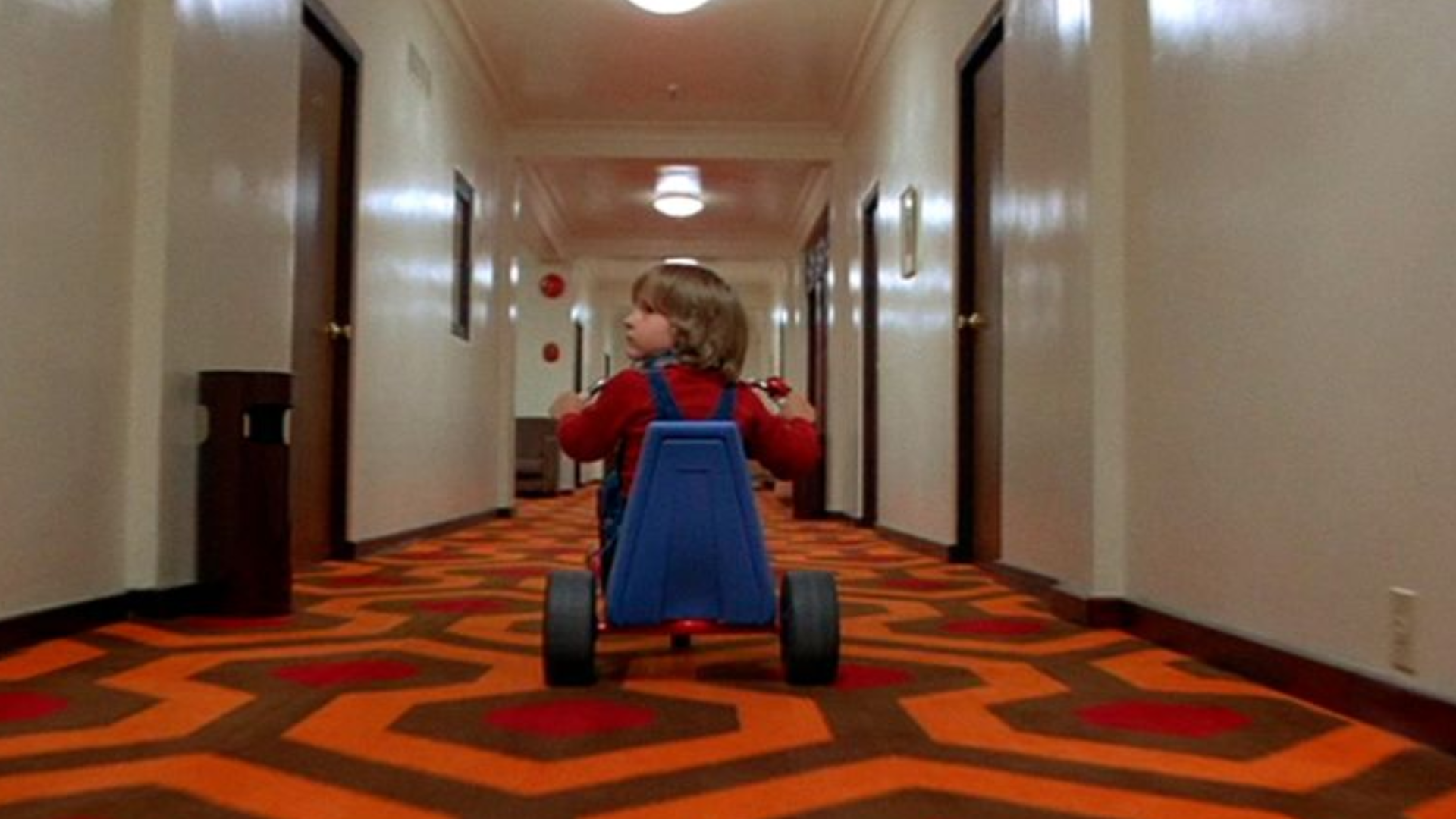
Then there’s the carpet. The orange and red hexagons borrowed from a David Hicks pattern, Danny’s Big Wheel rattles over the wood, goes silent on the rugs, and comes back loud. You’re waiting for the sound to stop at the wrong moment. Every corner is a corner you really shouldn’t turn.
For the Torrances, it’s the scale that gets them. Three people in a hotel built for hundreds, snowed in, phone lines down, and help hours away. The emptiness makes them feel like intruders in a place that already has its own plans. A family that signs up to spend the winter alone in a mountain hotel with no phone? You get what you get.

The Amityville Horror: The House is Looking At You
This is where it stops being a fantasy.
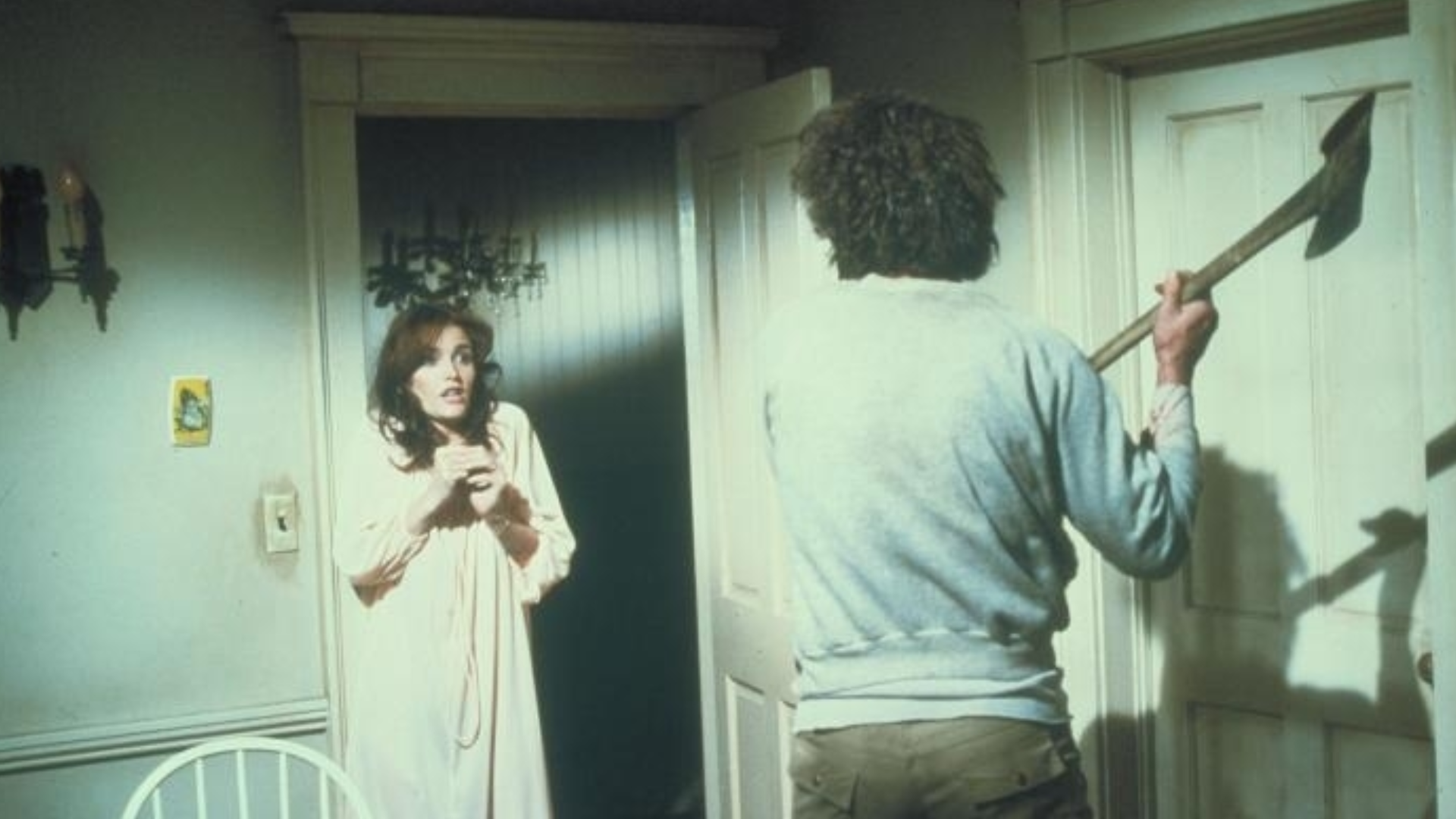
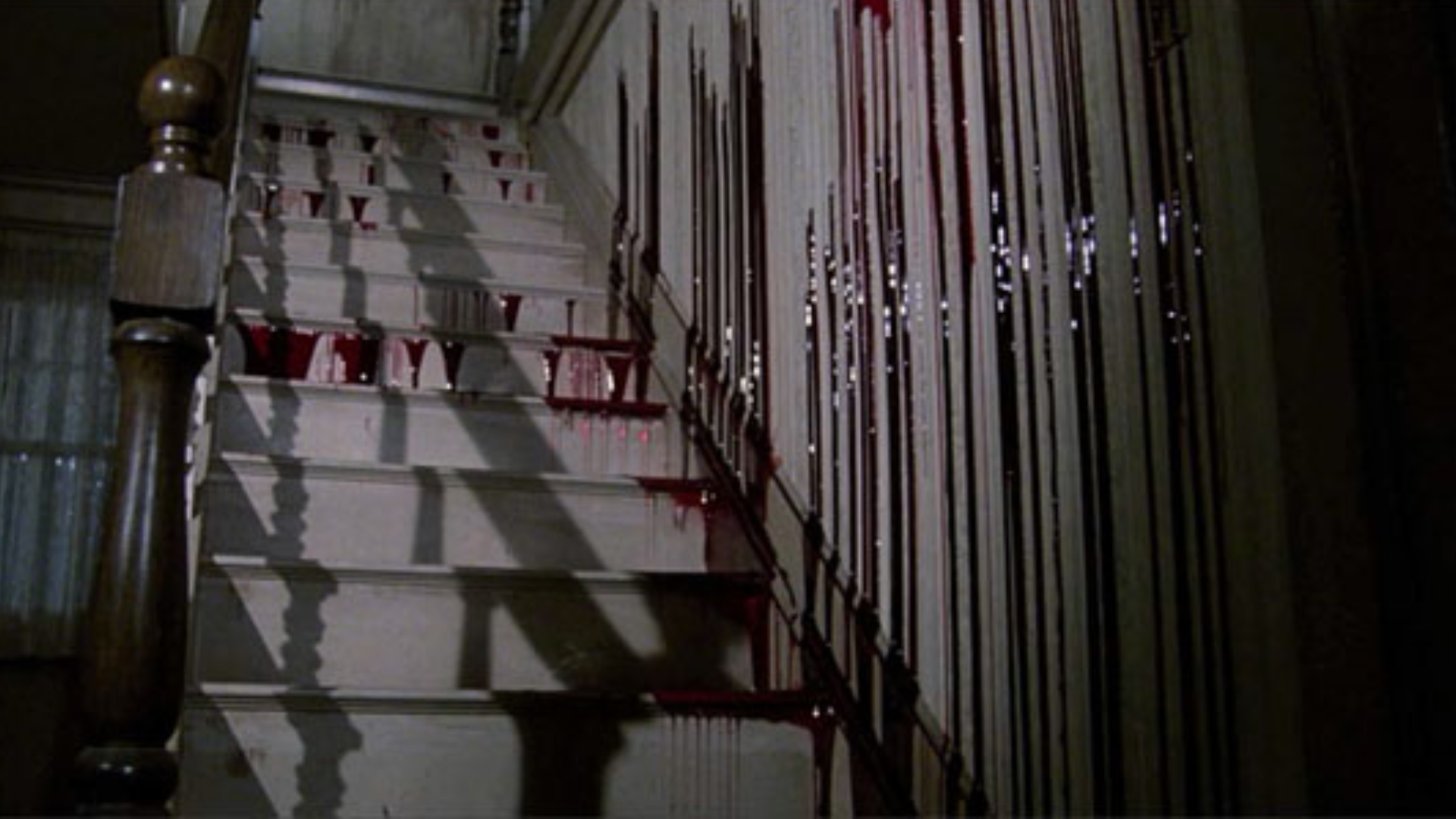
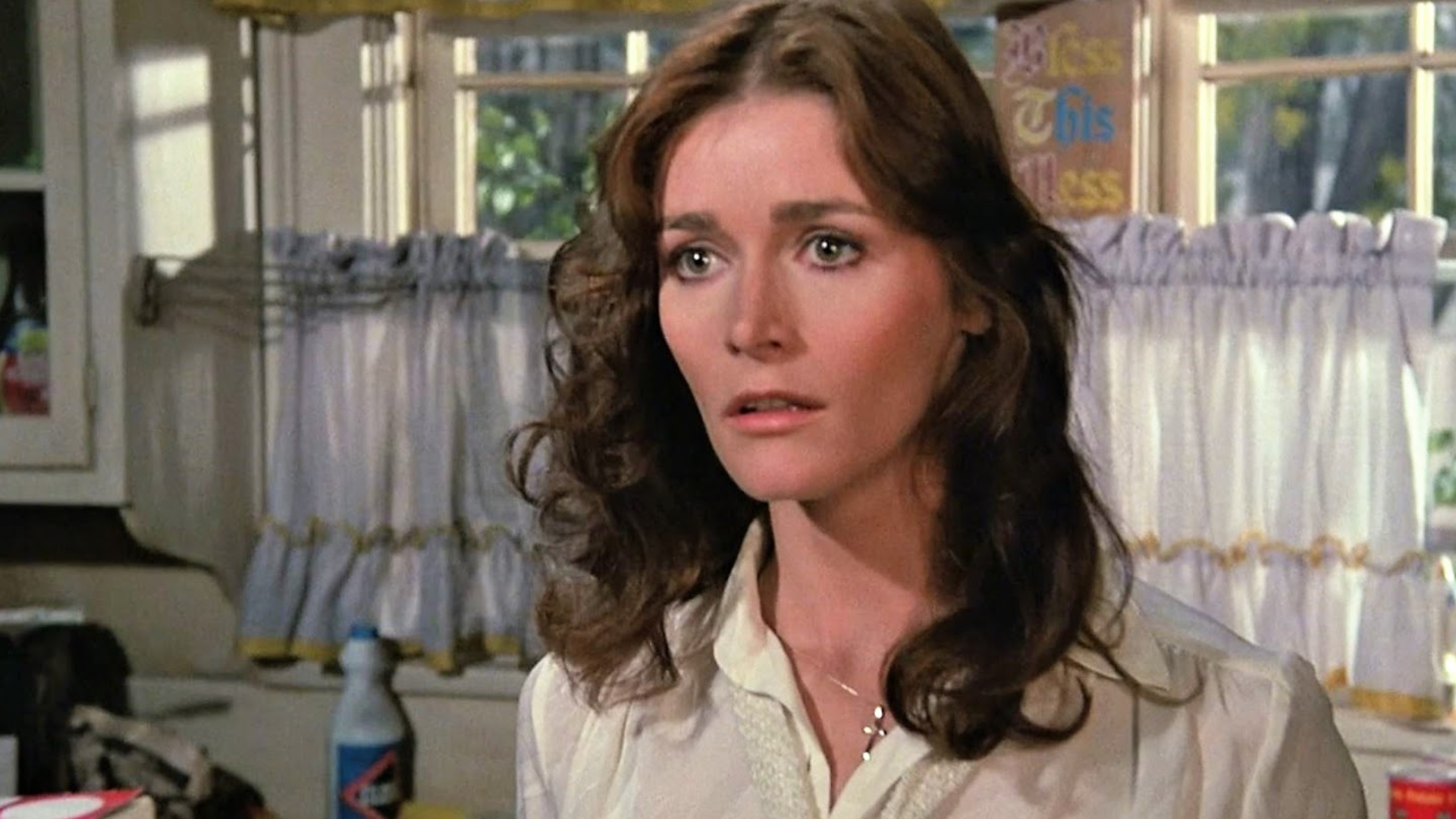
I can’t remember how I learned about the gruesome events that inspired The Amityville Horror. I know I was a teenager, and I know the internet being readily available in your home was becoming a very common thing. But what I do remember is how I have never forgotten how this house stares at you. It still sends shivers down my spine.
The Amityville Horror is a Dutch Colonial on the water. The kind of place you’d slow down and admire on a Sunday drive. Except until you see the eyes.
Two quarter-round attic windows under a gambrel roof, lit from inside at night, and suddenly the whole facade is a face. There’s apparently a word for that: pareidolia. Your brain finds faces where there aren’t any. It means the house is staring you down before a single thing happens on screen.
I’d feel it without even knowing the real history, and the real history is there. The house just has an aura. The Lutzes bought it cheaply because of what happened there a year before, and they kept the furniture. So every bad omen feels like something they signed up for, and walking away means losing their money and admitting their dream house was a mistake.
The real house still stands on Long Island, and people still do live in it. Later owners swapped out the eye windows for ordinary square ones. They also repainted the dark exterior to a pale white and even changed the house number to throw off tourists who would stop by. I guess the trade-off is having to deal with gawkers, not thousands of flies.
The surprising part is that the movie wasn’t even filmed there. Amityville refused for the obvious reasons. Production ended up using a riverside house in Toms River, New Jersey. The face is so strong that it outlived both buildings.
Poltergeist: The American Dream, Built on Bad Ground
Poltergeist is everything. It takes the most normal house imaginable and turns every square foot of it against the family living there.
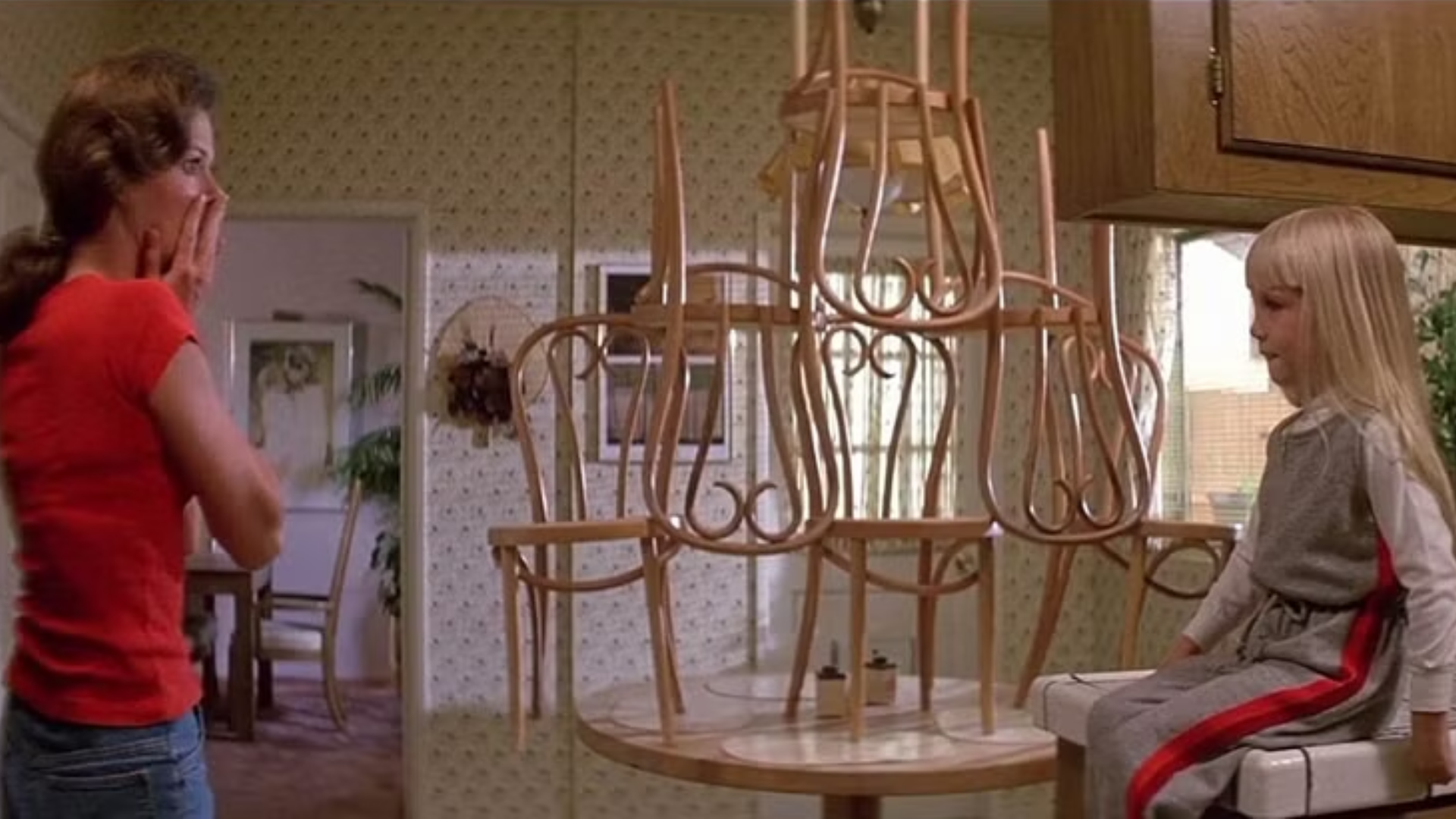
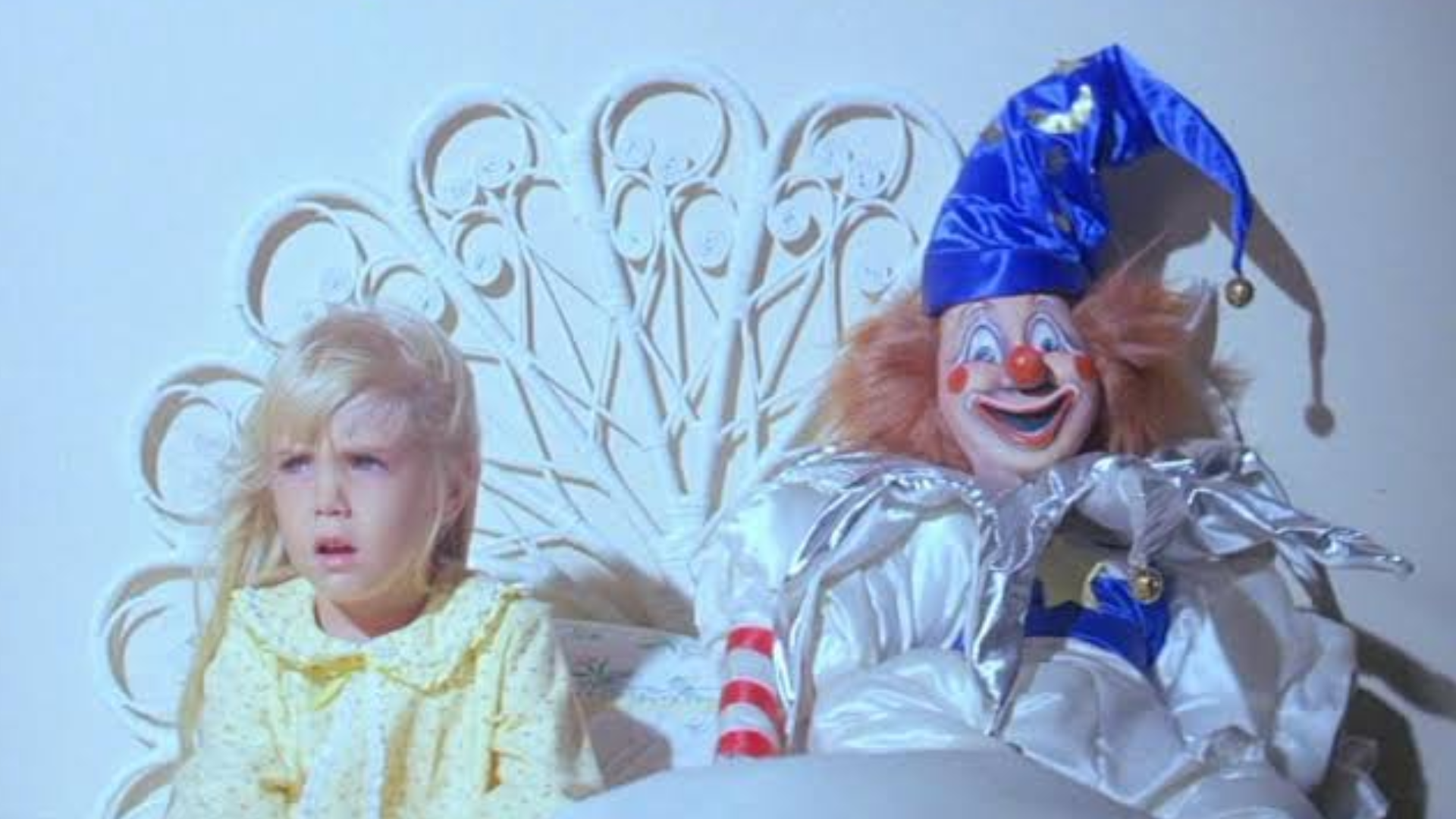
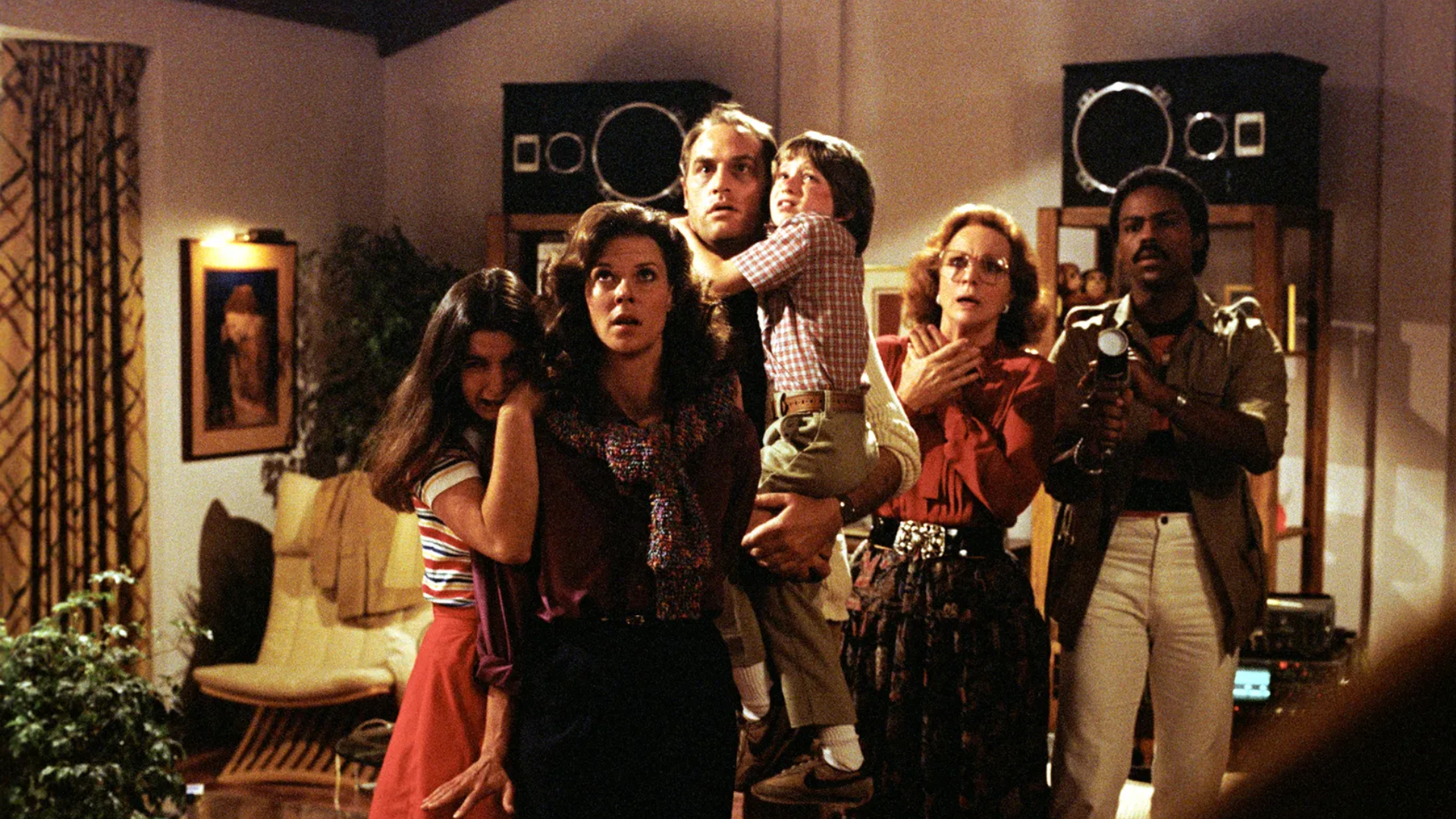
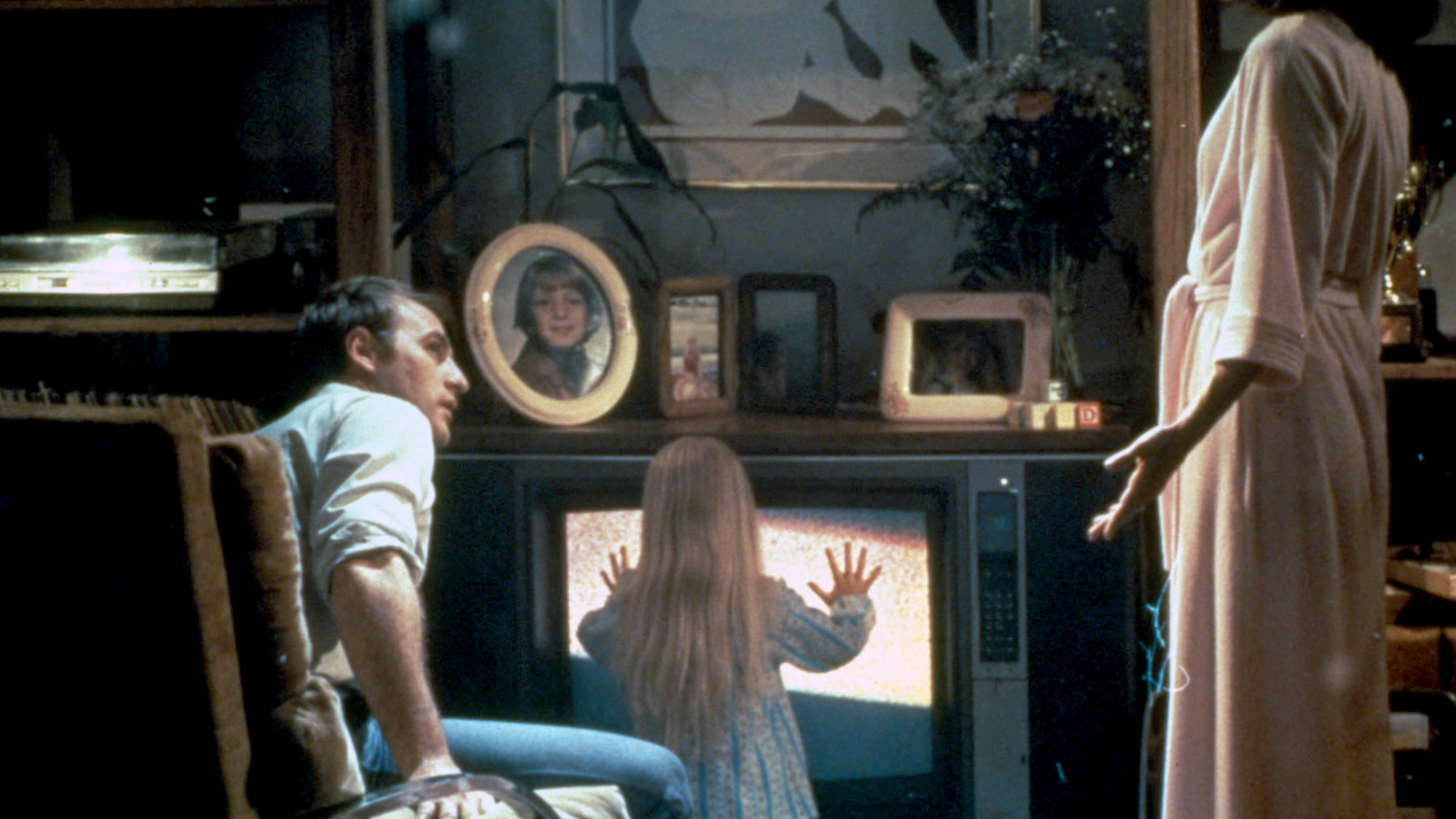
Cuesta Verde is a planned community: matching homes, fresh lawns, wall-to-wall carpet, and a pool going in out back. The Freelings’ house could be anyone’s. In 1982, a lot of people in the audience were sitting in a house just like it. The scary things are things everyone owns: the closet, the clown doll at the end of the bed, the tree tapping at the window.
And the TV. Back then, stations signed off at night and left the screen hissing with static. Carol Anne, sitting in front of it, talking to someone who isn’t there, turned the most ordinary sight in the house into a doorway.
For the Freelings, there’s no “this place is old and weird” excuse. Everything that goes wrong happens in rooms they decorated. If you’ve ever toured a new build and thought the price seemed a little too good, this movie will stay with you. I won’t say more.
Here’s the fun part: it’s a real house in Simi Valley, and you can book it. The original owners lived there for 45 years and listed it for the first time in 2024. It sold for $1.28 million, more than $100K over asking. The new owner spent about $165,000 recreating the movie’s interiors and put it on Airbnb, starting at around $600 a night. The house rules ban Ouija boards, rituals, and “spiritual summoning,” and they say a cleansing fee will be applied (seriously). I respect a host who knows their audience.
No castle. No history. No Victorian gloom. You could check in this weekend.
Backrooms: Nowhere, Forever
And then the building disappears - completely.
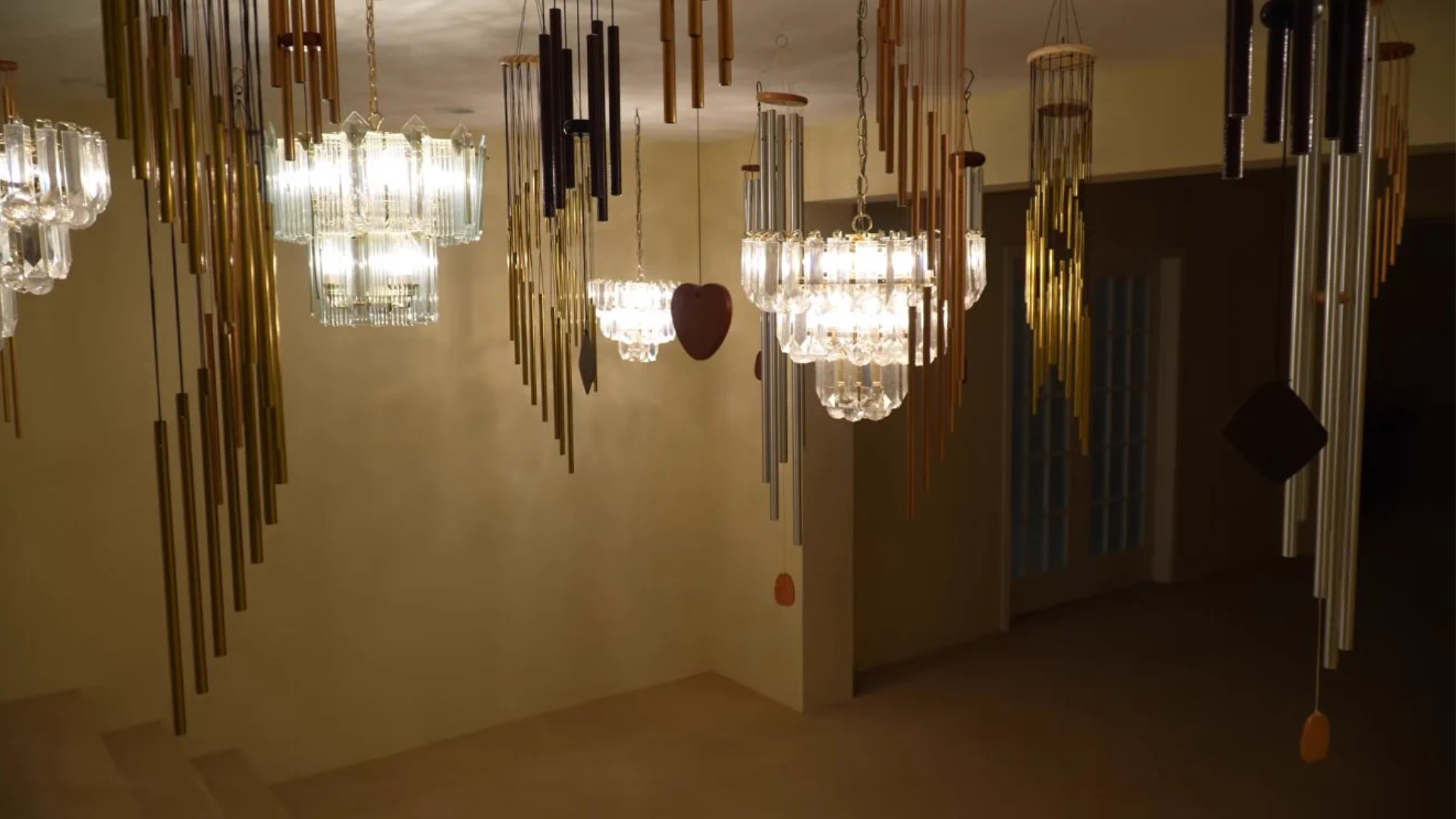
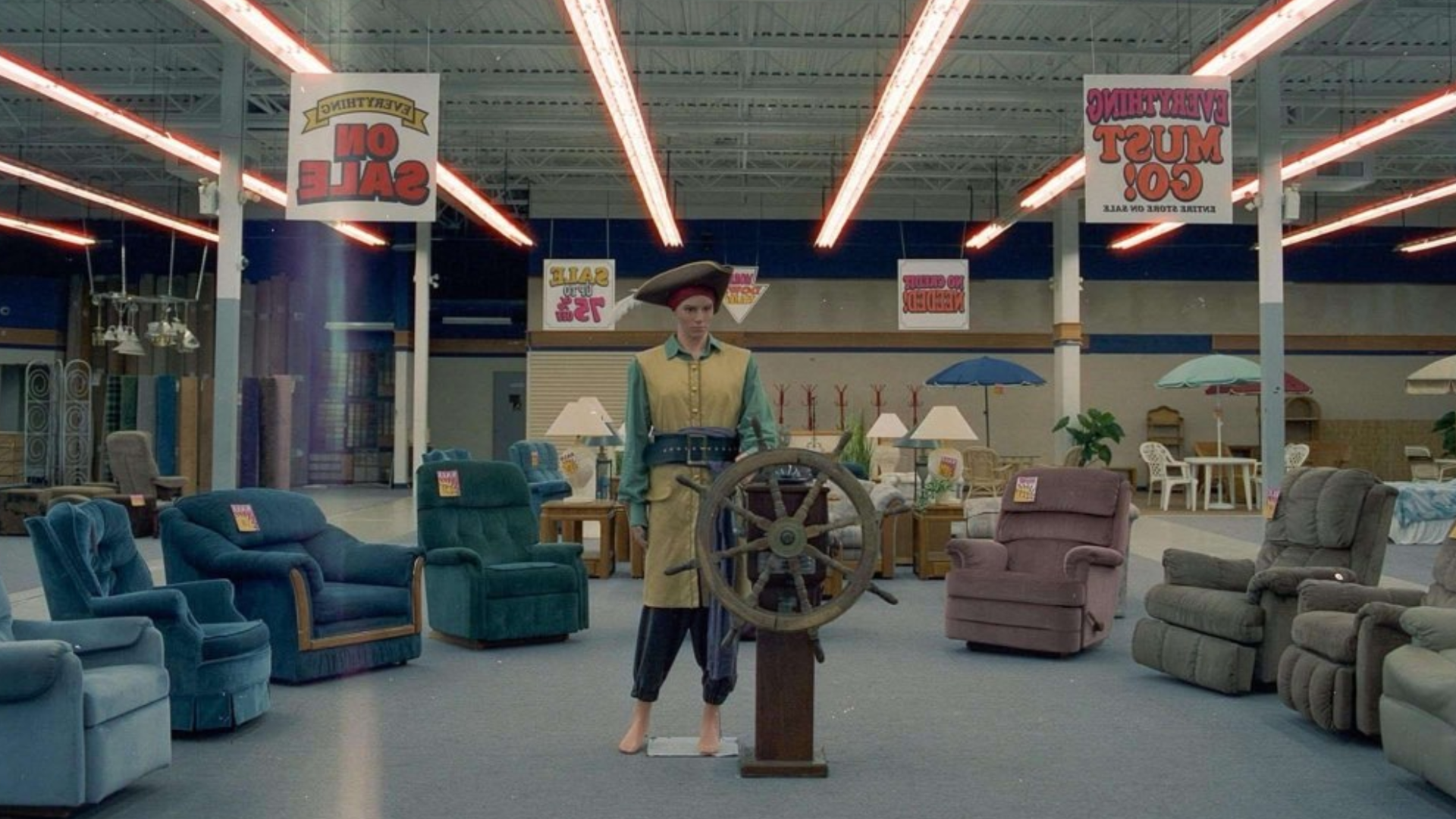
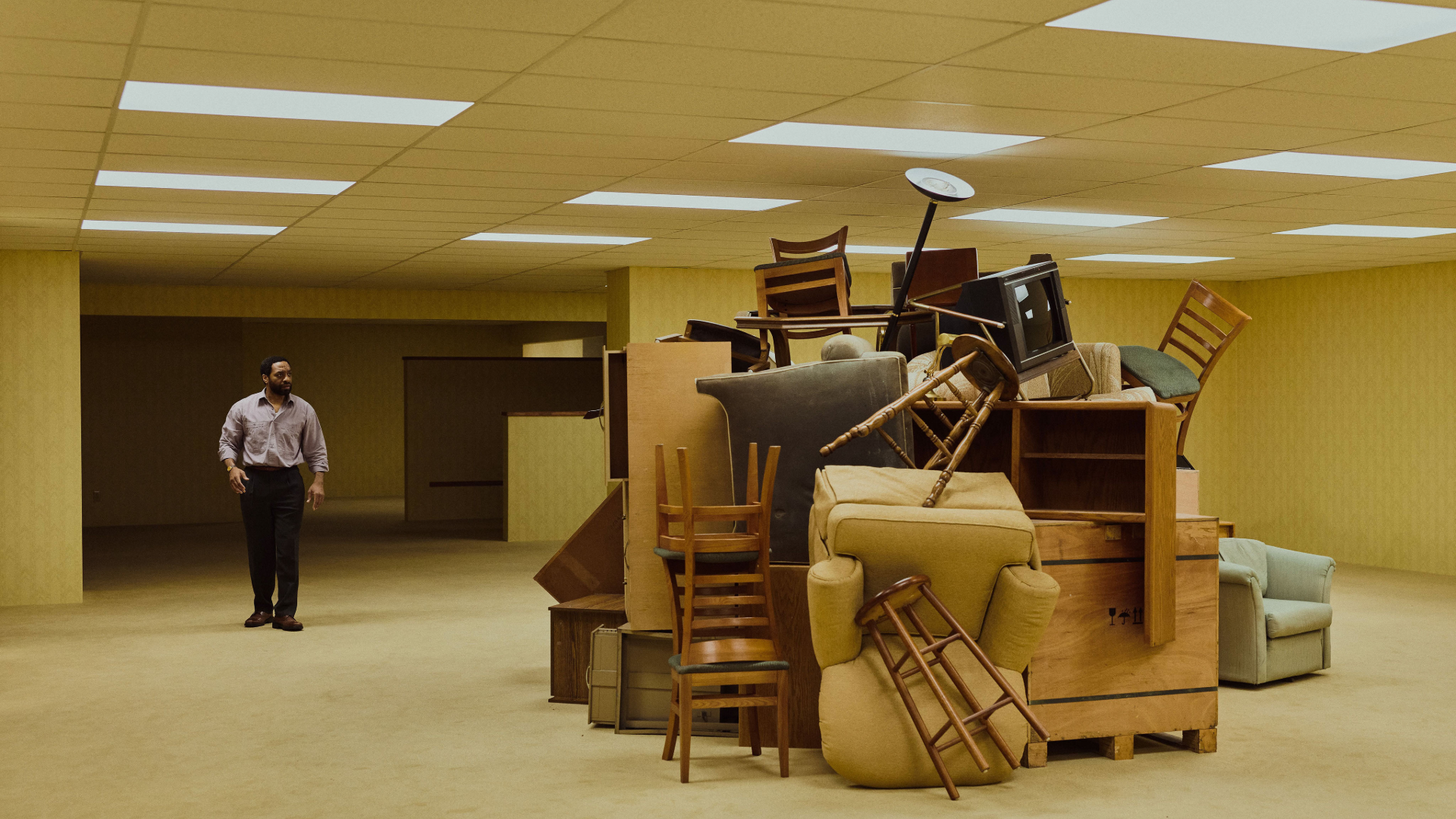
Backrooms has no house, no family, and no ghost story. Just damp carpet, mono-yellow wallpaper, and fluorescent tubes humming over drop ceilings. Room after room with no windows and no end. Clark, a failed architect who runs a furniture store, finds a glowing slit behind his breaker box and falls into the leftover space of every office park you’ve ever walked through after hours.
The idea started as one photo. In 2019, someone on a site asked for images that just felt “off.” A yellow, windowless office got posted, someone wrote it a backstory, and the internet kept building. Kane Parsons turned it into a YouTube series as a teenager, and now it’s an A24 movie. It feels like a shared memory because, in a way, it is one.
Liminal spaces always get me. The word comes from the Latin limen, threshold: hallways, waiting rooms, airport gates, all the places built to get you somewhere else. The anthropologist Marc Augé called them non-places, spaces with no identity of their own. There’s even a word for the feeling of one emptied, kenopsia, like a mall after closing or a school at night.
Why are they so creepy? Psychologist R. Nicholas Carleton points to what’s missing. With no windows, no people, and no clear exits, you can’t tell where you are or how to get out. Not knowing puts your body on alert. Spaces meant for passing through also aren’t meant for staying. Linger, and something starts to feel wrong. A room built for a crowd with nobody in it makes you wonder why.
That’s exactly why I can’t stop looking at them. You never know what you’re going to get, and this one never seems to end. Every turn looks like the last one, so every turn could be the one where something’s waiting.
It’s the least dramatic building in the post and easily the scariest. You’ve already been there. You were just on your way somewhere else.
Check the floor plan
Once you’ve watched enough of these, an empty office at 7 p.m. reads differently. So does the Dutch Colonial that’s priced suspiciously low. I don’t know that I’d stay or move into any of these spaces, but hey, someone has to.