MORE MUST-SEE ITALIAN FILMS FROM MY LIST
Yesterday I shared eight of my favorite Italian movies, but while creating that list, I had a really hard time narrowing it down. There are still plenty that aren’t on this part 2 list. There is a particular way people talk about Italian cinema, and it’s a short list said in a reverent voice. Fellini, De Sica, Leone.
The list isn’t wrong, and that’s the annoying part. I’ve spent plenty of time discussing them. Where it goes wrong is often in the hierarchy. Much of the time, Italian cinema gets sorted into serious films and “other stuff.” The “other stuff” is often just a footnote and doesn’t survive 10 minutes into a viewing. I see them all on the same shelf because why not?
Here is part 2 with even more must-see Italian movies.
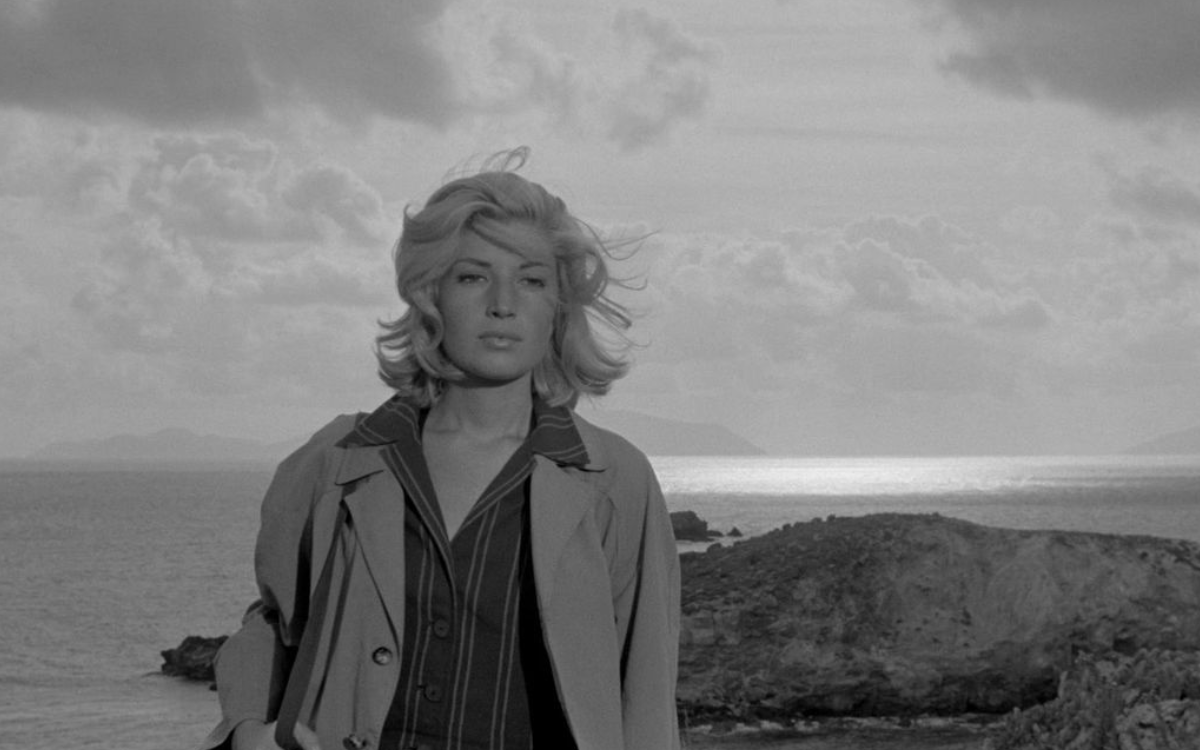
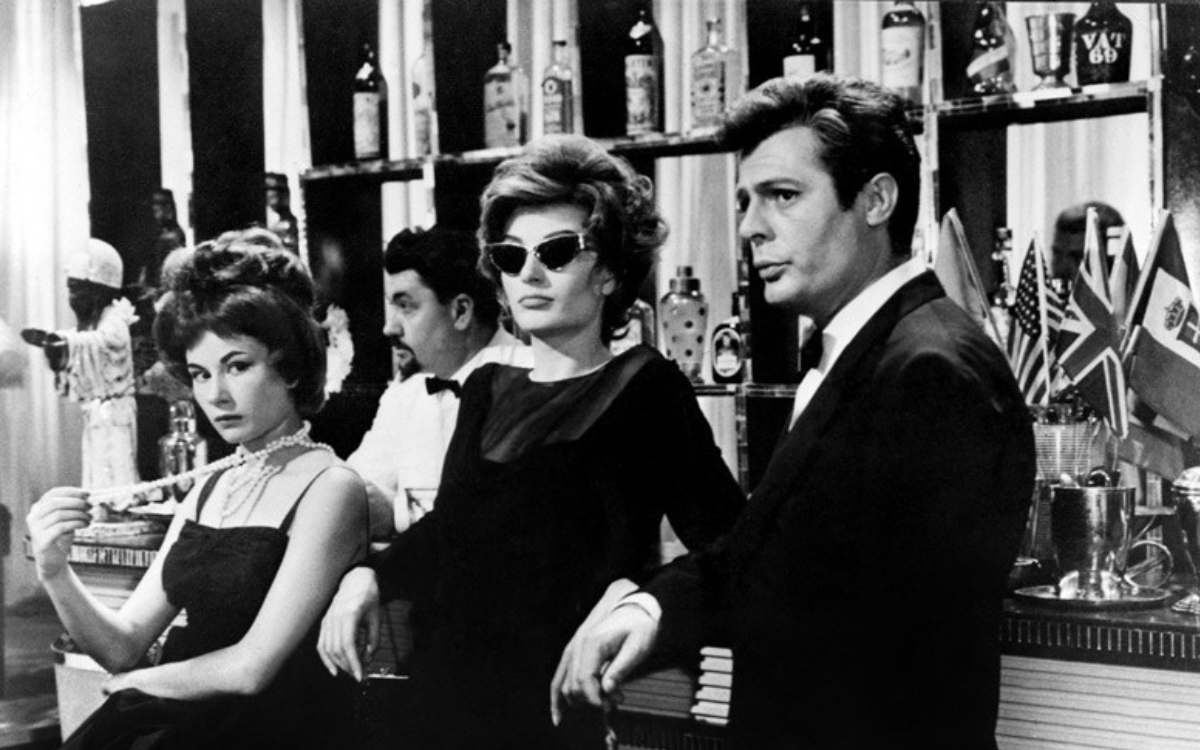
L’Avventura
Michelangelo Antonioni, 1960
A woman disappears on a volcanic island, and the search for her gradually stops mattering to everyone, including the film. Her best friend, Monica Vitti, in the role that made her, drifts into an affair with the missing woman’s boyfriend, and the movie watches them do it without comment. Audiences at Cannes actually booed. They were wrong, but I understand the reflex; the film refuses to give you the one thing you showed up for, and it does it on purpose.
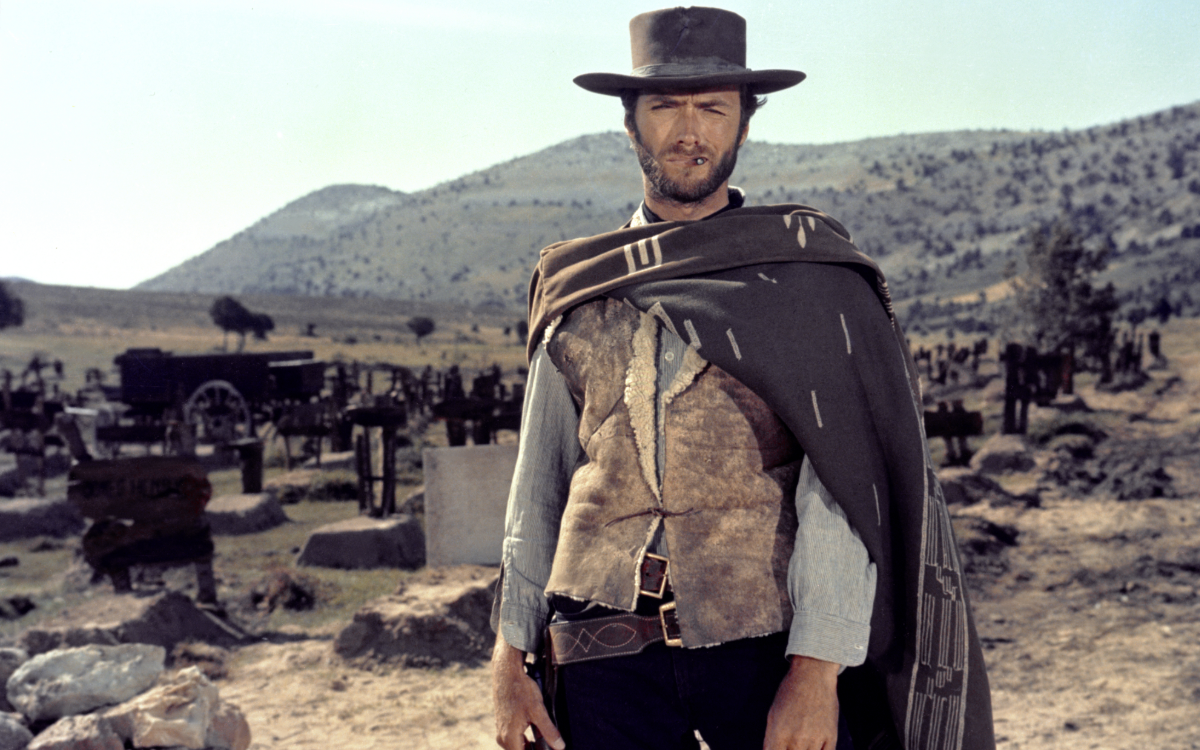
The Good, the Bad and the Ugly
Sergio Leone, 1966
Shot in Spain with American stars, but financed in Rome, this movie is Italian to the bone. The title jokes that all three of them are bad. Sergio Leone’s low-budget spaghetti westerns are credited with reinventing these Hollywood staples during the 1960s and 1970s. The Good, the Bad, and the Ugly is an epic that runs three hours, but what Leone did with this one in particular is invent patience. There are enormous close-ups and a silence that stretches past a comfortable point. Morricone’s score does the work dialogue would do in a Hollywood western is also something of note. The graveyard standoff is widely considered the best-edited scene in the genre and maybe even outside of it. Tarantino calls it the greatest film ever made.
La Dolce Vita
Federico Fellini, 1960
Seven nights and one gossip columnist in a Rome that is gorgeous, but completely hollow. Mastroianni floats through several parties, religious hysteria, and a very bad morning. Anita Ekberg gets into the Trevi Fountain in the sequence everyone has seen, even if they’ve never seen the film. It gave the world the word paparazzo, from the name of a photographer. Three hours long, and I never checked the time once during this one.
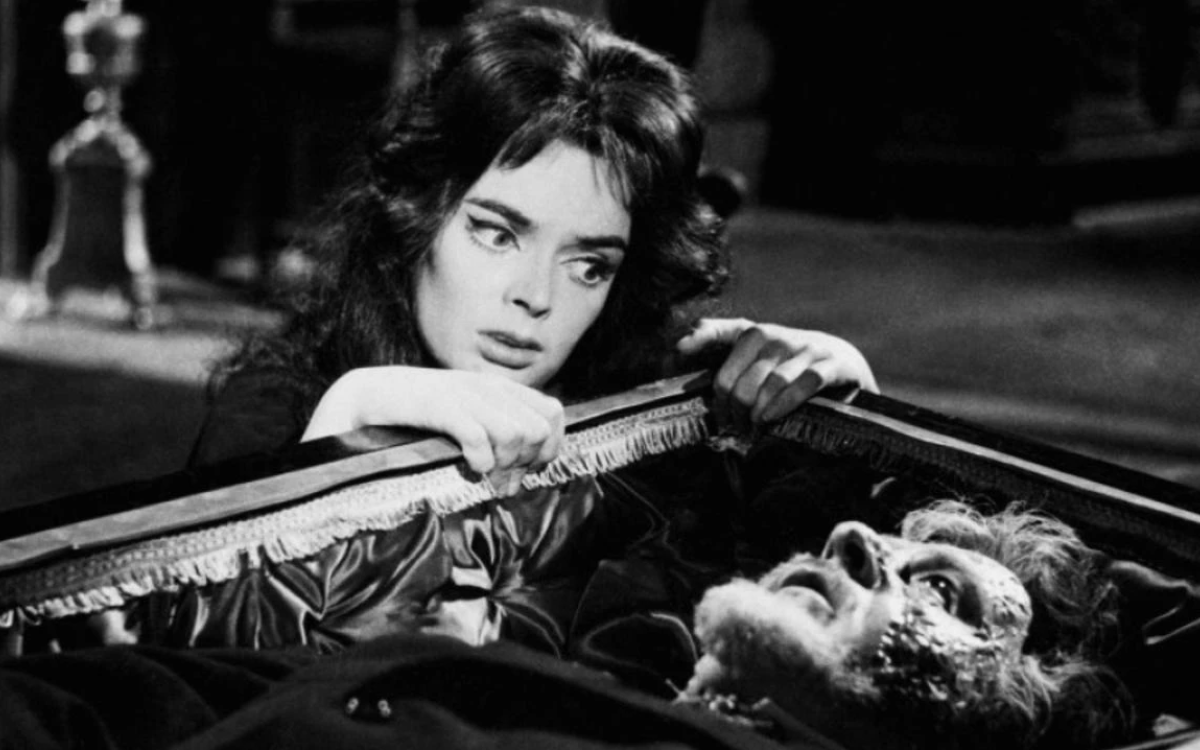
Black Sunday
Mario Bava, 1960
Mario Bava’s official debut is also the high-water mark for Italian Gothic. Barbara Steele plays a witch executed by her own family, and the woman she comes back to destroy. Her face is an entire special effect. Loosely lifted from a Gogol story and banned in Britain until 1968 for violence that is relatively polite compared to anything now. The black and white fog work is Bava doing cathedral lighting on a budget that wouldn’t cover a modern trailer.
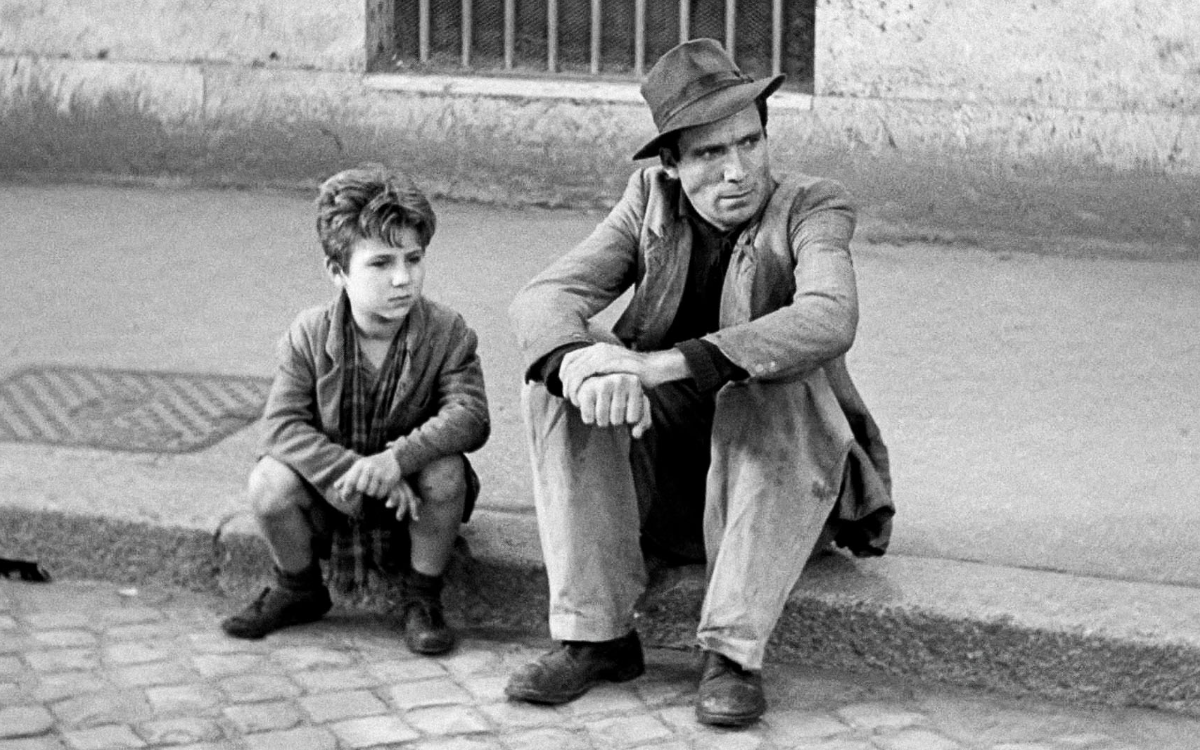
Bicycle Thieves
Vittorio De Sica, 1948
A man gets a job hanging posters, and that job requires a bicycle. The bicycle gets stolen on his first morning, and he and his small song spend all day walking Rome to find it. That’s the entire plot, and it’s unbearable. Not because that’s the entire plot, but because Postwar Italy had nothing, and filmmakers had no problem making it known. De Sica shot on real streets with people who had never acted. Lamberto Maggiorani, the lead, went back to being unemployed after it came out. The father-son ending has been imitated a thousand times and never once matched.
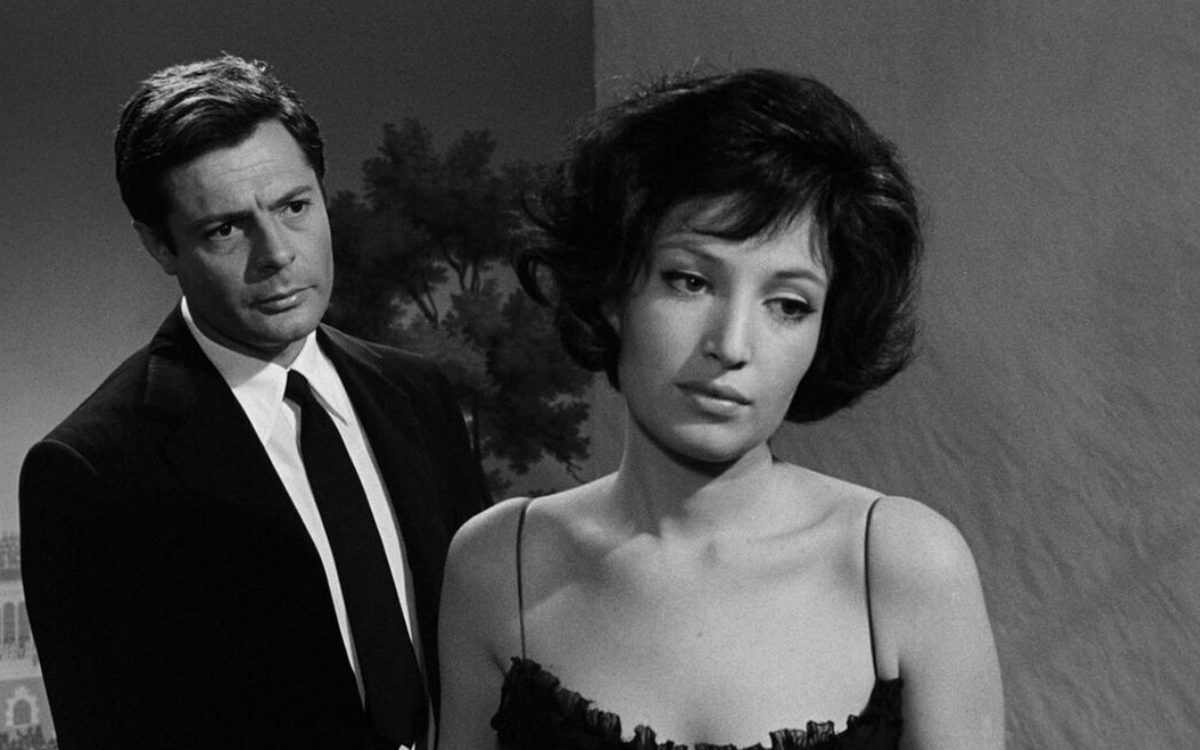
La Notte
Michelangelo Antonioni, 1961
One night in Milan and one marriage ending. Mastroianni is a novelist whose run out of things to say, and Jeanne Moreau is his wife who figured that out before he did. The two of them move through a party in a modernist house that is doing half the emotional work of the film. Moreau walking the city alone in the afternoon is a sequence I think about a lot, but I’m not the only one. Kubrick loved it because, of course, he did.
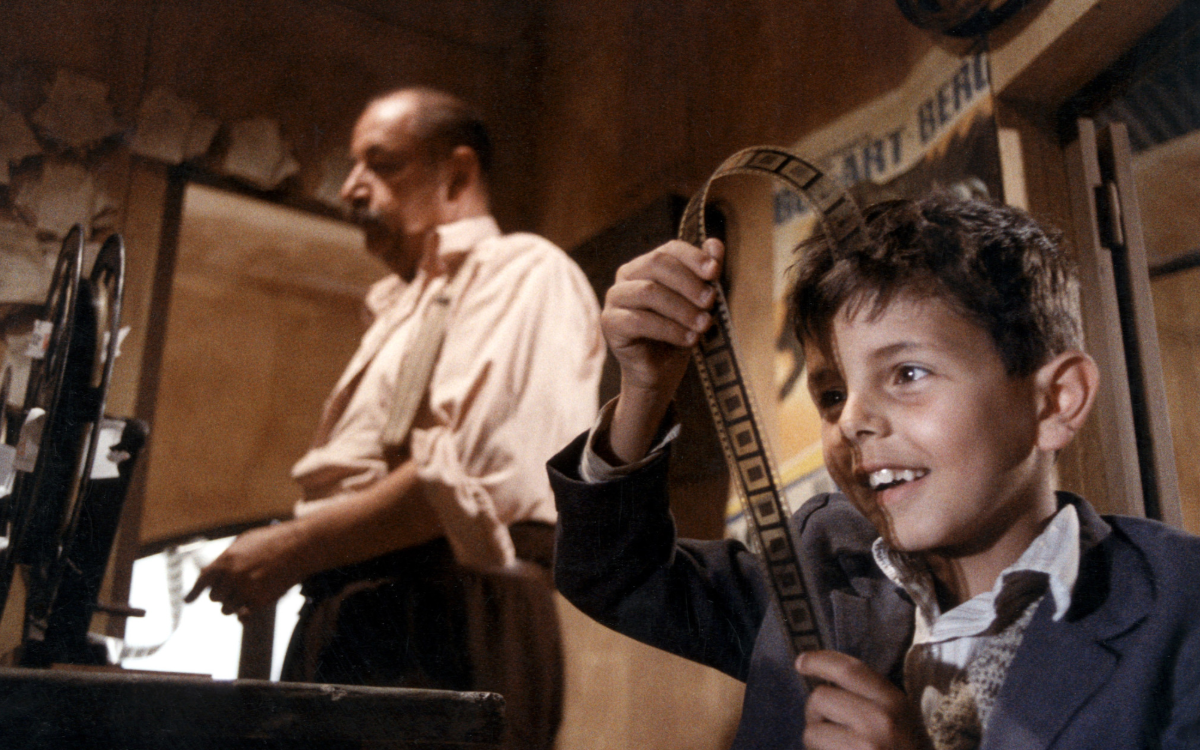
Cinema Paradiso
Giuseppe Tornatore, 1988
Yes, the sentimental one, and one I watched in my foreign film class back in college. The original cut ended up winning an Oscar, but the version everyone talks about is the director’s cut. It’s different and much colder than the version eventually released. The producers hacked it down after the original flopped at home, which turned a story about a man’s damage into a story about a boy’s nostalgia. Restored, the kissing montage stops being sweet and becomes something the guy watching it never learned to feel. Morricone’s score is doing something unfair to the viewer the whole time.
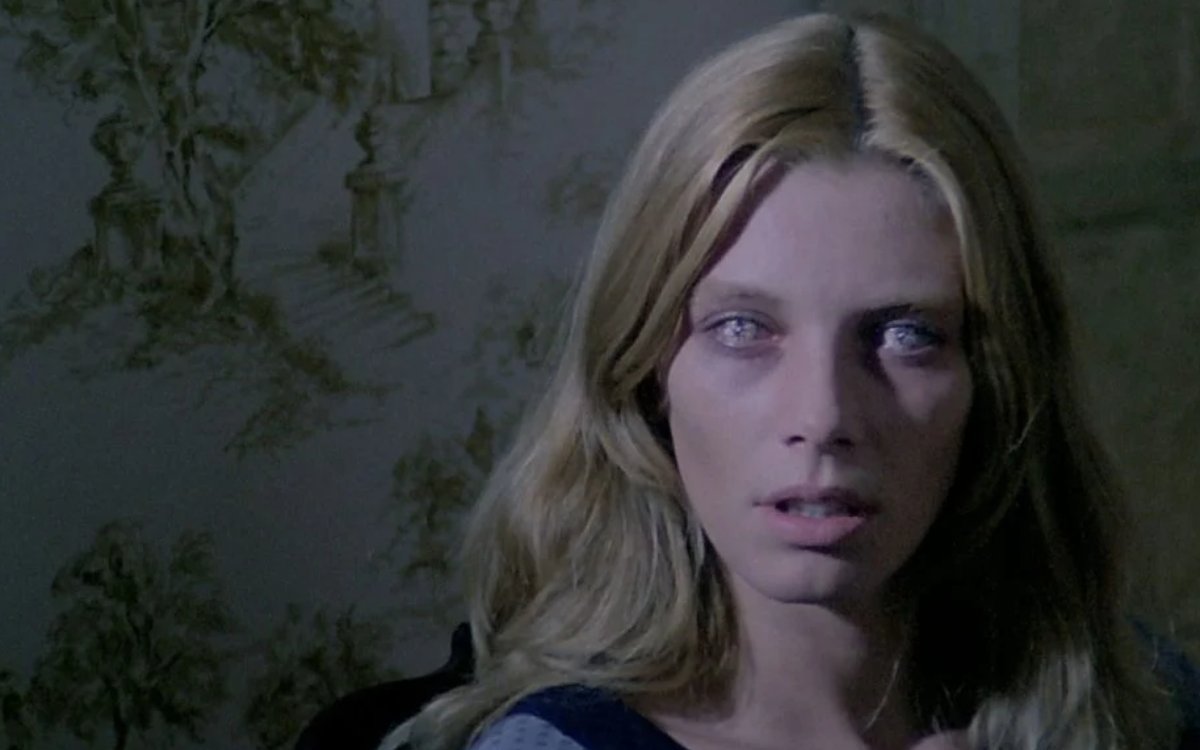
The Beyond
Lucio Fulci, 1981
A woman inherits a Louisiana hotel built over one of the seven gates of hell. Lucio Fulci is not interested in explaining that or in continuity. In fact, he doesn’t care about whether any of this holds up in a rewatch. What he delivers instead is a dream logic with the volume turned all the way up. It was filmed in English on location in New Orleans with Catriona MacColl and David Warbeck. Roger Ebert put it on his most hated film list, but the people who love this one love it for the exact reasons he hated it.
In one year, Italy released La Dolce Vita, L’Avventura, and Black Saturday. Same country, same industry, and even some of the same crews and equipment moving between them. Two of those films get taught, and one gets shelved under horror and mentioned at Halloween. Bava was working with the same tools and roughly the same seriousness, and the reason his film sits lower has more to do with what critics found respectable in 1960 than anything on the screen. When watching these, you’ll realize the hierarchy doesn’t really survive.