8 OF MY FAVORITE ITALIAN MOVIES
The Italian Grand Prix is this weekend, so for three days, Italy gets to be as loud as it actually is. A hundred-year old track inside a royal park, a crowd that has loved the same team since before they could walk, and a noise you feel in your sternum before you hear it. Along with racing at Monza, I always seem to spend a portion of my summer nights finding movies to watch or revisit on the Criterion Channel, which is how I ended up here. Is it not really a surprise, is it?
I grew up with all types of Italian culture growing up. Sure, none of them were Fellini movies - that I remember - but in our house, The Godfather is a holiday movie. I’ve always had a certain appreciation for all things Italian, especially cinema. In college, I took a couple of semesters of film, including foreign films, which opened my eyes to the world of Italian cinema. This is one thing I did because I was interested in a boy that I absolutely don’t regret. I learned so much about film and continue to explore today.
But here’s the thing I love about Italian cinema: There is no single register. Over the same twenty-year stretch, they managed to produce the most quietly devastating film about a man losing a bicycle and a movie that opens with a spiked iron mask being hammered to a witch’s face. The realists weren’t slumming, the horror directors weren’t hacks, and the war-era movies are some of the hardest but beautiful movies created about that time. Possibly because of my family’s own experiences around this time. But I digress; it’s incredibly hard to rank movies over one another, so I’m sharing eight of my favorites.
Suspiria
Dario Argento, 1977
Anyone who knows me knows this is one of my favorite movies ever. I will watch it any day of the week, but especially during Spooky Season.
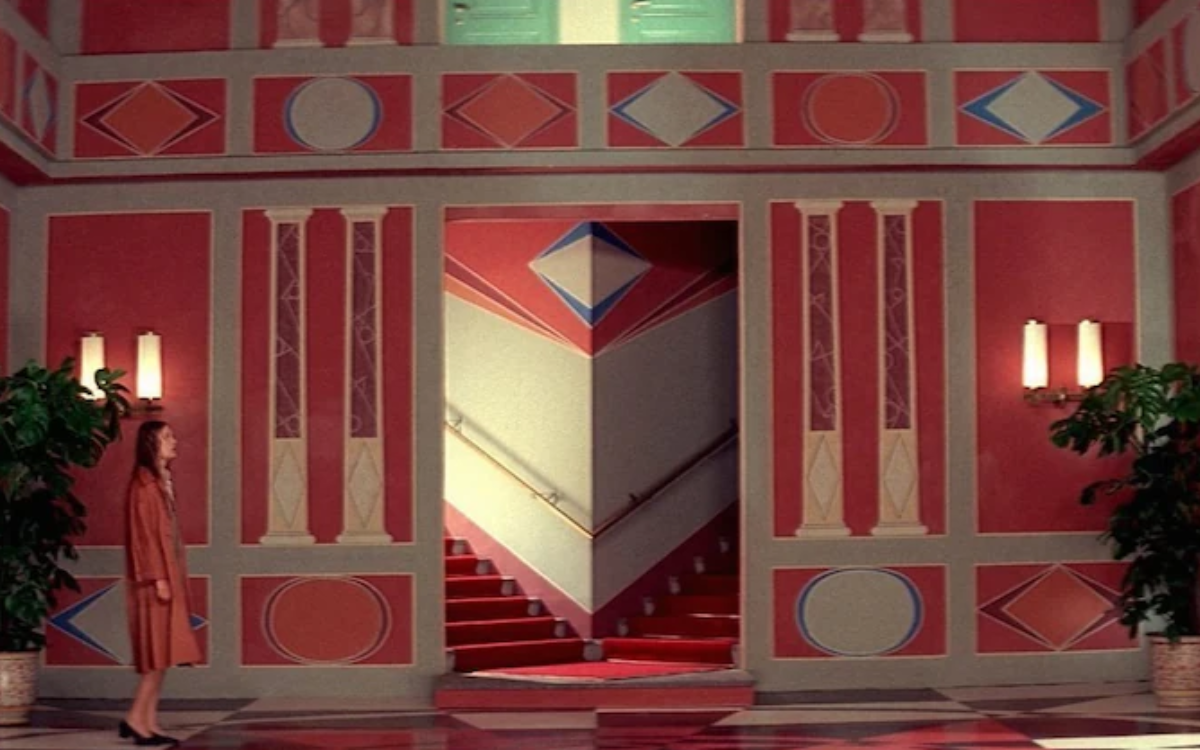
An American girl enrolls at a German ballet academy run by witches. That’s it. That’s the whole plot, but that’s beside the point. The whole film is a light show. The reds and blues cranked up past anything realistic. The sets are visually stunning and built like a nightmare version of a fairytale. The sound design never lets up, and the score is hauntingly perfect. Guadagino’s 2018 version is a serious, well-made film that is a bit more political, and I will always choose this one every time. Somethings aren’t meant to be remade or reinterpreted. They’re meant to be survived and appreciated.
L’Eclisse
Michelangelo Antonioni, 1962
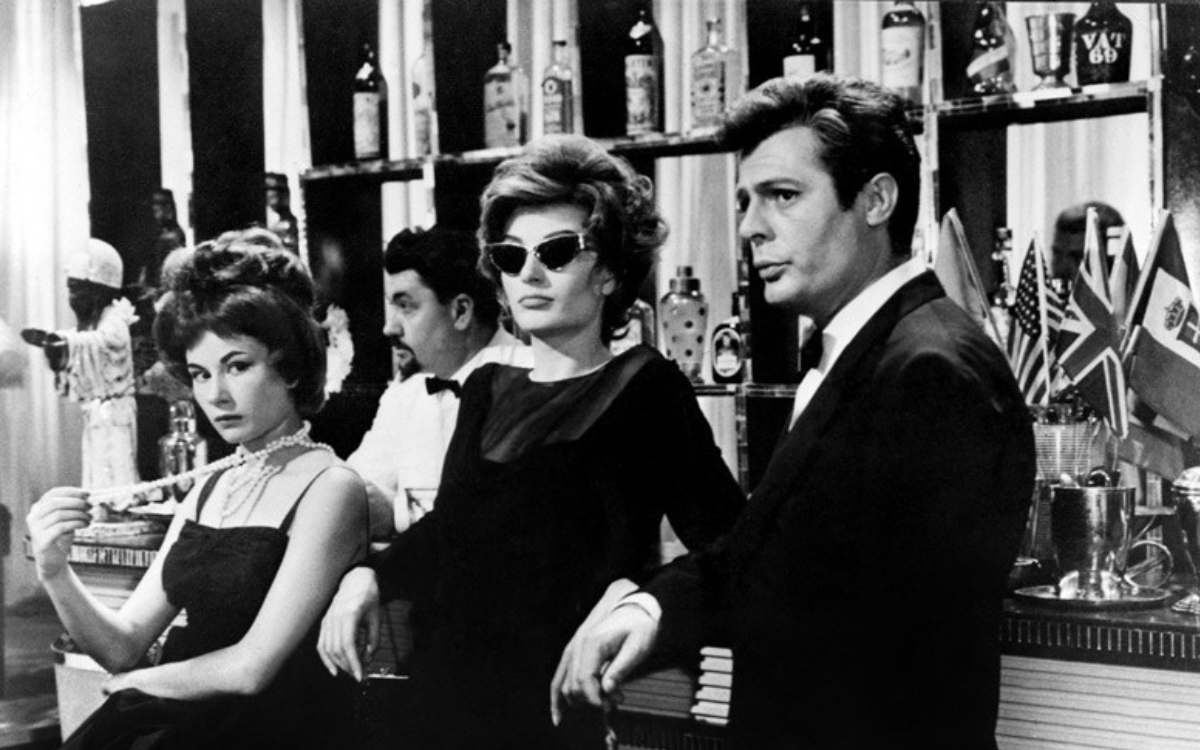
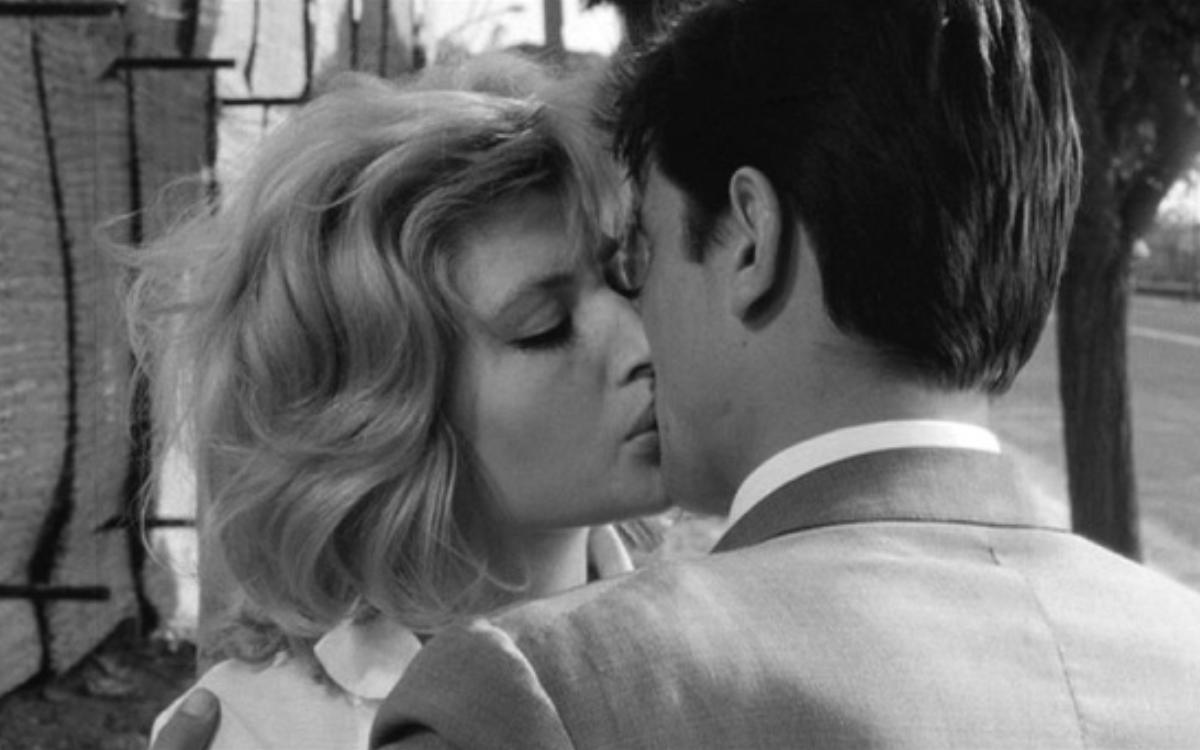
Monica Vitti drifting through a Rome stripped of every postcard, meeting Alain Delon at the stock exchange, and starting something neither of them commits to. They’re two of the best-looking people who have ever been in a movie together, and the film makes their affair feel like paperwork. It ends with seven minutes of street corners, sprinklers, and strangers, with neither Vitti nor Delon anywhere on screen. It’s probably one of the most confident things I’ve ever seen a director do.
Una Vita Difficile
Dino Risi, 1961
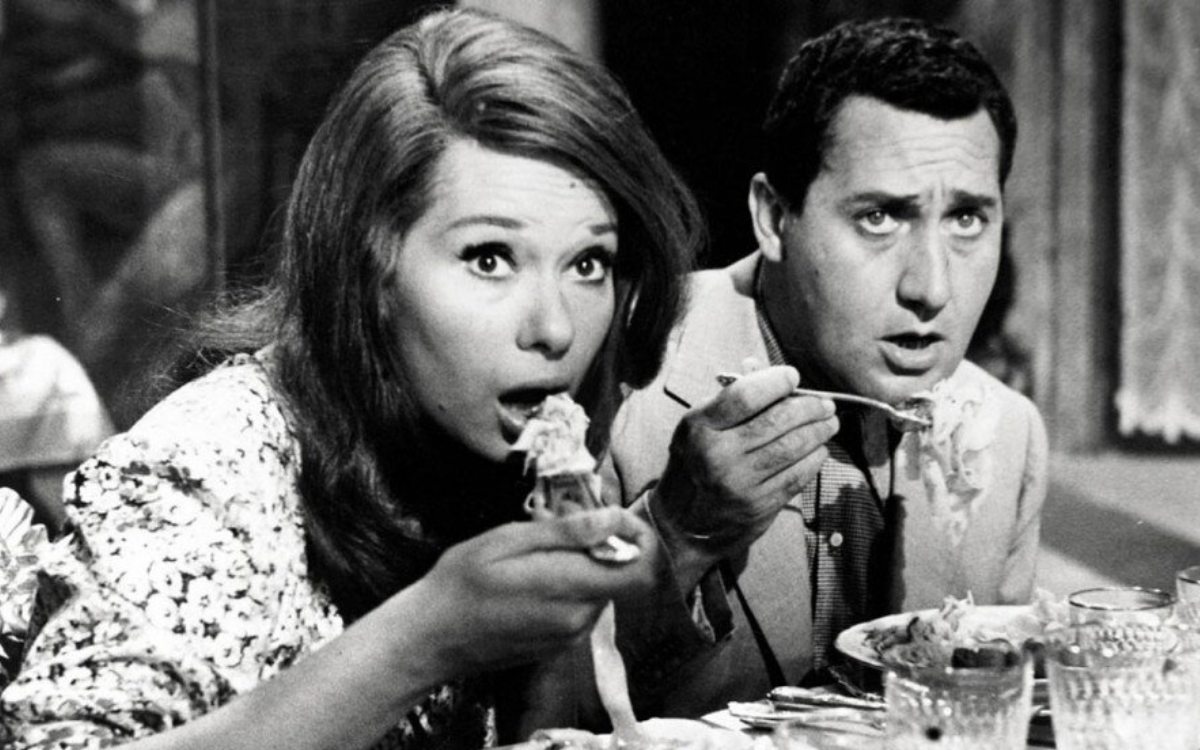
This one is probably one nobody really talks about, but likely the first one anyone would recommend if they wanted someone to understand the country. Alberto Sordi plays a former partisan turned journalist watching his politics become inconvenient as everyone around him gets rich. Sound familiar? It’s a comedy and it’s very funny. It’s also about a man being slowly humiliated by an economic boom he doesn’t believe in. Sordi plays both halves without issue. Commedia all’italiana at full strength which means you’ll laugh and then probably feel bad about it.
Deep Red
Dario Argento, 1975
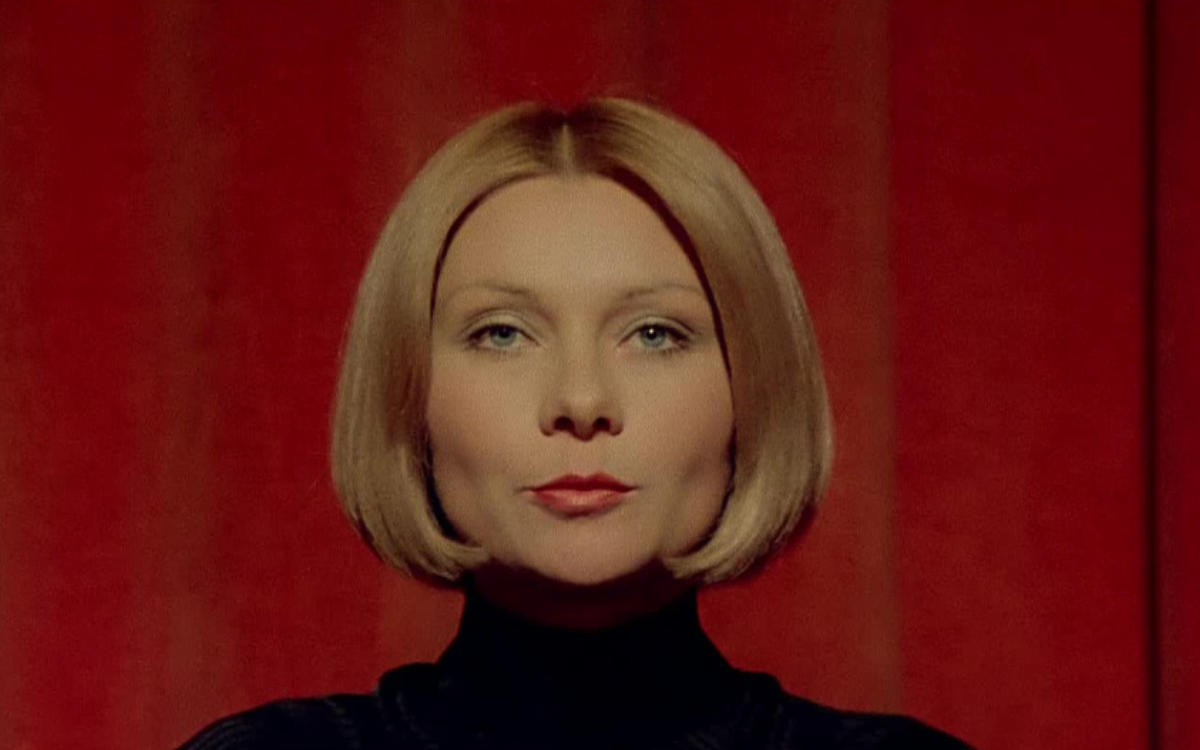
A jazz pianist in Turin sees a murder through a window and spends the rest of the film failing to remember what was wrong with the room. It’s Argento’s best pure mystery, and the Goblin score is so aggressive it functions as a character. There’s a bassline in this movie that I’ve never fully recovered from. The kills are precise, mean, and constructed like small, horrible machines.
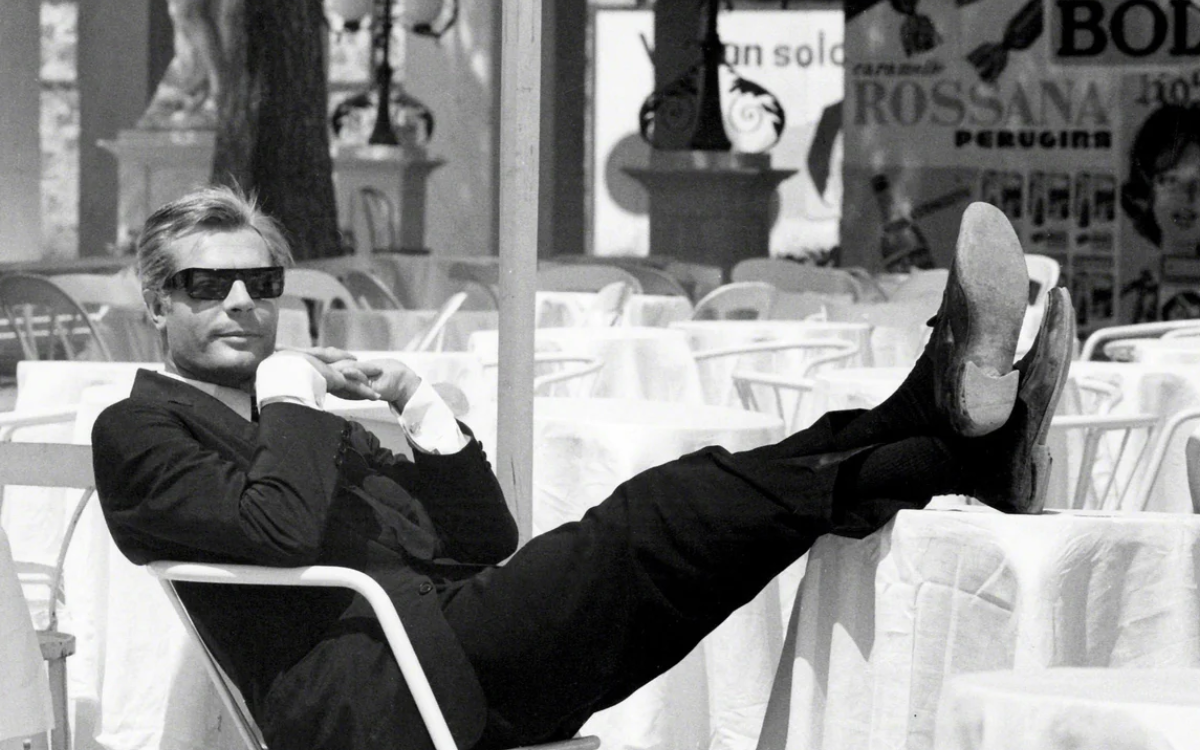
8 ½
Federico Fellini, 1963
A director who can’t make his movie made by a director who wouldn’t make his movie. Mastroianni is the stand-in for Fellini, retreating into memory and fantasy every time a producer asks him a direct question. He’s surrounded by wives and mistresses, and one impossible ideal woman played by Claudia Cardinale. Every film about creative paralysis since owning it money. The final sequence, in which everyone he’s ever known is dancing in a circle, is the happiest thing Fellini ever shot.
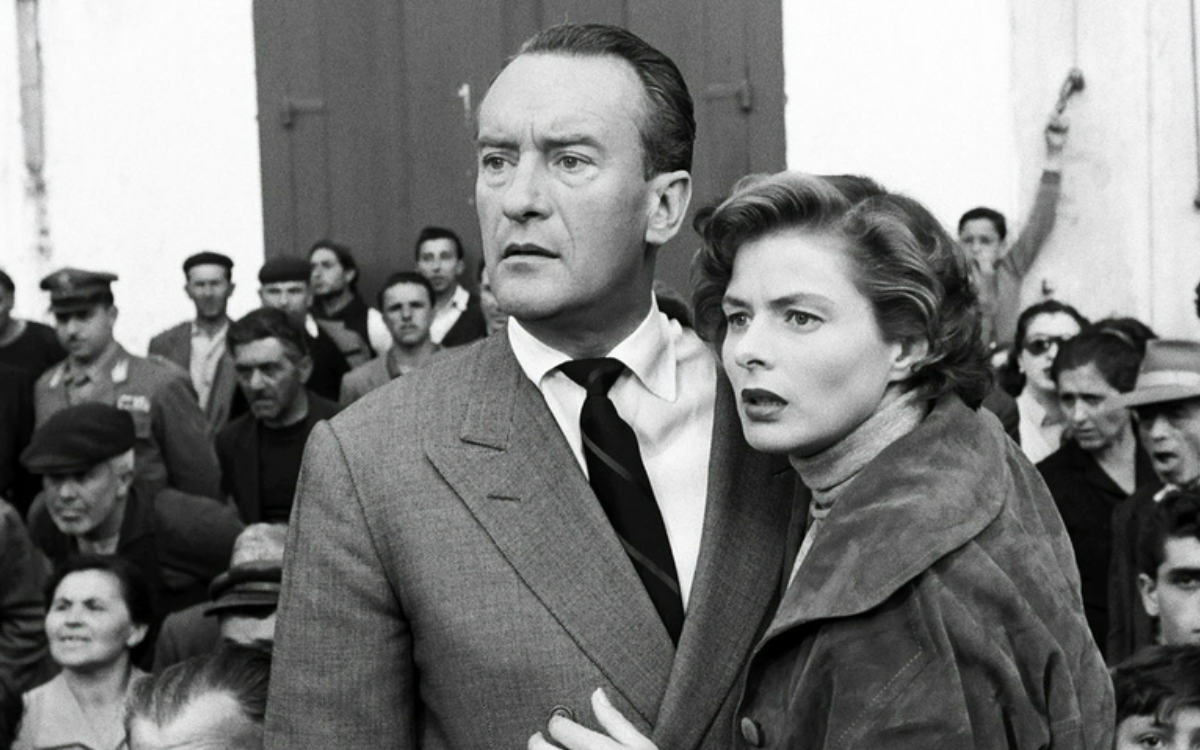
Journey to Italy
Roberto Rossellini, 1954
An English couple, played by George Sanders and Ingrid Bergman, drive to Naples to sell a villa they inherited and discover they can’t stand each other. Nothing happens. They tour ruins separately, they’re polite, and their marriage quietly comes apart in hotel rooms. Every cold, articulate breakup film of the last seventy years is standing on this one’s shoulders. Then Pompeii happens, and two people frozen mid-embrace do something to them that the whole trip couldn’t.
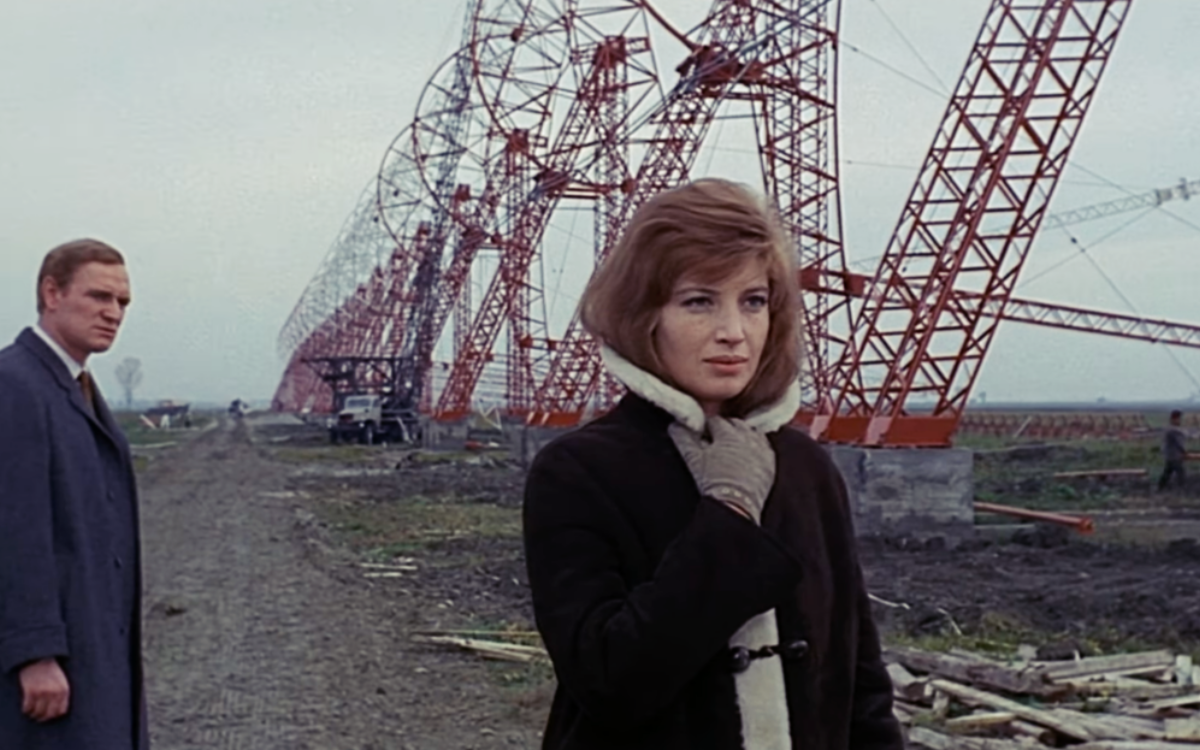
Red Desert
Michelangelo Antonioni, 1964
Red Desert is Antonioni’s first film in color, and he immediately started playing with the actual locations using grass, trees, and even fruits on a cart to get the palette he wanted. Monica Vitti plays a woman coming apart in an industrial port town. The poisoned yellows and greys around her aren’t a metaphor for her state of mind as much as the same weather system. It’s a hard watch and a commentary on climate change. It’s also a painting, and I’d take it over most things hanging in museums.
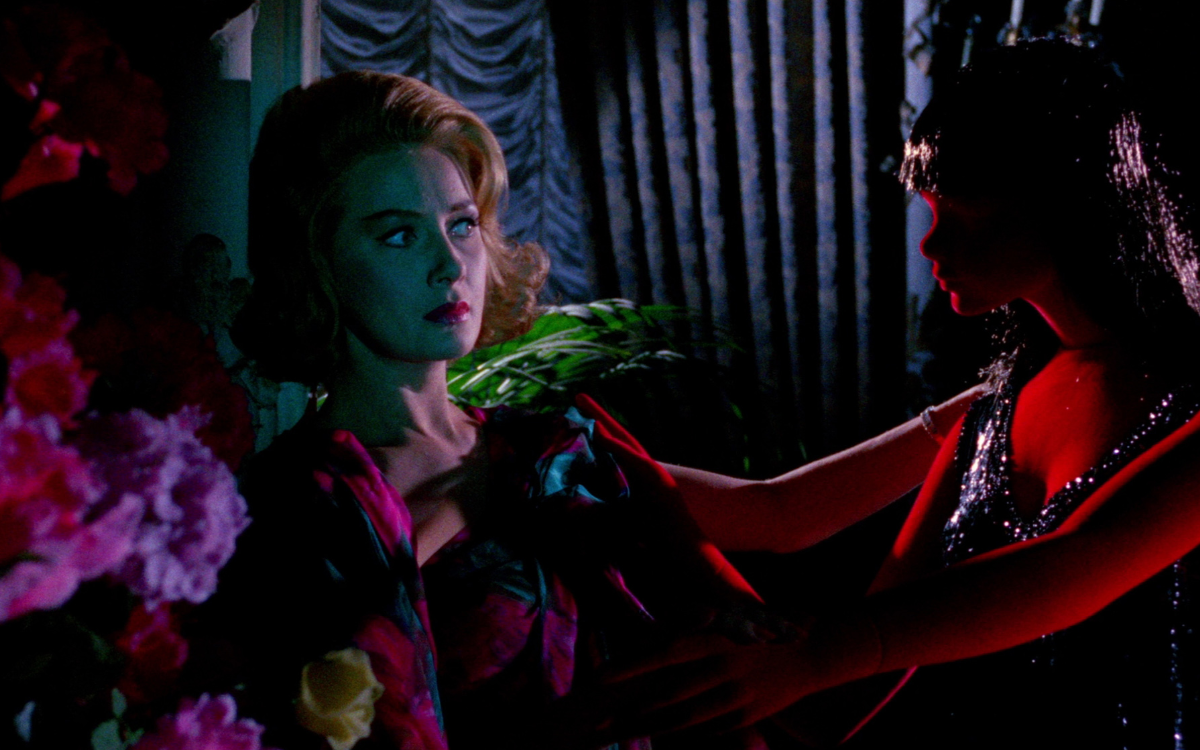
Blood and Black Lace
Mario Bava, 1964
A killer in a blank white mask stalking models through a Roman fashion house. This is where giallo starts, and by extension, where the American slasher genre starts. Bava figured out the entire visual grammar in one go: gel lighting in colors nature has never produced. The murder is a set piece rather than a plot beat. The camera is enjoying itself a little too much throughout the entire film. Some of the sexual politics are so very 1964, but the images are permanent.
Four different modes, one country, and no reason to pick.
Okay, everyone picks eventually. Antonioni’s silence and wide grey frame, Fellini throwing a party you’re not really sure you want to be at, or Goblin turned all the way up while someone gets artistically stabbed in the hallway lit like a nightclub. I move between them depending on the week. This week, with Monza, the house being loud anyway, and inching toward Spooky Season, I’m probably pulling up the giallo classics as we speak.