WHAT ACTUALLY HAPPENED WHEN I TRIED VIBE CODING

If you’ve been around marketing or tech people recently, you’ve probably heard “vibe coding” mentioned at least once or thrown around at a volume that makes it seem like it’s been in the vernacular forever. Spoiler alert: it hasn’t. It’s new, it’s slightly chaotic, and honestly? It’s kind of fascinating. Yes, fascinating even for me, someone who doesn’t have a single line of code to her name outside of basic HTML on a Myspace page back in the day. I’m a marketer and a brand person. I live in messaging, positioning, and the why behind what companies put out in the world. But I’m also deeply curious about anything that changes how brands show up, communicate, and build. So when vibe coding started making noise, I didn’t just scroll past it. I decided to see what it was all about with something I actually understand - web pages. What followed was both eye-opening and humbling.
So what is vibe coding?
The term was coined by former OpenAI and Tesla AI researcher Andrej Karpathy earlier this year, and it describes a way of building software where you lean entirely into AI. You use AI’s assistance and follow the vibe of what’s being generated rather than writing code line by line with full technical understanding. In his words, you “fully give in to the AI” and stop trying to control every output traditionally.
In practice, it looks a bit like this: you describe what you want in plain language, the AI writes the code, you review what it produced, and then you iterate. The iterate phase is just like any other AI interaction - you describe what’s wrong or what you want changed rather than manually editing the code yourself. You’re essentially directing while the AI executes. The result is that anyone who hasn’t ever touched a codebase in their lives is suddenly able to build functional things. Think landing pages, interactive tools, full websites - not because they learned to code, but because they learned how to communicate really well with AI.

Why is Everyone Doing It?
Because the barrier to entry was just obliterated. That’s the honest truth. For decades, I’ve worked with developers with technical skills I could barely scratch the surface with. When it came time to need something, you needed to explain the concept, hire someone, pitch a developer, or wait in line behind other priorities. Vibe coding removes the bottleneck almost entirely. If you can articulate what you want, you can build a version of it pretty quickly, and most times, free or at a very low cost.
For marketers like me, this is a big deal. We are constantly in situations where we need to test something, mock something up, or get a page live before a campaign window closes. The old answer was “put in a request.” The new answer just might be: describe it, iterate on it, and ship it. That shift in speed and autonomy is why vibe coding isn’t really staying in the developer corner of the internet. It’s moving into marketing and the brand world pretty fast, and if you’re not at least paying attention, you’re going to feel it eventually.
3 Things I Learned Experimenting on Website Pages

Lesson 01: Your Ability to Brief Well is Your Superpower
Everything starts with how clearly you can describe what you want. And I mean everything. I started out thinking the AI would somehow read between the lines or fill in the gaps with something smart. Sometimes it did, but a lot of the time, it built exactly what I described. Meaning the same is true with any AI prompt: when you are vague, the output will be just as vague. Then I decided to treat it like I would a marketing brief. The more specific I was and the more information I was able to give on targeting, content, and objectives, the better the output was. The quality of what gets built is almost entirely a reflection of the quality of the ask. As a brand and marketing person, this is oddly affirming, because the skill that vibe coding rewards the most is the one we spend our careers building: the ability to communicate clearly, intentionally, and with a specific outcome in mind. If you’re great at briefing creative teams or writing copy with a purpose, you already have most of what you need to do this well.
Lesson 02: The brand judgement still has to come from you
The AI will build something functional pretty fast. What it won’t do is have taste on your behalf. I noticed this repeatedly when testing different page layouts and copy arrangements. The outputs were technically correct, the sections were there, the structure made sense for the goal I had set, but sometimes they were just a little off-brand, the hierarchy felt wrong, or the phrasing was just way too cliche to work. And here’s the thing: if you don’t know what “off-brand” looks like for your company, you won’t catch it. The AI had a really hard time balancing what it “knows” would reach the goal, for example, conversions, and how the brand actually shows up online. The original outputs looked like a complete copy and paste of every other service page from any random industry. Vibe coding doesn’t replace the need for brand knowledge. It just removes the technical barrier so that people who have that knowledge can act on it faster. The tool is really only as good as the brand judgment of the person using it.
Lesson 03: It’s a prototype mindset, not a final product mindset
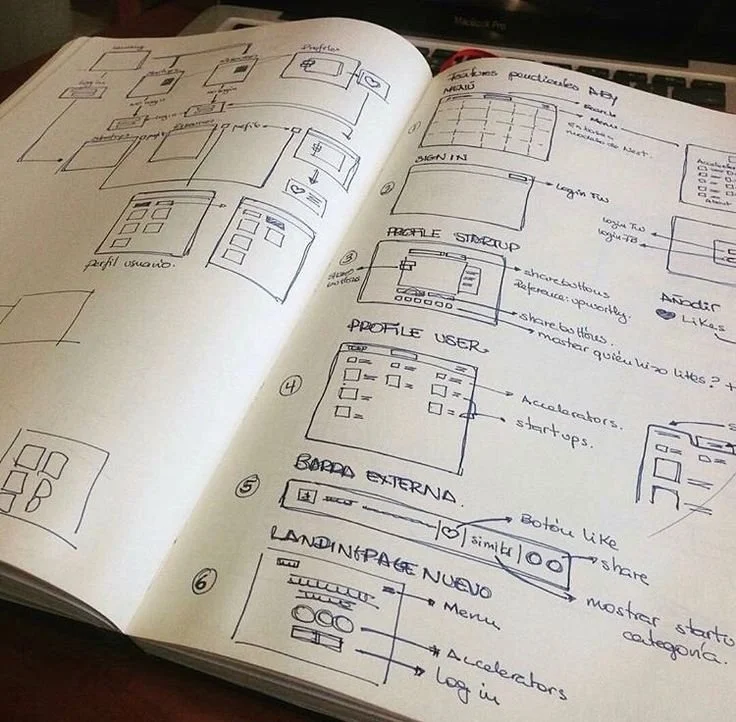
I can’t speak for other types of vibe coding, but the best way I can describe what vibe coding unlocks in my case is this: it takes “we should test that” from conversation to actionable in the same afternoon. Before, that conversation usually ended with “let’s put it on the roadmap” or “it’s just not in the budget” because getting something live and built took time, resources, and coordination. Now you can actually mock it up, see it live, and pressure test an idea before you go asking a developer or designer to build the real version. I think that’s incredibly valuable. But it works best because you’re treating it like a prototype. In other words, something to learn from, not something to ship as-is. The pages I felt best about at the end of my experiment were the ones I used to test a concept or refine a message, not the ones where I tried to just make it live as a final product. The pages that I could bring to the person asking and say, “Okay, this is what your request and instructions created. Here’s why I think we need to do x,y,z instead.” It’s about knowing what you're building it for.
The Bottom Line
Vibe coding isn’t a replacement for developers, designers, and brand strategists. Anyone who is telling you otherwise is missing the point. What it is is a legitimately useful tool for people to understand what they want to build and can articulate it well, which, if you’re in marketing or branding, is a skillset you probably already have more of than you think. The thing that surprised me most wasn’t how much I could build. It was how clearly this whole experiment revealed that the strategic, human side of the brand work is not going anywhere. If anything, it gets more important when the technical barriers come down, because the only thing left standing between a generic page and a great one is the judgment of the person behind the prompt.
Vibe coding is essentially behind all those viral posts you see about being able to make x number of dollars in one day by standing up a service website using AI. And sadly, that’s a downside when people are out here doing really incredible things. I actually enjoyed it because it let me speak to why we should or shouldn’t do something related to the goal, rather than just doing what was wanted and doubling back later to change it. What ended up being created was a complete 180 from how the brand typically would show up but I was able to iterate and find a happy medium that could be developed should it ever need to be. I’m going to keep experimenting. I’m not about to call myself a developer. Not ever, not under any circumstances. But I’m going to keep paying attention to how this changes what’s possible for brand and marketing people who are willing to embrace new ways of working. That part is just getting interesting…