SURE, AI CAN EXECUTE, BUT IT STILL DOESN’T HAVE TASTE

A few weeks ago, I was messing around with Pomelli Labs - Google’s AI tool that takes existing product photos and generates what looks like a real studio shoot, or can create product images based on a prompt. You upload something, write a halfway decent prompt, and it spits back images with clean backgrounds, professional lighting, you know, the whole bit. Some of them were genuinely good, and I don’t mean “good for AI.” Just good.
I wasn’t sure how to sit with that. It’s definitely useful, especially if you’re working with product photos that are incredibly old and shot on low-quality cameras. But it’s also slightly disorienting because it did something better than I expected, and I was forced to recalibrate. If a tool can produce a polished product image on demand, it’s pretty important to be clear about what I’m contributing when I’m the one making the creative decisions. Ultimately, I compared Pomelli’s output to various other image generation options, and they look, well, let’s just say, very AI. But we will get to that.
The answer I kept landing on throughout my experiments was: the want. The tool simply does what it’s told, but someone still has to know what to ask for, how to get it to brand standards, and, more importantly, why they are doing it to begin with.


This would be a more comfortable argument to make if everything being generated was obviously bad. But it’s not, and that’s the actual problem. It’s technically fine. Scroll any feed, and you’ll find content that hits every formal mark: a decent composition, correct grammar, and an appropriate length. It exists. It doesn’t offend anyone. It gets views. And that’s basically where it stops.
Commercials have become the worst version of this. I keep seeing ads that are so visually generic, so reliant on flat stereotypes, and eventually, you stare at them long enough, and you notice the “made with AI-generated content” in the bottom corner in the smallest font possible. They just have this sameness to them. The people look fake, and they are trying incredibly hard to repeat real internet behavior. For example, the videos that are framed to look like some influencer is filming themselves for a TikTok or some Reel, but the more you see it, the more you start to realize their motions feel like a Disney animatronic gone wrong. Why would anyone listen to anything this commercial is saying? It’s almost creepy in a way that feels like if you stare at it long enough, you’re going to be brainwashed into thinking you need whatever it is they are trying to sell. Another one I saw recently was using AI-generated elderly people trying to sell something to elderly people, which just feels gross in general. They are most likely to fall for things that are scams or bad for them, and to use technology of fake people to convince them of things? It’s not just poorly made. It’s yucky by principle standards.
The issue isn’t that brands and companies used AI to make these or enhance their commercials. The issue is that nobody asked for it, and whoever did make it, nobody wanted anything specific badly enough to actually try and find an acceptable result that doesn’t look disturbing. Are you telling me you couldn’t find a single elderly person willing to be in your commercial to speak directly to their peers about your product or service? Couldn’t you even have an actor retell a real consumer story? That’s pretty suspicious. The other brand couldn’t find one person on the internet who could film a real video like a TikTok? Couldn’t you get an actor? Other brands can do it. I’ve seen it.

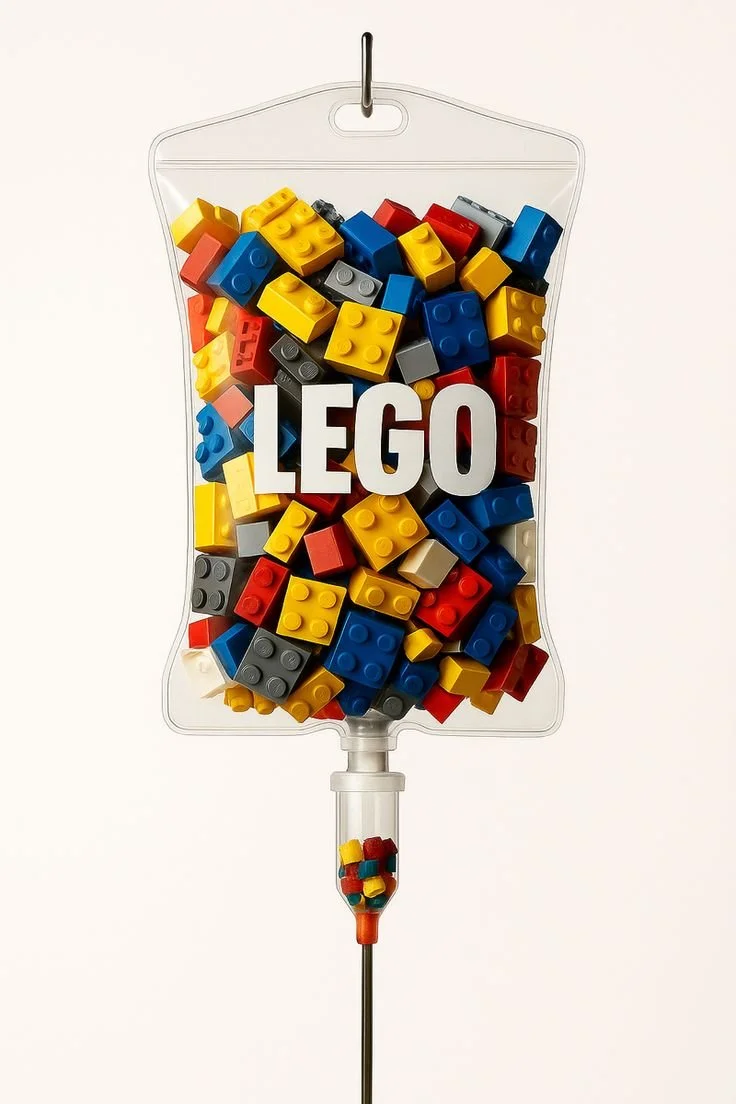
Watching all of that made me a lot more honest with myself about my own experiment and what I was actually doing with Pomelli. I genuinely needed human-centered photos for a campaign I was helping with. Marketers know those do big numbers compared to old flat lays. However, Pomelli creates photoshoot images that are a little too perfect. The details of the product were crazy. I couldn’t tell the difference between it generating the product or just doing some magic in Photoshop and moving it around. But where Pomelli fails me is their humans. Just like anything else, they look so perfect. Their skin is perfect. The lighting is perfect. Their faces are perfectly symmetrical. And no matter what you prompt, it’s going to give you the same exact background and business casual outfit combination. Not to mention at least one of the images is going to be the AI model holding the product in a way that, if you saw it in real life, you’d probably assume this person was an alien trying to masquerade as a human, and this was their first day on Earth. One thing Pomelli can manage that others can’t is text. It doesn’t look like some ancient hieroglyphic language. However, the likes of ChatGPT are much better at pulling off people prompts.
Why does this matter? Well, sometimes AI-generated content needs to exist in order to show proof of concept or to help a “work with what you’ve got situation.” It doesn’t need to be used just for shits and giggles, especially when it produces garbage people are just willing to roll with on the first go around. I edited my Pomelli output in Photoshop by hand to fix it so it looks like genuine human photography, and ultimately, I cut out half the person anyway.
Not All Hope Is Lost
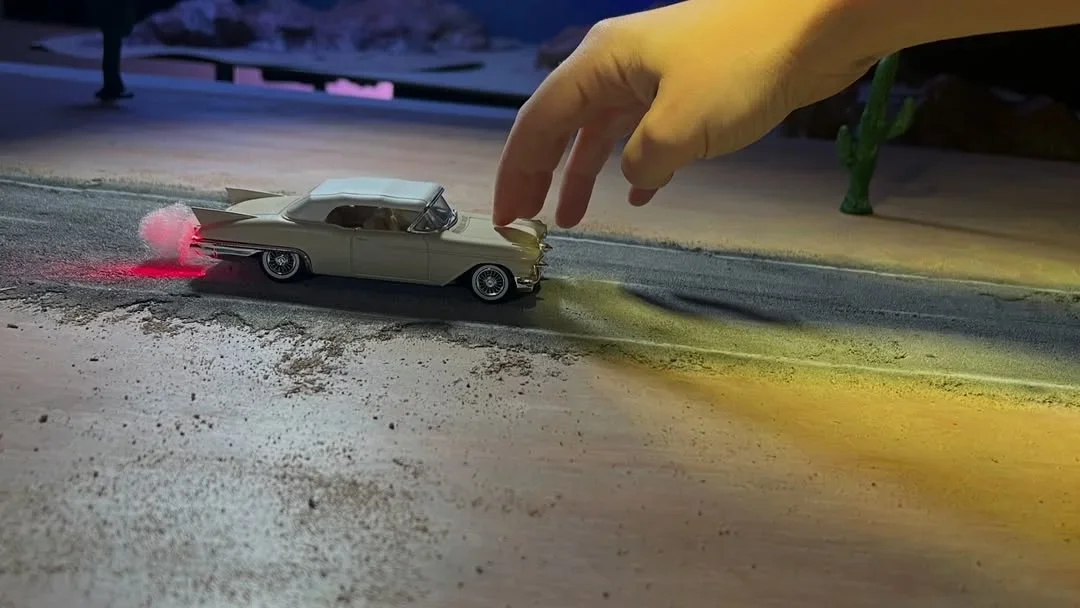
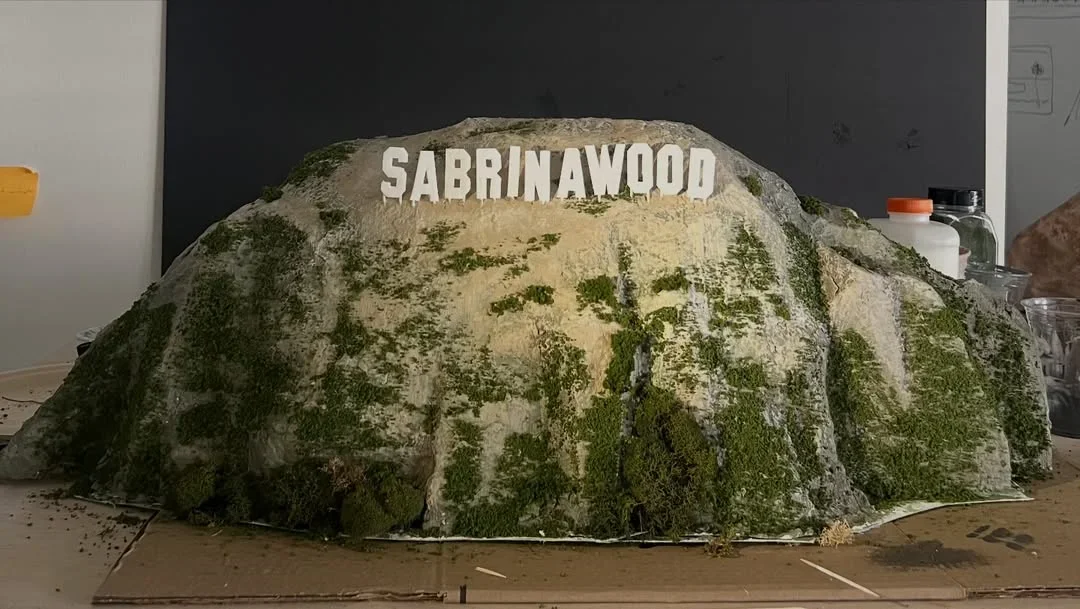
There are still people out there who are going all in on artists and creators, and I am here for it. For example, when Sabrina Carpenter dropped a stop-motion trailer for her Coachella appearance a couple of months ago, I noticed immediately. Stop-motion is one of the slowest and most painstaking formats she could have picked when anyone can generate something similar in an afternoon. But she didn’t. It’s not a budget flex or a nostalgia play. It’s her and her team saying: This is the feeling we are going for, and this is the only format that is going to get us there. So they went and hired an artist who painstakingly created the entire thing. It’s fu,n and honestly, her creative direction is 100. No one is doing it like her. And I didn’t once stop to think it was AI at all because you can tell it wasn’t. Not only because it didn’t have that horrendous gold glow to it that so many AI-generated videos have.
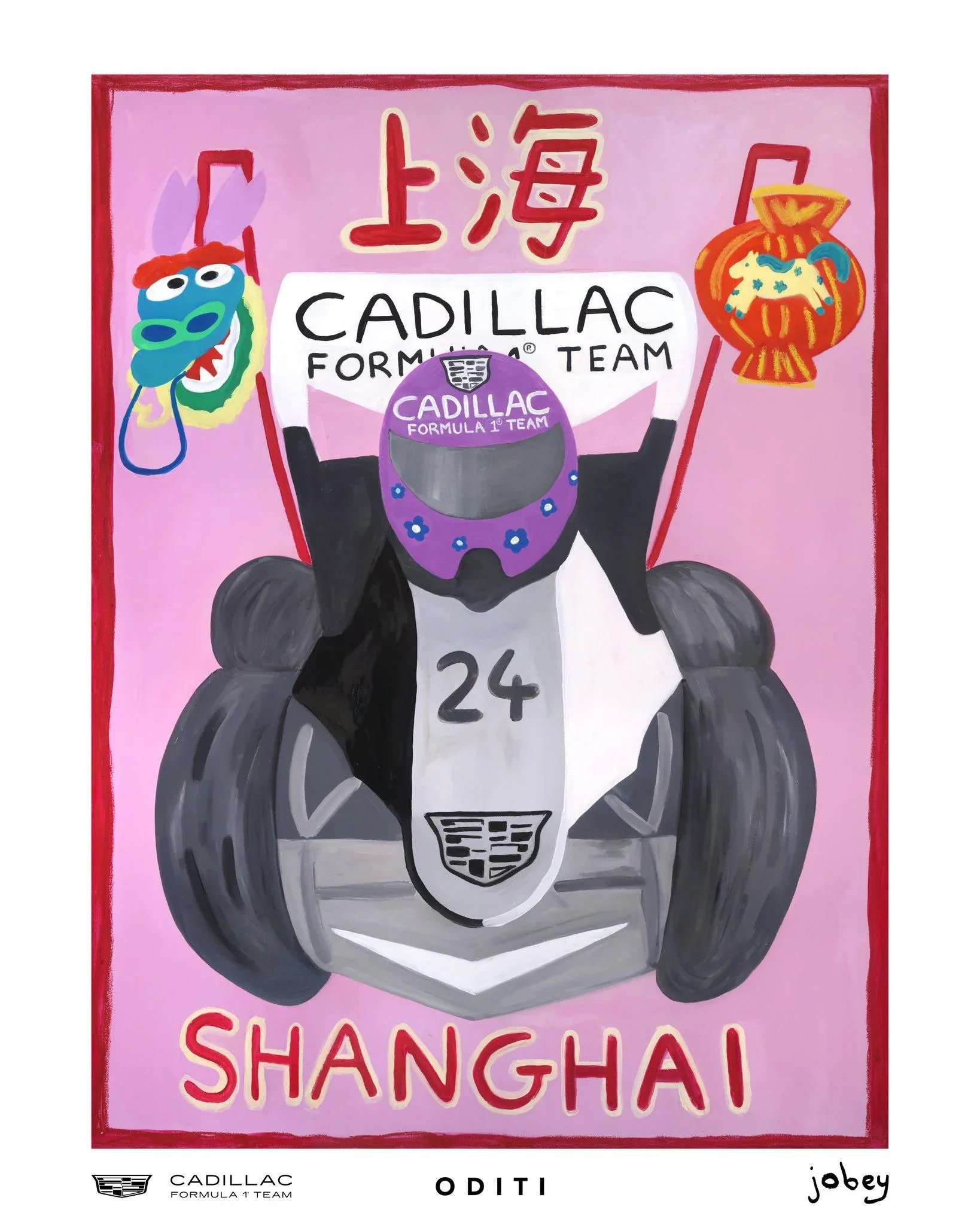
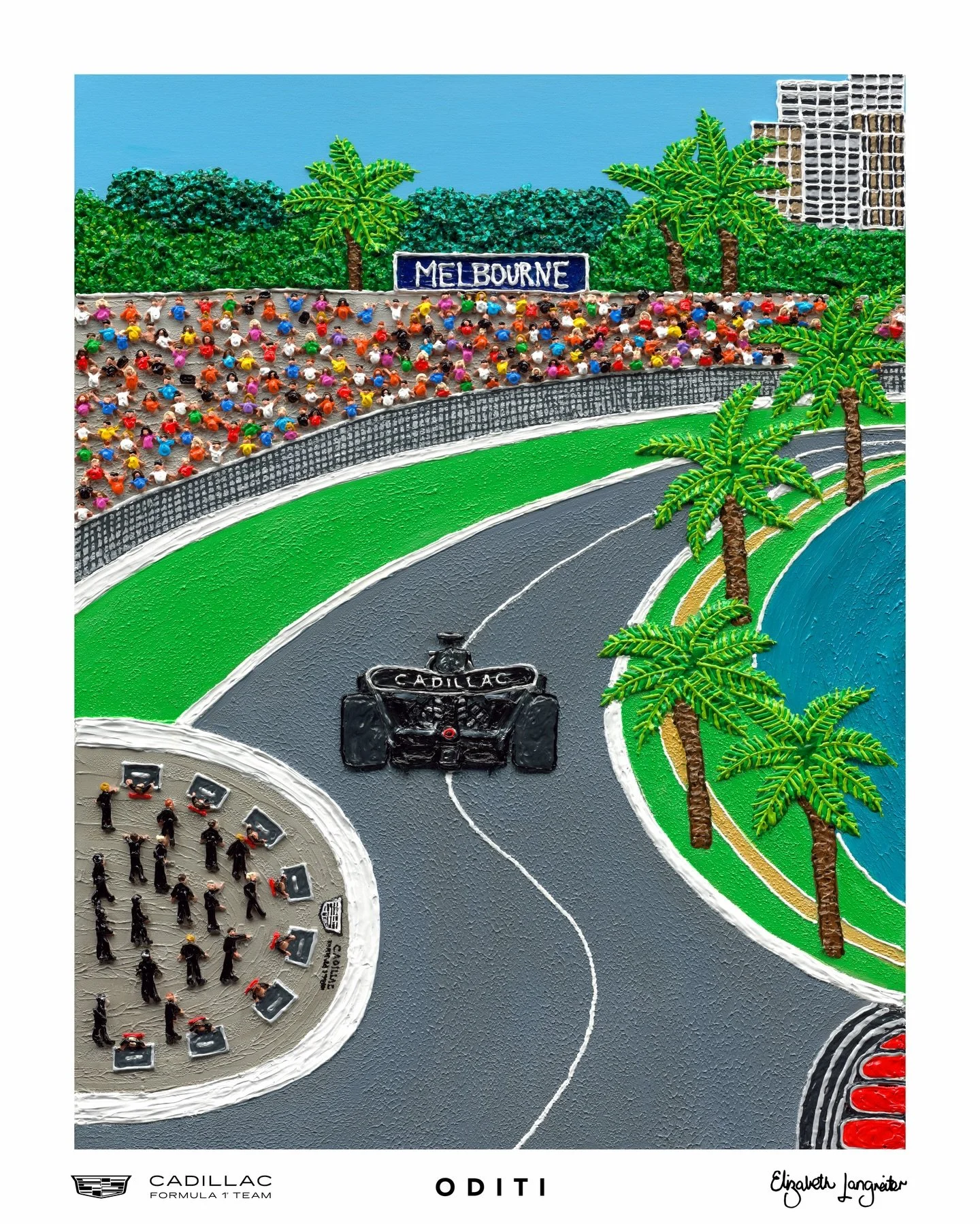
Another example is Formula 1 teams this season. A few of them are commissioning original artwork for the cities they are racing in. It would be easy to discredit it, but the artists themselves have posted them, creating the works. I know one of Cadillac’s pieces specifically was made full-size, like a full-on piece of artwork, over a period of time, which is truly badass. This reads the same way to me as Sabrina’s stop motion. You’re not creating or commissioning these pieces because it’s efficient. You’re doing it because you know what you want, you’re willing to back it, and honestly, it’s setting yourself apart at this point.
To me, that is taste. It’s not an aesthetic, it’s not a vibe, and it’s not “I have a good eye.” It’s knowing what you’re trying to make and being able to defend that against the easier version. Truthfully, I can’t imagine just turning to AI to generate art. Genuine art, especially when their art artists out there busting their butts daily to showcase their craft. Art is subjective, filled with feeling, and tells a story. I just don’t think AI can do that yet either. At least not without throwing that horrible yellow glow on it.
Photo by Google DeepMind on Unsplash
Let me be clear
I want to be clear about one thing: I am not making the case against AI tools. Obviously, I use them (to an extent), and this post would be purely hypocritical if I pretended otherwise. The Google experiment was useful, and I’ll probably use it again in a pinch, just not for human beings. The point isn’t the tool. It’s how you show up to use it. You have to have a real point of view and know exactly how to prompt that point of view, or the program is just going to begin making decisions by default. Pomelli allows you to build your brand and store it in their platform, which I’m sure eventually starts to teach it exactly what things need to look like over time as you continue to use it. Something that will be useful to small brand teams or people experimenting before jumping into something like a campaign; however, I’m not likely to do that, nor use their “build a campaign” feature.
Most of what’s cluttering our feeds right now isn’t the result of AI being bad at things. It’s the result of people just creating however and whatever they want. Not really knowing what they want before they open the app, or just going with whatever it is going to be to get the most views. A sad dog crying in a hazy yellow glow? AI didn’t create that problem. It just scaled it and made it utterly impossible to ignore.