YOU DON’T JUST BUY IT, YOU BELONG TO IT: THE PSYCHOLOGY OF BRAND LOYALTY
There are brands I buy, and then there are brands I belong to. The specific jeans I wear, the makeup I buy, the very specific candles I have but never share the name of because I don’t need them selling out. I don’t think about these purchases. I don’t comparison shop. I don’t even wait for a sale. I just buy, and honestly, if someone asked me to switch, I’d probably look at them like they suddenly grew a second head.
But then there are other things I buy just because they are there. A brand of crackers because it was on sale. A subscription service because someone gifted me a trial. A dry shampoo, because it’s an emergency and I need it right now, not when I remember to re-order it. I use them. I don’t love them. I have zero loyalty to them, and if objects had feelings, we’d both know I don’t.
The difference between those two experiences? Brand loyalty. And it’s far more interesting and a lot more psychological than most brands give it credit for. In fact, many brands and marketers think it’s a thing of the past.
Brand Loyalty Died or Did It?
Every few years, someone publishes a nice think piece declaring brand loyalty is dead. In the 1970s, it was because people bought different brands at different times (gasp!). In the 90s, it was because store brands suddenly became better quality. Now it’s because we can price-compare anything in 30 seconds from our phones or switch subscriptions like we change our minds about dinner. And yet here we are. Starbucks, McDonald’s, and Chipotle are all doubling down on their loyalty programs, not because they are nostalgic, but because the data keeps proving the same thing: truly loyal customers outperform deal-chasers. They spend more, defect less, and tell their friends. The problem was never that brand loyalty died. The problem is that brands keep confusing habits with love, and those are two different things.

Habit vs Love
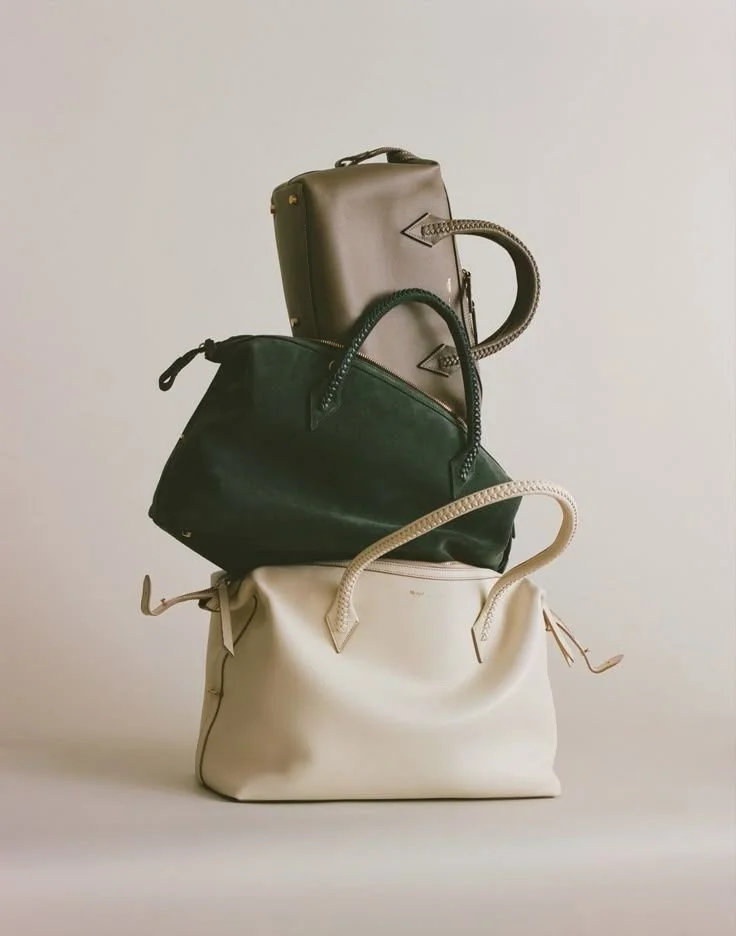
Here’s a distinction I find pretty fascinating: there is a difference between someone who signs in and someone who signs on. Boy, that sounds like AOL Instant Messenger back in the day. But I digress. Signing in is behavior. It’s autopilot. You grab the same brand of noodles every week because it’s in the same spot at the grocery store, and your brain is already thinking about the next thing. Signing on is a commitment. It’s intentional. It means you’ve made a decision, consciously or not, that this brand represents something you believe in, something that fits who you are, or something you’d actually miss if it disappeared.
Brands that optimize for the first type, the signing set, think they’re building loyalty, but they’re actually building habits. And habits break the second something more convenient, more visible, and cheaper comes along. Real loyalty is stickier than that. Real loyalty can survive price hikes (to a point). Real loyalty is what makes someone defend their favorite brand in the group chat. Most loyalty programs are currently built for habit, not love. The points, tiers, and exclusive discounts really reward frequency and not feeling. And, it’s a fact, feelings are what actually drive everything.


We Buy Brands Like We Buy Into Identities
This is the part that keeps me fascinated from a psychological standpoint: we don’t just buy products. We buy membership into a version of ourselves. Think about it. The brands you are genuinely loyal to, not just the ones you use, the ones you actually feel something about, they say something about you. Or at the very least, something about who you want to be, how you want to live, and what you value. The person who is loyal to Patagonia is communicating something different than the person who is loyal to Canada Goose. They both may be wearing expensive coats, but the identity isn’t the same.
There is a reason the Stanley Cup became a phenomenon that has nothing to do with keeping water cold. There’s a reason people will stand in line for a Supreme drop or preorder a product they haven’t seen yet. The brand became a community, a shorthand, and a signal. Once a brand becomes part of yourself, switching is no longer a practical decision. It’s almost an identity crisis. I think about this with some of my own loyalties. I’ve been buying the same brand of mascara for years. Objectively, there are probably mascara formulas that would perform just as well. Maybe a little more cost-effective. Maybe a little more popular on TikTok. But I know this one. I trust it. It’s part of my routine in a way that feels almost personal. I talk about it. People know they are bound to find it in my makeup case on any given day and time. That’s not rational, but it is identity-based loyalty. And I think that’s incredibly powerful.

What Brands Get Wrong & What Smart Ones Are Figuring Out
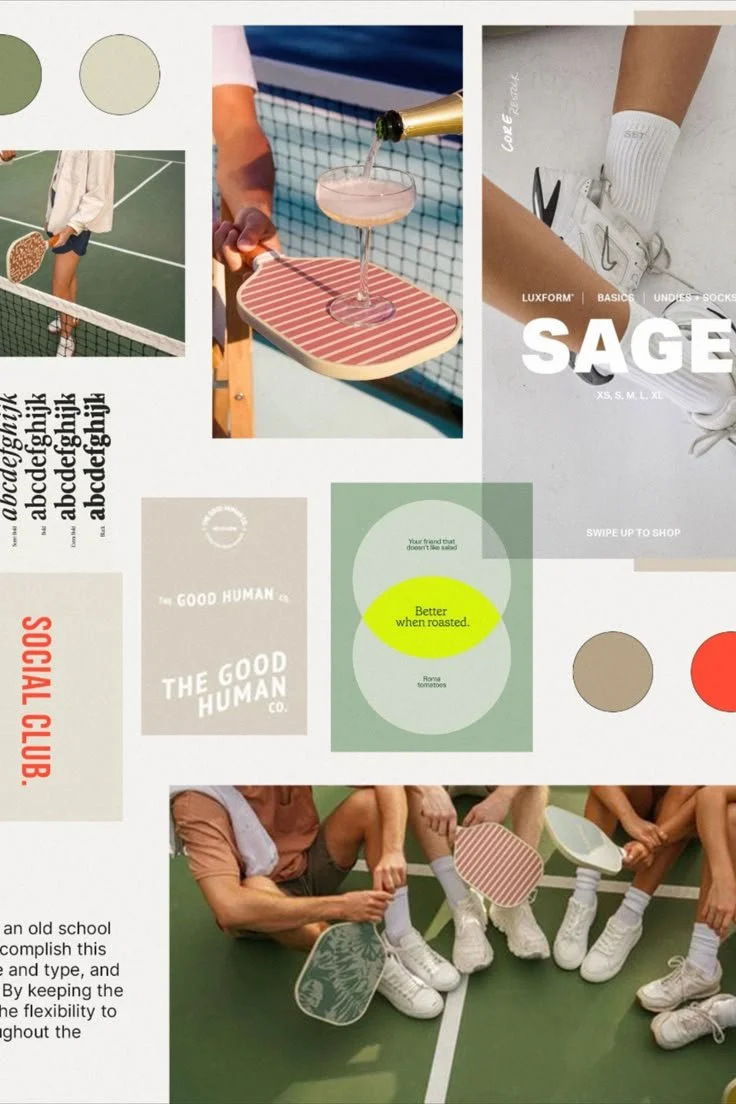
The biggest mistake brands make is chasing the deal-loyal customer. They run promotions, discount aggressively, and attract a crowd of people who will absolutely leave the second someone else runs a better promotion. And then they look at their sales numbers and think it worked, right up until it didn’t. The brands that are actually winning right now understand something important: loyal customers are not your most frequent customers. They’re your most valuable ones. There is a real difference. Frequent visitors may drive volume, but loyal customers drive profit, word of mouth, and resilience when things get hard. Just the other day, I saw an older couple on the news being interviewed about price hikes and inflation. They were dedicated to P&G products and explaining how it’s been hard to stay loyal with price hikes, but the alternative of using lesser products isn’t worth it. They shared how they use promotions to stock up on P&G products when they can, so they don’t have to bother with lesser alternatives.
It was a fairly concrete example of what builds real loyalty, which comes down to a few things: consistently delivering on your promise, creating experiences that feel like they were made for the customer rather than at them, and building a genuine sense of belonging, whether that’s with community, storytelling, or values that actually mean something. It also means knowing the difference between a customer who is satisfied and a customer who is committed. Satisfaction is table stakes because you can be satisfied with something and still leave. Commitment is the real offer, and it requires investing in relationships long after the initial purchase.

What Does Brand Loyalty Say About You?
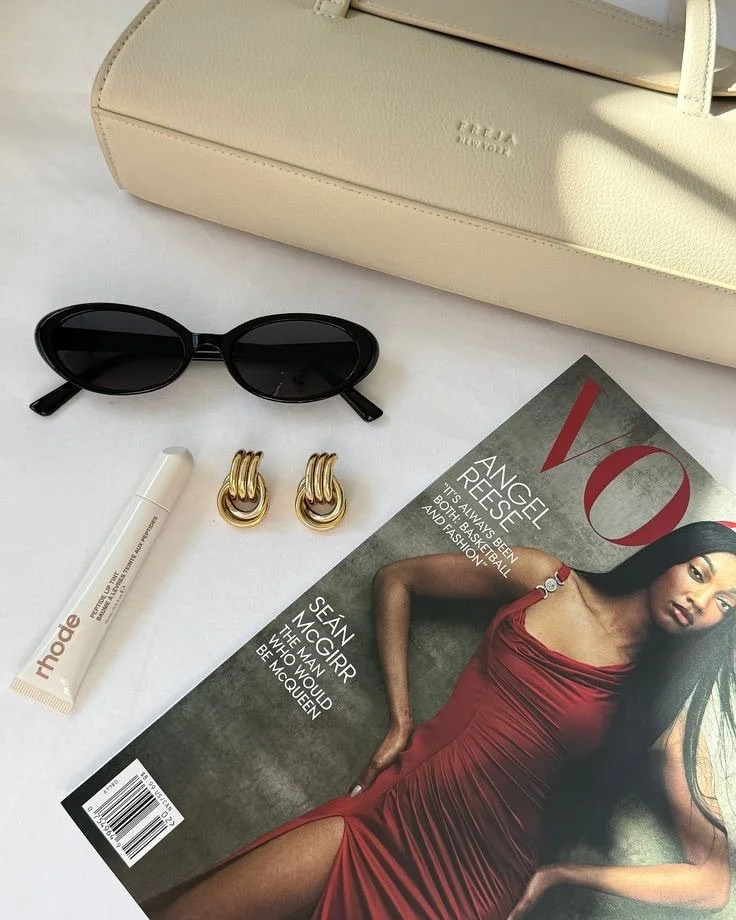
I think the brands we’re loyal to are pretty revealing. Not in a way that needs to be overthought or overanalyzed, but in a way that’s just fun to notice. The products you’d be quietly (or loudly) devastated to lose are the ones you recommend unprompted and pay more for without blinking. They aren’t arbitrary and fit into your life in a way that becomes almost personal.
And for brands? The goal shouldn’t be to get someone to buy once or to buy often. It should really be to become one of those brands that feels less like a vendor and more like a consistent, trusted, genuinely good part of someone’s life. That’s a high bar, but it’s the only one worth clearing. Because deal-based loyalty is a revolving door, but real loyalty is royalty.