SAY “STORYTELLING” ONE MORE TIME
I keep a mental list of words that make me lose focus in meetings. Not because they’re offensive, but because they are empty and, frankly, cliché. Someone mentions one, the entire room nods, and nothing, absolutely nothing, has been communicated. Marketing runs on a shared vocabulary that seemingly never changes, and that’s the problem. When everyone uses the same five words to mean fifty different things, the words just stop doing their job. They become filler in conversation and in practice. They are professional white noise. You can toss them multiple times throughout a strategy deck and walk away without having made a single decision.
I read a recent AdWeek piece on marketing misnomers the industry needs to give it a rest on because they are pretty meaningless. And that got me started thinking about my own mental list and the grudges I have held for many years now. So consider this my personal vocabulary intervention. Five terms I’d love if we could all define for today once and for all, or just retire entirely.

Storytelling (The One I Hate the Most)
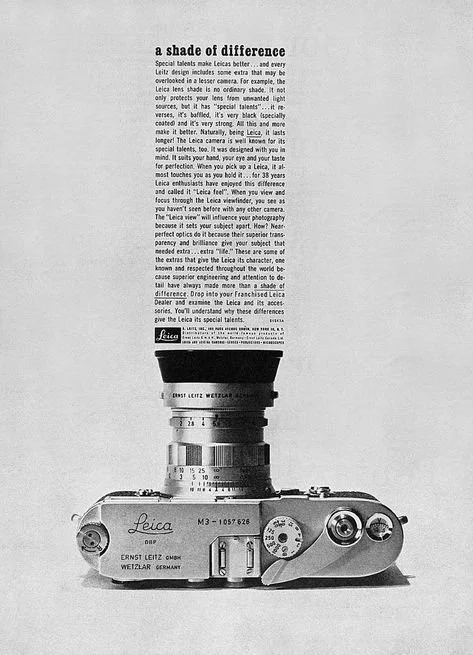
I write this blog. I create content both personally and professionally. I tell stories. They have a beginning, a point of view, and a reason to exist. When a brand calls a 15-second ad “storytelling,” it drives me absolutely nuts. A story requires that someone wants to hear it. Nobody is begging to curl up with your retargeting campaign. Nobody is emotionally invested in act two of your paid social carousel. What most “brand storytelling” actually is: advertising with a moodier color palette.
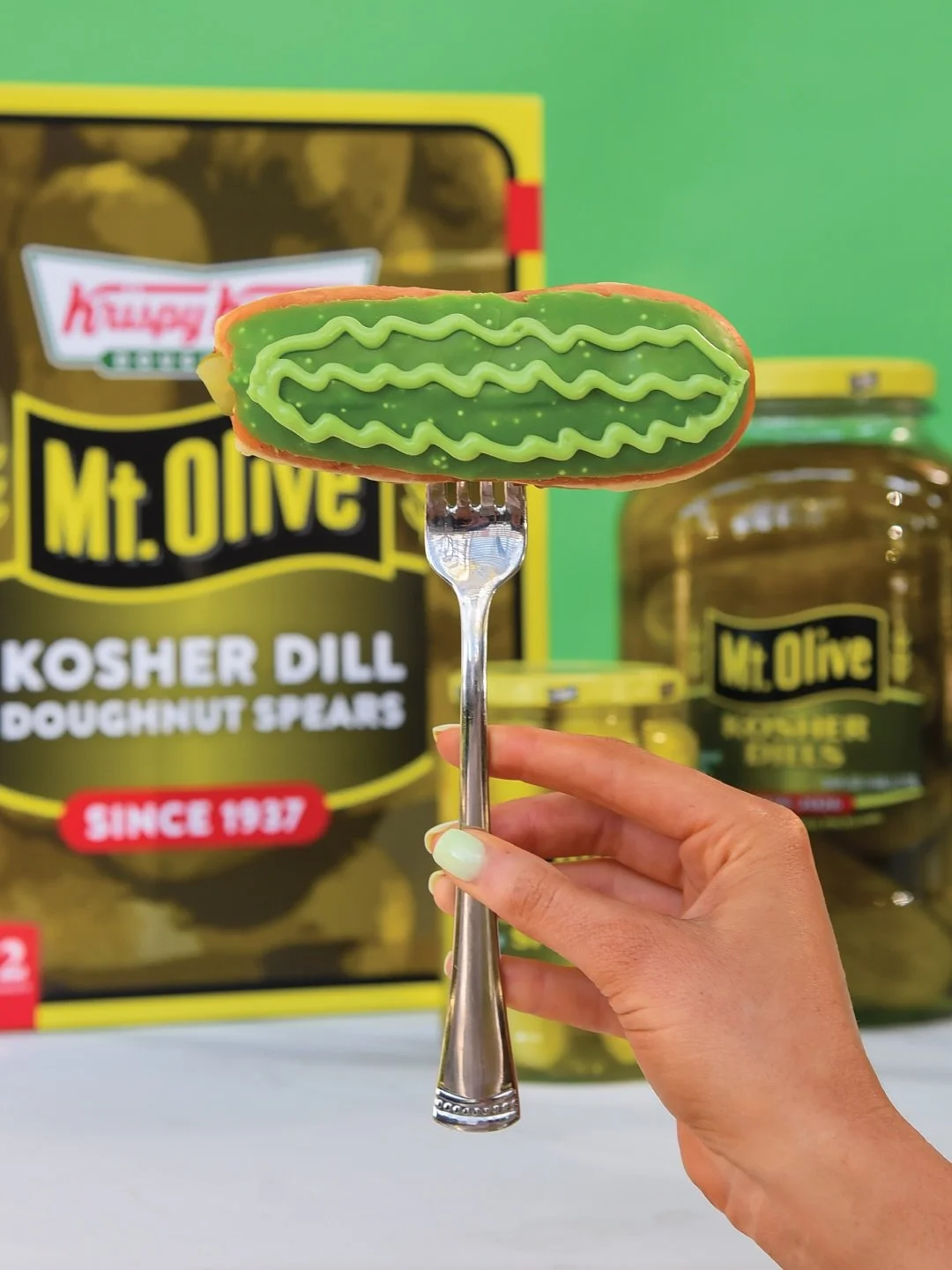
Every marketer has “storyteller” in their LinkedIn bio. I have no clue where and when this started happening, but I can’t stand it. Not everything is a story. I may be selling you on a vision, a campaign, or even a product or service, but I have about 10 seconds to gather your attention. It just feels like storytelling is doing the heavy lifting on so many things in marketing that it really doesn’t actually fit with. Don’t get me wrong. I love telling a good brand story. The reason something was invented, the problem it solves, the big grand reason that this one thing is going to help you in ways that no other one is going to. The history of a brand, the colors, and everything about it. Brands can tell stories, and many do it brilliantly. But the word can’t just be slapped onto anything and everything from LinkedIn bios to assets with brand logos. If the “story” utterly disappears when you take out the product shot, it was never a story. It was a pitch.
Insight
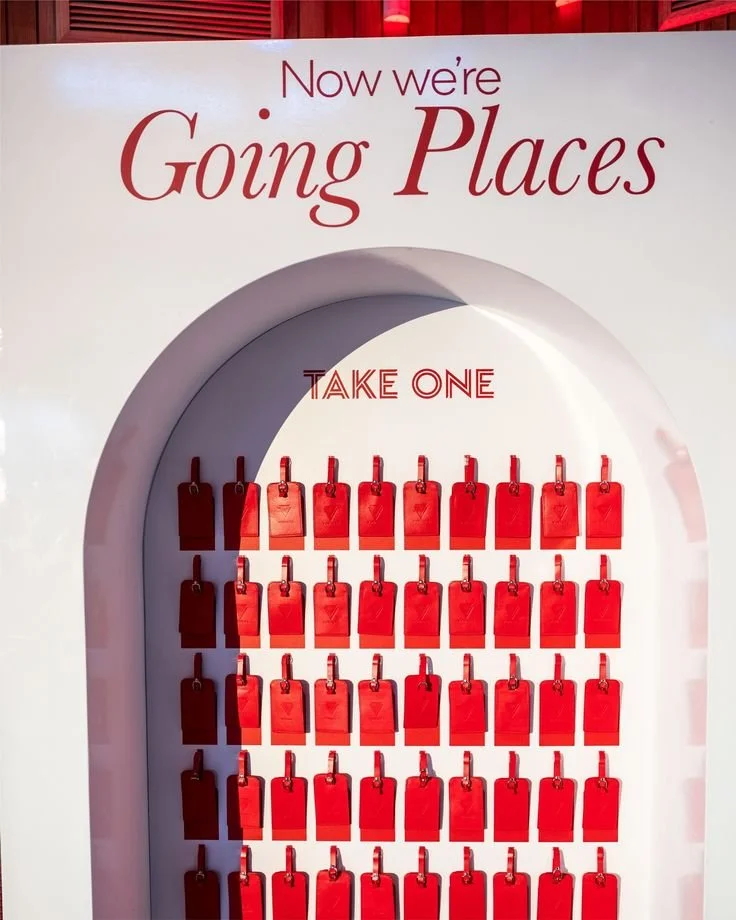
Everything is magically an insight these days. A real insight is rare. It’s the observation nobody else really made. The observation that changes what you build, what you say, or what you spend. I’ve encountered maybe a handful of real insights in my entire career, and each one has felt like finding 20 dollars in a coat pocket. What gets labeled as “insight” just boils down to description. “Customers want to feel valued.” Duh. “People don’t like being interrupted.” That’s literally social media complaining about YouTube ads mid-way through a video. “Shoppers respond to discounts.” They do. I fall for this one myself. These aren’t insights. They’re things we’ve been saying to each other for years, and something my mom could tell me over brunch, and she doesn’t bill for it.
The inflation of Insight has a cost. When everything is an “insight,” people are prone to stop hunting for the real ones. This happens a lot with AI now, too. You end up seeing the same five hot takes without any real perspective. I genuinely love the tiny nuggets I get from having conversations with teammates, clients, my friends, my family, and just anyone that spark some lightbulb within me. It just seems more and more people are thinking, why do the hard work of actually understanding people when you can slap the label on the first focus group quote that fits the creative you already had made?
Engagement
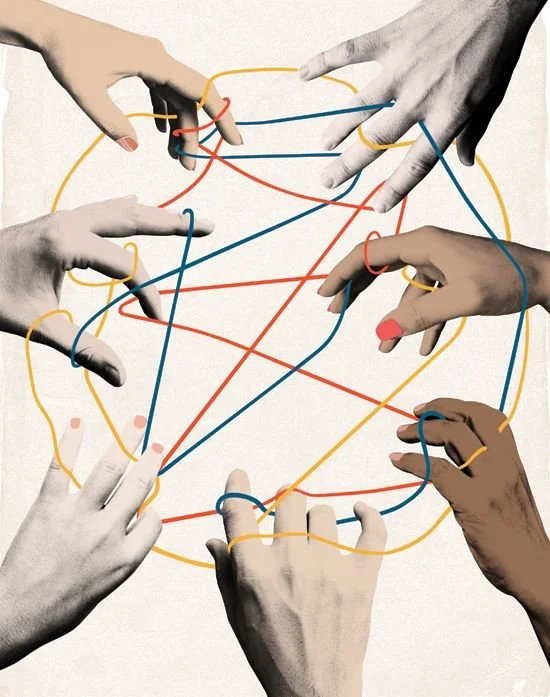
Engagement is one of the biggest reasons I got out of social media management for a while. It’s the number I’ve seen people celebrate and simultaneously complain about the most. Likes, followers, clicks…all of it. I’ve sat in enough reporting meetings to know how this goes. When engagement is up, everyone exhales, the slide moves on. Not a single person asks follow-up questions that are important like: engagement with what, by whom, and did it actually matter? But when engagement is down, it’s suddenly a crisis. A like is a half-second thumb reflex. A share is often a joke or a “look at this” rather than anything meaningful. None of it actually tells you whether someone is buying what you’re selling.
I just hated struggling with explaining that these numbers don’t exactly mean anything, and the bigger picture and business impact are what matters. There are so many times where engagement is great but revenue is slugging along or nothing happened at all. Engagement feels like it became the metric of choice because it’s the easiest metric to move. Posting more gets more content out there, more likes, engagement up. That’s not measurement. It’s just reassurance what you’re doing is working in the feed.

Consumer
This one is a bit quieter than the others, but it might bother me more than most. I don’t think of people who consume content as “consumers of content.” People who read this blog aren’t “consumers of content.” I think of them as people who like the same things I do, like good design, good music, and have 10 spare minutes in their day. The moment I start thinking of anyone as a consumption engine, the content gets worse. The same thing seems to happen with the brand side: the more a team says “the consumer,” the less they seem to know about any actual person.
Buying things is a tiny slice of anyone’s life. The rest of their lives, like their job, the group chat, their Saturday morning routine, and what crappy TV show they watch at night is where all of the useful understanding lives. I love demographic and psychographic research for this reason. If we just keep referring to everyone as “consumers” because they simply “buy” or “look” at things, you start building marketing for a blanket idea or a slice of something rather than a specific person, and end up wondering why nobody cares about what you’re producing.

Full Funnel
Back in the day, “full funnel” used to mean something useful. Look at the whole picture before you decide where to act. Now it mostly means budget for everything and hope for the best. The funnel is ultimately a diagnostic tool. You look at the funnels and customer journey to examine the entire thing and find the weak spots in order to focus and concentrate your money and effort there. What it’s become instead is a justification for throwing money and budget spending across every channel at once and calling it a strategy.
Spending and praying aren’t a strategy necessarily. Spreading things out is what you do when you haven’t really decided on anything at all. If your plan touches every stage of the funnel equally, you don’t have a full-funnel strategy. You have a fear of choosing.

The Actual Problem
None of these terms started meaningless. They got that way through repetition without definition and being used in a thousand meetings by people who needed to sound certain more than they needed to be clear. That’s the tell, honestly. Vague language is what certainty sounds like when it’s faking. If you can’t explain your strategy without reaching for one of these five words, you don’t have a strategy yet. You just have a marketing vocabulary. Say what you mean. It’s harder, but that’s the point.