INTERIOR OBSESSIONS: RATTAN
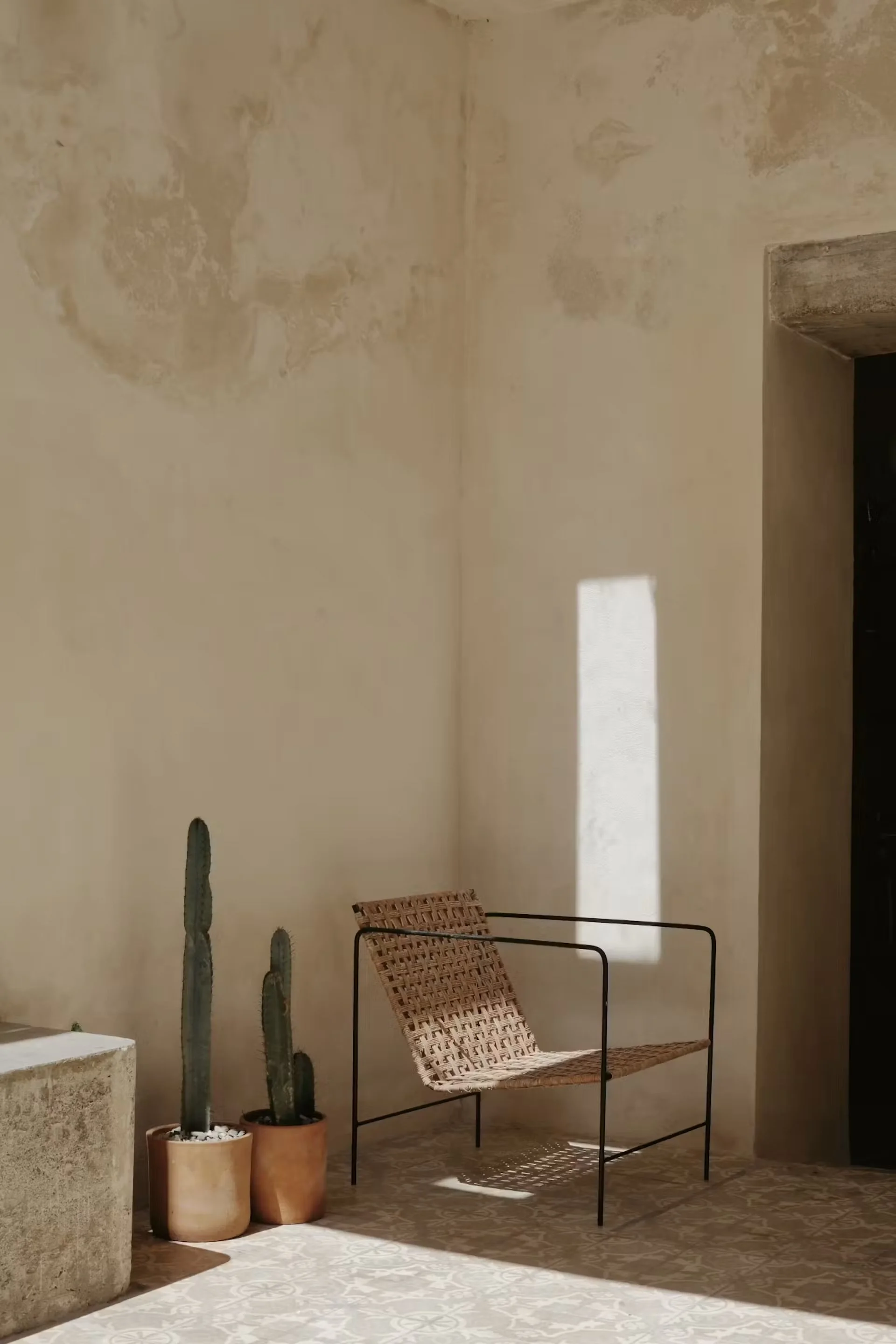
For years now, I’ve been in love with rattan. It’s been on my running list of things I’m obsessed with, and that always stops me in my tracks. I’ve spent the same amount of time slowly trying to get the vibe in my own living space. There’s a version of it that looks like a breezy Mediterranean terrace at golden hour - warm, unhurried, and somewhat romantic - and then there is a version that looks like someone theme-decorated their way into a sensory crisis or a theme park restaurant. The line between the two is thinner than you’d think.
This is a post about the first version. I’m talking about where rattan comes from, why it’s showing up everywhere right now, and most importantly, how to keep yours from crossing the line into the second territory.
DWELL
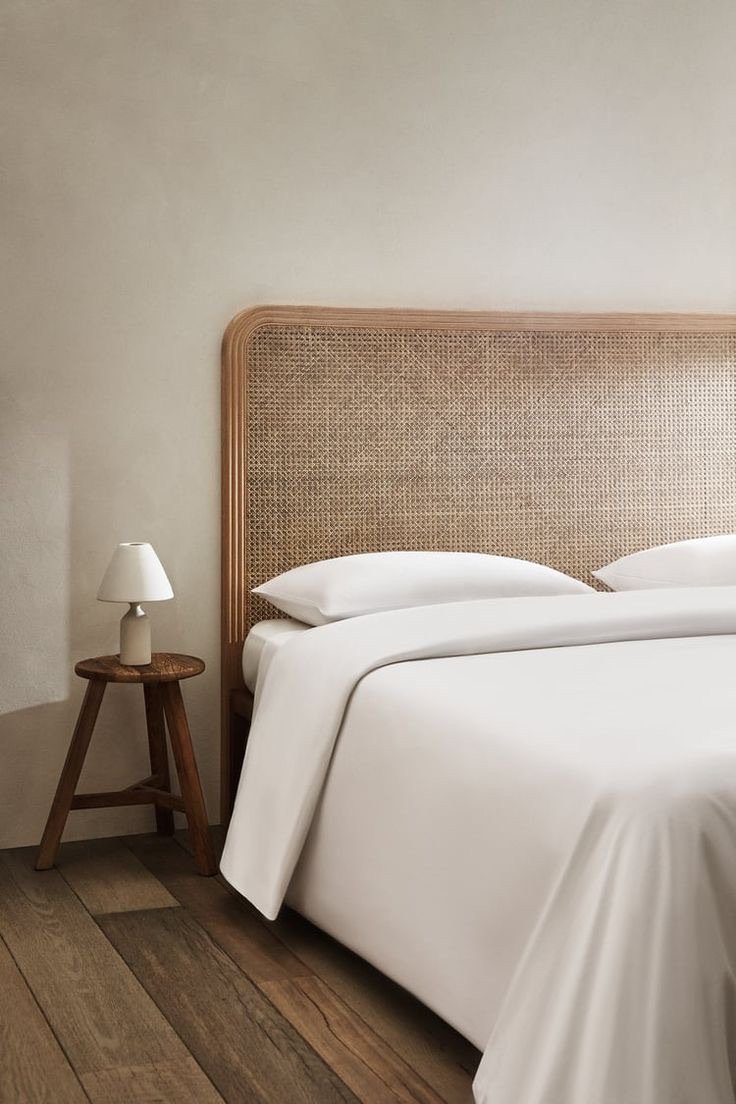
What It Actually Is
Firstly, rattan is a climbing palm native primarily to the tropical forests of Southeast Asia (Indonesia, the Philippines, Vietnam), where it grows in dense, fast-moving vines, and has been harvested for centuries. It’s not bamboo, which it’s constantly confused for. Bamboo is a hollow-core grass, and rattan is a solid vine that is more flexible, denser once pressed, and structurally capable of holding up under daily use.
The craft of weaving rattan into objects is genuinely ancient. Wickerwork, the art of using plant fibers to create baskets, furniture, and functional objects, dates back to ancient Egypt, where woven pieces were considered valuable enough to be buried alongside pharaohs. The Romans eventually adopted it, and trade routes carried it west through the 17th and 18th centuries. By the Victorian era, it had embedded itself firmly into the British colonial imagination: exotic but civilized, natural and refined.
In America, rattan started to take off in the 1840s when Cyrus Wakefield started importing raw rattan that had been used as packing material on ships, realizing it could be made and sold into furniture. That company eventually cornered the market on wicker, and rattan found its way into American parlors, hotels, and resort furniture for decades. When the 1980s came, it came with chrome and neon, and rattan retreated. Rather than disappear, it just waited quietly.
Why Right Now
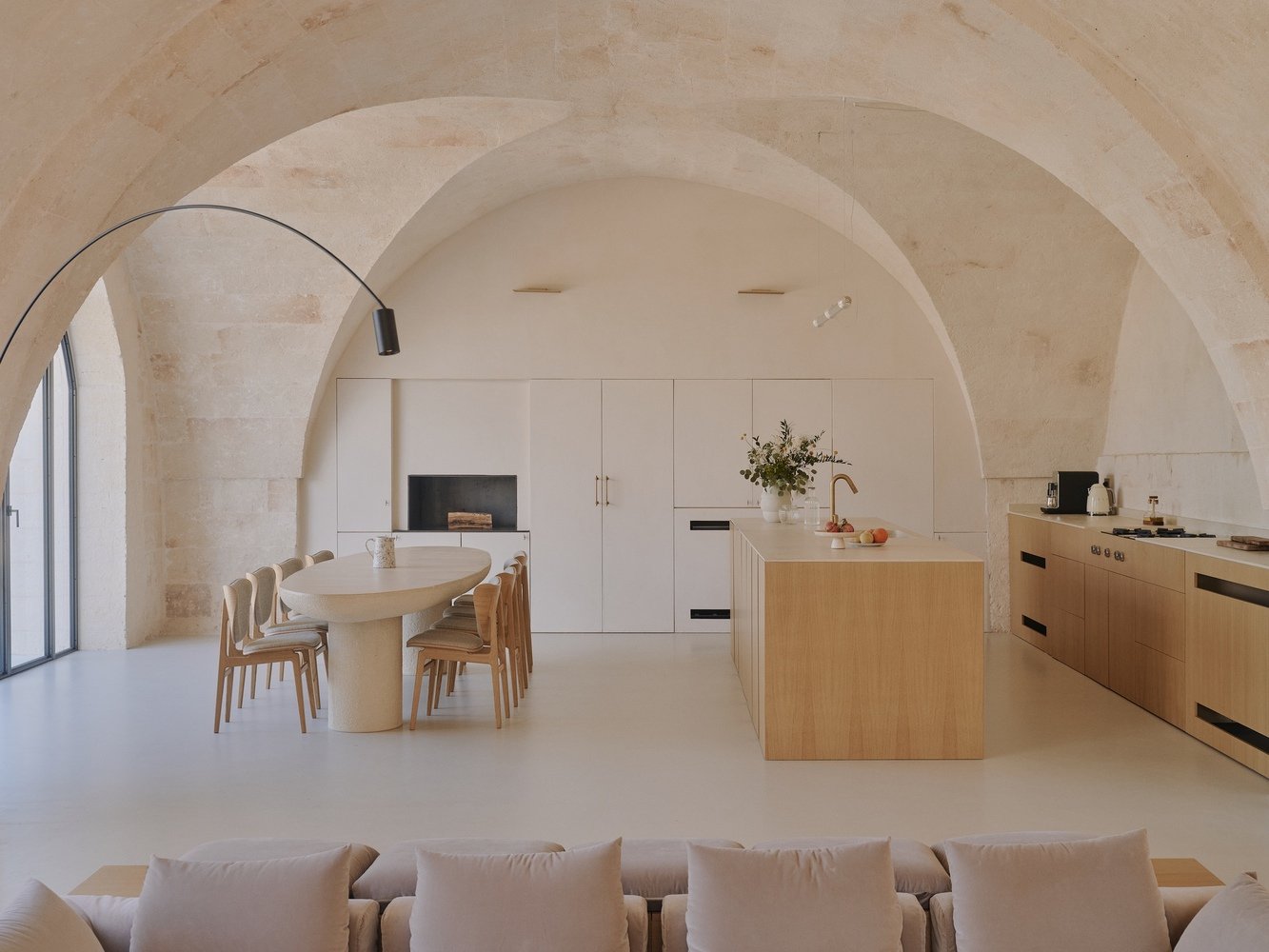
A few things are happening simultaneously, and they’re not unrelated. The main one is that the broader turn toward natural materials in interiors has been building for years. People are genuinely done with cold, flat surfaces and rooms that feel engineered rather than lived in. Alongside that, the Mediterranean-inspired interior revival has seriously taken hold. And unlike the heavy Tuscan aesthetic of the early 2000s, this version is airier, more restrained: whitewashed walls, terracotta floors, linen, arched openings, and, of course, rattan.
This is where the material earns its keep, in my opinion. Coastal cultures across Southern Europe, North Africa, and the Greek Islands have incorporated woven natural materials for centuries, and it’s embedded in the visual culture of those places. When you put a rattan chair in a room with plaster walls, a ceramic jug, and a linen curtain catching the perfect light, it doesn’t announce itself as a trend. It reads as a place. There is also the sustainability dimension. Rattan replenishes in five to seven years, which is unusually fast for a material used in furniture. While I don’t think sustainability is the main driver in making people choose rattan, it does play a key role in the ‘pro’ column. Really, people are buying it because it brings warmth to over-neutralized rooms, texture to spaces that have been sanded down to nothing, and a real, homemade with character quality that feels earned. Rattan looks like something someone genuinely made, which, in a world of mass production and perfectly matched finishes, is actually a selling point.
DWELL
IVAN TAN FOR DWELL
NIRUT BENJABENPOT FOR DWELL
The Line Between Considered and Cluttered
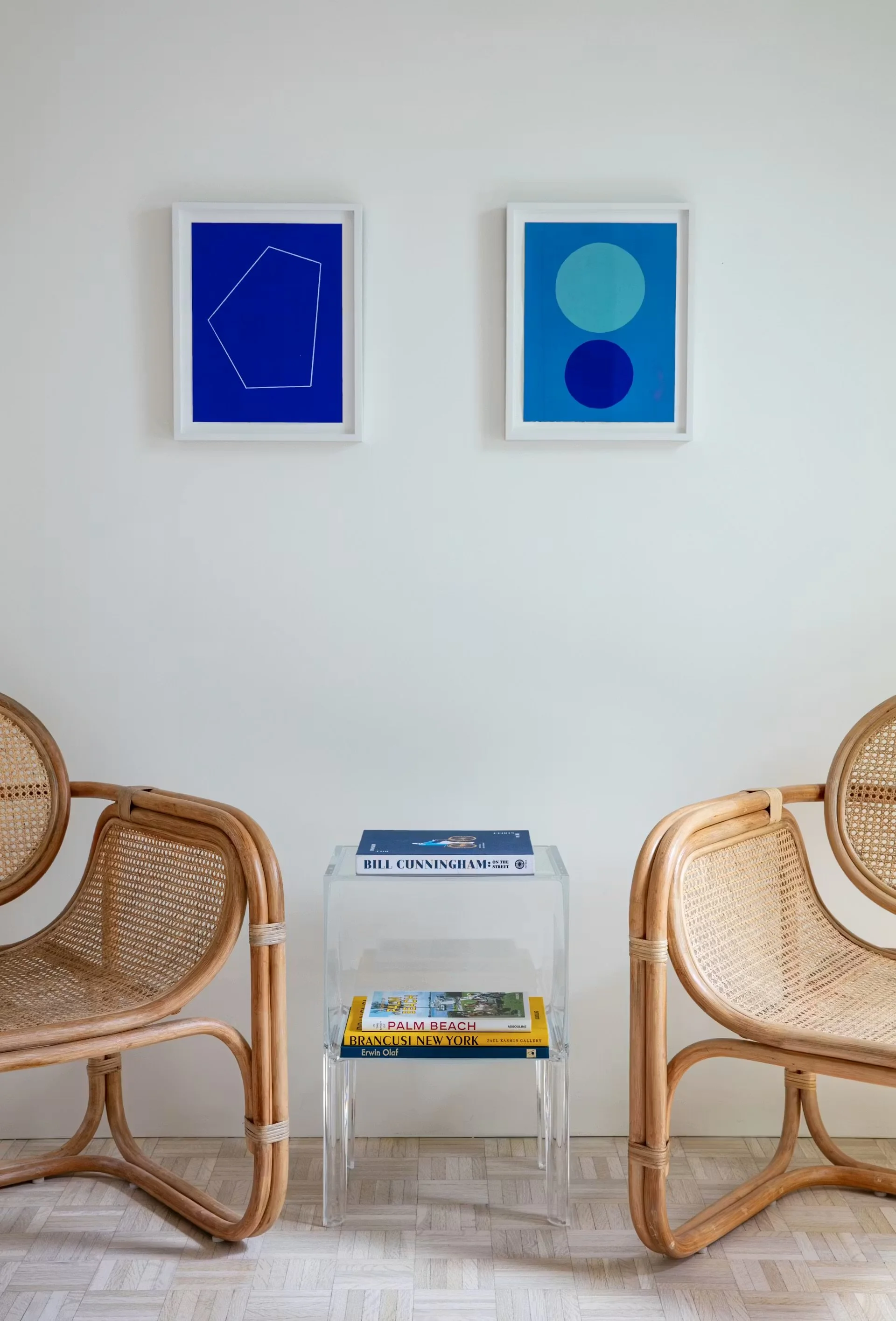
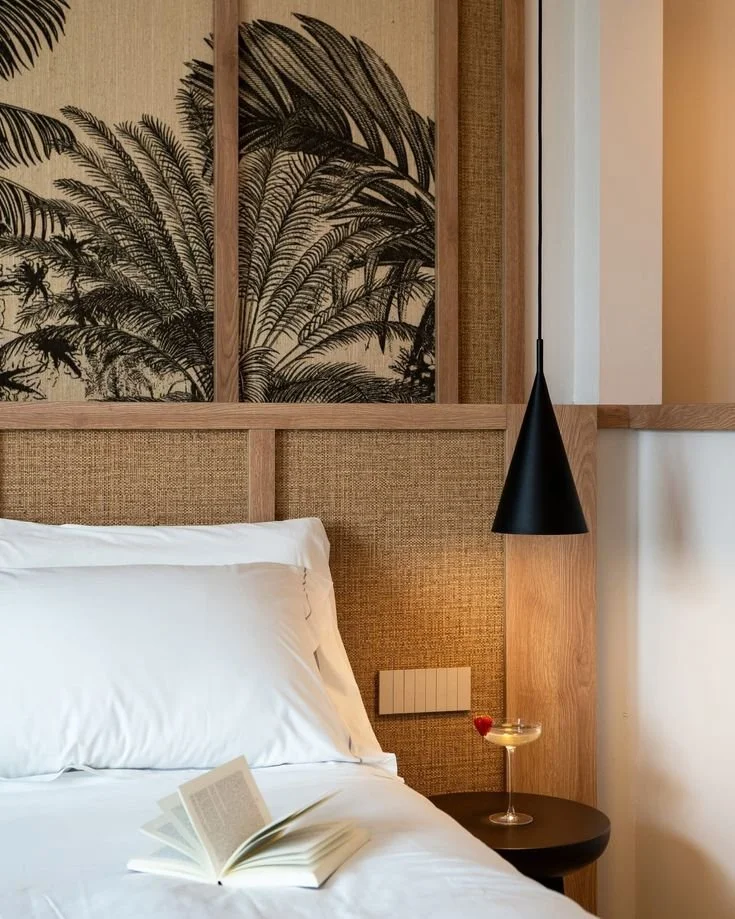
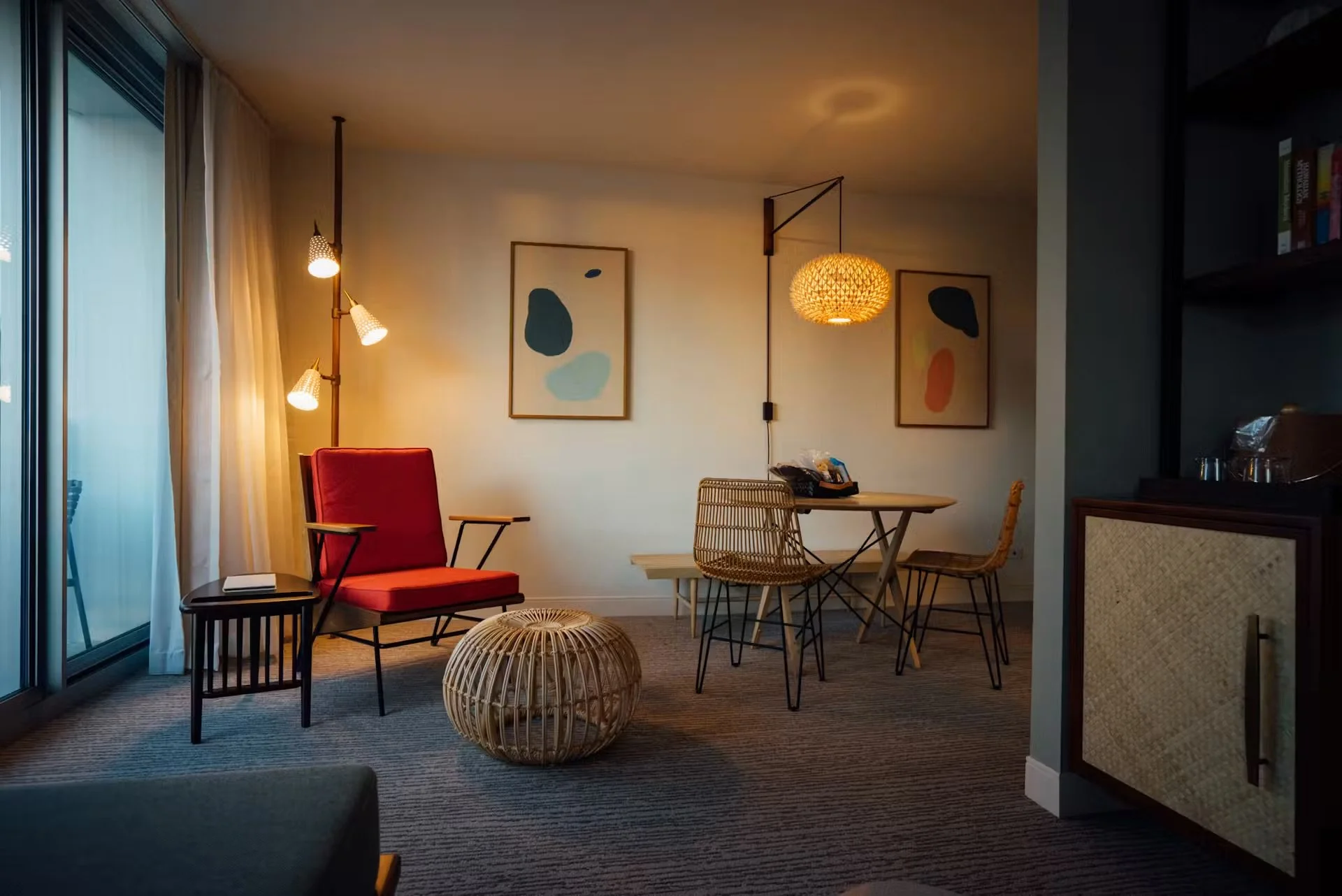
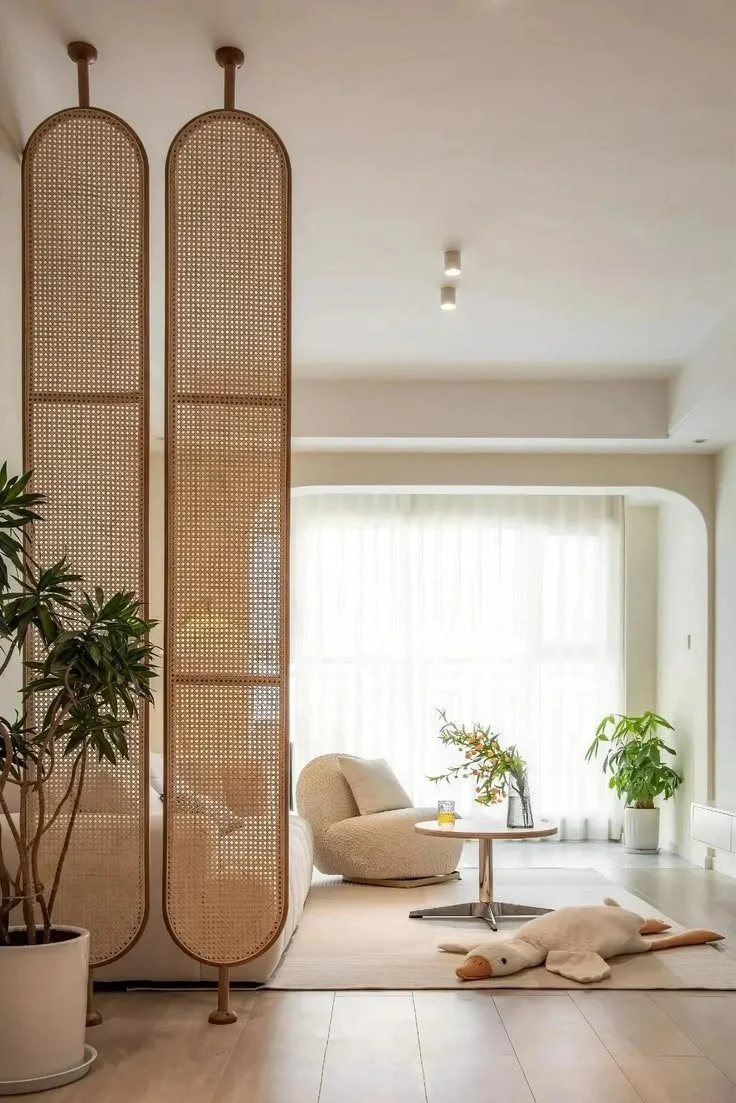
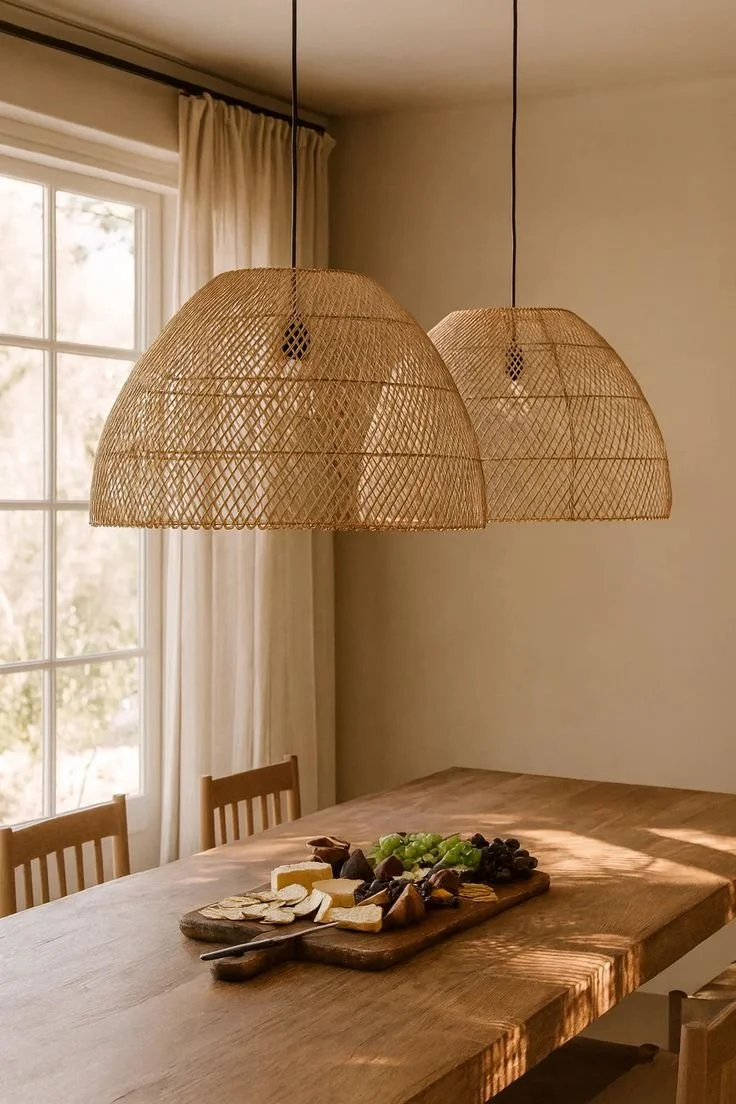
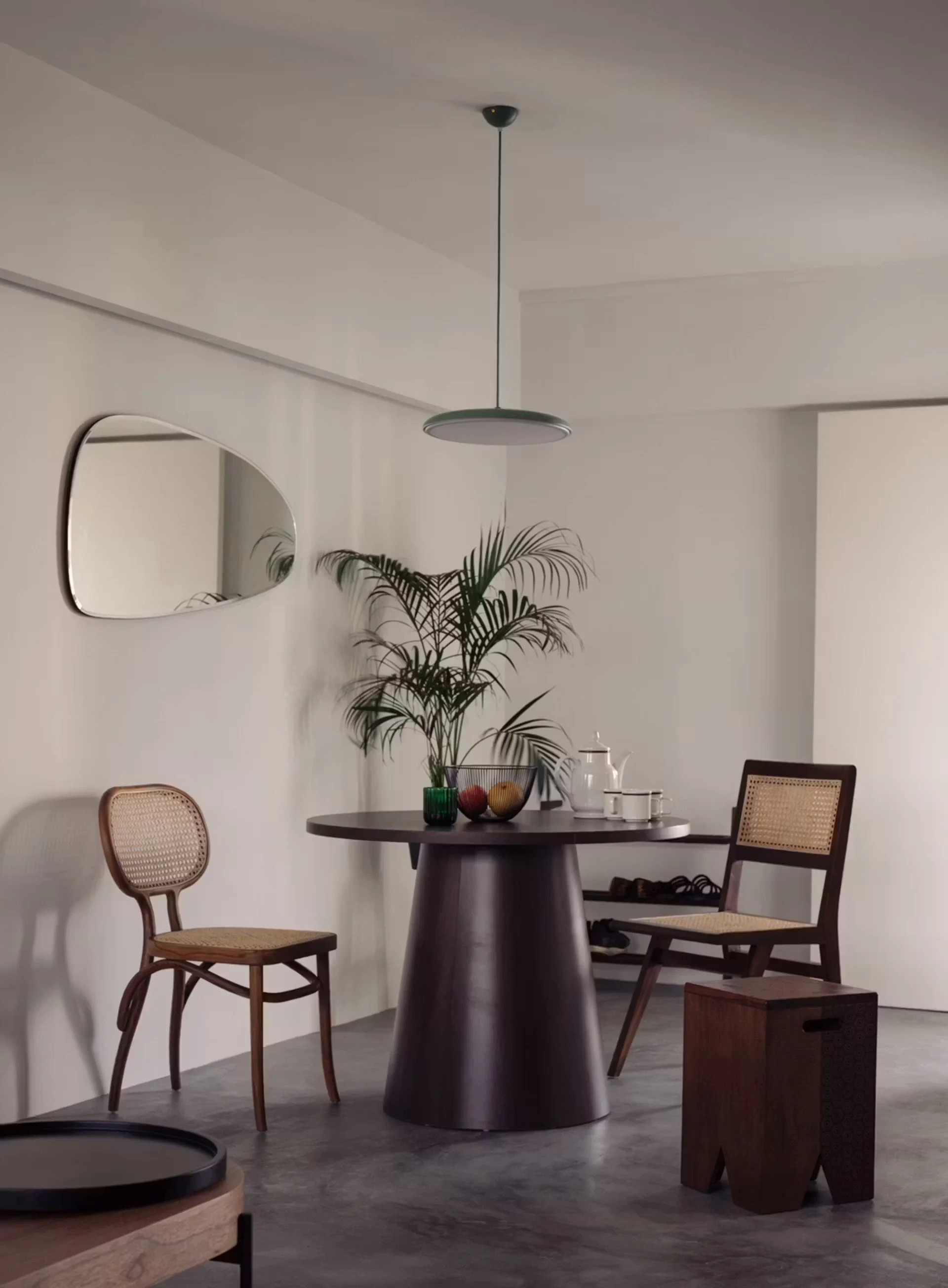
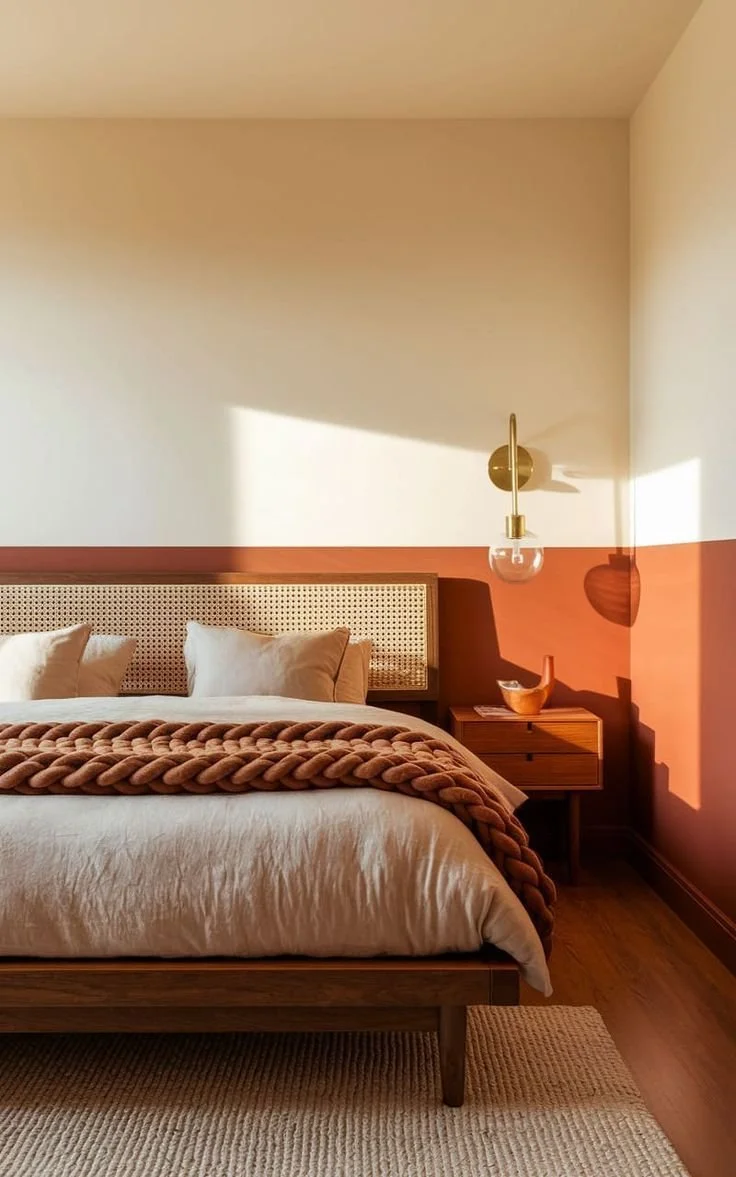
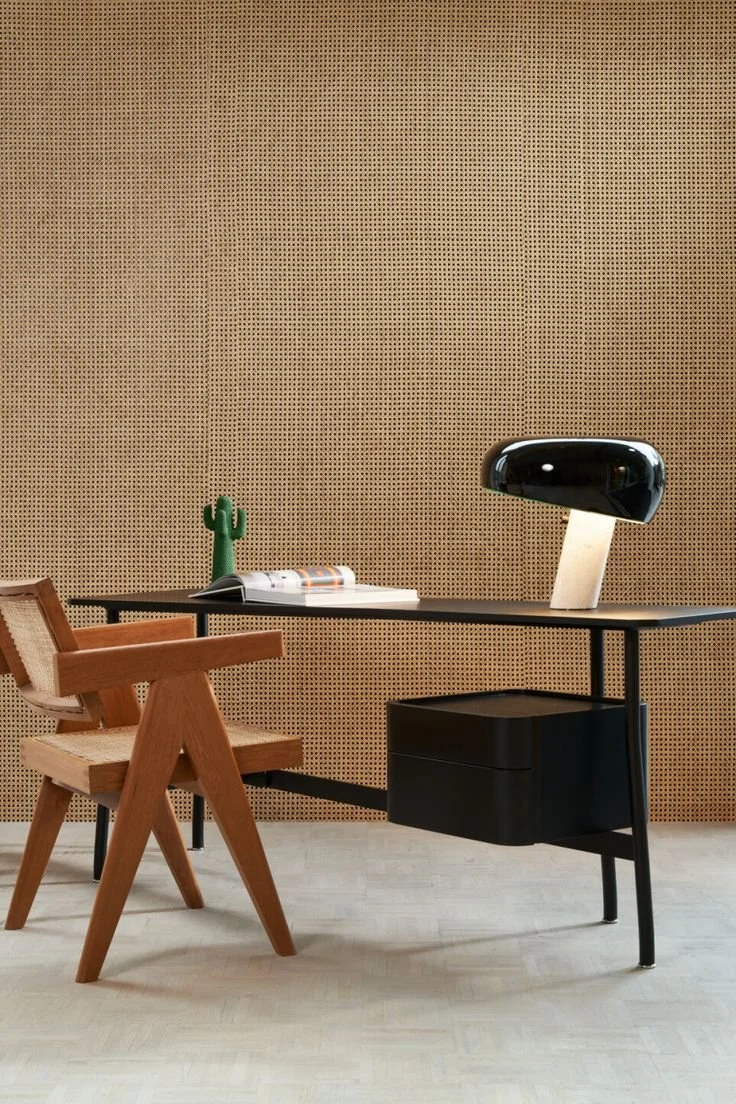
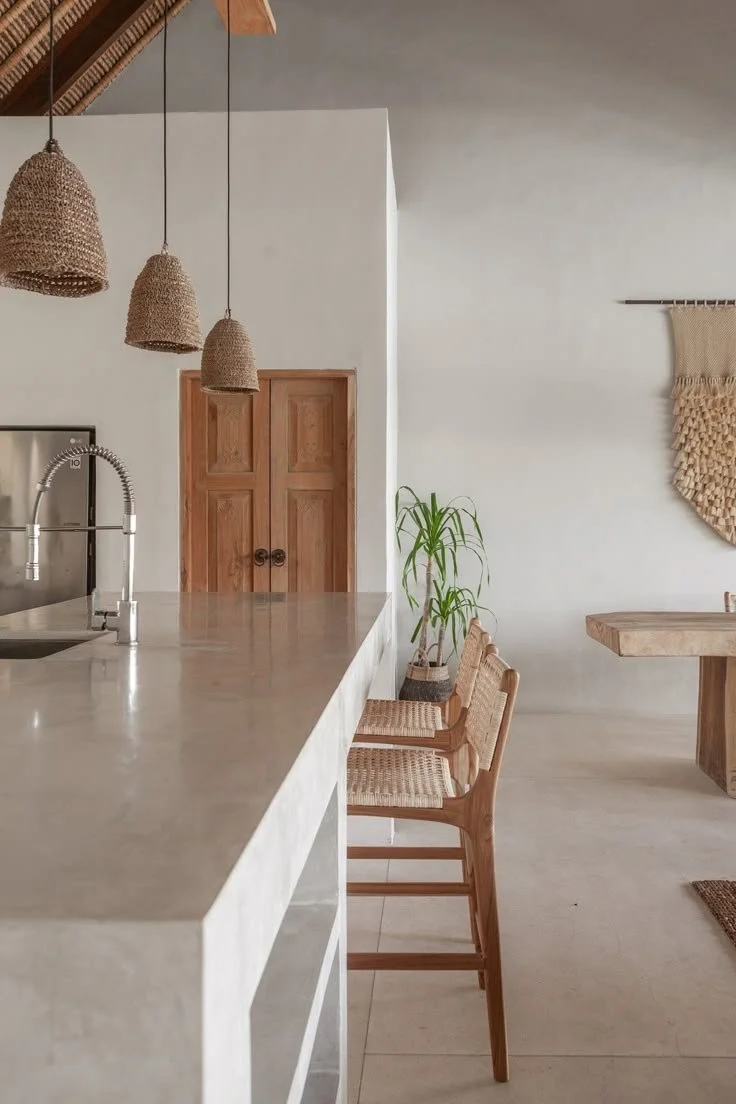
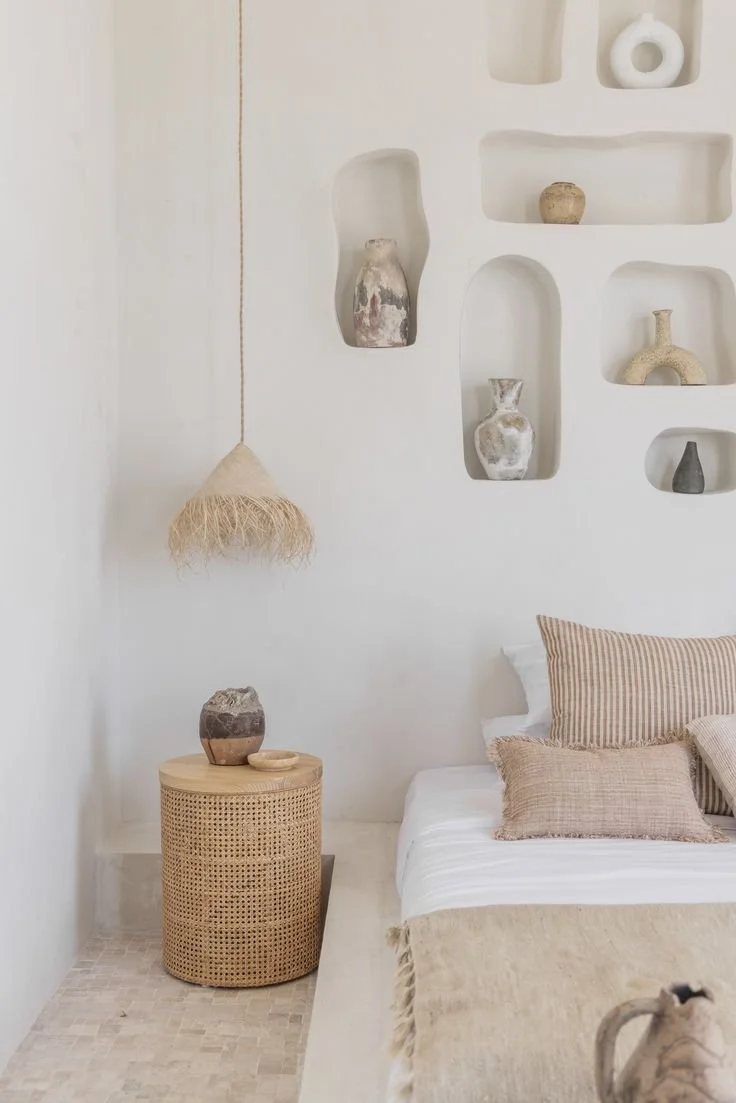
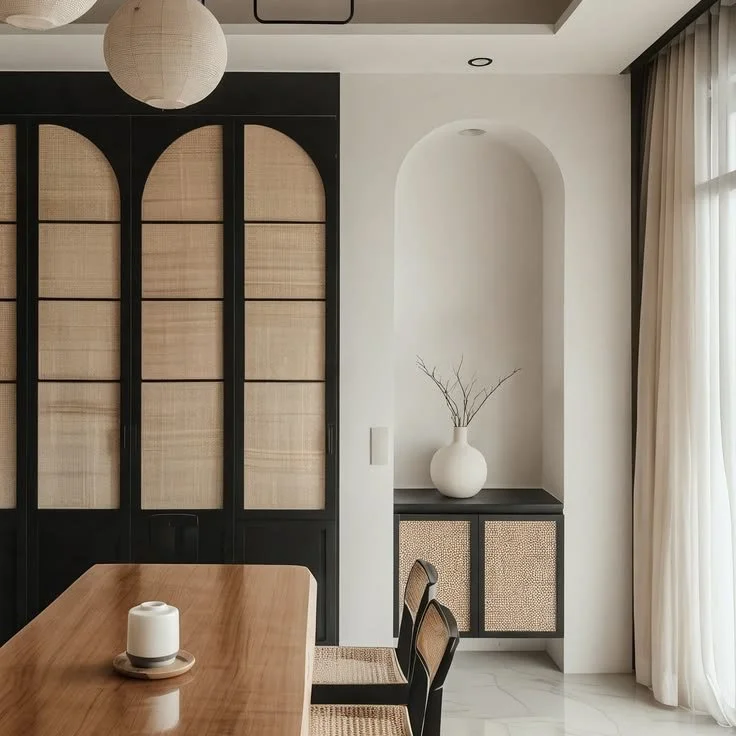
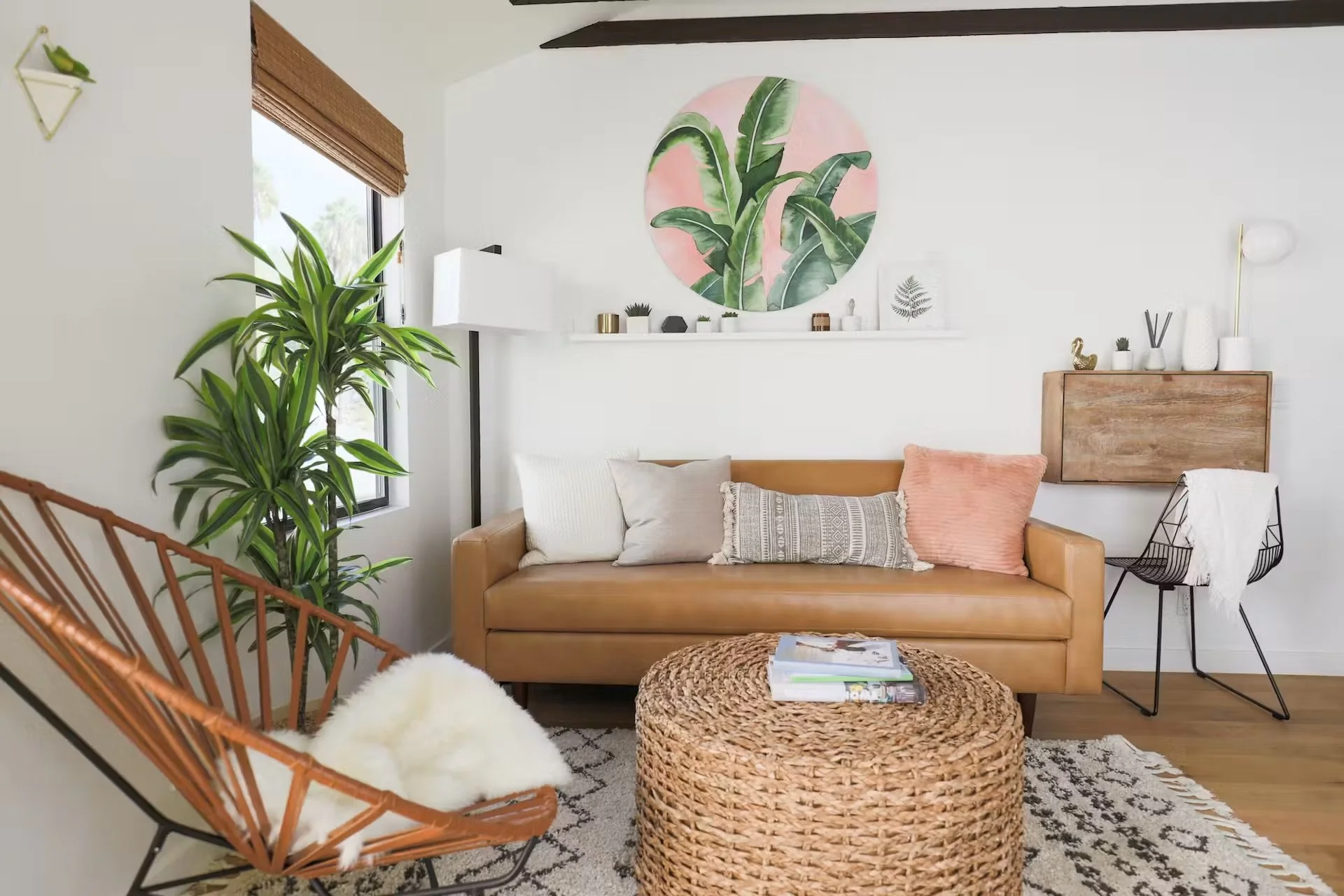
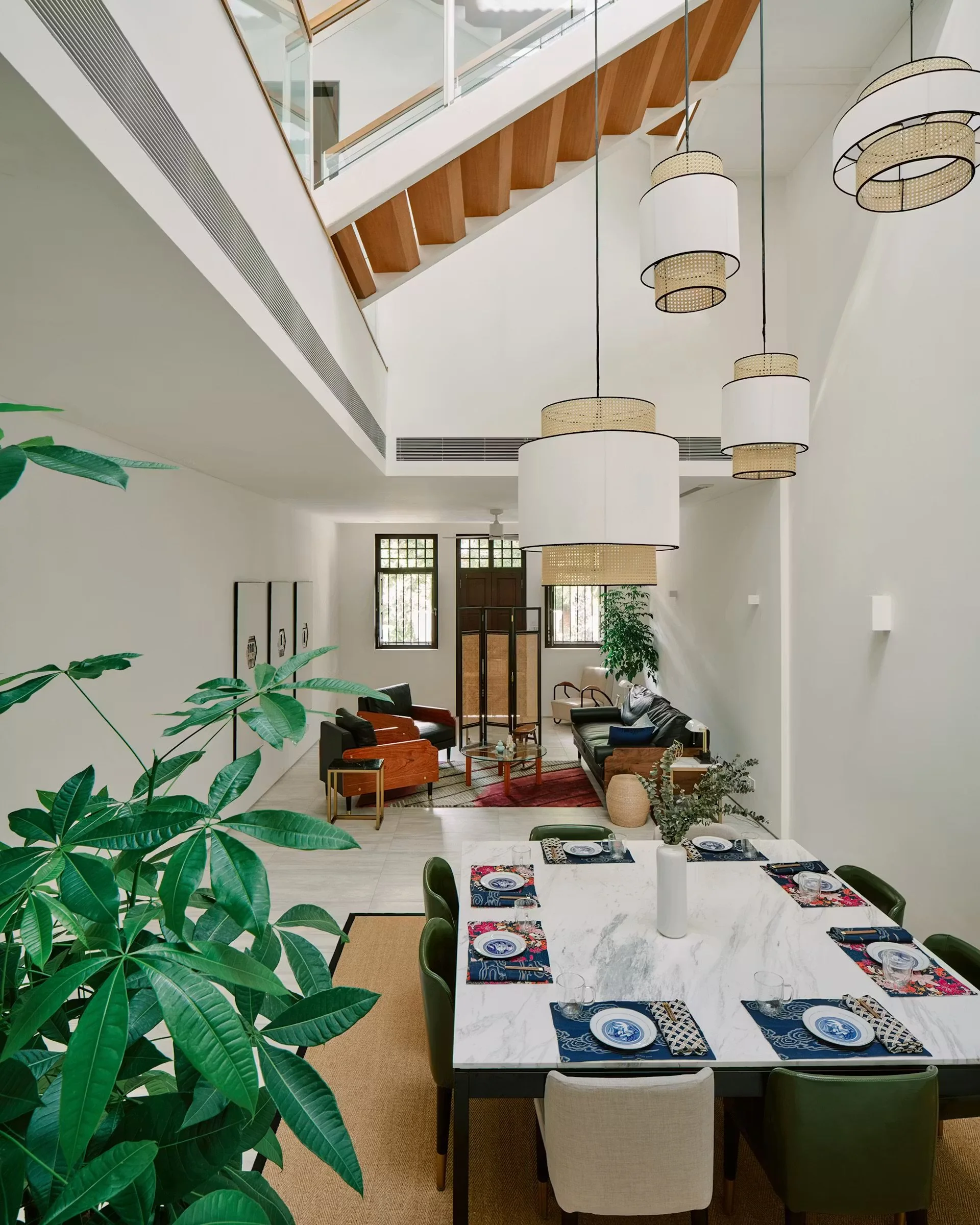
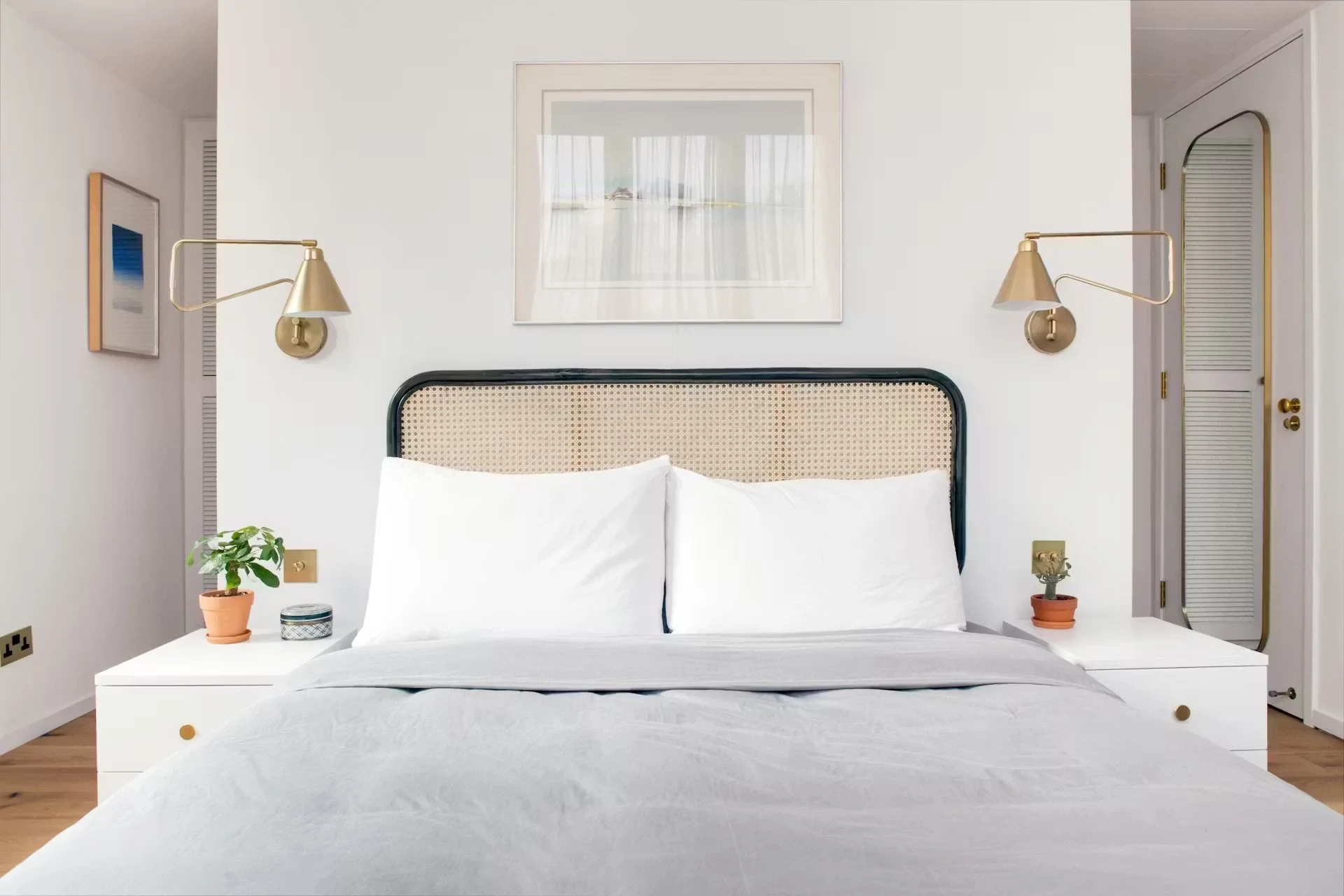
There is one part that requires some self-discipline. Rattan is easy to get really excited about and even easier to overdo. As you can see in the inspo images, a single rattan chair in a room with a wood floor and a linen sofa feels considered. Now that same chair plus a side table, pendant light, headboard, and fruit bowl, well, that is a theme. A theme can be exhausting and turn a room into a concept rather than a place.
The Mediterranean approach works precisely because it’s not about stacking materials. It’s more about letting each piece carry its own weight in rooms where there are other things going on. One natural, organic note among contrasting materials like aged wood, cool plaster, stone, and even dark metal. That contrast is what makes rattan lean more elegant rather than rustic. Without the contrast, things tip to kitschy way too fast.
Scale also matters more than most people account for. A delicate rattan headboard adds warmth without commanding the entire room, and a woven pendant above a dining table is an excellent place to put texture that won’t work on the table or chairs; on the other hand, a papasan chair is its own design statement. It shifts the energy of a room the moment you bring it in. None of those choices is wrong, but they are different choices, and it’s important to know which one you’re making.
The last and possibly most important thing is that the rest of the room has to do its job. Rattan has the most impact when it’s the unexpected organic note in an otherwise quiet space. If every surface is already textured, layered, or pattern-heavy, it disappears. If the room is clean and spare, the rattan piece is making the room feel alive, and you’ve got it right.
Get the Look
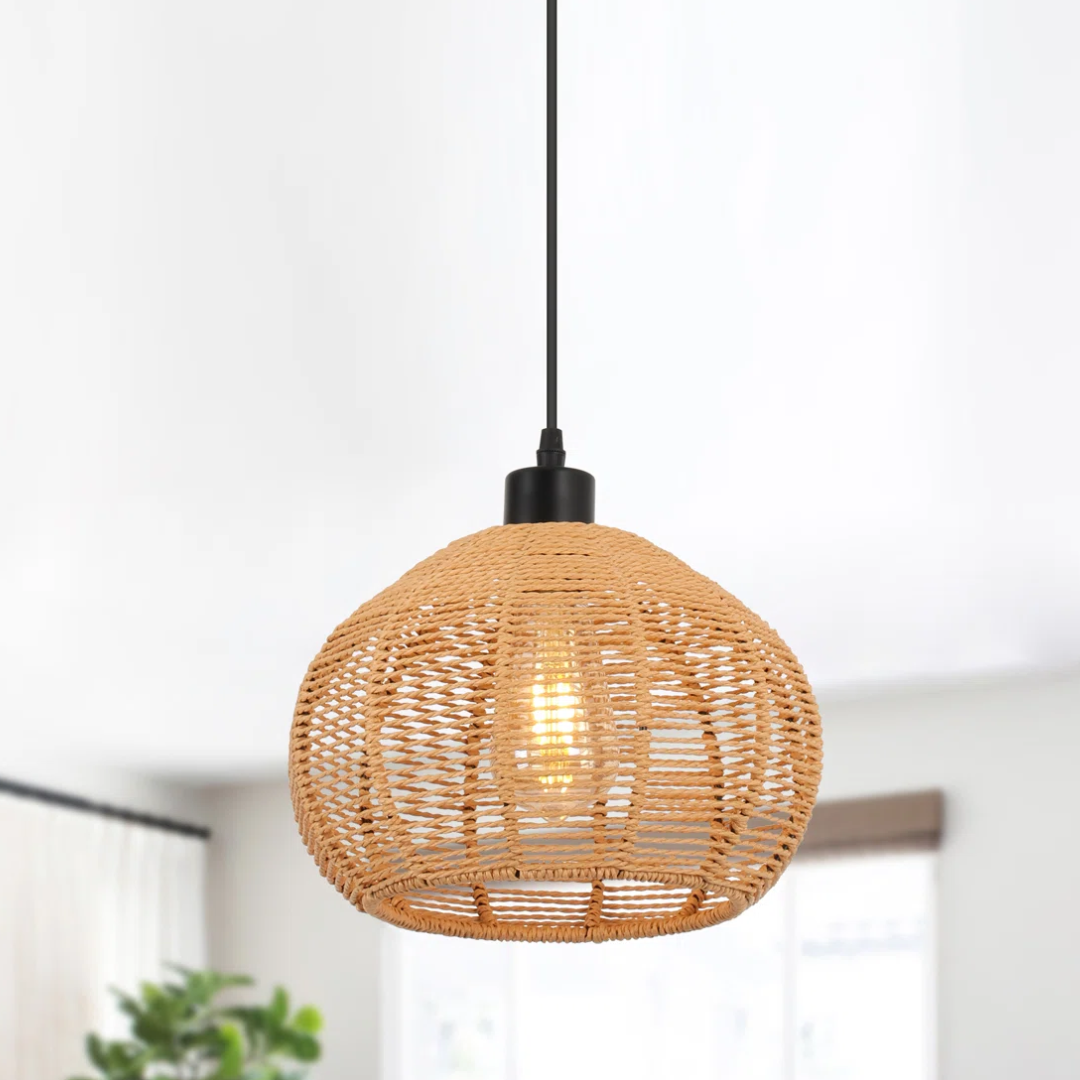
Pendant Light
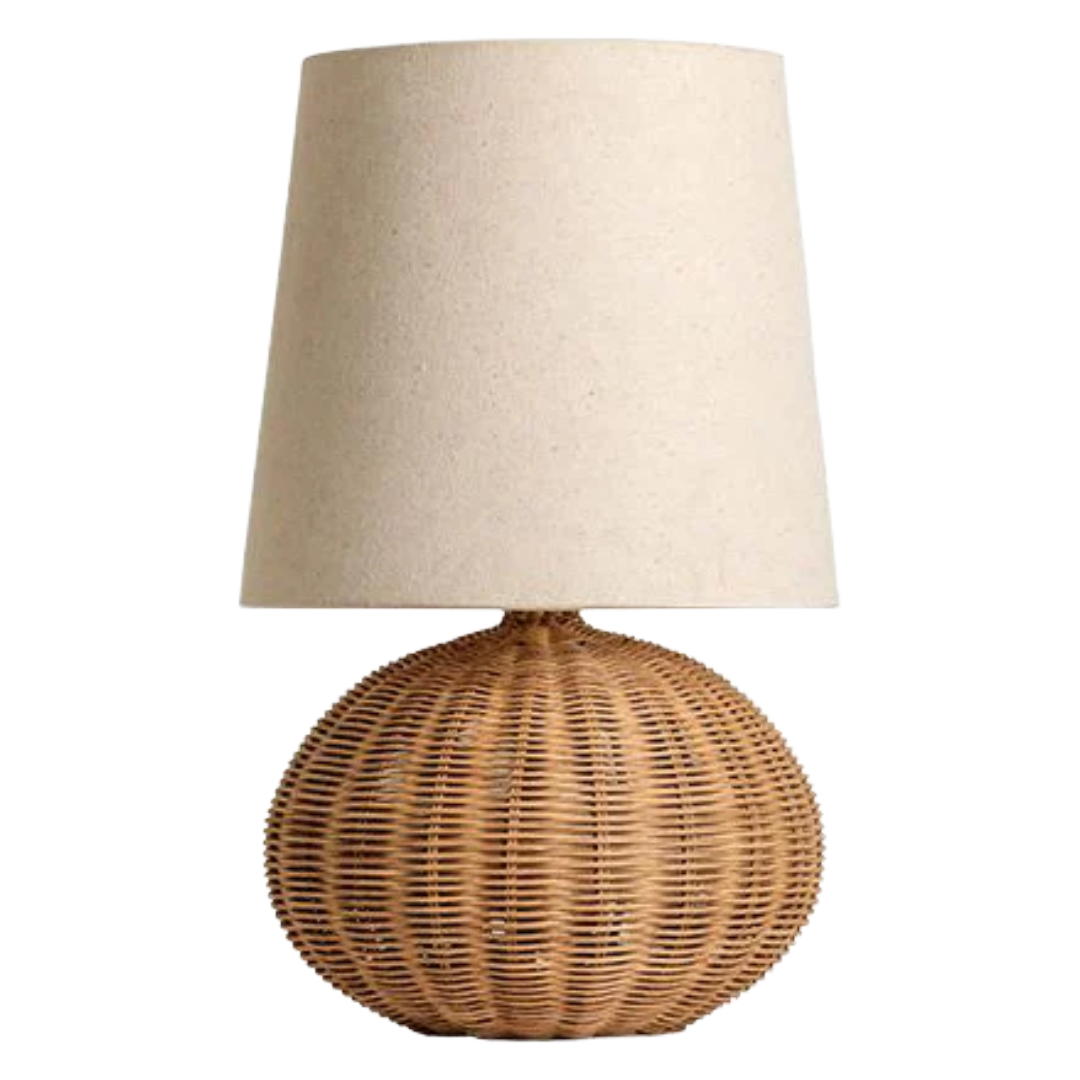
Table Lamp
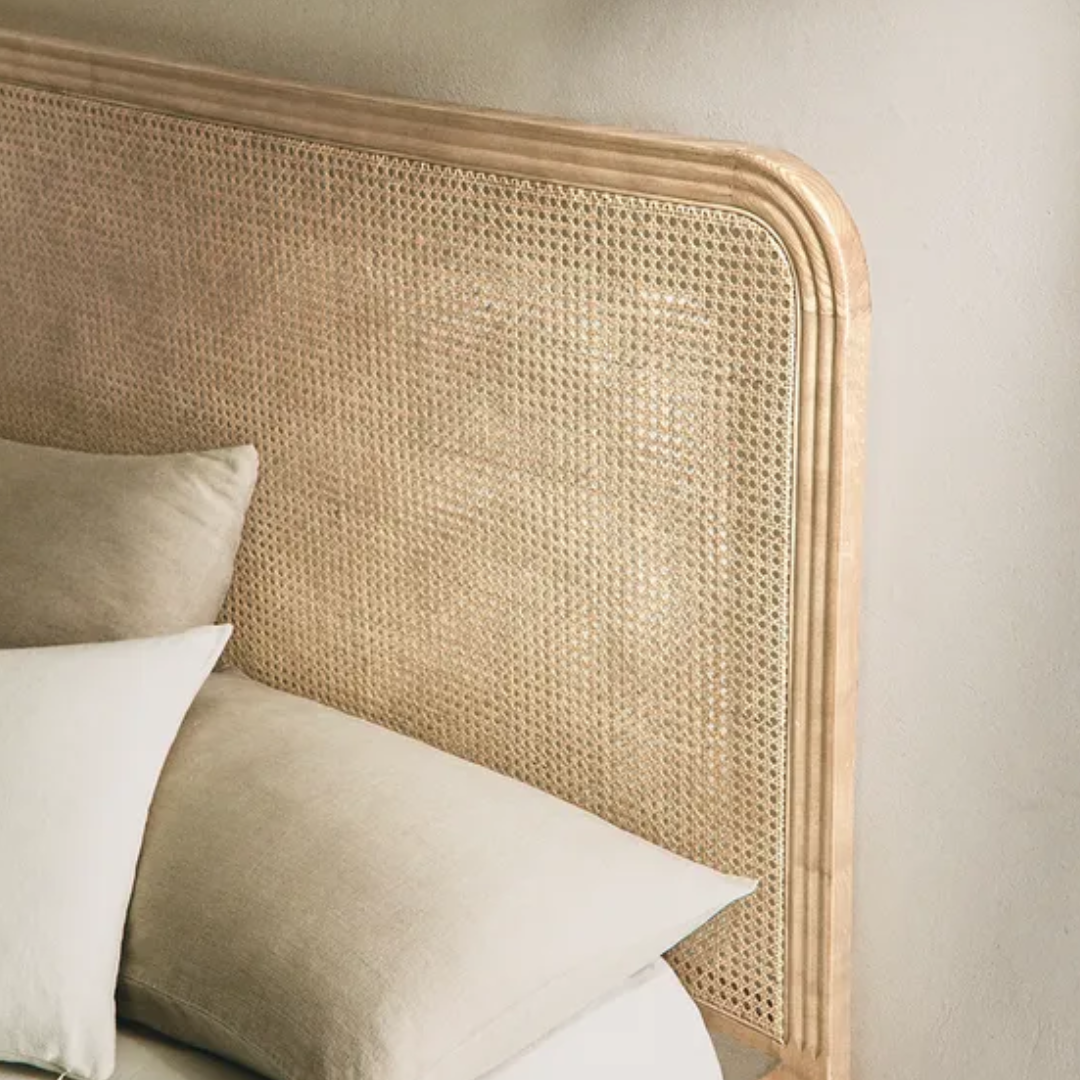
Headboard
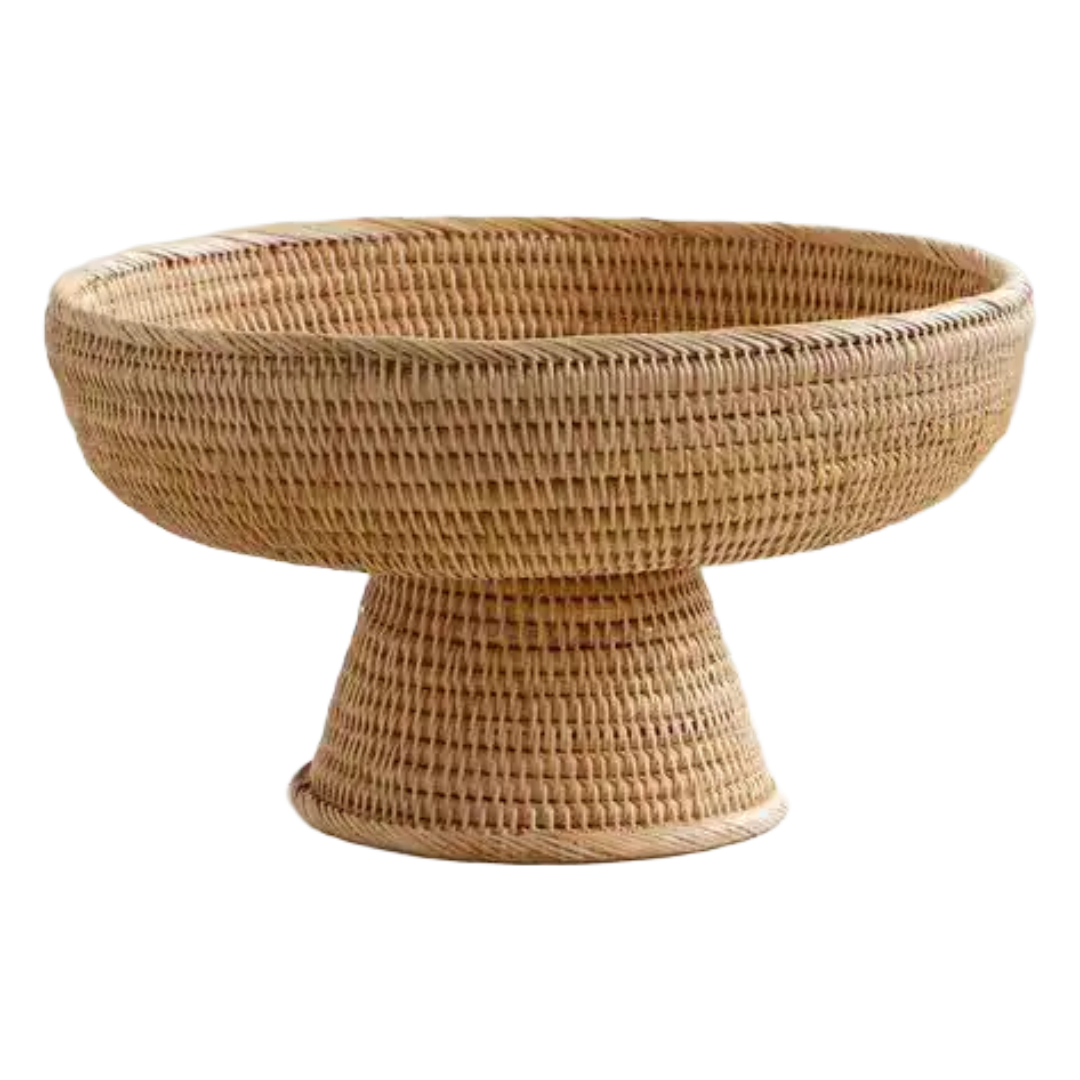
Fruit Bowl
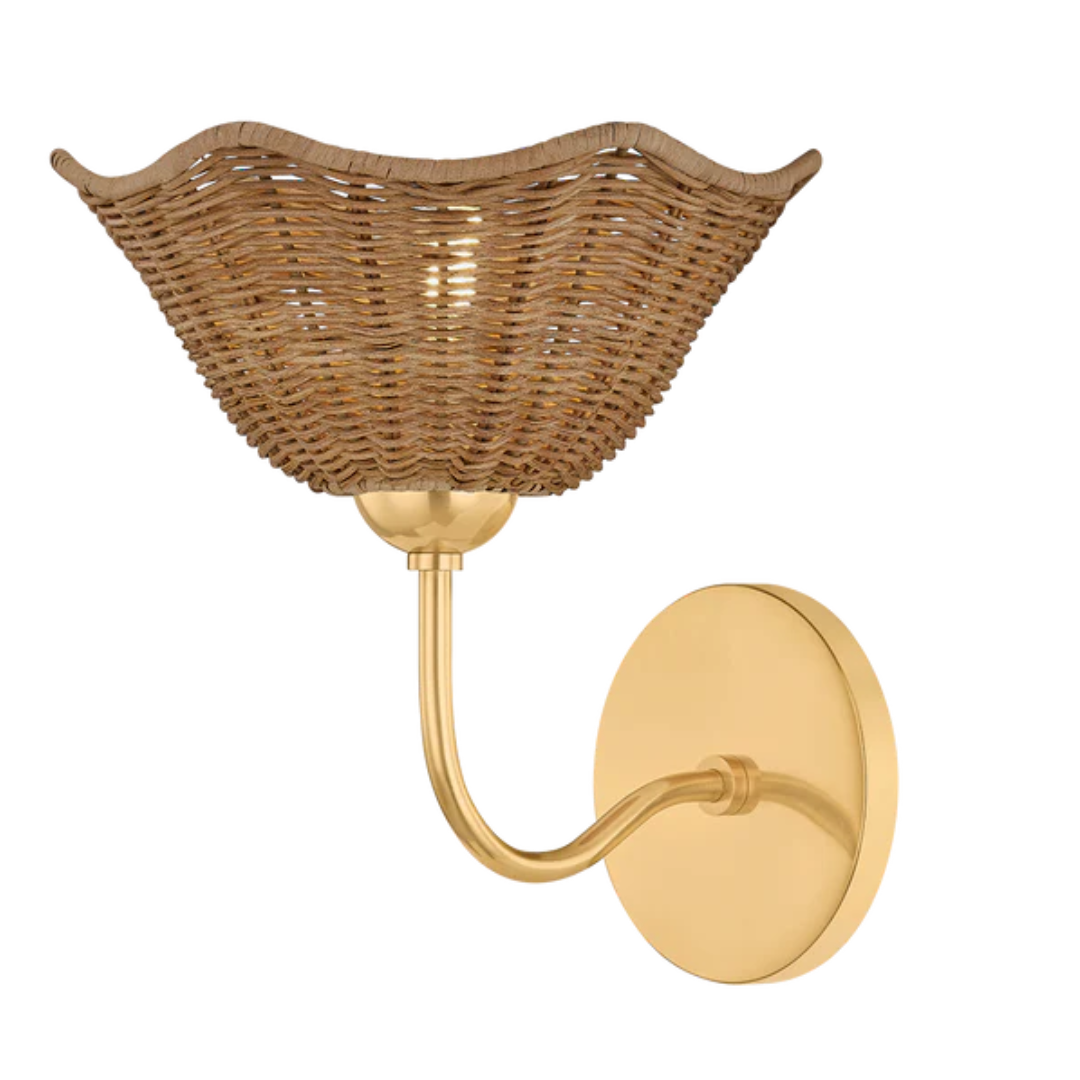
Wall Sconce
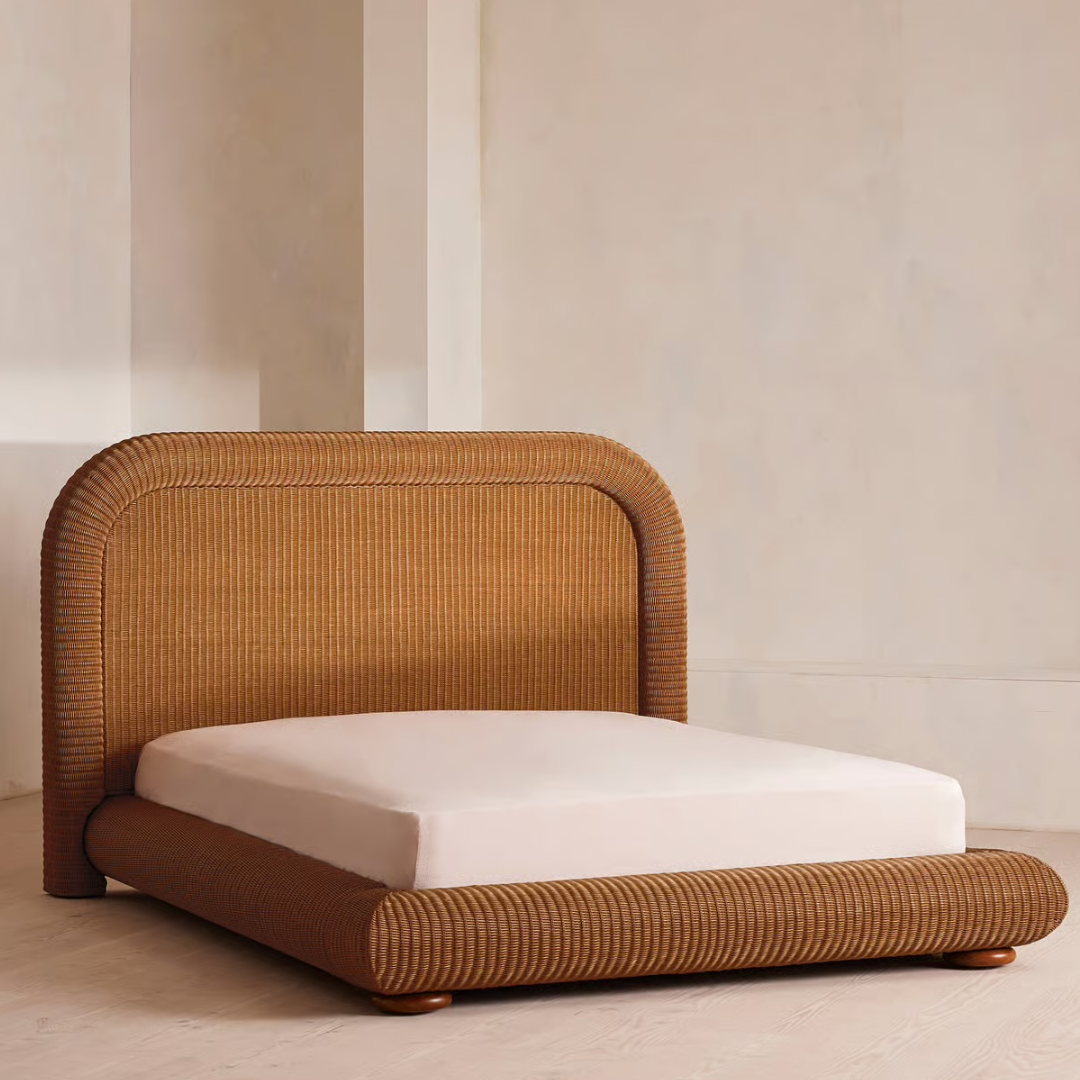
Kaplan Bed
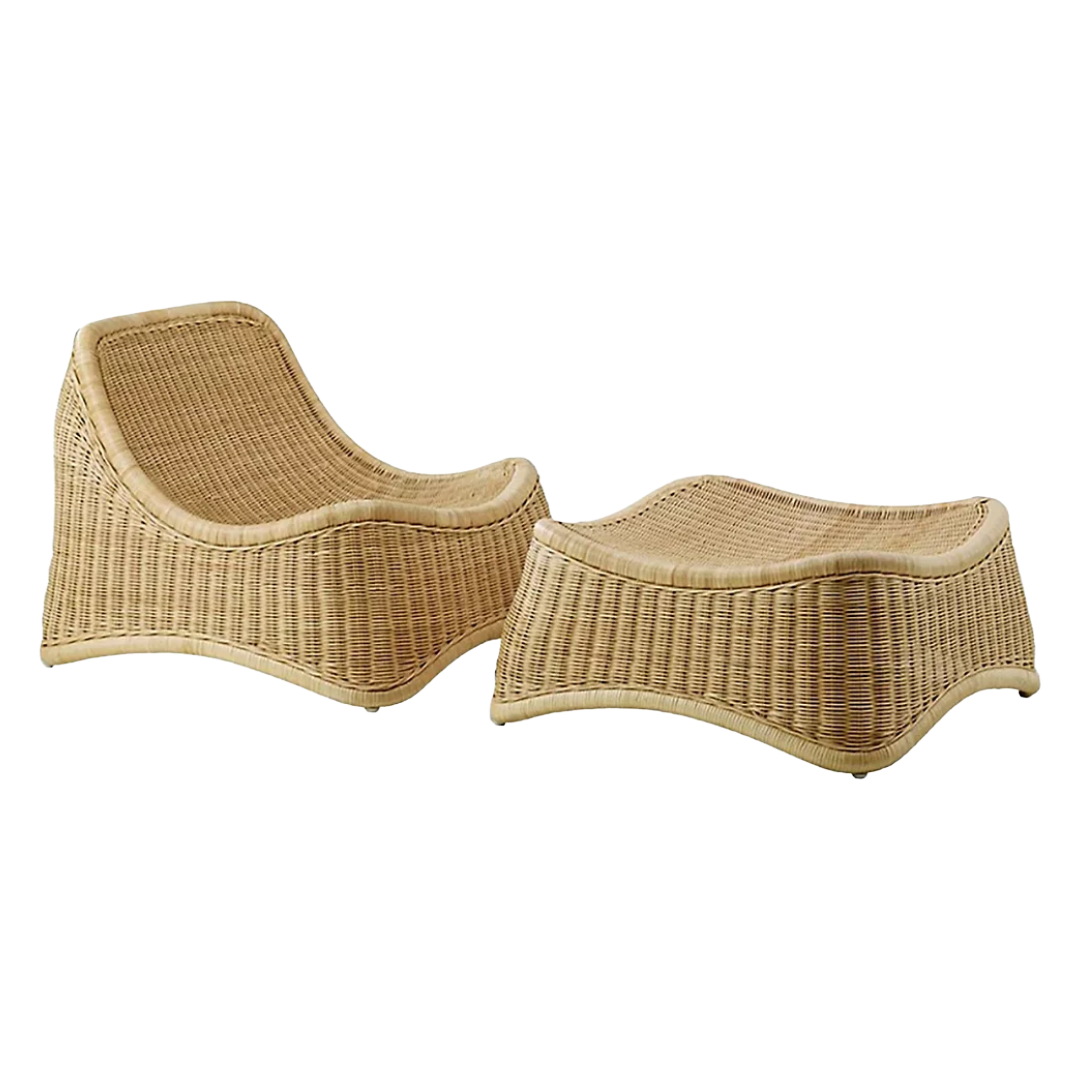
Lounge Chair & Stool
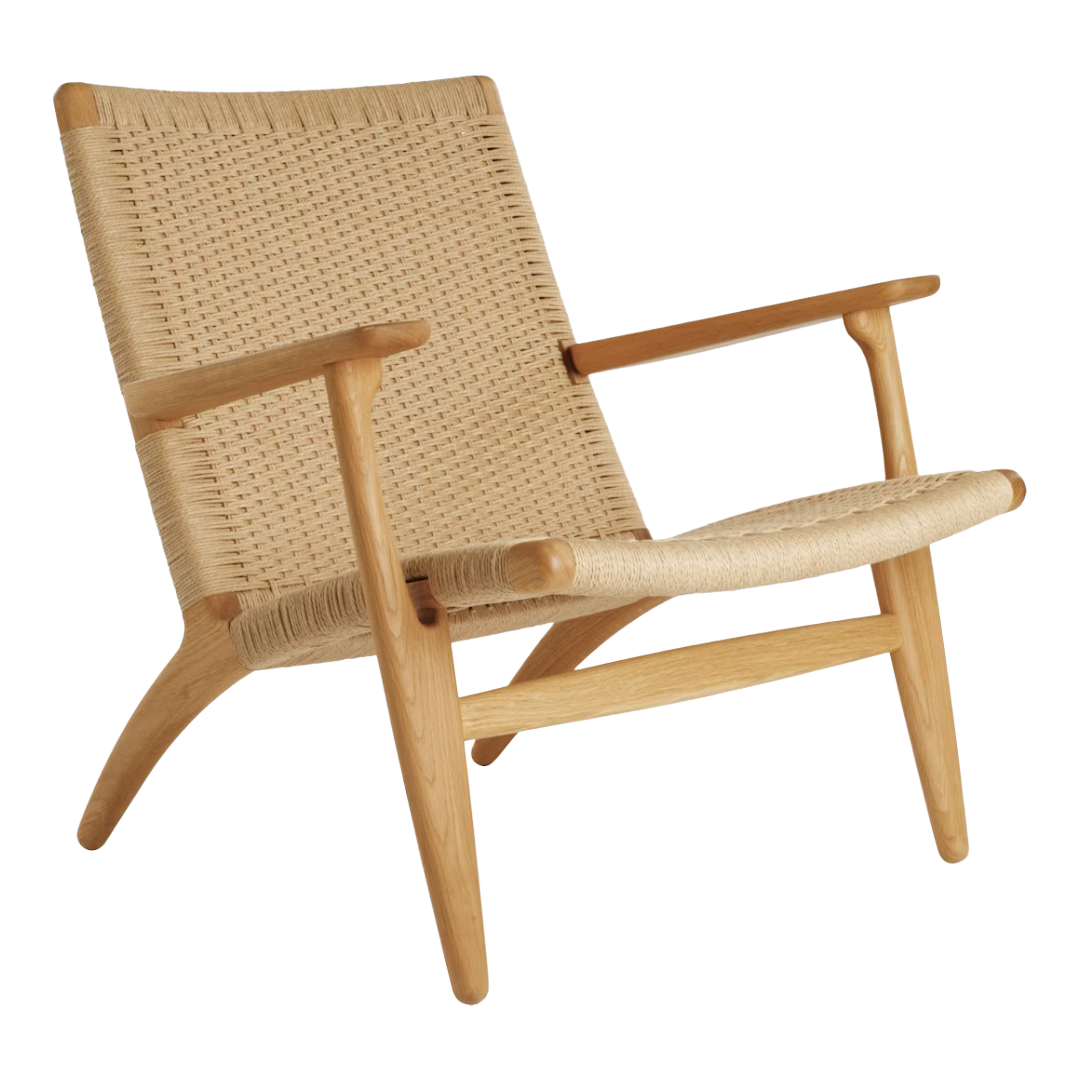
Easy Chair
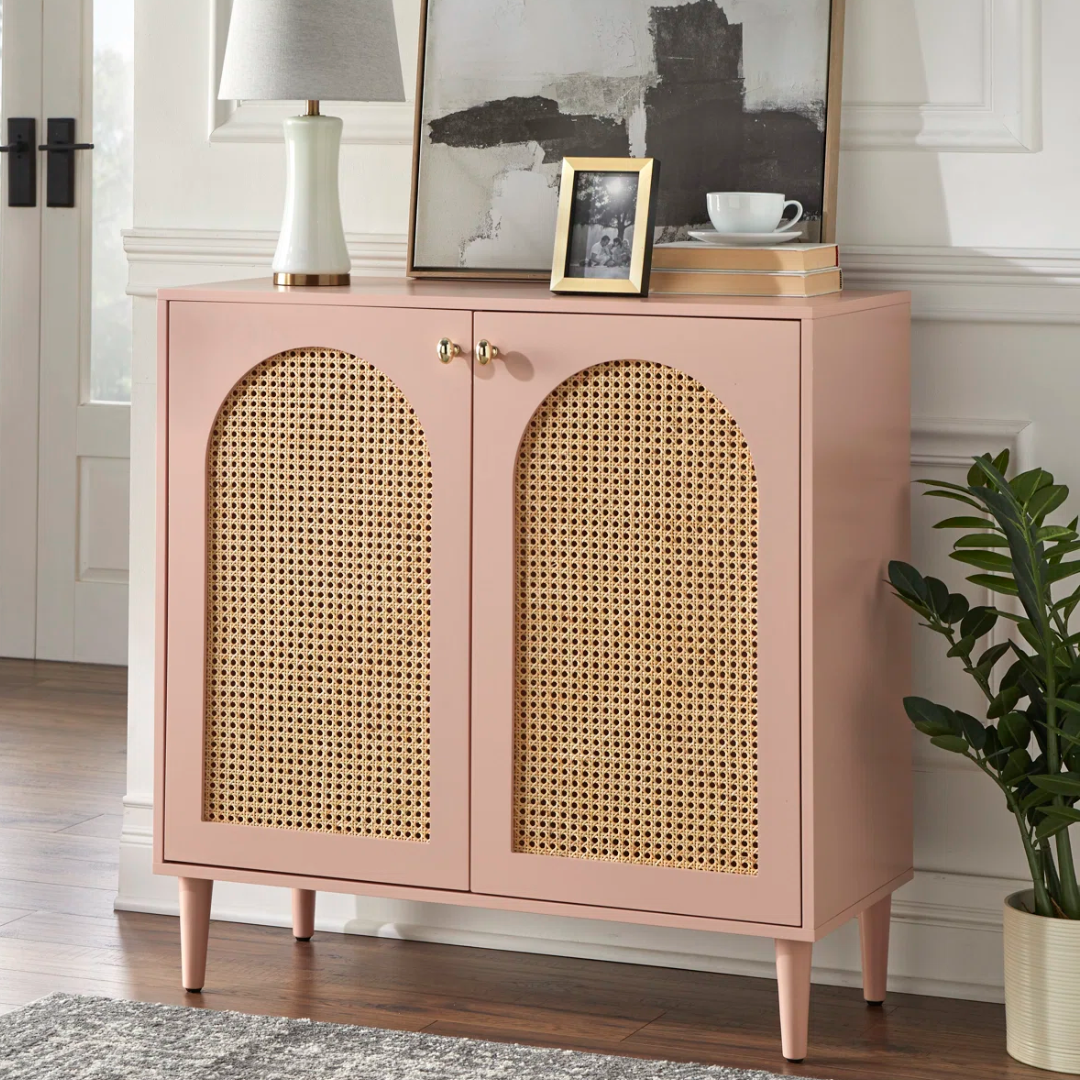
Cabinet
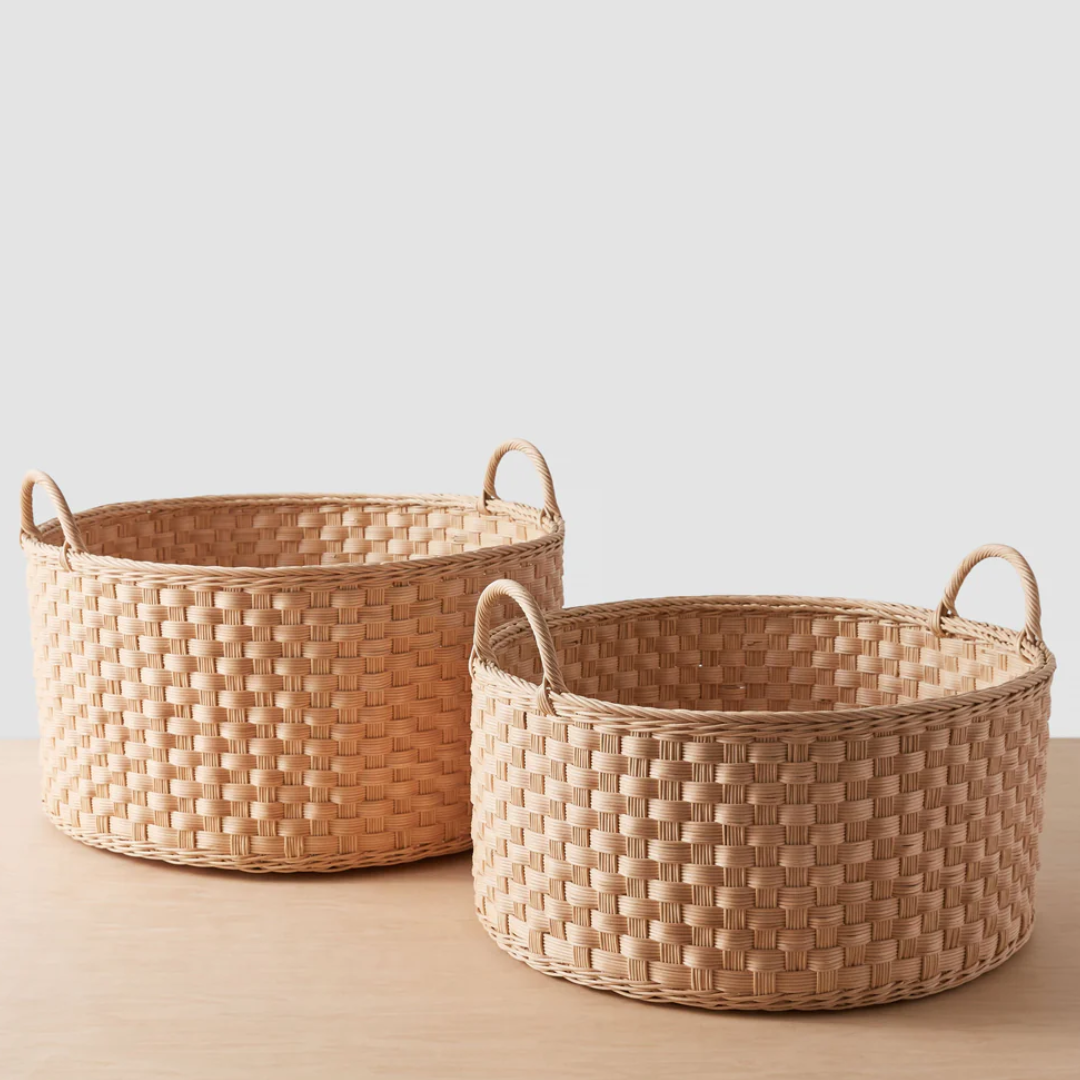
Floor Baskets
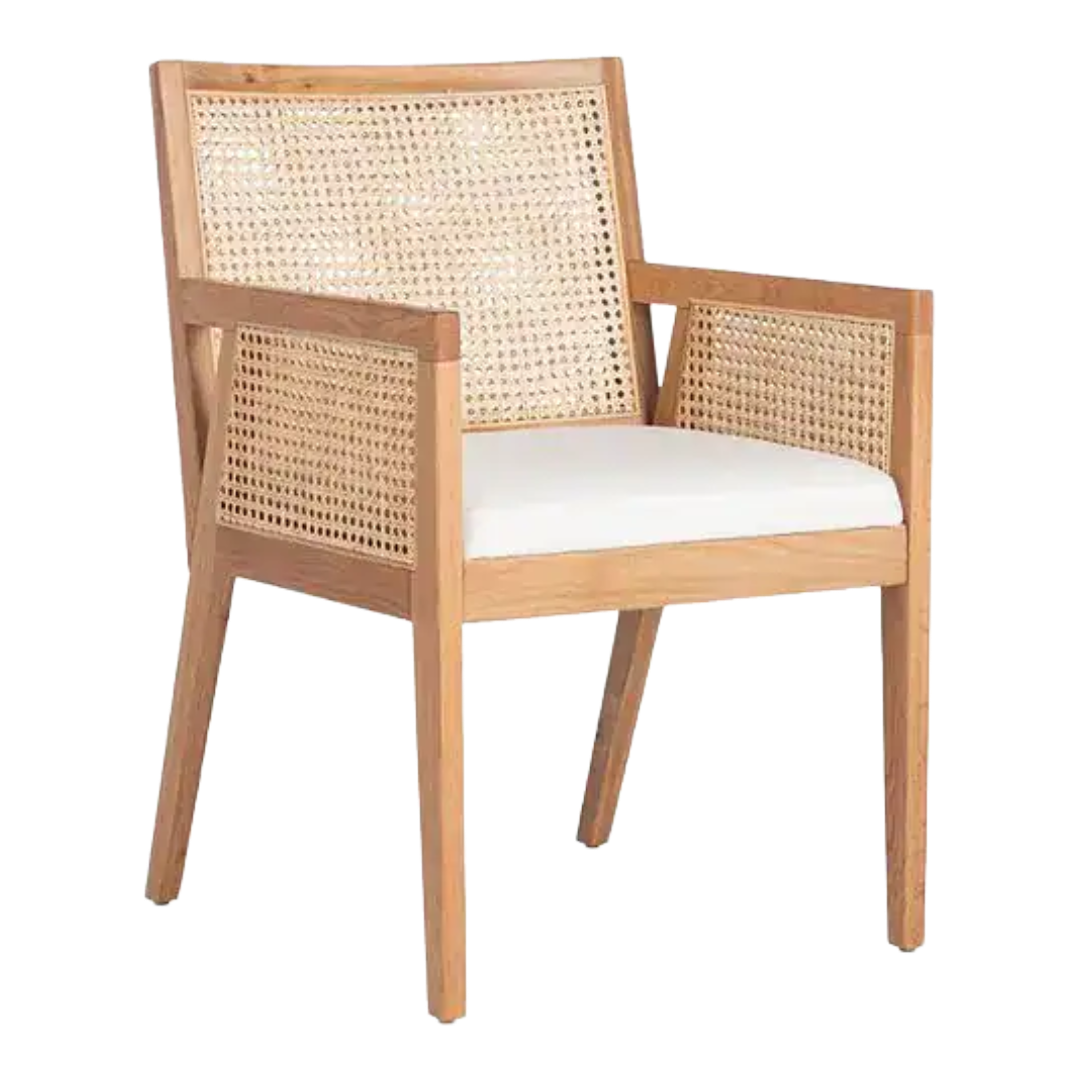
Dining Chair
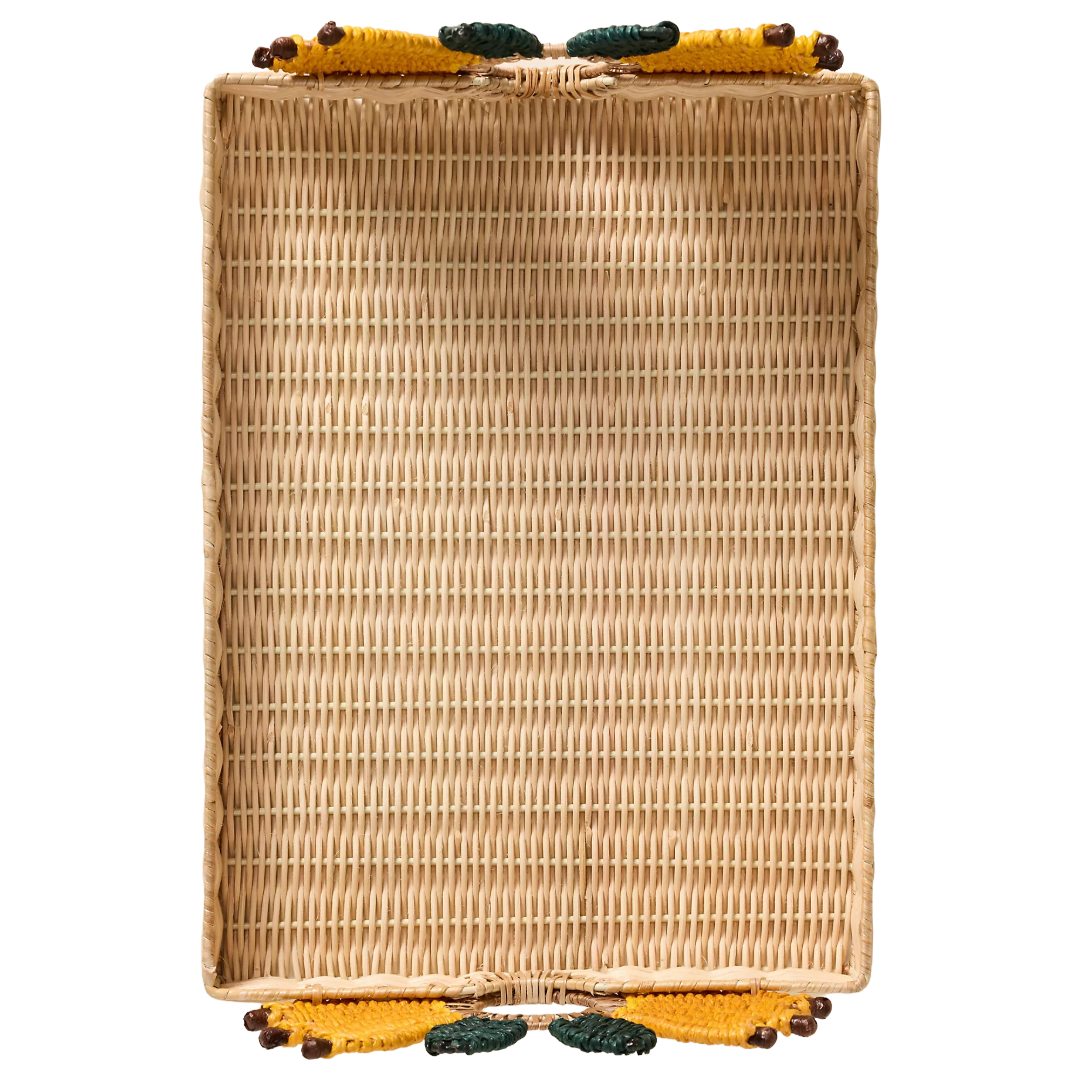
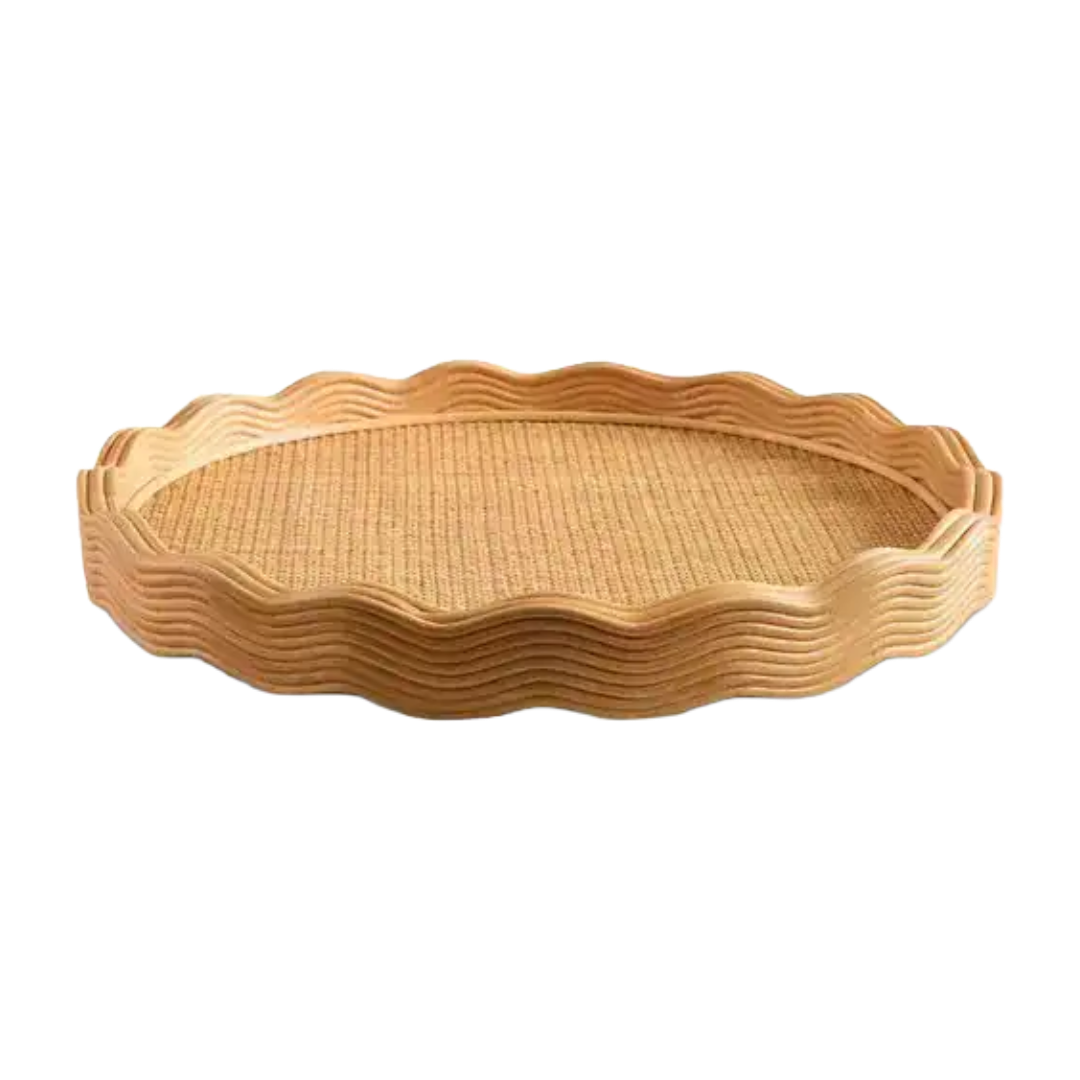
Pangbourne Tray
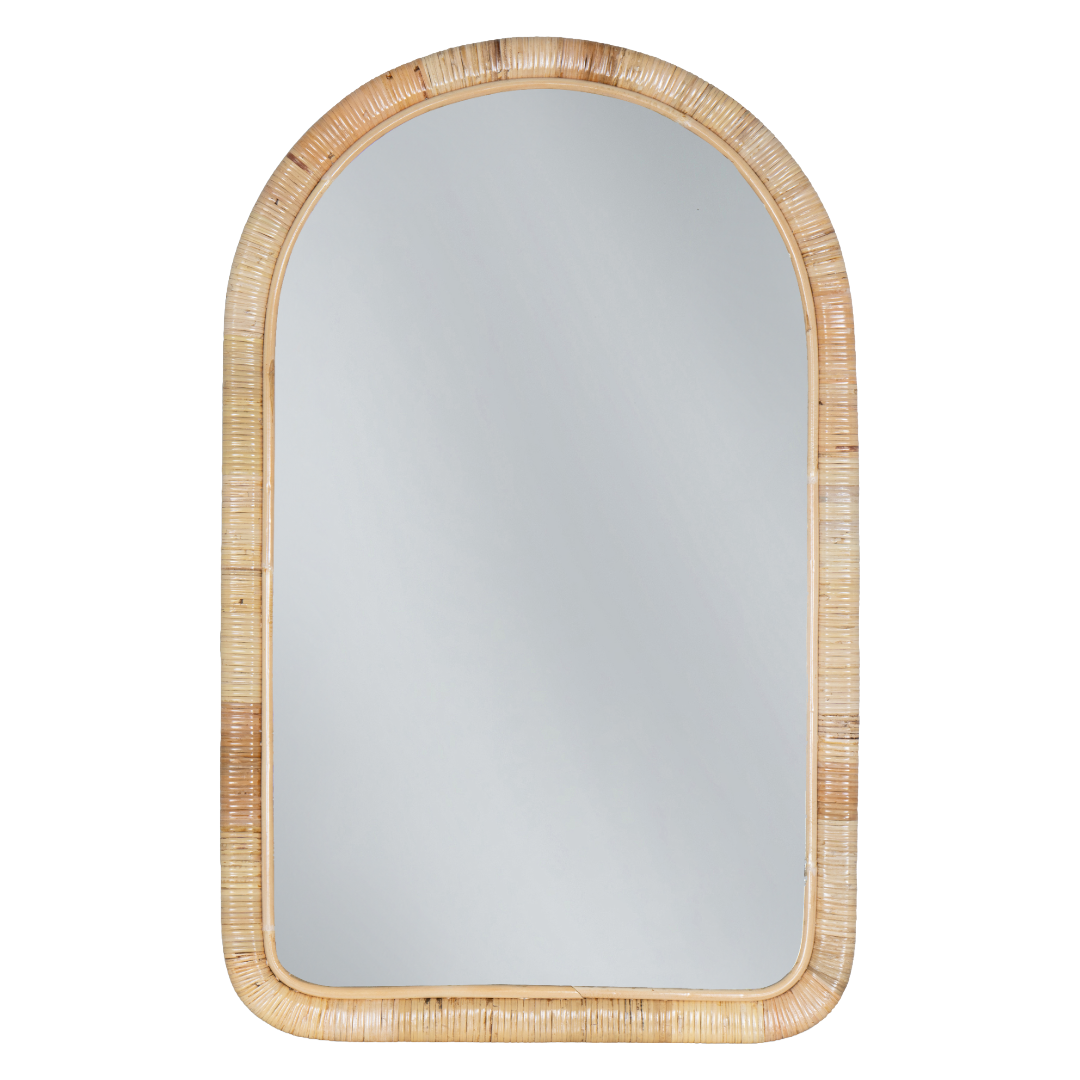
Arched Wall Mirror
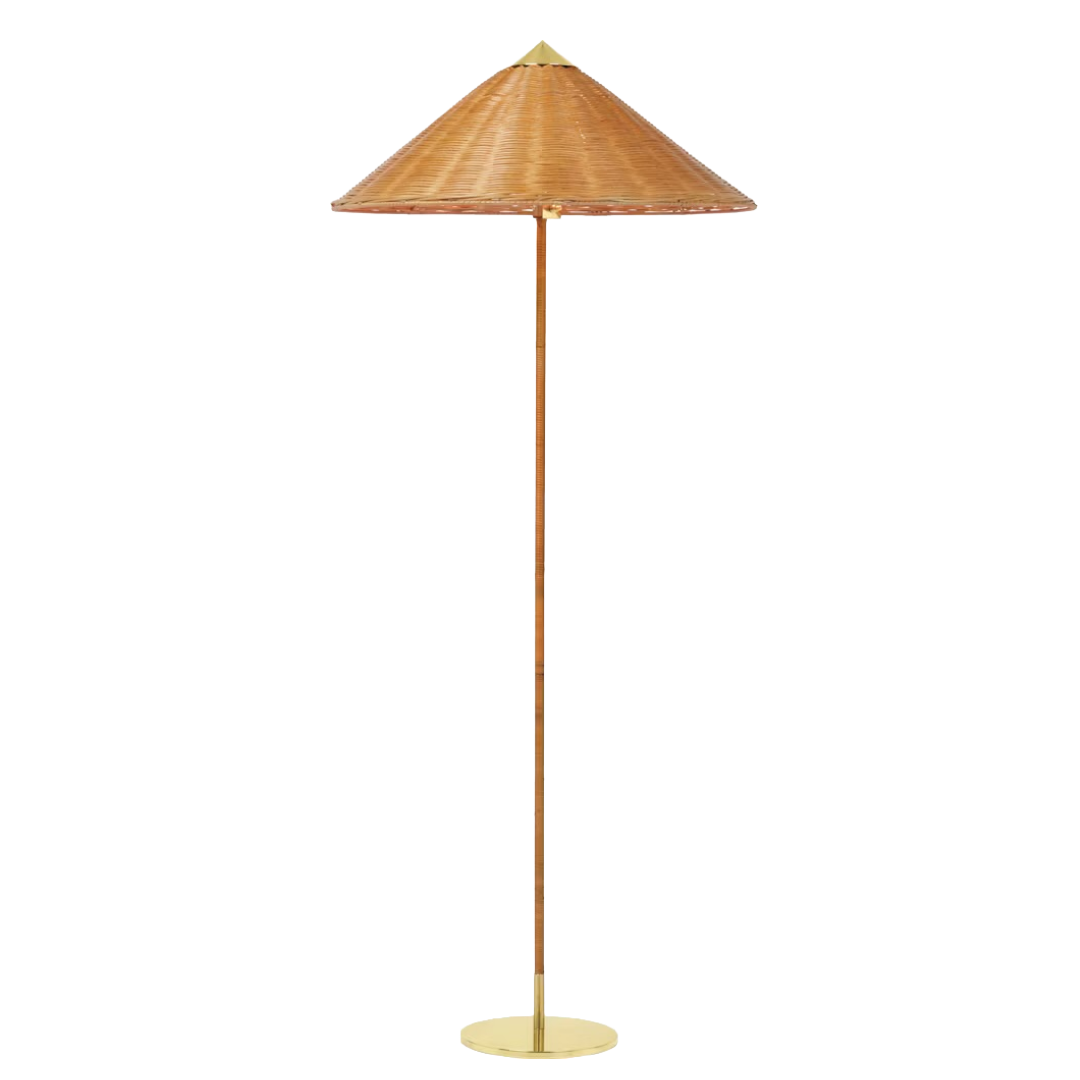
Floor Lamp
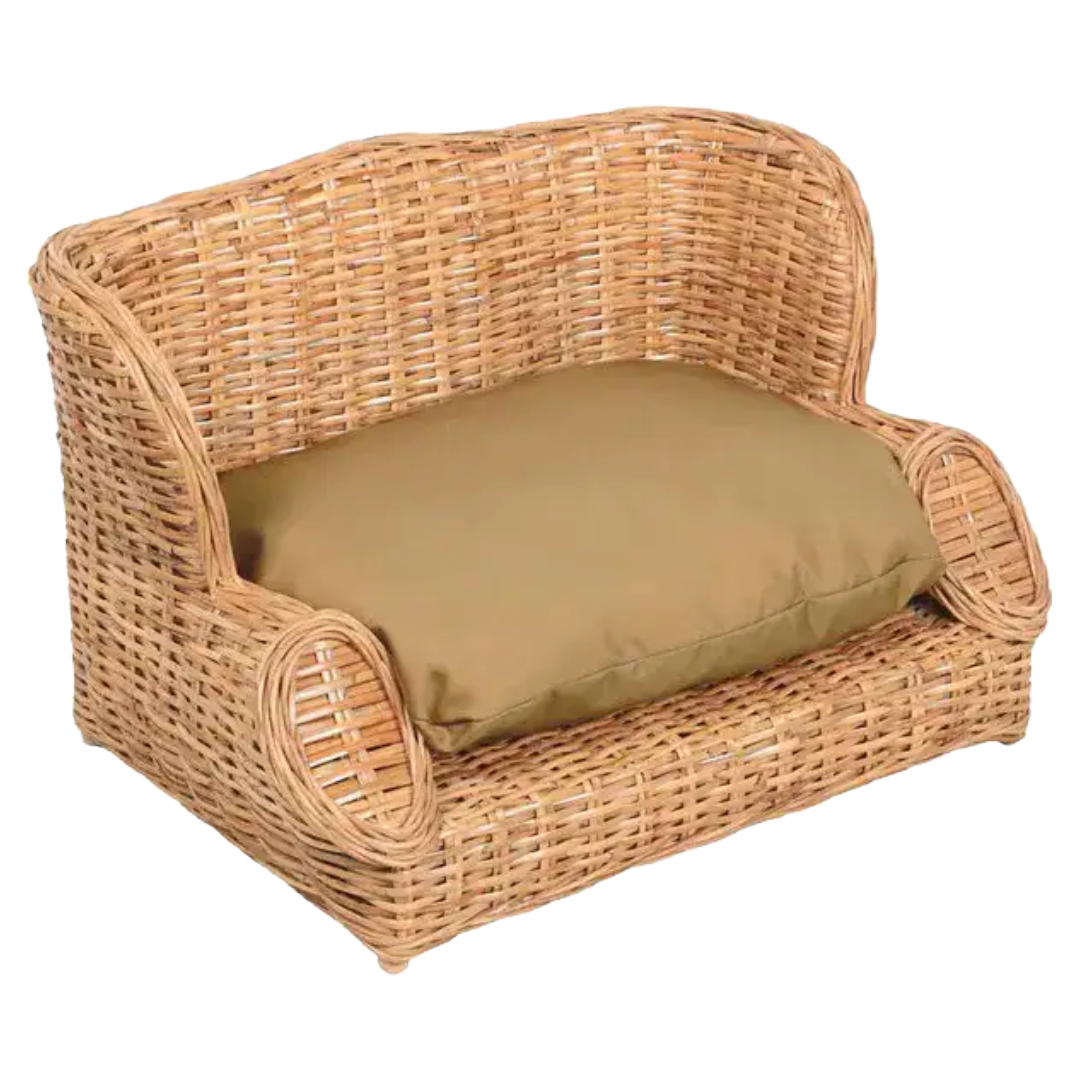
Pet Daybed
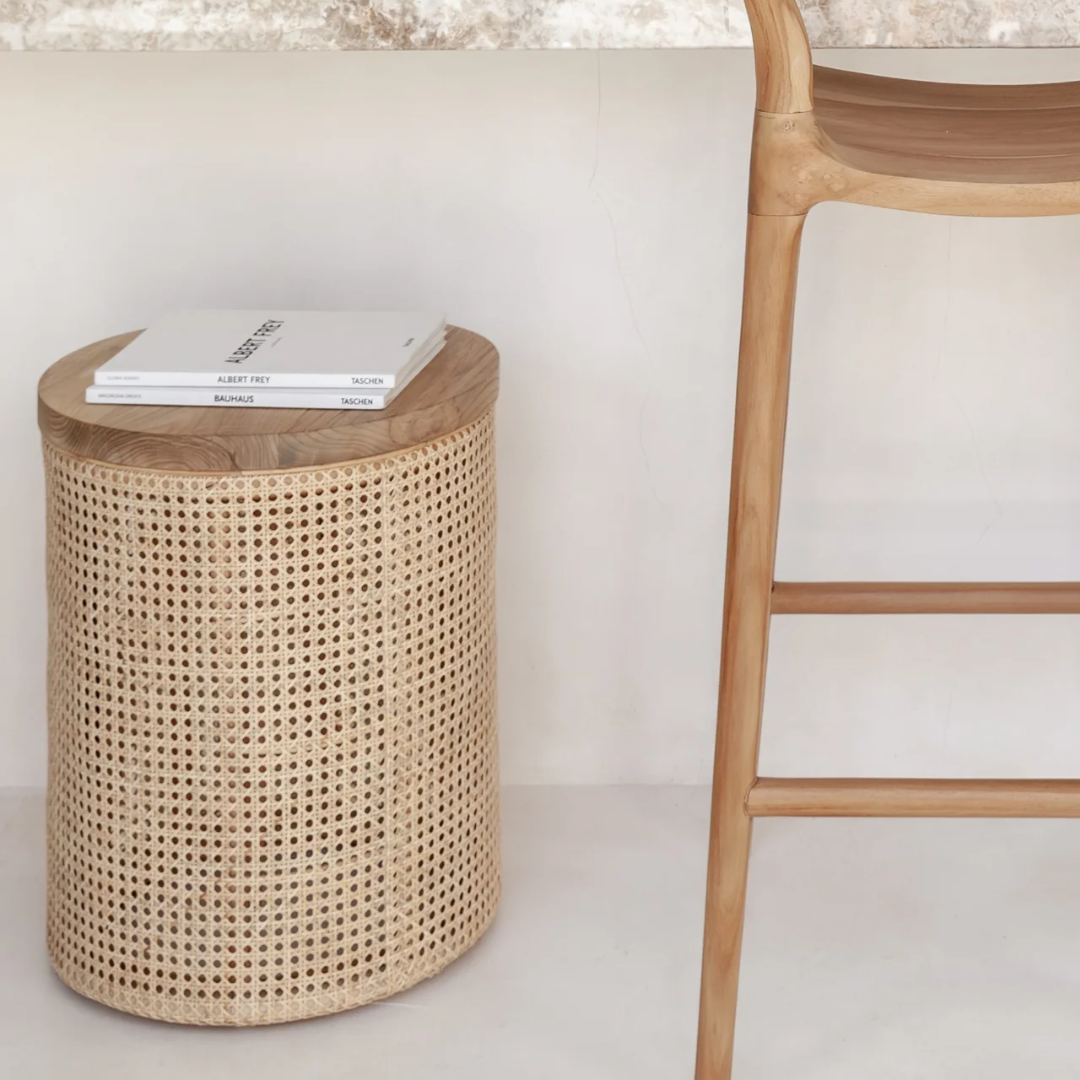
Side Table
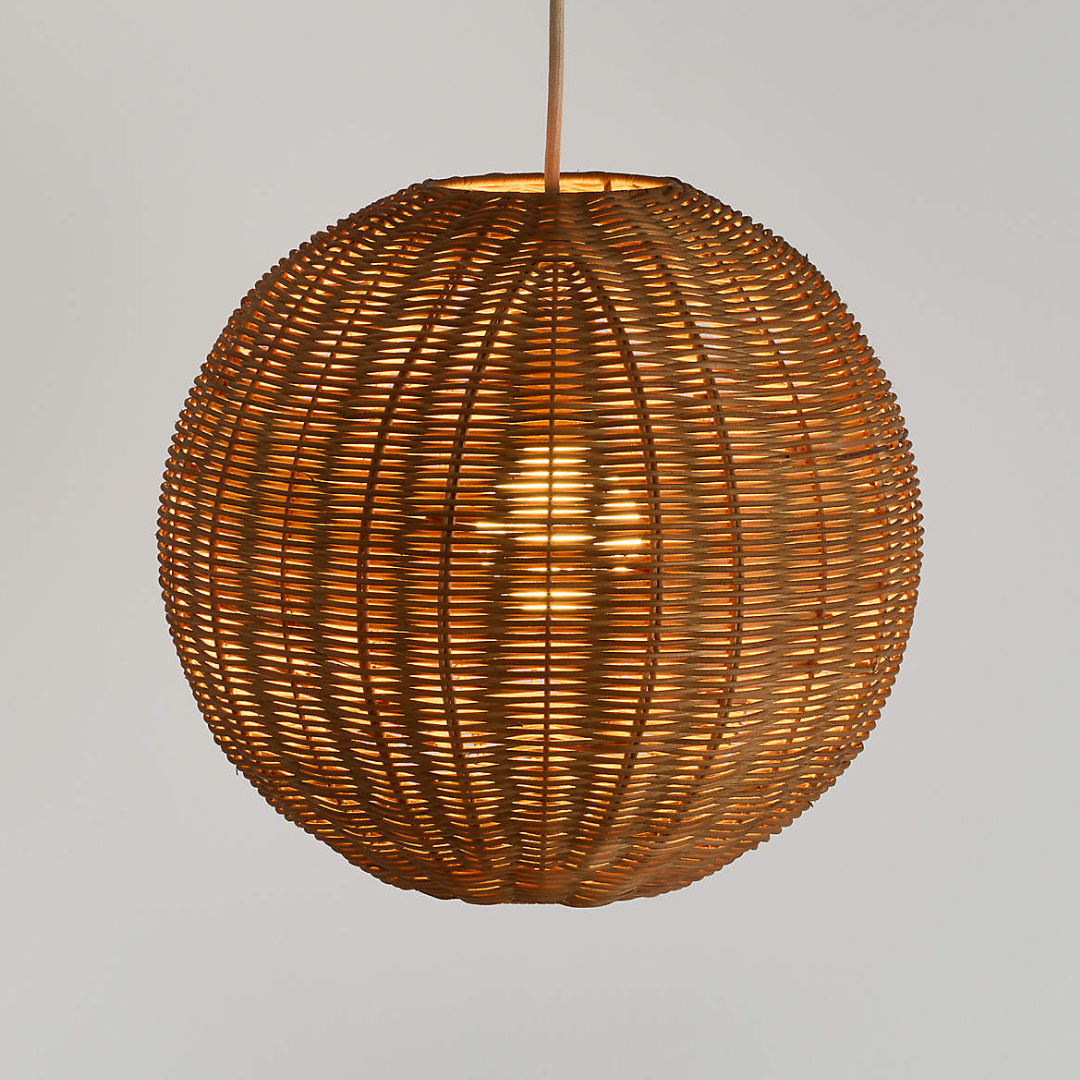
Small Pendant Light
The Bottom Line
Rattan has survived pharaohs, Victorian parlors, mid-century designers, sunroom furniture, and at least one full decade of chrome and neon trying to kill it. It’s genuinely not going anywhere. I think what’s interesting about this particular moment isn’t the trend itself, but rather what the trend is a response to. Rooms that felt too controlled, too minimal, and too curated into neutrality. Rattan feels like a correction. A little texture, a little warmth, and something that actually looks like it came from somewhere. Use it once and use it well. That’s the whole theory.