GLASS, STEEL, AND CALIFORNIA LIGHT: A STUDY OF RICHARD NEUTRA
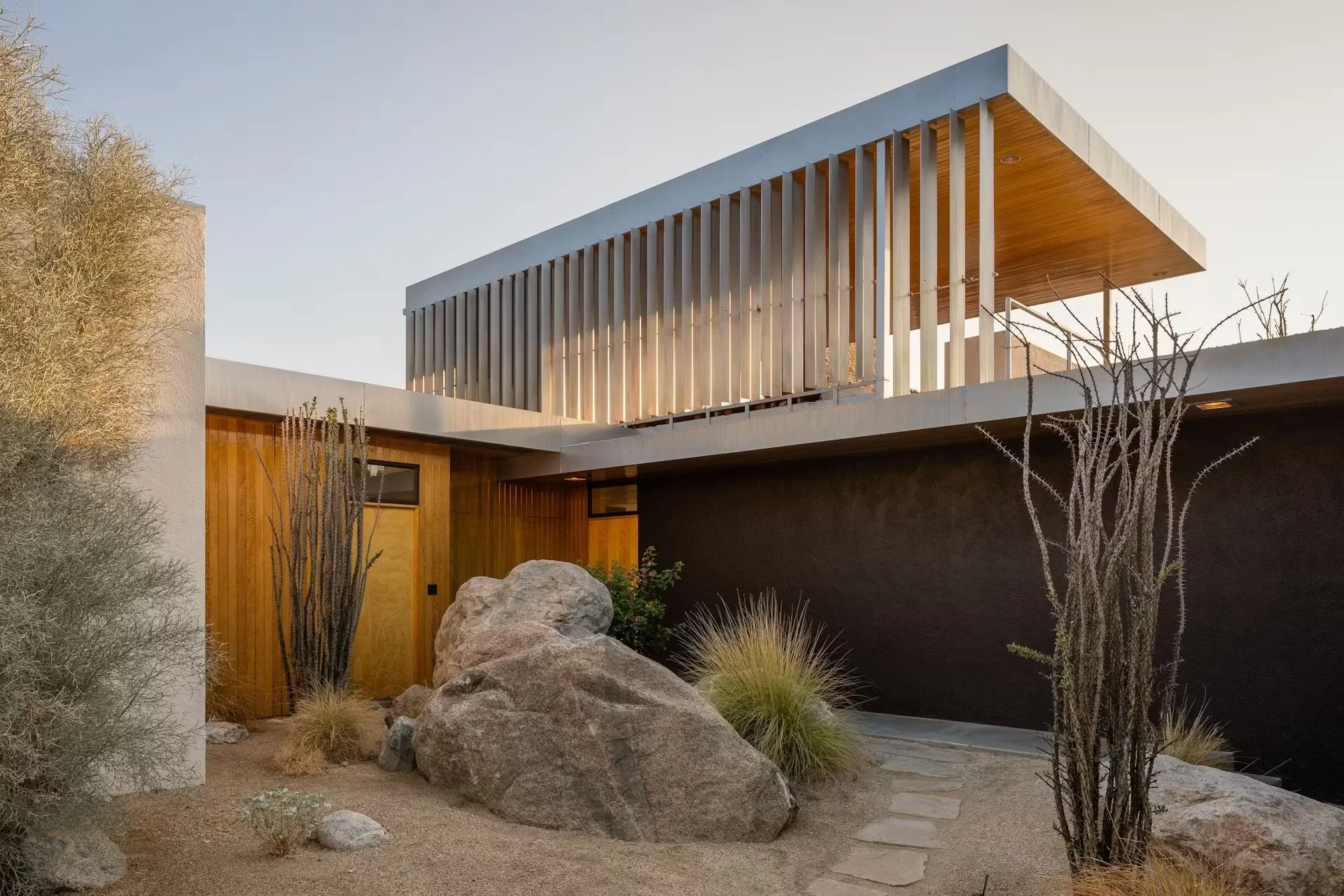
There are architects working design buildings, and then there are architects who design a feeling. Richard Neutra was the latter. I’ve spent more time than I’d like to admit with his work over the years. Scrolling past the same Kaufmann Desert House photographs at midnight, staring at the way a roofline meets a mountain range, and wondering what it would be like to own one of those properties. At one point, I even word vomited about the Kaufmann Desert House being used in Don’t Worry Darling and the lore of it being used in the film simply because someone I worked with mentioned going to Palm Springs. His houses don’t just sit on their sites. They seem to listen to them.
I’ve done deep dives on designers I love before, like Alexander Girard, but Neutra feels different to me. More personal, maybe because his whole philosophy was about the relationship between the building and the human body inside it. The way light hits the floor. The way a wall of glass makes you feel less alone in a landscape. He wasn’t building status symbols. He was building arguments about how people deserved to live. I spent hours going through the long list of properties he created, and was so disappointed finding out how many have been destroyed. Nevertheless, there is still plenty to learn, appreciate, and love about Richard Neutra, so let’s get to it.
From Vienna with Purpose
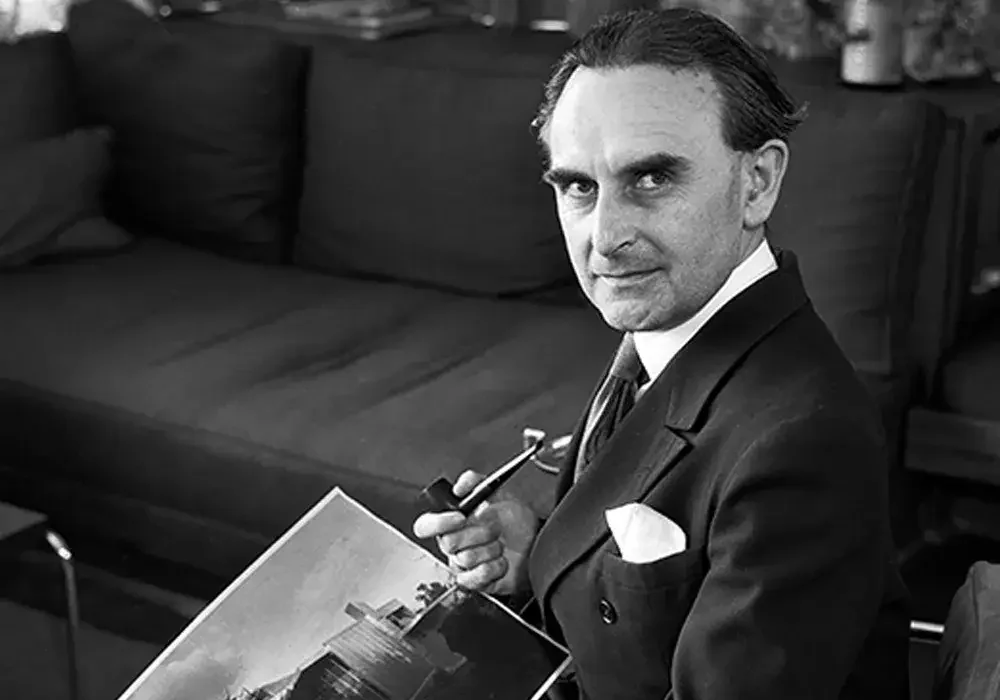
Neutra was born in Vienna in 1892, into a city that was, at the time, one of the most intellectually alive places in Europe. He was studying architecture during the same era that Egon Schiele was painting, and Gustav Klimt was finishing his gilded masterworks. He apparently crossed paths with Klimt, who was sketching his sister. That detail alone tells you something about the world he came up in.
His architectural education was shaped by Adolf Loos, the Viennese provocateur who believed ornament was a kind of moral failure, and by Otto Wagner, whose geometric rigor and embrace of industrial materials planted a seed that would take decades to fully bloom. WWI interrupted his studies, and he served in the Balkans for three years. He returned to earn his degree and eventually made his way to Berlin, working under Erich Mendelsohn. In 1923, he did what a lot of European modernists did when they saw the future: he left for America.
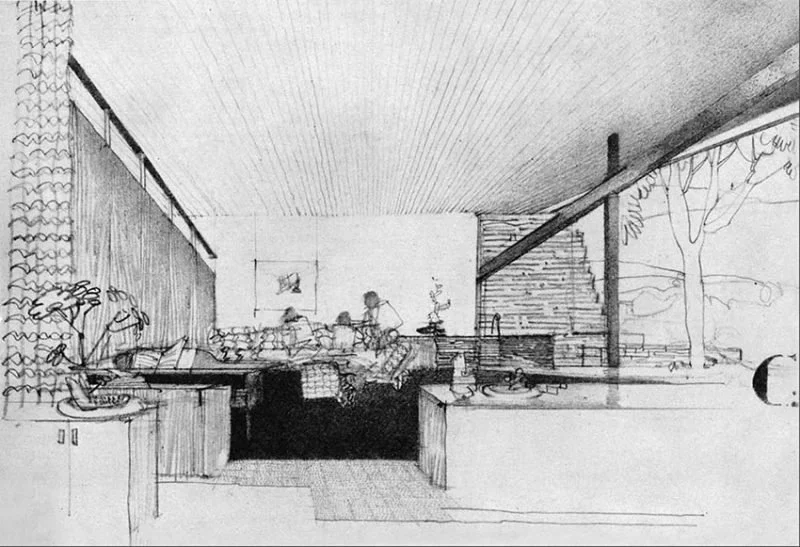
He landed in Chicago, briefly working with the firm Holabird and Roche before making the pilgrimage to Taliesin to work with Frank Lloyd Wright - a working relationship that lasted about as long as you’d expect with two enormous architectural egos to coexist. He eventually made his way to Los Angeles, living with his friend Rudolf Schindler at Kings Road House in West Hollywood. This is where he started designing the world that would define his career almost immediately.
Los Angeles suited Richard Neutra completely. The light, the landscape, the newness of it - a city without the weight of centuries of European tradition telling him what a building was supposed to look like. And he never really left.
What He Actually Believed
Neutra had a word for his philosophy: biorealism. It sounds like something a wellness brand would toss on a tote bag now or a business would use to explain their greenwashing, but when he coined it in the 1950s, it was truly radical. The idea was that architecture should be designed around human biology. It’s not just how people move through space, but how the nervous system responds to light, to nature, and to the sensation of being enclosed or open. He thought most buildings made people sick in ways they couldn’t identify, and his buildings were meant to be the antidote.
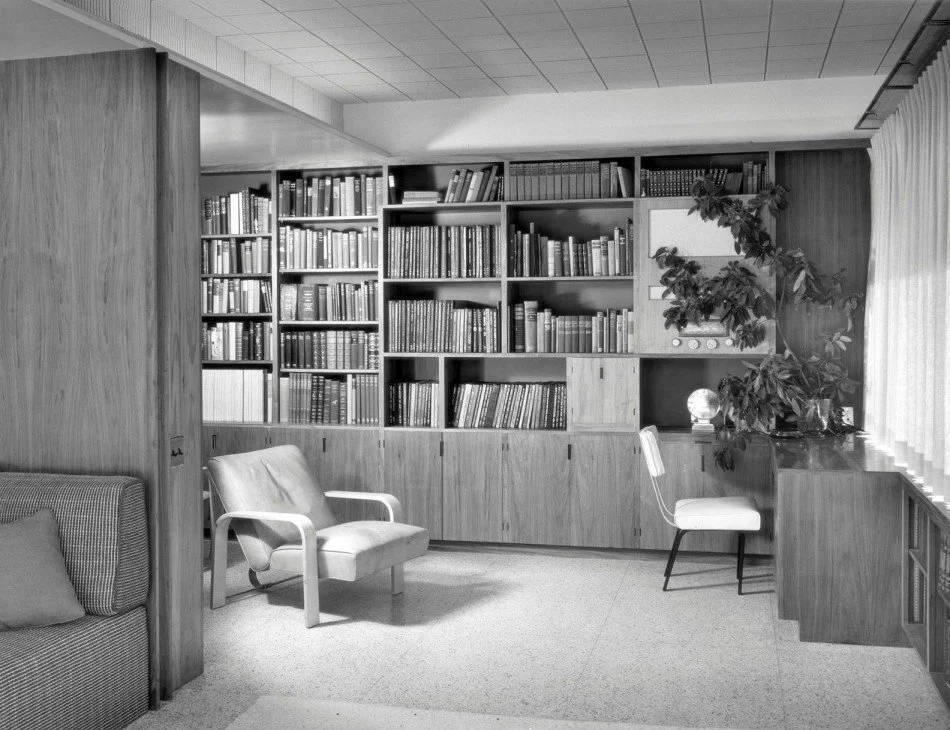
In practice, this meant a few things: glass walls that dissolved the line between indoors and out, flat rooflines that floated rather than pressed down, and rooms oriented towards natural light rather than toward the street. Even reflecting pools that brought the sky down to eye level. He also obsessed over details that most architects would leave to contractors, like built-in furniture, concealed lighting, and the specific angle of a clerestory window. Everything was intentional, but the intention was always the same: make the person inside feel more connected to the world outside.
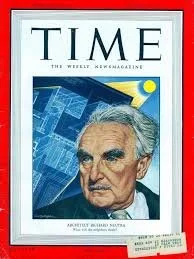
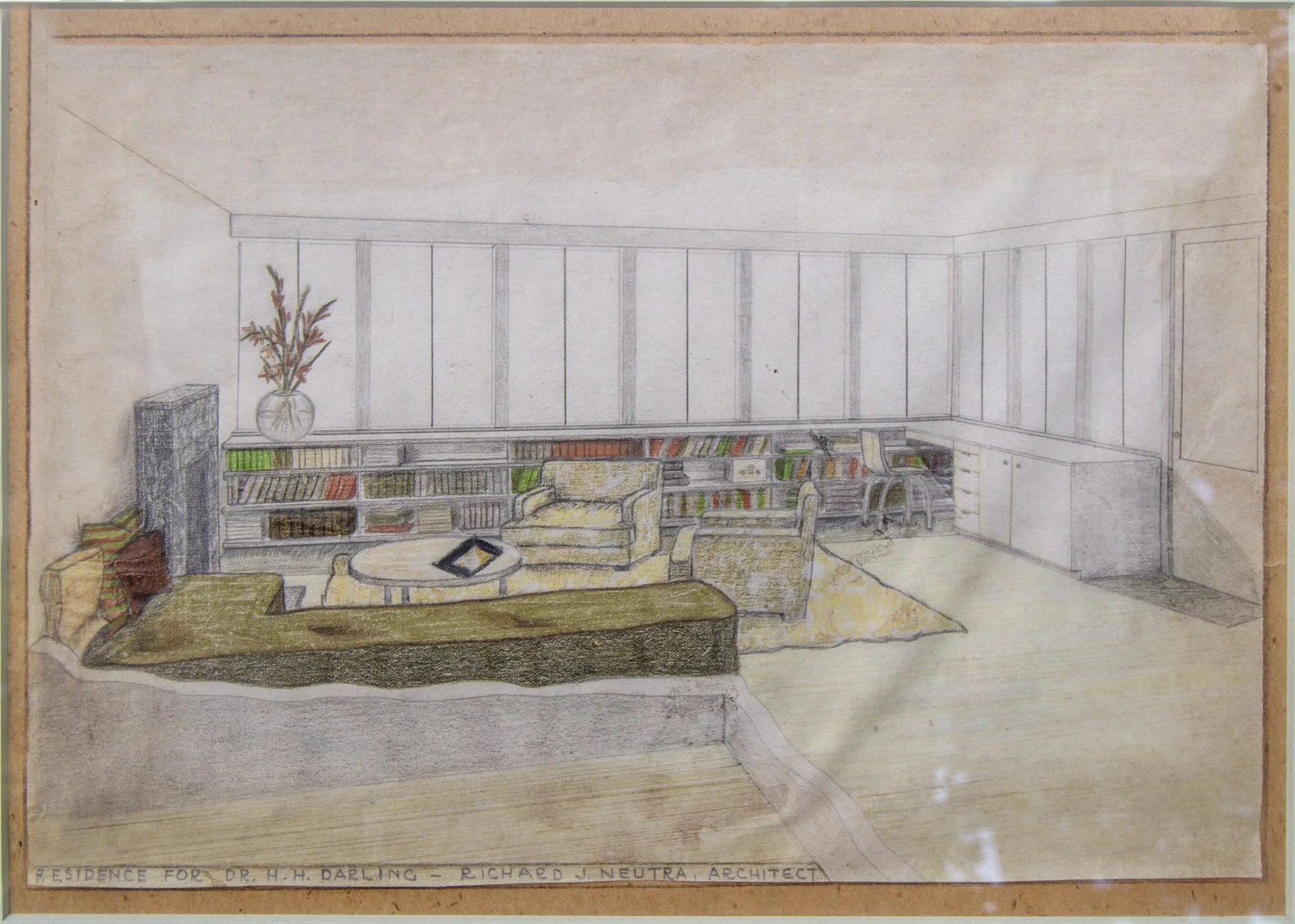
He published a book in 1954 called Survival Through Design that laid all of this out in his own words. Apparently, it reads like a manifesto written by someone equally fluent in architecture and neuroscience. He argued that bad design wasn’t just aesthetically unfortunate, but was genuinely harmful to the human body over time. By 1949, Time Magazine agreed he was onto something and put him on its cover, naming him second only to Frank Lloyd Wright among American architects.
His Visual Language
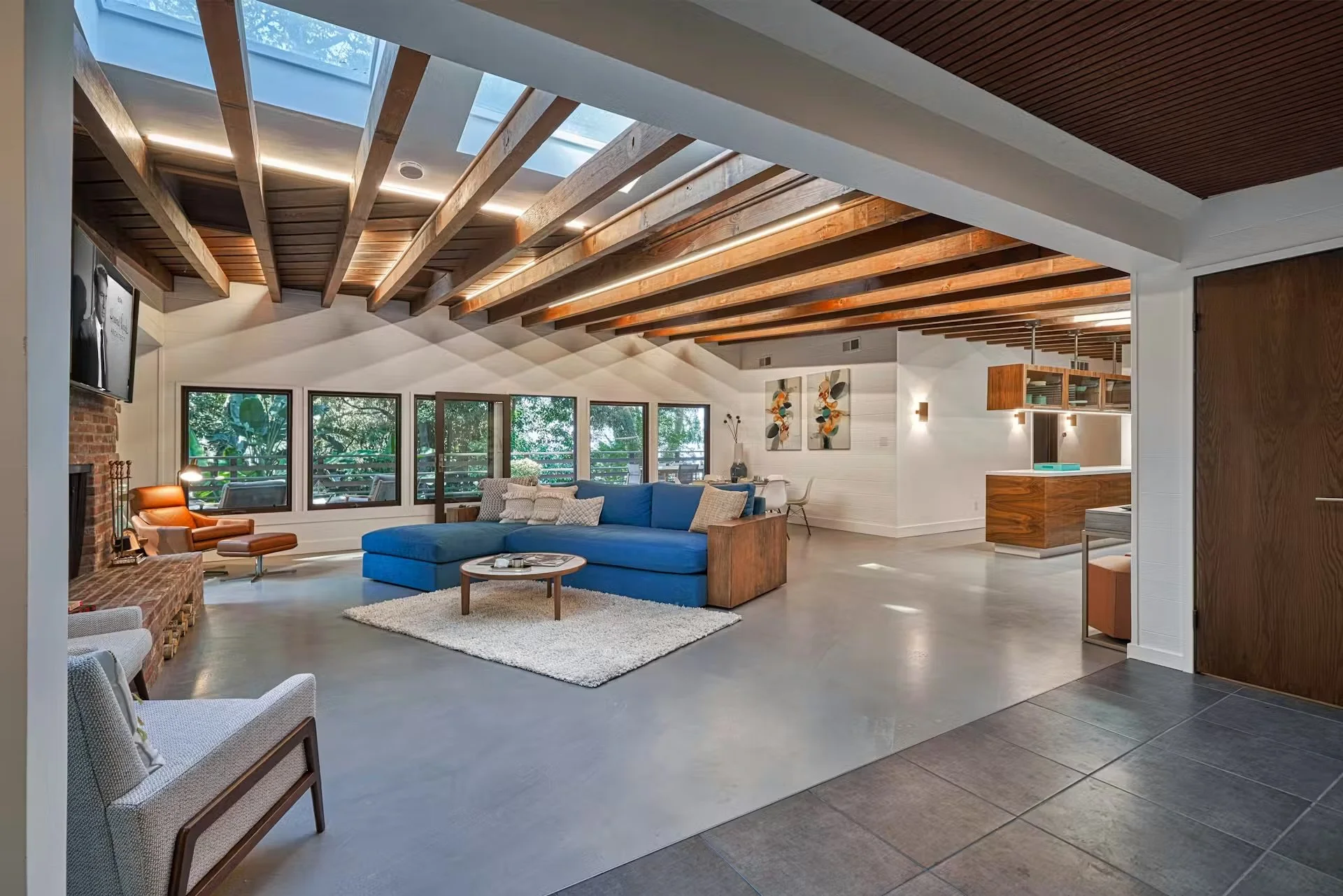
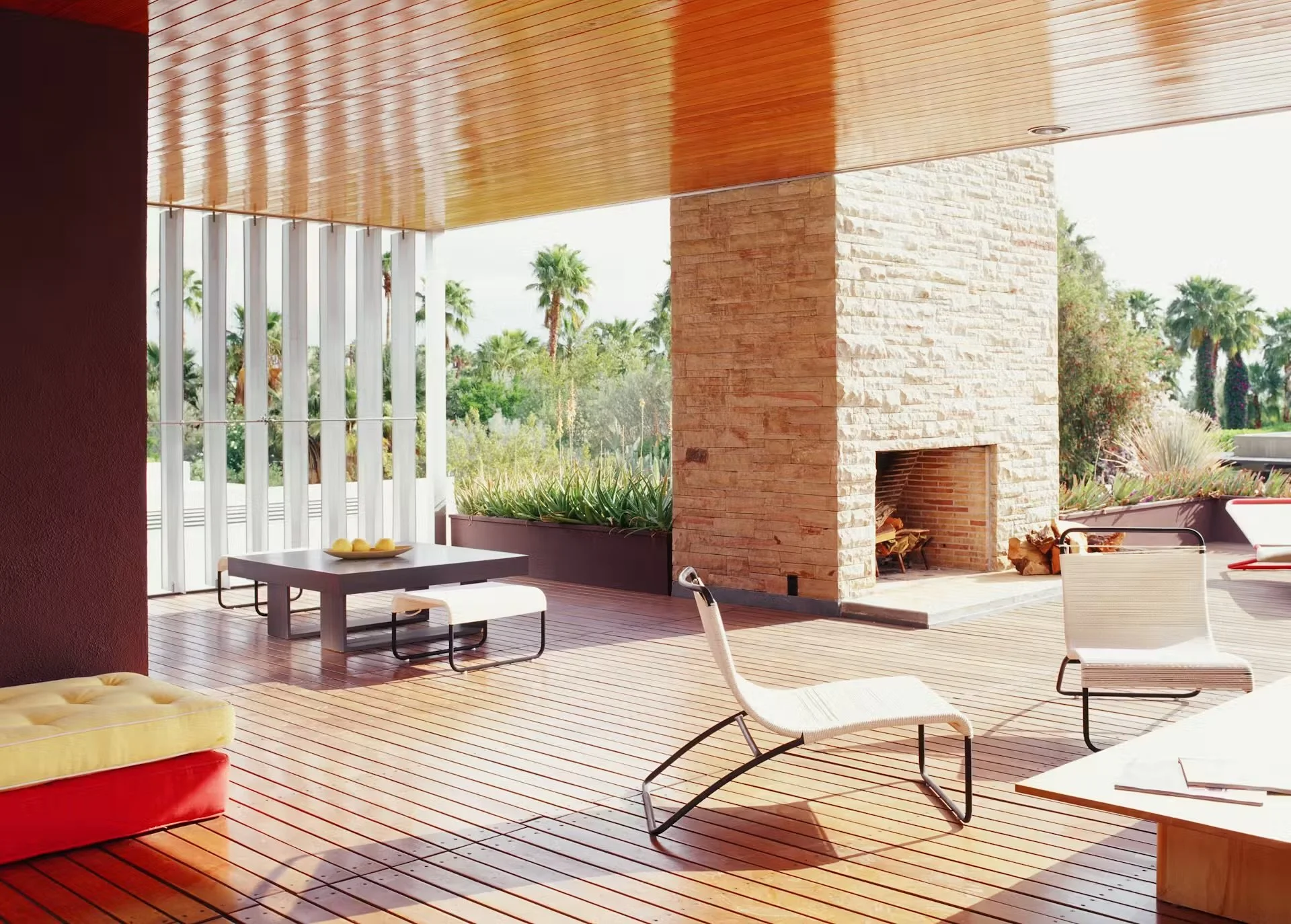
You can recognize a Neutra house in a photograph before you even read the caption. The vocabulary is consistent: flat or low-pitched roofs with deep overhangs, floor-to-ceiling glass, horizontal steel elements, and open-plan interiors that spill onto terraces or pools. But it never really felt repetitive because the site always changes the equation. A house in the Hollywood Hills looks nothing like a house in the Palm Springs desert, even if the bones are similar. He was deeply attentive to where he was building, looking at the orientation of the sun, the prevailing winds, and even the specific character of a view.
He also understood photography in a way that few architects of the time did. His working relationship with Julius Shulman is one of the great collaborations in design history. Shulman started photographing Neutra’s houses in the late 1930s and essentially built the visual mythology around California modernism - the twilight exteriors with interiors glowing against the dark, the pools reflecting steel frames, and the sense that these houses existed in perpetual golden hour. It’s impossible to fully separate Neutra’s reputation from Shulman’s lens. They made each other, and they are some of the most beautiful, memorable photographs of all time.
The Properties
Let’s explore some of his most memorable spots.
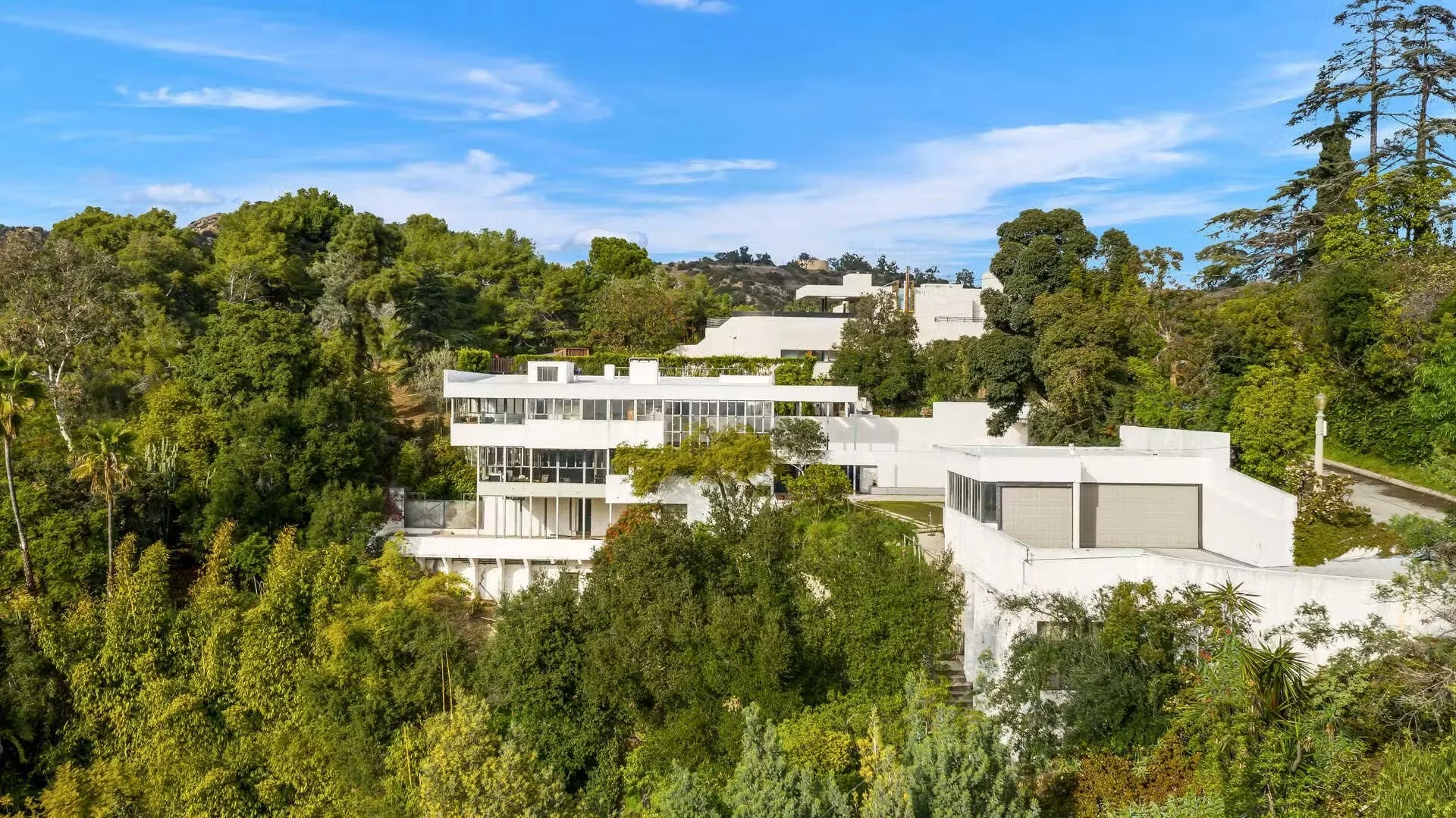
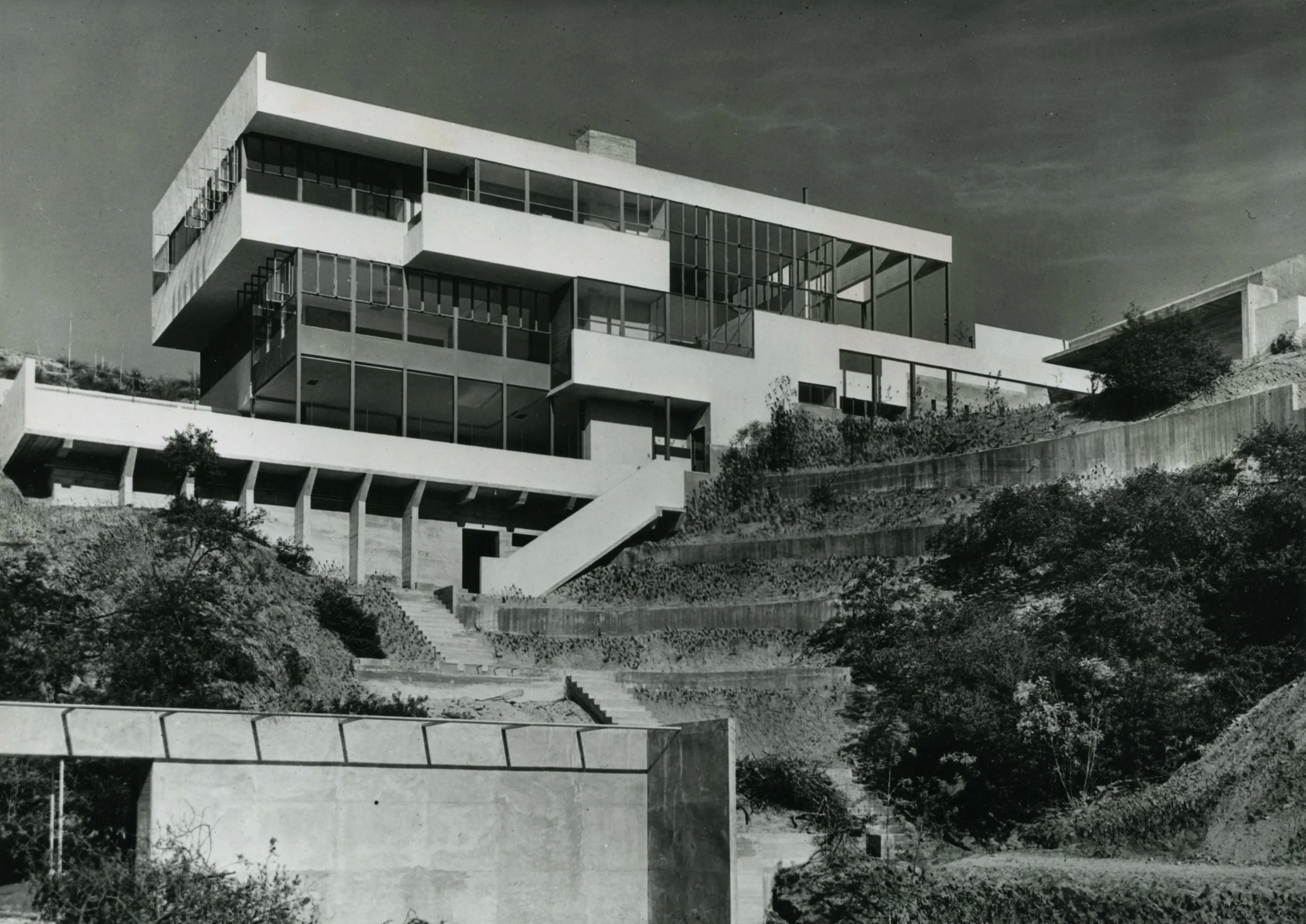
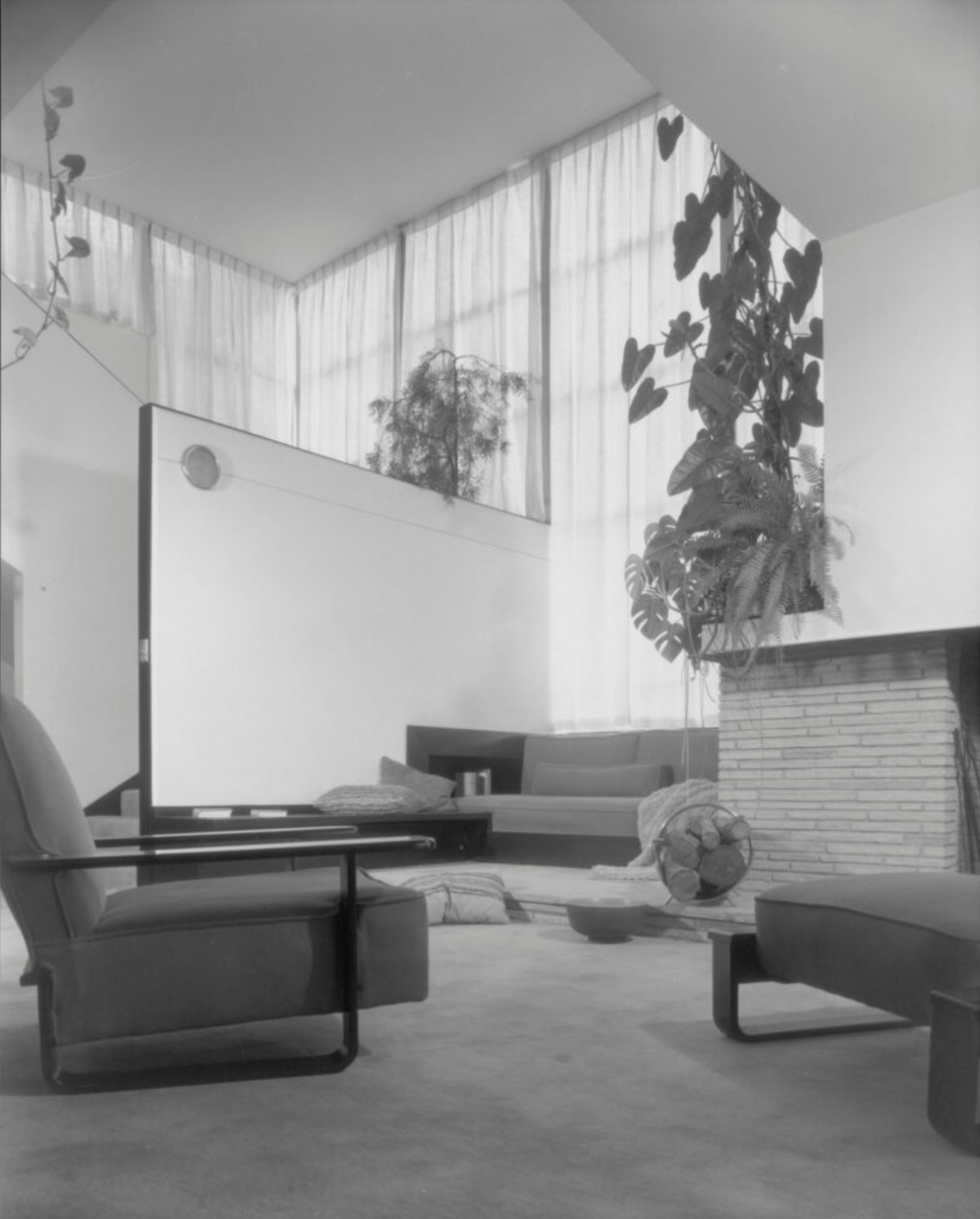
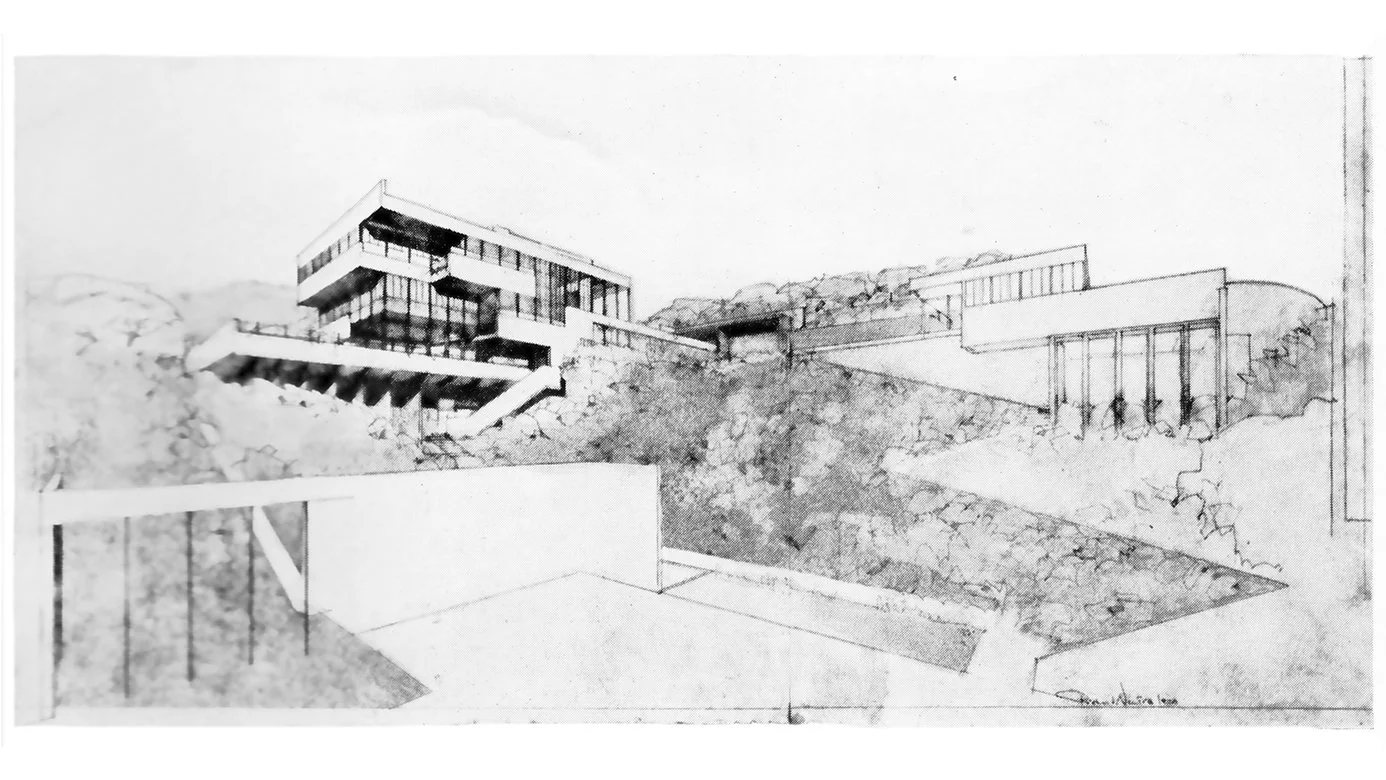
Lovell Health House, 1929
Los Feliz, California
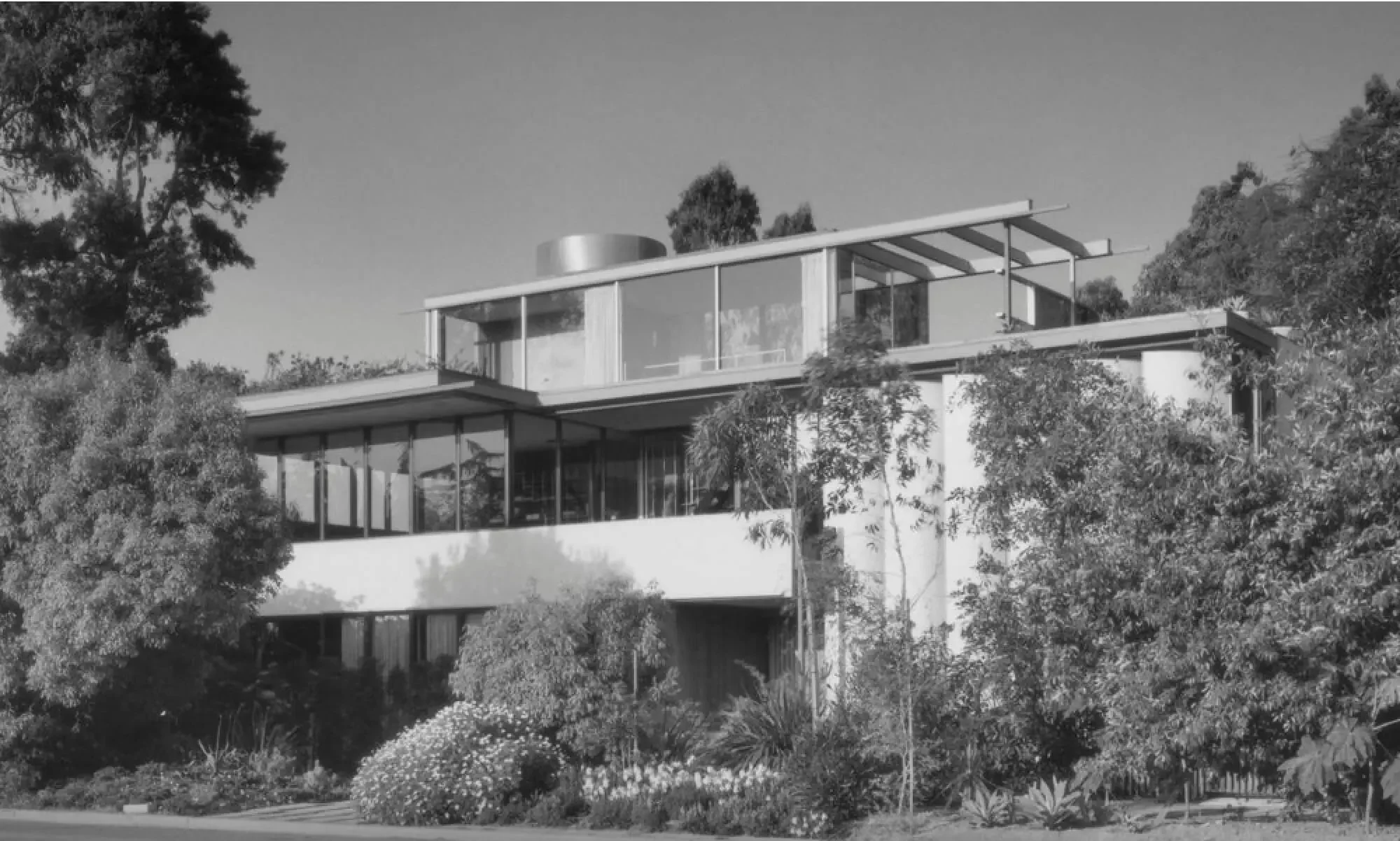
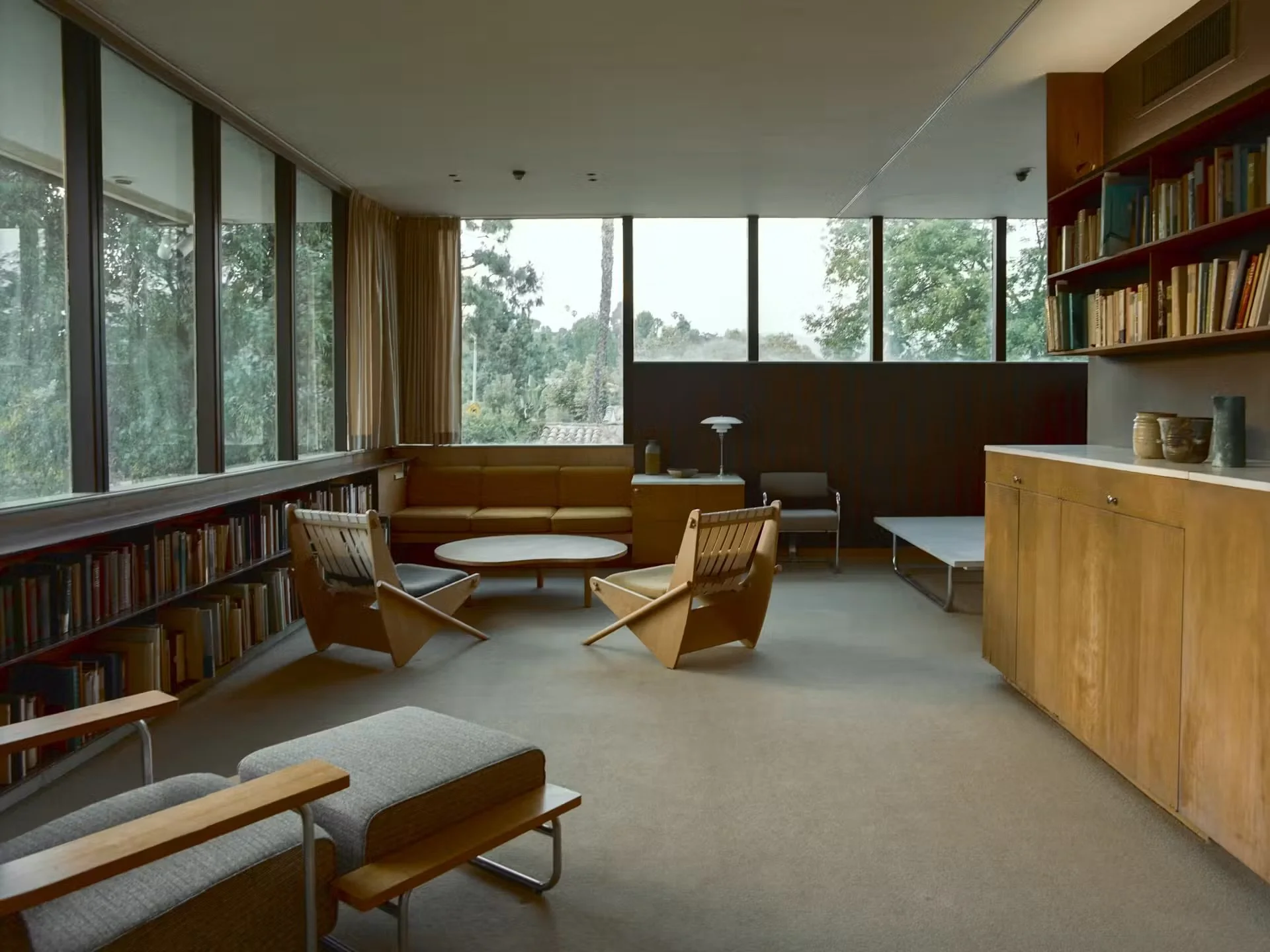
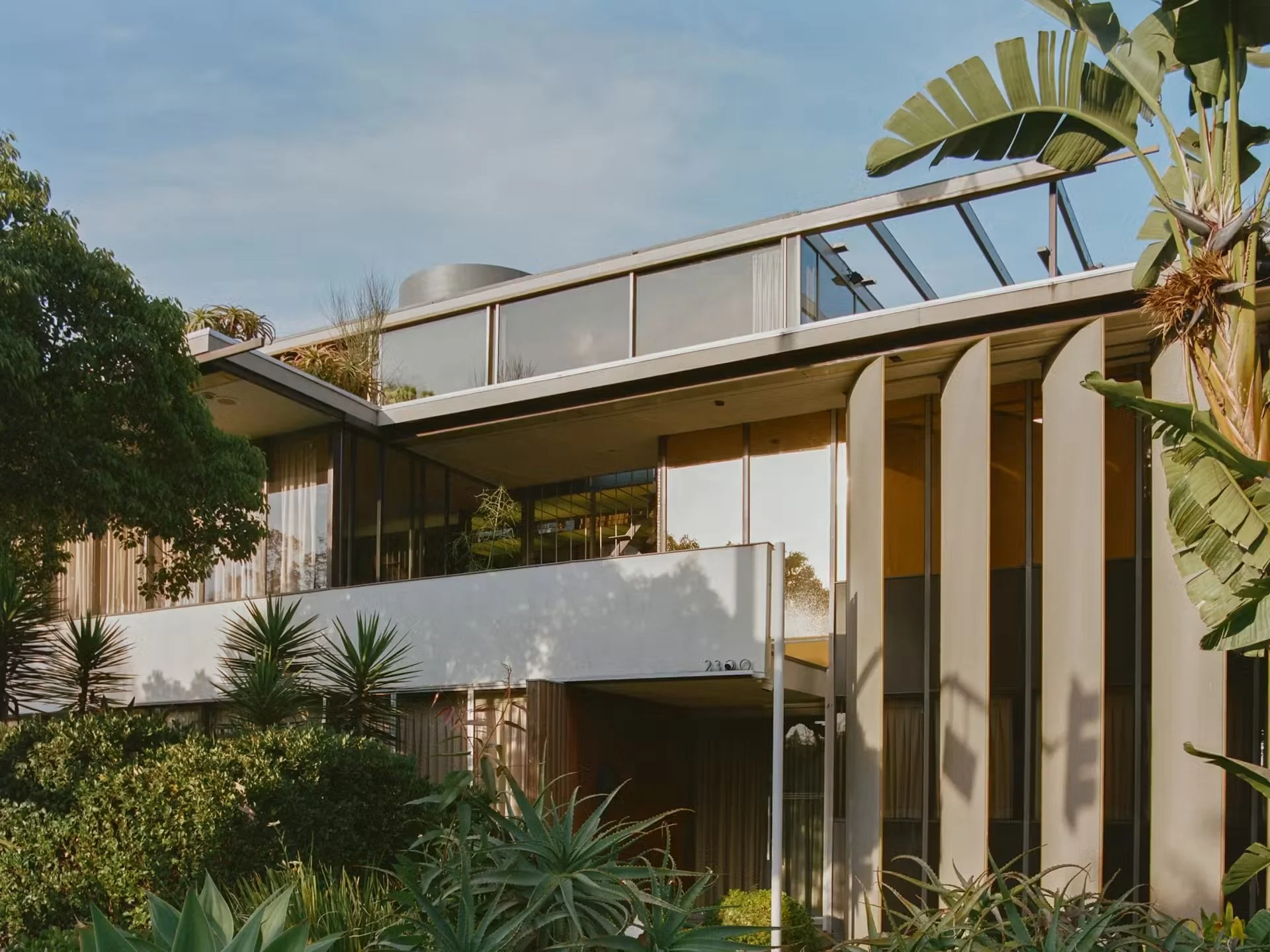
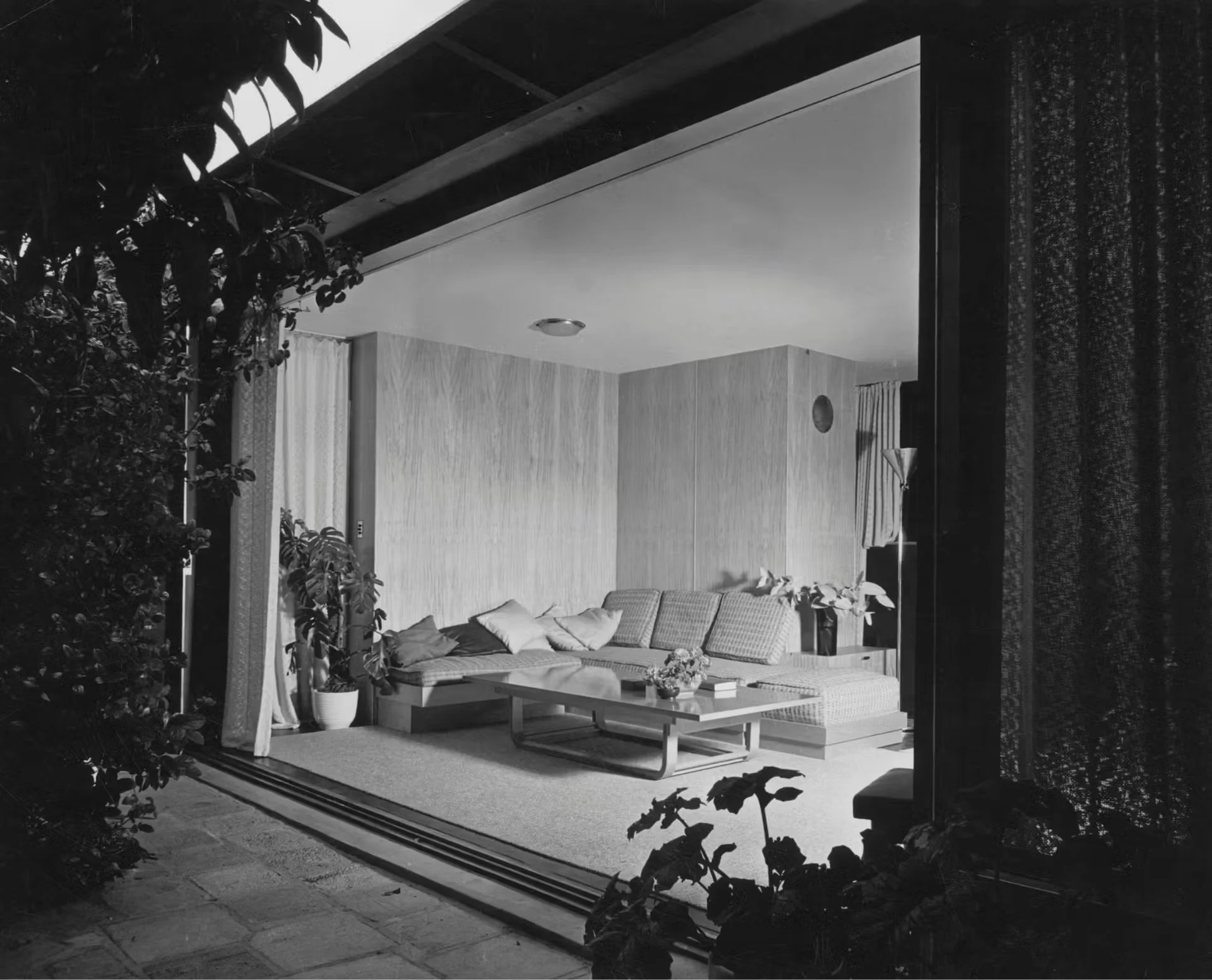
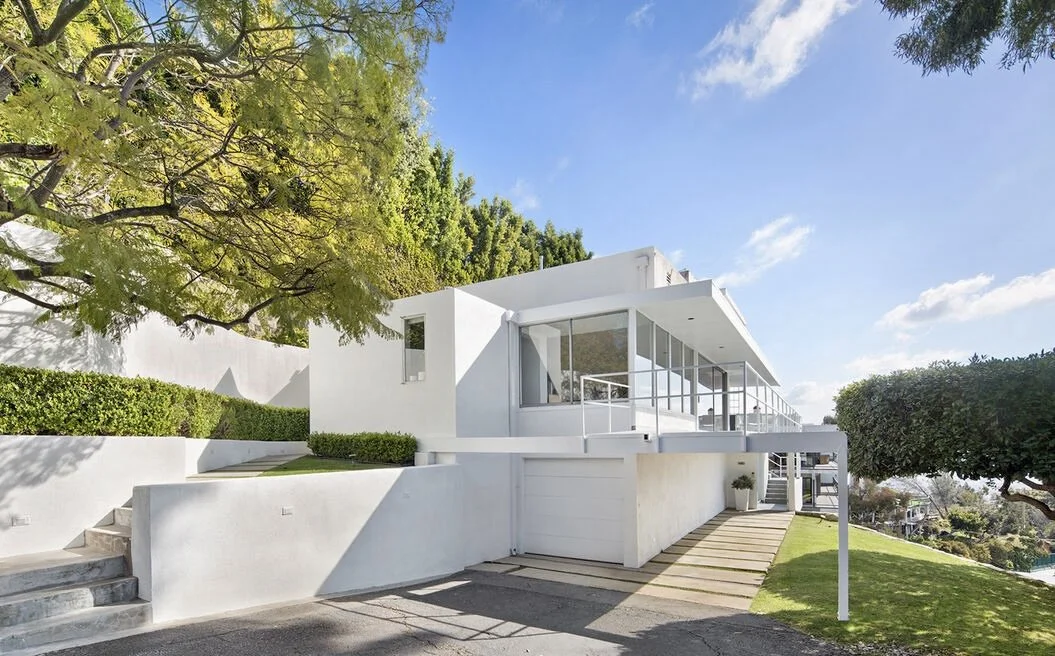
This is the one that made his name. Built for Dr. Philip Lovell on a steep hillside in the Hollywood Hills, the Lovell Health House was the first fully steel-framed residence ever built in the United States. The steel elements were prefabricated and bolted together on site, which was practically science fiction for residential construction in 1929. The whole structure is cantilevered over a ravine, which means it appears to hover. It’s all glass, shadow, and structural confidence.
Netura had been living in Los Angeles for three years when he completed it. The Lovell Health House announced in very clear terms that European Modernism had arrived on the West Coast and had no plans to soften its edges for anyone. The Museum of Modern Art included Neutra’s work in its landmark 1932 “Modern Architecture” exhibition, which essentially introduced the international style to America largely on the strength of this house.
It still stands today and is privately owned, which is amazing news for one of the most significant houses ever built in this country.
VDL Research House, 1932
Silver Lake in Los Angeles
The VDL House is Neutra’s own home and studio, built on Silver Lake Boulevard overlooking the reservoir. It was named after the Dutch industrialist Cees van der Leeuw, who gave Neutra an interest-free loan to build it after learning one of the world’s most celebrated modernist architects was renting a small apartment. The house was meant to be both a family residence and a lab where Neutra could test his ideas at the scale of everyday life before applying them to client work.
The original property was destroyed by a fire in 1963, but Neutra rebuilt it with his son Dion using new materials and updated ideas. The rebuilt property still stands today and is a cool conversation happening between two eras of the same philosophy with an original and reconstruction together. Cal Poly Pomona owns the property now, and it’s open to the public for tours. It’s one of the few Neutra buildings you can actually walk through, and the Silver Lake location has made it something of a pilgrimage site for architecture obsessives.
Galka Scheyer House, 1934
Hollywood Hills, Los Angeles
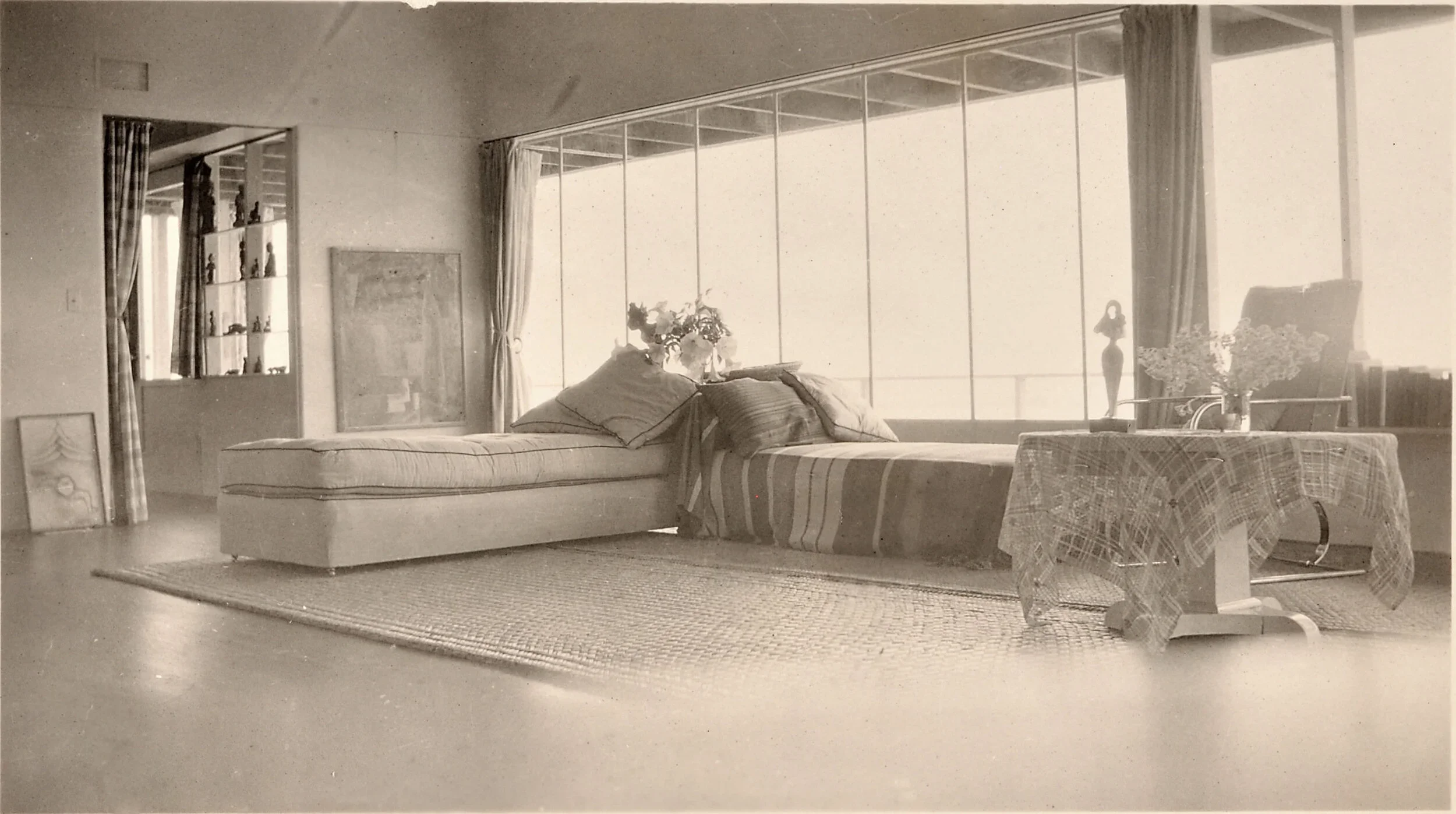
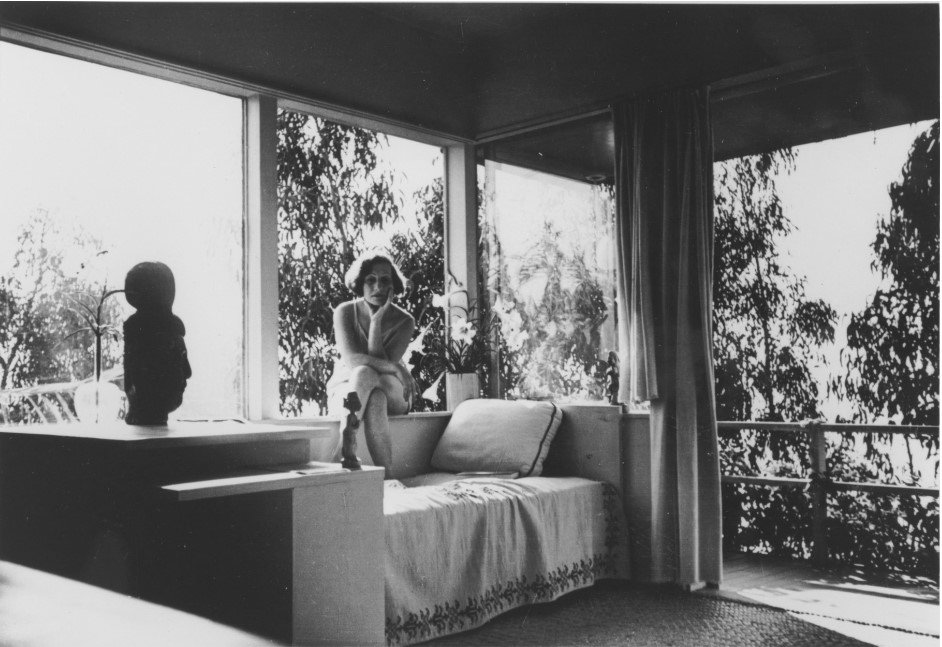
This is the one with a story. Galka Scheyer was a German art dealer who had emigrated to Los Angeles and was the American representative for the Blue Four - Kandinsky, Klee, Feininger, and Jawlensky - bringing European modernist painting to California at a time when most of the country had no idea what it was looking at. She’d lived for a time at Rudolph Schindler’s Kings Road House, where she met Richard and Dione Neutra, and commissioned Neutra to build her something in 1933. Her vision was something that was simultaneously a home, a gallery, and a stage.
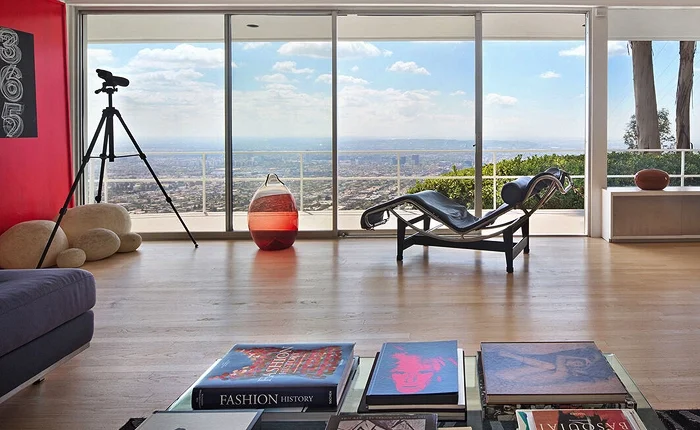
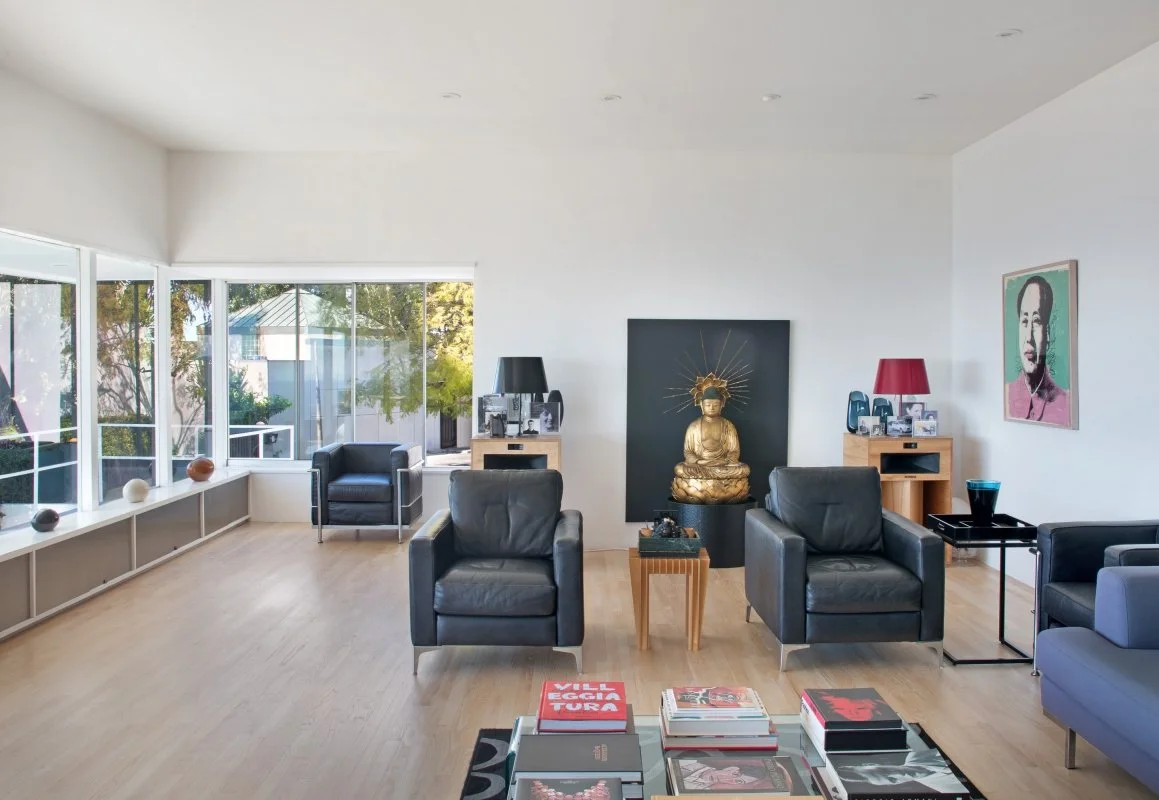
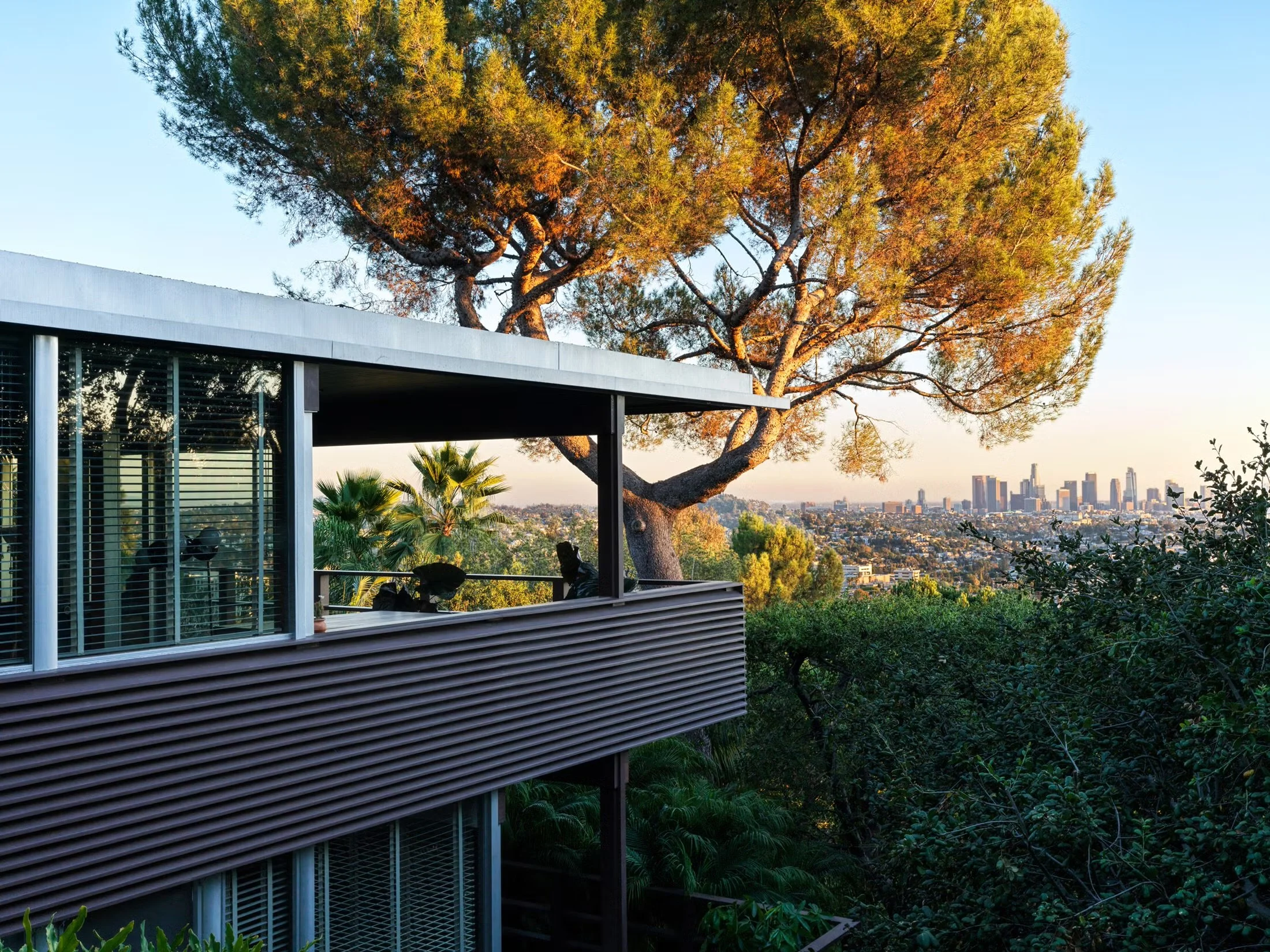
The result is a modernist steel structure perched on a Hollywood Hills ridge with flat roofs, ribbon windows, and terraces overlooking the city. The living room was designed to double as a gallery where furniture could be cleared, and Neutra designed display panels specifically for hanging her collection. The guest list, apparently, included Greta Garbo, John Cage, Fritz Lang, and Maya Deren, among others. Scheyer died in 1945 and left her collection to the Norton Simon Museum in Pasadena, where it still lives.
The house changed hands several times over the decades, and in 2025, it was acquired, restored, and opened to the public for the first time. It’s an active cultural space now, which feels exactly right. Some buildings were always meant to have people in them.
Kaufmann Desert House, 1946
Palm Springs, California
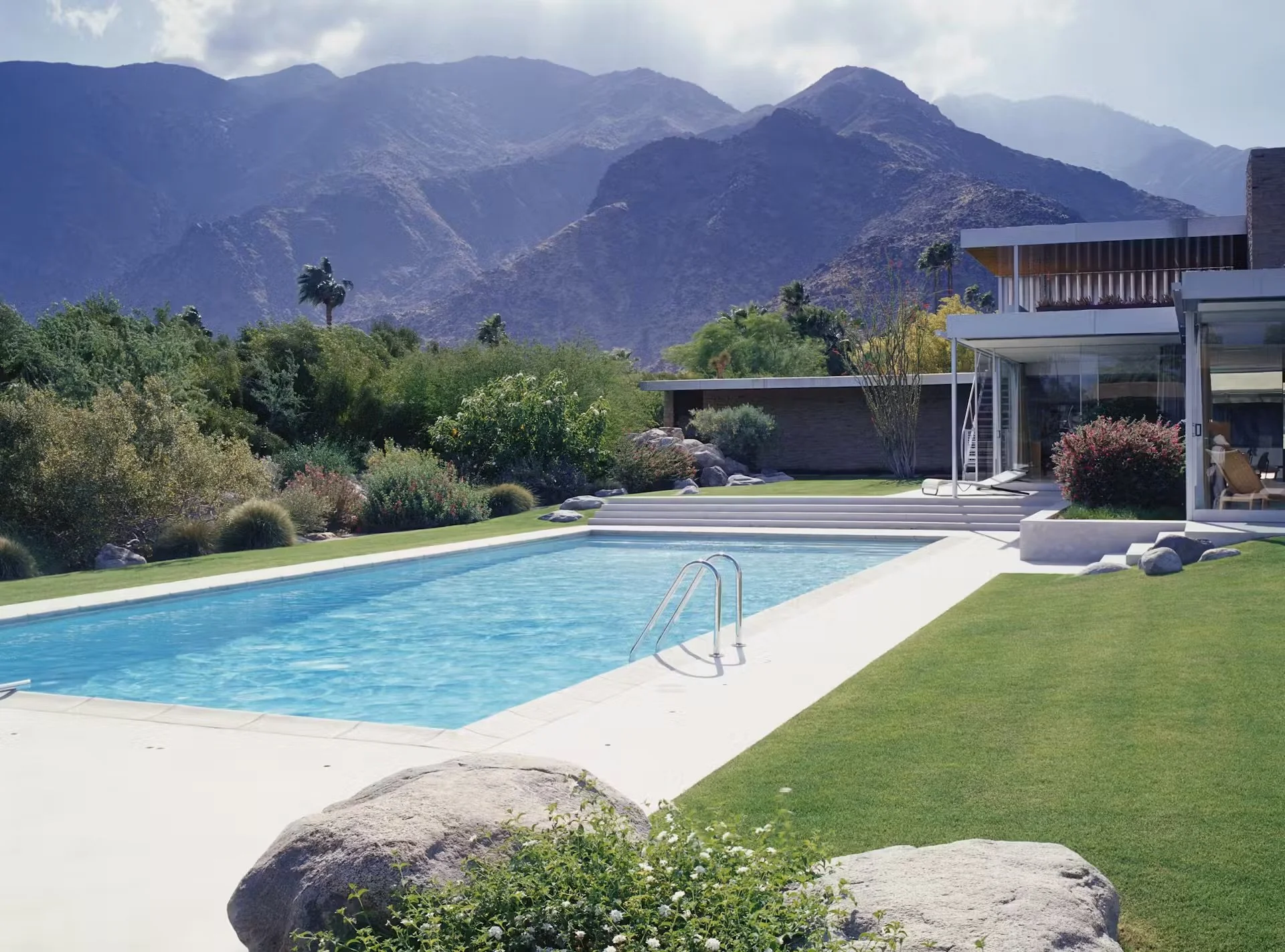
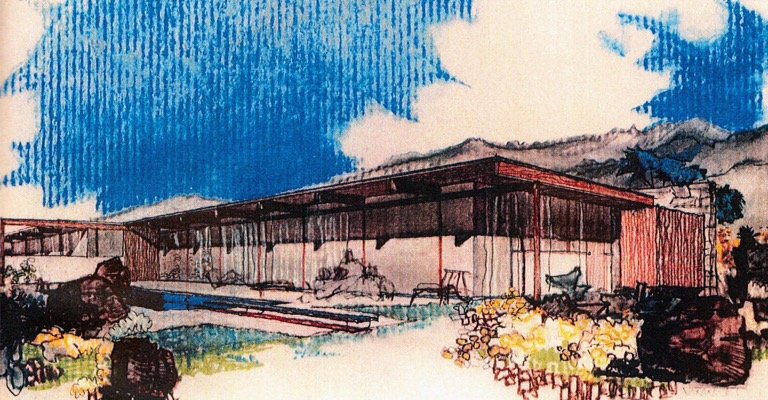
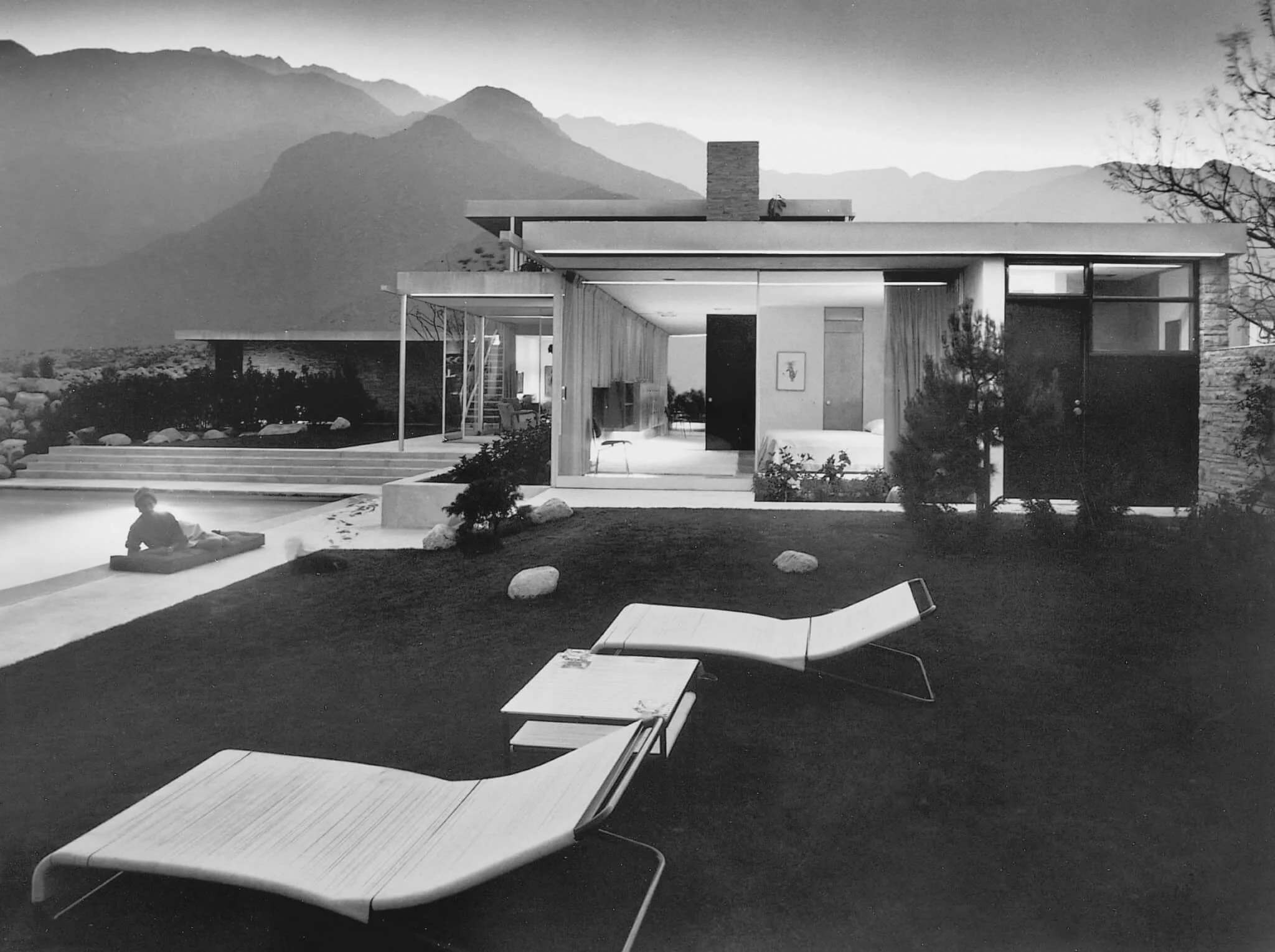
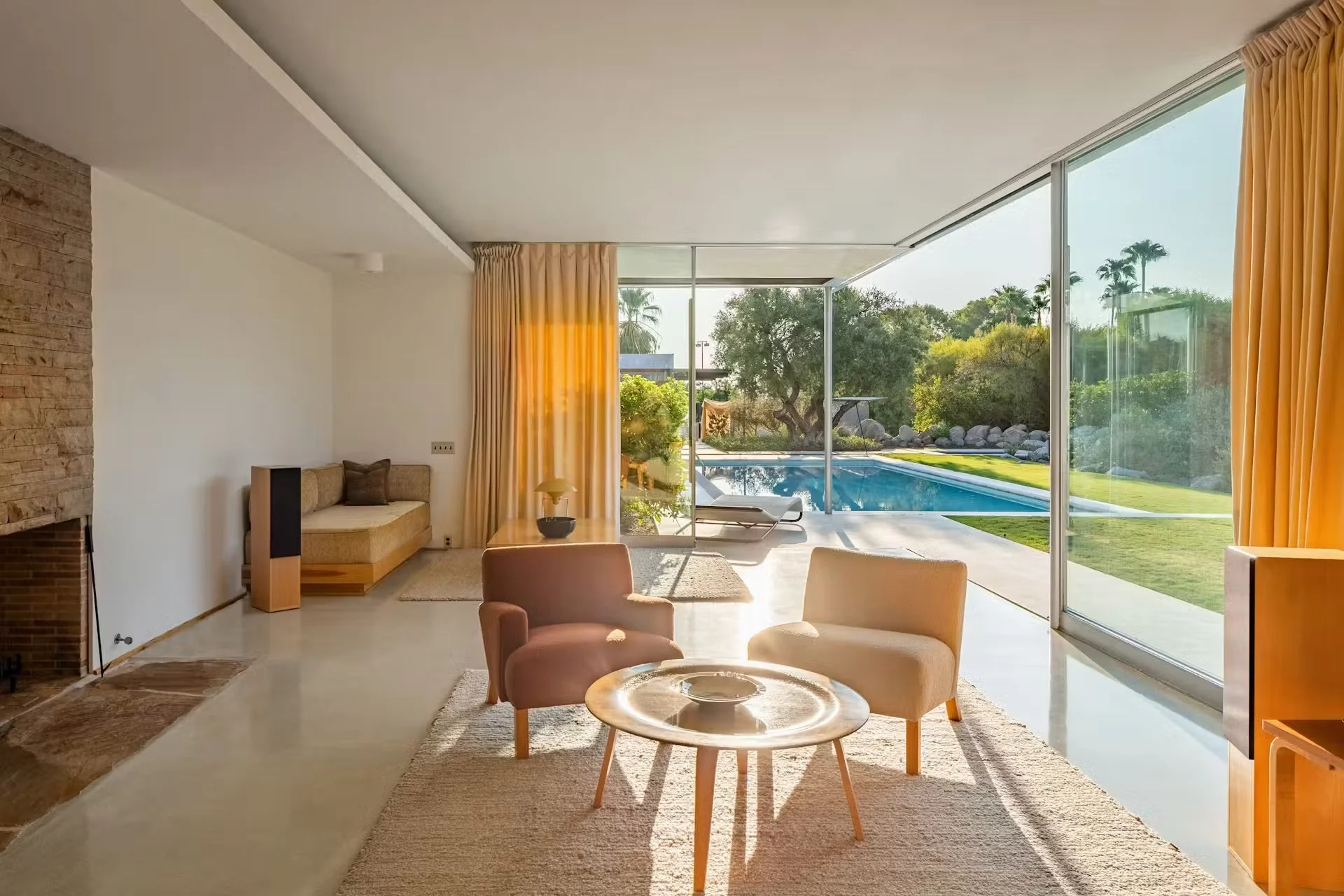
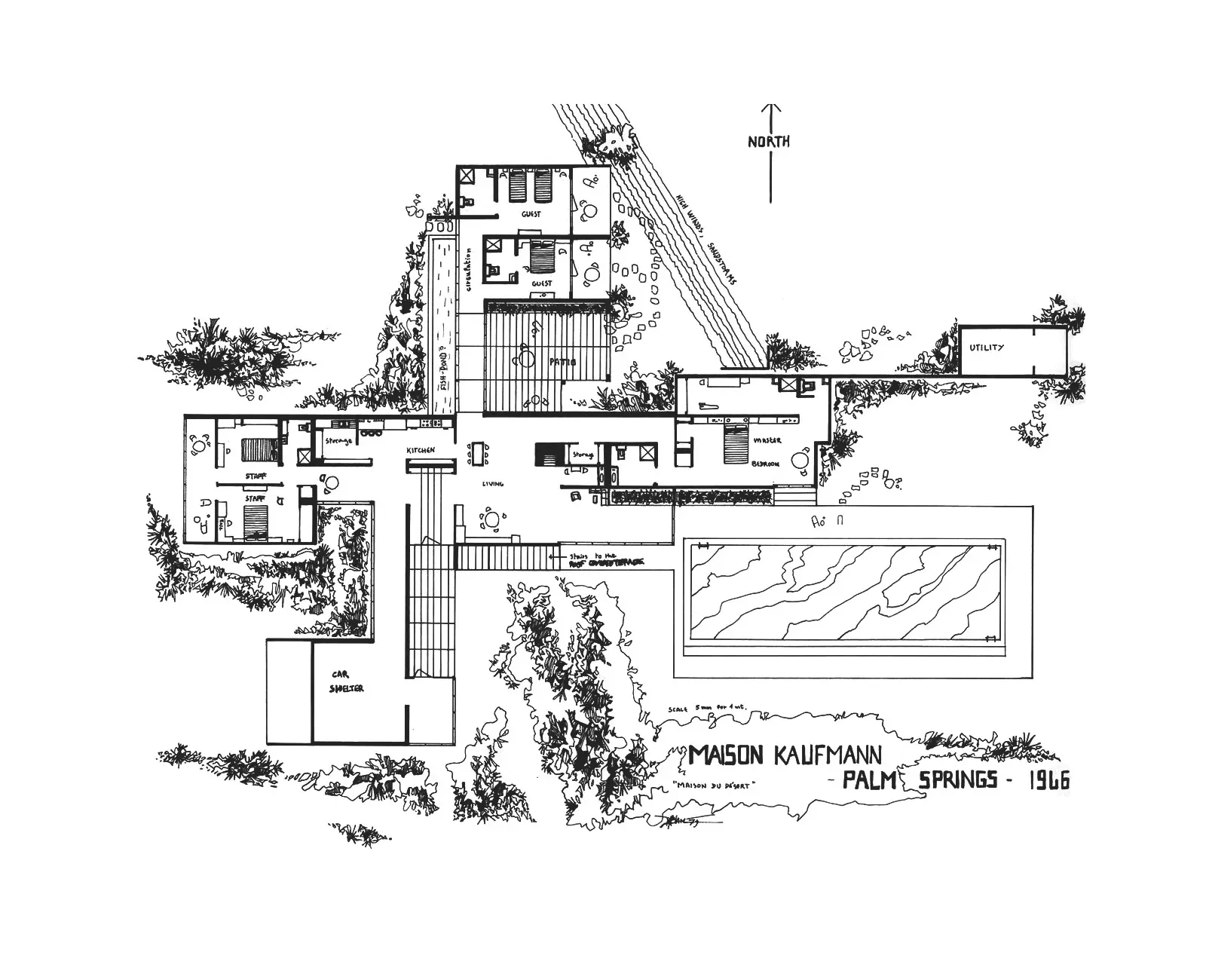
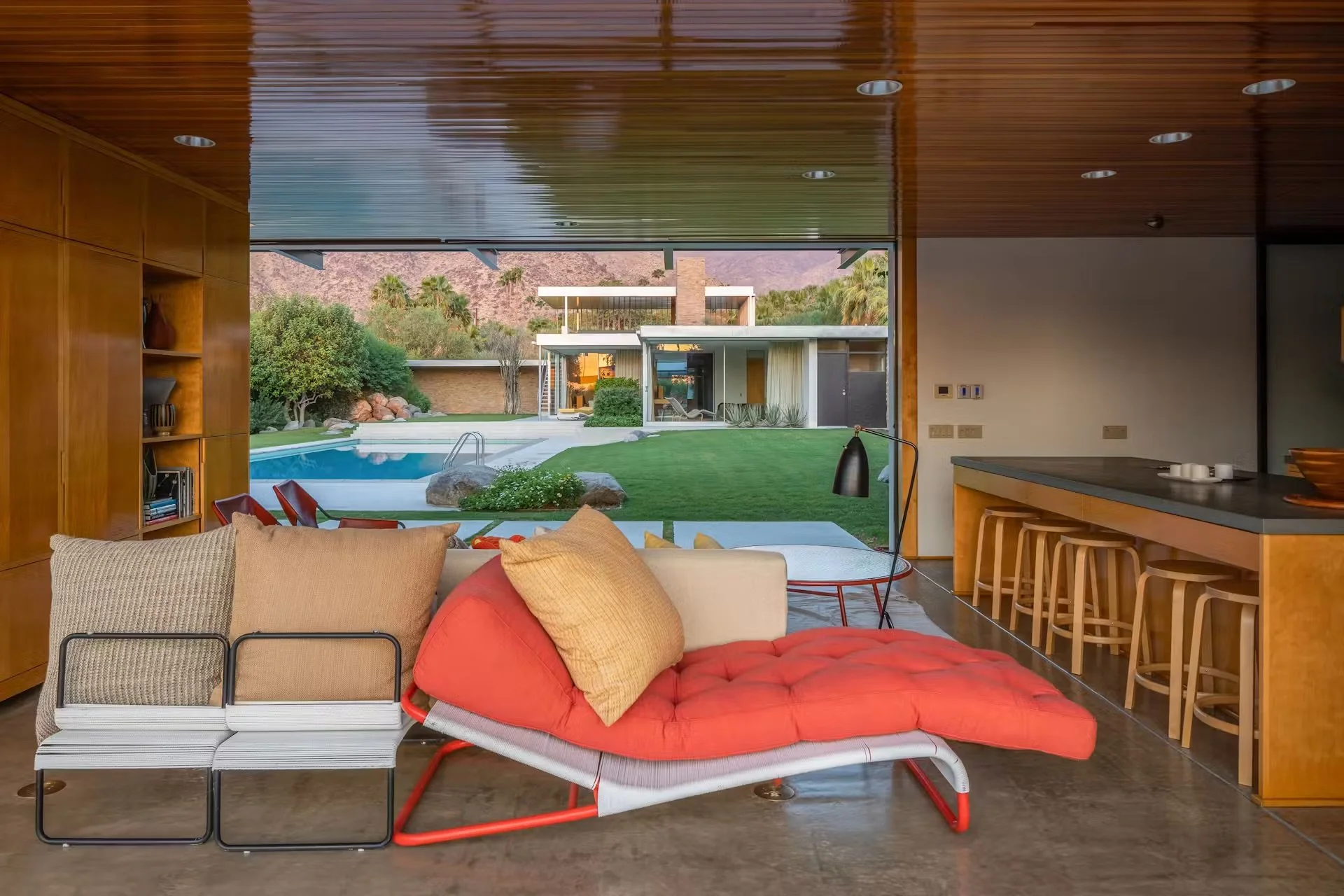
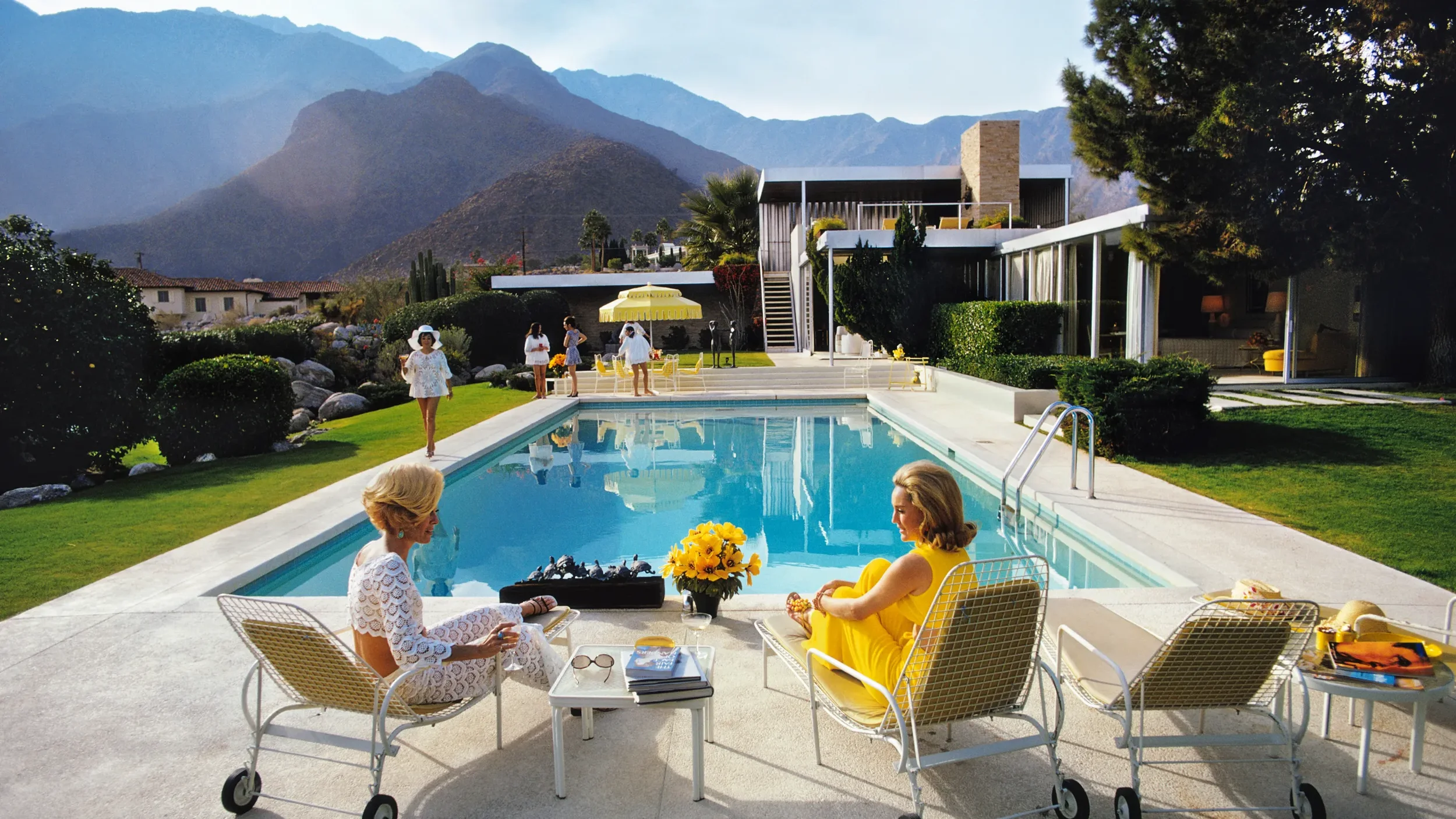
If you’ve ever seen a photograph of a glass-walled house hovering above a desert pool with the San Jacinto Mountains in the background, this is it. The Kaufmann Desert House is, for a lot of people, the image that comes to mind when you say “mid-century modern” - before you know what to call it.
Edgar Kaufmann Sr. commissioned it as a winter retreat, which makes it a sibling project to Fallingwater. Yes, he hired Frank Lloyd Wright for the Pennsylvania house and Neutra for the Palm Springs one, which is the kind of patron behavior that should be studied in business school alongside architecture school. The two houses couldn’t be more different. Fallingwater burrows into the landscape. The Kaufmann Desert House floats above its own reflection.
Slim Aarons photographed it in 1970 for his famous “Poolside Gossip” series, which gave it a second life as an image of effortless California leisure. It appeared in Don’t Worry Darling in 2022, and hit the market again in 2025 with a $25 million asking price. The house is 3,200 square feet and was built in the 1940s, and it is functionally timeless in a way that almost nothing is.
Bailey House / Case Study House #20, 1948
Pacific Palisades, Los Angeles
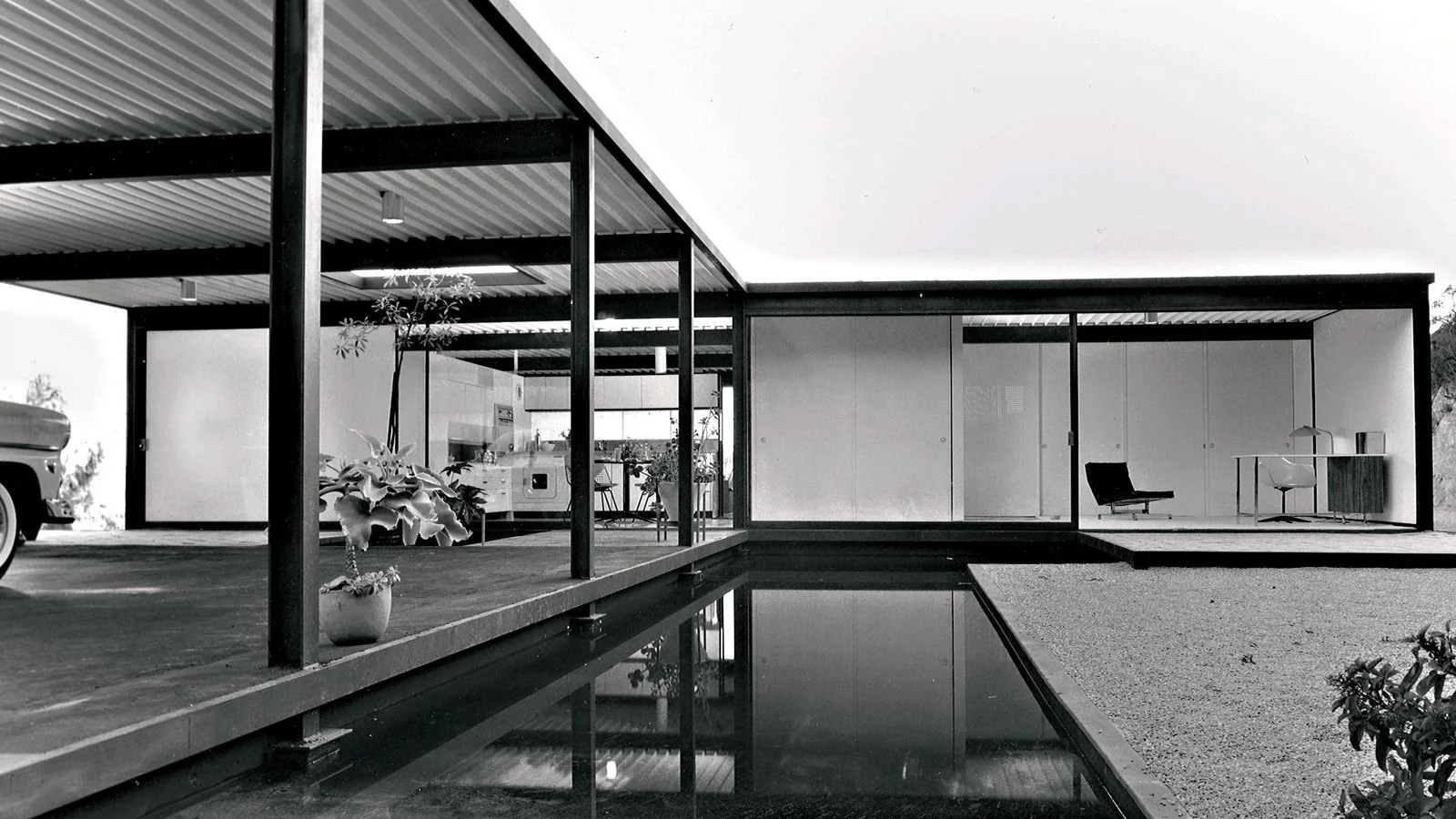
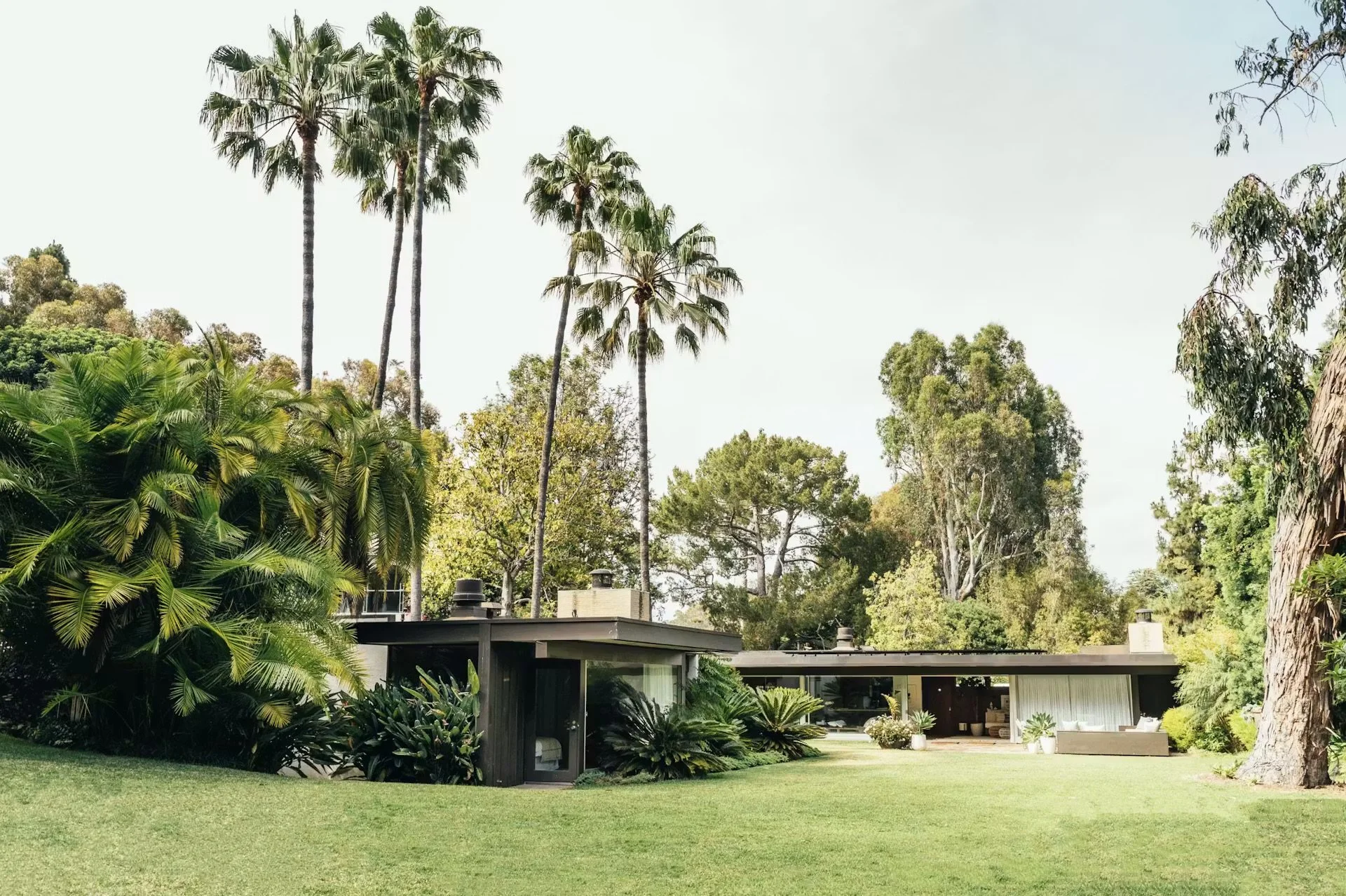
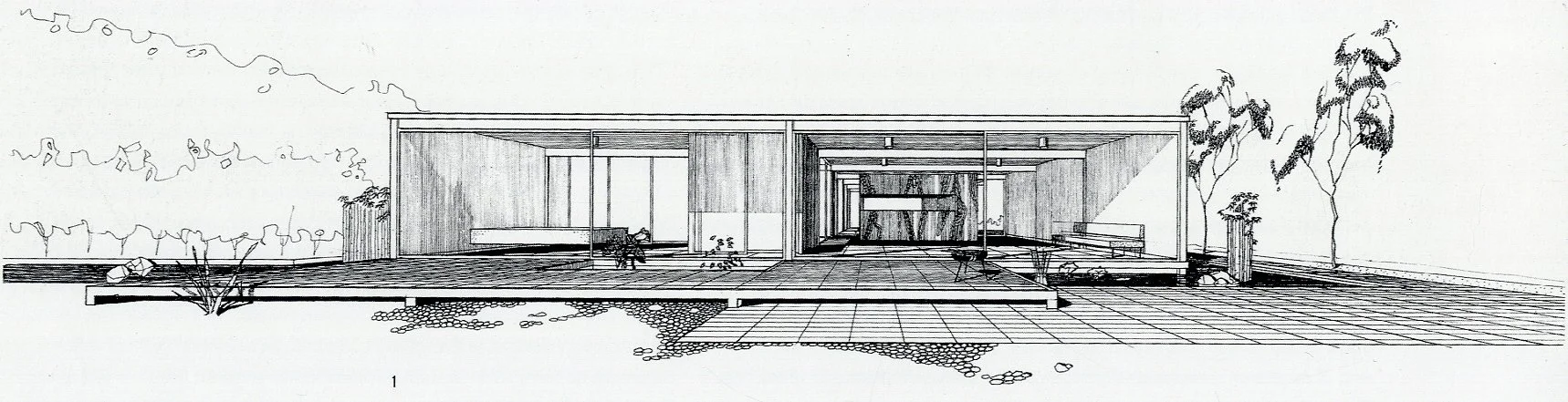
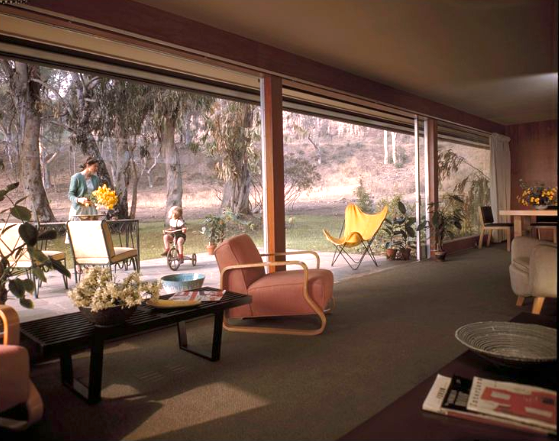
The Case Study House Program was one of the most ambitious ideas in American architectural history. Arts & Architecture Magazine, under editor John Entenza, commissioned leading modernist architects to design and build experimental postwar homes. Homes that were meant to be affordable, forward-thinking, and open to the public before the owners moved in. The program ran from 1945 to 1966 and produced 27 complete houses. Neutra designed several of them, and by the time the Bailey House was built, he was the most recognized architect in the program.
The Bailey House was designed for a young family on a modest budget, with a brief to build something expandable over time. What Neutra produced is modest in square footage and enormous in clarity - simple lines, a generous use of steel, glass, and wood, and an interior that opens completely onto the surrounding grounds. In the opposite of the Kaufmann in terms of budget and client profile, and exactly the same in terms of care. He treated every commission like it mattered, which is maybe the most radical thing about him.
Lew House, 1958
Hollywood Hills, Los Angeles
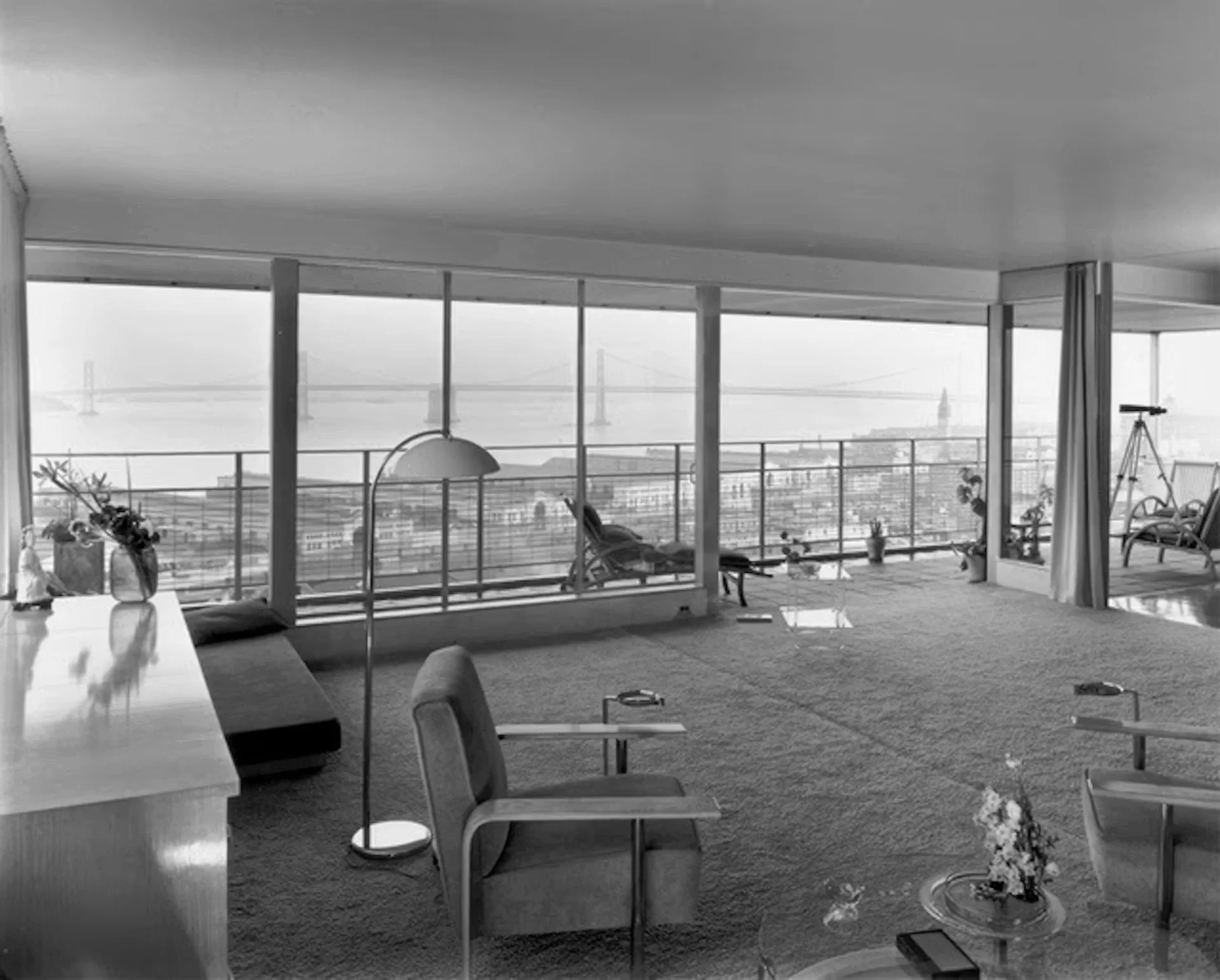
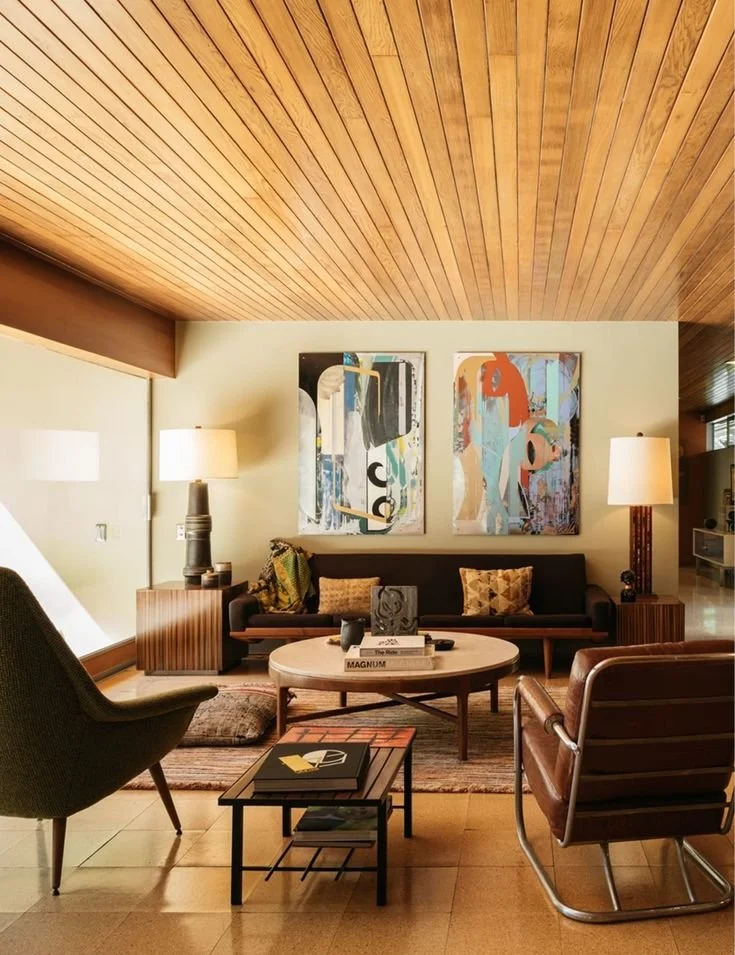
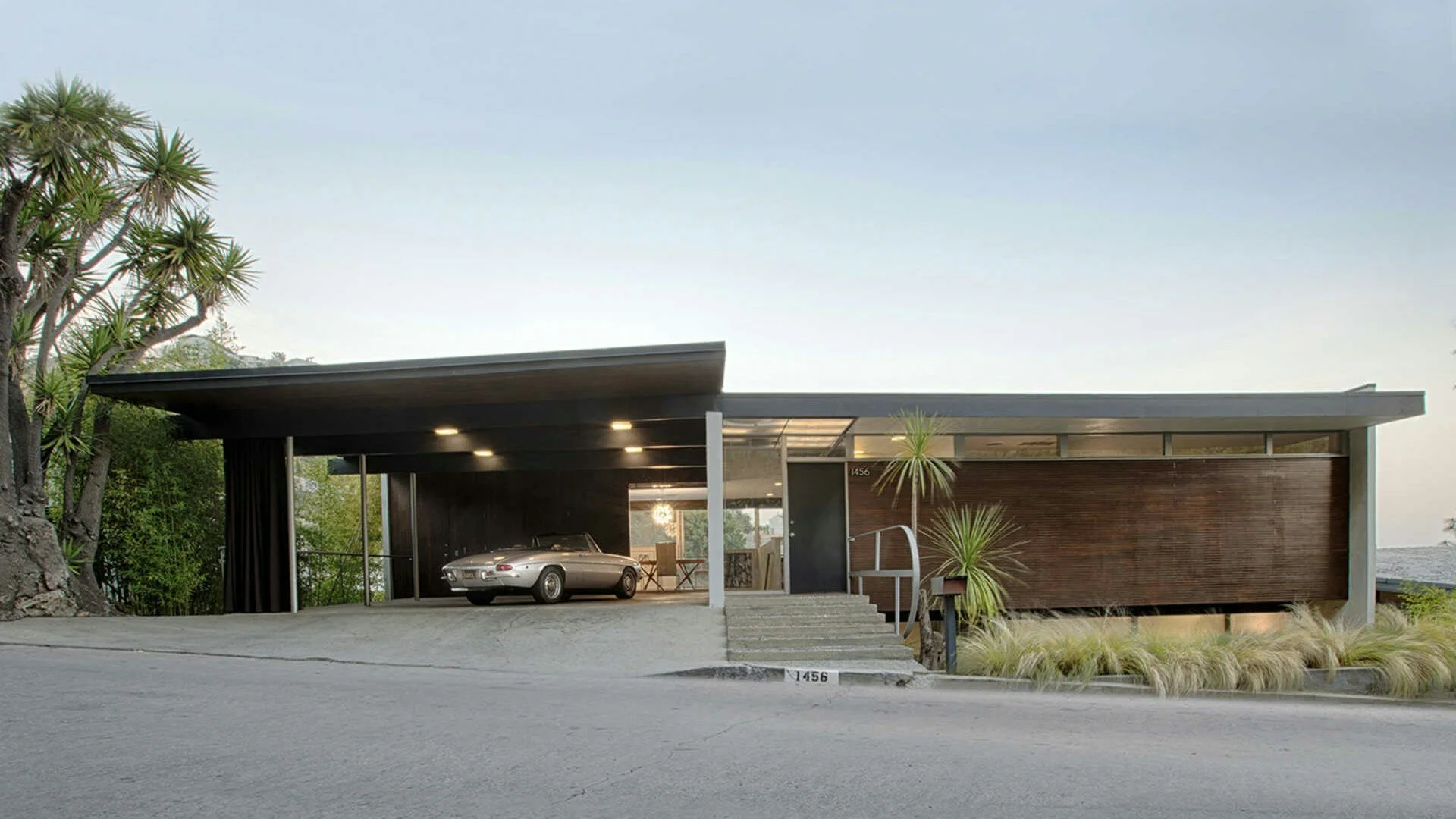
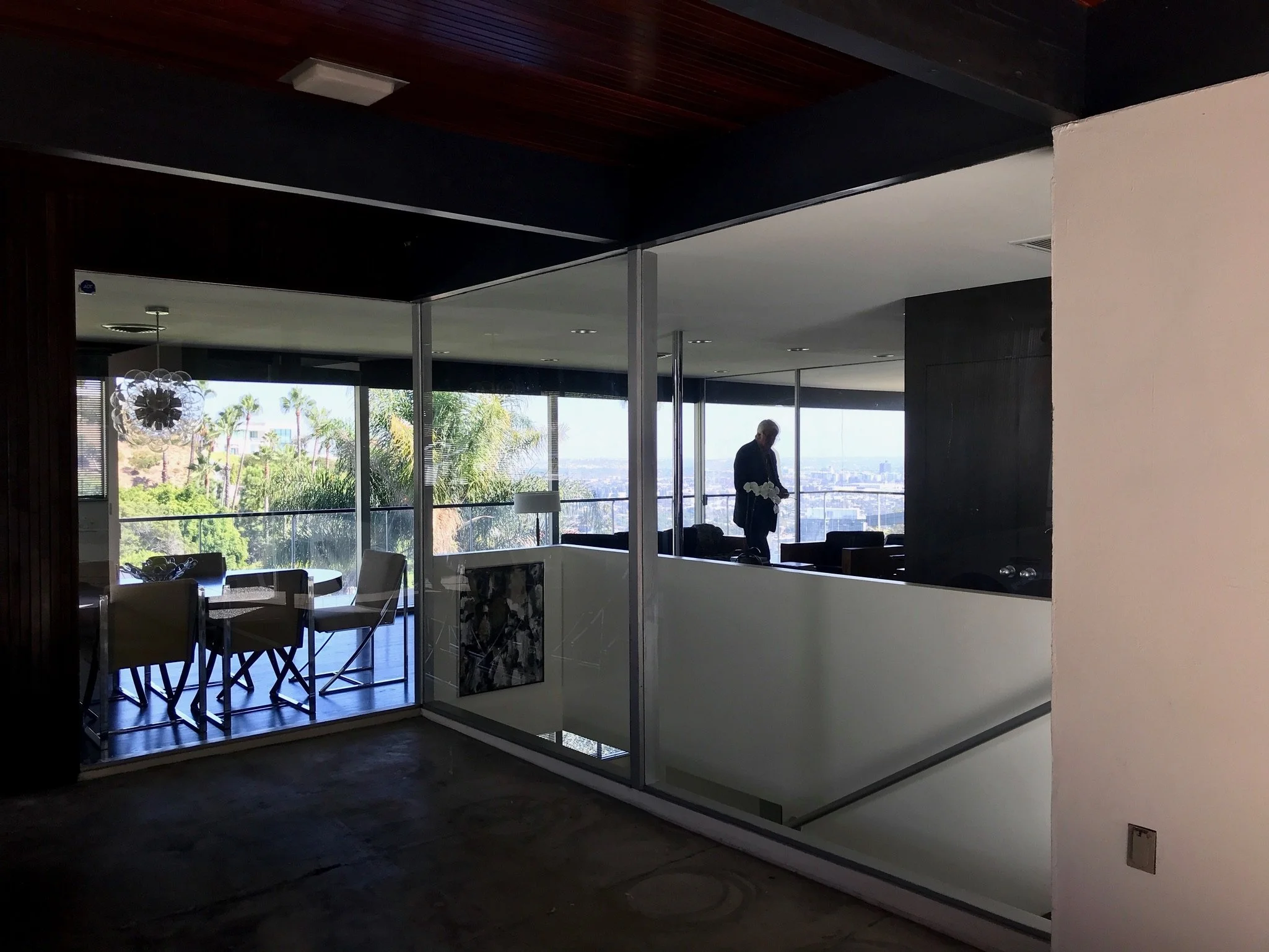
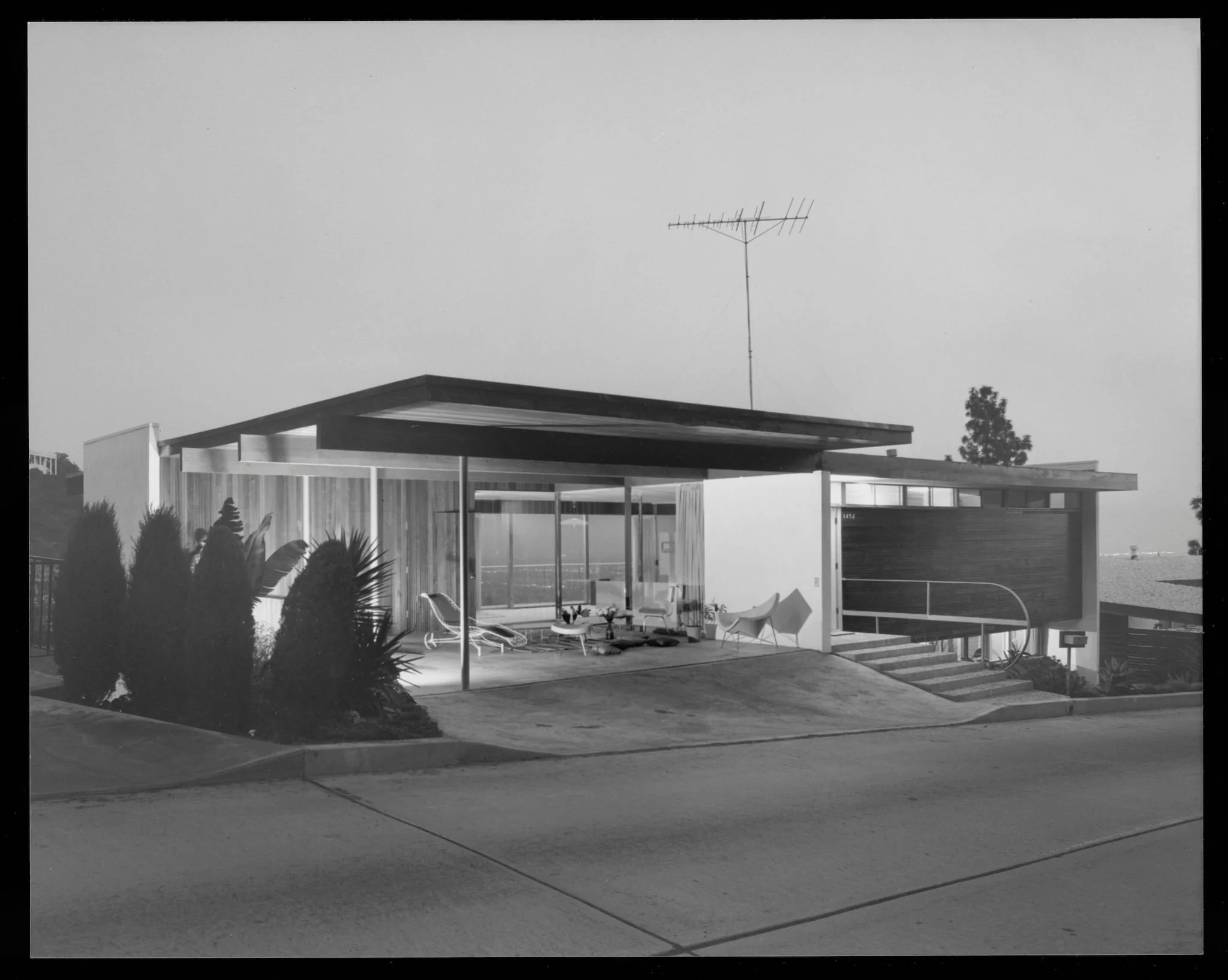
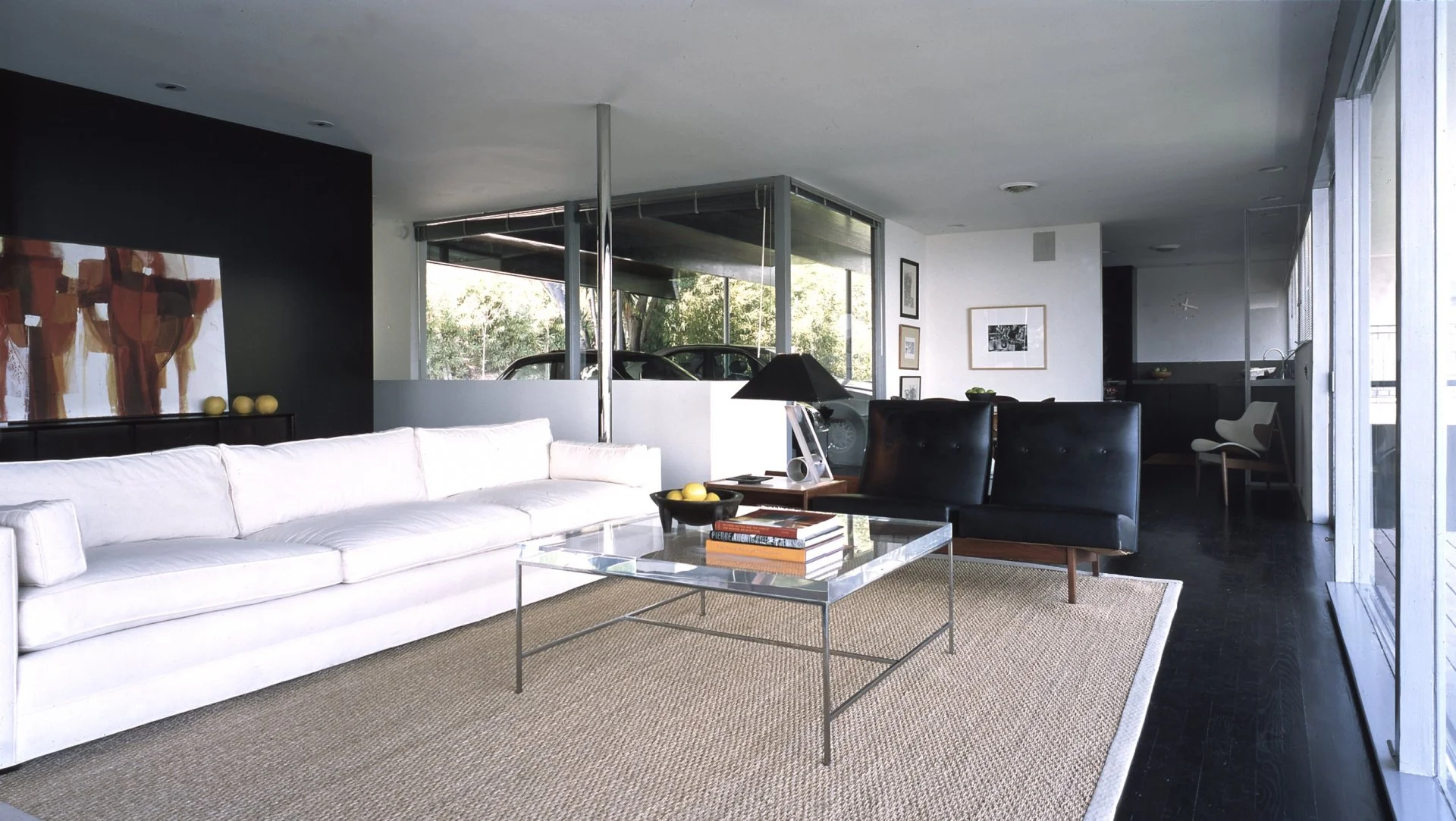
The Lew House sits tucked into the Hollywood Hills about half a mile above the Sunset Strip, and it’s one of those properties that feels like a very specific fantasy - the kind where you’re in the hills above Los Angeles, the pool is just outside the bedroom door, and everything is exactly the right proportion. Built in 1958, it’s a later Neutra, when he had a complete command of his vocabulary and was deploying it with real precision.
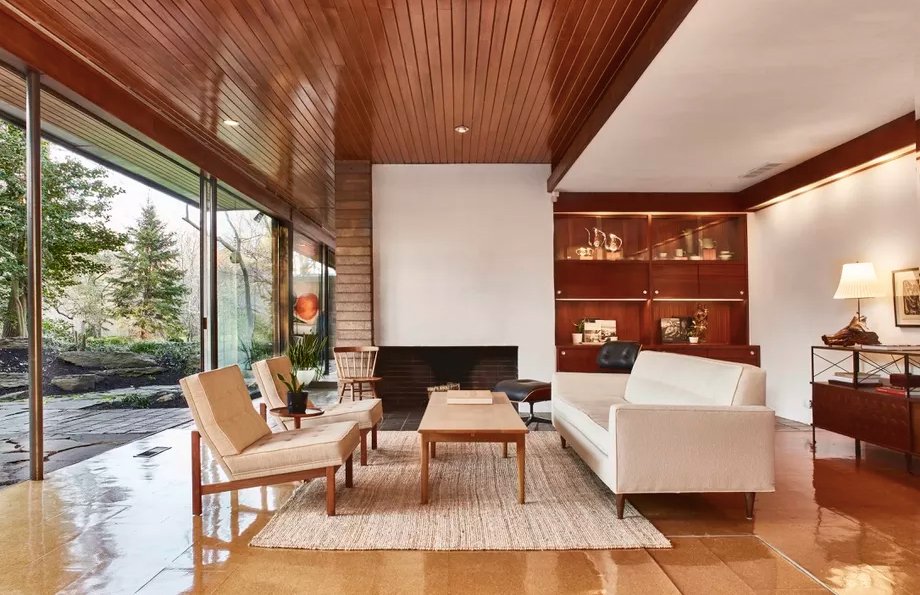
The house was restored by Marmol Radziner, the LA firm that has become something of the definitive restorer of important California modernism, and they did what they always do: left the bones completely alone and let the original design speak. Dark woods, clean lines, and a monochromatic palette that puts all the visual weight on the glass and the landscape beyond it. It’s the kind of house that makes you understand, on a physical level, why Neutra obsessed over the relationship between inside and outside.
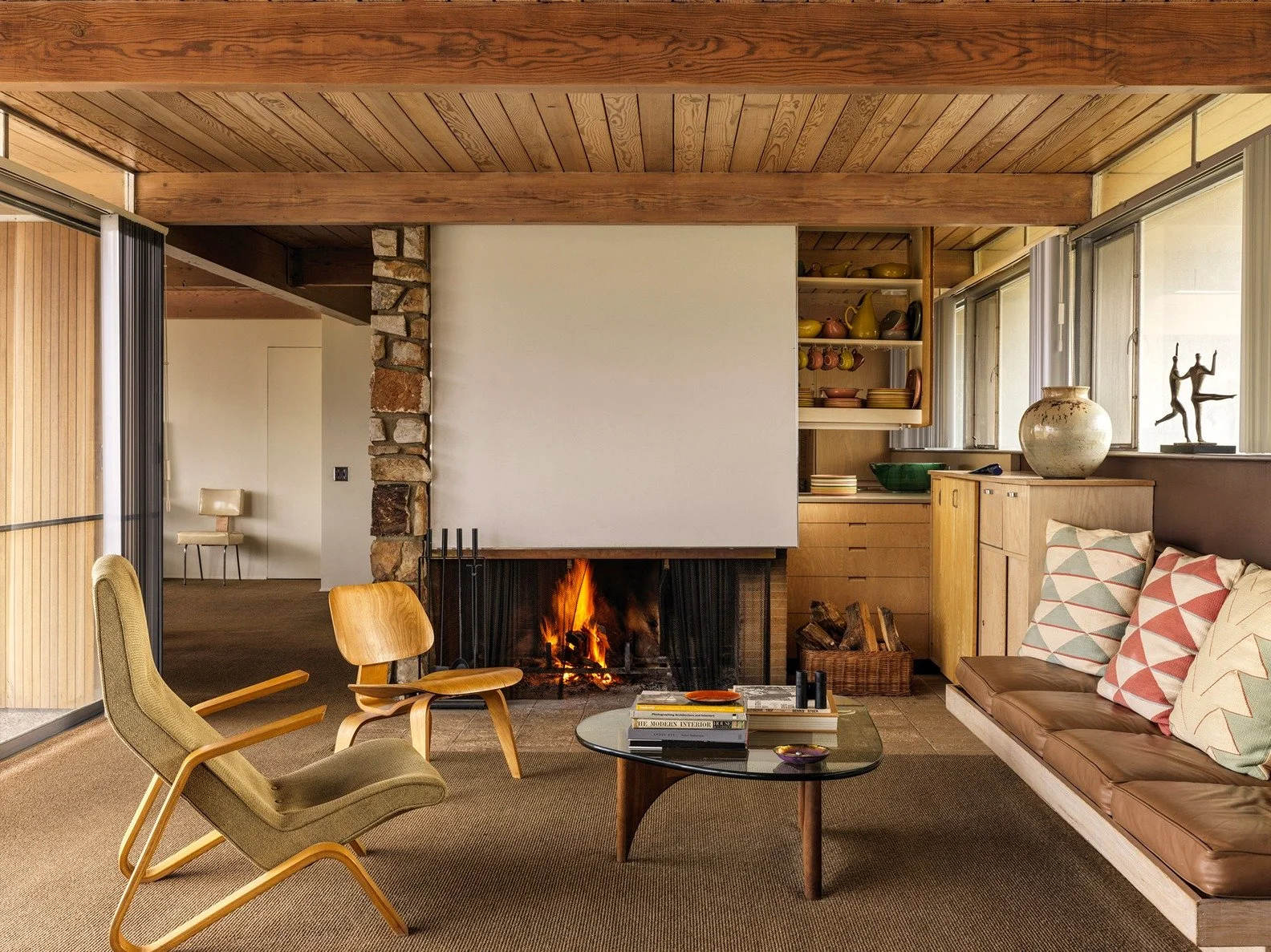
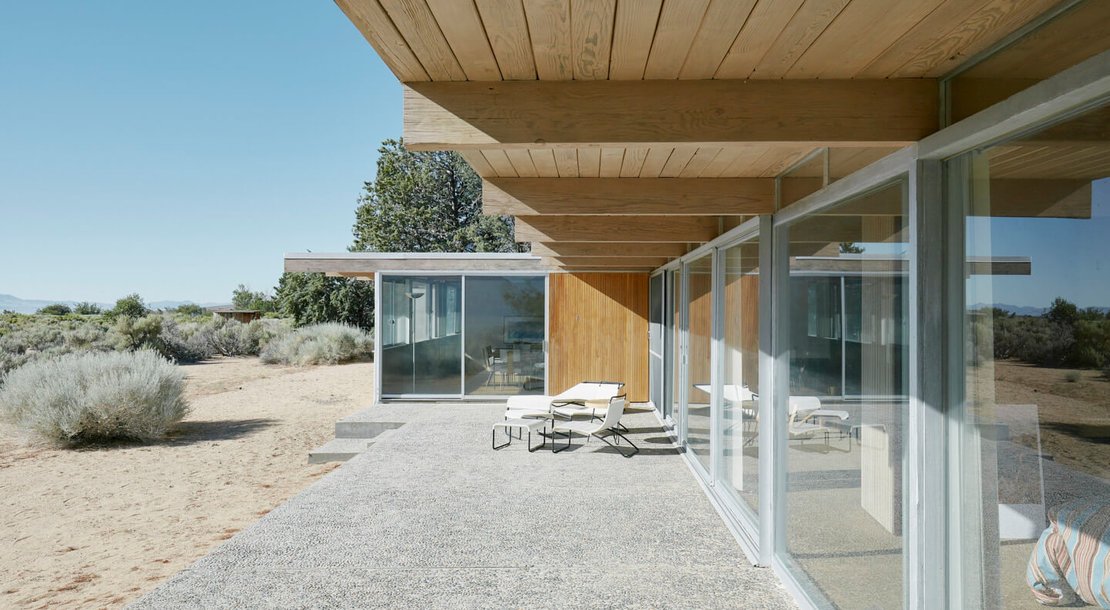
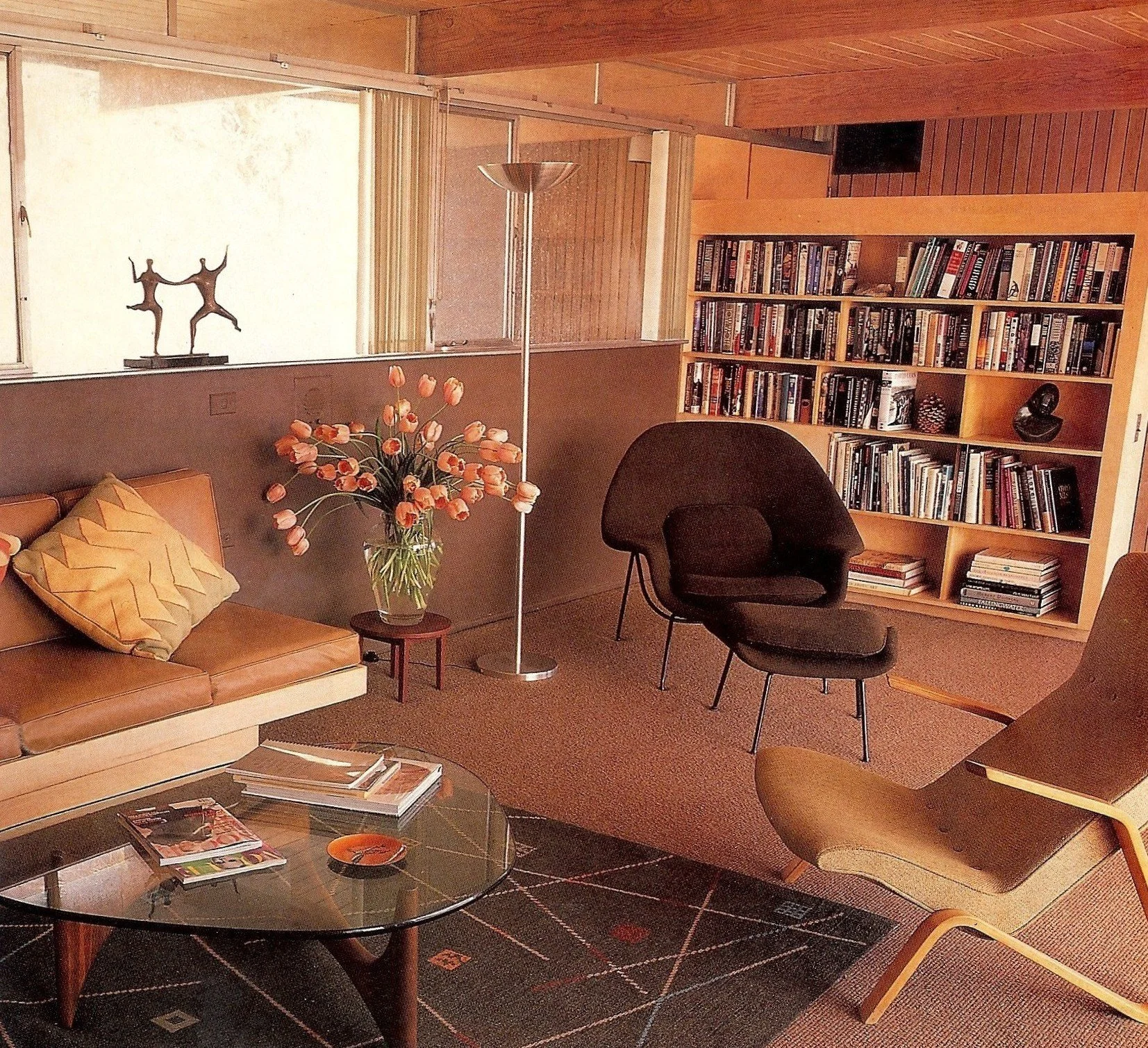
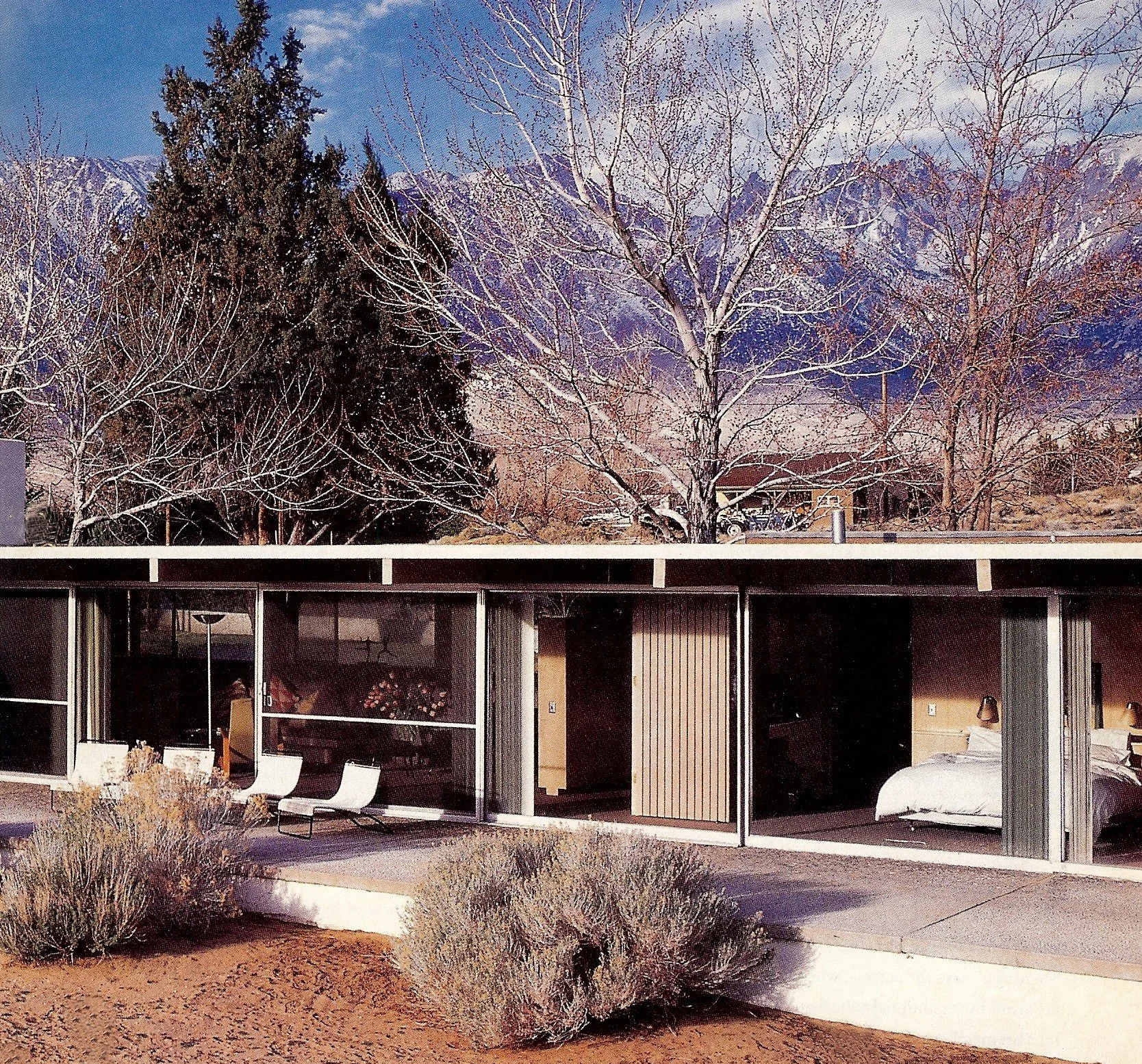
Oyler House, 1959
Lone Pine, California
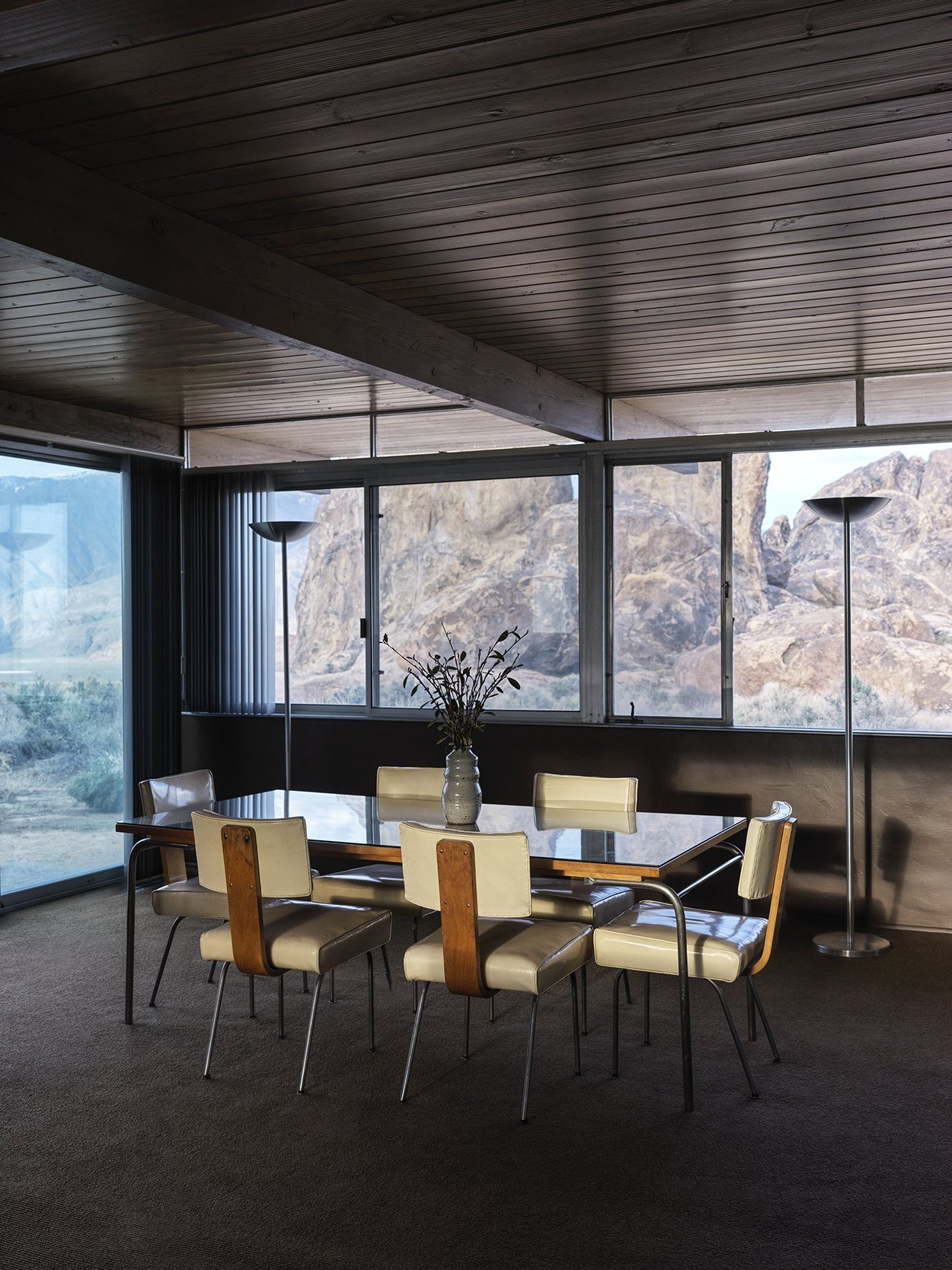
The Oyler House is one of my favorite stories in Neutra’s career. In 1957, a working-class government employee named Richard Oyler, living in the tiny desert town of Lone Pine in the Eastern Sierra, saw Neutra’s 1949 Time magazine cover and wrote him a letter asking him to design his family’s home. He had a modest budget, an extraordinary site in the Alabama Hills with the Sierra Nevada range as a backdrop, and what seems like an almost touching amount of conviction that the world’s most celebrated modernist architect would say yes to him.
Neutra said yes! He visited Lone Pine, saw the Alabama Hills, and apparently was moved by the site’s stark beauty. He compared it to the Gobi Desert. The resulting house is a post-and-beam structure that frames those rock formations the way a painting frames a subject, and the friendship between Neutra and Oyler lasted until Neutra died in 1970. There is even a documentary about this one, and it’s definitely worth watching. The house is currently owned by actress Kelly Lynch, who preserved it with obvious care.
The Oyler House is a reminder that Neutra’s philosophy wasn’t a luxury product. It was a belief about what all people deserved from the spaces they lived in.
The Legacy
Richard Netura died in 1970, mid-argument with a client, which tells you something about how he operated. He was 78. His son Dion, who had worked alongside him for years and rebuilt the VDL House after the fire, continued his practice, and the Neutra Institute for Survival Through Design carries on the work of applying his ideas to contemporary design research.
His influence is visible everywhere, sometimes directly and sometimes absorbed into the general language of California Modernism, making it impossible to trace back to a single source. The indoor-outdoor flow that defines how people think about California living, the post-and-beam construction that became the default grammar for mid-century residential design, and the idea that a house should respond to its site rather than impose itself on it - all of it runs through Neutra’s work.
Richard Meier and Norman Foster have both cited him as foundational. The typeface Neutraface, designed in his honor, is based on the letterforms from his own signage. Architects studying biophilic design today are essentially working from his notes.
What I keep coming back to is how personal the approach was. He met with clients extensively before designing anything. He would ask about their habits, their health, how they slept, and how they moved through the space. He believed that a house that didn’t suit the specific human beings living in it was a failure, regardless of how beautiful it looked in photographs. For someone whose work photographs as well as Neutra’s does, that’s a striking priority.
The glass walls, the steel frames, and the reflecting pools are what everyone sees. The thing underneath it all - the conviction that design is an act of care - is what makes the work last.