EVERYTHING IMPORTANT AT MILAN DESIGN WEEK 2026
There are two kinds of people in April: those who went to Milan and those of us who followed Milan Design Week from our couches with an embarrassing number of browser tabs open. I’m always the latter, and while I’d rather be there for myself, honestly, I don’t have any regrets about the million tabs. Between Salone del Mobile and the city-wide fuorisalone installations scattered across every palazzo and piazza you can imagine, 2026 delivered. And, like really, delivered.
I spent an unreasonable amount of time this past week cataloging everything that caught my eye (totally normal behavior) - the brand activations, the art installations, the unexpected furniture drops, the moments where fashion and design crossed paths in the most interesting ways. Everything that had my attention and lived in my head rent-free is here. Consider this like field notes, minus all the jet lag.
What Milan Design Week Is & Why You Should Care
Milan Design Week is, on paper, a trade event. Salone del Mobile - the main furniture and design fair - runs concurrently with fuorisalone, a city-wide series of installations, pop-ups, and brand activations that take over Milan’s historic architecture every April. In practice, it’s the biggest design event in the world. Roughly half a million people descend on the city, and for one week, every palazzo, courtyard, and abandoned factory becomes a venue.
What makes it interesting to someone like me isn’t the furniture fair itself. It’s the way fashion houses, emerging designers, legacy brands, and total wildcards all share the same stage. You’ll walk from a Dior installation in a Renaissance palazzo to a Slovenian design collective inside a former military hospital. The range is genuinely absurd, and that’s exactly why it’s worth paying attention. It’s pretty much everything I love all in one place. If you care about aesthetics, culture, or just beautiful things existing in the world, this is the week when a lot of the most interesting ones get announced.
The Things I Loved
Marni x Cucchi
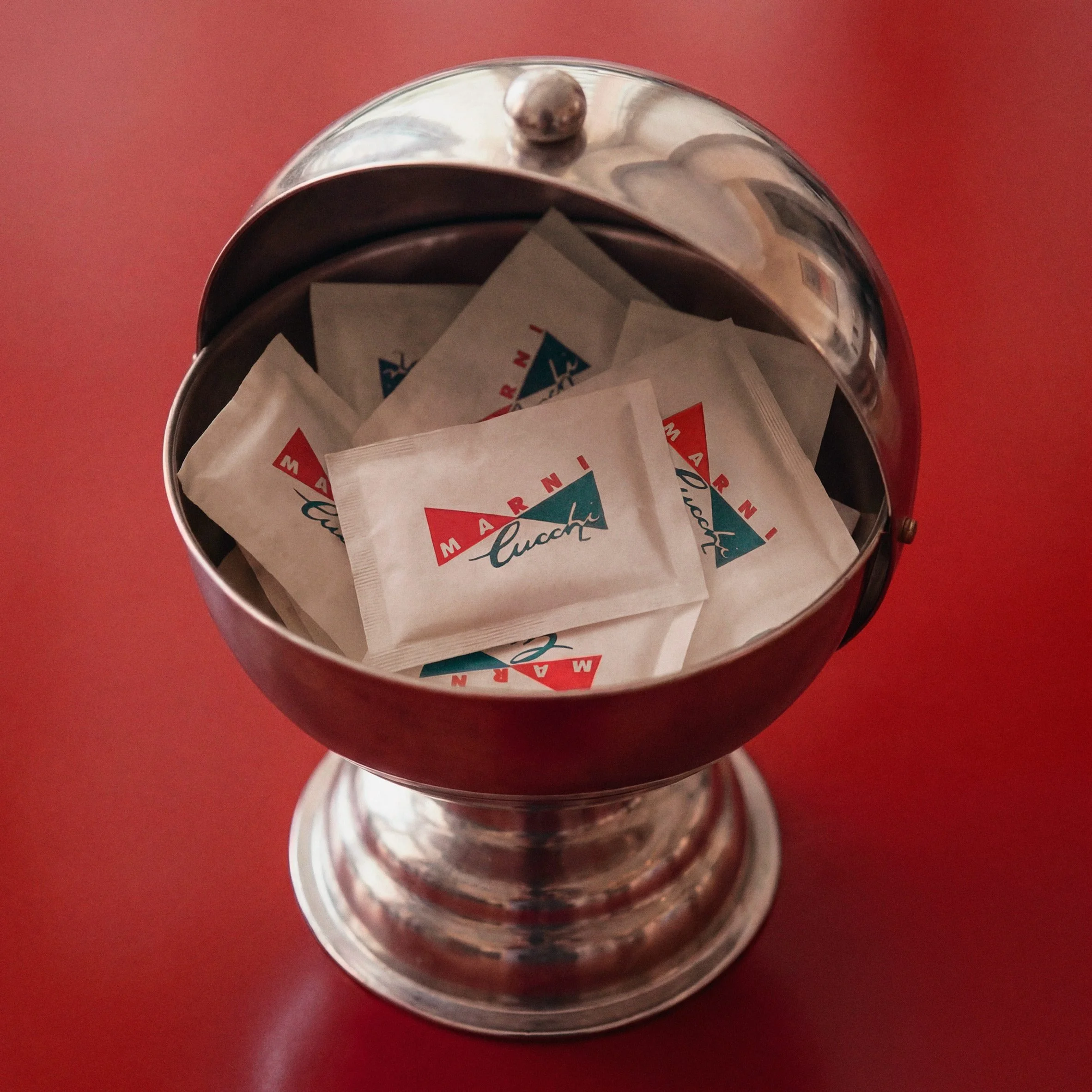
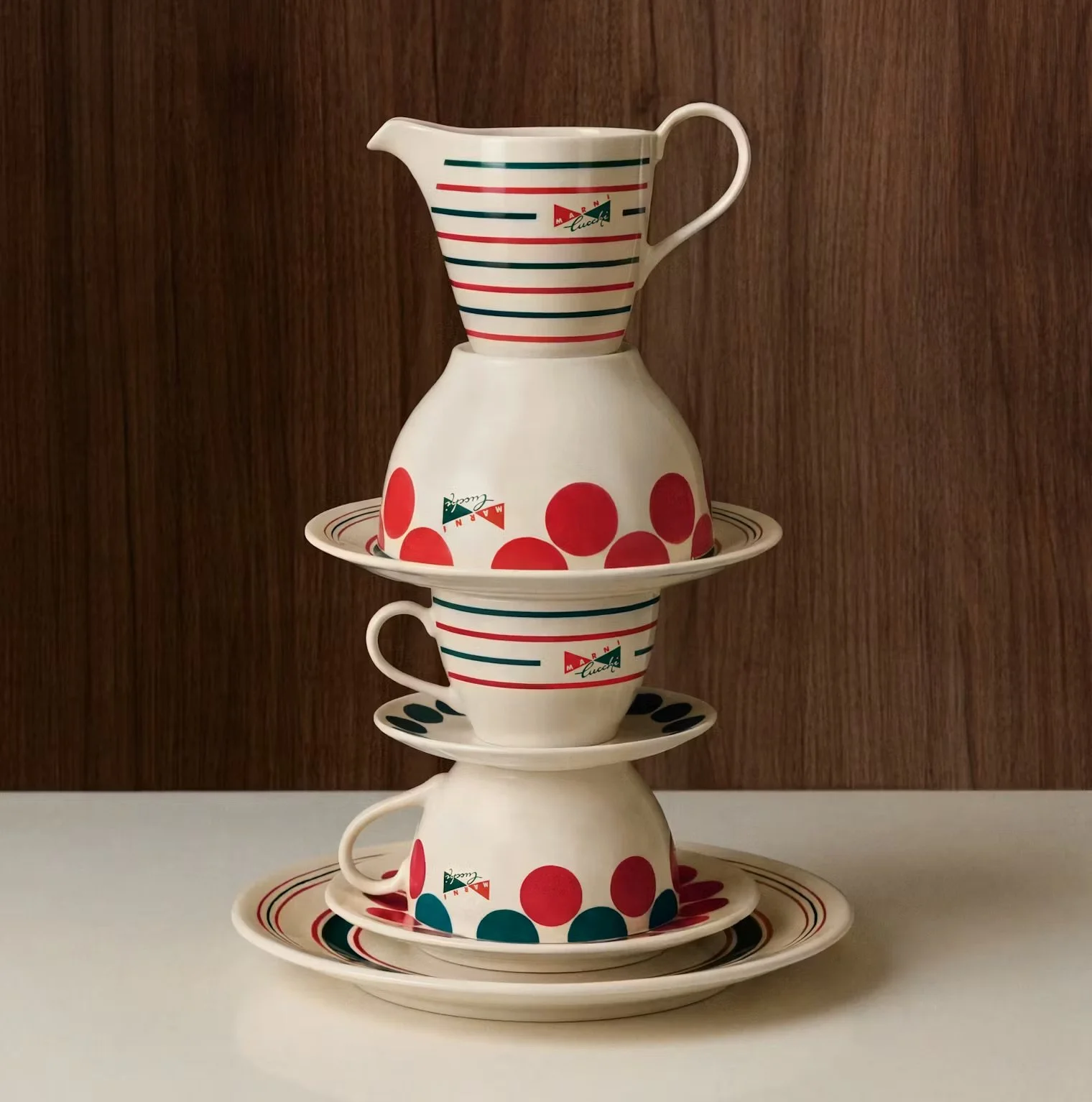
This one is peak Milan. Marni partnered with Pasticceria Cucchi, a Milanese Institution that has been around since the 1930s, for a takeover running through mid-July. The collaboration produced limited-edition espresso and cappuccino cups and saucers in colors you’d expect from Marni. They are playful, a little bold, and exactly right. The whole space got a redesign by RedDuo Studio, and on Thursdays, there are live music performances if you want to turn your morning cappuccino into a full-on event. Branded plates, milk jugs, and sugar sachets are also available to take home, which means yes, you could theoretically pocket a sugar packet or a few as a souvenir, and I’d respect that entirely.
Metamorphosis in Motion by Lina Ghotmeh
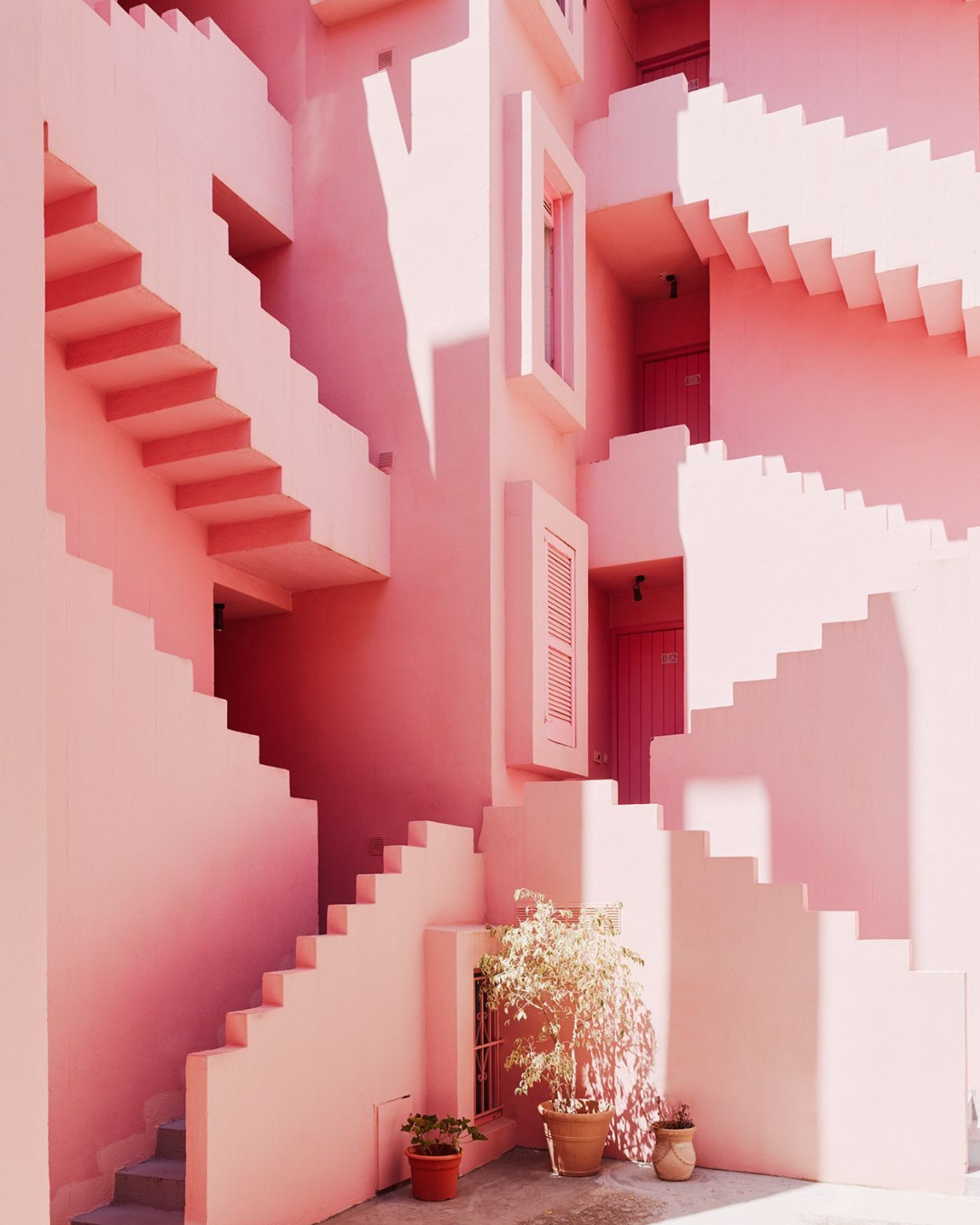
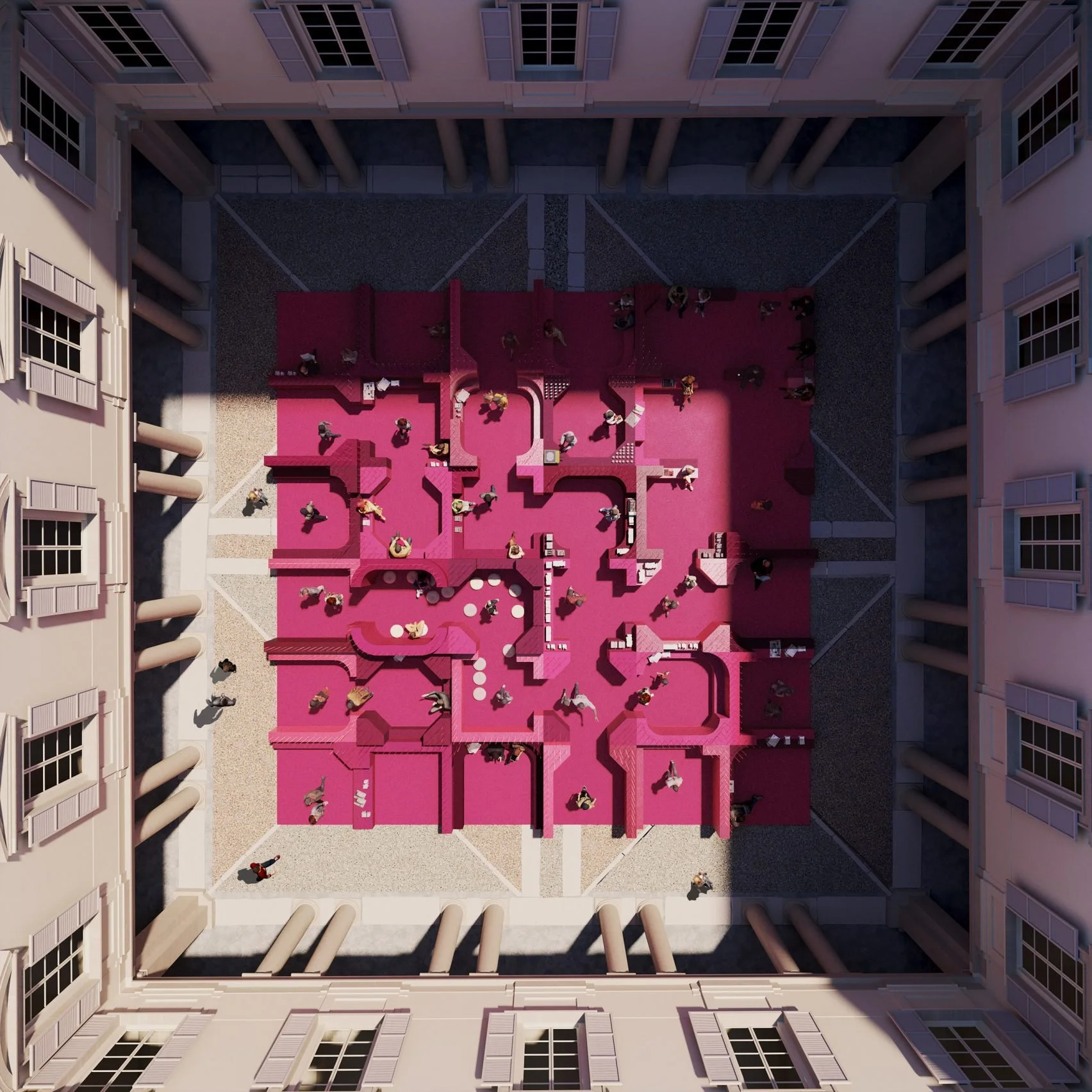
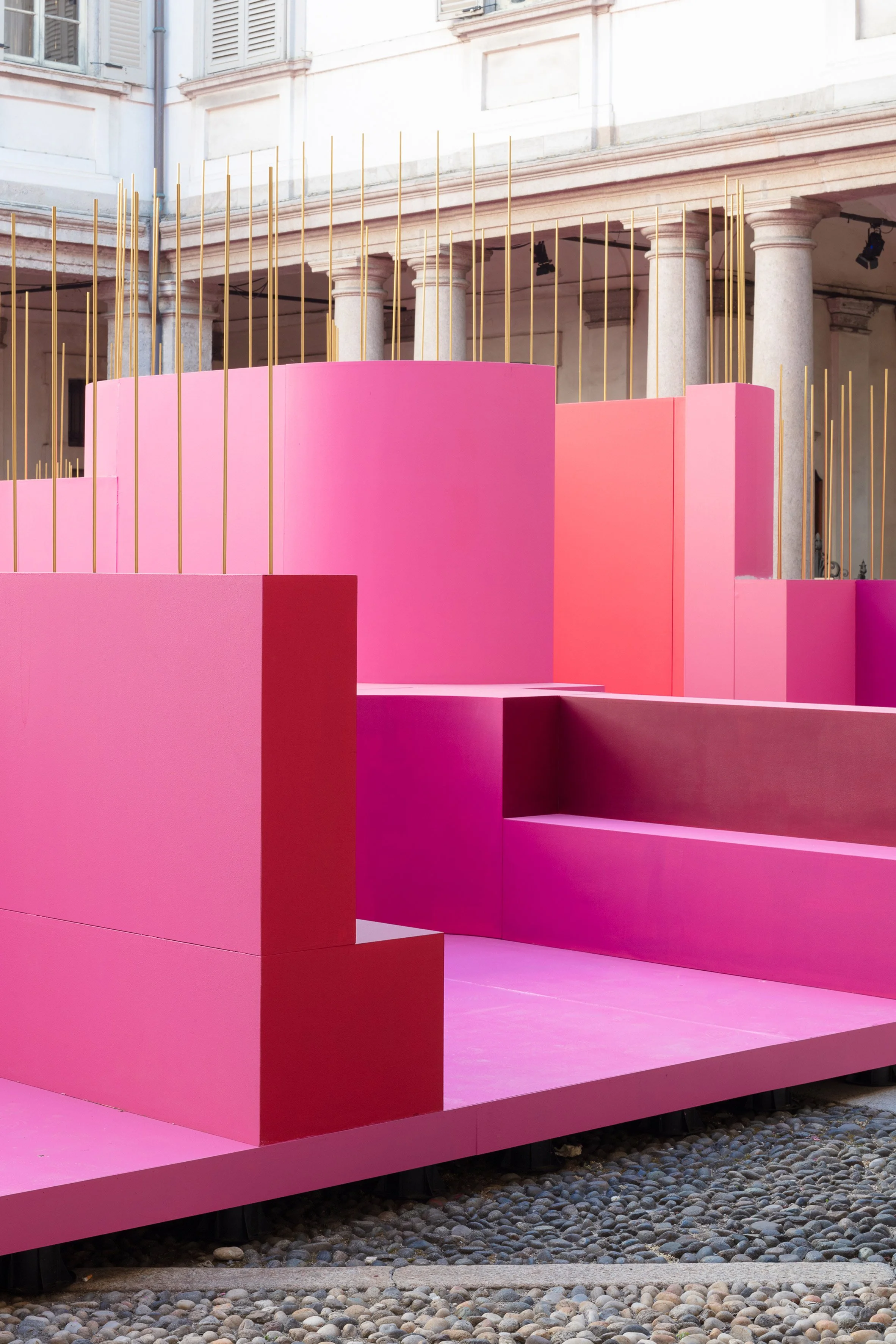
Lebanese architect Lina Ghotmeh made her Milan Design Week debut with an installation in Palazzo Litta’s courtyard, and it was exactly as good as that sentence sounds. Formed from curved geometric modules arranged into a pink-hued labyrinth, the piece created shifting spatial perspectives as you moved through it. Each pocket of space was framed differently, and the path was subtly guided without being prescriptive. The work was part of the MoscaPartners Variations exhibit, and what I found most compelling about Ghotmeh’s piece in general was how physical it was. Sure, it’s also bright pink, but it’s not really teaching you anything. It engages your body, and you get a sense of it before you really understand it.
Disco Apertitivo by Sophie Lou Jacobsen
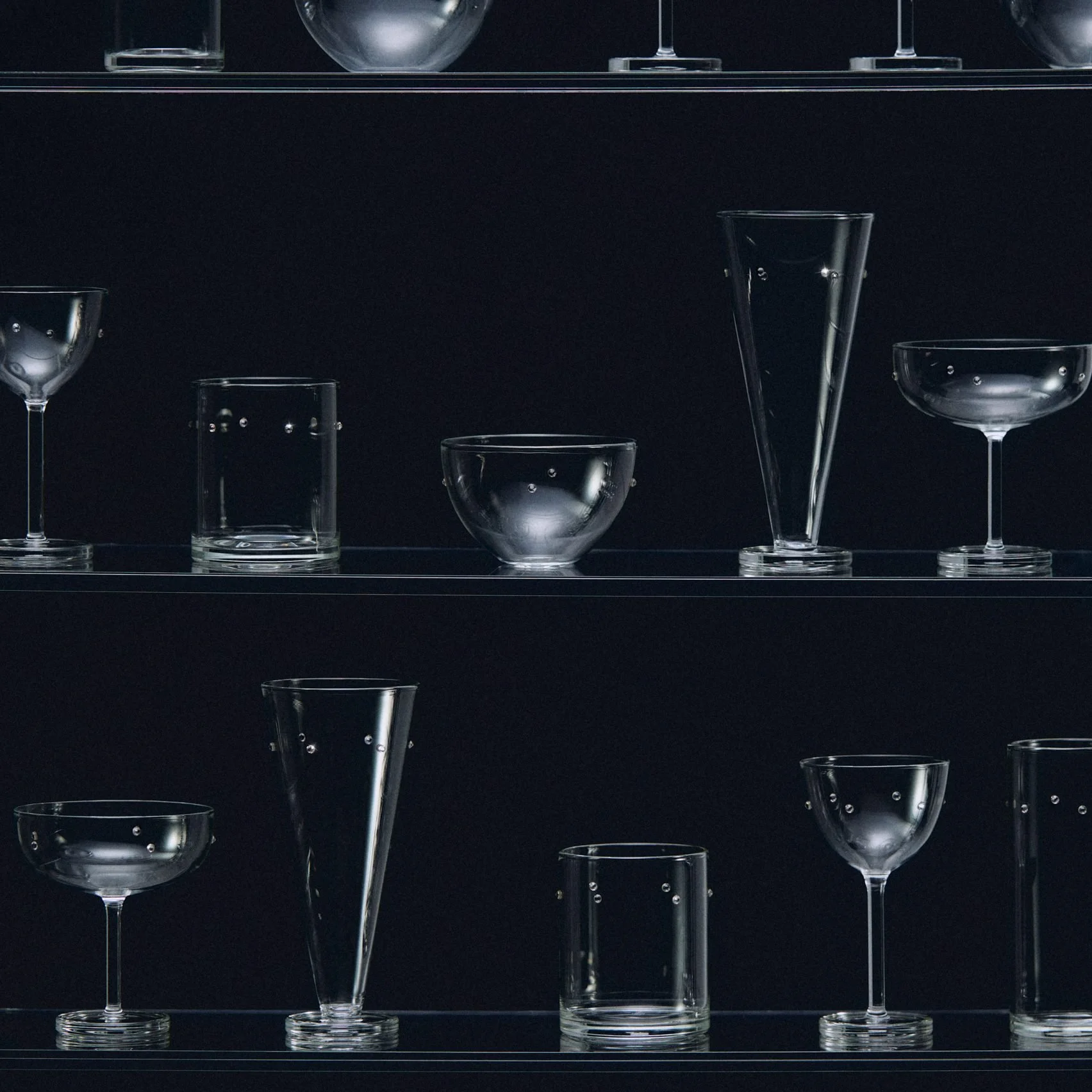
Sophie Lou Jacobsen transformed a Loreto apartment into an ode to 1970s and 1980s Italian glamour for the launch of her Disco Aperitivo collection. I honestly think about it more than I probably should. The collection includes cocktail glasses, ruffled placemats, an ashtray, and a cigarette box - all of which are party-ready and completely unbothered. Milanese bar Palinurobar served drinks throughout the week to set the vibe. The combination of the setting, the product, and the vibe is just so specific that it stood out on its own. It also made the argument that glassware doesn’t have to be serious. Sometimes you just want something beautiful to hold a Negroni.
Kelly Wearstler for H&M Home
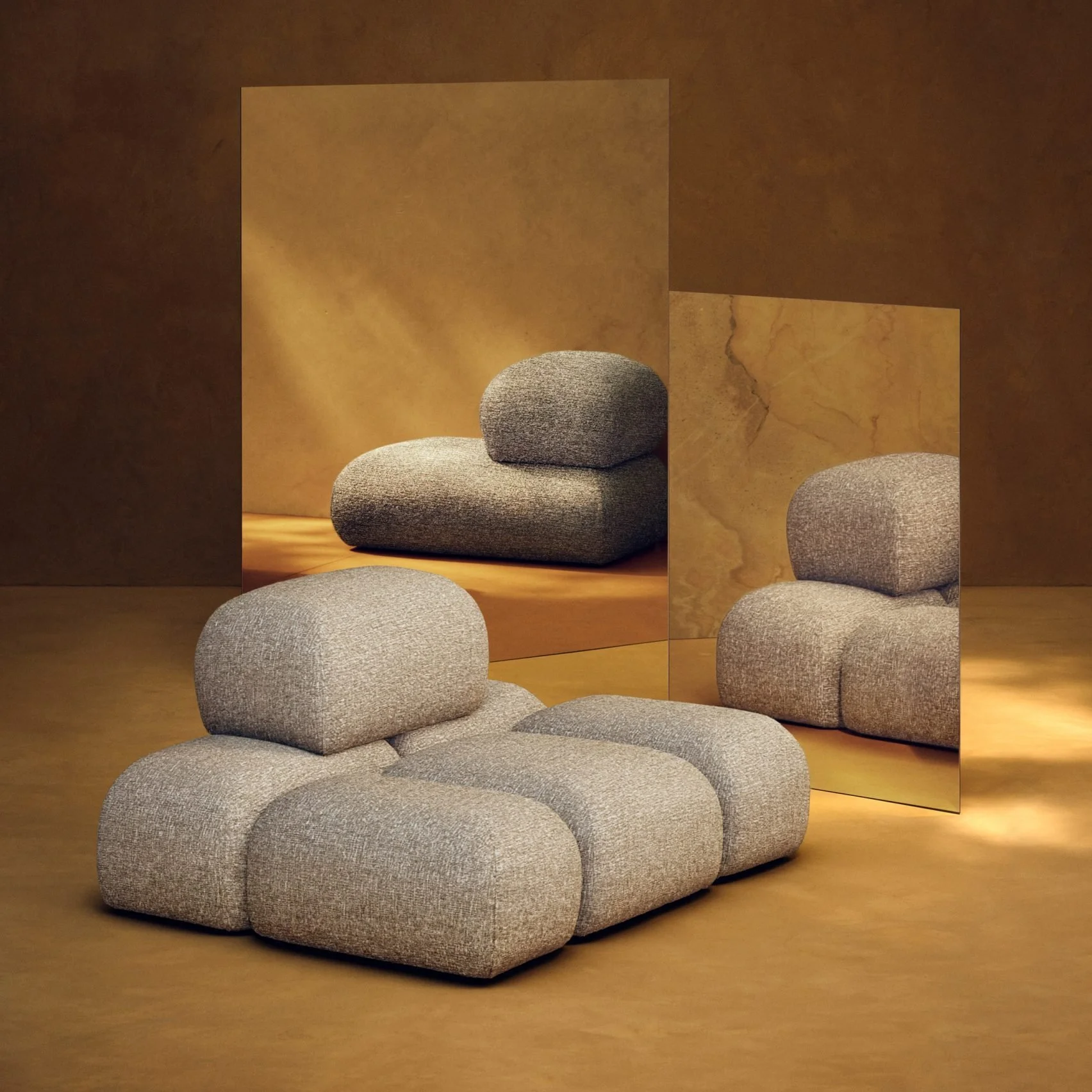
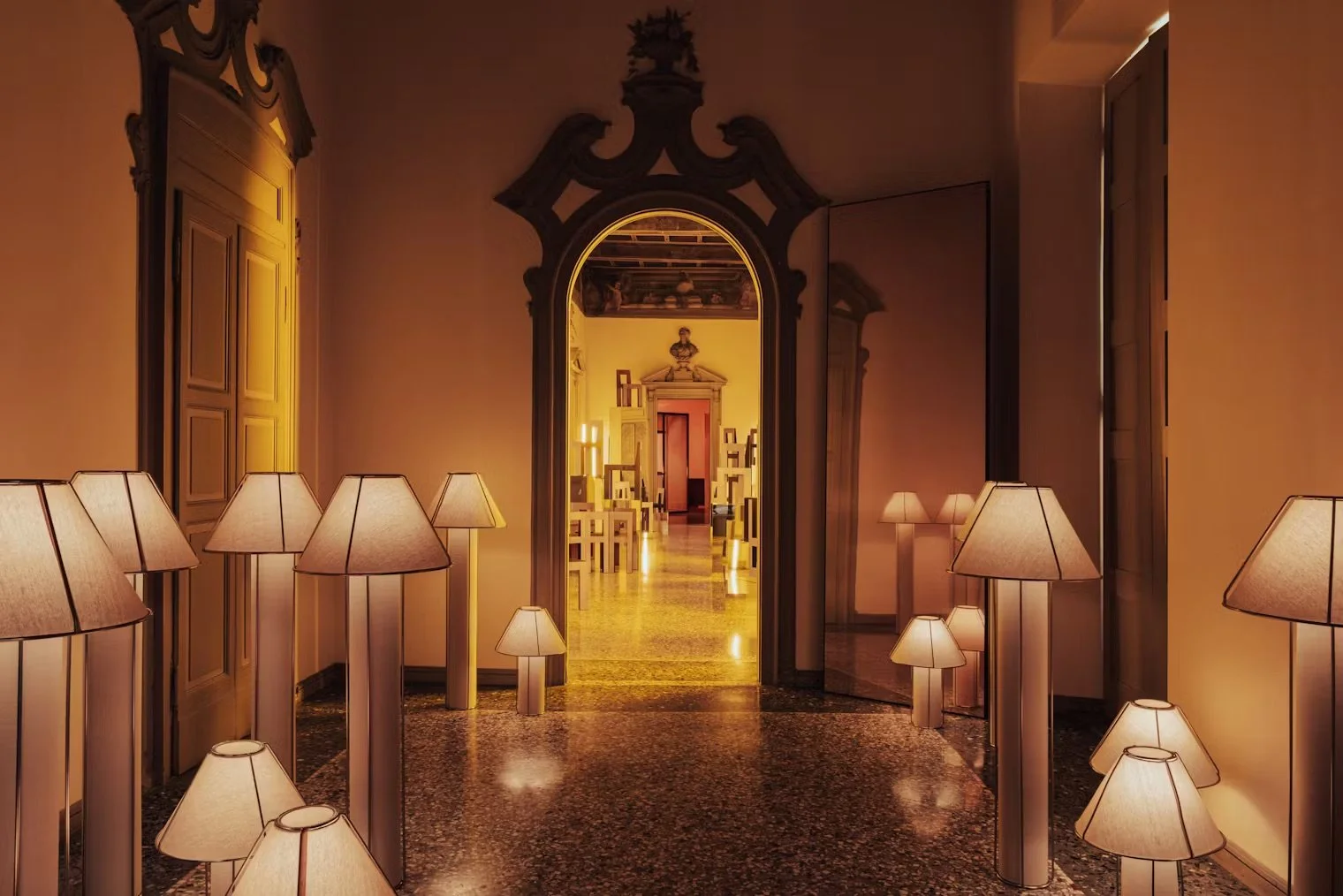
H&M has been expanding its design ambitions for a while now, but this was a genuine statement. Their first designer furniture collaboration, and it’s with Kelly Wearstler? Hello. The preview at the Palazzo Acerbi, a 17th-century Baroque building that’s largely been closed to the public, showed a collection that will launch in September. It includes modular seating, trompe l’oeil vases, collaged marble trays, and more, all using materials like wood, metal, ceramic, and marble. What makes it interesting isn’t just the Wearstler name. It’s that the collection has actual design intelligence at an accessible price point. It’s a combination that is genuinely rare and worth paying attention to when September comes around. You know I will be.
House of Creatures
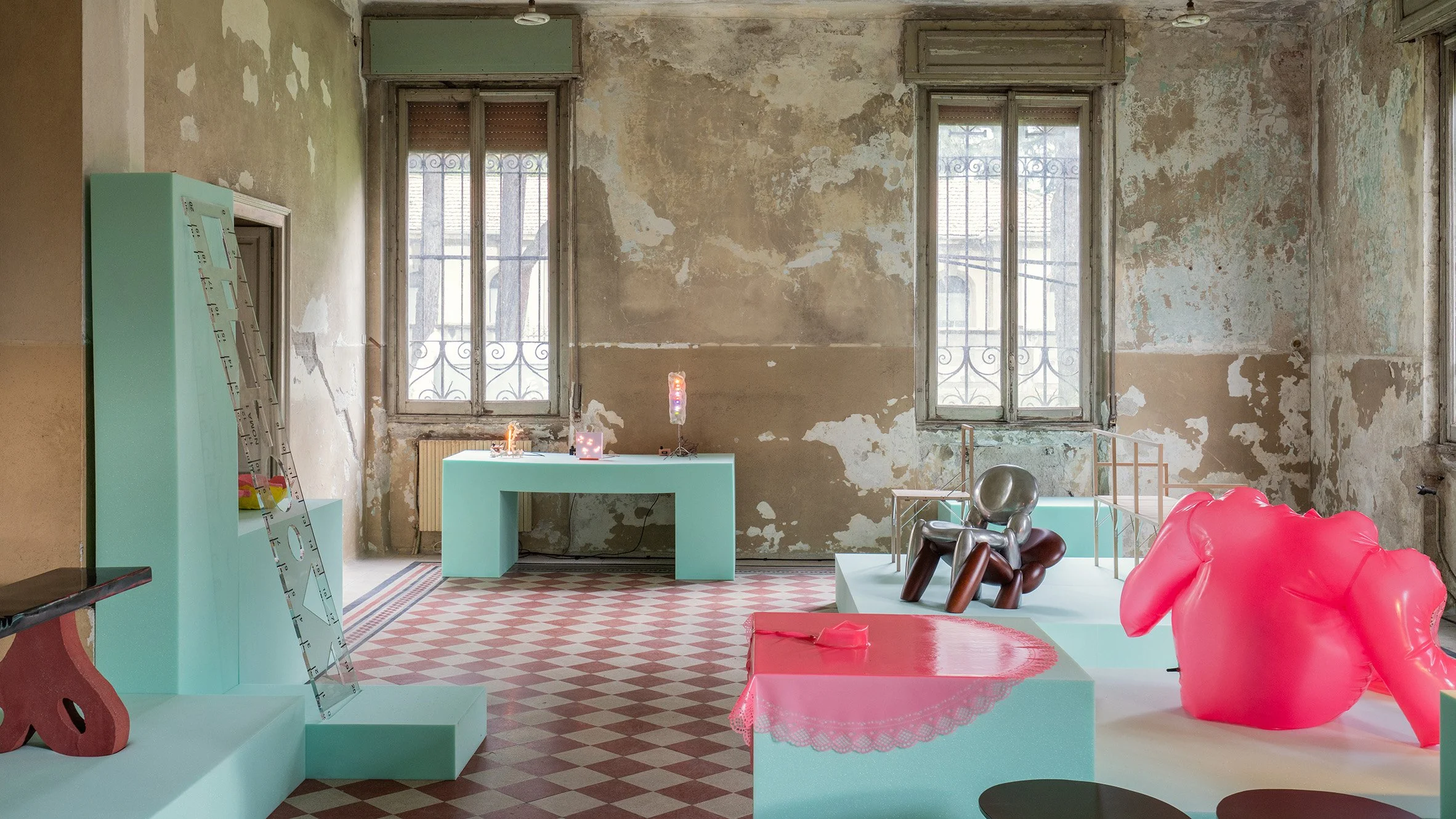
Slovenia’s Centre for Creativity brought House of Creatures to Alcova and staged it inside a former military hospital, which is a very good setting for what it turned out to be. The exhibition presented work from ten contemporary Slovenian design practices, treating objects not as products but as living things with their own presence and behavior. Designer Lara Bohinc’s Compulsion Chair - one chair visually forcing through the frame of another, in a combination of wood and metal - was the piece that got the most attention, and rightly so. But the full exhibit was stranger and more interesting than any single piece: plant-based meat from Juicy Marbles framed as a designed object, LED-lit lamps with lampshades made from dehydrated sausage casings, subcersive hot pink inflatable garments. That’s a hard thing to pull off, and they certainly did.
Gucci
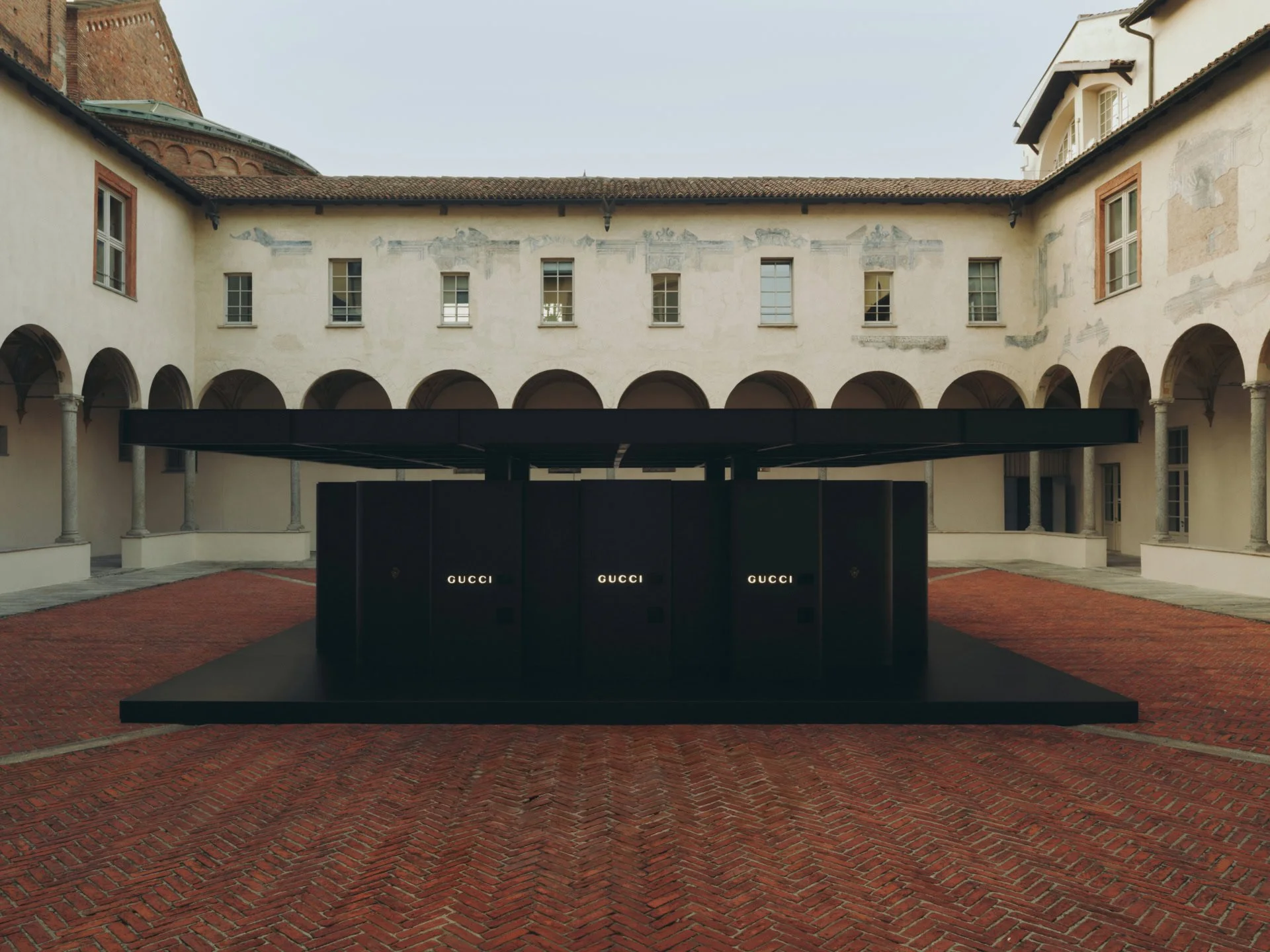
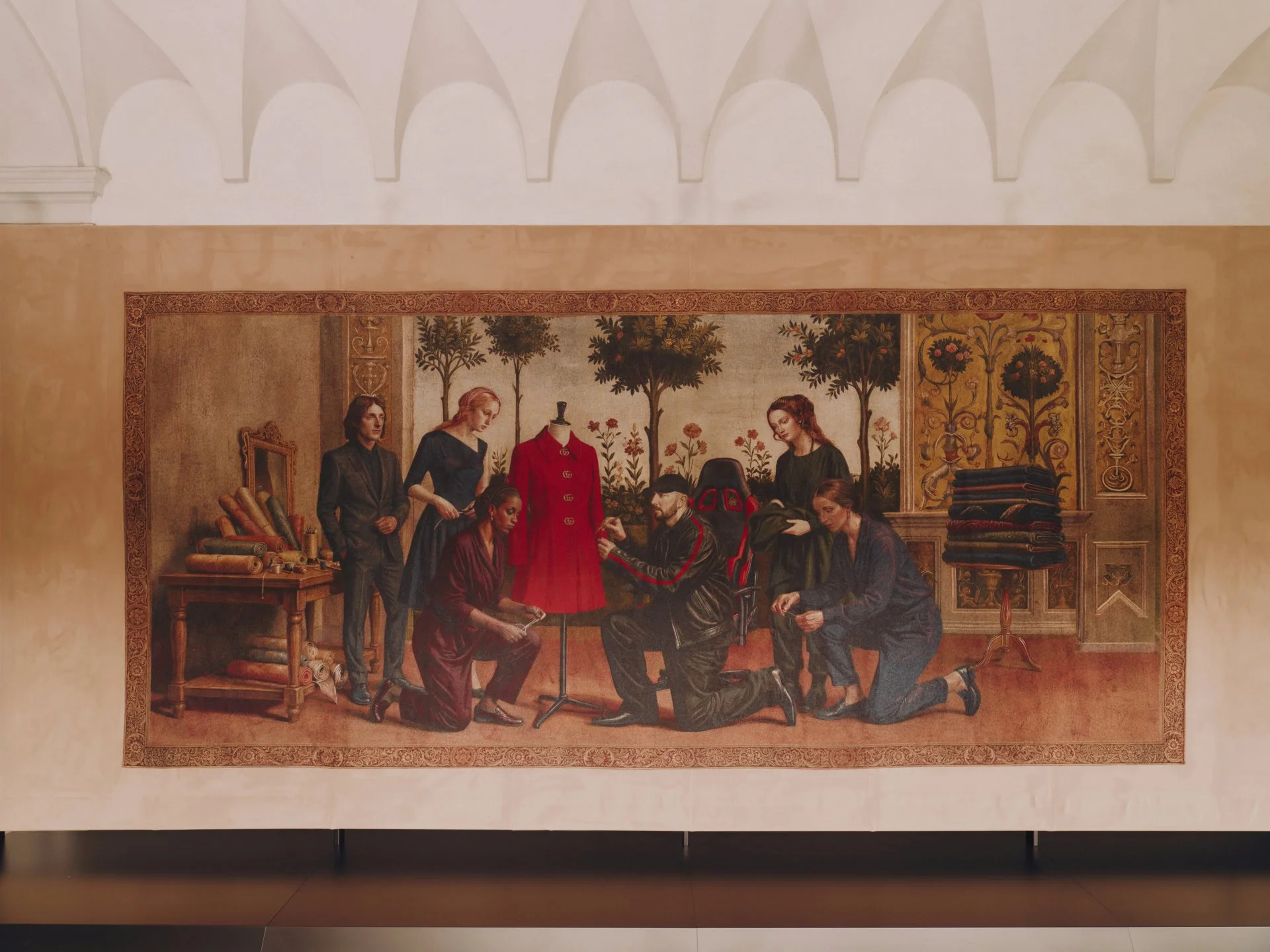
Demna’s first Milan Design Week outing as Gucci’s creative director was, predictably, not subtle. Gucci Memoria was staged at the porticoes of the 16th-century Chiostri di San Simpliciano and traces the house’s 105-year history through large-scale tapestries from founder Guccio Gucci’s early days all the way to the present. The final tapestry features Demna himself, baseball cap on, down on one knee in a fitting room. It has a self-awareness that’s just on the edge of being self-indulgent, yet somehow seems to stay balanced. The event also included Gucci-branded vending machines dispensing cans of mini drinks called “Drama Queen” and “Fashion Icon,” which tells you everything you need to know about the tone he’s going for. You either love it or you don’t. I certainly do love it.
Prostoria’s Revisiting Richter
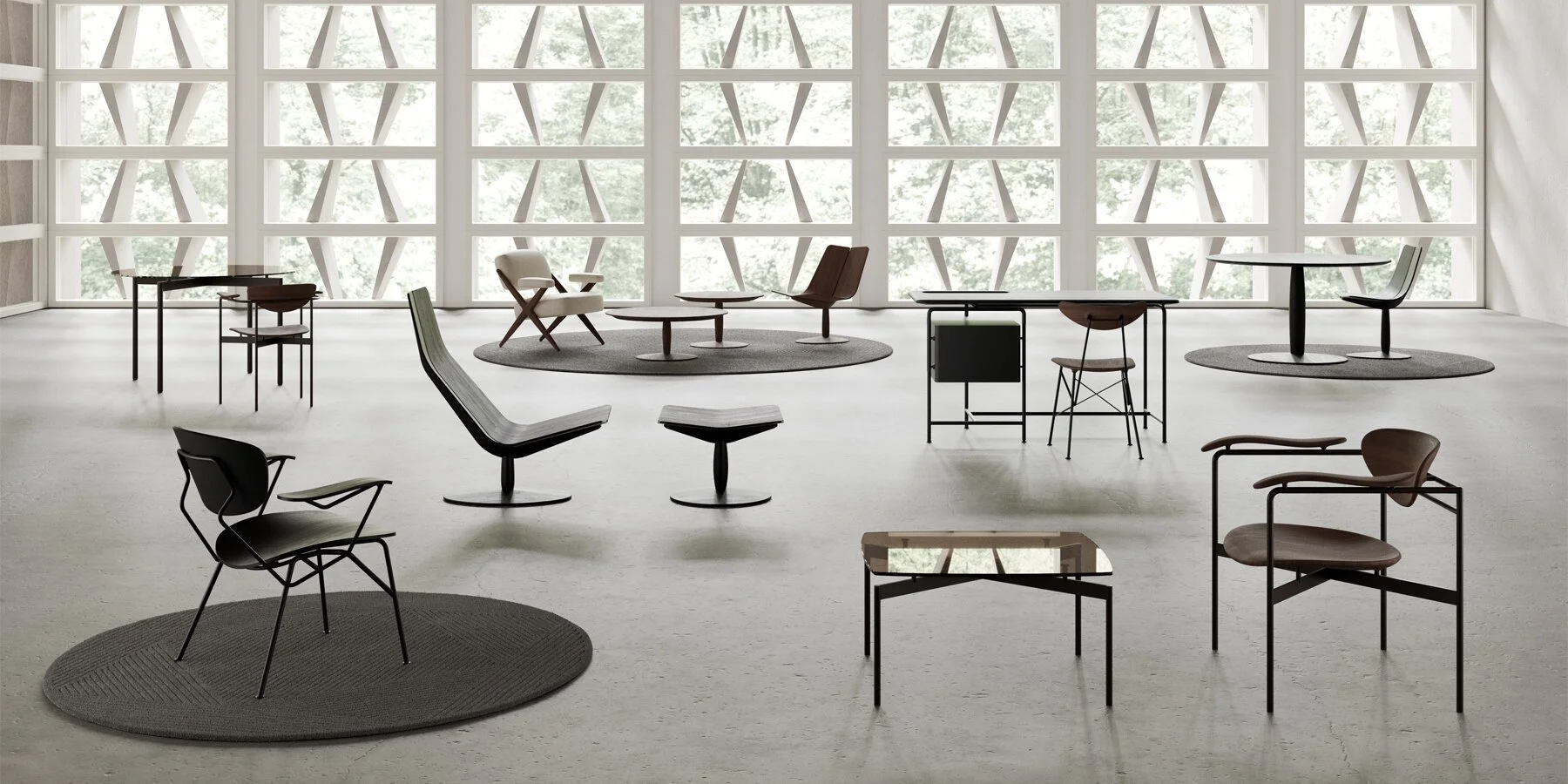
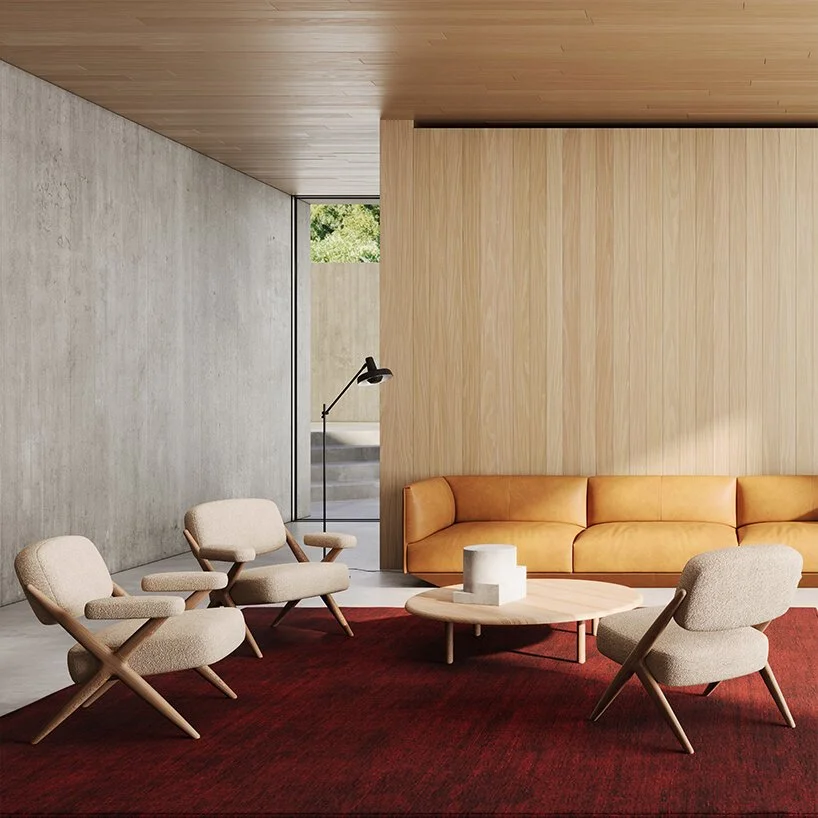
Croatian furniture brand Prostoria used Salone del Mobile to debut something exciting: twenty pieces of furniture developed from the unrealized prototypes and archival sketches of Vjenceslav Richter. Richter, a Croatian modernist architect who spent his career designing pavilions for Expo 58, the Venice Biennale, and the Guggenheim, created furniture ideas that largely never made it into production. Prostoria spent years in the archive and came out with five collections that honor Ricter’s systems-based, geometric approach. The minimal, tubular VR58 chair, recreated from photos taken at Expo 58 in Brussels, is probably the cleanest argument for why this kind of design archaeology matters. There is so much of European modernism that hasn’t been fully told, and I’m excited that exhibits like this exist to start sharing part of it.
Jil Sander’s ‘Reference Library’ with Apartamento
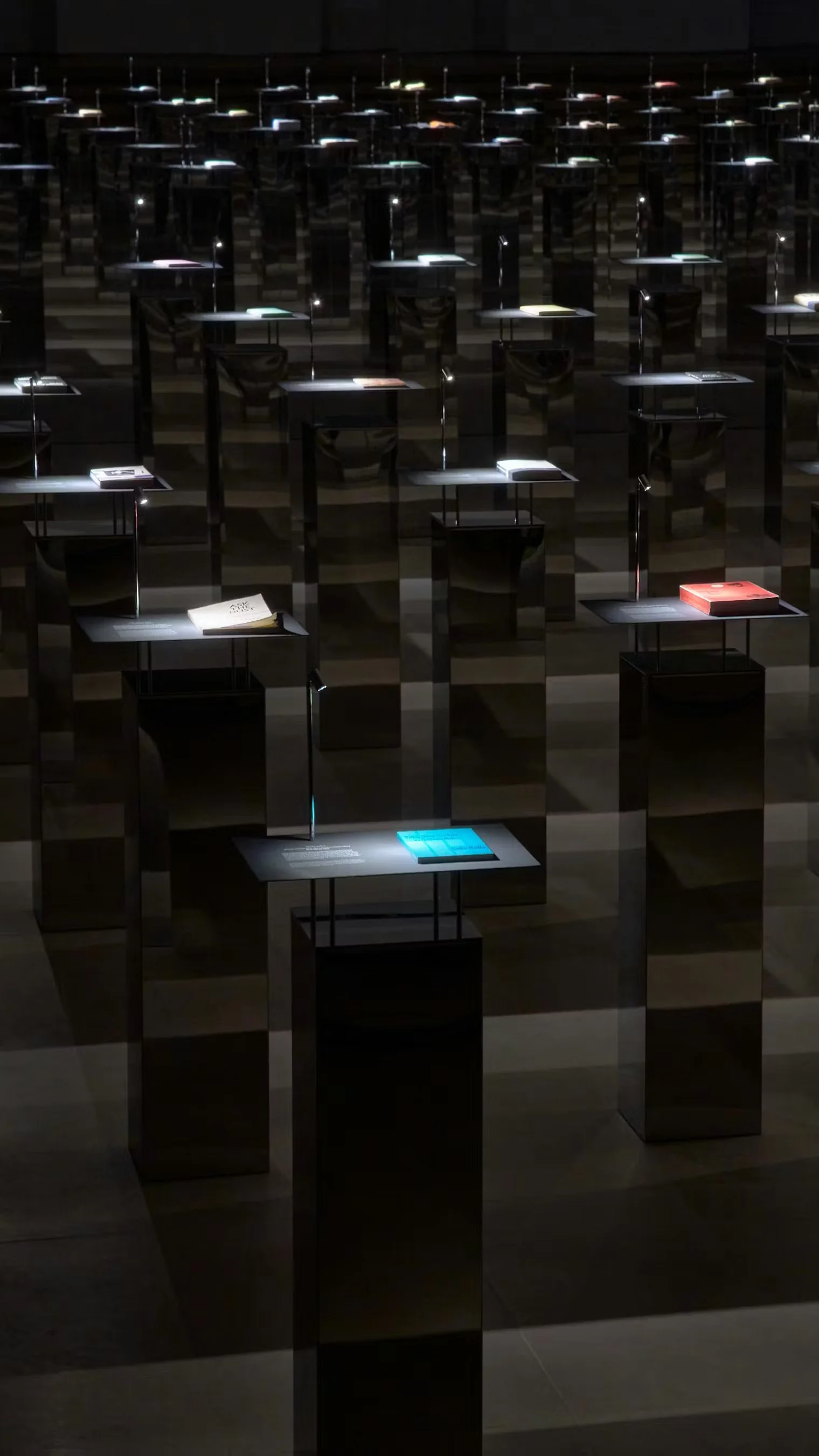
This one is a little quieter than everything else on the list, and that is absolutely a compliment. Jil Sander partnered with Apartamento magazine to create a Reference Library at the Jil Sander showroom. Filled with sixty books selected by an eclectic mix of writers, designers, architects, artists, filmmakers, and thinkers, including director Durga Chew-Bose, artist Laila Gohar, and Jil Sander’s new creative director, Simone Bellotti, visitors were given white gloves upon arrival and allowed to flip through each one at their own pace. In a week that’s often overwhelming in its scale and spectacle, an installation that asks you to slow down and actually look at something feels like the right kind of counterpoint. And those gloves are becoming collector’s items.
Dior
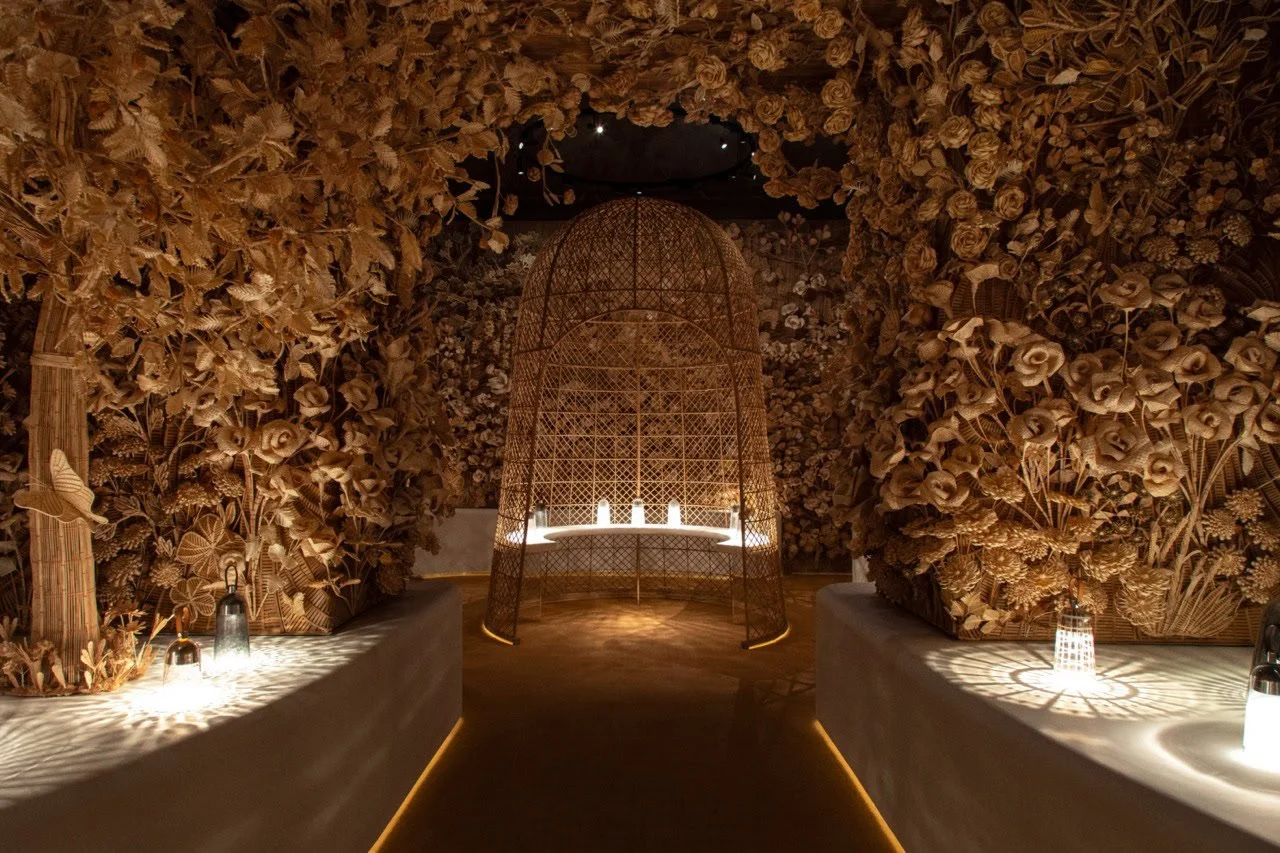
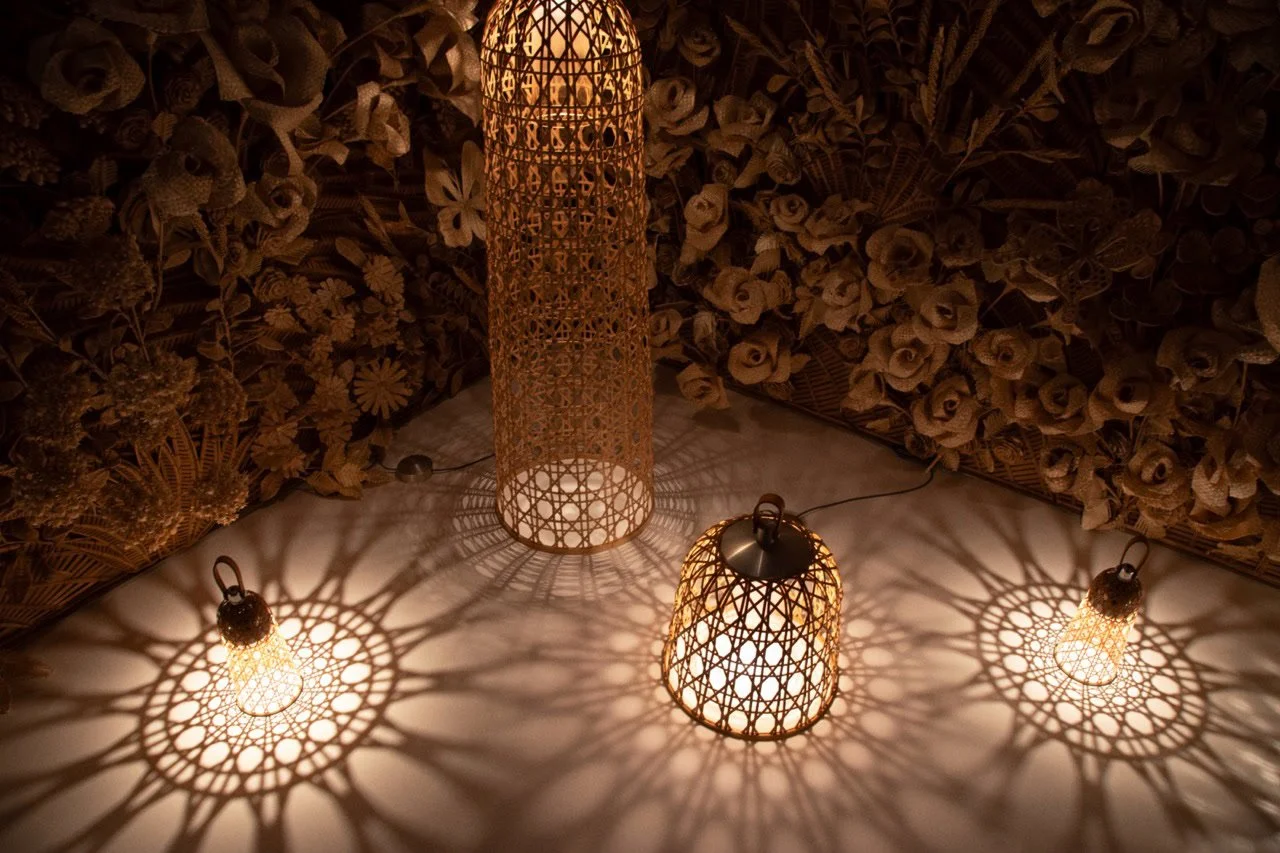
Dior’s show at this year’s Design Week was really dramatic, but it didn’t come off as trying too hard. Designer Noé Duchaufor-Lawrance launched a lighting collection at Palazzo Landriani, drawing on two of the house’s most iconic visual references: the Corolle skirt silhouette from the 1947 New Look, and Christian Dior’s beloved childhood garden at Villa Les Rhumbs in Granville. The result was a collection of bell-shaped light structures in Murano glass and woven bamboo, set within a room transformed into a raffia garden. The way the light moved through those materials - diffracting across a space that evokes a very specific, very French childhood memory - is the kind of creative connection fashion houses don’t always pull off in design contexts. Dior did, and it’s not a surprise that no one has shut up about this one yet.
Bethan Laura Wood’s Baccarat Chandelier
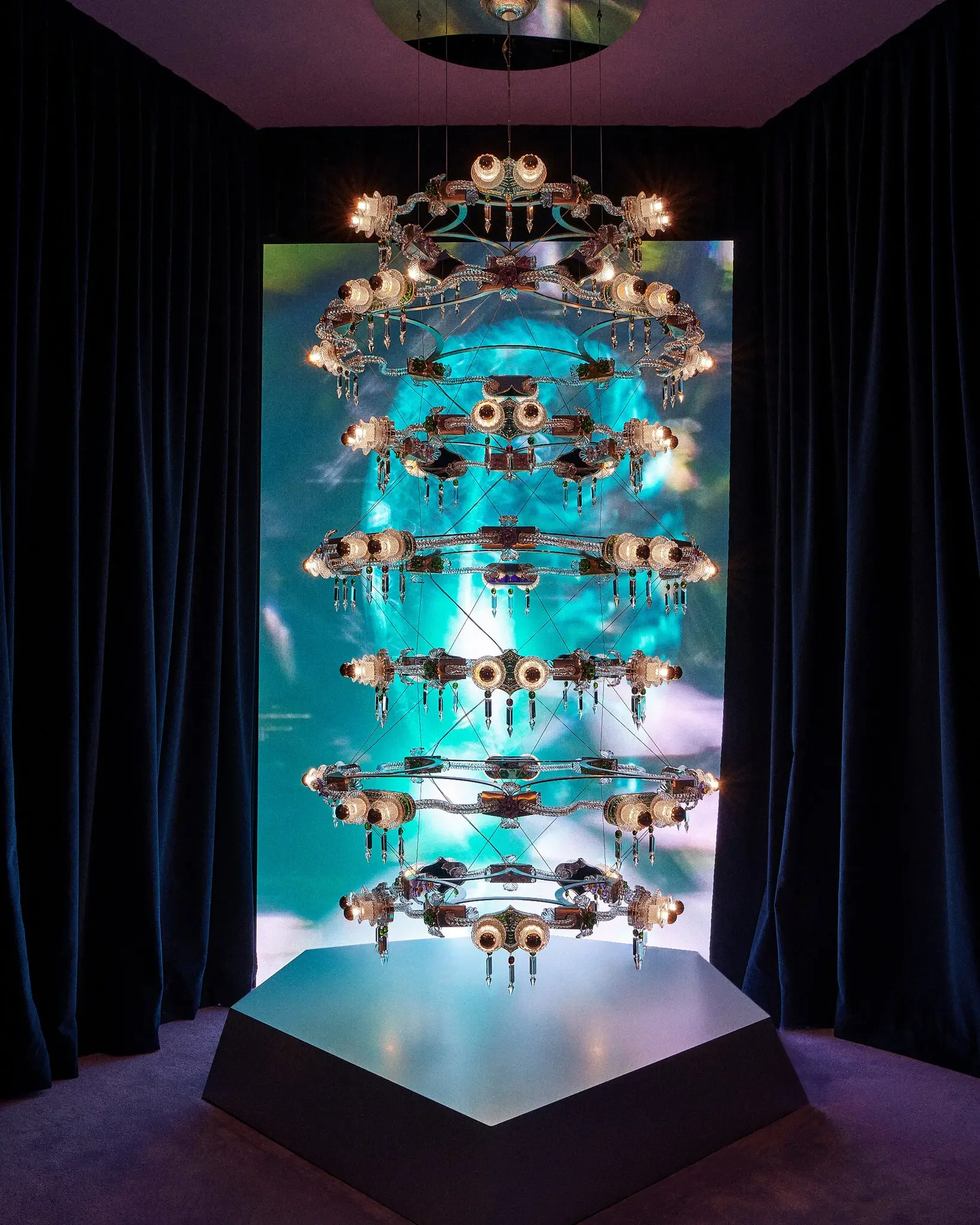
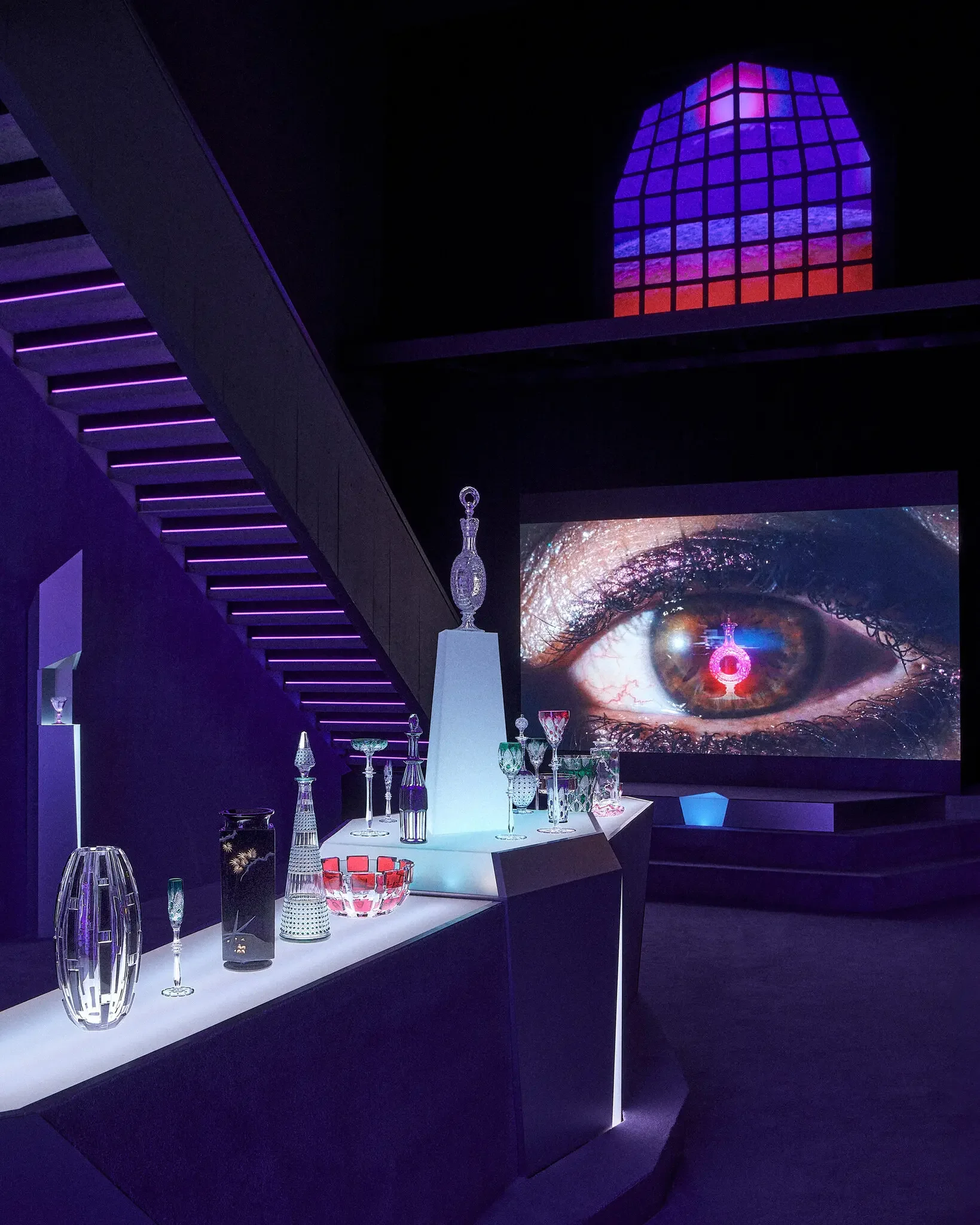
Baccarat returned to Milan Design Week after a four-year absence, and they did not ease back in quietly. Rather than sneak back in, the French crystal house put on “The Crystal Crypt,” a badass-looking Philip K. Dick-inspired installation with purple carpeting, video projections, and an electronic soundtrack that leaned fully into 1980s sci-fi futurism. If that wasn’t fascinating enough, inside all of that, British designer Bethan Laura Wood launched a new series using Baccarat’s 1850s Zenith chandelier as her starting point. She broke down the original’s geometric and floral elements, rebuilding them into floor-to-ceiling tiered light fixtures and crystal tulip candleholders. The contrast between a 19th-century archival form and that fever-dream installation context is exactly the kind of curatorial move that makes design week worth tracking.
Casa Laveni, a Bohopo Hotel
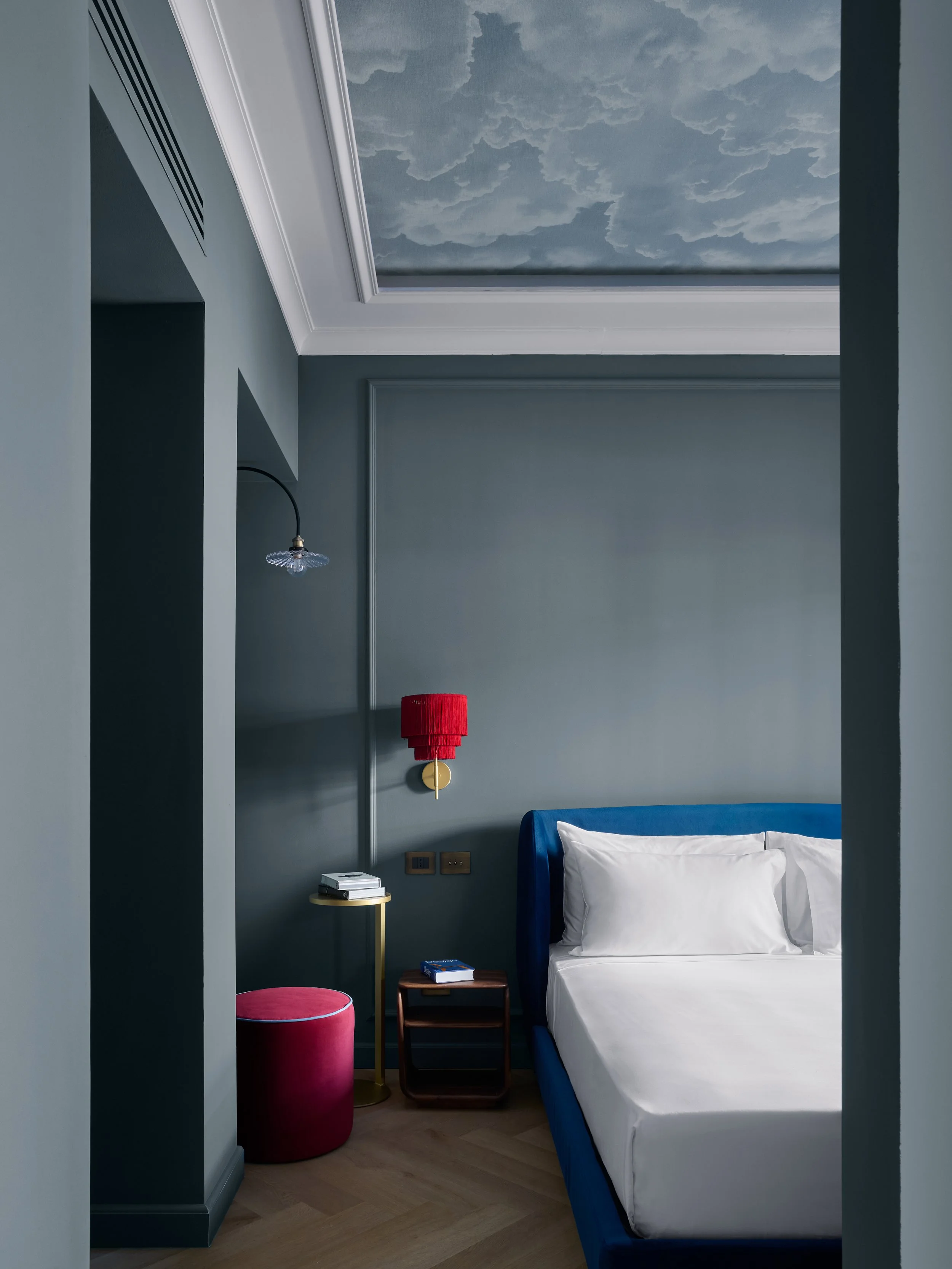
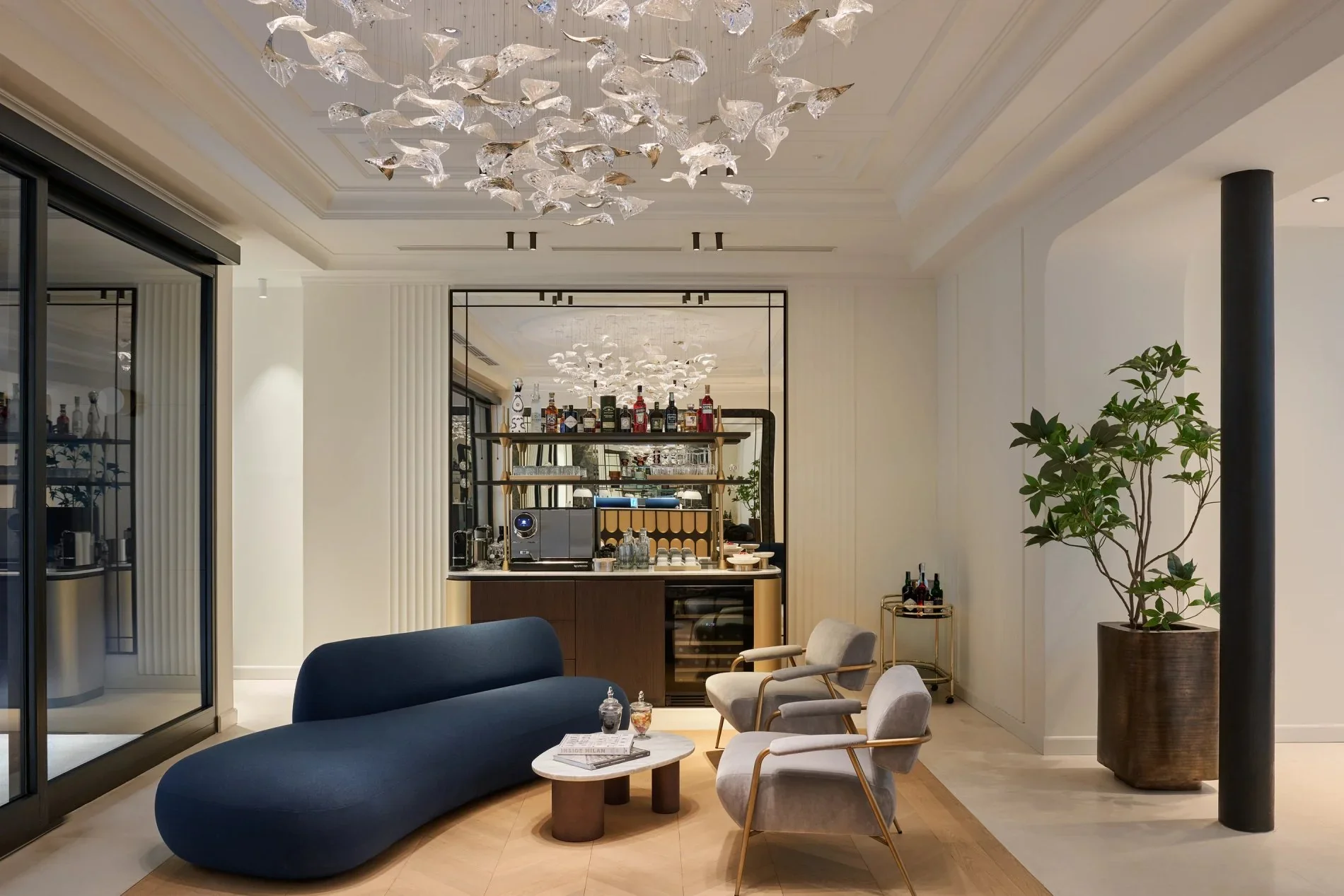
Not everything on this list is a brand activation. The opening of Casa Laveni in Milan’s Brera district is worth knowing about as a destination in its own right, whether or not you’re staying there. The 30-room boutique hotel is housed in a building originally constructed in the early 1800s, later the private residence of engineer Giuseppe Laveni, the man responsible for both the Excelsior Hotel Gallia and the Odeon Cinema. The space was restored and reinterpreted by Delogu Architecture in collaboration with Studio Sacchi Architetti. During Design Week, the lobby hosted public installations including glass and stainless steel works by Ananas Ananas, and the subterranean level was opened as a movie room by Crosby Studios. The fact that a boutique hotel can serve as a legitimate design destination rather than just a place to sleep is an achievement on its own.
SMEG at EuroCucina
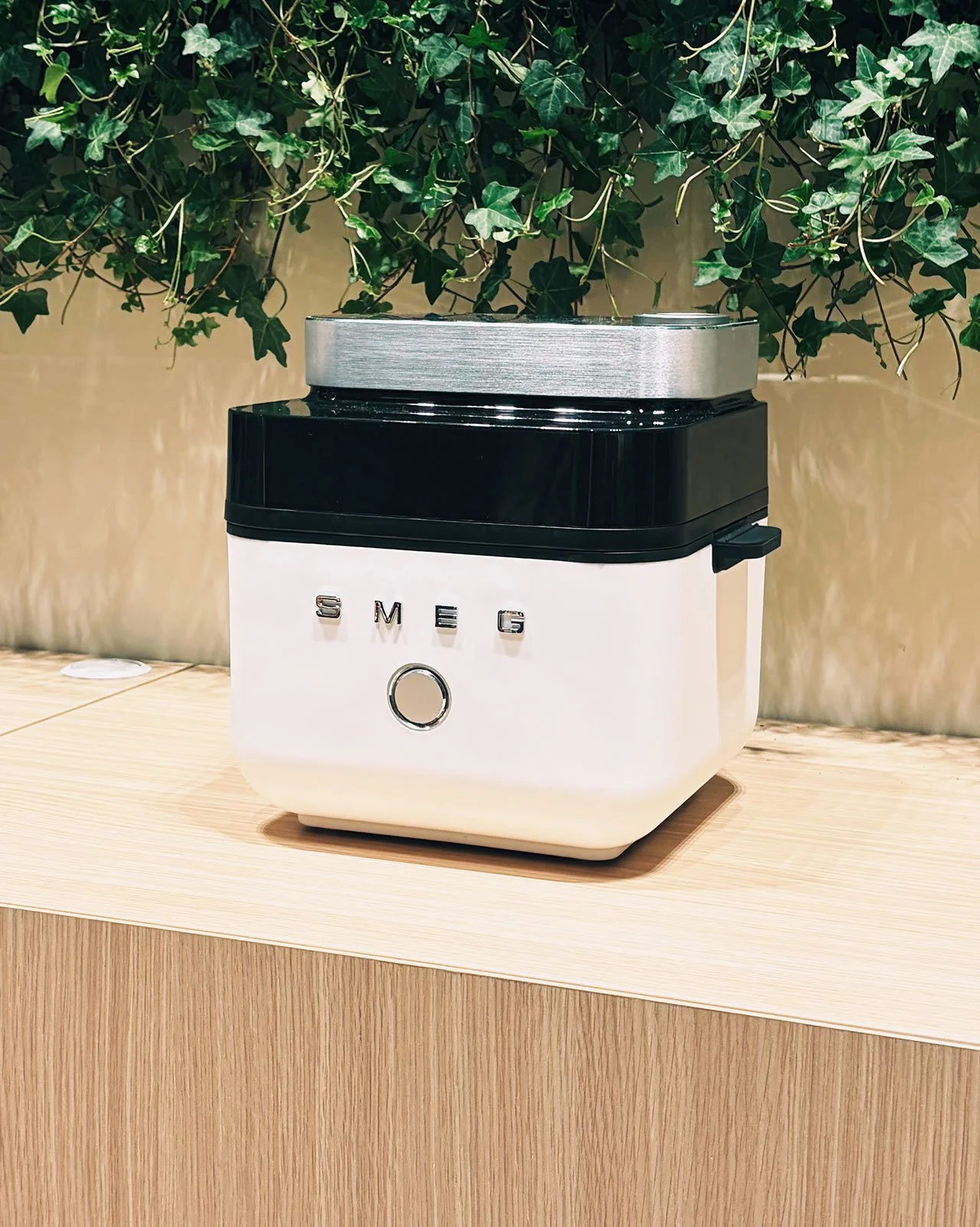
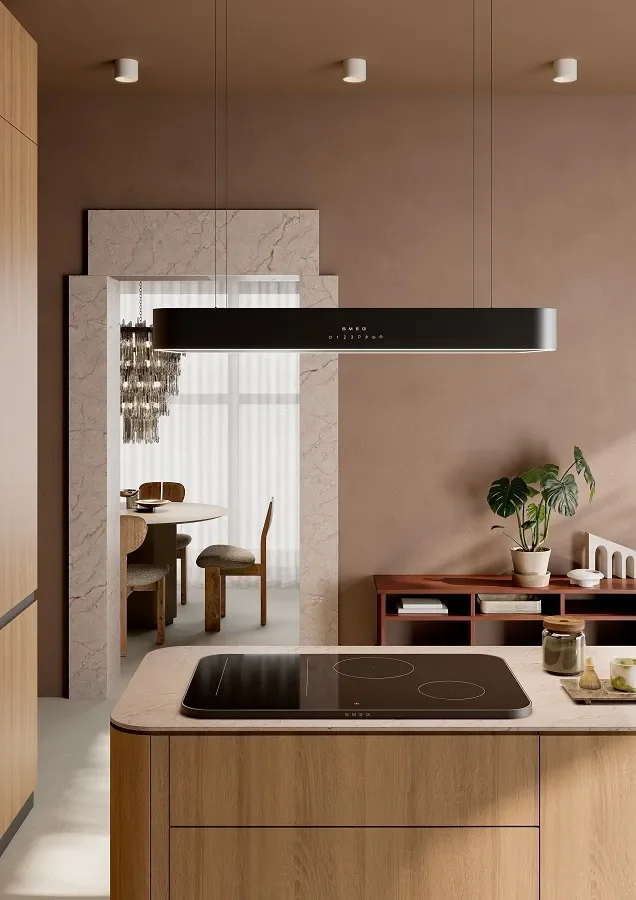
EuroCucina runs alongside Salone del Mobile every other year, and it’s where kitchen appliance brands show what they’re capable of beyond the showroom floor. SMEG’s presentation this year put the focus not just on the large appliances the brand is known for, but on its smaller countertop pieces. We’re talking multi-use grills, combination microwaves, and notably, the brand’s first air fryer. That one might sound like a mundane product launch, but the way SMEG approached it made it something else. Their venture into air fryers is compact, colorful, and clearly designed to be seen as much as it’s likely to be used. SMEG has always treated the kitchen counter as a design surface, and their air fryer just extended that logic to a category that most brands believe is purely functional. It’s a small thing that says something bigger. I mean, just look at it.
Polish Modernism: A Struggle for Beauty
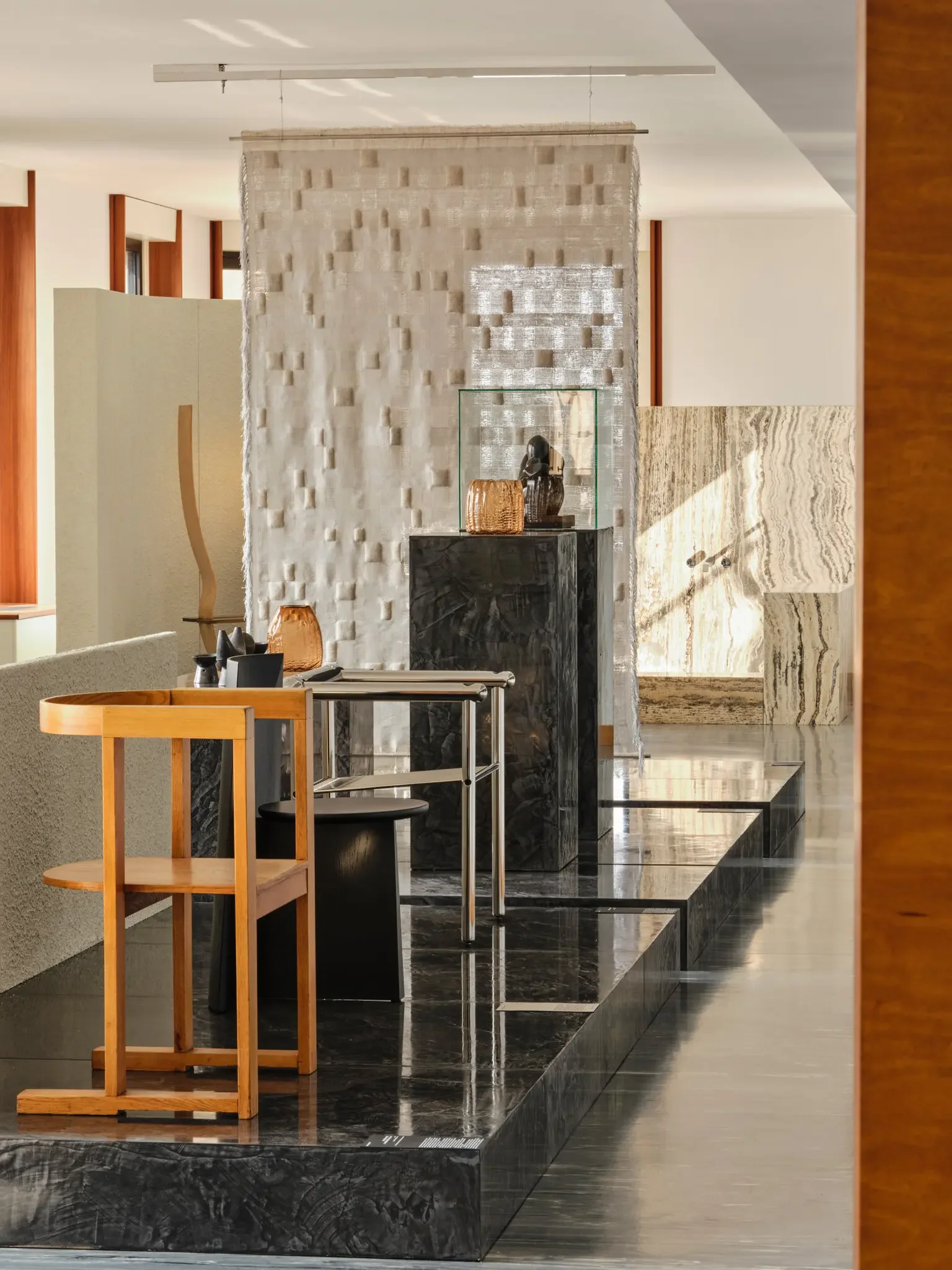
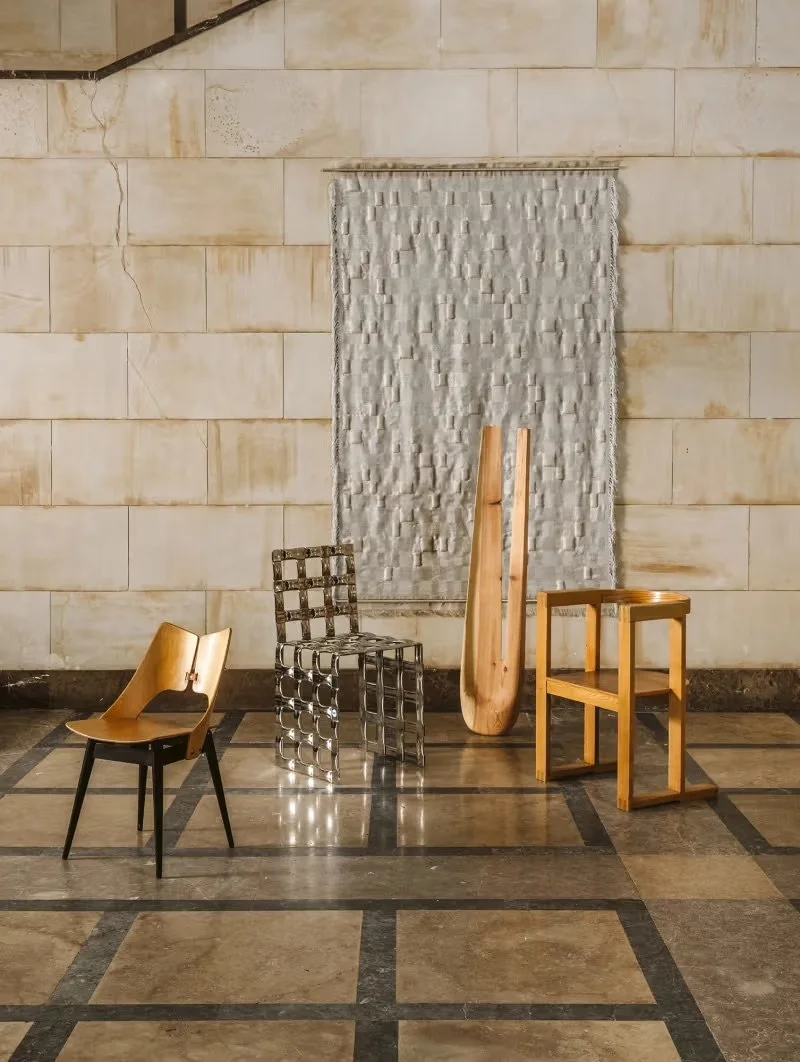
The Visteria Foundation brought this exhibition from Warsaw to Torre Velasca - the renovated 1950s skyscraper that just so happens to be one of Milan’s most recognizable buildings - and honestly, it’s an inspired pairing. This show spotlighted Poland’s modernist design scene, featuring a blend of vintage furniture, art from the National Museum in Warsaw, pieces from private collections, and contributions from contemporary designers. A few standout pieces were a 1931 angular chair by Jan Kurzatkowski and a 1930s silver sugar bowl by Julia Keilowa, who also designed tableware for ocean liners. This show really flips the script on how 20th-century European design is seen and understood. More of this, please.
IKEA’s Inflatable Chair
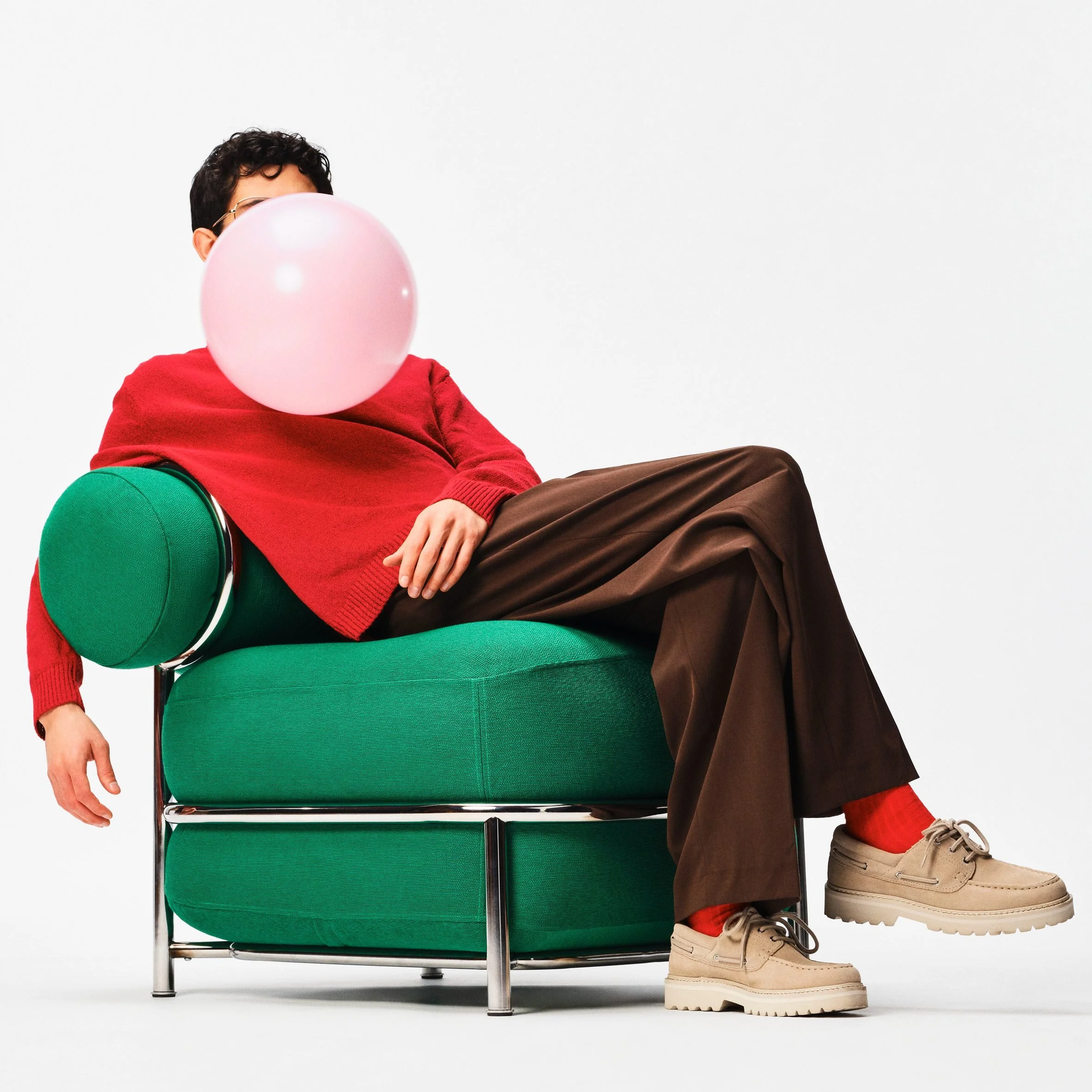
IKEA’s PS line has always been the brand at its most experimental. But what do you expect when you invite outside designers and encourage them to take risks? This year, the new PS Collection debuted in Milan with two standout pieces: a transforming lamp by Dutch designer Lex Pott and an inflatable chair. I know, you probably had the same visceral reaction to “inflatable chair” I did the first few times I heard it. This chair is IKEA’s first real return to air-filled furniture since, duh, the late ‘90s. As much as it pains me, it’s genuinely interesting that inflatable furniture came back as a design-week concept and not just a dorm room accessory. The lamp is more visually impressive, but the chair is the conversation piece that hasn’t stopped. Both feel exactly like what PS should be doing.
Why this year felt different
Honestly? The thing that struck me most about Milan’s Design Week this year wasn’t a single installation. It was how many of the most interesting things came from outside the obvious luxury design centers. Slovenia, Croatia, Poland, and Lebanese-born architects making their Milan debut - the week-over-week expansion of who gets to show up and be taken seriously on that stage is genuinely encouraging. That, plus the fact that Kelly Wearstler is doing furniture with H&M, and it looks good, and IKEA is back on inflatables. It was a good week to start paying attention to design.