ITALIAN DESSERTS THAT AREN’T TIRAMISU
Tiramisu is fine. It’s also one of the few Italian desserts most American restaurants can be bothered to make, which is how good things eventually turn into wallpaper. Italy, however, has an enormous dessert vocabulary and almost none of it travels. Most of what follows is regional, half of it predates the country itself, and a lot of it was invented by people working with eggs, sugar, and whatever nut happened to grow nearby.
I’ve eaten so many of these. Cannolis are a staple in my house, and we learned from a young age how to make them the Bozzani way. Pizzelle will always remind me of Christmas. And the Crostata di Marmellata will forever be one of my favorites and remind me of my nana. You can’t go wrong with anything on this list, even the modern adaptations.
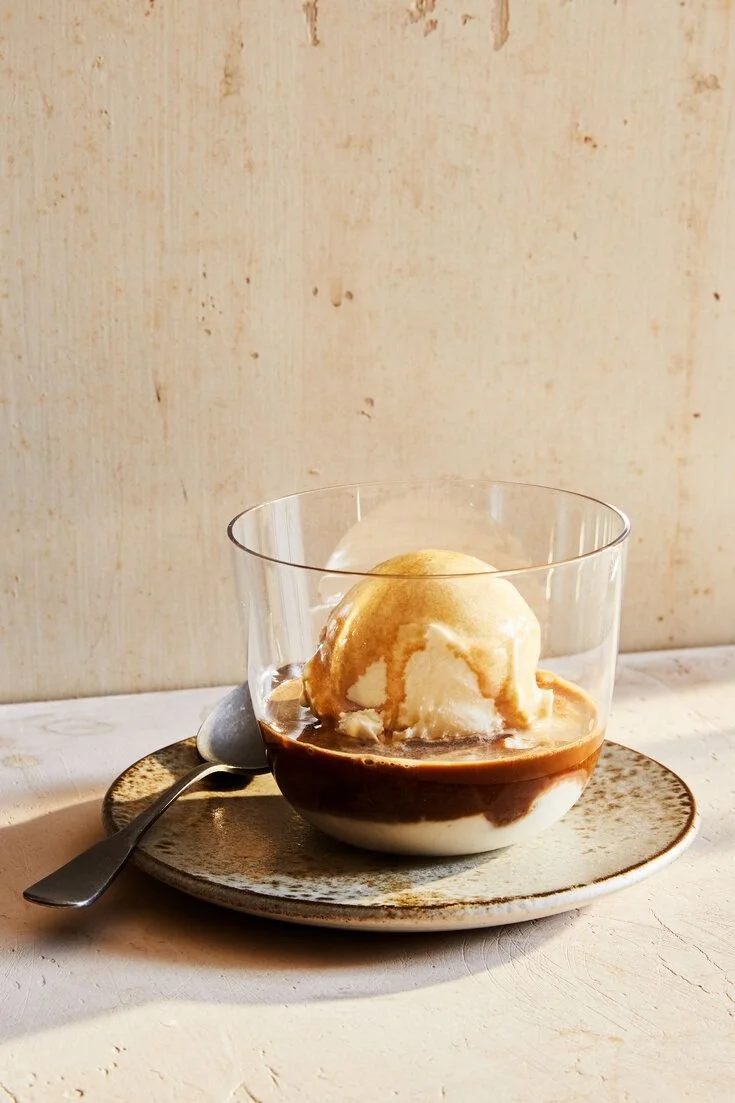
Affogato
A scoop of gelato drowned in hot espresso. Affogato means drowned, which is the most literal name in Italian cooking. Nobody can agree on when it started - the late 1800s or the 1950s, when espresso machines were everywhere, depending on who you ask. My read is that nobody really invented it. It just kept happening until someone put it on a menu. The only rule: the espresso goes over the Gelato at the table, not in the kitchen.
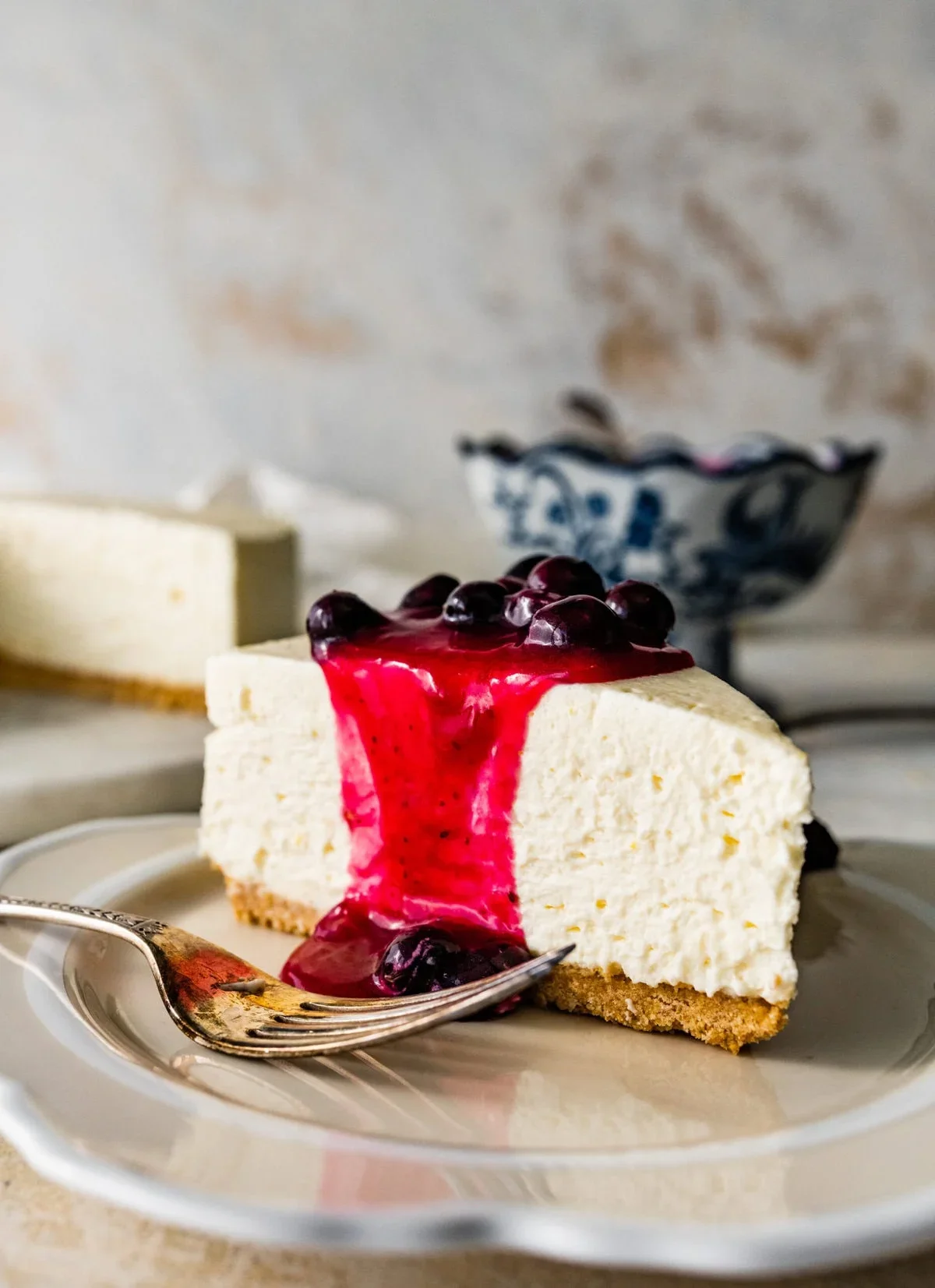
Authentic Italian Cheesecake
Ricotta, not cream cheese. It’s drier, lighter, and noticeably less sweet. It also doesn’t need a damn water path or the anxiety that comes with it. If you find New York Cheesecake heavy, this is the version you’ve been looking for, without probably knowing the name for it. As a family that loves cheesecake, Italian cheesecake serves as the start for every iteration we’ve made, from strawberry to cannoli.
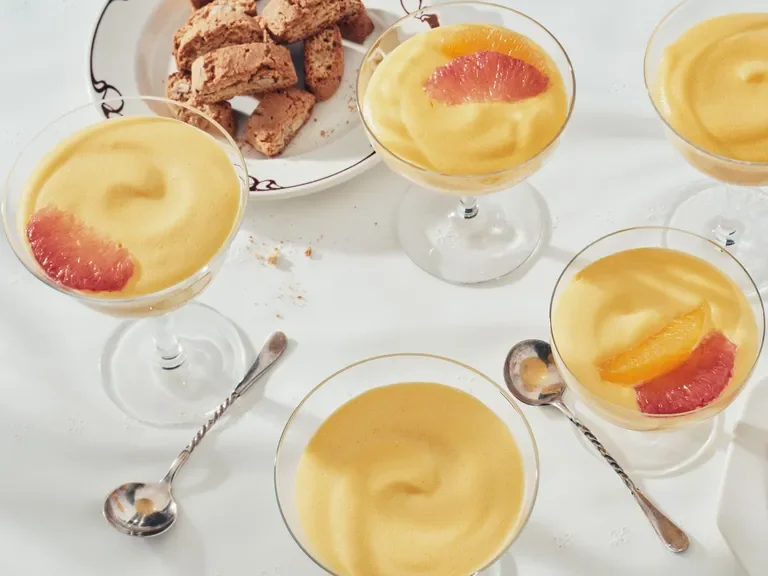
Zabaglione
Egg yolks, sugar, and Marsala are whisked over simmering water until the whole thing triples in volume and turns into warm, boozy foam. Piedmont claims it; Tuscany and Emilia-Romagna both object. The Turin version says it honors San Pasquale Baylón, the patron saint of cooks, which is how you end up with a dessert that is mildly alcoholic and technically sanctified. Ten minutes, three ingredients, and enough forearm stamina to keep whisking. Nothing else on this list pays off that fast.
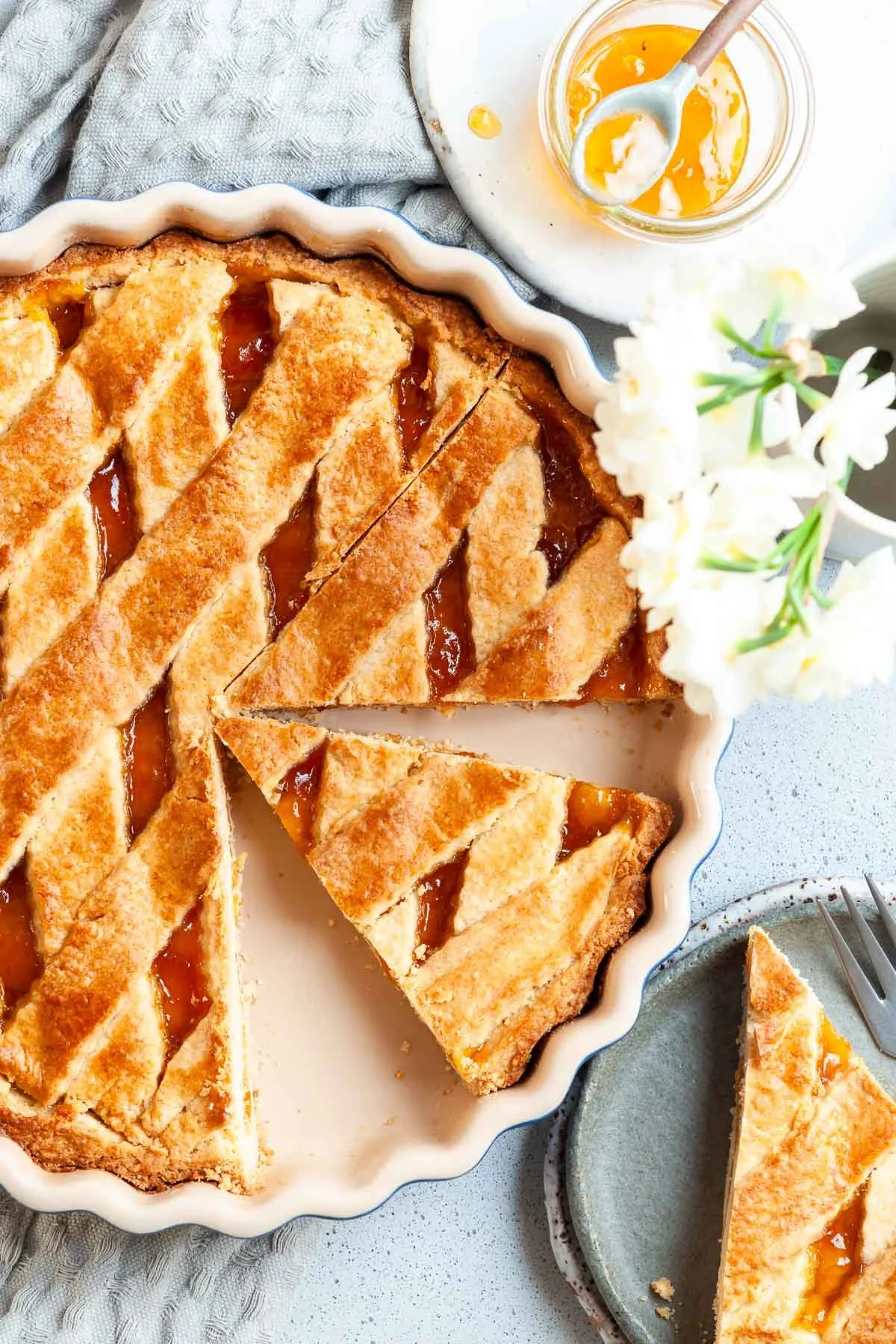
Crostata de Marmellata
Jam tart with a lattice top is the most-made dessert in Italy by a wide margin. It’s what exists in the house when nothing was planned. It also happens to be a treat my Nani used to make for me constantly.
The word crostata appears in Martino da Como’s cookbook around 1465 and entered Italian dictionaries in 1612. One legend holds that the lattice strips echo the grates that cloistered nuns sat behind during services. People will try to tell you sour cherry is better, but it’s Apricot, and I will take and hold that position - anywhere.
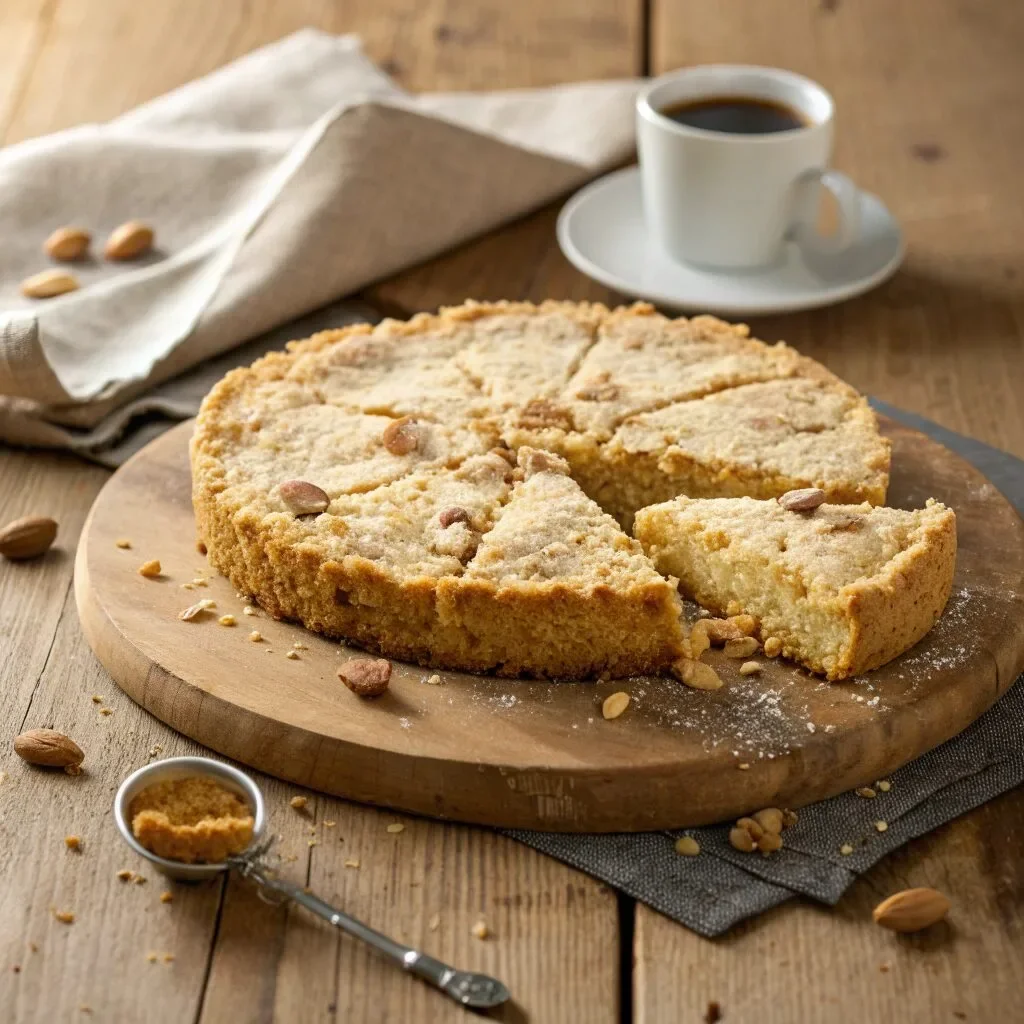
Sbrisolona
A cake you’re not supposed to slice. You hit your fist, and everyone takes a shard. From Mantua, at least as far back as the 1500s. The name comes from brìsa, the Mantuan dialect for crumb. It started as peasant food - millet, cornmeal, hazelnuts, and lard - and the Gonzaga court cooks upgraded it in the 1600s with almonds, butter, sugar, and spices.
The cornmeal isn’t optional. It is what makes the texture sandy instead of simply crumbly.
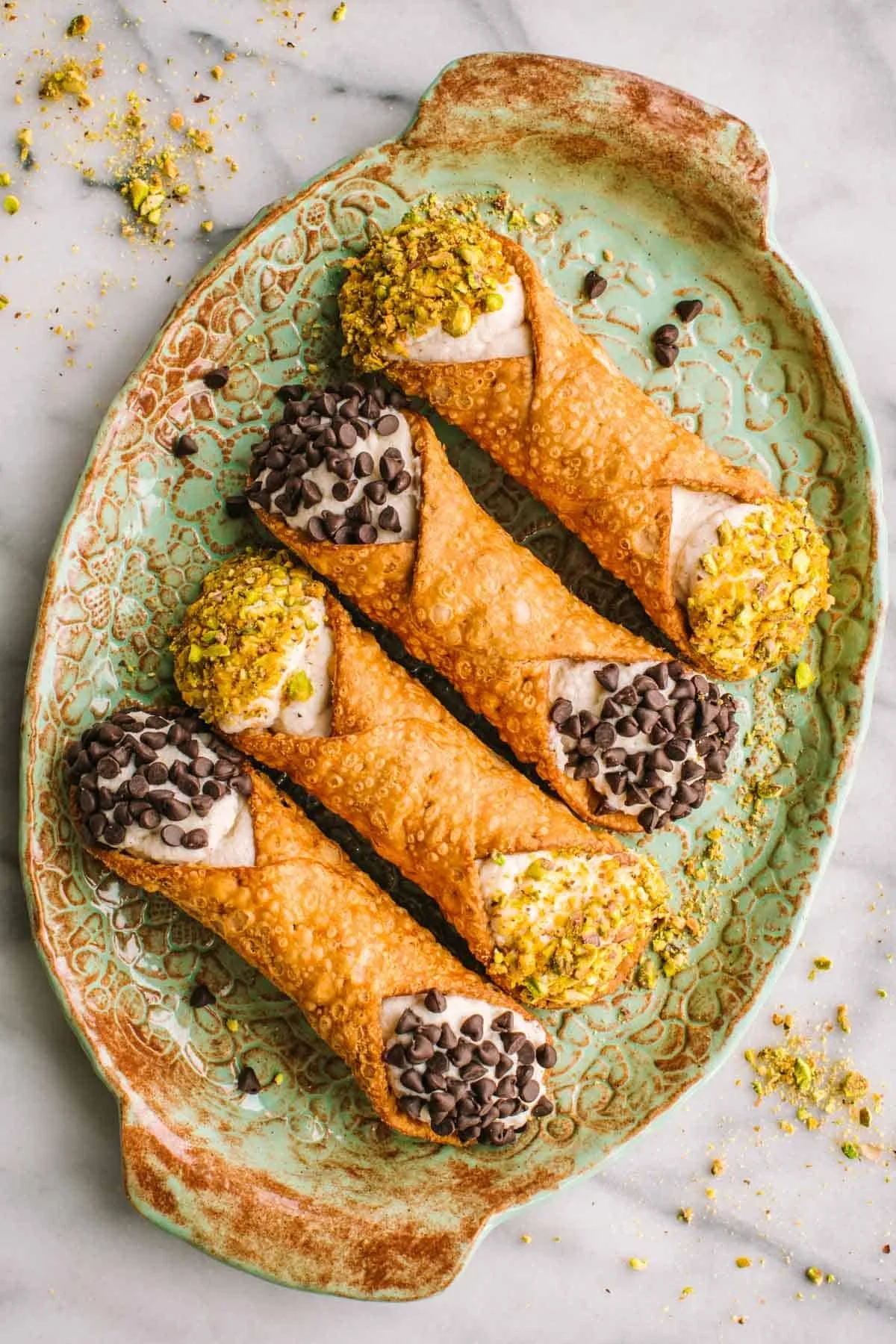
Sicilian Cannolis
Sheep’s milk ricotta, sugar, sometimes chocolate or candied peel. The filling that made Sicily famous goes perfectly with deep-fried dough around metal tubes in your kitchen. Drain the ricotta overnight, and you’ll be changing the game. Wet ricotta makes a soupy filling, and no amount of sugar will save it. If you don’t feel like making the full dessert, scoop the filling over roasted stone fruit or into a bowl. Hell crush the shells on top for a deconstructed option. Trust me on that one.
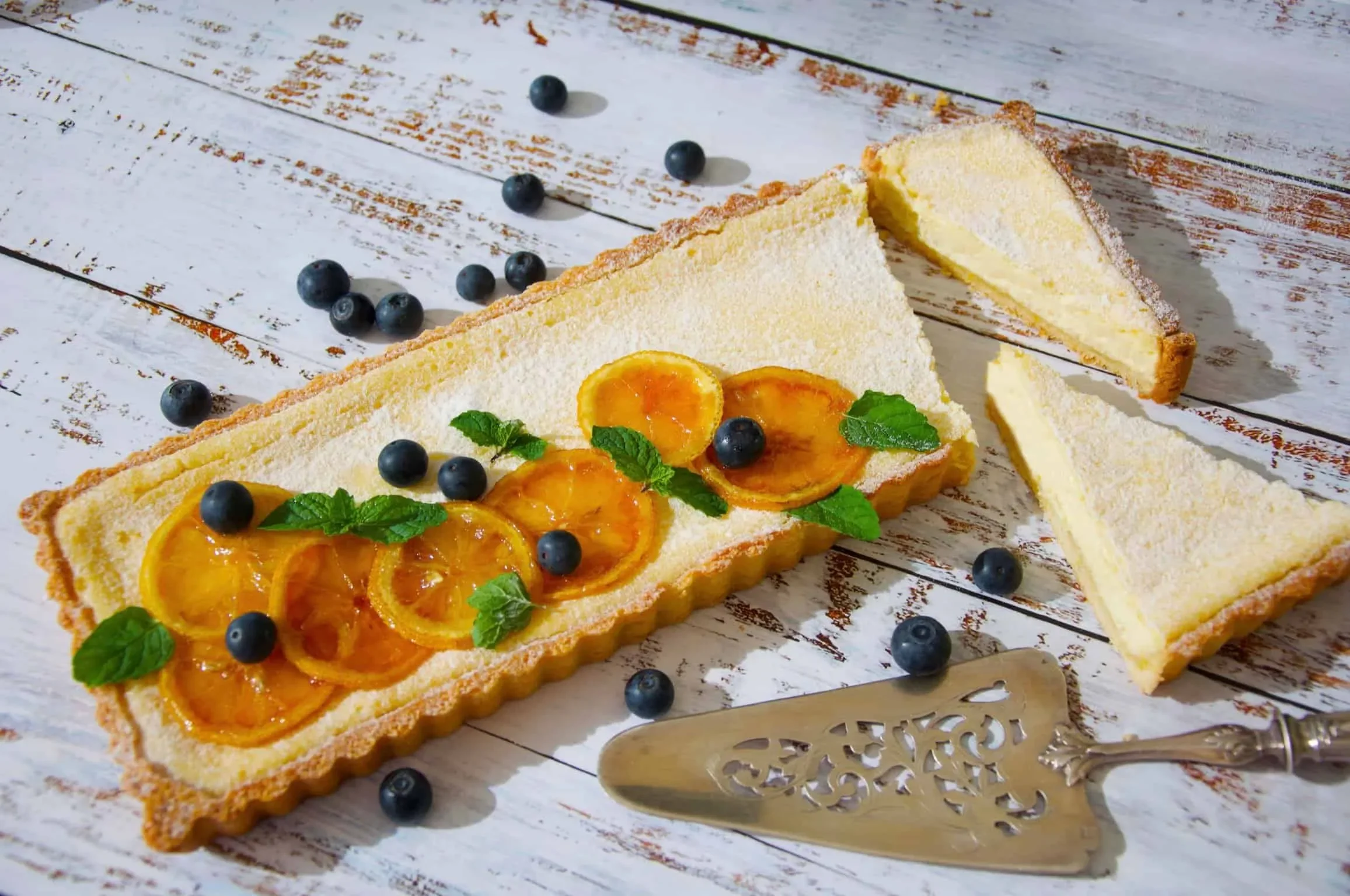
Italian Lemon Mascarpone Tart
Not old, not traditional, and not claimed by any region. Mascarpone folded into a lemon curd base gives you something richer than a French tarte au citron and considerably less acidic.
I added this one solely on merit and how much I love lemon and mascarpone.
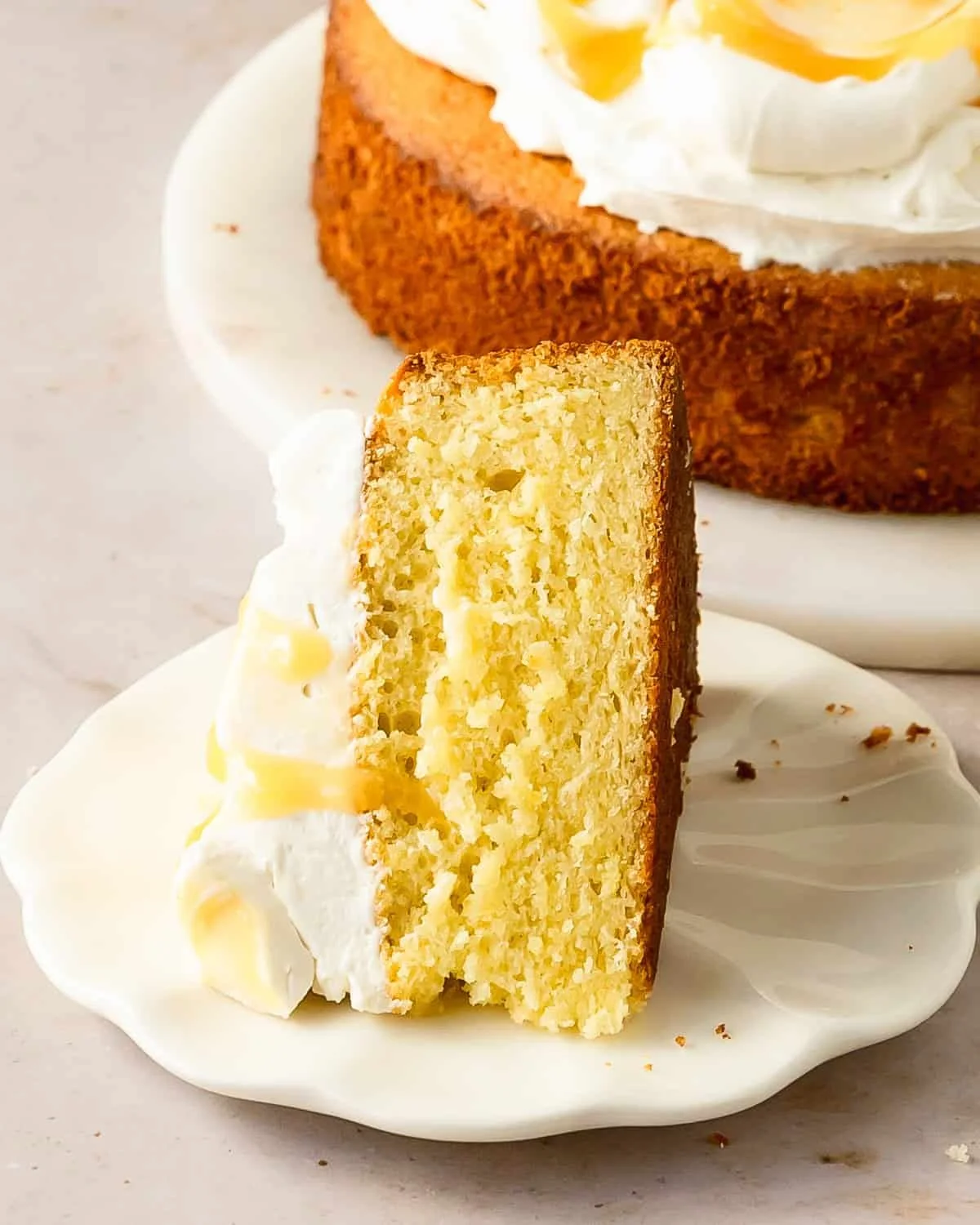
Limoncello Mascarpone Cake
A modern cake built on very old lemons. The Amalfi sfusato is spindle-shaped, thick-skinned, and carries roughly twice the aromatic oil of a supermarket lemon. Lemon trees resembling it showed up painted on the walls of Pompeii. Limoncello itself is a nineteenth-century argument between Capri, Sorrento, and Amalfi that nobody has won. Use the best limoncello you can find. Cheap limoncello tastes like furniture polish, and the cake will tell on you. Olives n Thyme
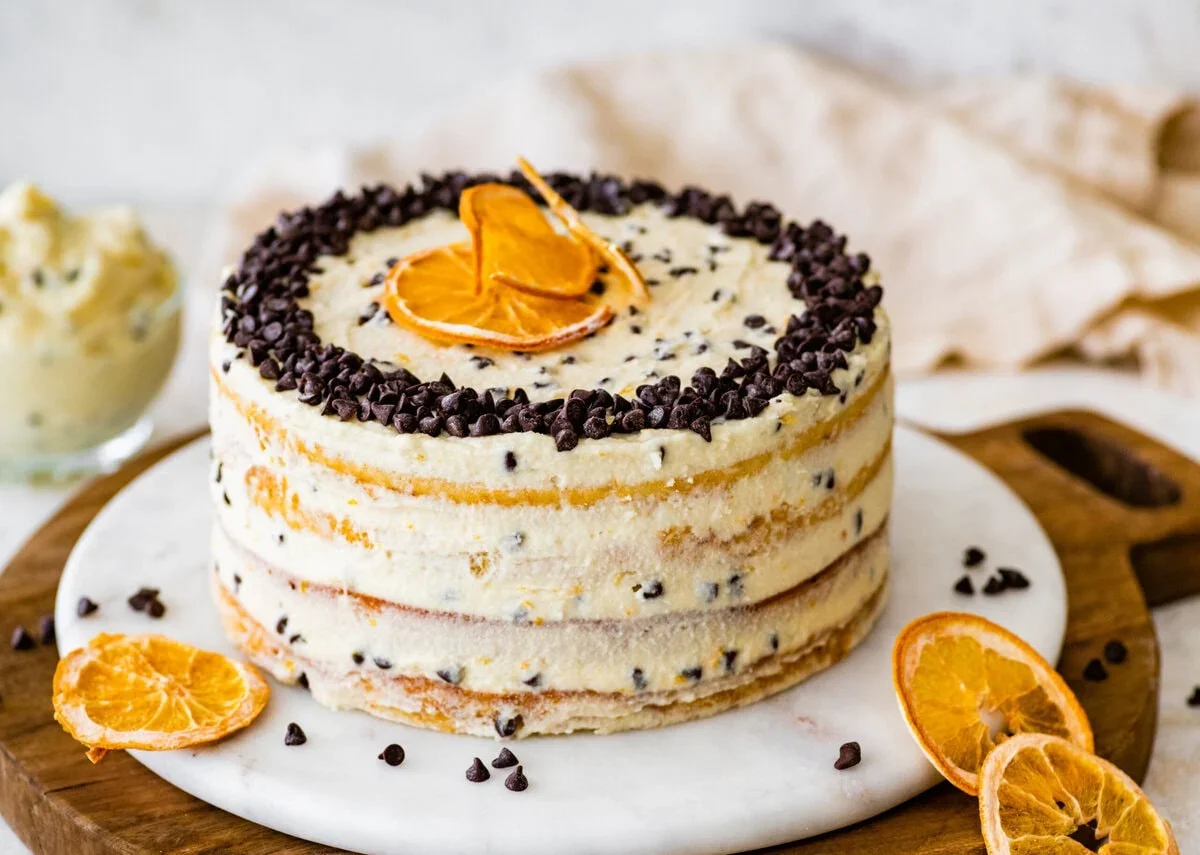
Cannoli Cake
Not a traditional or authentic dessert, but a damn good one. This is like an Italian-American idea - a cannoli taken apart and rebuilt as a layer cake. You won’t find it in Palermo.
But it’s also very good. And I’m not interested in being precious about it. The ricotta filling is doing the same work it does in the shell, just at a much larger scale.
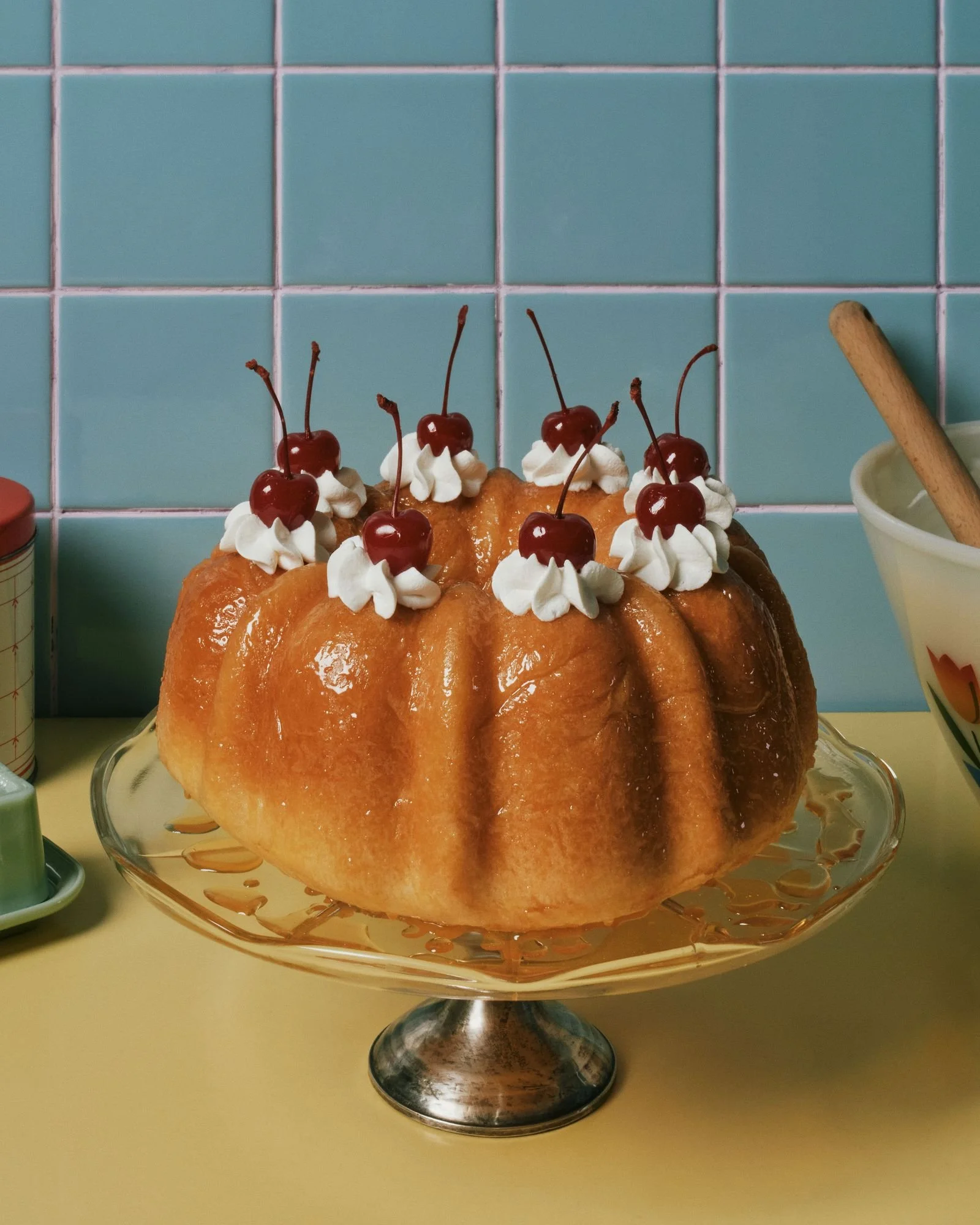
Giant Babà au Rhum
A yeasted cake soaked in rum syrup until it is structurally more liquid than crumb. Naples treats it as a birthright, which is funny, because it arrived from Poland by way of Versailles, apparently. The story: Stanislaw Leszcyński, deposed King of Poland, was sick of dry kugelhuph and threw one across the table near a bottle of rum. His daughter married Louis XV and brought the court pastry with her. French monsù chefs working for Neapolitan nobility carried it south, and Naples kept it.
Still, the standard Sunday-lunch dessert is there. And one cake we spent MONTHS trying to re-create for my dad’s birthday one year. Don’t go light on the syrup - that’s the whole point of the cake.
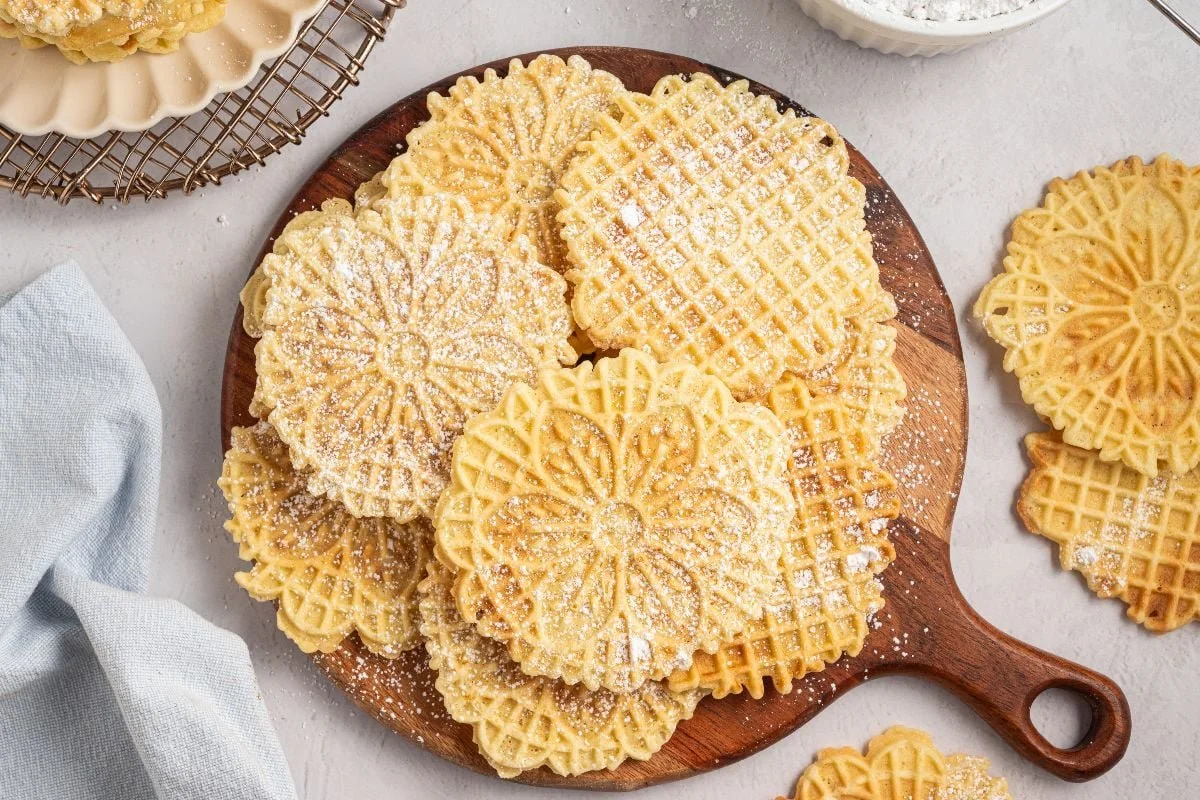
Pizzelle
Thin, crisp, anise-scented waffle cookies from Ortona in Abruzzo, and plausibly the oldest cookie still in regular production. The line runs back to the Roman crustulhum, with some historians putting the recognizable version in the 12th century. In Abruzzo, they are ferratelle, meaning from the iron. When irons started appearing in the 1700s, wealthy brides commissioned blacksmiths to engrave them with a family crest, so the cookie came out stamped with the household monogram. That detail is why I love them.
Christmas, Easter, weddings. You always need the iron.
Torta della Nonna
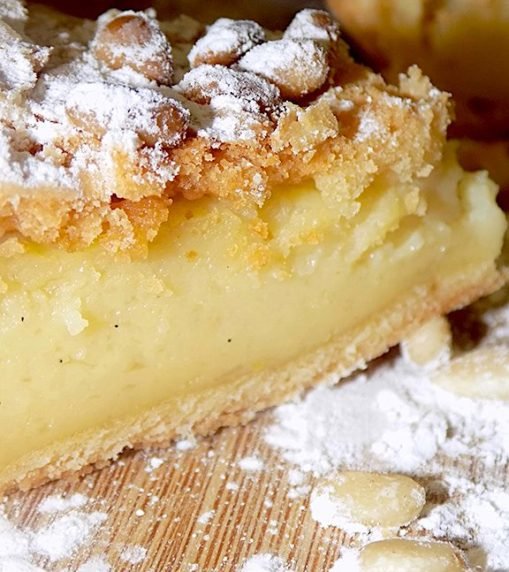
Shortcrust pastry, think vanilla and lemon custard, a blanket of pine nuts, and powdered sugar over the top? An absolute dream. Arezzo and Florence both claim this one and won’t let it go. The most credited story gives it to Florentine chef, Guido Samorini, who put it on the menu at San Lorenzo to fix a boring dessert list. Artusi described eating something very like it in the late 1800s, so Samorini may have been reviving rather than inventing.
Toast the pine nuts before they go on. Raw ones taste like nothing.
Vanilla Panna Cotta
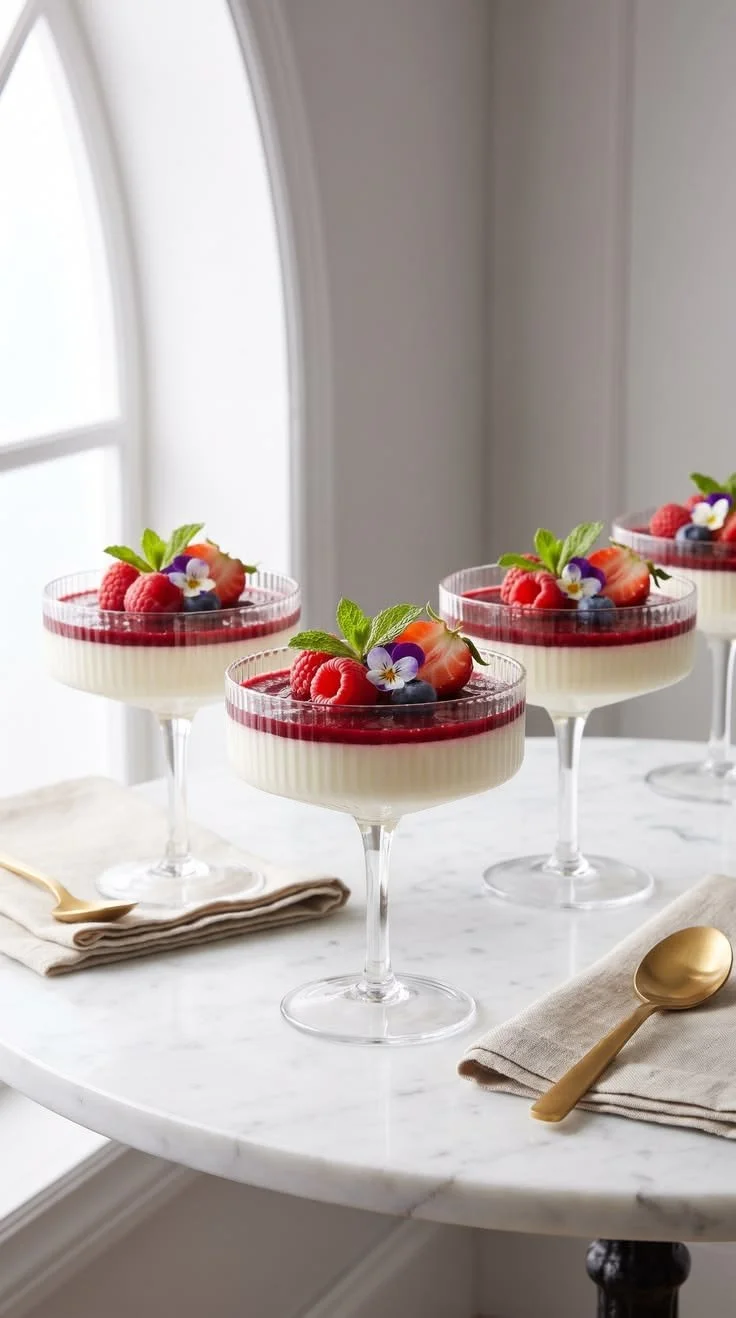
Cream, sugar, gelatin. That is the recipe. The skill is entirely in restraint. Too much gelatin and you have a hockey puck, so it’s key to aim for a set that wobbles when you nudge the plate. It gets called a traditional Piedmontese dessert, but the name doesn’t actually appear in Italian cookbooks before the 1960s, and the first documented menu listing is Cuneo in 1966. The origin story involves a Hungarian woman in the Langhe around 1900. So: young and pretending otherwise.
Canestrelli
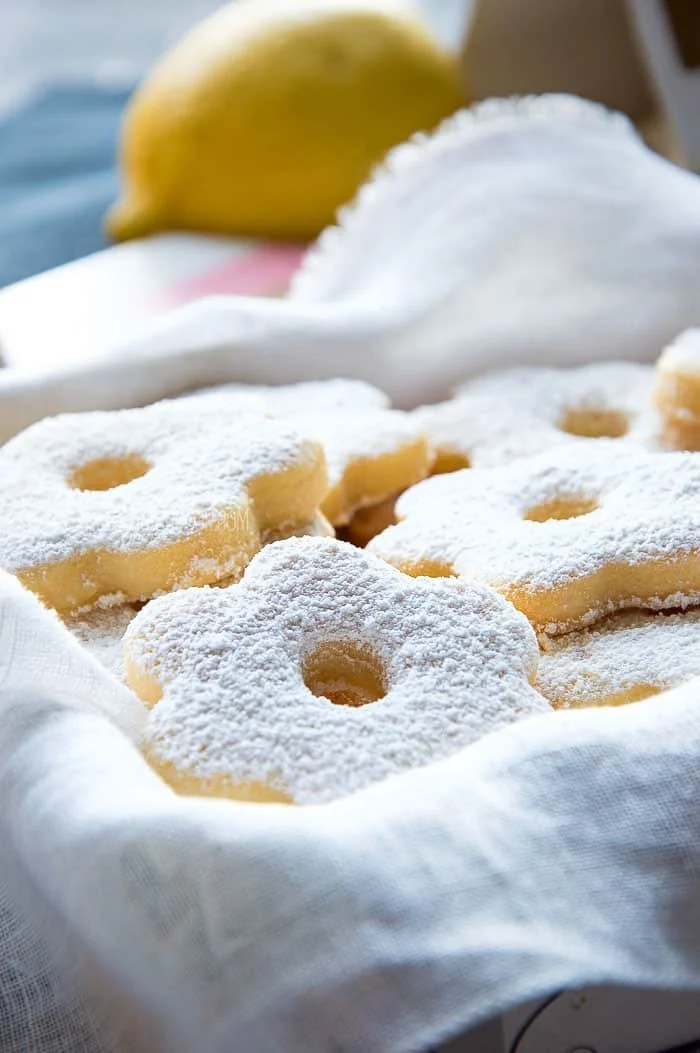
Ligurian, flower-shaped, with a hole in the middle, and buried in powdered sugar. The name means little baskets, and they collapse the moment they hit your tongue.
The technique is the interesting part: hard-boiled egg yolks pushed through a sieve into the flour. The cooked yolk blocks gluten from forming, which is why the cookie has no structure to speak of. Historically, festival and wedding food was sold at every village fair in Liguria.
Italian Butter Cookies
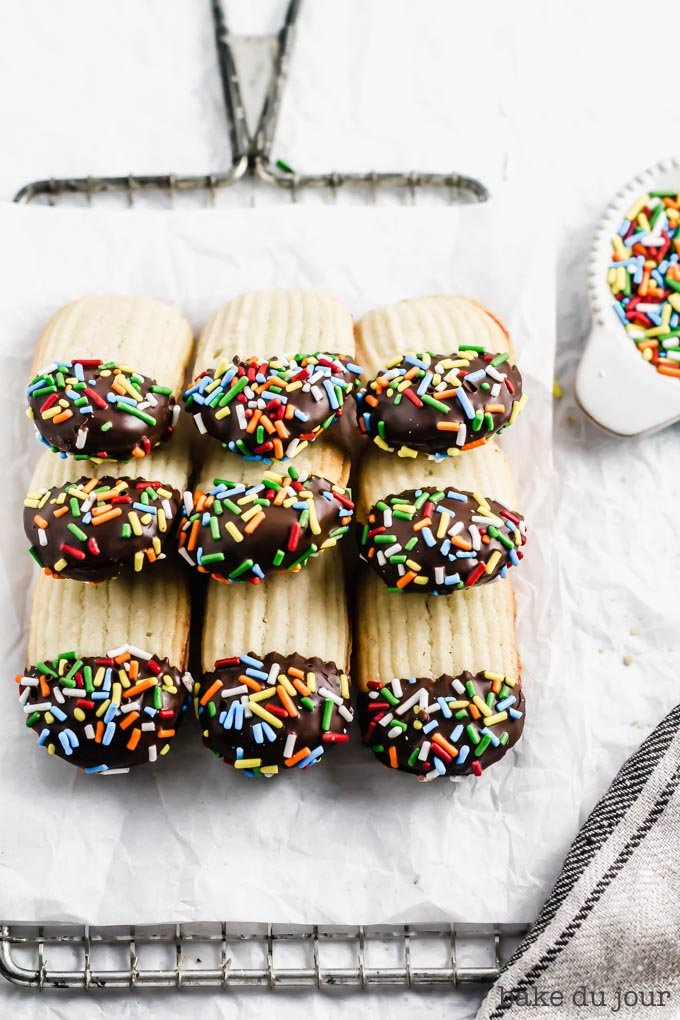
The piped, jam-dotted, chocolate-dipped tray cookies from every Italian-American bakery counter. Sold by the pound, never by the piece.
Not regional and not ancient. They are here because a list of Italian desserts without them would be dishonest about what most of us actually grew up eating. And well, it wasn’t a trip to the deli if all of us weren’t fighting over them constantly.
What you need to know
Almost nothing on this list is complicated. Sbrisolona is crumbs. Panna Cotta is cream you’ve convinced to hold a shape. Affogato is two things touching. The towering, layered, twelve-component desserts are mostly French, mostly modern, or mostly built for a photograph. What Italian tradition held onto were the recipes a person could make on a Tuesday with what was already in the house, and those are the ones still standing five hundred years later.
Start with the zabaglione. Ten minutes, three ingredients, and the logic of the entire list becomes obvious.