MAY FAVORITES
May was genuinely chaotic, and I mean that in the best way. Between a campaign I couldn’t stop looking at, a haircare find that made me text my friends immediately, a home decor trend that feels personally designed for my brain, and the kind of culture news that had me spiraling in group chats for days - the month had range. These are the things I couldn’t stop thinking about, talking about, or adding to my cart.
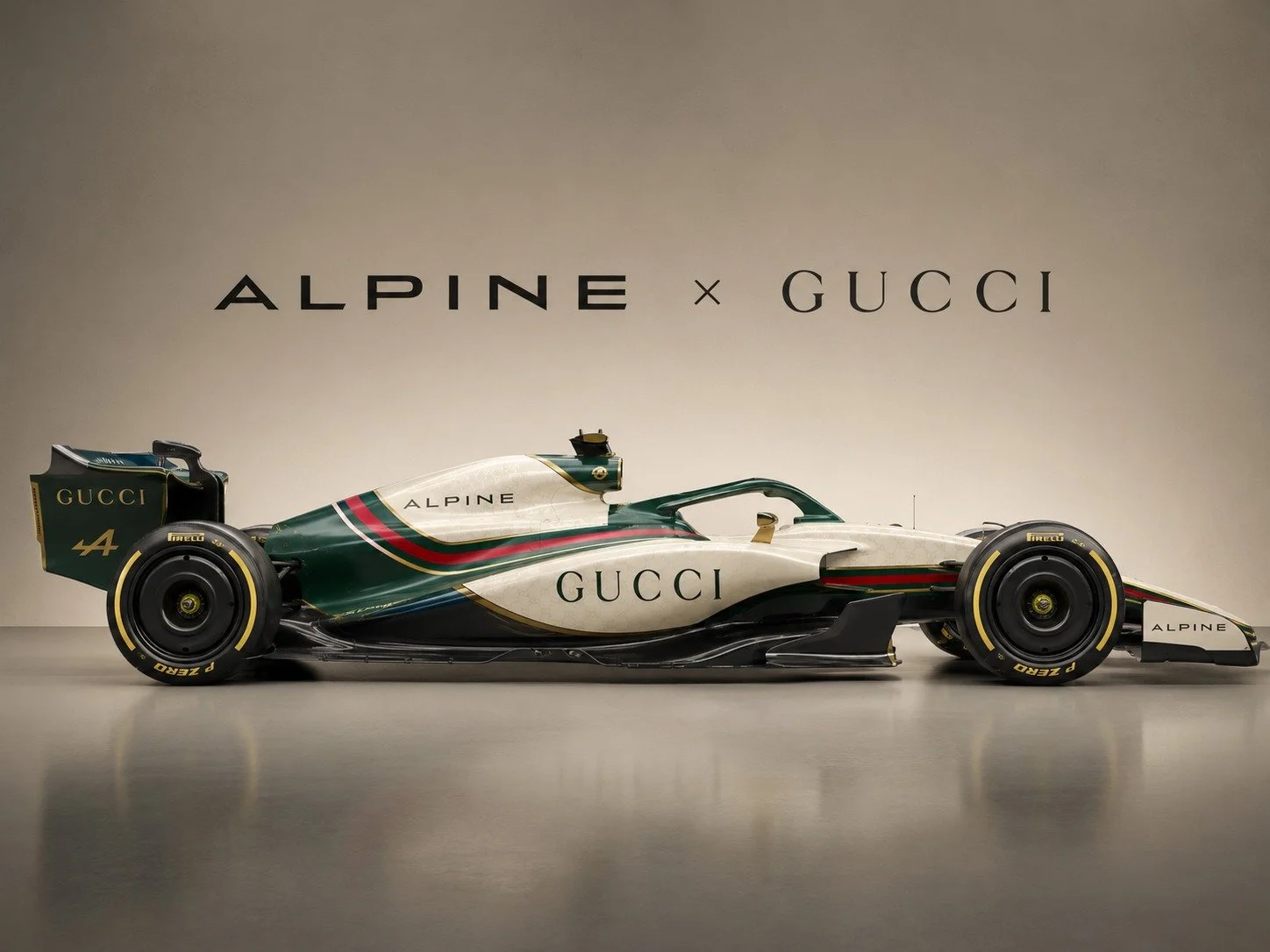
Gucci x Alpine
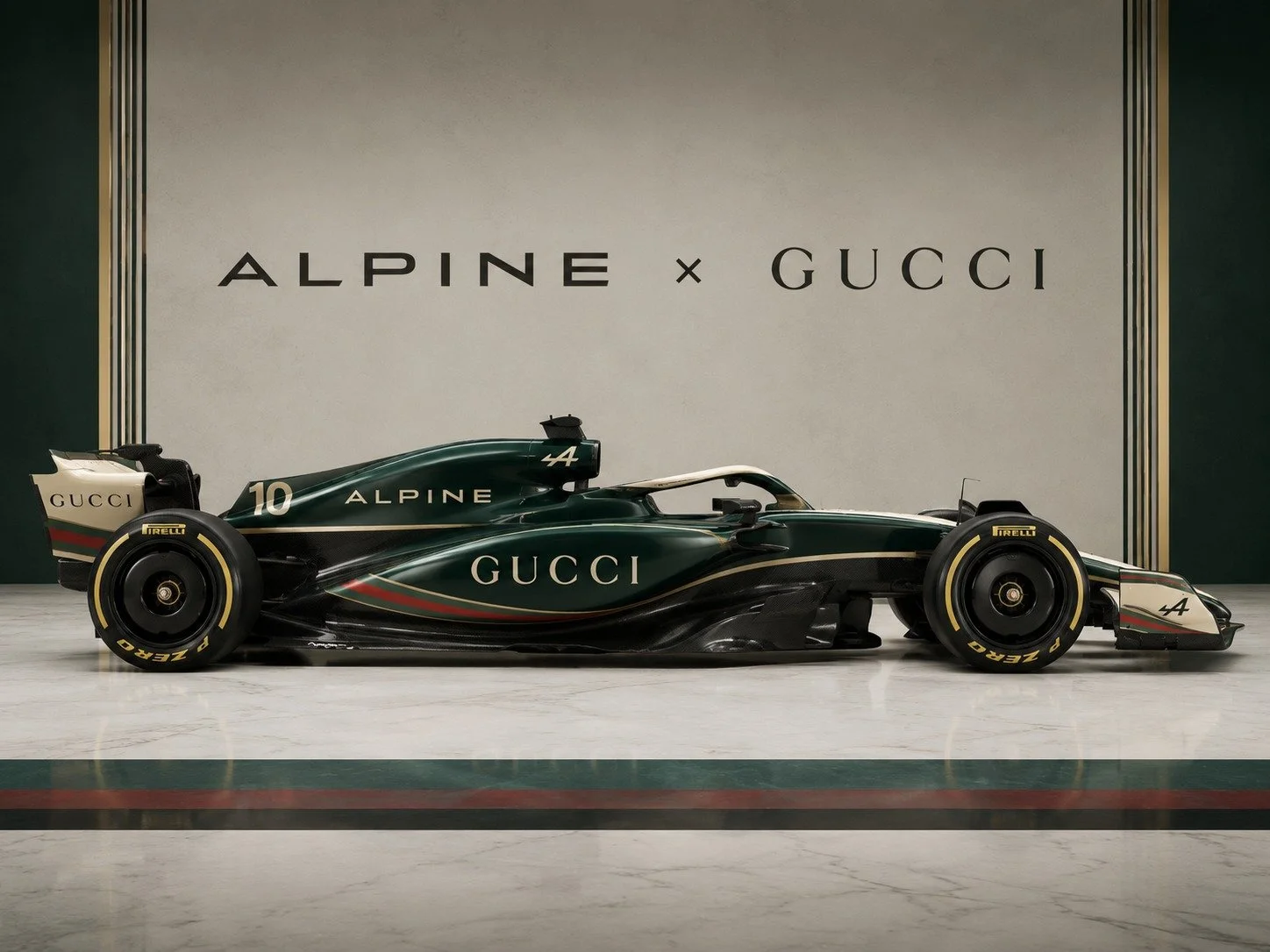
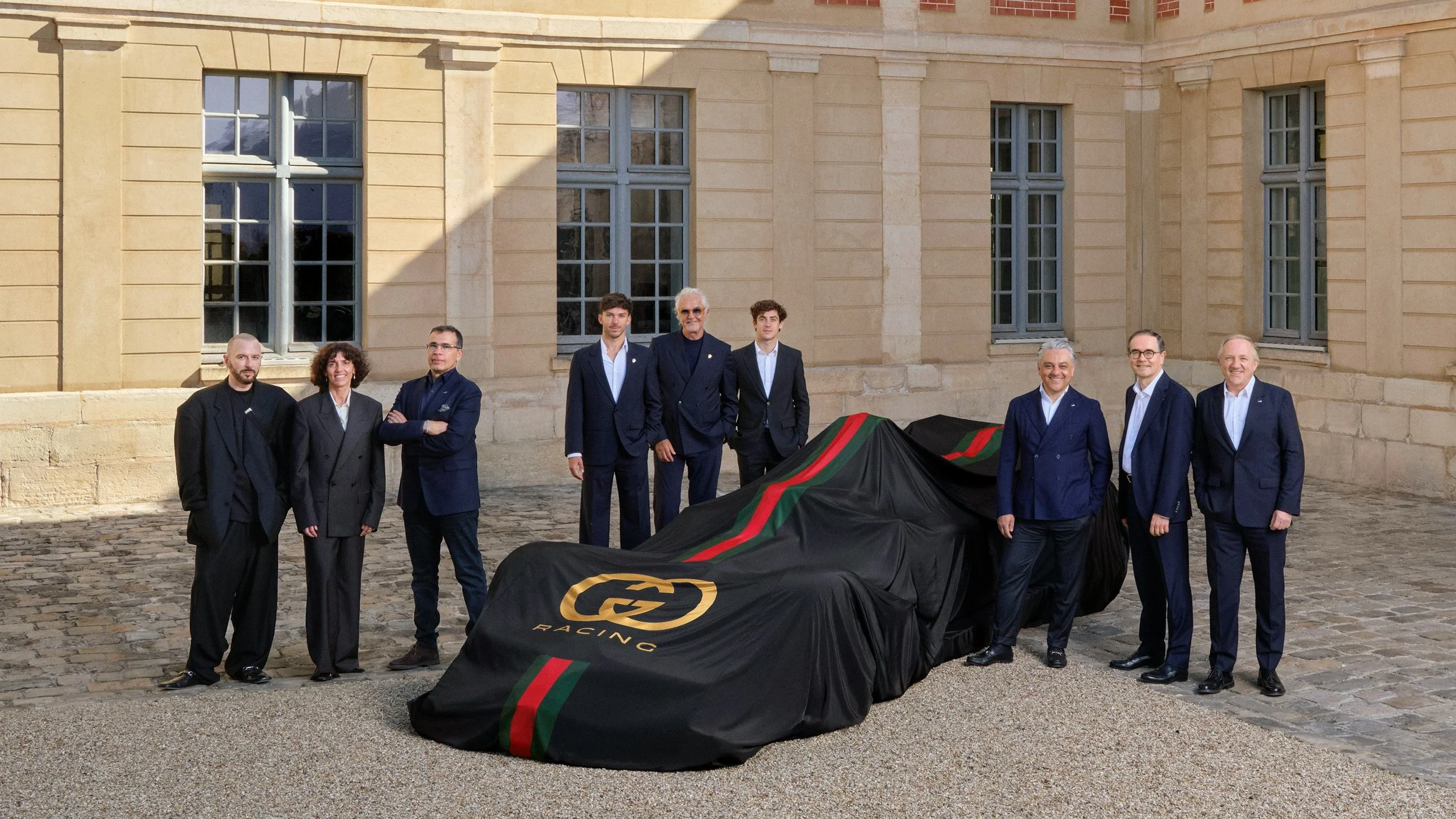
I’ve been watching Formula 1 since before I could properly develop full, coherent thoughts, so I’ve earned my opinions because I’ve seen it all. This one surprised me more than most things do. Gucci is becoming the title sponsor of Alpine starting in 2027, and the team will race as Gucci Racing Alpine F1 Team, in Gucci’s black and gold, under a partnership that is estimated at $150 million over three years. It’s the first time a luxury fashion house has ever served as a title sponsor in Formula 1. Not a livery placement. Not a paddock pop-up. A tried and true title sponsor.
What I find genuinely interesting about this: it’s not just a brand play for Gucci. They are creating “Gucci Racing,” a platform built around performance and luxury, with plans to kit out the entire team, including mechanics, in Gucci-designed gear. Flavio Briatore is behind the push that tracks. He did build his name in F1 with Benetton, another fashion-adjacent team, aside from, well, you know all the other stuff. And former Renault CEO Luca de Meo is now running Kering, Gucci’s parent company. The relationship had a history before the ink was even dry.
I said this surprised me more than most things do, but not in the way you think. I’m not surprised it happened, given the relationship above, but I am surprised that it’s actually coming to fruition as a real, wholly fleshed-out partnership. As a McLaren (sorry, Dad), I’m watching from a safe distance, but I have to admit - the fashion-to-F1 pipeline just got a whole lot more interesting. And my heart goes out to everyone who will be sacrificing everything for the price tag on that merch.
Backrooms
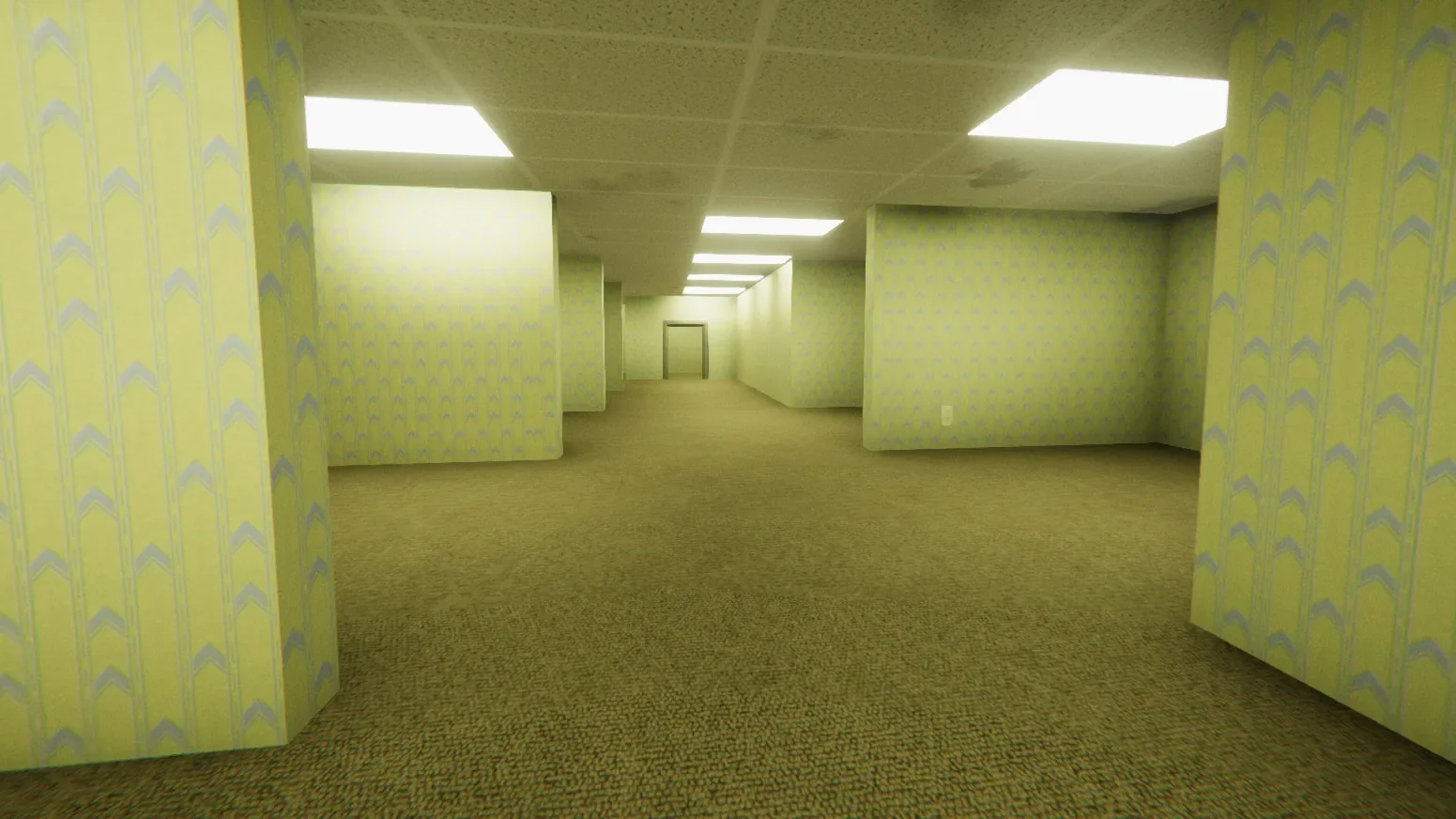
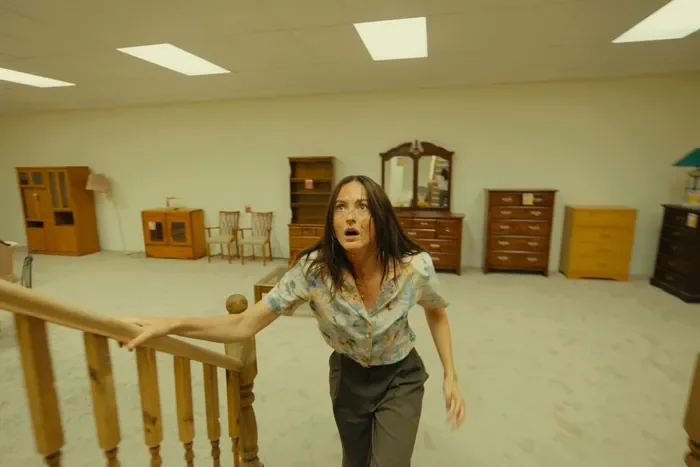
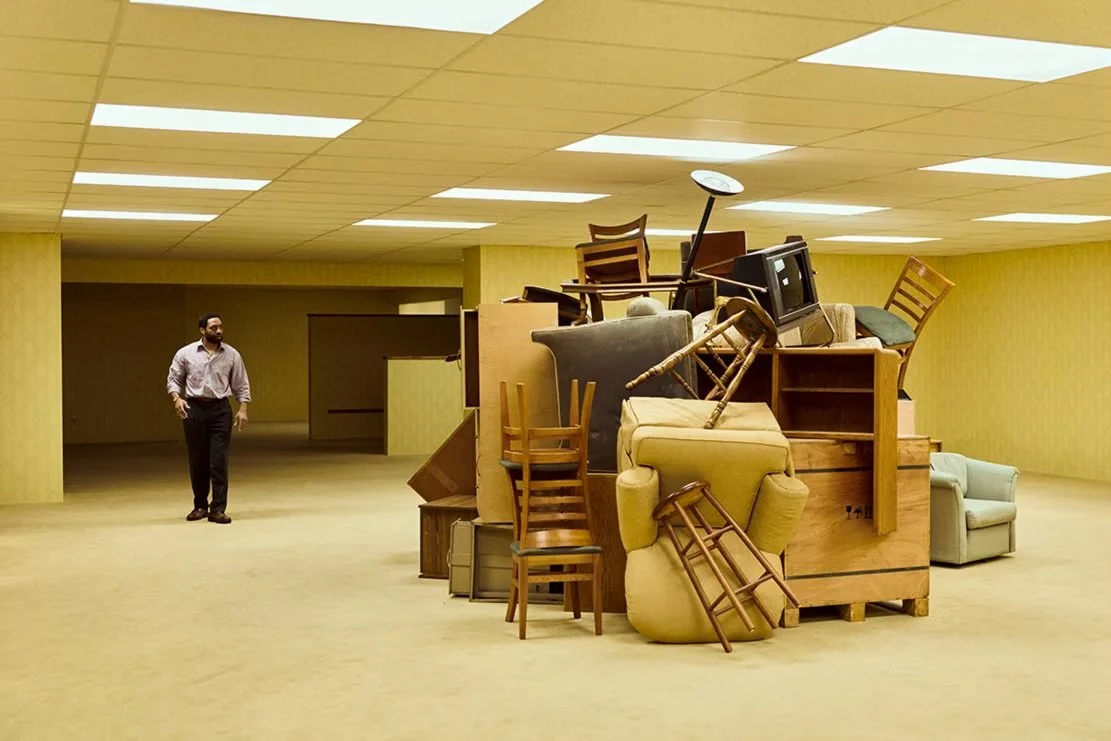
Okay, so basically, Backrooms is an internet mythology built on a single image of an empty, beige carpeted office space that somehow looked deeply unsettling. The premise: certain areas of reality have back exists and if you find one, you end up in an infinite maze of monotone rooms, buzzing overhead lighting, and nothing else. It became one of the more effective pieces of internet horror I’ve seen, mostly because it works entirely on suggestion.
Of course, A24 made a movie out of it. Directed by Kane Parsons, a 20-year-old who built an entire following making Backrooms videos on YouTube, it stars Chiwetel Ejiofor and Renate Reinsve and debuted at the end of May. The production crew built over 37,000 square feet of physical space to recreate the space, and reportedly, crew members even got turned around on set because the hallways were designed to disorient.
That detail alone sold me on it. The horror of the Backrooms concept lives in the architectural unease of liminal spaces. Liminal spaces are spaces that seem familiar and completely wrong at the same time, and cause your brain to keep trying to recognize something it never quite can. Building that physically, at scale, with crew members getting lost on set? That’s the kind of production commitment that earns a ticket purchase alone.
It’s in theaters, but I will say this, because of the silence that psychological horror, especially this one, creates, people in the theater are prone to being incredibly rude. They start talking, and I’ve seen people complaining about texting as well. If you’re like me and can’t stand that indedency, wait it out. But regardless, if horror adjacent to architecture and liminal space psychology sounds like your thing, you’re going to love it.
→ Watch my favorite brand version: McDonald’s and the nightmare of being stuck in a PlayPlace.
K18 Astrolift Reparative Volume Spray
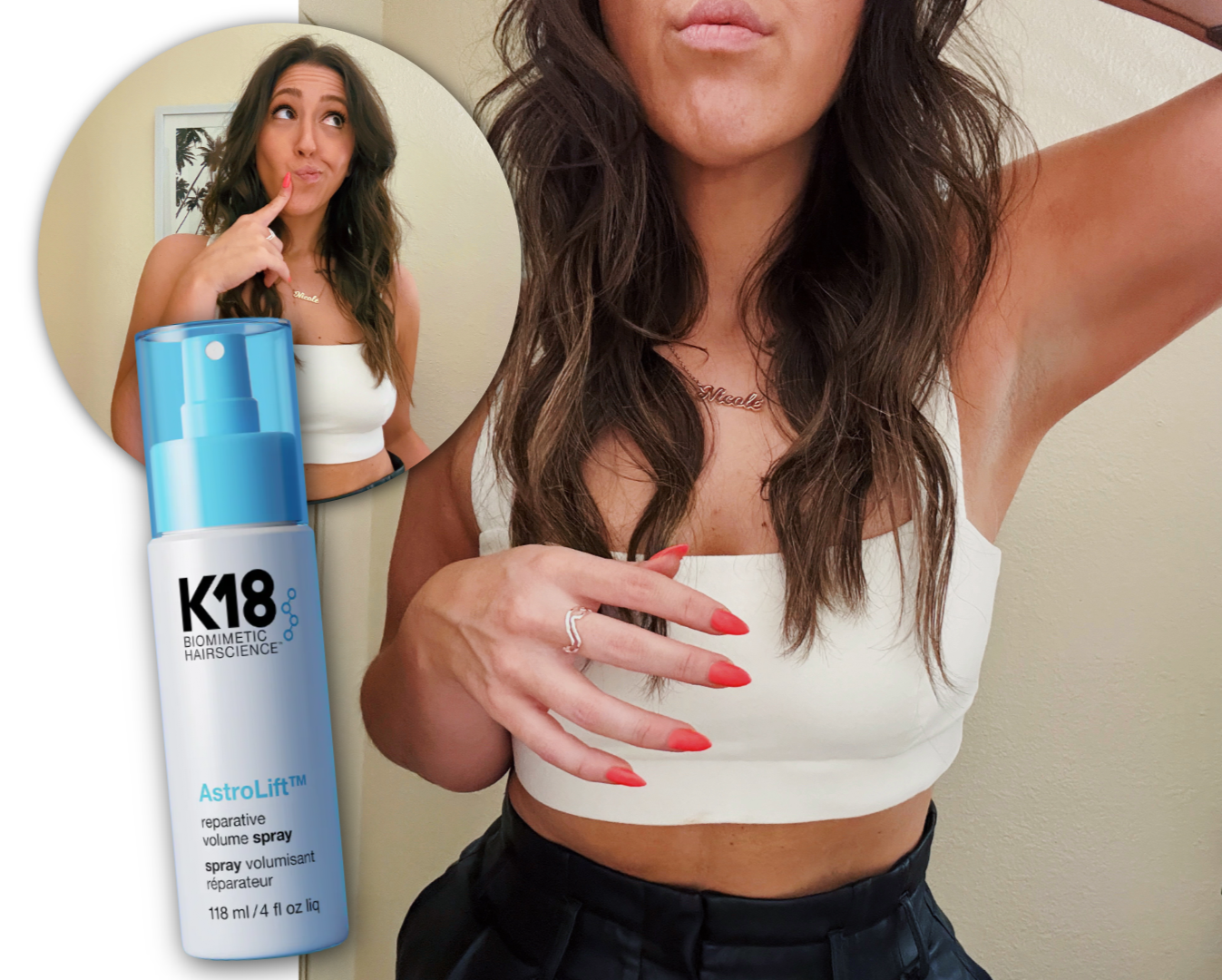
As an adult, fine hair has become a personal curse, and I’ve tried enough volumizing products to be appropriately skeptical. Most of them give you lift for about forty minutes, then slowly betray you over the rest of the day. So when K18 gifted me their AstroLift Reparative Volume Spray, I wasn’t 100% sure about my expectations. I was absolutely wrong to be skeptical.
The short version: it repairs while it volumizes. K18’s peptide technology works on the structural damage that causes hair to go flat, while a separate ingredient blend literally makes each strand thicker. The result is volume that’s still there the next morning, and doesn’t feel like anything is on your hair. No crunch, no weight, no residue.
I spray it into damp hair before I blow dry, and that’s it. The second-day result is what actually got and sold me. I woke up expecting nothing, and my hair still had tons of body. It’s well worth it for not walking around with flat hair every day.
Hailey Bieber x Mango
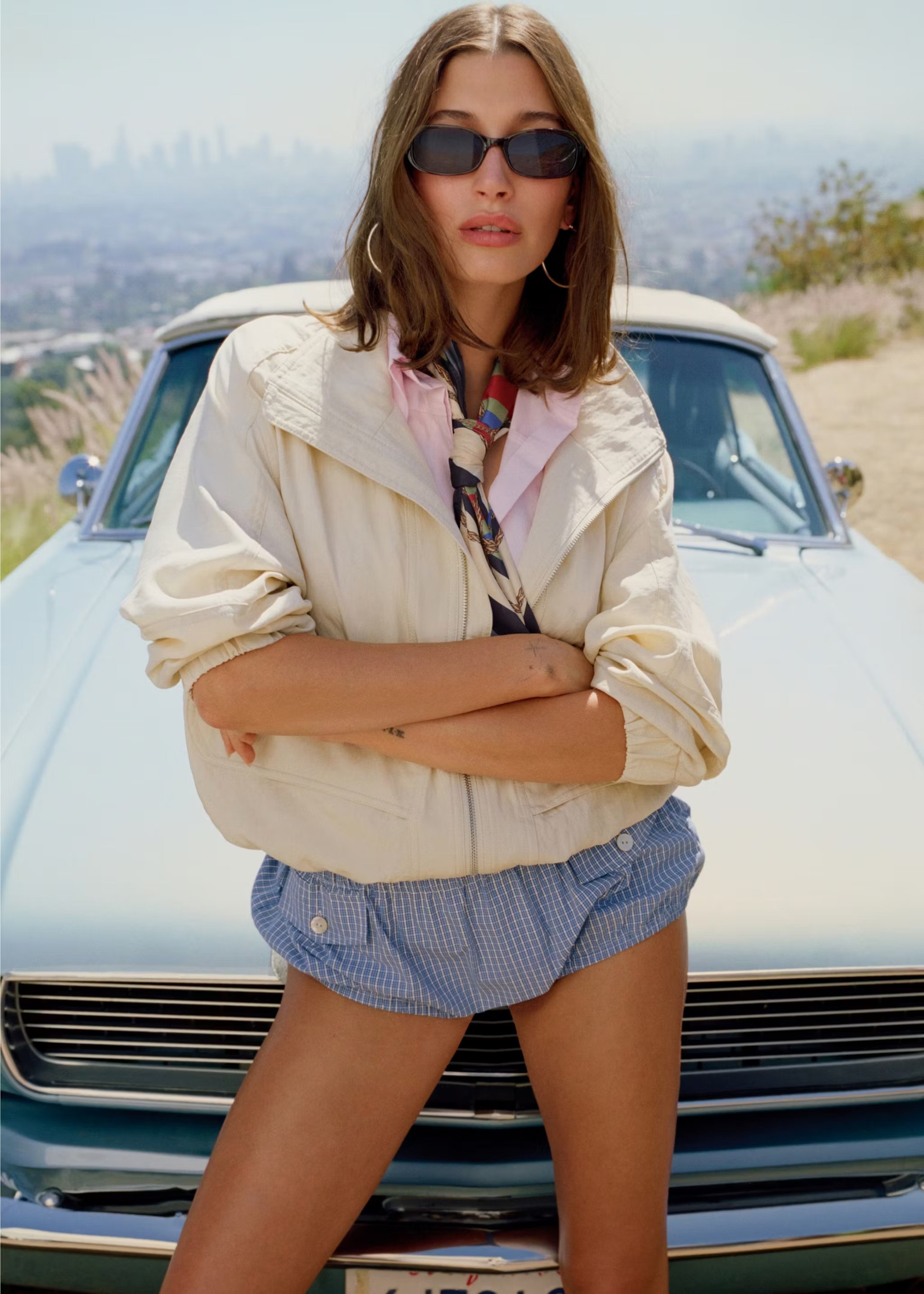
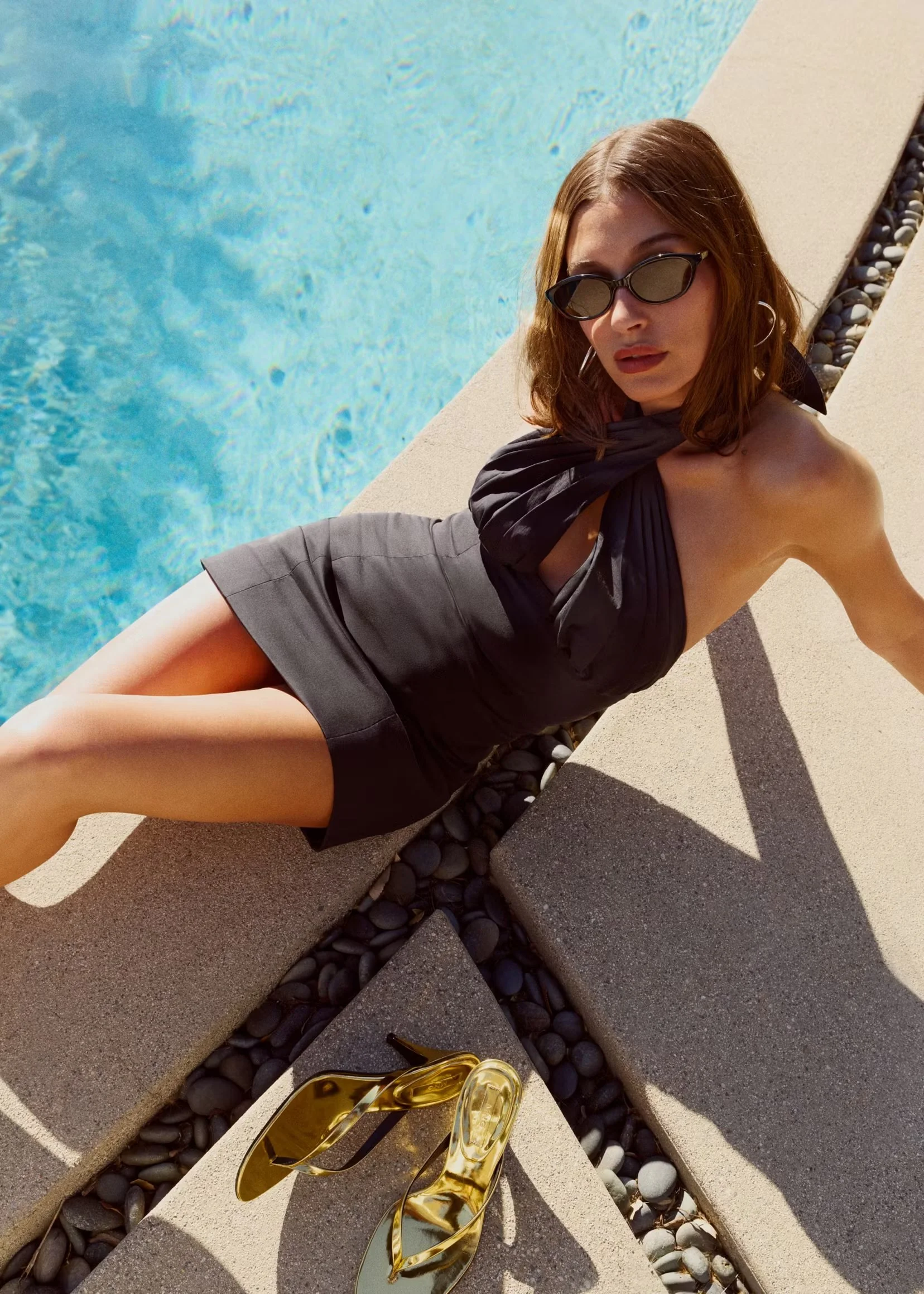
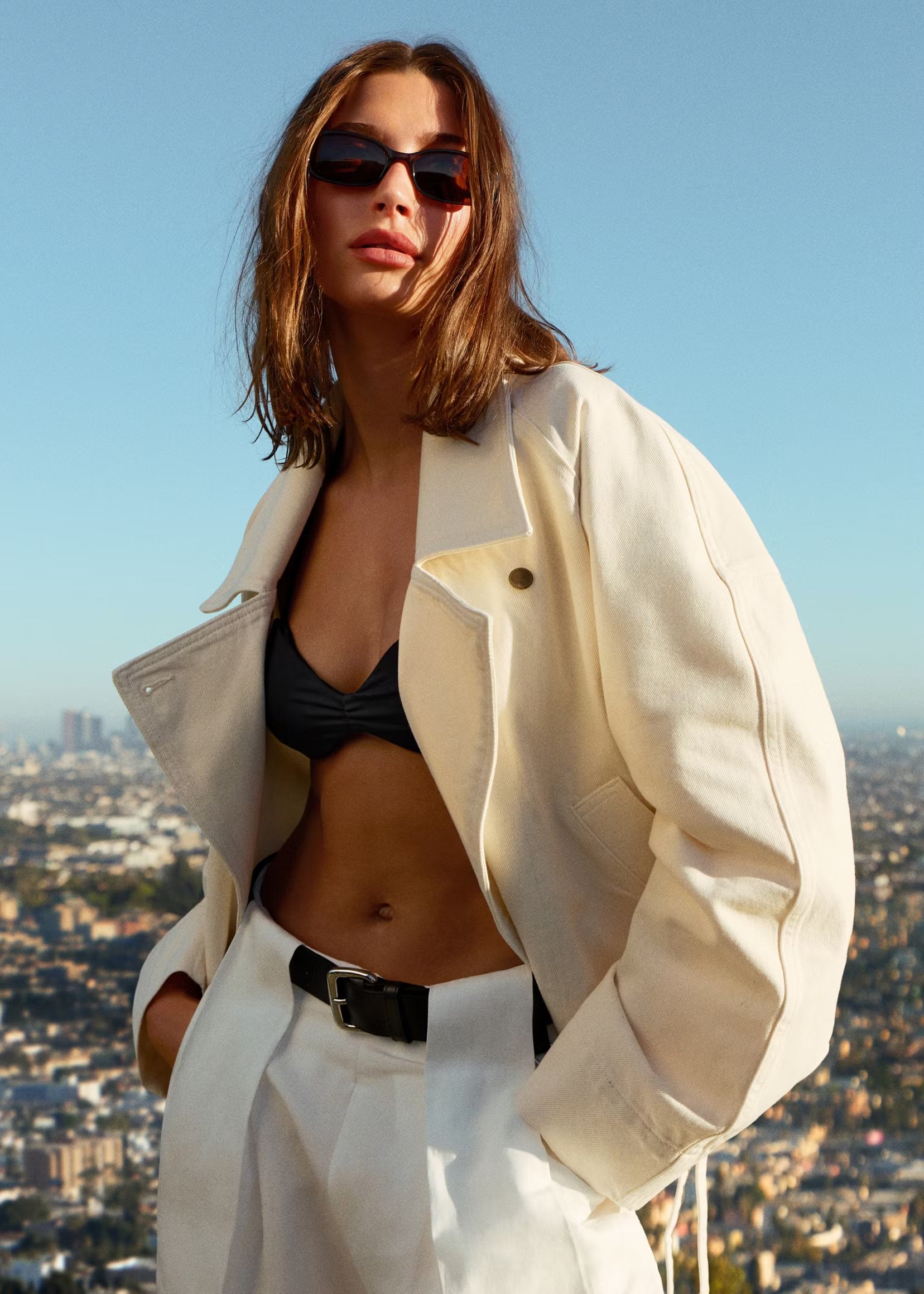
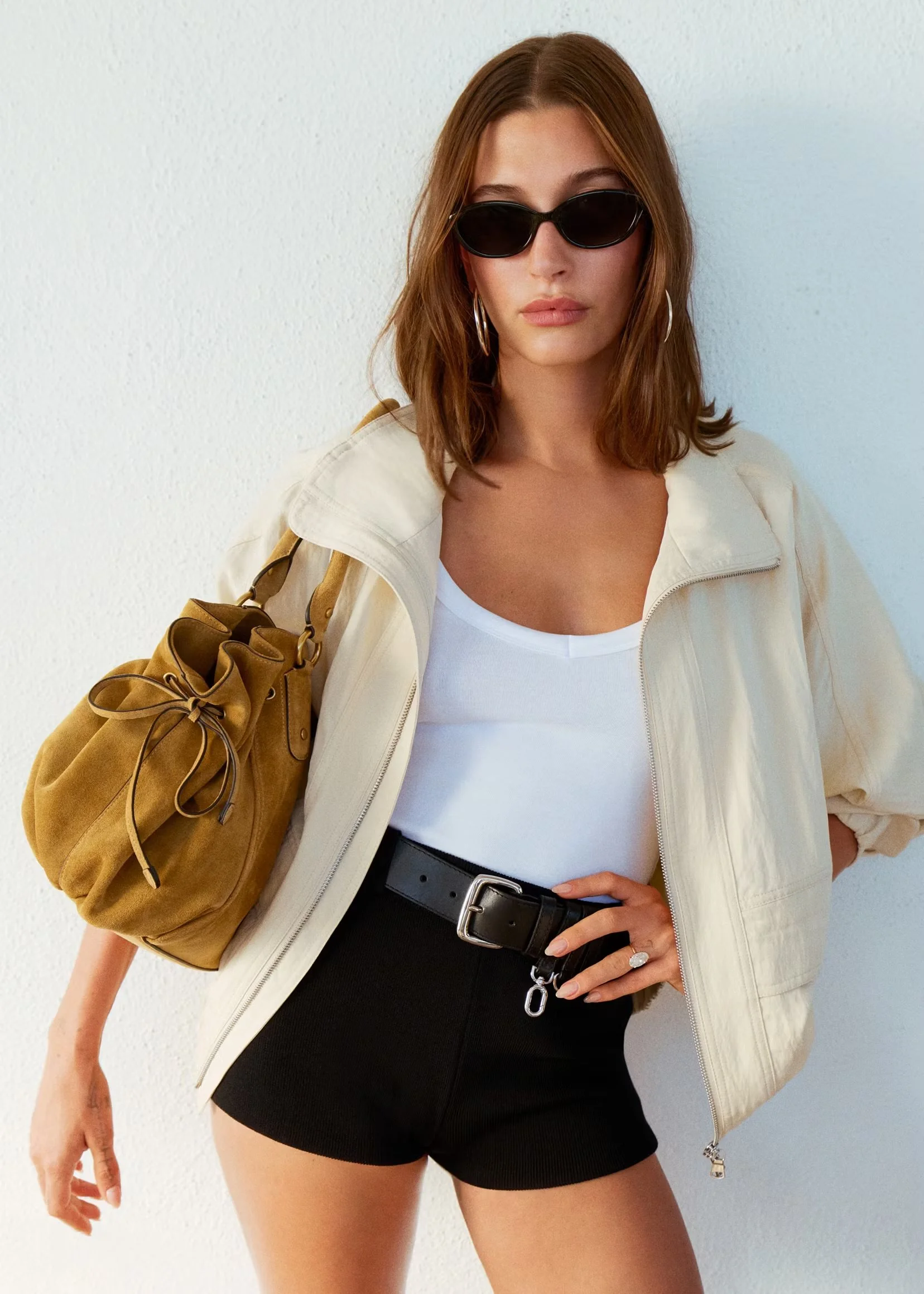
I’ll be honest, I love a good brand campaign. But the Hailey Bieber for Mango “Craft Your Own Story” drop was different enough that I couldn’t decide what my favorite part was. I mean, all of these looks are 100. Shot in LA against warm light and nothing too precious, it has the feeling of a really good Instagram dump from someone who happens to be wearing an entire lookbook. Big jackets over tiny shorts, low-rise denim, and a few dresses that work. The whole thing is calculated to look like she wasn’t thinking about it at all, which frankly is a very specific skill, and Mango packaged it well.
The one piece I’m obsessed with is the crossed halter dress. A-line, cotton, open back, and a halterneck? Perfection. It’s the kind of thing that reads as if you tried, but it doesn’t look like you did. I’ve worn it about 5 times in my head already, and I guess that means it just needs to get into my cart and closet.
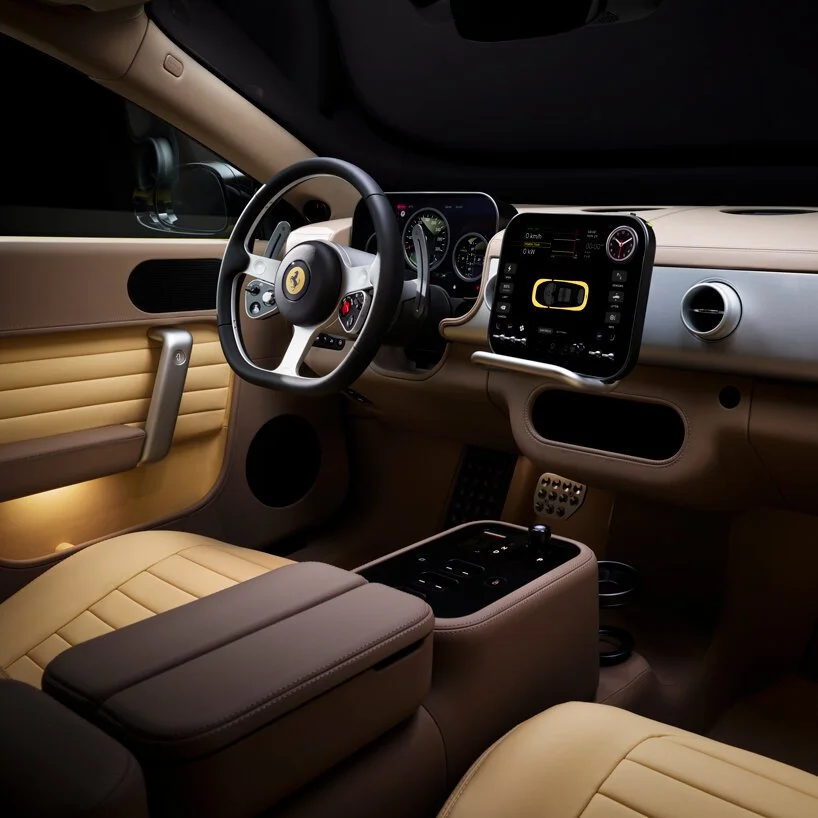
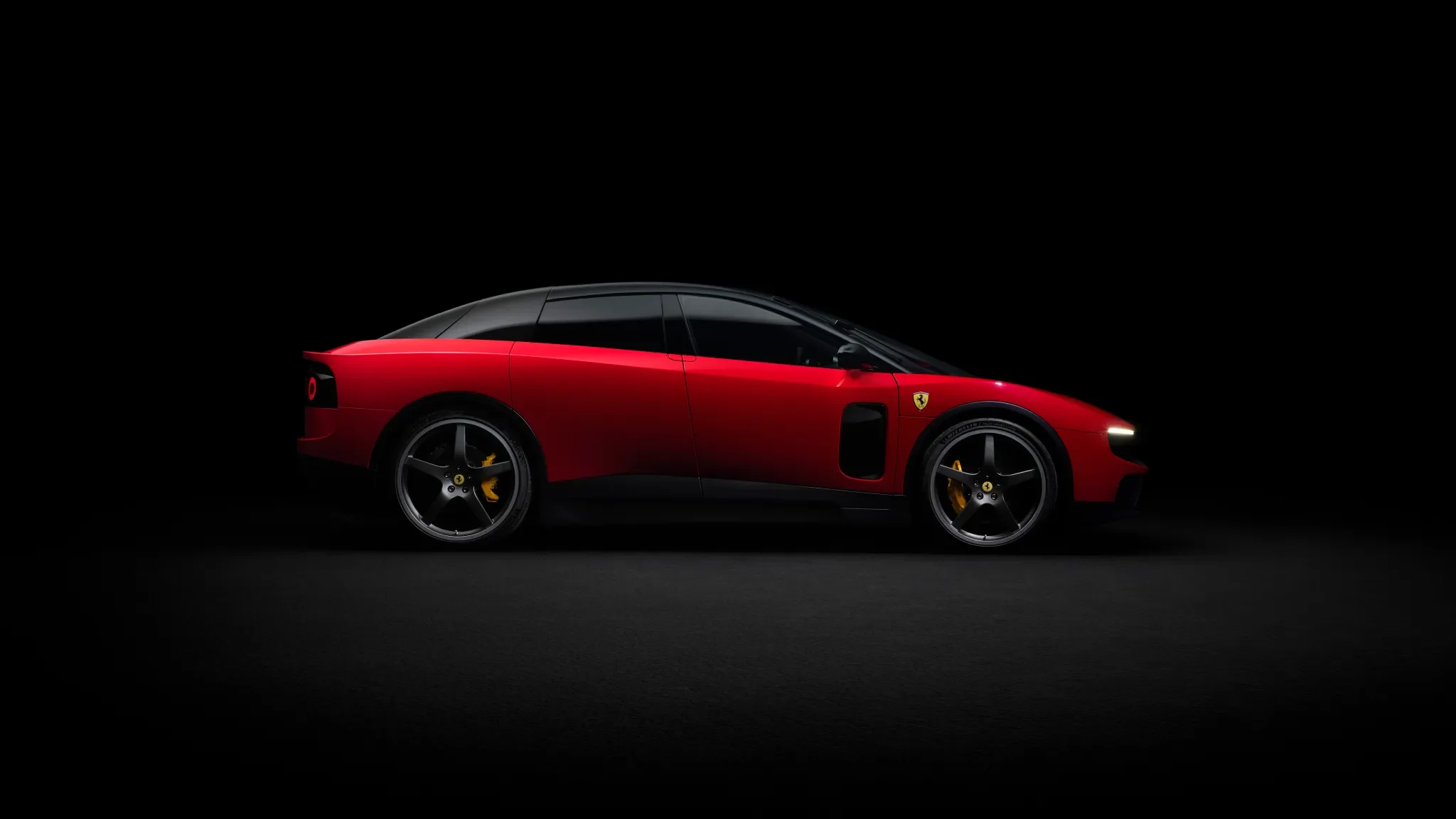
Ferrari Luce: Designed by Jony Ive, Feels like the Future
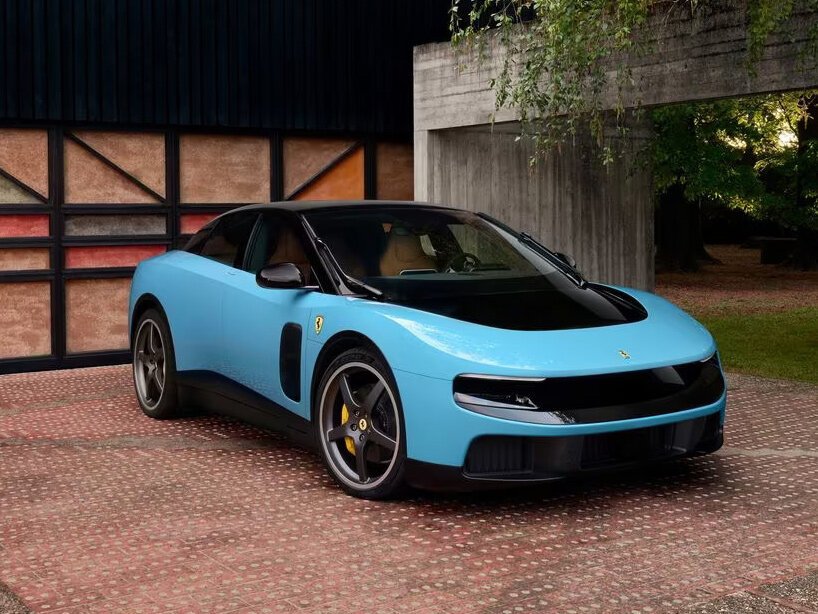
This was the design news of the month and possibly of the year, and I have to say this is being featured on my favorites not because I’m absolutely in love with it, but more because I’m fascinated with it. Ferrari unveiled the Luce - its first fully electric car - and did so with a move no one really saw coming: bringing in Jony Ive and Marc Newson from LoveFrom to design the entire thing, inside and out.
The exterior reads like someone asked what a car would look like if it didn’t need to look like a car. The passenger cabin is an enormous curved greenhouse of glass, and the body wraps around it in aluminum that stretches out in front and rear wings that look like they are suspended in the air. No aggressive vents and no performance theater. It’s smooth and a little strange and very clearly not designed by anyone who came up through the automotive world.
The interior is where things get interesting. No giant touchscreen. Instead, there are physical buttons, precision dials, and toggles made from glass and anodized aluminum. There is an analog clock on a moving central display and ventilation that you adjust by hand. It’s the anti-Tesla, and Ive’s fingerprints are all over it. It has the same obsessive material consideration he brought to Apple hardware, applied to a car that seats give.
It’s a five-seat Ferrari. Which sounds insane all on its own and makes a statement. While its price tag and nearly everything else about it got dragged on the internet for days, I have to say, given all the electric cars in the world, this one is probably one, if not the best, looking one out there. I’ve watched and looked at everything I could find about the interior because I’m just not over that part specifically.
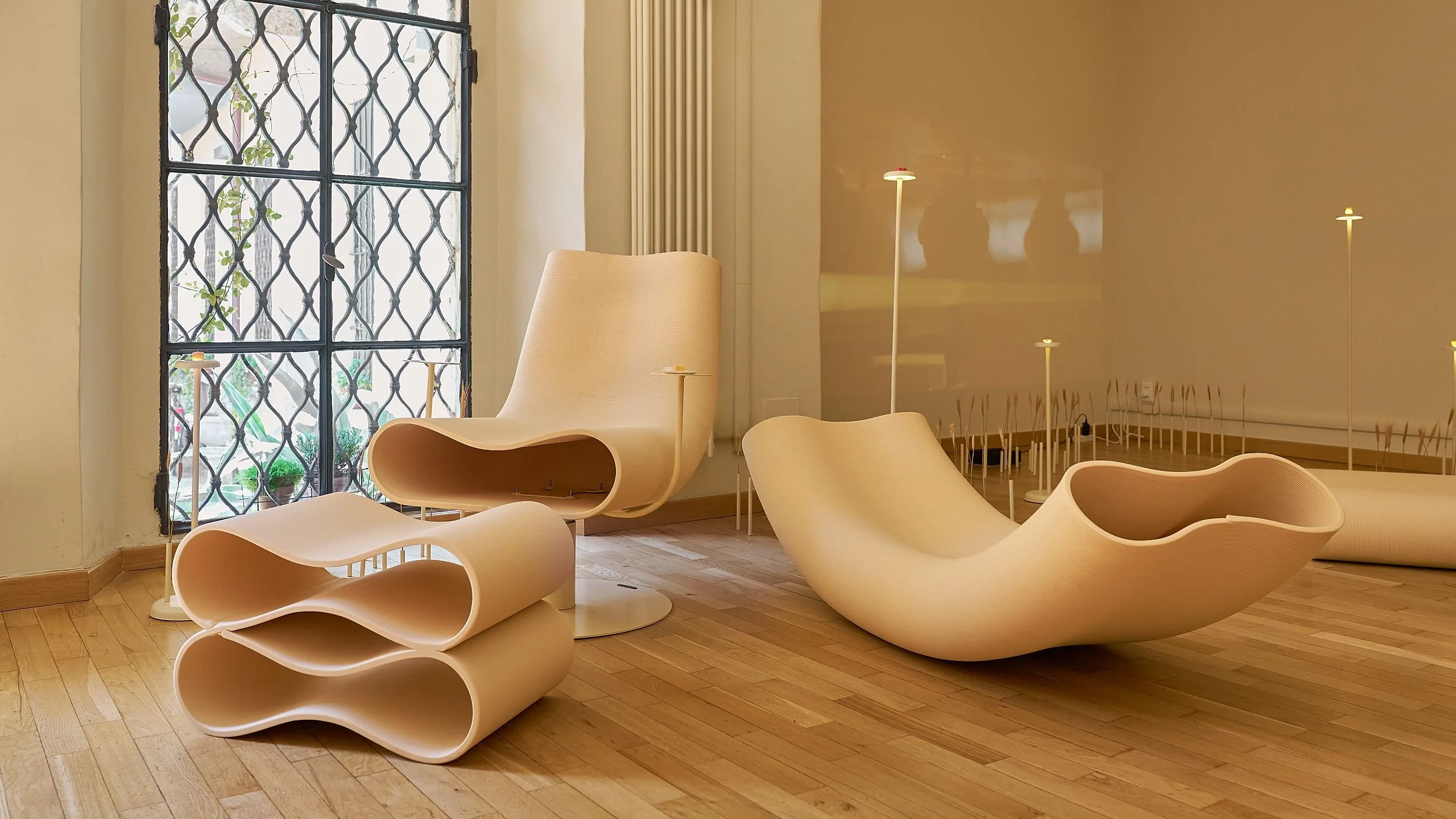
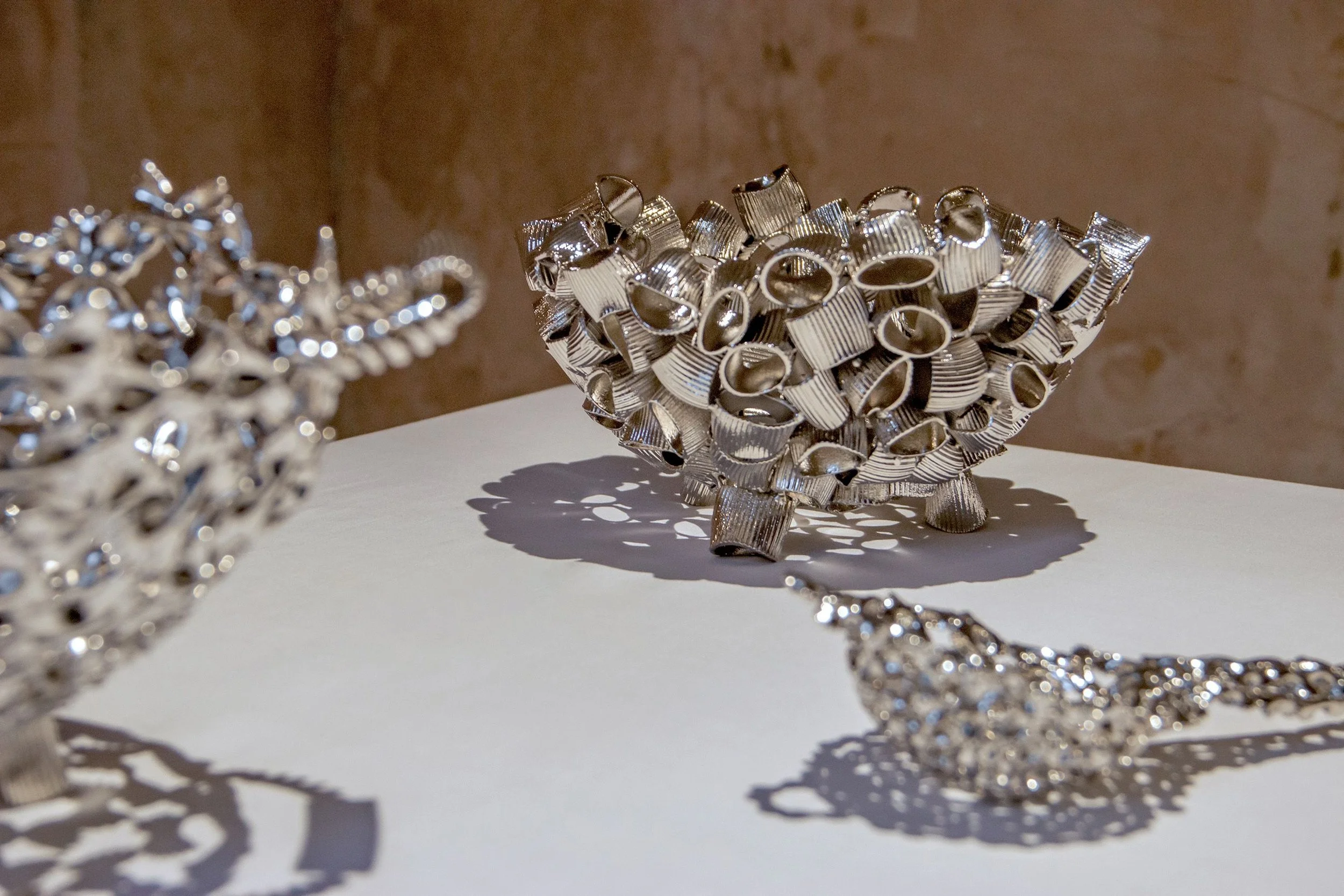
Pasta-Inspired Decor: Yes, And?
Architectural Digest had a piece on pasta-inspired decor, and I immediately stopped scrolling. Rigatoni-shaped vases, spaghetti-coil candles, and farfalle bowls that are too cute to actually use? Please. The internet has taken food as a form of language and run with it. Honestly, I’m into it, and I’m not embarrassed. The broader shift toward whimsical, food-inspired objects sits in a lineage of Italian maximalism that I have loved for years. The ceramics with personality, form as a kind of humor, the idea that your home should feel warm enough to eat in. They remind me of objects my grandparents had around their house, like tomato and garlic-shaped containers. They just make a home feel warm and a kitchen welcoming. Pasta shapes are essentially sculptural, and always have been. Someone just finally committed and decided to make them out of stoneware.
These designs also pair well with the earthy, Mediterranean-leaning interiors I keep gravitating toward. Terracotta, warm neutrals, and things that belong somewhere with a really good olive oil and a kitchen radio. A little rigatoni candle holder on a shelf? Yes. Immediately.