When there is a design week somewhere in the world, tons of archive pieces tend to come out of the vault. This is never more true than during Milan Design Week. These are supposed to be about what’s next, but a lot of the time, the pieces people can’t stop talking about, myself included, are older than my own parents.
The city leaned into it. This year, on a Friday evening back in April, 150 design archives opened to the public across Milan. Brands even did their own digging, pulling up drawings and molds out of storage, and putting them back into production. Why am I talking about this now? I was cleaning out my saved articles, and I came across one I had saved on one particular archive piece that came back to life recently.
So for this Saturday Mini, we are looking at the five archival pieces that made my list of the best.
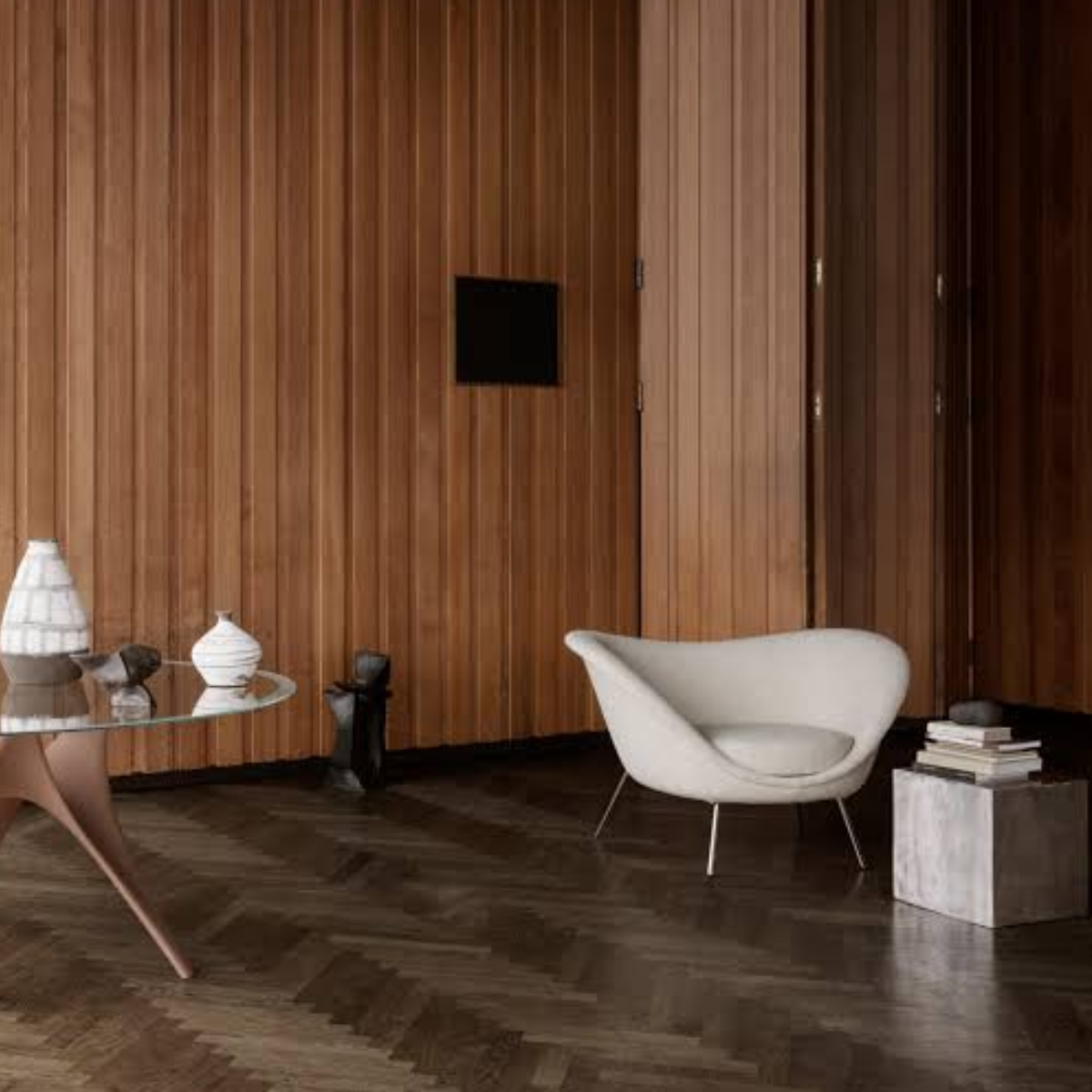
D.154.2
Gio Ponti, Molteni&C
Gio Ponti didn’t design this one for a showroom floor. He made it for Villa Planchart in Caracas, the home of art collectors Anala and Armando Planchart, who hired him as both architect and interior designer for the 1953-57 project.
Why people love it:
It’s curved and has a plush circular seat cushion that cradles the body, giving you genuine lounge comfort without visual bulk.
The low-slung shell on top of the thin legs gives the appearance of floating.
Owning one feels like bringing a piece of residential architectural history home.
Why it sticks around: Molteni&C reissued it in 2015, made a weatherproof version for its first outdoor collection in 2023, and watched it win the Compasso d’Oro Career Award in 2024. A chair doesn’t get that many second acts unless people keep asking for it.
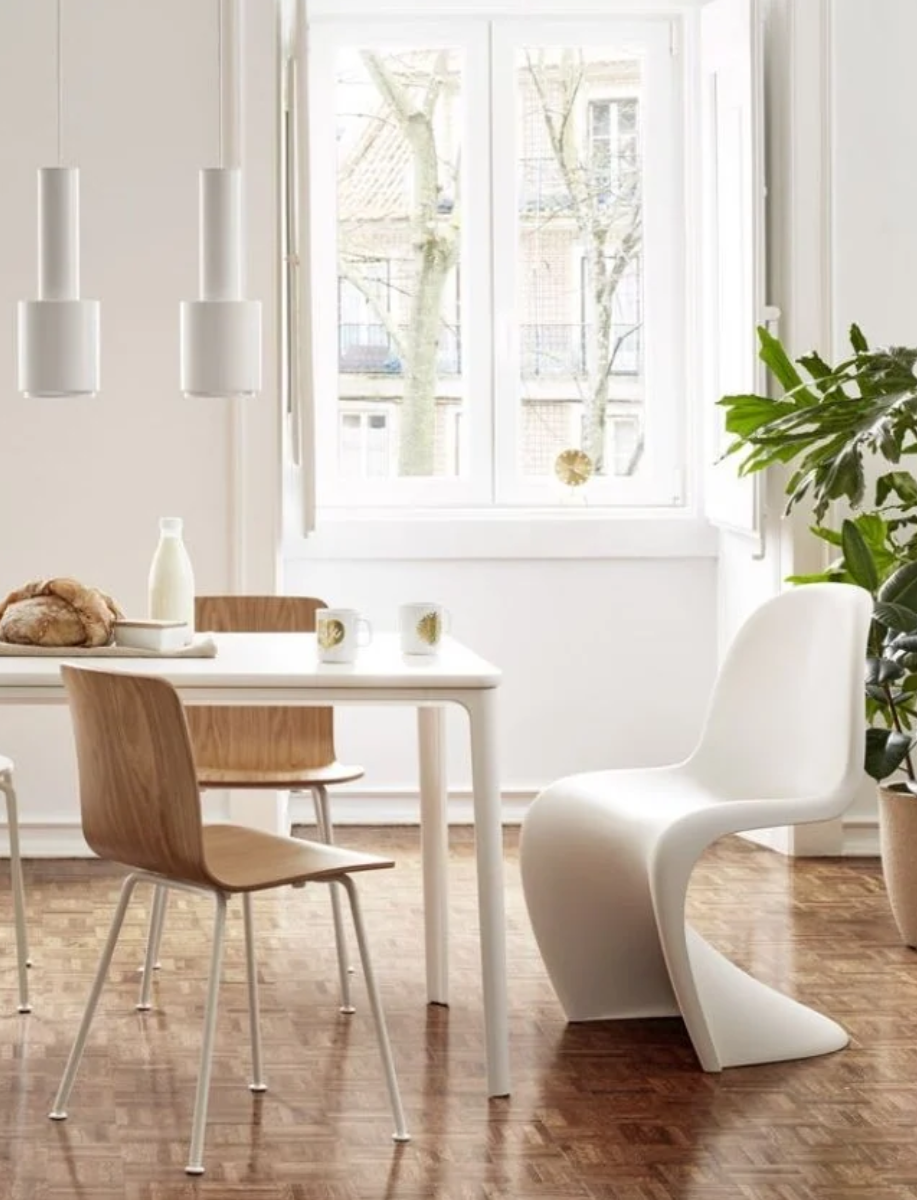
Panton Chair
Verner Panton, Vitra
Panton came up with the idea of a plastic cantilever chair in the late 1950s, and manufacturers wanted nothing to do with it. Vitra finally made a pilot run of 150 of them in 1967, and it became the first all-plastic chair made in one piece with a cantilever.
Why people love it:
With no separate legs, its continuous, flowing cantilever silhouette is more of a pop art sculpture from every angle.
Its glossy or matte surface creates visual tension when paired against warm, organic materials like raw wood.
True to Panton’s philosophy against “grey-beige conformity,” the chair acts as an instant mood-lifter and interior focal point.
Why it sticks around: It took decades for Vitra to find the right formula to produce these chairs. Today, they offer the flexible matte polypropylene version and the Panton Chair Classic, a rigid polyurethane foam with a high-gloss finish. To honor Panton’s legacy in 2026, Vitra collaborated with Verner Panton Design AG on a special Limited Edition 2026 version with bold colorways selected via a public vote by the Vitra community.
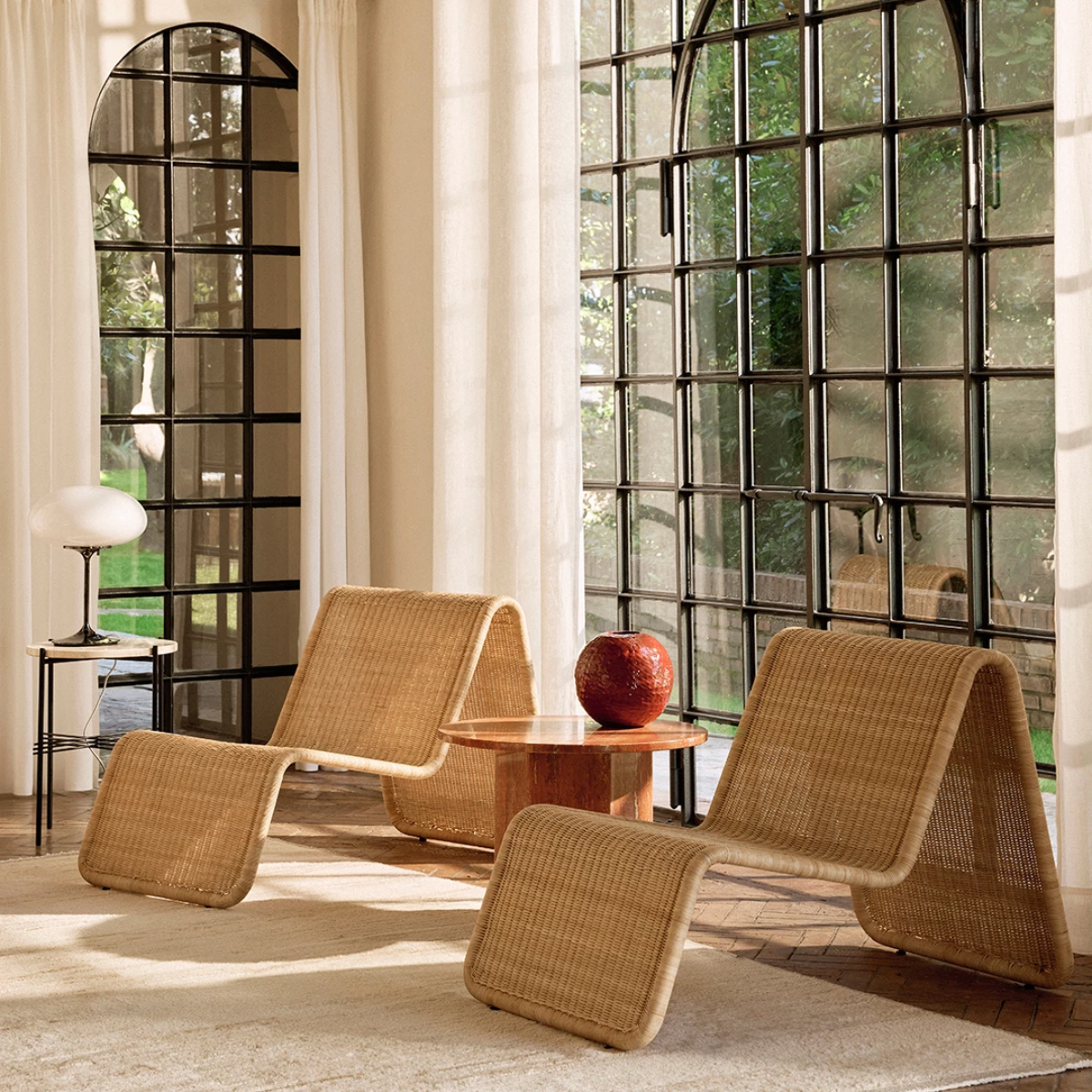
P3 + P35
Tito Agnoli, Gubi x Bonacina 1889
Tito Agnoli drew the P3 in 1964 for Bonacina 1889, the Italian house that made rattan a serious material. Now Gubi has partnered with Bonacina to bring back the P3 lounge chair and the P35 chaise longue, in indoor and outdoor versions. Those were released back in April.
Why people love it:
Handwoven rattan brings organic texture and softness to minimalist rooms.
The low-to-the-ground proportions encourage slow, casual lounging.
Every frame is wrapped by hand, so subtle variations in the wave make each chair a one-of-a-kind work of Italian craftsmanship.
Why it sticks around: rattan fixes any room that feels too cold. It also just fits the Mediterranean vibe so well. One of these is in a white-walled, all-hard edges space, and suddenly there is personality, and it looks like someone actually lives there.
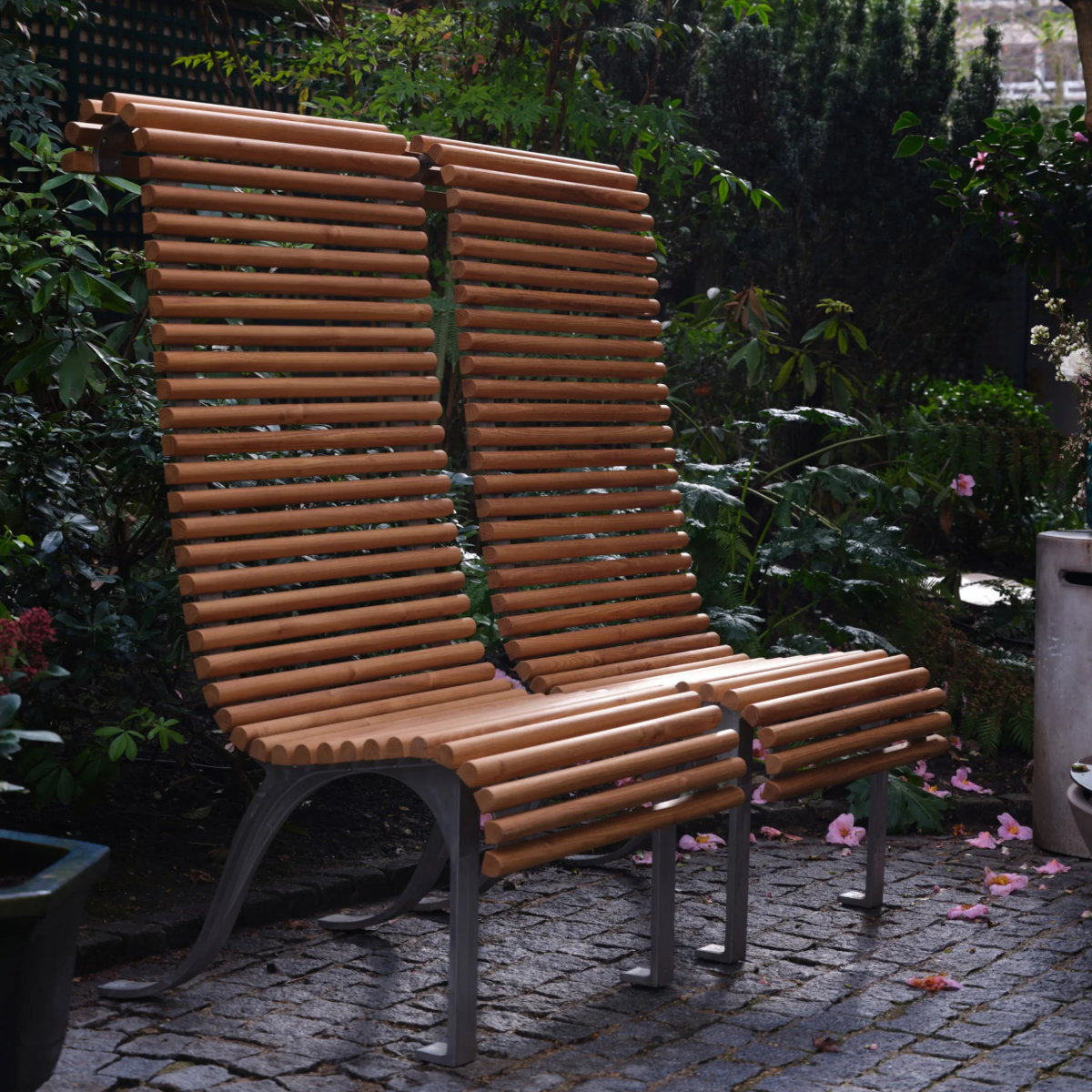
Elephant Armchair
André Sornay
I would be remiss to not even mention the Elephant Armchair. Sornay was a Lyon-based cabinetmaker with an engineer’s streak. He patented his own system of joining solid pine uprights with threaded rods, and plenty of his pieces carry brass nail trim. You’ll see the hardware because Sornay never bothered to hide it.
Why people love it:
Its broad, grounded stance and tall, commanding backrest turn a simple seat into a tongue-in-cheek “throne.”
The contrast between heavy cast-aluminum framing and warm slatted wood gives it architectural rigor for both loft and classic spaces.
Putman famously elevated everyday utilitarian objects: the Elephant borrows the familiar language of a public park bench and refines it into collectible high design.
Why it sticks around: The bench and chair were originally conceived in the 1980s/early 1990s specifically for the interior architecture of the CAPC Musée d’Art Contemporain in Bordeaux, France. The chair has since been re-edited and is made-to-order in both indoor and outdoor versions. They take 18-22 weeks to craft and ship with a certificate of ownership.
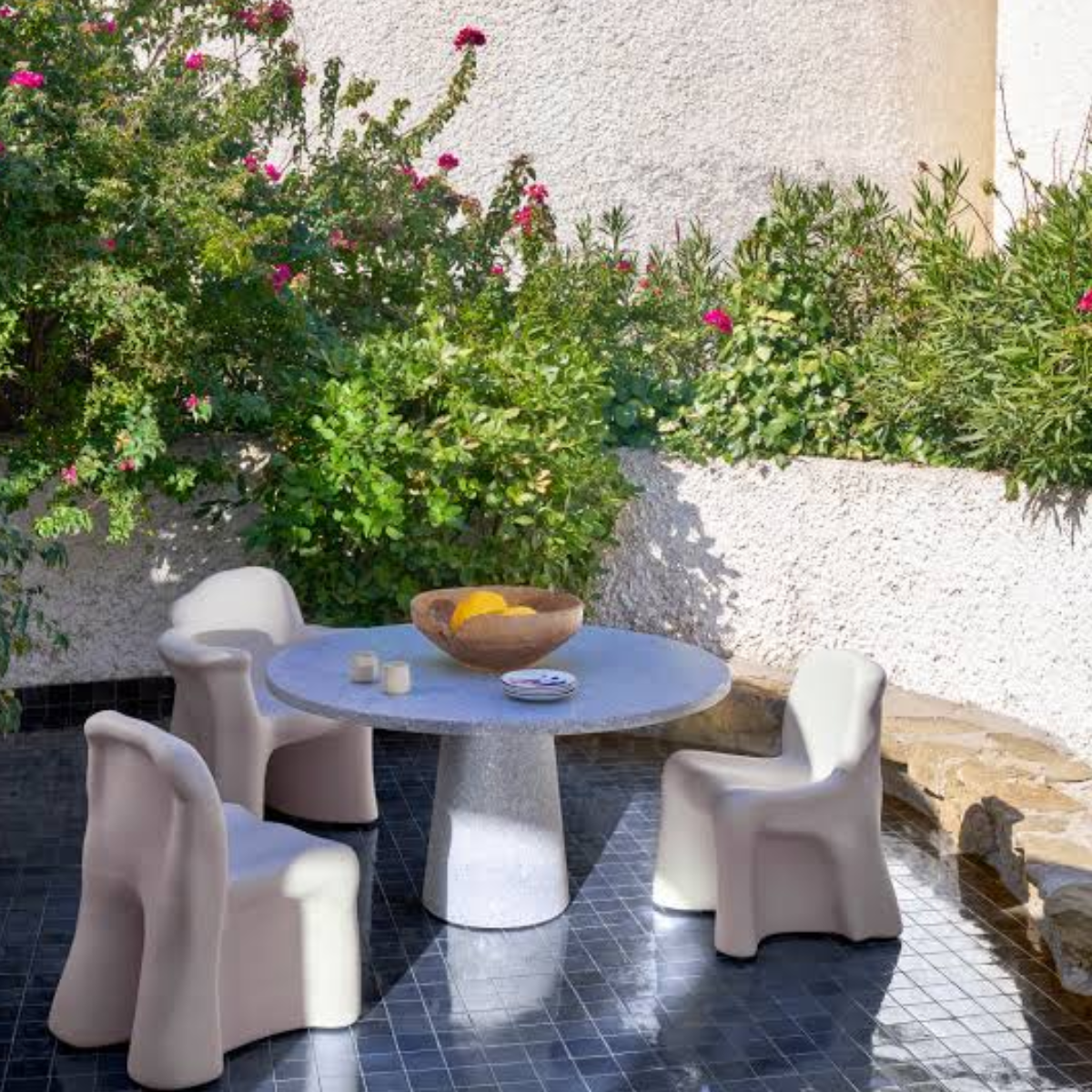
Dalila
Gaetano Pesce, Cassina
Pesce designed Dalila for Cassina in 1980, taking his cue from the biblical story of Samson and Delilah. Cassina went back to the original 1980 drawings with Studio Pesce, first relaunching it for outdoor use in 2025, then adding an indoor version. It’s flexible polyurethane foam under a thin, colored elastomeric skin.
Why people love it:
The fluid, undulating curves break away from rigid modernist grids, looking almost alive.
Beneath the bold, sculptural exterior lies flexible polyurethane foam, combining visual drama with genuine ergonomic support.
Owning a Pesce piece blurs the line between furniture and collectible art, injecting radical design’s wit and non-conformity into residential interiors.
Why it sticks around: For its 2025-2026 indoor re-edition, Cassina developed a specialized molding process that minimizes visible joints, preserving the uninterrupted purity of Pesce’s liquid-like contours. Rather than traditional fabric or leather upholstery, the flexible foam is coated in a thin, colored, elastomeric layer, providing a signature matte, tactile skin-like finish.
The bottom line
Ultimately, the “archive-to-living-room” movement isn’t about pure nostalgia. It’s more about permanence. When you bring a Ponti, Panton, or Pesce into a contemporary home, you aren’t just buying a place to sit. You’re investing in an idea that has already outlived decades of fleeting trends. The best modern rooms don’t look like time capsules. They let the icons breathe alongside everyday life, proving that truly radical design never really ages.