GAETANO PESCE: NO TWO ALIKE
The first Pesce piece I ever saw was the UP5, and I was immediately fascinated and yet confused. It looks like a piece you could easily sink into and never want to get out of (a lot of people claim it looks like a giant hug), but then you just kinda wonder why there is an ottoman attached to it with a tether. The more I dug into it, the more I realized the way I reacted was pretty much the whole point. We will get into the UP5, but that’s Gaetano Pesce in a nutshell. Everything he made looks slightly wrong but is entirely deliberate.
IMAGE
The Man Who Hated a Neat Room
Gaetano Pesce was born in La Spezia, Italy, in 1939, and he trained as an architect in Venice. He came of age at a time when modernism was winning the design argument. Everything was steel, glass, neutral palettes in pretty perfect grids. Form follows function, and function was apparently deciding everything just had to be pretty much the same. Pesce thought that was cold. Worse, he thought it was dishonest. People aren’t neat and uniform, so why should chairs be?
By the late 1960s, he was one of the loudest voices in Italy’s Radical Design movement. A movement that rejected the idea that an object’s only job was to work. Pesce wanted objects to say something, whether it was grief, politics, a take on religion, or even a joke. He’d take disgust over indifference any day of the week.
IMAGE
The UP5: A Chair with An Argument
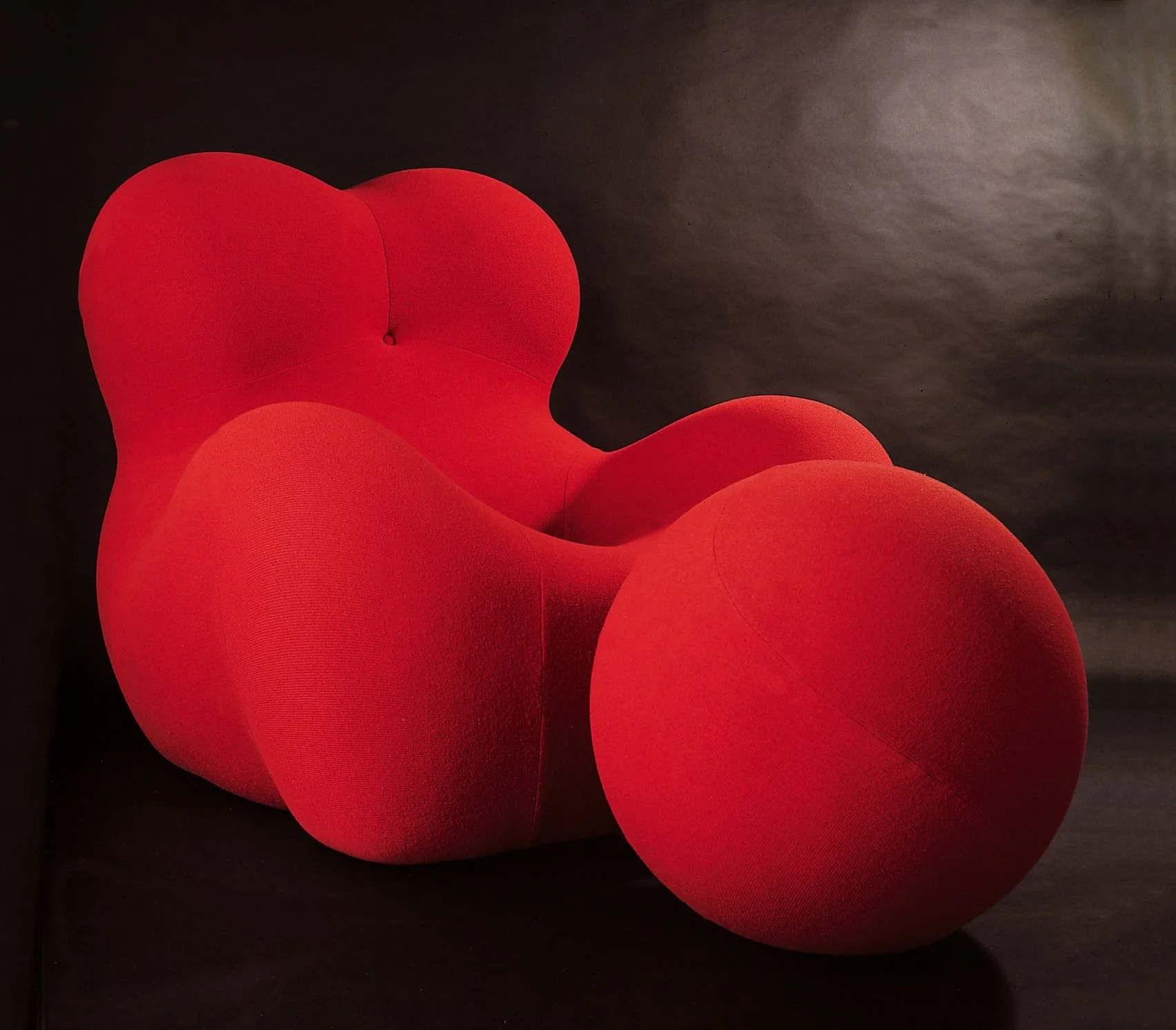
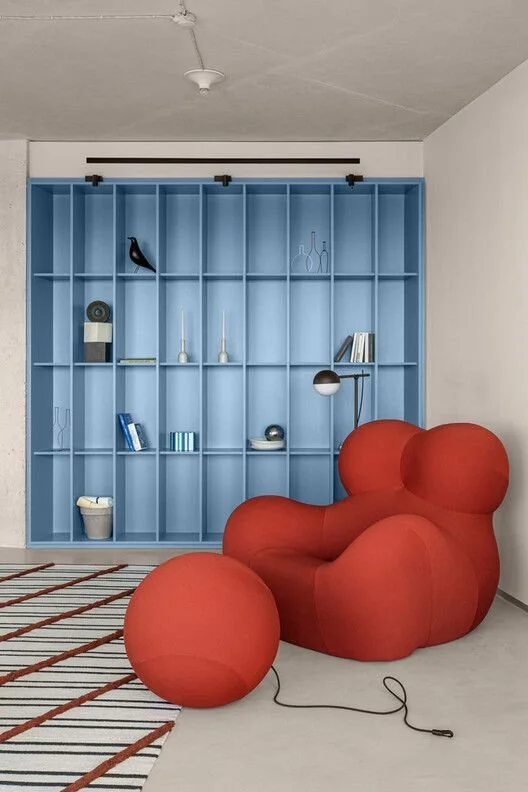
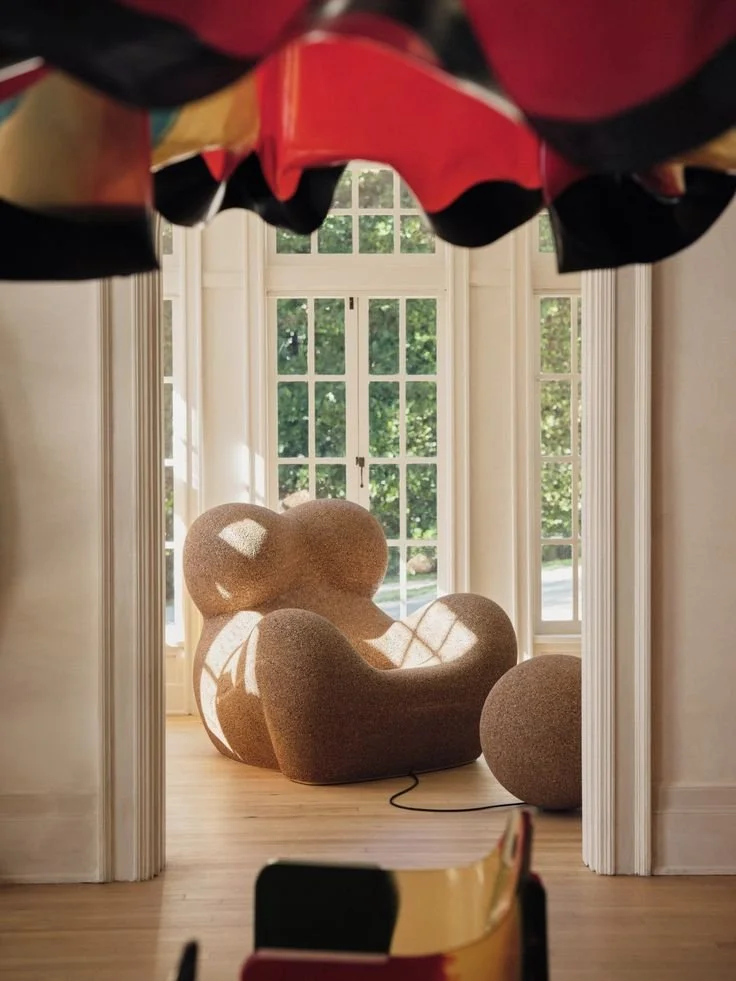
In 1969, he designed the UP series for C&B Italia (the company that became B&B Italia). The star is the UP5, a huge, round, unmistakably female armchair tethered to a spherical ottoman. The engineering alone would have made it famous. The chair was polyurethane foam and vacuum-compressed to about a tenth of its size to ship flat in a PVC bag. Just like many products today, you’d cut the plastic, and it breathed itself back to full size right in front of your face. A piece of furniture that makes an entrance.
The ottoman is the part that matters. It’s a ball and chain. Pesce meant the chair as a portrait of women held prisoner by what society expected of them. Today, B&B Italia still calls it the first Italian design product with a political meaning. I love it, and I think it’s a little funny that the most feminist statement in Italian design is a man turning a woman’s body into something you sit on.
Pesce never flinched from that. When it came time for the chair’s 50th anniversary in 2019, he put a giant version in Milan’s Piazza del Duomo. It was pierced with arrows and intended as a statement about violence against women. A group of feminists protested it as exactly the kind of image it claimed to critize but he stood by it. I think both sides had a point, but I think he was mostly thrilled that people were still yelling about a chair some 50 years later.
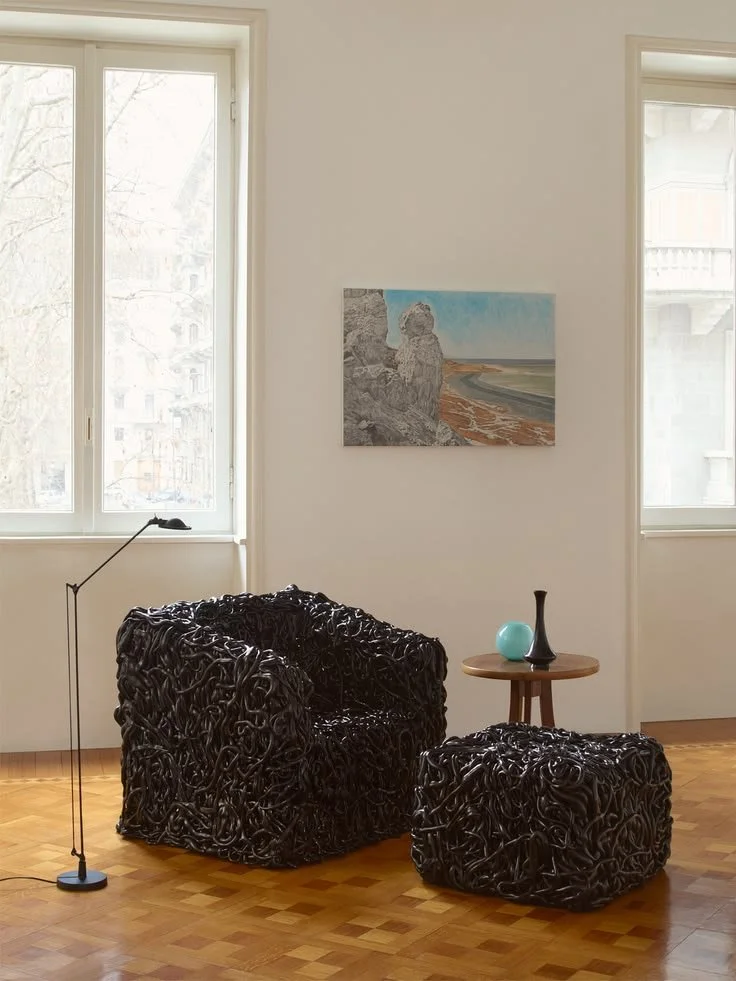
Resin and the end of identical
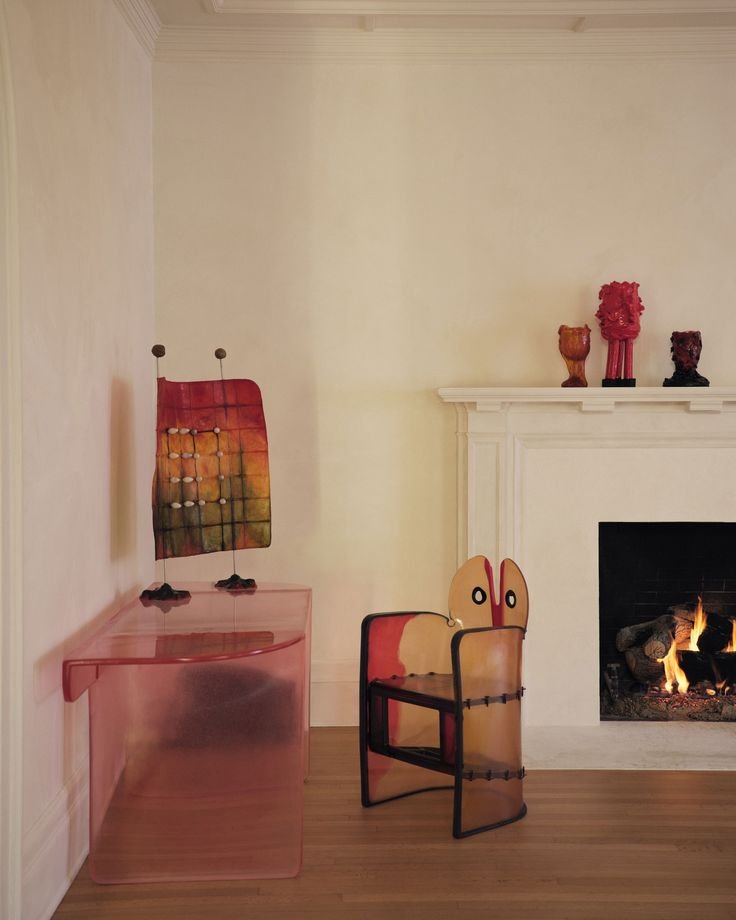
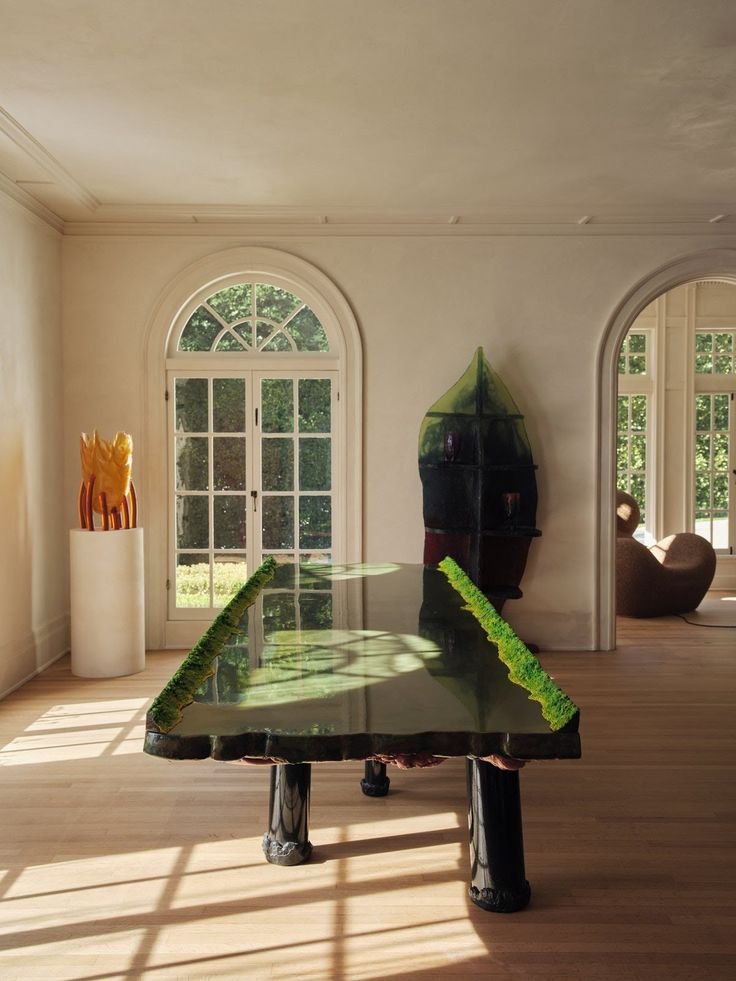
Pesce’s real material was anything he could pour. Resin, polyurethane, and even foam. He loved them because they were unpredictable. Mix the pigment a little differently, pour it a little faster, and the result changes. That let him pull off something that sounds like a contradiction: mass production without the sameness. He used the same mold, the same process, the same factory, and still got a different object every time. He called these “standardized series.” Today, we’d probably call them one-of-a-kind at scale. Every brand selling a “handmade feel” today pretty much owes him a thank-you note.
He moved to New York in 1983 and leaned further in by working with cheap, everyday materials and letting the drips, bubbles, and uneven color stay. The pieces tend to sit somewhere between furniture and art esentially helping to invent the category we now refer to as collectible design.
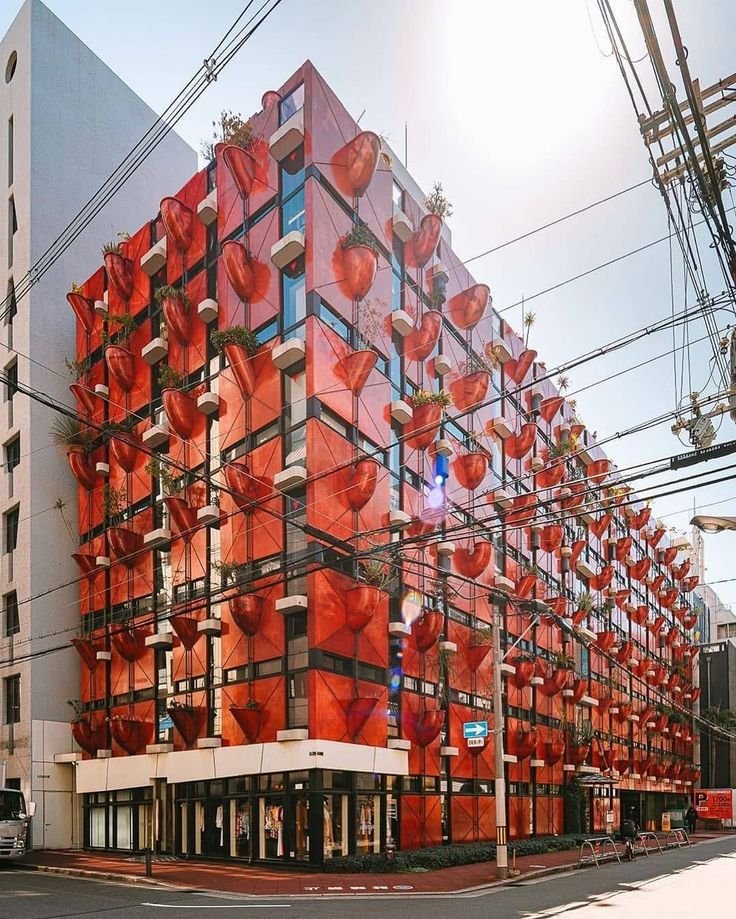

Buildings That Grew Things
Pesce never stopped being an architect. His most well-known building is the Organic Building in Osaka, built in 1993. The Organic Building is a rust-red facade covered in built-in planters, so the entire front of an office building is a vertical garden. It looked strange in 1993, but it’s something begging to be put on a Pinterest board in 2026.
For Pesce, a building wasn’t finished until it told you something or made you feel something. He applied that same principle to interiors, which is how one of Manhattan’s well-known advertising agencies ended up with a floor full of faces. But more on that later…
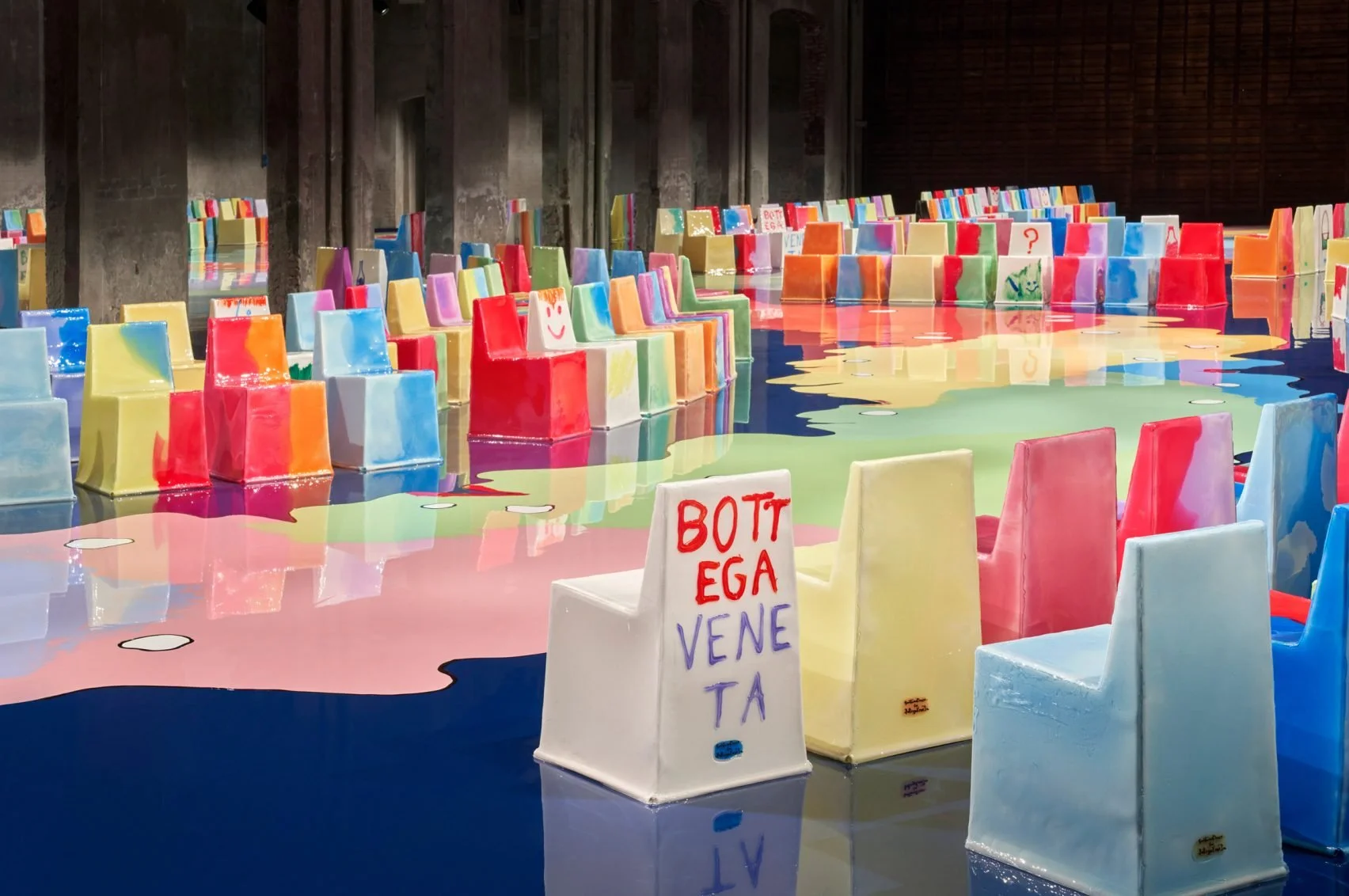

Why I Think He Won
Just look at what’s popular right now. It doesn’t take much explanation. Squiggly mirrors and blobby lamps, chunky resin side tables in rooms filled with color, stuff, and personality. Call it cluttercore, maximalism, or whatever you want. It’s always going to be a response to the world’s collective exhaustion with a grey, minimalist apartment.
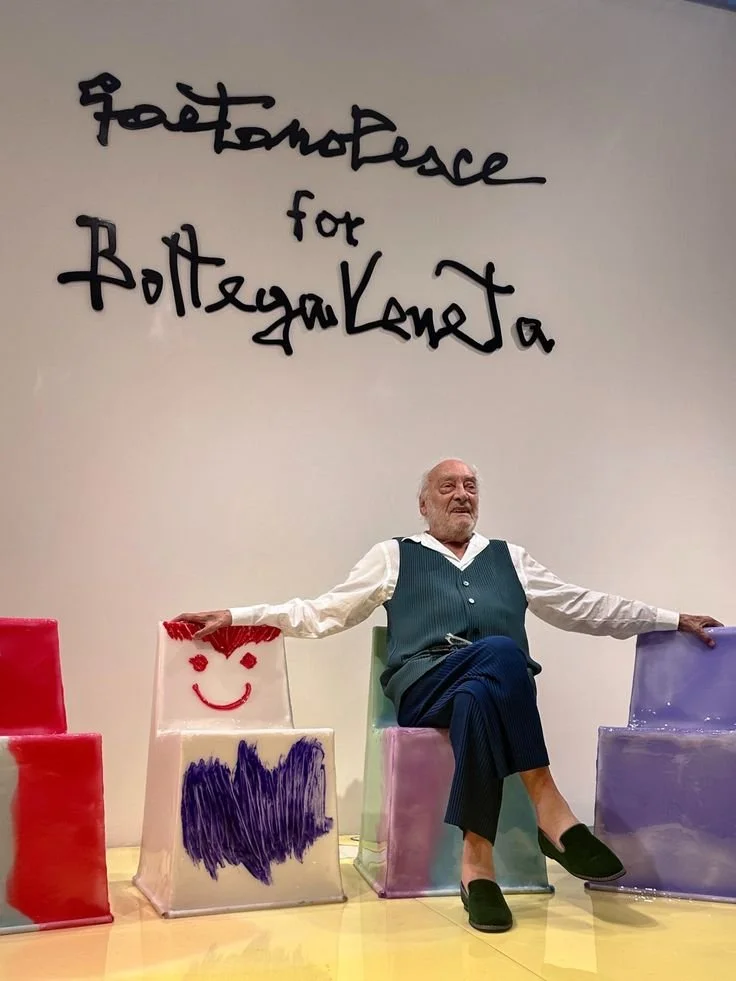
Pesce was making that argument when it was a risky career move to make. But he stood by it with conviction until his death in April 2024 at 84. One of his last big moments was with Bottega Veneta, where he created a resin-poured runway and 400 chairs for the Spring/Summer 2023 show, and no two chairs were the same. He also made his first-ever handbag at age 83. He outlived all of the rooms he was arguing and rebelling against.
Pieces of Note

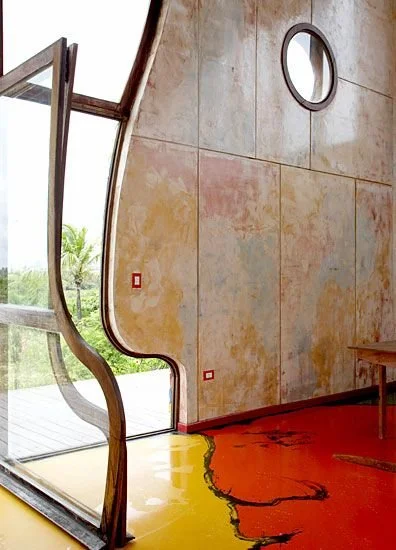
Chiat/Day Office, New York (mid-1990s)
For the ad agency’s Manhattan office, Pesce poured a resin floor covered in faces, letters, and arrows. He lined things in felt and put workstations on wheels so no one had an assigned desk. That’s pretty much everything we have now, about twenty years before it became well known. His point was that an office shouldn’t feel like a cage. It should feel like the people inside of it are allowed to have ideas.
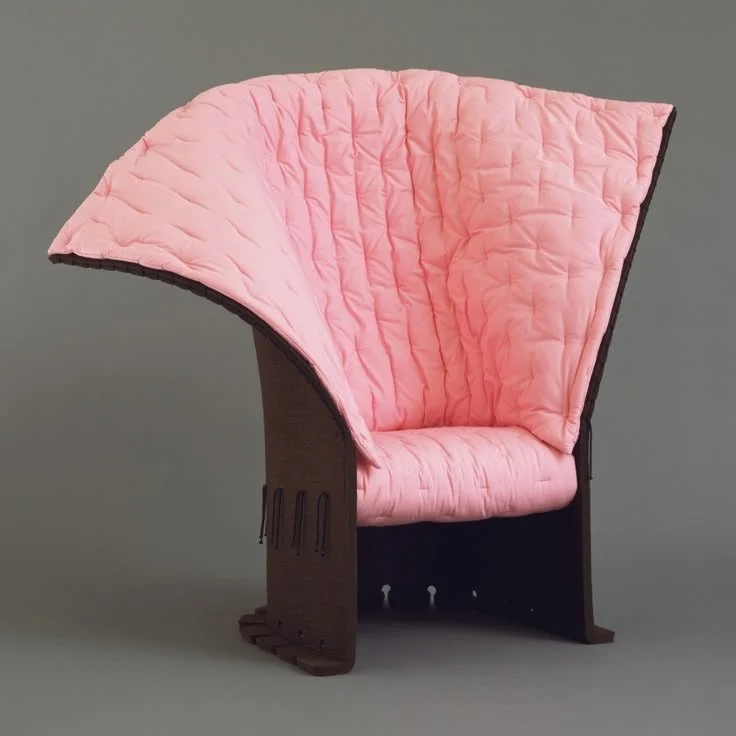
Feltri Armchair (1987)
Made for Cassina out of thick wool felt, the bottom is soaked in resin until stiff, but the top stays soft enough to wrap around you like a turned-up coat collar. It looks medieval and space-age at once. Effectively, a throne made from a winter coat.

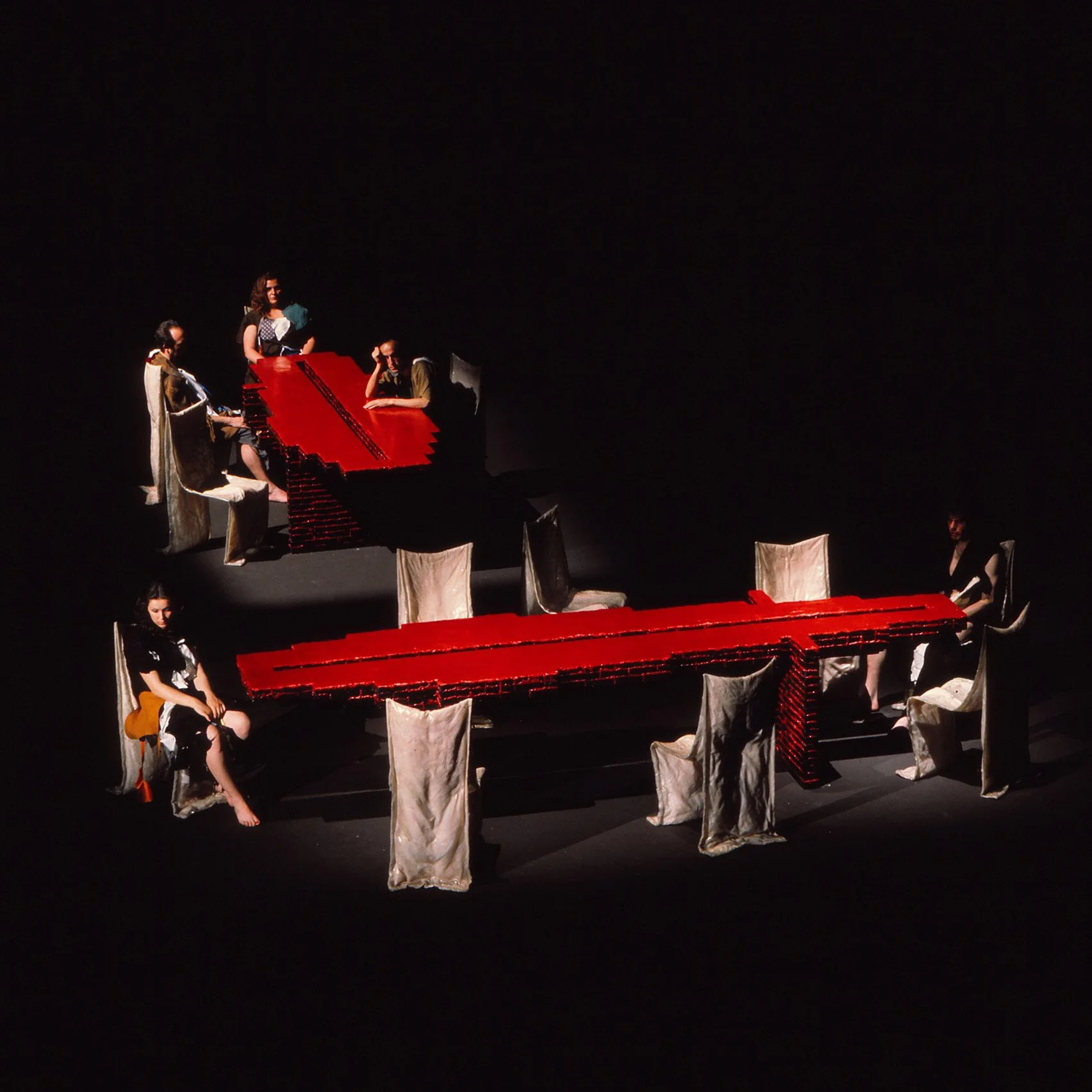
Sansone Table (1980)
A dining table made by pouring hand-mixed pigment into resin so the edges come out jagged and the colors bleed into each other. This was also made for Cassina, and no two ever matched. It’s less a table than it is a painting with legs.
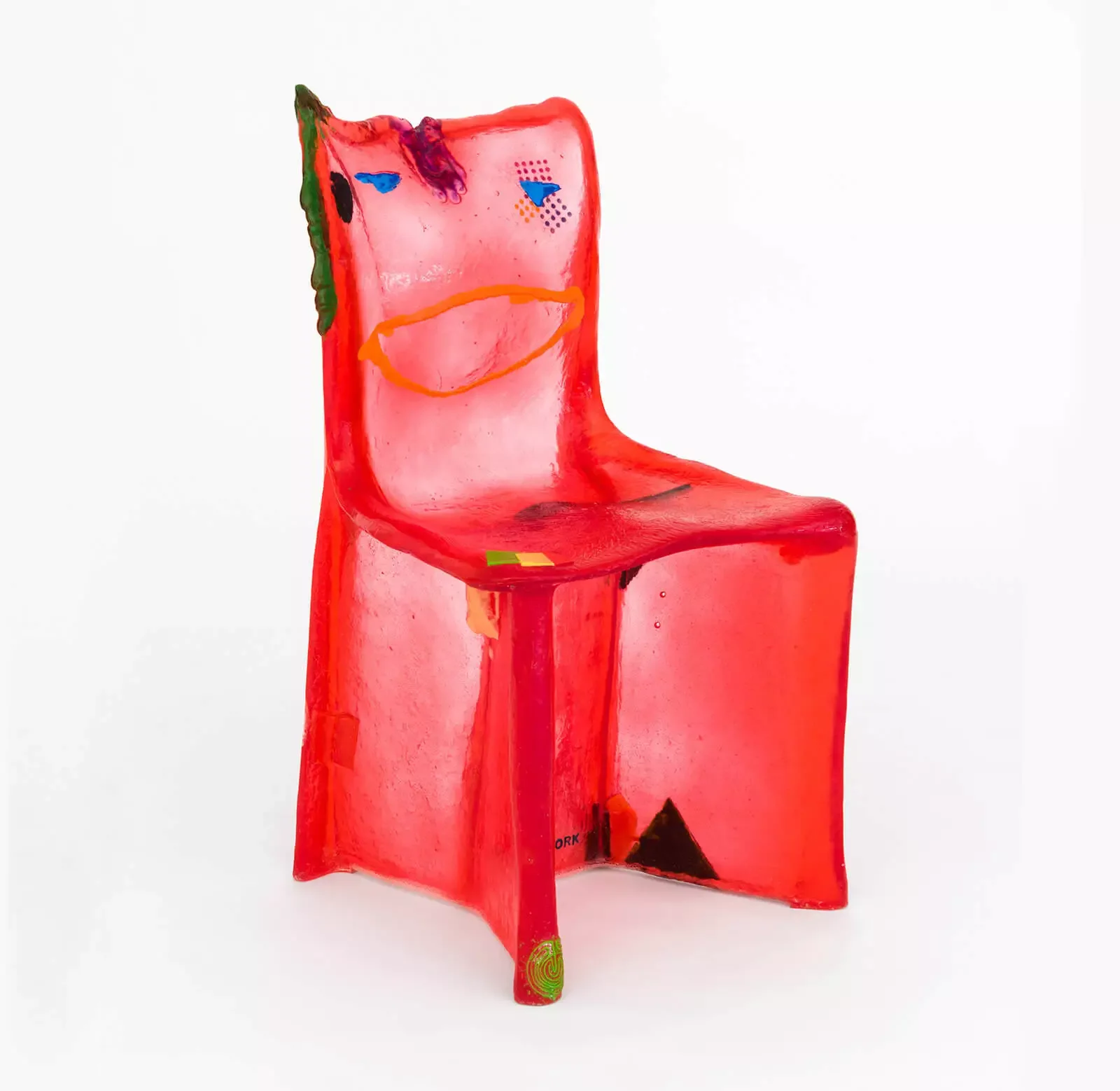
Pratt Chair (1984)
During a residency at Pratt Institute in New York, Pesce made the same chair using nine different resin formulas ranging from soft to hard. Number one was so soft it collapsed, while number nine was so rigid it hurt to sit on. The ones in the middle were more or less chairs. This is one of my favorite things he did because it’s a design experiment where “failure” was actually one of the intended results. MoMA even owns No. 3.